FITMENT
- 1986-1995 Ford F150: 2.8L, 4.9L, 5.0L, 5.8L, 7.5L
- 1986-1995 Ford F250: 2.8L, 4.9L, 5.0L, 5.8L, 7.5L
- 1986-1995 Ford Bronco: 2.8L, 4.9L, 5.0L, 5.8L, 7.5L
- 1986-1995 Ford Mustang: 5.0L, 2.3L
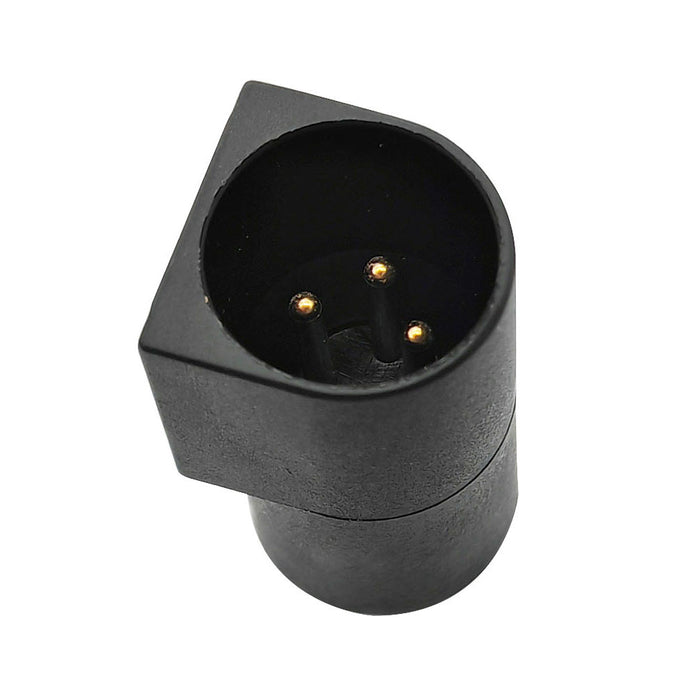
- Fits vehicles equipped with the Ford EEC-IV (OBD-1) engine computer utilizing a 3-pin EVP sensor plug.
DESCRIPTION
Product Overview
- On classic 1980s and 1990s Ford trucks and SUVs, a clogged, stuck, or failing EGR valve causes rough idling, engine hesitation, and carbon buildup in the intake manifold. Simply removing or blocking off the EGR valve triggers an open-circuit error in the Ford EEC-IV engine computer, illuminating a constant Check Engine Light and setting fault codes (such as OBD-1 Codes 31, 33, or 34).
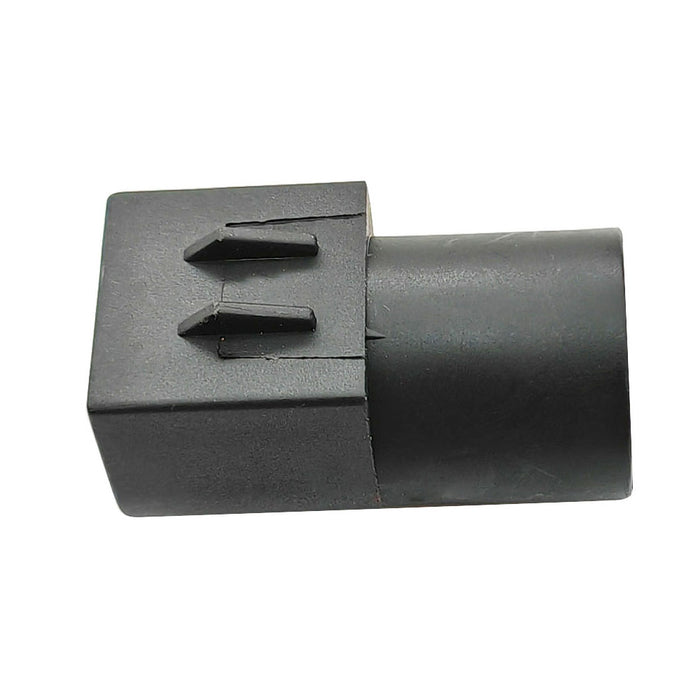
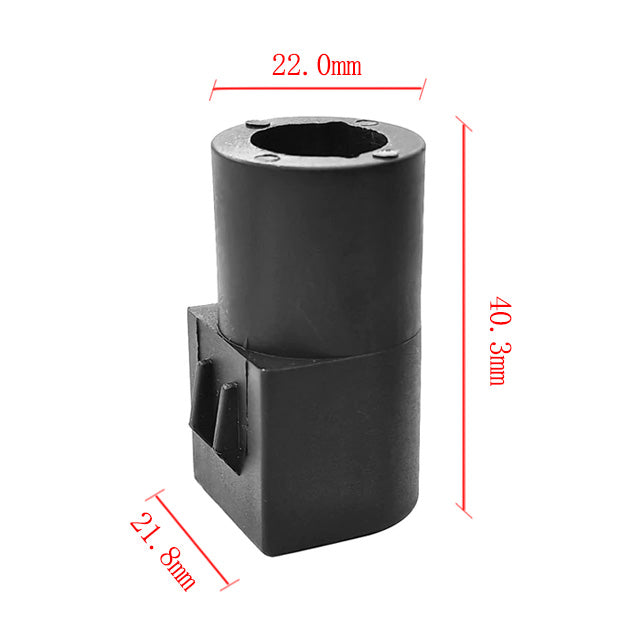
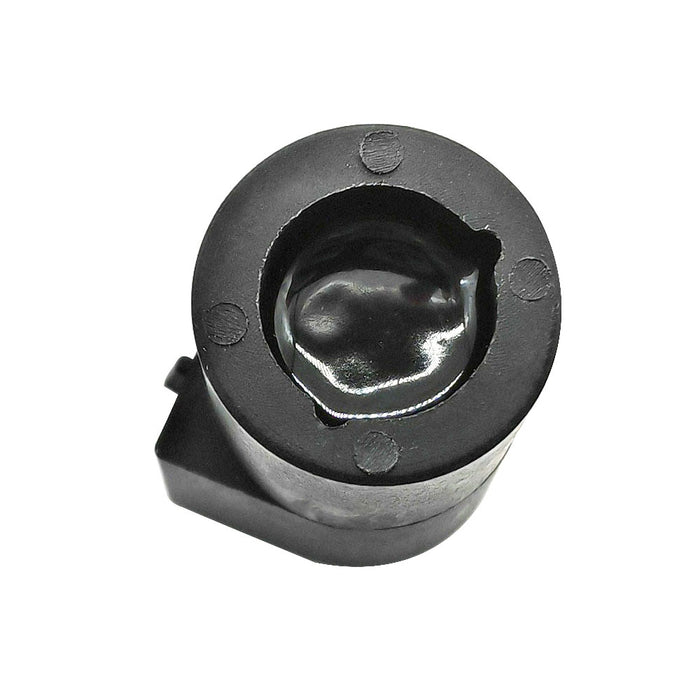
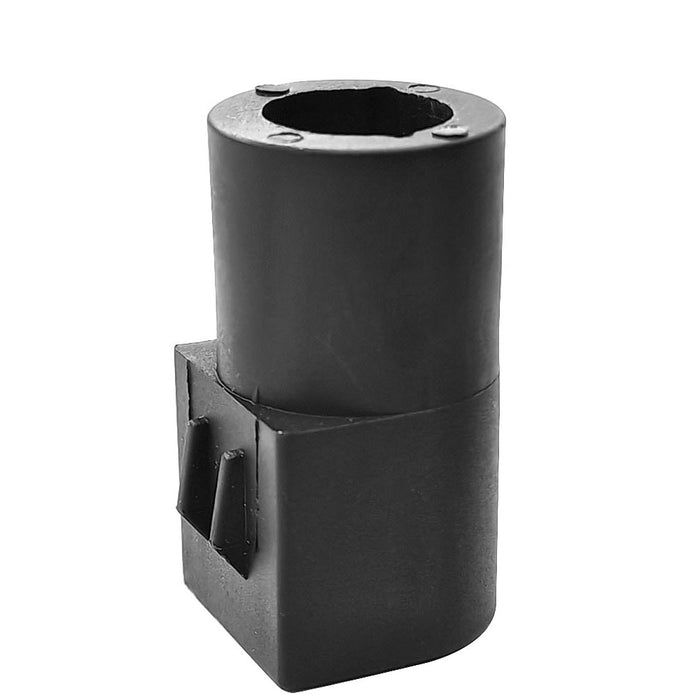
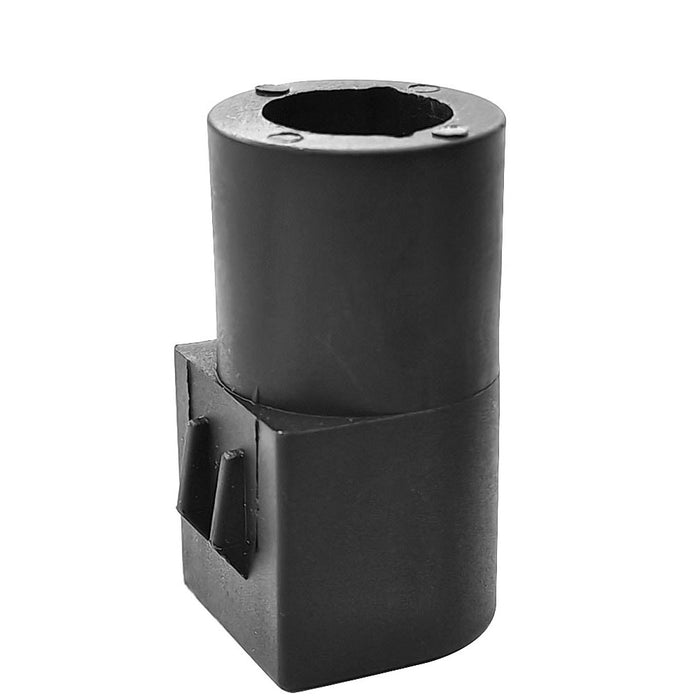
- The EGR Delete & Simulator Kit provides a complete electrical and mechanical solution. Featuring a plug-and-play resistor bridge module, it connects directly into your factory 3-pin EVP sensor harness to send a constant "closed valve" signal back to the ECU. This keeps the computer out of fail-safe mode, clears dashboard fault codes, and allows you to cleanly disable the factory EGR system.
- This is NOT an EGR defeat device, this device does not disable the EGR functions. It is connected to the wiring harness to keep the check engine light off, yet remain functional for other check engine light problems in off-road /race track applications, where EGR is not applicable. The purchaser (end user) bears full responsibility for any decisions made upon the end use of this item and all consequential liabilities thereof.
Key Features
- Plug-and-Play Installation: Snaps directly into your original 3-pin factory wiring harness—no wire cutting, stripping, or soldering required.
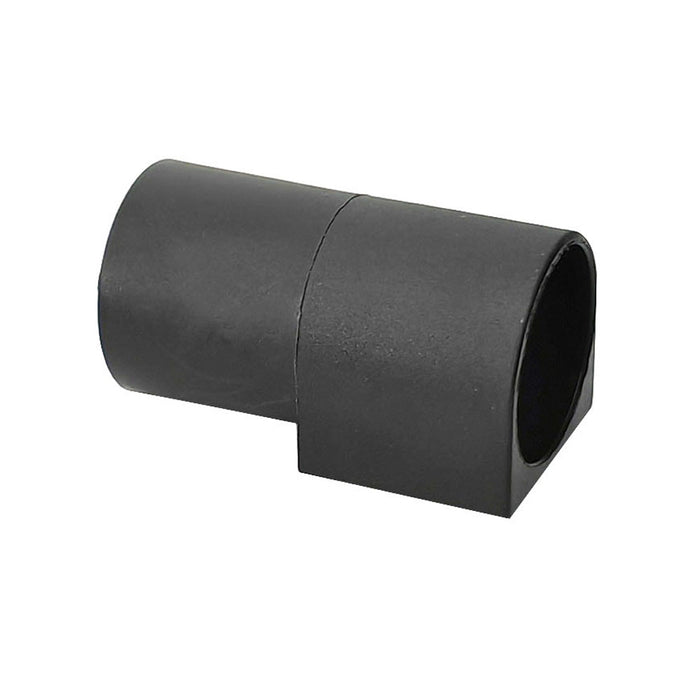
- Weatherproof & Heat Resistant: Enclosed in a compact, durable molded connector housing with a locking latch to withstand engine bay heat, moisture, and road vibration.
- Eliminates Check Engine Lights (CEL): Sends a constant "closed valve" voltage signal back to the EEC-IV ECU to clear persistent EGR fault codes.
- Ideal for Headers & Aftermarket Intakes: Essential when installing aftermarket exhaust headers, performing off-road engine builds, or installing mechanical EGR block-off plates.
Installation Instructions:
- Disconnect wiring harness from EGR valve sensor and assure that connector is clean and not corroded.
Dielectric grease inside the connector is normal and should not be removed.
- Firmly insert the EGR Eliminator into the wiring harness until locking tab locks to assure a good connection. Using electrical tape or a zip tie, secure the EGR Eliminator and wiring harness to a solid object, such as a nearby wiring harness to prevent the EGR Eliminator from bouncing and creating a bad connection in the future.
- Start the vehicle and check to assure the Check Engine Light is not illuminated. If the EGR Eliminator has a bad connection or has not been properly installed, the CEL light should immediately illuminate upon start-up and remain on.
- Note: After the EGR Eliminator is installed, when checking computer codes it is normal to receive a code 33 / 332. Although this code exists, it will not trigger the CEL unless other codes are also present.
FAQ
Q: Does this electronic simulator plug physically block off exhaust gases?
A: No, this plug is electronic only. To physically block exhaust gases, you also need a metal EGR plate. Ford plates come in two sizes—Standard (narrower bolt spacing) and Universal/V8 (wider spacing)—so measure intake bolt centers before buying.
Q: Why is my Check Engine Light (CEL) still on after plugging in the simulator?
A: The EEC-IV computer stores historical codes in its memory. You must disconnect the negative battery terminal for 10–15 minutes to clear old memory. If the light returns, use an OBD-1 scanner to check for non-EGR fault codes (such as O2 or TPS sensors).
Q: What if my truck is a 1995/1996 transition year model—how can I double-check my connector type?
A: Look at the diagnostic port under the hood or dash. If your truck has a trapezoidal 16-pin OBD-2 port under the driver-side dash and a round DPFE sensor on the engine, this plug will not fit. If your truck uses the classic 6-sided EEC-IV diagnostic connector under the hood and a 3-pin EVP sensor directly on top of the EGR valve, this kit is a 100% match.
Q: What should I do if the factory 3-pin connector on my truck's wiring harness is broken or corroded?
A: The simulator requires a solid electrical connection to send the correct voltage back to the computer. If your original harness pigtail is cracked, brittle, or filled with green corrosion, clean the terminals with electrical contact cleaner or solder on a fresh replacement 3-pin pigtail before plugging in the simulator.