

PCV System Symptoms: How to Spot Them Early
Your engine's Positive Crankcase Ventilation (PCV) system might be one of the most overlooked maintenance items, yet it plays a crucial role in engine longevity and performance. When crankcase ventilation symptoms begin to appear, they often masquerade as other issues, leaving many truck owners chasing expensive repairs that don't solve the root problem.
Understanding how to identify PCV system issues early can save you from costly engine damage, reduced performance, and frustrating diagnostic journeys. In this comprehensive guide, we'll walk through the most common crankcase ventilation symptoms, explain what each symptom means for your engine's health, and show you how modern solutions like our 2011-2023 6.7L Ford Powerstroke CCV PCV Reroute Engine Ventilation Kit can permanently resolve these issues.
Understanding Your Crankcase Ventilation System
What is the PCV System and Why It Matters
The Positive Crankcase Ventilation system has one primary job: to manage blow-by gases that escape past piston rings into the crankcase. These gases contain unburned fuel, combustion byproducts, and acidic compounds that can contaminate engine oil and create damaging pressure buildup.
A properly functioning PCV system:
- Removes harmful blow-by gases from the crankcase
- Prevents oil leaks by maintaining proper crankcase pressure
- Reduces oil contamination and sludge formation
- Improves overall engine efficiency and emissions
How Modern PCV Systems Work
Today's systems are more sophisticated than simple road draft tubes. They use regulated vacuum sources, separation systems, and sophisticated routing to manage crankcase vapors while meeting strict emissions standards. However, this complexity also creates more potential failure points and PCV system issues.
Most Common Crankcase Ventilation Symptoms
Excessive Oil Consumption
One of the earliest crankcase ventilation symptoms is unexplained oil loss between changes. When the PCV system fails, excessive crankcase pressure can force oil past seals and into intake systems where it's burned during combustion.
What to watch for: Needing to add oil between changes, blue smoke during acceleration, oil residue in intake piping.
Oil Leaks from Seals and Gaskets
Modern engines rely on precise crankcase vacuum to keep seals properly seated. When PCV system issues create positive pressure instead of vacuum, this pressure seeks the path of least resistance—often pushing oil past front and rear main seals, valve cover gaskets, and oil pan seals.
Rough Idle and Performance Issues
A stuck-open PCV valve or system leak introduces unmetered air into the intake system, disrupting the carefully calibrated air-fuel ratio. This manifests as crankcase ventilation symptoms like rough idle, hesitation during acceleration, and sometimes even stalling.
Whistling or Hissing Noises
As pressure builds due to PCV system issues, you may hear whistling or hissing sounds from engine seals or the oil fill cap. This audible cue often accompanies other crankcase ventilation symptoms and indicates significant pressure imbalance.
Sludge Buildup and Oil Contamination
When the PCV system fails to remove moisture and combustion acids from the crankcase, these contaminants mix with oil to form destructive sludge. This represents some of the most damaging crankcase ventilation symptoms, as sludge can block oil passages and lead to complete engine failure.
Check Engine Lights for Emissions
Modern engines monitor PCV system function through various sensors. Crankcase ventilation symptoms often trigger codes related to the emissions system, lean fuel conditions, or engine misfires that may seem unrelated at first glance.
Reduced Fuel Economy
The engine computer compensates for PCV-related vacuum leaks by adding extra fuel, resulting in noticeably worse gas mileage. This subtle crankcase ventilation symptom often goes unnoticed until other, more obvious signs appear.
The Ultimate Solution: CCV Reroute Systems
Why Factory PCV Systems Fall Short
Stock Positive Crankcase Ventilation systems face inherent design challenges:
- Complex routing with multiple potential failure points
- Recirculation of contaminated air back through the intake system
- Inadequate capacity for high-mileage engines with increased blow-by
- Integration with emissions systems that complicate maintenance
- Plastic components that become brittle with heat cycling
Upgrade to Our Performance CCV Reroute Kit
For 2011-2023 6.7L Ford Powerstroke owners, our CCV PCV Reroute Engine Ventilation Kit provides a permanent solution to chronic PCV system issues. This isn't just a replacement—it's a complete reengineering of the crankcase ventilation concept.

Key Features:
- Complete reroute system bypasses problematic factory components
- High-capacity oil separation for maximum efficiency
- Durable construction with heat-resistant materials
- Direct bolt-on design requires no modification
- Maintenance-friendly with easy service access
Performance Benefits:
- Eliminates oil consumption issues
- Prevents intake system contamination
- Reduces turbocharger oil contamination
- Maintains proper crankcase pressure
- Improves overall engine reliability
Installation Advantages:
- 2-3 hour installation time with basic tools
- Clear instructions for DIY installation
- No special tools required
Diagnosis and Testing Methods
Simple PCV System Checks
Before replacing components, verify crankcase ventilation symptoms with these diagnostic methods:
The Rubber Glove Test
Place a latex glove over the oil fill opening (with the dipstick seated). A functioning PCV system should create enough vacuum to collapse the glove when the engine runs.
Vacuum Measurement
Use a manometer to measure crankcase vacuum directly. Most engines should maintain 1-3 inches of water column vacuum at idle.
Visual Inspection
Check for oil in the intake tract, around the turbo compressor, and in intercooler piping—all classic signs of PCV system issues.
When to Consider System Upgrade
Our CCV reroute kit makes sense when you encounter:
- Recurrent oil consumption issues
- Multiple failed PCV component replacements
- Turbocharger contamination from oil blow-by
- Planning for long-term vehicle ownership
- Desire for reduced maintenance frequency
Maintenance Tips for Optimal Performance
Preventive Maintenance Schedule
- Inspect PCV system every oil change for signs of oil accumulation
- Check system vacuum annually using simple testing methods
- Replace factory components at manufacturer-recommended intervals
- Monitor oil consumption as an early warning of crankcase ventilation symptoms
Signs You Need Immediate Attention
- Rapid oil consumption (more than 1 quart per 1,000 miles)
- Visible oil leaks from multiple seal locations
- Oil in intake system or intercooler piping
- Persistent check engine lights with lean condition codes
Conclusion
Crankcase ventilation symptoms often start subtly but can lead to catastrophic engine damage if ignored. From gradual oil consumption that strains your wallet to sludge formation that threatens engine survival, these issues demand informed attention. For Powerstroke owners specifically
Ready to solve your crankcase ventilation problems permanently? Visit www.seguler.com to explore this upgrade and our complete range of engine ventilation solutions. Our technical experts can help you select the right components for your specific vehicle and usage needs.
FAQs About Crankcase Ventilation Systems
Q1: How often should PCV systems be serviced?
A1: Most manufacturers recommend inspection every 30,000 miles and replacement every 60,000-100,000 miles, but symptoms may indicate need for earlier service.
Q2: Can a bad PCV system damage my engine?
A2: Yes, failed PCV systems can cause oil contamination, sludge buildup, seal damage, and in extreme cases, complete engine failure due to oil starvation.
Q3: What's the difference between PCV and CCV systems?
A3: PCV (Positive Crankcase Ventilation) typically refers to older designs, while CCV (Crankcase Ventilation) describes modern systems, though the terms are often used interchangeably.
Q4: Why choose your CCV reroute kit over OEM replacement?
A4: Our kit eliminates the oil contamination cycle, uses more durable materials, reduces maintenance frequency, and provides better overall engine protection.
Q5: Can I install a CCV reroute kit myself?
A5: While mechanically inclined owners can handle the installation, we recommend professional installation to ensure optimal performance and proper routing.
Featured collection
-
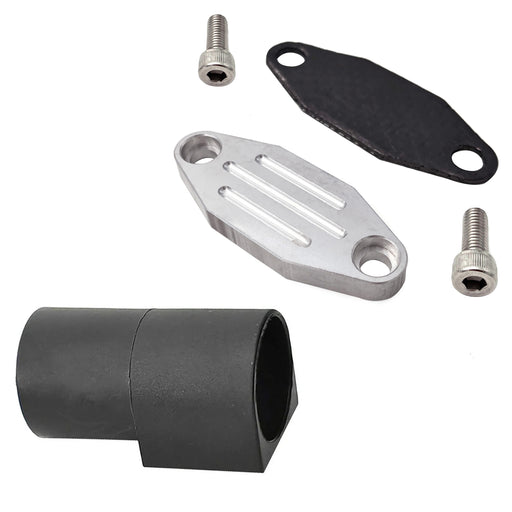
Seguler 1986-1995 Ford F150 F250 F350 Mustang Trucks EGR Simulator Eliminator / Block Off Plate Kit
SEGULEROriginal price $79.99 - Original price $79.99Original price$79.99$79.99 - $79.99Current price $79.99Block Off Plate Material: Aluminum alloy. Easy installation,and convenient to use. Made of CNC milled from aircraft grade Billet aluminum. Will N...
View full details -

Seguler 2011-2023 6.7L Ford Powerstroke Diesel EGR Delete Kit
SEGULEROriginal price $109.99 - Original price $109.99Original price$109.99$109.99 - $109.99Current price $109.99FITMENT 2011-2023 6.7L Ford Powerstroke F-250 F-350 F-450 F-550 Super Duty V8 Diesel. compatible with both standard Pickups and commercial Cab &...
View full details -
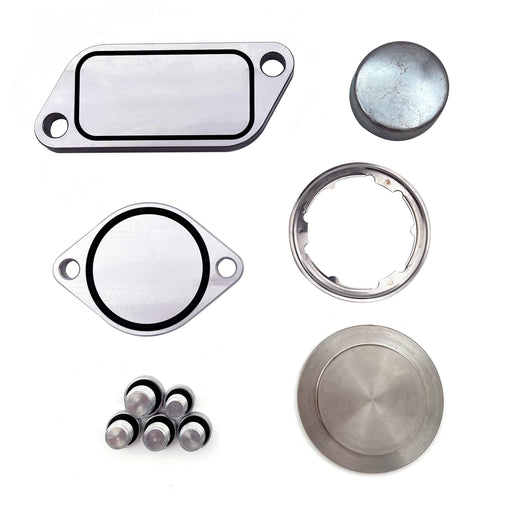
For 2010-Present Stage 2 ISX 15 CM2250 CM2350 EGR Delete Kit
SEGULEROriginal price $59.99 - Original price $59.99Original price$59.99$59.99 - $59.99Current price $59.99FITMENT 2010-Present Cummins Volvo, Peterbilt, Mack, International, Freightliner, Kenworth with the ISX15 CM2250 / CM2350 engines. DESCRIPTION P...
View full details -
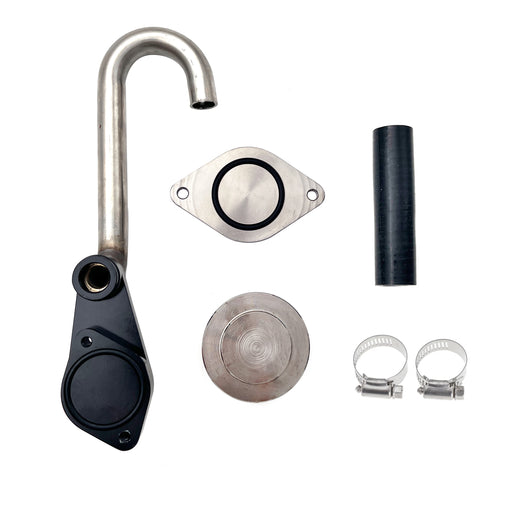
Seguler 2003-2007 6.0L FORD Powerstroke Diesel EGR Cooler Delete Kit
SEGULEROriginal price $56.14 - Original price $56.14Original price$56.14$56.14 - $56.14Current price $56.14FITMENT 2003-2007 6.0L Ford F-250 Ford F-350 F-450 F-550 Super Duty. 2003-2007 6.0L Ford Excursion SUV (Diesel Models Only). 2005-2010 Ford E-Se...
View full details -
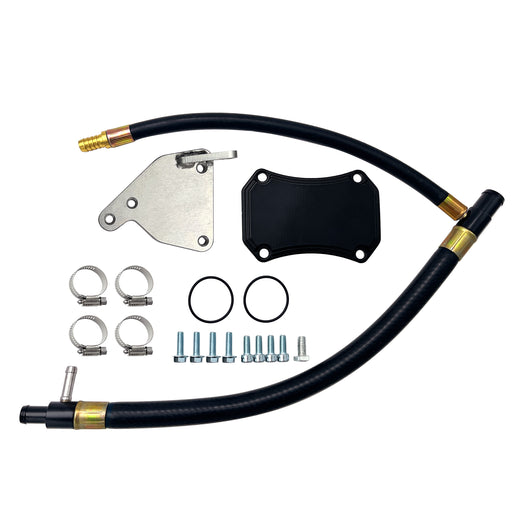
For 2011-2016 6.6L GMC Chevy Duramax Diesel LML EGR Valve Cooler Delete Kit
SEGULEROriginal price $66.49 - Original price $66.49Original price$66.49$66.49 - $66.49Current price $66.49FITMENT 2011-2016 6.6L Chevy GMC Duramax LML 2500 HD 3500 HD Diesel. DESCRIPTION Product Overview The 2011–2016 LML Duramax uses a complex EG...
View full details -
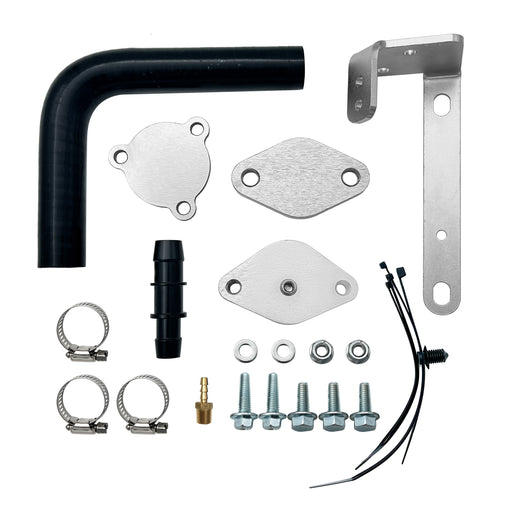
Seguler For 2014-2019 3.0L Dodge Ram 1500 EcoDiesel EGR Valve & Cooler Delete Kit
SEGULEROriginal price $72.99 - Original price $72.99Original price$72.99$72.99 - $72.99Current price $72.99FITMENT 2014-2019 3.0L Dodge Ram 1500 EcoDiesel V6 engine trucks. DESCRIPTION Product Overview Exhaust gas recirculation on 3.0L EcoDiesel V6 ...
View full details -

Seguler 2011-2023 6.7L Ford Powerstroke Diesel EGR Delete Kit
SEGULEROriginal price $85.99 - Original price $85.99Original price$85.99$85.99 - $85.99Current price $85.99FITMENT 2011-2023 6.7L Ford Powerstroke F-250 F-350 F-450 F-550 Super Duty V8 Diesel. compatible with both standard Pickups and commercial Cab &...
View full details -

Seguler 2010-2024 6.7L Dodge Ram Cummins Diesel EGR Valve Cooler Delete Kit
SEGULEROriginal price $89.99 - Original price $89.99Original price$89.99$89.99 - $89.99Current price $89.99FITMENT 2010–2024 6.7L Dodge Ram Cummins 2500 / 3500 Pickup Turbo Diesel. Note: Does NOT fit Chassis Cab 3500 / 4500 / 5500 models. DESCRIPTIO...
View full details -
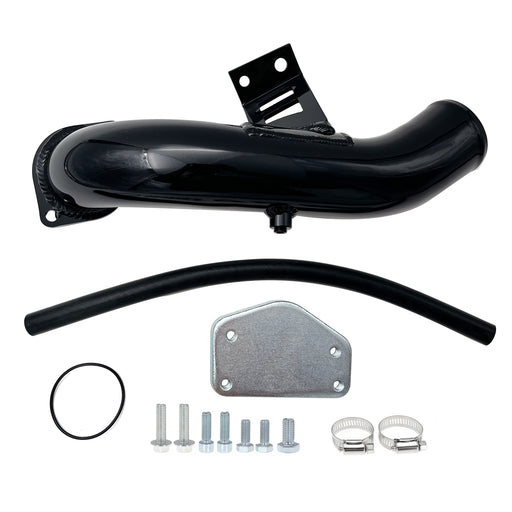
For 2004.5-2005 6.6L Chevy GMC Silverado LLY Duramax Diesel EGR Delete Kit
SEGULEROriginal price $92.99 - Original price $92.99Original price$92.99$92.99 - $92.99Current price $92.99FITMENT 2004.5-2005 6.6L Chevrolet Silverado Duramax LLY 2500HD / 3500 HD. 2004.5-2005 6.6L GMC Sierra Duramax LLY 2500HD / 3500 HD. DESCRIPTION...
View full details -

Seguler 2017-2019 L5P Duramax Diesel 4pcs L5P Can Bus Plugs Connector Replacement
SEGULEROriginal price $75.00 - Original price $75.00Original price$75.00$75.00 - $75.00Current price $75.00FITMENT 2017–2019 Chevrolet Silverado / GMC Sierra Duramax L5P 2500HD & 3500HD Diesel. DESCRIPTION Product Overview Unprotected harness con...
View full details -

Seguler 2020-2023 chevy duramax L5P Diesel Can Bus Plugs Connector
SEGULEROriginal price $80.00 - Original price $80.00Original price$80.00$80.00 - $80.00Current price $80.00FITMENT 2020–2023 Chevrolet Silverado / GMC Sierra Duramax L5P 2500HD & 3500HD Diesel. DESCRIPTION Product Overview Unprotected harness pl...
View full details -
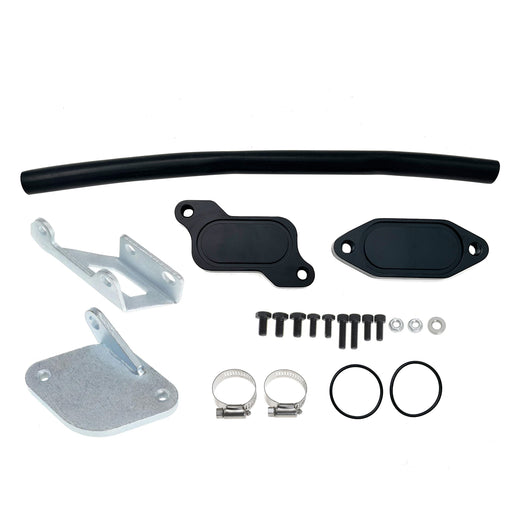
For 2006-2007 6.6L Chevrolet Silverado Classic GMC Duramax LBZ Diesel EGR Valve Cooler Delete Kit
SEGULEROriginal price $63.49 - Original price $63.49Original price$63.49$63.49 - $63.49Current price $63.49FITMENT 2006-2007.4 Chevrolet Silverado Duramax LBZ 2500HD / 3500HD. 2007.4 Chevrolet Silverado Duramax LBZ 2500HD / 3500HD Classic. 2006-2007.4 ...
View full details -

Seguler 2011-2023 6.7L Ford F250 F350 F450 F550 Powerstroke Diesel EGR Valve Delete Cooler Delete Kit
SEGULEROriginal price $55.99 - Original price $55.99Original price$55.99$55.99 - $55.99Current price $55.99FITMENT 2011-2023 6.7L Ford Powerstroke F-250 F-350 F-450 F-550 Super Duty V8 Diesel compatible with both standard Pickups and commercial Cab &a...
View full details -
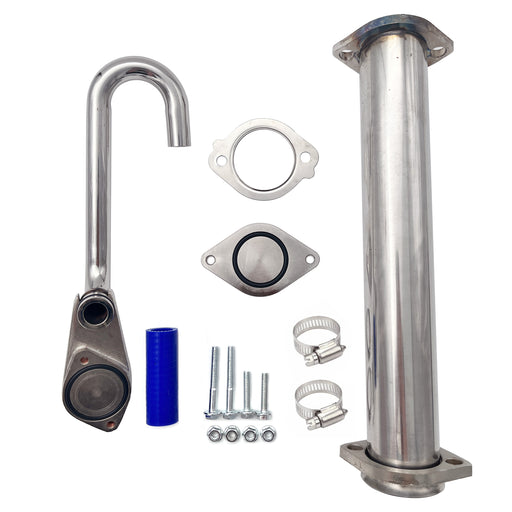
Seguler 2003-2007 6.0L Ford F250 F350 Powerstroke Diesel EGR Basic Cooler Kit
SEGULEROriginal price $79.99 - Original price $79.99Original price$79.99$79.99 - $79.99Current price $79.99FITMENT 2003-2007 6.0L Ford F250 F350 F450 F550 Super Duty Turbo (except 2004 F250 Super Duty). 2003-2005 6.0L Ford Excursion Turbo. 2005 Ford F...
View full details -
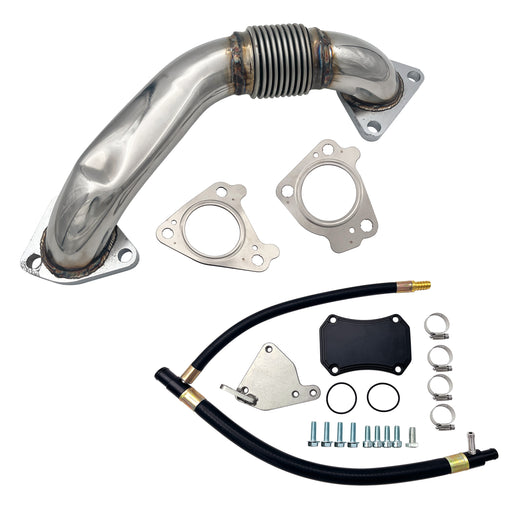
Seguler 2011-2016 6.6L GMC Chevy Duramax Diesel LML Up-Pipe & EGR Valve Cooler Delete Kit
SEGULEROriginal price $173.86 - Original price $173.86Original price$173.86$173.86 - $173.86Current price $173.86FITMENT 2011-2016 6.6L Chevy GMC Duramax LML 2500 HD 3500 HD Diesel. DESCRIPTION Product Overview Direct-injection technology endows GM 5.3L an...
View full details -
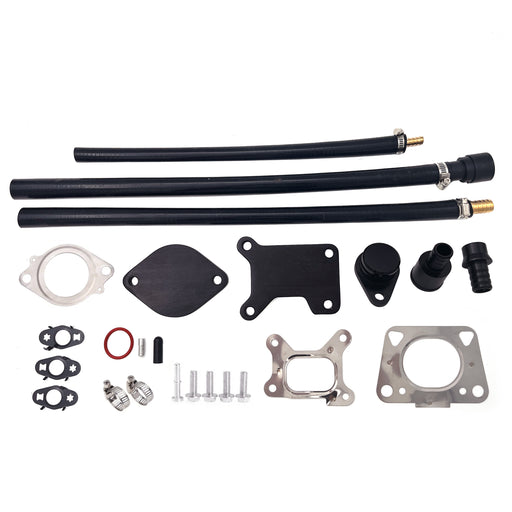
For 2017-2023 6.6L Chevy GMC Duramax L5P diesel EGR Valve Cooler Delete kit
SEGULEROriginal price $131.99 - Original price $131.99Original price$131.99$131.99 - $131.99Current price $131.99FITMENT 2017–2023 6.6L Chevrolet Silverado / GMC Sierra Duramax L5P 2500HD 3500HD Diesel. DESCRIPTION Product Overview Hot soot recirculation ...
View full details -
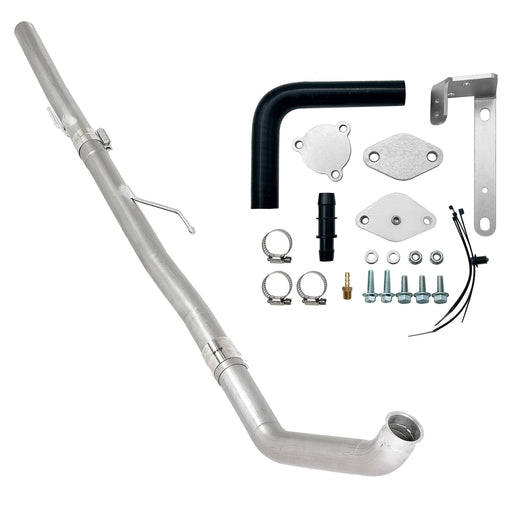
Seguler 3" Ecodiesel DPF Delete Pipe & EGR Delete kit for 2014-2018 3.0L Ram
SEGULEROriginal price $342.00 - Original price $342.00Original price$342.00$342.00 - $342.00Current price $342.00FITMENT 2014–2018 3.0L Dodge Ram 1500 EcoDiesel V6. NOTE: Fit standard Pickup models only (Crew Cab, Quad Cab). Does NOT fit Jeep Grand Cheroke...
View full details -
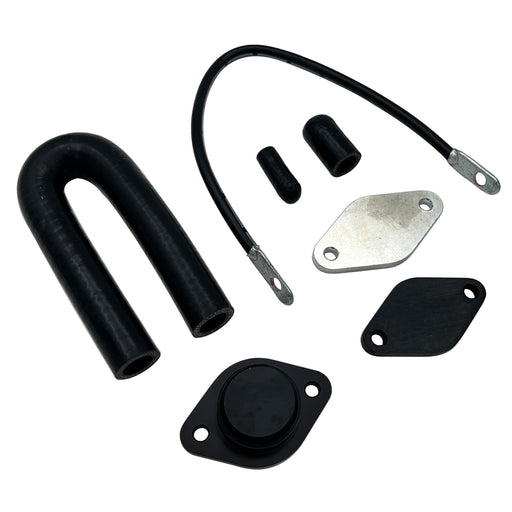
Seguler EGR valve cooler Delete kit for 2020-2022 3.0L Chevy Duramax LM2
SEGULEROriginal price $189.12 - Original price $189.12Original price$189.12$189.12 - $189.12Current price $189.12FITMENT 2020–2022 3.0L Chevrolet Silverado GMC Sierra 1500 LM2 Turbo-Diesel. DESCRIPTION Product Overview Powered by smooth inline-six engine...
View full details -

For 2013-2023 6.7L Dodge Ram Cummins Cab & Chassis EGR Delete Kit Diesel
SEGULEROriginal price $62.99 - Original price $62.99Original price$62.99$62.99 - $62.99Current price $62.99FITMENT 2013–2023 6.7L Ram Cummins 3500 4500 5500 Cab & Chassis / Commercial Trucks. Does NOT fit standard Ram 2500 3500 Pickups. DESCRIPTIO...
View full details -
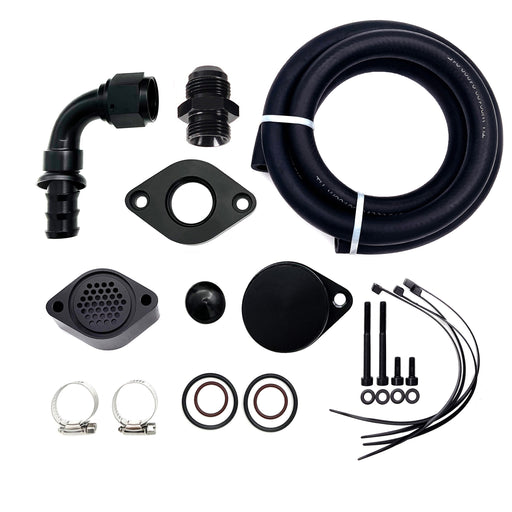
Seguler 2011-2023 6.7L Ford Powerstroke CCV PCV Reroute Engine Ventilation Kit
SEGULEROriginal price $82.99 - Original price $82.99Original price$82.99$82.99 - $82.99Current price $82.99FITMENT 2011-2023 6.7L Ford Powerstroke F-250 F-350 F-450 F-550 Super Duty V8 Diesel. Compatible with both standard Pickups and commercial Cab &...
View full details -
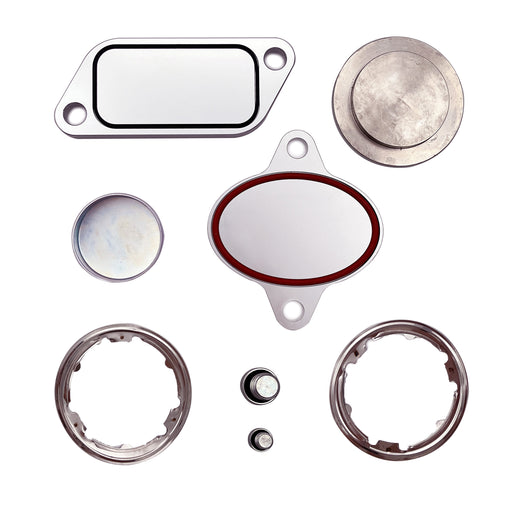
For 2007-2010 Cummins ISX CM871 EGR Plug Kit Stage 2 Plates and Plugs Aluminum
SEGULEROriginal price $67.99 - Original price $67.99Original price$67.99$67.99 - $67.99Current price $67.99FITMENT 2007-2010 Cummins Volvo, Peterbilt, Mack, International, Freightliner, Kenworth with the ISX CM871 Engines. DESCRIPTION Product Overvie...
View full details -
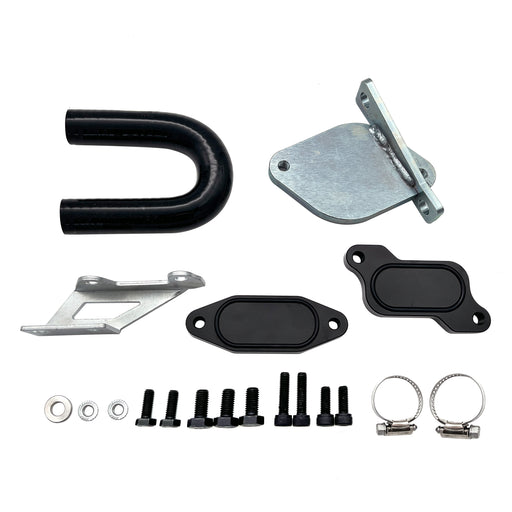
For 2007-2010 6.6L Chevy GMC LMM Duramax EGR Valve Cooler Delete Kit Fit
SEGULEROriginal price $61.99 - Original price $61.99Original price$61.99$61.99 - $61.99Current price $61.99FITMENT 2007.5-2010 6.6L Chevrolet Silverado Duramax LMM 2500HD / 3500HD. 2007.5-2010 6.6L GMC Sierra Duramax LMM 2500HD / 3500HD. Note: Standard...
View full details -
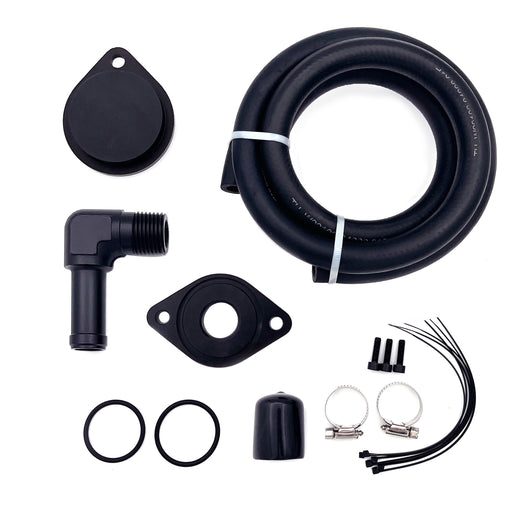
Seguler 2011-2023 Ford 6.7L Powerstroke CCV/PCV Reroute/Delete Engine Ventilation Kit
SEGULEROriginal price $72.00 - Original price $72.00Original price$72.00$72.00 - $72.00Current price $72.00FITMENT 2011-2023 6.7L Ford Powerstroke F-250 F-350 F-450 F-550 Super Duty V8 Diesel. Compatible with both standard Pickups and commercial Cab &...
View full details -
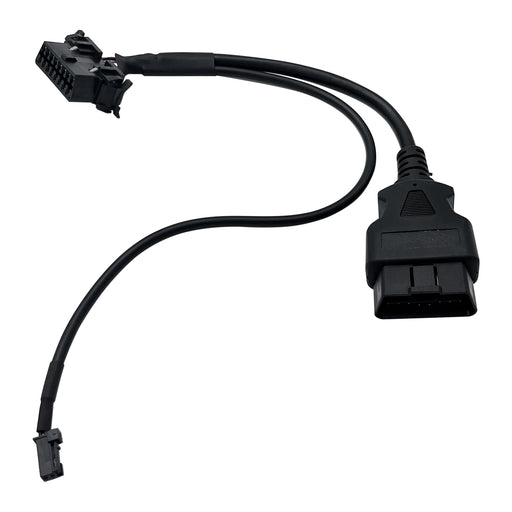
Seguler 2018+ RAM Cummins OBD2 HD Security Gate Bypass Cable
SEGULEROriginal price $45.00 - Original price $45.00Original price$45.00$45.00 - $45.00Current price $45.00FITMENT 2018+ 6.7L Ram Cummins 2500 3500 Turbo Diesel. Designed for Ram pickup trucks equipped with the factory Security Gateway Module. Note: Pl...
View full details -
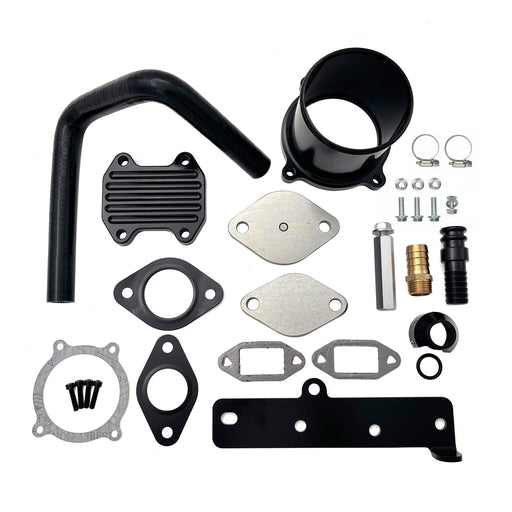
Seguler For 2013-2018 6.7L Dodge RAM 2500 3500 Cummins Diesel EGR Delete Cooler Throttle Valve Delete Kit
SEGULEROriginal price $112.00 - Original price $112.00Original price$112.00$112.00 - $112.00Current price $112.00FITMENT 2013–2018 6.7L Dodge Ram Cummins 2500 & 3500 Pickup Turbo Diesel. Note: Does NOT fit Cab & Chassis (3500 / 4500 / 5500 C&C) m...
View full details


Leave a comment