

Driving With a Cracked Muffler: How Dangerous?
Many drivers wonder: is it dangerous to drive with a cracked muffler? While it might seem like a minor issue, a damaged muffler can pose significant safety risks, legal problems, and potential vehicle damage. This comprehensive guide explores the real dangers of driving with a compromised exhaust system, helping you understand when immediate action is necessary and providing practical solutions for repair and replacement.
Understanding Your Muffler's Function
What a Muffler Actually Does
Your vehicle's muffler serves several critical functions beyond just reducing noise:
- Noise Reduction: Minimizes engine and exhaust noise for comfortable driving
- Exhaust Gas Management: Safely directs harmful gases away from the vehicle
- Backpressure Regulation: Maintains proper exhaust flow for engine efficiency
- Heat Management: Controls and dissipates exhaust system temperatures
- Environmental Protection: Helps control emissions output
How Mufflers Can Crack
Common causes of muffler damage include:
- Road Salt and Moisture: Corrosion from winter driving conditions
- Impact Damage: Road debris, speed bumps, or parking curbs
- Thermal Stress: Rapid heating and cooling cycles
- Age and Wear: Natural deterioration over time and miles
- Poor Installation: Stress points from improper mounting
The Real Dangers of Driving With a Cracked Muffler
Immediate Safety Hazards
Understanding is it dangerous to drive with a cracked muffler begins with recognizing these risks:
Carbon Monoxide Poisoning Risk
- Exhaust gases can enter the passenger compartment
- CO is odorless, colorless, and potentially deadly
- Symptoms include headaches, dizziness, and nausea
- Long-term exposure can lead to serious health issues
Fire Hazard Concerns
- Hot exhaust gases escaping through cracks
- Potential contact with flammable materials
- Sparks from metal-on-metal contact
- Increased risk in dry conditions or near fuel lines
Reduced Vehicle Control
- Exhaust components dragging on the ground
- Potential for sudden muffler detachment
- Risk of tire damage from loose parts
- Compromised vehicle stability at highway speeds
Long-Term Vehicle Damage
Driving with a damaged muffler can cause progressive issues:
Engine Performance Problems
- Incorrect backpressure affecting engine efficiency
- Reduced fuel economy and power output
- Potential damage to oxygen sensors
- Increased strain on other exhaust components
Structural Damage Risks
- Heat damage to nearby components and wiring
- Corrosion spread to other exhaust parts
- Frame or body damage from detached components
- Suspension interference from hanging parts
Identifying Muffler Problems
Visual Inspection Signs
Look for these indicators of muffler damage:
- Visible Cracks or Holes: Obvious openings in the muffler body
- Rust and Corrosion: Extensive rust, especially at seams and welds
- Hanging Components: Muffler not properly mounted or secured
- Black Soot Marks: Exhaust leaks leaving dark residue
- Moisture Drips: Water leaking from unusual locations
Audible Warning Signs
Listen for these sounds indicating muffler issues:
- Loud Rumbling: Significantly increased exhaust noise
- Rattling Sounds: Loose internal components or mounting
- Hissing or Ticking: Small exhaust leaks under pressure
- Metallic Vibrations: Loose heat shields or damaged components
Temporary Fixes vs. Permanent Solutions
When Temporary Repairs Make Sense
- Emergency Situations: Getting to a repair shop safely
- Short-Term Use: Until proper parts arrive
- Minor Damage: Small cracks or holes in accessible areas
- Budget Constraints: Temporary solution while saving for proper repair
Professional Repair Recommendations
- Welding Repairs: For clean cracks in solid metal
- Section Replacement: Cutting out damaged sections
- Complete Muffler Replacement: Best long-term solution
- System Upgrades: Opportunity to improve performance
- Preventive Maintenance Tips
Regular Exhaust System Checks
- Inspect every oil change or 3,000 miles
- Look for rust, cracks, and loose components
- Check mounting brackets and hangers
- Listen for unusual sounds during operation
Protective Measures
- Undercoating: Protect against road salt and moisture
- Regular Cleaning: Remove road debris and contaminants
- Proper Storage: Garage parking when possible
- Avoid Short Trips: Allow system to fully heat and dry

Conclusion
From carbon monoxide risks to legal consequences and vehicle damage, the dangers are real and significant. While temporary fixes might provide short-term solutions, proper repair or replacement is essential for safe, legal, and efficient vehicle operation.
Don't compromise your safety with a damaged exhaust system. Visit www.seguler.com to explore our complete selection of mufflers, exhaust systems, and performance upgrades. Our experts can help you choose the right solution for your vehicle and provide professional installation guidance to ensure your safety on the road.
FAQ Section
Q1: Is it dangerous to drive with a cracked muffler?
A1: Yes, driving with a cracked muffler can be dangerous due to carbon monoxide exposure risks, potential fire hazards, reduced vehicle control, and legal issues with noise violations.
Q2: How long can I drive with a cracked muffler?
A2: It's not recommended to drive with a cracked muffler at all. If you must drive, limit it to essential trips to a repair shop and ensure proper ventilation in the vehicle.
Q3: Can a cracked muffler cause carbon monoxide poisoning?
A3: Yes, a cracked muffler can allow exhaust gases including carbon monoxide to enter the passenger compartment, especially if there are other leaks in the vehicle's floor or firewall.
Q4: Will a cracked muffler fail vehicle inspection?
A4: In most states, yes. A cracked or damaged muffler will typically cause a vehicle to fail safety and emissions inspections due to noise and potential exhaust leak concerns.
Q5: Can I temporarily fix a cracked muffler myself?
A5: Temporary repairs using exhaust tape or sealant can provide short-term solutions for minor cracks, but professional repair or replacement is recommended for safety and durability.


Featured collection
-
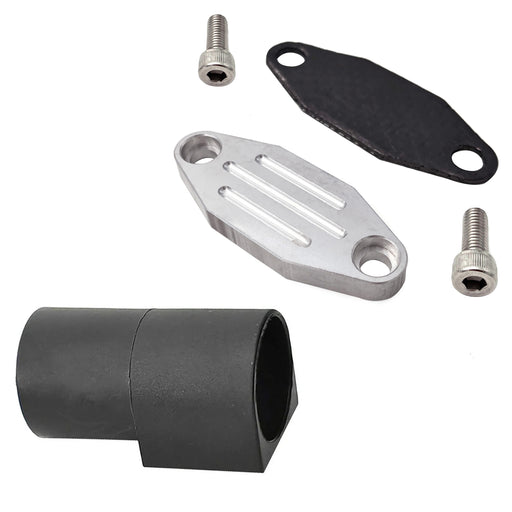
Seguler 1986-1995 Ford F150 F250 F350 Mustang Trucks EGR Simulator Eliminator / Block Off Plate Kit
SEGULEROriginal price $79.99 - Original price $79.99Original price$79.99$79.99 - $79.99Current price $79.99Block Off Plate Material: Aluminum alloy. Easy installation,and convenient to use. Made of CNC milled from aircraft grade Billet aluminum. Will N...
View full details -

Seguler 2011-2023 6.7L Ford Powerstroke Diesel EGR Delete Kit
SEGULEROriginal price $109.99 - Original price $109.99Original price$109.99$109.99 - $109.99Current price $109.99FITMENT 2011-2023 6.7L Ford Powerstroke F-250 F-350 F-450 F-550 Super Duty V8 Diesel. compatible with both standard Pickups and commercial Cab &...
View full details -
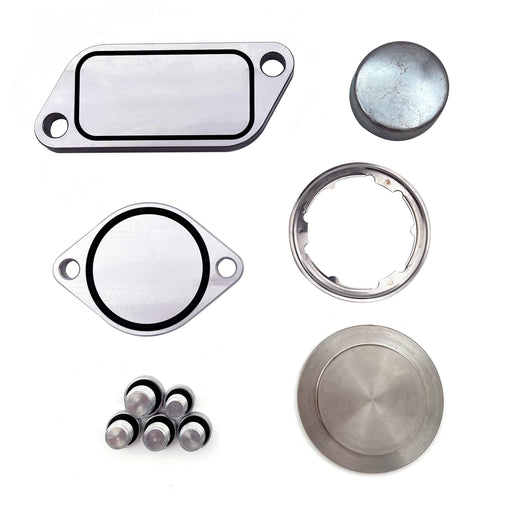
For 2010-Present Stage 2 ISX 15 CM2250 CM2350 EGR Delete Kit
SEGULEROriginal price $59.99 - Original price $59.99Original price$59.99$59.99 - $59.99Current price $59.99FITMENT 2010-Present Cummins Volvo, Peterbilt, Mack, International, Freightliner, Kenworth with the ISX15 CM2250 / CM2350 engines. DESCRIPTION P...
View full details -
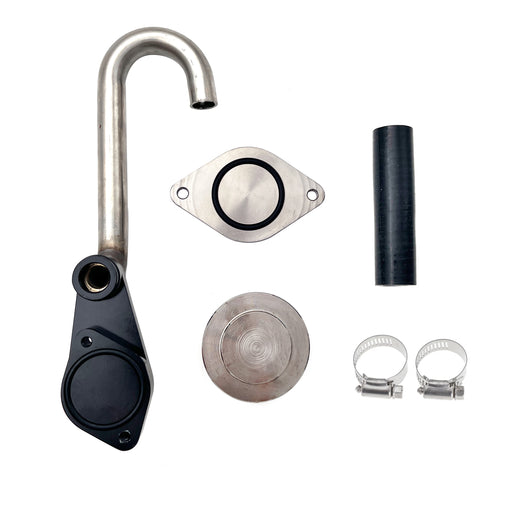
Seguler 2003-2007 6.0L FORD Powerstroke Diesel EGR Cooler Delete Kit
SEGULEROriginal price $56.14 - Original price $56.14Original price$56.14$56.14 - $56.14Current price $56.14FITMENT 2003-2007 6.0L Ford F-250 Ford F-350 F-450 F-550 Super Duty. 2003-2007 6.0L Ford Excursion SUV (Diesel Models Only). 2005-2010 Ford E-Se...
View full details -
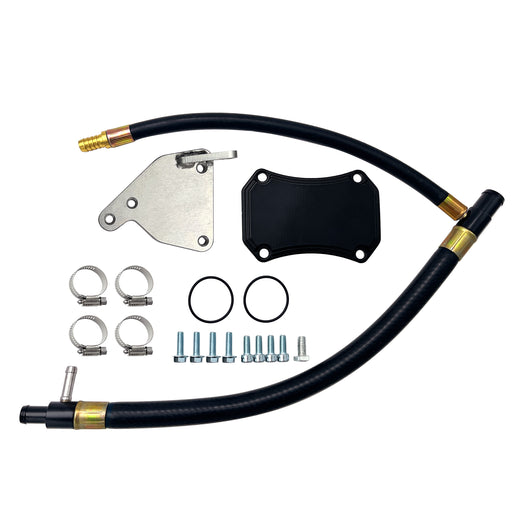
For 2011-2016 6.6L GMC Chevy Duramax Diesel LML EGR Valve Cooler Delete Kit
SEGULEROriginal price $66.49 - Original price $66.49Original price$66.49$66.49 - $66.49Current price $66.49FITMENT 2011-2016 6.6L Chevy GMC Duramax LML 2500 HD 3500 HD Diesel. DESCRIPTION Product Overview The 2011–2016 LML Duramax uses a complex EG...
View full details -
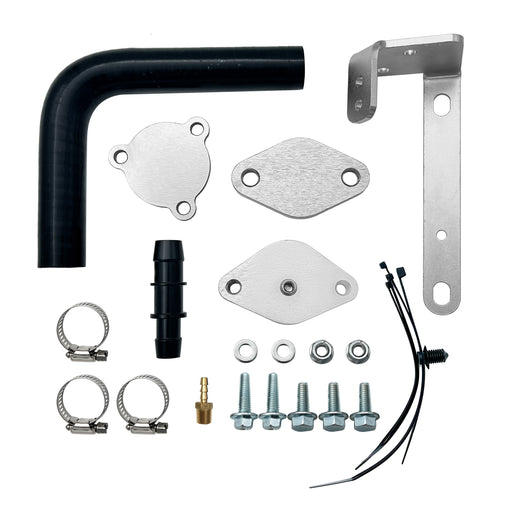
Seguler For 2014-2019 3.0L Dodge Ram 1500 EcoDiesel EGR Valve & Cooler Delete Kit
SEGULEROriginal price $72.99 - Original price $72.99Original price$72.99$72.99 - $72.99Current price $72.99FITMENT 2014-2019 3.0L Dodge Ram 1500 EcoDiesel V6 engine trucks. DESCRIPTION Product Overview Exhaust gas recirculation on 3.0L EcoDiesel V6 ...
View full details -

Seguler 2011-2023 6.7L Ford Powerstroke Diesel EGR Delete Kit
SEGULEROriginal price $85.99 - Original price $85.99Original price$85.99$85.99 - $85.99Current price $85.99FITMENT 2011-2023 6.7L Ford Powerstroke F-250 F-350 F-450 F-550 Super Duty V8 Diesel. compatible with both standard Pickups and commercial Cab &...
View full details -

Seguler 2010-2024 6.7L Dodge Ram Cummins Diesel EGR Valve Cooler Delete Kit
SEGULEROriginal price $89.99 - Original price $89.99Original price$89.99$89.99 - $89.99Current price $89.99FITMENT 2010–2024 6.7L Dodge Ram Cummins 2500 / 3500 Pickup Turbo Diesel. Note: Does NOT fit Chassis Cab 3500 / 4500 / 5500 models. DESCRIPTIO...
View full details -
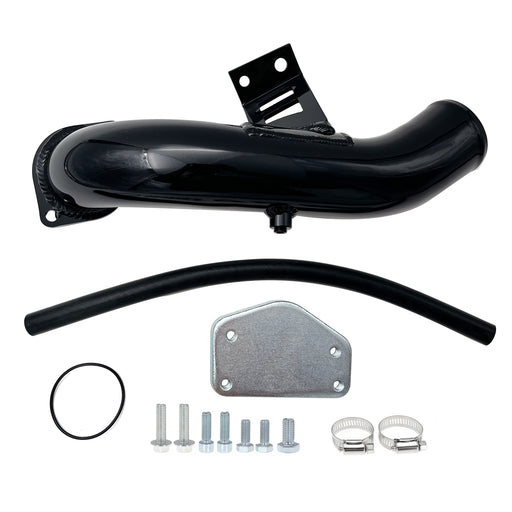
For 2004.5-2005 6.6L Chevy GMC Silverado LLY Duramax Diesel EGR Delete Kit
SEGULEROriginal price $92.99 - Original price $92.99Original price$92.99$92.99 - $92.99Current price $92.99FITMENT 2004.5-2005 6.6L Chevrolet Silverado Duramax LLY 2500HD / 3500 HD. 2004.5-2005 6.6L GMC Sierra Duramax LLY 2500HD / 3500 HD. DESCRIPTION...
View full details -

Seguler 2017-2019 L5P Duramax Diesel 4pcs L5P Can Bus Plugs Connector Replacement
SEGULEROriginal price $75.00 - Original price $75.00Original price$75.00$75.00 - $75.00Current price $75.00FITMENT 2017–2019 Chevrolet Silverado / GMC Sierra Duramax L5P 2500HD & 3500HD Diesel. DESCRIPTION Product Overview Unprotected harness con...
View full details -

Seguler 2020-2023 chevy duramax L5P Diesel Can Bus Plugs Connector
SEGULEROriginal price $80.00 - Original price $80.00Original price$80.00$80.00 - $80.00Current price $80.00FITMENT 2020–2023 Chevrolet Silverado / GMC Sierra Duramax L5P 2500HD & 3500HD Diesel. DESCRIPTION Product Overview Unprotected harness pl...
View full details -
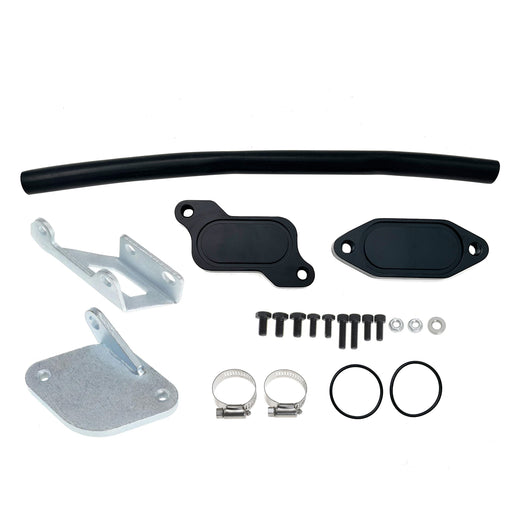
For 2006-2007 6.6L Chevrolet Silverado Classic GMC Duramax LBZ Diesel EGR Valve Cooler Delete Kit
SEGULEROriginal price $63.49 - Original price $63.49Original price$63.49$63.49 - $63.49Current price $63.49FITMENT 2006-2007.4 Chevrolet Silverado Duramax LBZ 2500HD / 3500HD. 2007.4 Chevrolet Silverado Duramax LBZ 2500HD / 3500HD Classic. 2006-2007.4 ...
View full details -

Seguler 2011-2023 6.7L Ford F250 F350 F450 F550 Powerstroke Diesel EGR Valve Delete Cooler Delete Kit
SEGULEROriginal price $55.99 - Original price $55.99Original price$55.99$55.99 - $55.99Current price $55.99FITMENT 2011-2023 6.7L Ford Powerstroke F-250 F-350 F-450 F-550 Super Duty V8 Diesel compatible with both standard Pickups and commercial Cab &a...
View full details -
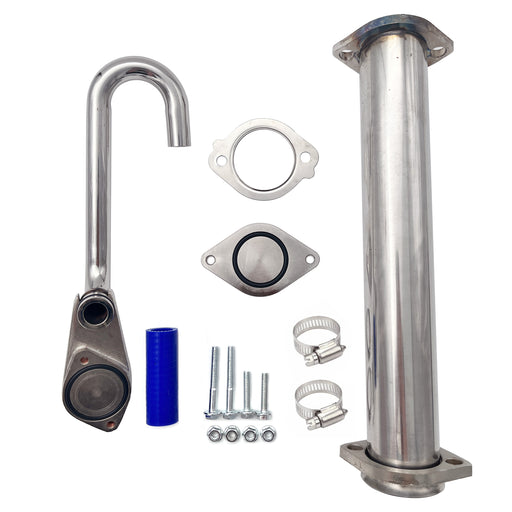
Seguler 2003-2007 6.0L Ford F250 F350 Powerstroke Diesel EGR Basic Cooler Kit
SEGULEROriginal price $79.99 - Original price $79.99Original price$79.99$79.99 - $79.99Current price $79.99FITMENT 2003-2007 6.0L Ford F250 F350 F450 F550 Super Duty Turbo (except 2004 F250 Super Duty). 2003-2005 6.0L Ford Excursion Turbo. 2005 Ford F...
View full details -
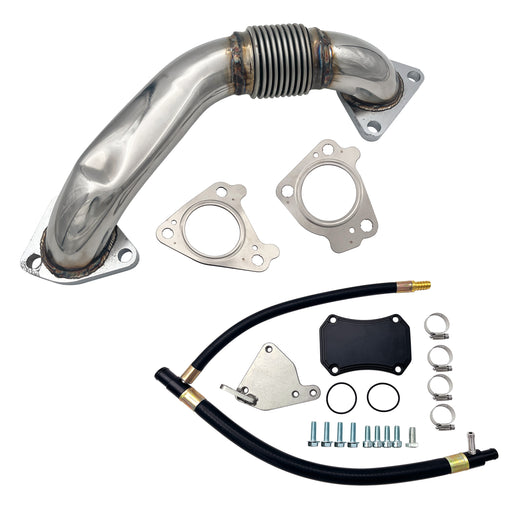
Seguler 2011-2016 6.6L GMC Chevy Duramax Diesel LML Up-Pipe & EGR Valve Cooler Delete Kit
SEGULEROriginal price $173.86 - Original price $173.86Original price$173.86$173.86 - $173.86Current price $173.86FITMENT 2011-2016 6.6L Chevy GMC Duramax LML 2500 HD 3500 HD Diesel. DESCRIPTION Product Overview Direct-injection technology endows GM 5.3L an...
View full details -
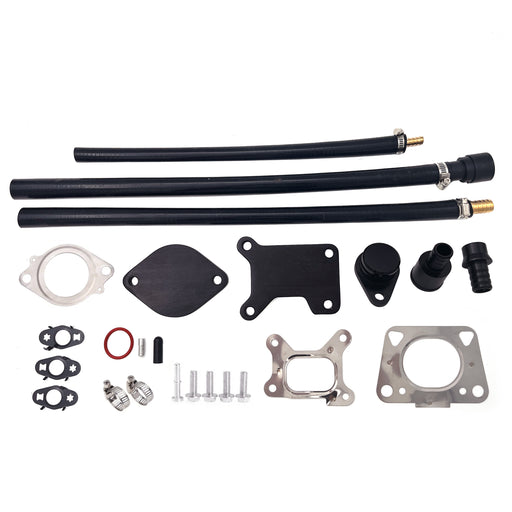
For 2017-2023 6.6L Chevy GMC Duramax L5P diesel EGR Valve Cooler Delete kit
SEGULEROriginal price $131.99 - Original price $131.99Original price$131.99$131.99 - $131.99Current price $131.99FITMENT 2017–2023 6.6L Chevrolet Silverado / GMC Sierra Duramax L5P 2500HD 3500HD Diesel. DESCRIPTION Product Overview Hot soot recirculation ...
View full details -
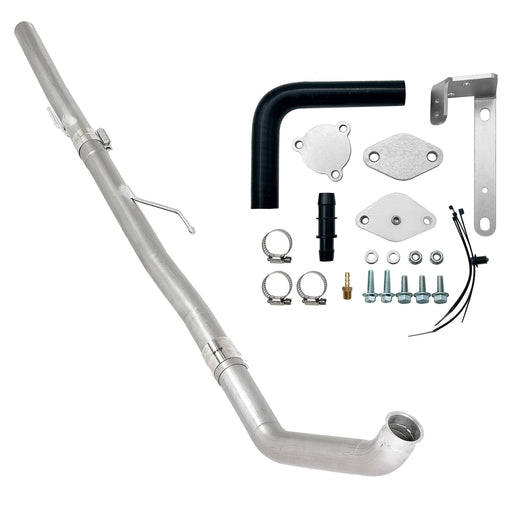
Seguler 3" Ecodiesel DPF Delete Pipe & EGR Delete kit for 2014-2018 3.0L Ram
SEGULEROriginal price $342.00 - Original price $342.00Original price$342.00$342.00 - $342.00Current price $342.00FITMENT 2014–2018 3.0L Dodge Ram 1500 EcoDiesel V6. NOTE: Fit standard Pickup models only (Crew Cab, Quad Cab). Does NOT fit Jeep Grand Cheroke...
View full details -
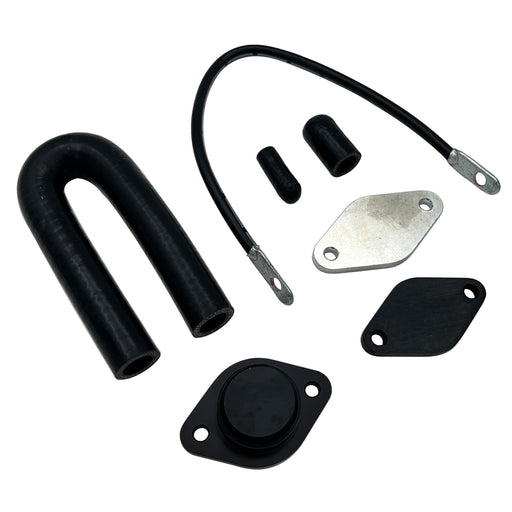
Seguler EGR valve cooler Delete kit for 2020-2022 3.0L Chevy Duramax LM2
SEGULEROriginal price $189.12 - Original price $189.12Original price$189.12$189.12 - $189.12Current price $189.12FITMENT 2020–2022 3.0L Chevrolet Silverado GMC Sierra 1500 LM2 Turbo-Diesel. DESCRIPTION Product Overview Powered by smooth inline-six engine...
View full details -

For 2013-2023 6.7L Dodge Ram Cummins Cab & Chassis EGR Delete Kit Diesel
SEGULEROriginal price $62.99 - Original price $62.99Original price$62.99$62.99 - $62.99Current price $62.99FITMENT 2013–2023 6.7L Ram Cummins 3500 4500 5500 Cab & Chassis / Commercial Trucks. Does NOT fit standard Ram 2500 3500 Pickups. DESCRIPTIO...
View full details -
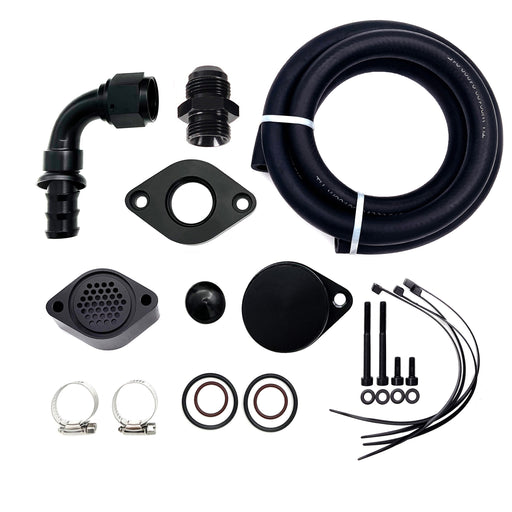
Seguler 2011-2023 6.7L Ford Powerstroke CCV PCV Reroute Engine Ventilation Kit
SEGULEROriginal price $82.99 - Original price $82.99Original price$82.99$82.99 - $82.99Current price $82.99FITMENT 2011-2023 6.7L Ford Powerstroke F-250 F-350 F-450 F-550 Super Duty V8 Diesel. Compatible with both standard Pickups and commercial Cab &...
View full details -
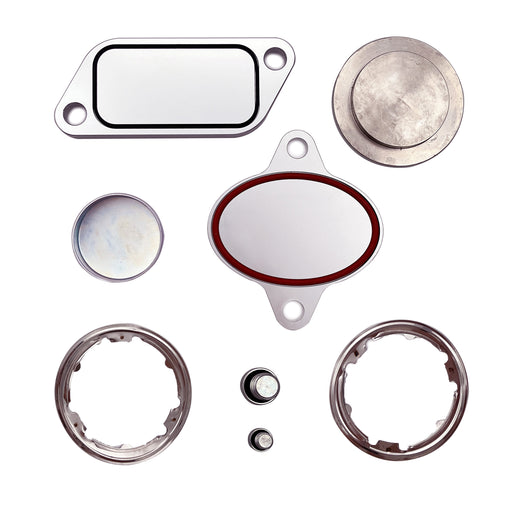
For 2007-2010 Cummins ISX CM871 EGR Plug Kit Stage 2 Plates and Plugs Aluminum
SEGULEROriginal price $67.99 - Original price $67.99Original price$67.99$67.99 - $67.99Current price $67.99FITMENT 2007-2010 Cummins Volvo, Peterbilt, Mack, International, Freightliner, Kenworth with the ISX CM871 Engines. DESCRIPTION Product Overvie...
View full details -
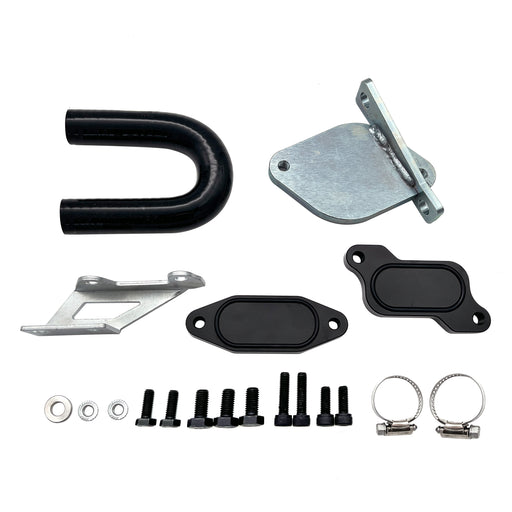
For 2007-2010 6.6L Chevy GMC LMM Duramax EGR Valve Cooler Delete Kit Fit
SEGULEROriginal price $61.99 - Original price $61.99Original price$61.99$61.99 - $61.99Current price $61.99FITMENT 2007.5-2010 6.6L Chevrolet Silverado Duramax LMM 2500HD / 3500HD. 2007.5-2010 6.6L GMC Sierra Duramax LMM 2500HD / 3500HD. Note: Standard...
View full details -
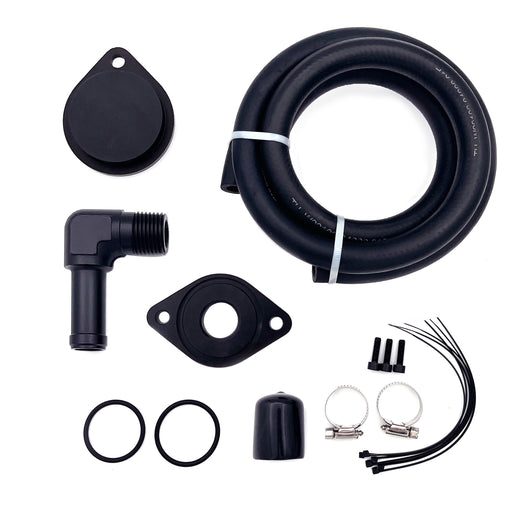
Seguler 2011-2023 Ford 6.7L Powerstroke CCV/PCV Reroute/Delete Engine Ventilation Kit
SEGULEROriginal price $72.00 - Original price $72.00Original price$72.00$72.00 - $72.00Current price $72.00FITMENT 2011-2023 6.7L Ford Powerstroke F-250 F-350 F-450 F-550 Super Duty V8 Diesel. Compatible with both standard Pickups and commercial Cab &...
View full details -
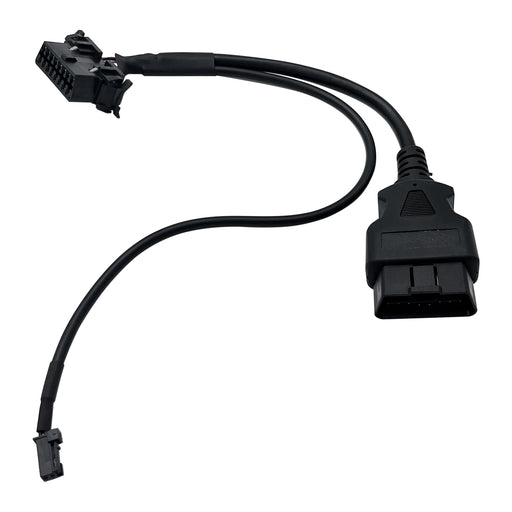
Seguler 2018+ RAM Cummins OBD2 HD Security Gate Bypass Cable
SEGULEROriginal price $45.00 - Original price $45.00Original price$45.00$45.00 - $45.00Current price $45.00FITMENT 2018+ 6.7L Ram Cummins 2500 3500 Turbo Diesel. Designed for Ram pickup trucks equipped with the factory Security Gateway Module. Note: Pl...
View full details -
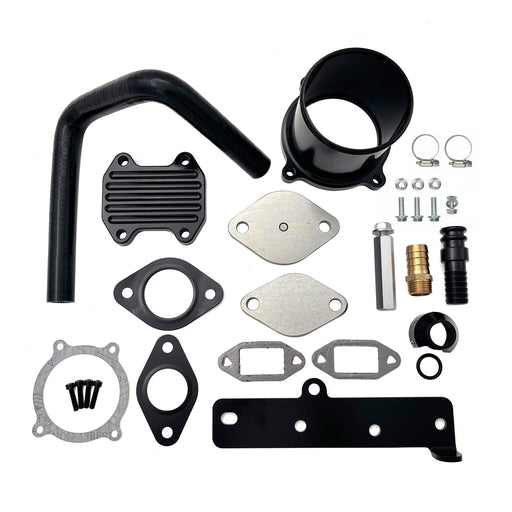
Seguler For 2013-2018 6.7L Dodge RAM 2500 3500 Cummins Diesel EGR Delete Cooler Throttle Valve Delete Kit
SEGULEROriginal price $112.00 - Original price $112.00Original price$112.00$112.00 - $112.00Current price $112.00FITMENT 2013–2018 6.7L Dodge Ram Cummins 2500 & 3500 Pickup Turbo Diesel. Note: Does NOT fit Cab & Chassis (3500 / 4500 / 5500 C&C) m...
View full details


Leave a comment