

What Is an Intake Manifold? (Explained)
🔑 Key Takeaways
- The intake manifold distributes air evenly to each cylinder—critical for combustion efficiency and power
- Diesel engines benefit particularly from high-flow intake upgrades due to their reliance on boost pressure
- A Cummins 3.5-inch high-flow intake elbow upgrade increases airflow by up to 30% over stock
- Signs of intake manifold problems include power loss, rough idle, and increased fuel consumption
If you've ever wondered how your diesel engine breathes, the intake manifold is where the magic begins. This often-overlooked component serves as the critical gateway between your air intake system and your engine's combustion chambers. But what does an intake manifold do exactly, and why does it matter for performance? Whether you're troubleshooting engine issues or considering upgrades, understanding this component is essential for any diesel owner.
In this comprehensive guide, we'll explore exactly what an intake manifold does, explain where is the intake manifold located in your engine bay, and show how upgrading this component can transform your truck's performance. From basic function to advanced performance modifications, you'll learn why this "air highway" deserves your attention.
Understanding the Basics: What is an Intake Manifold?
The Fundamental Definition
An intake manifold is a series of pipes or passages that distribute air (or air-fuel mixture in gasoline engines) from the throttle body or intake piping to each cylinder's intake ports. Think of it as the sophisticated air distribution network that ensures each cylinder receives exactly what it needs for optimal combustion.
The Evolution of Intake Manifolds
From simple cast iron designs to today's complex plastic and aluminum assemblies, intake manifolds have evolved significantly:
- Early designs: Simple cast iron or aluminum runners
- Modern gasoline engines: Often plastic with integrated components
- Diesel applications: Typically aluminum with integrated EGR passages
- Performance designs: Optimized for airflow and efficiency
What Does an Intake Manifold Do? The Critical Functions
Primary Function: Air Distribution
The most obvious answer to "what does an intake manifold do?" is air distribution. But it's not just about moving air—it's about doing it efficiently and evenly:
Equal Distribution
- Ensures each cylinder receives equal airflow
- Maintains consistent air-fuel ratios across all cylinders
- Prevents "lean" or "rich" conditions in individual cylinders
- Supports balanced engine operation
Velocity Maintenance
- Tapered runner designs maintain air velocity
- Proper velocity improves cylinder filling efficiency
- Enhances low-end torque characteristics
- Optimizes combustion efficiency
Secondary Functions and Integration
Modern intake manifolds do much more than just distribute air:
EGR System Integration
- Many diesel manifolds include EGR passages
- Routes exhaust gases back into intake stream
- Creates complexity and potential failure points
- Can lead to carbon buildup and restriction
Sensor Mounting Points
- Provides mounting for MAP (Manifold Absolute Pressure) sensors
- May include temperature sensor ports
- Supports various emissions control sensors
- Integral to modern engine management
Mounting Surface for Components
- Often supports throttle bodies
- May include mounting for fuel rails (gasoline)
- Provides attachment points for various brackets
- Serves as structural component in some designs
Where is the Intake Manifold Located?
Typical Placement in Diesel Engines
When asking "where is the intake manifold?" in your diesel truck:
Common Locations
- Top of the engine: Between cylinder heads on V-configuration engines
- Side-mounted: On inline engines like the Cummins 6.7L
- Under intake piping: Often hidden beneath other components
- Integrated with other systems: Connected to EGR coolers, intercooler piping, etc.
Visual Identification
- Typically aluminum (sometimes plastic in newer designs)
- Multiple runners leading to cylinder head ports
- Various sensors and connections attached
- Connected to air intake system at one end
Access and Service Considerations
Knowing where is the intake manifold helps with maintenance:
- Often requires removal of other components for access
- Coolant lines may need disconnection (if EGR cooler integrated)
- Electrical connectors for sensors must be carefully disconnected
- Proper torque sequences are critical during reinstallation
Common Intake Manifold Problems in Diesel Engines
Carbon Buildup Issues
One of the most common problems in modern diesel manifolds:
EGR-Related Contamination
- Soot from exhaust gases accumulates in passages
- Creates restriction and reduces airflow
- Can break off and damage turbochargers or intercoolers
- Requires periodic cleaning in severe cases
Performance Impacts
- Reduced horsepower and torque
- Poor fuel economy
- Uneven cylinder operation
- Increased exhaust temperatures
Leaks and Failure Points
Gasket Failures
- Intake manifold gaskets can deteriorate over time
- Creates vacuum leaks affecting engine operation
- May allow coolant into intake (in some designs)
- Requires complete removal for replacement
Cracking and Physical Damage
- Thermal cycling can cause cracks in older manifolds
- Improper installation or over-torquing can cause damage
- Impact damage from other repairs
- Corrosion in certain environments
Restriction and Flow Limitations
Factory designs often prioritize cost over optimal flow:
- Sharp bends and transitions create turbulence
- Small runner diameters restrict high-RPM airflow
- Poor plenum design creates uneven distribution
- Integrated EGR systems create unnecessary complexity
Featured Performance Solution: Cummins High-Flow Intake Manifold Elbow
2007-2018 6.7L Dodge RAM Cummins 3.5inch High Flow Intake Manifold Elbow Tube
Addressing Factory Limitations
The factory intake elbow on 2007-2018 6.7L Cummins engines represents a significant airflow restriction. Our high-flow replacement solves this problem with intelligent engineering:

Design Features:
- 3.5-inch diameter (vs. restrictive factory design)
- Mandrel-bent construction for smooth, consistent airflow
- Aircraft-grade aluminum for durability and heat dissipation
- Precision CNC machining ensures perfect fitment
- Complete bolt-on design requires no modification
Performance Benefits:
- Reduces intake restriction for better turbo response
- Lowers intake air temperatures for improved combustion
- Eliminates factory failure points and potential leaks
- Improves overall engine efficiency and power delivery
- Direct fitment for 2007-2018 6.7L Cummins applications
Installation Considerations and Professional Advice
DIY vs. Professional Installation
While some enthusiasts install intake components themselves:
Professional Installation Benefits
- Ensures perfect alignment and sealing
- Proper torque sequencing for gasket longevity
- Professional inspection of related components
- Warranty protection on labor and installation
DIY Considerations
- Mechanical experience required
- Proper torque wrench essential
- Careful handling of sensors and connections
- Coolant system knowledge (if EGR system involved)
Complementary Upgrades
This intake elbow works exceptionally well with:
Supporting Modifications
- Performance air intake systems
- Upgraded intercooler piping
- Enhanced turbo components
- Custom tuning to optimize airflow changes
Maintenance and Care for Your Intake System
Regular Maintenance Practices
Keep your intake system performing optimally:
Visual Inspections
- Check for leaks at connections and gaskets
- Inspect for carbon buildup in accessible areas
- Look for cracks or damage in components
- Ensure all clamps and connections are secure
Cleaning Procedures
- Regular cleaning of air filter and intake piping
- Professional cleaning for severe carbon buildup
- Careful cleaning of sensors and connections
- Use appropriate cleaners for your specific materials
Troubleshooting Common Issues
Vacuum Leak Diagnosis
- Unusual whistling or hissing sounds
- Rough idle or stalling
- Poor fuel economy
- Check engine lights for lean conditions
Performance Issues
- Reduced power output
- Poor throttle response
- Increased turbo lag
- Higher exhaust temperatures
Conclusion:
Understanding what an intake manifold does reveals just how critical this component is to your engine's performance and efficiency. From basic air distribution to complex emissions control integration, this component works tirelessly to ensure your diesel breathes properly.
Ready to improve your diesel's breathing? Visit www.seguler.com to explore this intake upgrade and our complete range of diesel performance solutions. Our technical experts can help you select the right components to optimize your truck's intake, exhaust, and overall performance.
FAQs About Intake Manifolds
Q1: What does an intake manifold do for engine performance?
A1: The intake manifold distributes air evenly to all cylinders, maintains proper air velocity for efficient cylinder filling, and in modern engines, integrates various sensors and emissions systems critical for optimal performance.
Q2: Where is the intake manifold typically located?
A2: On most diesel engines, the intake manifold is located on top of the engine between cylinder heads (V-configuration) or along the side (inline engines), connected to the air intake system and leading to each cylinder's intake ports.
Q3: Can a bad intake manifold affect fuel economy?
A3: Yes, a leaking or restricted intake manifold can significantly impact fuel economy by creating incorrect air-fuel ratios, causing the engine computer to compensate with more fuel, and reducing overall combustion efficiency.
Q4: How do I know if my intake manifold needs replacement?
A4: Signs include vacuum leaks (hissing sounds, rough idle), visible cracks or damage, coolant in intake (in some designs), carbon buildup restricting flow, or when upgrading for performance reasons.
Q5: What are the benefits of upgrading to a high-flow intake manifold?
A5: Benefits include reduced restriction for better airflow, improved throttle response, increased horsepower potential, lower intake temperatures, elimination of factory failure points, and enhanced engine efficiency.


Featured collection
-
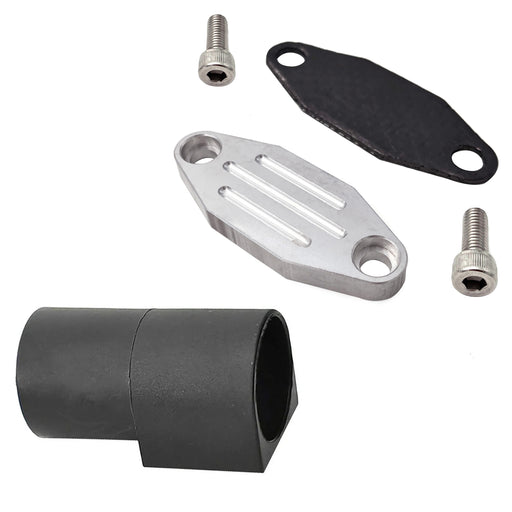
Seguler 1986-1995 Ford F150 F250 F350 Mustang Trucks EGR Simulator Eliminator / Block Off Plate Kit
SEGULEROriginal price $79.99 - Original price $79.99Original price$79.99$79.99 - $79.99Current price $79.99Block Off Plate Material: Aluminum alloy. Easy installation,and convenient to use. Made of CNC milled from aircraft grade Billet aluminum. Will N...
View full details -

Seguler 2011-2023 6.7L Ford Powerstroke Diesel EGR Delete Kit
SEGULEROriginal price $109.99 - Original price $109.99Original price$109.99$109.99 - $109.99Current price $109.99FITMENT 2011-2023 6.7L Ford Powerstroke F-250 F-350 F-450 F-550 Super Duty V8 Diesel. compatible with both standard Pickups and commercial Cab &...
View full details -
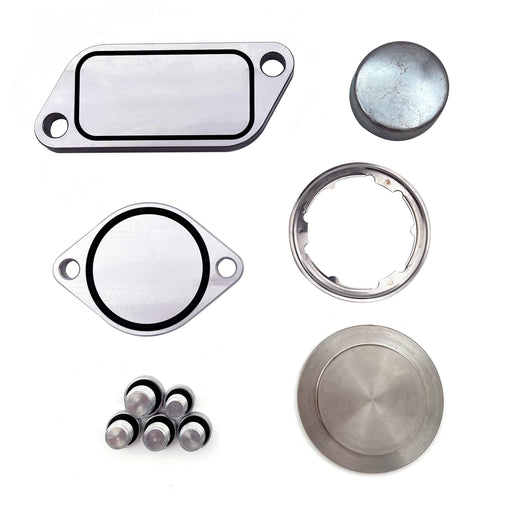
For 2010-Present Stage 2 ISX 15 CM2250 CM2350 EGR Delete Kit
SEGULEROriginal price $59.99 - Original price $59.99Original price$59.99$59.99 - $59.99Current price $59.99FITMENT 2010-Present Cummins Volvo, Peterbilt, Mack, International, Freightliner, Kenworth with the ISX15 CM2250 / CM2350 engines. DESCRIPTION P...
View full details -
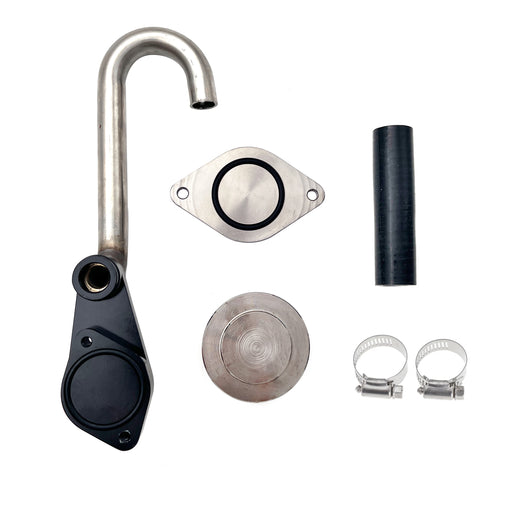
Seguler 2003-2007 6.0L FORD Powerstroke Diesel EGR Cooler Delete Kit
SEGULEROriginal price $56.14 - Original price $56.14Original price$56.14$56.14 - $56.14Current price $56.14FITMENT 2003-2007 6.0L Ford F-250 Ford F-350 F-450 F-550 Super Duty. 2003-2007 6.0L Ford Excursion SUV (Diesel Models Only). 2005-2010 Ford E-Se...
View full details -
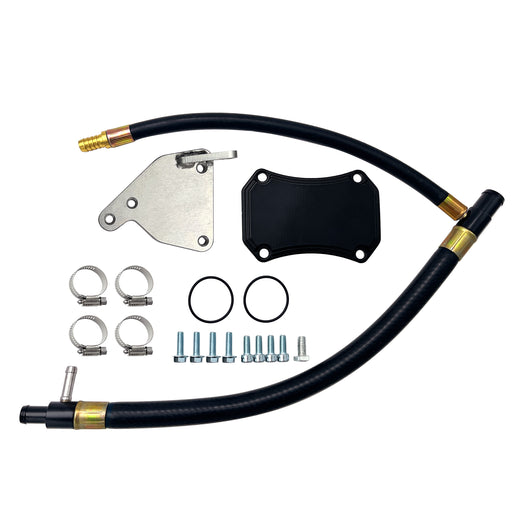
For 2011-2016 6.6L GMC Chevy Duramax Diesel LML EGR Valve Cooler Delete Kit
SEGULEROriginal price $66.49 - Original price $66.49Original price$66.49$66.49 - $66.49Current price $66.49FITMENT 2011-2016 6.6L Chevy GMC Duramax LML 2500 HD 3500 HD Diesel. DESCRIPTION Product Overview The 2011–2016 LML Duramax uses a complex EG...
View full details -
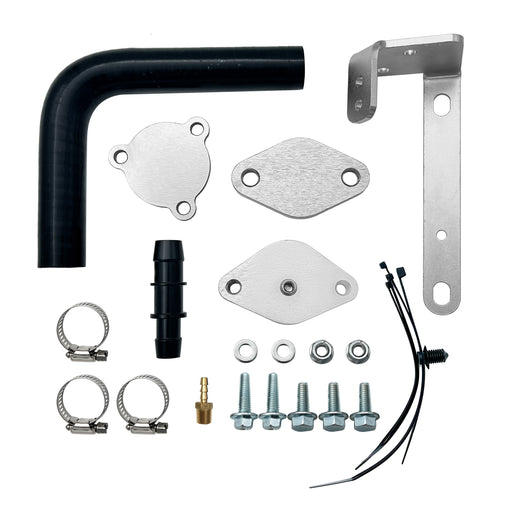
Seguler For 2014-2019 3.0L Dodge Ram 1500 EcoDiesel EGR Valve & Cooler Delete Kit
SEGULEROriginal price $72.99 - Original price $72.99Original price$72.99$72.99 - $72.99Current price $72.99FITMENT 2014-2019 3.0L Dodge Ram 1500 EcoDiesel V6 engine trucks. DESCRIPTION Product Overview Exhaust gas recirculation on 3.0L EcoDiesel V6 ...
View full details -

Seguler 2011-2023 6.7L Ford Powerstroke Diesel EGR Delete Kit
SEGULEROriginal price $85.99 - Original price $85.99Original price$85.99$85.99 - $85.99Current price $85.99FITMENT 2011-2023 6.7L Ford Powerstroke F-250 F-350 F-450 F-550 Super Duty V8 Diesel. compatible with both standard Pickups and commercial Cab &...
View full details -

Seguler 2010-2024 6.7L Dodge Ram Cummins Diesel EGR Valve Cooler Delete Kit
SEGULEROriginal price $89.99 - Original price $89.99Original price$89.99$89.99 - $89.99Current price $89.99FITMENT 2010–2024 6.7L Dodge Ram Cummins 2500 / 3500 Pickup Turbo Diesel. Note: Does NOT fit Chassis Cab 3500 / 4500 / 5500 models. DESCRIPTIO...
View full details -
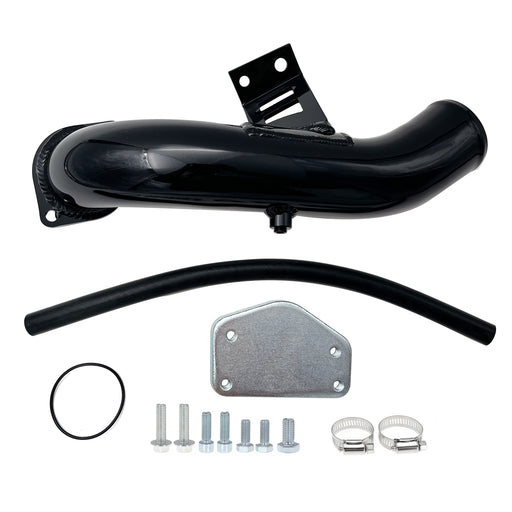
For 2004.5-2005 6.6L Chevy GMC Silverado LLY Duramax Diesel EGR Delete Kit
SEGULEROriginal price $92.99 - Original price $92.99Original price$92.99$92.99 - $92.99Current price $92.99FITMENT 2004.5-2005 6.6L Chevrolet Silverado Duramax LLY 2500HD / 3500 HD. 2004.5-2005 6.6L GMC Sierra Duramax LLY 2500HD / 3500 HD. DESCRIPTION...
View full details -

Seguler 2017-2019 L5P Duramax Diesel 4pcs L5P Can Bus Plugs Connector Replacement
SEGULEROriginal price $75.00 - Original price $75.00Original price$75.00$75.00 - $75.00Current price $75.00FITMENT 2017–2019 Chevrolet Silverado / GMC Sierra Duramax L5P 2500HD & 3500HD Diesel. DESCRIPTION Product Overview Unprotected harness con...
View full details -

Seguler 2020-2023 chevy duramax L5P Diesel Can Bus Plugs Connector
SEGULEROriginal price $80.00 - Original price $80.00Original price$80.00$80.00 - $80.00Current price $80.00FITMENT 2020–2023 Chevrolet Silverado / GMC Sierra Duramax L5P 2500HD & 3500HD Diesel. DESCRIPTION Product Overview Unprotected harness pl...
View full details -
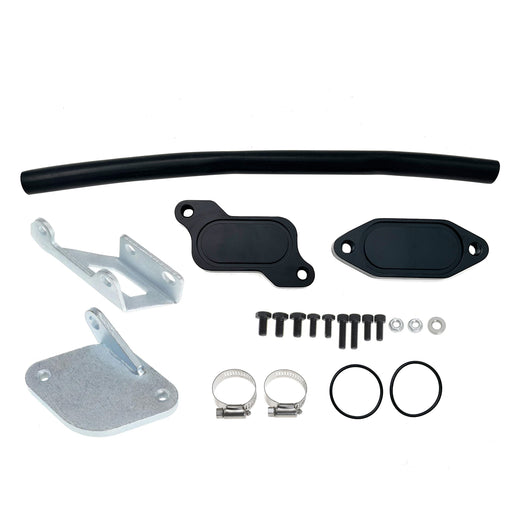
For 2006-2007 6.6L Chevrolet Silverado Classic GMC Duramax LBZ Diesel EGR Valve Cooler Delete Kit
SEGULEROriginal price $63.49 - Original price $63.49Original price$63.49$63.49 - $63.49Current price $63.49FITMENT 2006-2007.4 Chevrolet Silverado Duramax LBZ 2500HD / 3500HD. 2007.4 Chevrolet Silverado Duramax LBZ 2500HD / 3500HD Classic. 2006-2007.4 ...
View full details -

Seguler 2011-2023 6.7L Ford F250 F350 F450 F550 Powerstroke Diesel EGR Valve Delete Cooler Delete Kit
SEGULEROriginal price $55.99 - Original price $55.99Original price$55.99$55.99 - $55.99Current price $55.99FITMENT 2011-2023 6.7L Ford Powerstroke F-250 F-350 F-450 F-550 Super Duty V8 Diesel compatible with both standard Pickups and commercial Cab &a...
View full details -
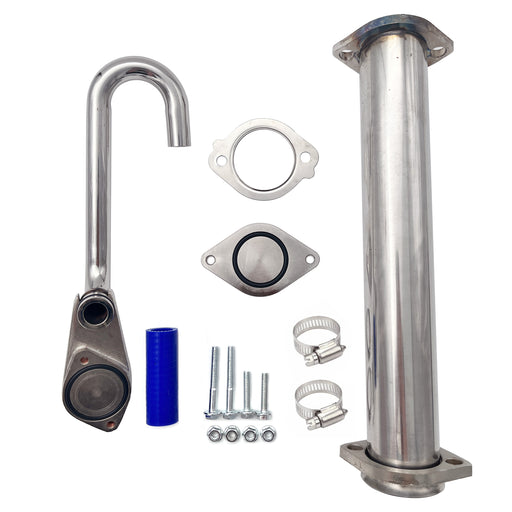
Seguler 2003-2007 6.0L Ford F250 F350 Powerstroke Diesel EGR Basic Cooler Kit
SEGULEROriginal price $79.99 - Original price $79.99Original price$79.99$79.99 - $79.99Current price $79.99FITMENT 2003-2007 6.0L Ford F250 F350 F450 F550 Super Duty Turbo (except 2004 F250 Super Duty). 2003-2005 6.0L Ford Excursion Turbo. 2005 Ford F...
View full details -
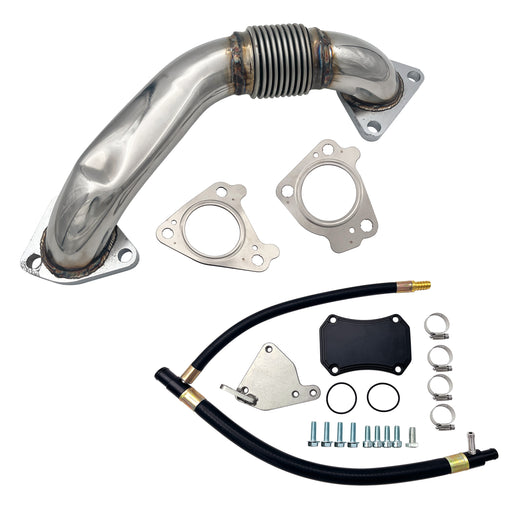
Seguler 2011-2016 6.6L GMC Chevy Duramax Diesel LML Up-Pipe & EGR Valve Cooler Delete Kit
SEGULEROriginal price $173.86 - Original price $173.86Original price$173.86$173.86 - $173.86Current price $173.86FITMENT 2011-2016 6.6L Chevy GMC Duramax LML 2500 HD 3500 HD Diesel. DESCRIPTION Product Overview Direct-injection technology endows GM 5.3L an...
View full details -
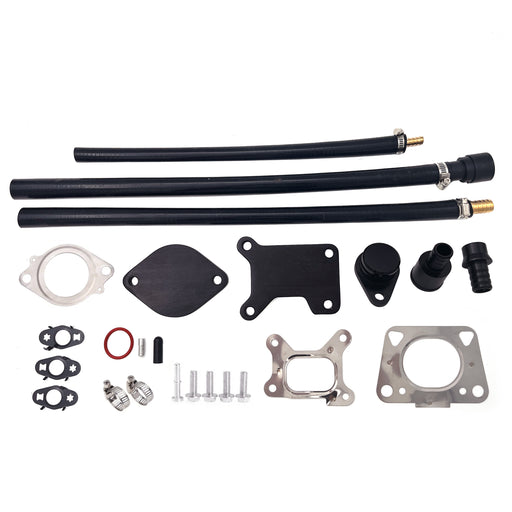
For 2017-2023 6.6L Chevy GMC Duramax L5P diesel EGR Valve Cooler Delete kit
SEGULEROriginal price $131.99 - Original price $131.99Original price$131.99$131.99 - $131.99Current price $131.99FITMENT 2017–2023 6.6L Chevrolet Silverado / GMC Sierra Duramax L5P 2500HD 3500HD Diesel. DESCRIPTION Product Overview Hot soot recirculation ...
View full details -
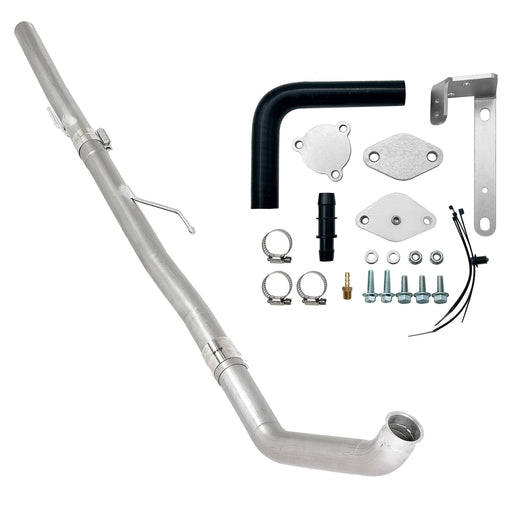
Seguler 3" Ecodiesel DPF Delete Pipe & EGR Delete kit for 2014-2018 3.0L Ram
SEGULEROriginal price $342.00 - Original price $342.00Original price$342.00$342.00 - $342.00Current price $342.00FITMENT 2014–2018 3.0L Dodge Ram 1500 EcoDiesel V6. NOTE: Fit standard Pickup models only (Crew Cab, Quad Cab). Does NOT fit Jeep Grand Cheroke...
View full details -
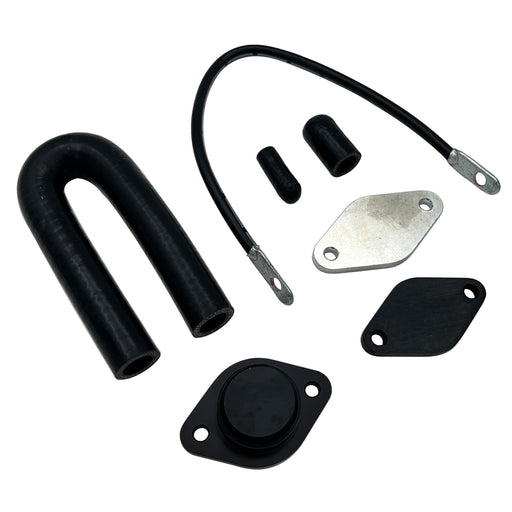
Seguler EGR valve cooler Delete kit for 2020-2022 3.0L Chevy Duramax LM2
SEGULEROriginal price $189.12 - Original price $189.12Original price$189.12$189.12 - $189.12Current price $189.12FITMENT 2020–2022 3.0L Chevrolet Silverado GMC Sierra 1500 LM2 Turbo-Diesel. DESCRIPTION Product Overview Powered by smooth inline-six engine...
View full details -

For 2013-2023 6.7L Dodge Ram Cummins Cab & Chassis EGR Delete Kit Diesel
SEGULEROriginal price $62.99 - Original price $62.99Original price$62.99$62.99 - $62.99Current price $62.99FITMENT 2013–2023 6.7L Ram Cummins 3500 4500 5500 Cab & Chassis / Commercial Trucks. Does NOT fit standard Ram 2500 3500 Pickups. DESCRIPTIO...
View full details -
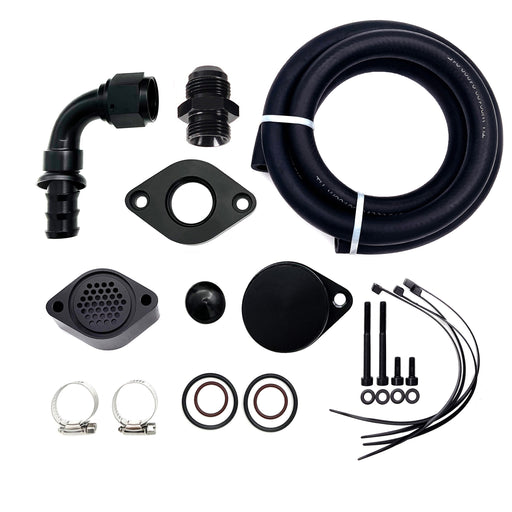
Seguler 2011-2023 6.7L Ford Powerstroke CCV PCV Reroute Engine Ventilation Kit
SEGULEROriginal price $82.99 - Original price $82.99Original price$82.99$82.99 - $82.99Current price $82.99FITMENT 2011-2023 6.7L Ford Powerstroke F-250 F-350 F-450 F-550 Super Duty V8 Diesel. Compatible with both standard Pickups and commercial Cab &...
View full details -
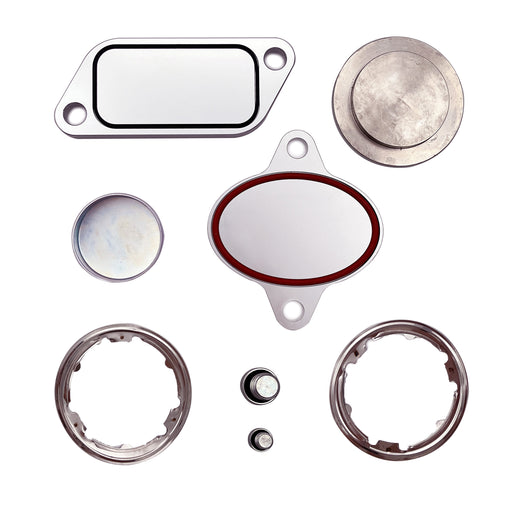
For 2007-2010 Cummins ISX CM871 EGR Plug Kit Stage 2 Plates and Plugs Aluminum
SEGULEROriginal price $67.99 - Original price $67.99Original price$67.99$67.99 - $67.99Current price $67.99FITMENT 2007-2010 Cummins Volvo, Peterbilt, Mack, International, Freightliner, Kenworth with the ISX CM871 Engines. DESCRIPTION Product Overvie...
View full details -
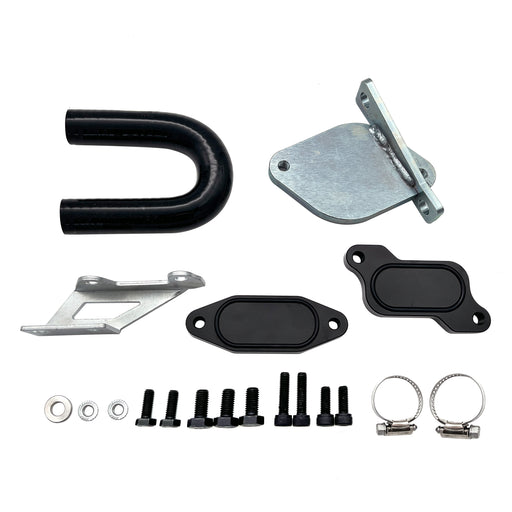
For 2007-2010 6.6L Chevy GMC LMM Duramax EGR Valve Cooler Delete Kit Fit
SEGULEROriginal price $61.99 - Original price $61.99Original price$61.99$61.99 - $61.99Current price $61.99FITMENT 2007.5-2010 6.6L Chevrolet Silverado Duramax LMM 2500HD / 3500HD. 2007.5-2010 6.6L GMC Sierra Duramax LMM 2500HD / 3500HD. Note: Standard...
View full details -
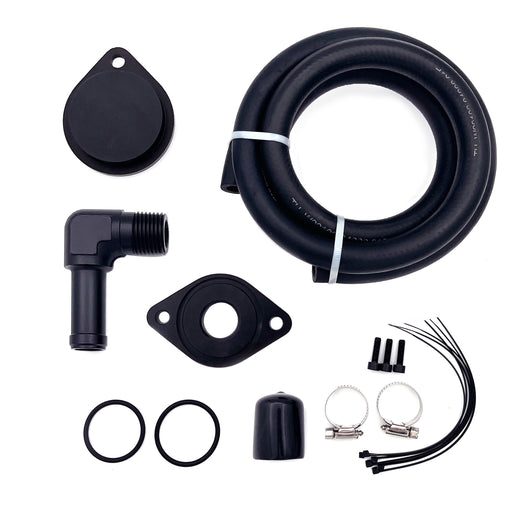
Seguler 2011-2023 Ford 6.7L Powerstroke CCV/PCV Reroute/Delete Engine Ventilation Kit
SEGULEROriginal price $72.00 - Original price $72.00Original price$72.00$72.00 - $72.00Current price $72.00FITMENT 2011-2023 6.7L Ford Powerstroke F-250 F-350 F-450 F-550 Super Duty V8 Diesel. Compatible with both standard Pickups and commercial Cab &...
View full details -
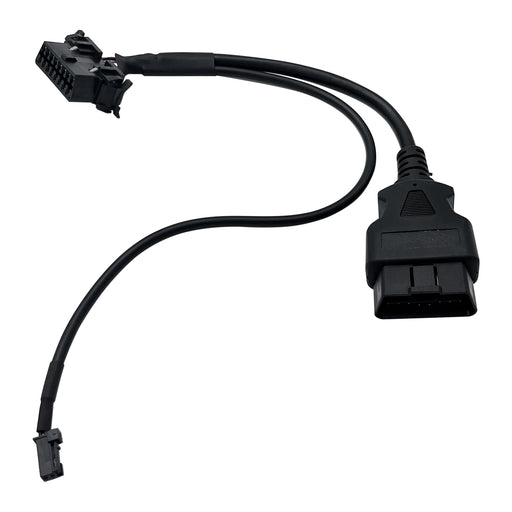
Seguler 2018+ RAM Cummins OBD2 HD Security Gate Bypass Cable
SEGULEROriginal price $45.00 - Original price $45.00Original price$45.00$45.00 - $45.00Current price $45.00FITMENT 2018+ 6.7L Ram Cummins 2500 3500 Turbo Diesel. Designed for Ram pickup trucks equipped with the factory Security Gateway Module. Note: Pl...
View full details -
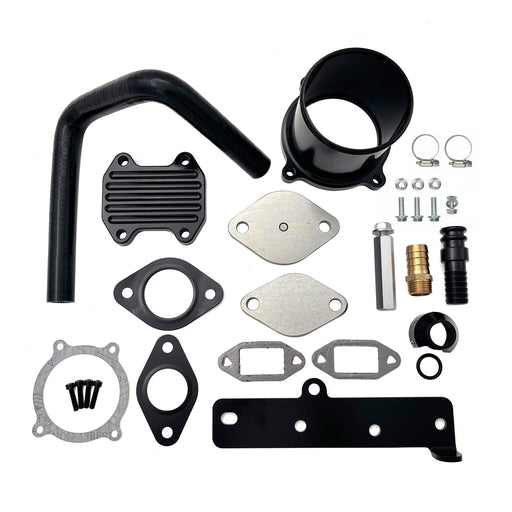
Seguler For 2013-2018 6.7L Dodge RAM 2500 3500 Cummins Diesel EGR Delete Cooler Throttle Valve Delete Kit
SEGULEROriginal price $112.00 - Original price $112.00Original price$112.00$112.00 - $112.00Current price $112.00FITMENT 2013–2018 6.7L Dodge Ram Cummins 2500 & 3500 Pickup Turbo Diesel. Note: Does NOT fit Cab & Chassis (3500 / 4500 / 5500 C&C) m...
View full details


Leave a comment