

L5P CAN Bus Plugs: Why You Need Them
As diesel vehicle emissions regulations become increasingly stringent, modern Duramax L5P engines are equipped with complex emissions control systems, including nitrogen oxide (NOx) sensors and diesel exhaust fluid (DEF) modules. In certain application scenarios, vehicle owners may need to modify or remove these emissions components. However, this can cause the Engine Control Module (ECM) to detect the absence of the system, triggering fault codes and limiting engine performance. The L5P can bus plugs emerged as a solution. By simulating the original emissions component modules, it enables normal operation, ensuring the vehicle continues to run smoothly after emissions system modifications. This article will provide a comprehensive analysis of the working principles, installation details, and maintenance points of this type of device.
In-Depth Technical Principle Analysis
L5P Can Bus Plugs Fundamentals
The Controller Area Network (CAN) bus is the backbone network of modern vehicle electronic systems, allowing efficient data exchange between various Electronic Control Units (ECUs). The L5P engine's emissions control system continuously communicates with the ECM via the CAN bus, reporting sensor data and system statusor tricking the engine computer (ECM) when components are removed.
Working Principle of Can Bus Plugs
Can bus plugs are essentially "signal simulators." Their core functions include:
- Closed Electrical Circuit: The internal loop wire of the plug forms a closed circuit, simulating the resistance characteristics of the NOx and DEF modules.
- Signal Protocol Maintenance: By providing the resistance values and signal feedback expected by the ECM, they prevent interruption of CAN bus communication.
- Fault Code Avoidance: They prevent the ECM from detecting "component missing" or "communication interruption" errors.
Primary Installation Points
- Under the Hood (Driver's Side): Near the main ECM unit, used to simulate NOx sensors close to the engine.
- Driver's Side Frame Rail: Typically used to simulate sensors located in the exhaust system.
- Passenger Side Frame Rail: Corresponds to emissions components on the other side.
- Near DEF Tank/Rear of Truck: Specifically used to simulate urea system components, including fluid level sensors and quality sensors.
Why are CAN Bus Plugs Needed?
Prevent ECU Limp Mode
When a truck's factory emissions aftertreatment system is removed, this device simulates the signals of critical components. This prevents the Engine Control Module from detecting a system failure, which would otherwise trigger diagnostic trouble codes and forcibly derate engine power.
Maintain Network Communication
It acts as a virtual node on the vehicle's CAN bus, broadcasting data that conforms to the factory protocol. This ensures continuous network communication and avoids cascading electronic faults.
Streamline Modification Integration
For vehicles undergoing deep performance modifications, it provides a foundation to bypass the complex factory emissions control logic. This allows for proper ECU retuning, enabling the modified engine to operate without electronic interference.
Malfunction after installation
Engine Warning Light / Diagnostic Trouble
- Inspect all connection plugs for misalignment or insufficient locking
- Confirm that the proper Engine Control Module (ECM) recalibration procedure has been successfully completed
- If the above checks are normal, recommend a comprehensive vehicle diagnosis by a professional technician
Engine Performance Issues
- Re-examine and verify the accuracy and completeness of the loaded engine control calibration data
- Thoroughly inspect simulation plugs and related wiring harnesses for physical damage, connector pin deformation, or circuit breakage
- Conduct a complete vehicle diagnosis to rule out non-emission-related faults
Professional technical solution
2017-2019 L5P Duramax Diesel 4pcs L5P Can Bus Plugs Connector
In the field of diesel modification aimed at achieving ultimate performance and practical efficiency, the rational optimization of the emission system has become a core demand for high-performance users. A solution that can both maintain system integrity and unleash the performance potential has emerged. This is precisely the original intention of our L5P CAN bus plugs - not just a replacement, but something that goes beyond.

Core features of the product :
- High-strength ABS engineering plastic, resistant to high temperatures and corrosion.
- After installation, professional calibration of the engine ECU must be carried out.
- Manufactured strictly in accordance with automotive-grade quality standards, it is durable, reliable and stable.
- Maintain the complete communication of the fuel system's CAN bus
2020-2023 chevy duramax L5P Diesel Can Bus Plugs Connector
For applications involving modification or removal of the exhaust system, 2020-2023 Can Bus Plugs are specifically designed to meet the requirements for the removal of diesel particulate filters (DPF) and exhaust fluid (DEF) systems. Ensuring the normal transmission of fuel tank and fuel booster pump data in the ECU.

We understand your concerns during the modification process - differences in model years, system updates, and compatibility risks. From the earliest 2017 model to the 2023 model, no matter how many system upgrades your L5P has undergone, our product can perfectly match.
Detailed Installation Procedure & Maintenance
Safety Preparations
Vehicle Prep:
Park the vehicle on a flat, well-ventilated surface.
Electrical Safety:
- Turn the ignition switch OFF and remove the key
- Disconnect the negative battery cable
Step-by-Step Installation Process
- Location & Removal:Identify the original NOx and DEF module installation positions,and then carefully remove them
- Plug Installation:Connect the compatible CAN bus simulation plugs to the corresponding ports where the original NOx/DEF modules were located.
- Power Restoration:After completing the installation of all plugs and confirming secure connections, reconnect the vehicle's battery power.
- System Calibration:Following installation, an Engine Control Module recalibration procedure must be performed.
Long-Term Usage Guide
Regular Inspection Schedule
- Monthly Check: Visual inspection for connection security, ensuring nothing is loose.
- Quarterly Check: Detailed inspection of plugs and wiring for signs of wear, heat discoloration.
Cleaning and Maintenance
- Gently wipe the exterior of the plug using a dry, soft cloth
- Do not use corrosive chemical cleaners or abrasive materials
Environmental Protection
To avoid exposing the plug to environmental conditions that exceed normal vehicle operating parameters, including:
- sustained excessive humidity
- extreme temperature environments
- contact with corrosive chemical substances
Tips: The plug interior does not contain any user-serviceable components. Any attempt to disassemble the plug housing is strictly prohibited.
Conclusion
The L5P CAN bus simulation plug is an electronic solution designed for Duramax vehicles with DPF/DEF systems. By simulating the original factory sensor signals, it avoids ECM errors and engine torque limitations. Whether for large-scale modifications by professional racing teams or performance enhancements for individual enthusiasts, we can match the most suitable solution for your needs. Visit www.seguler.com now and let our expert technical team customize the optimal modification plan for your vehicle — embark on a true journey of performance freedom.
FAQs About L5P Can Bus Plugs
Q1: How is the durability of L5P Can Bus Plugs under long-term high temperatures?
A1: L5P can bus plugs, typically made from durable ABS plastic , are engineered to handle high engine bay temperatures, vibration, and moisture for long-term use.
Q2: Will the installation affect the original vehicle's active safety system?
A2: The installation process will not interfere with the vehicle's active safety system. All plugs merely simulate emission-related signals. However, please note that any modification of the power system may indirectly affect the calibration and matching of the safety system.
Q3: Will continuous vibration cause damage to the Can Bus Plugs?
A3: Yes, continuous vibration can absolutely damage CAN bus plugs, but proper design (using vibration-resistant connectors, strain relief, good shielding) can mitigate these risks.
Q4: Will the original factory warranty be invalidated after installation?
A4: Installing the can bus Plugs does not automatically void your entire manufacturer's warranty. However, if the dealer can prove that these connectors directly caused the malfunction, they can reject your warranty claim.
Q5: Is it necessary to calibrate after installing the L5P Can Bus Plugs?
A5: Yes, when installing Can Bus Plugs, a new engine calibration (tuning) is required for proper operation because the plugs trick the ECM into thinking emissions components are still connected.


Featured collection
-
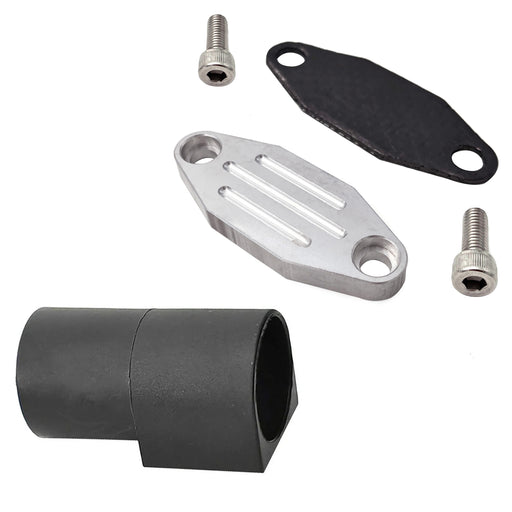
Seguler 1986-1995 Ford F150 F250 F350 Mustang Trucks EGR Simulator Eliminator / Block Off Plate Kit
SEGULEROriginal price $79.99 - Original price $79.99Original price$79.99$79.99 - $79.99Current price $79.99Block Off Plate Material: Aluminum alloy. Easy installation,and convenient to use. Made of CNC milled from aircraft grade Billet aluminum. Will N...
View full details -

Seguler 2011-2023 6.7L Ford Powerstroke Diesel EGR Delete Kit
SEGULEROriginal price $109.99 - Original price $109.99Original price$109.99$109.99 - $109.99Current price $109.99FITMENT 2011-2023 6.7L Ford Powerstroke F-250 F-350 F-450 F-550 Super Duty V8 Diesel. compatible with both standard Pickups and commercial Cab &...
View full details -
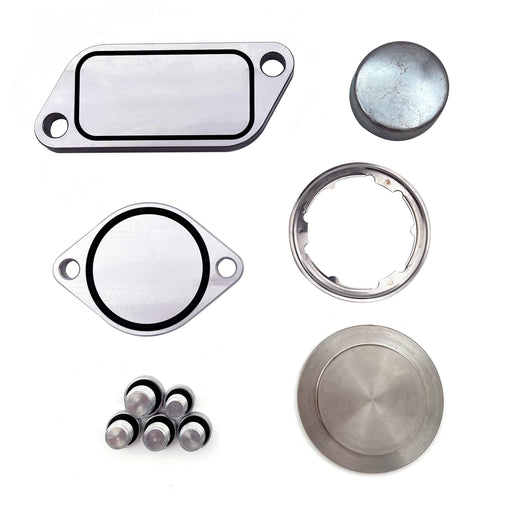
For 2010-Present Stage 2 ISX 15 CM2250 CM2350 EGR Delete Kit
SEGULEROriginal price $59.99 - Original price $59.99Original price$59.99$59.99 - $59.99Current price $59.99FITMENT 2010-Present Cummins Volvo, Peterbilt, Mack, International, Freightliner, Kenworth with the ISX15 CM2250 / CM2350 engines. DESCRIPTION P...
View full details -
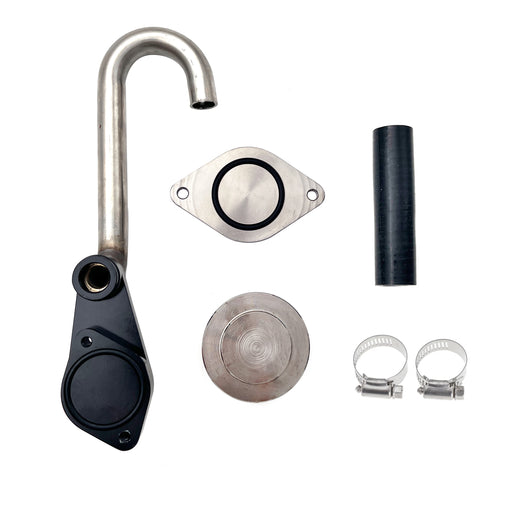
Seguler 2003-2007 6.0L FORD Powerstroke Diesel EGR Cooler Delete Kit
SEGULEROriginal price $56.14 - Original price $56.14Original price$56.14$56.14 - $56.14Current price $56.14FITMENT 2003-2007 6.0L Ford F-250 Ford F-350 F-450 F-550 Super Duty. 2003-2007 6.0L Ford Excursion SUV (Diesel Models Only). 2005-2010 Ford E-Se...
View full details -
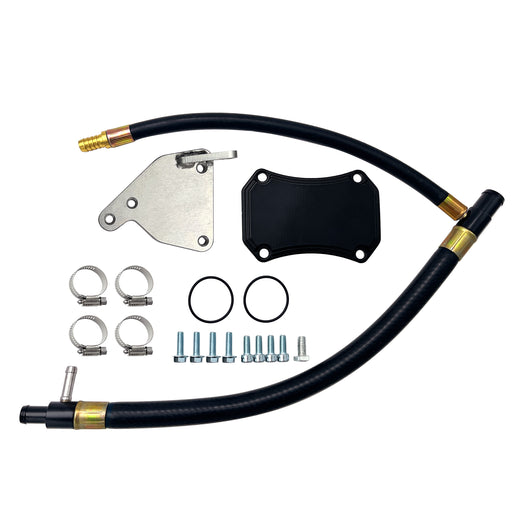
For 2011-2016 6.6L GMC Chevy Duramax Diesel LML EGR Valve Cooler Delete Kit
SEGULEROriginal price $66.49 - Original price $66.49Original price$66.49$66.49 - $66.49Current price $66.49FITMENT 2011-2016 6.6L Chevy GMC Duramax LML 2500 HD 3500 HD Diesel. DESCRIPTION Product Overview The 2011–2016 LML Duramax uses a complex EG...
View full details -
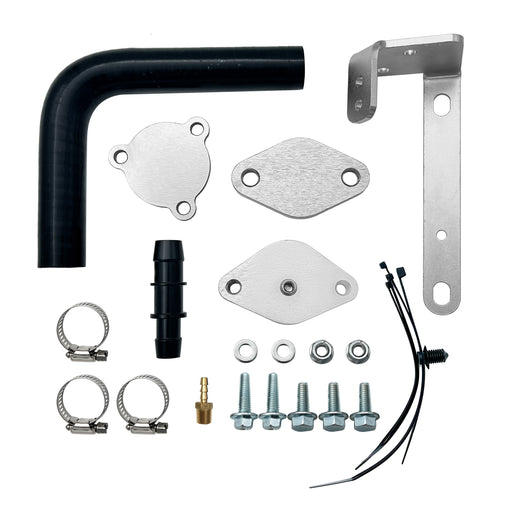
Seguler For 2014-2019 3.0L Dodge Ram 1500 EcoDiesel EGR Valve & Cooler Delete Kit
SEGULEROriginal price $72.99 - Original price $72.99Original price$72.99$72.99 - $72.99Current price $72.99FITMENT 2014-2019 3.0L Dodge Ram 1500 EcoDiesel V6 engine trucks. DESCRIPTION Product Overview Exhaust gas recirculation on 3.0L EcoDiesel V6 ...
View full details -

Seguler 2011-2023 6.7L Ford Powerstroke Diesel EGR Delete Kit
SEGULEROriginal price $85.99 - Original price $85.99Original price$85.99$85.99 - $85.99Current price $85.99FITMENT 2011-2023 6.7L Ford Powerstroke F-250 F-350 F-450 F-550 Super Duty V8 Diesel. compatible with both standard Pickups and commercial Cab &...
View full details -

Seguler 2010-2024 6.7L Dodge Ram Cummins Diesel EGR Valve Cooler Delete Kit
SEGULEROriginal price $89.99 - Original price $89.99Original price$89.99$89.99 - $89.99Current price $89.99FITMENT 2010–2024 6.7L Dodge Ram Cummins 2500 / 3500 Pickup Turbo Diesel. Note: Does NOT fit Chassis Cab 3500 / 4500 / 5500 models. DESCRIPTIO...
View full details -
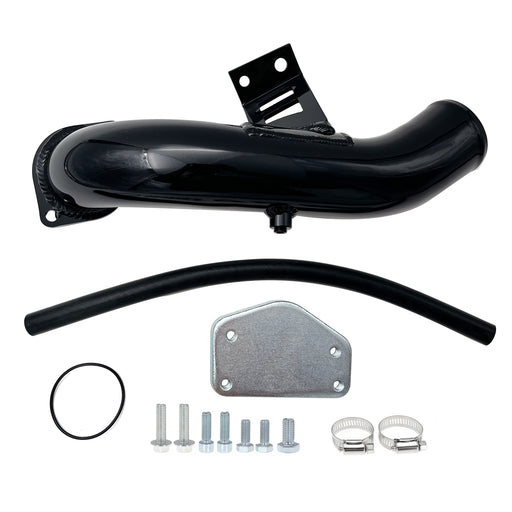
For 2004.5-2005 6.6L Chevy GMC Silverado LLY Duramax Diesel EGR Delete Kit
SEGULEROriginal price $92.99 - Original price $92.99Original price$92.99$92.99 - $92.99Current price $92.99FITMENT 2004.5-2005 6.6L Chevrolet Silverado Duramax LLY 2500HD / 3500 HD. 2004.5-2005 6.6L GMC Sierra Duramax LLY 2500HD / 3500 HD. DESCRIPTION...
View full details -

Seguler 2017-2019 L5P Duramax Diesel 4pcs L5P Can Bus Plugs Connector Replacement
SEGULEROriginal price $75.00 - Original price $75.00Original price$75.00$75.00 - $75.00Current price $75.00FITMENT 2017–2019 Chevrolet Silverado / GMC Sierra Duramax L5P 2500HD & 3500HD Diesel. DESCRIPTION Product Overview Unprotected harness con...
View full details -

Seguler 2020-2023 chevy duramax L5P Diesel Can Bus Plugs Connector
SEGULEROriginal price $80.00 - Original price $80.00Original price$80.00$80.00 - $80.00Current price $80.00FITMENT 2020–2023 Chevrolet Silverado / GMC Sierra Duramax L5P 2500HD & 3500HD Diesel. DESCRIPTION Product Overview Unprotected harness pl...
View full details -
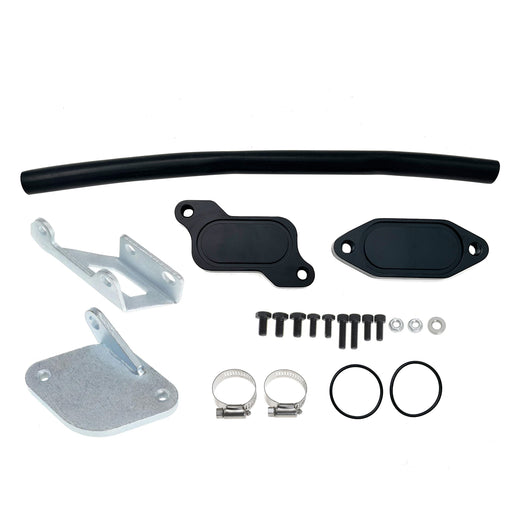
For 2006-2007 6.6L Chevrolet Silverado Classic GMC Duramax LBZ Diesel EGR Valve Cooler Delete Kit
SEGULEROriginal price $63.49 - Original price $63.49Original price$63.49$63.49 - $63.49Current price $63.49FITMENT 2006-2007.4 Chevrolet Silverado Duramax LBZ 2500HD / 3500HD. 2007.4 Chevrolet Silverado Duramax LBZ 2500HD / 3500HD Classic. 2006-2007.4 ...
View full details -

Seguler 2011-2023 6.7L Ford F250 F350 F450 F550 Powerstroke Diesel EGR Valve Delete Cooler Delete Kit
SEGULEROriginal price $55.99 - Original price $55.99Original price$55.99$55.99 - $55.99Current price $55.99FITMENT 2011-2023 6.7L Ford Powerstroke F-250 F-350 F-450 F-550 Super Duty V8 Diesel compatible with both standard Pickups and commercial Cab &a...
View full details -
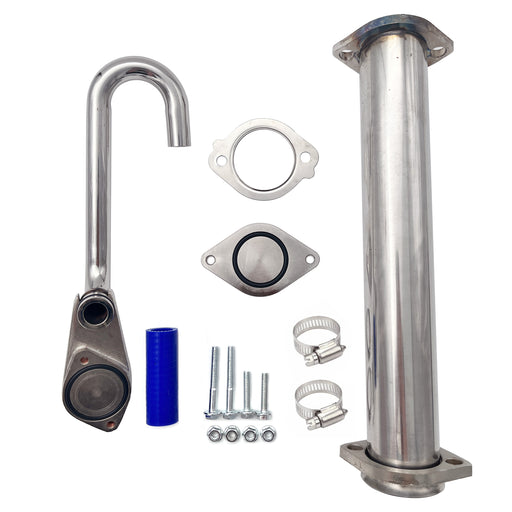
Seguler 2003-2007 6.0L Ford F250 F350 Powerstroke Diesel EGR Basic Cooler Kit
SEGULEROriginal price $79.99 - Original price $79.99Original price$79.99$79.99 - $79.99Current price $79.99FITMENT 2003-2007 6.0L Ford F250 F350 F450 F550 Super Duty Turbo (except 2004 F250 Super Duty). 2003-2005 6.0L Ford Excursion Turbo. 2005 Ford F...
View full details -
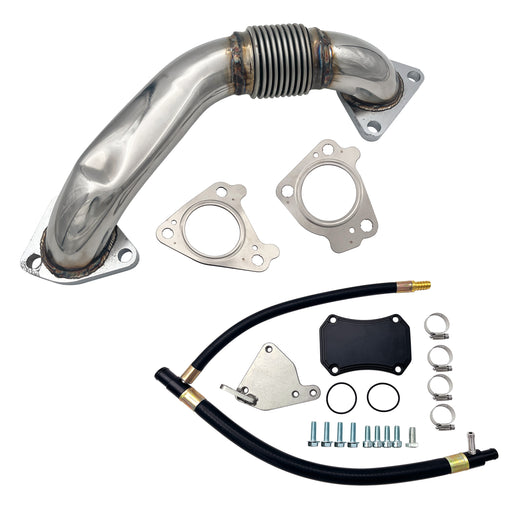
Seguler 2011-2016 6.6L GMC Chevy Duramax Diesel LML Up-Pipe & EGR Valve Cooler Delete Kit
SEGULEROriginal price $173.86 - Original price $173.86Original price$173.86$173.86 - $173.86Current price $173.86FITMENT 2011-2016 6.6L Chevy GMC Duramax LML 2500 HD 3500 HD Diesel. DESCRIPTION Product Overview Direct-injection technology endows GM 5.3L an...
View full details -
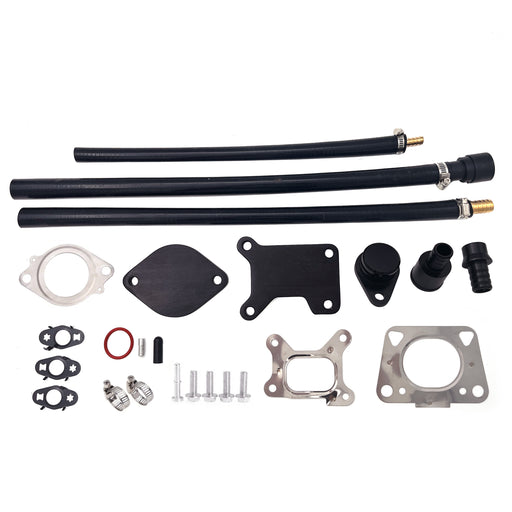
For 2017-2023 6.6L Chevy GMC Duramax L5P diesel EGR Valve Cooler Delete kit
SEGULEROriginal price $131.99 - Original price $131.99Original price$131.99$131.99 - $131.99Current price $131.99FITMENT 2017–2023 6.6L Chevrolet Silverado / GMC Sierra Duramax L5P 2500HD 3500HD Diesel. DESCRIPTION Product Overview Hot soot recirculation ...
View full details -
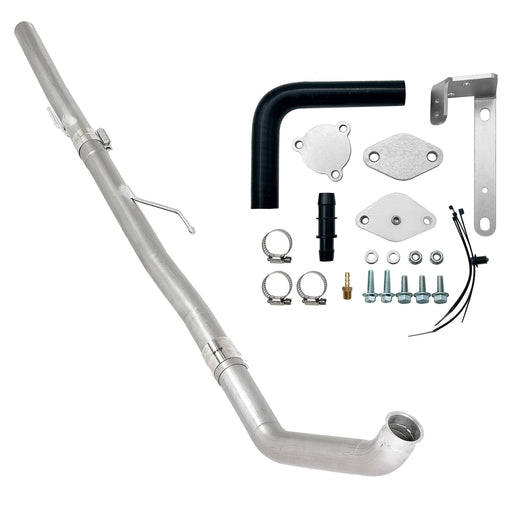
Seguler 3" Ecodiesel DPF Delete Pipe & EGR Delete kit for 2014-2018 3.0L Ram
SEGULEROriginal price $342.00 - Original price $342.00Original price$342.00$342.00 - $342.00Current price $342.00FITMENT 2014–2018 3.0L Dodge Ram 1500 EcoDiesel V6. NOTE: Fit standard Pickup models only (Crew Cab, Quad Cab). Does NOT fit Jeep Grand Cheroke...
View full details -
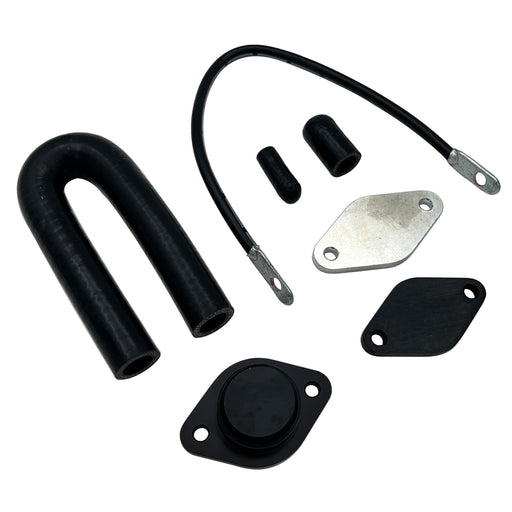
Seguler EGR valve cooler Delete kit for 2020-2022 3.0L Chevy Duramax LM2
SEGULEROriginal price $189.12 - Original price $189.12Original price$189.12$189.12 - $189.12Current price $189.12FITMENT 2020–2022 3.0L Chevrolet Silverado GMC Sierra 1500 LM2 Turbo-Diesel. DESCRIPTION Product Overview Powered by smooth inline-six engine...
View full details -

For 2013-2023 6.7L Dodge Ram Cummins Cab & Chassis EGR Delete Kit Diesel
SEGULEROriginal price $62.99 - Original price $62.99Original price$62.99$62.99 - $62.99Current price $62.99FITMENT 2013–2023 6.7L Ram Cummins 3500 4500 5500 Cab & Chassis / Commercial Trucks. Does NOT fit standard Ram 2500 3500 Pickups. DESCRIPTIO...
View full details -
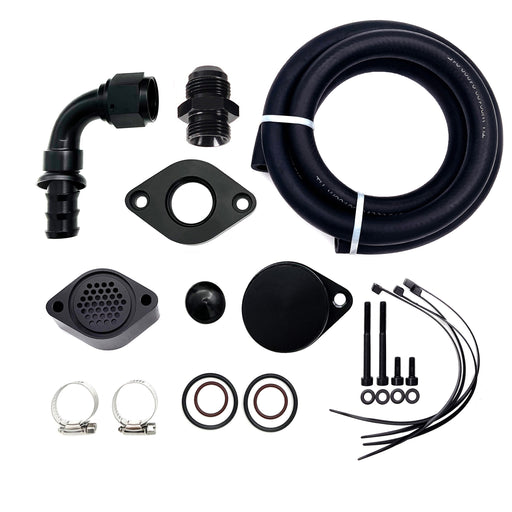
Seguler 2011-2023 6.7L Ford Powerstroke CCV PCV Reroute Engine Ventilation Kit
SEGULEROriginal price $82.99 - Original price $82.99Original price$82.99$82.99 - $82.99Current price $82.99FITMENT 2011-2023 6.7L Ford Powerstroke F-250 F-350 F-450 F-550 Super Duty V8 Diesel. Compatible with both standard Pickups and commercial Cab &...
View full details -
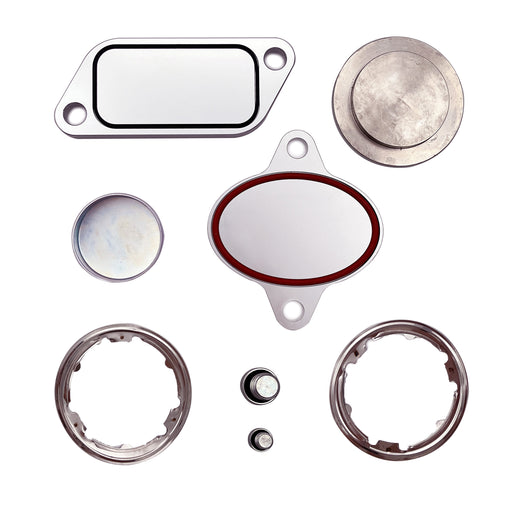
For 2007-2010 Cummins ISX CM871 EGR Plug Kit Stage 2 Plates and Plugs Aluminum
SEGULEROriginal price $67.99 - Original price $67.99Original price$67.99$67.99 - $67.99Current price $67.99FITMENT 2007-2010 Cummins Volvo, Peterbilt, Mack, International, Freightliner, Kenworth with the ISX CM871 Engines. DESCRIPTION Product Overvie...
View full details -
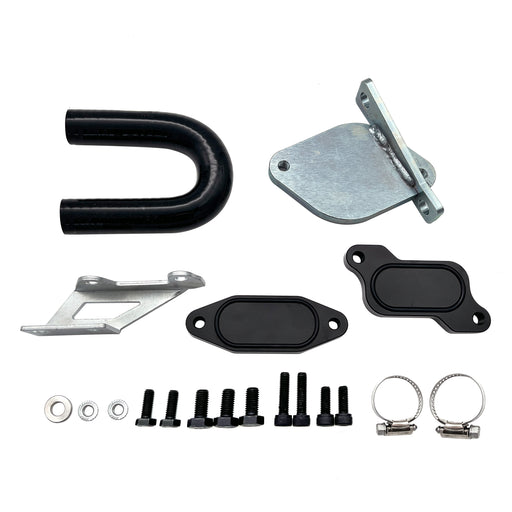
For 2007-2010 6.6L Chevy GMC LMM Duramax EGR Valve Cooler Delete Kit Fit
SEGULEROriginal price $61.99 - Original price $61.99Original price$61.99$61.99 - $61.99Current price $61.99FITMENT 2007.5-2010 6.6L Chevrolet Silverado Duramax LMM 2500HD / 3500HD. 2007.5-2010 6.6L GMC Sierra Duramax LMM 2500HD / 3500HD. Note: Standard...
View full details -
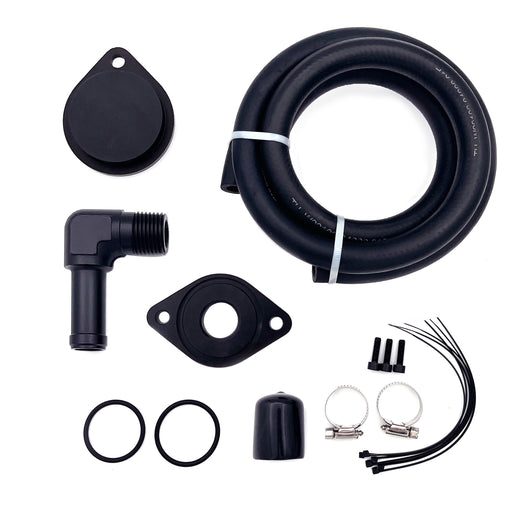
Seguler 2011-2023 Ford 6.7L Powerstroke CCV/PCV Reroute/Delete Engine Ventilation Kit
SEGULEROriginal price $72.00 - Original price $72.00Original price$72.00$72.00 - $72.00Current price $72.00FITMENT 2011-2023 6.7L Ford Powerstroke F-250 F-350 F-450 F-550 Super Duty V8 Diesel. Compatible with both standard Pickups and commercial Cab &...
View full details -
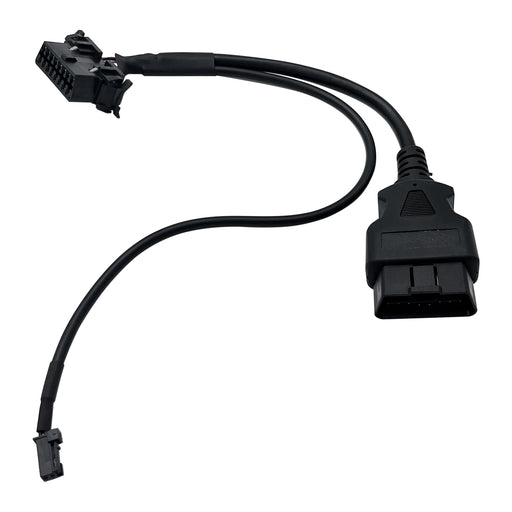
Seguler 2018+ RAM Cummins OBD2 HD Security Gate Bypass Cable
SEGULEROriginal price $45.00 - Original price $45.00Original price$45.00$45.00 - $45.00Current price $45.00FITMENT 2018+ 6.7L Ram Cummins 2500 3500 Turbo Diesel. Designed for Ram pickup trucks equipped with the factory Security Gateway Module. Note: Pl...
View full details -
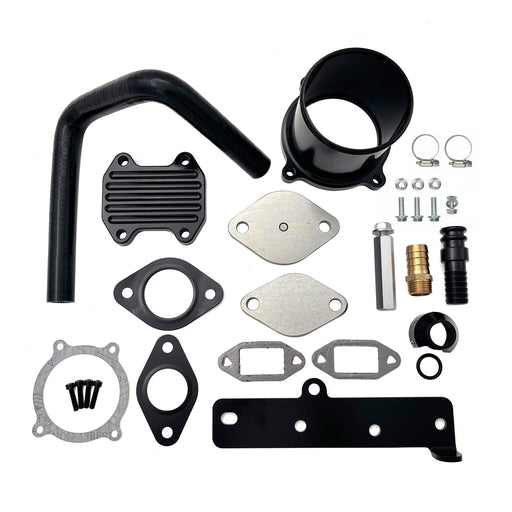
Seguler For 2013-2018 6.7L Dodge RAM 2500 3500 Cummins Diesel EGR Delete Cooler Throttle Valve Delete Kit
SEGULEROriginal price $112.00 - Original price $112.00Original price$112.00$112.00 - $112.00Current price $112.00FITMENT 2013–2018 6.7L Dodge Ram Cummins 2500 & 3500 Pickup Turbo Diesel. Note: Does NOT fit Cab & Chassis (3500 / 4500 / 5500 C&C) m...
View full details


Leave a comment