

Why 6.7L Powerstroke Owners Swap to Delete Pipes
🔑 Key Takeaways
- DPF clogging is the #1 reliability issue for 6.7L Powerstroke owners—replacement costs $3,000-$5,000+ at the dealer
- Upgrade pipes eliminate DPF backpressure, reducing EGTs by 100-200°F for safer towing and longer engine life
- Professional-grade delete pipes are mandrel-bent for maximum flow and built from 304 stainless steel for corrosion resistance
- Proper tuning is required after installation to prevent fault codes and optimize fuel delivery
The Ford 6.7L Powerstroke is widely regarded as one of the most capable diesel engines ever produced. Since its debut in 2011, it has moved mountains, hauled massive trailers, and built a reputation for immense torque. However, even the most legendary engines have a "pressure point." For the 6.7 Powerstroke, that point is often the Emissions Control System.
In the diesel community, a growing number of owners are opting for "delete pipes"—replacing the factory Diesel Particulate Filter (DPF) and Selective Catalytic Reduction (SCR) systems. But why are owners risking warranty voids and legal scrutiny to remove these components? The answer usually comes down to a battle between engine longevity and the cost of clogging.
The Anatomy of the Clog: DPF and EGR
To understand the "why," you first have to understand the "what." Modern 6.7 Powerstrokes utilize two primary systems to meet EPA standards:
- Exhaust Gas Recirculation (EGR): This redirects a portion of exhaust gas back into the intake to lower combustion temperatures and reduce NOx emissions.
- Diesel Particulate Filter (DPF): This "trap" captures soot (particulate matter) before it leaves the tailpipe.
The Problem: These systems are essentially filters, and all filters eventually clog. In a diesel engine, soot is oily and abrasive. When the EGR valve gets "coked" with carbon, it can stick, leading to poor fuel economy and rough idling. When the DPF reaches capacity, the truck enters Active Regeneration.
The Hidden Costs of Emissions Equipment
Owners who swap to a delete pipe often cite three major "costs" that drive their decision:
The "Regen" Tax
Active regeneration is not free. It requires a significant amount of diesel fuel just to clean the filter. Owners frequently report a 2–4 MPG increase after installing a delete pipe and a matching tune. Over 100,000 miles, that extra fuel consumption represents thousands of dollars in "wasted" overhead.
Engine Oil Dilution
During a regeneration cycle, raw diesel can wash past the piston rings and mix with the engine oil. This "fuel dilution" thins the oil, reducing its lubricating properties and potentially causing premature wear on the 6.7’s main bearings and turbocharger components.
The "Limp Mode" Nightmare
The most feared scenario for any Super Duty owner is the dreaded "Exhaust Filter Full" message followed by a speed limitation (Limp Mode). If a sensor fails or the DPF is too clogged to clean itself, the truck may limit you to 5 MPH. In a work environment or while towing a heavy trailer in the mountains, this isn't just an inconvenience—it's a safety hazard and a loss of revenue.
Featured Solution 1: The Essential Exhaust Delete
For those looking to streamline their exhaust flow and eliminate DPF-related headaches, this 4" straight pipe is the industry standard.
2011-2023 6.7L Ford Powerstroke 4" Cat & DPF Delete Pipe

-
Built for Durability: Crafted from premium 409 Stainless Steel for long-term corrosion resistance.
-
Performance First: This 4.0" system provides maximum flow, significantly reducing backpressure and boosting horsepower in competition settings.
-
Maintenance-Free: Say goodbye to regular DPF cleanings and the risk of expensive filter failures.
-
Fitment: Precision-engineered for 2011-2023 Ford F250, F350, and F450 Super Duty (Note: Not compatible with Cab & Chassis models).
Expert Tip: Removing the DPF restriction ensures your engine isn't fighting its own exhaust, leading to cooler operating temperatures.
Featured Solution 2: The Complete Reliability Bundle
If you want to fully protect your 6.7L from soot-related failure, this comprehensive kit covers both the exhaust and the recirculation system.
2011-2023 6.7L Ford Powerstroke 4" DPF & CAT Pipe w/ EGR Delete Kit

-
Total System Overhaul: Includes both the 4" T-409 Stainless Steel delete pipe and a full EGR delete kit.
-
Lower EGTs: By eliminating the EGR, you significantly reduce Exhaust Gas Temperatures, directly extending your engine’s service life.
-
No More Clogs: Get rid of the soot-clogged EGR valves and restrictive catalytic converters (Catless/Decat design).
-
Cost Savings: Drastically reduce the high costs associated with regular DPF and EGR valve maintenance.
The "Delete" Solution: Performance vs. Legality
A delete pipe is a straight section of exhaust tubing that replaces the bulky DPF/SCR canister. By removing the restriction, the engine "breathes" easier. Exhaust Gas Temperatures (EGTs) drop significantly because the engine is no longer fighting against a literal plug in the tailpipe.
However, a delete pipe is not a standalone mod. Because the 6.7 Powerstroke is managed by a complex ECU, removing these parts requires an electronic tune to tell the computer not to look for those sensors.
The Reality Check
While the mechanical benefits are clear, the legal reality in the United States is rigid. The Clean Air Act prohibits the tampering of emissions devices on vehicles driven on public roads.
-
Warranty: Installing a delete pipe will almost certainly void your powertrain warranty.
-
Resale: Many dealerships cannot legally take a "deleted" truck in on trade.
-
Compliance: In states with emissions testing, a deleted truck will fail visual and computer inspections.
Final Thoughts
Ultimately, the "cost of clogging" is more than just a repair bill—it's about the downtime and the lost reliability of your 6.7 Powerstroke. While the choice to install a delete pipe is a significant one, ensuring your truck runs efficiently shouldn't be a guessing game.
From specialized delete pipes for competition use to heavy-duty cooling upgrades, www.seguler.com is the trusted partner for diesel enthusiasts across the U.S. We specialize in providing the parts and the "know-how" to help your 6.7 Powerstroke breathe easier and last longer.
FAQs About 6.7L Powerstroke Delete Pipe
Q1: Is removing the emissions system on my 6.7L Powerstroke legal?
A1: It is critical to understand that federal law in the United States prohibits the removal or tampering of emissions control devices on any vehicle operated on public highways. These modifications are strictly intended and permitted for closed-course competition, racing, or off-road use on private property only.
Q2: Will I lose my factory warranty if I install these parts?
A2: Yes. Once the emissions system is modified, dealerships and factory technicians can easily identify the changes via physical inspection or ECU logs. Installing these components generally results in the immediate voiding of your powertrain warranty. By proceeding with these modifications, the vehicle owner assumes all associated financial and mechanical risks.
Q3: Can I expect better fuel efficiency (MPG) after a DPF delete?
A3: Yes, improved fuel economy is one of the most cited benefits. Most owners observe an increase of 3 to 5 MPG after completing a full DPF removal. This improvement occurs because the engine no longer wastes fuel on "Active Regeneration" cycles and breathes more efficiently, especially when the hardware is paired with a high-performance ECU recalibration.
Q4: What is the total investment for a DPF removal, and is it a DIY project?
A4: Generally, a high-quality DPF delete setup costs between $600 and $900, depending on the specific materials and kit components you choose. If you are a seasoned "wrench-turner" or automotive enthusiast, the physical installation is a manageable DIY task.
Q5: Does deleting the DPF impact the long-term reliability of my 6.7L engine?
A5: When paired with a professional-grade tune and a disciplined maintenance schedule, a deleted 6.7L Powerstroke is well-known for reaching the 300,000-mile milestone and beyond. While removing restrictive emissions components can reduce engine backpressure and heat stress, longevity ultimately depends on sensible driving and proactive oil changes.


Featured collection
-
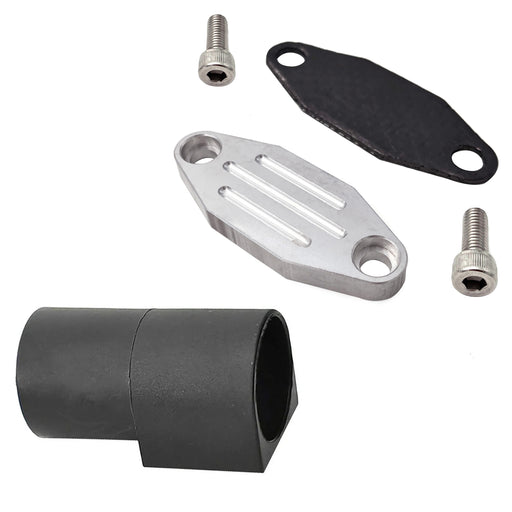
Seguler 1986-1995 Ford F150 F250 F350 Mustang Trucks EGR Simulator Eliminator / Block Off Plate Kit
SEGULEROriginal price $79.99 - Original price $79.99Original price$79.99$79.99 - $79.99Current price $79.99Block Off Plate Material: Aluminum alloy. Easy installation,and convenient to use. Made of CNC milled from aircraft grade Billet aluminum. Will N...
View full details -

Seguler 2011-2023 6.7L Ford Powerstroke Diesel EGR Delete Kit
SEGULEROriginal price $109.99 - Original price $109.99Original price$109.99$109.99 - $109.99Current price $109.99FITMENT 2011-2023 6.7L Ford Powerstroke F-250 F-350 F-450 F-550 Super Duty V8 Diesel. compatible with both standard Pickups and commercial Cab &...
View full details -
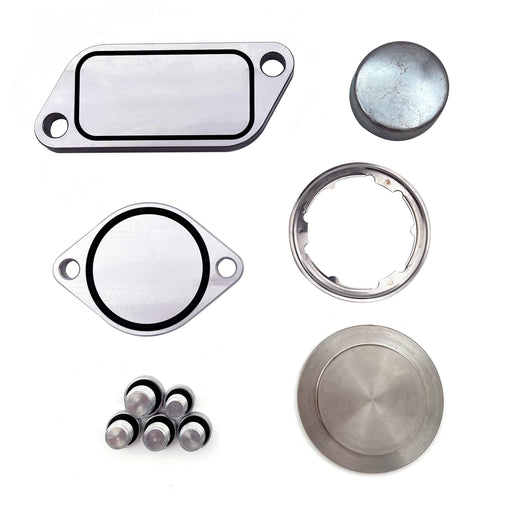
For 2010-Present Stage 2 ISX 15 CM2250 CM2350 EGR Delete Kit
SEGULEROriginal price $59.99 - Original price $59.99Original price$59.99$59.99 - $59.99Current price $59.99FITMENT 2010-Present Cummins Volvo, Peterbilt, Mack, International, Freightliner, Kenworth with the ISX15 CM2250 / CM2350 engines. DESCRIPTION P...
View full details -
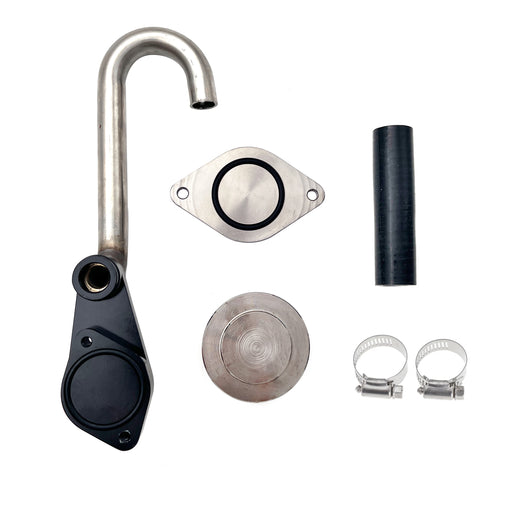
Seguler 2003-2007 6.0L FORD Powerstroke Diesel EGR Cooler Delete Kit
SEGULEROriginal price $56.14 - Original price $56.14Original price$56.14$56.14 - $56.14Current price $56.14FITMENT 2003-2007 6.0L Ford F-250 Ford F-350 F-450 F-550 Super Duty. 2003-2007 6.0L Ford Excursion SUV (Diesel Models Only). 2005-2010 Ford E-Se...
View full details -
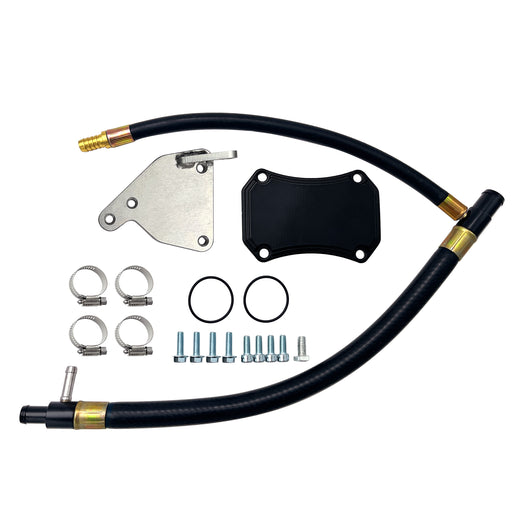
For 2011-2016 6.6L GMC Chevy Duramax Diesel LML EGR Valve Cooler Delete Kit
SEGULEROriginal price $66.49 - Original price $66.49Original price$66.49$66.49 - $66.49Current price $66.49FITMENT 2011-2016 6.6L Chevy GMC Duramax LML 2500 HD 3500 HD Diesel. DESCRIPTION Product Overview The 2011–2016 LML Duramax uses a complex EG...
View full details -
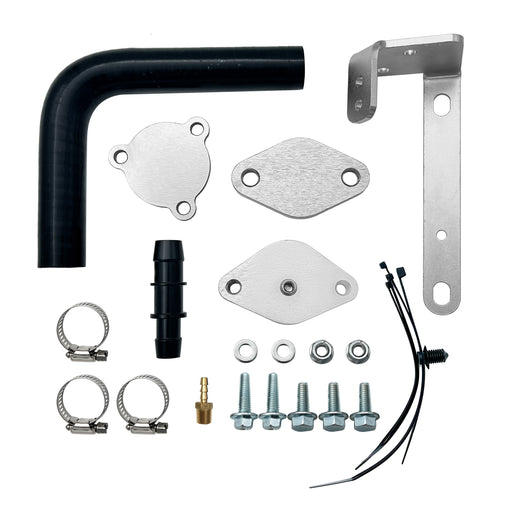
Seguler For 2014-2019 3.0L Dodge Ram 1500 EcoDiesel EGR Valve & Cooler Delete Kit
SEGULEROriginal price $72.99 - Original price $72.99Original price$72.99$72.99 - $72.99Current price $72.99FITMENT 2014-2019 3.0L Dodge Ram 1500 EcoDiesel V6 engine trucks. DESCRIPTION Product Overview Exhaust gas recirculation on 3.0L EcoDiesel V6 ...
View full details -

Seguler 2011-2023 6.7L Ford Powerstroke Diesel EGR Delete Kit
SEGULEROriginal price $85.99 - Original price $85.99Original price$85.99$85.99 - $85.99Current price $85.99FITMENT 2011-2023 6.7L Ford Powerstroke F-250 F-350 F-450 F-550 Super Duty V8 Diesel. compatible with both standard Pickups and commercial Cab &...
View full details -

Seguler 2010-2024 6.7L Dodge Ram Cummins Diesel EGR Valve Cooler Delete Kit
SEGULEROriginal price $89.99 - Original price $89.99Original price$89.99$89.99 - $89.99Current price $89.99FITMENT 2010–2024 6.7L Dodge Ram Cummins 2500 / 3500 Pickup Turbo Diesel. Note: Does NOT fit Chassis Cab 3500 / 4500 / 5500 models. DESCRIPTIO...
View full details -
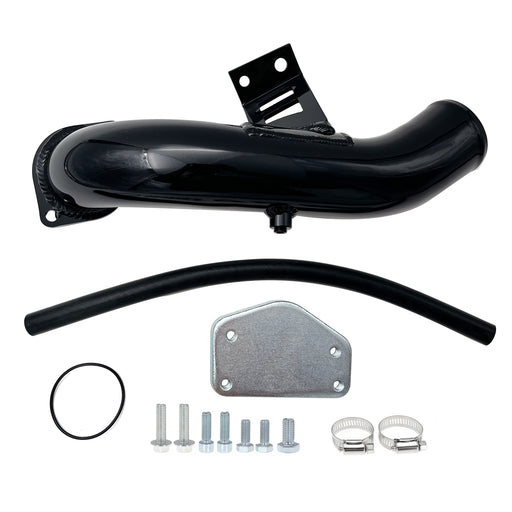
For 2004.5-2005 6.6L Chevy GMC Silverado LLY Duramax Diesel EGR Delete Kit
SEGULEROriginal price $92.99 - Original price $92.99Original price$92.99$92.99 - $92.99Current price $92.99FITMENT 2004.5-2005 6.6L Chevrolet Silverado Duramax LLY 2500HD / 3500 HD. 2004.5-2005 6.6L GMC Sierra Duramax LLY 2500HD / 3500 HD. DESCRIPTION...
View full details -

Seguler 2017-2019 L5P Duramax Diesel 4pcs L5P Can Bus Plugs Connector Replacement
SEGULEROriginal price $75.00 - Original price $75.00Original price$75.00$75.00 - $75.00Current price $75.00FITMENT 2017–2019 Chevrolet Silverado / GMC Sierra Duramax L5P 2500HD & 3500HD Diesel. DESCRIPTION Product Overview Unprotected harness con...
View full details -

Seguler 2020-2023 chevy duramax L5P Diesel Can Bus Plugs Connector
SEGULEROriginal price $80.00 - Original price $80.00Original price$80.00$80.00 - $80.00Current price $80.00FITMENT 2020–2023 Chevrolet Silverado / GMC Sierra Duramax L5P 2500HD & 3500HD Diesel. DESCRIPTION Product Overview Unprotected harness pl...
View full details -
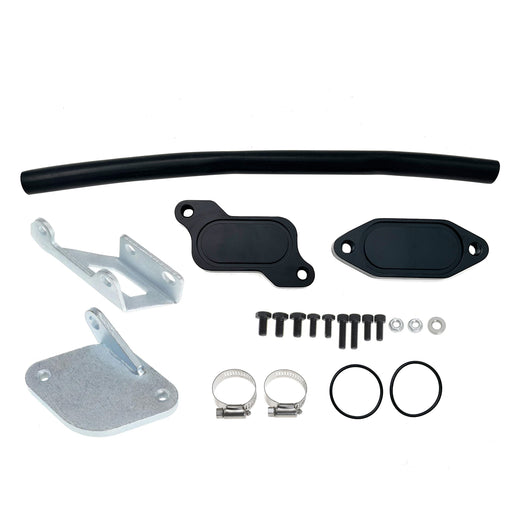
For 2006-2007 6.6L Chevrolet Silverado Classic GMC Duramax LBZ Diesel EGR Valve Cooler Delete Kit
SEGULEROriginal price $63.49 - Original price $63.49Original price$63.49$63.49 - $63.49Current price $63.49FITMENT 2006-2007.4 Chevrolet Silverado Duramax LBZ 2500HD / 3500HD. 2007.4 Chevrolet Silverado Duramax LBZ 2500HD / 3500HD Classic. 2006-2007.4 ...
View full details -

Seguler 2011-2023 6.7L Ford F250 F350 F450 F550 Powerstroke Diesel EGR Valve Delete Cooler Delete Kit
SEGULEROriginal price $55.99 - Original price $55.99Original price$55.99$55.99 - $55.99Current price $55.99FITMENT 2011-2023 6.7L Ford Powerstroke F-250 F-350 F-450 F-550 Super Duty V8 Diesel compatible with both standard Pickups and commercial Cab &a...
View full details -
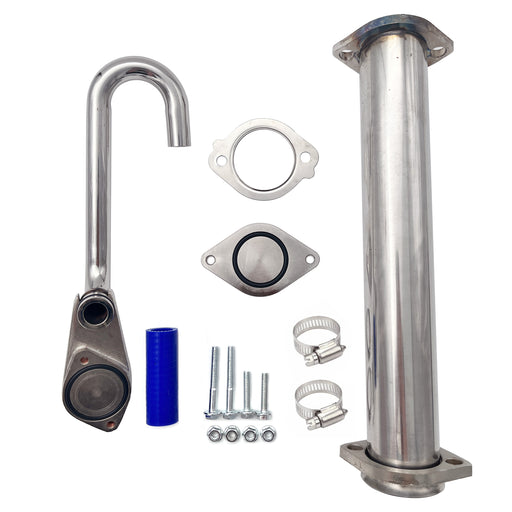
Seguler 2003-2007 6.0L Ford F250 F350 Powerstroke Diesel EGR Basic Cooler Kit
SEGULEROriginal price $79.99 - Original price $79.99Original price$79.99$79.99 - $79.99Current price $79.99FITMENT 2003-2007 6.0L Ford F250 F350 F450 F550 Super Duty Turbo (except 2004 F250 Super Duty). 2003-2005 6.0L Ford Excursion Turbo. 2005 Ford F...
View full details -
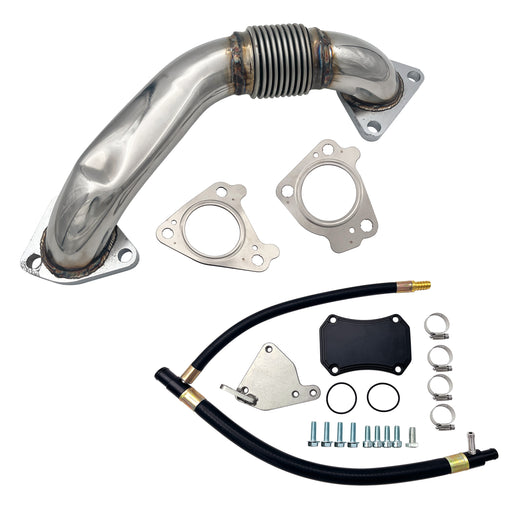
Seguler 2011-2016 6.6L GMC Chevy Duramax Diesel LML Up-Pipe & EGR Valve Cooler Delete Kit
SEGULEROriginal price $173.86 - Original price $173.86Original price$173.86$173.86 - $173.86Current price $173.86FITMENT 2011-2016 6.6L Chevy GMC Duramax LML 2500 HD 3500 HD Diesel. DESCRIPTION Product Overview Direct-injection technology endows GM 5.3L an...
View full details -
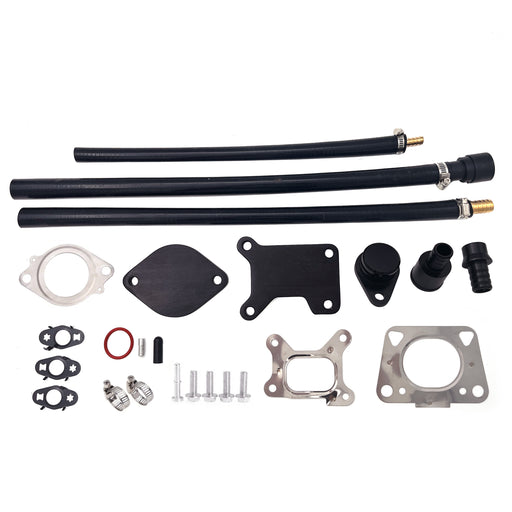
For 2017-2023 6.6L Chevy GMC Duramax L5P diesel EGR Valve Cooler Delete kit
SEGULEROriginal price $131.99 - Original price $131.99Original price$131.99$131.99 - $131.99Current price $131.99FITMENT 2017–2023 6.6L Chevrolet Silverado / GMC Sierra Duramax L5P 2500HD 3500HD Diesel. DESCRIPTION Product Overview Hot soot recirculation ...
View full details -
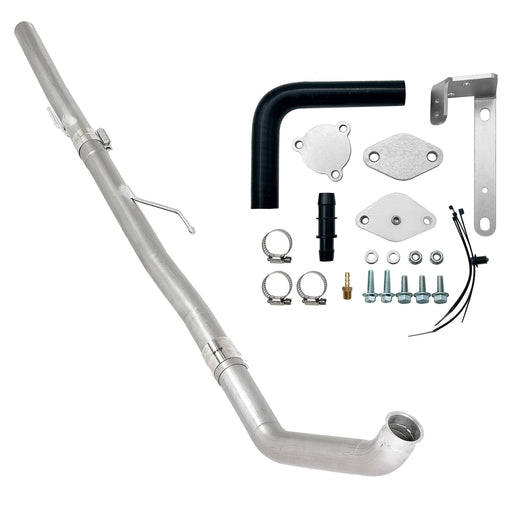
Seguler 3" Ecodiesel DPF Delete Pipe & EGR Delete kit for 2014-2018 3.0L Ram
SEGULEROriginal price $342.00 - Original price $342.00Original price$342.00$342.00 - $342.00Current price $342.00FITMENT 2014–2018 3.0L Dodge Ram 1500 EcoDiesel V6. NOTE: Fit standard Pickup models only (Crew Cab, Quad Cab). Does NOT fit Jeep Grand Cheroke...
View full details -
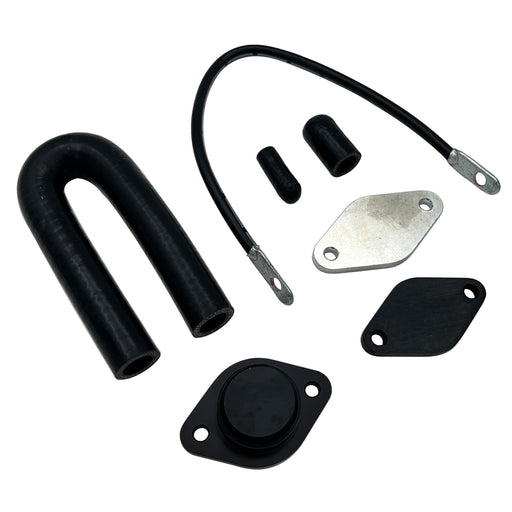
Seguler EGR valve cooler Delete kit for 2020-2022 3.0L Chevy Duramax LM2
SEGULEROriginal price $189.12 - Original price $189.12Original price$189.12$189.12 - $189.12Current price $189.12FITMENT 2020–2022 3.0L Chevrolet Silverado GMC Sierra 1500 LM2 Turbo-Diesel. DESCRIPTION Product Overview Powered by smooth inline-six engine...
View full details -

For 2013-2023 6.7L Dodge Ram Cummins Cab & Chassis EGR Delete Kit Diesel
SEGULEROriginal price $62.99 - Original price $62.99Original price$62.99$62.99 - $62.99Current price $62.99FITMENT 2013–2023 6.7L Ram Cummins 3500 4500 5500 Cab & Chassis / Commercial Trucks. Does NOT fit standard Ram 2500 3500 Pickups. DESCRIPTIO...
View full details -
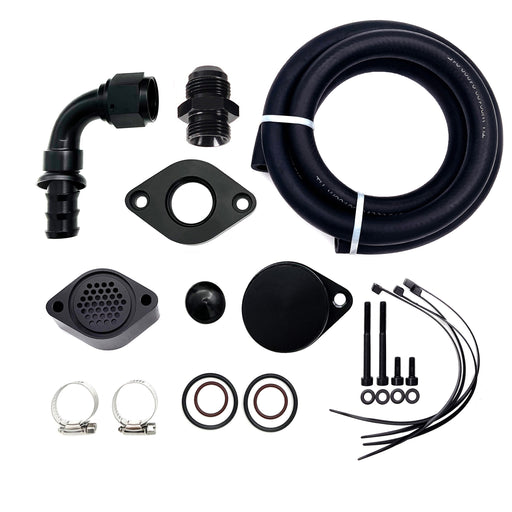
Seguler 2011-2023 6.7L Ford Powerstroke CCV PCV Reroute Engine Ventilation Kit
SEGULEROriginal price $82.99 - Original price $82.99Original price$82.99$82.99 - $82.99Current price $82.99FITMENT 2011-2023 6.7L Ford Powerstroke F-250 F-350 F-450 F-550 Super Duty V8 Diesel. Compatible with both standard Pickups and commercial Cab &...
View full details -
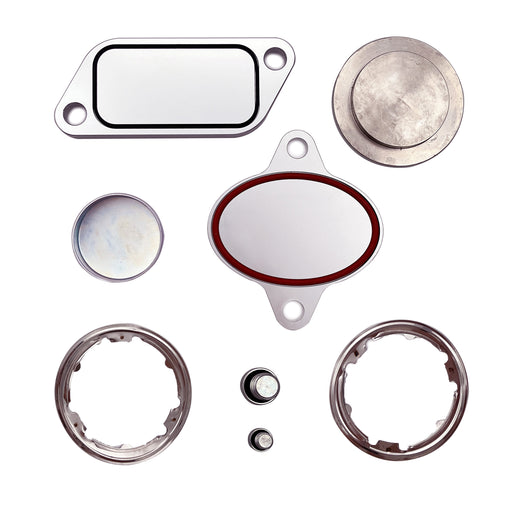
For 2007-2010 Cummins ISX CM871 EGR Plug Kit Stage 2 Plates and Plugs Aluminum
SEGULEROriginal price $67.99 - Original price $67.99Original price$67.99$67.99 - $67.99Current price $67.99FITMENT 2007-2010 Cummins Volvo, Peterbilt, Mack, International, Freightliner, Kenworth with the ISX CM871 Engines. DESCRIPTION Product Overvie...
View full details -
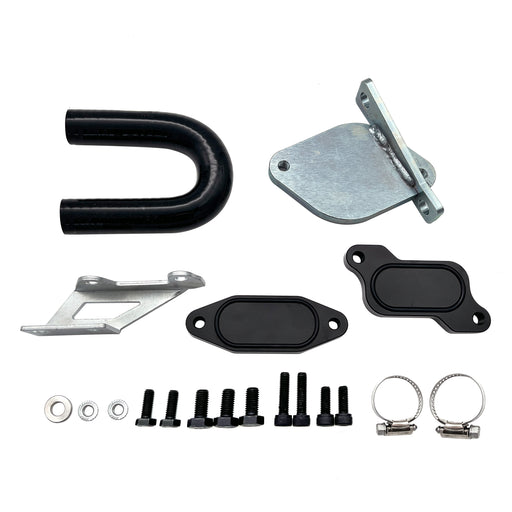
For 2007-2010 6.6L Chevy GMC LMM Duramax EGR Valve Cooler Delete Kit Fit
SEGULEROriginal price $61.99 - Original price $61.99Original price$61.99$61.99 - $61.99Current price $61.99FITMENT 2007.5-2010 6.6L Chevrolet Silverado Duramax LMM 2500HD / 3500HD. 2007.5-2010 6.6L GMC Sierra Duramax LMM 2500HD / 3500HD. Note: Standard...
View full details -
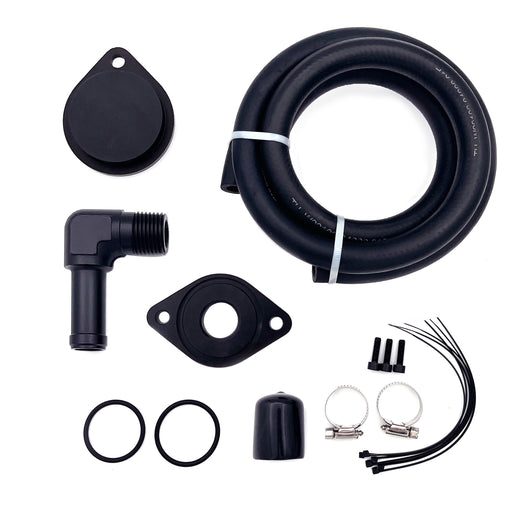
Seguler 2011-2023 Ford 6.7L Powerstroke CCV/PCV Reroute/Delete Engine Ventilation Kit
SEGULEROriginal price $72.00 - Original price $72.00Original price$72.00$72.00 - $72.00Current price $72.00FITMENT 2011-2023 6.7L Ford Powerstroke F-250 F-350 F-450 F-550 Super Duty V8 Diesel. Compatible with both standard Pickups and commercial Cab &...
View full details -
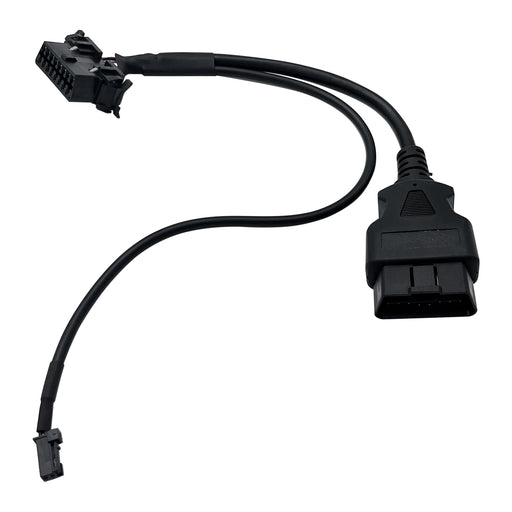
Seguler 2018+ RAM Cummins OBD2 HD Security Gate Bypass Cable
SEGULEROriginal price $45.00 - Original price $45.00Original price$45.00$45.00 - $45.00Current price $45.00FITMENT 2018+ 6.7L Ram Cummins 2500 3500 Turbo Diesel. Designed for Ram pickup trucks equipped with the factory Security Gateway Module. Note: Pl...
View full details -
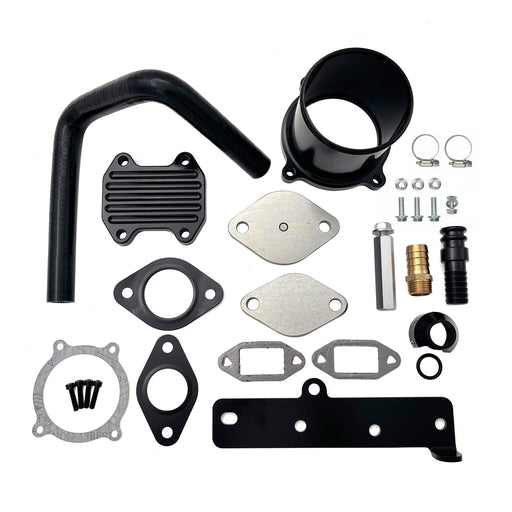
Seguler For 2013-2018 6.7L Dodge RAM 2500 3500 Cummins Diesel EGR Delete Cooler Throttle Valve Delete Kit
SEGULEROriginal price $112.00 - Original price $112.00Original price$112.00$112.00 - $112.00Current price $112.00FITMENT 2013–2018 6.7L Dodge Ram Cummins 2500 & 3500 Pickup Turbo Diesel. Note: Does NOT fit Cab & Chassis (3500 / 4500 / 5500 C&C) m...
View full details


Leave a comment