

6.7 Powerstroke Delete Pipe: The Permanent DPF Fix (2026)
When your 6.7L Powerstroke throws an “Exhaust Filter at Limit” warning on the dashboard, you’re looking at a $3,000 to $5,000 dealer quote — and that’s before they find anything else wrong. The Diesel Particulate Filter on the 2011–2023 Super Duty isn’t a question of if it will give you trouble. It’s a question of when — and whether you want to keep paying to manage it, or cut it out of the equation for good.
Is a delete pipe the right permanent fix for your 6.7L Powerstroke’s DPF problems?
🔬 How the LML’s EGR System Manufactures Carbon
The Three-Layer Emissions Architecture
To understand what a 6.7L Powerstroke delete pipe actually solves, it helps to map out how the factory emissions architecture operates. The 6.7L Powerstroke platform utilizes a sophisticated integration of EGR, DPF, and SCR (Selective Catalytic Reduction) to meet modern emissions standards. While highly effective when new, this "three-layer" system creates a complex feedback loop that inevitably leads to component degradation as the engine ages.
The EGR system reduces combustion-temperature NOx by routing a portion of exhaust gas back into the intake manifold, where the inert gas cools peak cylinder temperatures. The DPF sits downstream of the turbocharger and traps particulate matter—the visible black soot that older diesel engines simply expelled. The SCR system, positioned further downstream, injects a precisely-metered mist of urea-based DEF into the exhaust; the urea breaks down into ammonia, which reacts with NOx across the catalyst to produce harmless nitrogen and water vapor.
Why the EGR Becomes the First Domino
This triple-layer strategy looks perfect on an engineering diagram. In practice, however, the EGR circuit is the first system to degrade—and once it does, the cascade begins.
The EGR cooler acts as a heat exchanger, constantly subjected to high-pressure exhaust gas. As soot inevitably accumulates inside the cooler’s narrow passages, its ability to shed heat declines. Hotter EGR gas then enters the intake manifold, which means stickier, higher-temperature soot particles that bond more aggressively to intake surfaces. This internal restriction also increases, redirecting a higher proportion of exhaust gas toward the EGR valve, which accelerates carbon buildup on the valve stem and causes the system to "stick" in position.
How the DPF Inherits the Problem
Once intake restriction begins from carbon packing, combustion efficiency drops. Incomplete combustion produces more raw soot per power stroke, which the DPF must trap. This increases the frequency of active regeneration cycles—the process where the ECU injects extra fuel on the exhaust stroke to raise DPF temperature to roughly 1,100°F and burn off accumulated soot.
Each regeneration cycle carries a secondary cost. The post-injection fuel that doesn’t fully combust can wash past the piston rings and dilute the engine oil, reducing its viscosity and protective film strength. Furthermore, a DPF that is loading faster than designed reaches its ash-cleaning threshold sooner. At this point, the filter must either be removed for professional cleaning or replaced entirely—at a cost that frequently exceeds $3,000 at the dealership.
The Domino Effect in Practice
At 40,000 miles, the 6.7L Powerstroke's emissions systems are largely cooperating. By 80,000 miles, the feedback loops begin to turn against the engine: EGR carbon restricts the intake, which degrades combustion, which produces more soot, which overloads the DPF, which triggers more frequent regenerations, which dilutes the oil. This cycle creates a "maintenance spiral" where every mile driven past that point puts more strain on the engine. The emissions architecture is no longer working as a system—it is working against the health of your engine.
How the Carbon Actually Forms
Every diesel engine generates soot during combustion—microscopic, abrasive carbon particles suspended in the exhaust stream. On a clean-running engine, those particles exit through the turbocharger and out the tailpipe. On the 6.7L Powerstroke, the EGR system intercepts a portion of that exhaust flow and redirects it directly into the intake manifold.
This design ensures the intake tract sees a high concentration of abrasive carbon particulate per operating hour. The problem compounds through three mechanisms:
-
Soot + oil vapor = carbon paste: The CCV (crankcase ventilation) system routes atomized engine oil into the same intake tract. When hot EGR soot meets cool oil mist, the particles bind into a thick, adhesive carbon paste that bonds to metal surfaces—intake runners and valves—rather than passing through.
-
Heat accelerates adhesion: As the EGR cooler passages accumulate soot, heat transfer efficiency drops. The EGR gas entering the intake becomes progressively hotter. Hotter soot is "stickier," and the deposition rate accelerates significantly as the vehicle ages.
-
Turbulence loss: Carbon deposits create "bottlenecks" in the intake manifold. Even a slight reduction in airflow volume and velocity can cause the engine to compensate by increasing fuel delivery, which only generates more soot—perpetuating the cycle.
💸 The Real Cost of Staying Stock
Before deciding whether to delete, you need to know what you’re actually paying to stay stock:
| Scenario | Cost |
|---|---|
| DPF cleaning at a diesel shop | $300–$600, every 30–50k miles |
| DPF replacement (OEM) | $2,500–$4,000 |
| Dealer quote after filter + related sensor damage | $4,000–$7,000 |
| Fuel burned during forced regen cycles (100k miles) | $800–$1,500 in wasted diesel |
| Premature oil changes from regen fuel dilution | $400–$800 |
These numbers don’t account for downtime — the hours at the shop, the days your truck was in limp mode, the trips you passed on because you didn’t trust the truck under load. A quality delete pipe eliminates every line item on this ledger permanently.
⚡ What a Delete Pipe Actually Fixes?
Removing the DPF and catalytic converter and replacing them with straight-run tubing changes several things at once:
Exhaust backpressure drops to near zero. Factory DPFs create 3–5 PSI of backpressure at highway cruise. A straight pipe eliminates this entirely. Your turbo no longer fights back-pressure to push spent gases out — spool is faster, EGTs drop, and the wastegate doesn’t have to compensate as hard.
Regeneration cycles stop. No filter means nothing to regenerate. The fuel previously burned to clean the DPF now drives the truck. The 3–5 MPG improvement from this alone is the most consistently reported gain in owner communities.
No more DPF limp mode. When the filter becomes too restricted to regenerate, the PCM derates the engine — sometimes to a 5 MPH crawl. A deleted truck cannot experience this failure mode.
Lower EGTs under load. Unrestricted exhaust flow lets the turbine extract more energy from the same gas volume. Cooler turbo, lower cylinder temperatures, less heat stress on the head gaskets.
"Because the factory exhaust system is so restrictive, choosing the right 6.7 Ford delete pipe is the most effective way to unlock this performance and ensure your turbo operates at peak efficiency without fighting backpressure."
The Seguler 2011-2023 6.7L Ford powerstroke 4" DPF Delete Pipe Super Duty Exhaust SuperDuty Exhaust provides the exact T-409 stainless steel construction and bolt-in fitment required to eliminate back-pressure and restore reliable performance.

- Durable 409 Stainless Steel Construction: Built from premium 409 stainless steel to provide superior corrosion resistance and long-term durability in harsh conditions.
- High-Flow 4" Exhaust Geometry: Features a 4-inch diameter pipe design engineered to maximize exhaust flow, effectively eliminating restrictive DPF and CAT components.
- Professional TIG-Welded Integrity: All joints are 100% TIG-welded to ensure structural strength, preventing cracking and wear even under extreme use.
- Optimized Performance & EGT Reduction: Dramatically improves airflow and lowers Exhaust Gas Temperatures (EGTs), fostering a healthier engine and maximizing power for competition applications.
🛠 What to Look for in a Quality Delete Pipe
Not all delete pipes are equal. Here’s what separates a kit that performs and lasts from one that causes problems:
Material: T-409 stainless steel is the industry standard for delete pipe construction. It resists corrosion better than mild steel and holds up to the high heat cycling that occurs in the exhaust path. Some kits use T-304 (higher chromium, better corrosion resistance), but T-409 is the proven sweet spot of cost and durability for this application.
Pipe diameter: The factory downpipe on the 2011–2019 6.7L Powerstroke is 4 inches. 5-inch options exist for trucks running aggressive tuning or upgraded turbos — for a stock or mildly tuned truck, 4-inch is the right choice. It bolts directly to the turbo outlet without adapters and provides more than enough flow to eliminate back-pressure entirely.
TIG welding and leak testing: Poor welds in the exhaust path crack under heat cycling within months. Look for pressure-tested, TIG-welded construction. Factory leak-testing is a mark of a quality manufacturer — it’s not universal.
Complete coolant circuit provision: If the kit includes EGR delete components, make sure the coolant routing is properly addressed with new hoses or adapters rather than simple plugs. An incomplete coolant bypass can lead to overheating.
Muffler or straight pipe: Kits are available with or without a muffler section. Straight pipes are louder and offer maximum flow; kits with a muffler retain a more manageable exhaust note without sacrificing the flow benefits.
Beyond the Pipe: Completing the Track Ready Setup
If you are opening up the exhaust downstream, leaving the upstream Exhaust Gas Recirculation (EGR) system stock is only doing half the job. Changing the backpressure dynamics without blocking the soot-laden intake loop can confuse factory sensors and continue to pack your intake runners with abrasive carbon.
To achieve absolute thermal reliability, experienced builders always pair their straight pipe with a dedicated bypass. The For 2011-2023 6.7L Ford Powerstroke Diesel EGR Delete Kit is specifically engineered to complete this cycle. Featuring a CNC-machined billet aluminum cover plate with a native 10mm port that accepts your factory Ford EGT probes, it allows the PCM to monitor temperatures accurately without erratic codes. More importantly, it includes a premium molded coolant hose with quick-connectors rather than cheap block-off plugs, ensuring a seamless, high-velocity coolant recirculation loop that drops engine temperatures and permanently protects your cylinder head gaskets from failure.
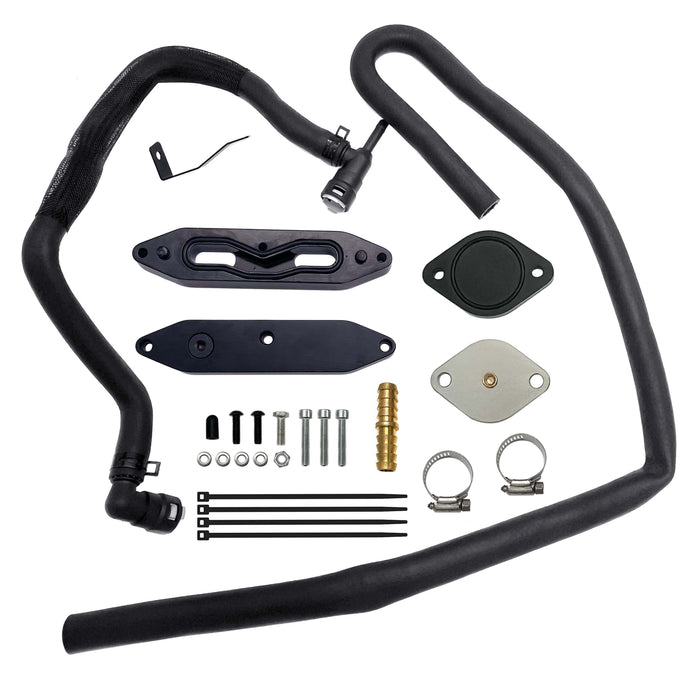
- Premium CNC-Machined Build: Crafted from high-grade aluminum alloy and stainless steel using CNC precision machining, ensuring superior durability over OEM components.
- Integrated EGT Probe Port: Features a dedicated 10mm hole exhaust cover plate, allowing for easy installation of EGT probes to monitor engine health.
- Optimized Thermal Efficiency: Promotes faster coolant recirculation to decrease operating temperatures, effectively protecting your engine under heavy load.
- Maintenance & Longevity: Eliminates EGR-related oil smoke accumulation and clogging, significantly reducing expensive maintenance costs and extending the engine's service life.
⚠️ Understanding What You’re Taking On!
A DPF delete is not a plug-and-play part swap. Here are the real considerations before you proceed:
ECU tuning is mandatory. Removing the DPF changes the exhaust gas temperature and pressure profiles the PCM expects to see. Without a delete tune, the truck will detect the missing sensors, trigger fault codes, illuminate the check engine light, and eventually derate the engine. This isn’t optional — it’s the entire point of the modification.
2011–2016 and 2017–2023 trucks use different ECM architectures. Deletion tuning is available for both via OBD-II or stand-alone programmer depending on model year. Know your ECM platform and ensure your tuning solution supports it before purchasing.
🚀 Real-World Performance After the Delete!
Owners who complete a full DPF delete on the 6.7L Powerstroke consistently report:
-
3–5 MPG improvement on highway trips — most pronounced during unloaded cruising, when the regen cycle was burning the most fuel for the least benefit
-
100–200°F reduction in EGTs under heavy towing loads, directly reducing heat stress on the turbo and head gaskets
-
Sharper throttle response — the turbine doesn’t have to fight back-pressure to spool up
-
No more regen-driven oil dilution — engine oil stays at proper viscosity between changes, which means longer oil life and less wear
-
Elimination of DPF limp mode — the failure mode that has stranded trucks on the side of the road
Peak horsepower gains from the exhaust change alone are modest on a dyno (typically 15–30 HP). The real-world difference is felt in the seat of your pants: the truck pulls harder, responds faster, and runs cooler under the loads it was built to handle.
🤔 Is a Delete Pipe the Right Fix for You?
If your DPF is already showing signs of failure — sensor readings indicating restricted flow, EGTs climbing faster than normal under load, fuel economy in steady decline — you’re already paying the cost of staying stock. You’re just paying it in installments.
A delete pipe converts those ongoing costs into a one-time investment that pays itself back within 40,000–60,000 miles of normal driving, before accounting for the intangible value of not having a truck that decides to go into limp mode on a job site.
If your truck is still under factory warranty or you’re in a state with active emissions testing, the timing may not be right. But knowing what a DPF delete actually costs and what it actually solves means you’re making an informed decision when the day comes. When you are ready to eliminate future emissions failures and restore your truck's true reliability, explore the full lineup of heavy-duty race pipes, bypass hardware, and expert tech guides available at https://www.seguler.com/.
❓ FAQs About 6.7L Ford Powerstroke DPF Delete Pipe
Q1: Will a DPF delete pipe void my factory warranty?
A1: Yes, in most cases. Ford’s powertrain warranty explicitly excludes damage caused by modifications to emissions control systems. If a deleted DPF is identified during a warranty service visit — through physical inspection or ECU data logging — the dealership can and typically will deny related claims. For trucks outside the original powertrain warranty period, this is a non-issue.
Q2: Do I need to tune the truck after installing a delete pipe?
A2: Yes — tuning is not optional. Without a delete calibration, the PCM will detect missing DPF sensor readings, trigger fault codes, illuminate the check engine light, and eventually derate the engine. A standalone delete pipe requires a separate tuning solution. Comprehensive delete kits typically include or are designed to work with a compatible delete tuner that handles all necessary recalibration.
Q3: What’s the difference between 4" and 5" pipe diameter?
A3: The factory downpipe on 2011–2019 6.7L Powerstroke trucks is 4 inches. The 5" option is primarily for trucks running aggressive tuning, larger turbo upgrades, or competition builds that demand maximum flow. For a stock or mildly tuned truck, 4" is the practical choice — it bolts up without adapters and provides ample flow to eliminate back-pressure entirely.
Q4: Can I pass inspection with a delete pipe installed?
A4: In states without emissions testing, deleted trucks pass visual inspection without issue. In CARB-states and states running OBD-II-based emissions inspections, a deleted DPF will fail both the visual inspection and the computer check. Some owners in emissions-testing states keep the stock DPF on hand to reinstall temporarily for inspection day — though this requires removing and reinstalling the modified exhaust each time.
Q5: How much performance can I actually expect after a DPF delete?
A5: On a properly tuned truck with a delete pipe, the most commonly reported gains are 3–5 MPG on highway drives, 100–200°F lower EGTs under load, and noticeably quicker turbo response. Peak horsepower gains from the exhaust change alone are typically modest (15–30 HP on a dyno), but the torque improvement and throttle responsiveness are immediately noticeable in real-world driving, particularly when towing.
Featured collection
-
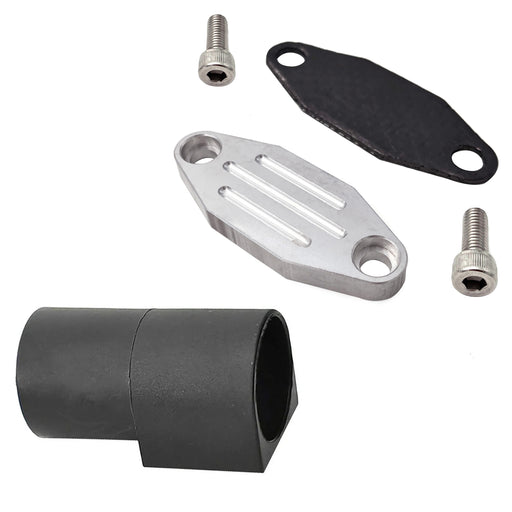
Seguler 1986-1995 Ford F150 F250 F350 Mustang Trucks EGR Simulator Eliminator / Block Off Plate Kit
SEGULEROriginal price $79.99 - Original price $79.99Original price$79.99$79.99 - $79.99Current price $79.99Block Off Plate Material: Aluminum alloy. Easy installation,and convenient to use. Made of CNC milled from aircraft grade Billet aluminum. Will N...
View full details -

Seguler 2011-2023 6.7L Ford Powerstroke Diesel EGR Delete Kit
SEGULEROriginal price $109.99 - Original price $109.99Original price$109.99$109.99 - $109.99Current price $109.99FITMENT 2011-2023 6.7L Ford Powerstroke F-250 F-350 F-450 F-550 Super Duty V8 Diesel. compatible with both standard Pickups and commercial Cab &...
View full details -
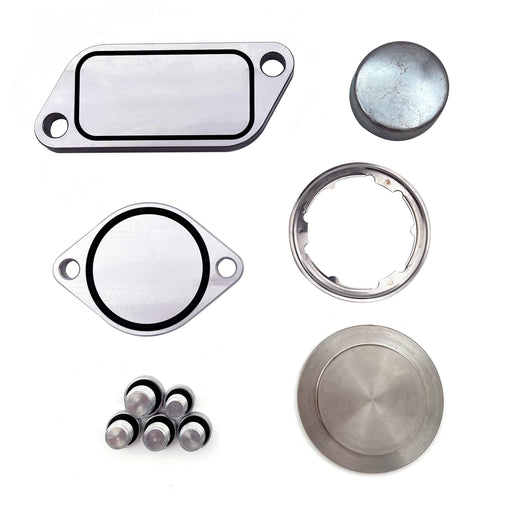
For 2010-Present Stage 2 ISX 15 CM2250 CM2350 EGR Delete Kit
SEGULEROriginal price $59.99 - Original price $59.99Original price$59.99$59.99 - $59.99Current price $59.99FITMENT 2010-Present Cummins Volvo, Peterbilt, Mack, International, Freightliner, Kenworth with the ISX15 CM2250 / CM2350 engines. DESCRIPTION P...
View full details -
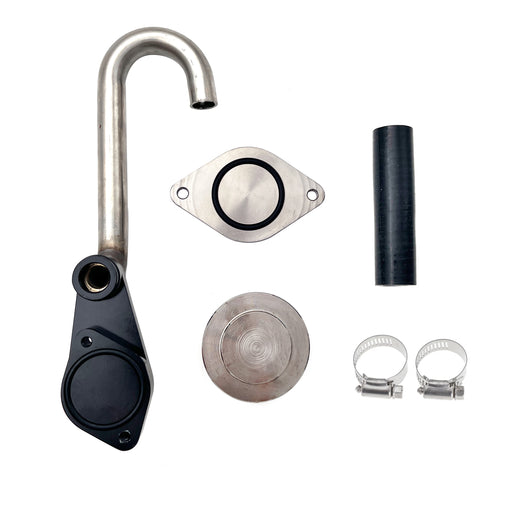
Seguler 2003-2007 6.0L FORD Powerstroke Diesel EGR Cooler Delete Kit
SEGULEROriginal price $56.14 - Original price $56.14Original price$56.14$56.14 - $56.14Current price $56.14FITMENT 2003-2007 6.0L Ford F-250 Ford F-350 F-450 F-550 Super Duty. 2003-2007 6.0L Ford Excursion SUV (Diesel Models Only). 2005-2010 Ford E-Se...
View full details -
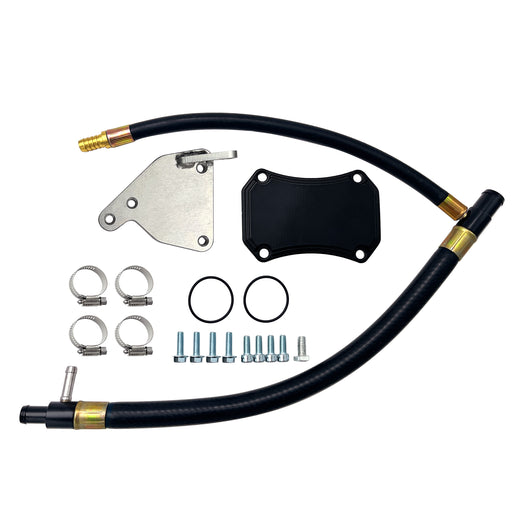
For 2011-2016 6.6L GMC Chevy Duramax Diesel LML EGR Valve Cooler Delete Kit
SEGULEROriginal price $66.49 - Original price $66.49Original price$66.49$66.49 - $66.49Current price $66.49FITMENT 2011-2016 6.6L Chevy GMC Duramax LML 2500 HD 3500 HD Diesel. DESCRIPTION Product Overview The 2011–2016 LML Duramax uses a complex EG...
View full details -
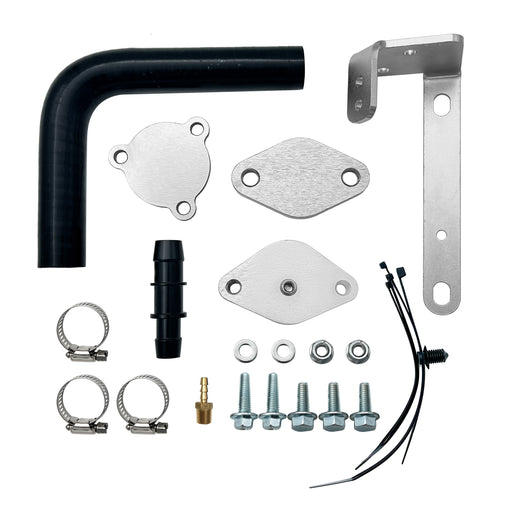
Seguler For 2014-2019 3.0L Dodge Ram 1500 EcoDiesel EGR Valve & Cooler Delete Kit
SEGULEROriginal price $72.99 - Original price $72.99Original price$72.99$72.99 - $72.99Current price $72.99FITMENT 2014-2019 3.0L Dodge Ram 1500 EcoDiesel V6 engine trucks. DESCRIPTION Product Overview Exhaust gas recirculation on 3.0L EcoDiesel V6 ...
View full details -

Seguler 2011-2023 6.7L Ford Powerstroke Diesel EGR Delete Kit
SEGULEROriginal price $85.99 - Original price $85.99Original price$85.99$85.99 - $85.99Current price $85.99FITMENT 2011-2023 6.7L Ford Powerstroke F-250 F-350 F-450 F-550 Super Duty V8 Diesel. compatible with both standard Pickups and commercial Cab &...
View full details -

Seguler 2010-2024 6.7L Dodge Ram Cummins Diesel EGR Valve Cooler Delete Kit
SEGULEROriginal price $89.99 - Original price $89.99Original price$89.99$89.99 - $89.99Current price $89.99FITMENT 2010–2024 6.7L Dodge Ram Cummins 2500 / 3500 Pickup Turbo Diesel. Note: Does NOT fit Chassis Cab 3500 / 4500 / 5500 models. DESCRIPTIO...
View full details -
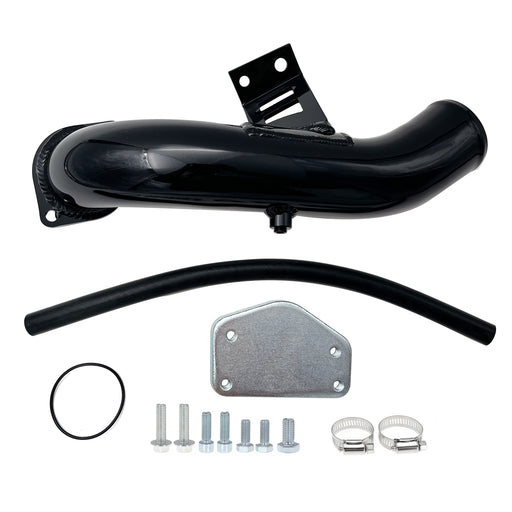
For 2004.5-2005 6.6L Chevy GMC Silverado LLY Duramax Diesel EGR Delete Kit
SEGULEROriginal price $92.99 - Original price $92.99Original price$92.99$92.99 - $92.99Current price $92.99FITMENT 2004.5-2005 6.6L Chevrolet Silverado Duramax LLY 2500HD / 3500 HD. 2004.5-2005 6.6L GMC Sierra Duramax LLY 2500HD / 3500 HD. DESCRIPTION...
View full details -

Seguler 2017-2019 L5P Duramax Diesel 4pcs L5P Can Bus Plugs Connector Replacement
SEGULEROriginal price $75.00 - Original price $75.00Original price$75.00$75.00 - $75.00Current price $75.00FITMENT 2017–2019 Chevrolet Silverado / GMC Sierra Duramax L5P 2500HD & 3500HD Diesel. DESCRIPTION Product Overview Unprotected harness con...
View full details -

Seguler 2020-2023 chevy duramax L5P Diesel Can Bus Plugs Connector
SEGULEROriginal price $80.00 - Original price $80.00Original price$80.00$80.00 - $80.00Current price $80.00FITMENT 2020–2023 Chevrolet Silverado / GMC Sierra Duramax L5P 2500HD & 3500HD Diesel. DESCRIPTION Product Overview Unprotected harness pl...
View full details -
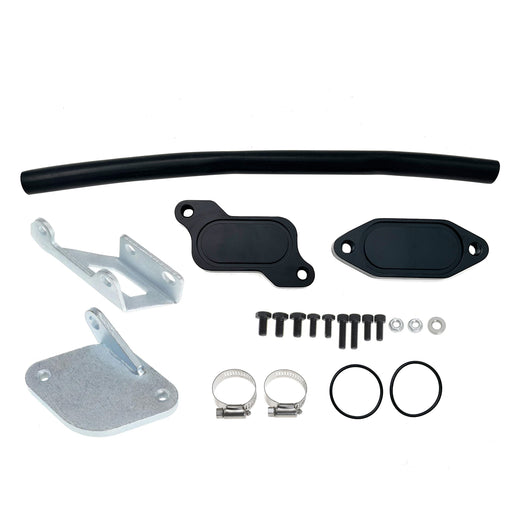
For 2006-2007 6.6L Chevrolet Silverado Classic GMC Duramax LBZ Diesel EGR Valve Cooler Delete Kit
SEGULEROriginal price $63.49 - Original price $63.49Original price$63.49$63.49 - $63.49Current price $63.49FITMENT 2006-2007.4 Chevrolet Silverado Duramax LBZ 2500HD / 3500HD. 2007.4 Chevrolet Silverado Duramax LBZ 2500HD / 3500HD Classic. 2006-2007.4 ...
View full details -

Seguler 2011-2023 6.7L Ford F250 F350 F450 F550 Powerstroke Diesel EGR Valve Delete Cooler Delete Kit
SEGULEROriginal price $55.99 - Original price $55.99Original price$55.99$55.99 - $55.99Current price $55.99FITMENT 2011-2023 6.7L Ford Powerstroke F-250 F-350 F-450 F-550 Super Duty V8 Diesel compatible with both standard Pickups and commercial Cab &a...
View full details -
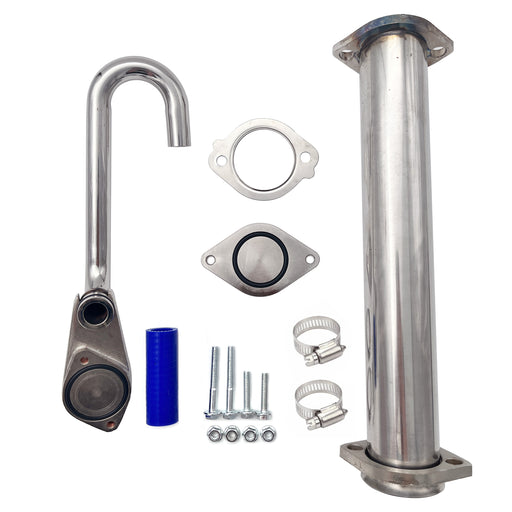
Seguler 2003-2007 6.0L Ford F250 F350 Powerstroke Diesel EGR Basic Cooler Kit
SEGULEROriginal price $79.99 - Original price $79.99Original price$79.99$79.99 - $79.99Current price $79.99FITMENT 2003-2007 6.0L Ford F250 F350 F450 F550 Super Duty Turbo (except 2004 F250 Super Duty). 2003-2005 6.0L Ford Excursion Turbo. 2005 Ford F...
View full details -
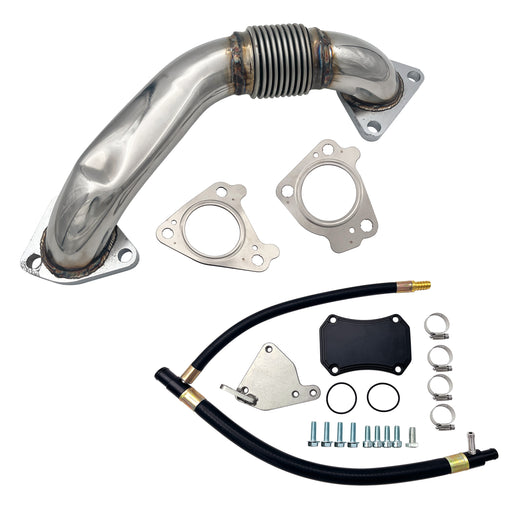
Seguler 2011-2016 6.6L GMC Chevy Duramax Diesel LML Up-Pipe & EGR Valve Cooler Delete Kit
SEGULEROriginal price $173.86 - Original price $173.86Original price$173.86$173.86 - $173.86Current price $173.86FITMENT 2011-2016 6.6L Chevy GMC Duramax LML 2500 HD 3500 HD Diesel. DESCRIPTION Product Overview Direct-injection technology endows GM 5.3L an...
View full details -
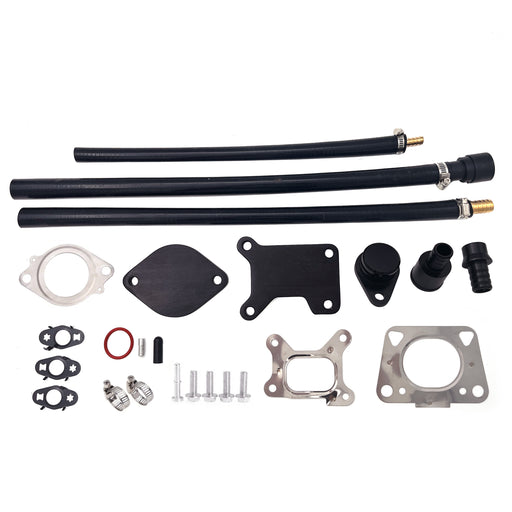
For 2017-2023 6.6L Chevy GMC Duramax L5P diesel EGR Valve Cooler Delete kit
SEGULEROriginal price $131.99 - Original price $131.99Original price$131.99$131.99 - $131.99Current price $131.99FITMENT 2017–2023 6.6L Chevrolet Silverado / GMC Sierra Duramax L5P 2500HD 3500HD Diesel. DESCRIPTION Product Overview Hot soot recirculation ...
View full details -
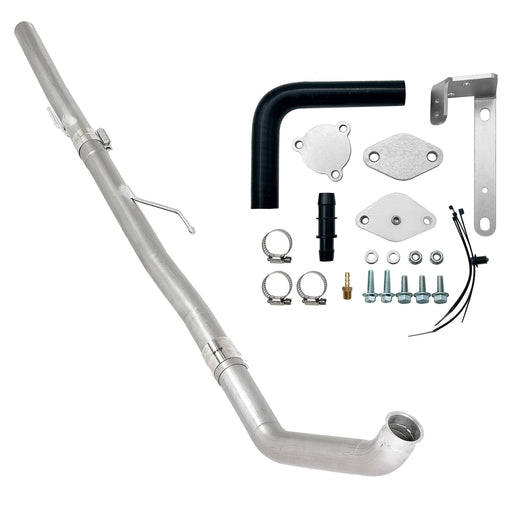
Seguler 3" Ecodiesel DPF Delete Pipe & EGR Delete kit for 2014-2018 3.0L Ram
SEGULEROriginal price $342.00 - Original price $342.00Original price$342.00$342.00 - $342.00Current price $342.00FITMENT 2014–2018 3.0L Dodge Ram 1500 EcoDiesel V6. NOTE: Fit standard Pickup models only (Crew Cab, Quad Cab). Does NOT fit Jeep Grand Cheroke...
View full details -
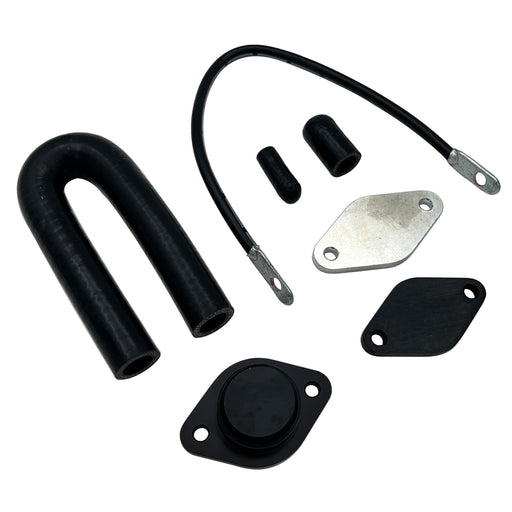
Seguler EGR valve cooler Delete kit for 2020-2022 3.0L Chevy Duramax LM2
SEGULEROriginal price $189.12 - Original price $189.12Original price$189.12$189.12 - $189.12Current price $189.12FITMENT 2020–2022 3.0L Chevrolet Silverado GMC Sierra 1500 LM2 Turbo-Diesel. DESCRIPTION Product Overview Powered by smooth inline-six engine...
View full details -

For 2013-2023 6.7L Dodge Ram Cummins Cab & Chassis EGR Delete Kit Diesel
SEGULEROriginal price $62.99 - Original price $62.99Original price$62.99$62.99 - $62.99Current price $62.99FITMENT 2013–2023 6.7L Ram Cummins 3500 4500 5500 Cab & Chassis / Commercial Trucks. Does NOT fit standard Ram 2500 3500 Pickups. DESCRIPTIO...
View full details -
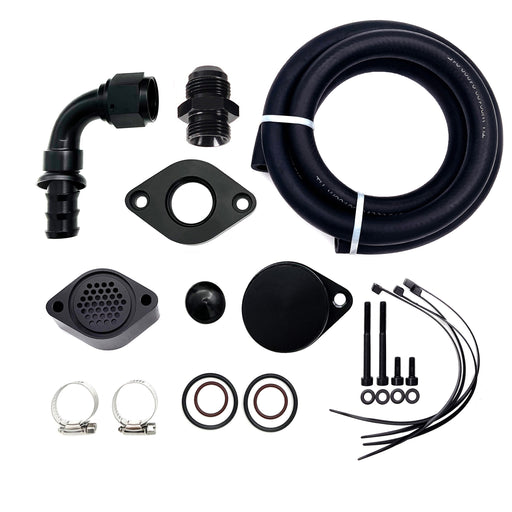
Seguler 2011-2023 6.7L Ford Powerstroke CCV PCV Reroute Engine Ventilation Kit
SEGULEROriginal price $82.99 - Original price $82.99Original price$82.99$82.99 - $82.99Current price $82.99FITMENT 2011-2023 6.7L Ford Powerstroke F-250 F-350 F-450 F-550 Super Duty V8 Diesel. Compatible with both standard Pickups and commercial Cab &...
View full details -
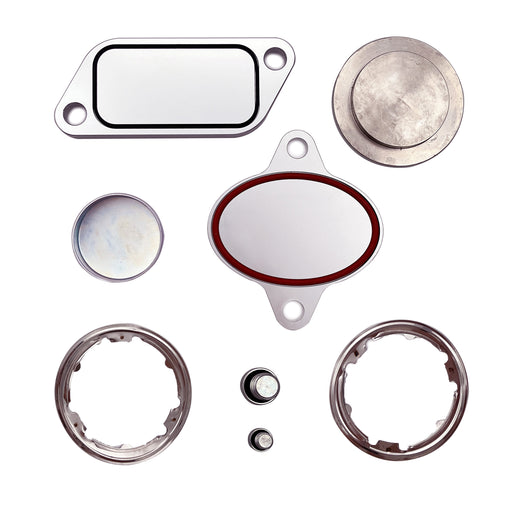
For 2007-2010 Cummins ISX CM871 EGR Plug Kit Stage 2 Plates and Plugs Aluminum
SEGULEROriginal price $67.99 - Original price $67.99Original price$67.99$67.99 - $67.99Current price $67.99FITMENT 2007-2010 Cummins Volvo, Peterbilt, Mack, International, Freightliner, Kenworth with the ISX CM871 Engines. DESCRIPTION Product Overvie...
View full details -
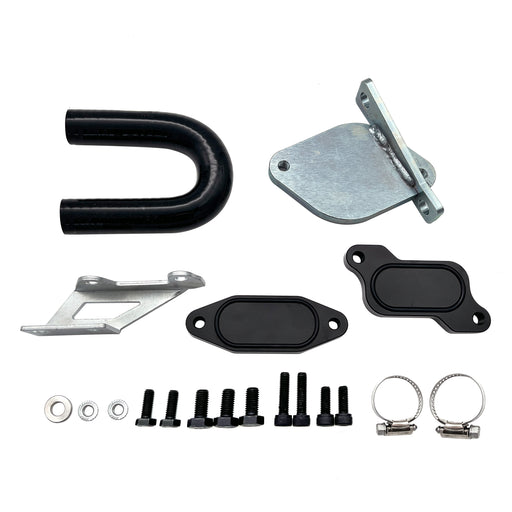
For 2007-2010 6.6L Chevy GMC LMM Duramax EGR Valve Cooler Delete Kit Fit
SEGULEROriginal price $61.99 - Original price $61.99Original price$61.99$61.99 - $61.99Current price $61.99FITMENT 2007.5-2010 6.6L Chevrolet Silverado Duramax LMM 2500HD / 3500HD. 2007.5-2010 6.6L GMC Sierra Duramax LMM 2500HD / 3500HD. Note: Standard...
View full details -
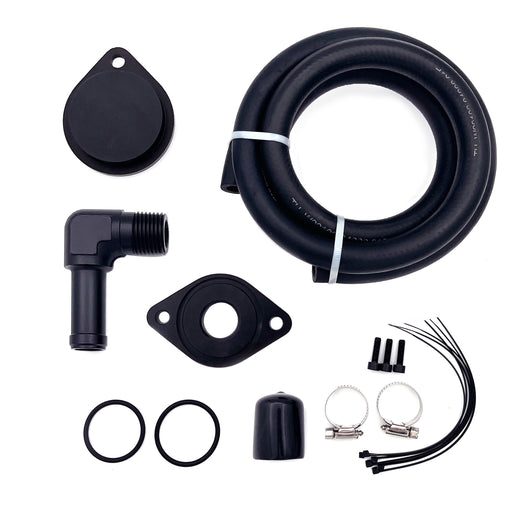
Seguler 2011-2023 Ford 6.7L Powerstroke CCV/PCV Reroute/Delete Engine Ventilation Kit
SEGULEROriginal price $72.00 - Original price $72.00Original price$72.00$72.00 - $72.00Current price $72.00FITMENT 2011-2023 6.7L Ford Powerstroke F-250 F-350 F-450 F-550 Super Duty V8 Diesel. Compatible with both standard Pickups and commercial Cab &...
View full details -
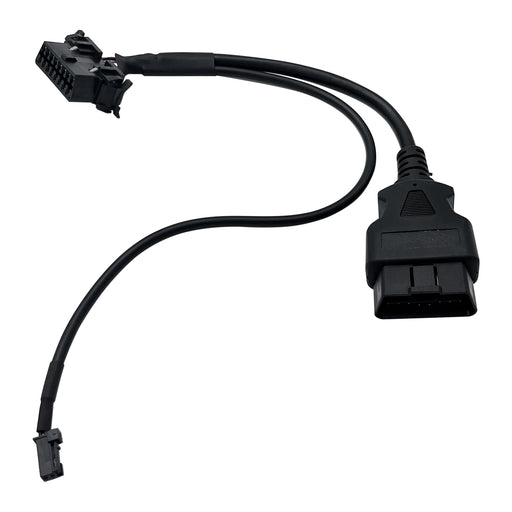
Seguler 2018+ RAM Cummins OBD2 HD Security Gate Bypass Cable
SEGULEROriginal price $45.00 - Original price $45.00Original price$45.00$45.00 - $45.00Current price $45.00FITMENT 2018+ 6.7L Ram Cummins 2500 3500 Turbo Diesel. Designed for Ram pickup trucks equipped with the factory Security Gateway Module. Note: Pl...
View full details -
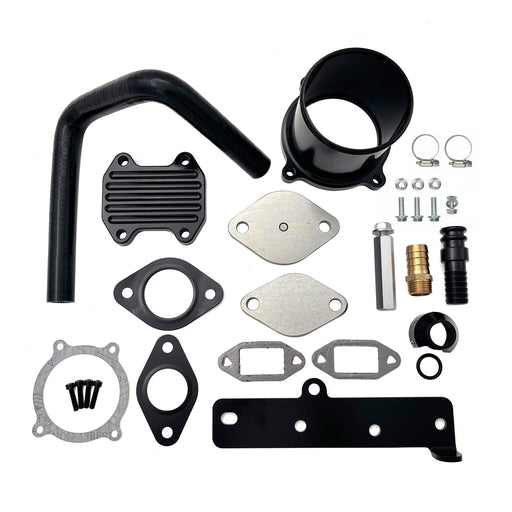
Seguler For 2013-2018 6.7L Dodge RAM 2500 3500 Cummins Diesel EGR Delete Cooler Throttle Valve Delete Kit
SEGULEROriginal price $112.00 - Original price $112.00Original price$112.00$112.00 - $112.00Current price $112.00FITMENT 2013–2018 6.7L Dodge Ram Cummins 2500 & 3500 Pickup Turbo Diesel. Note: Does NOT fit Cab & Chassis (3500 / 4500 / 5500 C&C) m...
View full details


Leave a comment