

6.7 Cummins EGR Valve Replacement: DIY Guide (Save $800)
If you drive a 6.7L Cummins-powered Dodge Ram 2500 or 3500, you already know it is an absolute workhorse. But if your dashboard suddenly lights up with a Check Engine Light paired with trouble codes like P0401 or P0404, your truck is falling victim to the most notorious bottleneck in modern diesel engineering: the Exhaust Gas Recirculation (EGR) system.
Dealerships and diesel performance shops regularly charge anywhere from $900 to $1,200 to replace a clogged factory EGR valve and service the cooler assembly. In reality, the job requires only basic hand tools, a couple of hours in your garage. By doing it yourself, you can pocket a clean $800 in labor savings.
Why the 6.7L Cummins EGR System Fails
The factory EGR system has a frustrating operational mandate: it takes dirty, spent exhaust gases from your exhaust manifold, routes them through a cooling core, and forces them back into your fresh intake air charge to lower combustion temperatures.
While effective on paper, the mechanical reality is brutal on an inline-six Cummins:
-
Sticky Carbon Coating: Heavy carbon particulate matter mixes with oily crankcase vapors, creating a thick, tar-like sludge that glues the internal EGR valve actuator shut.
-
Intake Suffocation: This sticky soot chokes out your intake throttle body, reduces your fuel mileage, and causes a noticeable low-end throttle lag.
-
Thermal Stress: Sending scorching-hot exhaust through your engine coolant system spikes your overall operating temperatures, putting unnecessary thermal strain on the back cylinders of your inline-six head.
Below is the comprehensive, step-by-step blueprint to tear down your problematic factory system, along with the top-tier competition hardware upgrades to keep your engine breathing completely unhindered.
Tools & Supplies Needed
Before turning a single wrench, clear off your workbench and gather the following gear:
- 3/8” Drive Ratchet and Extension set
- Metric Socket set (10mm, 11mm, 13mm, and 15mm)
- Metric Combination wrenches
- Torque wrench (inch-pounds and foot-pounds)
- Dedicated electronics parts cleaner or degreaser
- Replacement gaskets or high-temperature anti-seize
Part 1: Step-by-Step Factory Disassembly
Safety Note: Ensure the truck has been parked for at least 3 to 4 hours. The EGR cooler and exhaust crossover tube retain intense thermal heat long after the engine is turned off.
Step 1: Disconnect Batteries and Drain Coolant
Pop the hood and disconnect both negative battery cables. Locate the radiator drain petcock on the driver’s side bottom of the radiator and drain roughly 2 to 3 gallons of engine coolant into a clean bucket.
Step 2: Remove the Exhaust Crossover Tube
Locate the long metal tube running across the front of the engine block connecting the exhaust manifold to the EGR valve assembly. Unbolt the heat shield, loosen the v-band clamps at both ends using an 11mm socket, and remove the two 13mm mounting bolts securing the center support bracket to the water pump structure. Carefully pull the crossover tube free.
Step 3: Isolate and Unplug the Actuator Wiring
Carefully press the locking tabs to slide off the electrical wiring harnesses connected to the EGR valve actuator and the intake throttle valve assembly. Tuck these harnesses safely away from the workspace to avoid solvent contamination.
Step 4: Extract the EGR Valve Assembly
Unbolt the vertical mounting bolts holding the EGR valve housing to the intake manifold tract. If your truck has high mileage, the valve body will likely be chemically fused to the base gasket due to baked soot. Gently tap the base of the housing with a rubber mallet to break the seal, then lift the valve out of the engine bay.
Step-by-Step Competition Kit Assembly
Once the factory restriction is out, it is time to install your new precision-machined aluminum hardware to re-establish a sealed, high-flow system.
Step 1: Install the Exhaust Manifold Block-Off Plates
Clean the exhaust manifold mating surface with a Scotch-Brite pad to remove any old carbon scale. Lay down the heavy-duty gasket provided in your kit, position the thick billet aluminum exhaust block-off plate over the port, and hand-start the bolts.
Step 2: Reroute the Vital Coolant Circuit
Take the high-durability silicone coolant hose from your kit. Connect one end to the coolant port at the front of the block near the thermostat housing, and route the other end directly to the rear of the cylinder head between cylinders 5 and 6 using the integrated DDC riser bracket. Secure both ends tightly with the provided heavy-duty T-bolt clamps.
Step 3: Seal the Intake Manifold
Move to the driver's side of the engine. Position the machined intake blocker plate over the open intake manifold tract where the old EGR throttle valve sat. Ensure the sealing O-ring or gasket is perfectly seated in its groove, then torque the mounting hardware to 15 foot-pounds to prevent any future boost leaks.
Track-Proven Upgrades
If you are building a closed-course competition rig, an off-road puller, or a dedicated drag truck, simply replacing a broken stock valve with another stock valve is a temporary band-aid. True performance relies on completely removing the restriction. Upgrade your track vehicle using these premium, race-grade kits:
2010-2024 6.7L Cummins Dodge Ram EGR Throttle Valve Cooler Delete Kit
The ultimate 6.7L EGR Delete designed for closed-course competition platforms looking to completely clean up their under-hood architecture.

-
Aircraft-Grade Materials: Machined from robust, premium aluminum alloy paired with high-durability, temperature-resistant silicone couplers.
-
Complete Subsystem Replacement: Completely replaces both the fragile EGR Valve and the bulky EGR Cooler core—no secondary factory parts or extra trips to the auto parts store required.
-
Thermal Mitigation: Lowers overall engine coolant operating temperatures instantly by completely preventing engine coolant from circulating through the blistering-hot factory EGR thermal core.
-
Pure Oxygen Delivery: Halts the re-routing of scorching, oxygen-depleted waste exhaust gases back into your intake tract, protecting your motor from internal soot buildup.
2009-2024 6.7L Ram Cummins 2500 3500 EGR Valve Cooler Delete Kit
This 2009-2024 Ram EGR kit is specifically designed for competitive racing drivers who place great emphasis on minimizing the weight of the packaging while maximizing the performance of the sensors and the flow rate on the track.

-
Premium Billet Aluminum: Precision CNC machined entirely from raw, high-strength aluminum alloy for a completely airtight, warp-proof seal against high manifold pressures.
-
Pre-Tapped Exhaust Manifold Block-Off: Comes pre-tapped and ready for an immediate, plug-and-play Exhaust Gas Temperature (EGT) data probe installation.
-
Advanced Coolant Riser Bracket: Features an improved integrated DDC riser bracket that mounts directly onto the engine block, completely eliminating the need to wrestle with rusty exhaust studs.
-
Rear Head Hot-Spot Relief: Intelligently redirects vital engine coolant flow directly to the rear of the cylinder head between cylinders 5 and 6, entirely neutralizing the infamous inline-six rear thermal hot spot.
2013-2018 6.7L RAM Cummins 2500 3500 EGR Cooler Throttle Valve Delete Kit
A competition EGR cooler kit engineered precisely to maximize fluid dynamics and turbo response on late-model 6.7L Ram applications.

-
Optimized Flow Dynamics: Constructed from premium aluminum alloy and rugged silicone components to recirculate vital engine coolant significantly faster and more efficiently than the stock layout.
-
Soot Elimination: Completely drops out the restrictive EGR cooler, crossover tube, and valve actuator to permanently stop heavy carbon buildup inside your intake plumbing.
-
EGT Ready: Features a pre-tapped manifold block-off plate, providing track technicians an instant mounting location for real-time exhaust temperature tracking.
Post-Install Calibration & Care
If you have installed one of the track-proven competition kits listed above for off-road racing, follow these critical button-up steps:
-
Refill and Bleed Coolant: Pour your fresh diesel-grade coolant back into the radiator. Leave the radiator cap off, start the engine, and let it idle up to operating temperature to automatically purge any trapped air bubbles from the cooling system.
-
Flash Your Competition Tuning: You must flash a race-specific custom calibration file onto your ECM using your digital tuner to disable the EGR sensor codes. Without a race tune, the ECM will immediately place the engine into Limp Mode due to missing hardware data.
Pro-Tips for a Flawless DIY Installation
To save you from the most common garage headaches and ensure your installation goes perfectly smoothly on the first try, keep these pro-grade mechanical tricks in mind:
-
The Rusty Exhaust Stud Secret: Spray all manifold bolts with high-quality penetrating oil 24 hours BEFORE you begin the teardown. When loosening them, use a slow, steady hand pressure to avoid breaking a stud inside the head.
-
Label and Seal Factory Connectors: To prevent moisture, salt, and road grime from corroding the copper pins over time, wrap the open connector plugs tightly in electrical tape or secure them inside a small protective plastic baggie.
-
Mind the Engine Bay Drop-Zone: Stuff a clean shop rag into the open spaces beneath the rear cooler before you begin unbolting. If a screw slips out of your socket, the rag will catch it before it disappears into the chassis abyss.
Conclusion: Clean Power Wins
Whether you choose to perform a standard factory replacement or upgrade to a rugged, smooth-flowing aluminum block-off kit for track use, taking control of your truck's maintenance schedule is the ultimate way to unlock the true capability of the inline-six Cummins platform. You keep your intake air pristine, drop your thermal loads, and keep an extra $800 right where it belongs—in your wallet.
Ready to completely clean up your engine bay, bypass restrictive factory soot traps, and keep your truck running cooler than ever? Head over to www.seguler.com today to grab the premium, race-grade aluminum delete hardware your 6.7L Cummins deserves!
FAQs About Replace 6.7L Cummins EGR Valve
Q1: What happens if I snap an exhaust stud while installing the block-off plates?
A1: If a stud snaps above the thread line, you can usually back it out using locking vice-grips after applying heavy heat from a torch. If it snaps flush inside the cylinder head, you will have to use a precision alignment drilling jig and a screw extractor.
Q2: Do I absolutely need to drain the engine coolant before doing this install?
A2: The factory EGR cooler sits directly inline with the main engine cooling passages. If you try to unbolt the cooler assembly without draining the system first, you will instantly flood your engine valley, submerge your unbolted intake manifold ports, and create a massive, toxic mess on your garage floor.
Q3: Will these billet aluminum block-off plates warp under heavy towing heat?
A3: True billet aluminum has an exceptionally high thermal threshold and structural density. It expands and contracts at a rate that matches your engine components, creating a permanent, warp-proof seal even when your exhaust manifold sees extreme EGT loads.
Q4: What do I do with the factory electronic plugs after removing the EGR valve?
A4: Pack the open factory female plugs with dielectric grease, wrap them tightly with high-grade automotive electrical tape, and secure them safely to the main wiring loom using heavy-duty zip ties. Road salt, mud, and moisture will corrode the copper pins inside the harness plugs, creating massive electrical headaches if you ever need to return the truck to stock configuration.
Q5: Will a cleaner intake track from an EGR delete help resolve my truck’s low-end throttle lag?
A5: Absolutely. The factory setup clogs the intake throttle valve. Removing this restriction restores the intake tract to its full, factory-intended dimensions, allowing the variable-geometry turbocharger to force air into the cylinders instantly and significantly sharpening your off-the-line throttle response.
Featured collection
-
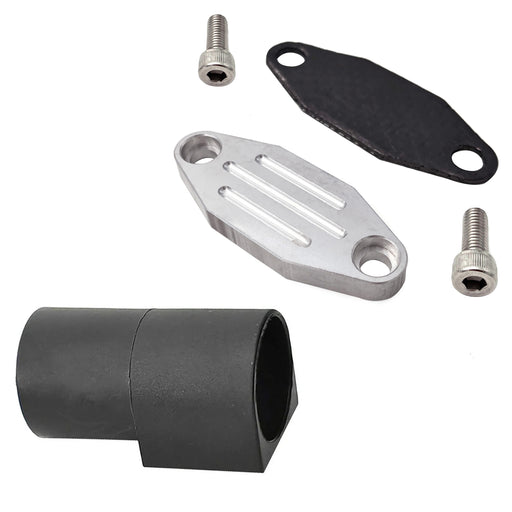
Seguler 1986-1995 Ford F150 F250 F350 Mustang Trucks EGR Simulator Eliminator / Block Off Plate Kit
SEGULEROriginal price $79.99 - Original price $79.99Original price$79.99$79.99 - $79.99Current price $79.99Block Off Plate Material: Aluminum alloy. Easy installation,and convenient to use. Made of CNC milled from aircraft grade Billet aluminum. Will N...
View full details -

Seguler 2011-2023 6.7L Ford Powerstroke Diesel EGR Delete Kit
SEGULEROriginal price $109.99 - Original price $109.99Original price$109.99$109.99 - $109.99Current price $109.99FITMENT 2011-2023 6.7L Ford Powerstroke F-250 F-350 F-450 F-550 Super Duty V8 Diesel. compatible with both standard Pickups and commercial Cab &...
View full details -
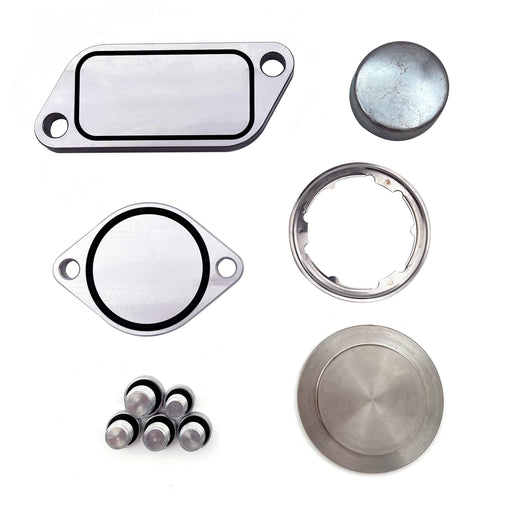
For 2010-Present Stage 2 ISX 15 CM2250 CM2350 EGR Delete Kit
SEGULEROriginal price $59.99 - Original price $59.99Original price$59.99$59.99 - $59.99Current price $59.99FITMENT 2010-Present Cummins Volvo, Peterbilt, Mack, International, Freightliner, Kenworth with the ISX15 CM2250 / CM2350 engines. DESCRIPTION P...
View full details -
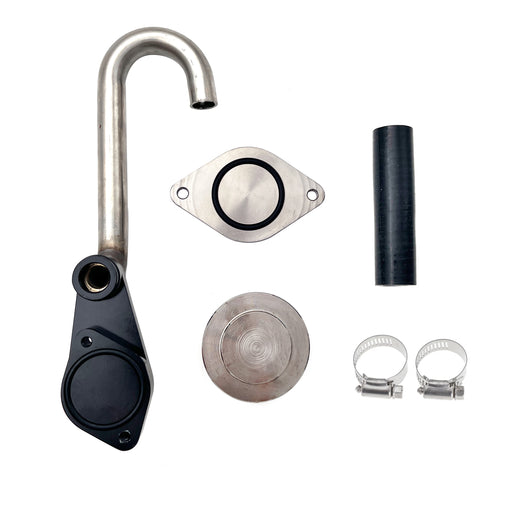
Seguler 2003-2007 6.0L FORD Powerstroke Diesel EGR Cooler Delete Kit
SEGULEROriginal price $56.14 - Original price $56.14Original price$56.14$56.14 - $56.14Current price $56.14FITMENT 2003-2007 6.0L Ford F-250 Ford F-350 F-450 F-550 Super Duty. 2003-2007 6.0L Ford Excursion SUV (Diesel Models Only). 2005-2010 Ford E-Se...
View full details -
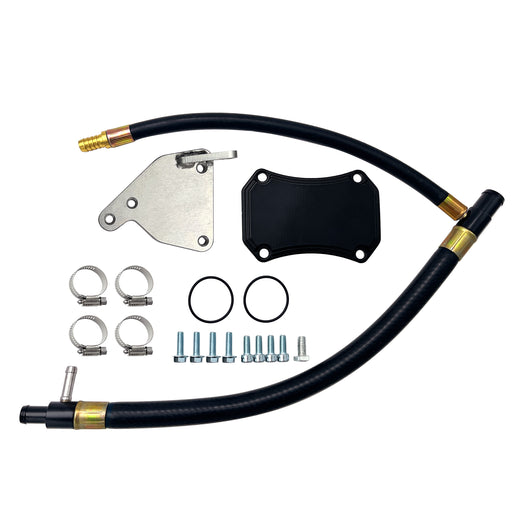
For 2011-2016 6.6L GMC Chevy Duramax Diesel LML EGR Valve Cooler Delete Kit
SEGULEROriginal price $66.49 - Original price $66.49Original price$66.49$66.49 - $66.49Current price $66.49FITMENT 2011-2016 6.6L Chevy GMC Duramax LML 2500 HD 3500 HD Diesel. DESCRIPTION Product Overview The 2011–2016 LML Duramax uses a complex EG...
View full details -
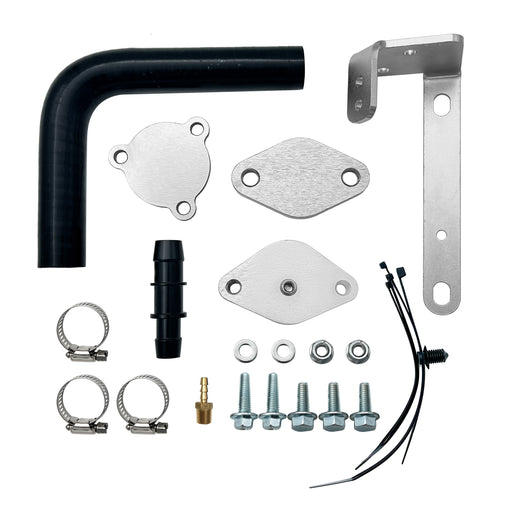
Seguler For 2014-2019 3.0L Dodge Ram 1500 EcoDiesel EGR Valve & Cooler Delete Kit
SEGULEROriginal price $72.99 - Original price $72.99Original price$72.99$72.99 - $72.99Current price $72.99FITMENT 2014-2019 3.0L Dodge Ram 1500 EcoDiesel V6 engine trucks. DESCRIPTION Product Overview Exhaust gas recirculation on 3.0L EcoDiesel V6 ...
View full details -

Seguler 2011-2023 6.7L Ford Powerstroke Diesel EGR Delete Kit
SEGULEROriginal price $85.99 - Original price $85.99Original price$85.99$85.99 - $85.99Current price $85.99FITMENT 2011-2023 6.7L Ford Powerstroke F-250 F-350 F-450 F-550 Super Duty V8 Diesel. compatible with both standard Pickups and commercial Cab &...
View full details -

Seguler 2010-2024 6.7L Dodge Ram Cummins Diesel EGR Valve Cooler Delete Kit
SEGULEROriginal price $89.99 - Original price $89.99Original price$89.99$89.99 - $89.99Current price $89.99FITMENT 2010–2024 6.7L Dodge Ram Cummins 2500 / 3500 Pickup Turbo Diesel. Note: Does NOT fit Chassis Cab 3500 / 4500 / 5500 models. DESCRIPTIO...
View full details -
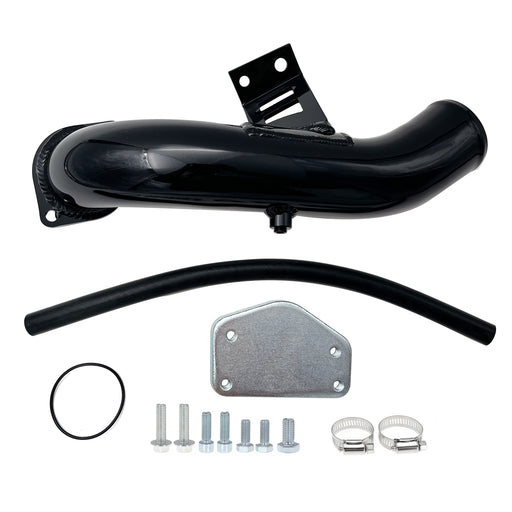
For 2004.5-2005 6.6L Chevy GMC Silverado LLY Duramax Diesel EGR Delete Kit
SEGULEROriginal price $92.99 - Original price $92.99Original price$92.99$92.99 - $92.99Current price $92.99FITMENT 2004.5-2005 6.6L Chevrolet Silverado Duramax LLY 2500HD / 3500 HD. 2004.5-2005 6.6L GMC Sierra Duramax LLY 2500HD / 3500 HD. DESCRIPTION...
View full details -

Seguler 2017-2019 L5P Duramax Diesel 4pcs L5P Can Bus Plugs Connector Replacement
SEGULEROriginal price $75.00 - Original price $75.00Original price$75.00$75.00 - $75.00Current price $75.00FITMENT 2017–2019 Chevrolet Silverado / GMC Sierra Duramax L5P 2500HD & 3500HD Diesel. DESCRIPTION Product Overview Unprotected harness con...
View full details -

Seguler 2020-2023 chevy duramax L5P Diesel Can Bus Plugs Connector
SEGULEROriginal price $80.00 - Original price $80.00Original price$80.00$80.00 - $80.00Current price $80.00FITMENT 2020–2023 Chevrolet Silverado / GMC Sierra Duramax L5P 2500HD & 3500HD Diesel. DESCRIPTION Product Overview Unprotected harness pl...
View full details -
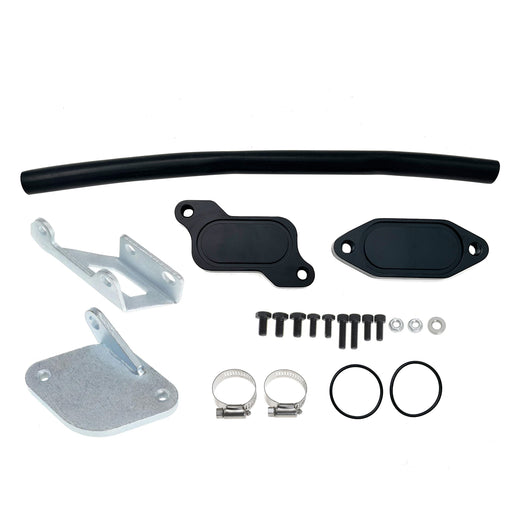
For 2006-2007 6.6L Chevrolet Silverado Classic GMC Duramax LBZ Diesel EGR Valve Cooler Delete Kit
SEGULEROriginal price $63.49 - Original price $63.49Original price$63.49$63.49 - $63.49Current price $63.49FITMENT 2006-2007.4 Chevrolet Silverado Duramax LBZ 2500HD / 3500HD. 2007.4 Chevrolet Silverado Duramax LBZ 2500HD / 3500HD Classic. 2006-2007.4 ...
View full details -

Seguler 2011-2023 6.7L Ford F250 F350 F450 F550 Powerstroke Diesel EGR Valve Delete Cooler Delete Kit
SEGULEROriginal price $55.99 - Original price $55.99Original price$55.99$55.99 - $55.99Current price $55.99FITMENT 2011-2023 6.7L Ford Powerstroke F-250 F-350 F-450 F-550 Super Duty V8 Diesel compatible with both standard Pickups and commercial Cab &a...
View full details -
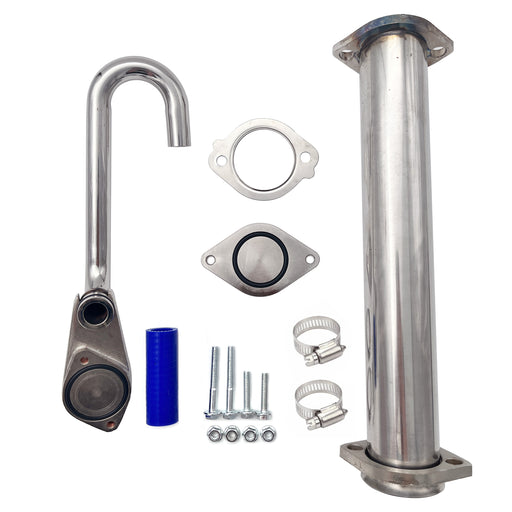
Seguler 2003-2007 6.0L Ford F250 F350 Powerstroke Diesel EGR Basic Cooler Kit
SEGULEROriginal price $79.99 - Original price $79.99Original price$79.99$79.99 - $79.99Current price $79.99FITMENT 2003-2007 6.0L Ford F250 F350 F450 F550 Super Duty Turbo (except 2004 F250 Super Duty). 2003-2005 6.0L Ford Excursion Turbo. 2005 Ford F...
View full details -
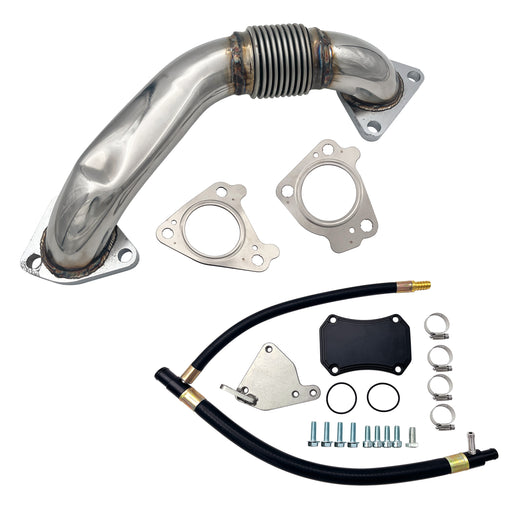
Seguler 2011-2016 6.6L GMC Chevy Duramax Diesel LML Up-Pipe & EGR Valve Cooler Delete Kit
SEGULEROriginal price $173.86 - Original price $173.86Original price$173.86$173.86 - $173.86Current price $173.86FITMENT 2011-2016 6.6L Chevy GMC Duramax LML 2500 HD 3500 HD Diesel. DESCRIPTION Product Overview Direct-injection technology endows GM 5.3L an...
View full details -
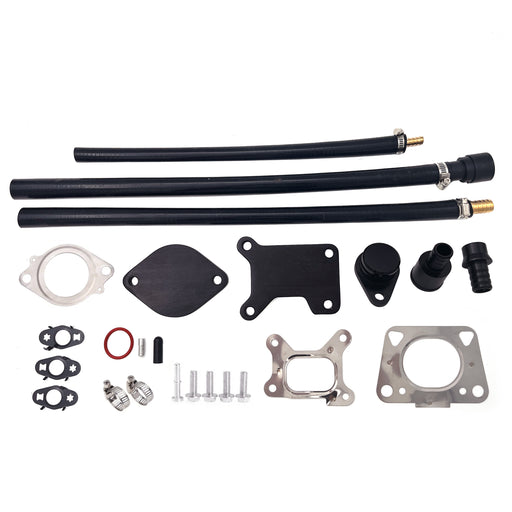
For 2017-2023 6.6L Chevy GMC Duramax L5P diesel EGR Valve Cooler Delete kit
SEGULEROriginal price $131.99 - Original price $131.99Original price$131.99$131.99 - $131.99Current price $131.99FITMENT 2017–2023 6.6L Chevrolet Silverado / GMC Sierra Duramax L5P 2500HD 3500HD Diesel. DESCRIPTION Product Overview Hot soot recirculation ...
View full details -
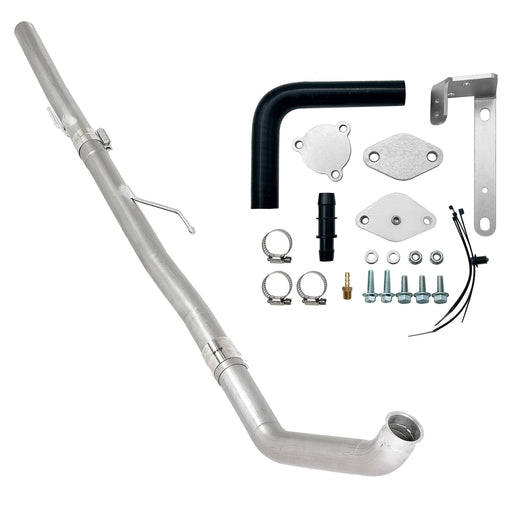
Seguler 3" Ecodiesel DPF Delete Pipe & EGR Delete kit for 2014-2018 3.0L Ram
SEGULEROriginal price $342.00 - Original price $342.00Original price$342.00$342.00 - $342.00Current price $342.00FITMENT 2014–2018 3.0L Dodge Ram 1500 EcoDiesel V6. NOTE: Fit standard Pickup models only (Crew Cab, Quad Cab). Does NOT fit Jeep Grand Cheroke...
View full details -
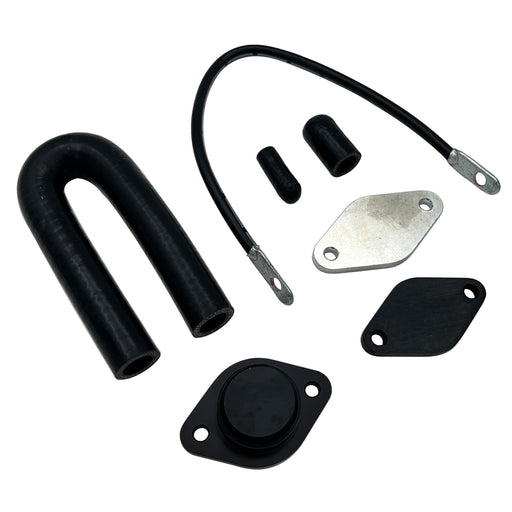
Seguler EGR valve cooler Delete kit for 2020-2022 3.0L Chevy Duramax LM2
SEGULEROriginal price $189.12 - Original price $189.12Original price$189.12$189.12 - $189.12Current price $189.12FITMENT 2020–2022 3.0L Chevrolet Silverado GMC Sierra 1500 LM2 Turbo-Diesel. DESCRIPTION Product Overview Powered by smooth inline-six engine...
View full details -

For 2013-2023 6.7L Dodge Ram Cummins Cab & Chassis EGR Delete Kit Diesel
SEGULEROriginal price $62.99 - Original price $62.99Original price$62.99$62.99 - $62.99Current price $62.99FITMENT 2013–2023 6.7L Ram Cummins 3500 4500 5500 Cab & Chassis / Commercial Trucks. Does NOT fit standard Ram 2500 3500 Pickups. DESCRIPTIO...
View full details -
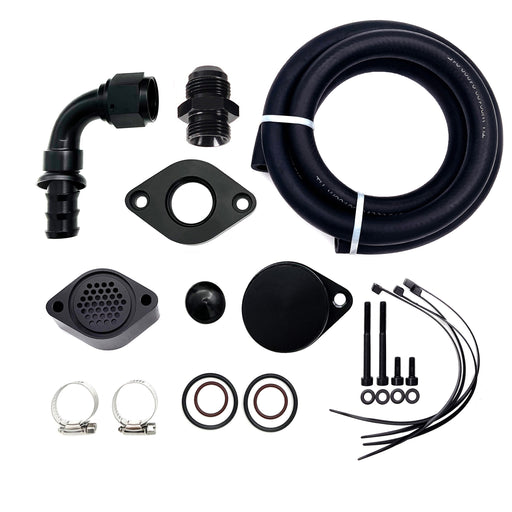
Seguler 2011-2023 6.7L Ford Powerstroke CCV PCV Reroute Engine Ventilation Kit
SEGULEROriginal price $82.99 - Original price $82.99Original price$82.99$82.99 - $82.99Current price $82.99FITMENT 2011-2023 6.7L Ford Powerstroke F-250 F-350 F-450 F-550 Super Duty V8 Diesel. Compatible with both standard Pickups and commercial Cab &...
View full details -
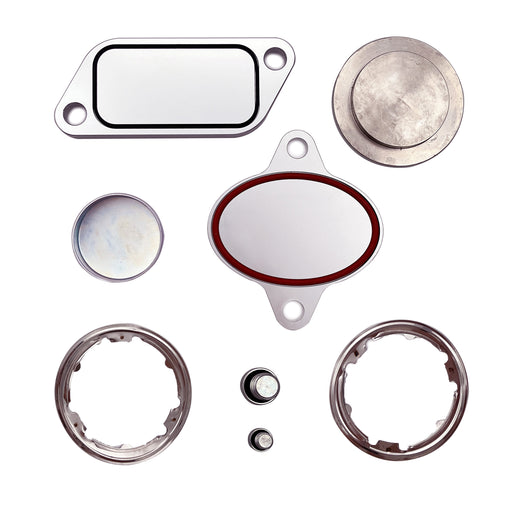
For 2007-2010 Cummins ISX CM871 EGR Plug Kit Stage 2 Plates and Plugs Aluminum
SEGULEROriginal price $67.99 - Original price $67.99Original price$67.99$67.99 - $67.99Current price $67.99FITMENT 2007-2010 Cummins Volvo, Peterbilt, Mack, International, Freightliner, Kenworth with the ISX CM871 Engines. DESCRIPTION Product Overvie...
View full details -
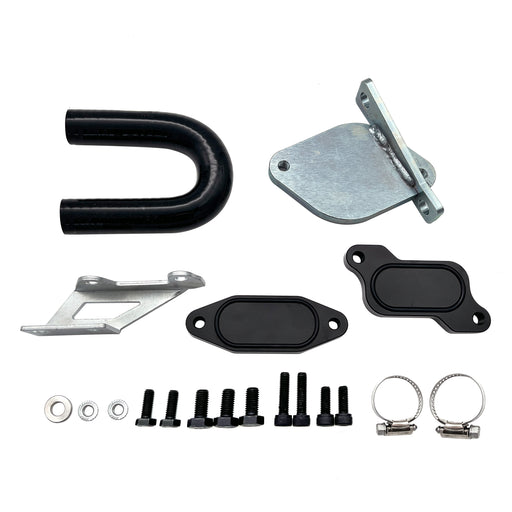
For 2007-2010 6.6L Chevy GMC LMM Duramax EGR Valve Cooler Delete Kit Fit
SEGULEROriginal price $61.99 - Original price $61.99Original price$61.99$61.99 - $61.99Current price $61.99FITMENT 2007.5-2010 6.6L Chevrolet Silverado Duramax LMM 2500HD / 3500HD. 2007.5-2010 6.6L GMC Sierra Duramax LMM 2500HD / 3500HD. Note: Standard...
View full details -
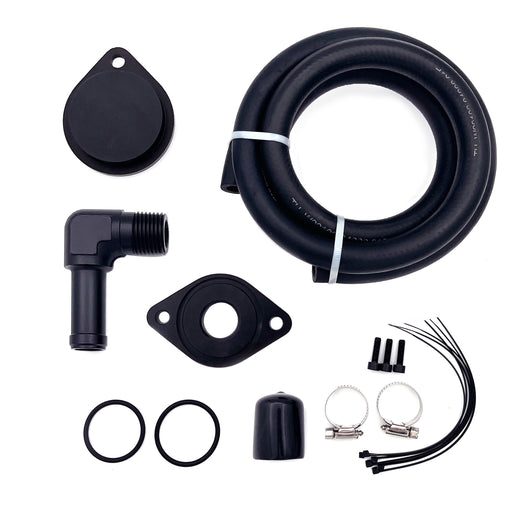
Seguler 2011-2023 Ford 6.7L Powerstroke CCV/PCV Reroute/Delete Engine Ventilation Kit
SEGULEROriginal price $72.00 - Original price $72.00Original price$72.00$72.00 - $72.00Current price $72.00FITMENT 2011-2023 6.7L Ford Powerstroke F-250 F-350 F-450 F-550 Super Duty V8 Diesel. Compatible with both standard Pickups and commercial Cab &...
View full details -
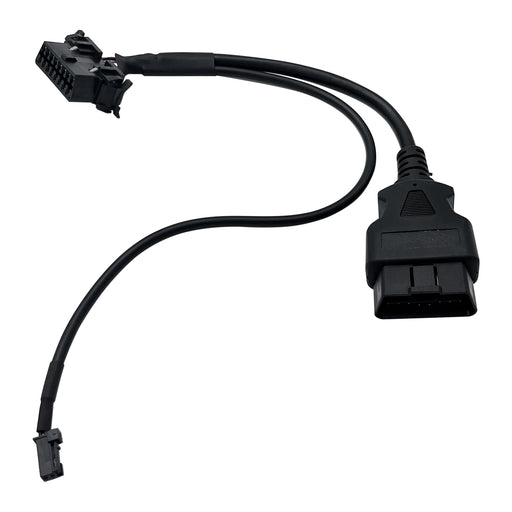
Seguler 2018+ RAM Cummins OBD2 HD Security Gate Bypass Cable
SEGULEROriginal price $45.00 - Original price $45.00Original price$45.00$45.00 - $45.00Current price $45.00FITMENT 2018+ 6.7L Ram Cummins 2500 3500 Turbo Diesel. Designed for Ram pickup trucks equipped with the factory Security Gateway Module. Note: Pl...
View full details -
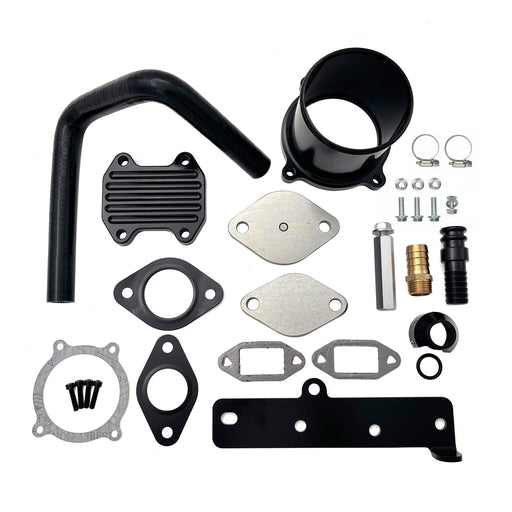
Seguler For 2013-2018 6.7L Dodge RAM 2500 3500 Cummins Diesel EGR Delete Cooler Throttle Valve Delete Kit
SEGULEROriginal price $112.00 - Original price $112.00Original price$112.00$112.00 - $112.00Current price $112.00FITMENT 2013–2018 6.7L Dodge Ram Cummins 2500 & 3500 Pickup Turbo Diesel. Note: Does NOT fit Cab & Chassis (3500 / 4500 / 5500 C&C) m...
View full details


Leave a comment