

6.0L Powerstroke EGR & Exhaust Upgrade Guide (2003-2007)
The Maintenance Challenges Many 6.0L Owners Eventually Face
The 2003–2007 Ford Super Duty with the 6.0L Powerstroke arrived with a 325-horsepower V8, a variable-geometry turbo, and the rugged TorqShift 5R110 transmission. On paper, it was the most advanced light-duty diesel of its era.
But as mileage climbs past 100,000, many 6.0L owners encounter the same pattern: coolant loss without visible leaks, rising exhaust gas temperatures under sustained load, and EGR-related maintenance concerns. These are not random failures — they trace back to two interconnected systems: the EGR cooler and the exhaust up-pipes.
The EGR cooler sits downstream of the oil cooler in the cooling circuit. When the oil cooler clogs — common on trucks running factory Gold coolant — coolant flow to the EGR cooler drops, the tubes overheat, and micro-cracks develop. Meanwhile, the factory up-pipes crack at the bellows from repeated thermal cycling, leaking exhaust gas that should be driving the turbocharger. A leaking up-pipe raises EGTs. Elevated EGTs push a compromised EGR cooler harder. One problem feeds the other.
This guide covers what a 6.0L Powerstroke upgrade looks like when both the EGR and exhaust up-pipe systems are addressed together — what differentiates quality components from budget alternatives, how the installation works, and the mistakes that separate a finished job from a follow-up parts run.
For owners maintaining aging 6.0L Powerstroke trucks, choosing components designed specifically for this platform can make the difference between repeated repairs and a long-term maintenance solution.
🚨 Common Problems on 2003-2007 6.0L Powerstroke Trucks
The 6.0L Powerstroke has been on the road for nearly two decades. Over that time, several failure patterns have become well-documented across the platform.
EGR cooler failure. The most widely recognized issue on the 6.0L. The EGR cooler sits downstream of the oil cooler in the cooling circuit. When the oil cooler clogs — often due to silicate dropout from the factory Gold coolant — coolant flow to the EGR cooler is restricted. The tubes overheat, crack, and allow coolant to enter the intake stream. Early signs include white smoke at startup with a sweet smell, unexplained coolant loss with no external drips, and puking from the degas bottle cap. Left unaddressed, this can lead to hydrolock, head gasket failure, and engine damage.
Oil cooler clogging. The root cause behind most EGR cooler failures. The 6.0L’s oil cooler uses narrow coolant passages that are susceptible to plugging from casting sand residue, silicate gel from degraded coolant, and general sediment accumulation. When the oil cooler restricts, the EGR cooler is the first component to feel the reduced coolant flow. The widely used diagnostic test is the EOT/ECT delta — if engine oil temperature exceeds engine coolant temperature by more than 15°F at a steady 65 mph cruise, the oil cooler requires replacement.
Exhaust up-pipe cracking and leaking. The factory Y-pipe assembly connects both exhaust manifolds to the turbocharger inlet. It incorporates flexible bellows sections designed to absorb thermal expansion. Over time, these bellows develop cracks — particularly on the passenger-side section near the turbo flange — causing exhaust leaks that are audible as a ticking sound under load and visible as black soot deposits around the joint. The leak reduces exhaust gas velocity into the turbo, affecting spool response and elevating EGTs.
Head gasket failure. Often the end result of the domino chain described above. When a ruptured EGR cooler introduces combustion pressure into the cooling system, it over-pressurizes the entire coolant circuit. The degas bottle cap vents at 16 psi — but head gaskets can fail before the cap releases. Head gasket replacement on a 6.0L typically requires ARP studs, machined heads, and in most cases pulling the cab. It is a multi-thousand-dollar repair.
Turbocharger VGT sticking. The 6.0L’s Garrett variable-geometry turbo uses movable vanes in the exhaust housing to control boost pressure across the RPM range. Carbon buildup on the unison ring can cause the vanes to stick, resulting in underboost or overboost conditions. This is a maintenance issue rather than a design flaw, but it becomes more frequent when exhaust leaks or EGR restrictions cause the turbo to operate outside its normal range.
These problems share a common thread: the EGR cooler, oil cooler, and exhaust up-pipes are part of an interconnected system where one failing component can increase stress on the others. A restricted oil cooler can reduce coolant flow to the EGR cooler and contribute to higher operating temperatures. A failing EGR cooler can allow exhaust gas to enter the cooling system, creating additional cooling system issues. A leaking up-pipe can increase exhaust temperature and reduce turbo efficiency. Addressing only one problem while ignoring the others may leave potential failure points unresolved.
⏱ How Long Does the 6.0L Powerstroke Engine Last?
The 6.0L Powerstroke’s iron block and forged-steel crankshaft are known for durability. The engine’s core components can support high mileage when properly maintained. International’s VT365 engine, on which the 6.0L is based, was designed for medium-duty commercial applications where long-term durability was a key priority.
What often requires attention before reaching 200,000 miles are the supporting systems around the engine — including the EGR cooler, oil cooler, exhaust up-pipes, and related components affected by previous EGR cooler issues. These systems are responsible for many of the maintenance concerns associated with the 6.0L platform and commonly become service points as mileage increases.
For owners planning to keep their 6.0L beyond 150,000 miles, proactively inspecting and upgrading the EGR and exhaust systems can help address common reliability concerns before they develop into more expensive repairs.
Product Overview: Seguler 6.0L Powerstroke EGR & Exhaust Upgrade Components
The 6.0L Powerstroke is known for a few key areas that require attention as mileage increases. This upgrade combines two important components: an EGR cooler solution designed to address one of the engine’s most discussed weak points, and upgraded exhaust up-pipes that help restore reliable exhaust flow and improve long-term durability.
Many owners choose to address these components together because the installation areas overlap, making it a practical time to upgrade both systems at once. Whether you are maintaining a high-mileage truck or improving reliability for towing and daily use, these components provide a solid foundation for a more dependable 6.0L Powerstroke.
Fitment
| Vehicle | Years | Engine |
|---|---|---|
| Ford F-250 / F-350 / F-450 / F-550 Super Duty | 2003–2007 | 6.0L Powerstroke |
EGR kit (SG-ER-0134) fits all listed vehicles. Up-pipe kit (SG-DP-0036) fits F-250 through F-450. Confirm your model year and sub-model before ordering.
Key Specifications
| Specification | ER-0134 EGR Upgrade Kit | DP-0036 Up-Pipe Y-Pipe Kit |
|---|---|---|
| What it addresses | Factory EGR cooler system | Factory Y-pipe assembly |
| Material | 304 stainless steel | T-304 stainless steel, 16-gauge |
| Key hardware | Plates, couplers, T-bolt clamps | Flex bellows, CNC-welded flanges |
| Installation area | Engine valley | Turbocharger inlet |
| Required tools | Hand tools + drain pan | Hand tools |
| EGR port | Closed with included components | Blocked at Y-pipe connection |
Labor overlap. The EGR cooler system and exhaust up-pipe assembly share a critical installation dependency: both require access to the turbocharger area. Installing the up-pipe kit during the same service typically adds minimal additional labor because the turbocharger is already removed. Completing both upgrades together avoids repeating the same teardown process later.Labor overlap. The EGR cooler and the exhaust up-pipes share a critical installation dependency: both require removing the turbocharger. Installing the up-pipe kit during an EGR cooler upgrade adds minimal labor — the turbo is already off the engine. Doing them separately means removing the turbo twice.
📊 The Three Approaches to 6.0L EGR and Exhaust Upgrades
When an EGR cooler shows signs of failure or an up-pipe begins leaking, 6.0L owners have three practical paths. Each has different implications for cost, downtime, and long-term reliability.
| Approach | What You Get | Tradeoff |
|---|---|---|
| Complete dual upgrade | EGR kit + up-pipe kit, one order | One turbo removal, one session |
| Replace with factory parts | OEM EGR cooler + OEM up-pipes, dealer labor | Same failure timeline, dealer rates |
| Single-component fix | EGR kit only or up-pipe only | Lower upfront cost, may revisit same teardown |
A complete upgrade package from a single source means one transaction, one shipping confirmation, one installation session, and one point of contact if a question comes up during the work. A single-component approach addresses today’s symptom while the other component continues to age, potentially surfacing a year later when the turbo has to come off again.
🔬 What Separates Quality 6.0L Powerstroke Components
Why the EGR Cooler and Up-Pipes Are Connected — Not Independent Problems
The 6.0L’s EGR cooler failure mechanism is well understood, but the role of the exhaust up-pipes in the failure chain is less frequently discussed. Here is how they connect:
The factory up-pipes are subjected to extreme thermal cycling. The passenger-side pipe, which routes exhaust from cylinders 1, 3, 5, and 7 to the turbo, sees pre-turbine temperatures that can exceed 1,200°F under sustained load. As the engine cools between drive cycles, the stainless steel bellows contract. Over tens of thousands of cycles, micro-cracks develop at the flex joint. Once a crack opens, exhaust gas — which should be driving the turbocharger — escapes into the engine bay. The turbo then has to work against reduced exhaust velocity, affecting spool characteristics and elevating exhaust gas temperatures from the cylinders that are still feeding the turbine. Those elevated EGTs pass through the EGR cooler — which, on a 6.0L with a partially restricted oil cooler, may already be running hotter than designed.
This is not a hypothetical cascade. It is the reason many experienced 6.0L technicians recommend inspecting the up-pipes any time the turbocharger is removed — because addressing them after the turbo is back on means repeating several hours of top-end disassembly.
EGR Cooler Upgrade Kit: What Separates Quality
| Feature | Quality Component | Lower-Cost Alternative |
|---|---|---|
| Tubing material | 304 stainless steel | Lower-grade steel |
| Block-off plates | Precision-cut, bolt-on seal | Approximate fit |
| Couplers | Silicone, T-bolt clamps | Rubber, worm clamps |
| Coolant circuit | Maintained via included bypass | Source-your-own fittings |
| Hardware | Complete kit | Plates only |
The EGR cooler on a 6.0L is a single point of failure with a well-documented domino effect: restricted oil cooler → reduced coolant flow to EGR cooler → thermal fatigue cracking → coolant into intake → head gasket compromise. A quality EGR upgrade kit addresses this failure point by replacing the factory EGR cooler configuration, while maintaining proper coolant circulation through the engine with the included bypass provisions.
Exhaust Up-Pipe Kit: What Separates Quality
| Feature | Quality Component | Lower-Cost Alternative |
|---|---|---|
| Material | T-304 stainless, 16-gauge | Thinner-gauge steel |
| Flex bellows | Multi-ply, integrated | Single-ply or none |
| Flanges | CNC TIG-welded | Press-welded |
| EGR port | Blocked at source | Factory port retained |
| Hardware | Included | Sold separately |
The factory up-pipes on a 6.0L are a wear item — the flexible bellows sections are designed to absorb thermal expansion, and they eventually crack. A quality replacement kit uses thicker 16-gauge T-304 stainless steel with integrated multi-ply bellows that provide the same thermal accommodation without the fatigue life limitations of the factory design. The CNC TIG-welded flanges ensure a flat sealing surface against the exhaust manifold and turbocharger inlet.
When Should You Consider a 6.0L Powerstroke Upgrade?
Not every 6.0L Powerstroke needs these components at the same mileage. The right time to consider an upgrade depends on your truck’s condition, maintenance history, and future ownership plans.
You Are Already Doing an Oil Cooler Service
The oil cooler replacement involves removing the intake manifold, turbocharger, and EGR cooler — the same access area required for an EGR upgrade kit and up-pipe replacement. If the turbocharger is already removed, installing both upgrade components can help avoid repeating the same labor later.
Your Coolant Level Is Dropping With No External Leak
This can be an early warning sign of EGR cooler-related issues. Before white smoke appears or coolant loss becomes severe, small cracks inside the EGR cooler may allow coolant to enter the intake system. Identifying the issue early can help prevent more extensive repairs.
You Hear a Ticking or Hissing Sound Under Load
This is a common sign of a leaking up-pipe. The sound may become more noticeable while towing or climbing a grade. Black soot deposits around the turbo flange and bellows joints can also indicate an exhaust leak.
You Plan to Keep Your Truck Long-Term
The 6.0L Powerstroke’s engine block can outlast several sets of supporting components with proper maintenance. For owners planning to keep their truck for another 80,000–100,000 miles, addressing the EGR and exhaust systems proactively can help reduce unexpected downtime.
Is This Upgrade Right For Your 6.0L Powerstroke?
This upgrade is commonly considered by owners who:
- Own a 2003–2007 Ford F-250 / F-350 / F-450 with the 6.0L Powerstroke
- Have original EGR cooler components still in service
- Hear exhaust leaks or ticking noises under load
- Are already performing turbo, oil cooler, or cooling system service
- Plan to keep their truck for long-term ownership
If your truck matches these conditions, inspecting both the EGR system and exhaust up-pipes together can help avoid repeated labor.
🚨 Common 6.0L Powerstroke EGR and Up-Pipe Warning Signs
Slow coolant loss without external drips. A drop of more than a quarter-inch in the degas bottle over 500 miles of driving, with no visible leak under the truck, suggests an internal EGR cooler leak. Mark the degas bottle cold, drive normally for a week, and check again cold.
White smoke at cold startup with a sweet smell. Condensation is thin, dissipates quickly, and has no odor. Coolant burning in the combustion chamber produces thick, sweet-smelling vapor that hangs in the air and persists after the engine warms up.
Puking from the degas bottle cap. White chalky residue around the degas bottle cap indicates the cooling system has been pressurized beyond its 16-psi rating — typically from combustion gas entering the coolant through a cracked EGR cooler. This is a warning sign that should not be ignored.
Black soot around the turbo flange and up-pipe bellows. Exhaust leaks at the up-pipe joints leave visible carbon deposits at the leak point. These are easiest to spot with a flashlight from underneath the truck, looking up at the turbocharger inlet area.
Ticking or whistling under load that changes with throttle position. A leaking up-pipe produces an audible exhaust pulse that is most noticeable when the engine is under load — towing, climbing a grade, or accelerating from a stop. The sound should not be there. A healthy up-pipe assembly is silent.
These indicators do not all appear simultaneously, and they do not always store a diagnostic trouble code. The degradation happens gradually — many 6.0L owners do not realize how much exhaust velocity and cooling system integrity they have lost until the components are replaced and the difference becomes immediately apparent.
🤔 Should You Upgrade the EGR System or Exhaust First?
If you are addressing one system at a time, the decision depends on what the truck is showing you.
| Upgrade Priority | Main Concern | Best For |
|---|---|---|
| EGR first | Coolant loss, white smoke, degas puking | Early EGR failure signs; oil cooler already planned |
| Up-pipe first | Exhaust ticking, soot at turbo flange | Confirmed up-pipe leaks; turbo already off for other work |
| Complete system | Both present, or turbo off for oil cooler | One session, no revisit |
If the turbo is coming off for any reason — oil cooler replacement, turbo service, EGR cooler work — the up-pipes are exposed and accessible. Installing a replacement up-pipe kit at that point adds minutes to the job. Waiting until later means repeating the turbocharger removal procedure, which involves draining coolant, removing the intake manifold, disconnecting the turbo oil feed and drain lines, and accessing difficult-to-reach mounting bolts. The labor to remove and reinstall the turbo a second time will cost more than the up-pipe kit itself.
A complete 6.0L Powerstroke upgrade — addressing both the EGR cooler and the up-pipes in a single session — eliminates the need to revisit the same teardown path.
Why Upgrade Both Components Together?
The biggest advantage of combining an EGR cooler upgrade with an up-pipe replacement is not only the parts themselves — it is the shared installation process.
Both components require access to the turbocharger area. Completing both upgrades together can help:
- Reduce repeated turbo removal. Both jobs share the same teardown path. Do them once, not twice.
- Save installation time. The incremental labor to install the up-pipe kit while the turbo is off is measured in minutes.
- Address two common 6.0L service points at once. The EGR cooler and up-pipes are the most failure-prone items in the 6.0L’s top-end architecture.
- Provide a more complete reliability-focused solution. A new EGR cooler bypass with leaking up-pipes still leaves exhaust gas velocity loss and elevated EGTs on the table.
The Complete Solution: Two Components, One Turbo Removal
Seguler 2003-2007 6.0L Ford F250 F350 Powerstroke Diesel EGR Basic Cooler Kit
EGR Cooler Upgrade Kit is designed for 2003-2007 Ford F250, F350, F450, and F550 Super Duty trucks equipped with the 6.0L Powerstroke diesel engine. As one of the most commonly serviced components on the 6.0L platform, the factory EGR cooler system can become a concern as mileage increases due to repeated heat cycles and cooling system stress.
This upgrade solution helps address common EGR cooler-related issues during maintenance or repair by providing a more reliable approach for owners who want to refresh their high-mileage 6.0L Powerstroke. It is an ideal choice for trucks undergoing cooling system service, turbo-related work, or long-term reliability upgrades.
Whether used for routine maintenance or a complete reliability-focused refresh, this EGR Cooler Upgrade Kit helps support dependable performance for daily driving, towing, and long-term ownership.

Product Details
- Material & Durability: Constructed from aluminum alloy and silicone, offering long-term resistance to corrosion and rust along with excellent heat dissipation.
- System Elimination & Function: Allows the complete removal of the factory EGR valve and EGR cooler to eliminate exhaust gas recirculation.
- Cooling Efficiency: Engineered to recirculate engine coolant faster and more efficiently than the stock EGR system.
- Vehicle Fitment: Designed specifically for 2013-2018 6.7L RAM 2500, 3500, 4500, and 5500 408ci OHV L6 diesel trucks.
The EGR Cooler Upgrade Kit provides a practical solution for 2003-2007 6.0L Powerstroke owners looking to address one of the platform’s most common maintenance concerns. By refreshing the EGR system during scheduled service or major engine work, owners can reduce the risk of recurring issues and build a more reliable foundation for long-term truck ownership.
Whether your Super Duty is used for daily driving, towing, or heavy-duty applications, this upgrade is designed to support the reliability goals of high-mileage 6.0L Powerstroke trucks. For owners already servicing the turbocharger or cooling system, upgrading the EGR system at the same time can help maximize labor efficiency and provide a more complete maintenance solution.
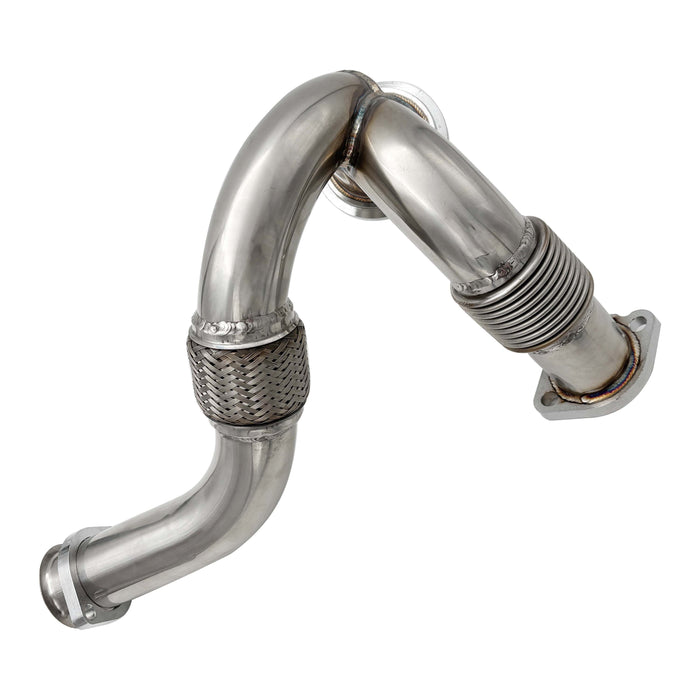
Seguler 2003-2007 6.0L Powerstroke Heavy-Duty Up-Pipe Y-Pipe Kit (SG-DP-0036)
Heavy-Duty Up-Pipe Y-Pipe Kit is designed for 2003-2007 Ford F250, F350, and F450 Super Duty trucks equipped with the 6.0L Powerstroke diesel engine. The factory up-pipe assembly is exposed to extreme heat cycles and exhaust pressure over years of operation, making it one of the common areas that may require attention as mileage increases.
Located between the exhaust manifolds and the turbocharger inlet, the up-pipe system plays an important role in directing exhaust energy to the turbocharger. Cracks or leaks in the factory flex sections can reduce exhaust flow efficiency, create noticeable exhaust noise, and affect overall turbocharger response.
Designed as a replacement solution for aging factory components, this Up-Pipe Y-Pipe Kit helps 6.0L Powerstroke owners refresh a critical exhaust connection point during turbocharger service, EGR system maintenance, or long-term reliability upgrades.
Product Details
- Material & Construction: Made of high-quality T-304 stainless steel with a 16-gauge piping wall thickness, TIG welded CNC machine flanges, and built-in flex pipes for increased longevity.
- Performance Improvement: Deletes the factory EGR port to improve overall vehicle performance.
- Precision & Fit: Features durable bellows and precision laser cutting to guarantee a perfect fit and long-lasting performance.
- Vehicle Fitment: Designed for 2003-2007 6.0L Powerstroke Ford F250, F350, and F450 diesel trucks.
The Heavy-Duty Up-Pipe Y-Pipe Kit is a practical upgrade solution for 2003-2007 6.0L Powerstroke owners looking to address a common exhaust system wear point. By replacing aging factory components and restoring a secure connection between the exhaust manifolds and turbocharger inlet, this upgrade helps support more consistent exhaust flow and long-term durability.
For trucks undergoing turbocharger service, EGR system maintenance, or general high-mileage refresh work, upgrading the up-pipe assembly at the same time can help reduce future maintenance needs and avoid repeating the same labor-intensive access process.
Complete 6.0L Powerstroke Reliability Upgrade Solution
The EGR Cooler Upgrade Kit and Heavy-Duty Up-Pipe Y-Pipe Kit address two important areas that commonly require attention on aging 2003-2007 6.0L Powerstroke trucks.
The EGR system focuses on improving the reliability of the cooling and exhaust gas management system, while the up-pipe assembly helps restore a secure exhaust connection between the manifolds and turbocharger inlet. Together, these upgrades provide a more complete approach to maintaining the systems that are critical to long-term 6.0L Powerstroke ownership.
For owners already performing turbocharger, EGR, oil cooler, or other major maintenance work, addressing both components during the same service can help reduce repeated labor and provide a more efficient upgrade path. Whether used for daily driving, towing, or long-term truck ownership, this combined solution helps support a more reliable foundation for the 6.0L Powerstroke platform.
🔧 Important Installation Consideration
The 6.0L Powerstroke ECM monitors EGR valve position, EGR flow, and exhaust system parameters as part of the engine control strategy. Vehicle configurations vary, and some applications may require calibration adjustments after hardware changes. Always verify requirements for your specific vehicle before installation.
🛠 Installation: EGR Kit & Up-Pipe System
The EGR cooler replacement requires removing the turbocharger — which also exposes the up-pipes. Below are both procedures. Start with the EGR kit; install the up-pipe kit when the turbo is off, before reassembly.
Before You Start
- Park level, chock rear wheels, disconnect both battery terminals
- Allow engine to cool completely
- 4+ gallon drain pan for coolant
- ⚠️ Pre-soak turbo, up-pipe, and pedestal bolts with penetrating oil. 6.0L fasteners rust — snapping one adds hours.
Tools You Will Need
| Tool | Spec | For |
|---|---|---|
| Socket set | 8–18mm | Intake, turbo, manifold fasteners |
| Torque wrench (in-lb) | 120 in-lb capacity | Intake manifold & billet adapter bolts |
| Torque wrench (ft-lb) | 10–100 ft-lb | All other reassembly |
| Extensions + swivel | 3"–12" + 3/8" swivel | Turbo & manifold bolts |
| Pry bar | Small | Lift intake manifold |
| Screwdriver + pliers | Standard | Hoses, clamps, fan shroud |
| Cardboard | Scrap | Track manifold bolt positions |
| Coolant | EC-1 rated ELC | Refill — don’t reuse factory Gold |
EGR Cooler Upgrade Kit (SG-ER-0134)
Step 1: Drain coolant and clear the work area. Drain radiator into a pan — discard factory Gold coolant. Disconnect both battery terminals. Remove wire way clips above turbo, fold harness to windshield. Pry off upper fan shroud.
Step 2: Strip the engine top. Remove intake tube, turbo inlet tube, PCV valve, and charge pipe. Unbolt alternator, disconnect wires, tilt forward (belt tensioner stays).
Step 3: Remove the turbocharger. Remove downpipe V-clamp and catalytic converter support bolt. Disconnect two oil feed bolts, VGT electrical connector, and up-pipe V-band clamp at turbine inlet. Remove three turbo-to-pedestal bolts. Roll turbo toward passenger side, lift out. Remove pedestal and oil drain tube from H.P.O.P. cover.
Step 4: Loosen exhaust and intake manifold connections. From underneath: remove passenger up-pipe manifold bolts, loosen driver side. From top: loosen driver-side intake bolts; fully remove passenger-side bolts + two inner fan stator bolts. 🟢 Push each bolt through labeled cardboard — different lengths, mixing kills threads.
Step 5: Remove Y-pipe and factory up-pipe. Remove Y-pipe junction bolts, pull Y-pipe and up-pipe. Remove heater tube stiffener bolt (below alternator), bend tab up.
Step 6: Extract the EGR cooler. Remove three EGR cooler mounting bolts. Push down on cooler while prying intake manifold up. Slide cooler backward, lift out through front of engine. Confirm all gaskets and o-rings removed.
Step 7: Install up-pipe Y-pipe kit (SG-DP-0036). 🟢 Turbo is off — install now, then continue. Loosely fit new Y-pipe: two M8 bolts at each manifold flange, factory V-clamp at turbo flange. Leave loose for alignment. Reconnect upper pipe with factory bolts. Tighten M8 bolts in small alternating increments, then V-clamp last.
Step 8: Install block-off disk and coolant bypass. Install block-off disk onto up-pipe using existing V-clamp. Reinstall intake manifold bolts to correct positions, torque all to 120 in-lbs. ⚠️ Aluminum manifold — exceeding 120 in-lbs strips threads. Grease billet adapter o-ring, place into intake bore. Finger-tighten two longer factory bolts — discard third smaller bolt. Torque both to 120 in-lbs, verifying o-ring stays seated. Slide 3/4" silicone hose over oil cooler nipple, connect 3/4" 180° stainless bypass tube, tighten worm clamps.
Step 9: Install 2" up-pipe and reassemble. Install replacement 2" up-pipe with provided hardware and OEM gasket. Reinstall all components in reverse: turbo to pedestal, downpipe, intake/exhaust pipes, alternator, fan shroud, wire clips. Refill with EC-1 ELC coolant. Start engine with degas cap off, let reach operating temp to bleed air. Top off. Inspect for coolant, oil, and exhaust leaks.
Up-Pipe Y-Pipe Kit (SG-DP-0036)
🟢 Installing with EGR kit? Turbo is already off after EGR Step 3. Jump to Step 5 below, then return to EGR Step 8.
Standalone install: turbo stays on pedestal, only turbine base bolts are loosened for clearance.
Step 1: Disconnect batteries. Disconnect both battery negative terminals.
Step 2: Drain coolant. Open radiator petcock, drain into a pan — do not reuse factory Gold coolant.
Step 3: Clear the work area. Remove wire way clips above turbocharger, fold harness toward windshield.
Step 4: Disconnect and remove factory Y-pipe. Disconnect V-clamp at turbocharger turbine inlet. Loosen three turbine base bolts (turbo tilts for clearance, stays on pedestal). Remove factory Y-pipe assembly.
Step 5: Position the new Y-pipe. Loosely fit new Y-pipe: factory V-clamp at turbo flange, two M8 bolts at each exhaust manifold flange. Leave all fasteners loose — pipe must settle into alignment before tightening.
Step 6: Reconnect the upper pipe. Reconnect Y-pipe upper section with factory upper pipe using factory bolts.
Step 7: Torque in sequence. Tighten M8 manifold bolts in small alternating increments (prevents flange cocking). Tighten V-clamp last. Tighten three turbine base bolts.
Step 8: Refill and test. Reinstall wire way clips. Refill with EC-1 ELC coolant. Start engine, check for exhaust leaks — cold start makes any leak audible before the system heats up.
🚫 Six Common Mistakes During 6.0L EGR and Up-Pipe Work
Mistake 1: Confirming Vehicle Requirements Before Installation
Always verify vehicle configuration and installation requirements before operating the vehicle after hardware changes. Vehicle systems vary by model year, trim level, and existing modifications — what applies to one 6.0L may not apply to another. Confirm your specific requirements before starting the physical installation.
Mistake 2: Reusing the Factory Coolant
The factory Gold (G-05) coolant is a leading contributor to oil cooler clogging in the 6.0L. Draining it and refilling with an EC-1 rated ELC (Extended Life Coolant) during EGR cooler work eliminates the silicate dropout that accelerates oil cooler restriction. Do not pour the old coolant back in — you will be recovering the same coolant that contributed to the EGR cooler failure in the first place.
Mistake 3: Not Checking the Oil Cooler Delta During EGR Work
The EGR cooler and oil cooler are connected in the cooling circuit. If the oil cooler is restricted — indicated by an EOT/ECT delta exceeding 15°F at 65 mph cruise — replacing or addressing the EGR cooler without addressing the oil cooler leaves the new configuration vulnerable to the same coolant flow restriction that damaged the original EGR cooler. Run the delta test before starting the EGR work. If the delta is high, plan to address the oil cooler in the same service session.
Mistake 4: Installing Only the EGR Cooler Kit and Leaving Leaking Up-Pipes
The turbocharger removal required for EGR cooler work exposes the up-pipes completely. The factory up-pipes on a 6.0L with over 100,000 miles are likely approaching — or past — their service life at the bellows sections. Installing an up-pipe kit during the EGR job takes minutes. Repeating the turbocharger removal six months later because a bellows finally cracked takes hours.
Mistake 5: Over-Tightening the Block-Off Plate Fasteners
The EGR block-off plates seal by clamping force against a flat flange surface. The specified torque is sufficient for a leak-free seal. Over-tightening can warp the plate, distort the flange surface, or strip threads in the aluminum manifold. Use a torque wrench set to the value specified in the kit instructions — not an impact gun or “feel.”
Mistake 6: Skipping the Coolant System Bleed
The 6.0L cooling system holds air pockets in the EGR cooler circuit even after a complete refill. After refilling with new coolant, run the engine with the degas bottle cap off and allow it to reach operating temperature — this allows trapped air to escape through the open cap. Monitor the coolant level during the warmup cycle and top off as needed. A cooling system with trapped air will show normal temperature at idle but can overheat rapidly under load when the air pocket reaches a hot spot in the cylinder head.
❓ Frequently Asked Questions
Q: Will the EGR cooler kit fit my 2004 F-250?
The SG-ER-0134 EGR kit fits 2003–2007 6.0L F-250, F-350, F-450, and F-550 Super Duty trucks — with the exception of the 2004 F-250 Super Duty. It also fits 2003–2005 Excursion and 2004–2010 E-Series vans. Verify your specific model year and sub-model before ordering.
Q: Does the up-pipe kit fit the F-550?
The SG-DP-0036 up-pipe kit fits 2003–2007 6.0L F-250, F-350, and F-450. The F-550 uses the same 6.0L engine and same exhaust manifold configuration, but always confirm fitment for your specific year and chassis configuration.
Q: Do I need to replace the oil cooler at the same time?
The oil cooler is not included in either kit, but it is strongly recommended to check the oil cooler health before or during EGR cooler work. An EOT/ECT delta above 15°F at 65 mph cruise indicates a restricted oil cooler. Since the restricted oil cooler was the likely cause of the EGR cooler failure, leaving it unaddressed means the new configuration operates in a cooling system that still has a known restriction.
Q: Can I install the EGR kit and up-pipe kit separately?
Technically yes, but the labor overlap is significant. Both jobs require removing the turbocharger — the single most time-consuming step in either installation. Doing them together eliminates a second turbocharger removal. If the turbo is already off the engine for any reason, the incremental labor to install both kits is minimal.
Q: How do I know if my up-pipes are leaking?
The most reliable signs are: a ticking or hissing sound from the engine bay under load (particularly when towing or climbing a grade), black soot deposits visible around the turbo flange and up-pipe bellows when viewed with a flashlight from underneath, and a gradual decline in turbo spool response that happens slowly enough to feel normal over time.
Q: How long does the combined installation take?
For a first-time DIY installer, plan for a full day to complete both upgrades. The EGR cooler kit typically requires several hours due to intake removal, coolant system work, block-off plate installation, and coolant bypass routing. The up-pipe kit may take additional time depending on turbo removal, factory pipe condition, and access to the engine bay.
Experienced diesel technicians with the proper tools can usually complete both installations much faster, often within half a day when no unexpected issues are found.
Q: Will I see a difference in performance after the upgrade?
Many 6.0L owners report improved turbo spool characteristics and more consistent EGT readings after upgrading leaking up-pipes and the EGR cooler configuration. The difference is most noticeable on trucks that had existing up-pipe leaks — a sealed exhaust system returns exhaust gas velocity to the turbocharger, which the VGT system was designed to work with. Results vary by vehicle condition.
Q: What coolant should I use after the EGR kit installation?
Use an EC-1 rated ELC (Extended Life Coolant). Shell Rotella ELC, CAT ELC, and equivalent formulations do not contain the silicates that cause the dropout and oil cooler clogging associated with the factory Gold (G-05) coolant. Do not reuse the factory coolant after an EGR cooler failure — it may contain combustion byproducts and degraded additives.
Q: Can these upgrades affect my truck’s warranty?
Modifications to emissions control systems may affect warranty coverage for related components. Review your warranty terms before making changes to emissions equipment. Always consult your vehicle manufacturer and warranty provider for specific coverage details.
🏭 Why Choose Seguler for Your 6.0L Powerstroke Upgrade?
When upgrading a 2003–2007 6.0L Powerstroke, choosing components designed specifically for this platform can make the difference between a smooth installation and costly fitment issues.
Application-specific engineering. Seguler upgrade components are developed around the 6.0L Powerstroke’s factory layout, including intake and exhaust port locations, coolant routing, turbo inlet position, and limited engine bay clearance. The EGR cooler kit and up-pipe kit are designed to match the platform’s unique installation challenges for a more reliable fit.
Complete installation packages. Instead of providing only basic replacement parts, Seguler kits include the essential hardware needed for installation. The EGR cooler kit comes with intake and exhaust block-off plates, 304 stainless steel coolant bypass tubing, high-temperature silicone couplers, T-bolt clamps, and mounting hardware. The up-pipe kit includes a complete Y-pipe assembly with integrated flex bellows and precision-welded flanges.
Built for durability. Using materials such as T-304 stainless steel tubing, reinforced flex sections, CNC-machined flanges, and heavy-duty clamps, Seguler components are designed to handle the heat, vibration, and demanding conditions of the 6.0L Powerstroke engine bay.
Clear fitment information. Accurate year, model, and sub-model compatibility helps customers choose the correct part the first time. Instead of generic fitment descriptions, Seguler provides specific application details and exceptions to reduce installation problems and unnecessary returns.
✅ Bottom Line: One Turbo Removal, One Complete Upgrade
The 6.0L Powerstroke’s two most common service items — the EGR cooler and the exhaust up-pipes — share a labor dependency that makes addressing them together the most efficient approach. The turbocharger removal required for either job is the same disassembly path needed for both. Installing both components in a single session avoids duplicating hours of top-end teardown.
A complete upgrade on the 6.0L platform addresses the EGR cooler — the single point of failure most likely to cascade into a head gasket repair — and the exhaust up-pipes — a wear item that is most accessible when the turbo is already off the engine. Together, these two components form a comprehensive approach to the systems most commonly responsible for unplanned 6.0L downtime.
One matched solution designed around the 6.0L Powerstroke platform.
Upgrade Your 6.0L Powerstroke With a Complete EGR and Exhaust Solution
Explore Seguler upgrade components:
Recommended 6.0L Powerstroke Upgrades:
- 2003-2007 6.0L Powerstroke EGR Cooler Upgrade Kit (SG-ER-0134)
- 2003-2007 6.0L Powerstroke Heavy-Duty Up-Pipe Y-Pipe Kit (SG-DP-0036)
Verify applicable regulations in your jurisdiction before installation and use.
Visit seguler.com for the full catalog of 6.0L Powerstroke upgrade components.
Featured collection
-
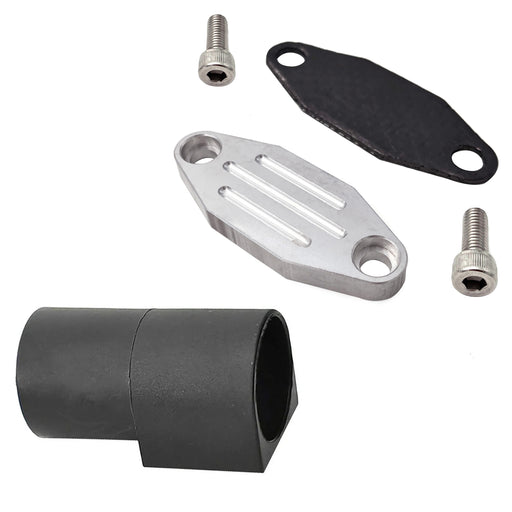
Seguler 1986-1995 Ford F150 F250 F350 Mustang Trucks EGR Simulator Eliminator / Block Off Plate Kit
SEGULEROriginal price $79.99 - Original price $79.99Original price$79.99$79.99 - $79.99Current price $79.99Block Off Plate Material: Aluminum alloy. Easy installation,and convenient to use. Made of CNC milled from aircraft grade Billet aluminum. Will N...
View full details -

Seguler 2011-2023 6.7L Ford Powerstroke Diesel EGR Delete Kit
SEGULEROriginal price $109.99 - Original price $109.99Original price$109.99$109.99 - $109.99Current price $109.99FITMENT 2011-2023 6.7L Ford Powerstroke F-250 F-350 F-450 F-550 Super Duty V8 Diesel. compatible with both standard Pickups and commercial Cab &...
View full details -
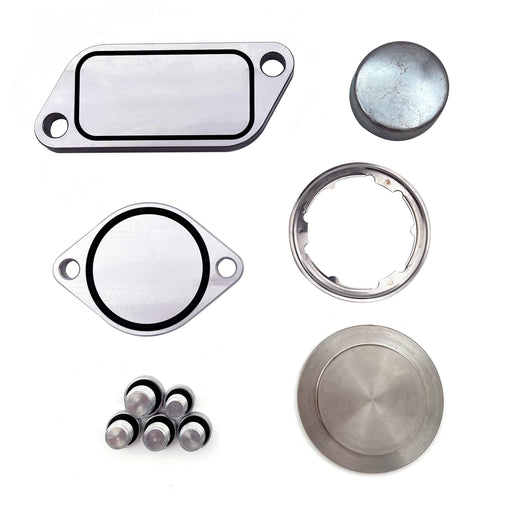
For 2010-Present Stage 2 ISX 15 CM2250 CM2350 EGR Delete Kit
SEGULEROriginal price $59.99 - Original price $59.99Original price$59.99$59.99 - $59.99Current price $59.99FITMENT 2010-Present Cummins Volvo, Peterbilt, Mack, International, Freightliner, Kenworth with the ISX15 CM2250 / CM2350 engines. DESCRIPTION P...
View full details -
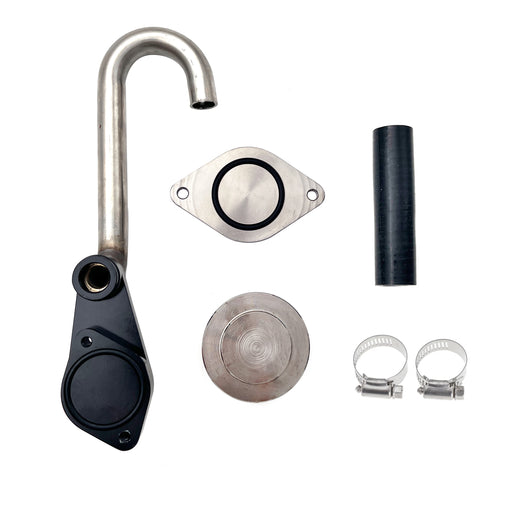
Seguler 2003-2007 6.0L FORD Powerstroke Diesel EGR Cooler Delete Kit
SEGULEROriginal price $56.14 - Original price $56.14Original price$56.14$56.14 - $56.14Current price $56.14FITMENT 2003-2007 6.0L Ford F-250 Ford F-350 F-450 F-550 Super Duty. 2003-2007 6.0L Ford Excursion SUV (Diesel Models Only). 2005-2010 Ford E-Se...
View full details -
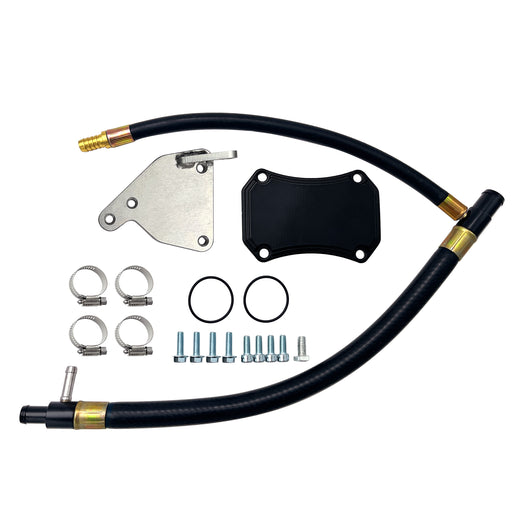
For 2011-2016 6.6L GMC Chevy Duramax Diesel LML EGR Valve Cooler Delete Kit
SEGULEROriginal price $66.49 - Original price $66.49Original price$66.49$66.49 - $66.49Current price $66.49FITMENT 2011-2016 6.6L Chevy GMC Duramax LML 2500 HD 3500 HD Diesel. DESCRIPTION Product Overview The 2011–2016 LML Duramax uses a complex EG...
View full details -
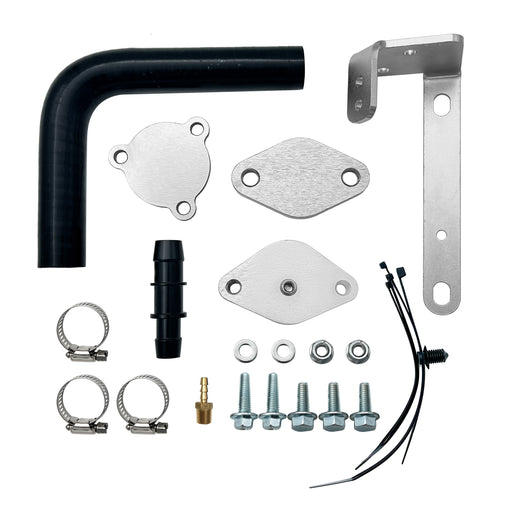
Seguler For 2014-2019 3.0L Dodge Ram 1500 EcoDiesel EGR Valve & Cooler Delete Kit
SEGULEROriginal price $72.99 - Original price $72.99Original price$72.99$72.99 - $72.99Current price $72.99FITMENT 2014-2019 3.0L Dodge Ram 1500 EcoDiesel V6 engine trucks. DESCRIPTION Product Overview Exhaust gas recirculation on 3.0L EcoDiesel V6 ...
View full details -

Seguler 2011-2023 6.7L Ford Powerstroke Diesel EGR Delete Kit
SEGULEROriginal price $85.99 - Original price $85.99Original price$85.99$85.99 - $85.99Current price $85.99FITMENT 2011-2023 6.7L Ford Powerstroke F-250 F-350 F-450 F-550 Super Duty V8 Diesel. compatible with both standard Pickups and commercial Cab &...
View full details -

Seguler 2010-2024 6.7L Dodge Ram Cummins Diesel EGR Valve Cooler Delete Kit
SEGULEROriginal price $89.99 - Original price $89.99Original price$89.99$89.99 - $89.99Current price $89.99FITMENT 2010–2024 6.7L Dodge Ram Cummins 2500 / 3500 Pickup Turbo Diesel. Note: Does NOT fit Chassis Cab 3500 / 4500 / 5500 models. DESCRIPTIO...
View full details -
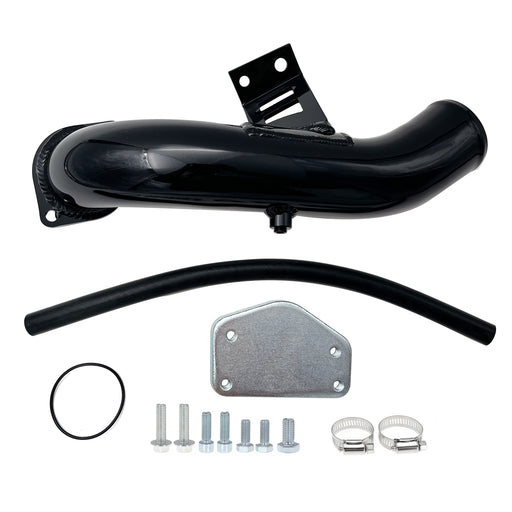
For 2004.5-2005 6.6L Chevy GMC Silverado LLY Duramax Diesel EGR Delete Kit
SEGULEROriginal price $92.99 - Original price $92.99Original price$92.99$92.99 - $92.99Current price $92.99FITMENT 2004.5-2005 6.6L Chevrolet Silverado Duramax LLY 2500HD / 3500 HD. 2004.5-2005 6.6L GMC Sierra Duramax LLY 2500HD / 3500 HD. DESCRIPTION...
View full details -

Seguler 2017-2019 L5P Duramax Diesel 4pcs L5P Can Bus Plugs Connector Replacement
SEGULEROriginal price $75.00 - Original price $75.00Original price$75.00$75.00 - $75.00Current price $75.00FITMENT 2017–2019 Chevrolet Silverado / GMC Sierra Duramax L5P 2500HD & 3500HD Diesel. DESCRIPTION Product Overview Unprotected harness con...
View full details -

Seguler 2020-2023 chevy duramax L5P Diesel Can Bus Plugs Connector
SEGULEROriginal price $80.00 - Original price $80.00Original price$80.00$80.00 - $80.00Current price $80.00FITMENT 2020–2023 Chevrolet Silverado / GMC Sierra Duramax L5P 2500HD & 3500HD Diesel. DESCRIPTION Product Overview Unprotected harness pl...
View full details -
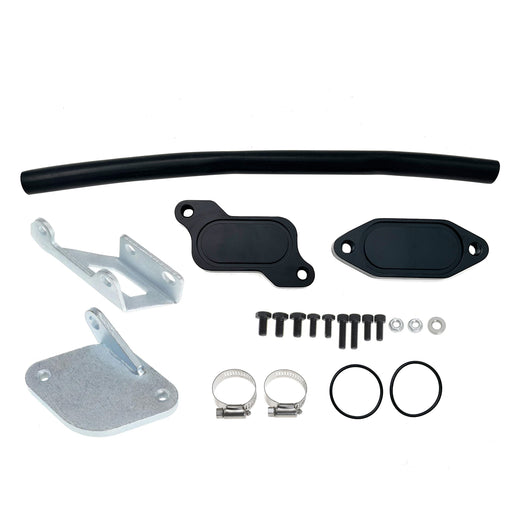
For 2006-2007 6.6L Chevrolet Silverado Classic GMC Duramax LBZ Diesel EGR Valve Cooler Delete Kit
SEGULEROriginal price $63.49 - Original price $63.49Original price$63.49$63.49 - $63.49Current price $63.49FITMENT 2006-2007.4 Chevrolet Silverado Duramax LBZ 2500HD / 3500HD. 2007.4 Chevrolet Silverado Duramax LBZ 2500HD / 3500HD Classic. 2006-2007.4 ...
View full details -

Seguler 2011-2023 6.7L Ford F250 F350 F450 F550 Powerstroke Diesel EGR Valve Delete Cooler Delete Kit
SEGULEROriginal price $55.99 - Original price $55.99Original price$55.99$55.99 - $55.99Current price $55.99FITMENT 2011-2023 6.7L Ford Powerstroke F-250 F-350 F-450 F-550 Super Duty V8 Diesel compatible with both standard Pickups and commercial Cab &a...
View full details -
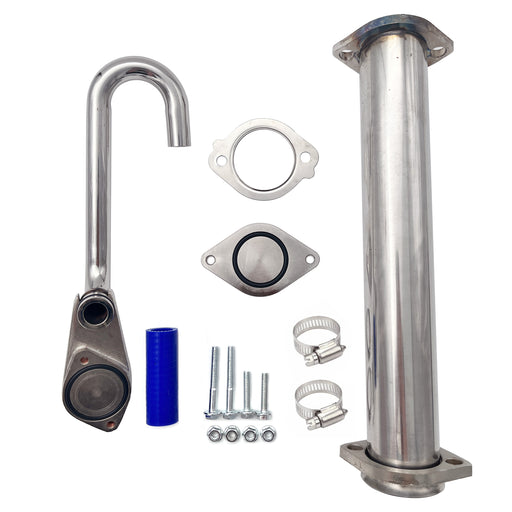
Seguler 2003-2007 6.0L Ford F250 F350 Powerstroke Diesel EGR Basic Cooler Kit
SEGULEROriginal price $79.99 - Original price $79.99Original price$79.99$79.99 - $79.99Current price $79.99FITMENT 2003-2007 6.0L Ford F250 F350 F450 F550 Super Duty Turbo (except 2004 F250 Super Duty). 2003-2005 6.0L Ford Excursion Turbo. 2005 Ford F...
View full details -
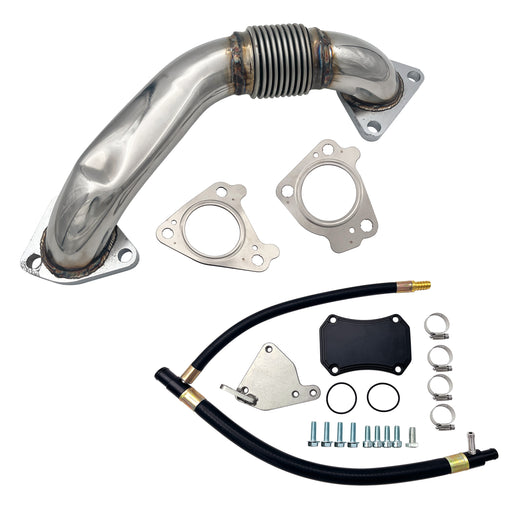
Seguler 2011-2016 6.6L GMC Chevy Duramax Diesel LML Up-Pipe & EGR Valve Cooler Delete Kit
SEGULEROriginal price $173.86 - Original price $173.86Original price$173.86$173.86 - $173.86Current price $173.86FITMENT 2011-2016 6.6L Chevy GMC Duramax LML 2500 HD 3500 HD Diesel. DESCRIPTION Product Overview Direct-injection technology endows GM 5.3L an...
View full details -
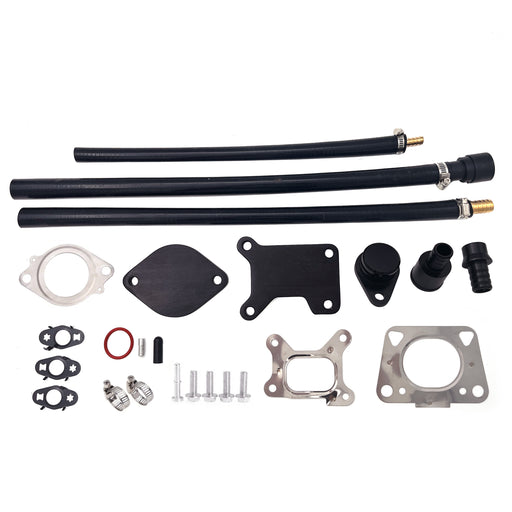
For 2017-2023 6.6L Chevy GMC Duramax L5P diesel EGR Valve Cooler Delete kit
SEGULEROriginal price $131.99 - Original price $131.99Original price$131.99$131.99 - $131.99Current price $131.99FITMENT 2017–2023 6.6L Chevrolet Silverado / GMC Sierra Duramax L5P 2500HD 3500HD Diesel. DESCRIPTION Product Overview Hot soot recirculation ...
View full details -
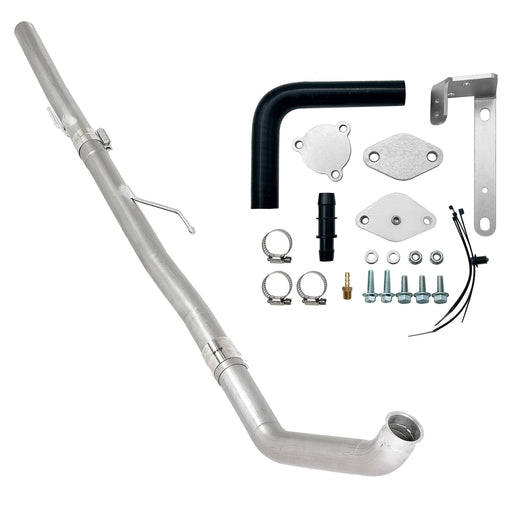
Seguler 3" Ecodiesel DPF Delete Pipe & EGR Delete kit for 2014-2018 3.0L Ram
SEGULEROriginal price $342.00 - Original price $342.00Original price$342.00$342.00 - $342.00Current price $342.00FITMENT 2014–2018 3.0L Dodge Ram 1500 EcoDiesel V6. NOTE: Fit standard Pickup models only (Crew Cab, Quad Cab). Does NOT fit Jeep Grand Cheroke...
View full details -
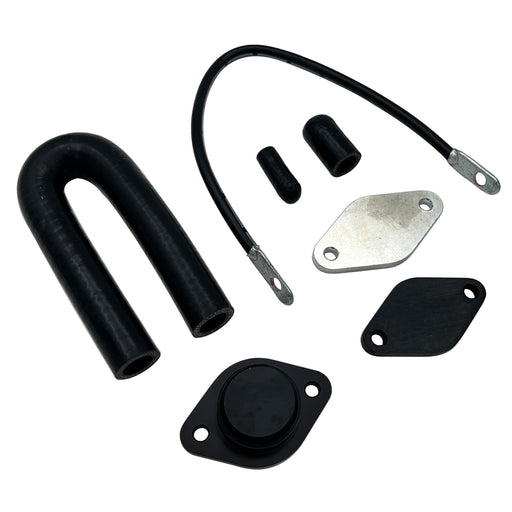
Seguler EGR valve cooler Delete kit for 2020-2022 3.0L Chevy Duramax LM2
SEGULEROriginal price $189.12 - Original price $189.12Original price$189.12$189.12 - $189.12Current price $189.12FITMENT 2020–2022 3.0L Chevrolet Silverado GMC Sierra 1500 LM2 Turbo-Diesel. DESCRIPTION Product Overview Powered by smooth inline-six engine...
View full details -

For 2013-2023 6.7L Dodge Ram Cummins Cab & Chassis EGR Delete Kit Diesel
SEGULEROriginal price $62.99 - Original price $62.99Original price$62.99$62.99 - $62.99Current price $62.99FITMENT 2013–2023 6.7L Ram Cummins 3500 4500 5500 Cab & Chassis / Commercial Trucks. Does NOT fit standard Ram 2500 3500 Pickups. DESCRIPTIO...
View full details -
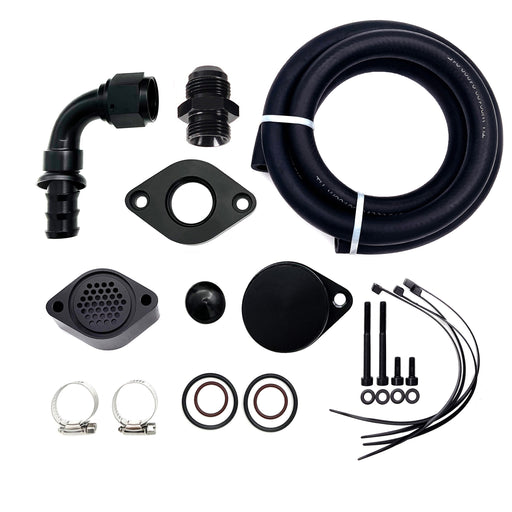
Seguler 2011-2023 6.7L Ford Powerstroke CCV PCV Reroute Engine Ventilation Kit
SEGULEROriginal price $82.99 - Original price $82.99Original price$82.99$82.99 - $82.99Current price $82.99FITMENT 2011-2023 6.7L Ford Powerstroke F-250 F-350 F-450 F-550 Super Duty V8 Diesel. Compatible with both standard Pickups and commercial Cab &...
View full details -
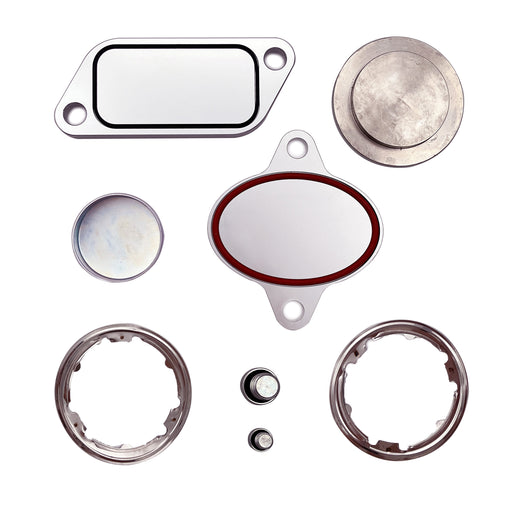
For 2007-2010 Cummins ISX CM871 EGR Plug Kit Stage 2 Plates and Plugs Aluminum
SEGULEROriginal price $67.99 - Original price $67.99Original price$67.99$67.99 - $67.99Current price $67.99FITMENT 2007-2010 Cummins Volvo, Peterbilt, Mack, International, Freightliner, Kenworth with the ISX CM871 Engines. DESCRIPTION Product Overvie...
View full details -
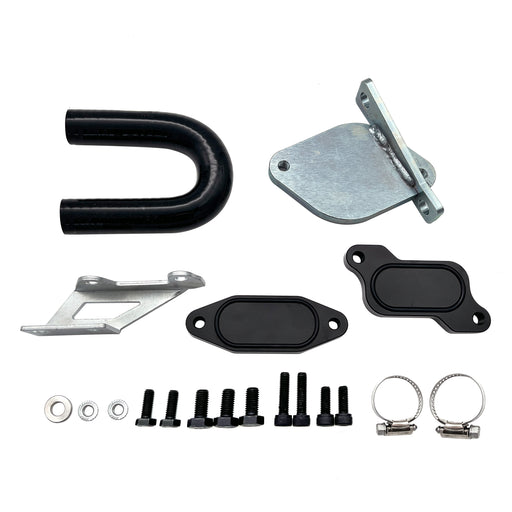
For 2007-2010 6.6L Chevy GMC LMM Duramax EGR Valve Cooler Delete Kit Fit
SEGULEROriginal price $61.99 - Original price $61.99Original price$61.99$61.99 - $61.99Current price $61.99FITMENT 2007.5-2010 6.6L Chevrolet Silverado Duramax LMM 2500HD / 3500HD. 2007.5-2010 6.6L GMC Sierra Duramax LMM 2500HD / 3500HD. Note: Standard...
View full details -
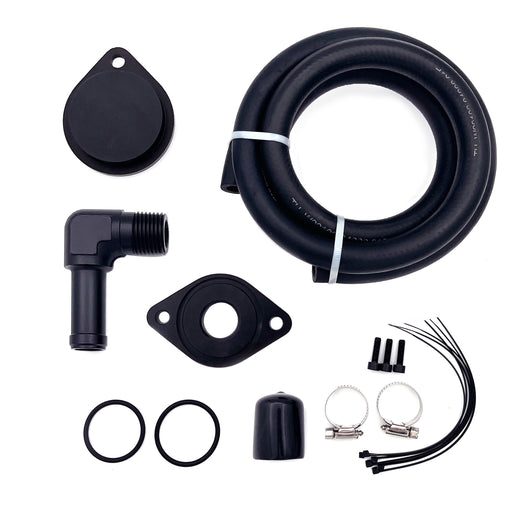
Seguler 2011-2023 Ford 6.7L Powerstroke CCV/PCV Reroute/Delete Engine Ventilation Kit
SEGULEROriginal price $72.00 - Original price $72.00Original price$72.00$72.00 - $72.00Current price $72.00FITMENT 2011-2023 6.7L Ford Powerstroke F-250 F-350 F-450 F-550 Super Duty V8 Diesel. Compatible with both standard Pickups and commercial Cab &...
View full details -
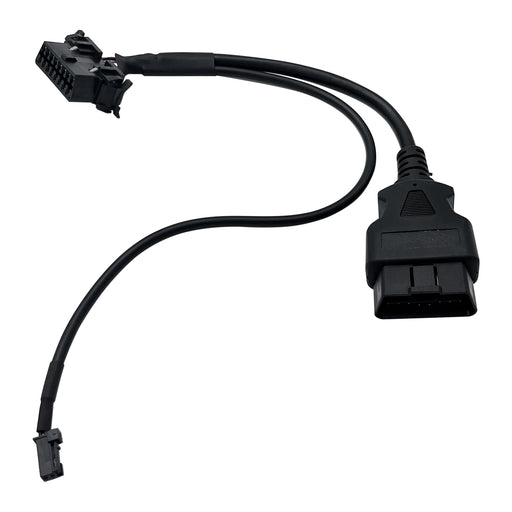
Seguler 2018+ RAM Cummins OBD2 HD Security Gate Bypass Cable
SEGULEROriginal price $45.00 - Original price $45.00Original price$45.00$45.00 - $45.00Current price $45.00FITMENT 2018+ 6.7L Ram Cummins 2500 3500 Turbo Diesel. Designed for Ram pickup trucks equipped with the factory Security Gateway Module. Note: Pl...
View full details -
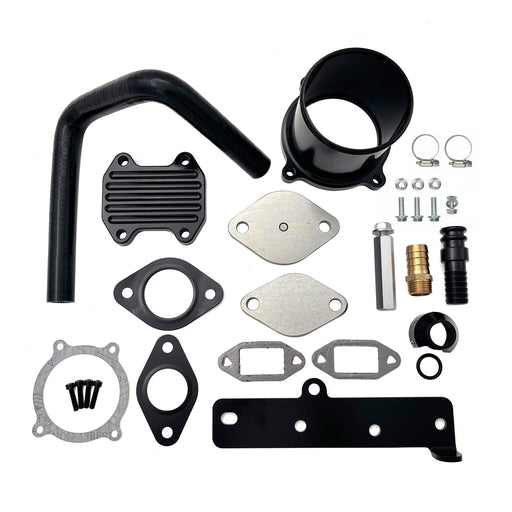
Seguler For 2013-2018 6.7L Dodge RAM 2500 3500 Cummins Diesel EGR Delete Cooler Throttle Valve Delete Kit
SEGULEROriginal price $112.00 - Original price $112.00Original price$112.00$112.00 - $112.00Current price $112.00FITMENT 2013–2018 6.7L Dodge Ram Cummins 2500 & 3500 Pickup Turbo Diesel. Note: Does NOT fit Cab & Chassis (3500 / 4500 / 5500 C&C) m...
View full details


Leave a comment