

GM AFM/DFM Disabler Guide: What V6 & V8 Owners Should Know
If you own a 2007–2022 Chevrolet Silverado, GMC Sierra, Tahoe, Suburban, or Yukon with a gas V6 or V8, there is a strong chance your engine quietly shuts down cylinders while you cruise on the highway. GM calls it Active Fuel Management (AFM) on earlier trucks and Dynamic Fuel Management (DFM) on newer ones. The goal is fuel economy, and the system does save a little fuel — but it also introduces a set of hardware and drivability concerns that send a lot of owners looking for a way to turn it off.
An AFM/DFM disabler is a small plug-and-play module that plugs into the OBD-II port and keeps the engine on all cylinders while it is connected. It is not a tune, not a repair, and not a permanent modification. Before buying one, it helps to know how cylinder deactivation works, what the lifter concerns are, and what a disabler can and cannot actually do.
How GM Cylinder Deactivation Works: AFM vs. DFM
The two names get used interchangeably, but they describe different systems with different hardware, and the difference affects what the engine is actually doing and what a disabler changes.
Active Fuel Management (AFM)
AFM is the older system, used across a range of GM V6 and V8 applications starting in the late 2000s. Its job is simple: when the engine is under light load — steady highway cruise, coasting, easy throttle — the computer deactivates a fixed group of cylinders so the engine runs on fewer of them. On a V8, that typically means dropping from eight cylinders to four. On a V6, it can drop to four or three.
Not every GM V6 or V8 uses cylinder deactivation, though. Which system — if any — a given engine has depends on the specific engine code and platform, not just the model year or displacement.
The mechanism is mechanical and oil-driven. Each AFM cylinder uses a special collapsible hydraulic lifter. A solenoid-operated oil manifold directs oil pressure to those lifters, which collapse so the valves stop opening and closing, while fuel and spark to those cylinders are also cut. The engine temporarily runs as if it were smaller, which reduces pumping losses and saves fuel. When you ask for more throttle, the lifters pump back up, the cylinders come back online, and the engine returns to full power.
AFM always shuts down the same group of cylinders, in the same predetermined pattern.
Dynamic Fuel Management (DFM)
DFM is the newer, more granular version, appearing on later GM V8 applications. Instead of a fixed group of cylinders, DFM can deactivate cylinders in many different combinations depending on the real-time load. It is not simply “V8 to V4” — the engine computer can run the engine on a wide range of cylinder counts and firing orders, selecting the combination that best matches the current demand.
The control is more sophisticated. DFM gives each cylinder its own deactivation hardware, so the engine can transition through combinations far more fluidly than AFM. The intent is the same — better fuel economy — but the execution is finer-grained and happens more frequently under normal driving.
AFM vs. DFM at a Glance
| System | How it deactivates cylinders | Typical applications |
|---|---|---|
| AFM (Active Fuel Management) |
Shuts down a fixed group of cylinders (V8 → 4, V6 → 4 or 3) |
Earlier GM V6/V8 applications |
| DFM (Dynamic Fuel Management) |
Varies the number and combination of active cylinders based on load |
Newer GM V8 applications |
The exact year a given engine switched from AFM to DFM varies by model, and there is overlap in the transition years. Do not assume the system type from the model year alone — the engine code and specific platform determine which system a vehicle has, and some GM V6 and V8 engines have neither. For the purposes of choosing a disabler, the practical question is the same: does the module cover your exact engine, model year, and transmission?
Why Cylinder Deactivation Puts Lifters in the Spotlight
Ask any long-time GM V8 owner what they worry about, and the lifter conversation comes up fast. It is the reason so many people start researching disablers in the first place.
The Lifter Is the Wear Point
To shut a cylinder down, the engine has to stop its valves from moving, and that job falls to the collapsible lifter. It is a precisely machined, oil-pressure-actuated component that collapses and re-extends every time the engine cycles in and out of reduced-cylinder mode. Over tens of thousands of miles, repeated cycling, oil pressure conditions, lubrication quality, and normal mechanical wear are among the factors owners and technicians weigh when evaluating lifter health. But lifter failures have multiple causes and are not inevitable on every cylinder-deactivation engine.
When an AFM/DFM lifter wears or sticks, the symptoms tend to follow a progression: a faint tick from the top of the engine, often on a cold start, that may come and go; then a louder, more constant tick; then a misfire with a check-engine light; and, in the worst cases, damage to the camshaft itself.
Not every engine with cylinder deactivation will develop a lifter problem — plenty run well past high mileage without one. But the failure, when it happens, is an expensive one. It usually means removing the cylinder heads, and the bill can climb quickly depending on how far the damage has spread. That is the core of the concern: not that the system is guaranteed to fail, but that when it does, it is a serious, costly repair.
Oil Consumption
Some of these engines also develop oil-consumption complaints as they age. The causes vary widely — ring deposits, crankcase ventilation, engine wear, and the oil-control characteristics of the deactivation hardware among them. Owners report adding oil between changes, sometimes a noticeable amount on higher-mileage trucks.
This matters to the disabler conversation because it is easy to over-attribute. A disabler changes when the engine drops cylinders; it does not change a ring that is already worn or a ventilation issue that is already present. Owners should track their oil consumption on its own terms rather than expecting the module to correct it.
Shudder, Vibration, and the V4 Drone
Even before anything fails, plenty of owners simply do not like the way the truck feels. The transition between full-cylinder and reduced-cylinder operation is not always smooth. You feel a subtle shudder at steady cruise, or a hesitation when you tip into the throttle and the engine has to bring the other cylinders back online. With an aftermarket exhaust, the reduced-cylinder mode has a characteristic hollow drone that settles in at highway speed and disappears the moment you accelerate.
None of these sensations is a mechanical failure on its own, but they are the reason a lot of owners decide they would rather the engine just stay on all cylinders. That preference — for consistent throttle response and a steady exhaust note — is as legitimate a reason to consider a disabler as the lifter concern itself.
What an AFM/DFM Disabler Can and Cannot Do
How It Works
A disabler is not a tune and not a hardware delete. It is a small module that plugs into the truck’s OBD-II diagnostic port, usually under the driver’s side dash. While connected to a compatible vehicle, the module is designed to keep the engine out of reduced-cylinder mode, allowing it to remain in full-cylinder operation. That is a change in engine behavior while the module is plugged in — not a mechanical modification.
There is no wiring to cut, nothing to flash, and nothing to configure. Unplug the module, and the vehicle returns to its normal factory cylinder-deactivation behavior.
What It Changes
- Full-cylinder operation. While the module is connected, the engine is designed to stay in full-cylinder mode instead of switching back and forth.
- More consistent throttle response. The engine no longer pauses to bring cylinders back online when you ask for power.
- A steadier exhaust note. The reduced-cylinder drone at cruise is gone while the module is connected.
What It Does Not Do
What it does not do matters just as much:
- It does not repair an engine that is already damaged. If a lifter is already worn or a camshaft is already scored, a disabler will not un-break those parts. The module changes what the engine does going forward; it does not undo existing mechanical wear.
- It does not add horsepower. The disabler keeps the engine at full power more of the time instead of cycling it in and out, but peak output is unchanged.
- It is not a guarantee against future lifter failure. Keeping the system inactive removes the repeated deactivation cycling, but it does not immunize the hardware against normal wear, oil-related issues, or other causes.
- It may reduce fuel economy slightly. Because the engine no longer drops cylinders on the highway, the fuel savings that cylinder deactivation was designed to provide are no longer available. The actual change varies with vehicle, route, speed, and driving style, and for most owners it is modest.
Put simply, a disabler changes how a healthy engine operates — it does not fix an unhealthy one.
Plug-In Disabler vs. Mechanical AFM Delete
One of the most common questions is how a plug-in disabler compares to a mechanical AFM delete, and the two solve the same concern in very different ways.
| Plug-In Disabler | Mechanical AFM Delete | |
|---|---|---|
| What it does | Keeps deactivation from activating electronically |
Physically replaces the lifters, cam, and related hardware |
| Installation | Plugs into the OBD-II port | Major engine teardown — heads off, cam out |
| Reversible | Yes — unplug to return to stock | No — a permanent hardware change |
| Cost | The module alone | Parts plus many hours of labor |
| When it makes sense | For healthy engines avoiding deactivation | For mechanical repair or conversion |
If the truck is running normally and you want to avoid the deactivation cycling, the plug-in route is the low-cost, reversible first step. If a lifter has already failed and the engine is ticking with a misfire, no module is going to substitute for the mechanical repair — that engine needs the hardware addressed. Confusing the two is the most common mistake owners make here.
The Seguler Plug & Play AFM/DFM Disabler
The Plug & Play AFM/DFM Disabler is built around exactly the approach described above: a compact module that plugs into the factory OBD-II port and keeps compatible GM V6 and V8 engines on all cylinders while it is connected.
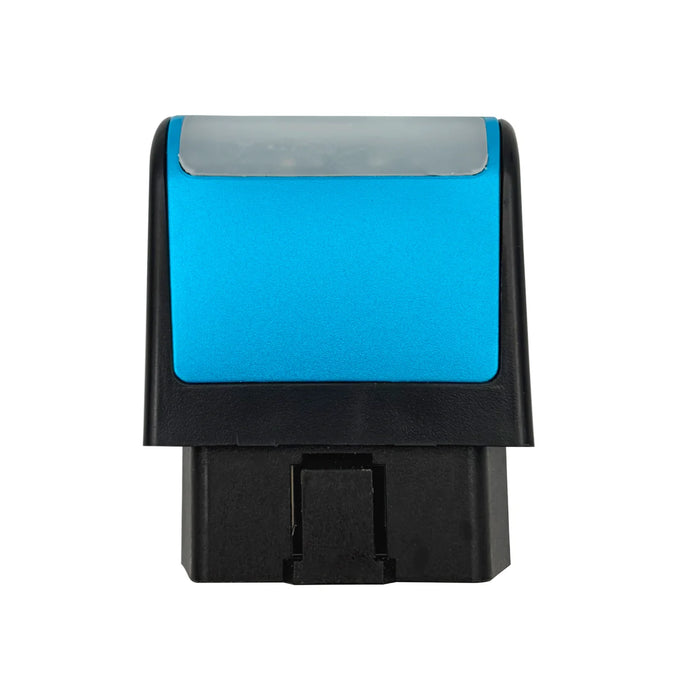 What the module is designed to do:
- Direct OBD-II connection. It plugs straight into the factory diagnostic port with no wiring, splicing, or tools, and it begins working as soon as it is connected.
- Reversible by design. It does not alter or flash the factory ECU. Unplug it, and the truck returns to stock cylinder-deactivation behavior.
- Runs on both V6 and V8. It covers select AFM and DFM applications across the compatible range, not just the V8 trucks.
- Smart sleep mode. When the ignition is off, the module is designed to enter a low-power state so it does not sit there drawing on the battery while the truck is parked.
There is almost nothing to it: seat the module in the port, confirm it is connected, and drive. There is no app to open, no button to press, and nothing to configure. The trade-offs are the ones covered above — no repair function, no added power, and possibly a small fuel-economy change — so the decision comes down to fitment and whether keeping the engine out of deactivation mode is what you are after.
Fitment: Will It Work on Your Truck?
Fitment is the thing to get right before ordering, because the model year alone is not enough. The module is designed for select 2007–2022 GM applications, and coverage is tied to the engine and transmission rather than the body style. Not every V6 or V8 gas engine in that window uses cylinder deactivation, and not every engine that does is covered by the same module.
| Vehicle | Engine | What to confirm |
|---|---|---|
| Chevy Silverado | V6 / V8 gas | Year, engine, and transmission |
| GMC Sierra | V6 / V8 gas | Year, engine, and transmission |
| Chevy Tahoe | V6 / V8 gas | Specific configuration |
| GMC Yukon | V6 / V8 gas | Specific configuration |
| Chevy Suburban | V6 / V8 gas | Specific configuration |
This table is a starting point, not a complete fitment list — the product-page application list is the authority for your exact vehicle.
Three things to check before you order:
- Engine code. The vehicle must be a GM V6 or V8 gas engine equipped with AFM or DFM. Check the engine RPO code against the product-page fitment rather than relying on displacement alone — diesel and non-cylinder-deactivation engines are a different story.
- Transmission. Coverage is tied to the 6-speed and 8-speed automatic configurations. The newer 10-speed automatic trucks are a different electronics generation and are not covered the same way — confirm rather than assume.
- Model year and configuration. Fitment varies by specific model and configuration, so do not rely on the year alone. The product-page fitment information is the authority for your exact truck.
The full application list lives on the product page rather than in this article, because the exact engine code, transmission, and model configuration all matter. Check your VIN against the product-page fitment at the moment you order — that is the only way to be sure.
How to Install It
The install is the whole point of a plug-and-play device — there is no mechanical work and no tools involved.
- Turn the ignition off and make sure the vehicle is in Park.
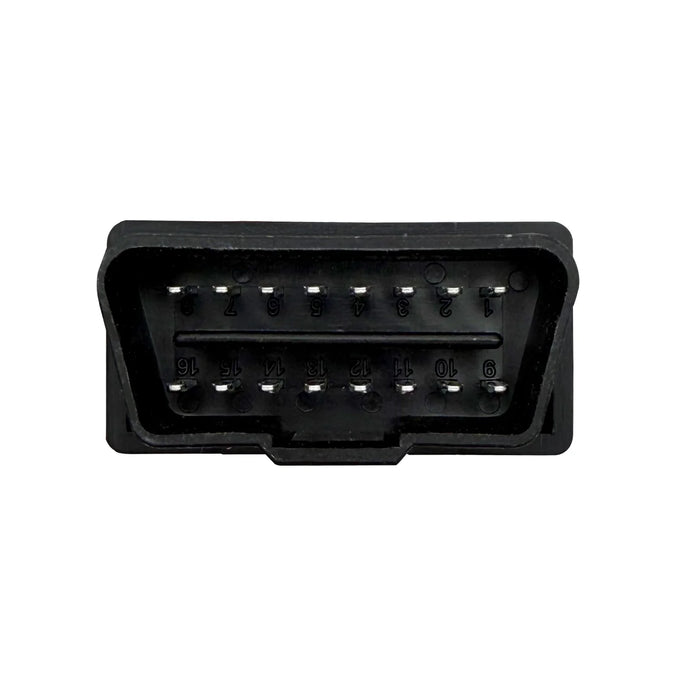
- Locate the OBD-II port under the driver’s side dash — a 16-pin connector, usually below the steering column or near the hood-release lever.
- Push the module straight into the port until it is fully seated.
- Start the engine and confirm the module is active according to the product instructions.

Total time is a matter of seconds once you have found the port. A couple of practical notes: the OBD-II fuse is sometimes shared with the accessory or cigarette-lighter circuit, so a blown accessory fuse can leave the module dark. And because the port holds one device at a time, unplug the module if you need to run a scanner, an emissions test, or dealer service, then plug it back in afterward.
Frequently Asked Questions
Q: What is the difference between AFM and DFM?
A:AFM is the older system that shuts down a fixed group of cylinders under light load — typically dropping a V8 to four cylinders. DFM is the newer system that can deactivate cylinders in many different combinations based on real-time load, giving the engine finer-grained control. The year a given engine switched between them varies by model, so confirm the system against your specific engine rather than assuming from the year.
Q: Does an AFM/DFM disabler improve engine reliability?
A:A disabler keeps the engine out of reduced-cylinder mode while it is connected, which removes the repeated lifter transitions some owners associate with wear. That is a change in how the engine operates, though — not a reliability repair. An engine that is already damaged still needs to be fixed.
Q: Can a disabler prevent lifter failure?
A:No. It cannot reverse a lifter that is already worn or a cam that is already damaged, and it does not immunize the hardware against normal wear, oil-related issues, or other causes. If the engine is already ticking or misfiring, diagnose and address the mechanical problem before relying on a disabler.
Q: Does disabling AFM affect fuel economy?
A:It can. Because the engine no longer drops cylinders during light-load cruising, the fuel savings that cylinder deactivation was designed to provide are no longer available. The actual change depends on vehicle, route, speed, and driving style, and for most owners it is modest — the trade-off for consistent full-cylinder operation.
Q: Does an AFM disabler increase horsepower?
A:No. The disabler keeps the engine at full power more consistently instead of cycling it in and out, but peak output is unchanged. If more power is the goal, that is a separate conversation about tuning — and a disabler is not a tune.
Q: Can I install a disabler without tuning?
A:Yes. The module is standalone and requires no ECU flash, no phone app, and no custom calibration. Plug it into the OBD-II port and drive. It is not a tune and does not require one to function.
Q: Does the disabler work on both V6 and V8 engines?
A:Yes, within the compatible range. The module is designed for select GM V6 and V8 gas applications equipped with AFM or DFM, not just the V8 trucks. Confirm your specific engine and transmission against the product-page fitment before ordering.
Q: Will it work on the 10-speed transmission trucks?
A:Coverage is tied to the 6-speed and 8-speed automatic configurations; the newer 10-speed trucks are not covered the same way. Confirm your exact vehicle on the product-page fitment before assuming compatibility.
Q: Does it trigger a check-engine light?
A:A correctly matched and functioning module should not normally trigger a check-engine light. If one appears after installation, scan the stored codes and verify fitment and connection before assuming the cause.
Q: Is it legal to use on the road?
A:That depends on where the vehicle is registered and operated. Rules for aftermarket devices that change cylinder-deactivation behavior vary by jurisdiction and inspection program. Confirm the requirements that apply to your situation before installing — this is not legal advice.
Legal and Inspection Considerations
Devices that change cylinder-deactivation behavior sit in a gray area that depends on where you live. In the United States, federal rules restrict devices that affect emissions-control or OBD-system function, so applicability depends on the specific device and how it is used. Before using the module on a road-registered vehicle, confirm the requirements that apply where the vehicle is registered and operated.
Bottom Line
GM’s cylinder-deactivation systems exist for fuel economy, and they work as designed — but the hardware behind them, and the way the engine feels while cycling in and out of reduced-cylinder mode, is why so many owners look for a way to turn it off.
An AFM/DFM disabler is the low-commitment way to do that. It plugs into the OBD-II port, requires no flash or permanent change, and can be removed at any time. What it is not is a repair or a power upgrade — an engine that is already damaged still needs to be fixed, and the module will not change peak output.
The decision, in the end, comes down to two things: whether you want the engine to stop dropping cylinders, and whether your exact year, engine, and transmission are covered. If both line up, the Seguler Plug & Play AFM/DFM Disabler is a straightforward way to keep your V6 or V8 running on all cylinders — confirm your fitment at seguler.com before ordering.
Featured collection
-
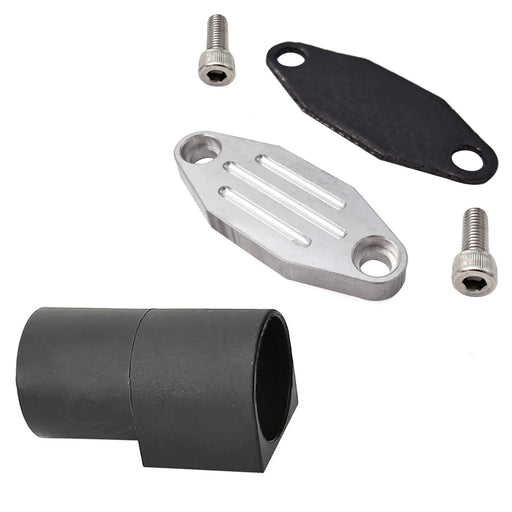
Seguler 1986-1995 Ford F150 F250 F350 Mustang Trucks EGR Simulator Eliminator / Block Off Plate Kit
SEGULEROriginal price $79.99 - Original price $79.99Original price$79.99$79.99 - $79.99Current price $79.99Block Off Plate Material: Aluminum alloy. Easy installation,and convenient to use. Made of CNC milled from aircraft grade Billet aluminum. Will N...
View full details -

Seguler 2011-2023 6.7L Ford Powerstroke Diesel EGR Delete Kit
SEGULEROriginal price $109.99 - Original price $109.99Original price$109.99$109.99 - $109.99Current price $109.99FITMENT 2011-2023 6.7L Ford Powerstroke F-250 F-350 F-450 F-550 Super Duty V8 Diesel. compatible with both standard Pickups and commercial Cab &...
View full details -
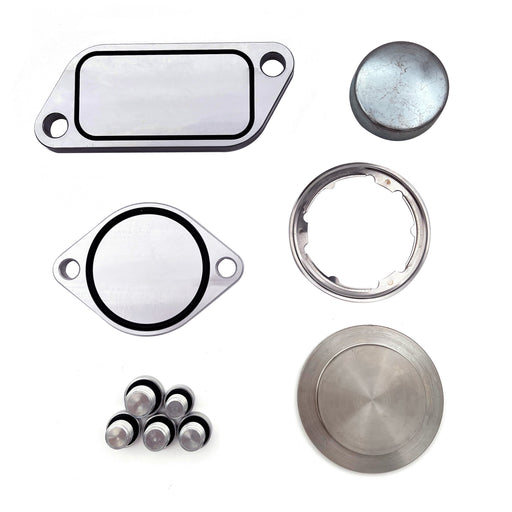
For 2010-Present Stage 2 ISX 15 CM2250 CM2350 EGR Delete Kit
SEGULEROriginal price $59.99 - Original price $59.99Original price$59.99$59.99 - $59.99Current price $59.99FITMENT 2010-Present Cummins Volvo, Peterbilt, Mack, International, Freightliner, Kenworth with the ISX15 CM2250 / CM2350 engines. DESCRIPTION P...
View full details -
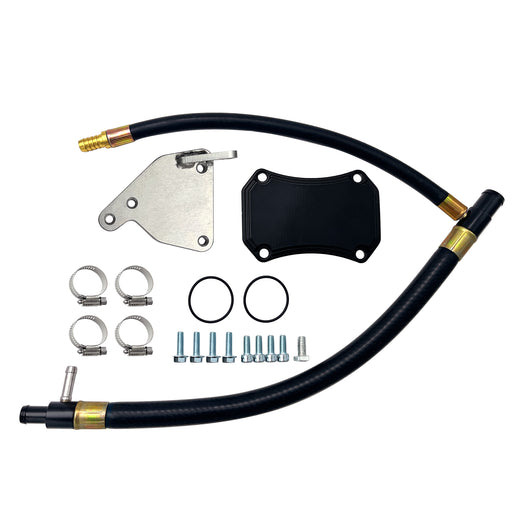
For 2011-2016 6.6L GMC Chevy Duramax Diesel LML EGR Valve Cooler Delete Kit
SEGULEROriginal price $66.49 - Original price $66.49Original price$66.49$66.49 - $66.49Current price $66.49FITMENT 2011-2016 6.6L Chevy GMC Duramax LML 2500 HD 3500 HD Diesel. DESCRIPTION Product Overview The 2011–2016 LML Duramax uses a complex EG...
View full details -
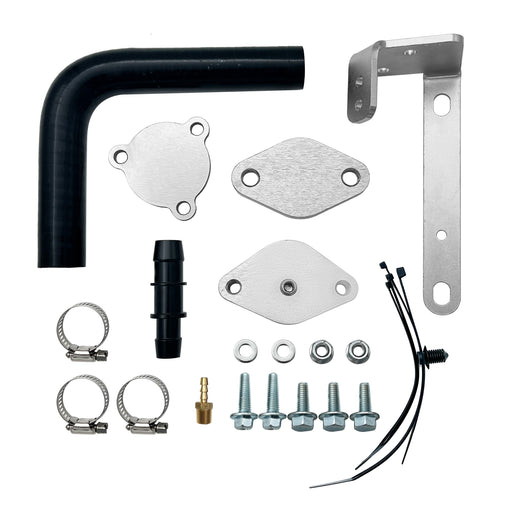
Seguler For 2014-2019 3.0L Dodge Ram 1500 EcoDiesel EGR Valve & Cooler Delete Kit
SEGULEROriginal price $72.99 - Original price $72.99Original price$72.99$72.99 - $72.99Current price $72.99FITMENT 2014-2019 3.0L Dodge Ram 1500 EcoDiesel V6 engine trucks. DESCRIPTION Product Overview Exhaust gas recirculation on 3.0L EcoDiesel V6 ...
View full details -
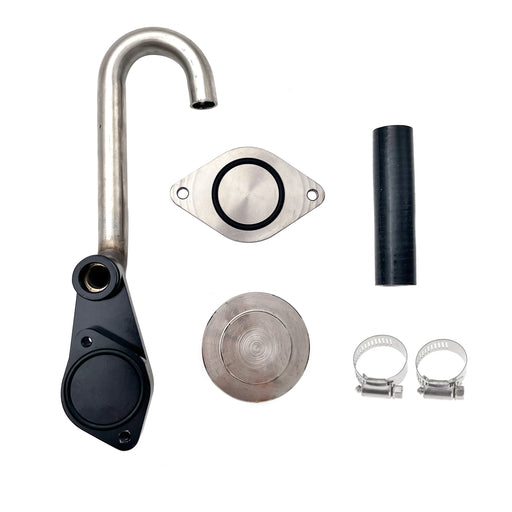
Seguler 2003-2007 6.0L FORD Powerstroke Diesel EGR Cooler Delete Kit
SEGULEROriginal price $56.14 - Original price $56.14Original price$56.14$56.14 - $56.14Current price $56.14FITMENT 2003-2007 6.0L Ford F-250 Ford F-350 F-450 F-550 Super Duty. 2003-2007 6.0L Ford Excursion SUV (Diesel Models Only). 2005-2010 Ford E-Se...
View full details -

Seguler 2011-2023 6.7L Ford Powerstroke Diesel EGR Delete Kit
SEGULEROriginal price $85.99 - Original price $85.99Original price$85.99$85.99 - $85.99Current price $85.99FITMENT 2011-2023 6.7L Ford Powerstroke F-250 F-350 F-450 F-550 Super Duty V8 Diesel. compatible with both standard Pickups and commercial Cab &...
View full details -

Seguler 2017-2019 L5P Duramax Diesel 4pcs L5P Can Bus Plugs Connector Replacement
SEGULEROriginal price $75.00 - Original price $75.00Original price$75.00$75.00 - $75.00Current price $75.00FITMENT 2017–2019 Chevrolet Silverado / GMC Sierra Duramax L5P 2500HD & 3500HD Diesel. DESCRIPTION Product Overview Unprotected harness con...
View full details -

Seguler 2010-2024 6.7L Dodge Ram Cummins Diesel EGR Valve Cooler Delete Kit
SEGULEROriginal price $89.99 - Original price $89.99Original price$89.99$89.99 - $89.99Current price $89.99FITMENT 2010–2024 6.7L Dodge Ram Cummins 2500 / 3500 Pickup Turbo Diesel. Note: Does NOT fit Chassis Cab 3500 / 4500 / 5500 models. DESCRIPTIO...
View full details -
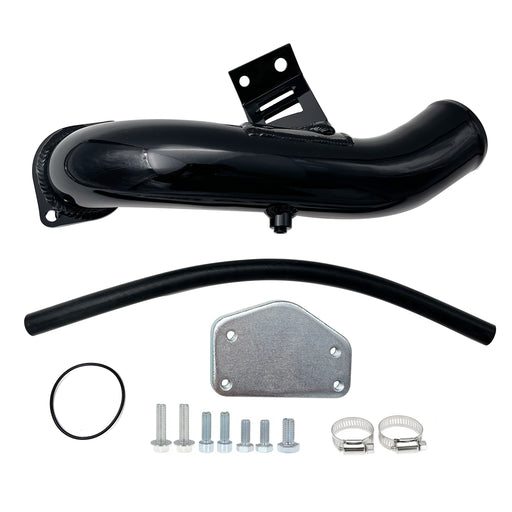
For 2004.5-2005 6.6L Chevy GMC Silverado LLY Duramax Diesel EGR Delete Kit
SEGULEROriginal price $92.99 - Original price $92.99Original price$92.99$92.99 - $92.99Current price $92.99FITMENT 2004.5-2005 6.6L Chevrolet Silverado Duramax LLY 2500HD / 3500 HD. 2004.5-2005 6.6L GMC Sierra Duramax LLY 2500HD / 3500 HD. DESCRIPTION...
View full details -

Seguler 2020-2023 chevy duramax L5P Diesel Can Bus Plugs Connector
SEGULEROriginal price $80.00 - Original price $80.00Original price$80.00$80.00 - $80.00Current price $80.00FITMENT 2020–2023 Chevrolet Silverado / GMC Sierra Duramax L5P 2500HD & 3500HD Diesel. DESCRIPTION Product Overview Unprotected harness pl...
View full details -
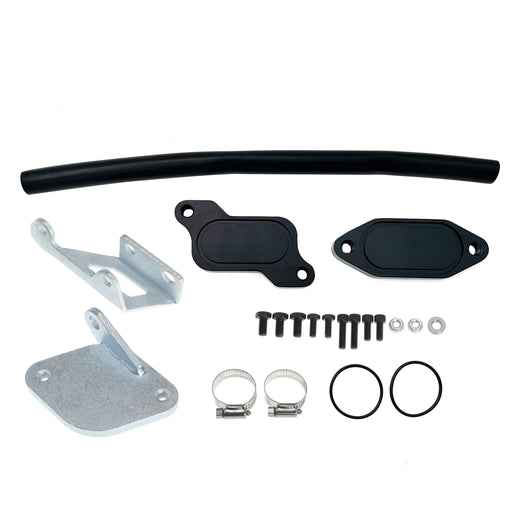
For 2006-2007 6.6L Chevrolet Silverado Classic GMC Duramax LBZ Diesel EGR Valve Cooler Delete Kit
SEGULEROriginal price $63.49 - Original price $63.49Original price$63.49$63.49 - $63.49Current price $63.49FITMENT 2006-2007.4 Chevrolet Silverado Duramax LBZ 2500HD / 3500HD. 2007.4 Chevrolet Silverado Duramax LBZ 2500HD / 3500HD Classic. 2006-2007.4 ...
View full details -

Seguler 2011-2023 6.7L Ford F250 F350 F450 F550 Powerstroke Diesel EGR Valve Delete Cooler Delete Kit
SEGULEROriginal price $55.99 - Original price $55.99Original price$55.99$55.99 - $55.99Current price $55.99FITMENT 2011-2023 6.7L Ford Powerstroke F-250 F-350 F-450 F-550 Super Duty V8 Diesel compatible with both standard Pickups and commercial Cab &a...
View full details -
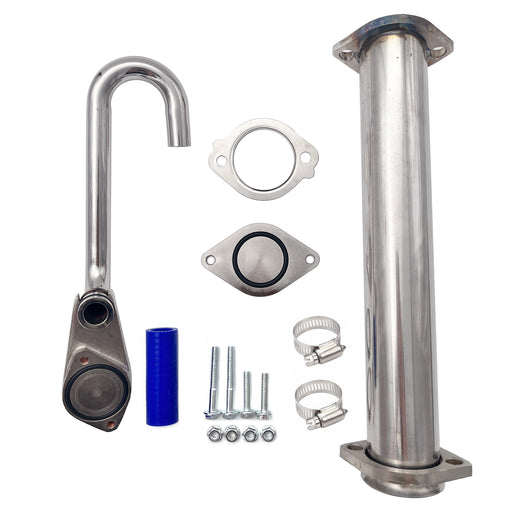
Seguler 2003-2007 6.0L Ford F250 F350 Powerstroke Diesel EGR Basic Cooler Kit
SEGULEROriginal price $79.99 - Original price $79.99Original price$79.99$79.99 - $79.99Current price $79.99FITMENT 2003-2007 6.0L Ford F250 F350 F450 F550 Super Duty Turbo (except 2004 F250 Super Duty). 2003-2005 6.0L Ford Excursion Turbo. 2005 Ford F...
View full details -
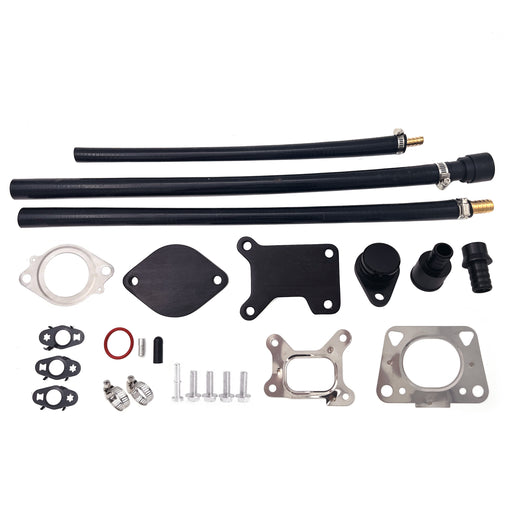
For 2017-2023 6.6L Chevy GMC Duramax L5P diesel EGR Valve Cooler Delete kit
SEGULEROriginal price $131.99 - Original price $131.99Original price$131.99$131.99 - $131.99Current price $131.99FITMENT 2017–2023 6.6L Chevrolet Silverado / GMC Sierra Duramax L5P 2500HD 3500HD Diesel. DESCRIPTION Product Overview Hot soot recirculation ...
View full details -
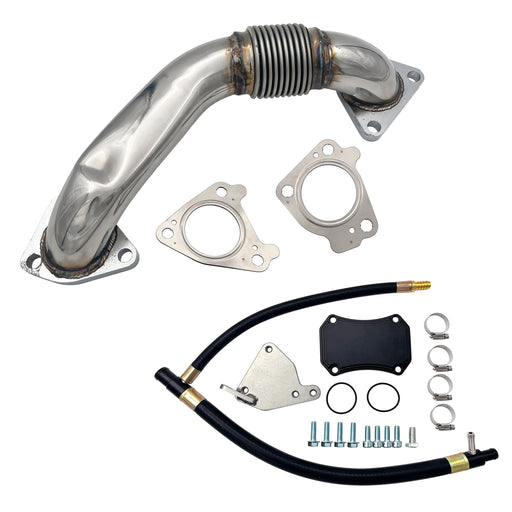
Seguler 2011-2016 6.6L GMC Chevy Duramax Diesel LML Up-Pipe & EGR Valve Cooler Delete Kit
SEGULEROriginal price $173.86 - Original price $173.86Original price$173.86$173.86 - $173.86Current price $173.86FITMENT 2011-2016 6.6L Chevy GMC Duramax LML 2500 HD 3500 HD Diesel. DESCRIPTION Product Overview Direct-injection technology endows GM 5.3L an...
View full details -
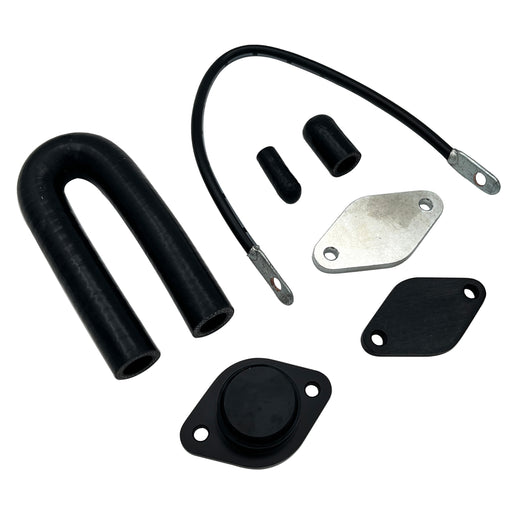
Seguler EGR valve cooler Delete kit for 2020-2022 3.0L Chevy Duramax LM2
SEGULEROriginal price $189.12 - Original price $189.12Original price$189.12$189.12 - $189.12Current price $189.12FITMENT 2020–2022 3.0L Chevrolet Silverado GMC Sierra 1500 LM2 Turbo-Diesel. DESCRIPTION Product Overview Powered by smooth inline-six engine...
View full details -
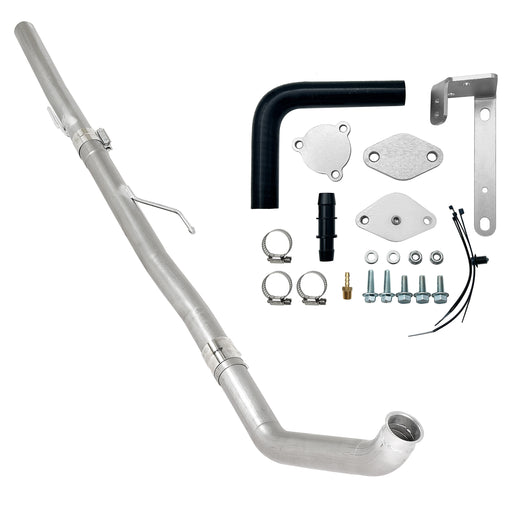
Seguler 3" Ecodiesel DPF Delete Pipe & EGR Delete kit for 2014-2018 3.0L Ram
SEGULEROriginal price $342.00 - Original price $342.00Original price$342.00$342.00 - $342.00Current price $342.00FITMENT 2014–2018 3.0L Dodge Ram 1500 EcoDiesel V6. NOTE: Fit standard Pickup models only (Crew Cab, Quad Cab). Does NOT fit Jeep Grand Cheroke...
View full details -

For 2013-2023 6.7L Dodge Ram Cummins Cab & Chassis EGR Delete Kit Diesel
SEGULEROriginal price $62.99 - Original price $62.99Original price$62.99$62.99 - $62.99Current price $62.99FITMENT 2013–2023 6.7L Ram Cummins 3500 4500 5500 Cab & Chassis / Commercial Trucks. Does NOT fit standard Ram 2500 3500 Pickups. DESCRIPTIO...
View full details -
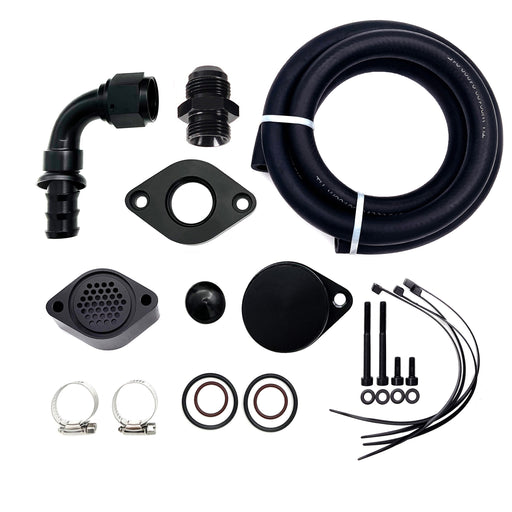
Seguler 2011-2023 6.7L Ford Powerstroke CCV PCV Reroute Engine Ventilation Kit
SEGULEROriginal price $82.99 - Original price $82.99Original price$82.99$82.99 - $82.99Current price $82.99FITMENT 2011-2023 6.7L Ford Powerstroke F-250 F-350 F-450 F-550 Super Duty V8 Diesel. Compatible with both standard Pickups and commercial Cab &...
View full details -
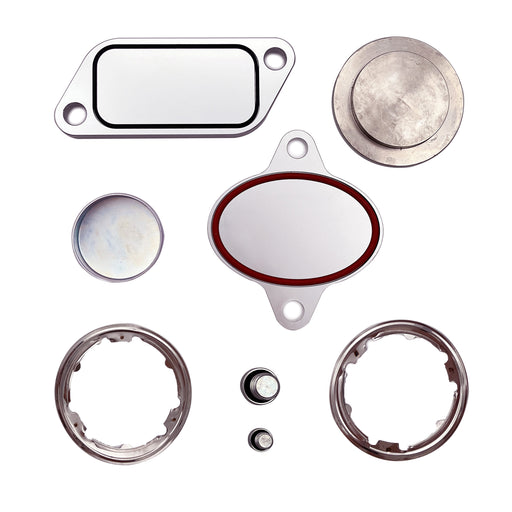
For 2007-2010 Cummins ISX CM871 EGR Plug Kit Stage 2 Plates and Plugs Aluminum
SEGULEROriginal price $67.99 - Original price $67.99Original price$67.99$67.99 - $67.99Current price $67.99FITMENT 2007-2010 Cummins Volvo, Peterbilt, Mack, International, Freightliner, Kenworth with the ISX CM871 Engines. DESCRIPTION Product Overvie...
View full details -
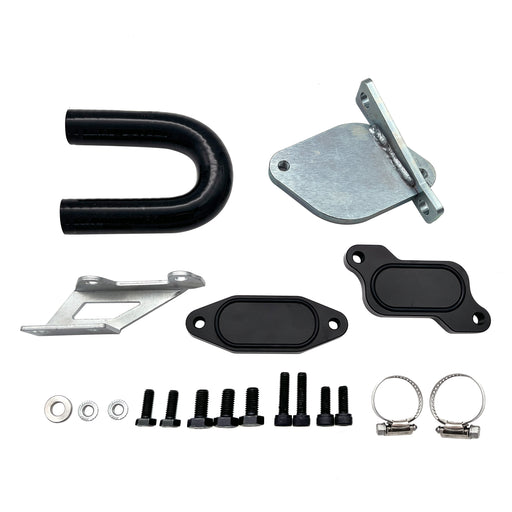
For 2007-2010 6.6L Chevy GMC LMM Duramax EGR Valve Cooler Delete Kit Fit
SEGULEROriginal price $61.99 - Original price $61.99Original price$61.99$61.99 - $61.99Current price $61.99FITMENT 2007.5-2010 6.6L Chevrolet Silverado Duramax LMM 2500HD / 3500HD. 2007.5-2010 6.6L GMC Sierra Duramax LMM 2500HD / 3500HD. Note: Standard...
View full details -
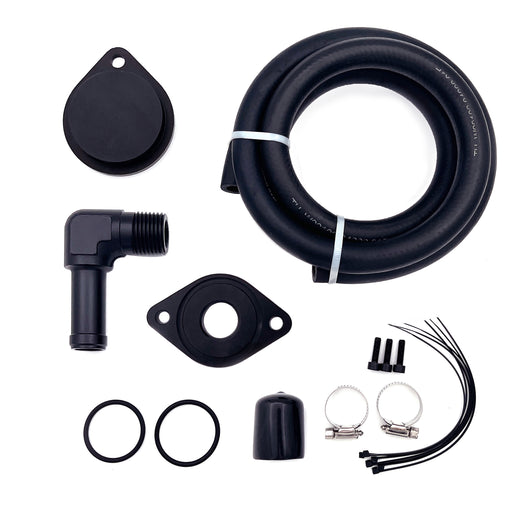
Seguler 2011-2023 Ford 6.7L Powerstroke CCV/PCV Reroute/Delete Engine Ventilation Kit
SEGULEROriginal price $72.00 - Original price $72.00Original price$72.00$72.00 - $72.00Current price $72.00FITMENT 2011-2023 6.7L Ford Powerstroke F-250 F-350 F-450 F-550 Super Duty V8 Diesel. Compatible with both standard Pickups and commercial Cab &...
View full details -
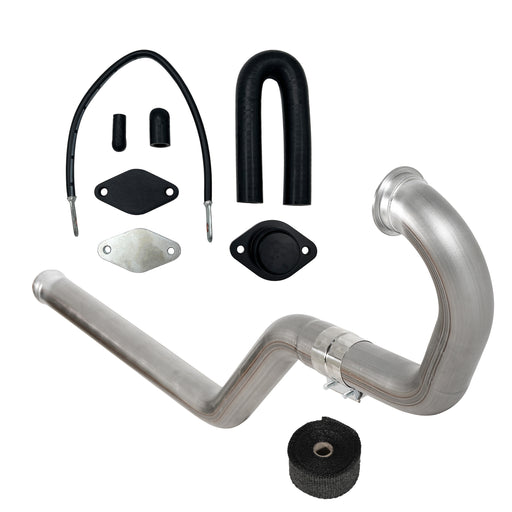
3" Turbo Back DPF & EGR Delete Kit for 2020-2022 GM 3.0L LM2 Duramax
SEGULEROriginal price $550.00 - Original price $550.00Original price$550.00$550.00 - $550.00Current price $550.00FITMENT 2020–2022 3.0L Chevrolet Silverado 1500 LM2 Diesel. 2020–2022 3.0L GMC Sierra 1500 LM2 Diesel. DESCRIPTION Product Overview On the 3.0...
View full details -

Seguler 2010+ Dodge Ram Cummins EZ-Lynk/CCV SOTF Switch
SEGULEROriginal price $80.00 - Original price $80.00Original price$80.00$80.00 - $80.00Current price $80.00FITMENT 2010-2024 6.7L Ram Cummins 2500 3500 4500 5500 Turbo Diesel. DESCRIPTION Product Overview Changing horsepower levels on a tuned Ram tr...
View full details


Leave a comment