

2008–2010 6.4L Powerstroke EGR, DPF & Up-Pipe Upgrade Guide
The 6.4L Powerstroke carries a short list of known weak points, and three of them sit in the same general neighborhood: the EGR system, the diesel particulate filter, and the up-pipes. They are not the same system, they do not fail for the same reason, and no single part addresses all three. But they come up together so often in 6.4L conversations that it’s worth understanding each one on its own before you reach for a part.
What ties them together is heat and soot. The 6.4L runs a sequential twin-turbo setup that pushes a lot of exhaust energy through a crowded engine bay, and the hardware that lives in that environment — the EGR coolers, the DPF, and the flex bellows on the up-pipes — is usually the first to show its age.
This guide walks through how each system works, what goes wrong with it, and what a replacement or upgrade is actually doing. If you’re trying to sort out whether the truck needs attention on the intake side, the exhaust side, or the plumbing in between, this is the map.
Common Problems on the 6.4 Powerstroke
Before any parts enter the picture, it helps to name the problems plainly.
EGR System Problems
The EGR side fails in a couple of predictable ways. Carbon and soot collect on the valve and stick it open or closed, and the cooler — the crack-prone heat exchanger in the middle of it all — can split internally and let coolant into places it was never meant to go. That shows up as a reservoir that slowly drops with no visible puddle, white smoke with a sweet smell, or carbon building up across the intake tract over time.
DPF and Exhaust System Problems
On the exhaust side, the filter is the story. As it loads with ash and soot, exhaust backpressure climbs, regeneration cycles run more often than they used to, and the engine works against a restriction that drags on fuel economy. Exhaust temperatures climb under load, and the sensors that report on the filter’s condition start throwing codes.
Up-Pipe Exhaust Leaks
The up-pipes are the third failure point. The factory flex bellows fatigue under heat cycling until they crack, which creates a pre-turbo exhaust leak that bleeds off drive pressure. The signs are a metallic whistle or screech under acceleration and sluggish turbo response, because the turbos aren’t getting the exhaust energy they need.
The key point to carry into the rest of this: the EGR system and the DPF are both emissions hardware, but they do different jobs on opposite sides of the engine. The up-pipes are something else again — raw exhaust plumbing. Each one fails in its own way.
Understanding the EGR System on the 6.4L Powerstroke
The 6.4L’s EGR system routes a measured amount of exhaust gas back into the intake. The idea is to lower combustion temperatures and cut nitrogen-oxide formation. In practice, that means a pair of EGR coolers sitting in the exhaust stream — the 6.4L runs dual coolers, one more than the earlier 6.0L — plus an EGR valve that controls how much exhaust actually gets through.
The cooler is the part that worries owners most. It’s a heat exchanger with hot exhaust on one side and engine coolant on the other, and when the internal passages crack, coolant finds its way into the intake or the combustion chamber. That shows up as mysterious coolant loss, white smoke, or in a worst case, a hard start after the truck sits. The valve has its own failure mode: it loads up with carbon and either sticks or stops sealing, which throws off the intake balance.
On a 6.4L, the factory intake elbow is part of the same crowded area. It’s a cast-iron piece with internal structure that tends to trap carbon over time. When owners go after the EGR system, that elbow is often right in the middle of the job.
Seguler 2008-2010 6.4L Ford Powerstroke F250 F350 F450 EGR Delete Kit
For owners who want the EGR circuit out of the picture, the EGR valve and cooler kit removes both factory coolers and the valve, then closes the ports they left behind. The key piece is the intake elbow: it replaces the factory cast-iron elbow with a smooth, mandrel-bent aluminum tube that opens up the intake path instead of leaving the restrictive original in place.

What’s in the kit. The hardware is 6061 billet aluminum and stainless steel, built to seal the ports flat and stay leak-free, with the high-flow aluminum intake elbow included rather than sold separately.
Fitment. 2008–2010 6.4L Ford Powerstroke F-250 through F-550 Super Duty, covering both standard pickups and Cab & Chassis trucks.
What this component changes. It removes both EGR coolers and the valve, then seals the ports they leave behind, so exhaust gas is no longer routed back into the intake. The cast-iron intake elbow is also swapped for a smooth aluminum tube, which takes the restrictive original out of the intake path.
It’s worth saying this plainly: removing emissions hardware is not a street-legal modification on a road-registered truck. This kind of setup is aimed at off-road and competition use, and the legal side gets its own section near the end of this guide.
Understanding the DPF System and Exhaust Backpressure
The diesel particulate filter sits in the exhaust and traps the soot that a diesel engine produces. Over time the filter fills up, so the engine runs a regeneration cycle — it raises exhaust temperature to burn the trapped soot off. What regeneration doesn’t remove is the ash: it’s a byproduct that won’t burn off in a normal cycle, so it slowly accumulates inside the filter and cuts into its usable capacity until the filter needs professional cleaning or replacement.
The catch on the 6.4L is that this loop doesn’t always run cleanly. Short trips interrupt the regeneration cycle before it finishes, which means the filter starts the next drive already partially loaded. The catalytic converter and DPF are packaged together as one heavy mid-section, and as that assembly loads up, it becomes a restriction in the exhaust path. The twin turbos work against that restriction, and the truck tells you about it through more frequent regeneration, rising exhaust temperatures, and fuel economy that drifts the wrong way.
It’s also easy to misread the symptoms. Frequent regeneration or a DPF-related warning doesn’t always mean the filter itself has failed — a sensor fault, excessive soot or ash loading, an interrupted regeneration cycle, or another engine issue can all push the same warning. The right move is to diagnose before replacing components.
2008-2010 6.4L Ford F250 F350 F450 F550 Powerstroke 4inch Cat & DPF Delete Pipe
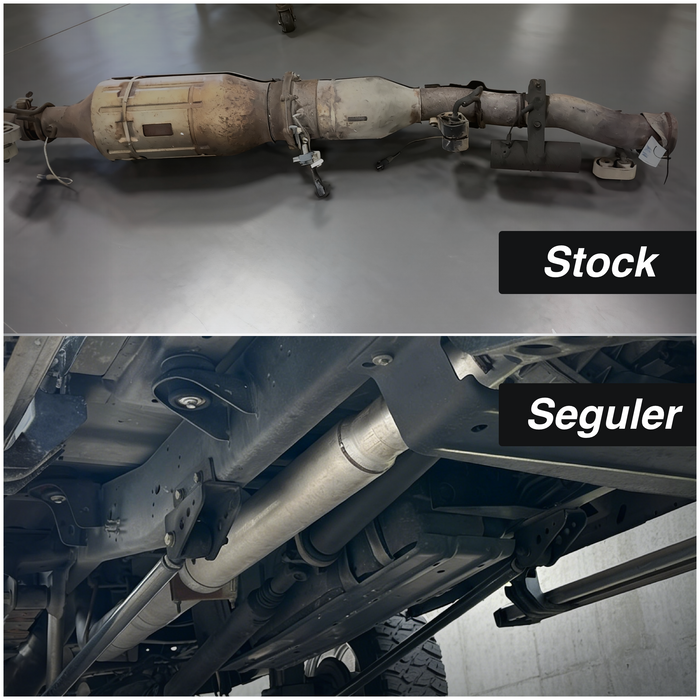
For trucks that spend their life off-road or in competition, the 4" cat-and-DPF pipe replaces that factory catalytic converter and DPF mid-section with a straight-through section of pipe. The exhaust no longer has to push through the filter, so the backpressure that assembly created is taken out of the equation.
 What’s in the kit. A mandrel-bent 4" T409 stainless steel mid-pipe that bolts up to the stock tailpipe, so it isn’t a full exhaust system — it replaces the restriction in the middle and leaves the rest in place. The pipe arrives in two sections that slip together and clamp at the joint, so it drops into the factory mounting points rather than needing any fabrication.
Fitment. 2008–2010 6.4L Ford Powerstroke F-250 through F-550 Super Duty, standard pickups and Cab & Chassis both.
What this component changes. It swaps the factory catalytic converter and DPF mid-section for a straight-through pipe, so the exhaust no longer has to push through the filter. Because the filter and its sensors are gone, regeneration is no longer part of the loop, and a compatible tuner has to account for the monitoring that went with it. The exhaust note also changes — a straight pipe is louder than a filtered one, noticeably but not obnoxiously.
Again, the same line applies here as above: a DPF and catalyst removal is an off-road and competition configuration, not a road-legal change.
The Up-Pipe System: Why Exhaust Leaks Matter
The up-pipes are the plumbing that carries exhaust from the manifolds up to the turbos. On the 6.4L they feed a twin-turbo setup, so the exhaust has to reach those turbos with as much energy as possible. The factory up-pipes use a flexible bellows section to absorb movement and heat, and that bellows is the weak link — it’s thin, it’s in the hottest part of the engine bay, and it expands and contracts with every heat cycle.
When a bellows cracks, the result is a pre-turbo exhaust leak. Exhaust bleeds off before it ever reaches the turbo, so the turbo has less drive pressure to build boost. The symptoms are the ones you’d expect: a metallic whistle or screech behind the engine under acceleration, soot staining on the firewall, and turbo response that feels soft. It’s a leak upstream of the turbo, which is different from a post-turbo exhaust issue.
Checking for it is mostly visual and audible. Look for soot trails around the bellows and flanges, and listen for that tell-tale screech under load. A leak here is small enough to miss until you’re looking for it, but it bleeds off performance the whole time.
Seguler 2008-2010 6.4L Ford Powerstroke Diesel Heavy Duty Exhaust Up-Pipe
The heavy-duty up-pipe replaces the factory piece with a sturdier version of the same plumbing. The difference is in the construction: a heavy-gauge stainless tube with thick, CNC-machined flanges and a reinforced interlocking flex bellows where the factory part used a thin one.

What’s in the kit. Heavy-gauge, corrosion-resistant stainless steel with thick mandrel-bent tubing and reinforced stainless flex bellows, built to hold up under the heat cycling that kills the stock part.
Fitment. 2008–2010 6.4L Ford Powerstroke F-250 through F-550 Super Duty, standard pickups and Cab & Chassis.
What this component changes. It replaces the factory up-pipe with a heavier-gauge tube, thicker CNC flanges, and a reinforced flex bellows where the factory part used a thin one. The pre-turbo exhaust path gets sealed the way it should be, so the turbos keep the drive pressure they’re supposed to have. Whether that changes your EGTs depends on whether a leak was actually present and how much pressure it was bleeding off.
EGR vs. DPF vs. Up-Pipe: Understanding the Differences
The main thing to hold onto is that these three are separate systems. Here’s the quick reference:
| System | Main function | Common concerns |
|---|---|---|
| EGR | Recirculates exhaust gas into the intake | Carbon buildup, cooler cracks, coolant loss |
| DPF | Traps diesel soot in the exhaust | Regeneration, restriction, sensors |
| Up-Pipe | Carries exhaust to the turbos | Bellows cracks, pre-turbo exhaust leaks |
The EGR lives on the intake side and exists to reduce emissions by feeding exhaust back in. The DPF lives on the exhaust side and exists to catch soot before it leaves the tailpipe. The up-pipe is neither — it’s the exhaust plumbing between the manifolds and the turbos, and it fails purely from heat and vibration.
That distinction matters because it means a truck can have an EGR problem and a healthy DPF, or a leaking up-pipe with no emissions issues. They don’t automatically travel together.
How to Identify Which System Needs Attention First
Symptoms are clues, not a diagnosis. Here’s where each one usually points:
| Symptom | Possible area to inspect |
|---|---|
| Unexplained coolant loss | EGR cooler / cooling system |
| Frequent DPF regeneration | DPF / sensors / driving conditions |
| Whistling under acceleration | Up-pipe / exhaust connections |
| Reduced turbo response | Turbo / boost / pre-turbo exhaust leaks |
| Check-engine light | Diagnostic trouble codes |
The right move is to confirm the cause before ordering anything — a pressure test on the cooling system, a look at the bellows and flanges, a scan of the trouble codes. A coolant-loss symptom and an exhaust-leak symptom can point to different ends of the truck, and buying a part for the wrong one doesn’t fix anything.
Installation Considerations and Fitment
None of these is a fabrication job, but they’re not equal in effort either.
The up-pipe is the most contained of the three — it’s a bolt-on replacement in the turbo area, and because it’s a stock-replacement exhaust part, it doesn’t involve any tuning. The main thing to get right is the fit: the bellows have some flex, so the pipe needs to sit centered on the manifolds before it’s tightened down. Old manifold bolts often have threads worn flat from heat and age, so fresh hardware is usually the safer call on a job nobody wants to do twice.
The cat-and-DPF pipe is exhaust work under the truck. It arrives in two sections that slip together and clamp, and the usual trouble spots are the slip-fit joint and a rusted clamp more than the bolts themselves. Removing the filter also means the sensors and monitoring that went with it have to be accounted for — that’s what a compatible tuner handles. This is an off-road and competition configuration, not a way to switch off road-emissions monitoring on a street-driven truck.
The EGR removal is the biggest job of the three. The 6.4L runs two coolers — a vertical one up top and a horizontal one tucked down beside the oil cooler — so reaching them means draining the cooling system and working around the intake and turbo plumbing. Owners who’ve done it mention the same two time-eaters: cooler bolts that rust and round off, and an exhaust temperature sensor that’s awkward to reach, so part of the work happens from underneath the truck. Between the cooling-system work and the buried hardware, it’s the one most people hand to a shop unless they already know this platform.
Before you start any of them, check the surrounding parts you’ll be touching anyway — coolant lines, gaskets, clamps, and the bellows you’re already in there to address. And because all three of these fit both pickups and Cab & Chassis on the 2008–2010 run, the fitment is consistent across the years, but the exact year and configuration should still be confirmed against the product listing and the vehicle’s own service information. For any change that touches emissions equipment, follow the product instructions and the applicable regulations for your location.
Legal Considerations and Road-Use Compliance
This section can’t be skipped. Removing or modifying emissions-control equipment — EGR, DPF, or catalyst — on a vehicle that’s registered for road use can violate the federal Clean Air Act and other applicable laws. Labeling a part “off-road” or “competition use only” does not by itself create a legal exemption; the legal status depends on how the vehicle is actually used and the laws that apply to it.
The up-pipe is a different story — it’s an exhaust replacement part that doesn’t change the emissions equipment itself, so it doesn’t carry the same concerns. But for the EGR kit and the cat-and-DPF pipe, treat them as off-road and competition configurations and check your local requirements before assuming anything is road-legal.
Modifications can also affect vehicle warranty coverage. This guide is informational, not legal advice — if you need certainty about your specific situation, talk to qualified legal counsel.
Final Thoughts: Choosing the Right 6.4 Powerstroke Upgrade
The way to keep these three straight is to remember which end of the engine each one lives on. The EGR is about the intake side and exhaust gas recirculation — the coolant-loss and carbon problems. The DPF is about the exhaust side and soot capture — the regeneration and restriction problems. The up-pipe is about the plumbing in between — the pre-turbo exhaust leaks.
None of them is a blanket fix for the others. Figure out which system is actually giving you trouble, confirm it with a hands-on check, and match the part to that specific problem. The full fitment details and specifications for each of these are listed on their product pages at seguler.com.
FAQ
Q: What are the common problems with the 6.4 Powerstroke?
A:The recurring ones are EGR cooler cracks and carbon buildup, DPF regeneration and restriction issues, and cracked up-pipe flex bellows. These sit alongside the other known 6.4L items — oil cooler and fuel system concerns among them — so it’s worth a full look rather than assuming every symptom traces back to the emissions hardware.
Q: What causes EGR cooler problems on a 6.4 Powerstroke?
A:The cooler is a heat exchanger with exhaust on one side and coolant on the other, and it lives in a hot, crowded part of the engine bay. Repeated heat cycling stresses the internal passages until they crack. A plugged oil cooler can make it worse by starving the EGR cooler of coolant flow, which cooks it faster.
Q: How do I know if my 6.4 Powerstroke up-pipes are leaking?
A:The usual signs are a metallic whistle or screech behind the engine under acceleration, soot staining on the firewall near the turbo, and turbo response that feels soft. A visual check of the bellows and flanges, plus a listen under load, usually confirms it.
Q: What causes frequent DPF regeneration?
A:The filter is filling with soot and the regeneration cycle can’t keep up — or can’t finish. Short trips are a common driver, because they interrupt the cycle before it completes. A sensor reporting the filter’s condition inaccurately can also trigger more frequent regeneration than the filter actually needs.
Q: What is the difference between an EGR system and a DPF system?
A:They’re on opposite sides of the engine. The EGR recirculates exhaust gas back into the intake to lower combustion temperatures, while the DPF sits in the exhaust and traps soot before it leaves the tailpipe. They’re both emissions hardware, but they do unrelated jobs and fail independently.
Q: What does a heavy-duty up-pipe replace?
A:It replaces the factory up-pipe — the plumbing that carries exhaust from the manifolds to the turbos. The upgrade is the construction: heavier-gauge stainless, thicker flanges, and a reinforced flex bellows in place of the thin factory bellows that tends to crack.
Q: Do 2008 and 2010 6.4 Powerstroke parts have the same fitment?
A:Yes — 2008 through 2010 are the same 6.4L platform, so the EGR kit, the cat-and-DPF pipe, and the up-pipe all cover that whole run, on both standard pickups and Cab & Chassis trucks. It’s still worth confirming your exact year and configuration against the specific listing before ordering.
Q: What should I check before choosing replacement exhaust components?
A:Confirm the system that’s actually failing first — a coolant-loss symptom and an exhaust-leak symptom point to different parts. Then check the flange type and connection style against the product listing, confirm your year and configuration, and understand whether the part you’re considering is a stock-replacement item or an emissions change that carries tuning and legality considerations.
Q: Do I need a tuner to run an EGR or DPF upgrade?
A:For the cat-and-DPF pipe, yes — removing the filter means the sensors and monitoring that went with it need to be accounted for, which is what a compatible tuner does. The EGR removal also involves changing how the engine monitors the EGR system, so it needs the right calibration to go with it. The up-pipe is a mechanical replacement and doesn’t involve tuning.
Q: Will these parts fit a Cab & Chassis truck?
A:Yes, on the 6.4L all three of these are listed for both standard pickups and Cab & Chassis configurations. That’s one of the ways this platform is cleaner to shop for than some others — but as always, confirm against the specific product listing for your exact truck.
Featured collection
-
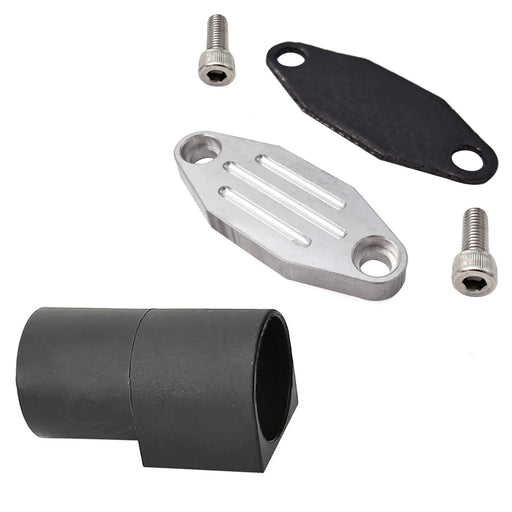
Seguler 1986-1995 Ford F150 F250 F350 Mustang Trucks EGR Simulator Eliminator / Block Off Plate Kit
SEGULEROriginal price $79.99 - Original price $79.99Original price$79.99$79.99 - $79.99Current price $79.99Block Off Plate Material: Aluminum alloy. Easy installation,and convenient to use. Made of CNC milled from aircraft grade Billet aluminum. Will N...
View full details -

Seguler 2011-2023 6.7L Ford Powerstroke Diesel EGR Delete Kit
SEGULEROriginal price $109.99 - Original price $109.99Original price$109.99$109.99 - $109.99Current price $109.99FITMENT 2011-2023 6.7L Ford Powerstroke F-250 F-350 F-450 F-550 Super Duty V8 Diesel. compatible with both standard Pickups and commercial Cab &...
View full details -
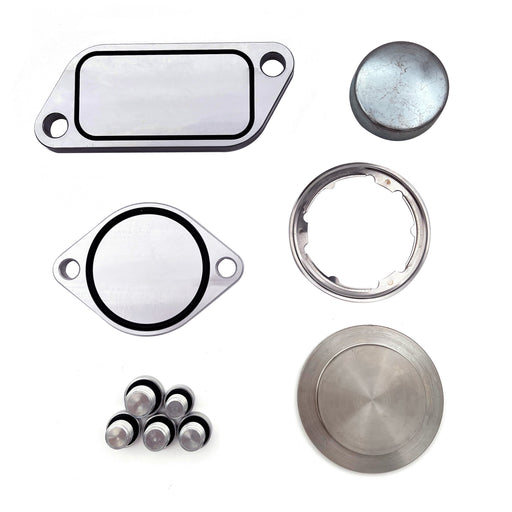
For 2010-Present Stage 2 ISX 15 CM2250 CM2350 EGR Delete Kit
SEGULEROriginal price $59.99 - Original price $59.99Original price$59.99$59.99 - $59.99Current price $59.99FITMENT 2010-Present Cummins Volvo, Peterbilt, Mack, International, Freightliner, Kenworth with the ISX15 CM2250 / CM2350 engines. DESCRIPTION P...
View full details -
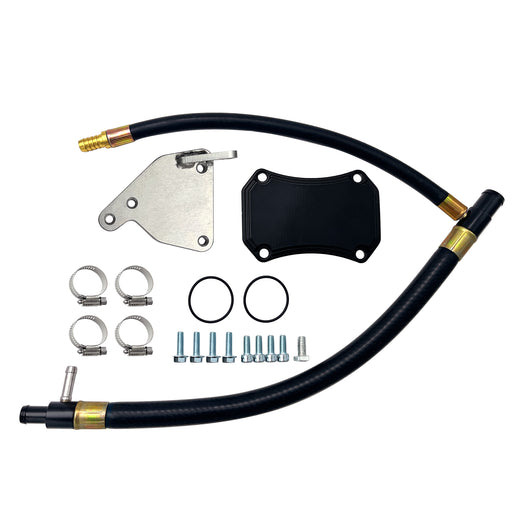
For 2011-2016 6.6L GMC Chevy Duramax Diesel LML EGR Valve Cooler Delete Kit
SEGULEROriginal price $66.49 - Original price $66.49Original price$66.49$66.49 - $66.49Current price $66.49FITMENT 2011-2016 6.6L Chevy GMC Duramax LML 2500 HD 3500 HD Diesel. DESCRIPTION Product Overview The 2011–2016 LML Duramax uses a complex EG...
View full details -
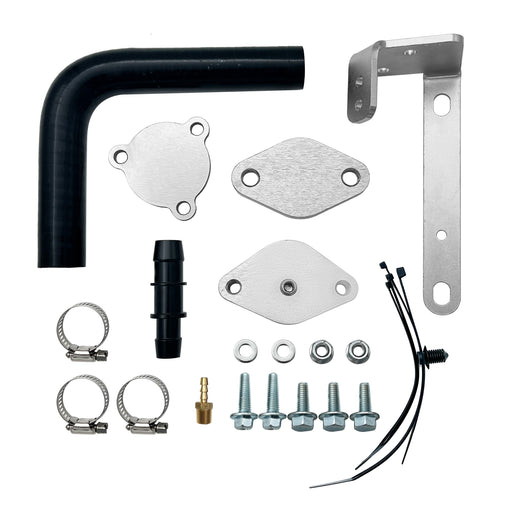
Seguler For 2014-2019 3.0L Dodge Ram 1500 EcoDiesel EGR Valve & Cooler Delete Kit
SEGULEROriginal price $72.99 - Original price $72.99Original price$72.99$72.99 - $72.99Current price $72.99FITMENT 2014-2019 3.0L Dodge Ram 1500 EcoDiesel V6 engine trucks. DESCRIPTION Product Overview Exhaust gas recirculation on 3.0L EcoDiesel V6 ...
View full details -
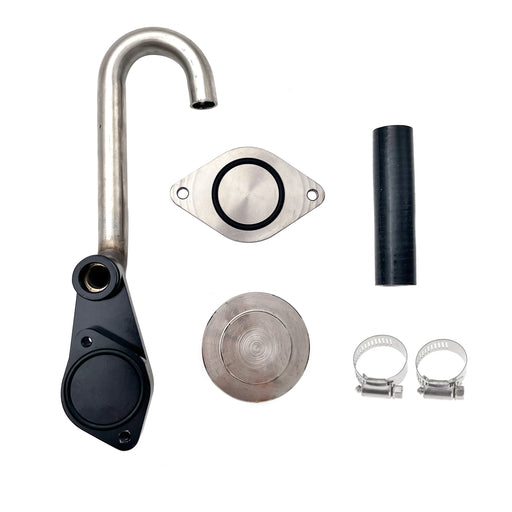
Seguler 2003-2007 6.0L FORD Powerstroke Diesel EGR Cooler Delete Kit
SEGULEROriginal price $56.14 - Original price $56.14Original price$56.14$56.14 - $56.14Current price $56.14FITMENT 2003-2007 6.0L Ford F-250 Ford F-350 F-450 F-550 Super Duty. 2003-2007 6.0L Ford Excursion SUV (Diesel Models Only). 2005-2010 Ford E-Se...
View full details -

Seguler 2011-2023 6.7L Ford Powerstroke Diesel EGR Delete Kit
SEGULEROriginal price $85.99 - Original price $85.99Original price$85.99$85.99 - $85.99Current price $85.99FITMENT 2011-2023 6.7L Ford Powerstroke F-250 F-350 F-450 F-550 Super Duty V8 Diesel. compatible with both standard Pickups and commercial Cab &...
View full details -

Seguler 2017-2019 L5P Duramax Diesel 4pcs L5P Can Bus Plugs Connector Replacement
SEGULEROriginal price $75.00 - Original price $75.00Original price$75.00$75.00 - $75.00Current price $75.00FITMENT 2017–2019 Chevrolet Silverado / GMC Sierra Duramax L5P 2500HD & 3500HD Diesel. DESCRIPTION Product Overview Unprotected harness con...
View full details -

Seguler 2010-2024 6.7L Dodge Ram Cummins Diesel EGR Valve Cooler Delete Kit
SEGULEROriginal price $89.99 - Original price $89.99Original price$89.99$89.99 - $89.99Current price $89.99FITMENT 2010–2024 6.7L Dodge Ram Cummins 2500 / 3500 Pickup Turbo Diesel. Note: Does NOT fit Chassis Cab 3500 / 4500 / 5500 models. DESCRIPTIO...
View full details -
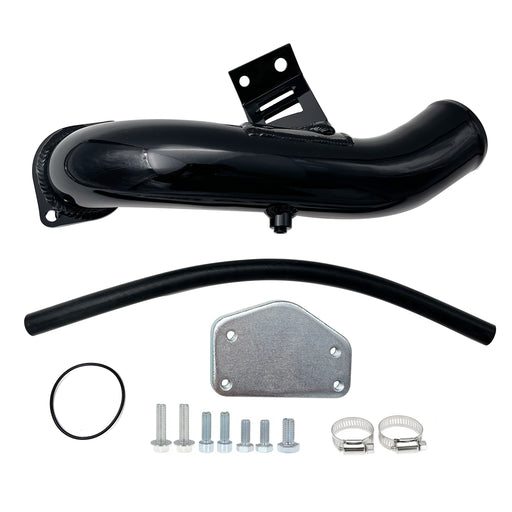
For 2004.5-2005 6.6L Chevy GMC Silverado LLY Duramax Diesel EGR Delete Kit
SEGULEROriginal price $92.99 - Original price $92.99Original price$92.99$92.99 - $92.99Current price $92.99FITMENT 2004.5-2005 6.6L Chevrolet Silverado Duramax LLY 2500HD / 3500 HD. 2004.5-2005 6.6L GMC Sierra Duramax LLY 2500HD / 3500 HD. DESCRIPTION...
View full details -

Seguler 2020-2023 chevy duramax L5P Diesel Can Bus Plugs Connector
SEGULEROriginal price $80.00 - Original price $80.00Original price$80.00$80.00 - $80.00Current price $80.00FITMENT 2020–2023 Chevrolet Silverado / GMC Sierra Duramax L5P 2500HD & 3500HD Diesel. DESCRIPTION Product Overview Unprotected harness pl...
View full details -
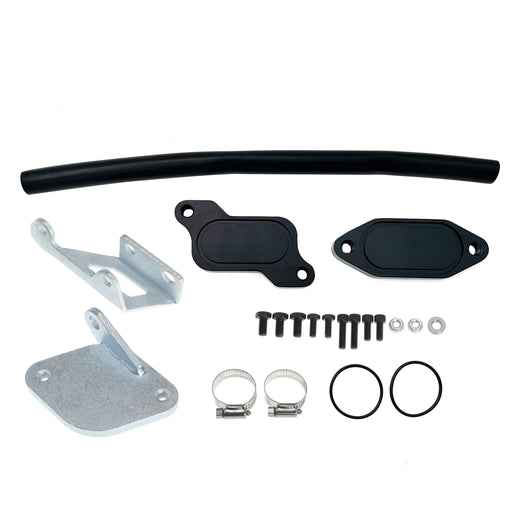
For 2006-2007 6.6L Chevrolet Silverado Classic GMC Duramax LBZ Diesel EGR Valve Cooler Delete Kit
SEGULEROriginal price $63.49 - Original price $63.49Original price$63.49$63.49 - $63.49Current price $63.49FITMENT 2006-2007.4 Chevrolet Silverado Duramax LBZ 2500HD / 3500HD. 2007.4 Chevrolet Silverado Duramax LBZ 2500HD / 3500HD Classic. 2006-2007.4 ...
View full details -

Seguler 2011-2023 6.7L Ford F250 F350 F450 F550 Powerstroke Diesel EGR Valve Delete Cooler Delete Kit
SEGULEROriginal price $55.99 - Original price $55.99Original price$55.99$55.99 - $55.99Current price $55.99FITMENT 2011-2023 6.7L Ford Powerstroke F-250 F-350 F-450 F-550 Super Duty V8 Diesel compatible with both standard Pickups and commercial Cab &a...
View full details -
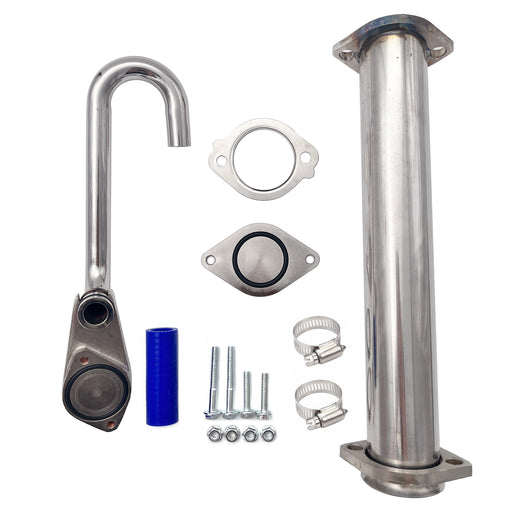
Seguler 2003-2007 6.0L Ford F250 F350 Powerstroke Diesel EGR Basic Cooler Kit
SEGULEROriginal price $79.99 - Original price $79.99Original price$79.99$79.99 - $79.99Current price $79.99FITMENT 2003-2007 6.0L Ford F250 F350 F450 F550 Super Duty Turbo (except 2004 F250 Super Duty). 2003-2005 6.0L Ford Excursion Turbo. 2005 Ford F...
View full details -
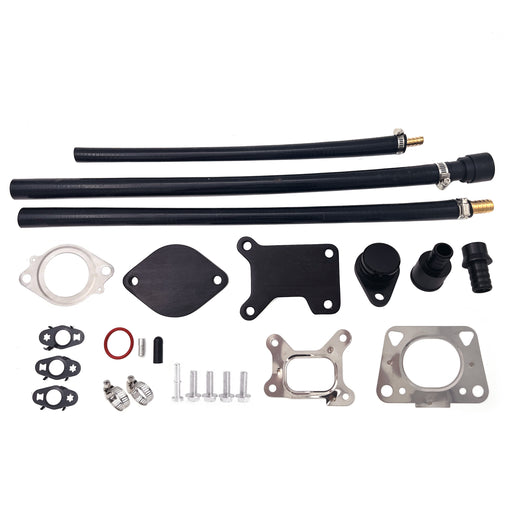
For 2017-2023 6.6L Chevy GMC Duramax L5P diesel EGR Valve Cooler Delete kit
SEGULEROriginal price $131.99 - Original price $131.99Original price$131.99$131.99 - $131.99Current price $131.99FITMENT 2017–2023 6.6L Chevrolet Silverado / GMC Sierra Duramax L5P 2500HD 3500HD Diesel. DESCRIPTION Product Overview Hot soot recirculation ...
View full details -
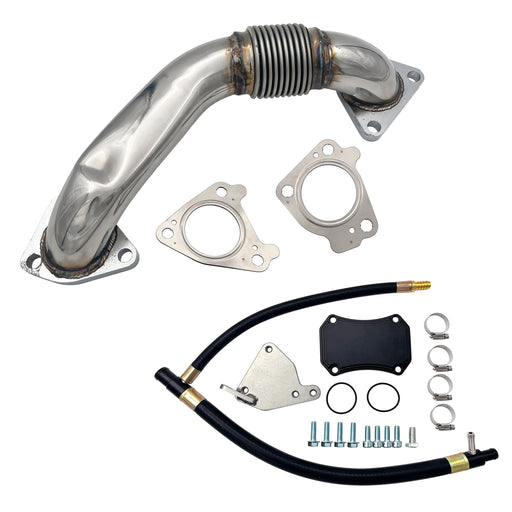
Seguler 2011-2016 6.6L GMC Chevy Duramax Diesel LML Up-Pipe & EGR Valve Cooler Delete Kit
SEGULEROriginal price $173.86 - Original price $173.86Original price$173.86$173.86 - $173.86Current price $173.86FITMENT 2011-2016 6.6L Chevy GMC Duramax LML 2500 HD 3500 HD Diesel. DESCRIPTION Product Overview Direct-injection technology endows GM 5.3L an...
View full details -
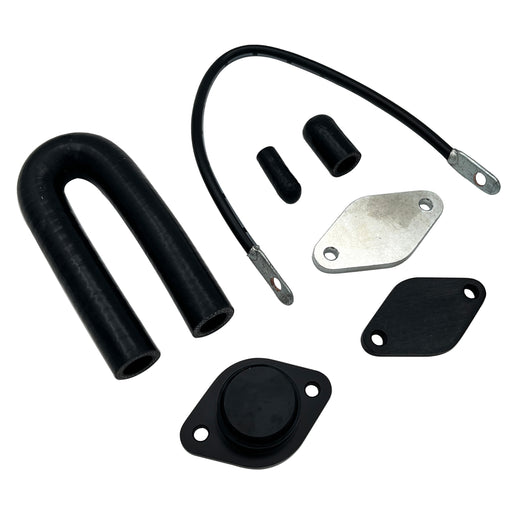
Seguler EGR valve cooler Delete kit for 2020-2022 3.0L Chevy Duramax LM2
SEGULEROriginal price $189.12 - Original price $189.12Original price$189.12$189.12 - $189.12Current price $189.12FITMENT 2020–2022 3.0L Chevrolet Silverado GMC Sierra 1500 LM2 Turbo-Diesel. DESCRIPTION Product Overview Powered by smooth inline-six engine...
View full details -
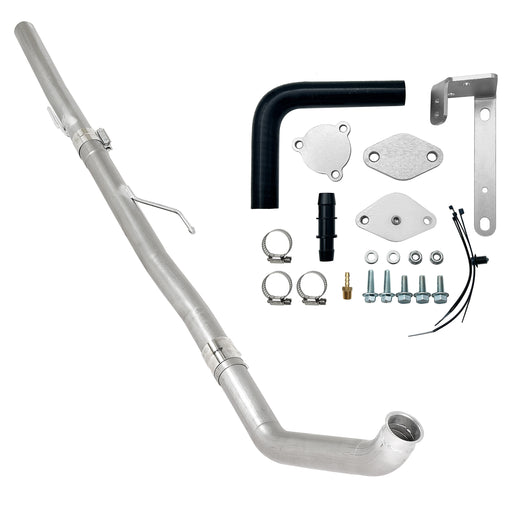
Seguler 3" Ecodiesel DPF Delete Pipe & EGR Delete kit for 2014-2018 3.0L Ram
SEGULEROriginal price $342.00 - Original price $342.00Original price$342.00$342.00 - $342.00Current price $342.00FITMENT 2014–2018 3.0L Dodge Ram 1500 EcoDiesel V6. NOTE: Fit standard Pickup models only (Crew Cab, Quad Cab). Does NOT fit Jeep Grand Cheroke...
View full details -

For 2013-2023 6.7L Dodge Ram Cummins Cab & Chassis EGR Delete Kit Diesel
SEGULEROriginal price $62.99 - Original price $62.99Original price$62.99$62.99 - $62.99Current price $62.99FITMENT 2013–2023 6.7L Ram Cummins 3500 4500 5500 Cab & Chassis / Commercial Trucks. Does NOT fit standard Ram 2500 3500 Pickups. DESCRIPTIO...
View full details -
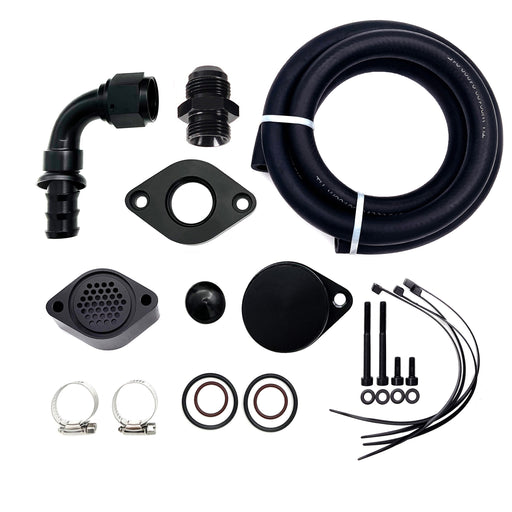
Seguler 2011-2023 6.7L Ford Powerstroke CCV PCV Reroute Engine Ventilation Kit
SEGULEROriginal price $82.99 - Original price $82.99Original price$82.99$82.99 - $82.99Current price $82.99FITMENT 2011-2023 6.7L Ford Powerstroke F-250 F-350 F-450 F-550 Super Duty V8 Diesel. Compatible with both standard Pickups and commercial Cab &...
View full details -
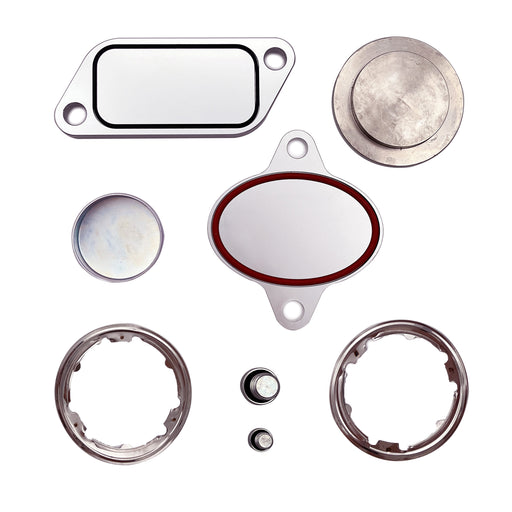
For 2007-2010 Cummins ISX CM871 EGR Plug Kit Stage 2 Plates and Plugs Aluminum
SEGULEROriginal price $67.99 - Original price $67.99Original price$67.99$67.99 - $67.99Current price $67.99FITMENT 2007-2010 Cummins Volvo, Peterbilt, Mack, International, Freightliner, Kenworth with the ISX CM871 Engines. DESCRIPTION Product Overvie...
View full details -
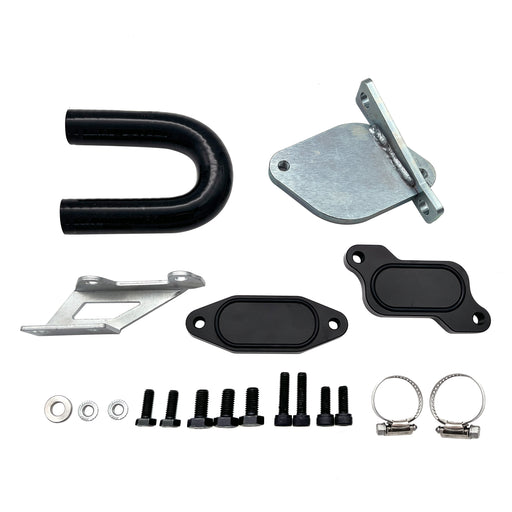
For 2007-2010 6.6L Chevy GMC LMM Duramax EGR Valve Cooler Delete Kit Fit
SEGULEROriginal price $61.99 - Original price $61.99Original price$61.99$61.99 - $61.99Current price $61.99FITMENT 2007.5-2010 6.6L Chevrolet Silverado Duramax LMM 2500HD / 3500HD. 2007.5-2010 6.6L GMC Sierra Duramax LMM 2500HD / 3500HD. Note: Standard...
View full details -
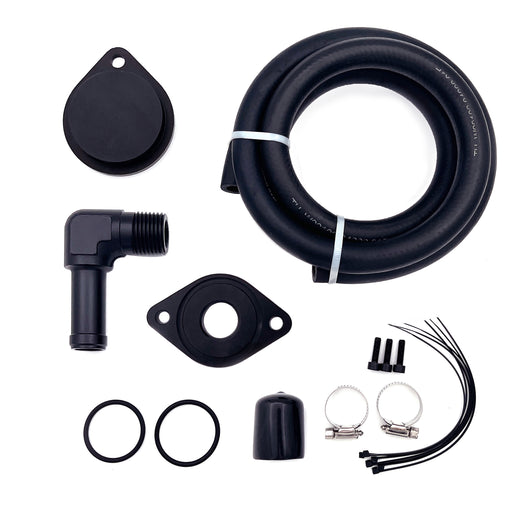
Seguler 2011-2023 Ford 6.7L Powerstroke CCV/PCV Reroute/Delete Engine Ventilation Kit
SEGULEROriginal price $72.00 - Original price $72.00Original price$72.00$72.00 - $72.00Current price $72.00FITMENT 2011-2023 6.7L Ford Powerstroke F-250 F-350 F-450 F-550 Super Duty V8 Diesel. Compatible with both standard Pickups and commercial Cab &...
View full details -
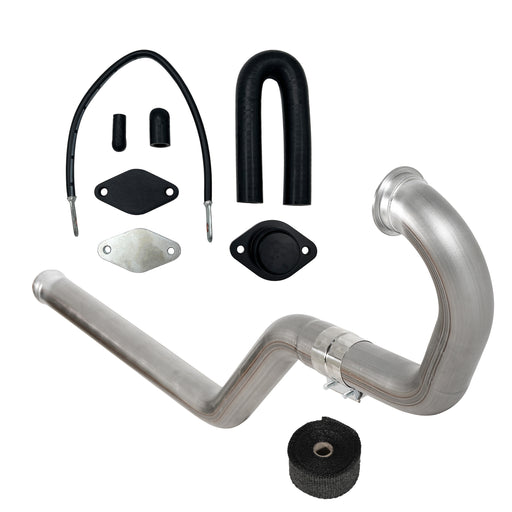
3" Turbo Back DPF & EGR Delete Kit for 2020-2022 GM 3.0L LM2 Duramax
SEGULEROriginal price $550.00 - Original price $550.00Original price$550.00$550.00 - $550.00Current price $550.00FITMENT 2020–2022 3.0L Chevrolet Silverado 1500 LM2 Diesel. 2020–2022 3.0L GMC Sierra 1500 LM2 Diesel. DESCRIPTION Product Overview On the 3.0...
View full details -

Seguler 2010+ Dodge Ram Cummins EZ-Lynk/CCV SOTF Switch
SEGULEROriginal price $80.00 - Original price $80.00Original price$80.00$80.00 - $80.00Current price $80.00FITMENT 2010-2024 6.7L Ram Cummins 2500 3500 4500 5500 Turbo Diesel. DESCRIPTION Product Overview Changing horsepower levels on a tuned Ram tr...
View full details


Leave a comment