

6.7 Cummins DPF Issues: Causes & Fixes
Even the Toughest Diesel Trucks Have Weak Points
The 6.7L Cummins has earned its reputation as one of the most durable diesel platforms in the heavy-duty pickup segment. Owners choose these trucks for their ability to tow fifth wheels, haul equipment, and handle hundreds of thousands of miles with confidence.
But even the most reliable diesel engines have areas that can become challenging over time. For many 6.7 Cummins owners, the emissions system is where those challenges often begin — and the diesel particulate filter (DPF) is one of the first components to show signs of stress.
A DPF has one important job: capture the soot produced during combustion and periodically remove it through a process called regeneration. When regeneration works properly, most drivers never notice it happening. But when conditions prevent the system from operating efficiently, problems can gradually appear — more frequent regeneration cycles, increased exhaust restriction, reduced throttle response, and eventually reduced engine performance.
Understanding what causes 6.7 Cummins DPF issues is important because these problems usually develop slowly, long before a warning light appears on the dashboard. This guide explores how the 6.7 Cummins emissions system has evolved, what conditions contribute to DPF loading, the warning signs owners should watch for, and the factors that influence long-term diesel performance.
🔍 How the 6.7 Cummins Emissions System Changed
The 6.7L Cummins has used a diesel particulate filter since its introduction in 2007.5, but the emissions system around it has become more complex over the years.
Earlier trucks primarily relied on EGR and DPF systems, while 2013 and newer models added SCR and DEF to further control emissions. Newer Ram 2500 and 3500 trucks therefore rely on several emissions components working together rather than the DPF operating by itself.
For owners, the important takeaway is simple: the newer the emissions system becomes, the more connected the intake, exhaust, regeneration, and electronic controls are.
That is why a recurring DPF problem is not always just a “bad filter.” Driving habits, EGR carbon buildup, regeneration conditions, accumulated ash, and the overall exhaust flow can all play a role.
⚠️ What Leads to 6.7 Cummins DPF Issues?
Most 6.7 Cummins DPF problems develop gradually rather than appearing as a single sudden failure. Short-trip driving, excessive idling, interrupted regeneration, EGR carbon buildup, ash accumulation, and inaccurate sensor data can all make the system work harder over time.
The important point is that a DPF warning does not always mean the filter itself suddenly failed. In many cases, it is the end result of driving conditions and other parts of the emissions system gradually affecting soot load and exhaust flow.
Understanding those causes makes it much easier to recognize the problem early—and decide whether the truck needs routine maintenance, further diagnosis, or a different airflow setup.
🚨 Common Signs of 6.7 Cummins DPF Problems
DPF problems usually develop gradually, so the first signs can be easy to overlook.
Some of the most common symptoms include:
- More frequent regeneration — the DPF is filling faster or regeneration is not clearing soot as effectively as before.
- Reduced throttle response — increasing exhaust restriction can make the truck feel less responsive, especially under load.
- Lower fuel economy — repeated regeneration cycles can consume additional fuel.
- Higher exhaust heat — increased restriction and frequent regeneration can change exhaust temperatures.
- DPF or check-engine warnings — codes such as P2002, P242F, or P2459 may appear as the problem progresses.
- Reduced-power or derate mode — in more serious cases, the truck may limit power to protect the emissions system.
One symptom alone does not automatically mean the DPF needs replacement. What matters most is whether the symptoms are becoming more frequent or beginning to appear together.
A truck that suddenly starts regenerating much more often while also losing fuel economy and throttle response deserves attention before the problem becomes more serious.
💭 Why DPF Issues Become Frustrating for 6.7 Cummins Owners
A DPF problem rarely starts with the truck suddenly becoming undrivable.
For many 6.7 Cummins owners, it begins with smaller changes.
The truck seems to regenerate more often than it used to. Fuel economy starts moving in the wrong direction. Throttle response may not feel as sharp. The exhaust system seems to run hotter during certain driving conditions. Eventually, a warning message or check-engine light makes the problem impossible to ignore.
That gradual progression is what makes DPF issues frustrating.
The engine itself may still feel strong, but the emissions system can begin affecting how the truck drives and how confidently the owner can use it for towing, hauling, commuting, or long-distance travel.
And once regeneration becomes a recurring concern, many owners start asking the same question:
Why does the problem keep coming back?
The answer is often that the DPF is only one part of a much larger airflow and emissions system.
🚗 Why Short Trips and Excessive Idling Cause Problems
A 6.7 Cummins is built to work. Long highway drives, towing, hauling, and sustained engine load create very different exhaust conditions from a truck that spends most of its time making short trips around town.
The filter needs sufficient exhaust temperature to manage accumulated soot through regeneration. When the truck repeatedly starts, drives a short distance, and shuts down again, it may not spend enough time under favorable conditions. One short trip is not the problem — the issue is repetition. A truck that spends months doing mostly short-distance driving can accumulate soot faster than one regularly traveling longer distances.
Idling creates a similar challenge. Work trucks may idle on jobsites, owners in cold climates may let the engine warm up, and trucks used for towing may sit running while equipment is loaded or unloaded. During these long periods of low-load operation, the engine keeps producing exhaust while temperatures remain lower than they would during sustained driving.
Over time, a combination of short trips, long idle periods, stop-and-go driving, light engine load, and interrupted regeneration can make soot management more difficult. That does not mean every truck used this way will develop DPF problems — it simply explains why driving habits have such a noticeable effect on how often the system needs to regenerate.
🔁 Why Does My 6.7 Cummins Keep Going Into Regen?
Regeneration itself is normal.
A healthy DPF is supposed to regenerate.
The warning sign is when the process begins happening noticeably more often than before.
Frequent regeneration can mean the filter is accumulating soot faster, the truck is not completing regeneration effectively, or the overall emissions system is working harder than it previously did.
Owners may notice:
- Regeneration occurring more frequently
- Increased fuel consumption
- Changes in throttle response
- Higher exhaust heat
- DPF warning messages
- Check-engine lights
- Reduced power in more serious cases
The important thing is the pattern.
If the truck has always behaved one way and suddenly begins regenerating much more frequently, something has changed.
Ignoring that change can allow a relatively manageable issue to become a much more inconvenient one later.
🚚 How DPF Restriction Affects Towing and Performance
The DPF sits directly in the exhaust path. As soot and non-combustible material accumulate inside the filter, exhaust flow becomes increasingly restricted — a condition commonly referred to as backpressure. For a 6.7L diesel moving a large amount of exhaust gas, especially while towing or hauling, that flow matters.
A developing DPF restriction may be easy to overlook during unloaded driving. But when the truck is pulling a fifth wheel, equipment trailer, or heavy load, the engine has to move much more exhaust gas through the same system.
That is when owners are more likely to notice softer throttle response, higher exhaust heat, more frequent regeneration, or a truck that simply does not feel as strong under load as it used to.
Towing itself is not necessarily the cause. Sustained highway operation can actually support regeneration. Instead, heavy load often makes an existing restriction easier to notice.
🔗 The DPF Is Only Half of the Story
It is easy to focus entirely on the DPF because that is where the warning message appears.
But soot does not originate inside the filter.
It comes from the engine.
And before exhaust ever reaches the DPF, another major emissions component is already interacting with that airflow: the EGR system.
The EGR system routes a portion of exhaust gas back into the intake as part of the factory emissions strategy.
That means the 6.7 Cummins is dealing with emissions components on both sides of the engine:
- EGR on the intake side.
- DPF, SCR and related components on the exhaust side.
This is why discussions about 6.7 Cummins DPF problems often eventually include the EGR system as well.
They are different components, but they are part of the same airflow path.
⚫ How EGR Carbon Buildup Enters the Picture
Over time, soot passing through the EGR system can contribute to carbon accumulation in the EGR valve, cooler, intake passages, and related components.
Oil vapor in the intake can make those deposits more noticeable.
The buildup usually happens gradually rather than overnight.
As mileage increases, owners may begin seeing carbon deposits whenever intake or EGR components are removed for maintenance.
This matters because the engine’s intake and exhaust sides do not operate independently.
Air enters the engine.
Fuel is burned.
Exhaust leaves the cylinders.
Some exhaust is routed through the EGR system.
The rest continues through the turbocharger and exhaust aftertreatment system.
Eventually, everything happening upstream influences what reaches the DPF downstream.
That is the reason simply thinking about the DPF as an isolated filter does not tell the whole story.
🤝 Why Some Owners Look at the EGR and DPF Together
When researching recurring 6.7 Cummins emissions issues, many owners eventually find two topics appearing again and again: EGR carbon buildup on the intake side and DPF restriction on the exhaust side.
Although these components perform different functions, they are connected through the same airflow path. The EGR system controls how exhaust gas is introduced back into the engine, while the DPF and exhaust system manage how exhaust leaves the vehicle. Because the intake and exhaust sides work together, a problem in one area can influence how the entire system performs.
This is why some 6.7 Cummins owners become frustrated after addressing only one symptom. A clogged or restricted exhaust system may affect regeneration and exhaust flow, while intake-side carbon buildup can impact airflow efficiency and overall engine operation. Looking at each component separately may miss the bigger picture of how the entire emissions system works together.
For trucks used for heavy towing, long-distance hauling, farm or ranch work, construction, off-road driving, or high-mileage applications, consistent airflow becomes especially important. These owners are often not just looking to solve a single warning message — they are looking for a more complete approach to improving how air enters, moves through, and exits the engine.
That is why EGR and exhaust upgrades are often discussed together as part of a broader airflow strategy for the 6.7 Cummins platform.
⚖️ Stock Maintenance or Airflow Upgrade?
Not every 6.7 Cummins with a DPF warning needs modified hardware.
For a stock street-driven truck, the first response should still be straightforward.
If the problem began after repeated short trips or interrupted regeneration, allowing the truck to complete its normal regeneration cycle may help.
If a sensor or engine issue is causing excessive soot, repairing that problem may restore normal operation.
If the DPF has accumulated significant ash after high mileage, professional cleaning or replacement may be appropriate.
But there is another group of owners.
These are owners who use their trucks in applications where emissions-system modifications are permitted and who are looking beyond repeated factory-system maintenance toward a different intake and exhaust configuration.
For those applications, the conversation changes from:
“How do I get the factory system working again?”
to:
“How can I improve the intake and exhaust flow path for the way this truck is being used?”
That is where EGR-side and exhaust-side upgrades begin to make sense as part of the same conversation.
🎯 What Owners Usually Want From a 6.7 Cummins Airflow Upgrade
Most owners researching these components are looking for more than a temporary response to recurring emissions-system concerns. They want a simpler airflow path with fewer restrictions, less intake-side carbon accumulation, and a setup that better matches how their truck is actually used—especially for towing, hauling, off-road work, or high-mileage applications.
For these owners, the goal is often to improve the intake and exhaust system as a whole rather than focusing on a single component. Reducing EGR-related carbon buildup on the intake side and improving exhaust flow on the other can create a more straightforward airflow path, which is why EGR and exhaust upgrades are often considered together for applications where these modifications are permitted.
A well-planned airflow setup focuses on a few basic goals.
Freer Exhaust Flow
Reducing restriction in the exhaust path allows exhaust gas to move away from the engine with fewer obstacles.
For a working diesel truck, that becomes particularly relevant under sustained load.
Less Intake-Side Carbon Accumulation
Addressing the EGR side removes one of the paths through which exhaust soot can return to the intake.
For owners concerned about long-term carbon accumulation, this is one of the biggest reasons EGR-related upgrades are considered.
Better Support for Towing and Heavy Use
A truck pulling a heavy trailer operates very differently from one cruising unloaded.
Owners who tow frequently tend to care more about consistent airflow, exhaust behavior, and reliability under sustained load.
A More Complete Approach
Changing only one side of the system may not address what the owner is trying to accomplish.
That is why EGR and exhaust components are often discussed together.
One focuses on the intake side.
The other focuses on the exhaust side.
Together, they represent a more complete airflow approach.
🧭 Choosing the Right Direction for Your 6.7 Cummins
Before buying anything, start with how the truck is actually used.
A daily-driven stock Ram with an occasional DPF warning has different needs from a high-mileage truck used every day for towing or off-road work.
Ask a few basic questions:
- Does the truck mainly make short trips, or does it regularly travel long distances?
- Is frequent regeneration the main complaint?
- Has intake-side carbon buildup already become noticeable?
- Does the truck feel more restricted under heavy load?
- Is the goal to maintain the factory emissions system or build a different airflow setup for an application where those modifications are permitted?
Those answers help separate a maintenance problem from an upgrade decision.
If the goal is maintaining the factory system, diagnosis, regeneration, cleaning, sensor repair, and factory replacement components remain the appropriate path.
If the goal is improving airflow for an appropriate off-road or competition application, then it makes sense to look at the two major sides of the system separately.
The first is the exhaust path, where the factory aftertreatment components create the greatest restriction.
The second is the EGR path, where recirculated exhaust contributes to intake-side carbon accumulation.
Seguler offers solutions aimed at both sides of that airflow equation.
A High-Flow Exhaust Solution: The Seguler 4" DPF Delete Downpipe Back Exhaust
Seguler 4" DPF Delete Downpipe Back Exhaust for 2019-2024 6.7L Ram Cummins
The DP-Back Exhaust System is designed to improve the exhaust side of the 6.7L Cummins airflow system by creating a more efficient path for exhaust gases to exit the vehicle.
For diesel trucks that frequently tow, haul, or operate under heavy loads, exhaust flow plays an important role in overall performance and reliability. When the exhaust side becomes restricted, the engine has to work harder to move exhaust gases, which can affect driving response, exhaust temperatures, and overall operating efficiency.
By improving exhaust flow and reducing unnecessary restriction in the exhaust path, this upgrade helps create a more balanced airflow system for 6.7L Cummins applications. It is especially relevant for owners looking for a more complete approach to managing airflow alongside other intake-side improvements.

Product Details
- Material & Durability: Built with durable 4-inch tubing designed to withstand high exhaust temperatures, towing loads, road conditions, and long-term use.
- High-Flow Exhaust Design: Replaces the factory downpipe-back exhaust section with a larger 4-inch exhaust path to improve airflow and reduce restriction.
- Factory Fitment: Designed for 2019-2022 Ram 2500/3500 6.7L Cummins applications with proper routing and clearance for daily driving and towing.
- Performance Upgrade: Provides improved exhaust flow and a deeper diesel exhaust tone while maintaining a clean, reliable exhaust system layout.
For owners who tow heavy or run sustained loads, this is the exhaust-side half of a complete airflow strategy — the side that helps optimize exhaust flow and reduce restriction through a larger, more efficient exhaust path. Combined with proper maintenance and supporting upgrades, the 4" DP-Back Exhaust System provides a durable foundation for 2019-2022 6.7L Ram Cummins trucks that spend their time working hard, towing loads, and covering long distances.
A Matched Intake Solution: The Seguler 6.7L EGR Valve Cooler Delete Kit
Seguler 2010-2024 6.7L Dodge Ram Cummins Diesel EGR Valve Cooler Delete Kit
The EGR Cooler Kit is designed for 2010-2024 6.7L Ram Cummins 2500/3500 diesel trucks, replacing the factory EGR valve and cooler components with a simplified, durable setup. Built with aluminum alloy components and high-temperature silicone connections, this kit is engineered to withstand demanding diesel environments while providing a cleaner and more streamlined engine compartment layout.
By removing the factory EGR cooler, crossover components, and throttle valve assembly, this upgrade helps reduce soot buildup associated with exhaust gas recirculation systems and improves airflow efficiency through the intake path. Designed for Cummins owners who use their trucks for towing, hauling, and heavy-duty applications, the EGR Cooler Kit provides a reliable solution for simplifying the factory emissions-related hardware and maintaining a cleaner engine setup.
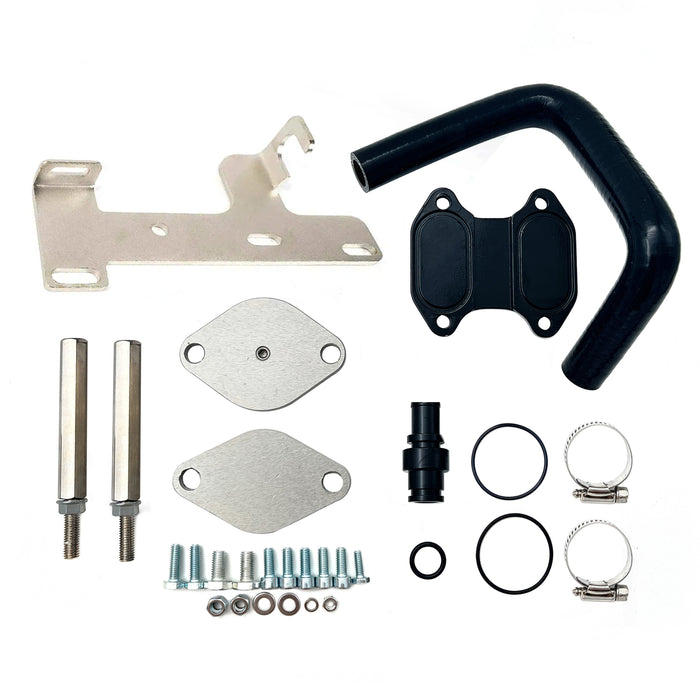
Product Details
- Material & Durability: CNC-machined high-flow components with a reinforced silicone coolant bypass hose.
- System Function: Replaces the EGR valve, cooler, throttle valve, and plumbing with direct bolt-on hardware.
- EGT Monitoring: Pre-tapped 1/8" NPT port on the exhaust block-off plate for an aftermarket EGT probe.
- Coolant Management: Maintains smooth coolant circulation across the block.
- Vehicle Fitment: 2010–2024 Ram 2500/3500 6.7L Cummins; not for Chassis Cab models.
For owners who see carbon buildup in the intake or want to address the EGR side of the soot equation, this is the intake-side half of the same airflow strategy. By simplifying the factory EGR and throttle valve components, this kit provides a cleaner, more streamlined engine setup for 6.7L Cummins applications that are used for towing, hauling, and long-distance driving.
Combined with proper maintenance and supporting airflow upgrades, the EGR Cooler Kit helps create a more efficient path for managing the challenges of diesel soot accumulation and exhaust recirculation. The following images show the complete kit layout, component details, and installation-related hardware designed specifically for 2010-2024 6.7L Ram Cummins trucks.
🔬 What Separates Quality Components From Budget Options
The difference between a quality 6.7 Cummins upgrade and a budget alternative is not obvious from a product photo. It shows up in the material, the fitment, and whether the job has to be done twice.
| Feature | Quality Component | Budget Option |
|---|---|---|
| Tubing material | Mandrel-bent T409 stainless | Thinner, unknown-grade steel |
| Flange fitment | Platform-specific, verified connection | Universal, may not match flange |
| Coolant management | Reinforced silicone bypass hose | Rigid or generic routing |
| EGT monitoring | Pre-tapped 1/8" NPT port | No provision, drill yourself |
| Heat tolerance | Designed for sustained EGT and thermal cycling | May warp or crack under repeated heat |
The hidden cost of a budget option is not on the price tag. It shows up as a second teardown when a cheaper pipe cracks or a generic flange does not match the factory connection. On a 6.7 Cummins, where the DPF and EGR hardware sit deep in the exhaust and intake paths, the labor to reach them a second time often outweighs the upfront saving.
📊 The Two Components at a Glance
For owners who want to address both ends of the airflow circuit, here is how the two solutions map against each other.
| Exhaust Replacement | Intake Replacement | |
|---|---|---|
| System addressed | Exhaust side (DPF, SCR, catalytic) | Intake side (EGR loop) |
| Material | Mandrel-bent 4" T409 stainless | CNC-machined, silicone bypass hose |
| Model years | 2019–2024 | 2010–2024 |
| Primary benefit | Reduces backpressure, regeneration load | Reduces intake carbon, cooler leak risk |
| Best for | Frequent regen, high EGTs, derate | Coolant loss, intake sludge, EGR codes |
Together, these two upgrades address the two main airflow restrictions on the 6.7 Cummins platform: controlling intake-side EGR-related issues and improving exhaust-side flow.
🛠 Installation Considerations
Both upgrades are designed as direct bolt-on replacements, but they sit in different parts of the truck and call for different amounts of work.
The exhaust replacement is an under-truck installation. The factory downpipe-back section is removed and the new 4-inch system is fitted in its place, with the extension pipes matched to your specific wheelbase and cab style. This is why confirming your exact configuration — short bed, long bed, or Mega Cab — before ordering matters more than anything else on the exhaust side.
The EGR kit is an engine-bay installation. It replaces the valve, cooler, and related plumbing at the top of the engine, and it requires re-routing the coolant lines that fed the cooler. Careful coolant handling and leak checking are the key steps here.
Neither job is a beginner project, and both benefit from a service manual for your specific model year. If you are not comfortable working under the truck or in the engine bay, a professional installer is the safer route. Detailed step-by-step instructions are included with each product.
🚫 Common Mistakes Owners Make
Mistake 1: Ordering the wrong pipe length or diameter.
This downpipe-back exhaust is matched to specific wheelbases — short bed, long bed, and Mega Cab each take different extension pipes — and it is available in different diameters. The fix is simple: confirm your wheelbase, cab style, and the exact pipe diameter against the fitment chart before ordering.
Mistake 2: Reusing worn sensors.
Pulling the old EGT, NOx, and pressure sensors off a loaded DPF and reinstalling them on a fresh pipe transfers the old problem to the new hardware. Inspect each sensor during removal and keep the connectors clean and protected.
Mistake 3: Addressing only one side of the circuit.
Removing the intake restriction while leaving a loaded DPF in place — or the reverse — leaves the other half of the airflow path working against you. If the symptoms point to both sides, plan for both.
Mistake 4: Skipping the coolant system on the intake side.
The EGR cooler is tied into the cooling system. When it comes out, the coolant path has to be re-routed correctly or you trade an EGR leak for a cooling system problem.
Mistake 5: Assuming regeneration will clear ash.
Regeneration burns soot, not ash. If a high-mileage DPF is already ash-loaded, no amount of regeneration will restore it — which is exactly the point where a high-flow replacement becomes the more durable path.
✅ In Summary
The 6.7L Cummins is a durable engine, but its DPF is the emissions component most exposed to the way the truck is actually used. Short trips load it with soot, oil additives load it with ash, and the EGR system upstream feeds it more soot while the regeneration hardware ages.
What leads to 6.7 Cummins DPF issues is rarely one thing. It is a stack of conditions — driving pattern, EGR health, sensor accuracy, and system balance — that finally outpace the filter’s ability to regenerate. For most street-driven trucks, the right first step is diagnosis: check the duty cycle, the sensors, and the regeneration system before assuming the filter itself is the problem. Where the restriction is confirmed and the use case supports it, a matched pair — a high-flow exhaust replacement that removes the backpressure, and a high-flow intake replacement that stops the soot at its source — becomes the durable path.
The warning signs are consistent — frequent regeneration, rising EGTs, lost response, and DPF-specific codes. Catching them early is the difference between a planned upgrade and an unplanned tow.
❓ Frequently Asked Questions
Q: What is the most common cause of 6.7 Cummins DPF issues?
Short-trip and low-load driving is the most common trigger. The DPF never holds exhaust temperature long enough to complete a regeneration, so soot accumulates faster than it can be burned off. EGR carbon buildup and sensor drift compound the problem.
Q: Why does my 6.7 Cummins keep going into regen?
Frequent regeneration usually means the DPF is loading soot faster than it can be cleared, or the regeneration cycle is not completing. The most common causes are short-trip and low-speed driving that never holds exhaust temperature long enough, inaccurate readings from a drifting sensor giving the ECM bad data, or excessive soot production from combustion or EGR carbon buildup. If the pattern just started, look at your recent duty cycle first; if it has been building, check the sensors and the EGR system before assuming the filter itself has failed.
Q: Can I fix 6.7 Cummins DPF issues by cleaning the filter?
Cleaning removes soot and some ash, and it can extend the life of a filter that is not too far gone. But if the underlying cause — driving pattern, a restricted EGR system, or failing regeneration hardware — is not addressed, the filter will load up again.
Q: Does deleting the EGR make the DPF clog faster?
Not always, and not simply because of more soot. The bigger issue is system imbalance. The ECM expects airflow, temperature, and regeneration data to match the factory calibration; when the hardware changes without matching support, the ECM can misjudge soot load and mistime regeneration.
Q: What do P242F and P2002 mean on a 6.7 Cummins?
P242F indicates the DPF has reached its ash accumulation threshold. P2002 indicates the DPF’s efficiency has dropped below the expected range. Both point to a filter that is loaded, and both are worth investigating before they progress to a derate.
Q: Will a high-flow exhaust replacement affect my exhaust brake?
On 2019 and newer 6.7 Cummins trucks, the exhaust brake is controlled by the VGT turbo, which sits upstream of the downpipe. Replacing the downpipe-back section does not interfere with exhaust brake operation.
Q: Do I need to remove the DEF tank when I replace the downpipe-back section?
That depends on your setup and how the truck is configured. The DEF hardware can remain in place or be removed, but the decision should follow your vehicle’s specific configuration and any applicable regulations.
Q: How do I know if I need both components or just one?
If your symptoms are exhaust-side — frequent regeneration, high EGTs, DPF codes — start with the exhaust. If they are intake-side — coolant loss, intake sludge, EGR codes — start with the intake. If both sets of symptoms are present, the two are designed to work together.
Q: Will these upgrades affect my warranty?
Modifications to emissions control systems may affect warranty coverage for related components. Review your warranty terms before making changes, and consult your manufacturer or warranty provider for specific coverage details. This information is general and not legal advice.
Bottom Line
The 6.7 Cummins DPF is not a component you can ignore until a light comes on. Its problems build quietly, driven by how the truck is driven and by the health of the systems feeding it.
The right answer starts with treating the DPF as part of a circuit, not an isolated part. On a stock street-driven truck, that means checking the duty cycle, sensors, and regeneration system first. Where the restriction is confirmed and the use case supports it, a high-flow exhaust replacement takes the load off the filter’s back side, and a high-flow intake replacement stops the soot before it starts.
Upgrade Your 6.7 Cummins With a Complete Exhaust and Intake Solution
Choose the complete intake-and-exhaust solution for your Ram:
Recommended 6.7 Cummins Upgrades:
- Seguler 4" DPF Delete Downpipe Back Exhaust for 2019-2024 6.7L Ram Cummins (SG-DP-0296)
- Seguler 2010-2024 6.7L Dodge Ram Cummins Diesel EGR Valve Cooler Delete Kit (SG-ER-0092)
Verify applicable regulations in your jurisdiction before installation and use.
Visit seguler.com for the full catalog of 6.7 Cummins upgrade components.
Featured collection
-
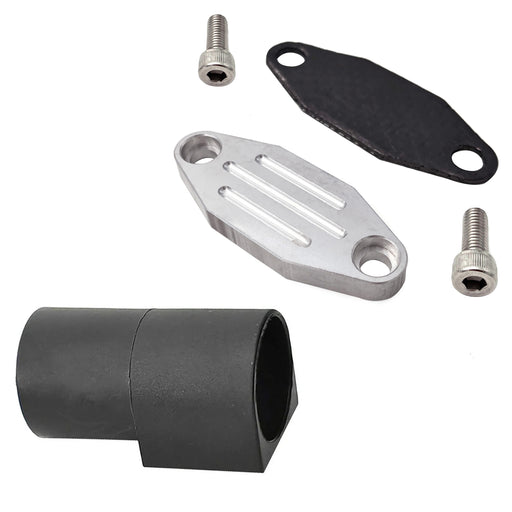
Seguler 1986-1995 Ford F150 F250 F350 Mustang Trucks EGR Simulator Eliminator / Block Off Plate Kit
SEGULEROriginal price $79.99 - Original price $79.99Original price$79.99$79.99 - $79.99Current price $79.99Block Off Plate Material: Aluminum alloy. Easy installation,and convenient to use. Made of CNC milled from aircraft grade Billet aluminum. Will N...
View full details -

Seguler 2011-2023 6.7L Ford Powerstroke Diesel EGR Delete Kit
SEGULEROriginal price $109.99 - Original price $109.99Original price$109.99$109.99 - $109.99Current price $109.99FITMENT 2011-2023 6.7L Ford Powerstroke F-250 F-350 F-450 F-550 Super Duty V8 Diesel. compatible with both standard Pickups and commercial Cab &...
View full details -
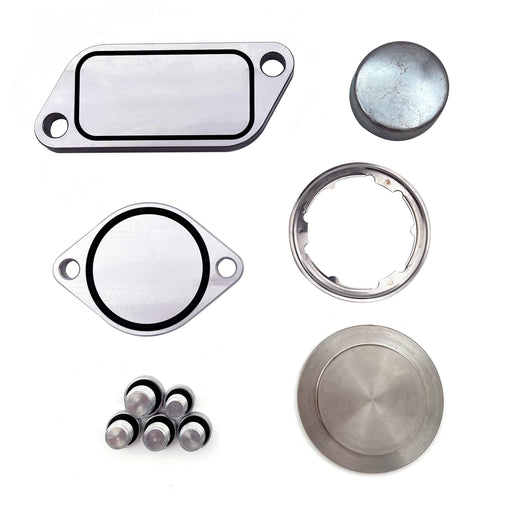
For 2010-Present Stage 2 ISX 15 CM2250 CM2350 EGR Delete Kit
SEGULEROriginal price $59.99 - Original price $59.99Original price$59.99$59.99 - $59.99Current price $59.99FITMENT 2010-Present Cummins Volvo, Peterbilt, Mack, International, Freightliner, Kenworth with the ISX15 CM2250 / CM2350 engines. DESCRIPTION P...
View full details -
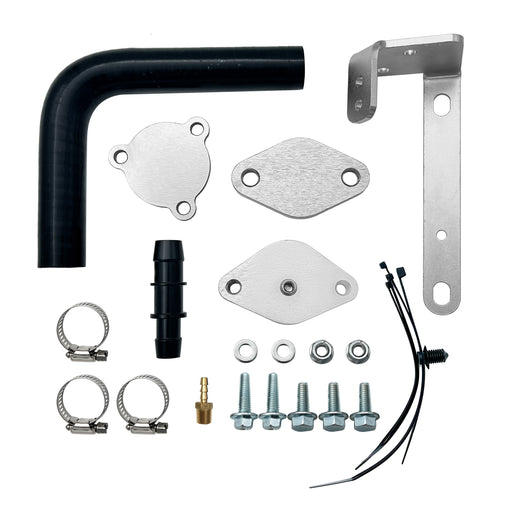
Seguler For 2014-2019 3.0L Dodge Ram 1500 EcoDiesel EGR Valve & Cooler Delete Kit
SEGULEROriginal price $72.99 - Original price $72.99Original price$72.99$72.99 - $72.99Current price $72.99FITMENT 2014-2019 3.0L Dodge Ram 1500 EcoDiesel V6 engine trucks. DESCRIPTION Product Overview Exhaust gas recirculation on 3.0L EcoDiesel V6 ...
View full details -
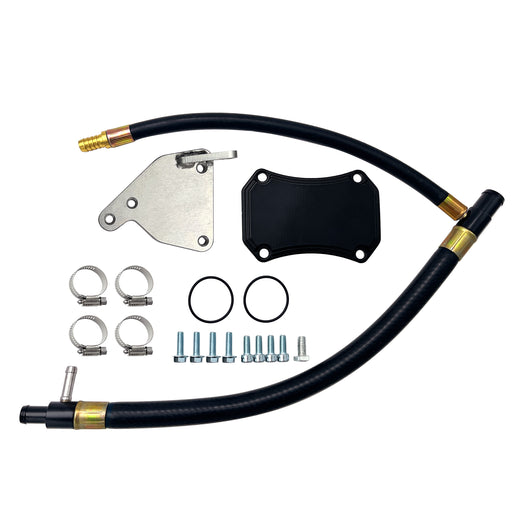
For 2011-2016 6.6L GMC Chevy Duramax Diesel LML EGR Valve Cooler Delete Kit
SEGULEROriginal price $66.49 - Original price $66.49Original price$66.49$66.49 - $66.49Current price $66.49FITMENT 2011-2016 6.6L Chevy GMC Duramax LML 2500 HD 3500 HD Diesel. DESCRIPTION Product Overview The 2011–2016 LML Duramax uses a complex EG...
View full details -
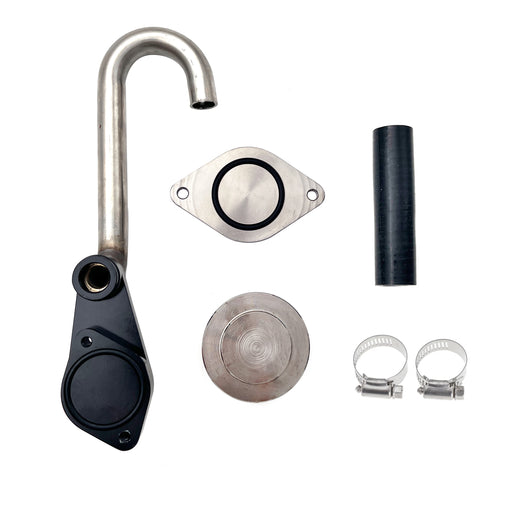
Seguler 2003-2007 6.0L FORD Powerstroke Diesel EGR Cooler Delete Kit
SEGULEROriginal price $56.14 - Original price $56.14Original price$56.14$56.14 - $56.14Current price $56.14FITMENT 2003-2007 6.0L Ford F-250 Ford F-350 F-450 F-550 Super Duty. 2003-2007 6.0L Ford Excursion SUV (Diesel Models Only). 2005-2010 Ford E-Se...
View full details -

Seguler 2011-2023 6.7L Ford Powerstroke Diesel EGR Delete Kit
SEGULEROriginal price $85.99 - Original price $85.99Original price$85.99$85.99 - $85.99Current price $85.99FITMENT 2011-2023 6.7L Ford Powerstroke F-250 F-350 F-450 F-550 Super Duty V8 Diesel. compatible with both standard Pickups and commercial Cab &...
View full details -

Seguler 2010-2024 6.7L Dodge Ram Cummins Diesel EGR Valve Cooler Delete Kit
SEGULEROriginal price $89.99 - Original price $89.99Original price$89.99$89.99 - $89.99Current price $89.99FITMENT 2010–2024 6.7L Dodge Ram Cummins 2500 / 3500 Pickup Turbo Diesel. Note: Does NOT fit Chassis Cab 3500 / 4500 / 5500 models. DESCRIPTIO...
View full details -

Seguler 2017-2019 L5P Duramax Diesel 4pcs L5P Can Bus Plugs Connector Replacement
SEGULEROriginal price $75.00 - Original price $75.00Original price$75.00$75.00 - $75.00Current price $75.00FITMENT 2017–2019 Chevrolet Silverado / GMC Sierra Duramax L5P 2500HD & 3500HD Diesel. DESCRIPTION Product Overview Unprotected harness con...
View full details -
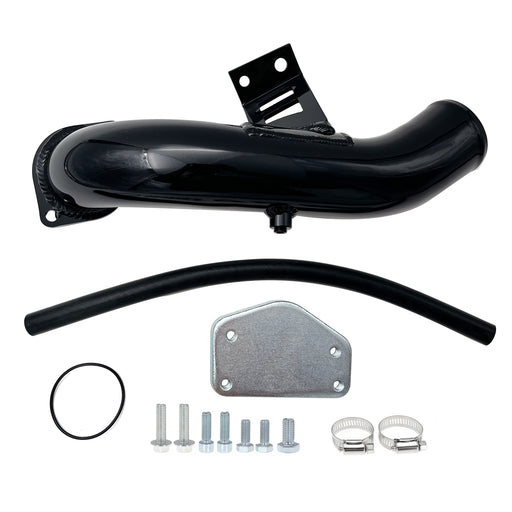
For 2004.5-2005 6.6L Chevy GMC Silverado LLY Duramax Diesel EGR Delete Kit
SEGULEROriginal price $92.99 - Original price $92.99Original price$92.99$92.99 - $92.99Current price $92.99FITMENT 2004.5-2005 6.6L Chevrolet Silverado Duramax LLY 2500HD / 3500 HD. 2004.5-2005 6.6L GMC Sierra Duramax LLY 2500HD / 3500 HD. DESCRIPTION...
View full details -

Seguler 2020-2023 chevy duramax L5P Diesel Can Bus Plugs Connector
SEGULEROriginal price $80.00 - Original price $80.00Original price$80.00$80.00 - $80.00Current price $80.00FITMENT 2020–2023 Chevrolet Silverado / GMC Sierra Duramax L5P 2500HD & 3500HD Diesel. DESCRIPTION Product Overview Unprotected harness pl...
View full details -
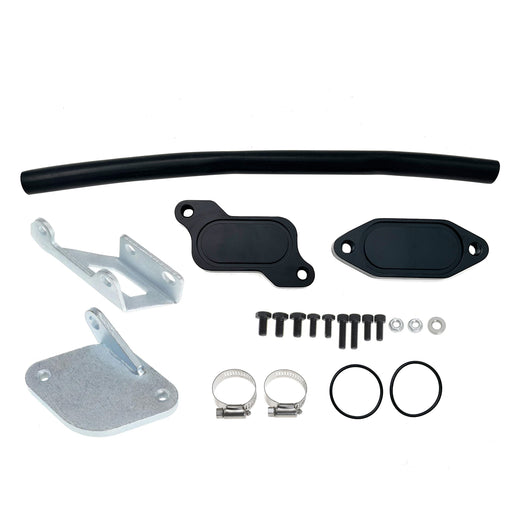
For 2006-2007 6.6L Chevrolet Silverado Classic GMC Duramax LBZ Diesel EGR Valve Cooler Delete Kit
SEGULEROriginal price $63.49 - Original price $63.49Original price$63.49$63.49 - $63.49Current price $63.49FITMENT 2006-2007.4 Chevrolet Silverado Duramax LBZ 2500HD / 3500HD. 2007.4 Chevrolet Silverado Duramax LBZ 2500HD / 3500HD Classic. 2006-2007.4 ...
View full details -

Seguler 2011-2023 6.7L Ford F250 F350 F450 F550 Powerstroke Diesel EGR Valve Delete Cooler Delete Kit
SEGULEROriginal price $55.99 - Original price $55.99Original price$55.99$55.99 - $55.99Current price $55.99FITMENT 2011-2023 6.7L Ford Powerstroke F-250 F-350 F-450 F-550 Super Duty V8 Diesel compatible with both standard Pickups and commercial Cab &a...
View full details -
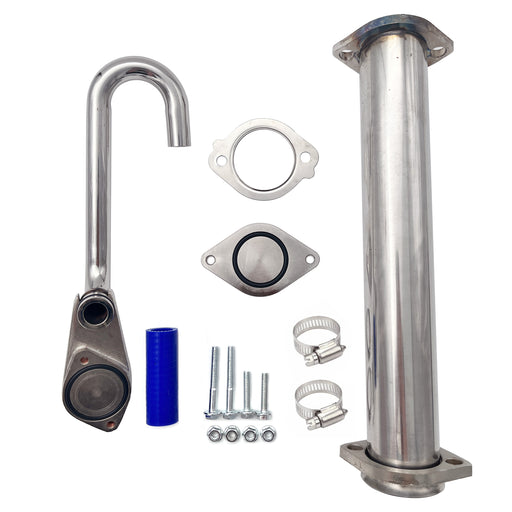
Seguler 2003-2007 6.0L Ford F250 F350 Powerstroke Diesel EGR Basic Cooler Kit
SEGULEROriginal price $79.99 - Original price $79.99Original price$79.99$79.99 - $79.99Current price $79.99FITMENT 2003-2007 6.0L Ford F250 F350 F450 F550 Super Duty Turbo (except 2004 F250 Super Duty). 2003-2005 6.0L Ford Excursion Turbo. 2005 Ford F...
View full details -
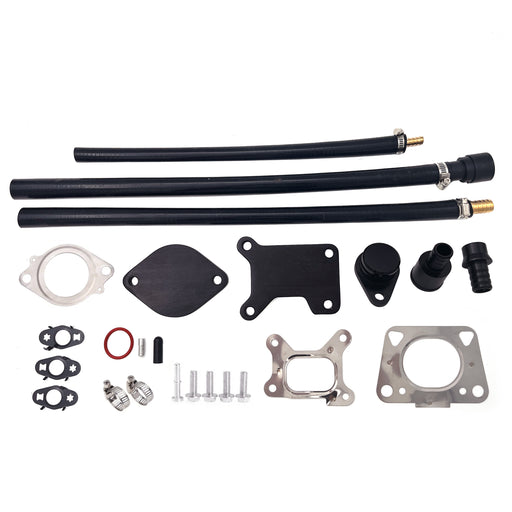
For 2017-2023 6.6L Chevy GMC Duramax L5P diesel EGR Valve Cooler Delete kit
SEGULEROriginal price $131.99 - Original price $131.99Original price$131.99$131.99 - $131.99Current price $131.99FITMENT 2017–2023 6.6L Chevrolet Silverado / GMC Sierra Duramax L5P 2500HD 3500HD Diesel. DESCRIPTION Product Overview Hot soot recirculation ...
View full details -
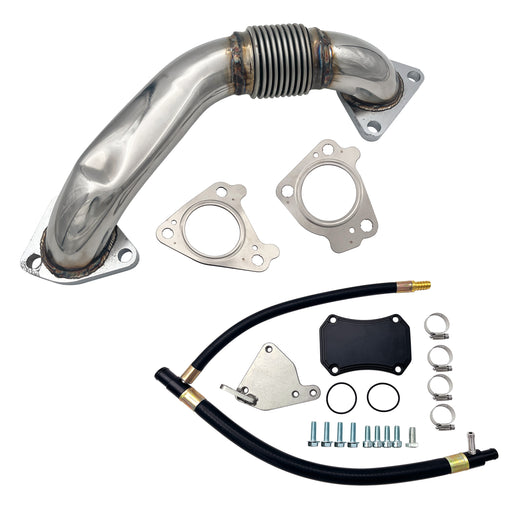
Seguler 2011-2016 6.6L GMC Chevy Duramax Diesel LML Up-Pipe & EGR Valve Cooler Delete Kit
SEGULEROriginal price $173.86 - Original price $173.86Original price$173.86$173.86 - $173.86Current price $173.86FITMENT 2011-2016 6.6L Chevy GMC Duramax LML 2500 HD 3500 HD Diesel. DESCRIPTION Product Overview Direct-injection technology endows GM 5.3L an...
View full details -
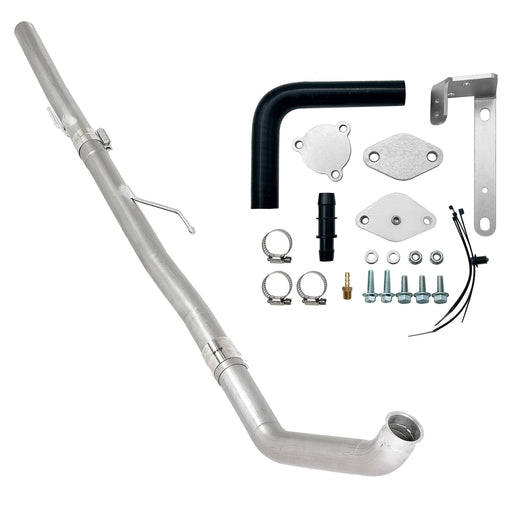
Seguler 3" Ecodiesel DPF Delete Pipe & EGR Delete kit for 2014-2018 3.0L Ram
SEGULEROriginal price $342.00 - Original price $342.00Original price$342.00$342.00 - $342.00Current price $342.00FITMENT 2014–2018 3.0L Dodge Ram 1500 EcoDiesel V6. NOTE: Fit standard Pickup models only (Crew Cab, Quad Cab). Does NOT fit Jeep Grand Cheroke...
View full details -
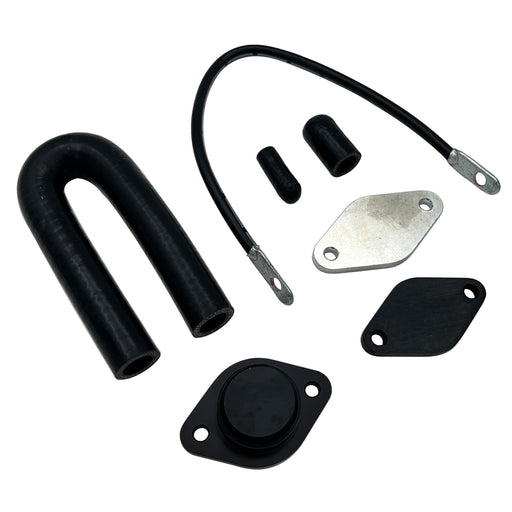
Seguler EGR valve cooler Delete kit for 2020-2022 3.0L Chevy Duramax LM2
SEGULEROriginal price $189.12 - Original price $189.12Original price$189.12$189.12 - $189.12Current price $189.12FITMENT 2020–2022 3.0L Chevrolet Silverado GMC Sierra 1500 LM2 Turbo-Diesel. DESCRIPTION Product Overview Powered by smooth inline-six engine...
View full details -

For 2013-2023 6.7L Dodge Ram Cummins Cab & Chassis EGR Delete Kit Diesel
SEGULEROriginal price $62.99 - Original price $62.99Original price$62.99$62.99 - $62.99Current price $62.99FITMENT 2013–2023 6.7L Ram Cummins 3500 4500 5500 Cab & Chassis / Commercial Trucks. Does NOT fit standard Ram 2500 3500 Pickups. DESCRIPTIO...
View full details -
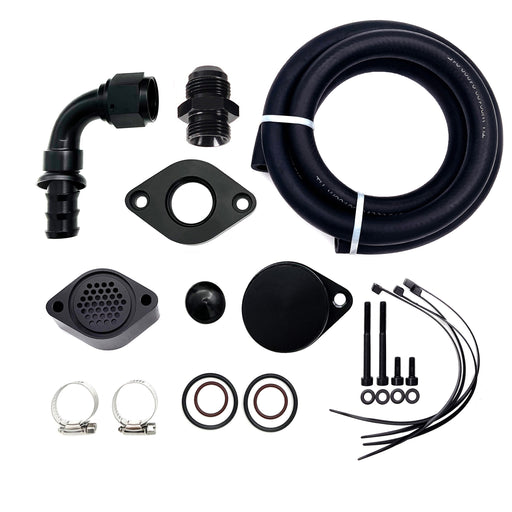
Seguler 2011-2023 6.7L Ford Powerstroke CCV PCV Reroute Engine Ventilation Kit
SEGULEROriginal price $82.99 - Original price $82.99Original price$82.99$82.99 - $82.99Current price $82.99FITMENT 2011-2023 6.7L Ford Powerstroke F-250 F-350 F-450 F-550 Super Duty V8 Diesel. Compatible with both standard Pickups and commercial Cab &...
View full details -
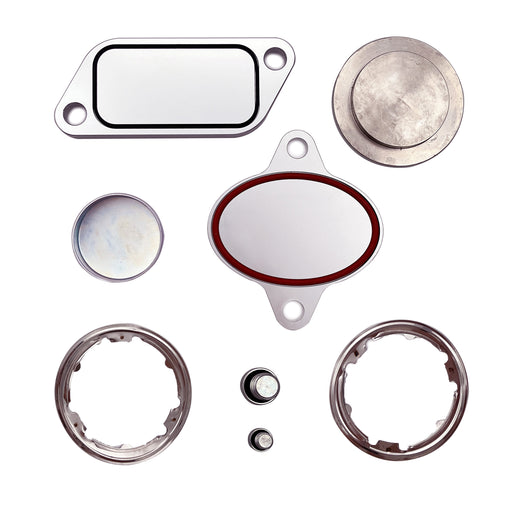
For 2007-2010 Cummins ISX CM871 EGR Plug Kit Stage 2 Plates and Plugs Aluminum
SEGULEROriginal price $67.99 - Original price $67.99Original price$67.99$67.99 - $67.99Current price $67.99FITMENT 2007-2010 Cummins Volvo, Peterbilt, Mack, International, Freightliner, Kenworth with the ISX CM871 Engines. DESCRIPTION Product Overvie...
View full details -
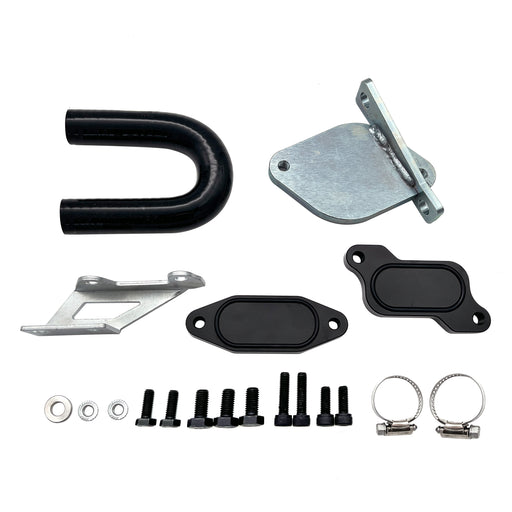
For 2007-2010 6.6L Chevy GMC LMM Duramax EGR Valve Cooler Delete Kit Fit
SEGULEROriginal price $61.99 - Original price $61.99Original price$61.99$61.99 - $61.99Current price $61.99FITMENT 2007.5-2010 6.6L Chevrolet Silverado Duramax LMM 2500HD / 3500HD. 2007.5-2010 6.6L GMC Sierra Duramax LMM 2500HD / 3500HD. Note: Standard...
View full details -
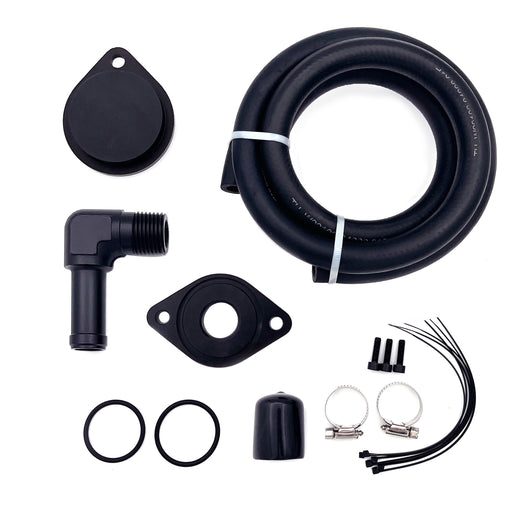
Seguler 2011-2023 Ford 6.7L Powerstroke CCV/PCV Reroute/Delete Engine Ventilation Kit
SEGULEROriginal price $72.00 - Original price $72.00Original price$72.00$72.00 - $72.00Current price $72.00FITMENT 2011-2023 6.7L Ford Powerstroke F-250 F-350 F-450 F-550 Super Duty V8 Diesel. Compatible with both standard Pickups and commercial Cab &...
View full details -
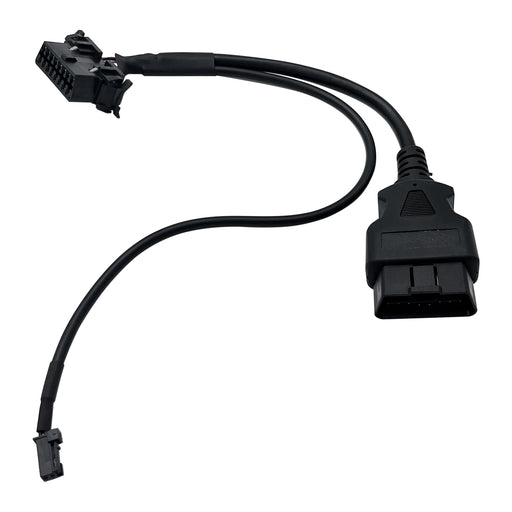
Seguler 2018+ RAM Cummins OBD2 HD Security Gate Bypass Cable
SEGULEROriginal price $45.00 - Original price $45.00Original price$45.00$45.00 - $45.00Current price $45.00FITMENT 2018+ 6.7L Ram Cummins 2500 3500 Turbo Diesel. Designed for Ram pickup trucks equipped with the factory Security Gateway Module. Note: Pl...
View full details -
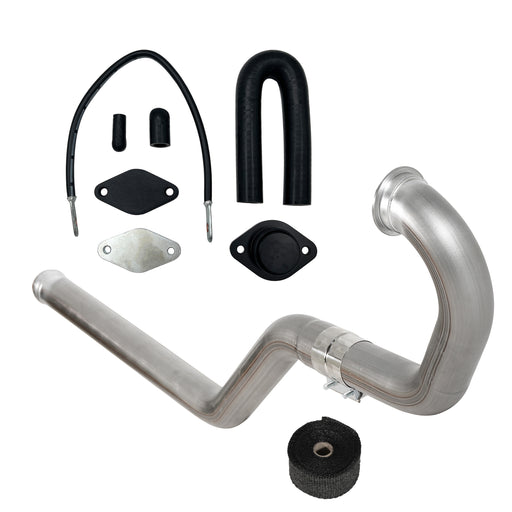
3" Turbo Back DPF & EGR Delete Kit for 2020-2022 GM 3.0L LM2 Duramax
SEGULEROriginal price $550.00 - Original price $550.00Original price$550.00$550.00 - $550.00Current price $550.00FITMENT 2020–2022 3.0L Chevrolet Silverado 1500 LM2 Diesel. 2020–2022 3.0L GMC Sierra 1500 LM2 Diesel. DESCRIPTION Product Overview On the 3.0...
View full details


Leave a comment