

What Are the Common 6.7 Cummins EGR and Exhaust Problems
You’re climbing a long grade with a trailer behind you and the EGT gauge is creeping higher than it used to. Or the coolant is down again — with no puddle under the truck and no obvious leak. Or the throttle just feels lazy, even when the truck is empty. If any of that sounds like your 6.7L Cummins, this guide is for you.
Most of these problems announce themselves slowly. A daily driver or work truck may start regenerating more often than it used to, lose coolant between services, or feel a little soft under load — and keep working fine for another ten thousand miles. By the time the warning signs get loud, the fix is usually more involved than it would have been a year earlier. That is why it pays to understand both systems before either one fails.
We’ll cover the two airflow paths on the 6.7L Cummins, what goes wrong on each side, and how to tell whether your truck needs an exhaust upgrade, an EGR fix, or both — plus how to pick the right parts for your year and configuration.
The 6.7L Cummins Exhaust and EGR System: Two Airflow Paths That Matter
Every upgrade in this space comes back to one of two gas flows. Get these two straight and the rest of it stops feeling like guesswork.
The Exhaust Flow
The exhaust path is simple in concept: spent gases leave the cylinders, spin the turbo, and exit out the tailpipe. What most people forget is how much hardware sits in between on a modern truck. After the turbo, the gases squeeze past a catalytic converter, a diesel particulate filter, an SCR/DEF reduction stage, and a muffler before they ever see open air.
Each of those stages adds restriction, and each one holds heat. The DPF is the one that catches most owners off guard, because it does not just sit there — it actively cleans itself. When soot builds up inside the filter, the truck runs a regeneration cycle that pushes exhaust gas temperatures up into the 1,000–1,200°F range to burn the trapped soot down to ash. That works, up to a point. Soot burns off. Ash — which comes from engine oil and fuel additives that make it through combustion — does not. Over enough miles, a filter can be ash-loaded to the point that no amount of regeneration returns it to normal.
That cycle is where the exhaust side starts holding the engine back. On a truck that tows, the heat and backpressure stack up under load, which is why exhaust gas temperatures and a lazy turbo are the two things owners notice first. For reference, a healthy 6.7L Cummins typically idles around 300–500°F, cruises unloaded in the 600–900°F range, and climbs to 1,000–1,200°F while towing heavy. Sustained readings past 1,300°F are where owners start to worry — that is real stress on the turbo, the manifold, and the head gasket.
On the 2019–2024 generation specifically, that hardware is packed into a tight run right behind the downpipe. The catalytic converter, DPF, and SCR/DEF unit sit close together, followed by the muffler. That is a lot of restriction in a short distance, and it is the reason this generation is where an exhaust change tends to pay off the most in lower EGTs and faster spool.
The EGR Flow
The EGR circuit runs the other direction. It takes a portion of exhaust gas and feeds it back into the intake to lower combustion temperatures and cut NOx — a real emissions benefit. The trade-off is what that gas carries: soot.
When that soot mixes with crankcase oil vapor, it forms a film that bakes into hard carbon on the intake elbow, the cooler passages, and the intake ports. Over tens of thousands of miles, that buildup narrows the airway and makes the engine work harder just to pull in the same amount of air.
Two paths, same engine, opposite problems — and they rarely show up at the same time. The exhaust side tends to announce itself under load, in the EGT gauge and the throttle. The EGR side creeps in quietly, as carbon. Knowing which one your truck is fighting is most of the battle.
Warning Signs Your 6.7L Cummins EGR or DPF Needs Attention
Whether your truck is a farm truck, a work truck, or a high-mileage daily driver, most of these problems give you plenty of warning before they become expensive. The trick is recognizing the early signs for what they are instead of writing them off as normal diesel behavior.
Coolant disappearing with no leak. A slowly dropping reservoir with no puddle under the truck is the classic EGR cooler warning. Coolant is escaping into the exhaust or intake path, where it burns or gets consumed instead of pooling on the ground.
White steam on startup, or a sweet smell from the exhaust. Coolant finding its way into the combustion path shows up as steam, often with an antifreeze-like odor. It is easiest to spot on cold starts or under load.
Regenerating more often than it used to. A healthy truck on decent highway duty might regen every 500–700 miles. A truck stuck in short trips and stop-and-go can try to regen every 100 miles, because the exhaust never stays hot long enough to finish the burn. Frequent or failed regens are usually the first sign the DPF is loading soot faster than it can clear it.
Higher EGTs while towing, or a soft turbo. A restricted exhaust path makes the turbo work harder and holds more heat in the system. This one is easiest to see on a long grade with a trailer behind you.
A throttle that has gone soft. Carbon buildup on the intake side dulls response, especially when the truck is empty and should feel eager. If it feels lazy unloaded, the EGR side is a good place to look.
None of these is a crisis on its own. But two or three showing up together usually means the system is out of balance, not just one part wearing out.
6.7 Cummins Exhaust & EGR Upgrades at a Glance
Two solutions cover the two airflow paths in this guide:
- Exhaust side — 2019–2024 trucks: The Seguler 4-inch Downpipe-Back Exhaust replaces the catalytic converter, DPF, SCR/DEF stage, and muffler behind the factory downpipe. It keeps the factory exhaust brake and uses a modular mid-section.
- EGR side — 2009–2024 trucks: The Seguler EGR Valve Cooler Upgrade Kit replaces the factory EGR valve and cooler, with coolant reroute hardware and a block-mounted riser bracket.
Both are off-road and competition-oriented modifications. The sections that follow explain each system in detail — and how to tell which side your truck needs first.
6.7 Cummins Exhaust Upgrade: What a 4-Inch System Changes
An exhaust upgrade is not really about noise. It is about how gases move from the turbo to the tailpipe, and how much of that flow the factory system is allowed to keep.
The factory exhaust is built around three goals that pull against each other: emissions control, noise reduction, and factory balance. The catalytic converter, DPF, SCR/DEF stage, and muffler all do a job — cleaning the exhaust and keeping it quiet — but each one trades some flow for that job. None of it is a defect. It is exactly what the truck was engineered to do. It is also a compromise, and owners who tow hard or climb long grades are usually the first to feel where that compromise lives.
There are three things to understand before you touch the exhaust side:
Pipe diameter. A bigger pipe is a bigger flow path. It is worth knowing that the factory downpipe on most 6.7L Cummins trucks is only about 3.5 inches — which makes it the single biggest flow restriction in the whole system. A 4-inch system opens up the cross-section behind the turbo, which cuts backpressure and lets the gases get out faster. Owners commonly report EGTs dropping somewhere in the 50–150°F range after the swap, though the exact number depends on tuning, load, and how the truck was running before. The turbo also spools with less resistance behind it.
Routing. The factory layout changed across model years, so a pipe built for one generation is not a drop-in fit for the next. This catches more owners than any other exhaust mistake.
Fitment. Before ordering, confirm three things: model year, engine, and truck configuration. Standard pickups — Crew Cab short bed, long bed, and Mega Cab — are one fitment. Commercial Cab & Chassis trucks use different routing entirely.
Why Owners Change the Exhaust First
Seguler 4" DPF Delete Downpipe Back Exhaust for 2019-2024 6.7L Ram Cummins
For 2019–2024 trucks, the exhaust is usually where the biggest single gain lives. Owners who tow heavy and watch the EGT gauge climb, or who notice the turbo feeling soft when they roll into the throttle, tend to start here.
The Seguler 4-inch Downpipe-Back Exhaust is built for this generation — a mandrel-bent T409 stainless system designed to open up the exhaust path behind the factory downpipe.

- Mandrel-bent T409 stainless steel construction resists corrosion and handles sustained exhaust heat.
- Replaces the catalytic converter, DPF, SCR/DEF stage, and muffler behind the factory downpipe.
- Downpipe-back design keeps the factory downpipe and exhaust brake intact — the brake is controlled by the variable-geometry turbo upstream of the downpipe, so it stays untouched.
- Modular mid-section means a 4-inch performance muffler can be added later without replacing the whole system.
Designed for 2019–2024 6.7L Ram Cummins pickup applications, the 4-inch Downpipe-Back Exhaust replaces the emissions and muffler hardware behind the downpipe. See the legal section below before ordering.
If your 2019–2024 truck runs hot under load or the turbo feels soft, this is the upgrade to start with. Fitment is pickup-only, so confirm your exact year and cab configuration before ordering.
6.7 Cummins EGR System: Cooler, Valve, and Common Failure Signs
People talk about the EGR system like it is one valve, but it is a small network of parts that fail for different reasons.
A complete EGR setup on the 6.7L Cummins has three pieces: the cooler, which sheds heat from the recycled exhaust; the valve, which controls how much gas flows back in; and the exhaust passage that carries the gas over to both of them. When any one piece underperforms, the whole circuit suffers.
The cooler is the one to watch, because it is a coolant-fed heat exchanger sitting directly between hot exhaust gas and engine coolant. It has to keep those two fluids separated while managing constant temperature swings. Over tens of thousands of heat cycles, the internal tubes can fatigue and crack. When that happens, coolant leaks into the exhaust or intake path — and the first sign is usually coolant level dropping between services with no puddle under the truck, often paired with a faint sweet smell or a little white steam on startup.
That is why the early symptoms matter. A cracked cooler that goes unnoticed long enough can let enough coolant into a cylinder to hydrolock the engine, which turns what should have been a straightforward repair into a much bigger one. Owners also see EGR-related codes such as P0401 (insufficient flow) or P0402 (excessive flow) when the valve or cooler stops behaving, though a code alone does not always tell you which part failed.
On top of the cooler, the carbon buildup is the real reason owners pay attention to the EGR system on higher-mileage trucks. It narrows the intake, dulls throttle response, and forces the engine to work harder for the same air. There is also a generation-specific weak point worth knowing: on 2013–2018 trucks, the plastic coolant riser pipe at the top rear of the engine is a documented failure point that cracks with heat cycling and can mimic a cooler leak.
The fix is about giving the engine a cleaner, less restricted intake path rather than chasing any single symptom.
Real owner symptoms. If you spend any time on the diesel forums, the same phrases keep showing up:
- “My coolant keeps dropping but I can’t find a leak anywhere.”
- “Truck feels lazy after 150k miles — no codes, just soft.”
- “White smoke on cold starts that goes away once it warms up.”
Each of those maps to a different EGR failure mode — a cracked cooler, a carbon-narrowed intake, or a cooler starting to leak internally. None of them throws a code on its own at first, which is exactly why they get talked about so much.
Why Owners Address the EGR Side
On a truck that has started to feel soft and carboned-up, the EGR valve and cooler are usually where the problem lives.
The Seguler EGR Valve Cooler Upgrade Kit is built to tackle both the valve and the cooler in one package, replacing the factory components to restore intake airflow and reduce carbon-related restriction.

- CNC-machined billet aluminum plates with anodized protection and TIG-welded construction.
- Replaces the factory EGR valve and cooler.
- Includes coolant reroute hardware so the cooling system keeps proper flow once the cooler is out.
- Block-mounted riser bracket mounts directly to the engine structure instead of clamping onto the factory exhaust studs — the same studs that have been heat-cycling and rusting for years.
Designed for 2009–2024 6.7L Ram Cummins pickup applications, the EGR Valve Cooler Upgrade Kit replaces the factory EGR valve and cooler. See the legal section below before ordering.
If your truck feels lazy even empty, or you are topping off coolant between services, the EGR side is where to look. Confirm your exact year and pickup configuration before ordering.
6.7 Cummins Exhaust Upgrade vs EGR Upgrade: Which Comes First?
Because both systems touch airflow, they get lumped together — but they are different jobs in different places, and they solve different problems. Here is the short version:
| Exhaust Upgrade | EGR Upgrade | |
|---|---|---|
| Location | Exhaust system, behind the turbo | EGR circuit, intake side |
| Main Component | Exhaust piping | EGR cooler and valve |
| Purpose | Manage exhaust flow and backpressure | Manage EGR-related carbon and intake restriction |
| Install Area | Under the vehicle | Engine bay |
The exhaust upgrade is about what happens after combustion, and the EGR upgrade is about what gets fed back into the intake before the next cycle. They do not replace each other, and on a truck with problems on both sides, they are often done together.
In practice, the symptoms point you in the right direction. If the truck runs fine around town but gets hot and soft the moment you hook up a trailer, the exhaust side is the likely culprit. If the throttle has gone soft and the truck feels lazy even empty, look at the EGR side first. On a higher-mileage truck, both can be true at once.
If the symptom points one way but the fitment is the open question, the year table below earns its keep — match your truck to the right generation before you order either side.
6.7 Cummins Upgrades by Year: What to Focus On
The 6.7L Cummins is not one engine across every year — it split into three distinct generations, and each one has its own failure patterns and upgrade priorities. Matching your truck to the right generation is the first step to picking the right part.
| Generation | Years | What to Watch | Upgrade Focus |
|---|---|---|---|
| Gen 1 | 2007.5–2012 | EGR cooler, DPF soot loading | EGR system inspection |
| Gen 2 | 2013–2018 | EGR cooler, plastic coolant riser | Airflow and EGR maintenance |
| Gen 3 | 2019–2024 | Exhaust restriction, high EGTs while towing | Exhaust and airflow upgrades |
The differences matter more than most owners realize:
- Gen 1 (2007.5–2012) ran a diesel oxidation catalyst in the downpipe and used no DEF or SCR at all, which pushed more of the emissions burden onto the EGR and DPF systems. This is where EGR cooler and DPF soot-loading problems show up first.
- Gen 2 (2013–2018) added SCR and DEF and replaced the catalyst-loaded downpipe with a simpler flex pipe. On the EGR side, these trucks run the cooler at higher coolant temperatures under load, and the plastic coolant riser pipe at the top rear of the engine is a documented failure point.
- Gen 3 (2019–2024) packed the catalytic converter, DPF, and SCR/DEF unit into a tight run right behind the downpipe. Owners who tow heavy feel the restriction first, which is why the exhaust side is the most common starting point for this generation.
One fitment note follows directly from this: the EGR valve and cooler kit spans the full 2009–2024 range, while the 4-inch exhaust is specific to the 2019–2024 generation. Owners of 2009–2018 trucks should focus on the EGR side; owners of 2019–2024 trucks can address both.
Before You Buy: 6.7 Cummins Fitment and Installation Checks
A little verification up front prevents the most common ordering mistakes.
Confirm year compatibility. The 6.7L Cummins is not one engine across every year. Both the exhaust routing and the EGR plumbing changed over time, so match the part to the exact model year — not just “a 6.7L Cummins.” The 2009–2018 and 2019-and-later generations are the biggest divide.
Check the exhaust connections. A downpipe-back system keeps the factory downpipe and replaces everything behind it. Confirm whether your truck still has the original downpipe and whether any prior work changed the mounting points, since that affects how the new pipe lines up.
Inspect the hardware. For an EGR kit, the mounting hardware matters as much as the plates. A block-mounted riser bracket avoids the factory exhaust studs, which is worth knowing before you assume the install is a simple swap.
Before ordering either part, confirm your engine code and truck configuration. The two solutions in this guide are built for pickup applications — if you are running a commercial Cab & Chassis truck, you need a different routing and plumbing setup.
The Legal Reality
Both products described in this guide are intended for off-road and competition use only. Removing or bypassing emissions components is not legal for on-road use in emissions-regulated areas, and it can void your factory warranty. Many of these modifications also require custom tuning that is itself subject to emissions regulations. This is informational and not legal advice — check your local, state, and federal laws before modifying any emissions-related component.
The Bottom Line on 6.7 Cummins Exhaust and EGR Upgrades
The 6.7L Cummins is a strong platform, but exhaust restriction and EGR-related buildup can become more noticeable as the miles add up. High EGTs and sluggish turbo response often point toward the exhaust side, while carbon buildup, soft throttle response, or unexplained coolant loss may indicate an EGR-related issue.
For 2019–2024 trucks, the Seguler 4-inch Downpipe-Back Exhaust improves exhaust flow behind the factory downpipe. For 2009–2024 trucks, the Seguler EGR Valve Cooler Upgrade Kit addresses the factory EGR valve and cooler system. Explore more 6.7L Cummins parts at www.seguler.com, and always confirm your exact year, configuration, and local regulations before ordering.
FAQ
What does a 6.7 Cummins exhaust upgrade do?
It changes how gases move from the turbo to the tailpipe. A larger-diameter, freer-flowing system reduces backpressure behind the turbo, which can lower EGTs under load and improve turbo response. Owners commonly report EGT drops in the 50–150°F range, though the exact result depends on tuning and load. It is an airflow change, not a power part in itself.
What years use the 6.7L Cummins engine?
The 6.7L Cummins has been in Ram 2500 and 3500 trucks from 2007.5 onward through the current generation. This guide’s EGR solution covers 2009–2024, while the exhaust solution is specific to 2019–2024.
Which year 6.7 Cummins has the most EGR issues?
The 2013–2018 generation has the most documented EGR complaints. These trucks run the EGR cooler at higher coolant temperatures under load, and the plastic coolant riser pipe at the top rear of the engine is a documented failure point. Early 2007.5–2012 trucks also see EGR cooler failures, but most of them carry a lot of miles by now.
What is a downpipe-back exhaust?
It replaces everything behind the factory downpipe — catalytic converter, DPF, SCR/DEF stage, and muffler — while keeping the original downpipe. A turbo-back system also replaces the downpipe itself and connects straight to the turbo outlet.
Will this fit my Ram 2500/3500?
The exhaust upgrade fits 2019–2024 Ram 2500/3500 pickups, and the EGR kit fits 2009–2024 Ram 2500/3500 pickups. Both are pickup-only — standard Crew Cab short bed, long bed, and Mega Cab. Commercial Cab & Chassis trucks use different routing and are not covered by these parts.
Does my 2015 Ram need an exhaust upgrade?
A 2015 Ram 2500/3500 is a Gen 2 (2013–2018) truck, so the 4-inch exhaust in this guide is not a fit — that system covers 2019–2024. On a 2015, the EGR side is the more relevant upgrade, since the EGR valve and cooler kit covers 2009–2024. If you are after exhaust work on a Gen 2 truck, you would need a system built for that routing.
What parts are included in an EGR cooler kit?
A complete kit typically includes block-off plates for the valve and cooler, coolant reroute hardware to maintain cooling-system flow, and mounting hardware. The kit here also uses a block-mounted riser bracket instead of clamping onto the factory exhaust studs.
Should I upgrade exhaust or EGR first?
Follow the symptom. High EGTs while towing or a soft turbo point to the exhaust side. A carboned-up intake and dull throttle point to the EGR side. They do not conflict, and owners often do both together.
Featured collection
-
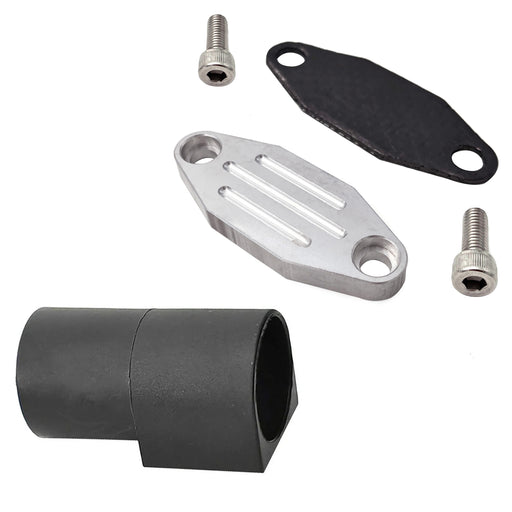
Seguler 1986-1995 Ford F150 F250 F350 Mustang Trucks EGR Simulator Eliminator / Block Off Plate Kit
SEGULEROriginal price $79.99 - Original price $79.99Original price$79.99$79.99 - $79.99Current price $79.99Block Off Plate Material: Aluminum alloy. Easy installation,and convenient to use. Made of CNC milled from aircraft grade Billet aluminum. Will N...
View full details -

Seguler 2011-2023 6.7L Ford Powerstroke Diesel EGR Delete Kit
SEGULEROriginal price $109.99 - Original price $109.99Original price$109.99$109.99 - $109.99Current price $109.99FITMENT 2011-2023 6.7L Ford Powerstroke F-250 F-350 F-450 F-550 Super Duty V8 Diesel. compatible with both standard Pickups and commercial Cab &...
View full details -
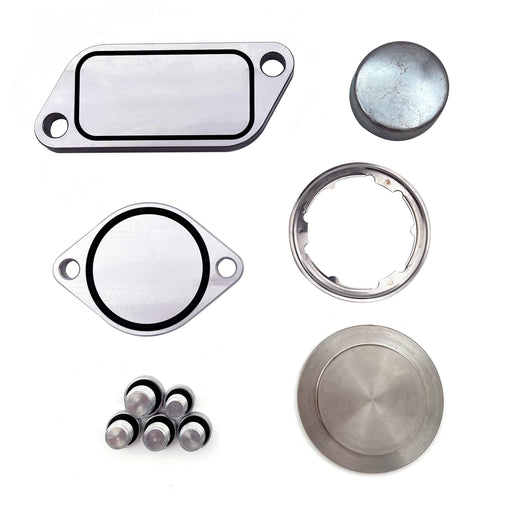
For 2010-Present Stage 2 ISX 15 CM2250 CM2350 EGR Delete Kit
SEGULEROriginal price $59.99 - Original price $59.99Original price$59.99$59.99 - $59.99Current price $59.99FITMENT 2010-Present Cummins Volvo, Peterbilt, Mack, International, Freightliner, Kenworth with the ISX15 CM2250 / CM2350 engines. DESCRIPTION P...
View full details -
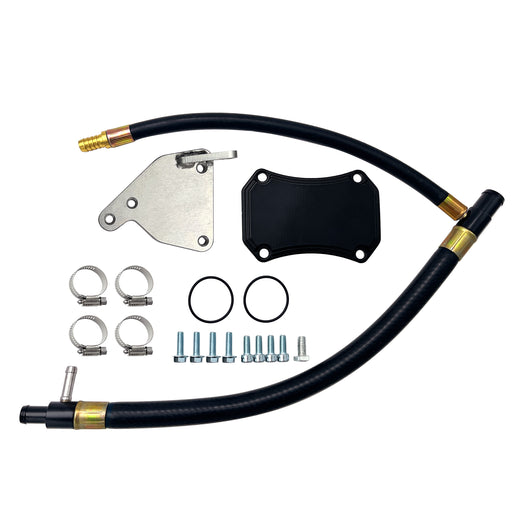
For 2011-2016 6.6L GMC Chevy Duramax Diesel LML EGR Valve Cooler Delete Kit
SEGULEROriginal price $66.49 - Original price $66.49Original price$66.49$66.49 - $66.49Current price $66.49FITMENT 2011-2016 6.6L Chevy GMC Duramax LML 2500 HD 3500 HD Diesel. DESCRIPTION Product Overview The 2011–2016 LML Duramax uses a complex EG...
View full details -
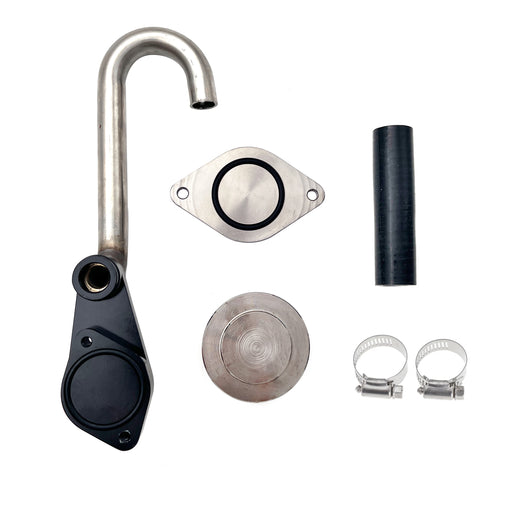
Seguler 2003-2007 6.0L FORD Powerstroke Diesel EGR Cooler Delete Kit
SEGULEROriginal price $56.14 - Original price $56.14Original price$56.14$56.14 - $56.14Current price $56.14FITMENT 2003-2007 6.0L Ford F-250 Ford F-350 F-450 F-550 Super Duty. 2003-2007 6.0L Ford Excursion SUV (Diesel Models Only). 2005-2010 Ford E-Se...
View full details -
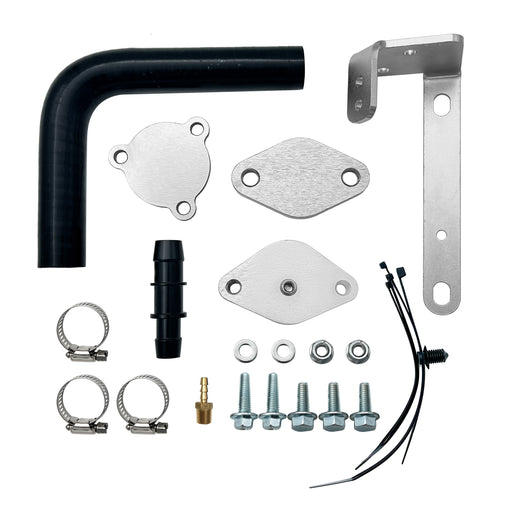
Seguler For 2014-2019 3.0L Dodge Ram 1500 EcoDiesel EGR Valve & Cooler Delete Kit
SEGULEROriginal price $72.99 - Original price $72.99Original price$72.99$72.99 - $72.99Current price $72.99FITMENT 2014-2019 3.0L Dodge Ram 1500 EcoDiesel V6 engine trucks. DESCRIPTION Product Overview Exhaust gas recirculation on 3.0L EcoDiesel V6 ...
View full details -

Seguler 2011-2023 6.7L Ford Powerstroke Diesel EGR Delete Kit
SEGULEROriginal price $85.99 - Original price $85.99Original price$85.99$85.99 - $85.99Current price $85.99FITMENT 2011-2023 6.7L Ford Powerstroke F-250 F-350 F-450 F-550 Super Duty V8 Diesel. compatible with both standard Pickups and commercial Cab &...
View full details -

Seguler 2010-2024 6.7L Dodge Ram Cummins Diesel EGR Valve Cooler Delete Kit
SEGULEROriginal price $89.99 - Original price $89.99Original price$89.99$89.99 - $89.99Current price $89.99FITMENT 2010–2024 6.7L Dodge Ram Cummins 2500 / 3500 Pickup Turbo Diesel. Note: Does NOT fit Chassis Cab 3500 / 4500 / 5500 models. DESCRIPTIO...
View full details -

Seguler 2017-2019 L5P Duramax Diesel 4pcs L5P Can Bus Plugs Connector Replacement
SEGULEROriginal price $75.00 - Original price $75.00Original price$75.00$75.00 - $75.00Current price $75.00FITMENT 2017–2019 Chevrolet Silverado / GMC Sierra Duramax L5P 2500HD & 3500HD Diesel. DESCRIPTION Product Overview Unprotected harness con...
View full details -
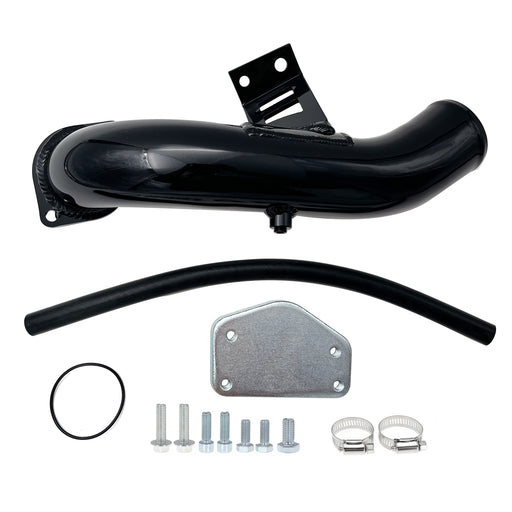
For 2004.5-2005 6.6L Chevy GMC Silverado LLY Duramax Diesel EGR Delete Kit
SEGULEROriginal price $92.99 - Original price $92.99Original price$92.99$92.99 - $92.99Current price $92.99FITMENT 2004.5-2005 6.6L Chevrolet Silverado Duramax LLY 2500HD / 3500 HD. 2004.5-2005 6.6L GMC Sierra Duramax LLY 2500HD / 3500 HD. DESCRIPTION...
View full details -

Seguler 2020-2023 chevy duramax L5P Diesel Can Bus Plugs Connector
SEGULEROriginal price $80.00 - Original price $80.00Original price$80.00$80.00 - $80.00Current price $80.00FITMENT 2020–2023 Chevrolet Silverado / GMC Sierra Duramax L5P 2500HD & 3500HD Diesel. DESCRIPTION Product Overview Unprotected harness pl...
View full details -
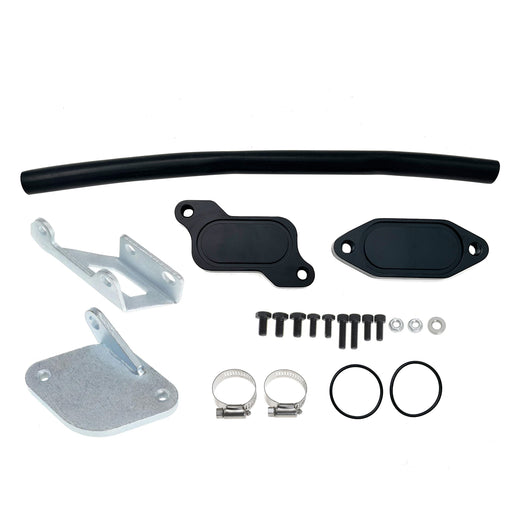
For 2006-2007 6.6L Chevrolet Silverado Classic GMC Duramax LBZ Diesel EGR Valve Cooler Delete Kit
SEGULEROriginal price $63.49 - Original price $63.49Original price$63.49$63.49 - $63.49Current price $63.49FITMENT 2006-2007.4 Chevrolet Silverado Duramax LBZ 2500HD / 3500HD. 2007.4 Chevrolet Silverado Duramax LBZ 2500HD / 3500HD Classic. 2006-2007.4 ...
View full details -

Seguler 2011-2023 6.7L Ford F250 F350 F450 F550 Powerstroke Diesel EGR Valve Delete Cooler Delete Kit
SEGULEROriginal price $55.99 - Original price $55.99Original price$55.99$55.99 - $55.99Current price $55.99FITMENT 2011-2023 6.7L Ford Powerstroke F-250 F-350 F-450 F-550 Super Duty V8 Diesel compatible with both standard Pickups and commercial Cab &a...
View full details -
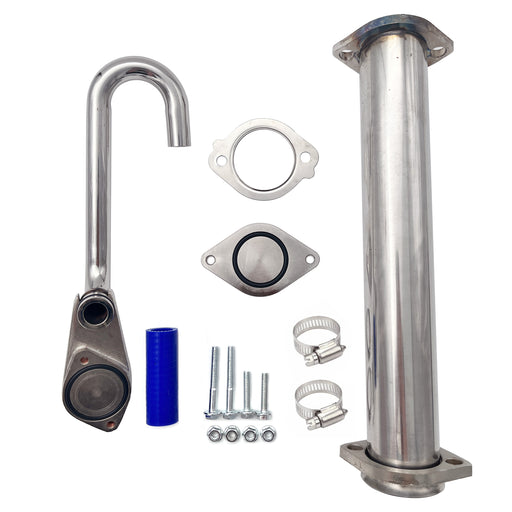
Seguler 2003-2007 6.0L Ford F250 F350 Powerstroke Diesel EGR Basic Cooler Kit
SEGULEROriginal price $79.99 - Original price $79.99Original price$79.99$79.99 - $79.99Current price $79.99FITMENT 2003-2007 6.0L Ford F250 F350 F450 F550 Super Duty Turbo (except 2004 F250 Super Duty). 2003-2005 6.0L Ford Excursion Turbo. 2005 Ford F...
View full details -
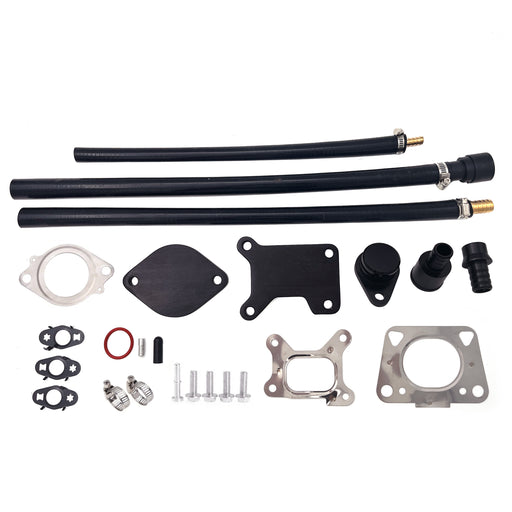
For 2017-2023 6.6L Chevy GMC Duramax L5P diesel EGR Valve Cooler Delete kit
SEGULEROriginal price $131.99 - Original price $131.99Original price$131.99$131.99 - $131.99Current price $131.99FITMENT 2017–2023 6.6L Chevrolet Silverado / GMC Sierra Duramax L5P 2500HD 3500HD Diesel. DESCRIPTION Product Overview Hot soot recirculation ...
View full details -
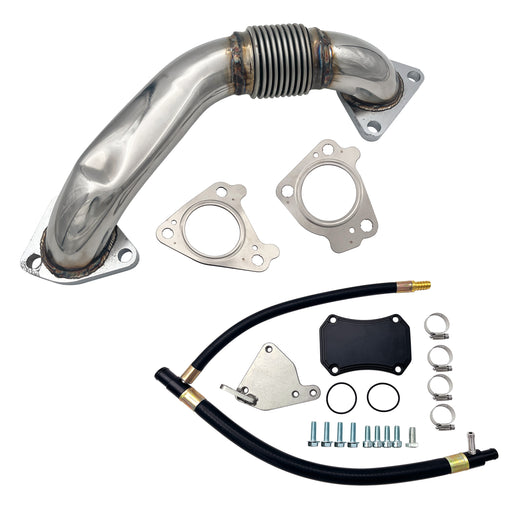
Seguler 2011-2016 6.6L GMC Chevy Duramax Diesel LML Up-Pipe & EGR Valve Cooler Delete Kit
SEGULEROriginal price $173.86 - Original price $173.86Original price$173.86$173.86 - $173.86Current price $173.86FITMENT 2011-2016 6.6L Chevy GMC Duramax LML 2500 HD 3500 HD Diesel. DESCRIPTION Product Overview Direct-injection technology endows GM 5.3L an...
View full details -
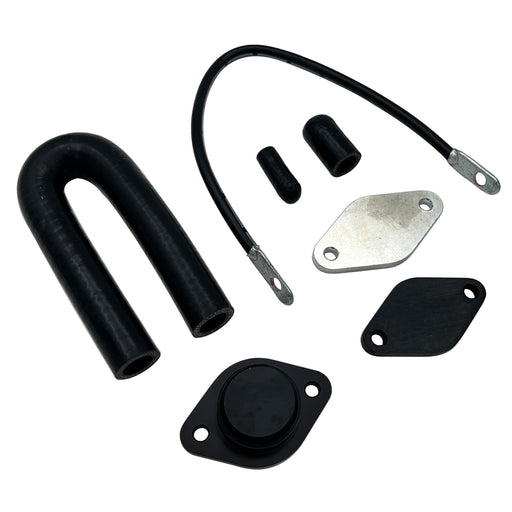
Seguler EGR valve cooler Delete kit for 2020-2022 3.0L Chevy Duramax LM2
SEGULEROriginal price $189.12 - Original price $189.12Original price$189.12$189.12 - $189.12Current price $189.12FITMENT 2020–2022 3.0L Chevrolet Silverado GMC Sierra 1500 LM2 Turbo-Diesel. DESCRIPTION Product Overview Powered by smooth inline-six engine...
View full details -
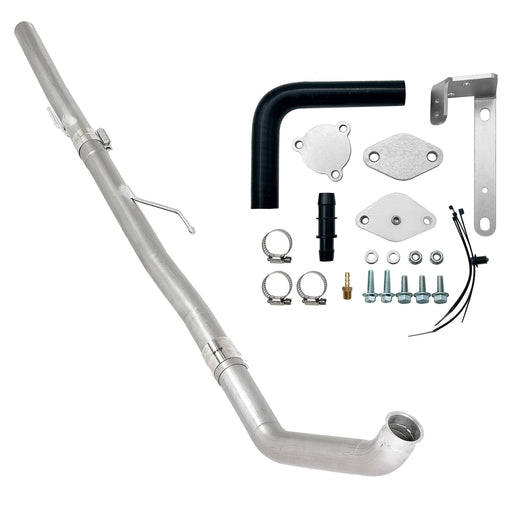
Seguler 3" Ecodiesel DPF Delete Pipe & EGR Delete kit for 2014-2018 3.0L Ram
SEGULEROriginal price $342.00 - Original price $342.00Original price$342.00$342.00 - $342.00Current price $342.00FITMENT 2014–2018 3.0L Dodge Ram 1500 EcoDiesel V6. NOTE: Fit standard Pickup models only (Crew Cab, Quad Cab). Does NOT fit Jeep Grand Cheroke...
View full details -

For 2013-2023 6.7L Dodge Ram Cummins Cab & Chassis EGR Delete Kit Diesel
SEGULEROriginal price $62.99 - Original price $62.99Original price$62.99$62.99 - $62.99Current price $62.99FITMENT 2013–2023 6.7L Ram Cummins 3500 4500 5500 Cab & Chassis / Commercial Trucks. Does NOT fit standard Ram 2500 3500 Pickups. DESCRIPTIO...
View full details -
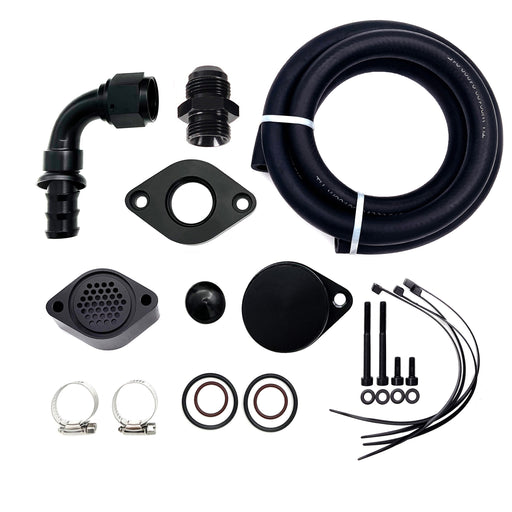
Seguler 2011-2023 6.7L Ford Powerstroke CCV PCV Reroute Engine Ventilation Kit
SEGULEROriginal price $82.99 - Original price $82.99Original price$82.99$82.99 - $82.99Current price $82.99FITMENT 2011-2023 6.7L Ford Powerstroke F-250 F-350 F-450 F-550 Super Duty V8 Diesel. Compatible with both standard Pickups and commercial Cab &...
View full details -
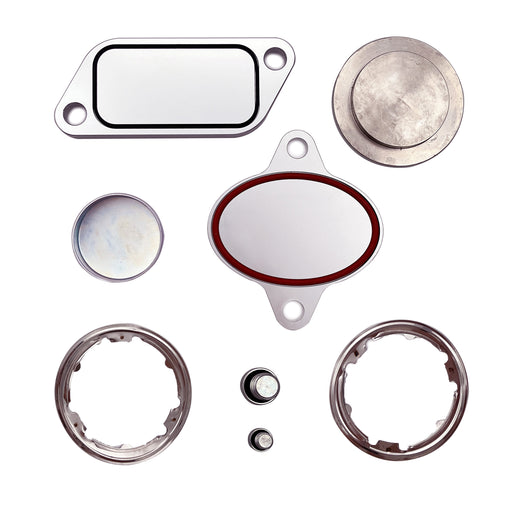
For 2007-2010 Cummins ISX CM871 EGR Plug Kit Stage 2 Plates and Plugs Aluminum
SEGULEROriginal price $67.99 - Original price $67.99Original price$67.99$67.99 - $67.99Current price $67.99FITMENT 2007-2010 Cummins Volvo, Peterbilt, Mack, International, Freightliner, Kenworth with the ISX CM871 Engines. DESCRIPTION Product Overvie...
View full details -
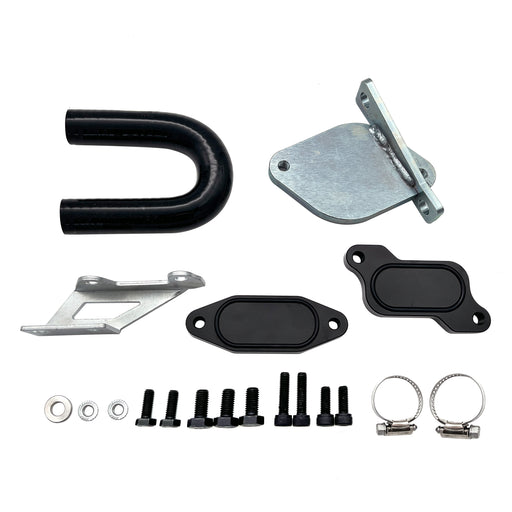
For 2007-2010 6.6L Chevy GMC LMM Duramax EGR Valve Cooler Delete Kit Fit
SEGULEROriginal price $61.99 - Original price $61.99Original price$61.99$61.99 - $61.99Current price $61.99FITMENT 2007.5-2010 6.6L Chevrolet Silverado Duramax LMM 2500HD / 3500HD. 2007.5-2010 6.6L GMC Sierra Duramax LMM 2500HD / 3500HD. Note: Standard...
View full details -
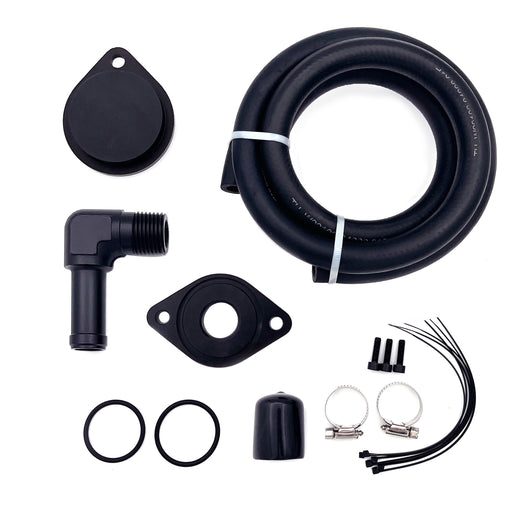
Seguler 2011-2023 Ford 6.7L Powerstroke CCV/PCV Reroute/Delete Engine Ventilation Kit
SEGULEROriginal price $72.00 - Original price $72.00Original price$72.00$72.00 - $72.00Current price $72.00FITMENT 2011-2023 6.7L Ford Powerstroke F-250 F-350 F-450 F-550 Super Duty V8 Diesel. Compatible with both standard Pickups and commercial Cab &...
View full details -
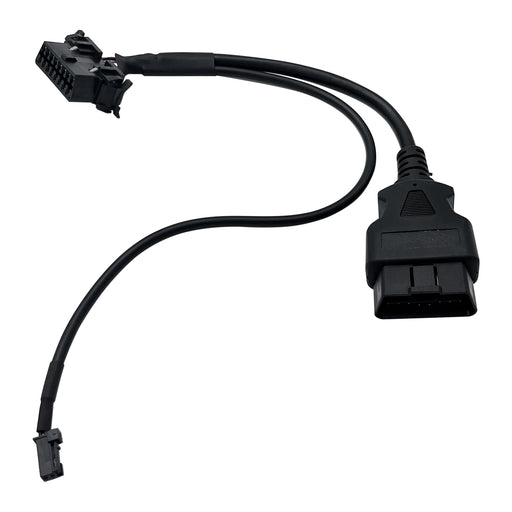
Seguler 2018+ RAM Cummins OBD2 HD Security Gate Bypass Cable
SEGULEROriginal price $45.00 - Original price $45.00Original price$45.00$45.00 - $45.00Current price $45.00FITMENT 2018+ 6.7L Ram Cummins 2500 3500 Turbo Diesel. Designed for Ram pickup trucks equipped with the factory Security Gateway Module. Note: Pl...
View full details -
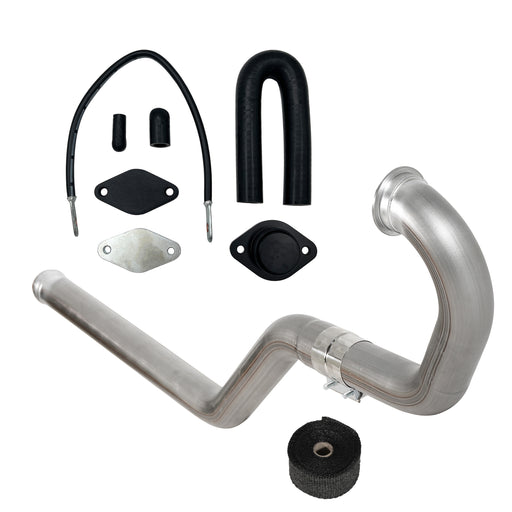
3" Turbo Back DPF & EGR Delete Kit for 2020-2022 GM 3.0L LM2 Duramax
SEGULEROriginal price $550.00 - Original price $550.00Original price$550.00$550.00 - $550.00Current price $550.00FITMENT 2020–2022 3.0L Chevrolet Silverado 1500 LM2 Diesel. 2020–2022 3.0L GMC Sierra 1500 LM2 Diesel. DESCRIPTION Product Overview On the 3.0...
View full details


Leave a comment