

6.6L Duramax Up-Pipe & EGR Upgrade Guide: Fix Common Exhaust Issues
If your 6.6L Duramax doesn’t feel as strong as it used to, the problem may not be the engine itself. After years of towing, heat cycles, and daily driving, common components like the exhaust up-pipe and EGR system can slowly become weak points. A small exhaust leak can reduce turbo response, while carbon buildup inside the intake can restrict airflow and rob the truck of the performance it once had.
Many Duramax owners first notice the signs when the truck starts acting differently — a ticking noise under acceleration, slower turbo spool, reduced throttle response, or a feeling that the truck is working harder than before. These issues often develop gradually, making them easy to overlook until they begin affecting drivability.
Understanding how up-pipe leaks and EGR-related buildup develop is the first step toward diagnosing the problem and choosing the right repair or upgrade solution for your 6.6L Duramax.
What Common Problems Affect 6.6L Duramax Exhaust and EGR Systems?
The 6.6L Duramax is known for its durability, towing capability, and long service life in Chevrolet Silverado 2500HD/3500HD and GMC Sierra HD trucks. However, after years of heat cycles, mileage, and heavy use, some components around the engine can start showing signs of wear.
Two areas that commonly develop issues on higher-mileage Duramax trucks are the exhaust up-pipe and the EGR system. A leaking up-pipe can reduce turbo response by allowing exhaust energy to escape, while EGR-related carbon buildup can restrict airflow and affect engine performance.
Many owners first notice small changes — a ticking noise under acceleration, slower turbo spool, reduced throttle response, or a truck that no longer feels as strong under load.
The most common issues include:
- Cracked or leaking exhaust up-pipes
- Carbon buildup in the EGR and intake system
- Reduced airflow affecting overall engine response
Why Do Duramax Up-Pipes Develop Exhaust Leaks?
The up-pipe transfers exhaust gas from the engine manifold to the turbocharger. Because it operates in an extremely hot area of the engine bay, the factory flex bellows section is constantly exposed to expansion and contraction.
Over time, repeated heat cycles can weaken the thin flex section and cause cracks. When this happens, exhaust leaks before reaching the turbo, which can lead to ticking noises, soot marks, slower turbo response, and reduced pulling power under load.
The passenger-side up-pipe is a common failure point due to its location near the firewall and high-heat areas.
How Does the EGR System Create Intake Buildup?
The EGR system routes a portion of exhaust gas back into the intake. While this helps control emissions, the exhaust soot can mix with oil vapor from the crankcase system and create deposits inside the intake.
Over time, carbon buildup can collect around the intake elbow, EGR passages, and other airflow areas. As these deposits increase, airflow becomes restricted, which may result in slower throttle response and reduced engine efficiency.
How Do Up-Pipe and EGR Problems Affect Truck Performance?
The up-pipe and EGR system affect different parts of the engine, but they create a similar problem — disrupting the way exhaust and air move through the truck.
A leaking up-pipe reduces the exhaust energy reaching the turbocharger, which can lead to slower spool-up and weaker response under acceleration. On the intake side, EGR-related carbon buildup gradually restricts airflow, making it harder for the engine to breathe efficiently.
When both issues develop over time, many owners notice the truck feels less responsive, especially when towing or carrying heavy loads. The engine may still run, but it is no longer operating as efficiently as it should.
| Component | Function | Issue | Effect |
|---|---|---|---|
| Up-Pipe | Exhaust to turbo | Bellows crack | Turbo lag |
| EGR System | Exhaust recirculation | Carbon buildup | Less airflow |
These problems may start small, but over time they can make a reliable Duramax feel sluggish and less responsive. Fixing exhaust leaks and reducing airflow restrictions helps the engine breathe better and perform the way it was designed to.
What Are the Signs Your Duramax Up-Pipe Needs Replacement?
An up-pipe leak can be difficult to identify at first because the symptoms often appear gradually. On LB7, LLY, LBZ, LMM, and LML 6.6L Duramax engines, many owners first notice small changes before realizing the up-pipe is the source of the problem.
A common sign is a ticking, screeching, or whistling noise during acceleration, especially when the truck is under load. As the flex bellows begins to crack, exhaust can escape before reaching the turbocharger, often leaving black soot marks around the connection area. Over time, the leak can reduce turbo response, affect pulling power, and make the truck feel weaker during towing or heavy acceleration.
Some owners may also notice higher exhaust temperatures or slower spool-up because the turbo is not receiving the same amount of exhaust energy as it did when the system was sealed properly.
Many Duramax owners discover the issue only after attempting a temporary repair and seeing the same failure return later. At that point, replacing the worn factory up-pipe with a stronger replacement is often a more reliable long-term solution.
How Can You Address These Common Duramax Issues?
Addressing these problems starts with restoring proper airflow on both sides of the engine. On the exhaust side, replacing a worn or leaking up-pipe helps seal the system and maintain the exhaust energy needed for proper turbo operation. On the intake side, addressing EGR-related buildup can help reduce airflow restrictions and improve overall engine breathing.
For many high-mileage Duramax trucks, inspecting both areas together makes sense because exhaust leaks and intake restrictions can develop at the same time. Restoring these systems helps maintain better turbo response, airflow, and long-term reliability.
Address Exhaust Leaks with a Duramax Up-Pipe Replacement
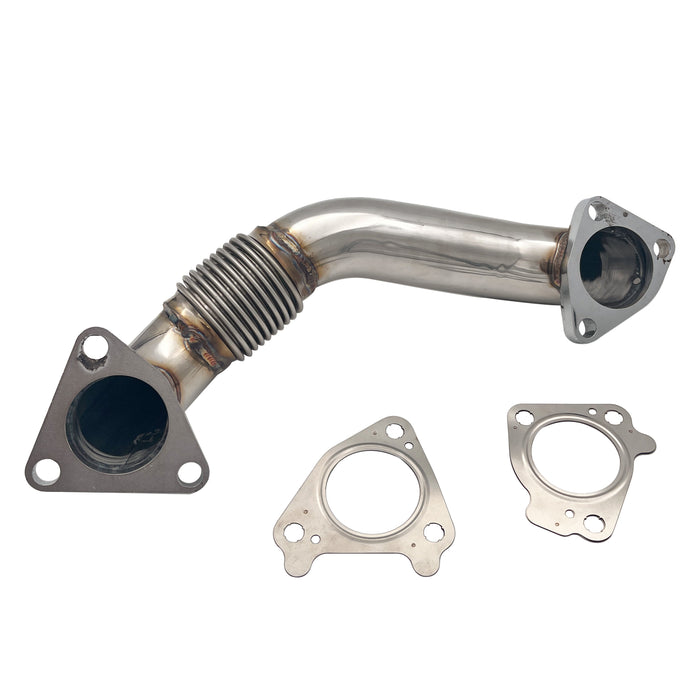
Seguler 2001-2016 6.6L Chevrolet Chevy GMC Duramax LB7 LLY LBZ LMM LML Exhaust Up-Pipe(Passenger Side)
Exhaust Up-Pipes are designed to replace worn factory up-pipes on 2001–2016 6.6L Duramax LB7, LLY, LBZ, LMM, and LML diesel engines. Built with durable materials and a direct-fit design, they help restore a proper exhaust seal and maintain the exhaust flow needed for reliable turbocharger operation.
For Duramax owners dealing with common up-pipe issues such as exhaust leaks, soot buildup, or reduced turbo response, replacing a damaged factory pipe can help restore the performance and reliability expected from the truck. This upgrade provides a stronger replacement solution for high-mileage trucks, towing applications, and daily drivers.
Key Features
Restore Intake Airflow with a Duramax EGR Upgrade Kit
2006-2007 6.6L Chevy Silverado Classic GMC Duramax LBZ Diesel EGR Delete Kit
EGR Upgrade Kits are designed for 2006–2007 6.6L Duramax LBZ models to address common airflow restrictions caused by the factory EGR system. Featuring a high-flow intake elbow and durable replacement components, these kits help improve intake routing, reduce areas where carbon buildup can accumulate, and support better engine breathing. For LBZ owners dealing with aging EGR components or intake-side restrictions, this upgrade provides a practical solution for maintaining reliable airflow and long-term engine performance.

Key Features
- Secure Intake Sealing CNC-machined block-off plates provide a reliable seal to maintain proper boost pressure.
- Reduced Engine Heat Bypassing the hot EGR components helps lower thermal stress and improve cooling efficiency.
- Improved Airflow Response High-flow intake routing helps reduce restrictions and support quicker turbo response.
- Better Combustion Efficiency Cleaner intake air helps improve engine performance and fuel efficiency.
Designed for 2006–2007 6.6L Duramax LBZ applications, the Seguler EGR Upgrade Kit helps optimize intake airflow and improve overall engine reliability. For LBZ owners facing common airflow restrictions, carbon buildup, or demanding towing conditions, this high-flow upgrade provides a dependable solution for maintaining consistent performance and long-term durability.
How Is an Upgraded Duramax Up-Pipe Different From the Factory Design?
When replacing a worn Duramax up-pipe, it’s important to understand what causes the factory design to fail and how an upgraded replacement addresses those weak points. The main differences come down to material strength, flex section durability, and how well the pipe handles repeated heat cycles and engine movement over time.
| Factory Up-Pipe | Upgraded Up-Pipe | |
|---|---|---|
| Bellows | Thin flex section that fatigues over time | Heavy-duty stainless construction |
| Material | OEM tubing | Stainless tubing |
| Failure Point | Heat fatigue | Improved durability |
The factory up-pipe is designed to meet OEM requirements, but years of heat cycles, vibration, and towing stress can eventually wear down the flex section. An upgraded replacement uses a stronger bellows design and durable stainless construction to better handle these conditions, making it a popular choice for owners who want a longer-lasting solution after the factory pipe begins to fail.
What Are the Signs of EGR System Problems on a Duramax?
EGR-related issues usually develop more gradually than exhaust leaks, which makes them harder to notice at first. Instead of a sudden failure, many owners see small changes over time as carbon deposits begin building up inside the intake system.
Common signs include carbon buildup around the intake elbow and EGR components, reduced airflow that makes the engine feel more restricted at higher RPM, slower throttle response, and a gradual loss of overall engine efficiency. Some owners may also notice a rougher idle or changes in fuel economy as the engine works harder to move air through the intake system.
The cause is related to how the EGR system operates. Exhaust gas carries soot, and when it mixes with oil vapor from the crankcase system, deposits can form inside the intake over time. On higher-mileage Duramax trucks, this buildup can gradually affect airflow and engine response.
Should You Upgrade the Up-Pipe and EGR System Together?
The up-pipe and EGR system address two different areas of the engine, but both affect how efficiently a Duramax moves air and exhaust. The up-pipe focuses on maintaining proper exhaust flow to the turbocharger, while the EGR upgrade helps address intake-side restrictions caused by carbon buildup.
These components do not always need to be replaced at the same time, but on higher-mileage trucks experiencing both exhaust leaks and airflow issues, addressing both areas together can provide a more complete refresh of the engine’s airflow system.
| Upgrade | Main Purpose |
|---|---|
| Up-Pipe | Fix exhaust leaks and improve exhaust flow to the turbo |
| EGR Kit | Address EGR-related buildup and recover intake efficiency |
You don’t always need to replace both components at the same time, but there is a practical benefit to addressing them together. Since both repairs involve areas around the engine, combining the work can reduce repeated labor and avoid taking the truck apart multiple times. For Duramax owners already experiencing both exhaust leaks and intake airflow issues, handling both areas during the same repair can help restore a more complete and balanced airflow system.
6.6L Duramax Up-Pipe & EGR Kit Fitment Guide (LB7, LLY, LBZ, LMM, LML)
The up-pipe spans the full run of the 6.6L Duramax, while the EGR kit is specific to the LBZ generation. Here’s the breakdown:
| Engine | Years | Up-Pipe | EGR Kit |
|---|---|---|---|
| LB7 | 2001–2004 | ✓ | — |
| LLY | 2004.5–2005 | ✓ | — |
| LBZ | 2006–2007 | ✓ | ✓ |
| LMM | 2007.5–2010 | ✓ | — |
| LML | 2011–2016 | ✓ | — |
Two fitment notes worth checking before you order: the up-pipe is the passenger-side unit, and the up-pipe application is intended for standard pickup models and may not fit Cab & Chassis configurations. The EGR kit also does not fit the later LMM engine.
What Should You Check Before Ordering Duramax Parts?
Duramax components can look very similar across different years, but small differences between engine generations can affect fitment. Ordering the wrong part can lead to unnecessary returns, delays, and installation problems. Before choosing a replacement or upgrade, it’s important to confirm a few key details about your truck.
First, verify the engine code — LB7, LLY, LBZ, LMM, or LML — since these generations can use different components. Also confirm the exact model year, especially on transition years like 2004 and 2007, where changes between generations can create fitment differences.
It’s also important to check whether the truck is a standard pickup or a Cab & Chassis model, along with any existing modifications to the turbo or intake system.
Matching the part to the engine configuration — not just the model year — helps ensure proper fitment and a smoother installation process.
Get the Right Duramax Up-Pipe & EGR Upgrade Parts
If your Duramax is showing the classic signs — an exhaust tick under load, a turbo that’s gone lazy, or an intake that’s slowly carboning up — the fix is usually on one of two sides: the exhaust or the intake.
The Exhaust Up-Pipe restores exhaust flow to the turbo, and the EGR Upgrade Kit addresses intake-side buildup. Before ordering, confirm your engine code and truck configuration — Seguler offers Duramax exhaust and airflow upgrade solutions designed for LB7, LLY, LBZ, LMM, and LML applications. For the full selection of Duramax exhaust and EGR upgrade parts, visit Seguler.
Frequently Asked Questions
Q: What are the symptoms of a cracked Duramax up-pipe?
A: A cracked up-pipe flex bellows can cause a ticking, screeching, or hissing noise under acceleration or heavy load. Other common signs include black soot around the exhaust connection, slower turbo response, and reduced pulling power, especially when towing.
Q: How do I know if my Duramax has an exhaust leak?
A: Common signs of an exhaust leak include unusual noises that change with throttle input, visible soot marks around the up-pipe or manifold area, and slower turbo response. If these symptoms appear together, the up-pipe or other exhaust components should be inspected.
Q: Can a bad up-pipe affect turbo performance?
A: Yes. The up-pipe transfers exhaust energy from the engine to the turbocharger. When a leak develops, exhaust can escape before reaching the turbo, which may result in slower spool-up and reduced throttle response.
Q: What causes EGR buildup on a Duramax?
A: The EGR system routes a portion of exhaust gas back into the intake. Over time, soot from the exhaust can mix with oil vapor from the crankcase system and create carbon deposits inside the intake system.
Q: Does EGR buildup reduce airflow?
A: Over time, carbon deposits can restrict airflow through the intake system. Many owners notice slower throttle response, reduced engine responsiveness, or a gradual change in how the truck feels during acceleration.
Q: Which Duramax years use this up-pipe?
A: This up-pipe is designed for 2001–2016 6.6L Duramax applications, including LB7, LLY, LBZ, LMM, and LML engines. Always confirm the engine code and truck configuration before ordering.
Q: Should I replace exhaust parts before addressing EGR issues?
A: It depends on the symptoms. If the truck has an obvious exhaust leak, inspecting the up-pipe should be the first step. If intake airflow is affected by EGR-related buildup, addressing the intake side may be the priority. Some owners choose to handle both areas during the same repair.
Q: What parts should I inspect on a high-mileage Duramax?
A: Common inspection areas include the up-pipe flex section, EGR and intake components, intercooler boots, turbo inlet, and other systems affected by heat, mileage, and towing use.
Legal Disclaimer
EGR upgrade kits are intended for off-road / competition use only and are not legal for on-road use in emissions-regulated areas. Check your local, state, and federal laws before modifying any emissions-related component.
Featured collection
-
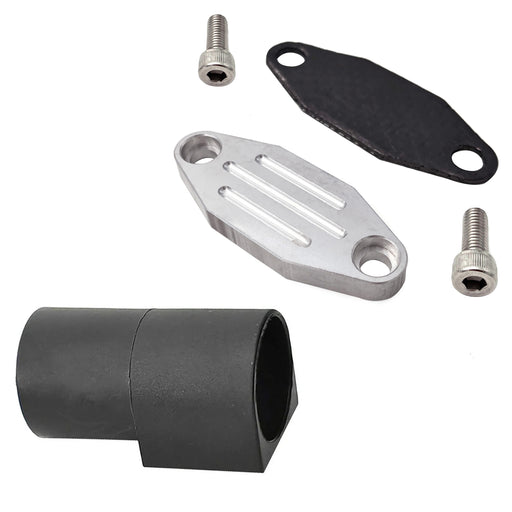
Seguler 1986-1995 Ford F150 F250 F350 Mustang Trucks EGR Simulator Eliminator / Block Off Plate Kit
SEGULEROriginal price $79.99 - Original price $79.99Original price$79.99$79.99 - $79.99Current price $79.99Block Off Plate Material: Aluminum alloy. Easy installation,and convenient to use. Made of CNC milled from aircraft grade Billet aluminum. Will N...
View full details -

Seguler 2011-2023 6.7L Ford Powerstroke Diesel EGR Delete Kit
SEGULEROriginal price $109.99 - Original price $109.99Original price$109.99$109.99 - $109.99Current price $109.99FITMENT 2011-2023 6.7L Ford Powerstroke F-250 F-350 F-450 F-550 Super Duty V8 Diesel. compatible with both standard Pickups and commercial Cab &...
View full details -
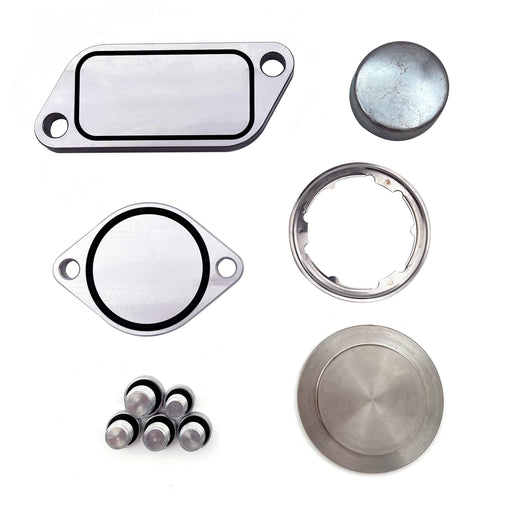
For 2010-Present Stage 2 ISX 15 CM2250 CM2350 EGR Delete Kit
SEGULEROriginal price $59.99 - Original price $59.99Original price$59.99$59.99 - $59.99Current price $59.99FITMENT 2010-Present Cummins Volvo, Peterbilt, Mack, International, Freightliner, Kenworth with the ISX15 CM2250 / CM2350 engines. DESCRIPTION P...
View full details -
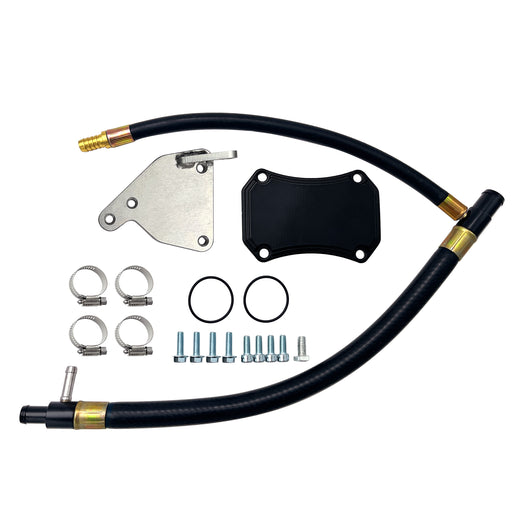
For 2011-2016 6.6L GMC Chevy Duramax Diesel LML EGR Valve Cooler Delete Kit
SEGULEROriginal price $66.49 - Original price $66.49Original price$66.49$66.49 - $66.49Current price $66.49FITMENT 2011-2016 6.6L Chevy GMC Duramax LML 2500 HD 3500 HD Diesel. DESCRIPTION Product Overview The 2011–2016 LML Duramax uses a complex EG...
View full details -
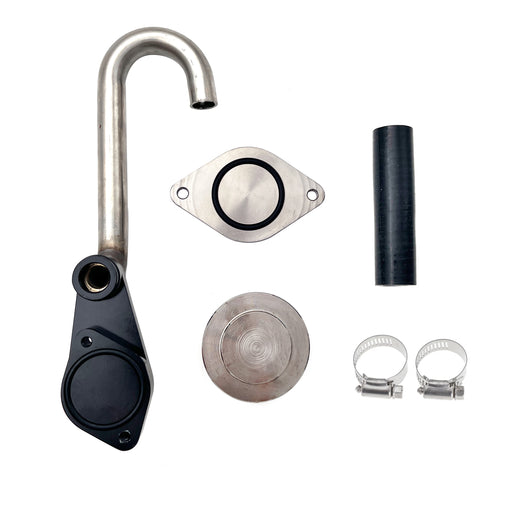
Seguler 2003-2007 6.0L FORD Powerstroke Diesel EGR Cooler Delete Kit
SEGULEROriginal price $56.14 - Original price $56.14Original price$56.14$56.14 - $56.14Current price $56.14FITMENT 2003-2007 6.0L Ford F-250 Ford F-350 F-450 F-550 Super Duty. 2003-2007 6.0L Ford Excursion SUV (Diesel Models Only). 2005-2010 Ford E-Se...
View full details -
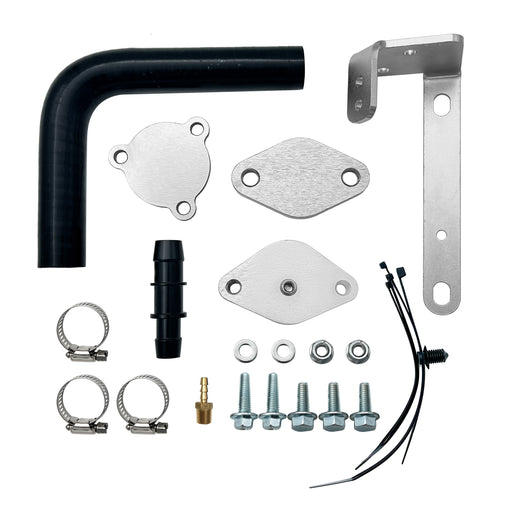
Seguler For 2014-2019 3.0L Dodge Ram 1500 EcoDiesel EGR Valve & Cooler Delete Kit
SEGULEROriginal price $72.99 - Original price $72.99Original price$72.99$72.99 - $72.99Current price $72.99FITMENT 2014-2019 3.0L Dodge Ram 1500 EcoDiesel V6 engine trucks. DESCRIPTION Product Overview Exhaust gas recirculation on 3.0L EcoDiesel V6 ...
View full details -

Seguler 2011-2023 6.7L Ford Powerstroke Diesel EGR Delete Kit
SEGULEROriginal price $85.99 - Original price $85.99Original price$85.99$85.99 - $85.99Current price $85.99FITMENT 2011-2023 6.7L Ford Powerstroke F-250 F-350 F-450 F-550 Super Duty V8 Diesel. compatible with both standard Pickups and commercial Cab &...
View full details -

Seguler 2010-2024 6.7L Dodge Ram Cummins Diesel EGR Valve Cooler Delete Kit
SEGULEROriginal price $89.99 - Original price $89.99Original price$89.99$89.99 - $89.99Current price $89.99FITMENT 2010–2024 6.7L Dodge Ram Cummins 2500 / 3500 Pickup Turbo Diesel. Note: Does NOT fit Chassis Cab 3500 / 4500 / 5500 models. DESCRIPTIO...
View full details -

Seguler 2017-2019 L5P Duramax Diesel 4pcs L5P Can Bus Plugs Connector Replacement
SEGULEROriginal price $75.00 - Original price $75.00Original price$75.00$75.00 - $75.00Current price $75.00FITMENT 2017–2019 Chevrolet Silverado / GMC Sierra Duramax L5P 2500HD & 3500HD Diesel. DESCRIPTION Product Overview Unprotected harness con...
View full details -
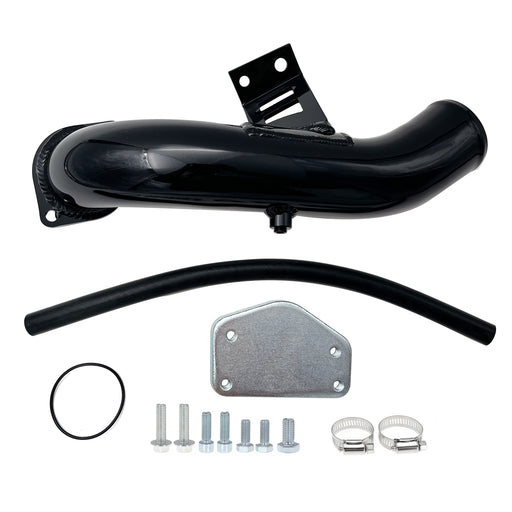
For 2004.5-2005 6.6L Chevy GMC Silverado LLY Duramax Diesel EGR Delete Kit
SEGULEROriginal price $92.99 - Original price $92.99Original price$92.99$92.99 - $92.99Current price $92.99FITMENT 2004.5-2005 6.6L Chevrolet Silverado Duramax LLY 2500HD / 3500 HD. 2004.5-2005 6.6L GMC Sierra Duramax LLY 2500HD / 3500 HD. DESCRIPTION...
View full details -

Seguler 2020-2023 chevy duramax L5P Diesel Can Bus Plugs Connector
SEGULEROriginal price $80.00 - Original price $80.00Original price$80.00$80.00 - $80.00Current price $80.00FITMENT 2020–2023 Chevrolet Silverado / GMC Sierra Duramax L5P 2500HD & 3500HD Diesel. DESCRIPTION Product Overview Unprotected harness pl...
View full details -
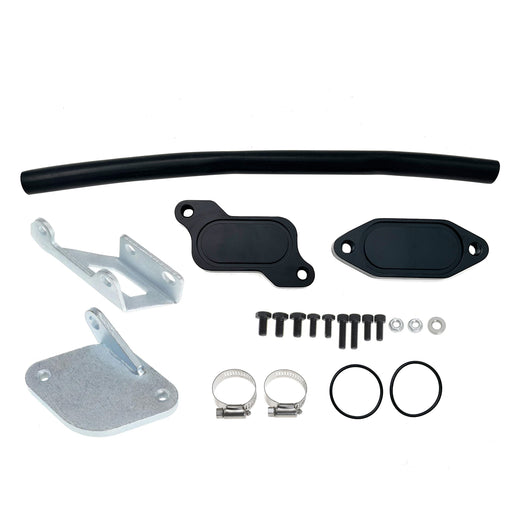
For 2006-2007 6.6L Chevrolet Silverado Classic GMC Duramax LBZ Diesel EGR Valve Cooler Delete Kit
SEGULEROriginal price $63.49 - Original price $63.49Original price$63.49$63.49 - $63.49Current price $63.49FITMENT 2006-2007.4 Chevrolet Silverado Duramax LBZ 2500HD / 3500HD. 2007.4 Chevrolet Silverado Duramax LBZ 2500HD / 3500HD Classic. 2006-2007.4 ...
View full details -

Seguler 2011-2023 6.7L Ford F250 F350 F450 F550 Powerstroke Diesel EGR Valve Delete Cooler Delete Kit
SEGULEROriginal price $55.99 - Original price $55.99Original price$55.99$55.99 - $55.99Current price $55.99FITMENT 2011-2023 6.7L Ford Powerstroke F-250 F-350 F-450 F-550 Super Duty V8 Diesel compatible with both standard Pickups and commercial Cab &a...
View full details -
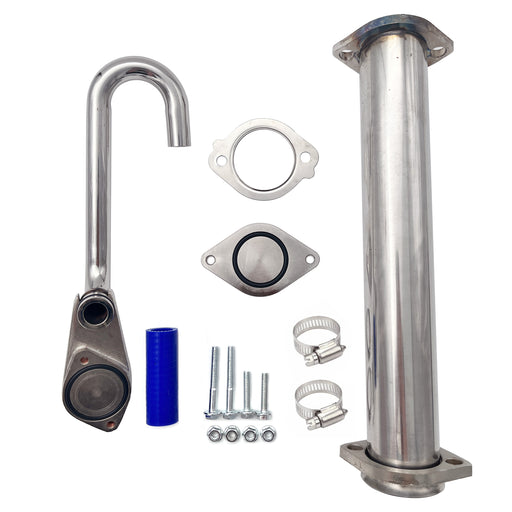
Seguler 2003-2007 6.0L Ford F250 F350 Powerstroke Diesel EGR Basic Cooler Kit
SEGULEROriginal price $79.99 - Original price $79.99Original price$79.99$79.99 - $79.99Current price $79.99FITMENT 2003-2007 6.0L Ford F250 F350 F450 F550 Super Duty Turbo (except 2004 F250 Super Duty). 2003-2005 6.0L Ford Excursion Turbo. 2005 Ford F...
View full details -
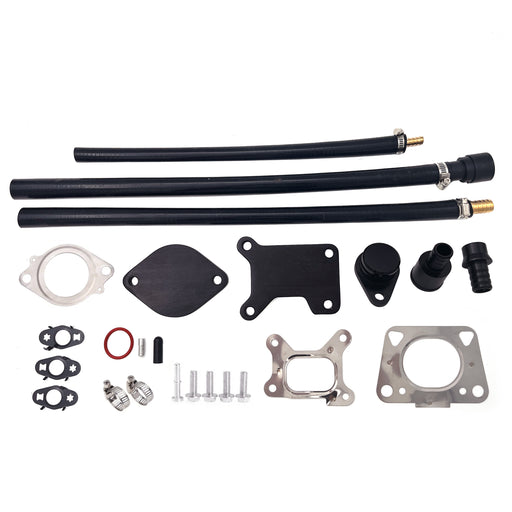
For 2017-2023 6.6L Chevy GMC Duramax L5P diesel EGR Valve Cooler Delete kit
SEGULEROriginal price $131.99 - Original price $131.99Original price$131.99$131.99 - $131.99Current price $131.99FITMENT 2017–2023 6.6L Chevrolet Silverado / GMC Sierra Duramax L5P 2500HD 3500HD Diesel. DESCRIPTION Product Overview Hot soot recirculation ...
View full details -
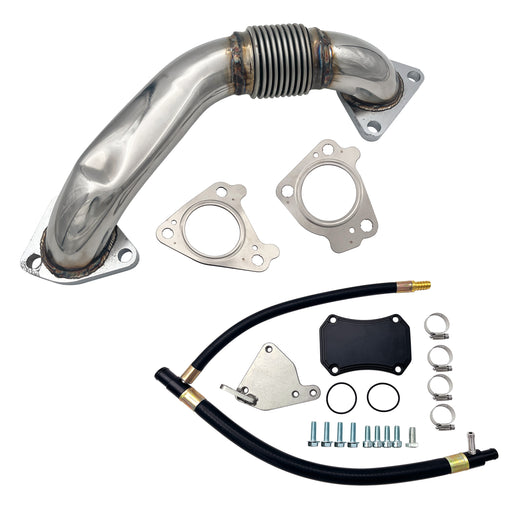
Seguler 2011-2016 6.6L GMC Chevy Duramax Diesel LML Up-Pipe & EGR Valve Cooler Delete Kit
SEGULEROriginal price $173.86 - Original price $173.86Original price$173.86$173.86 - $173.86Current price $173.86FITMENT 2011-2016 6.6L Chevy GMC Duramax LML 2500 HD 3500 HD Diesel. DESCRIPTION Product Overview Direct-injection technology endows GM 5.3L an...
View full details -
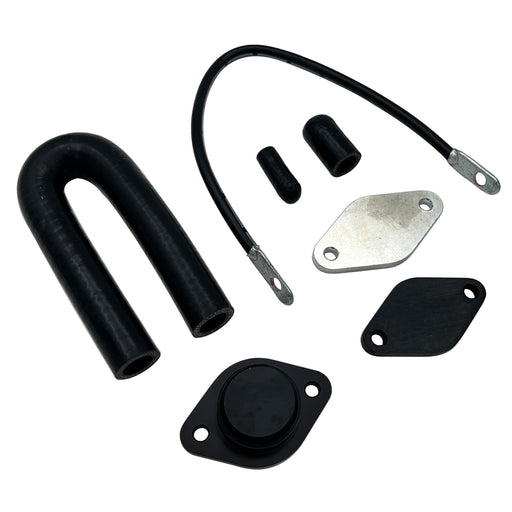
Seguler EGR valve cooler Delete kit for 2020-2022 3.0L Chevy Duramax LM2
SEGULEROriginal price $189.12 - Original price $189.12Original price$189.12$189.12 - $189.12Current price $189.12FITMENT 2020–2022 3.0L Chevrolet Silverado GMC Sierra 1500 LM2 Turbo-Diesel. DESCRIPTION Product Overview Powered by smooth inline-six engine...
View full details -
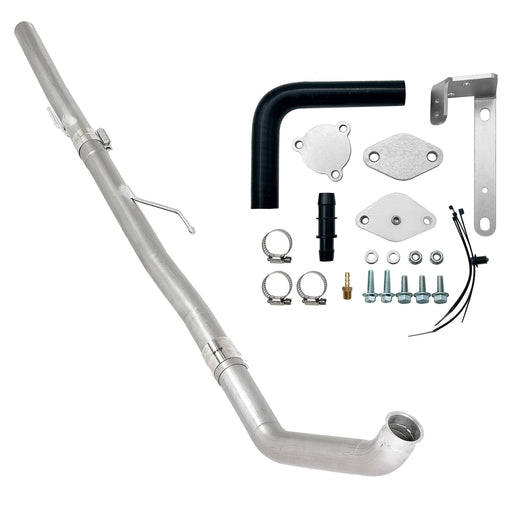
Seguler 3" Ecodiesel DPF Delete Pipe & EGR Delete kit for 2014-2018 3.0L Ram
SEGULEROriginal price $342.00 - Original price $342.00Original price$342.00$342.00 - $342.00Current price $342.00FITMENT 2014–2018 3.0L Dodge Ram 1500 EcoDiesel V6. NOTE: Fit standard Pickup models only (Crew Cab, Quad Cab). Does NOT fit Jeep Grand Cheroke...
View full details -

For 2013-2023 6.7L Dodge Ram Cummins Cab & Chassis EGR Delete Kit Diesel
SEGULEROriginal price $62.99 - Original price $62.99Original price$62.99$62.99 - $62.99Current price $62.99FITMENT 2013–2023 6.7L Ram Cummins 3500 4500 5500 Cab & Chassis / Commercial Trucks. Does NOT fit standard Ram 2500 3500 Pickups. DESCRIPTIO...
View full details -
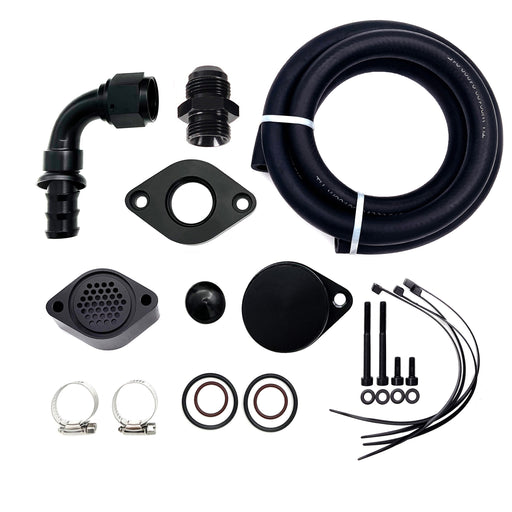
Seguler 2011-2023 6.7L Ford Powerstroke CCV PCV Reroute Engine Ventilation Kit
SEGULEROriginal price $82.99 - Original price $82.99Original price$82.99$82.99 - $82.99Current price $82.99FITMENT 2011-2023 6.7L Ford Powerstroke F-250 F-350 F-450 F-550 Super Duty V8 Diesel. Compatible with both standard Pickups and commercial Cab &...
View full details -
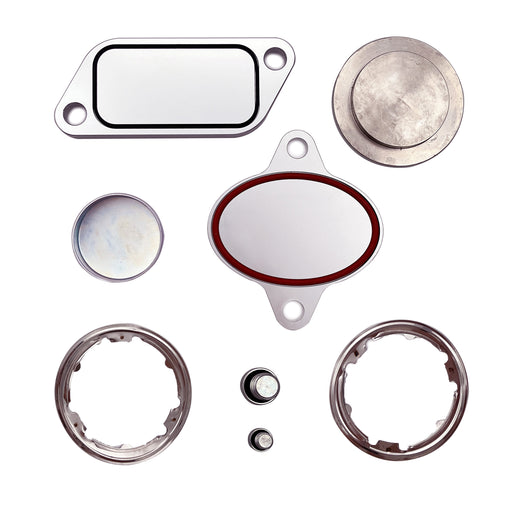
For 2007-2010 Cummins ISX CM871 EGR Plug Kit Stage 2 Plates and Plugs Aluminum
SEGULEROriginal price $67.99 - Original price $67.99Original price$67.99$67.99 - $67.99Current price $67.99FITMENT 2007-2010 Cummins Volvo, Peterbilt, Mack, International, Freightliner, Kenworth with the ISX CM871 Engines. DESCRIPTION Product Overvie...
View full details -
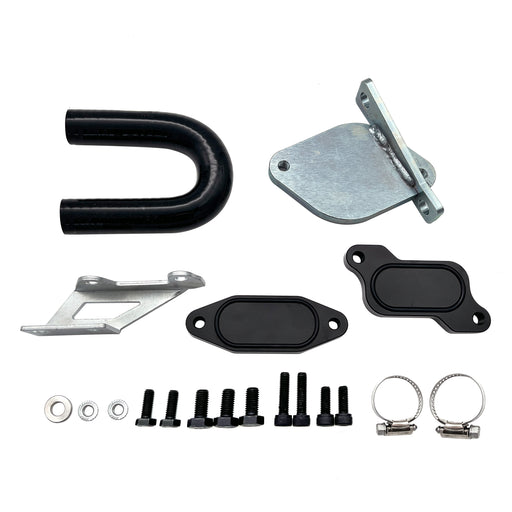
For 2007-2010 6.6L Chevy GMC LMM Duramax EGR Valve Cooler Delete Kit Fit
SEGULEROriginal price $61.99 - Original price $61.99Original price$61.99$61.99 - $61.99Current price $61.99FITMENT 2007.5-2010 6.6L Chevrolet Silverado Duramax LMM 2500HD / 3500HD. 2007.5-2010 6.6L GMC Sierra Duramax LMM 2500HD / 3500HD. Note: Standard...
View full details -
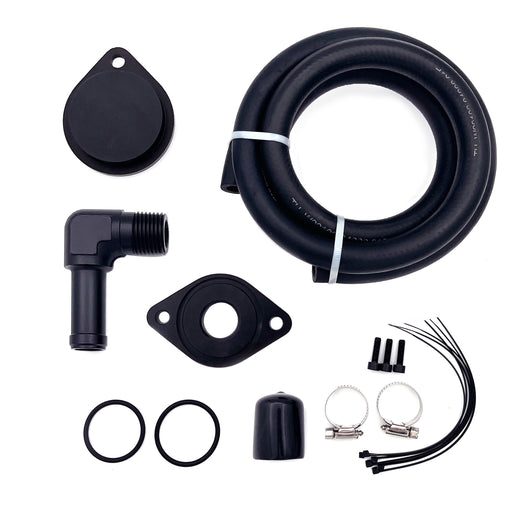
Seguler 2011-2023 Ford 6.7L Powerstroke CCV/PCV Reroute/Delete Engine Ventilation Kit
SEGULEROriginal price $72.00 - Original price $72.00Original price$72.00$72.00 - $72.00Current price $72.00FITMENT 2011-2023 6.7L Ford Powerstroke F-250 F-350 F-450 F-550 Super Duty V8 Diesel. Compatible with both standard Pickups and commercial Cab &...
View full details -
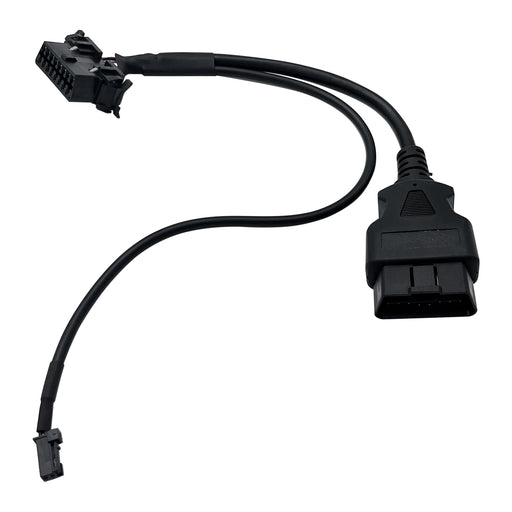
Seguler 2018+ RAM Cummins OBD2 HD Security Gate Bypass Cable
SEGULEROriginal price $45.00 - Original price $45.00Original price$45.00$45.00 - $45.00Current price $45.00FITMENT 2018+ 6.7L Ram Cummins 2500 3500 Turbo Diesel. Designed for Ram pickup trucks equipped with the factory Security Gateway Module. Note: Pl...
View full details -
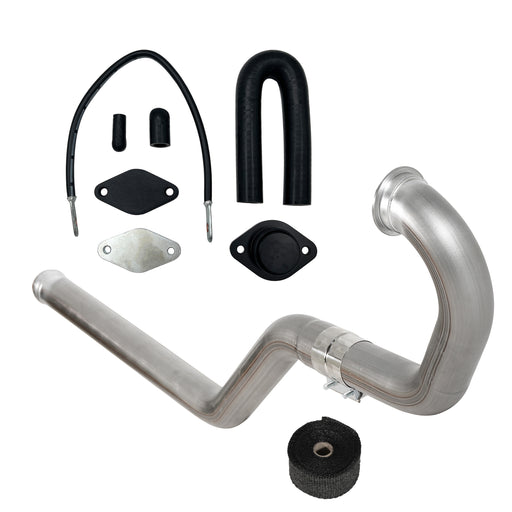
3" Turbo Back DPF & EGR Delete Kit for 2020-2022 GM 3.0L LM2 Duramax
SEGULEROriginal price $550.00 - Original price $550.00Original price$550.00$550.00 - $550.00Current price $550.00FITMENT 2020–2022 3.0L Chevrolet Silverado 1500 LM2 Diesel. 2020–2022 3.0L GMC Sierra 1500 LM2 Diesel. DESCRIPTION Product Overview On the 3.0...
View full details


Leave a comment