

Why Is Your 3.0L LM2 Duramax Losing Power? Common Causes Explained
Many 3.0L LM2 Duramax owners love these trucks for their smooth power delivery, impressive fuel economy, and strong low-end torque. Found in the 2020–2022 Chevrolet Silverado 1500 and GMC Sierra 1500, the LM2 diesel is known for feeling effortless — until one day it doesn’t.
The truck still starts, idles, and drives, but something feels different. Acceleration feels slower, throttle response feels softer, and towing or climbing hills takes more effort than before. Many owners immediately wonder if the engine is wearing out, but the real cause is often somewhere else.
A loss of power on the LM2 Duramax does not automatically mean internal engine damage. The most common issues owners report — reduced power, sluggish acceleration, frequent regeneration, or slower turbo response — usually come from airflow restrictions, exhaust buildup, fuel delivery issues, or sensor-related problems rather than the engine block itself.
Understanding where the power loss comes from is the first step toward finding the right solution and avoiding unnecessary repairs.

Is Your LM2 Duramax Not Performing Like Before?
A brand-new LM2 feels eager. Throttle input turns into forward motion quickly, and the truck rarely feels like it is working hard. When that feeling fades, it usually happens gradually, which is why many owners do not notice it right away. Common signs include slower acceleration, needing more throttle to maintain speed on a grade, or a softer overall driving feel.
Many LM2 power-loss complaints come back to airflow, exhaust restriction, or the fuel and sensor side of the system. The three usual suspects are:
- DPF restriction — the diesel particulate filter filling with soot and increasing exhaust backpressure.
- EGR carbon buildup — recirculated exhaust soot mixing with oil vapor and forming deposits that restrict intake airflow.
- Intake and fuel side neglect — a dirty air filter or clogged fuel filter reducing the engine’s ability to deliver consistent power.
Each of these has different symptoms and different solutions. Checking them in order helps identify the real cause before replacing unnecessary parts.
DPF Restriction: A Common Reason for Reduced Power
What a Clogged DPF Does to Exhaust Flow
The diesel particulate filter (DPF) sits in the exhaust stream and does exactly what its name says: it traps soot particles so they don’t leave the tailpipe. Under normal operation the engine periodically burns that trapped soot off through a regeneration cycle, keeping the filter clear. But the process is never perfectly clean. Over time, ash and partially-burned soot accumulate in the filter and don’t fully burn away, even during regeneration.
The result is a slow, steady rise in exhaust backpressure. The turbocharger now has to push against a partially blocked path, and the engine has to work harder to expel the same volume of exhaust gas. Exhaust flow drops, which means the turbo spools slower and the engine makes less usable power at a given throttle position. It is a classic case of the engine breathing through a smaller and smaller straw.
Symptoms of a Restricted DPF
A restricted DPF tends to announce itself in predictable ways:
More frequent regeneration cycles —the truck is burning off soot more often because the filter is filling faster and holding more.
Sluggish acceleration — the engine feels soft, especially when you ask for power quickly.
Higher exhaust temperatures under load — heat that can’t escape efficiently stays trapped in the system.
Reduced fuel economy — the engine is working harder to move the same amount of air and fuel.
If several of these line up on a higher-mileage LM2, the DPF is one of the areas worth checking first.
Before Replacing Parts, Check These 3 Things First
A restricted DPF is a real cause, but it is worth ruling out the cheap stuff before spending on exhaust hardware:
- Air filter — a dirty filter restricts airflow up front and mimics the same soft feeling.
- Fuel filter — a clogged filter makes the engine feel weak under load.
- Diagnostic codes — a quick scan often points straight at the system that is out of range.
If those three come back clean and the DPF symptoms remain, the filter itself is the stronger suspect — and that is where the upgrade path begins.
A Typical LM2 Case: From Symptoms to Diagnosis
Consider a 2021 Chevrolet Silverado 1500 LM2 with around 80,000 miles. The owner notices more frequent regeneration cycles, a lazier throttle, and turbo lag that was not there before. A scan shows no hard fault codes, but the regeneration history is unusually frequent and exhaust temperatures climb faster under load. After ruling out the air filter, fuel filter, and diagnostic codes, the evidence points to a restricted DPF — and that is when the exhaust-side upgrade becomes the clear next step.
How Intrusive Is Removing the Factory DPF?
Removing the factory DPF on the LM2 is not a quick unbolt-and-lift job. Reaching the filter means a long teardown through the passenger side of the engine bay — the EGR cooler assembly and several surrounding components have to come out first, and the filter itself is held by brackets that are genuinely hard to reach. Most of the gaskets along the way are single-use.
That teardown is the same whether the truck gets a fresh factory DPF or an aftermarket pipe — the deciding factor is how the truck is used and applicable emissions regulations.
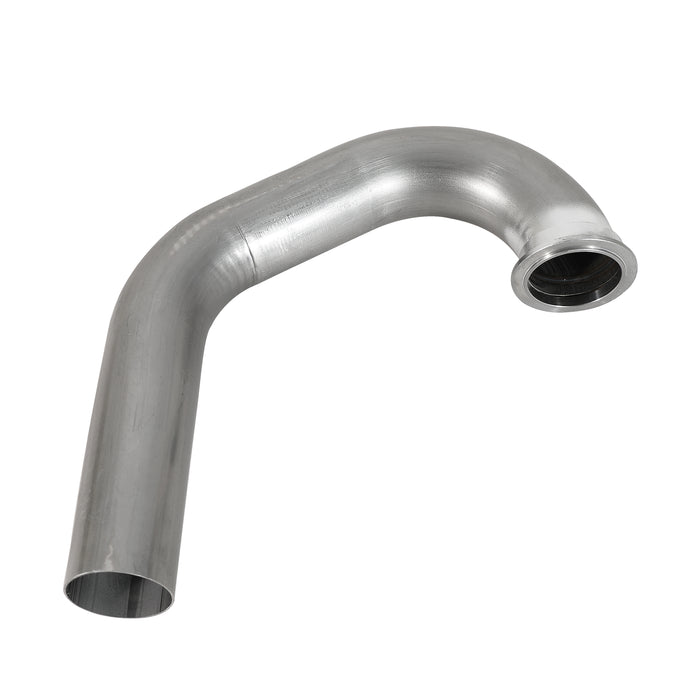
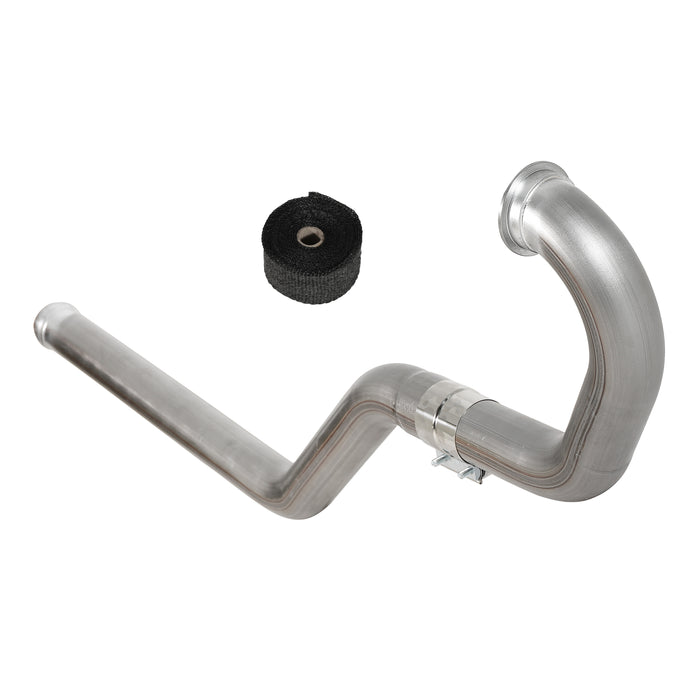
Seguler 3" Turbo Back DPF Delete Pipe for 2020-2022 3.0L 1500 LM2 GM Chevy Duramax
3.0L LM2 Duramax DPF Restriction Solution is designed to address exhaust flow restrictions on 2020–2022 Chevrolet Silverado 1500 and GMC Sierra 1500 models equipped with the 3.0L LM2 Duramax diesel engine. Featuring a vehicle-specific turbo-back design and durable stainless steel construction, this exhaust upgrade helps create a smoother exhaust path while supporting improved exhaust flow for off-road and competition applications. Designed around the factory LM2 exhaust layout, this solution provides a direct-fit option for owners looking to address DPF-related restriction issues and upgrade their diesel exhaust system.
Key Features
- Heavy-Duty Stainless Steel Construction Built with 3-inch mandrel-bent stainless steel tubing for heat and corrosion resistance.
- Improves Exhaust Flow & Reduces Backpressure Helps reduce restriction and support better turbo response.
- Maintains Towing Performance Optimized tubing size preserves low-RPM torque while reducing backpressure.
- Turbo-Back Exhaust Replacement Replaces the factory DPF, CAT, and SCR assembly for off-road applications.
For 2020–2022 3.0L LM2 Duramax owners experiencing reduced power or exhaust restriction issues, the Seguler 3" Turbo Back DPF Delete Pipe provides a direct-fit exhaust upgrade solution designed around the LM2 platform. Built for off-road and competition applications, it helps improve exhaust flow with durable construction and vehicle-specific fitment.
EGR Carbon Buildup: Affecting Airflow and Engine Response
How the LM2 EGR System Works
The exhaust gas recirculation (EGR) system routes a portion of exhaust gas back into the intake to lower combustion temperatures. On the LM2, exhaust gas passes through the EGR cooler before the EGR valve controls how much enters the intake. While this system helps reduce emissions, it can contribute to long-term intake buildup.
Why LM2 Intake Carbon Builds Up Slowly
Each time the EGR valve opens, exhaust soot enters the intake and mixes with oil mist from the crankcase ventilation system. This combination sticks to the intake walls, ports, and valves, gradually forming carbon deposits that restrict airflow over time.
Because the buildup happens layer by layer, many owners do not notice the change at first. As airflow becomes restricted, symptoms such as slower throttle response, reduced acceleration, and a softer engine feel can gradually appear. Cleaning the intake may restore airflow, but it does not remove the source of the soot entering the system.
What Carbon Buildup Does Over Time
That coating narrows the path the air has to travel through, and the engine ends up in the same situation as a restricted DPF — just on the intake side instead of the exhaust side. Airflow drops, combustion efficiency suffers, and the driver feels it as:
- Hesitation during acceleration — the engine stumbles or feels flat when you roll into the throttle.
- Softer throttle response — there is a delay between pressing the pedal and feeling the engine answer.
- Rough or uneven running — the engine doesn’t idle or pull as smoothly as it should.
The buildup happens slowly enough that many owners don’t realize how much response they have lost until the intake is actually cleaned or the source of the soot is removed.
White Smoke or Coolant Loss? The EGR Cooler Can Leak Too
Carbon buildup is the slow, gradual problem. A leaking EGR cooler is the more urgent one. When the cooler cracks internally, coolant can find its way into the intake, where it burns off as white smoke and causes the coolant level to drop with no visible puddle under the truck. White smoke on startup and unexplained coolant loss on an LM2 are both signs worth checking before they turn into bigger trouble.
Seguler EGR valve cooler Delete kit for 2020-2022 3.0L Chevy Duramax LM2
3.0L LM2 Duramax EGR is designed to address intake carbon buildup issues on 2020–2022 Chevrolet Silverado 1500 and GMC Sierra 1500 models equipped with the 3.0L LM2 Duramax diesel engine. Featuring vehicle-specific block-off components and a coolant bypass solution, this kit helps eliminate the factory EGR flow path that contributes to soot accumulation in the intake system. Designed around the LM2 platform, this upgrade provides a direct-fit solution for owners looking to reduce EGR-related airflow restrictions and maintain a cleaner intake system.

Key Features
- Premium Billet Aluminum Construction Built with T6-6061 billet aluminum and corrosion-resistant plates for long-term durability.
- Reduces Intake Carbon Buildup Helps prevent exhaust soot from mixing with oil vapor and forming intake deposits.
- Removes Factory EGR Flow Path Eliminates hot exhaust recirculation to help maintain cleaner intake air.
- Improves Airflow & Engine Response Allows fresh air intake for improved throttle response and turbo spool.
For 2020–2022 3.0L LM2 Duramax owners dealing with intake carbon buildup or EGR-related airflow restrictions, the Seguler EGR Valve Cooler Delete Kit provides a direct-fit solution designed around the LM2 platform. By addressing the source of exhaust soot entering the intake system, it helps maintain a cleaner airflow path for off-road and competition applications.
Other Possible Causes of LM2 Power Loss
DPF restriction and EGR carbon buildup are common possibilities, but they are not the only reasons an LM2 can feel down on power. Before assuming the emissions hardware is the culprit, it is worth ruling out the simpler causes.
Air Filter Restriction
A dirty air filter has the same effect as a restricted intake, just from the very front of the system. When the filter is clogged, less air reaches the turbo, and the turbo has to work harder to pull air through. The result is reduced airflow, slower spool, and a truck that feels flat. This is cheap and easy to check — if the filter looks dirty, replace it and see if the response comes back before chasing anything else.
Fuel System Problems
The fuel side is often overlooked because it fails quietly. A clogged fuel filter restricts fuel delivery, which reduces combustion efficiency and makes the engine feel weak, especially under load. Contaminated or degraded fuel causes similar symptoms. On a truck that tows regularly, a fresh fuel filter is cheap insurance and should be part of any power-loss diagnosis.
Software and Sensor Issues
Not every power complaint is mechanical. A sensor that is reading incorrectly, an ECM protection mode, or a stored diagnostic code can all cause the engine to pull timing or limit fuel in the name of self-protection. If the truck is down on power with no obvious mechanical cause, pulling the diagnostic codes is the logical next step — the codes often point directly at the system that is out of range.
When Should You Stop Driving and Diagnose the Truck?
Mild sluggishness that develops over thousands of miles is often related to gradual airflow or fuel system issues. However, a sudden loss of power should be diagnosed sooner to prevent further problems.
Check the truck as soon as possible if you notice:
- Reduced Engine Power or limp mode warnings — the ECM is limiting output.
- A check engine light with noticeable power loss — often points to an active fault.
- Rough running or misfire-like symptoms — may indicate airflow, fuel, or sensor issues.
- High exhaust temperatures or frequent regeneration cycles — can indicate exhaust restriction.
- Fuel pressure or boost-related codes — help identify fuel or air system problems.
A single symptom may not always indicate a major issue, but multiple signs combined with reduced power usually mean the truck needs attention.
How Can You Restore LM2 Duramax Performance?
The good news is that most LM2 power-loss causes are addressable. The process comes down to working through the system in order and spending money where it actually helps.
Step 1: Identify the Cause
Start with the free and cheap diagnostics. Pull the diagnostic codes, check the regeneration history, and take a look at the air filter and fuel filter. These checks rule out the simple causes and point you toward the real one. A truck with frequent regeneration and high exhaust temperatures points at the DPF. A truck with rough running and a soft throttle over many miles points at intake carbon. Match the symptom to the system before buying parts.
Step 2: Improve Airflow Efficiency
Airflow and exhaust restriction are two important areas to check when diagnosing LM2 power loss. Maintain the filters, keep the intake clean, and address the restriction points. This is where the two main upgrades come in: a restricted DPF points to the turbo-back exhaust pipe, and intake carbon points to the EGR kit. One lets the engine exhale, the other lets it breathe clean — together they cover both sides of the airflow path.
Which one comes first depends on the symptoms: frequent regeneration and high exhaust temperatures point to the exhaust side, while rough running and a soft throttle point to the intake side. Many owners address both, since the engine breathes as one system.
Step 3: Choose Quality Components
When you do upgrade, the hardware matters as much as the decision. The products described above are built for the LM2’s specific 3.0L platform rather than being repurposed from another engine — and that fitment is worth paying attention to.
The Bottom Line
The 3.0L LM2 Duramax is a capable diesel platform, but airflow and exhaust system health play an important role in long-term performance. When the truck starts to feel slower, the cause is often not a worn-out engine but a restriction somewhere in the intake or exhaust path. Match the symptom to the solution — a restricted DPF to an exhaust flow upgrade, intake carbon buildup to an EGR system upgrade — and the engine can recover the airflow it has gradually lost.
Seguler provides LM2-specific diesel solutions for 2020–2022 3.0L Duramax owners, helping drivers address common exhaust and intake-related issues with vehicle-focused upgrade components. Learn more about our diesel performance solutions at www.seguler.com.
Legal Disclaimer
The modifications discussed in this article involve removing or altering emissions-related components. Under the Clean Air Act, removing or defeating emissions control equipment on a motor vehicle used on public roads is prohibited, and such vehicles are not eligible for on-road registration in emissions-regulated areas. These components are intended for off-road and competition use only, and for export where permitted. The Magnuson-Moss Warranty Act does not automatically void a vehicle warranty, but a manufacturer or dealer may decline warranty coverage for a failure they determine was caused by a modification. This article is provided for informational purposes and is not legal advice.
Frequently Asked Questions
Why is my 3.0L Duramax losing power?
A feeling of reduced power on the LM2 often points to a restriction in airflow or the exhaust system rather than a worn-out engine. Common causes include a DPF filling with soot, EGR carbon buildup coating the intake, or simpler issues like a dirty air filter or clogged fuel filter. Working through those in order is the fastest way to find the real cause.
How do I know if my 3.0 Duramax DPF is restricting airflow?
Watch for a few telltale signs together: more frequent regeneration cycles, sluggish acceleration, higher exhaust temperatures under load, and reduced fuel economy. If several of those line up on a higher-mileage truck, the DPF becomes a stronger possibility.
Does EGR buildup affect Duramax performance?
Yes, over time. Recirculated exhaust soot combines with crankcase oil vapor to form carbon sludge that coats the intake manifold and ports. As that coating thickens, it narrows the airflow path and causes hesitation, softer throttle response, and rougher running.
Can I just clean the intake instead of removing the EGR system?
Cleaning the intake — whether by media blasting or manual scraping — removes the carbon that is already there and can bring back some lost response right away. But it does not stop the source: the EGR system keeps feeding a small amount of soot back into the intake, so the buildup starts again over time. Cleaning treats the symptom, while addressing the EGR flow targets the cause.
What causes turbo lag on a 3.0 Duramax?
Turbo lag on the LM2 is usually an airflow problem. A restricted DPF pushes exhaust backpressure up, which slows the turbo’s ability to spool. A carbon-clogged intake does the same from the front side. Sensor or software issues that limit fuel can also make the engine feel laggy.
Do these changes require custom tuning?
The exhaust-side change depends on how it is configured, but removing the EGR valve specifically requires an ECM tune. Running the stock calibration after an EGR removal will trigger a check engine light and derate the engine, so a custom ECM tune is part of that job.
Is this legal everywhere?
No. Emissions-related modifications may not be legal for on-road use in emissions-regulated areas. This hardware is intended for off-road and competition use only, and you should check your local, state, and federal laws before modifying any emissions-related component.
Featured collection
-
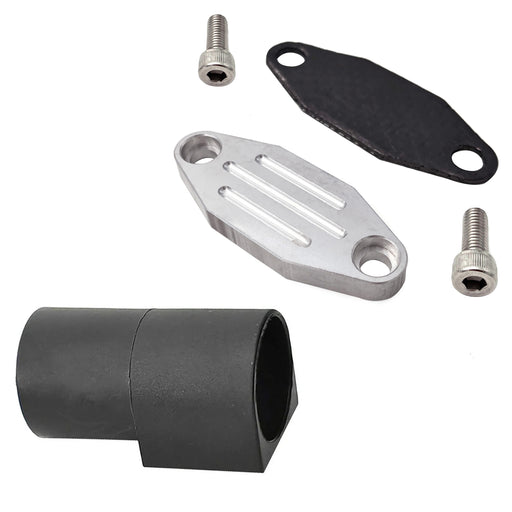
Seguler 1986-1995 Ford F150 F250 F350 Mustang Trucks EGR Simulator Eliminator / Block Off Plate Kit
SEGULEROriginal price $79.99 - Original price $79.99Original price$79.99$79.99 - $79.99Current price $79.99Block Off Plate Material: Aluminum alloy. Easy installation,and convenient to use. Made of CNC milled from aircraft grade Billet aluminum. Will N...
View full details -

Seguler 2011-2023 6.7L Ford Powerstroke Diesel EGR Delete Kit
SEGULEROriginal price $109.99 - Original price $109.99Original price$109.99$109.99 - $109.99Current price $109.99FITMENT 2011-2023 6.7L Ford Powerstroke F-250 F-350 F-450 F-550 Super Duty V8 Diesel. compatible with both standard Pickups and commercial Cab &...
View full details -
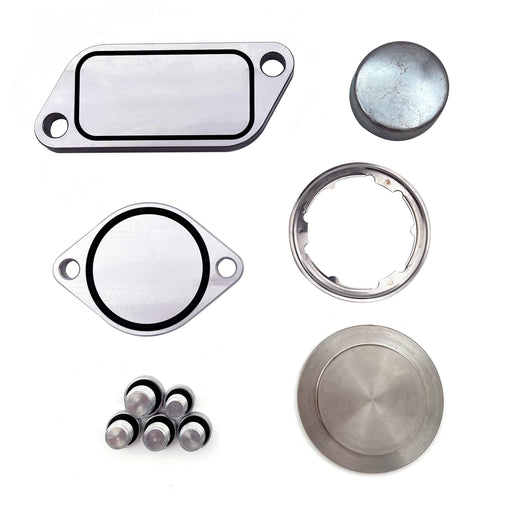
For 2010-Present Stage 2 ISX 15 CM2250 CM2350 EGR Delete Kit
SEGULEROriginal price $59.99 - Original price $59.99Original price$59.99$59.99 - $59.99Current price $59.99FITMENT 2010-Present Cummins Volvo, Peterbilt, Mack, International, Freightliner, Kenworth with the ISX15 CM2250 / CM2350 engines. DESCRIPTION P...
View full details -
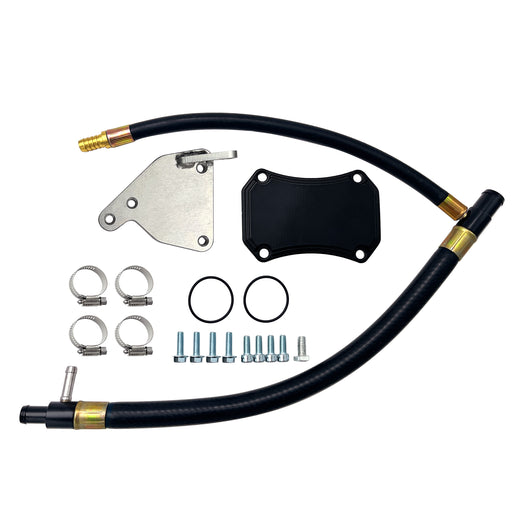
For 2011-2016 6.6L GMC Chevy Duramax Diesel LML EGR Valve Cooler Delete Kit
SEGULEROriginal price $66.49 - Original price $66.49Original price$66.49$66.49 - $66.49Current price $66.49FITMENT 2011-2016 6.6L Chevy GMC Duramax LML 2500 HD 3500 HD Diesel. DESCRIPTION Product Overview The 2011–2016 LML Duramax uses a complex EG...
View full details -
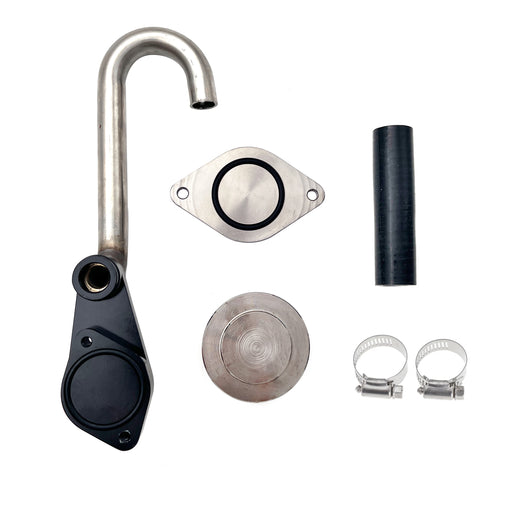
Seguler 2003-2007 6.0L FORD Powerstroke Diesel EGR Cooler Delete Kit
SEGULEROriginal price $56.14 - Original price $56.14Original price$56.14$56.14 - $56.14Current price $56.14FITMENT 2003-2007 6.0L Ford F-250 Ford F-350 F-450 F-550 Super Duty. 2003-2007 6.0L Ford Excursion SUV (Diesel Models Only). 2005-2010 Ford E-Se...
View full details -
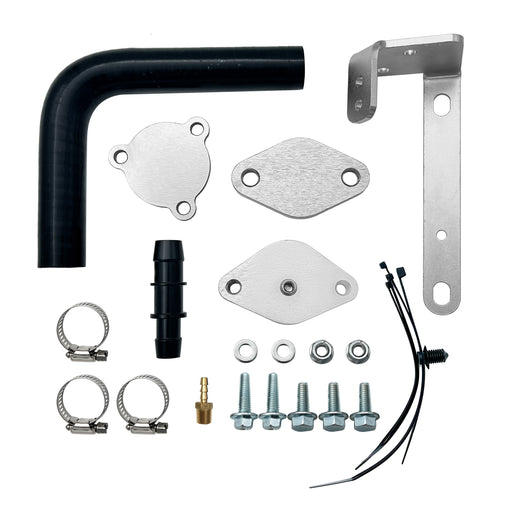
Seguler For 2014-2019 3.0L Dodge Ram 1500 EcoDiesel EGR Valve & Cooler Delete Kit
SEGULEROriginal price $72.99 - Original price $72.99Original price$72.99$72.99 - $72.99Current price $72.99FITMENT 2014-2019 3.0L Dodge Ram 1500 EcoDiesel V6 engine trucks. DESCRIPTION Product Overview Exhaust gas recirculation on 3.0L EcoDiesel V6 ...
View full details -

Seguler 2011-2023 6.7L Ford Powerstroke Diesel EGR Delete Kit
SEGULEROriginal price $85.99 - Original price $85.99Original price$85.99$85.99 - $85.99Current price $85.99FITMENT 2011-2023 6.7L Ford Powerstroke F-250 F-350 F-450 F-550 Super Duty V8 Diesel. compatible with both standard Pickups and commercial Cab &...
View full details -

Seguler 2010-2024 6.7L Dodge Ram Cummins Diesel EGR Valve Cooler Delete Kit
SEGULEROriginal price $89.99 - Original price $89.99Original price$89.99$89.99 - $89.99Current price $89.99FITMENT 2010–2024 6.7L Dodge Ram Cummins 2500 / 3500 Pickup Turbo Diesel. Note: Does NOT fit Chassis Cab 3500 / 4500 / 5500 models. DESCRIPTIO...
View full details -

Seguler 2017-2019 L5P Duramax Diesel 4pcs L5P Can Bus Plugs Connector Replacement
SEGULEROriginal price $75.00 - Original price $75.00Original price$75.00$75.00 - $75.00Current price $75.00FITMENT 2017–2019 Chevrolet Silverado / GMC Sierra Duramax L5P 2500HD & 3500HD Diesel. DESCRIPTION Product Overview Unprotected harness con...
View full details -
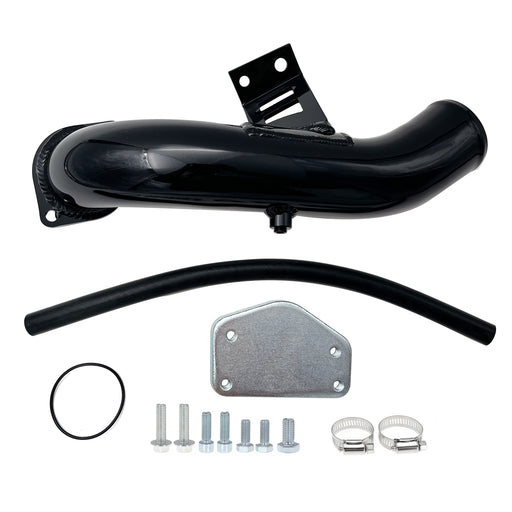
For 2004.5-2005 6.6L Chevy GMC Silverado LLY Duramax Diesel EGR Delete Kit
SEGULEROriginal price $92.99 - Original price $92.99Original price$92.99$92.99 - $92.99Current price $92.99FITMENT 2004.5-2005 6.6L Chevrolet Silverado Duramax LLY 2500HD / 3500 HD. 2004.5-2005 6.6L GMC Sierra Duramax LLY 2500HD / 3500 HD. DESCRIPTION...
View full details -

Seguler 2020-2023 chevy duramax L5P Diesel Can Bus Plugs Connector
SEGULEROriginal price $80.00 - Original price $80.00Original price$80.00$80.00 - $80.00Current price $80.00FITMENT 2020–2023 Chevrolet Silverado / GMC Sierra Duramax L5P 2500HD & 3500HD Diesel. DESCRIPTION Product Overview Unprotected harness pl...
View full details -
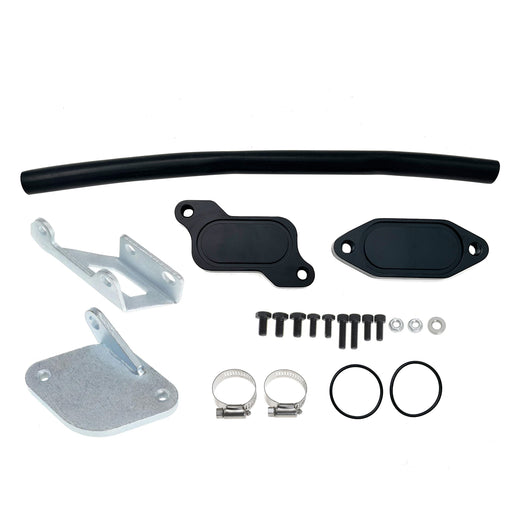
For 2006-2007 6.6L Chevrolet Silverado Classic GMC Duramax LBZ Diesel EGR Valve Cooler Delete Kit
SEGULEROriginal price $63.49 - Original price $63.49Original price$63.49$63.49 - $63.49Current price $63.49FITMENT 2006-2007.4 Chevrolet Silverado Duramax LBZ 2500HD / 3500HD. 2007.4 Chevrolet Silverado Duramax LBZ 2500HD / 3500HD Classic. 2006-2007.4 ...
View full details -

Seguler 2011-2023 6.7L Ford F250 F350 F450 F550 Powerstroke Diesel EGR Valve Delete Cooler Delete Kit
SEGULEROriginal price $55.99 - Original price $55.99Original price$55.99$55.99 - $55.99Current price $55.99FITMENT 2011-2023 6.7L Ford Powerstroke F-250 F-350 F-450 F-550 Super Duty V8 Diesel compatible with both standard Pickups and commercial Cab &a...
View full details -
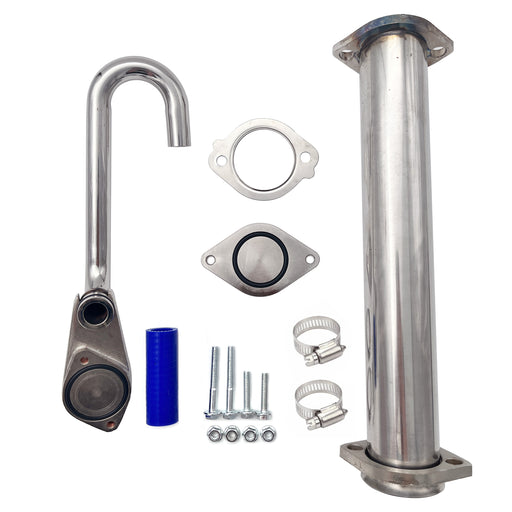
Seguler 2003-2007 6.0L Ford F250 F350 Powerstroke Diesel EGR Basic Cooler Kit
SEGULEROriginal price $79.99 - Original price $79.99Original price$79.99$79.99 - $79.99Current price $79.99FITMENT 2003-2007 6.0L Ford F250 F350 F450 F550 Super Duty Turbo (except 2004 F250 Super Duty). 2003-2005 6.0L Ford Excursion Turbo. 2005 Ford F...
View full details -
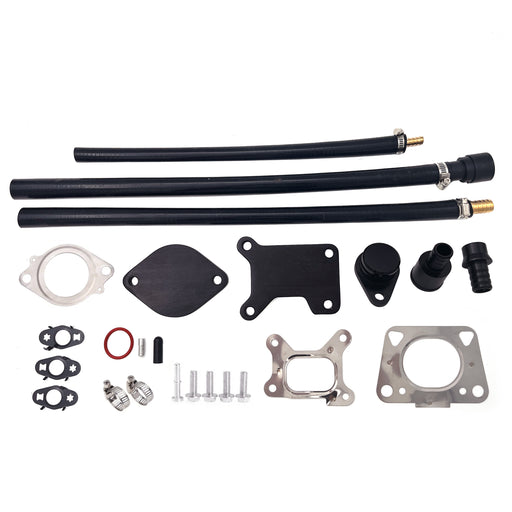
For 2017-2023 6.6L Chevy GMC Duramax L5P diesel EGR Valve Cooler Delete kit
SEGULEROriginal price $131.99 - Original price $131.99Original price$131.99$131.99 - $131.99Current price $131.99FITMENT 2017–2023 6.6L Chevrolet Silverado / GMC Sierra Duramax L5P 2500HD 3500HD Diesel. DESCRIPTION Product Overview Hot soot recirculation ...
View full details -
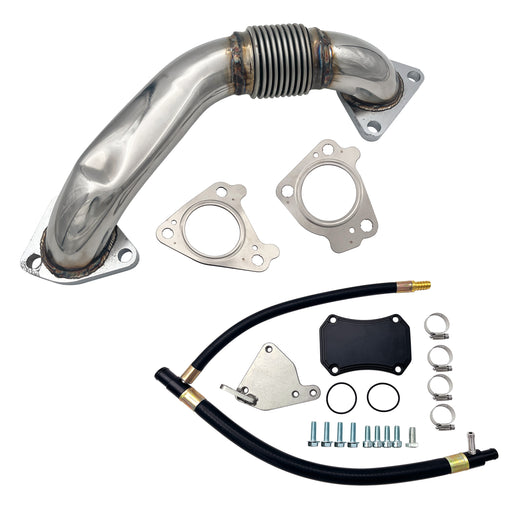
Seguler 2011-2016 6.6L GMC Chevy Duramax Diesel LML Up-Pipe & EGR Valve Cooler Delete Kit
SEGULEROriginal price $173.86 - Original price $173.86Original price$173.86$173.86 - $173.86Current price $173.86FITMENT 2011-2016 6.6L Chevy GMC Duramax LML 2500 HD 3500 HD Diesel. DESCRIPTION Product Overview Direct-injection technology endows GM 5.3L an...
View full details -
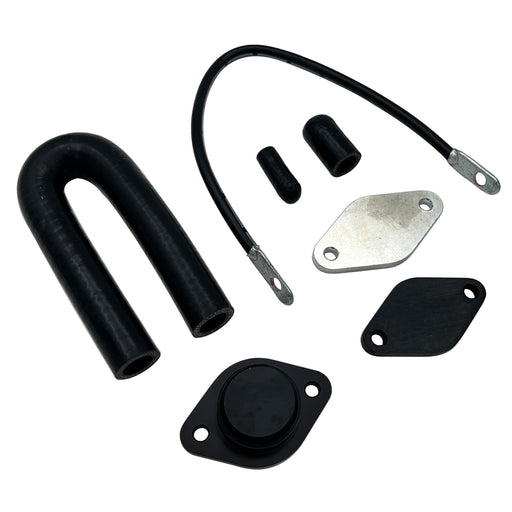
Seguler EGR valve cooler Delete kit for 2020-2022 3.0L Chevy Duramax LM2
SEGULEROriginal price $189.12 - Original price $189.12Original price$189.12$189.12 - $189.12Current price $189.12FITMENT 2020–2022 3.0L Chevrolet Silverado GMC Sierra 1500 LM2 Turbo-Diesel. DESCRIPTION Product Overview Powered by smooth inline-six engine...
View full details -
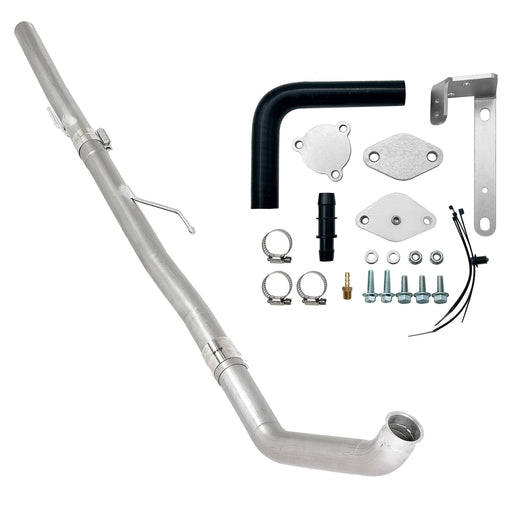
Seguler 3" Ecodiesel DPF Delete Pipe & EGR Delete kit for 2014-2018 3.0L Ram
SEGULEROriginal price $342.00 - Original price $342.00Original price$342.00$342.00 - $342.00Current price $342.00FITMENT 2014–2018 3.0L Dodge Ram 1500 EcoDiesel V6. NOTE: Fit standard Pickup models only (Crew Cab, Quad Cab). Does NOT fit Jeep Grand Cheroke...
View full details -

For 2013-2023 6.7L Dodge Ram Cummins Cab & Chassis EGR Delete Kit Diesel
SEGULEROriginal price $62.99 - Original price $62.99Original price$62.99$62.99 - $62.99Current price $62.99FITMENT 2013–2023 6.7L Ram Cummins 3500 4500 5500 Cab & Chassis / Commercial Trucks. Does NOT fit standard Ram 2500 3500 Pickups. DESCRIPTIO...
View full details -
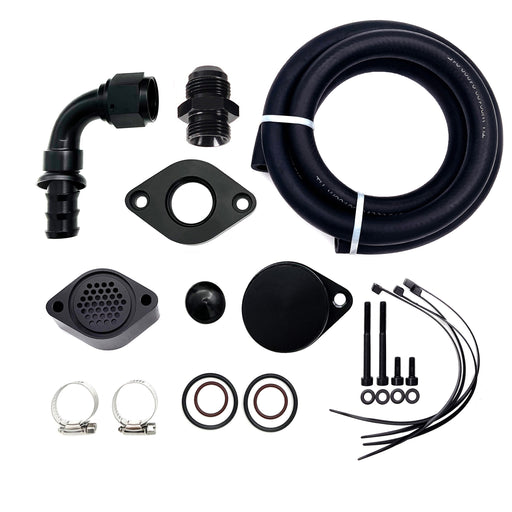
Seguler 2011-2023 6.7L Ford Powerstroke CCV PCV Reroute Engine Ventilation Kit
SEGULEROriginal price $82.99 - Original price $82.99Original price$82.99$82.99 - $82.99Current price $82.99FITMENT 2011-2023 6.7L Ford Powerstroke F-250 F-350 F-450 F-550 Super Duty V8 Diesel. Compatible with both standard Pickups and commercial Cab &...
View full details -
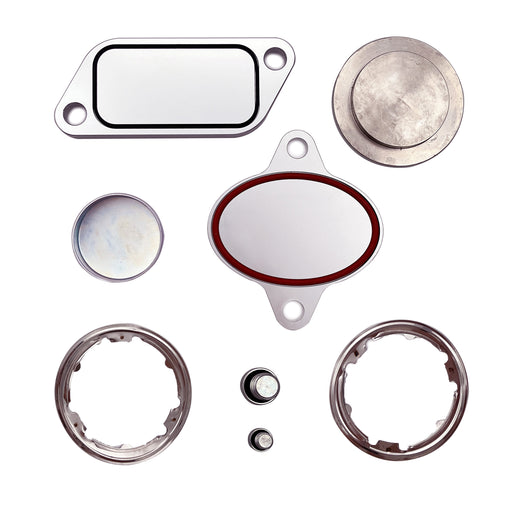
For 2007-2010 Cummins ISX CM871 EGR Plug Kit Stage 2 Plates and Plugs Aluminum
SEGULEROriginal price $67.99 - Original price $67.99Original price$67.99$67.99 - $67.99Current price $67.99FITMENT 2007-2010 Cummins Volvo, Peterbilt, Mack, International, Freightliner, Kenworth with the ISX CM871 Engines. DESCRIPTION Product Overvie...
View full details -
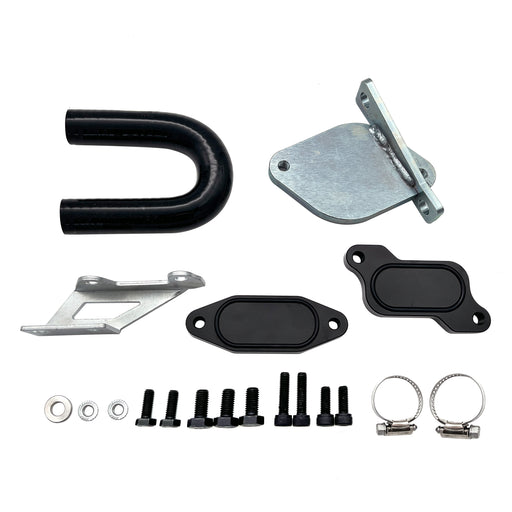
For 2007-2010 6.6L Chevy GMC LMM Duramax EGR Valve Cooler Delete Kit Fit
SEGULEROriginal price $61.99 - Original price $61.99Original price$61.99$61.99 - $61.99Current price $61.99FITMENT 2007.5-2010 6.6L Chevrolet Silverado Duramax LMM 2500HD / 3500HD. 2007.5-2010 6.6L GMC Sierra Duramax LMM 2500HD / 3500HD. Note: Standard...
View full details -
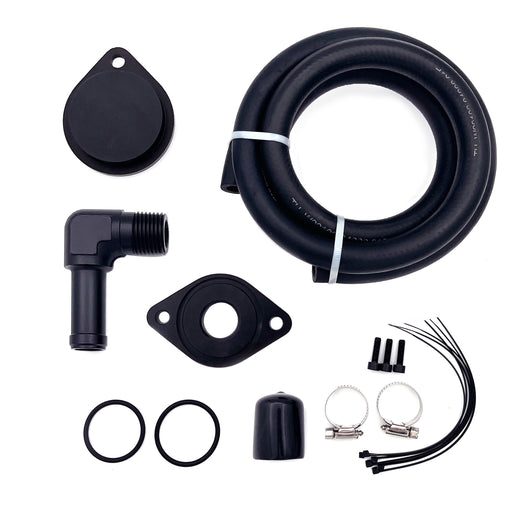
Seguler 2011-2023 Ford 6.7L Powerstroke CCV/PCV Reroute/Delete Engine Ventilation Kit
SEGULEROriginal price $72.00 - Original price $72.00Original price$72.00$72.00 - $72.00Current price $72.00FITMENT 2011-2023 6.7L Ford Powerstroke F-250 F-350 F-450 F-550 Super Duty V8 Diesel. Compatible with both standard Pickups and commercial Cab &...
View full details -
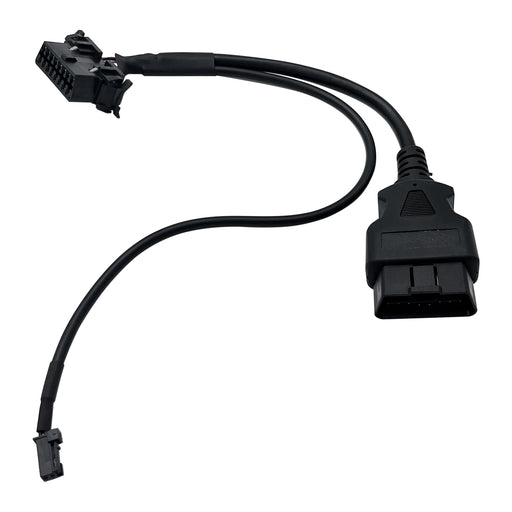
Seguler 2018+ RAM Cummins OBD2 HD Security Gate Bypass Cable
SEGULEROriginal price $45.00 - Original price $45.00Original price$45.00$45.00 - $45.00Current price $45.00FITMENT 2018+ 6.7L Ram Cummins 2500 3500 Turbo Diesel. Designed for Ram pickup trucks equipped with the factory Security Gateway Module. Note: Pl...
View full details -
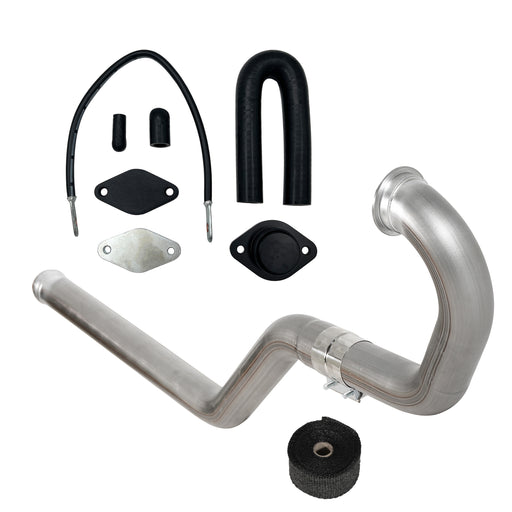
3" Turbo Back DPF & EGR Delete Kit for 2020-2022 GM 3.0L LM2 Duramax
SEGULEROriginal price $550.00 - Original price $550.00Original price$550.00$550.00 - $550.00Current price $550.00FITMENT 2020–2022 3.0L Chevrolet Silverado 1500 LM2 Diesel. 2020–2022 3.0L GMC Sierra 1500 LM2 Diesel. DESCRIPTION Product Overview On the 3.0...
View full details


Leave a comment