

Duramax EGR Delete and High-Flow Intake Elbow: the LLY and LBZ Guide
The LLY and LBZ Duramax both came from the factory with a water-cooled EGR system that leaks coolant and chokes the intake — and a cheap block-off plate only fixes half of it. The complete fix is an EGR delete paired with a high-flow intake elbow that replaces the restrictive factory bridge, because leaving that bridge in place sends backpressure into the up-pipe bellows and blows them out.
For off-road / competition use only. Not legal for on-road use in emissions-regulated areas. Check your local, state, and federal laws before modifying any emissions-related component.
Why Does the EGR System Fail on the LLY and LBZ?
The LLY and LBZ are the two Duramax generations where GM first bolted exhaust gas recirculation onto the 6.6L. It’s the same fundamental system on both, and it fails the same way.
-
The EGR cooler is a coolant-fed heat exchanger that runs engine coolant on one side and exhaust on the other. The LLY’s stacked-plate core and the LBZ’s refined-but-similar design both fatigue under repeated heat cycling.
-
When the core cracks, coolant leaks into the intake. That’s the notorious failure — thick white smoke from the tailpipe, coolant level dropping with no visible leak, and in the worst case a hydrolock that bends a rod.
-
The recirculated soot coats the intake. Over 100,000 to 150,000 miles, the intake manifold, EGR valve, and throttle bore build up hardened carbon that restricts airflow and sticks the valve open or closed.
Repairing a cracked cooler runs $1,500 to $3,000 in parts alone, and the failure concentrates right in that 100,000–150,000-mile window — especially on trucks that tow. This is why the EGR delete is one of the most common modifications on these engines.
Why a Block-Off Plate Alone Isn’t Enough
Here’s the part most buyers miss, and it’s the whole reason the “high-flow intake elbow” matters.
A basic block-off kit does exactly what it says: it bolts a plate over the EGR port and stops exhaust from recirculating. What it does not do is remove the problem. Two specific things go wrong:
-
The restrictive factory bridge stays in place. The stock intake elbow on the LLY and LBZ is a necked-down, sharp-bend casting that was never a great airflow path to begin with. Block off the EGR and you’ve stopped the soot, but you’ve still got that bottleneck choking the turbo inlet.
-
The leftover backpressure has to go somewhere — and it goes into the up-pipe bellows. This is the failure that catches people by surprise. The up-pipe on these trucks has an accordion-style flex bellows, and with the EGR branch blocked, exhaust pressure builds against it until the bellows splits.
That last point isn’t theory:
It’s the most common “I deleted it and now it’s worse” story on these trucks. One installer documented it in real time: after putting blocker plates on, the passenger up-pipe cracked below the plate within a week, and the Y-bridge blew out shortly after. The bellows split is so predictable that experienced builders either replace the up-pipe with a no-EGR version, or cut and cap the EGR branch entirely.
The takeaway:
A block-off plate stops the EGR, but it doesn’t fix the engine. The complete job is deleting the EGR and replacing the restrictive bridge with a high-flow intake elbow, so the intake path is clean from the turbo inlet all the way back.
What the High-Flow Intake Elbow Actually Changes
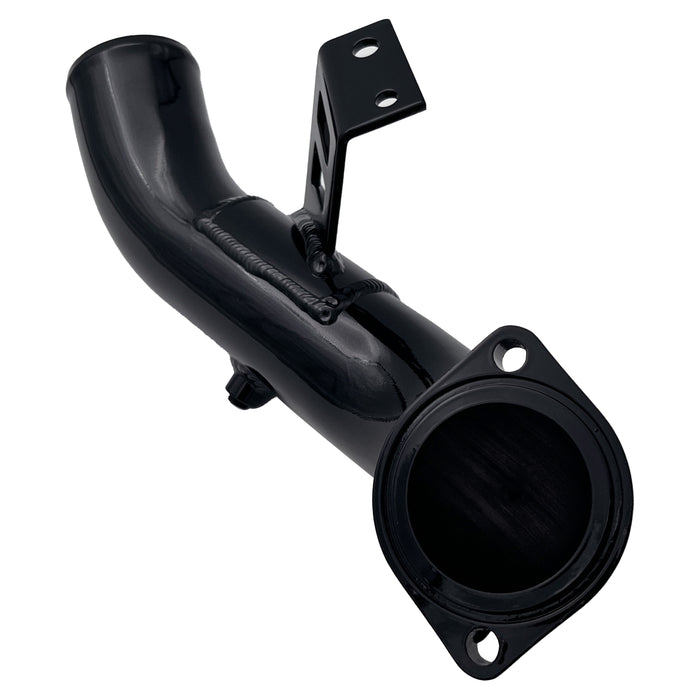
A high-flow intake elbow is not a horsepower part, and it’s worth being blunt about that. What it does is remove a restriction and a failure point at the same time.
-
It replaces the necked-down factory bridge. The stock intake elbow on the LLY and LBZ has a sharp bend and a small opening right where air enters the turbo. A mandrel-bent high-flow elbow smooths that path and opens it up.
-
It eliminates the EGR entry port entirely. A quality elbow doesn’t just block the EGR hole — it comes without the hole in the first place, so there’s no plate to leak and no port to collect soot.
-
The real-world gain is in throttle response and EGT, not peak power. Owners consistently report a crisper throttle and lower exhaust gas temperatures under load, but the honest ones will tell you the intake elbow alone doesn’t add meaningful horsepower.
The value of the elbow is that it finishes the job the block-off plate starts — it removes the restriction, the soot entry point, and the backpressure spike that cracks the up-pipe bellows, all in one bolt-on piece.
The Three Tiers at a Glance
The market breaks into three levels, and the difference between them is exactly what you’d expect from the discussion above:
| Approach | What It Removes | What It Leaves Behind | Rough Cost | Verdict |
|---|---|---|---|---|
| Block-off plate | Nothing — just seals the EGR port |
The cooler (still cracks), the restrictive bridge, the up-pipe bellows |
$60–$120 |
Stops soot, leaves failure points |
| Full EGR delete | Valve + cooler | The restrictive iintake elbow | $150–$250 |
Removes the cooler, leaves airflow bottleneck |
|
Full delete + high-flow elbow |
Valve + cooler + restrictive bridge | Nothing — clean intake path | $92.99–$129.99 |
The complete fix — no soot, no coolant leak, no backpressure spike |
Notice the price spread: the top tier is not dramatically more than a full delete, but it’s the only one that removes the airflow bottleneck and the up-pipe bellows stress in the same job.
Know Your Generation: LLY vs LBZ
These two engines are close cousins, but they are not interchangeable — and getting the wrong kit is the fastest way to a frustrating install.
| LLY | LBZ | |
|---|---|---|
| Model years | 2004.5–2005 | 2006–2007.4 |
| VIN 8th digit | 2 | D |
| First EGR Duramax | Yes (LB7 had none) | Carries LLY architecture forward |
| EGR cooler | Stacked-plate, higher failure rate | Refined design, same layout |
| Delete complexity | Simplest EGR delete | Equally simple, no DEF/SCR |
The key point: neither the LLY nor the LBZ has a DEF or SCR system. Those didn’t arrive until the LML in 2011. That means the delete on both is limited to the EGR valve, EGR cooler, and the intake-side plumbing. It’s the cleanest, simplest delete of any EGR-equipped Duramax.
The EGR Cooler Core Is Different
The LLY (2004.5–2005) runs a stacked-plate cooler — a core made of stacked plates that’s prone to fatigue cracking at the brazed joints under repeated heat cycling. The LBZ (2006–2007) carries the same layout but with a revised, more heat-tolerant core.
The Coolant Routing Is Different
The coolant lines feeding and returning from the EGR cooler run along different paths on the two generations — the firewall-side routing, the hard-line brackets, and the hose lengths all changed. That means the coolant reroute hose in a kit is cut and shaped for one generation’s routing and won’t reach or line up on the other.
The Intake Elbow Interface Is Different
The stock intake elbow — the piece the high-flow elbow replaces — bolts to the turbo inlet and the cold-side intercooler pipe at different angles and bolt patterns between the LLY and the LBZ. The necked-down shape is the shared problem, but the physical interface around it isn’t shared.
The Block-Off Plate Bolt Pattern Is Different
The EGR valve and cooler ports have different flange bolt layouts on the two generations. A block-off plate drilled for one port pattern won’t line up its holes on the other — you’d be forcing fasteners into misaligned holes, which is how you get a leak and a stripped thread.
The Bottom Line on Interchange
The differences aren’t cosmetic — they’re in the exact spots where a delete kit has to seal and bolt on: the cooler flange, the coolant ports, the intake elbow, and the block-off plate pattern. This is why SEGULER builds two separate kits rather than one “fits all” piece.
Because the cooler design, coolant routing, and intake mouthpiece differ between the two generations, an LLY kit does not drop onto an LBZ and vice versa. Always confirm your VIN 8th digit — “2” for LLY, “D” for LBZ — before ordering.
Does an EGR Delete Add Horsepower?
The delete itself does not make horsepower. The tune does. What the delete does change on its own:
- It lowers intake air temperature by roughly 15–30°F, because you’re no longer feeding 1,200°F exhaust back into the intake charge.
- It drops EGT by 50–100°F at wide-open throttle, and more under heavy towing — the reliability win that actually matters.
- It eliminates the coolant-leak and soot-buildup failure points permanently.
The meaningful power gains — 60 to 100 hp and 150 to 200 lb-ft — come entirely from pairing the delete with a custom tune (like EFI Live) and a free-flowing exhaust. On its own, the EGR delete is a reliability and thermal management modification, not a power modification.
What a Delete Won’t Fix
As useful as the EGR delete is, it’s not a cure-all, and the LLY in particular has issues that have nothing to do with the EGR system.
-
Overheating. The LLY is known for heat-soaking under load, but that’s a cooling-system problem — radiator condition, fan clutch, coolant mix, charge-air leaks — not an EGR problem. A delete won’t fix a weak fan clutch or a restricted radiator.
-
Coolant loss isn’t always the EGR cooler. A head gasket or a cooling-system leak can present with the same white smoke and dropping coolant level. Diagnose before you blame the EGR.
-
Low fuel rail pressure. This is a separate, common LLY complaint — a weak factory relief valve spring — and it has nothing to do with the EGR system. It’s fixed with a hardened fuel rail plug, not a delete.
The honest framing: an EGR delete removes the EGR-driven failures and nothing else. It’s a targeted fix, not a rebuild.
The Products: Two Kits, One Fix for Each Generation
SEGULER builds a dedicated EGR delete + high-flow intake elbow kit for each of these two engines, so you’re not adapting one kit across generations.
For the LBZ (2006–2007.4)

The High-Flow Intake Elbow & EGR Delete Kit for the 2006–2007.4 LBZ ($129.99) pairs a free-flowing, mandrel-bent aluminum intake pipe with complete EGR removal hardware. The block-off plates are CNC-cut from black-anodized aluminum for a leak-free seal, and the whole package is built to factory inlet dimensions so it works with your stock cold-side intercooler pipe or any OEM-spec aftermarket piping.
It fits the 2006–2007.4 Silverado and Sierra 2500HD/3500HD — but not Cab & Chassis trucks or the later LMM.
For the LLY (2004.5–2005)

The High-Flow Intake Elbow & EGR Delete Kit for the 2004.5–2005 LLY ($92.99) combines the same high-flow elbow with CNC billet aluminum block-off plates, stainless steel hardware, and high-temperature silicone coolant hoses.
It fits the 2004.5–2005 Silverado and Sierra 2500HD/3500HD.
Both kits do the same job for their generation: seal off the EGR ports, delete the cooler, and replace the restrictive factory bridge with a smooth, unrestricted intake path.
How to Install an LLY or LBZ EGR Delete: Step by Step
This is an intermediate DIY job — plan for roughly 4 to 6 hours the first time, with the tightest access at the back of the engine and around the turbo. Here’s the full walkthrough, drawn from real installs on both the LLY and LBZ.
Tools You’ll Need
- Socket set: 8mm, 10mm, 11mm, 12mm, 13mm, 15mm, plus a deep well for the EGR pipe clamps
- A 12-point 12mm socket for the up-pipe bolts (some are 6-point — check yours)
- T20 Torx bit with a center hole (for the MAF sensor) and a T30 Torx (for the resonator)
- A stubby 12mm wrench and a pry bar — the top EGR cooler bolt is the worst one on the truck
- A high-tooth-count ratchet (84 teeth or better) for the tight angles
- Flathead screwdriver, needle-nose pliers, and an Exacto knife for cutting the old coolant hoses
- Coolant catch pan, fresh coolant, thread locker, thread tape, and copper anti-seize
Step 0 — Flash the Tune First
Flash your delete tune before you touch a single bolt. The ECM monitors EGR flow and position, and pulling the hardware without a supporting tune triggers P0401/P0404 codes and can put the truck into limp mode. This is non-negotiable — tune first, hardware second.
Step 1 — Disconnect and Drain the Coolant
Disconnect both battery negatives. Then drain a few quarts of coolant — you don’t need it all, just enough that the EGR cooler comes out without dumping coolant everywhere. GM didn’t put a convenient drain port on these trucks, so either pull a lower coolant line (the passenger-side radiator line is the usual one) or use the radiator petcock with pliers.
Step 2 — Clear the Top of the Engine
- Remove the air intake pipe and loosen its clamps.
- Pull the MAF sensor (T20 Torx with the center hole) and set it aside.
- Remove the resonator box (T30 Torx) and the turbo mouthpiece.
- Pinch and release the crankcase breather, then loosen the clamp on the back of the turbo housing and pull the mouthpiece off.
- Disconnect the PCV piping (a 10mm bolt and a V-band clamp) and move the harness out of the way.
Step 3 — Remove the EGR Valve
- Unplug the EGR valve electrical connector and the temperature sensor, and set them aside (tape them up if you’re leaving them in place).
- Remove the two 15mm bolts on the valve, then the two 12mm studs and two 12mm bolts on the back.
- The back-corner fastener is the hardest — a high-tooth ratchet or a wrench-on-wrench trick gets it. The valve lifts out once it’s loose.
Step 4 — Remove the EGR Cooler
- Cut the two coolant hoses with an Exacto knife rather than fighting them off — you’re running new lines anyway.
- Remove the bolts around the cooler, including the top stud and the rear bolts. The top rear bolt is the worst: a stubby 12mm with a pry bar underneath to lift it is the move.
- Bend the small coolant-line bracket out of the way, then wiggle the cooler out. If it’s stuck on the up-pipe studs, a pry bar between the cooler and the exhaust up-pipe frees it.
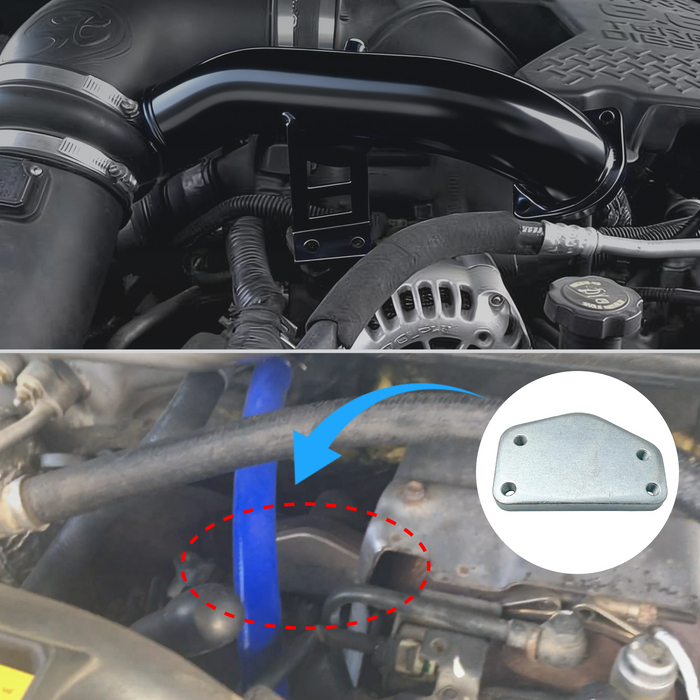
Step 5 — Install the Block-Off Plates and Coolant Reroute
- Clean the mating surfaces and the intake ports of carbon before the plates go on.
- Install the block-off plates with a thin bead of high-temp silicone and the new gaskets.
- Route the new coolant line from the firewall to the radiator, reusing the factory clamps where you can. Don’t leave the old ports open or capped wrong — a bad reroute creates an air pocket and an overheat.
Step 6 — Install the High-Flow Intake Elbow
- Before the elbow goes on, clean the threaded boost-gauge port — these often ship with metal shavings clear-coated inside, and a rag through it four or five times gets the chips out.
- Use thread tape on the boost plug and thread locker on the bolts.
- Bolt the elbow in, then reassemble the PCV piping, mouthpiece, resonator, intake, and wiring.
Step 7 — Refill, Bleed, and Shakedown
Refill the coolant and bleed the air at the thermostat housing bleed screw — loosen it until coolant streams out, then tighten. Start the truck, watch for leaks, scan for codes, and take it on a short drive to heat-cycle everything. Recheck the fasteners and coolant level after it cools.
The Mistakes That Come Back to Bite You
- Skipping the tune — instant codes and limp mode.
- Leaving the factory up-pipe in place — the bellows blows out under backpressure.
- Installing the intake or MAF backwards — a guaranteed boost leak and dead throttle response.
- Not cleaning the intake elbow’s threaded port — metal shavings go straight into the turbo.
After the Install: How to Care for a Deleted LLY or LBZ
A deleted EGR system removes one failure point, but the truck still needs the same care as any high-mileage Duramax — plus a few things specific to the delete.
-
Recheck seals after 500–1,000 miles. New block-off plates and gaskets settle after heat cycling. Give the block-off area, coolant lines, and intake joints a quick once-over for soot tracks, drips, or a loose clamp.
-
Watch the coolant level closely for the first few weeks. You rerouted the cooling circuit, so any trapped air will work its way out and drop the level. Top it off cold, then again after the first real drive.
-
Keep the intake side clean. The EGR is gone, but the crankcase breather still routes oil mist into the intake. If you start seeing oily residue build up in the new elbow, a CCV reroute is the next logical step — it’s the other half of the intake-cleanliness equation.
-
Don’t stretch the oil interval past spec. Deleted or not, a 6.6L Duramax runs 10–11 quarts of 15W-40. The EGR delete keeps the oil cleaner for longer, but that’s a reason to hold the line on changes, not push them out.
-
Keep the tune and scan for codes. The truck is running a custom calibration, so a scan tool is worth owning. Check for stored DTCs every oil change, and don’t ignore a new code just because the check-engine light was turned off by the tune.
-
Hold on to the factory parts. If you ever need to return the truck to stock — for resale or an inspection — the original valve, cooler, and bridge make that a straightforward job instead of an expensive one.
Is an EGR Delete Legal?
Removing or disabling the EGR system on a road-driven truck violates the federal Clean Air Act (42 U.S.C. § 7522), and the “off-road” label on a kit does not create a legal exemption. Individual penalties can reach $5,911 per violation, and states like California enforce stricter rules through CARB.
These kits are for off-road, competition, and non-public-road use where the law permits it. Know your local rules before you buy.
Get the Right Kit for Your Duramax
The LLY and LBZ are two of the most respected engines GM ever put in a pickup — and their EGR system is the one thing holding them back. The fix isn’t a half-measure; it’s deleting the EGR and replacing the restrictive intake elbow, so the intake path is clean and the up-pipe bellows isn’t left to soak up the backpressure.
SEGULER’s LBZ kit and LLY kit each pair the EGR delete with a high-flow intake elbow in one bolt-on package — so you fix the soot, the coolant leak, and the airflow bottleneck in a single teardown. If you want to know more about the 6.6L Duramax, you can check out these blogs:
- 2007-2012 6.7 Cummins Delete: MPG & EGT Gains?
- 6.6L Duramax L5P Reliability & Upgrade Guide: Exhaust, EGR
- 6.6L Duramax Up-Pipe & EGR Upgrade Guide: Fix Common Exhaust Issues
Frequently Asked Questions
Q1: Do I need a tune for an LLY or LBZ EGR delete?
A: Yes. The ECM monitors EGR flow, and removing the valve and cooler without a supporting delete tune triggers fault codes like P0401 and P0404 and can put the truck into limp mode. Flash the tune before removing any hardware.
Q2: What’s the difference between a block-off plate and a full delete?
A: A block-off plate just seals the EGR port and leaves the cooler and restrictive bridge in place. A full delete removes the valve, cooler, and plumbing, and ideally replaces the intake elbow with a high-flow elbow.
Q3: Why does a block-off plate alone cause problems?
A: Blocking the EGR sends the leftover exhaust backpressure into the up-pipe’s flex bellows, which is a known crack point. It also leaves the restrictive factory intake elbow in place, so you’ve stopped the soot but not the airflow bottleneck.
Q4: Does an EGR delete add horsepower?
A: Not by itself. The delete lowers intake temps and EGTs, but the power gains come from the tune you pair with it. A high-flow intake elbow on a stock truck also doesn’t add horsepower — its job is airflow and reliability.
Q5: Are the LLY and LBZ kits interchangeable?
A: No. The LLY (2004.5–2005, VIN 8th digit “2”) and LBZ (2006–2007.4, VIN 8th digit “D”) have different cooler designs, coolant routing, and intake mouthpieces. Always match the kit to your exact engine code.
Q6: Do the LLY and LBZ have a DPF or DEF system?
A: No. Both predate DEF/SCR, which didn’t arrive until the LML in 2011. That makes the EGR delete on these trucks one of the simplest of any Duramax — no DEF tank or SCR catalyst to remove.
Q7: Will an EGR delete fix my LLY overheating problem?
A: Probably not. LLY overheating is usually a cooling-system issue — radiator, fan clutch, or coolant mix — not an EGR problem. Diagnose the cooling system before blaming the EGR.
Q8: How long does the install take?
A: Roughly 4 to 6 hours for a first-timer with hand tools. The tightest access is at the back of the engine and around the turbo, and the top EGR cooler studs are the usual sticking point.
Q9: Does the high-flow intake elbow work with my aftermarket intercooler piping?
A: Yes. A quality elbow is built to factory inlet dimensions, so it connects to your stock cold-side intercooler pipe or any OEM-spec aftermarket piping.
Q10: Is a Duramax EGR delete legal on the road?
A: No. Removing emissions equipment on a road-driven truck violates the federal Clean Air Act, and the “off-road” label doesn’t create a legal exemption. These kits are for off-road and competition use only.
Q11: What’s the most common install mistake?
A: Besides skipping the tune, it’s leaving the restrictive factory bridge in place — which is what cracks the up-pipe bellows — and forgetting to clean metal shavings out of the intake elbow’s threaded boost-gauge port.
Q12: What should I check after the first drive?
A: Coolant level, coolant leaks around the block-off plates and rerouted lines, exhaust soot marks, boost leaks, and any stored codes. Recheck the fasteners after the first heat cycle before towing or hauling.
For off-road / competition use only. Not legal for on-road use in emissions-regulated areas. Check your local, state, and federal laws before modifying any emissions-related component.
Featured collection
-
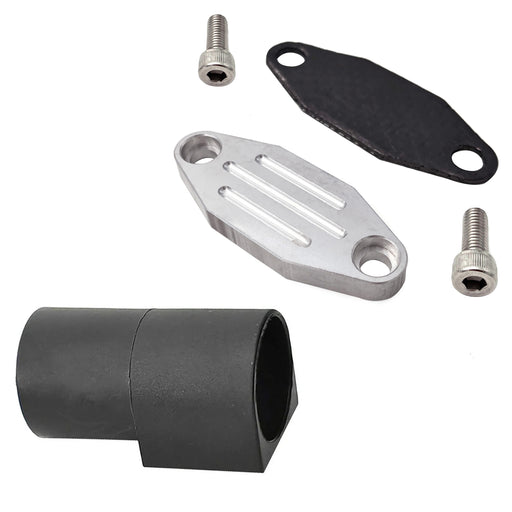
Seguler 1986-1995 Ford F150 F250 F350 Mustang Trucks EGR Simulator Eliminator / Block Off Plate Kit
SEGULEROriginal price $79.99 - Original price $79.99Original price$79.99$79.99 - $79.99Current price $79.99Block Off Plate Material: Aluminum alloy. Easy installation,and convenient to use. Made of CNC milled from aircraft grade Billet aluminum. Will N...
View full details -

Seguler 2011-2023 6.7L Ford Powerstroke Diesel EGR Delete Kit
SEGULEROriginal price $109.99 - Original price $109.99Original price$109.99$109.99 - $109.99Current price $109.99FITMENT 2011-2023 6.7L Ford Powerstroke F-250 F-350 F-450 F-550 Super Duty V8 Diesel. compatible with both standard Pickups and commercial Cab &...
View full details -
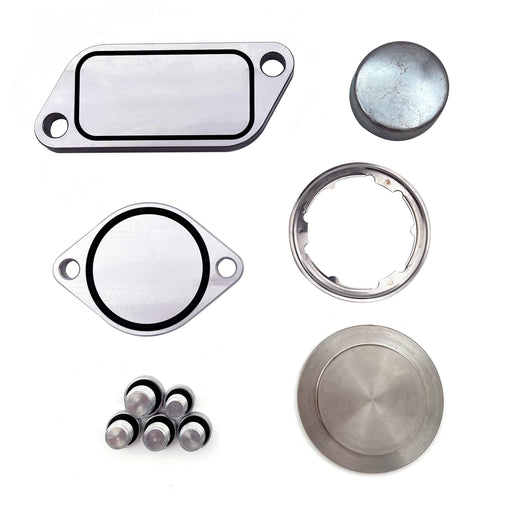
For 2010-Present Stage 2 ISX 15 CM2250 CM2350 EGR Delete Kit
SEGULEROriginal price $59.99 - Original price $59.99Original price$59.99$59.99 - $59.99Current price $59.99FITMENT 2010-Present Cummins Volvo, Peterbilt, Mack, International, Freightliner, Kenworth with the ISX15 CM2250 / CM2350 engines. DESCRIPTION P...
View full details -
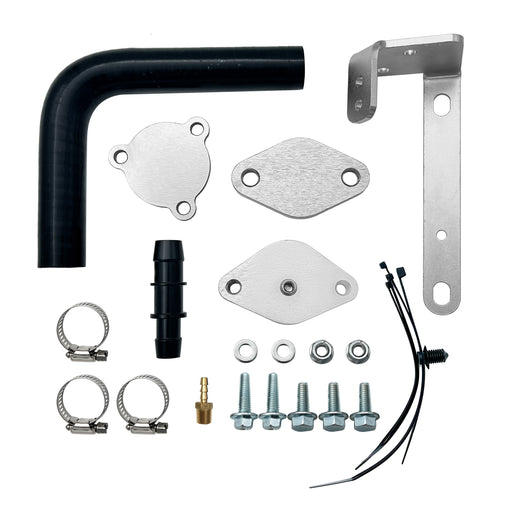
Seguler For 2014-2019 3.0L Dodge Ram 1500 EcoDiesel EGR Valve & Cooler Delete Kit
SEGULEROriginal price $72.99 - Original price $72.99Original price$72.99$72.99 - $72.99Current price $72.99FITMENT 2014-2019 3.0L Dodge Ram 1500 EcoDiesel V6 engine trucks. DESCRIPTION Product Overview Exhaust gas recirculation on 3.0L EcoDiesel V6 ...
View full details -
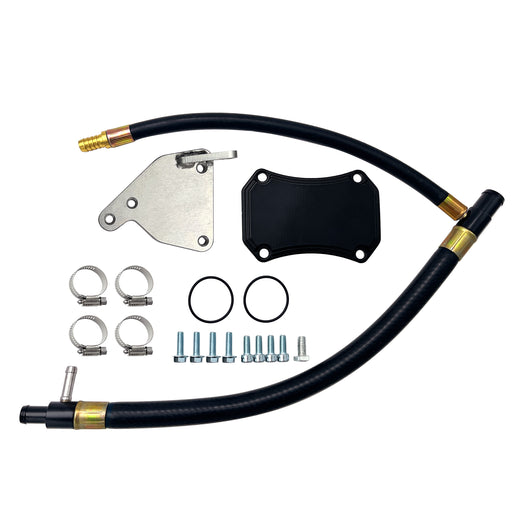
For 2011-2016 6.6L GMC Chevy Duramax Diesel LML EGR Valve Cooler Delete Kit
SEGULEROriginal price $66.49 - Original price $66.49Original price$66.49$66.49 - $66.49Current price $66.49FITMENT 2011-2016 6.6L Chevy GMC Duramax LML 2500 HD 3500 HD Diesel. DESCRIPTION Product Overview The 2011–2016 LML Duramax uses a complex EG...
View full details -
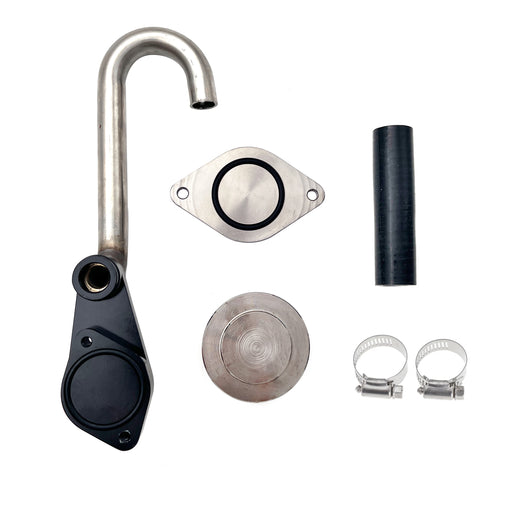
Seguler 2003-2007 6.0L FORD Powerstroke Diesel EGR Cooler Delete Kit
SEGULEROriginal price $56.14 - Original price $56.14Original price$56.14$56.14 - $56.14Current price $56.14FITMENT 2003-2007 6.0L Ford F-250 Ford F-350 F-450 F-550 Super Duty. 2003-2007 6.0L Ford Excursion SUV (Diesel Models Only). 2005-2010 Ford E-Se...
View full details -

Seguler 2011-2023 6.7L Ford Powerstroke Diesel EGR Delete Kit
SEGULEROriginal price $85.99 - Original price $85.99Original price$85.99$85.99 - $85.99Current price $85.99FITMENT 2011-2023 6.7L Ford Powerstroke F-250 F-350 F-450 F-550 Super Duty V8 Diesel. compatible with both standard Pickups and commercial Cab &...
View full details -

Seguler 2010-2024 6.7L Dodge Ram Cummins Diesel EGR Valve Cooler Delete Kit
SEGULEROriginal price $89.99 - Original price $89.99Original price$89.99$89.99 - $89.99Current price $89.99FITMENT 2010–2024 6.7L Dodge Ram Cummins 2500 / 3500 Pickup Turbo Diesel. Note: Does NOT fit Chassis Cab 3500 / 4500 / 5500 models. DESCRIPTIO...
View full details -

Seguler 2017-2019 L5P Duramax Diesel 4pcs L5P Can Bus Plugs Connector Replacement
SEGULEROriginal price $75.00 - Original price $75.00Original price$75.00$75.00 - $75.00Current price $75.00FITMENT 2017–2019 Chevrolet Silverado / GMC Sierra Duramax L5P 2500HD & 3500HD Diesel. DESCRIPTION Product Overview Unprotected harness con...
View full details -
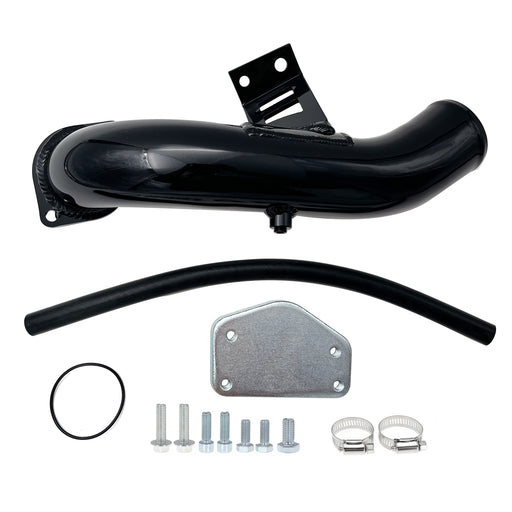
For 2004.5-2005 6.6L Chevy GMC Silverado LLY Duramax Diesel EGR Delete Kit
SEGULEROriginal price $92.99 - Original price $92.99Original price$92.99$92.99 - $92.99Current price $92.99FITMENT 2004.5-2005 6.6L Chevrolet Silverado Duramax LLY 2500HD / 3500 HD. 2004.5-2005 6.6L GMC Sierra Duramax LLY 2500HD / 3500 HD. DESCRIPTION...
View full details -

Seguler 2020-2023 chevy duramax L5P Diesel Can Bus Plugs Connector
SEGULEROriginal price $80.00 - Original price $80.00Original price$80.00$80.00 - $80.00Current price $80.00FITMENT 2020–2023 Chevrolet Silverado / GMC Sierra Duramax L5P 2500HD & 3500HD Diesel. DESCRIPTION Product Overview Unprotected harness pl...
View full details -
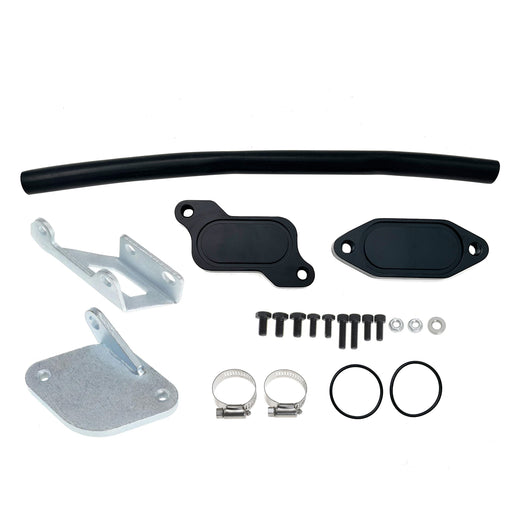
For 2006-2007 6.6L Chevrolet Silverado Classic GMC Duramax LBZ Diesel EGR Valve Cooler Delete Kit
SEGULEROriginal price $63.49 - Original price $63.49Original price$63.49$63.49 - $63.49Current price $63.49FITMENT 2006-2007.4 Chevrolet Silverado Duramax LBZ 2500HD / 3500HD. 2007.4 Chevrolet Silverado Duramax LBZ 2500HD / 3500HD Classic. 2006-2007.4 ...
View full details -

Seguler 2011-2023 6.7L Ford F250 F350 F450 F550 Powerstroke Diesel EGR Valve Delete Cooler Delete Kit
SEGULEROriginal price $55.99 - Original price $55.99Original price$55.99$55.99 - $55.99Current price $55.99FITMENT 2011-2023 6.7L Ford Powerstroke F-250 F-350 F-450 F-550 Super Duty V8 Diesel compatible with both standard Pickups and commercial Cab &a...
View full details -
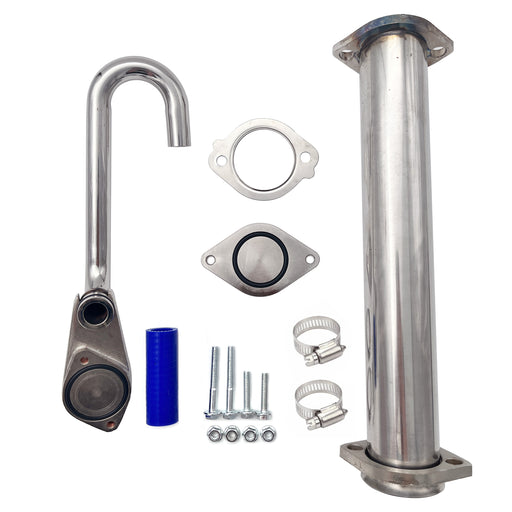
Seguler 2003-2007 6.0L Ford F250 F350 Powerstroke Diesel EGR Basic Cooler Kit
SEGULEROriginal price $79.99 - Original price $79.99Original price$79.99$79.99 - $79.99Current price $79.99FITMENT 2003-2007 6.0L Ford F250 F350 F450 F550 Super Duty Turbo (except 2004 F250 Super Duty). 2003-2005 6.0L Ford Excursion Turbo. 2005 Ford F...
View full details -
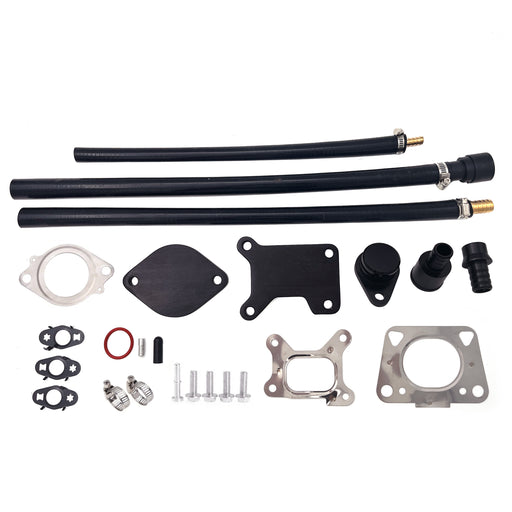
For 2017-2023 6.6L Chevy GMC Duramax L5P diesel EGR Valve Cooler Delete kit
SEGULEROriginal price $131.99 - Original price $131.99Original price$131.99$131.99 - $131.99Current price $131.99FITMENT 2017–2023 6.6L Chevrolet Silverado / GMC Sierra Duramax L5P 2500HD 3500HD Diesel. DESCRIPTION Product Overview Hot soot recirculation ...
View full details -
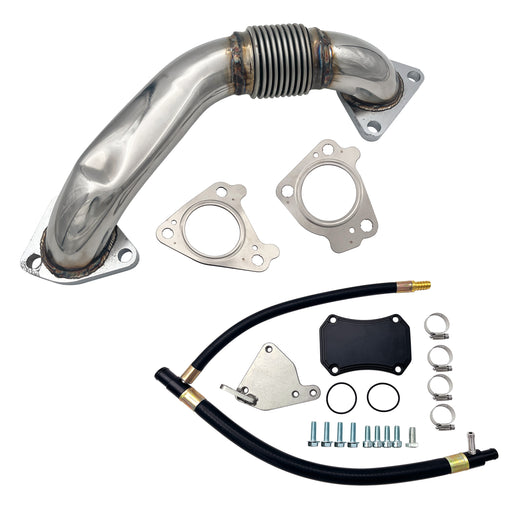
Seguler 2011-2016 6.6L GMC Chevy Duramax Diesel LML Up-Pipe & EGR Valve Cooler Delete Kit
SEGULEROriginal price $173.86 - Original price $173.86Original price$173.86$173.86 - $173.86Current price $173.86FITMENT 2011-2016 6.6L Chevy GMC Duramax LML 2500 HD 3500 HD Diesel. DESCRIPTION Product Overview Direct-injection technology endows GM 5.3L an...
View full details -
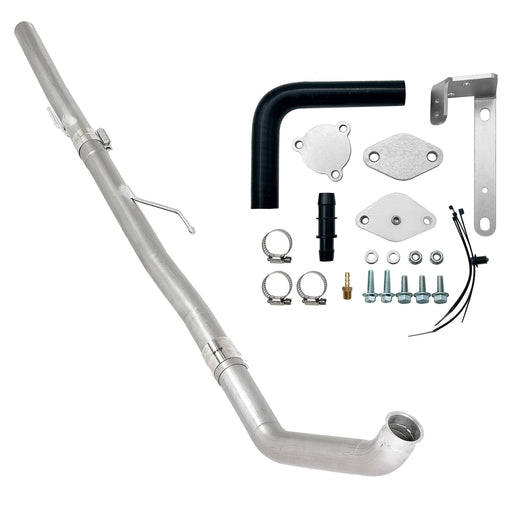
Seguler 3" Ecodiesel DPF Delete Pipe & EGR Delete kit for 2014-2018 3.0L Ram
SEGULEROriginal price $342.00 - Original price $342.00Original price$342.00$342.00 - $342.00Current price $342.00FITMENT 2014–2018 3.0L Dodge Ram 1500 EcoDiesel V6. NOTE: Fit standard Pickup models only (Crew Cab, Quad Cab). Does NOT fit Jeep Grand Cheroke...
View full details -
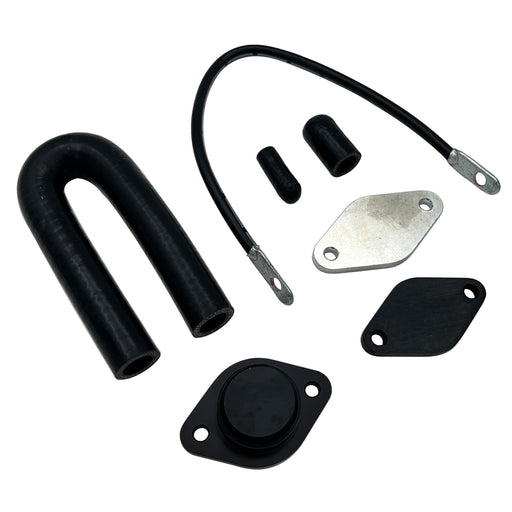
Seguler EGR valve cooler Delete kit for 2020-2022 3.0L Chevy Duramax LM2
SEGULEROriginal price $189.12 - Original price $189.12Original price$189.12$189.12 - $189.12Current price $189.12FITMENT 2020–2022 3.0L Chevrolet Silverado GMC Sierra 1500 LM2 Turbo-Diesel. DESCRIPTION Product Overview Powered by smooth inline-six engine...
View full details -

For 2013-2023 6.7L Dodge Ram Cummins Cab & Chassis EGR Delete Kit Diesel
SEGULEROriginal price $62.99 - Original price $62.99Original price$62.99$62.99 - $62.99Current price $62.99FITMENT 2013–2023 6.7L Ram Cummins 3500 4500 5500 Cab & Chassis / Commercial Trucks. Does NOT fit standard Ram 2500 3500 Pickups. DESCRIPTIO...
View full details -
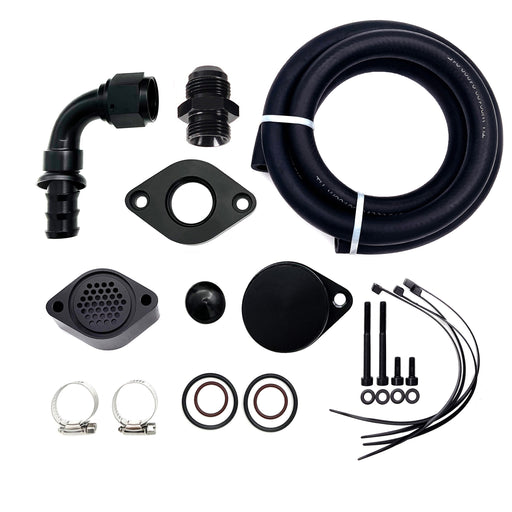
Seguler 2011-2023 6.7L Ford Powerstroke CCV PCV Reroute Engine Ventilation Kit
SEGULEROriginal price $82.99 - Original price $82.99Original price$82.99$82.99 - $82.99Current price $82.99FITMENT 2011-2023 6.7L Ford Powerstroke F-250 F-350 F-450 F-550 Super Duty V8 Diesel. Compatible with both standard Pickups and commercial Cab &...
View full details -
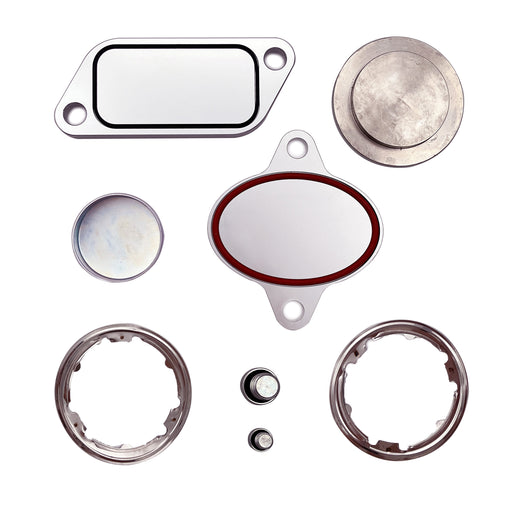
For 2007-2010 Cummins ISX CM871 EGR Plug Kit Stage 2 Plates and Plugs Aluminum
SEGULEROriginal price $67.99 - Original price $67.99Original price$67.99$67.99 - $67.99Current price $67.99FITMENT 2007-2010 Cummins Volvo, Peterbilt, Mack, International, Freightliner, Kenworth with the ISX CM871 Engines. DESCRIPTION Product Overvie...
View full details -
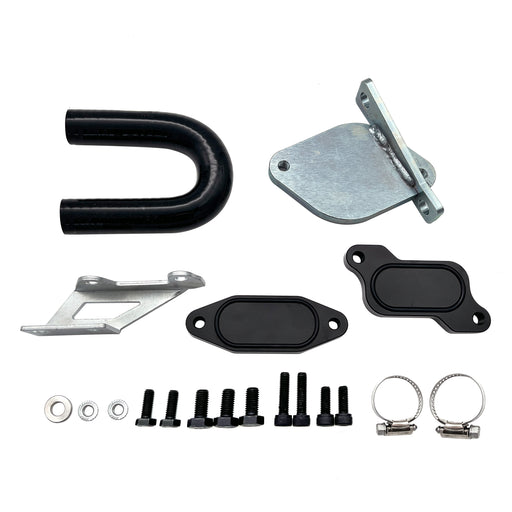
For 2007-2010 6.6L Chevy GMC LMM Duramax EGR Valve Cooler Delete Kit Fit
SEGULEROriginal price $61.99 - Original price $61.99Original price$61.99$61.99 - $61.99Current price $61.99FITMENT 2007.5-2010 6.6L Chevrolet Silverado Duramax LMM 2500HD / 3500HD. 2007.5-2010 6.6L GMC Sierra Duramax LMM 2500HD / 3500HD. Note: Standard...
View full details -
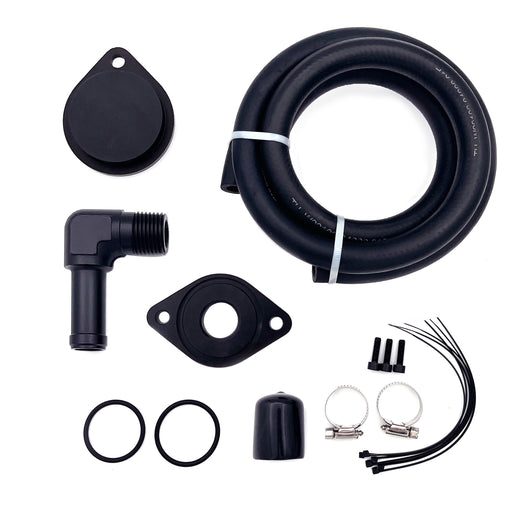
Seguler 2011-2023 Ford 6.7L Powerstroke CCV/PCV Reroute/Delete Engine Ventilation Kit
SEGULEROriginal price $72.00 - Original price $72.00Original price$72.00$72.00 - $72.00Current price $72.00FITMENT 2011-2023 6.7L Ford Powerstroke F-250 F-350 F-450 F-550 Super Duty V8 Diesel. Compatible with both standard Pickups and commercial Cab &...
View full details -
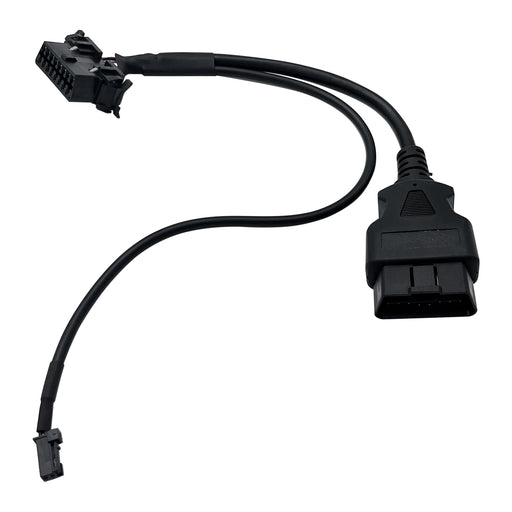
Seguler 2018+ RAM Cummins OBD2 HD Security Gate Bypass Cable
SEGULEROriginal price $45.00 - Original price $45.00Original price$45.00$45.00 - $45.00Current price $45.00FITMENT 2018+ 6.7L Ram Cummins 2500 3500 Turbo Diesel. Designed for Ram pickup trucks equipped with the factory Security Gateway Module. Note: Pl...
View full details -
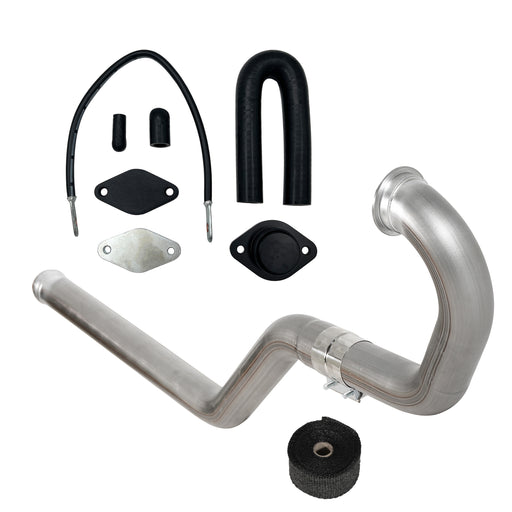
3" Turbo Back DPF & EGR Delete Kit for 2020-2022 GM 3.0L LM2 Duramax
SEGULEROriginal price $550.00 - Original price $550.00Original price$550.00$550.00 - $550.00Current price $550.00FITMENT 2020–2022 3.0L Chevrolet Silverado 1500 LM2 Diesel. 2020–2022 3.0L GMC Sierra 1500 LM2 Diesel. DESCRIPTION Product Overview On the 3.0...
View full details


Leave a comment