

Does a 2007-2012 6.7L Cummins DPF & EGR Delete Improve MPG & EGT & Power?
Every diesel owner has heard the pitch: delete the emissions and watch your MPG and EGTs transform. The 6.7L Cummins is no exception — the forums are full of owners claiming everything from “+10 MPG” to “half the exhaust gas temperature.” But how much of that is real, and how much is forum folklore?
The honest answer, after digging through owner-reported data and dyno results, is two different stories. The MPG gain is modest — usually 2 to 4 mpg, not the double-digit leap some sellers imply. The EGT drop is the real win — a genuine 100 to 200°F under load, and it’s that number, not the fuel gauge, that pays for the delete over the long haul.
Why the 2007–2012 Is the Sweet Spot for a Delete
Before we get into the numbers, understand why this generation matters.
The 6.7L Cummins debuted mid-2007 in the Ram 2500/3500, replacing the legendary 5.9L. It’s a cast-iron inline-six displacing 6.7 liters (408 cubic inches) with a 4.21-inch bore and 4.88-inch stroke, running a deep-skirt gray-iron block with siamesed bores for the added torque. In stock form it’s rated 350 horsepower and 650 lb-ft (automatic) or 610 lb-ft (manual), delivered through a Bosch CP3 common-rail system at up to 26,000 psi and a Holset HE351VE variable-geometry turbo.
Here’s what makes 2007–2012 the delete sweet spot:
The CP3 Pump Is The Reliable One
This generation runs the Bosch CP3, a pump with a reputation for running the life of the engine. The CP4 problems — metal shavings, seized pumps, $8,000+ fuel-system replacements — belong to the 2013+ trucks, not this one. Owning a 2007–2012 means you’re not deleting around a known pump grenade.
No DEF/SCR System
2007.5–2012 trucks run EGR + DPF only — there’s no diesel exhaust fluid, no SCR catalyst, no DEF dosing pump. A “full delete” on this generation means two systems, not three, and no DEF-delete module to sort out in the tune.
The Delete Is Cheaper and Simpler
With fewer systems and an unlocked ECM, the hardware and tuning costs land at the bottom of the 6.7L range — roughly $1,000–$1,500 for a DIY complete setup.
There’s a flip side worth knowing, too. Because these trucks have no DEF, the engine ran richer to meet NOx limits, which produced more soot — and that soot is exactly what clogs the DPF. The 2007–2012 DPF is one of the most failure-prone in the entire Cummins lineup.
The Regeneration Tax: What Regen Does to Your Oil
There’s a second hidden cost to the stock DPF that doesn’t show up on the fuel gauge — and it’s arguably more damaging than the fuel waste.
-
When the 6.7L runs an active regeneration, it injects extra fuel on the exhaust stroke. Some of that fuel washes past the piston rings and into the oil, thinning the oil and reducing its lubrication.
-
Thinned oil is the silent killer. It loses viscosity, so it stops protecting the main bearings, rod bearings, and turbo journal bearings the way it should. Over tens of thousands of miles, that translates directly to accelerated bottom-end wear.
This is why a stock 6.7L that regens hard is often told to change oil at 2,500-mile intervals — the fuel dilution trashes the oil long before the filter’s rated life. Deleting the DPF eliminates the regen cycle entirely, which means no more post-injection fuel washing into the crankcase. The oil stays diesel-free, holds its viscosity, and owners can safely stretch back to the normal 5,000–7,500-mile interval. That’s a real, ongoing maintenance saving on top of everything else.
The EGR Cooler: A Cascade Failure Waiting to Happen
The EGR system has its own failure mode that a delete eliminates — and it’s a nasty one. The EGR cooler passes engine coolant around a heat exchanger to cool the exhaust gas before it re-enters the intake. Over years of thermal cycling, that cooler cracks.
- When it does, coolant leaks into the intake stream — producing white smoke, unexplained coolant loss.
- In the worst case, hydrolocking a cylinder when enough coolant pools in the intake.
- The cascade doesn’t stop there. A clogged DPF raises backpressure, which pushes more exhaust through the EGR path, which accelerates the cooler’s failure.
The two systems feed each other’s demise. Deleting both removes both failure modes in a single job.This is why the “just replace the EGR cooler” approach often fails — you fix the symptom without removing the backpressure that caused it, and the new cooler cracks again down the road. A dealer EGR cooler replacement runs $1,000–$2,000, and it’s a repair you can be asked to pay for twice.
The CP3 Pump: Why This Generation Is the One to Own
There’s a reason 2007–2012 trucks hold their value in the diesel world, and it’s not nostalgia. This is the last generation of the 6.7L Cummins with the Bosch CP3 pump.
CP3 Is More Trustworthy than CP4
The CP3 has a reputation for running the life of the engine. It’s overbuilt for the 6.7L’s fuel demands, and it doesn’t suffer from the metallurgical weak point that made the later CP4 notorious. When the CP4 in 2013+ trucks fails, it sends metal shavings through the entire high-pressure fuel system — injectors, lines, and all — turning a pump replacement into a $8,000+ repair. The CP3 simply doesn’t have that failure mode.
The Real World:
Community longevity data reflects this. Deleted 2007–2012 trucks on the CP3 pump routinely report 300,000 to 450,000 miles with the bottom end still intact — some documented past 480,000. There are fleet trucks past 600,000. That’s the engine doing what it was built to do, once the emissions systems stop fighting it.
The 68RFE Transmission: The Real Limit Nobody Talks About
Here’s the part most delete guides skip. The engine isn’t your ceiling — the transmission is.
The limitations of The 68RFE Transmission
The 2007–2012 Ram 2500/3500 runs the 68RFE automatic, a six-speed that’s smooth and well-matched to the stock 650 lb-ft, but not overbuilt for big power. The Cummins inline-six can happily make torque the 68RFE was never designed to hold. Push a hot tune and the overdrive clutches slip, the shifts get sloppy, and you’re looking at a transmission rebuild.
(Note: the 3500 with the Aisin AS69RC is a different animal — it’s the heavy-duty box. If you’ve got an Aisin-equipped 3500, it holds more. But the 2500 and most 3500s run the 68RFE.)
This Matters for Your Delete Decision:
When you flash the delete tune, you clear the TCM’s learned shift points. The transmission “forgets” how you drive and has to re-learn, so the first few hundred miles after a delete can feel a little rougher than expected. That’s normal — drive it gently through the gears and it re-adapts.
The Bigger Point:
Pick a mild tune. The delete + a mild/eco tune is the sweet spot for longevity. The moment you start chasing 100+ HP, you’re asking the 68RFE to hold torque it wasn’t built for, and that’s a $3,000–$5,000 rebuild waiting to happen. The delete’s real value is reliability, not big power — keep the tune mild and the whole drivetrain lives longer.
2007.5–2009 vs 2010–2012: What’s Actually Different?
Before you pick a kit, it’s worth knowing what separates these two year ranges. The two generations share the same core — the cast-iron block and the Bosch CP3 pump — but 2010–2012 brought meaningful refinements across performance, emissions, and the truck itself.
Emissions & Reliability
- 2007.5–2009: These early trucks are known for frequent DPF regeneration cycles, some first-generation software teething issues, and a higher failure rate on the variable-geometry turbo (VGT) actuator.
- 2010–2012: Revised software calibrations cut down on DPF clogging and made the turbo actuator more reliable — all while staying clear of the DEF/SCR system that didn’t arrive until 2013.
EGR Delete Differences
- 2007.5–2009 (3rd-gen layout): The EGR plumbing and cooler are routed differently in the early engine compartment, and the block-off plates are shaped to match that early manifold.
- 2010–2012 (4th-gen layout): Ram redesigned the engine bay, moving sensors and reworking the coolant lines that feed the EGR cooler. A kit for these trucks comes with its own coolant reroute hoses, plugs, and CNC-machined block-off plates — and it will not bolt onto a 2008 model.
What the Delete Actually Changes
To answer the MPG and EGT question honestly, you have to understand what the two systems do — and what removing them does to the engine.
The DPF (Diesel Particulate Filter)
It sits in the exhaust and traps soot. When it fills up, the engine runs an active regeneration cycle: it injects raw fuel into the exhaust stroke, spiking exhaust temperatures to burn the soot off. Every regen is fuel you paid for that never moved the truck, plus a heat spike that stresses the turbo and pistons.
The EGR (Exhaust Gas Recirculation)
The system routes a portion of hot, soot-laden exhaust back into the intake to lower combustion temperature and cut NOx. The trade-off is that you’re feeding the engine its own exhaust — soot coats the intake manifold, runners, and turbo inlet, and the exhaust heats the incoming air charge.
Deleting both removes two sources of restriction, heat, and contamination at once. But the magnitude of the benefit depends on which one you’re measuring.
The MPG Question: An Honest Answer
Let’s cut through the marketing. A 6.7L Cummins delete gives you about 1.5 to 5 mpg, and most owners land in the 2–4 mpg range. Not 10. Not “double your mileage.”
The Owner-Reported Data Actually Shows:
| Driving Condition | Stock MPG | Deleted MPG | Typical Gain |
|---|---|---|---|
| Highway (gentle) | 16–20 | 19–25 | 2–5 |
| Mixed / city | 14–18 | 17–22 | 2–4 |
| Towing heavy | 10–14 | 12–15 | 1–3 |
The real-world examples back this up. A 2012 truck reported 12–14 mpg stock climbing to 16–25 deleted. A 2017 went from 19–21 to 22 highway. A 2020 owner hit 28 mpg on a long gentle trip — but that’s the high-water mark, not the norm.
It is worth repeating:
A properly tuned stock emissions truck can get remarkably close to a deleted one on fuel economy. One owner tested a buddy’s deleted 2018 against his stock 2018 on the same route — 21 mpg versus 19.5 mpg. Nice, but not life-changing.
Where Does the MPG Gain Actually Come From:
-
No more regen fuel waste. Active regeneration injects raw diesel purely to burn soot — over a year of regular driving, that’s real fuel that now goes toward moving the truck.
-
Less backpressure. Removing the DPF lets the exhaust flow freely, so the engine works slightly less hard.
-
Cleaner intake. No EGR soot means the engine breathes more efficiently over time.
The reason the gain stays modest is simple:
The 6.7L is a heavy-duty diesel in a heavy truck. It’s never going to be a fuel sipper, deleted or not. If you’re deleting purely for MPG, you’ll be disappointed. The fuel savings are a nice bonus — they’re not the reason to do it.
The EGT Question: Where the Real Win Lives
EGT — exhaust gas temperature — is the diesel engine’s health gauge. The hotter the exhaust runs, the more thermal stress lands on the turbo, pistons, valves, and head gasket. A stock 6.7L towing heavy in summer heat is already pushing toward the danger zone, and every regen cycle spikes that temperature further with a 1,200°F blast.
Here’s What the Delete Does to EGTs:
-
Removes the DPF restriction. The particulate filter is a physical blockage in the exhaust path. Removing it drops backpressure, so exhaust exits freely and the turbo doesn’t have to work as hard to push through it.
-
Stops the regen heat spikes. No more post-injection fuel burning at 1,200°F. The exhaust temperature curve smooths out entirely.
-
Cools the intake charge. No EGR means no hot exhaust being fed back into the intake. A cooler intake charge means a cooler burn, which means lower EGTs downstream.
The result is that 100–200°F margin — and that margin is the difference between a turbo that lasts 300,000 miles and one that cooks itself at 150,000. For a towing rig, this is the reliability win that pays for the delete, far more than any fuel savings.
Why EGT Matters More Than MPG
The MPG gain is modest and, honestly, a tuned stock truck can come close to matching it. The EGT drop is substantial, it can’t be replicated without removing the hardware, and it directly extends the life of the most expensive components in the engine.
Think of it this way: the fuel savings might cover a tank or two a month. The EGT reduction is what keeps your turbo, pistons, and head gasket off the failure list for an extra 100,000+ miles. That’s the return on investment.
The Power Gain: Delete Doesn’t Add Horsepower, the Tune Does
There’s a persistent myth worth clearing up here, because it trips up a lot of first-time buyers: the delete itself does not add horsepower. What it adds is response, by removing backpressure and letting the turbo spool faster. The actual horsepower and torque gains come from the tune you pair with the hardware.
Here’s the realistic spread, based on owner dyno results:
| Setup | HP Gain | Torque Gain |
|---|---|---|
| Delete only (no tune) | ~0 (codes/limp mode) | ~0 |
| Delete + mild/eco tune | 25–75 | 50–150 lb-ft |
| Delete + aggressive tune | 100+ | 200+ lb-ft |
-
A conservative economy tune typically puts 25–35 HP back over stock simply because the engine is no longer fighting DPF backpressure.
-
A mild performance tune lands in the 50–75 HP range.
-
The aggressive tunes can push 100+ HP, but that’s where you start risking the head gasket and the transmission.
The key takeaway: the tune is the power mod. The delete is the reliability mod. People conflate them because they almost always happen together, but understanding the difference is how you avoid over-buying a hot tune when all you wanted was to stop the regen cycle.
The Two TruckTok Kits That Cover 2007–2012
TruckTok builds two year-specific kits for this exact generation. They’re nearly identical in what they delete, with one meaningful difference.
For 2007.5–2009: ER-0220 — 4" DPF Delete Race Pipe & EGR Delete Kit ($320.94)
This DPF & EGR delete kit replaces the restrictive DPF and catalytic converter with a 4-inch high-flow race pipe, removes the EGR cooler and valve, and swaps the factory throttle valve — the airflow bottleneck that exists mainly to force EGR gas into the engine — for a smooth delete tube.

What you get:
- 4" DPF/CAT delete race pipe — bolts directly in place of the factory DPF and catalytic converter, no cutting required
- EGR cooler and valve delete — removes the chronic coolant-leak and soot-clog failure point
- Throttle valve delete — eliminates the intake restriction and maximizes CFM to the turbo
- No more regen cycles — stops the fuel-wasting, oil-diluting regeneration entirely
For 2010–2012: ER-0222 — 4" DPF Delete Pipe & EGR Cooler Delete Kit ($399.52)
This 2010-2012 EGR/DPF/CCV Delete kit includes — 4" race pipe, EGR cooler/valve delete, throttle valve delete — and adds a CCV reroute system for about $78 more.
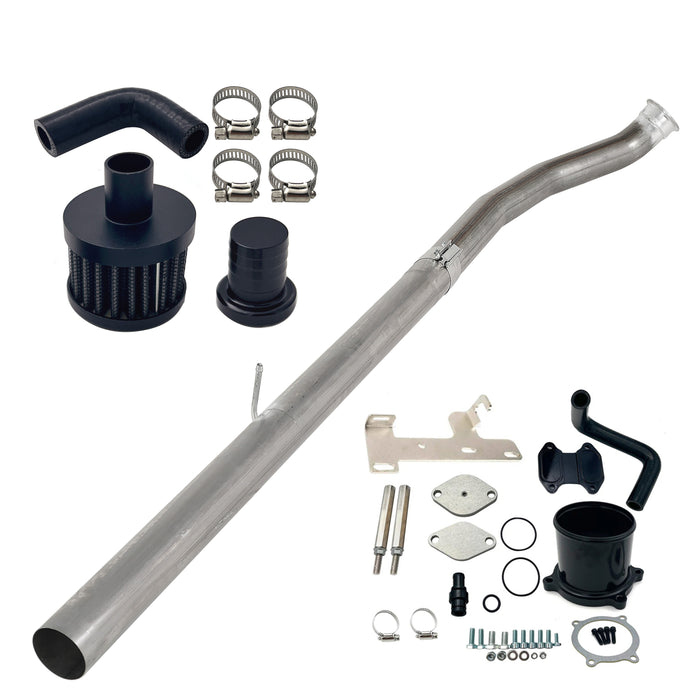
Why is CCV Reroute necessary?
The CCV (crankcase ventilation) system feeds oily blow-by vapor back into the turbo intake. Over time that oil coats the turbo compressor wheel, intercooler, and intake runners — and combined with EGR soot, it’s the “glue” that turns soft carbon into hard, baked-on intake crud. The CCV reroute diverts that vapor away from the intake, keeping the entire intake path dry and oil-free — and it means you never have to replace the expensive OEM internal CCV filter element again.
| Kit | Fits | Includes | Price |
|---|---|---|---|
| DPF + EGR + Throttle Delete | 2007.5–2009 |
4" race pipe, EGR cooler/valve delete, throttle valve delete |
$320.94 |
| DPF + EGR + Throttle + CCV Delete | 2010–2012 |
The same as above, plus CCV reroute system |
$399.52 |
Both kits are direct bolt-in — they use the stock mounting points and clamps, so there’s no fabrication or cutting. And both ship free and in stock.
Why These Kits Are 4-Inch
Both TruckTok kits use a 4-inch race pipe, and for good reason: 4 inches is the practical sweet spot for a 2007–2012 on a mild tune.
A 5-inch system is really only worth it if you’re chasing a high-output build — big turbo, aggressive tune, max sound. On a mild-tune daily driver or tow rig, the 5-inch gains you nothing but cab drone and a slightly softer low-RPM torque curve, and it’s harder to route around crossmembers and the spare tire. For the overwhelming majority of 2007–2012 owners, 4-inch is the right call, which is exactly what these kits ship.
What a Delete Won’t Fix
Be clear-eyed here. A delete is not a bulletproofing, and there are 6.7L weak points that no pipe or block-off plate touches.
-
The grid heater bolt. The intake grid heater — an electric heater for cold starts — is secured by a small bolt that can corrode and shear off. If it falls into the intake, it gets drawn into a cylinder and destroys the piston. Warning codes are P2609 and P0452. Deleting the emissions does nothing to this; it needs its own fix (a welded bolt, an upgraded kit, or removing the heater entirely).
-
The head gasket. The 6.7L uses 12-point head bolts, not studs, and they’re the weak point when you push torque. A mild tune won’t hurt, but aggressive tuning or heavy sustained towing can lift the head. If you’re chasing big power, head studs are a separate job.
-
The VGT turbo. The variable-geometry turbo wears journal bearings after roughly 100,000 miles and can develop stuck vanes from soot. The delete removes the soot source, but the turbo still has a service life.
The takeaway: the delete removes the emissions-related failure modes — EGR cooler, DPF clogging, regen damage — which are the most common and expensive on this platform. It doesn’t magically make the rest of the engine immortal.
The Install: Tune First, Then Unbolt
If you decide to delete, the single most important rule is this: flash the delete tune before you remove any hardware.
Tuning Differences
-
2007.5–2009: The simpler calibration profile takes to basic electronic overrides easily, so killing the regeneration cycle is straightforward.
-
2010–2012: The factory OBD monitoring is more advanced and more sensitive. Custom ECM tuning (through platforms like EZ Lynk or EFI Live) has to account for tighter sensor parameters, or the truck will throw codes and drop into reduced-power limp mode.
The ECM is still commanding the EGR and DPF to operate. Pull the hardware first and the truck throws codes, drops into limp mode, and limits you to a crawl. Flash the tune first — which tells the ECM the emissions systems are gone — and only then unbolt anything.
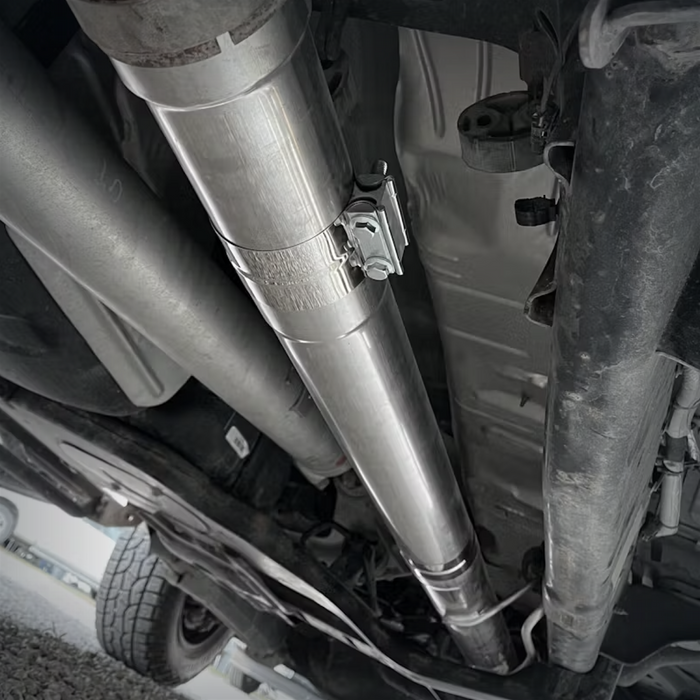
The General Sequence:
- Flash the delete tune to the ECM. The Mini Maxx was the classic tuner for this generation; confirm your device supports 2007–2012 before you buy.
- Disconnect the batteries and let the engine cool completely.
- Drain coolant below the level of the EGR cooler to avoid a spill.
- Remove the DPF/CAT assembly and bolt in the 4" race pipe.
- Remove the EGR valve and cooler, then install the block-off plates and coolant bypass.
- Install the throttle valve delete tube (and CCV reroute, if your kit has it).
- Refill coolant, burp the system, and verify no leaks at the block-off plates.
Three Things People Get Wrong:
-
The orphaned sensor connectors. Once you remove the DPF and EGR, you’ll have factory sensor plugs with nowhere to go. Leave them exposed and water/corrosion creeps in, which can short a 5V circuit and drag down unrelated sensors. Wrap them in dielectric grease, cap them, and zip-tie them up out of the spray.
-
The TCM re-learn. As noted, the tune clears the transmission’s learned shift points. Drive gently through the gears a few times after the flash and it re-adapts. Don’t panic if the first few shifts feel different.
-
The throttle valve vs. MAP sensor. The throttle valve is the airflow restriction you’re deleting; the MAP sensor is a different component you need to keep. Don’t confuse the two during teardown.
It’s a solid weekend job for a competent DIY mechanic, or 5–8 hours on a lift at a shop. The EGR cooler on the 6.7L sits on the driver’s side and is more accessible than on a comparable Powerstroke — no cab removal required.
The Honest Cost Math
Here’s what a 2007–2012 delete actually costs, all-in.
| Item | Cost Range |
|---|---|
| EGR delete kit (block-off + coolant bypass) | $150–$500 |
| 4" DPF delete race pipe | $400–$700 |
| Delete tuner (Mini Maxx class) | $400–$700 |
| TruckTok complete kit (ER-0220 / ER-0222) | $320.94 / $399.52 |
| Labor (if not DIY) | $500–$1,200 |
A DIY complete setup using a TruckTok kit lands around $700–$1,100 once you add the tuner. Compare that to the stock repair path: a DPF replacement runs $2,000–$5,000, and an EGR cooler replacement $1,000–$2,000 — and neither fixes the root cause, so both can recur.
The Legal Reality (Read This Before You Buy)
This part is non-negotiable to understand: removing emissions equipment from a truck driven on public roads violates the federal Clean Air Act under 42 U.S.C. § 7522(a)(3).
Delete kits are sold for off-road, race, competition, and farm use only. A deleted truck will not pass emissions inspections in states that require them, will lose its factory warranty coverage on affected systems, and can be difficult to register or sell in regulated states.
If your 2007–2012 Ram sees public roads, the legal path is to repair the factory EGR and DPF system. If it’s a dedicated off-road, farm, or competition rig, then a delete is a legitimate reliability upgrade. Know your local and state laws before you turn a wrench.
Conclusion
So, does a 2007–2012 6.7L Cummins delete improve MPG, EGT and power?
Yes. The MPG gain is real but modest, typically 2–4 mpg, and a well-tuned stock truck can come close to matching it. The EGT drop is substantial — 100–200°F under load — and it’s the number that actually matters, because it’s what keeps your turbo, pistons, and head gasket alive for an extra hundred thousand miles. The key to increasing horsepower lies not in removing the components, but in the tuning process.
If you’re ready to make the call, SEGULER has the two kits that cover the range — both bolt-in, both in stock, both shipping free. Whether you’re on a Cummins, a Powerstroke, or a Duramax, TruckTok carries the delete pipes, EGR kits, and supporting hardware built for your exact year, so you’re not guessing on fitment.
Frequently Asked Questions
Q1: Will a delete really improve my MPG?
A: Yes, but modestly — most owners see 2–4 mpg, with a realistic range of 1.5–5. The gain comes from stopping regen fuel waste and reducing backpressure, not from turning a heavy diesel into a fuel sipper. Don’t expect double-digit improvements.
Q2: How much does the EGT actually drop after a delete?
A: Exhaust gas temperatures typically fall 100–200°F under load, with the biggest drop during heavy towing. Removing the DPF restriction, stopping regen heat spikes, and cooling the intake charge all contribute. That margin is what protects the turbo and pistons long-term.
Q3: Why is 2007–2012 the best generation to delete?
A: It’s the last 6.7L with the reliable Bosch CP3 pump, and it has no DEF/SCR system — just EGR and DPF. That means a simpler, cheaper delete with fewer systems to address in the tune.
Q4: Does deleting add horsepower?
A: The delete itself doesn’t — it improves response by removing backpressure. The horsepower comes from the tune you pair with it, typically 25–75 HP on a mild tune and 100+ on an aggressive one.
Q5: Will deleting stop the fuel-dilution problem?
A: Yes. Fuel dilution comes from post-injection fuel washing past the rings during regeneration. Deleting the DPF eliminates regen entirely, so the oil stays diesel-free and you can return to normal 5,000–7,500-mile oil changes.
Q6: Does a delete make the truck bulletproof?
A: No. It removes the emissions failure modes — EGR cooler, DPF clogging, regen damage — but the grid heater bolt, head gasket, and turbo still have their own service lives. It’s a reliability upgrade, not a cure-all.
Q7: Will my transmission hold up after a delete?
A: On a mild tune, yes — but the 68RFE is the real limit, not the engine. Avoid aggressive tunes that ask it to hold torque it wasn’t built for, or budget for a transmission build.
Q8: Is a delete legal for street use?
A: No. Removing emissions equipment violates the federal Clean Air Act and carries fines up to $5,911 per violation for individuals. These kits are for off-road, race, competition, and farm use only.
Q9: How much does the whole delete cost?
A: A DIY setup using a TruckTok kit plus a tuner runs roughly $700–$1,100. That’s less than a single dealer DPF replacement ($2,000–$5,000) or EGR cooler replacement ($1,000–$2,000).
Featured collection
-
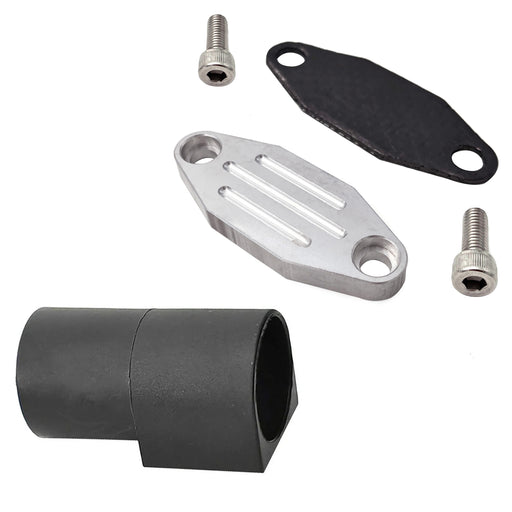
Seguler 1986-1995 Ford F150 F250 F350 Mustang Trucks EGR Simulator Eliminator / Block Off Plate Kit
SEGULEROriginal price $79.99 - Original price $79.99Original price$79.99$79.99 - $79.99Current price $79.99Block Off Plate Material: Aluminum alloy. Easy installation,and convenient to use. Made of CNC milled from aircraft grade Billet aluminum. Will N...
View full details -

Seguler 2011-2023 6.7L Ford Powerstroke Diesel EGR Delete Kit
SEGULEROriginal price $109.99 - Original price $109.99Original price$109.99$109.99 - $109.99Current price $109.99FITMENT 2011-2023 6.7L Ford Powerstroke F-250 F-350 F-450 F-550 Super Duty V8 Diesel. compatible with both standard Pickups and commercial Cab &...
View full details -
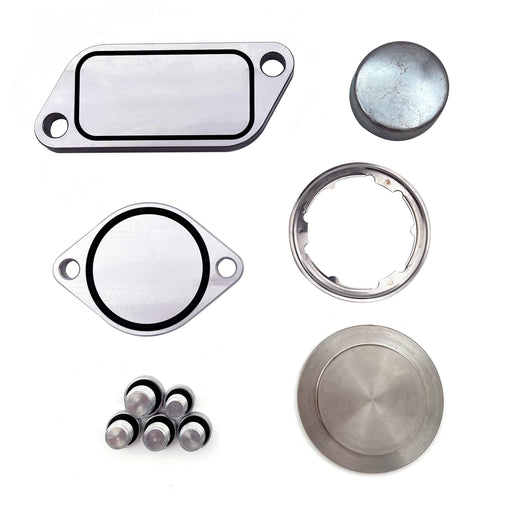
For 2010-Present Stage 2 ISX 15 CM2250 CM2350 EGR Delete Kit
SEGULEROriginal price $59.99 - Original price $59.99Original price$59.99$59.99 - $59.99Current price $59.99FITMENT 2010-Present Cummins Volvo, Peterbilt, Mack, International, Freightliner, Kenworth with the ISX15 CM2250 / CM2350 engines. DESCRIPTION P...
View full details -
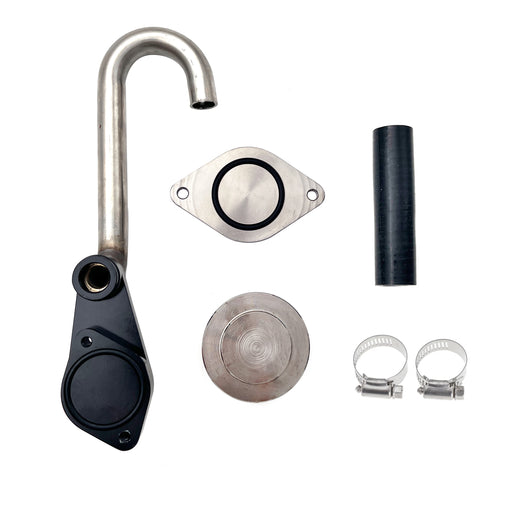
Seguler 2003-2007 6.0L FORD Powerstroke Diesel EGR Cooler Delete Kit
SEGULEROriginal price $56.14 - Original price $56.14Original price$56.14$56.14 - $56.14Current price $56.14FITMENT 2003-2007 6.0L Ford F-250 Ford F-350 F-450 F-550 Super Duty. 2003-2007 6.0L Ford Excursion SUV (Diesel Models Only). 2005-2010 Ford E-Se...
View full details -
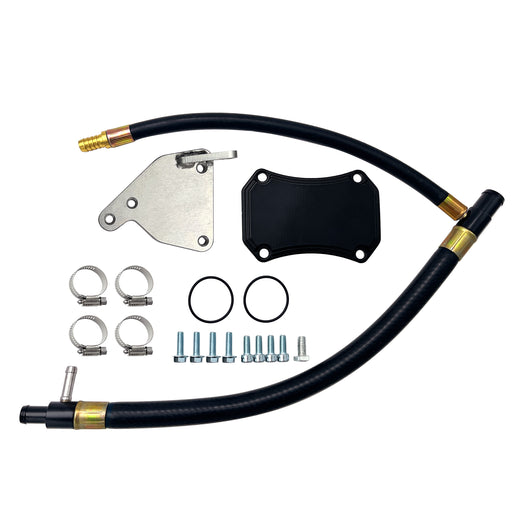
For 2011-2016 6.6L GMC Chevy Duramax Diesel LML EGR Valve Cooler Delete Kit
SEGULEROriginal price $66.49 - Original price $66.49Original price$66.49$66.49 - $66.49Current price $66.49FITMENT 2011-2016 6.6L Chevy GMC Duramax LML 2500 HD 3500 HD Diesel. DESCRIPTION Product Overview The 2011–2016 LML Duramax uses a complex EG...
View full details -
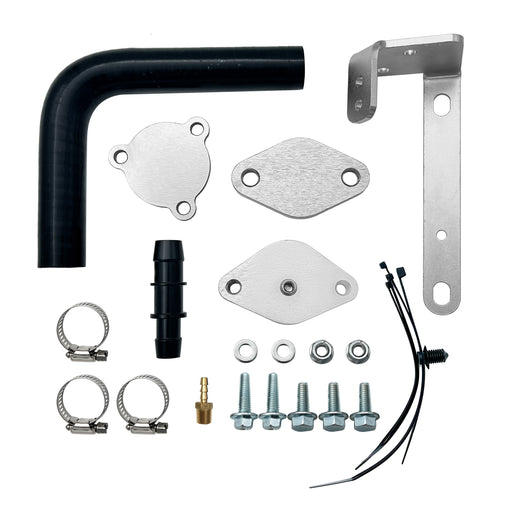
Seguler For 2014-2019 3.0L Dodge Ram 1500 EcoDiesel EGR Valve & Cooler Delete Kit
SEGULEROriginal price $72.99 - Original price $72.99Original price$72.99$72.99 - $72.99Current price $72.99FITMENT 2014-2019 3.0L Dodge Ram 1500 EcoDiesel V6 engine trucks. DESCRIPTION Product Overview Exhaust gas recirculation on 3.0L EcoDiesel V6 ...
View full details -

Seguler 2011-2023 6.7L Ford Powerstroke Diesel EGR Delete Kit
SEGULEROriginal price $85.99 - Original price $85.99Original price$85.99$85.99 - $85.99Current price $85.99FITMENT 2011-2023 6.7L Ford Powerstroke F-250 F-350 F-450 F-550 Super Duty V8 Diesel. compatible with both standard Pickups and commercial Cab &...
View full details -
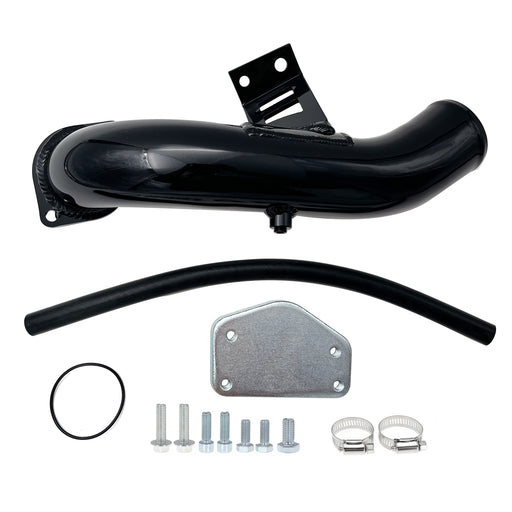
For 2004.5-2005 6.6L Chevy GMC Silverado LLY Duramax Diesel EGR Delete Kit
SEGULEROriginal price $92.99 - Original price $92.99Original price$92.99$92.99 - $92.99Current price $92.99FITMENT 2004.5-2005 6.6L Chevrolet Silverado Duramax LLY 2500HD / 3500 HD. 2004.5-2005 6.6L GMC Sierra Duramax LLY 2500HD / 3500 HD. DESCRIPTION...
View full details -

Seguler 2010-2024 6.7L Dodge Ram Cummins Diesel EGR Valve Cooler Delete Kit
SEGULEROriginal price $89.99 - Original price $89.99Original price$89.99$89.99 - $89.99Current price $89.99FITMENT 2010–2024 6.7L Dodge Ram Cummins 2500 / 3500 Pickup Turbo Diesel. Note: Does NOT fit Chassis Cab 3500 / 4500 / 5500 models. DESCRIPTIO...
View full details -

Seguler 2017-2019 L5P Duramax Diesel 4pcs L5P Can Bus Plugs Connector Replacement
SEGULEROriginal price $75.00 - Original price $75.00Original price$75.00$75.00 - $75.00Current price $75.00FITMENT 2017–2019 Chevrolet Silverado / GMC Sierra Duramax L5P 2500HD & 3500HD Diesel. DESCRIPTION Product Overview Unprotected harness con...
View full details -
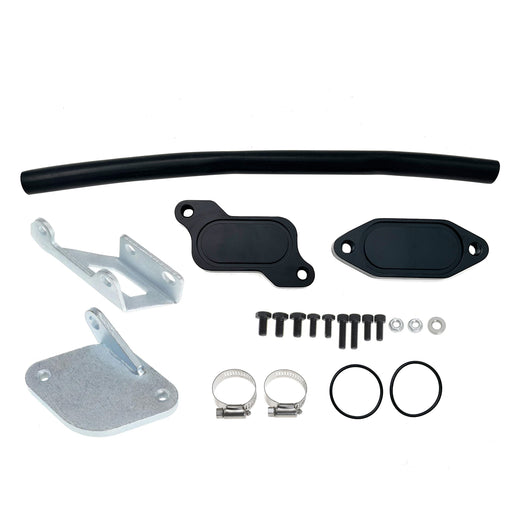
For 2006-2007 6.6L Chevrolet Silverado Classic GMC Duramax LBZ Diesel EGR Valve Cooler Delete Kit
SEGULEROriginal price $63.49 - Original price $63.49Original price$63.49$63.49 - $63.49Current price $63.49FITMENT 2006-2007.4 Chevrolet Silverado Duramax LBZ 2500HD / 3500HD. 2007.4 Chevrolet Silverado Duramax LBZ 2500HD / 3500HD Classic. 2006-2007.4 ...
View full details -

Seguler 2020-2023 chevy duramax L5P Diesel Can Bus Plugs Connector
SEGULEROriginal price $80.00 - Original price $80.00Original price$80.00$80.00 - $80.00Current price $80.00FITMENT 2020–2023 Chevrolet Silverado / GMC Sierra Duramax L5P 2500HD & 3500HD Diesel. DESCRIPTION Product Overview Unprotected harness pl...
View full details -
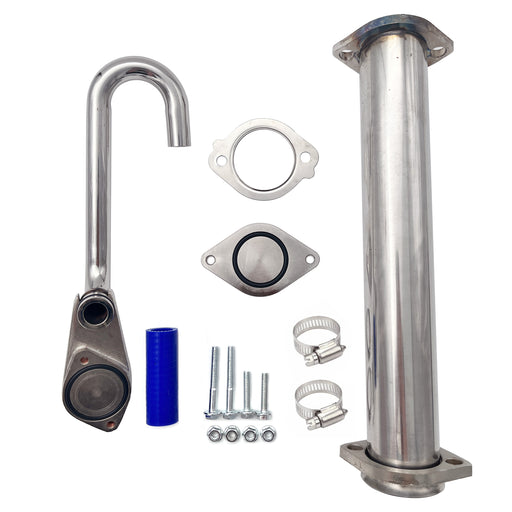
Seguler 2003-2007 6.0L Ford F250 F350 Powerstroke Diesel EGR Basic Cooler Kit
SEGULEROriginal price $79.99 - Original price $79.99Original price$79.99$79.99 - $79.99Current price $79.99FITMENT 2003-2007 6.0L Ford F250 F350 F450 F550 Super Duty Turbo (except 2004 F250 Super Duty). 2003-2005 6.0L Ford Excursion Turbo. 2005 Ford F...
View full details -

Seguler 2011-2023 6.7L Ford F250 F350 F450 F550 Powerstroke Diesel EGR Valve Delete Cooler Delete Kit
SEGULEROriginal price $55.99 - Original price $55.99Original price$55.99$55.99 - $55.99Current price $55.99FITMENT 2011-2023 6.7L Ford Powerstroke F-250 F-350 F-450 F-550 Super Duty V8 Diesel compatible with both standard Pickups and commercial Cab &a...
View full details -
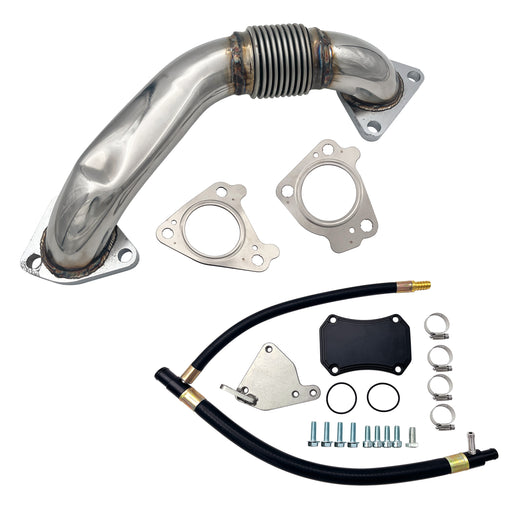
Seguler 2011-2016 6.6L GMC Chevy Duramax Diesel LML Up-Pipe & EGR Valve Cooler Delete Kit
SEGULEROriginal price $173.86 - Original price $173.86Original price$173.86$173.86 - $173.86Current price $173.86FITMENT 2011-2016 6.6L Chevy GMC Duramax LML 2500 HD 3500 HD Diesel. DESCRIPTION Product Overview Direct-injection technology endows GM 5.3L an...
View full details -
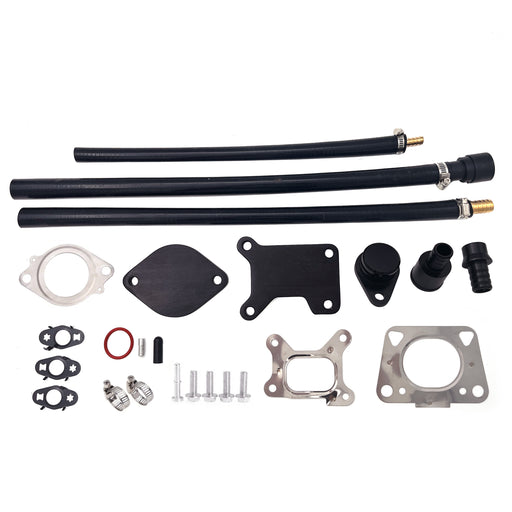
For 2017-2023 6.6L Chevy GMC Duramax L5P diesel EGR Valve Cooler Delete kit
SEGULEROriginal price $131.99 - Original price $131.99Original price$131.99$131.99 - $131.99Current price $131.99FITMENT 2017–2023 6.6L Chevrolet Silverado / GMC Sierra Duramax L5P 2500HD 3500HD Diesel. DESCRIPTION Product Overview Hot soot recirculation ...
View full details -

For 2013-2023 6.7L Dodge Ram Cummins Cab & Chassis EGR Delete Kit Diesel
SEGULEROriginal price $62.99 - Original price $62.99Original price$62.99$62.99 - $62.99Current price $62.99FITMENT 2013–2023 6.7L Ram Cummins 3500 4500 5500 Cab & Chassis / Commercial Trucks. Does NOT fit standard Ram 2500 3500 Pickups. DESCRIPTIO...
View full details -
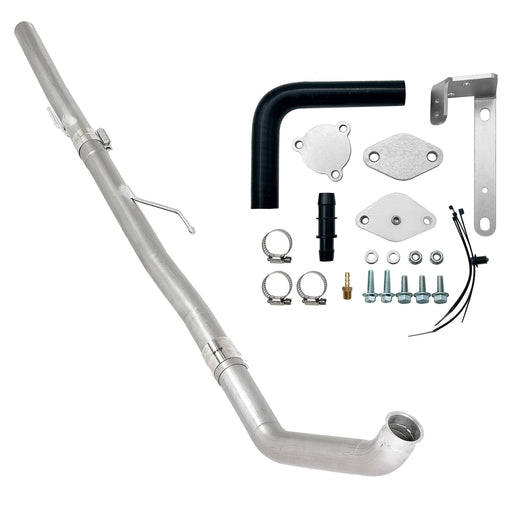
Seguler 3" Ecodiesel DPF Delete Pipe & EGR Delete kit for 2014-2018 3.0L Ram
SEGULEROriginal price $342.00 - Original price $342.00Original price$342.00$342.00 - $342.00Current price $342.00FITMENT 2014–2018 3.0L Dodge Ram 1500 EcoDiesel V6. NOTE: Fit standard Pickup models only (Crew Cab, Quad Cab). Does NOT fit Jeep Grand Cheroke...
View full details -
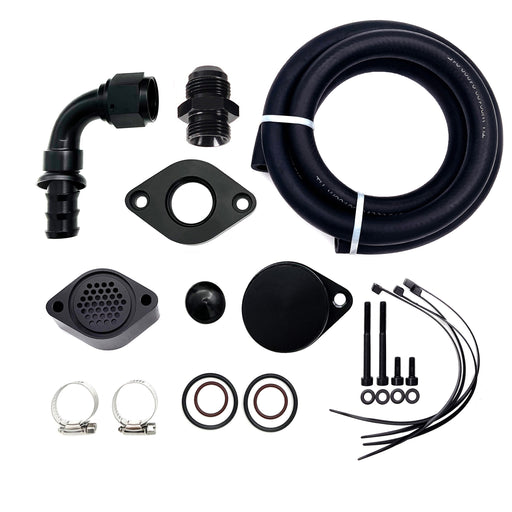
Seguler 2011-2023 6.7L Ford Powerstroke CCV PCV Reroute Engine Ventilation Kit
SEGULEROriginal price $82.99 - Original price $82.99Original price$82.99$82.99 - $82.99Current price $82.99FITMENT 2011-2023 6.7L Ford Powerstroke F-250 F-350 F-450 F-550 Super Duty V8 Diesel. Compatible with both standard Pickups and commercial Cab &...
View full details -
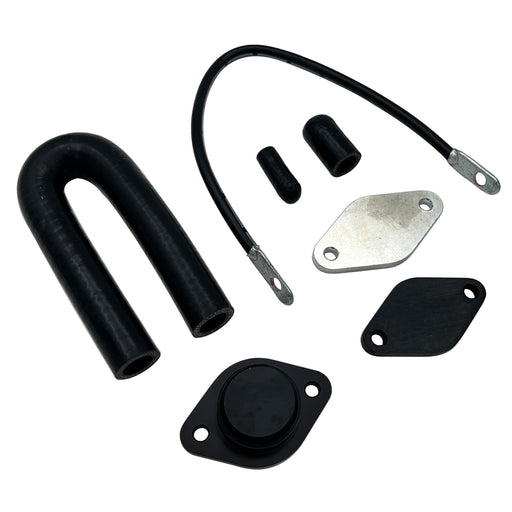
Seguler EGR valve cooler Delete kit for 2020-2022 3.0L Chevy Duramax LM2
SEGULEROriginal price $189.12 - Original price $189.12Original price$189.12$189.12 - $189.12Current price $189.12FITMENT 2020–2022 3.0L Chevrolet Silverado GMC Sierra 1500 LM2 Turbo-Diesel. DESCRIPTION Product Overview Powered by smooth inline-six engine...
View full details -
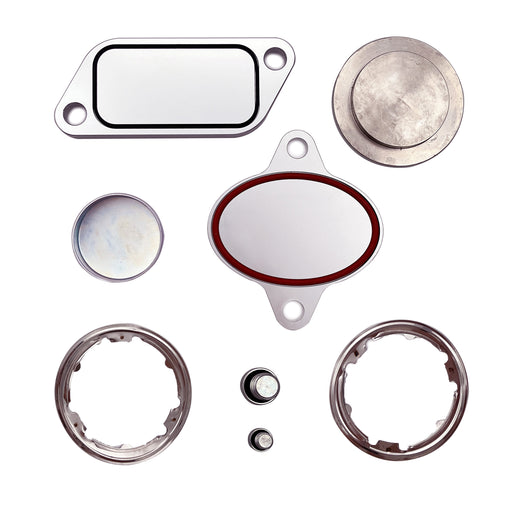
For 2007-2010 Cummins ISX CM871 EGR Plug Kit Stage 2 Plates and Plugs Aluminum
SEGULEROriginal price $67.99 - Original price $67.99Original price$67.99$67.99 - $67.99Current price $67.99FITMENT 2007-2010 Cummins Volvo, Peterbilt, Mack, International, Freightliner, Kenworth with the ISX CM871 Engines. DESCRIPTION Product Overvie...
View full details -
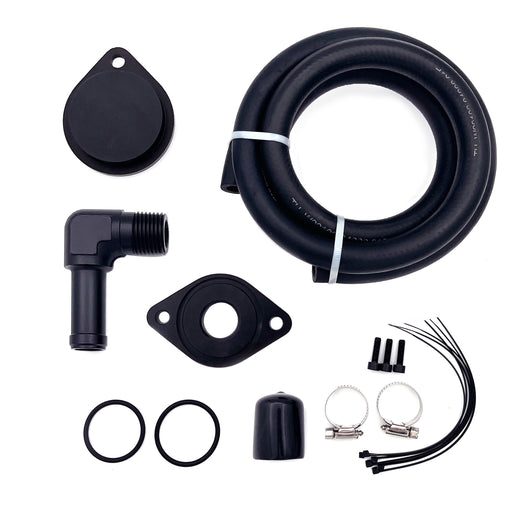
Seguler 2011-2023 Ford 6.7L Powerstroke CCV/PCV Reroute/Delete Engine Ventilation Kit
SEGULEROriginal price $72.00 - Original price $72.00Original price$72.00$72.00 - $72.00Current price $72.00FITMENT 2011-2023 6.7L Ford Powerstroke F-250 F-350 F-450 F-550 Super Duty V8 Diesel. Compatible with both standard Pickups and commercial Cab &...
View full details -
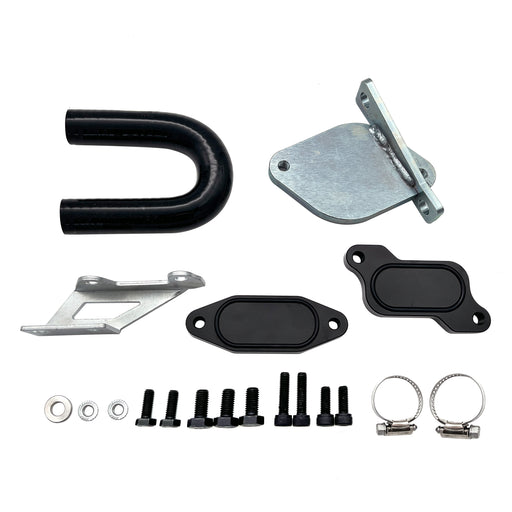
For 2007-2010 6.6L Chevy GMC LMM Duramax EGR Valve Cooler Delete Kit Fit
SEGULEROriginal price $61.99 - Original price $61.99Original price$61.99$61.99 - $61.99Current price $61.99FITMENT 2007.5-2010 6.6L Chevrolet Silverado Duramax LMM 2500HD / 3500HD. 2007.5-2010 6.6L GMC Sierra Duramax LMM 2500HD / 3500HD. Note: Standard...
View full details -
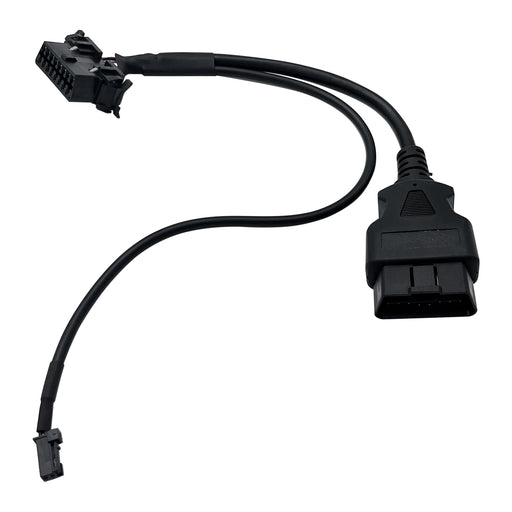
Seguler 2018+ RAM Cummins OBD2 HD Security Gate Bypass Cable
SEGULEROriginal price $45.00 - Original price $45.00Original price$45.00$45.00 - $45.00Current price $45.00FITMENT 2018+ 6.7L Ram Cummins 2500 3500 Turbo Diesel. Designed for Ram pickup trucks equipped with the factory Security Gateway Module. Note: Pl...
View full details -
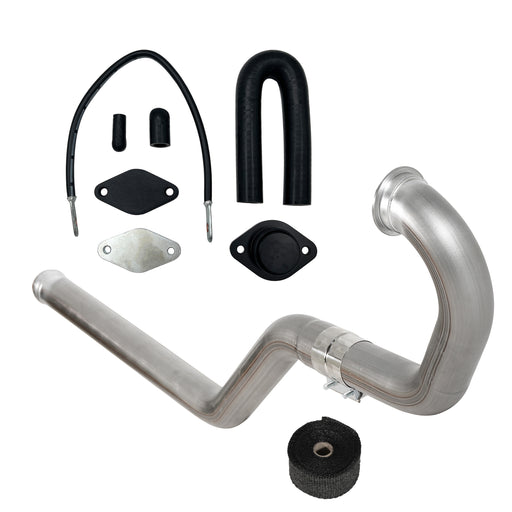
3" Turbo Back DPF & EGR Delete Kit for 2020-2022 GM 3.0L LM2 Duramax
SEGULEROriginal price $550.00 - Original price $550.00Original price$550.00$550.00 - $550.00Current price $550.00FITMENT 2020–2022 3.0L Chevrolet Silverado 1500 LM2 Diesel. 2020–2022 3.0L GMC Sierra 1500 LM2 Diesel. DESCRIPTION Product Overview On the 3.0...
View full details


Leave a comment