

Diesel EGR System Guide to Coolers Valves and Exhaust Performance
The Day Your 6.7L Powerstroke Starts Acting Different
One morning, your 6.7L Powerstroke starts like it always does, but something feels slightly off. The idle is a little rougher, the check-engine light comes on, or you notice the coolant level has dropped without leaving a puddle underneath the truck. None of it seems serious at first, and the symptoms may not even seem connected.
But hidden between the exhaust and intake sides of the engine is one system that can explain many of these clues: the EGR system. It routes a controlled amount of exhaust back into the intake, while the EGR valve and cooler operate through thousands of miles of soot, heat, and repeated thermal cycles. As deposits build and components wear, small symptoms can gradually turn into larger maintenance concerns.
This guide follows the EGR system from the cooler and valve to the downstream exhaust path, explaining how each part works, how problems develop, and what symptoms to watch for. We will also cover important fitment differences, what to look for in quality hardware, and where the available 6.7L Powerstroke upgrade options fit.
What a Diesel EGR System Does — and the Trade-Off It Carries
The exhaust gas recirculation loop exists to lower nitrogen oxide, or NOx, emissions. NOx forms at high combustion temperatures, so the strategy is simple: route a measured amount of exhaust back into the intake, which displaces some of the oxygen and lowers the peak burn temperature. The result is lower peak combustion temperature and reduced NOx formation.
The trade-off is where the trouble lives. Exhaust is not a friendly substance to run back through an engine. It carries carbon soot, it is hot, and when it mixes with the oily crankcase vapor that is always present in the intake, the two combine into a thick, gummy sludge. That buildup is a major contributor to many EGR-related problems on the 6.7L Powerstroke and can gradually turn the system into a maintenance concern.
The EGR System and the Exhaust Path Around It
A diesel EGR system is not one part — it is a small circuit built around two core components, the cooler and the valve, that work together and wear out at different rates. The exhaust path around that circuit shapes how hard both of them have to work.
The EGR Cooler
The cooler is a heat exchanger that runs engine coolant through a core while exhaust passes through the other side. Its job is to drop the temperature of the recirculated gas before it re-enters the intake. It also deserves particular attention because an internal cooler failure can create a path between the cooling and exhaust sides of the system.
The EGR Valve
The valve is the electronically controlled gate that decides how much exhaust flows back into the intake, and when. It opens and closes based on engine load and temperature, and it sits directly in the path of that soot-and-oil sludge. Over time, the carbon builds up on the valve stem and seat, and the valve either sticks partially open or refuses to move the way the computer expects.
The Downstream Exhaust Path
The exhaust system also includes the downstream catalytic converter, diesel particulate filter, and muffler. These parts are not part of the EGR circuit itself, but they share the same job of managing exhaust flow, and the restriction they add shapes how hard the engine works to push gas out. Although separate from the EGR circuit, the downstream exhaust system is still important when diagnosing overall airflow, regeneration, and restriction concerns.
How These Components Fail — and What It Looks Like
Cooler Failure: Coolant Loss You Won’t See Coming
EGR cooler problems deserve attention because an internal leak can involve both the exhaust and cooling sides of the system. Exhaust carries soot and combustion byproducts that can gradually form deposits within the cooler’s internal exhaust passages. Over time, these deposits and repeated thermal cycling can contribute to restricted flow and increased thermal stress. If the cooler core eventually develops an internal leak, coolant can enter the exhaust side without leaving an obvious puddle under the truck. The symptom owners notice first is often a slow, unexplained drop in coolant level with no visible leak. In some cases, persistent white exhaust on startup can accompany an internal coolant leak, although additional diagnosis is needed to confirm the source. Left alone, the loss becomes a low-coolant overheat, and that is where an EGR cooler failure turns from an inconvenience into an engine-damaging event.
Valve Failure: Carbon That Never Stops Building
The valve fails more gradually, and the signs are easier to ignore. As carbon accumulates on the stem and seat, the valve loses its ability to seal or move smoothly. A valve that sticks partially open lets exhaust flow at the wrong times, which shows up as a rough or surging idle, hesitation under throttle, or a persistent check-engine light.
The computer is watching this happen. The PCM monitors EGR operation using multiple sensor inputs. When commanded and measured EGR behavior do not agree, diagnostic trouble codes such as P0401 may appear. A code can point technicians toward the EGR system, but additional diagnosis is usually needed to determine whether the cause is the valve, cooler, sensor, wiring, or a restricted passage.
Exhaust Restriction: Backpressure You Can’t See
The downstream exhaust path fails in its own way. To understand why it matters, you have to understand what a loading filter does to the engine behind it. Here is the mechanism, step by step:
- The DPF traps soot. The diesel particulate filter captures the carbon left over after combustion, and it is supposed to burn that off through a regeneration cycle.
- Ash does not burn away. Not everything trapped in the filter burns off. The incombustible ash that remains accumulates in the filter and narrows the passages over time.
- Backpressure climbs. As the filter loads up, the engine has to push harder to force exhaust through it — and that backpressure sits directly against the turbocharger on the other side.
- The engine works harder. Sustained restriction can increase the work required to move exhaust through the system and may contribute to higher exhaust temperatures under load.
EGR-side problems and downstream exhaust restriction can influence overall engine airflow in different ways. They should therefore be diagnosed separately while still being considered as parts of the truck’s broader airflow system.
Cooler or Valve — Which One Fails First?
There is no fixed failure order. A sticking valve may announce itself earlier through drivability symptoms or fault codes, while a cooler problem can be less obvious if the first sign is gradual coolant loss.
What matters more than the order is that the cooler and valve operate within the same EGR circuit. A restriction or control problem in one part can affect overall EGR flow and system behavior, which is why both components may need to be evaluated when recurring EGR-related symptoms appear.
Model-Year Differences Worth Knowing
The 6.7L Powerstroke platform changed across its production run, including revisions to cooling-system plumbing, sensors, turbo hardware, and supporting components.
What this means for EGR work is that the model year changes the details that matter for hardware fitment — the coolant plumbing, the sensor provision, the EGT thread and configuration, and the supporting hardware — even though soot accumulation and EGR-related deposits remain common considerations across the platform.
Signs Your 6.7L Powerstroke EGR System Needs Attention
EGR problems do not always begin with a major failure. On many 6.7L Powerstroke trucks, the first signs are small changes that are easy to blame on fuel quality, mileage, or normal diesel behavior. A rougher idle than usual, hesitation when getting back on the throttle, recurring EGR flow codes, or an intake that becomes heavily coated with carbon can all point toward a system that is no longer operating as cleanly as it should.
Coolant behavior deserves even closer attention. If the reservoir level slowly drops but there is no obvious puddle under the truck, the EGR cooler should be one of the areas considered during diagnosis. White exhaust on startup, an unusual coolant smell, or temperatures that become less consistent under load can also justify a closer inspection. None of these symptoms alone proves that the cooler has failed, but together they help narrow down where to look.
The exhaust side produces a different set of clues. More frequent regeneration cycles, reduced response under load, rising exhaust temperatures, or a truck that feels increasingly restricted can indicate that the downstream aftertreatment system deserves attention. Before replacing hardware, however, the DPF condition, sensors, regeneration history, and stored diagnostic codes should all be checked. The goal is to identify the actual restriction rather than replacing parts based on symptoms alone.
What to Look for in a Quality Upgrade
When evaluating EGR-side hardware, price is only one consideration. Material choice, coolant routing, sensor compatibility, and application-specific fitment can have a much greater effect on how well the hardware integrates with the truck.
Material. Quality hardware should use materials appropriate for the location and operating temperature. Machined 6061-T6 aluminum can provide accurate fitment and consistent sealing surfaces, while stainless steel is better suited to components exposed directly to exhaust heat.
Coolant management. This is the detail most people miss. On the 6.7L, the cooling system needs fluid to keep moving through the rear of the engine block even after the EGR cooler is gone. A simple flat block-off plate can leave that path dead-ended. A properly configured solution — such as a pass-through plate or a dual-layer plate with an internal bridge — provides a defined path for continued coolant circulation after the factory cooler is removed.
Fitment and sensors. A quality kit accounts for the details of your specific truck: the exhaust gas temperature probe that needs a place to mount, the threaded ports sized for the factory sensor, and the model-year differences that change the cooling system plumbing.
Why Model Year Alone Is Not Enough
Seeing “6.7L Powerstroke” on a product listing does not automatically mean every truck within that year range uses the same supporting hardware. Ford changed parts of the cooling, sensor, and exhaust layouts during the platform’s production run, and truck configuration adds another layer of variation.
On the EGR side, pay attention to the coolant-routing arrangement and EGT sensor provision, especially around model-year changes. A kit that physically bolts to the engine can still require different supporting hardware if the coolant connection or sensor configuration is different.
On the exhaust side, chassis configuration matters just as much as model year. A Super Duty pickup and a Cab & Chassis truck can share the same engine while using different exhaust routing underneath the truck. Cab style, bed length, and wheelbase can also affect where pipes, hangers, and connections need to sit.
That is why fitment should be checked as a combination of model year + engine + truck configuration + sensor/cooling requirements, rather than model year alone. Spending a few minutes confirming those details before ordering can prevent a much larger fitment problem once the truck is apart.
What Sets the Seguler Hardware Apart
Product photos alone do not always show the design details that affect fitment and installation. Material selection, coolant routing, connection design, and sensor provision are worth comparing before choosing hardware.
| Design Area | What to Check | Seguler Approach |
|---|---|---|
| Plate material | Machining and sealing surface | CNC-machined 6061-T6 |
| Exhaust-side hardware | Heat-resistant material | 304 stainless steel |
| Coolant routing | Continued coolant circulation | Pass-through / dual-layer design |
| Coolant connections | Secure, application-specific routing | Molded quick-connect option |
| Exhaust tubing | Diameter, material and joints | 4" 409 stainless |
| Sensor provision | Correct port/configuration | Application-specific provision |
The practical difference often becomes clearer during installation and long-term use. Accurate fitment, appropriate materials, secure coolant connections, and correct coolant routing can reduce the likelihood of leaks, sealing problems, or repeat disassembly. On a 6.7L Powerstroke, where access to EGR-side hardware requires meaningful labor, getting those details right the first time matters.
Which 6.7L Powerstroke Setup Fits Your Situation?
Not every 6.7L Powerstroke owner is dealing with the same problem. One truck may be showing EGR flow codes or intake-side carbon buildup, another may be losing coolant around an aging EGR system, while a truck that spends most of its life towing may be dealing more with heat and exhaust restriction.
Before choosing hardware, it helps to separate the problem into two sides of the engine: the intake/EGR side and the exhaust side.
If the main concern is carbon buildup, EGR-related faults, cooler reliability, or heat around the EGR assembly, an intake-side EGR solution addresses that part of the system. If the concern is downstream exhaust restriction, the exhaust-side solution addresses a different part of the airflow path. Some off-road or competition builds address both sides together, but that does not mean every truck needs exactly the same combination.
The two Seguler EGR options also serve slightly different owners. Both are designed around isolating the EGR circuit while maintaining the coolant path, but the SG-ER-0088 uses a more complete dual-layer coolant-management design with a molded quick-connect hose. SG-ER-0046 uses a simpler pass-through bypass arrangement for owners who do not need the additional coolant-routing components included with SG-ER-0088.
Repair the Symptom or Plan the Whole System?
There is an important difference between solving one confirmed problem and planning a complete airflow setup. Start with the problem you can identify, then consider how the truck is used. A lightly loaded daily-driven truck and a truck regularly operating under sustained load can place very different demands on the EGR and exhaust systems.
Choosing the Right 6.7L Powerstroke Solution
The best place to start is identifying which part of the system you are looking to address. The EGR system and the exhaust aftertreatment system operate in different areas of the truck, and each one focuses on a different concern.
Addressing EGR System Concerns
For EGR-related concerns such as carbon buildup, exhaust recirculation, or coolant routing, the EGR side should be evaluated first. Seguler offers different EGR solutions for 6.7L Powerstroke applications, with variations in included components and system configuration depending on the truck and application.
Addressing Exhaust Flow Concerns
For concerns related to exhaust flow and the factory aftertreatment section, the exhaust side requires a different approach. A 4-inch exhaust pipe addresses the downstream exhaust path and is designed around improving airflow through that section rather than replacing an EGR-side solution.
Confirming the Right Application
These components are designed to address different areas of the 6.7L Powerstroke system, not replace one another. Before choosing a setup, owners should confirm their truck’s model year, configuration, sensor requirements, coolant layout, intended use, and applicable regulations.
Seguler 2011-2023 6.7L Ford Powerstroke Diesel EGR Delete Kit
6.7L Powerstroke EGR Delete Kit is designed for 2011–2019 6.7L Ford Powerstroke diesel trucks to address the factory EGR system and its related components. By removing the original EGR valve and cooler assembly, it stops exhaust gases from being routed back into the intake, helping reduce soot buildup and keep the intake system cleaner over time.
The EGR system operates under constant exposure to exhaust heat and coolant flow, making it one of the areas many Powerstroke owners monitor as trucks accumulate mileage. Replacing the factory EGR components simplifies the intake-side system, reduces heat-related stress from exhaust recirculation, and provides a more straightforward configuration for heavy-duty diesel applications.
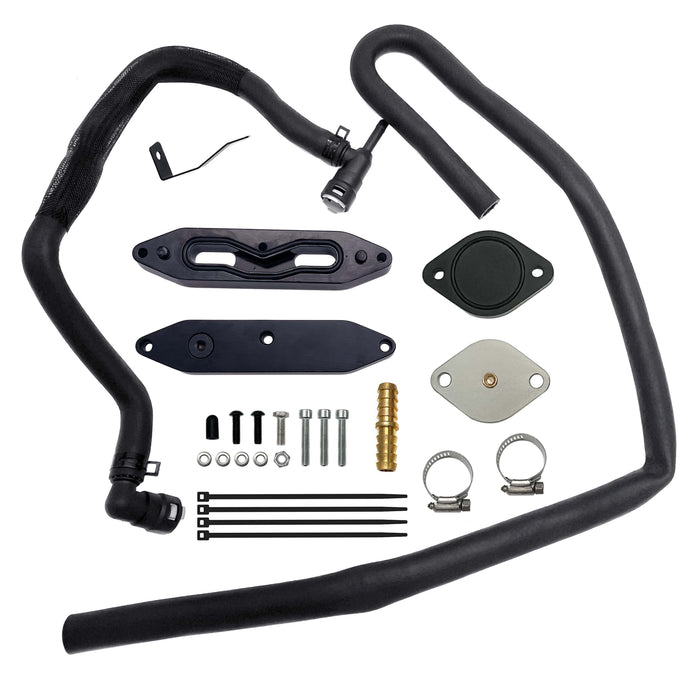
Product Details
- CNC-machined 6061-T6 billet aluminum with high-temperature gaskets for a leak-free seal.
- Permanently closes the exhaust gas feedback loop to prevent carbon buildup in the intake system.
- Removes the factory EGR cooler to reduce heat stress on surrounding components.
- Reduces exhaust backpressure for improved throttle response during heavy towing.
The EGR system plays an important role in how the 6.7L Powerstroke manages exhaust flow and emissions during normal operation. As trucks accumulate mileage, understanding how these components affect intake cleanliness, heat management, and overall system operation helps owners better evaluate long-term maintenance needs and the condition of their engine’s supporting systems.
Seguler 2011-2023 6.7L Ford Powerstroke EGR Valve & Cooler Delete Kit
The EGR Valve & Cooler Delete Kit is designed for 2011–2014 6.7L Ford Powerstroke diesel trucks to address the factory EGR system and its related components. By removing the original EGR valve and cooler assembly, it stops exhaust gas from being routed back into the intake system, helping reduce soot and carbon buildup inside the intake path over time.
The EGR system operates under constant exposure to high exhaust temperatures and repeated heat cycles. Removing the factory EGR components helps simplify the intake-side system, reduce heat-related stress from exhaust recirculation, and maintain cleaner airflow for heavy-duty diesel applications.
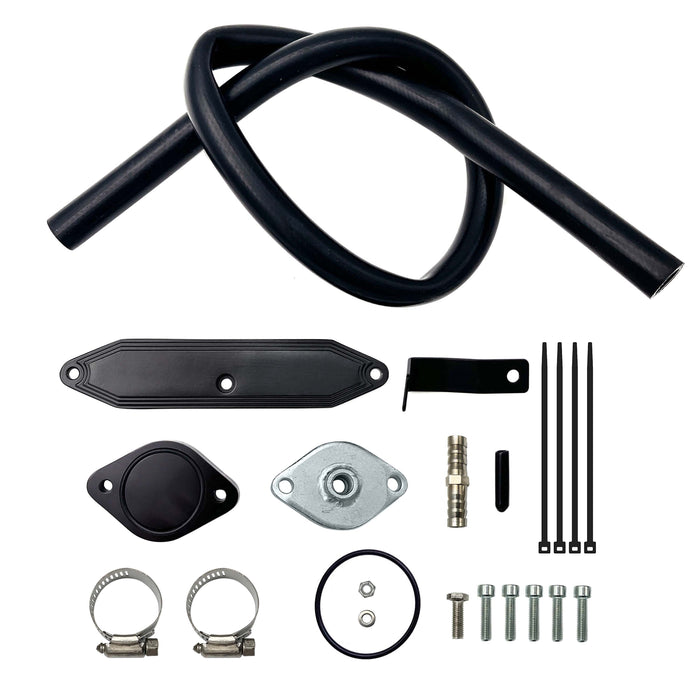
Product Details
The EGR system is one of the key areas to consider as 6.7L Powerstroke trucks accumulate mileage and continue to operate under heavy loads. Understanding how exhaust recirculation affects intake cleanliness, heat management, and long-term system operation helps owners better identify potential concerns and make informed decisions about maintaining their diesel platform.
Seguler 2011-2023 6.7L Ford Powerstroke 4" DPF Delete Pipe
4" DPF Delete Pipe is designed for 2011–2023 6.7L Ford Powerstroke F250, F350, and F450 Super Duty trucks to replace the factory DPF and catalytic converter section in the exhaust system. By removing the restrictive factory aftertreatment section, it creates a more direct exhaust path, helping reduce exhaust restriction and improve overall exhaust flow.
The factory exhaust system is designed to meet emissions requirements and daily driving needs, but the multiple components in the aftertreatment system add complexity to the exhaust path. Replacing this section helps address exhaust flow restrictions commonly discussed by owners during heavy towing and high-load operation, while simplifying the exhaust layout of the truck.

Product Details
The exhaust system plays an important role in how the 6.7L Powerstroke manages heat, airflow, and performance under demanding conditions. Understanding how the factory DPF and CAT components affect exhaust flow helps owners better identify potential restrictions and evaluate the right approach for their truck’s long-term setup.Installation Overview and Key Fitment Checks
All three components are bolt-on replacements, but they live in different parts of the truck and call for different amounts of work. The components are designed around the factory mounting locations, although exact fitment and minor adjustment can vary by truck configuration. Both jobs benefit from a service manual for your specific model year and from confirming the calibration requirements before any hardware comes off.
Understanding the 6.7L Powerstroke System as a Whole
The 6.7L Powerstroke platform relies on multiple systems working together to manage exhaust flow, heat, and long-term durability. The EGR system and aftertreatment components are designed for emissions control, but they are also areas that many owners pay close attention to as trucks accumulate mileage and operate under heavy loads.
Understanding how each component affects intake airflow, exhaust routing, and heat management helps owners better identify the areas they want to address and make informed decisions based on their truck’s condition, usage, and goals.
Before you start:
- Confirm calibration requirements first. Before changing emissions-related hardware, verify the calibration requirements for the specific truck, intended application, and applicable regulations.
- Confirm the model year. The 2015-2016 trucks use a revised secondary cooling system, so some applications need an additional coolant reroute hose to bridge the updated path back to the water pump.
- Check the EGT sensor. The factory exhaust gas temperature probe needs a home after the factory hardware comes out. Measure the thread size before ordering, since the 6.7L uses different sizes across model years.
Common EGR-Side Process
Both EGR kits follow the same removal sequence up to the point where the block-off hardware goes in. The steps below apply to either kit.
Step 1: Disconnect both batteries and drain the coolant.
Step 2: Disconnect intake sensors and remove the intake tubing.
Step 3: Disconnect the EGR cooler coolant lines and related plumbing.
Step 4: Disconnect wiring, sensors, and brackets around the cooler.
Step 5: Remove the EGR pipes and cooler assembly.
Where SG-ER-0088 and SG-ER-0046 Differ
The two kits diverge at the block-off hardware and how the coolant path is reconnected.
- SG-ER-0088 uses the dual-layer coolant bridge and molded quick-connect hose to reconnect the coolant path.
- SG-ER-0046 uses the pass-through bypass plate and its corresponding coolant connection.
Follow the kit-specific instructions for plate orientation, seals, sensor provision, and final coolant connections.
Step 6 (both): Reinstall and refill. Reinstall the intake hardware, refill coolant to specification, run the engine, and check for leaks.
The Exhaust Side: 4" DPF Delete Pipe (SG-DP-0259)
The exhaust replacement is an under-truck job. The factory catalytic converter and DPF section comes out, and the new 4-inch pipe bolts in its place — matched to your specific wheelbase and cab style, which is why confirming short bed vs. long bed (and pickup vs. Cab & Chassis) matters more than anything on this side.
Step 1: Confirm application. This exhaust configuration is intended only for applications where the modification is permitted, so verify the required supporting calibration and hardware before starting.
Step 2: Raise and support the truck.
Step 3: Remove the factory section. Disconnect the related sensors and lower the factory catalytic converter and DPF out of the truck.
Step 4: Test-fit the new pipe.
Step 5: Align, tighten, and check for leaks. Adjust alignment with the clamps still loose, then tighten and verify there are no exhaust leaks.
If you’re not comfortable working under the truck or in the engine bay, a professional installer is the safer route. Detailed instructions are included with each product.
Common Installation & Setup Mistakes
Even with the right parts, a few missteps can turn a straightforward install into a repeat teardown. These are the ones that come up most often.
Mistake 1: Getting the truck configuration wrong.
The 6.7L Powerstroke changed cooling, sensor, and exhaust layouts across its production run, and cab/chassis configuration adds another layer of variation. Order hardware for the wrong model year or configuration, and you can end up with parts that do not line up. The fix: confirm model year, engine, truck configuration, and sensor/cooling requirements before ordering.
Mistake 2: Interfering with the coolant path.
The 6.7L cooling system is designed to keep fluid moving through the rear of the engine block even after the cooler is gone. An incorrectly configured coolant bypass can interfere with the intended coolant path and contribute to temperature-management problems. The fix: use a pass-through design or a dual-layer plate with an internal bridge, so coolant continues to circulate along a defined path after the factory cooler is removed.
Mistake 3: Getting the EGT provision wrong.
The factory exhaust gas temperature probe has to find a new home after the factory hardware comes out, and the 6.7L does not use one thread size across every model year. Order the wrong port, and the probe either will not seat or will not seal. The fix: measure the probe’s thread before ordering and match the blocking plate’s EGT port to it.
Mistake 4: Skipping the final fitment and leak check.
After everything is back together, a skipped final check can leave a loose clamp, a slow coolant leak, or an exhaust joint that is not fully sealed. The fix: run the engine, check coolant level and connections, and verify there are no exhaust leaks before considering the job done.
Mistake 5: Reusing worn gaskets and seals.
Factory gaskets and O-rings have already been through heat cycles and compression, and they rarely reseal the way new parts do. Reuse them, and you can end up with a slow coolant or exhaust leak that only shows up after the truck is back together. The fix: replace gaskets, O-rings, and seals during reassembly, and make sure each seal is seated before tightening.
Mistake 6: Over-tightening fasteners.
Aluminum plates, plastic connectors, and sensor ports can be damaged by excessive tightening. Over-tightening can strip threads, damage connectors, or deform sealing surfaces. The fix: follow the torque specifications provided with the kit or the applicable service information for each fastener and connection.
What to Expect After the Upgrade
Changes in airflow, exhaust sound, throttle feel, and operating temperatures vary with the truck, calibration, load, and overall setup. These changes should not be treated as guaranteed performance gains.
The important trade-off is that these modifications change the operation of factory emissions-related systems. They are intended for off-road, competition, or other permitted applications rather than public-road use, subject to applicable regulations.
Frequently Asked Questions
Q1: What causes a P0401 code on a 6.7L Powerstroke?
A1: Codes such as P0401 can point toward an EGR flow or system-performance problem, but the code alone does not identify the failed component. Diagnosis may involve checking the valve, cooler, passages, sensors, wiring, and related airflow conditions.
Q2: Why do 2015-2016 models need a different coolant setup?
A2: Ford revised the secondary cooling system plumbing for the 2015 and 2016 model years, including the quick-connect hardware. Some 2015–2016 applications therefore require an additional coolant reroute hose even when the main EGR-side hardware is otherwise compatible.
Q3: Can I reuse the factory EGT sensor with an EGR upgrade?
A3: In many applications, the factory EGT sensor can be retained when the kit provides the correct sensor provision. Confirm the sensor thread size and the requirements for your specific model year before ordering.
Q4: Do I need to change the exhaust at the same time as the EGR components?
A4: Not necessarily. EGR-side hardware and exhaust-side hardware address different parts of the system. Whether both are appropriate depends on the truck’s configuration, the problem being addressed, intended use, supporting requirements, and applicable regulations.
Q5: What 6.7L Powerstroke trucks does the 4-inch exhaust pipe fit?
A5: It fits the 2011-2023 F-250, F-350, and F-450 Super Duty pickups in Crew Cab short bed and long bed configurations. It is not intended for commercial Cab & Chassis trucks, so confirm your cab and bed configuration before ordering.
Q6: Is welding required to install the exhaust pipe?
A6: No. The pipe is designed for bolt-on installation using standard exhaust clamps and the factory rubber hanger mounts. Depending on your exact cab configuration or wheelbase, minor trimming of the straight-pipe section may be needed during fitment.
Q7: Will these changes make the truck louder?
A7: On the exhaust side, removing the factory restriction can make the exhaust deeper and more pronounced, with a more noticeable turbo whistle under acceleration, depending on the rest of the exhaust configuration. The EGR components themselves do not change exhaust sound — any volume change comes from the exhaust pipe, not the intake-side hardware.
Bottom Line
EGR and aftertreatment problems do not always begin with an obvious warning light. Changes in coolant level, drivability, regeneration behavior, stored codes, and exhaust restriction can provide earlier clues that the system deserves inspection.
The right approach starts with understanding how the EGR and downstream exhaust systems interact without treating every symptom as the same problem. On a stock street-driven truck, that means checking the duty cycle, sensors, and regeneration system first. EGR-side and exhaust-side changes should be evaluated separately based on the confirmed problem, truck configuration, and intended application.
Find the Right Seguler Setup for Your 6.7L Powerstroke
Choose the Seguler setup that matches the part of the system you are addressing:
Visit seguler.com for the full catalog of 6.7 Powerstroke upgrade components.
Verify applicable regulations in your jurisdiction before installation and use.
Featured collection
-
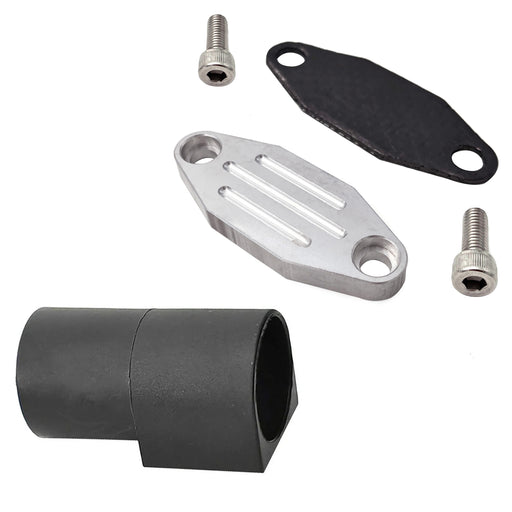
Seguler 1986-1995 Ford F150 F250 F350 Mustang Trucks EGR Simulator Eliminator / Block Off Plate Kit
SEGULEROriginal price $79.99 - Original price $79.99Original price$79.99$79.99 - $79.99Current price $79.99Block Off Plate Material: Aluminum alloy. Easy installation,and convenient to use. Made of CNC milled from aircraft grade Billet aluminum. Will N...
View full details -

Seguler 2011-2023 6.7L Ford Powerstroke Diesel EGR Delete Kit
SEGULEROriginal price $109.99 - Original price $109.99Original price$109.99$109.99 - $109.99Current price $109.99FITMENT 2011-2023 6.7L Ford Powerstroke F-250 F-350 F-450 F-550 Super Duty V8 Diesel. compatible with both standard Pickups and commercial Cab &...
View full details -
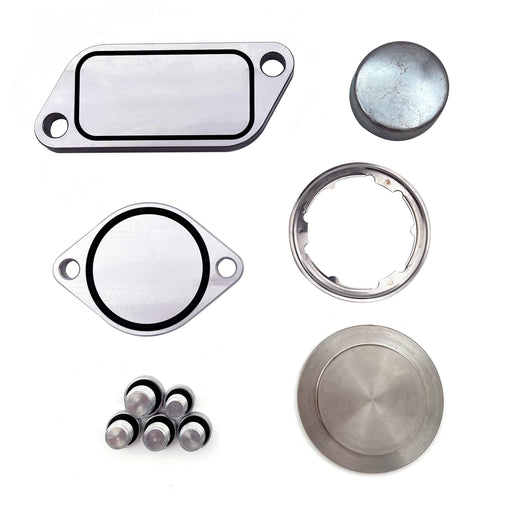
For 2010-Present Stage 2 ISX 15 CM2250 CM2350 EGR Delete Kit
SEGULEROriginal price $59.99 - Original price $59.99Original price$59.99$59.99 - $59.99Current price $59.99FITMENT 2010-Present Cummins Volvo, Peterbilt, Mack, International, Freightliner, Kenworth with the ISX15 CM2250 / CM2350 engines. DESCRIPTION P...
View full details -
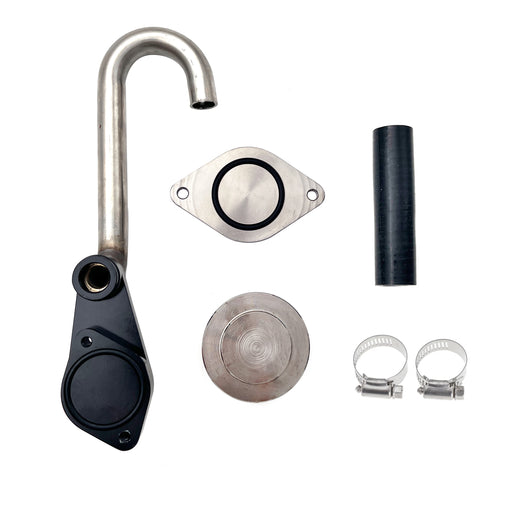
Seguler 2003-2007 6.0L FORD Powerstroke Diesel EGR Cooler Delete Kit
SEGULEROriginal price $56.14 - Original price $56.14Original price$56.14$56.14 - $56.14Current price $56.14FITMENT 2003-2007 6.0L Ford F-250 Ford F-350 F-450 F-550 Super Duty. 2003-2007 6.0L Ford Excursion SUV (Diesel Models Only). 2005-2010 Ford E-Se...
View full details -
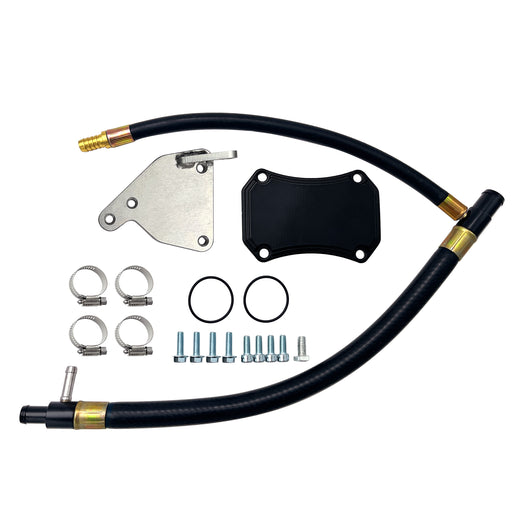
For 2011-2016 6.6L GMC Chevy Duramax Diesel LML EGR Valve Cooler Delete Kit
SEGULEROriginal price $66.49 - Original price $66.49Original price$66.49$66.49 - $66.49Current price $66.49FITMENT 2011-2016 6.6L Chevy GMC Duramax LML 2500 HD 3500 HD Diesel. DESCRIPTION Product Overview The 2011–2016 LML Duramax uses a complex EG...
View full details -
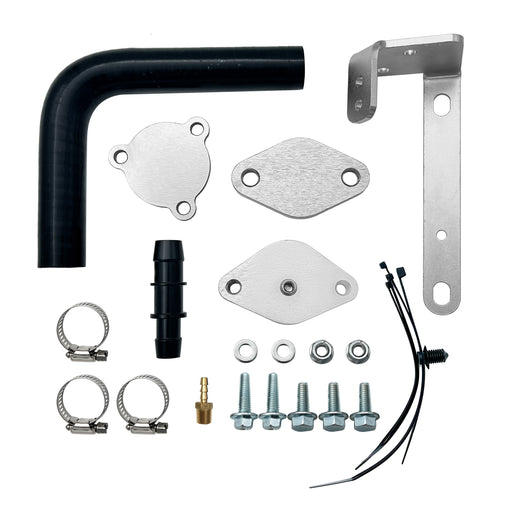
Seguler For 2014-2019 3.0L Dodge Ram 1500 EcoDiesel EGR Valve & Cooler Delete Kit
SEGULEROriginal price $72.99 - Original price $72.99Original price$72.99$72.99 - $72.99Current price $72.99FITMENT 2014-2019 3.0L Dodge Ram 1500 EcoDiesel V6 engine trucks. DESCRIPTION Product Overview Exhaust gas recirculation on 3.0L EcoDiesel V6 ...
View full details -

Seguler 2011-2023 6.7L Ford Powerstroke Diesel EGR Delete Kit
SEGULEROriginal price $85.99 - Original price $85.99Original price$85.99$85.99 - $85.99Current price $85.99FITMENT 2011-2023 6.7L Ford Powerstroke F-250 F-350 F-450 F-550 Super Duty V8 Diesel. compatible with both standard Pickups and commercial Cab &...
View full details -
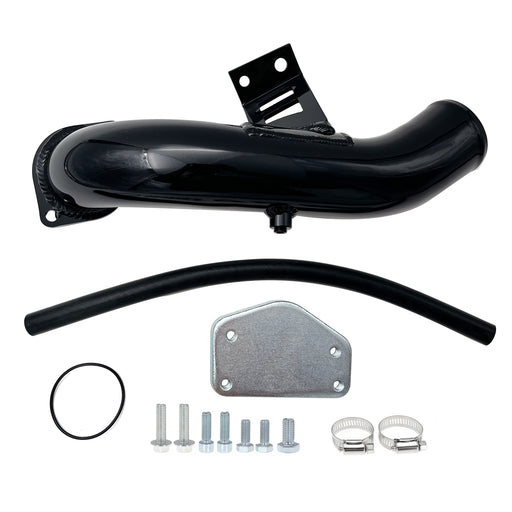
For 2004.5-2005 6.6L Chevy GMC Silverado LLY Duramax Diesel EGR Delete Kit
SEGULEROriginal price $92.99 - Original price $92.99Original price$92.99$92.99 - $92.99Current price $92.99FITMENT 2004.5-2005 6.6L Chevrolet Silverado Duramax LLY 2500HD / 3500 HD. 2004.5-2005 6.6L GMC Sierra Duramax LLY 2500HD / 3500 HD. DESCRIPTION...
View full details -

Seguler 2010-2024 6.7L Dodge Ram Cummins Diesel EGR Valve Cooler Delete Kit
SEGULEROriginal price $89.99 - Original price $89.99Original price$89.99$89.99 - $89.99Current price $89.99FITMENT 2010–2024 6.7L Dodge Ram Cummins 2500 / 3500 Pickup Turbo Diesel. Note: Does NOT fit Chassis Cab 3500 / 4500 / 5500 models. DESCRIPTIO...
View full details -

Seguler 2017-2019 L5P Duramax Diesel 4pcs L5P Can Bus Plugs Connector Replacement
SEGULEROriginal price $75.00 - Original price $75.00Original price$75.00$75.00 - $75.00Current price $75.00FITMENT 2017–2019 Chevrolet Silverado / GMC Sierra Duramax L5P 2500HD & 3500HD Diesel. DESCRIPTION Product Overview Unprotected harness con...
View full details -
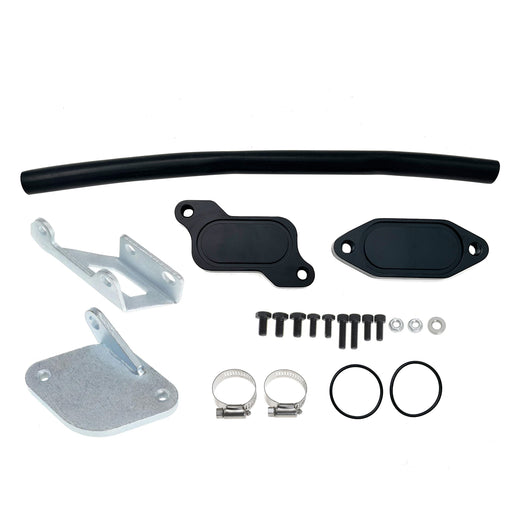
For 2006-2007 6.6L Chevrolet Silverado Classic GMC Duramax LBZ Diesel EGR Valve Cooler Delete Kit
SEGULEROriginal price $63.49 - Original price $63.49Original price$63.49$63.49 - $63.49Current price $63.49FITMENT 2006-2007.4 Chevrolet Silverado Duramax LBZ 2500HD / 3500HD. 2007.4 Chevrolet Silverado Duramax LBZ 2500HD / 3500HD Classic. 2006-2007.4 ...
View full details -

Seguler 2020-2023 chevy duramax L5P Diesel Can Bus Plugs Connector
SEGULEROriginal price $80.00 - Original price $80.00Original price$80.00$80.00 - $80.00Current price $80.00FITMENT 2020–2023 Chevrolet Silverado / GMC Sierra Duramax L5P 2500HD & 3500HD Diesel. DESCRIPTION Product Overview Unprotected harness pl...
View full details -
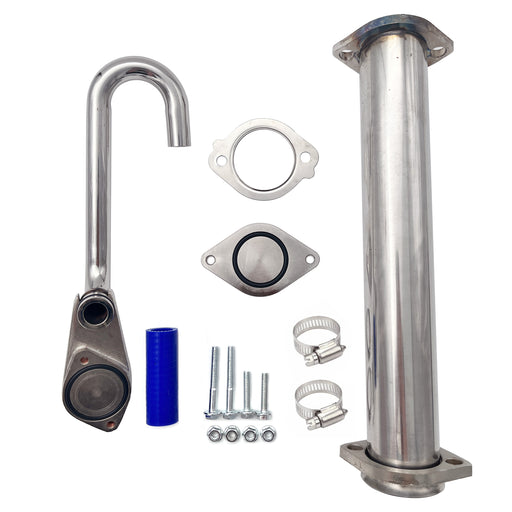
Seguler 2003-2007 6.0L Ford F250 F350 Powerstroke Diesel EGR Basic Cooler Kit
SEGULEROriginal price $79.99 - Original price $79.99Original price$79.99$79.99 - $79.99Current price $79.99FITMENT 2003-2007 6.0L Ford F250 F350 F450 F550 Super Duty Turbo (except 2004 F250 Super Duty). 2003-2005 6.0L Ford Excursion Turbo. 2005 Ford F...
View full details -

Seguler 2011-2023 6.7L Ford F250 F350 F450 F550 Powerstroke Diesel EGR Valve Delete Cooler Delete Kit
SEGULEROriginal price $55.99 - Original price $55.99Original price$55.99$55.99 - $55.99Current price $55.99FITMENT 2011-2023 6.7L Ford Powerstroke F-250 F-350 F-450 F-550 Super Duty V8 Diesel compatible with both standard Pickups and commercial Cab &a...
View full details -
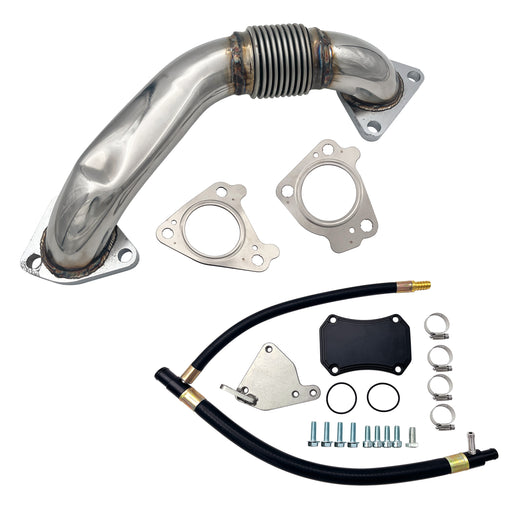
Seguler 2011-2016 6.6L GMC Chevy Duramax Diesel LML Up-Pipe & EGR Valve Cooler Delete Kit
SEGULEROriginal price $173.86 - Original price $173.86Original price$173.86$173.86 - $173.86Current price $173.86FITMENT 2011-2016 6.6L Chevy GMC Duramax LML 2500 HD 3500 HD Diesel. DESCRIPTION Product Overview Direct-injection technology endows GM 5.3L an...
View full details -
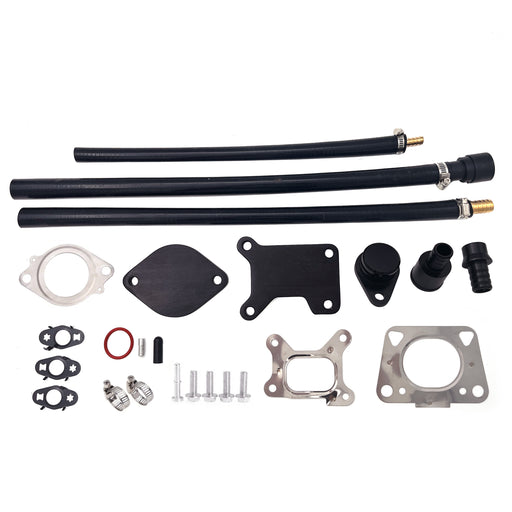
For 2017-2023 6.6L Chevy GMC Duramax L5P diesel EGR Valve Cooler Delete kit
SEGULEROriginal price $131.99 - Original price $131.99Original price$131.99$131.99 - $131.99Current price $131.99FITMENT 2017–2023 6.6L Chevrolet Silverado / GMC Sierra Duramax L5P 2500HD 3500HD Diesel. DESCRIPTION Product Overview Hot soot recirculation ...
View full details -

For 2013-2023 6.7L Dodge Ram Cummins Cab & Chassis EGR Delete Kit Diesel
SEGULEROriginal price $62.99 - Original price $62.99Original price$62.99$62.99 - $62.99Current price $62.99FITMENT 2013–2023 6.7L Ram Cummins 3500 4500 5500 Cab & Chassis / Commercial Trucks. Does NOT fit standard Ram 2500 3500 Pickups. DESCRIPTIO...
View full details -
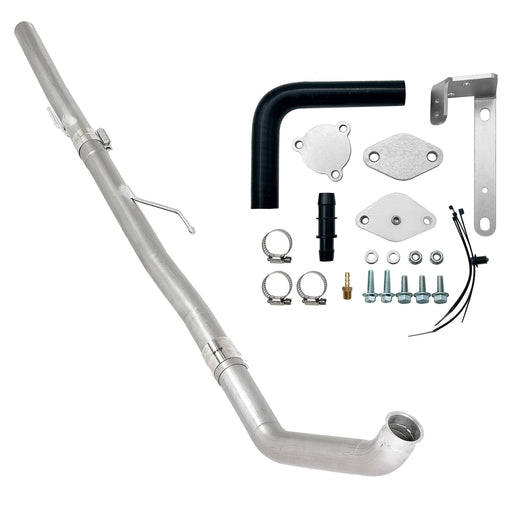
Seguler 3" Ecodiesel DPF Delete Pipe & EGR Delete kit for 2014-2018 3.0L Ram
SEGULEROriginal price $342.00 - Original price $342.00Original price$342.00$342.00 - $342.00Current price $342.00FITMENT 2014–2018 3.0L Dodge Ram 1500 EcoDiesel V6. NOTE: Fit standard Pickup models only (Crew Cab, Quad Cab). Does NOT fit Jeep Grand Cheroke...
View full details -
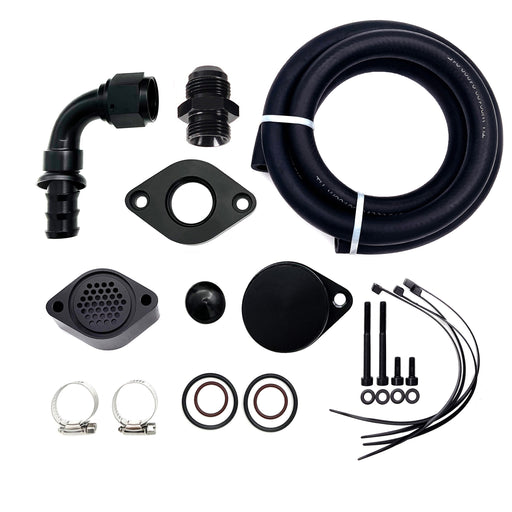
Seguler 2011-2023 6.7L Ford Powerstroke CCV PCV Reroute Engine Ventilation Kit
SEGULEROriginal price $82.99 - Original price $82.99Original price$82.99$82.99 - $82.99Current price $82.99FITMENT 2011-2023 6.7L Ford Powerstroke F-250 F-350 F-450 F-550 Super Duty V8 Diesel. Compatible with both standard Pickups and commercial Cab &...
View full details -
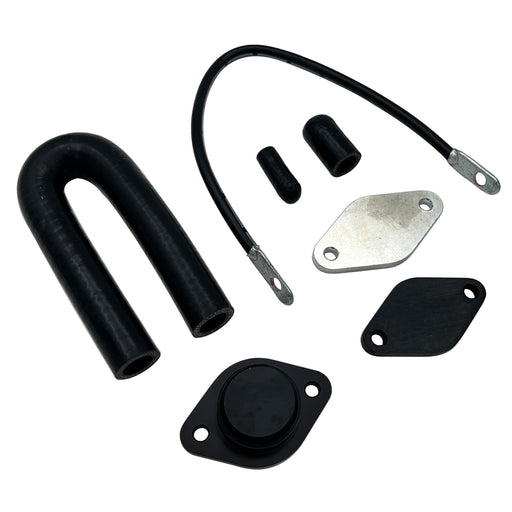
Seguler EGR valve cooler Delete kit for 2020-2022 3.0L Chevy Duramax LM2
SEGULEROriginal price $189.12 - Original price $189.12Original price$189.12$189.12 - $189.12Current price $189.12FITMENT 2020–2022 3.0L Chevrolet Silverado GMC Sierra 1500 LM2 Turbo-Diesel. DESCRIPTION Product Overview Powered by smooth inline-six engine...
View full details -
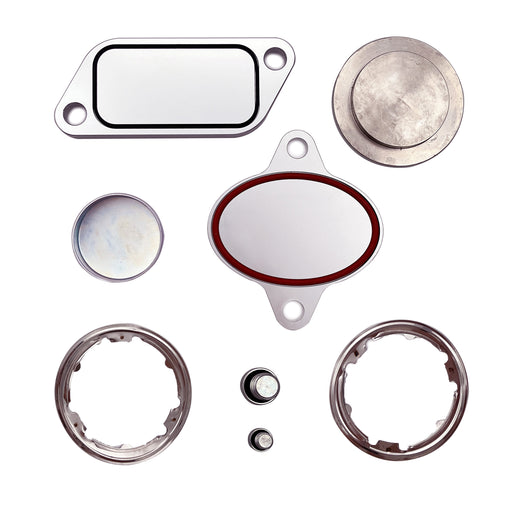
For 2007-2010 Cummins ISX CM871 EGR Plug Kit Stage 2 Plates and Plugs Aluminum
SEGULEROriginal price $67.99 - Original price $67.99Original price$67.99$67.99 - $67.99Current price $67.99FITMENT 2007-2010 Cummins Volvo, Peterbilt, Mack, International, Freightliner, Kenworth with the ISX CM871 Engines. DESCRIPTION Product Overvie...
View full details -
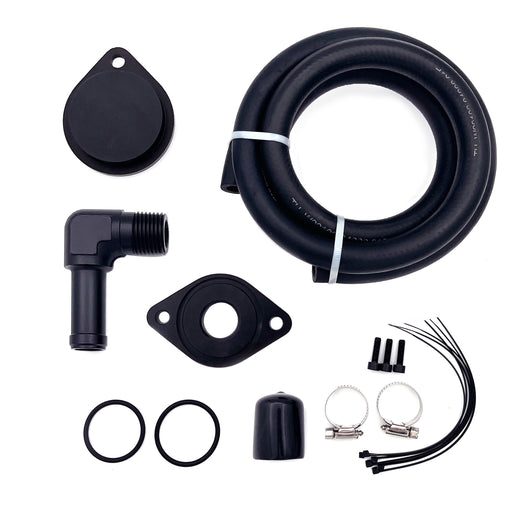
Seguler 2011-2023 Ford 6.7L Powerstroke CCV/PCV Reroute/Delete Engine Ventilation Kit
SEGULEROriginal price $72.00 - Original price $72.00Original price$72.00$72.00 - $72.00Current price $72.00FITMENT 2011-2023 6.7L Ford Powerstroke F-250 F-350 F-450 F-550 Super Duty V8 Diesel. Compatible with both standard Pickups and commercial Cab &...
View full details -
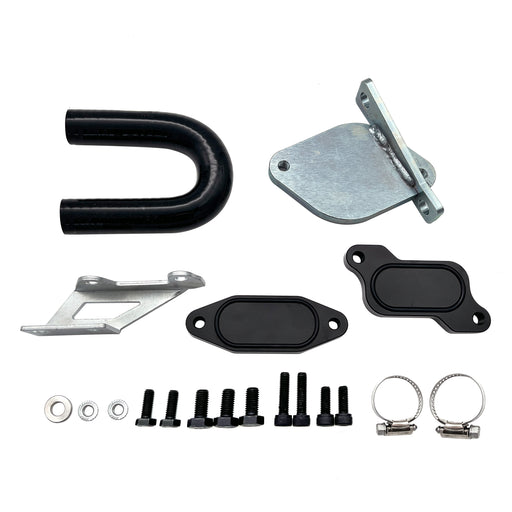
For 2007-2010 6.6L Chevy GMC LMM Duramax EGR Valve Cooler Delete Kit Fit
SEGULEROriginal price $61.99 - Original price $61.99Original price$61.99$61.99 - $61.99Current price $61.99FITMENT 2007.5-2010 6.6L Chevrolet Silverado Duramax LMM 2500HD / 3500HD. 2007.5-2010 6.6L GMC Sierra Duramax LMM 2500HD / 3500HD. Note: Standard...
View full details -
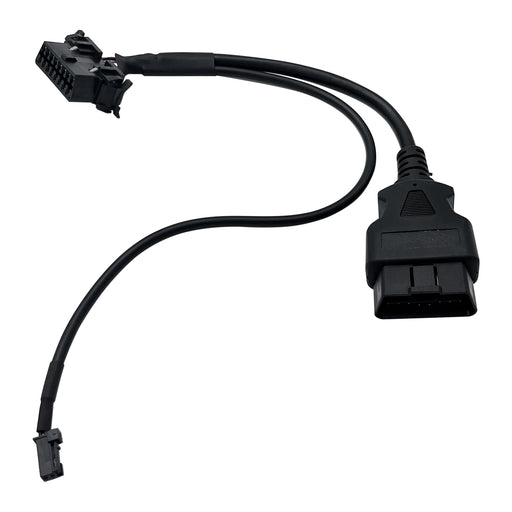
Seguler 2018+ RAM Cummins OBD2 HD Security Gate Bypass Cable
SEGULEROriginal price $45.00 - Original price $45.00Original price$45.00$45.00 - $45.00Current price $45.00FITMENT 2018+ 6.7L Ram Cummins 2500 3500 Turbo Diesel. Designed for Ram pickup trucks equipped with the factory Security Gateway Module. Note: Pl...
View full details -
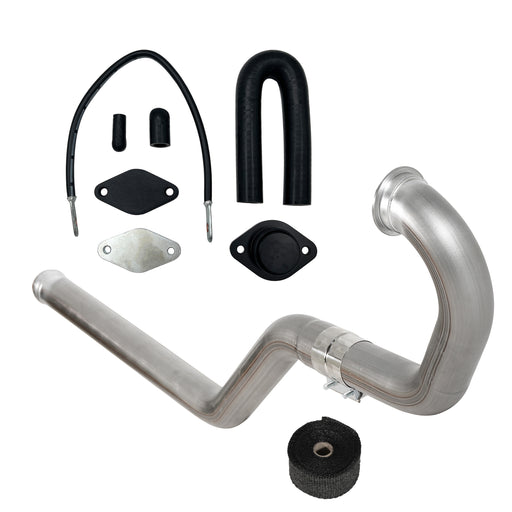
3" Turbo Back DPF & EGR Delete Kit for 2020-2022 GM 3.0L LM2 Duramax
SEGULEROriginal price $550.00 - Original price $550.00Original price$550.00$550.00 - $550.00Current price $550.00FITMENT 2020–2022 3.0L Chevrolet Silverado 1500 LM2 Diesel. 2020–2022 3.0L GMC Sierra 1500 LM2 Diesel. DESCRIPTION Product Overview On the 3.0...
View full details


Leave a comment