

Duramax Performance Kit Guide to L5P Exhaust and EGR Upgrades
The L5P Duramax Story: Why Owners Start Looking Beyond the Factory System
The 6.6L Duramax L5P earned its reputation for a reason. With 445 horsepower and 910 lb-ft of torque from the factory, it gave Silverado and Sierra HD owners the kind of power and towing capability they expected from a heavy-duty diesel.
But as these trucks accumulate miles, many owners discover that the conversation changes. The engine itself is rarely the concern — the questions usually start around the systems built around it. The factory EGR system on the intake side and the emissions and exhaust components on the exhaust side are where many long-term maintenance discussions begin.
These systems were engineered to balance power, emissions requirements, and everyday drivability. However, their complexity means owners eventually start asking different questions: Where does the restriction come from? Which components are actually causing problems? And what options are available when upgrading an L5P for a specific purpose?
A Duramax performance kit is not one single part. It is a combination of components designed to address different sections of the truck. This guide breaks down where each component fits, how common L5P system issues develop, what separates quality hardware from the rest, and how to choose the right setup for your truck.
We’ll start by looking at the major areas these upgrades address, then explain how each component works, what symptoms to watch for, and how Seguler’s L5P solutions match different upgrade goals.
The Two Areas Every L5P Owner Should Understand
The 6.6L Duramax L5P is built for heavy-duty work, but the systems surrounding the engine are where many long-term discussions begin. Two areas receive the most attention from owners: the intake-side EGR system and the exhaust aftertreatment system.
Intake Side: EGR System
The EGR system routes a portion of exhaust gas back into the intake. The EGR cooler operates between hot exhaust gases and engine coolant, which puts it under constant thermal stress during normal operation. Over time, this makes the EGR system one of the areas L5P owners pay close attention to.
Exhaust Side: Downpipe and Aftertreatment System
The exhaust path starts at the turbocharger and flows through the factory downpipe, diesel oxidation catalyst, diesel particulate filter, and SCR/DEF system before reaching the tailpipe. These components help control emissions, but they also create a more complex exhaust system that operates under high temperatures and constant monitoring.
Most L5P owners are not dealing with both areas at the same time. The issue usually depends on how the truck is used, including mileage, towing conditions, and maintenance history.
Understanding the L5P Intake and Exhaust System Layout
Before looking at individual components, it helps to understand how the L5P’s intake and exhaust systems are laid out and why each area receives attention over the life of the truck.
The L5P uses a complex combination of systems designed to balance power, towing capability, emissions control, and everyday drivability. Over time, the components surrounding the engine — especially the EGR system and exhaust path — experience constant heat cycles, pressure changes, and operating demands.
The EGR system is located on the intake side of the engine. The EGR valve controls the flow of exhaust gases back into the intake, while the EGR cooler uses engine coolant to reduce exhaust temperature before those gases are introduced back into the engine. Because it operates between exhaust heat and coolant, the EGR cooler is exposed to continuous thermal stress during normal operation.
The exhaust side follows a different path. Exhaust leaves the turbocharger through the factory downpipe, then travels through the catalytic converter, diesel particulate filter, and other aftertreatment components before reaching the tailpipe. The factory downpipe sits in a tight area behind the turbocharger, while the aftertreatment components are located further downstream under the cab.
Understanding this layout helps explain why different L5P owners experience different concerns. A truck showing coolant-related symptoms may be dealing with a different area than a truck experiencing exhaust flow restrictions, frequent regeneration cycles, or heavy-load temperature concerns.
What a Duramax Performance Kit Actually Addresses
A Duramax performance kit is not a single product. It is the collection of hardware that works on the intake side, the exhaust side, or both, depending on which pieces you buy.
The EGR-side hardware removes the EGR valve and cooler and gives the cooling system a defined path after they are gone. The exhaust-side hardware addresses restriction in two places: the downpipe directly behind the turbocharger, and the aftertreatment canisters further back under the cab. The kit you choose depends on which of those restrictions is actually causing the problem.
Why the L5P Is Different from Older Duramax Trucks
The L5P shares a 6.6L displacement with the older LML, but the emissions hardware, sensor layouts, and tuning requirements are not the same. A few differences matter when you are choosing parts.
Early L5P model years use different engine management strategies compared with later trucks, so the calibration approach is not identical across the run. Exhaust gas temperature probe threading also varies by model year, which matters when a sensor has to be transferred or a port has to be provisioned. The 2020-and-newer trucks added the 10-speed Allison, which brought a different calibration path again. These components are designed for 2017-2023 L5P applications.
The practical takeaway is that model year is not a minor detail on this platform. A part that fits a 2017 truck is not automatically the right part for a 2023 truck, and a part built for a pickup is not the right part for a Cab & Chassis commercial truck.
How These Components Fail — and What It Looks Like
The three components covered here fail in different ways, and the symptoms point back to different sides of the truck.
The EGR cooler fails because it lives between exhaust heat and engine coolant. Over time the internal tubes can crack, and coolant and exhaust mix in a place neither belongs. The classic early sign is a coolant level that drops slowly with no visible puddle, followed by white exhaust on startup or a coolant smell under the hood.
The DPF and SCR-related systems can develop different maintenance issues. The particulate filter traps soot, and the truck has to burn that soot off through regeneration. A filter that keeps loading up, or a truck that keeps interrupting regens, puts more and more load on the aftertreatment system. The SCR and DEF hardware add their own failure points in the form of sensors, injectors, and the fluid itself.
The factory downpipe does not fail the way a cooler or a sensor does — it is a restriction that was built in from day one. The factory pipe is squeezed and flattened to fit around the firewall and the transmission, so exhaust leaving the turbo meets a pinched path right away. That restriction shows up as higher exhaust gas temperatures under sustained load, especially when towing.
How the Emissions Stack Works
To understand what the exhaust-side hardware actually removes, it helps to see the factory aftertreatment stack as a sequence of stages, each with a job.
The diesel oxidation catalyst is the first stage. It oxidizes the unburned fuel and hydrocarbons left over from combustion, which also generates heat for the next stage. Next is the diesel particulate filter, which physically traps the soot particles that make it through combustion. When the filter loads up, the truck runs a regeneration cycle to raise exhaust temperatures and burn the trapped soot into ash.
Regeneration happens in two ways. Passive regeneration occurs when exhaust temperatures are already high enough during normal highway driving, and the truck burns off soot without any extra work. Active regeneration is when the truck injects fuel into the exhaust specifically to raise temperature and force the burn. Active regens use fuel, and an interrupted regen leaves the filter partially loaded, which shortens the interval to the next one.
After the DPF, DEF is injected into the exhaust stream before the SCR catalyst to convert nitrogen oxides into nitrogen and water. A network of temperature, pressure, and NOx sensors monitors every stage, which is why changing any of this hardware without the supporting calibration can trigger fault codes.
What Keeping the Factory Systems Costs You
The factory emissions hardware is not a one-time cost — it carries ongoing operating and maintenance costs that add up over the life of the truck.
DEF is the most visible one. The SCR system consumes DEF continuously, and the rate climbs with load and mileage. A truck that tows hard goes through noticeably more fluid than one that spends its life unloaded.
Active regeneration is a second, quieter cost. Every time the truck forces a regen, it burns fuel that is not moving the truck. For a truck that does a lot of short trips, idling, or city driving, interrupted and repeated regens become a regular fuel drain.
Then there is the maintenance side. Diesel particulate filters have a finite service life, and cleaning or replacing one is a four-figure job. NOx sensors, DEF injectors, and the SCR catalyst itself are all wear items on a long-enough timeline. None of this is a reason to change anything on its own — but it is the full picture of what the factory system costs to keep running.
Signs Your L5P Needs Attention
The symptoms tend to cluster by which side of the truck is struggling.
On the intake side, watch for a coolant level that slowly drops, white exhaust on startup, a coolant smell under the hood, or recurring EGR flow codes. These point toward the EGR cooler, which is one of the more failure-prone components on the platform.
On the exhaust side, watch for more frequent regeneration cycles, rising exhaust temperatures, or a truck that feels like it is working harder than it used to. A DEF warning that comes up sooner than expected, or a truck that seems to use fluid faster than it used to, can point toward an SCR or NOx sensor issue. And a check-engine light paired with reduced power or a countdown message is usually the truck signaling an aftertreatment fault before it locks into a derated mode.
Factory Components vs Performance Upgrades
Each symptom points to a specific component, and each component maps to a specific Seguler upgrade.
| Factory Component | Common Concern | Seguler Upgrade |
|---|---|---|
| Factory EGR Cooler & Valve | Coolant and exhaust heat exposure, internal cracking | 3.5" Downpipe & EGR Cooler Delete Kit |
| Factory Downpipe | Pinched turbo outlet, flow restriction | 3.5" Downpipe |
| DPF / CAT Section | Restriction, regen load, maintenance | 4" DPF & CAT Delete Race Pipe |
These three rows are the entry points into the catalog. The next section matches each one to the symptoms it solves.
What to Look for in a Quality Duramax Performance Kit
When you get to the buying decision, four things matter more than anything else on the spec sheet.
Material. The EGR-side plates and the exhaust piping live in two very different environments. Billet aluminum machines to a precise sealing surface on the block-off hardware, while stainless steel holds up where components sit directly in the exhaust stream. The right kit uses the right material in the right place.
Coolant management. On the L5P, the cooling system is routed through the factory EGR cooler. Simply capping the ports can leave the coolant path with nowhere to go. A properly configured solution provides a defined path for continued circulation after the cooler is removed.
Pipe diameter and routing. On the exhaust side, a larger, mandrel-bent pipe that follows the factory routing reduces the restriction without forcing you to fabricate or adapt anything during the install. A pipe that does not account for the truck’s cab-and-bed configuration, sensor provisions, or factory hanger locations will fight you during the install no matter how large it is.
Fitment. The L5P changed cooling, sensor, and exhaust layouts during its run, and a pickup and a Cab & Chassis truck share an engine but use different exhaust routing underneath. Model year, cab and bed configuration, and sensor requirements all have to be confirmed before ordering.
The material and machining details are worth a closer look, because they are where budget hardware usually falls short. Precision-machined billet components can provide a more consistent sealing surface, which is what keeps coolant and exhaust from finding a path around the plate. On the exhaust side, the grade of stainless matters: a pipe that lives in a high-heat, high-moisture environment needs a grade that holds up to thermal cycling without cracking at the welds, and the welds themselves should be clean and consistent. A kit that uses the right material in the right place, machined to a precise surface, is the difference between a one-time install and a repeat teardown.
Beyond the spec sheet, build quality shows up in the details that are hard to photograph: a block-off plate that seals cleanly on the first try, a coolant re-route that follows the factory routing instead of dead-ending, and flanges that line up with the factory mounting points without fabrication. Hardware that fits correctly and manages heat and coolant properly is far less likely to leak, crack, or require a second teardown.
Common Buying Mistakes That Cost You a Second Teardown
A few mistakes come up often enough that they are worth naming before you spend money.
Buying for the wrong platform. A lot of listings and older write-ups blur the LML and L5P together under the single word “Duramax.” The two platforms share a displacement but not the emissions hardware, sensor layouts, or tuning requirements. A part ordered for an LML is the wrong part for an L5P build.
Choosing by pipe diameter alone. On the exhaust side it is tempting to pick the biggest number, but a pipe that does not account for the truck’s cab-and-bed configuration, the sensor provisions, or the factory hanger locations will fight you during the install no matter how large it is.
Ignoring the coolant path on the EGR side. A basic block-off that simply caps the cooler ports can leave the L5P cooling system with a dead end. The hardware has to provide a defined path for coolant after the cooler is gone.
Ignoring the calibration requirement. The L5P is tightly monitored, and changing emissions-related hardware without the supporting calibration will trigger fault codes and can put the truck into a derated mode. The calibration approach also varies by model year, so it has to be confirmed for your specific truck before any hardware comes off.
Overlooking the cab and bed configuration. The race pipe is matched to wheelbase and cab style, and a component built for a short-bed Crew Cab is not necessarily the right piece for a long-bed Regular Cab. The fix: confirm cab, bed, and wheelbase before ordering, and remember that Cab & Chassis trucks use different routing entirely.
What These Problems Look Like in the Real World
The symptoms above sound abstract until they happen to a specific truck. Here are three common situations.
One owner notices a coolant level that drops a little between oil changes, with no puddle on the ground and no overheating. A pressure test eventually points to the EGR cooler, which is leaking internally the way these coolers do as they age.
Another owner runs a truck that tows regularly and starts seeing regeneration cycles stack up closer together, with exhaust temperatures running higher than they used to on the same grades. The truck is not broken, but it is working harder, and the aftertreatment hardware is taking the load.
A third owner runs a truck that spends most of its time on short trips and starts getting a DEF warning sooner than expected, followed by reduced power. The aftertreatment system is signaling a fault, and the truck is protecting itself before it gets worse.
None of these trucks failed catastrophically. Each one started with a symptom that pointed toward one side of the engine, which is exactly why the hardware is split up the way it is.
Matching L5P Concerns With the Right System Area
The L5P’s intake and exhaust systems work together, but each area can develop different concerns over time. Identifying where the issue starts is the first step in understanding which component is involved.
EGR System Concerns
Common signs: coolant loss with no visible leak, recurring EGR-related codes, white exhaust during startup, or a coolant smell under the hood.
Related component: Seguler EGR Valve & Cooler Delete Kit
Turbo-Side Exhaust Flow Concerns
Common signs: higher exhaust temperatures during heavy loads, reduced airflow under towing conditions, or concerns related to the factory downpipe restriction.
Related component: Seguler 3.5" Downpipe
Aftertreatment System Concerns
Common signs: frequent regeneration cycles, aftertreatment warnings, or concerns related to the factory DPF and CAT section.
Related component: Seguler 4" DPF & CAT Race Pipe
Understanding which area of the truck is involved helps L5P owners focus on the specific system they are looking to address instead of replacing components unnecessarily.
Seguler Solutions
Seguler offers hardware for the L5P’s emissions and exhaust systems, from an EGR Cooler Delete Kit that pairs the intake and first exhaust section to individual exhaust components. Each is covered below with its fitment and what it replaces.
Seguler 2017-2023 6.6L Chevy GMC Duramax L5P diesel EGR Valve Cooler Delete kit
The EGR Valve & Cooler Delete Kit is designed to replace the factory EGR valve and cooler assembly on 2017–2023 6.6L Duramax L5P trucks. The kit removes the factory exhaust gas recirculation path, helping prevent hot exhaust gases and soot from being routed back into the intake system.
By eliminating the factory EGR components, this kit helps reduce carbon buildup inside the intake system and removes the EGR cooler as a potential source of coolant and exhaust-related issues. It also includes the necessary coolant reroute solution to maintain proper coolant flow after the factory cooler is removed.
For L5P owners who want to address EGR-related concerns, this kit provides a simplified solution for the intake-side system while supporting cleaner airflow and long-term engine reliability.

Key points、
The EGR system is one of the areas that receives the most attention on the L5P platform due to its constant exposure to exhaust heat and coolant flow. Understanding how this system works and how each component affects the truck helps owners make informed decisions when addressing long-term maintenance concerns.
Seguler 2017-2023 6.6L Duramax Diesel 3.5" Downpipe Exhaust
Diesel 3.5" Downpipe Exhaust is designed for 2017-2023 6.6L Duramax L5P Silverado and Sierra 2500HD/3500HD trucks to replace the restrictive factory downpipe that creates a major exhaust flow bottleneck near the turbocharger. Featuring a smooth mandrel-bent 3.5-inch design, this upgrade improves exhaust gas flow, reduces turbo backpressure, and helps the turbo spool more efficiently, providing quicker throttle response and better performance during towing and heavy-load driving.
Built for 2017–2023 6.6L Duramax L5P 2500HD and 3500HD trucks, this 3.5-inch downpipe replaces the restrictive factory pipe with a smoother, higher-flow exhaust path. Designed to follow the factory routing, it features a mandrel-bent design and heat protection to help manage temperatures around the turbo outlet, firewall, transmission housing, and cab floor areas.

Key points
- 3.5-inch mandrel-bent stainless construction
- Replaces the factory downpipe and its restriction at the turbo outlet
- Thermal heat wrap helps manage heat near the wiring and transmission housing
- Connects to the factory exhaust or an aftermarket exhaust system
Built for diesel enthusiasts who demand reliable performance, the Diesel 3.5" Downpipe Exhaust provides a stronger foundation for your 2017-2023 6.6L Duramax L5P engine by improving exhaust flow, reducing restriction, and supporting better turbo efficiency under demanding conditions. Whether towing heavy loads, hauling equipment, or upgrading your truck for improved airflow, this downpipe delivers the durability, fitment, and performance-focused design needed to help your Silverado or Sierra HD perform with confidence.Choose this over the race pipe when the restriction you are chasing is the factory downpipe itself, and you want to keep the downstream aftertreatment hardware in place.
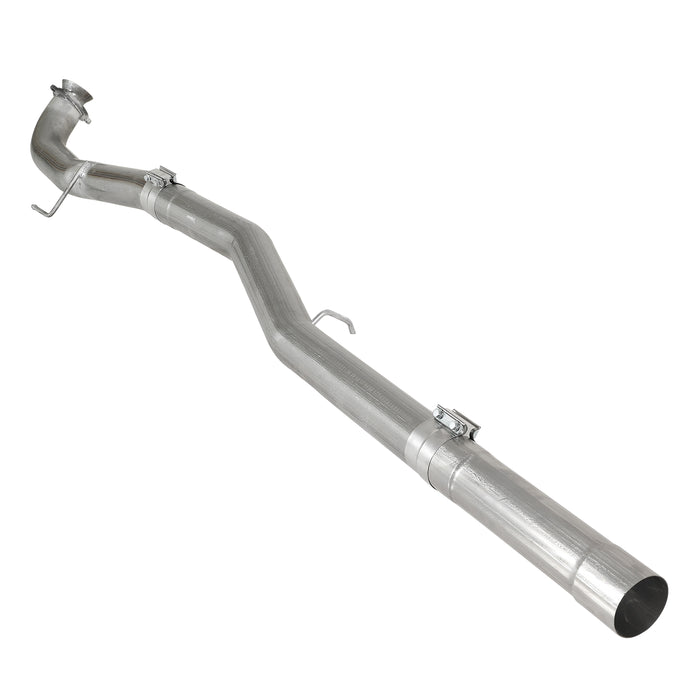
Seguler 2017-2023 6.6L Duramax L5P 4" DPF & CAT Delete Race Pipe
4" DPF & CAT Delete Race Pipe is designed to replace restrictive factory exhaust components on 2017-2023 6.6L Duramax L5P Silverado and Sierra HD trucks, helping improve exhaust flow and reduce restriction within the exhaust system. Featuring a high-flow 4-inch pipe design, this upgrade creates a smoother exhaust path, helping reduce exhaust backpressure and support better turbo efficiency during towing, hauling, and heavy-load driving. By optimizing exhaust flow, it provides a stronger foundation for performance-focused diesel builds.
Built from durable stainless steel with precision-engineered bends and OE-style fitment, this 4" DPF & CAT Delete Race Pipe is designed for long-term reliability in demanding diesel environments. It provides a smoother, less restrictive exhaust path to improve airflow and overall exhaust efficiency, making it an ideal upgrade for 2017-2023 Chevrolet Silverado and GMC Sierra 2500HD/3500HD trucks equipped with the 6.6L Duramax L5P engine.
Key points
- 4-inch mandrel-bent T409 stainless steel mid-pipe
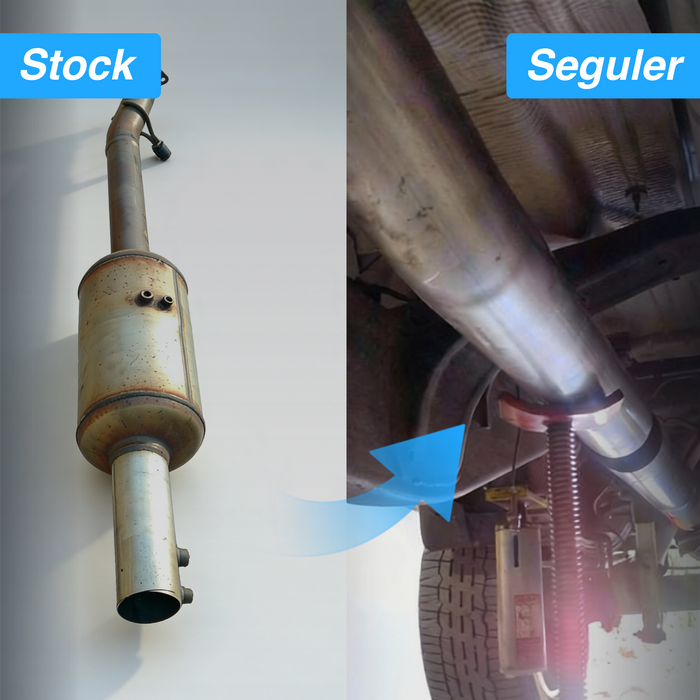
- Replaces the CAT and DPF section while retaining the factory downpipe and tailpipe
- Pickup-specific fitment with cab and bed configuration called out
- Requires supporting calibration before installation
Designed for 2017-2023 6.6L Duramax L5P Silverado and Sierra HD trucks, the 4" DPF & CAT Delete Race Pipe provides a high-flow exhaust solution for owners looking to improve airflow, reduce exhaust restriction, and optimize overall exhaust system performance. With durable construction, precise fitment, and a smooth 4-inch design, it delivers the reliability and strength needed for demanding towing, hauling, and diesel performance applications while providing a solid foundation for further truck upgrades.
How These Three Fit Together
Each component covers a different section of the truck’s exhaust and intake system. The downpipe is installed directly after the turbocharger to improve exhaust flow from the turbo outlet, while the race pipe replaces the factory aftertreatment section under the cab. The EGR Cooler Delete Kit combines the intake-side EGR components with a downpipe section, making it a more complete upgrade compared with using a standalone downpipe.
For a single upgrade, many owners choose either the standalone downpipe or the EGR Cooler Delete Kit depending on their goals. For a more complete setup, the EGR Cooler Delete Kit can be combined with the 4" race pipe to improve airflow through both the front and rear sections of the exhaust system while keeping the factory tailpipe in place. Since the EGR Cooler Delete Kit already includes the downpipe section, a separate standalone downpipe is not required when running the full EGR Cooler Delete Kit setup.
Installation Overview and Key Fitment Checks
These are bolt-on components, but they live in different parts of the truck and involve different amounts of work. All three are best done with a service manual for your specific model year, and the calibration requirements should be confirmed before any hardware comes off.
Tools you will want on hand:
| Tool | Used For |
|---|---|
| Socket set (10mm, 13mm, 15mm) | Heat shields, flanges, and support brackets |
| Torque wrench | Block-off plate and turbo fasteners |
| Penetrating oil | Loosening exhaust hangers and hardware |
| Floor jack and jack stands | Lifting and supporting the truck |
| Coolant and rags | Draining and topping off the cooling system |
| Service manual | Model-year-specific torque and sequence |
Before you start:
- Confirm the model year and ECM path. The 2017–2019 and 2020–2023 L5P trucks use different engine management paths, and the calibration approach is not the same across the run.
- Confirm cab and bed configuration. The race pipe is matched to wheelbase and cab style, and a Cab & Chassis truck uses different exhaust routing than a pickup.
- Confirm the supporting calibration. The L5P will throw codes and can enter a derated mode if emissions-related hardware is changed without the supporting calibration in place.
The EGR Side
The EGR valve and cooler kit is the most involved of the three because the cooler sits deep in the engine bay and the cooling system is routed through it. The manufacturer’s reference sequence is:
- Disconnect both battery negatives and remove the passenger-side inner fender liner, then drain the coolant (the reservoir cap is reverse-threaded, so leave it in place and let the coolant drain slowly).
- Remove the intake pipe and box, the EGR hot-side heat shields, and the intake horn and PCV hose.
- Release the serpentine belt, unbolt the A/C compressor, and remove the intake Y-bridge (eight 10mm bolts) to expose the EGR valve and cooler.
- Unbolt the EGR valve and cooler, then fit the block-off plate to the exhaust manifold (25 ft-lbs).
- Re-route the cooling system with the included plugs and hoses: a billet plug seals the thermostat coolant port, and the heater-core hardline is replaced with the supplied hose.
- Access the turbo outlet area to fit the 3.5-inch downpipe, then reconnect the downpipe at the turbo outlet.
- Refit the Y-bridge with its block-off plate, then reinstall the A/C compressor and belt.
Because the job reaches the turbo, the downpipe, and the cooling system, most owners treat this as a full-day install best done with a service manual for the specific model year.
The Downpipe
The 3.5-inch downpipe lives at the tight end of the exhaust, so access comes through the passenger-side wheel well. The manufacturer’s reference sequence is:
- Disconnect both battery negatives and remove the passenger-side wheel and inner fender liner, then remove the rear heat shield (three 10mm bolts) from the exhaust manifold.
- Unbolt the exhaust front pipe (four 15mm bolts), the pipe support brackets at the back of the cylinder head, and the rubber exhaust hanger near the transmission so the exhaust can drop.
- Remove the donut gasket between the factory downpipe and the exhaust and set it aside — it is reused with the new pipe.
- Temporarily remove the EGR pipe (heat shield, upper bolts, and temperature sensor) to reach the V-band clamp at the top of the downpipe.
- Loosen the V-band clamp and rotate the downpipe counterclockwise to pull it out through the passenger-side wheel well.
- Install the new pipe through the same opening, then reinstall the temperature sensor, heat shields, EGR pipe, hanger, and support brackets in reverse order and tighten the V-band clamps.
- Reconnect the battery, idle the truck, and check for leaks. A heat-wrapped pipe can give off light smoke or odor for the first few heat cycles — this is normal and clears as the wrap settles.
The Race Pipe
The 4-inch race pipe is a mid-pipe, so the factory downpipe stays in place and the job is under the truck rather than in the engine bay. The manufacturer’s reference sequence is:
- Remove the sensors from the aftertreatment section and disconnect the harness connections.
- Spray the exhaust hangers with penetrating oil and work them free of the rubber isolators so the assembly can move.
- Separate the aftertreatment section from the factory downpipe outlet at the front and the stock tailpipe at the rear, then lower the DPF and catalytic converter out from under the truck.
- Position the new mid-pipe and connect it to the factory downpipe outlet at the front, then hook it into the stock tailpipe at the rear.
- Seat the hangers into the factory rubber isolators and check the alignment and gaps before final tightening.
- Tighten the clamps working from front to rear, checking alignment as you go, then start the truck and verify there are no exhaust leaks.
Because the mid-pipe replaces the aftertreatment hardware under the cab, the supporting calibration needs to be in place before the pipe goes on — the truck monitors those systems and will respond to their removal with fault codes.
If you are not comfortable working under the truck or in the engine bay, a professional installer is the safer route.
Common Installation & Setup Mistakes
A few missteps are common enough to be worth naming before you start.
Mistake 1: Getting the truck configuration wrong.
The L5P changed cooling, sensor, and exhaust layouts across its run, and cab/chassis configuration adds another layer. Ordering hardware for the wrong model year or configuration is the most common cause of a return. The fix: confirm model year, engine, cab and bed configuration, and sensor requirements before ordering.
Mistake 2: Interfering with the coolant path.
The L5P cooling system runs through the factory EGR cooler, so capping the ports without providing a bypass can leave the coolant with nowhere to go. The fix: use hardware that provides a defined path for coolant after the cooler is removed.
Mistake 3: Changing hardware before the calibration is confirmed.
The L5P is tightly monitored, and changing emissions-related hardware without the supporting calibration can leave the truck throwing codes or in a derated mode. The fix: confirm the calibration path for your model year before disassembly.
Mistake 4: Reusing worn gaskets and seals.
Factory gaskets and O-rings have already been through heat cycles and rarely reseal the way new parts do. The fix: replace gaskets, O-rings, and seals during reassembly and make sure each one is seated before tightening.
Mistake 5: Over-tightening fasteners.
Billet aluminum plates, sensor ports, and exhaust flanges can be damaged by excessive tightening. The fix: follow the torque specifications provided with the kit or the applicable service information for each fastener.
Mistake 6: Skipping the final fitment and leak check.
After everything is back together, a loose clamp or a slow coolant leak can turn a finished job into a repeat teardown. The fix: run the engine, check coolant level and connections, and verify there are no exhaust leaks before calling the job done.
What to Expect After the Upgrade
Changes in airflow, exhaust sound, throttle feel, and operating temperatures vary with the truck, calibration, load, and overall setup. These changes should not be treated as guaranteed performance gains.
On the exhaust side, a larger pipe changes how the truck breathes. The exhaust note typically deepens slightly and the turbocharger becomes more audible, since there is less restriction downstream of it. Throttle response can feel sharper, especially coming off idle or back onto the throttle after a shift. Exhaust gas temperatures under sustained load are a commonly discussed benefit, but the exact change depends on the calibration and the rest of the exhaust setup, so treat any specific number as something to verify on your own truck rather than a promise.
On the intake side, the EGR removal stops recirculated exhaust from re-entering the intake, so the intake stays cleaner over time. The trade-off is that the cooling system now runs through a re-routed path instead of the factory cooler, which is why the coolant re-route hardware has to be installed correctly and checked for leaks.
The important trade-off is that these modifications change the operation of the factory emissions-related systems. They are intended for off-road, competition, or other permitted applications rather than public-road use, subject to applicable regulations. Depending on where you live, this can also affect emissions testing and inspection, so check your local requirements before you start. These changes may also affect the manufacturer’s warranty coverage on related systems, which is worth understanding up front.
Troubleshooting After the Install
A few things can come up in the first few days after the install, and most of them have a simple fix.
A code appears after startup. Usually this means a sensor was not seated or reconnected properly, or the supporting calibration is not in place. Re-check the transferred sensors and confirm the calibration matches your model year.
The coolant level drops. On the EGR Cooler Delete Kit, this points to the coolant re-route — a connection that needs to be re-seated or tightened. Check the hoses and plugs, top off the coolant, and watch the level over the next few drives.
There is an exhaust leak. A hiss or a visible soot mark at a flange or clamp usually means a clamp needs to be re-tightened or a gasket re-seated. Re-tighten working from front to rear and re-check.
The heat wrap smokes or smells. A fresh heat wrap gives off light smoke or odor for the first few heat cycles as it settles. This clears on its own and is not a sign of a problem.
Frequently Asked Questions
Q1: What does a Duramax performance kit actually change on an L5P?
A1: A Duramax performance kit changes how the truck manages intake airflow and exhaust flow. The EGR components stop recirculated exhaust from re-entering the intake, and the exhaust components reduce restriction at the downpipe or the aftertreatment section. The specific changes depend on which pieces are installed and how the truck is calibrated.
Q2: Do I need a tune to install these L5P components?
A2: Yes. The L5P is tightly monitored, and changing emissions-related hardware without the supporting calibration will typically trigger diagnostic codes and can put the truck into a derated mode. The calibration approach also varies by model year, since the ECM path differs across the production run.
Q3: Does the EGR Cooler Delete Kit include the downpipe?
A3: Yes. The EGR Cooler Delete Kit pairs the EGR cooler and valve removal with a 3.5-inch downpipe, so it addresses the intake side and the first exhaust restriction together. The downpipe and the race pipe are also available separately for builds that only need one section.
Q4: What is the difference between the downpipe and the race pipe?
A4: The 3.5-inch downpipe is a single component that replaces the factory downpipe directly behind the turbocharger, addressing the first restriction while leaving the downstream hardware in place. The 4-inch race pipe is a mid-pipe that keeps the factory downpipe and replaces the catalytic converter and DPF filter under the cab instead. They address different sections of the exhaust path.
Q5: Does the 4-inch race pipe fit every L5P truck?
A5: It fits the 2017-2023 Silverado and Sierra 2500HD/3500HD pickups in Crew Cab, Double Cab, and Regular Cab with Standard or Long Bed. It is not intended for Cab & Chassis commercial trucks, so confirm your cab and bed configuration before ordering.
Q6: Why is the downpipe heat-wrapped?
A6: The larger 3.5-inch pipe sits close to the firewall, the transmission housing, and the cab floorboards. The thermal heat wrap helps contain that heat and protect nearby wiring and components from heat soak. A fresh wrap can give off light smoke or odor for the first few heat cycles, which is normal.
Q7: Will a Duramax performance kit make the truck louder?
A7: On the exhaust side, removing the aftertreatment restriction can change the exhaust note and make the turbo more audible, depending on the rest of the exhaust configuration. The EGR components themselves do not change exhaust sound.
Q8: How long does the installation take?
A8: It depends on which component you are installing and how comfortable you are working on the truck. The downpipe and the race pipe are the shorter jobs, while the EGR Cooler Delete Kit is the longer one because it reaches the intake, the cooling system, and the downpipe. Most owners budget a full day for the EGR Cooler Delete Kit and several hours for the downpipe or race pipe, and a first-time installer should plan for more.
Q9: Can I install these components myself, or should I use a shop?
A9: These are bolt-on components, so a capable home mechanic with a service manual can handle them. The EGR Cooler Delete Kit is the most involved because it touches the cooling system and the turbo, while the downpipe and race pipe are more straightforward exhaust work. If you are not comfortable working in the engine bay or under the truck, a professional installer is the safer route.
Q10: What should I check after the installation?
A10: Run the truck, watch the coolant level and connections, and verify there are no exhaust leaks around the flanges and clamps. Check the sensors that were transferred or reconnected, and confirm the calibration is in place and the truck is not throwing codes. Give a heat-wrapped pipe a few heat cycles to settle — light smoke or odor early on is normal.
Q11: How do I confirm I am ordering the right part for my truck?
A11: Confirm the model year, engine, cab and bed configuration, and sensor requirements against the product fitment before ordering. The 2017-2023 L5P pickups in 2500HD/3500HD are covered, while Cab & Chassis commercial trucks use different routing and are not. When in doubt, match your VIN and configuration against the listing.
Bottom Line
The L5P is a strong engine, but the factory EGR and aftertreatment systems are where most of the long-term maintenance questions come from. The right approach is to name the symptom first, then address the section that is actually causing it — the intake-side EGR, the downpipe behind the turbo, or the aftertreatment canisters under the cab.
The three components covered here map to those three sections, and they can be installed together or one at a time depending on what the truck needs. For a build that clears the whole path, the EGR Cooler Delete Kit handles the intake and first exhaust section, and the 4-inch race pipe handles the aftertreatment section, leaving the factory tailpipe in place.
Three questions to narrow it down: Is the truck losing coolant or throwing EGR codes? That points to the EGR Cooler Delete Kit. Is it running hot or feeling restricted under load? That points to the downpipe. Is the aftertreatment system the recurring problem? That points to the race pipe.
Find the Right Seguler Setup for Your L5P
Choose the setup that matches the part of the system you are addressing:
- For the EGR side plus the first exhaust restriction →
- For the first restriction after the turbo →
-
For the aftertreatment section under the cab →
Verify applicable regulations in your jurisdiction before installation and use.
Visit seguler.com for the full catalog of 6.6L Duramax L5P upgrade components.
Featured collection
-
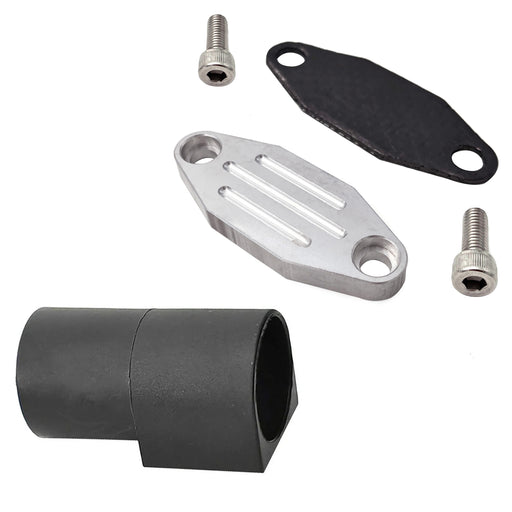
Seguler 1986-1995 Ford F150 F250 F350 Mustang Trucks EGR Simulator Eliminator / Block Off Plate Kit
SEGULEROriginal price $79.99 - Original price $79.99Original price$79.99$79.99 - $79.99Current price $79.99Block Off Plate Material: Aluminum alloy. Easy installation,and convenient to use. Made of CNC milled from aircraft grade Billet aluminum. Will N...
View full details -

Seguler 2011-2023 6.7L Ford Powerstroke Diesel EGR Delete Kit
SEGULEROriginal price $109.99 - Original price $109.99Original price$109.99$109.99 - $109.99Current price $109.99FITMENT 2011-2023 6.7L Ford Powerstroke F-250 F-350 F-450 F-550 Super Duty V8 Diesel. compatible with both standard Pickups and commercial Cab &...
View full details -
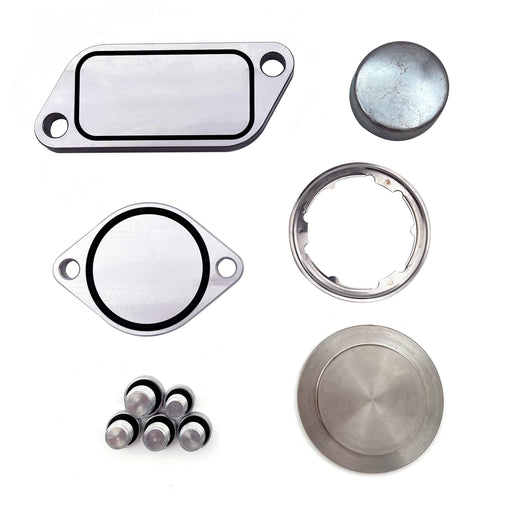
For 2010-Present Stage 2 ISX 15 CM2250 CM2350 EGR Delete Kit
SEGULEROriginal price $59.99 - Original price $59.99Original price$59.99$59.99 - $59.99Current price $59.99FITMENT 2010-Present Cummins Volvo, Peterbilt, Mack, International, Freightliner, Kenworth with the ISX15 CM2250 / CM2350 engines. DESCRIPTION P...
View full details -
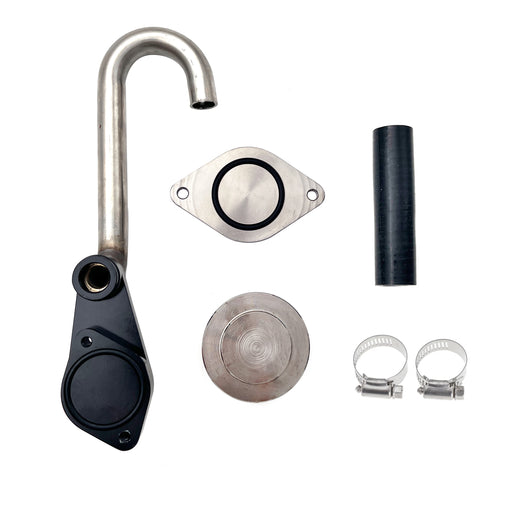
Seguler 2003-2007 6.0L FORD Powerstroke Diesel EGR Cooler Delete Kit
SEGULEROriginal price $56.14 - Original price $56.14Original price$56.14$56.14 - $56.14Current price $56.14FITMENT 2003-2007 6.0L Ford F-250 Ford F-350 F-450 F-550 Super Duty. 2003-2007 6.0L Ford Excursion SUV (Diesel Models Only). 2005-2010 Ford E-Se...
View full details -
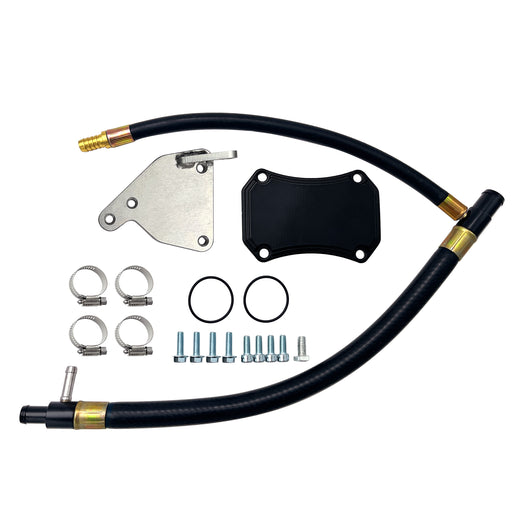
For 2011-2016 6.6L GMC Chevy Duramax Diesel LML EGR Valve Cooler Delete Kit
SEGULEROriginal price $66.49 - Original price $66.49Original price$66.49$66.49 - $66.49Current price $66.49FITMENT 2011-2016 6.6L Chevy GMC Duramax LML 2500 HD 3500 HD Diesel. DESCRIPTION Product Overview The 2011–2016 LML Duramax uses a complex EG...
View full details -
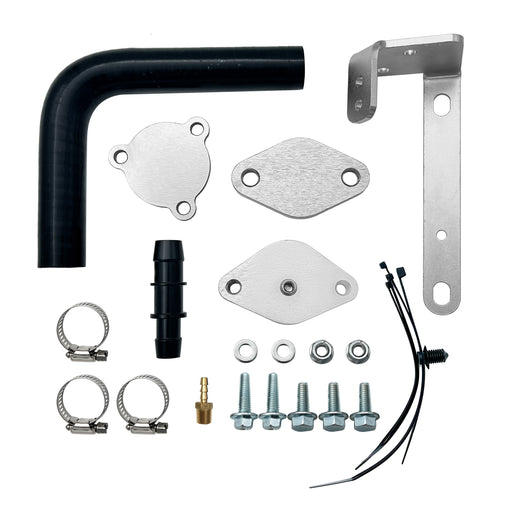
Seguler For 2014-2019 3.0L Dodge Ram 1500 EcoDiesel EGR Valve & Cooler Delete Kit
SEGULEROriginal price $72.99 - Original price $72.99Original price$72.99$72.99 - $72.99Current price $72.99FITMENT 2014-2019 3.0L Dodge Ram 1500 EcoDiesel V6 engine trucks. DESCRIPTION Product Overview Exhaust gas recirculation on 3.0L EcoDiesel V6 ...
View full details -

Seguler 2011-2023 6.7L Ford Powerstroke Diesel EGR Delete Kit
SEGULEROriginal price $85.99 - Original price $85.99Original price$85.99$85.99 - $85.99Current price $85.99FITMENT 2011-2023 6.7L Ford Powerstroke F-250 F-350 F-450 F-550 Super Duty V8 Diesel. compatible with both standard Pickups and commercial Cab &...
View full details -
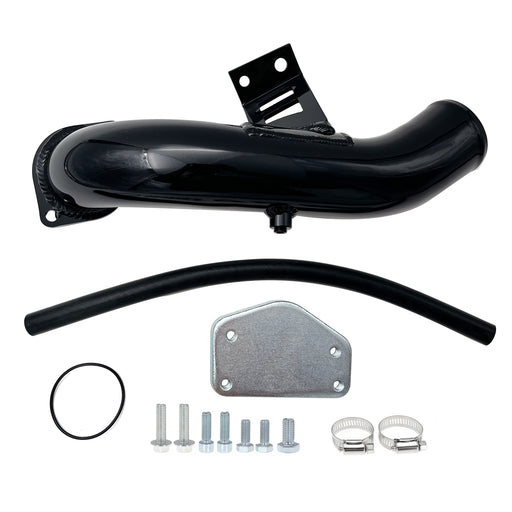
For 2004.5-2005 6.6L Chevy GMC Silverado LLY Duramax Diesel EGR Delete Kit
SEGULEROriginal price $92.99 - Original price $92.99Original price$92.99$92.99 - $92.99Current price $92.99FITMENT 2004.5-2005 6.6L Chevrolet Silverado Duramax LLY 2500HD / 3500 HD. 2004.5-2005 6.6L GMC Sierra Duramax LLY 2500HD / 3500 HD. DESCRIPTION...
View full details -

Seguler 2010-2024 6.7L Dodge Ram Cummins Diesel EGR Valve Cooler Delete Kit
SEGULEROriginal price $89.99 - Original price $89.99Original price$89.99$89.99 - $89.99Current price $89.99FITMENT 2010–2024 6.7L Dodge Ram Cummins 2500 / 3500 Pickup Turbo Diesel. Note: Does NOT fit Chassis Cab 3500 / 4500 / 5500 models. DESCRIPTIO...
View full details -

Seguler 2017-2019 L5P Duramax Diesel 4pcs L5P Can Bus Plugs Connector Replacement
SEGULEROriginal price $75.00 - Original price $75.00Original price$75.00$75.00 - $75.00Current price $75.00FITMENT 2017–2019 Chevrolet Silverado / GMC Sierra Duramax L5P 2500HD & 3500HD Diesel. DESCRIPTION Product Overview Unprotected harness con...
View full details -
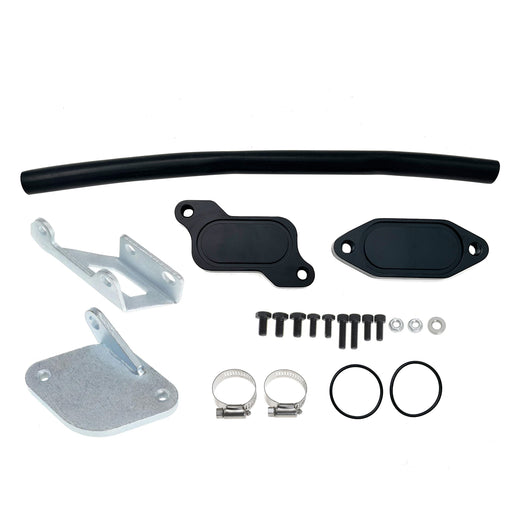
For 2006-2007 6.6L Chevrolet Silverado Classic GMC Duramax LBZ Diesel EGR Valve Cooler Delete Kit
SEGULEROriginal price $63.49 - Original price $63.49Original price$63.49$63.49 - $63.49Current price $63.49FITMENT 2006-2007.4 Chevrolet Silverado Duramax LBZ 2500HD / 3500HD. 2007.4 Chevrolet Silverado Duramax LBZ 2500HD / 3500HD Classic. 2006-2007.4 ...
View full details -

Seguler 2020-2023 chevy duramax L5P Diesel Can Bus Plugs Connector
SEGULEROriginal price $80.00 - Original price $80.00Original price$80.00$80.00 - $80.00Current price $80.00FITMENT 2020–2023 Chevrolet Silverado / GMC Sierra Duramax L5P 2500HD & 3500HD Diesel. DESCRIPTION Product Overview Unprotected harness pl...
View full details -
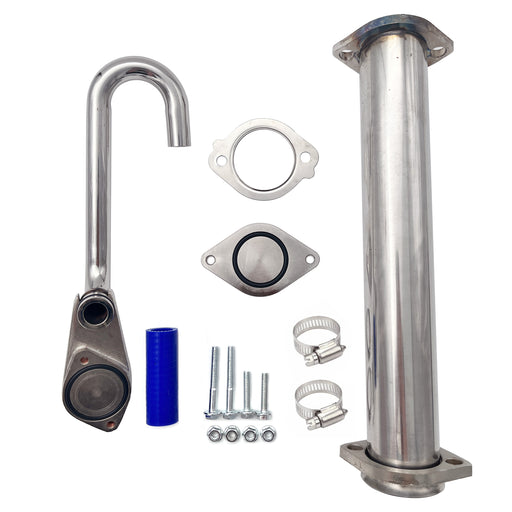
Seguler 2003-2007 6.0L Ford F250 F350 Powerstroke Diesel EGR Basic Cooler Kit
SEGULEROriginal price $79.99 - Original price $79.99Original price$79.99$79.99 - $79.99Current price $79.99FITMENT 2003-2007 6.0L Ford F250 F350 F450 F550 Super Duty Turbo (except 2004 F250 Super Duty). 2003-2005 6.0L Ford Excursion Turbo. 2005 Ford F...
View full details -

Seguler 2011-2023 6.7L Ford F250 F350 F450 F550 Powerstroke Diesel EGR Valve Delete Cooler Delete Kit
SEGULEROriginal price $55.99 - Original price $55.99Original price$55.99$55.99 - $55.99Current price $55.99FITMENT 2011-2023 6.7L Ford Powerstroke F-250 F-350 F-450 F-550 Super Duty V8 Diesel compatible with both standard Pickups and commercial Cab &a...
View full details -
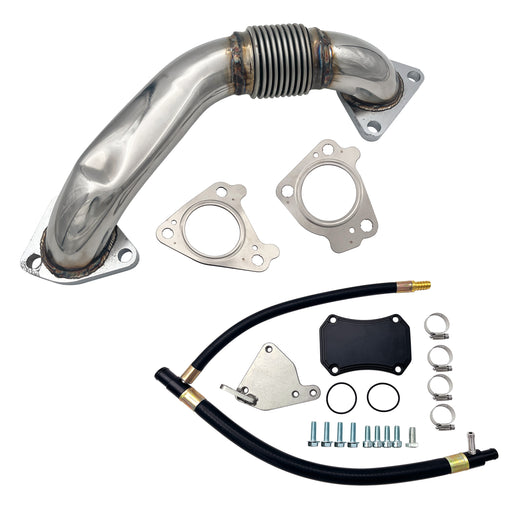
Seguler 2011-2016 6.6L GMC Chevy Duramax Diesel LML Up-Pipe & EGR Valve Cooler Delete Kit
SEGULEROriginal price $173.86 - Original price $173.86Original price$173.86$173.86 - $173.86Current price $173.86FITMENT 2011-2016 6.6L Chevy GMC Duramax LML 2500 HD 3500 HD Diesel. DESCRIPTION Product Overview Direct-injection technology endows GM 5.3L an...
View full details -
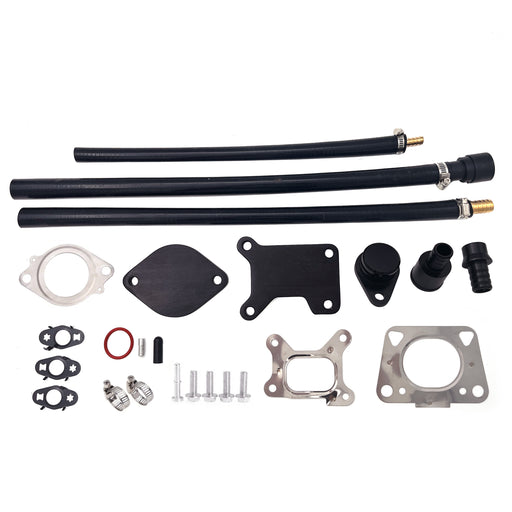
For 2017-2023 6.6L Chevy GMC Duramax L5P diesel EGR Valve Cooler Delete kit
SEGULEROriginal price $131.99 - Original price $131.99Original price$131.99$131.99 - $131.99Current price $131.99FITMENT 2017–2023 6.6L Chevrolet Silverado / GMC Sierra Duramax L5P 2500HD 3500HD Diesel. DESCRIPTION Product Overview Hot soot recirculation ...
View full details -

For 2013-2023 6.7L Dodge Ram Cummins Cab & Chassis EGR Delete Kit Diesel
SEGULEROriginal price $62.99 - Original price $62.99Original price$62.99$62.99 - $62.99Current price $62.99FITMENT 2013–2023 6.7L Ram Cummins 3500 4500 5500 Cab & Chassis / Commercial Trucks. Does NOT fit standard Ram 2500 3500 Pickups. DESCRIPTIO...
View full details -
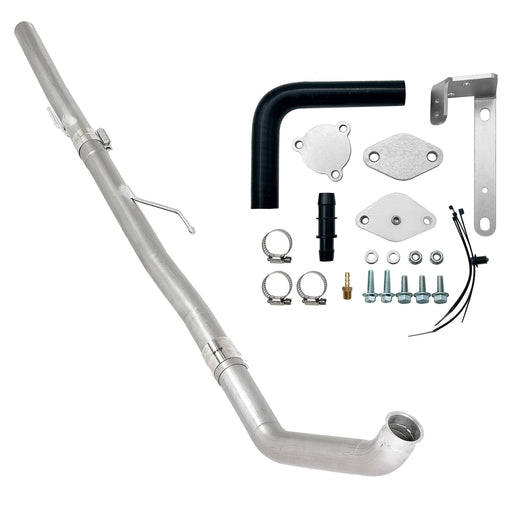
Seguler 3" Ecodiesel DPF Delete Pipe & EGR Delete kit for 2014-2018 3.0L Ram
SEGULEROriginal price $342.00 - Original price $342.00Original price$342.00$342.00 - $342.00Current price $342.00FITMENT 2014–2018 3.0L Dodge Ram 1500 EcoDiesel V6. NOTE: Fit standard Pickup models only (Crew Cab, Quad Cab). Does NOT fit Jeep Grand Cheroke...
View full details -
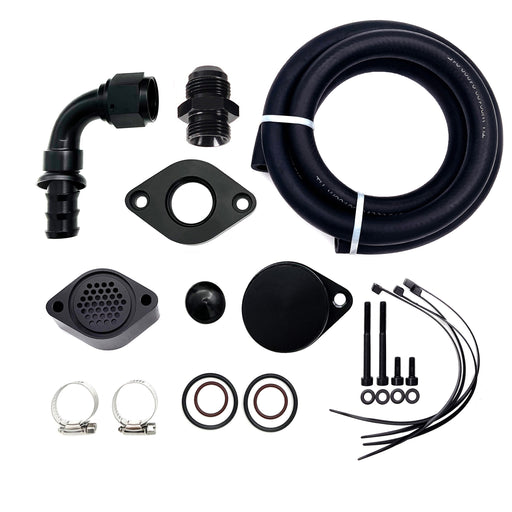
Seguler 2011-2023 6.7L Ford Powerstroke CCV PCV Reroute Engine Ventilation Kit
SEGULEROriginal price $82.99 - Original price $82.99Original price$82.99$82.99 - $82.99Current price $82.99FITMENT 2011-2023 6.7L Ford Powerstroke F-250 F-350 F-450 F-550 Super Duty V8 Diesel. Compatible with both standard Pickups and commercial Cab &...
View full details -
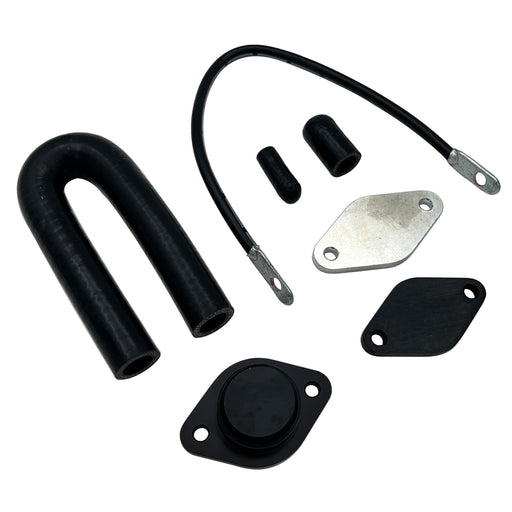
Seguler EGR valve cooler Delete kit for 2020-2022 3.0L Chevy Duramax LM2
SEGULEROriginal price $189.12 - Original price $189.12Original price$189.12$189.12 - $189.12Current price $189.12FITMENT 2020–2022 3.0L Chevrolet Silverado GMC Sierra 1500 LM2 Turbo-Diesel. DESCRIPTION Product Overview Powered by smooth inline-six engine...
View full details -
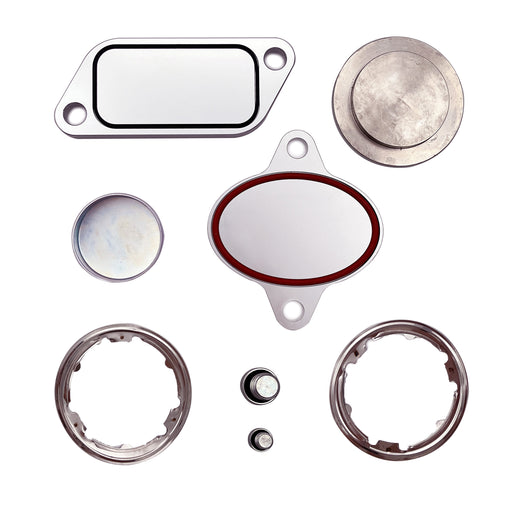
For 2007-2010 Cummins ISX CM871 EGR Plug Kit Stage 2 Plates and Plugs Aluminum
SEGULEROriginal price $67.99 - Original price $67.99Original price$67.99$67.99 - $67.99Current price $67.99FITMENT 2007-2010 Cummins Volvo, Peterbilt, Mack, International, Freightliner, Kenworth with the ISX CM871 Engines. DESCRIPTION Product Overvie...
View full details -
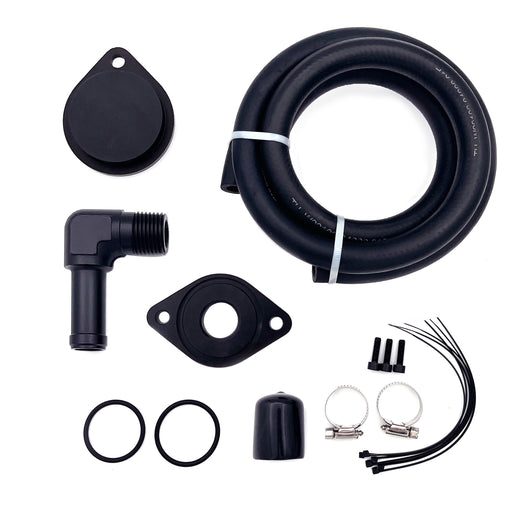
Seguler 2011-2023 Ford 6.7L Powerstroke CCV/PCV Reroute/Delete Engine Ventilation Kit
SEGULEROriginal price $72.00 - Original price $72.00Original price$72.00$72.00 - $72.00Current price $72.00FITMENT 2011-2023 6.7L Ford Powerstroke F-250 F-350 F-450 F-550 Super Duty V8 Diesel. Compatible with both standard Pickups and commercial Cab &...
View full details -
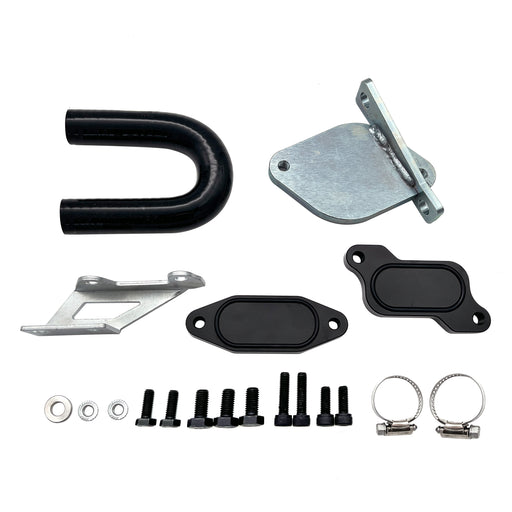
For 2007-2010 6.6L Chevy GMC LMM Duramax EGR Valve Cooler Delete Kit Fit
SEGULEROriginal price $61.99 - Original price $61.99Original price$61.99$61.99 - $61.99Current price $61.99FITMENT 2007.5-2010 6.6L Chevrolet Silverado Duramax LMM 2500HD / 3500HD. 2007.5-2010 6.6L GMC Sierra Duramax LMM 2500HD / 3500HD. Note: Standard...
View full details -
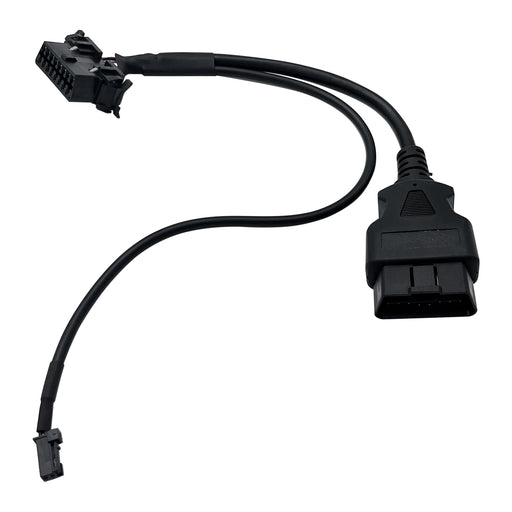
Seguler 2018+ RAM Cummins OBD2 HD Security Gate Bypass Cable
SEGULEROriginal price $45.00 - Original price $45.00Original price$45.00$45.00 - $45.00Current price $45.00FITMENT 2018+ 6.7L Ram Cummins 2500 3500 Turbo Diesel. Designed for Ram pickup trucks equipped with the factory Security Gateway Module. Note: Pl...
View full details -
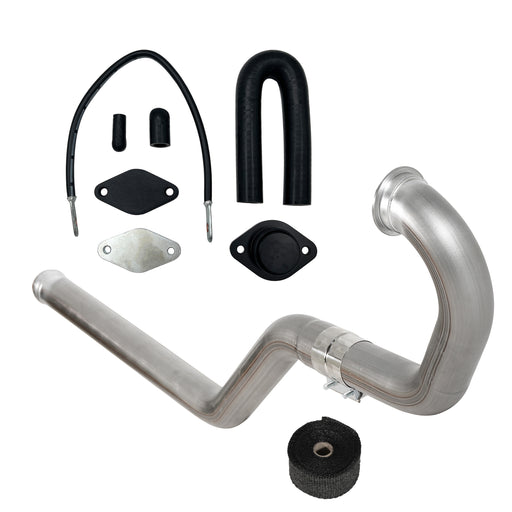
3" Turbo Back DPF & EGR Delete Kit for 2020-2022 GM 3.0L LM2 Duramax
SEGULEROriginal price $550.00 - Original price $550.00Original price$550.00$550.00 - $550.00Current price $550.00FITMENT 2020–2022 3.0L Chevrolet Silverado 1500 LM2 Diesel. 2020–2022 3.0L GMC Sierra 1500 LM2 Diesel. DESCRIPTION Product Overview On the 3.0...
View full details


Leave a comment