

Why Your 2019-2024 6.7L Cummins Needs a DPF and EGR Delete Together?
Here’s the honest opener most delete articles skip: the 2019–2024 6.7L Cummins is not a broken engine. It leaves the factory with 400 horsepower and 1,000 lb-ft of torque, and it carries a reputation as the most reliable heavy-duty diesel on the road. It does not have the 6.0L Powerstroke’s coolant-into-cylinder hydro-lock risk, or the 6.4L Powerstroke’s piston-cracking regen heat, or the L5P Duramax’s 60,000-mile EGR cooler lottery.
So why would you touch it? Because the factory emissions stack bolted to it is two interlocked problems wearing the same coat — and that’s the whole point of this article.
The DPF and the EGR system on a modern Cummins are not two independent choices you can make one at a time. They share a single root cause — soot — and they fail through the same thermal cycle. Delete one and leave the other, and you’ve fixed half a problem while the other half keeps quietly eating your engine. The answer that actually holds up, once you understand the mechanism, is to delete both, together, in one coordinated job with one tune.
The 2019-2024 Emissions Stack: Three Systems, One Soot Problem
To see why “together” is the only answer that makes sense, you have to see what’s actually under the hood. The 2019–2024 6.7L Cummins carries the full aftertreatment stack that Ram and Cummins layered on over three generations:
-
EGR (Exhaust Gas Recirculation) — routes hot, soot-laden exhaust back into the intake to cool combustion and cut NOx. The side effect: carbon deposits on the valve, the cooler tubes, and the intake ports.
-
DPF (Diesel Particulate Filter) — a wall-flow ceramic filter that traps soot, then burns it off through periodic regeneration cycles.
-
SCR/DEF (Selective Catalytic Reduction) — injects urea-based DEF fluid downstream to convert NOx into nitrogen and water. Added in 2013, fully present on every 2019+ truck.
The EGR and DPF are the two halves that matter here, because they both exist to manage the same physical substance: the soot and particulate that a diesel produces by the nature of compression ignition. The EGR system tries to recycle it; the DPF tries to trap and burn it. And because they’re chasing the same soot, they fail through the same thermal stress — which is exactly why a half-delete leaves you exposed.
Why the DPF and EGR Are One System, Not Two
This is the mechanism most delete discussions gloss over, and it’s the reason the word “together” is in the title.
The DPF’s regen cycle —The Biggest Source of Oil Contamination
When the filter loads up, the ECU triggers active regeneration: it injects raw fuel into the exhaust to torch the filter at over 1,000°F. But not all of that fuel burns in the filter. Some of it washes past the piston rings and into the crankcase — a process called fuel dilution. Every regen event adds a little raw diesel to your oil, thinning its viscosity and reducing its ability to protect bearings under load.
The EGR System — The Biggest Source of Intake Contamination
Every mile, it feeds exhaust — soot, unburned fuel, oil vapor — straight back into the intake manifold. That’s not a flaw; it’s the design. And it has an unavoidable consequence: a slow, progressive carbon tax on throttle response, fuel economy, and eventually the EGR cooler itself.
Here’s the connection most owners miss:
Both systems are degraded by the same soot, and both degrade the same oil. The DPF’s regen thins your oil. The EGR’s carbon fouls your intake and, over tens of thousands of miles, cooks the cooler that’s supposed to handle that heat. Run them both, and you’re paying two maintenance taxes on one soot budget. Delete both, and you remove the soot problem from both ends at once.
What Happens When You Delete Only Half
This is where a lot of owners go wrong, and it’s worth spelling out both directions, because each one has a specific, predictable failure.
Delete the DPF, Leave the EGR
The tune shuts the EGR valve 100% closed so it stops feeding soot into the intake. But the soot that would have gone through the EGR circuit now has nowhere to go — it packs into the EGR cooler’s internal passages instead. Within months, a cooler that was designed to pass hot gas through narrow channels is now a plugged heat exchanger sitting in a hot exhaust stream.
The result is the failure the 6.4L Powerstroke made famous: a ruptured EGR cooler that leaks coolant into the intake. You deleted the DPF to save the engine, and you left a landmine that can hydro-lock a cylinder.
Delete the EGR, Leave the DPF
Now the opposite happens. With the EGR circuit gone, every gram of soot the engine produces goes straight into the DPF. The filter loads faster, regen events come more often, and the fuel-dilution problem gets worse — not better. You’ve cleaned up your intake, but you’ve handed your oil a heavier contamination load and your filter a shorter life.
The pattern is the same in both directions:
The two systems are coupled through the soot they share. Deleting one shifts the load onto the other. The only way to actually solve the problem is to remove both at once, so there’s no remaining component left to absorb the soot, the heat, or the coolant risk.
The Bottom Line Is That
The 6.4L’s owners learned the same coupling rule: delete the DPF and leave the EGR coolers, and those coolers rupture. The 6.7L Cummins is a far more robust engine — its single Holset VGT turbo and cast-iron architecture are nothing like the 6.4L’s compound twin-turbo — but the emissions coupling is identical. Soot doesn’t care what engine it’s in.
The 2019+ Curveball: An EGR Cooler Bypass Valve
If you own a 2019 or newer 6.7L, there’s a failure point in play that earlier Cummins generations simply don’t have, and it’s worth knowing about before you decide anything.
How an Electronically Controlled Cooler Bypass Valve Works:
- Cold start: the valve opens, letting exhaust bypass the cooler and flow directly to the intake. This speeds warm-up and cuts white smoke.
- Normal operation: the valve closes, routing exhaust through the cooler to drop its temperature and control NOx.
The problem is the valve itself:
It’s driven by a PWM signal from the PCM and includes a position sensor — and both the solenoid and the sensor are failure-prone under constant carbon fouling, thermal fatigue, and connector corrosion. When it fails, you get codes P1486 / P1489 (EGR Cooler Bypass Control Circuit / Performance), a persistent check-engine light, and a measurable loss of throttle response.
Here’s the Part That Matters for Your Wallet:
The bypass valve assembly runs $250–$400 in parts plus labor, and because the root cause is thermal and carbon exposure, replacing it doesn’t guarantee the new one won’t fail again in another 50,000 miles. It’s a recurring expense on a system that’s already costing you throttle response and fuel economy in carbon. For a lot of 2019+ owners, the bypass valve is the specific straw that tips the decision toward a full delete.
The Tuning Wall: Why 2019-2021 and 2022-2024 Are Different Jobs
There’s a second reason “together” is the smart play on this generation, and it’s purely practical: the tuning is the hard part, and you only want to do it once.
The 2019+ ECM is encrypted and significantly more locked down than earlier Cummins generations. But the lock isn’t uniform — there’s a hard split in the middle of your date range:
2019–2021:
These trucks still flash through the OBD-II port, but only with a Security Gateway (SGW) bypass cable. Ram added the SGW module starting in 2018 specifically to lock the port and block aftermarket tuners. Without the bypass cable, your tuner can’t write anything to the ECM. With it, platforms like EZ Lynk and Mini Maxx can load delete tunes normally.
2022–2024:
These are a different animal. The ECM is encrypted to the point where traditional OBD flashing no longer works at all — the truck needs an ECM swap. You physically remove the factory ECM and install a pre-unlocked unit (usually an older-style module), then tune that. This is why a 2022+ delete bundle costs dramatically more than a 2019–2021 one — the unlock hardware and the swap labor are the line item.
Both paths require the same mandatory ingredient: a custom ECM calibration that tells the truck the DPF, SCR, and EGR hardware are gone. Skip the tune — or flash hardware-only — and you’re in limp mode with a Christmas-tree dash the moment the ECM boots up and can’t find its sensors.
The practical takeaway: because tuning is the expensive, fiddly part, you want to do it once and cover everything. A coordinated DPF + EGR delete means one unlock, one tune, one flash — instead of paying for the tuning wall twice if you decide to “just do the DPF for now.”
What a Coordinated Delete Actually Delivers
Let’s talk numbers — not the inflated marketing figures you’ll find on some product pages, but the honest, user-reported ranges that hold up across tuner forums and real owner feedback.
-
Intake air temperature drops 50–90°F. This is plain physics. You stop feeding 300°F exhaust gas into a 100°F intake stream, so the air entering the cylinders is denser and carries more oxygen. Cooler charge = more complete combustion.
-
EGT drops 100–150°F under load. With EGR gone, the turbo isn’t compressing and re-processing already-burned gas — it breathes fresh air only. This is the single biggest thermal-protection benefit for anyone who tows heavy.
-
Fuel economy improves, and it’s the most consistent gain owners report. Real-world before-and-after testing on a 2019 Ram 6.7L (same route, same wind conditions) dropped fuel consumption from 15.5 L/100 km stock to 11.7 L/100 km deleted — roughly a 25% improvement, with highway cruising improving even more. Part of that is the tune optimizing injection timing; part of it is simply that the engine is no longer burning extra fuel to run regen cycles and no longer fighting exhaust backpressure.
-
Throttle response tightens immediately. This is the thing almost every owner mentions in the first ten miles, and it’s not horsepower — it’s response. The lag between pedal input and acceleration shrinks because there’s no longer a wall of backpressure and no soot-choked intake slowing the turbo’s spool.
-
EGR-related codes are gone permanently. P0401, P0405, P1486, P1489 — the whole family of EGR and bypass-valve faults disappears because the hardware they monitor is no longer there.
One thing that does not happen: the delete itself doesn’t add horsepower. The pipe and block-off plates remove restriction, which frees up spool and response, but the actual power gain comes from the tune you pair with them. Anyone selling a delete kit on “adds 100 HP” is selling the tune’s work as the hardware’s.
What a Delete Won’t Fix
Keep your expectations honest, because this generation has a couple of known weaknesses that no exhaust pipe will touch.
The Grid Heater Bolt
The 6.7L Cummins has a documented problem where the intake grid heater bolt can corrode, snap, and fall into cylinder #6 — which is catastrophic. A DPF/EGR delete does not fix this. If you’re in there anyway, some owners swap to an aftermarket intake that eliminates the factory grid heater bolt, but that’s a separate mod, not part of the delete.
The High-pressure Fuel pump
Early 5th-gen trucks (2019–2020) ran the Bosch CP4 pump, which has its own well-documented failure mode — a cam-driven metal-shavings issue that sends debris through the entire fuel system. The delete doesn’t address this either. (Ram’s later fix was a CP3 recall retrofit on affected trucks, but that’s a fuel-system job, not an emissions one.)
The point isn’t to scare you off — it’s to set the right scope. A coordinated DPF + EGR delete removes the emissions failure modes: the regen fuel dilution, the intake carbon, the EGR cooler risk, and the bypass-valve headaches. It is a reliability and drivability upgrade, not a magic bullet for every platform quirk. Go in with clear eyes and you won’t be disappointed.
The Install Order That Keeps You Out of Limp Mode
If you’re doing the work yourself, the order matters more than the tools — and the order that keeps you out of limp mode and out of a coolant-air-pocket headache is the same every experienced installer lands on. Here’s the full walkthrough, phase by phase.
Before You Start: Tools and Prep
- A full metric socket set (8mm, 10mm, 13mm, and 15mm get used constantly)
- A swivel socket and long extensions for the firewall-side EGR bolts
- A torque wrench, a pry bar
- A razor blade for scraping old gaskets
- penetrating oil (spray the exhaust hardware 24 hours ahead)
- A coolant catch pan
- A floor jack or a helper — the factory DPF and SCR assembly is heavy enough.
- On the 2022–2024 trucks you’ll also need the unlock cable and tuner for the ECM swap.
Step 0 — Tune First (This Is the Rule You Can’t Skip)
Flash the delete calibration before you unbolt a single part, while the truck is still complete and running. The reason is simple: the moment the ECM boots up and can’t find its DPF, EGR, and SCR sensors, it throws a wall of codes and drops into limp mode. Tune a complete truck, and the ECM never has to wonder where its hardware went.
-
2019–2021: run the tune through the OBD-II port using your tuner and the SGW bypass cable. It’s a straight flash — no physical ECM work required.
-
2022–2024: these need the ECM swap first. Remove the factory ECM, install the pre-unlocked replacement, then flash your delete tunes onto the new unit. It’s the same “tune first” rule — you’re just tuning a different module before you touch the hardware.
Hook up a battery charger during the flash. A low battery mid-write is one of the few ways to brick a tune, and these trucks draw enough that a tired battery can drop voltage at exactly the wrong moment.
Phase 1 — Remove the EGR Hardware
Disconnect both negative battery terminals before you start. The 6.7L runs a dual-battery setup, and you don’t want a short while you’re working around the ECM and fuel system.
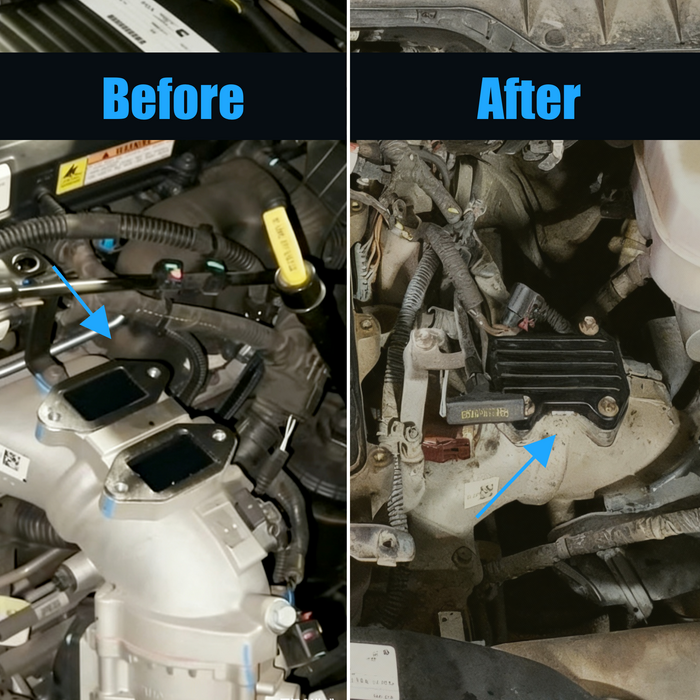
-
Pull the intake plumbing and the intake horn. Unplug the MAP sensor, then the throttle valve connector (it’s easier to reach once the horn starts moving). Remove the bracket, the six intake-elbow bolts, and the hose clamp, then lift the whole horn off.
-
Take out the EGR valve. Four bolts and it’s out — set it aside with its gasket. If you look inside the intake once the valve is gone, expect to see the carbon buildup that’s been quietly choking your throttle response. Give the port a quick clean before you move on.
-
Unbolt the EGR cooler. This is the tight part of the job. The cooler sits hard against the firewall, so use a swivel socket and an extension to reach the rear bolts — on most trucks it’s four mounting bolts up top, two larger 15mm bolts at the back, and a 10mm or two on the side. If you have the 68RFE transmission, unbolt the transmission dipstick from its stud and swing it aside so it’s not in the way.
-
Fit the block-off plates. Scrape the old gaskets off with a razor blade, install fresh O-rings where the kit calls for them, and bolt the block-off plates into place with the supplied hardware. One plate goes at the intake manifold, one at the exhaust manifold — and on the 2019+ trucks, make sure the EGR cooler bypass valve and its plumbing come out too.
-
Reroute the coolant. The EGR cooler was part of the coolant circuit, so the kit includes a reroute hose or nipple to keep flow moving. Lube the O-ring (a little Vaseline helps it seat), press the nipple in until it’s flush, and route the hose clear of the exhaust manifold.
Note: you don’t have to fully drain the cooling system to do this. You’ll lose a bit of coolant when you pop the cooler’s hose off — that’s normal, and you’ll top it back up at the end.
Phase 2 — Drop the DPF and SCR
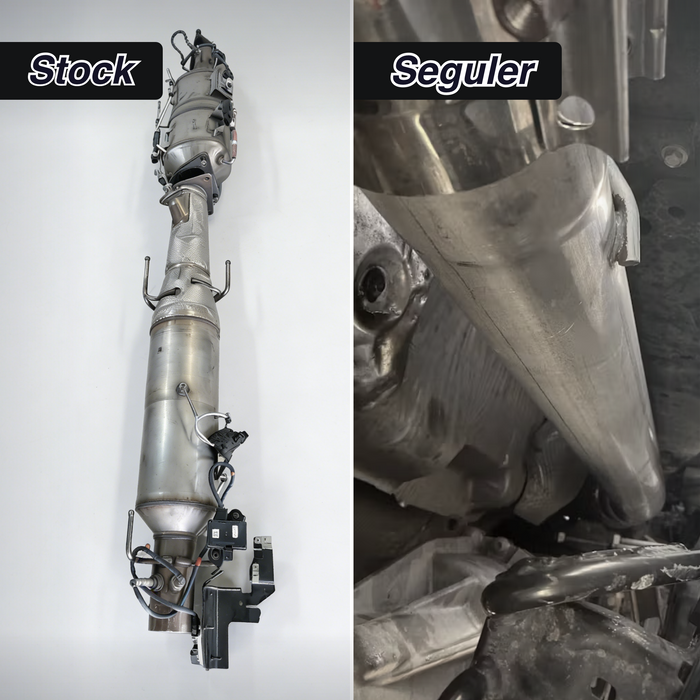
-
Unplug and label every sensor before you unbolt anything. EGT sensors, the differential pressure sensor, the NOx sensors, the DEF injector and its feed line — label each one so you’re not guessing later. Spray the exhaust hangers and the downpipe v-band clamp with penetrating oil first; they’re the parts that fight back.
-
Remove the tailpipe section. Loosen the clamp nuts and pop the rubber hangers with a pry bar or exhaust-hanger pliers.
-
Drop the DPF/SCR canister. Unbolt the mounting hardware (the 13mm bracket bolts are the ones that usually come out here), unclip the remaining sensors and the DEF line, and lower the assembly down. It’s heavy — use a floor jack or get a helper under it.
-
Undo the downpipe v-band clamp. This is the front connection, right off the turbo. A pry bar and a light hammer tap usually breaks it free if it’s seized.
Phase 3 — Hang the Delete Pipe
-
Test-fit before you tighten. Butt the delete pipe’s flange up to the downpipe flange and spread the v-band clamp over the joint, but leave it just snug until everything is aligned.
-
Work front to back. Hang the pipe, then the mid-section and tailpipe. Most kits ship with enough pipe for every cab and bed configuration, so on a shorter truck you may need to cut a section to length — measure twice, cut once, and cut the beveled end so the next section still slips over cleanly.
-
Tighten everything down. Go back and snug the v-band clamp, then each slip-joint clamp from front to back. Match the rubber isolator positions so the pipe sits straight and rattle-free.
-
Check for leaks on first start. With the truck running, feel around every clamp joint with your hand — if you feel a pulse of exhaust, re-seat the clamp and snug it a little more.
Phase 4 — Refill, Burp, and Verify
-
Top up the coolant to replace what you lost when the EGR cooler came out.
-
Burp the cooling system. The EGR cooler was part of the coolant circuit, and removing it leaves air pockets. With the radiator cap off and the truck on a slight incline (or using a spill-free funnel), run the engine until the thermostat opens and the coolant level stops dropping, then top it off. Trapped air mimics an overheat and even a phantom head-gasket diagnosis — don’t skip the burp.
-
Clear any residual codes. After the tune, a check-engine light sometimes lingers from a stored body-module or sensor code the tuner doesn’t auto-clear. A basic OBD scanner clears it; if it returns, scan it rather than ignoring it.
The Mistakes That Bite Hardest
Three things turn a clean delete into a comeback, and they’re all avoidable:
- Skipping the tune — instant limp mode the moment the ECM can’t find its sensors. Tune first, always.
- Rushing the coolant reroute — a kinked hose or an air pocket mimics a blown head gasket and sends you chasing an overheat ghost.
- Not protecting the orphaned connectors — once tuned, the EGT, O2, and NOx sensors are inactive. Cap the exposed factory connectors with weatherproof plugs so moisture and road debris can’t corrode the pins, and so the job stays reversible if you ever need to go back to stock.
Get the order right and the job is genuinely DIY-friendly — experienced mechanics knock the whole thing out in a long afternoon. Rushing any one of these three is how it turns into a weekend you regret.
The Product: One Coordinated Kit for the Whole Stack
This is exactly the kind of “everything at once” job where a matched kit beats piecemeal parts. The SEGULER 4"/5" DP-Back DPF/EGR delete kit is built around that idea — it strips the DPF, SCR, and EGR in one coordinated package so you’re not chasing fitment or leaving a half-deleted system.

- Fits 2019–2024 Ram 2500/3500 6.7L Turbo Diesel (Crew Cab Short/Long Bed and Mega Cab). Does not fit commercial Cab & Chassis 4500/5500 models.
- Three pipe options, one EGR kit: a 4" DPF-delete pipe (keeps your factory downpipe and tailpipe), a 4" downpipe-back system, or a 5" downpipe-back system for maximum flow.
- Straight-pipe or muffled — pick straight-pipe for maximum turbo whistle and aggressive tone, or a high-flow muffler to tame interior drone on long tows.
- Full EGR cooler removal with block-off hardware, so the cooler can’t leak coolant into your cylinders later.
- Mandatory custom ECM tuning (tuner sold separately) — the kit is hardware, and the tune is what keeps the ECM out of limp mode.
- Optional weatherproof harness plugs to cap the disconnected sensor connectors and keep them clean for a future reinstall.
The kit gives you three independent choices — pipe diameter, coverage, and muffler — and each one changes what you get. Here’s how to pick.
Choice 1 — Pipe Diameter: 4-Inch vs 5-Inch
| Dimension | 4-Inch | 5-Inch |
|---|---|---|
| Best for | Daily driving, towing, mild-to-moderate tunes | High-output builds, max volume and flow |
| Low-RPM torque | Preserved (higher gas velocity) | Slightly softer under ~2,000 RPM |
| EGT drop (towing) | 100–150°F | 150–200°F |
| Cabin noise | Quiet, near-stock | Noticeable drone on long hauls |
| Fitment effort | Near-stock clearance | Wider pipe, needs more routing care |
| Starting price | $369 | $849 |
The short version: 4-inch is the right default. It keeps gas velocity high (which preserves low-end torque), clears easily, and stays quiet inside the cab — while still delivering a real EGT drop. Step up to 5-inch only if you’re chasing maximum flow, the deepest diesel tone, and the lowest possible towing EGTs, and you’re willing to live with the added interior drone.
Choice 2 — Coverage: DPF Delete vs Downpipe-Back
This is the difference most buyers don’t catch, and it’s the single biggest driver of price within the kit.
-
DPF Delete (partial): replaces only the DPF and SCR catalyst section, leaving your factory downpipe and factory tailpipe in place. This is the economical entry point — it eliminates the DPF clogging and regeneration problem, which is the main thing eating your oil and throttle response. But because the downpipe and tailpipe are still factory diameter, the total flow gain is partial.
-
Downpipe-Back (full): replaces everything from the downpipe at the turbo outlet all the way to the tailpipe in larger-diameter tubing. This removes the downpipe as a restriction point too — and on a modern Cummins, the downpipe bend right off the turbo is one of the tightest restrictions in the whole system. Full coverage means maximum EGT reduction, maximum flow, and a cleaner path for a high-output tune.
The rule of thumb: if you’re deleting to save the engine and stop regen, the DPF-delete section is enough. If you’re deleting to make real power with a hot tune, go downpipe-back so the downpipe doesn’t become the new bottleneck.
Choice 3 — Muffler: Straight-Pipe vs Muffled
-
Straight-pipe (no muffler): the loudest, most aggressive note with zero restriction and the strongest turbo whistle. The tradeoff is interior drone — at highway speeds, a straight-piped 6.7L is a constant presence in the cab.
-
Muffled (high-flow muffler): uses a high-flow performance muffler that drops interior drone significantly while keeping airflow nearly identical. It’s not the restrictive factory muffler — it’s a straight-through design — so you give up almost no flow while gaining a much more livable cabin on long tows.
Pick based on how you actually use the truck: frequent long-haul towing favors the muffler; a weekend toy or a truck that lives for the sound favors the straight-pipe.
The Legal Reality (Read This)
There’s no way to write about this honestly without the part most product pages bury in the fine print. Here it is straight:
Removing or disabling the DPF, EGR, or SCR/DEF hardware on a vehicle driven on public roads violates the federal Clean Air Act (42 U.S.C. § 7522). Several states — California most aggressively, under CARB rules — add visual and OBD emissions inspections that will flag a deleted truck the moment a technician looks for the DPF and doesn’t find it. A deleted truck will also void your powertrain warranty, and it can complicate resale, registration, and insurance.
These kits are built and sold for off-road, race, and competition use — that designation does not create a legal exemption for street use. If your truck is a daily driver, a tow rig, or anything that returns to a public road, know your state’s rules before you turn a wrench. We’re not your lawyer; this is the honest version of the warning, not the fine print.
Conclusion
The 2019–2024 6.7L Cummins doesn’t need its emissions system deleted because the engine is weak — it needs it because the emissions stack is a coupled system that degrades your oil, your intake, and your throttle response at the same time, through the same soot. Deleting the DPF alone hands the soot to the EGR cooler. Deleting the EGR alone hands it to the DPF. The only fix that actually holds is to remove both, together, behind one tune — and on this generation, with the 2019+ bypass valve and the 2022+ ECM swap adding cost and complexity, doing it once and doing it completely is the only rational play.
Delete both, run a mild tune, protect your connectors, and keep up with the maintenance that doesn’t go away — oil, filters, and the grid-heater and fuel-pump quirks this platform carries. Do that, and a 2019–2024 Cummins that would otherwise nickel-and-dime you on regen fuel, carbon buildup, and bypass-valve replacements becomes the genuinely reliable, genuinely responsive heavy-duty truck it was always capable of being.
For the full lineup of 6.7L Cummins delete pipes, EGR kits, and downpipe-back systems — matched to your exact year and cab configuration — head to SEGULER.com.
Frequently Asked Questions
Q1: Do I really need to delete the DPF and EGR together?
A: Yes. The two systems share the same soot load, so deleting one just shifts the problem onto the other — delete the DPF alone and the EGR cooler plugs and ruptures; delete the EGR alone and the DPF loads faster with more regen fuel dilution. A coordinated delete removes the soot problem from both ends at once.
Q2: Does deleting add horsepower?
A: Not by itself. The pipe and block-off plates remove restriction, which frees up throttle response, but the actual power gain comes from the tune you pair with them. Anyone selling the delete as a horsepower mod is selling the tune’s work as the hardware’s.
Q3: What’s this EGR cooler bypass valve I keep hearing about on 2019+ trucks?
A: Starting in 2019, the EGR system added an electronically controlled valve that bypasses the cooler on cold starts. It’s failure-prone under carbon and heat, triggers codes P1486/P1489, and costs $250–$400 to replace — and it can fail again, which is a recurring cost a delete eliminates permanently.
Q4: Why is the 2022-2024 delete so much more expensive than 2019-2021?
A: The 2019–2021 trucks flash through the OBD-II port with an SGW bypass cable. The 2022–2024 ECM is encrypted to the point that OBD flashing no longer works — they require a physical ECM swap to a pre-unlocked module, which is the big cost and labor line item.
Q5: Is a delete legal to drive on the street?
A: No. Removing emissions equipment violates the federal Clean Air Act (42 U.S.C. § 7522), with individual penalties up to $5,911, and it voids your warranty. These kits are for off-road, race, and competition use only — check your local laws first.
Q6: What happens if I delete without a tune?
A: Instant limp mode. The ECM boots up, can’t find its DPF, EGR, and SCR sensors, and throws a wall of codes. Always flash the delete tune before removing any hardware.
Q7: Will deleting fix the 6.7L’s grid heater bolt problem?
A: No. The grid heater bolt corrosion issue is a separate platform quirk that a DPF/EGR delete doesn’t touch. If you want to address it, that’s a separate intake swap, not part of the delete.
Q8: What size exhaust should I run — 4-inch or 5-inch?
A: 4-inch for daily driving and towing — near-stock clearance, less cabin drone, and plenty of flow. 5-inch for lower towing EGTs and a deeper, louder tone, with the tradeoff of more interior drone on long hauls.
Q9: How much fuel economy do you actually gain?
A: Real-world before-and-after testing shows roughly a 25% improvement — one owner dropped from 15.5 L/100 km stock to 11.7 L/100 km deleted on the same route. Part is tune optimization, part is no longer burning fuel for regen cycles.
Q10: Do I need to protect the disconnected sensors?
A: Yes. Once tuned, the EGT, O2, and NOx sensors are inactive — cap the exposed factory connectors with weatherproof plugs so moisture and debris can’t corrode the pins, which also keeps the job reversible if you ever go back to stock.
Featured collection
-
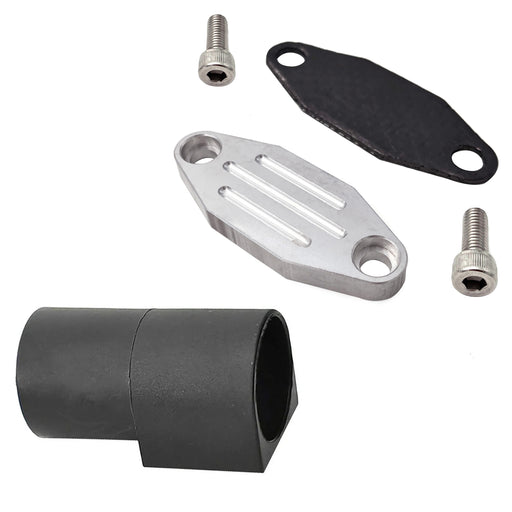
Seguler 1986-1995 Ford F150 F250 F350 Mustang Trucks EGR Simulator Eliminator / Block Off Plate Kit
SEGULEROriginal price $79.99 - Original price $79.99Original price$79.99$79.99 - $79.99Current price $79.99Block Off Plate Material: Aluminum alloy. Easy installation,and convenient to use. Made of CNC milled from aircraft grade Billet aluminum. Will N...
View full details -

Seguler 2011-2023 6.7L Ford Powerstroke Diesel EGR Delete Kit
SEGULEROriginal price $109.99 - Original price $109.99Original price$109.99$109.99 - $109.99Current price $109.99FITMENT 2011-2023 6.7L Ford Powerstroke F-250 F-350 F-450 F-550 Super Duty V8 Diesel. compatible with both standard Pickups and commercial Cab &...
View full details -
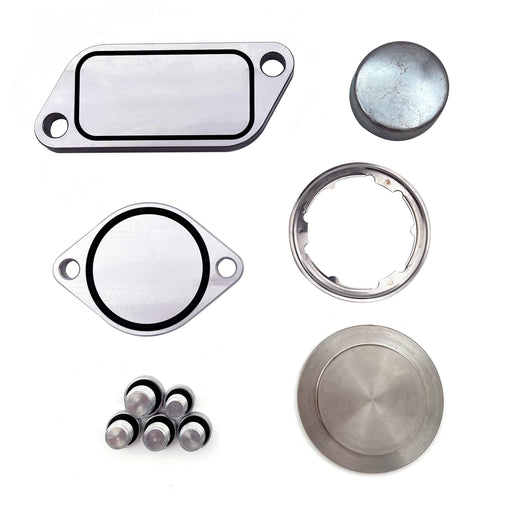
For 2010-Present Stage 2 ISX 15 CM2250 CM2350 EGR Delete Kit
SEGULEROriginal price $59.99 - Original price $59.99Original price$59.99$59.99 - $59.99Current price $59.99FITMENT 2010-Present Cummins Volvo, Peterbilt, Mack, International, Freightliner, Kenworth with the ISX15 CM2250 / CM2350 engines. DESCRIPTION P...
View full details -
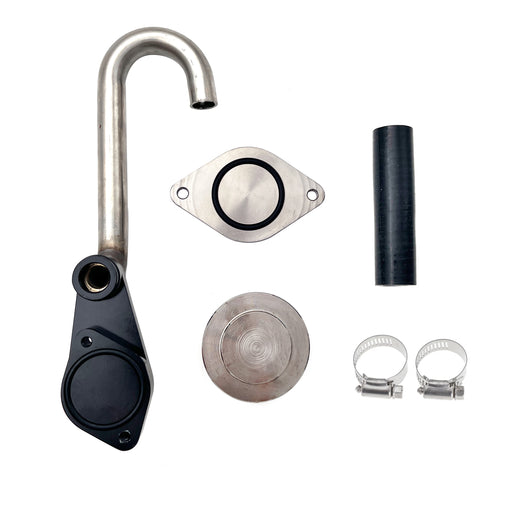
Seguler 2003-2007 6.0L FORD Powerstroke Diesel EGR Cooler Delete Kit
SEGULEROriginal price $56.14 - Original price $56.14Original price$56.14$56.14 - $56.14Current price $56.14FITMENT 2003-2007 6.0L Ford F-250 Ford F-350 F-450 F-550 Super Duty. 2003-2007 6.0L Ford Excursion SUV (Diesel Models Only). 2005-2010 Ford E-Se...
View full details -
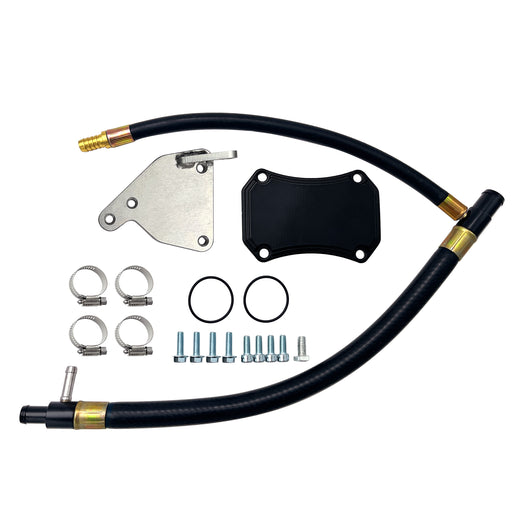
For 2011-2016 6.6L GMC Chevy Duramax Diesel LML EGR Valve Cooler Delete Kit
SEGULEROriginal price $66.49 - Original price $66.49Original price$66.49$66.49 - $66.49Current price $66.49FITMENT 2011-2016 6.6L Chevy GMC Duramax LML 2500 HD 3500 HD Diesel. DESCRIPTION Product Overview The 2011–2016 LML Duramax uses a complex EG...
View full details -
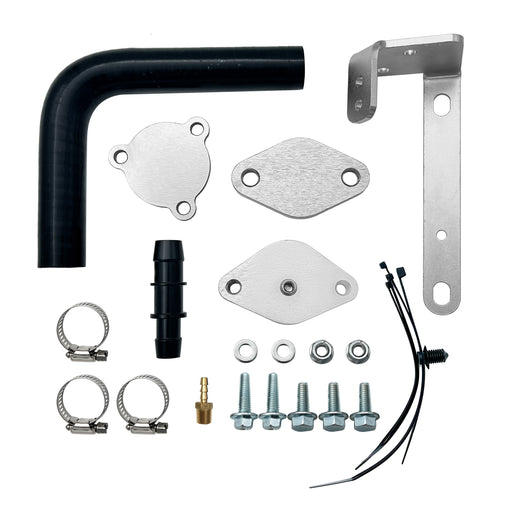
Seguler For 2014-2019 3.0L Dodge Ram 1500 EcoDiesel EGR Valve & Cooler Delete Kit
SEGULEROriginal price $72.99 - Original price $72.99Original price$72.99$72.99 - $72.99Current price $72.99FITMENT 2014-2019 3.0L Dodge Ram 1500 EcoDiesel V6 engine trucks. DESCRIPTION Product Overview Exhaust gas recirculation on 3.0L EcoDiesel V6 ...
View full details -

Seguler 2011-2023 6.7L Ford Powerstroke Diesel EGR Delete Kit
SEGULEROriginal price $85.99 - Original price $85.99Original price$85.99$85.99 - $85.99Current price $85.99FITMENT 2011-2023 6.7L Ford Powerstroke F-250 F-350 F-450 F-550 Super Duty V8 Diesel. compatible with both standard Pickups and commercial Cab &...
View full details -
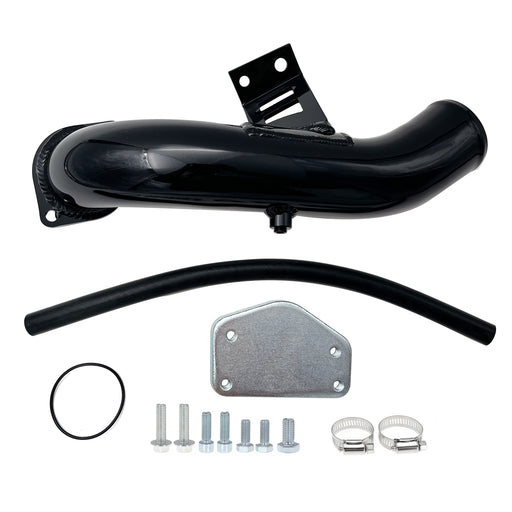
For 2004.5-2005 6.6L Chevy GMC Silverado LLY Duramax Diesel EGR Delete Kit
SEGULEROriginal price $92.99 - Original price $92.99Original price$92.99$92.99 - $92.99Current price $92.99FITMENT 2004.5-2005 6.6L Chevrolet Silverado Duramax LLY 2500HD / 3500 HD. 2004.5-2005 6.6L GMC Sierra Duramax LLY 2500HD / 3500 HD. DESCRIPTION...
View full details -

Seguler 2010-2024 6.7L Dodge Ram Cummins Diesel EGR Valve Cooler Delete Kit
SEGULEROriginal price $89.99 - Original price $89.99Original price$89.99$89.99 - $89.99Current price $89.99FITMENT 2010–2024 6.7L Dodge Ram Cummins 2500 / 3500 Pickup Turbo Diesel. Note: Does NOT fit Chassis Cab 3500 / 4500 / 5500 models. DESCRIPTIO...
View full details -

Seguler 2017-2019 L5P Duramax Diesel 4pcs L5P Can Bus Plugs Connector Replacement
SEGULEROriginal price $75.00 - Original price $75.00Original price$75.00$75.00 - $75.00Current price $75.00FITMENT 2017–2019 Chevrolet Silverado / GMC Sierra Duramax L5P 2500HD & 3500HD Diesel. DESCRIPTION Product Overview Unprotected harness con...
View full details -
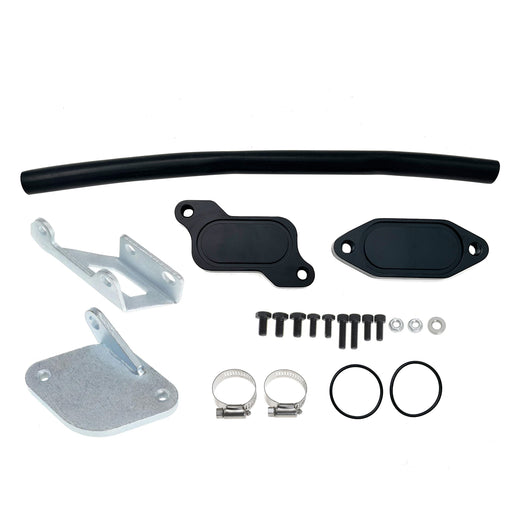
For 2006-2007 6.6L Chevrolet Silverado Classic GMC Duramax LBZ Diesel EGR Valve Cooler Delete Kit
SEGULEROriginal price $63.49 - Original price $63.49Original price$63.49$63.49 - $63.49Current price $63.49FITMENT 2006-2007.4 Chevrolet Silverado Duramax LBZ 2500HD / 3500HD. 2007.4 Chevrolet Silverado Duramax LBZ 2500HD / 3500HD Classic. 2006-2007.4 ...
View full details -

Seguler 2020-2023 chevy duramax L5P Diesel Can Bus Plugs Connector
SEGULEROriginal price $80.00 - Original price $80.00Original price$80.00$80.00 - $80.00Current price $80.00FITMENT 2020–2023 Chevrolet Silverado / GMC Sierra Duramax L5P 2500HD & 3500HD Diesel. DESCRIPTION Product Overview Unprotected harness pl...
View full details -
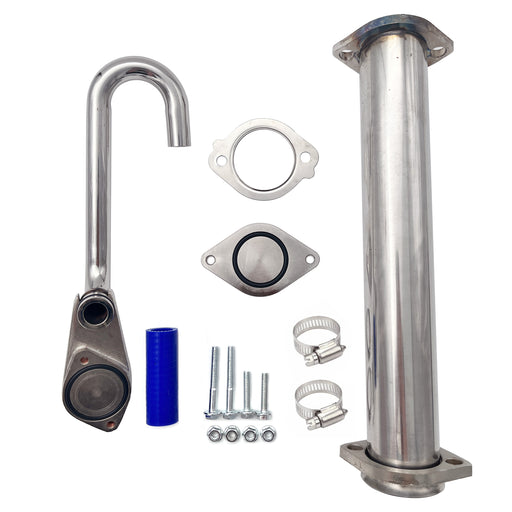
Seguler 2003-2007 6.0L Ford F250 F350 Powerstroke Diesel EGR Basic Cooler Kit
SEGULEROriginal price $79.99 - Original price $79.99Original price$79.99$79.99 - $79.99Current price $79.99FITMENT 2003-2007 6.0L Ford F250 F350 F450 F550 Super Duty Turbo (except 2004 F250 Super Duty). 2003-2005 6.0L Ford Excursion Turbo. 2005 Ford F...
View full details -

Seguler 2011-2023 6.7L Ford F250 F350 F450 F550 Powerstroke Diesel EGR Valve Delete Cooler Delete Kit
SEGULEROriginal price $55.99 - Original price $55.99Original price$55.99$55.99 - $55.99Current price $55.99FITMENT 2011-2023 6.7L Ford Powerstroke F-250 F-350 F-450 F-550 Super Duty V8 Diesel compatible with both standard Pickups and commercial Cab &a...
View full details -
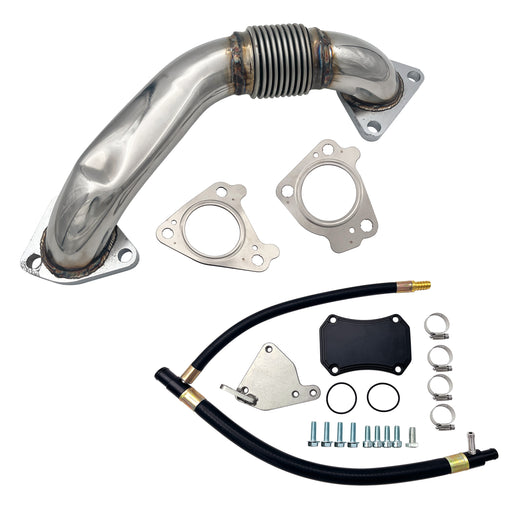
Seguler 2011-2016 6.6L GMC Chevy Duramax Diesel LML Up-Pipe & EGR Valve Cooler Delete Kit
SEGULEROriginal price $173.86 - Original price $173.86Original price$173.86$173.86 - $173.86Current price $173.86FITMENT 2011-2016 6.6L Chevy GMC Duramax LML 2500 HD 3500 HD Diesel. DESCRIPTION Product Overview Direct-injection technology endows GM 5.3L an...
View full details -
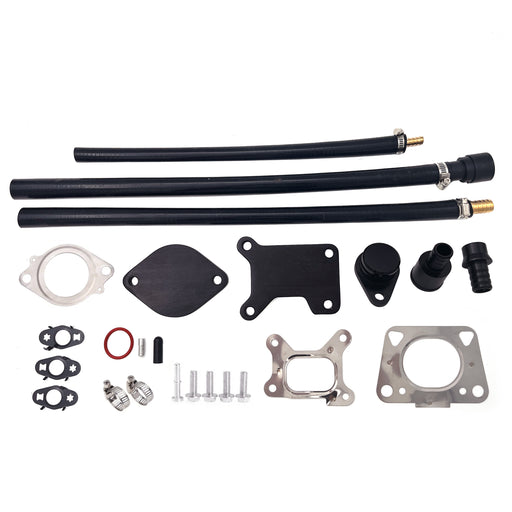
For 2017-2023 6.6L Chevy GMC Duramax L5P diesel EGR Valve Cooler Delete kit
SEGULEROriginal price $131.99 - Original price $131.99Original price$131.99$131.99 - $131.99Current price $131.99FITMENT 2017–2023 6.6L Chevrolet Silverado / GMC Sierra Duramax L5P 2500HD 3500HD Diesel. DESCRIPTION Product Overview Hot soot recirculation ...
View full details -

For 2013-2023 6.7L Dodge Ram Cummins Cab & Chassis EGR Delete Kit Diesel
SEGULEROriginal price $62.99 - Original price $62.99Original price$62.99$62.99 - $62.99Current price $62.99FITMENT 2013–2023 6.7L Ram Cummins 3500 4500 5500 Cab & Chassis / Commercial Trucks. Does NOT fit standard Ram 2500 3500 Pickups. DESCRIPTIO...
View full details -
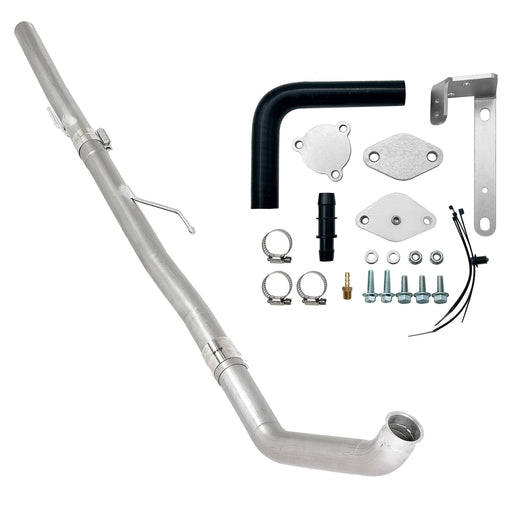
Seguler 3" Ecodiesel DPF Delete Pipe & EGR Delete kit for 2014-2018 3.0L Ram
SEGULEROriginal price $342.00 - Original price $342.00Original price$342.00$342.00 - $342.00Current price $342.00FITMENT 2014–2018 3.0L Dodge Ram 1500 EcoDiesel V6. NOTE: Fit standard Pickup models only (Crew Cab, Quad Cab). Does NOT fit Jeep Grand Cheroke...
View full details -
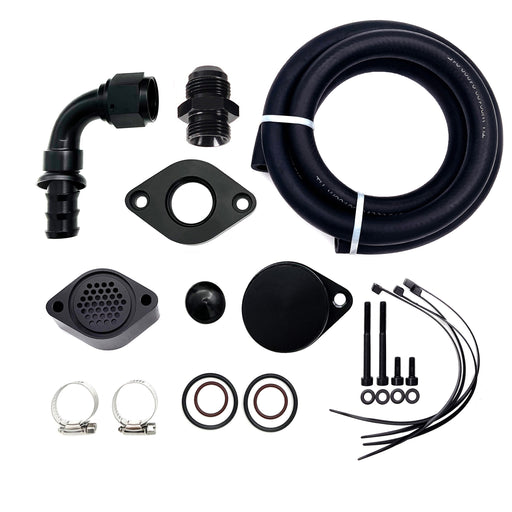
Seguler 2011-2023 6.7L Ford Powerstroke CCV PCV Reroute Engine Ventilation Kit
SEGULEROriginal price $82.99 - Original price $82.99Original price$82.99$82.99 - $82.99Current price $82.99FITMENT 2011-2023 6.7L Ford Powerstroke F-250 F-350 F-450 F-550 Super Duty V8 Diesel. Compatible with both standard Pickups and commercial Cab &...
View full details -
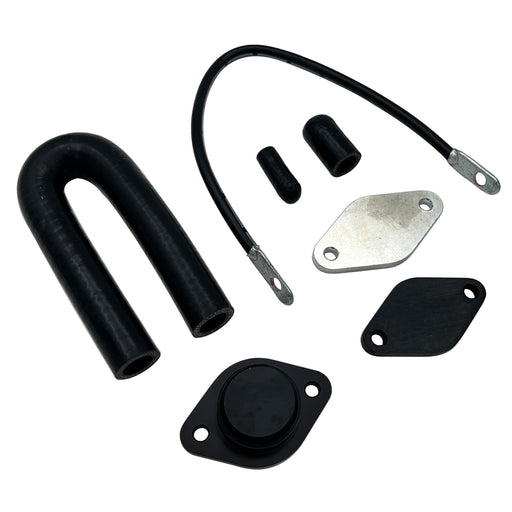
Seguler EGR valve cooler Delete kit for 2020-2022 3.0L Chevy Duramax LM2
SEGULEROriginal price $189.12 - Original price $189.12Original price$189.12$189.12 - $189.12Current price $189.12FITMENT 2020–2022 3.0L Chevrolet Silverado GMC Sierra 1500 LM2 Turbo-Diesel. DESCRIPTION Product Overview Powered by smooth inline-six engine...
View full details -
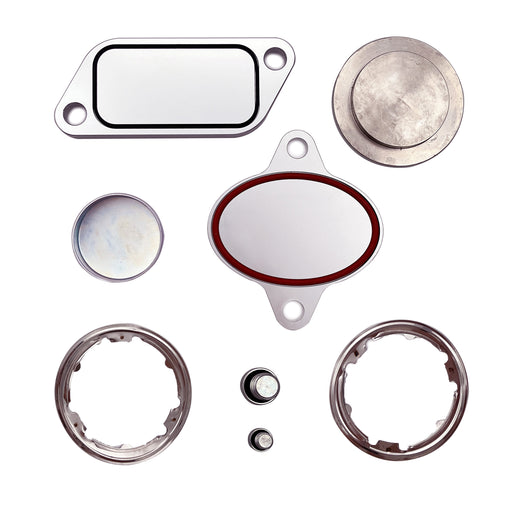
For 2007-2010 Cummins ISX CM871 EGR Plug Kit Stage 2 Plates and Plugs Aluminum
SEGULEROriginal price $67.99 - Original price $67.99Original price$67.99$67.99 - $67.99Current price $67.99FITMENT 2007-2010 Cummins Volvo, Peterbilt, Mack, International, Freightliner, Kenworth with the ISX CM871 Engines. DESCRIPTION Product Overvie...
View full details -
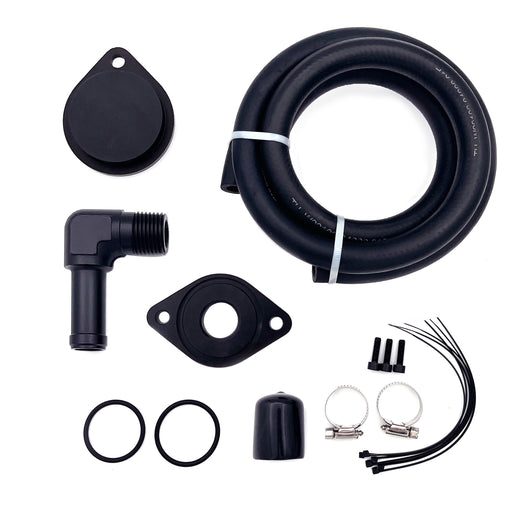
Seguler 2011-2023 Ford 6.7L Powerstroke CCV/PCV Reroute/Delete Engine Ventilation Kit
SEGULEROriginal price $72.00 - Original price $72.00Original price$72.00$72.00 - $72.00Current price $72.00FITMENT 2011-2023 6.7L Ford Powerstroke F-250 F-350 F-450 F-550 Super Duty V8 Diesel. Compatible with both standard Pickups and commercial Cab &...
View full details -
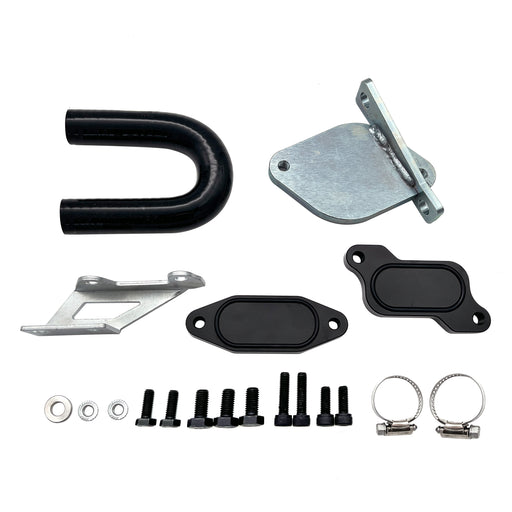
For 2007-2010 6.6L Chevy GMC LMM Duramax EGR Valve Cooler Delete Kit Fit
SEGULEROriginal price $61.99 - Original price $61.99Original price$61.99$61.99 - $61.99Current price $61.99FITMENT 2007.5-2010 6.6L Chevrolet Silverado Duramax LMM 2500HD / 3500HD. 2007.5-2010 6.6L GMC Sierra Duramax LMM 2500HD / 3500HD. Note: Standard...
View full details -
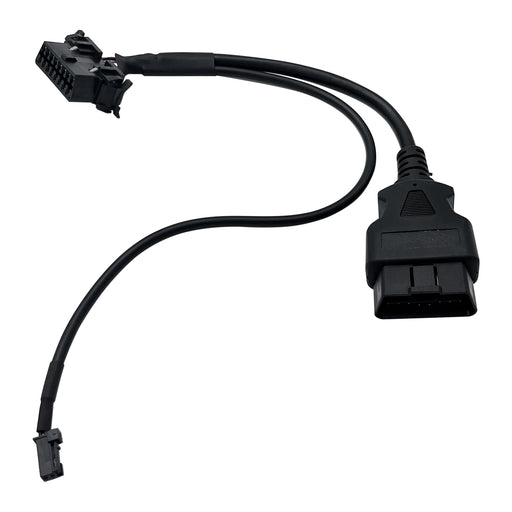
Seguler 2018+ RAM Cummins OBD2 HD Security Gate Bypass Cable
SEGULEROriginal price $45.00 - Original price $45.00Original price$45.00$45.00 - $45.00Current price $45.00FITMENT 2018+ 6.7L Ram Cummins 2500 3500 Turbo Diesel. Designed for Ram pickup trucks equipped with the factory Security Gateway Module. Note: Pl...
View full details -
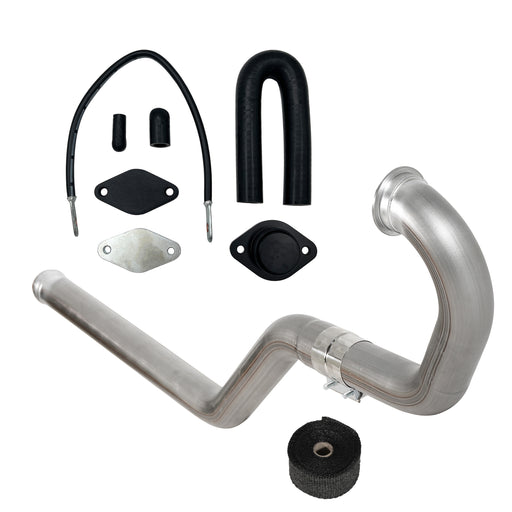
3" Turbo Back DPF & EGR Delete Kit for 2020-2022 GM 3.0L LM2 Duramax
SEGULEROriginal price $550.00 - Original price $550.00Original price$550.00$550.00 - $550.00Current price $550.00FITMENT 2020–2022 3.0L Chevrolet Silverado 1500 LM2 Diesel. 2020–2022 3.0L GMC Sierra 1500 LM2 Diesel. DESCRIPTION Product Overview On the 3.0...
View full details


Leave a comment