

3.0L Ram EcoDiesel Delete Kit Guide: Stop Ruining MPG & Fix Issues
The 3.0L Ram EcoDiesel is a genuinely clever engine — VM Motori’s compact V6 diesel delivers half-ton towing torque with small-car fuel economy. But it carries one design flaw that quietly works against everything you bought it for: the regen cycle. Every time your truck decides the DPF needs cleaning, it dumps raw fuel into the exhaust stroke, burns it at 1,100°F, and wastes a measurable chunk of your tank. Worse, that same post-injection fuel washes past the piston rings and thins your oil — which is exactly how the 2014–2019 EcoDiesel’s notoriously fragile bottom end gets eaten alive.
A properly matched delete kit stops both problems at once. This guide covers what’s actually failing, what a delete really changes (with real dyno numbers, not marketing fluff), the generation split you have to get right, and what the install actually costs in time and patience.
Why the Regen Cycle Is the Real Villain Here
Most people frame an EcoDiesel delete as a power play. It’s not. The engine’s real enemy is the DPF regeneration strategy itself, and it attacks you on two fronts.
It Burns Fuel You Never Get to Use
The DPF (Diesel Particulate Filter) Traps Soot:
When it fills up, the ECU initiates an active regen — it injects extra fuel after combustion, on the exhaust stroke, purely to spike exhaust gas temperature hot enough (roughly 1,100°F) to burn the trapped soot to ash. That fuel produces zero forward motion. It’s a tax on every driving cycle.
The 3.0L EcoDiesel is especially sensitive to this
It lives in a half-ton — a commuter, a tow rig, a daily driver. Short trips and stop-and-go driving never get the exhaust hot enough for passive regen, so the truck falls back on active regen far more often than a 6.7L Cummins that spends its life on the highway.
The tighter engine bay and smaller thermal mass of the half-ton platform mean less margin before the system decides it needs a burn cycle.
It Dilutes Your Oil — and That’s What Kills the Bottom End
During active regen, the post-injected fuel doesn’t all stay in the exhaust. A portion washes past the piston rings and ends up in the crankcase. This is called fuel dilution, and it thins your oil in a way no oil change can fix if it’s happening between services.
Diluting the oil will reduce the lifespan of the engine.
Thinned oil is catastrophic for the 3.0L EcoDiesel specifically, because this engine has a documented weakness in its main bearings and lower-end bearings. Carbon is one of the hardest materials you’ll find in an engine; running carbon-laden, fuel-thinned oil through the mains is, in his words, like running sand through them.
One owner who’s put 70,000 trouble-free miles on a factory-replacement EcoDiesel engine made the point sharply in a maintenance video: these engines are notorious for chewing up main bearings, and the argument over why usually circles back to what’s floating in the oil. His own 10,000-mile oil came out still golden — not the instant-black you expect from a diesel — and he attributes that clean oil to keeping the carbon grit out of the bearing surfaces.
So the regen cycle isn’t just an MPG problem. It’s a bottom-end longevity problem disguised as an emissions feature. That’s the real reason a delete kit makes sense on this platform, and it’s the argument most of the marketing skips.
What the 3.0L EcoDiesel Is Actually Running (and Where It Fails)
The 3.0L VM Motori EcoDiesel carries a full modern aftertreatment stack — the same four systems you’d find on a heavy-duty truck, squeezed into a half-ton:
-
EGR (Exhaust Gas Recirculation) — recirculates soot-laden exhaust into the intake to lower NOx. On the EcoDiesel, the EGR cooler is the single most common failure point, and it’s covered by a real safety recall (more below).
-
DPF (Diesel Particulate Filter) — traps soot, then burns it off during regen.
-
DOC (Diesel Oxidation Catalyst) — sits upstream of the DPF, oxidizes CO and hydrocarbons.
-
SCR/DEF — injects a urea solution (Diesel Exhaust Fluid) to convert NOx. The DEF pump, heater, dosing injector, and NOx sensors are all monitored closed-loop.
The critical thing to understand: the ECU watches all of this in real time. Differential pressure across the DPF, EGR flow, DEF dosing, NOx conversion — if any reading drifts out of range, you get fault codes and, depending on severity, a derate or limp-mode condition. This is exactly why you can’t just pull hardware and call it done. The tune is the thing that makes the delete work.
The EGR Cooler Recall You Should Check First
Before you spend dollars on delete hardware, run your VIN at nhtsa.gov and check for NHTSA Recall 19V757000.
This recall covers 2014–2019 Ram 1500 and Jeep Grand Cherokee 3.0L EcoDiesel models. The issue: the EGR cooler can crack internally, allowing engine coolant to enter the intake manifold. In the worst case, this is a fire risk. FCA’s remedy was EGR cooler replacement plus supporting software updates.
If your truck is in that window and hasn’t had the recall done, you’re looking at a free dealer repair — which is worth knowing even if you ultimately decide to delete, because a cracked cooler is a far bigger problem than anything a delete kit solves.
What a Delete Kit Actually Changes (Real Numbers, Not Fluff)
A complete 3.0L EcoDiesel delete has two hardware pieces and one software piece, and they have to work together:
- DPF/SCR delete pipe — replaces the DPF and SCR assembly with a straight, mandrel-bent pipe.
- EGR delete hardware — block-off plates and coolant re-route to eliminate the EGR flow path (and, on the Ram, remove the cooler entirely).
- Custom ECM tuning — reprograms the computer to stop monitoring the removed systems and to re-optimize fueling for an uncorked exhaust.
Here’s what that actually produces, measured rather than promised.
The Dyno Proof: +79 Wheel Horsepower
The cleanest before/after data on this platform comes from a 2018 EcoDiesel dyno comparison — three stock pulls, then the delete kit with a 50-horsepower economy tune, then three more pulls:
| Measurement | Stock (wheel) | Delete + 50 HP Tune (wheel) | Gain |
|---|---|---|---|
| Horsepower | 196 hp | 275 hp | +79 hp |
| Torque | 347 lb-ft | 510 lb-ft | +163 lb-ft |
Two things jump out.
-
The +79 wheel horsepower blew past the 50-hp tune rating — the tuner running the test said flat-out he expected maybe 50 and was surprised by 80. Second, note the stock number: 196 wheel hp versus the 240 hp Ram advertises. That’s the normal crank-to-wheel driveline loss.
-
After seeing what the 50-hp tune did, he planned to drop down to a 25-hp tune for daily driving, because a small diesel making that much power all the time is asking for trouble. That’s a disciplined take worth internalizing — the full-power tune is a toy, not a default.
The MPG Proof: 19 to 27+ Is Real
Fuel economy claims are where delete marketing gets dishonest fastest. Here are the measured numbers from owners, not brochure copy:
-
One owner tracked 19.1 MPG average stock (17 MPG on trips that included heavy boat towing) — then 27.3 MPG on a 50-mile drive home right after the delete, settling into a 25–26 MPG average afterward, and 20–21 MPG pulling a full-size bass boat on a trip to Lake Erie.
-
The dyno tester logged 26 MPG at 60 mph into the wind, 43 MPG at 60 mph with a tailwind, and 28–29 MPG at 70 mph with the wind at his back. Take the tailwind numbers with salt — they’re real but wind-assisted — but the pattern is consistent: a deleted EcoDiesel picks up a solid 3–5 MPG in real mixed driving.
The honest framing:
Deleting doesn’t make a 43-MPG truck. It makes a truck that was fighting its own emissions system stop fighting, and the fuel that was going into regen cycles now goes into forward motion instead. Expect 3–5 MPG, not the “10 MPG” some sellers claim.
What It Does Not Do
Worth being clear-eyed about, because the internet gets this wrong constantly:
-
The delete itself does not add horsepower. The +79 whp comes from the tune — the fueling and boost changes — not from removing a pipe. The pipe just removes restriction and stops regen.
-
It does not fix internal engine problems. The main bearings, the oil pump, the bottom end — those are mechanical. A delete stops the fuel dilution that feeds the problem, but it won’t resurrect an engine that’s already hurt.
-
The transmission is the real limit, not the engine. More on this below, because it’s the thing most people overlook.
Signs Your DPF and EGR Are Failing — Before You Delete
You don’t need a scan tool to know your emissions system is on its way out. The DPF and EGR each fail in a recognizable pattern, and catching the early warning signs is what tells you whether you’re dealing with a nuisance you can live with or a system that’s actively damaging the engine.
EGR: The Signs That Point to the Cooler or Valve
The EGR valve and cooler degrade gradually, and the symptoms tend to cluster around coolant and idle behavior.
-
Coolant disappearing with no puddle underneath. This is the single biggest red flag on the EcoDiesel. A cracked EGR cooler leaks coolant into the intake, where it’s burned off — so you see the level drop but find no leak on the ground. This is exactly the failure mode behind Recall 19V757000.
-
White smoke on a cold start or under hard acceleration. Coolant entering the combustion chamber burns as white steam. A puff on startup, or a visible plume when you put your foot down, points at the cooler, not the valve.
-
An oily film or a sweet, syrupy smell in the coolant reservoir. When the cooler cracks, combustion gases can push back into the cooling system, leaving a slick film and that telltale sweet smell of coolant being overheated.
-
Rough idle and a lazy throttle. A carbon-clogged EGR valve sticks open or closed, which throws off the air-fuel balance. You’ll feel it as an uneven idle and hesitation when you tip into the throttle.
-
P0401 or P0402 codes. These are the EGR flow faults — P0401 means insufficient flow (usually a clogged valve or restricted passage), P0402 means excessive flow (a stuck-open valve). Both are your cue that the EGR valve has carboned up.
DPF: The Signs That Point to a Clogging Filter
The DPF fails by filling up — and because the EcoDiesel relies on active regeneration to burn that soot off, the symptoms read like a truck that’s slowly losing its breath and its fuel economy at the same time.
-
Regens happening more and more often. This is the classic first sign. When the DPF can’t passively regenerate (short trips, stop-and-go, or a truck that rarely sees full operating temperature), the ECU forces active regens more frequently. If the truck rarely gets a proper highway run, you’ll notice the regen light — or the truck idling up and smelling hot — more and more often.
-
Fuel economy creeping down. Active regen injects extra fuel on the exhaust stroke to raise DPF temperature. That fuel never moves the truck — it’s burned purely to clean the filter. As regens multiply, your MPG drops accordingly. This is the “ruining MPG” part made visible.
-
A lazy throttle and soft power. A filling DPF raises exhaust backpressure, which the engine has to push against. The truck feels flat off the line and reluctant to pull — the same sensation as a dirty air filter, but it gets progressively worse.
-
A faint soot or exhaust smell at idle. A healthy, passively-regenerating diesel shouldn’t smell like a chimney at a stoplight. A clogging DPF that’s mid-regen can, and it’s a sign the filter isn’t clearing itself anymore.
-
The DPF warning light or a derate. When soot load crosses the threshold the ECU can no longer manage, you get the warning light, then reduced power (limp/derate mode). By this point you’re past “keep driving and it’ll fix itself.”
-
P2463 or P2002 codes. P2463 is high soot accumulation, P2002 is DPF efficiency below threshold. Both mean the filter is either too full or no longer filtering effectively — and a forced regen that keeps failing is the telltale that it’s time to address it, not just clear the code.
-
Oil that smells like diesel or a rising oil level. This is the fuel-dilution warning that ties the DPF directly to engine damage. When active regen injects fuel to burn soot, some of it washes past the rings and thins the oil. A rising dipstick or a diesel smell in the oil is the early sign of the exact failure that takes out the bottom end.
The pattern to watch: a DPF problem and an EGR problem usually show up together, because they’re both downstream of the same short-trip, low-temperature driving habits. If you’re seeing frequent regens and coolant disappearing, your emissions system isn’t just annoying — it’s actively hurting the engine. That’s the moment owners start doing the delete math.
Know Your Generation: 2014–2018 vs 2020+
This is the single most important fitment trap on the EcoDiesel platform, and it trips up a lot of buyers.
The 2014–2018 (and 2019 Classic) Trucks — What This Kit Fits
- 240 hp / 420 lb-ft from the factory, dynoing around 200 wheel hp.
- Earlier FCA ECM architecture — OBD-connected tuning works through devices like EZ LYNK or a Power Gate-style flash tool.
- The EGR cooler is the known failure point (Recall 19V757000).
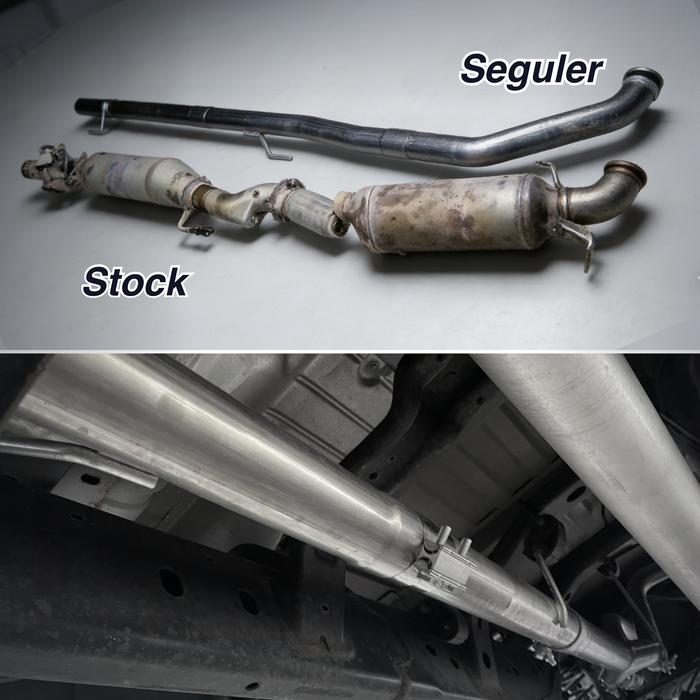
3" Ecodiesel DPF Delete Pipe & EGR Delete kit for 2014-2018 3.0L Ram
A complete uncorking package: a 3-inch mandrel-bent stainless DPF/SCR delete pipe plus a full EGR cooler removal assembly. It replaces the restrictive DPF/SCR stack with a smooth straight pipe to cut backpressure and turbo lag, and blocks off the EGR valve and cooler to stop soot recirculation at the source — keeping the intake manifold, swirl flaps, and valves clean.

-
Fitment: 2014–2018 3.0L Dodge Ram 1500 EcoDiesel V6, standard pickup (Crew Cab / Quad Cab). Not for Jeep Grand Cherokee or commercial Cab & Chassis.
-
Why it matters: drops over 40 lbs from the underbody, frees ground clearance, and disables the fuel-burning regeneration cycle that’s been diluting your oil and killing your MPG.
-
What you still need: custom ECM tuning is mandatory — the factory computer will throw codes and derate without it. See Seguler’s EcoDiesel tuning solutions to complete the setup.
The 3-inch pipe is the right diameter for this platform: it’s a straight-through replacement that bolts to the factory mounts and rubber hangers, so it drops in without fabrication. The EGR block-off hardware is what actually stops the intake from fouling — the half of the equation a pipe-only “delete” misses.
The 2020+ (Gen 3) Trucks — A Different Animal
- 260 hp / 480 lb-ft, dynoing around 220 wheel hp.
- Roughly 80% redesigned (FCA’s “BGI” generation): revised EGR system, a low-pressure exhaust loop, and a highly encrypted ECU.
- OBD flashing does not work — these require bench flashing: you remove the ECM, ship it out, and wait 1.5–2 weeks while it’s unlocked and flashed.

Do not assume a 2014–2018 part bolts onto a 2020+ truck. The hardware and the tuning path are completely different. If you have a 2020 or newer, you’re shopping a different kit and a different tuning service.
Why the Transmission Is the Real Limiting Factor
Here’s a fact most delete guides bury: the 3.0L EcoDiesel’s factory transmission is rated for roughly 500 lb-ft of torque. Look back at that dyno table — the deleted truck made 510 lb-ft at the wheels. You are already at or past what the stock transmission is rated to handle the moment you load a real tune.
This has three practical consequences:
-
Transmission tuning is not optional once you’re making real power. It firms up shift points, raises line pressure, and prevents the slipping and hard shifts that come from overloading a stock calibration.
-
You have to let it relearn. After tuning, the transmission’s adaptive shift memory is cleared. Drive it gently — a few medium-throttle pulls through the gears — and let it re-learn before you hammer it. Tuning a transmission and immediately flooring it is how you get rough shifts and shortened clutch life.
-
The internals cap your ambition. The 3.0L runs cast-iron rods and cast-aluminum pistons — fine for stock, but not high-horsepower materials. The safe ceiling on stock internals is around 400 wheel horsepower, and the stock turbo starts running out of breath around 325 wheel hp. If you’re chasing 300+ whp, you’re into upgraded-turbo territory.
The Takeaway:
On a 3.0L EcoDiesel, the delete is best understood as a reliability and efficiency upgrade, not a drag-strip build. The power gain is a nice side effect. Trying to make a half-ton V6 diesel into a monster is how you turn a good delete into a broken truck.
The Install: What It Actually Takes
The install is a genuine DIY job if you have basic mechanical experience, a lift or ramps, and patience — but it’s not a “20 minutes and done” affair. Here’s the honest breakdown.
Step Zero: Tune First, Always
This is non-negotiable and the #1 mistake people make. You tune the truck before you remove any hardware. The sequence:
-
Send your stock file to your tuner (or use a pre-loaded device) and get the delete tune back.
-
Hook up a battery tender. Flashing pulls current, and a low battery mid-flash is a bricked-ECM waiting to happen. 5–15 amps is the sweet spot.
-
Flash the tune. On 2014–2017 trucks, OBD flashing works directly. On 2018 models, you need a bypass cable — that year introduced the security gateway (the same SGW that makes later Ram tuning harder), so a physical bypass has to go in before the OBD flash works.
-
Disconnect the battery for 10 minutes after the first flash, reconnect, and confirm no check engine light before touching hardware.
Some tunes are a two-step: flash a “patch” or “must flash first” file, wait, then flash the actual delete tune. Follow your tuner’s sequence exactly.
The Hardware: Exhaust First, Then EGR
Exhaust removal is the bulk of the labor, and the honest truth is that on a rust-belt truck, it’s a fight:
-
Unplug every sensor and wire on the DPF/SCR assembly. DEF injector, NOx sensors, temperature sensors — disconnect them all and set the connectors aside where they won’t get damaged.
-
Break the V-band clamp at the downpipe. This is the single worst bolt on the whole job — factory-installed facing the wrong way and seized half the time. Plan on penetrating fluid, heat, a pry bar, and patience. Some installers just cut the clamp and buy a new one rather than fight it.
-
Drop the old assembly. Either unbolt it cleanly, or use a sawzall to cut it out — faster, and the old hardware is scrap anyway.
-
Hang the new delete pipe. Bolt it to the factory mounts and rubber hangers. If your kit includes a muffler delete, the pipe runs all the way back; if not, it terminates at the factory muffler (which keeps the sound relatively tame — a point several testers noted: with the stock muffler retained, a deleted EcoDiesel is noticeably not obnoxious).
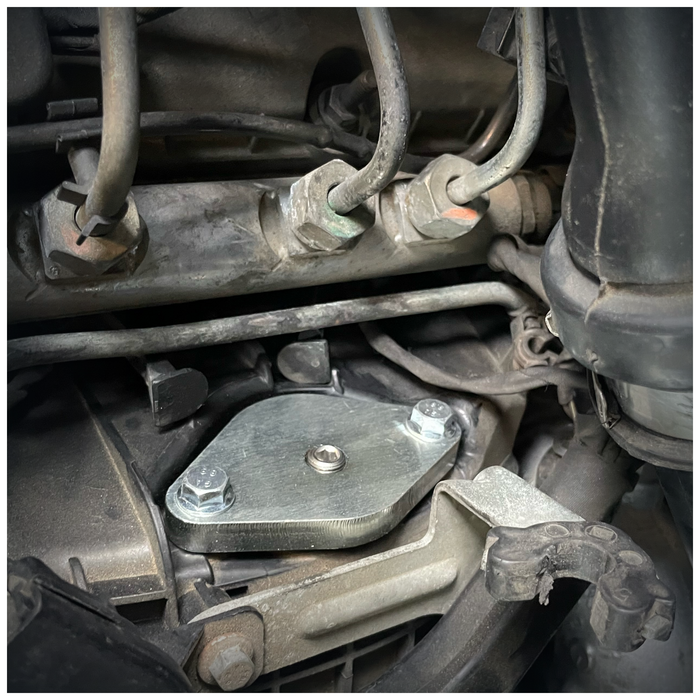
EGR removal is a separate job in the engine bay:
-
Drain the coolant first (the cooler lines will leak when you pull them).
-
Remove the airbox and intake piping to access the EGR valve and cooler.
-
On the Ram, you remove both the EGR valve and the cooler, then install block-off plates and coolant re-route plumbing. Save the factory gaskets — several are reused.
-
On the Jeep, it’s valve-only due to packaging.
One shortcut worth knowing: you technically don’t have to remove the EGR hardware at all to stop it. The delete tune disables the EGR system electronically, so some owners simply unplug the EGR connector and leave the cooler in place. But a proper kit removes the cooler so you’re not carrying a now-useless, coolant-bearing component that can still leak.
The Finish
Refill and bleed the cooling system (top it up again after the first heat cycle), double-check every clamp for exhaust leaks, and confirm no coolant drips. Then drive gently while the transmission relearns.
Total DIY time: 4–6 hours for an experienced wrencher with the right tools, and longer if you’re fighting rust-belt hardware. If that sounds like more than you want to take on, a competent diesel shop will do the whole thing in a day.
Where DIY Installers Get It Wrong
The failure points on this platform are predictable, and they’re worth naming so you don’t repeat them:
- Flashing without a battery tender. A voltage dip mid-flash can brick the ECM. Never skip the charger.
- Removing hardware before tuning. You’ll throw a wall of codes and possibly limp mode the second the ECU notices the missing sensors.
- Forgetting the 2018 bypass cable. 2018 is the one year in this window that needs the security-gateway bypass before the flash will take.
- Underestimating the V-band clamp. Budget real time and a pry bar for it. It’s the most common “this is taking forever” moment.
- Cutting the pipe too short. If you have to trim the delete pipe to fit your cab/bed configuration, cut less than you think and test-fit — you can always trim more, but a pipe cut too short is scrap.
- Leaving connectors exposed. Disconnected sensor and DEF plugs that hang open will collect water and corrode. Tape them or zip-tie them out of the way.
- Skipping the transmission relearn. Tune the engine, then immediately floor it, and you’ll get hard shifts and premature clutch wear.
- Running the max tune as your daily. The 50-hp tune is a novelty; the 25-hp or economy tune is what you actually live with.
The Legal Reality (Read This)
Straight talk, no sugarcoating:
-
Federal law: 42 U.S.C. §7522(a)(3) makes it a violation to remove or render inoperative any emissions control device on a motor vehicle, and to manufacture, sell, or install parts that do so. 40 CFR §1068.101 extends this to defeat devices and their sellers/installers.
-
Penalties: Federal civil penalties under 42 U.S.C. §7524 can reach $5,911+ per violation, and deleted trucks will fail visual and OBD-II state inspections (e.g., California, New York, Texas, Pennsylvania).
-
State-level: California’s Vehicle Code §27156, plus OBD-based inspection states (New York, Texas, Virginia, Massachusetts, Pennsylvania, and others), will fail a deleted truck. A deleted Ram cannot be legally registered for road use in those jurisdictions.
-
Warranty: Any emissions modification gives Stellantis grounds to deny powertrain and emissions warranty coverage under the Magnuson-Moss framework.
Delete kits are sold for off-road, competition, and export use. That label does not create a legal exemption. If your truck is registered for the road, you are assuming the risk personally — make that decision with your eyes open.
Who Should (and Shouldn’t) Do This
A delete makes sense when:
- Your truck is a dedicated off-road, competition, farm, or non-road vehicle — not something you need to register or inspect.
- You are already dealing with repeated regens, DEF faults, or a DPF that’s clogging from short-trip duty.
- You tow, and you want the cooler EGTs and lower backpressure that come from uncorking the exhaust.
- You plan to keep the truck long-term and want to stop the fuel dilution that’s eating the bottom end.
It does not make sense when:
- The truck sees public roads — the legal and inspection exposure is real, and no horsepower number is worth a failed registration or a federal penalty.
- You have a 2020+ and expect a quick OBD flash — you’re looking at a bench-flash with 1.5–2 weeks of downtime.
- You’re chasing huge power — the 3.0L’s cast internals and 500-lb-ft transmission cap out well before it becomes a drag truck.
- You’re still under warranty and can’t afford to lose powertrain coverage.
Conclusion
The 3.0L Ram EcoDiesel is a good engine saddled with an emissions system that works against it — burning fuel to clean its own exhaust, and thinning your oil in the process. A matched delete kit stops both: the measured result is +79 wheel horsepower, torque from 347 to 510 lb-ft, and a real 3–5 MPG — plus a bottom end that’s no longer being fed fuel-diluted oil every time the DPF decides it’s dirty.
If your 2014–2018 Ram 1500 EcoDiesel lives off-road or in competition, the Seguler SG-ER-0274 3" delete kit is a clean, complete way to do it right — one 3-inch stainless pipe and a full EGR removal assembly, ready to bolt in, with the tuning support to match. It’s not a magic power button, and it’s not a shortcut around the law. It’s a way to stop the one system that’s been quietly working against your truck since day one.
For the full range of EcoDiesel delete hardware, tuning, and supporting components — and to confirm fitment for your exact year and cab — head to seguler.com and browse the EcoDiesel collection. Match your kit to your platform, get the tune right, and your Ram will finally run the way the engine underneath all that plumbing always could.
Frequently Asked Questions
Q1: What does a 3.0L EcoDiesel delete kit actually remove?
A delete kit removes the DPF and SCR/DEF systems from the exhaust and blocks off the EGR system, then recalibrates the ECU to stop monitoring them. On the Ram, the EGR valve and cooler are removed; on the Jeep Grand Cherokee, only the valve. The tune is the piece that makes the hardware work — without it, the truck throws codes and derates.
Q2: Does deleting improve fuel economy?
Yes — owners consistently report 3–5 MPG in real mixed driving, from roughly 19 MPG stock to 25–27 MPG deleted. The gain comes from eliminating regen cycles (which burn fuel without moving the truck) and reducing exhaust backpressure. Claims of 10+ MPG are marketing, not reality.
Q3: How much power does a delete add?
On a 2018 EcoDiesel, a 50-hp economy tune produced a measured +79 wheel horsepower (196 to 275) and +163 lb-ft (347 to 510). The power comes from the tune, not the pipe — the pipe removes restriction and stops regen. The delete itself adds no horsepower.
Q4: What’s the difference between the 2014–2019 and 2020+ EcoDiesel?
The 2014–2019 (Gen 1) makes 240 hp/420 lb-ft and supports OBD flashing. The 2020+ (Gen 3) makes 260 hp/480 lb-ft, is roughly 80% redesigned, and requires bench flashing (ECM removal + 1.5–2 weeks downtime) because its ECU is encrypted. Hardware is not interchangeable between generations.
Q5: Is the EGR cooler a real problem on this engine?
Yes. NHTSA Recall 19V757000 covers 2014–2019 Ram and Jeep EcoDiesels whose EGR cooler can crack and leak coolant into the intake — a fire risk. Check your VIN at nhtsa.gov before buying any delete hardware; the recall repair is free if you qualify.
Q6: Do I need a tuner if I delete my EcoDiesel?
Absolutely, and it’s not optional. The ECU monitors the DPF, EGR, and DEF systems closed-loop. Removing hardware without the matching tune triggers fault codes and limp mode. Tuning must be done before hardware removal.
Q7: Why is the transmission a concern?
The stock EcoDiesel transmission is rated for about 500 lb-ft, and a tuned delete already makes 510 lb-ft at the wheels. Transmission tuning is required to prevent slipping and hard shifts, and you must let it relearn after flashing — drive gently through the gears before pushing it.
Q8: Can I install a delete kit myself?
Yes, with basic mechanical experience, a lift or ramps, and patience. Expect 4–6 hours. The V-band clamp at the downpipe is the hardest part. If you’re not comfortable with the tune sequence or the cooling-system bleed, professional installation is the safer route.
Q9: Is deleting a 3.0L EcoDiesel legal?
Removing emissions equipment on a road-registered vehicle violates the Clean Air Act (42 U.S.C. §7522), with individual civil penalties up to $5,911 and higher for shops. Deletes are legal only for off-road, competition, and non-road use — and that label does not create an exemption. Check your state’s rules.
Q10: What’s the best alternative if I need to stay road-legal?
Keep the emissions system intact and focus on maintenance: run low-ash ACEA C3 oil, keep the DEF tank filled with fresh fluid, drive regular highway stints so the DPF can passive-regen, and check your recall status. Emissions-compliant tuning and a colder thermostat can improve reliability without the legal exposure.
Featured collection
-
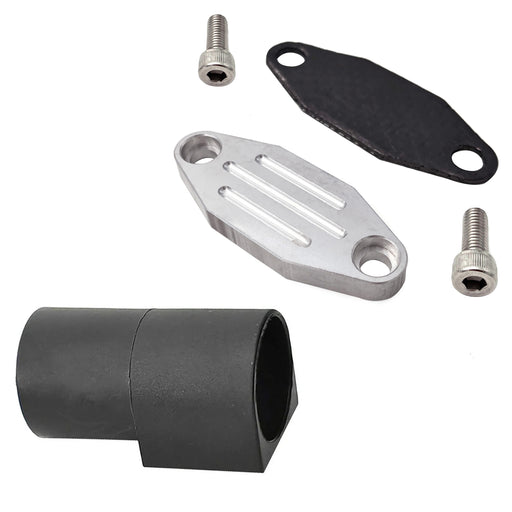
Seguler 1986-1995 Ford F150 F250 F350 Mustang Trucks EGR Simulator Eliminator / Block Off Plate Kit
SEGULEROriginal price $79.99 - Original price $79.99Original price$79.99$79.99 - $79.99Current price $79.99Block Off Plate Material: Aluminum alloy. Easy installation,and convenient to use. Made of CNC milled from aircraft grade Billet aluminum. Will N...
View full details -

Seguler 2011-2023 6.7L Ford Powerstroke Diesel EGR Delete Kit
SEGULEROriginal price $109.99 - Original price $109.99Original price$109.99$109.99 - $109.99Current price $109.99FITMENT 2011-2023 6.7L Ford Powerstroke F-250 F-350 F-450 F-550 Super Duty V8 Diesel. compatible with both standard Pickups and commercial Cab &...
View full details -
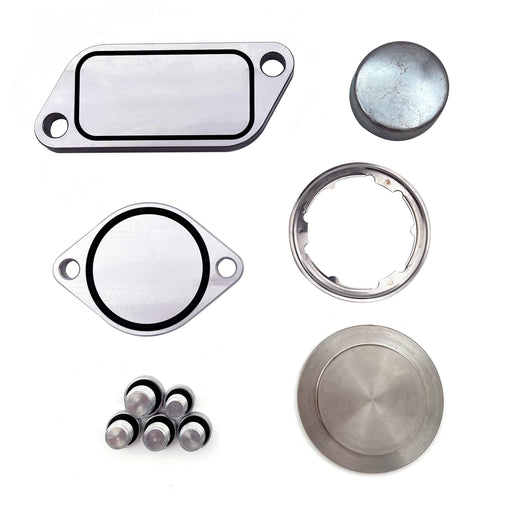
For 2010-Present Stage 2 ISX 15 CM2250 CM2350 EGR Delete Kit
SEGULEROriginal price $59.99 - Original price $59.99Original price$59.99$59.99 - $59.99Current price $59.99FITMENT 2010-Present Cummins Volvo, Peterbilt, Mack, International, Freightliner, Kenworth with the ISX15 CM2250 / CM2350 engines. DESCRIPTION P...
View full details -
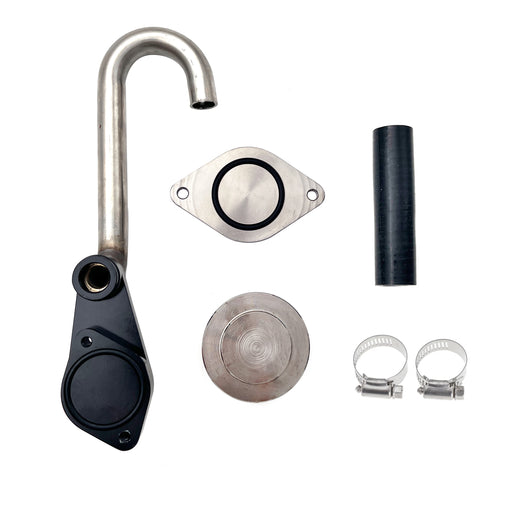
Seguler 2003-2007 6.0L FORD Powerstroke Diesel EGR Cooler Delete Kit
SEGULEROriginal price $56.14 - Original price $56.14Original price$56.14$56.14 - $56.14Current price $56.14FITMENT 2003-2007 6.0L Ford F-250 Ford F-350 F-450 F-550 Super Duty. 2003-2007 6.0L Ford Excursion SUV (Diesel Models Only). 2005-2010 Ford E-Se...
View full details -
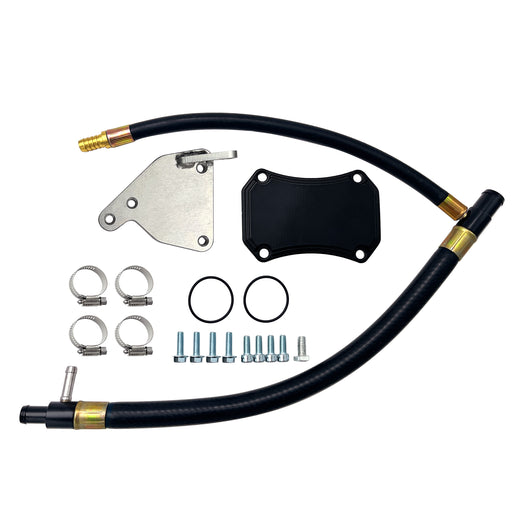
For 2011-2016 6.6L GMC Chevy Duramax Diesel LML EGR Valve Cooler Delete Kit
SEGULEROriginal price $66.49 - Original price $66.49Original price$66.49$66.49 - $66.49Current price $66.49FITMENT 2011-2016 6.6L Chevy GMC Duramax LML 2500 HD 3500 HD Diesel. DESCRIPTION Product Overview The 2011–2016 LML Duramax uses a complex EG...
View full details -
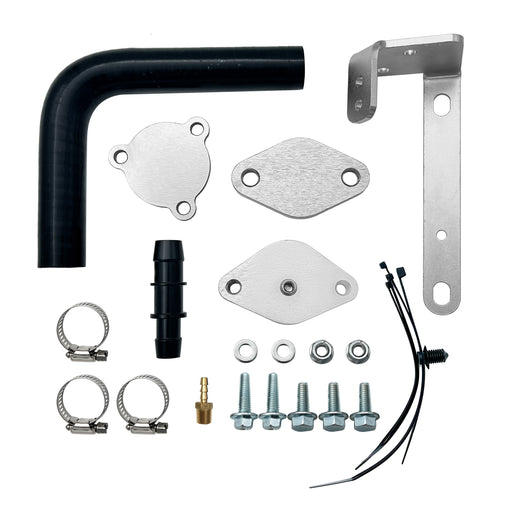
Seguler For 2014-2019 3.0L Dodge Ram 1500 EcoDiesel EGR Valve & Cooler Delete Kit
SEGULEROriginal price $72.99 - Original price $72.99Original price$72.99$72.99 - $72.99Current price $72.99FITMENT 2014-2019 3.0L Dodge Ram 1500 EcoDiesel V6 engine trucks. DESCRIPTION Product Overview Exhaust gas recirculation on 3.0L EcoDiesel V6 ...
View full details -

Seguler 2011-2023 6.7L Ford Powerstroke Diesel EGR Delete Kit
SEGULEROriginal price $85.99 - Original price $85.99Original price$85.99$85.99 - $85.99Current price $85.99FITMENT 2011-2023 6.7L Ford Powerstroke F-250 F-350 F-450 F-550 Super Duty V8 Diesel. compatible with both standard Pickups and commercial Cab &...
View full details -
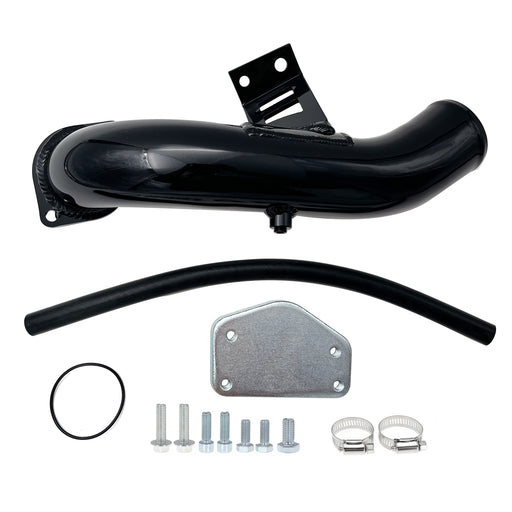
For 2004.5-2005 6.6L Chevy GMC Silverado LLY Duramax Diesel EGR Delete Kit
SEGULEROriginal price $92.99 - Original price $92.99Original price$92.99$92.99 - $92.99Current price $92.99FITMENT 2004.5-2005 6.6L Chevrolet Silverado Duramax LLY 2500HD / 3500 HD. 2004.5-2005 6.6L GMC Sierra Duramax LLY 2500HD / 3500 HD. DESCRIPTION...
View full details -

Seguler 2010-2024 6.7L Dodge Ram Cummins Diesel EGR Valve Cooler Delete Kit
SEGULEROriginal price $89.99 - Original price $89.99Original price$89.99$89.99 - $89.99Current price $89.99FITMENT 2010–2024 6.7L Dodge Ram Cummins 2500 / 3500 Pickup Turbo Diesel. Note: Does NOT fit Chassis Cab 3500 / 4500 / 5500 models. DESCRIPTIO...
View full details -

Seguler 2017-2019 L5P Duramax Diesel 4pcs L5P Can Bus Plugs Connector Replacement
SEGULEROriginal price $75.00 - Original price $75.00Original price$75.00$75.00 - $75.00Current price $75.00FITMENT 2017–2019 Chevrolet Silverado / GMC Sierra Duramax L5P 2500HD & 3500HD Diesel. DESCRIPTION Product Overview Unprotected harness con...
View full details -

Seguler 2020-2023 chevy duramax L5P Diesel Can Bus Plugs Connector
SEGULEROriginal price $80.00 - Original price $80.00Original price$80.00$80.00 - $80.00Current price $80.00FITMENT 2020–2023 Chevrolet Silverado / GMC Sierra Duramax L5P 2500HD & 3500HD Diesel. DESCRIPTION Product Overview Unprotected harness pl...
View full details -
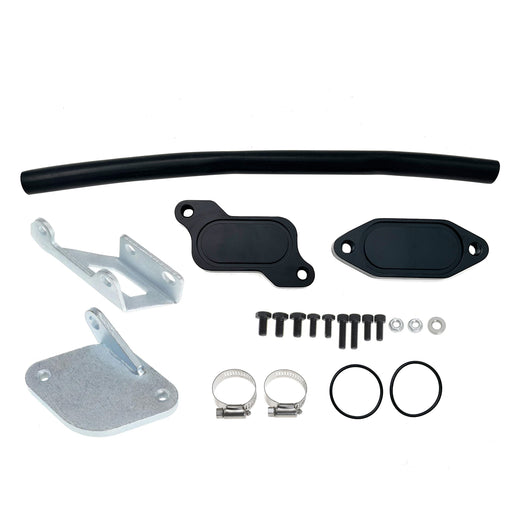
For 2006-2007 6.6L Chevrolet Silverado Classic GMC Duramax LBZ Diesel EGR Valve Cooler Delete Kit
SEGULEROriginal price $63.49 - Original price $63.49Original price$63.49$63.49 - $63.49Current price $63.49FITMENT 2006-2007.4 Chevrolet Silverado Duramax LBZ 2500HD / 3500HD. 2007.4 Chevrolet Silverado Duramax LBZ 2500HD / 3500HD Classic. 2006-2007.4 ...
View full details -
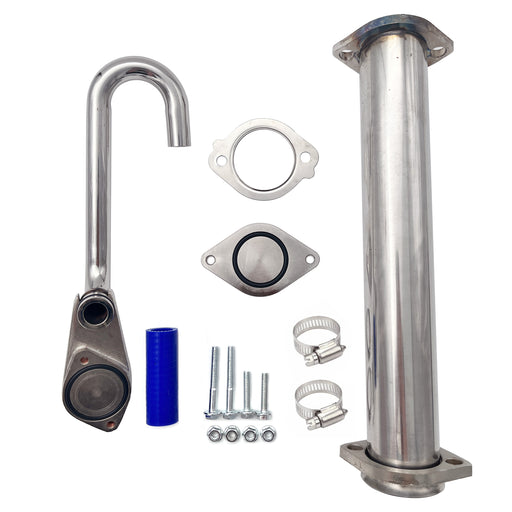
Seguler 2003-2007 6.0L Ford F250 F350 Powerstroke Diesel EGR Basic Cooler Kit
SEGULEROriginal price $79.99 - Original price $79.99Original price$79.99$79.99 - $79.99Current price $79.99FITMENT 2003-2007 6.0L Ford F250 F350 F450 F550 Super Duty Turbo (except 2004 F250 Super Duty). 2003-2005 6.0L Ford Excursion Turbo. 2005 Ford F...
View full details -

Seguler 2011-2023 6.7L Ford F250 F350 F450 F550 Powerstroke Diesel EGR Valve Delete Cooler Delete Kit
SEGULEROriginal price $55.99 - Original price $55.99Original price$55.99$55.99 - $55.99Current price $55.99FITMENT 2011-2023 6.7L Ford Powerstroke F-250 F-350 F-450 F-550 Super Duty V8 Diesel compatible with both standard Pickups and commercial Cab &a...
View full details -
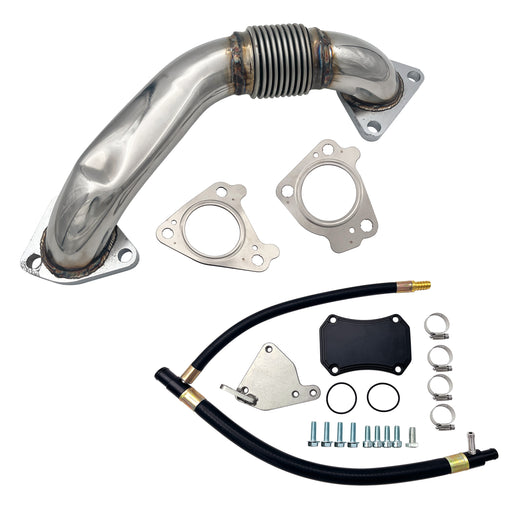
Seguler 2011-2016 6.6L GMC Chevy Duramax Diesel LML Up-Pipe & EGR Valve Cooler Delete Kit
SEGULEROriginal price $173.86 - Original price $173.86Original price$173.86$173.86 - $173.86Current price $173.86FITMENT 2011-2016 6.6L Chevy GMC Duramax LML 2500 HD 3500 HD Diesel. DESCRIPTION Product Overview Direct-injection technology endows GM 5.3L an...
View full details -
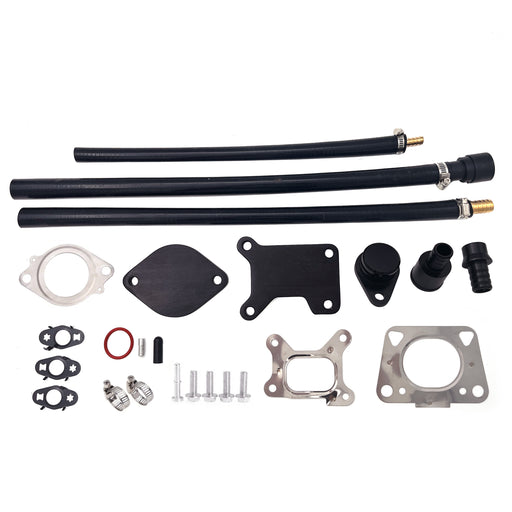
For 2017-2023 6.6L Chevy GMC Duramax L5P diesel EGR Valve Cooler Delete kit
SEGULEROriginal price $131.99 - Original price $131.99Original price$131.99$131.99 - $131.99Current price $131.99FITMENT 2017–2023 6.6L Chevrolet Silverado / GMC Sierra Duramax L5P 2500HD 3500HD Diesel. DESCRIPTION Product Overview Hot soot recirculation ...
View full details -

For 2013-2023 6.7L Dodge Ram Cummins Cab & Chassis EGR Delete Kit Diesel
SEGULEROriginal price $62.99 - Original price $62.99Original price$62.99$62.99 - $62.99Current price $62.99FITMENT 2013–2023 6.7L Ram Cummins 3500 4500 5500 Cab & Chassis / Commercial Trucks. Does NOT fit standard Ram 2500 3500 Pickups. DESCRIPTIO...
View full details -
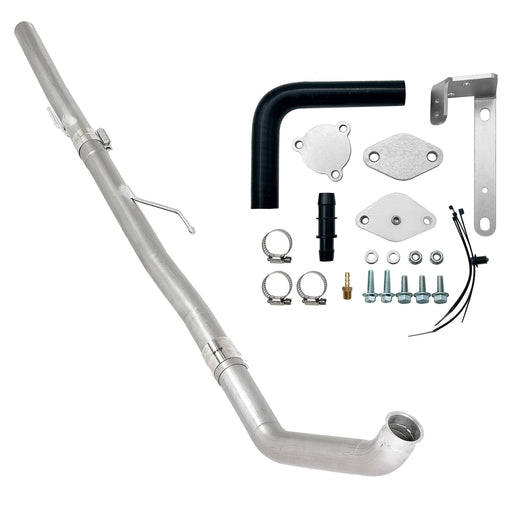
Seguler 3" Ecodiesel DPF Delete Pipe & EGR Delete kit for 2014-2018 3.0L Ram
SEGULEROriginal price $342.00 - Original price $342.00Original price$342.00$342.00 - $342.00Current price $342.00FITMENT 2014–2018 3.0L Dodge Ram 1500 EcoDiesel V6. NOTE: Fit standard Pickup models only (Crew Cab, Quad Cab). Does NOT fit Jeep Grand Cheroke...
View full details -
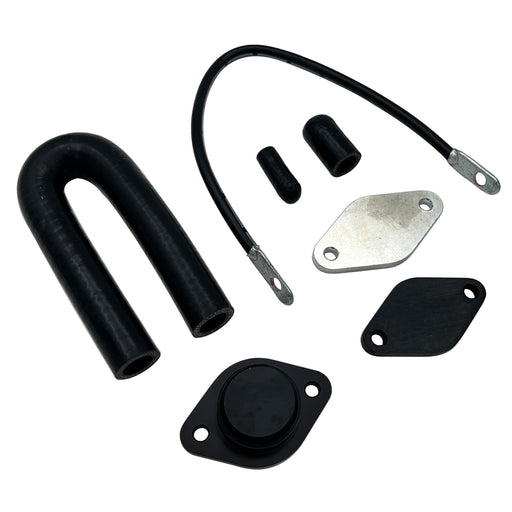
Seguler EGR valve cooler Delete kit for 2020-2022 3.0L Chevy Duramax LM2
SEGULEROriginal price $189.12 - Original price $189.12Original price$189.12$189.12 - $189.12Current price $189.12FITMENT 2020–2022 3.0L Chevrolet Silverado GMC Sierra 1500 LM2 Turbo-Diesel. DESCRIPTION Product Overview Powered by smooth inline-six engine...
View full details -
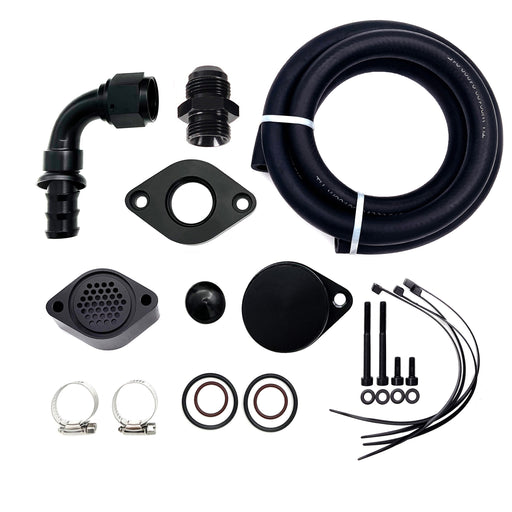
Seguler 2011-2023 6.7L Ford Powerstroke CCV PCV Reroute Engine Ventilation Kit
SEGULEROriginal price $82.99 - Original price $82.99Original price$82.99$82.99 - $82.99Current price $82.99FITMENT 2011-2023 6.7L Ford Powerstroke F-250 F-350 F-450 F-550 Super Duty V8 Diesel. Compatible with both standard Pickups and commercial Cab &...
View full details -
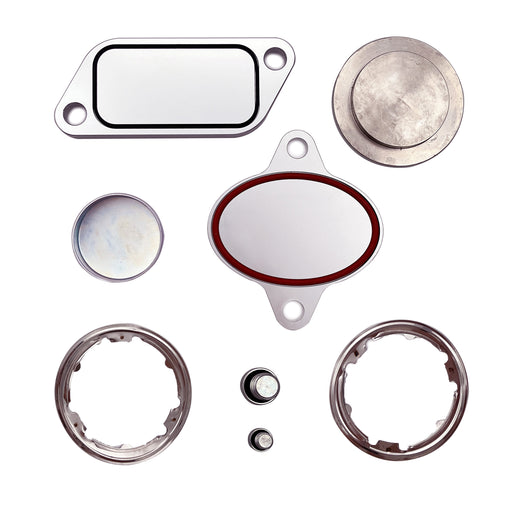
For 2007-2010 Cummins ISX CM871 EGR Plug Kit Stage 2 Plates and Plugs Aluminum
SEGULEROriginal price $67.99 - Original price $67.99Original price$67.99$67.99 - $67.99Current price $67.99FITMENT 2007-2010 Cummins Volvo, Peterbilt, Mack, International, Freightliner, Kenworth with the ISX CM871 Engines. DESCRIPTION Product Overvie...
View full details -
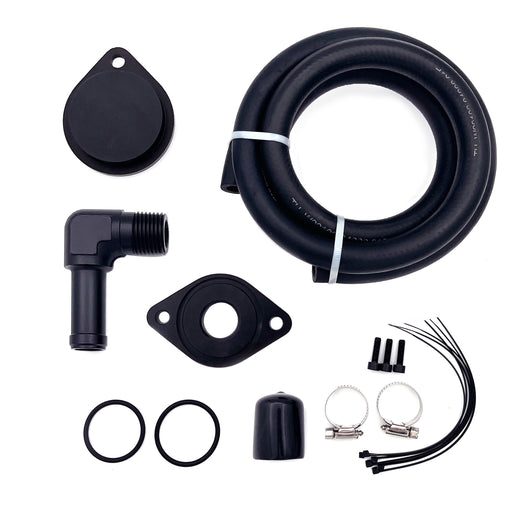
Seguler 2011-2023 Ford 6.7L Powerstroke CCV/PCV Reroute/Delete Engine Ventilation Kit
SEGULEROriginal price $72.00 - Original price $72.00Original price$72.00$72.00 - $72.00Current price $72.00FITMENT 2011-2023 6.7L Ford Powerstroke F-250 F-350 F-450 F-550 Super Duty V8 Diesel. Compatible with both standard Pickups and commercial Cab &...
View full details -
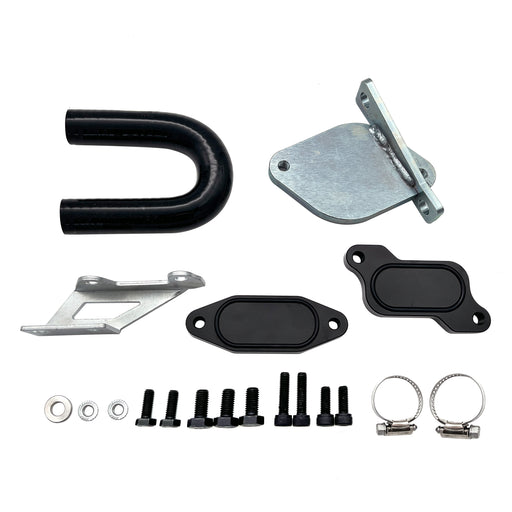
For 2007-2010 6.6L Chevy GMC LMM Duramax EGR Valve Cooler Delete Kit Fit
SEGULEROriginal price $61.99 - Original price $61.99Original price$61.99$61.99 - $61.99Current price $61.99FITMENT 2007.5-2010 6.6L Chevrolet Silverado Duramax LMM 2500HD / 3500HD. 2007.5-2010 6.6L GMC Sierra Duramax LMM 2500HD / 3500HD. Note: Standard...
View full details -
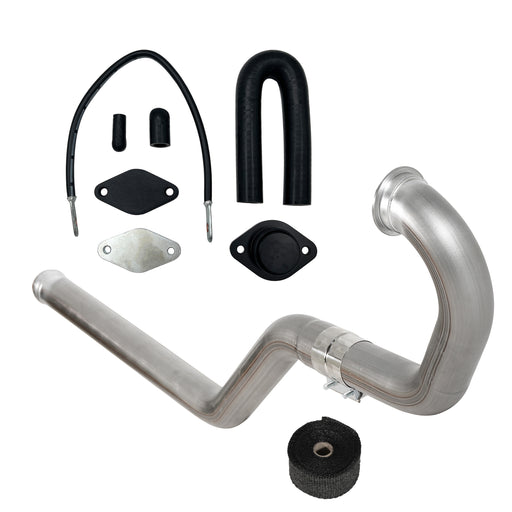
3" Turbo Back DPF & EGR Delete Kit for 2020-2022 GM 3.0L LM2 Duramax
SEGULEROriginal price $550.00 - Original price $550.00Original price$550.00$550.00 - $550.00Current price $550.00FITMENT 2020–2022 3.0L Chevrolet Silverado 1500 LM2 Diesel. 2020–2022 3.0L GMC Sierra 1500 LM2 Diesel. DESCRIPTION Product Overview On the 3.0...
View full details -
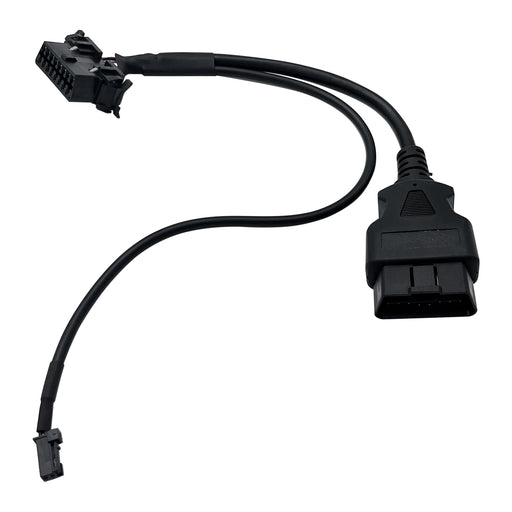
Seguler 2018+ RAM Cummins OBD2 HD Security Gate Bypass Cable
SEGULEROriginal price $45.00 - Original price $45.00Original price$45.00$45.00 - $45.00Current price $45.00FITMENT 2018+ 6.7L Ram Cummins 2500 3500 Turbo Diesel. Designed for Ram pickup trucks equipped with the factory Security Gateway Module. Note: Pl...
View full details


Leave a comment