

6.6L Duramax L5P Reliability & Upgrade Guide: Exhaust, EGR
Every 6.6L Duramax L5P owner eventually starts thinking beyond horsepower — they start thinking about long-term reliability.
After years of towing, hauling, and daily use, many owners begin paying closer attention to the same areas: exhaust flow, intake system condition, and electrical protection.
The L5P is one of GM’s strongest diesel platforms, but heavy loads and repeated heat cycles can place additional stress on these supporting systems. Understanding where these concerns develop is the first step toward building a reliable long-term upgrade plan.
This guide covers the key L5P upgrades owners commonly consider to improve exhaust efficiency, support cleaner intake conditions, and protect critical electrical connections.
Know Your L5P: Understanding the Platform
The 6.6L Duramax L5P represents GM’s 2017-and-newer diesel platform, replacing the previous LML generation (2011–2016). With increased power, updated fuel system technology, and a stronger engine foundation, the L5P was designed for demanding towing, hauling, and daily-duty applications.
Like all modern diesel platforms, the L5P uses multiple systems to manage power, emissions, and long-term durability. As mileage increases, many owners begin looking more closely at exhaust flow, intake conditions, and supporting components when planning future upgrades.

Here is a quick overview of the LML and L5P generations:
| Generation | Years | Power | Fuel pump |
|---|---|---|---|
| LML | 2011–2016 | 397 hp / 765 lb-ft | Bosch CP4.2 |
| L5P | 2017–2023 | 445 hp / 910 lb-ft | Denso HP4 |
The L5P continued the Duramax tradition of a strong cast-iron engine foundation while adding more advanced systems to manage power, emissions, and everyday drivability. These include the EGR system, diesel particulate filter (DPF), and SCR/DEF system — components that work together to control exhaust flow, temperature, and emissions performance.
For owners planning long-term upgrades, understanding how these systems interact is essential. This guide focuses on three areas that receive the most attention on the L5P platform: improving exhaust flow, supporting cleaner intake conditions, and protecting critical electrical connections.
Three Key L5P Systems Owners Pay Attention To
The 6.6L Duramax L5P is built for demanding towing and heavy-duty use, but as mileage increases, many owners begin looking more closely at the systems that support engine performance and reliability.
Three areas commonly become part of long-term upgrade discussions:
- Exhaust flow — improving airflow efficiency under heavy load.
- Intake system conditions — understanding how the EGR system affects airflow over time.
- Electrical protection — protecting critical connections from harsh operating environments.
Understanding how these systems work together helps owners choose upgrades based on how they use their trucks.
Exhaust Flow: Understanding the Factory Downpipe Design
The factory L5P downpipe is designed around limited space near the turbocharger and firewall. Its compact flattened design helps fit the factory layout but can restrict exhaust flow compared with a smoother, larger-diameter design.
During heavy towing, steep grades, or sustained engine load, improved exhaust flow becomes increasingly important for supporting turbo efficiency and heat management.
Intake System: Understanding the EGR System
The L5P EGR system helps reduce NOx emissions by routing exhaust gas back into the intake. Over time, soot buildup and repeated heat cycles can affect intake conditions and place additional stress on EGR-related components.
Electrical Protection: Supporting Reliable Communication
The L5P relies on multiple control modules and sensors communicating through the vehicle network. Exposed connectors under the truck may be affected by moisture, dirt, and harsh operating conditions.
Protecting these connections helps support reliable electrical performance, especially for trucks used in demanding environments.
Together, these three areas — exhaust flow, intake conditions, and electrical protection — represent the key upgrade considerations covered in this L5P guide.
A Complete Approach to Improving L5P Reliability
Long-term L5P reliability is not about addressing one component alone. Exhaust flow, intake conditions, and electrical protection all work together to support consistent performance under towing and heavy-duty use.
A more complete upgrade strategy focuses on improving exhaust efficiency, maintaining cleaner intake conditions, and protecting critical vehicle connections.
By understanding how these systems interact, L5P owners can choose upgrades that match their driving needs and long-term goals.
The Exhaust System: Why L5P Owners Look at the Downpipe
The factory L5P downpipe is designed around limited space between the turbocharger, firewall, and Allison transmission. To fit this tight packaging area, GM uses a compact flattened pipe design that can restrict exhaust flow compared with a smoother, larger-diameter design.
During normal driving, many owners may not notice this difference. However, under heavy towing, steep grades, and sustained engine load, exhaust flow becomes increasingly important for managing heat and turbo efficiency.
Common concerns include:
- Higher EGTs under load: Restricted exhaust flow can increase heat buildup during demanding towing conditions.
- Slower turbo response: Increased backpressure can make the turbo work harder to move exhaust gases efficiently.
- Reduced exhaust efficiency: A smoother exhaust path helps the engine operate more effectively under heavy workload.
A 3.5" mandrel-bent downpipe improves exhaust flow by replacing the factory flattened section with a smoother, larger-diameter path. For L5P owners who regularly tow or haul, this upgrade helps support better turbo efficiency, improved exhaust flow, and more consistent performance under load.
The EGR System: Why L5P Owners Pay Attention
The L5P EGR system helps reduce NOx emissions by routing exhaust gas back into the intake. Over time, soot and oil vapor can contribute to intake buildup, while repeated heat cycles place additional stress on EGR-related components.
For many L5P owners, an EGR upgrade is not only about performance — it is about supporting cleaner intake conditions and maintaining consistent operation as the truck accumulates miles and continues to work.
The Electrical Side: Understanding CAN BUS Protection
The L5P relies on multiple control modules and sensors communicating through the CAN BUS network. For trucks used in towing and demanding environments, protecting exposed electrical connections is an important part of long-term reliability.
When factory components or related connections are changed, exposed connectors underneath the truck may be more vulnerable to moisture, dirt, and corrosion. CAN BUS plugs provide a direct-fit solution to help seal and protect these connections, with year-specific designs available for updated L5P harness configurations.
Signs Your L5P May Need Attention
Most L5P concerns develop gradually and become more noticeable during towing, hauling, or heavy-duty use. Changes in exhaust flow, intake conditions, or electrical connections may appear as reduced performance or inconsistent operation under load.
Exhaust System
Common signs include:
- Reduced throttle response during towing.
- Higher EGTs during long climbs or heavy loads.
- Increased exhaust restriction or reduced turbo efficiency.
EGR System
Common signs include:
- Reduced airflow efficiency over time.
- Intake buildup concerns on higher-mileage trucks.
- Increased attention to EGR-related components after extended use.
Electrical System
Common signs include:
- Communication-related warning codes.
- Intermittent electrical concerns.
- Connector issues after component changes or harsh operating conditions.
These signs do not always indicate a major issue, but they can help owners identify areas where maintenance, inspection, or upgrades may be worth considering.
Planning Your L5P Upgrades: Why the Order Matters
L5P upgrades are often completed in stages, and choosing the right order can help reduce repeated work and create a more complete improvement plan.
Many owners start with exhaust flow improvements, especially for trucks used in towing and heavy-duty applications. From there, attention can move to the EGR system and related components, followed by electrical protection for exposed connections.
Approaching these upgrades as a connected system helps support better exhaust efficiency, cleaner intake conditions, and long-term reliability.
Seguler 2017-2023 6.6L Chevy L5P Duramax Diesel 3.5" Downpipe Exhaust
L5P 3.5" Downpipe Exhaust Upgrade is designed to improve exhaust flow at the turbo outlet by replacing the factory flattened downpipe with a larger-diameter mandrel-bent design. Built from durable stainless steel with heat protection wrapping, it helps reduce exhaust restriction, support efficient turbo operation, and maintain consistent performance during towing and heavy-load conditions. The OEM-style connection design provides a direct-fit solution for 2017–2023 6.6L Duramax L5P owners looking to upgrade exhaust efficiency and long-term durability.

Key Features
- Heavy-duty CNC-flanged stainless steel construction designed to withstand high temperatures, road salt, and harsh driving conditions.
- 3.5" mandrel-bent high-flow design replaces the factory flattened downpipe to improve exhaust flow and turbo efficiency.
- Helps reduce exhaust restriction and support more consistent EGT control during towing and heavy-load operation.
- Pre-wrapped thermal insulation helps protect nearby components from heat transfer around the turbo outlet, firewall, and transmission area.
Designed for 2017–2023 6.6L Duramax L5P applications, the Seguler 3.5" Downpipe Exhaust Upgrade helps owners address factory exhaust limitations and build a more efficient, reliable setup for towing and demanding driving conditions.
2017-2023 6.6L Chevy GMC Duramax L5P diesel EGR Valve Cooler Delete kit
L5P EGR Valve & Cooler Upgrade Kit is designed to address long-term concerns associated with the factory EGR system on 6.6L Duramax L5P engines. By replacing the original EGR valve and cooler components with precision-engineered block-off solutions, it helps reduce exhaust gas recirculation into the intake system and support cleaner airflow conditions. Built with durable aluminum and stainless steel materials, this upgrade helps maintain consistent engine operation and provides a reliable solution for L5P owners focused on long-term performance and durability.

Key Features
- CNC-machined 6061-T6 billet aluminum and stainless steel construction designed to withstand diesel heat and pressure.
- Helps reduce exhaust gas recirculation into the intake system and support cleaner intake conditions.
- Keeps hot exhaust gases away from the intake system to support better temperature management during operation.
- Precision-fit block-off design helps maintain proper sealing and reliable performance after installation.
Designed for 2017–2021 6.6L Duramax L5P applications, the Seguler EGR Valve & Cooler Upgrade Kit helps owners address common EGR system concerns and support cleaner intake conditions. For trucks used in towing, hauling, and demanding driving environments, this upgrade provides a reliable solution for improving long-term system performance and durability.
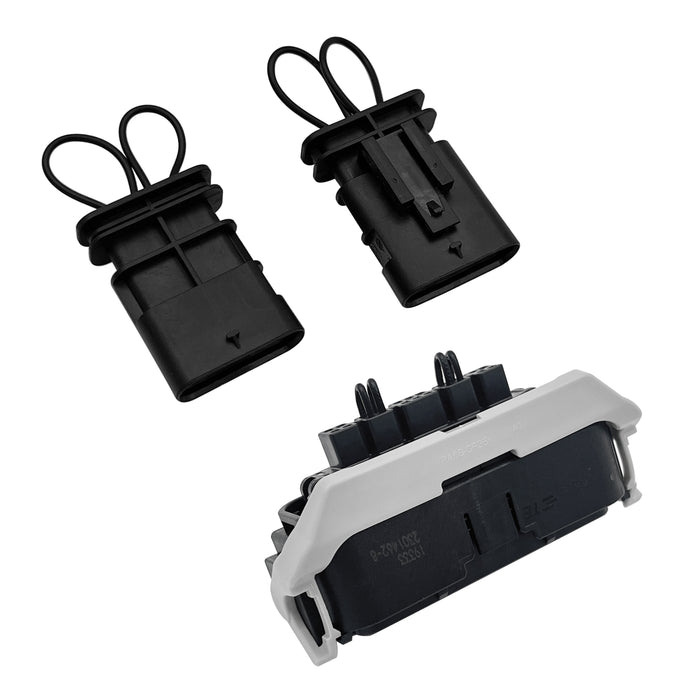
Seguler 2020-2023 chevy duramax L5P Diesel Can Bus Plugs Connector
L5P CAN BUS Protection Plugs are designed to protect exposed factory connectors on 2020–2023 6.6L Duramax L5P models when related components or wiring connections are modified. Featuring a weather-sealed, direct-fit design, these plugs help shield electrical connections from moisture, dirt, and road debris while supporting reliable vehicle communication. Designed for the updated L5P harness configuration, this upgrade provides a simple solution for owners looking to protect critical electrical connections in demanding driving environments.
Key Features
- High-temperature automotive-grade materials with rubber seals provide durable protection against moisture, dirt, and harsh driving conditions.
- Designed to fit updated factory connectors and help shield exposed ports from water, road salt, and debris.
- Helps maintain reliable electrical connections by protecting critical harness connectors and vehicle communication systems.
- Plug-and-play installation connects directly to factory harnesses without wire cutting, splicing, or pin modification.
Designed for 2020–2023 6.6L Duramax L5P applications, the Seguler CAN BUS Protection Plugs help safeguard exposed electrical connections and support reliable vehicle communication after related system changes. For L5P owners operating in towing, heavy-duty, or demanding environments, this simple plug-and-play upgrade provides an effective solution for protecting critical connectors and maintaining long-term electrical reliability.
Installation Planning: What L5P Owners Should Know Before Starting
Many L5P owners complete upgrades in stages rather than all at once. Having a clear plan before starting can help avoid repeated work, reduce installation issues, and make each step of the process smoother.
Start with the calibration strategy.
For modifications that affect factory monitored systems, planning the calibration approach before installation is important. The vehicle’s control system is designed around the original components, so understanding the required changes ahead of time helps ensure proper operation after the upgrade.
Downpipe installation.
The L5P downpipe upgrade focuses on improving exhaust flow near the turbocharger. Because space around the turbo V-band clamp is limited, careful access and proper alignment are important for achieving a secure fit and reliable exhaust sealing.
EGR system installation.
The EGR system upgrade is the most involved step because it requires working with the valve, cooler, coolant routing, and sealing components. Taking time during preparation helps ensure a cleaner installation and better long-term reliability.
CAN BUS protection installation.
Compared with the other upgrades, CAN BUS plugs are a simpler addition. Once the connectors are accessible, the protective plugs install directly to help shield electrical connections from moisture, dirt, and road conditions.
A planned installation approach allows each upgrade to work together as part of a complete L5P reliability strategy — improving exhaust efficiency, supporting cleaner intake conditions, and protecting important electrical systems.
Common Installation Mistakes to Avoid
Even with the right parts, proper installation details are important for achieving the expected results. Understanding common mistakes before starting can help create a smoother installation process and better long-term performance.
Ignoring the Calibration Requirements
For upgrades that affect factory-monitored systems, planning the appropriate calibration strategy is an important step. Proper preparation helps support correct vehicle operation after installation.
Reusing Old Sealing Components
Heat cycles can affect original gaskets and sealing materials. Using worn or damaged sealing components may increase the chance of leaks or installation issues.
Improperly Installing Block-Off Plates
Proper alignment and sealing are important for reliable installation. Ensuring the components fit correctly helps maintain a secure seal and consistent performance.
Leaving Electrical Connectors Unprotected
When factory components are changed, exposed connectors may become more vulnerable to moisture, dirt, and corrosion. Proper CAN BUS protection helps support reliable electrical connections.
Ordering the Wrong Fitment
L5P components can vary between model years. Confirming the correct application before ordering helps ensure proper fitment and a smoother installation.
Avoiding these common mistakes helps each upgrade perform as intended and supports a reliable long-term L5P setup.
After the Upgrade: Maintaining Long-Term L5P Reliability
Completing an upgrade is only the beginning. Regular inspections, proper maintenance, and monitoring vehicle performance help ensure your L5P continues to operate reliably after modifications.
Inspect Components After Installation
After installing exhaust or EGR-related upgrades, check connection points, clamps, and related components after several heat cycles. This helps identify potential leaks, loose connections, or installation concerns early.
Monitor Performance Under Load
For L5P trucks used for towing and heavy-duty work, monitoring EGTs, cooling system operation, and overall drivability helps ensure the vehicle continues to perform as expected.
Maintain Regular Diesel Service
Upgrades are designed to support performance and reliability, but they do not replace routine maintenance. Regular oil changes, fuel system service, filter replacement, and periodic inspections remain essential for long-term L5P ownership.
A balanced approach — combining quality upgrades with proper maintenance — helps L5P owners get the most from their trucks over time.
Who May Benefit From These L5P Upgrades
Not every L5P owner has the same goals. These upgrades are not only about adding power — they are designed for owners looking to improve system efficiency, support long-term durability, and maintain consistent performance as their trucks accumulate miles.
These upgrades may be worth considering for owners who:
- Tow or haul regularly and want to support better exhaust flow and heat management under heavy loads.
- Own higher-mileage L5P trucks and want to address common areas of attention, including intake conditions and electrical protection.
- Use their trucks in demanding environments where durability and consistent operation are important.
Choosing the right upgrade path depends on how the truck is used. Whether it is for towing, work, or daily driving, understanding your needs is the first step toward building the right L5P setup.
Conclusion
The 6.6L Duramax L5P is built for demanding work, towing, and everyday driving. As mileage increases, many owners begin focusing on long-term reliability, exhaust efficiency, and protecting the systems that support overall performance.
A complete L5P upgrade strategy is not about changing one component alone. By improving exhaust flow, supporting cleaner intake conditions, and protecting critical electrical connections, owners can build a more balanced setup based on how they use their trucks.
For L5P owners who rely on their trucks for towing, hauling, or daily operation, choosing the right upgrades is the key to maintaining a reliable long-term platform. Explore Seguler L5P upgrade solutions for exhaust flow improvements, EGR system support, and electrical protection at www.seguler.com
Frequently Asked Questions
Q: Does a downpipe add horsepower by itself?
A: It frees up exhaust flow and lowers EGTs, which sharpens throttle response and lets the turbo spool cleaner — but meaningful power gains come from the tune that usually follows. The downpipe removes the restriction; the tune adds the power. If you only bolt on the pipe and nothing else, expect a more responsive truck, not a big dyno number.
Q: Can I upgrade the L5P downpipe while keeping the factory exhaust system?
A: Yes. The L5P downpipe is designed as a standalone exhaust upgrade with factory-style connections, allowing compatibility with factory or aftermarket exhaust setups. It improves exhaust flow near the turbocharger while supporting better turbo efficiency and towing performance. Confirm fitment for your specific model year and configuration.
Q: Does the EGR system upgrade require a tune?
A: In many cases, EGR system upgrades require the appropriate calibration strategy because the factory ECM is designed around the original EGR components. Planning the hardware and calibration together helps support proper operation and reduce potential warning lights or fault codes after installation.
Q: Do these upgrades require professional installation?
A: Installation difficulty depends on the component. CAN BUS plugs are simple plug-in upgrades, while the downpipe requires more access around the turbo area. EGR system upgrades are more involved and may require additional tools and calibration planning. Always follow proper installation procedures or consult a qualified technician when needed.
Q: Why do the CAN bus plugs only fit 2020–2023?
A: The L5P harness connectors were updated on 2020-and-newer models, and this plug set is specifically designed to match that revised connector style. Because connector designs can vary between model years, it is important to confirm the correct fitment before ordering. The 2020–2023 CAN BUS plugs are not a universal fit for all L5P trucks.
Q: Will this void my warranty?
A: Warranty impact depends on the modification, vehicle condition, and warranty terms. Owners should review their coverage before making changes to factory systems or vehicle calibrations. Ensure any upgrades are appropriate for your intended use and local requirements.
Q: Is on-road use legal, and will a modified truck pass inspection?
A: Regulations regarding emissions-related modifications vary by location. Owners should confirm local requirements before making changes to factory emissions systems and ensure any upgrades are suitable for their intended use.
Featured collection
-
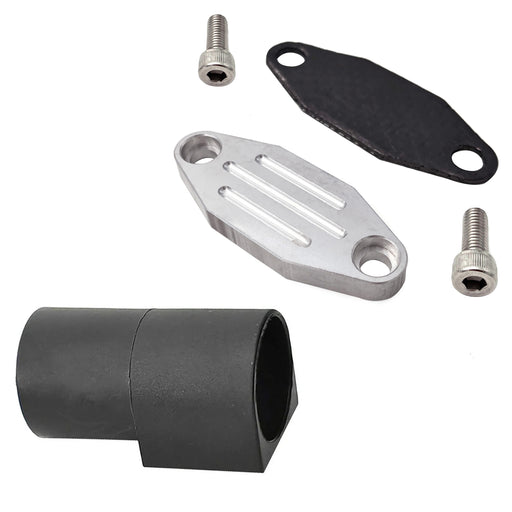
Seguler 1986-1995 Ford F150 F250 F350 Mustang Trucks EGR Simulator Eliminator / Block Off Plate Kit
SEGULEROriginal price $79.99 - Original price $79.99Original price$79.99$79.99 - $79.99Current price $79.99Block Off Plate Material: Aluminum alloy. Easy installation,and convenient to use. Made of CNC milled from aircraft grade Billet aluminum. Will N...
View full details -

Seguler 2011-2023 6.7L Ford Powerstroke Diesel EGR Delete Kit
SEGULEROriginal price $109.99 - Original price $109.99Original price$109.99$109.99 - $109.99Current price $109.99FITMENT 2011-2023 6.7L Ford Powerstroke F-250 F-350 F-450 F-550 Super Duty V8 Diesel. compatible with both standard Pickups and commercial Cab &...
View full details -
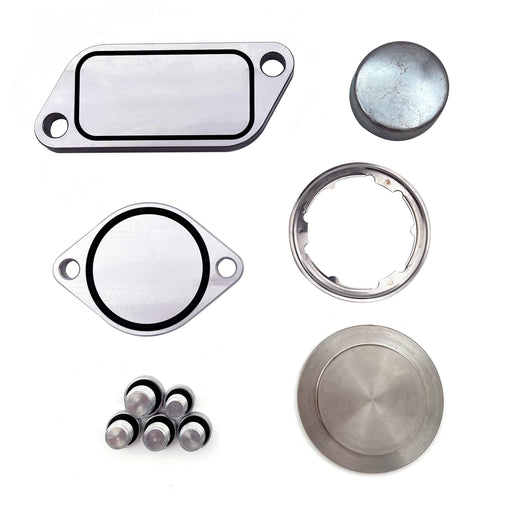
For 2010-Present Stage 2 ISX 15 CM2250 CM2350 EGR Delete Kit
SEGULEROriginal price $59.99 - Original price $59.99Original price$59.99$59.99 - $59.99Current price $59.99FITMENT 2010-Present Cummins Volvo, Peterbilt, Mack, International, Freightliner, Kenworth with the ISX15 CM2250 / CM2350 engines. DESCRIPTION P...
View full details -
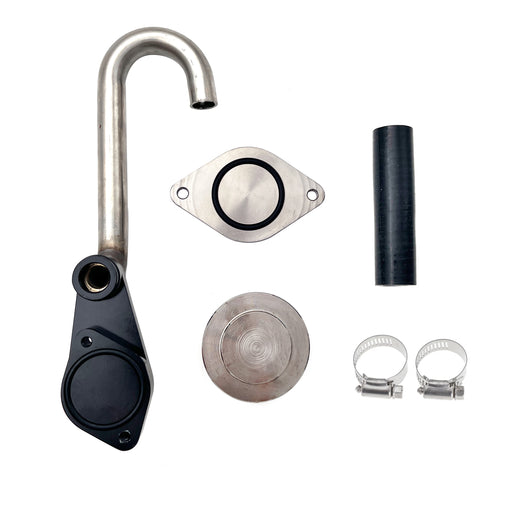
Seguler 2003-2007 6.0L FORD Powerstroke Diesel EGR Cooler Delete Kit
SEGULEROriginal price $56.14 - Original price $56.14Original price$56.14$56.14 - $56.14Current price $56.14FITMENT 2003-2007 6.0L Ford F-250 Ford F-350 F-450 F-550 Super Duty. 2003-2007 6.0L Ford Excursion SUV (Diesel Models Only). 2005-2010 Ford E-Se...
View full details -
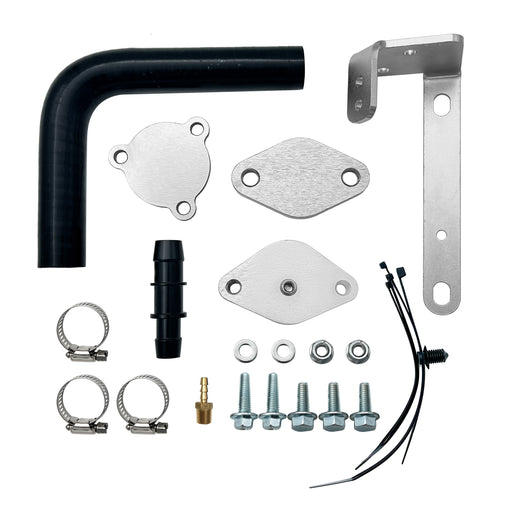
Seguler For 2014-2019 3.0L Dodge Ram 1500 EcoDiesel EGR Valve & Cooler Delete Kit
SEGULEROriginal price $72.99 - Original price $72.99Original price$72.99$72.99 - $72.99Current price $72.99FITMENT 2014-2019 3.0L Dodge Ram 1500 EcoDiesel V6 engine trucks. DESCRIPTION Product Overview Exhaust gas recirculation on 3.0L EcoDiesel V6 ...
View full details -
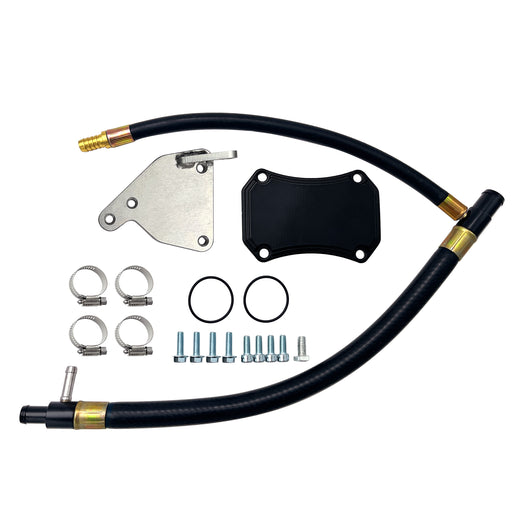
For 2011-2016 6.6L GMC Chevy Duramax Diesel LML EGR Valve Cooler Delete Kit
SEGULEROriginal price $66.49 - Original price $66.49Original price$66.49$66.49 - $66.49Current price $66.49FITMENT 2011-2016 6.6L Chevy GMC Duramax LML 2500 HD 3500 HD Diesel. DESCRIPTION Product Overview The 2011–2016 LML Duramax uses a complex EG...
View full details -

Seguler 2011-2023 6.7L Ford Powerstroke Diesel EGR Delete Kit
SEGULEROriginal price $85.99 - Original price $85.99Original price$85.99$85.99 - $85.99Current price $85.99FITMENT 2011-2023 6.7L Ford Powerstroke F-250 F-350 F-450 F-550 Super Duty V8 Diesel. compatible with both standard Pickups and commercial Cab &...
View full details -

Seguler 2010-2024 6.7L Dodge Ram Cummins Diesel EGR Valve Cooler Delete Kit
SEGULEROriginal price $89.99 - Original price $89.99Original price$89.99$89.99 - $89.99Current price $89.99FITMENT 2010–2024 6.7L Dodge Ram Cummins 2500 / 3500 Pickup Turbo Diesel. Note: Does NOT fit Chassis Cab 3500 / 4500 / 5500 models. DESCRIPTIO...
View full details -
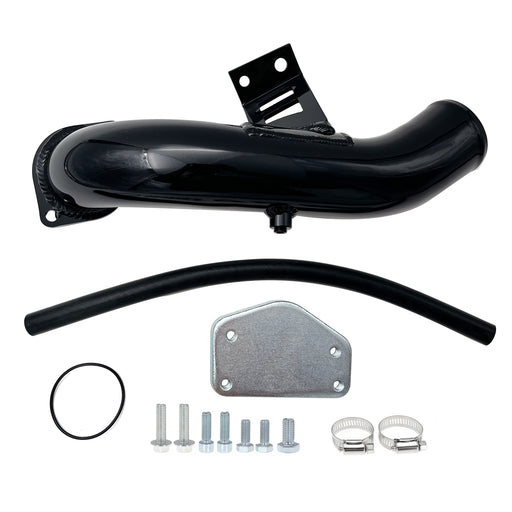
For 2004.5-2005 6.6L Chevy GMC Silverado LLY Duramax Diesel EGR Delete Kit
SEGULEROriginal price $92.99 - Original price $92.99Original price$92.99$92.99 - $92.99Current price $92.99FITMENT 2004.5-2005 6.6L Chevrolet Silverado Duramax LLY 2500HD / 3500 HD. 2004.5-2005 6.6L GMC Sierra Duramax LLY 2500HD / 3500 HD. DESCRIPTION...
View full details -

Seguler 2017-2019 L5P Duramax Diesel 4pcs L5P Can Bus Plugs Connector Replacement
SEGULEROriginal price $75.00 - Original price $75.00Original price$75.00$75.00 - $75.00Current price $75.00FITMENT 2017–2019 Chevrolet Silverado / GMC Sierra Duramax L5P 2500HD & 3500HD Diesel. DESCRIPTION Product Overview Unprotected harness con...
View full details -

Seguler 2020-2023 chevy duramax L5P Diesel Can Bus Plugs Connector
SEGULEROriginal price $80.00 - Original price $80.00Original price$80.00$80.00 - $80.00Current price $80.00FITMENT 2020–2023 Chevrolet Silverado / GMC Sierra Duramax L5P 2500HD & 3500HD Diesel. DESCRIPTION Product Overview Unprotected harness pl...
View full details -
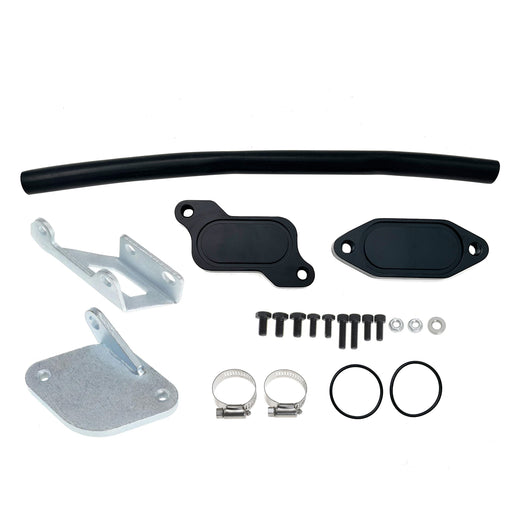
For 2006-2007 6.6L Chevrolet Silverado Classic GMC Duramax LBZ Diesel EGR Valve Cooler Delete Kit
SEGULEROriginal price $63.49 - Original price $63.49Original price$63.49$63.49 - $63.49Current price $63.49FITMENT 2006-2007.4 Chevrolet Silverado Duramax LBZ 2500HD / 3500HD. 2007.4 Chevrolet Silverado Duramax LBZ 2500HD / 3500HD Classic. 2006-2007.4 ...
View full details -
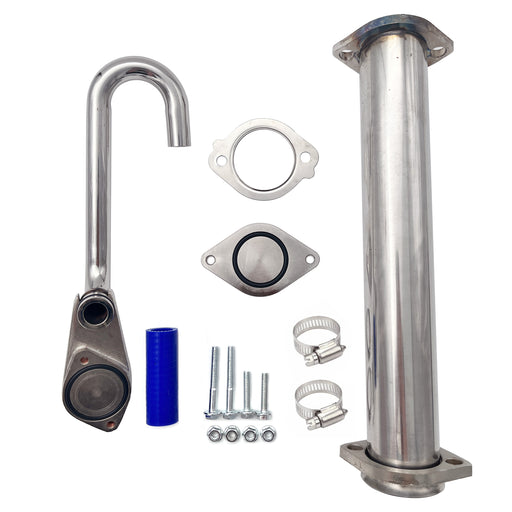
Seguler 2003-2007 6.0L Ford F250 F350 Powerstroke Diesel EGR Basic Cooler Kit
SEGULEROriginal price $79.99 - Original price $79.99Original price$79.99$79.99 - $79.99Current price $79.99FITMENT 2003-2007 6.0L Ford F250 F350 F450 F550 Super Duty Turbo (except 2004 F250 Super Duty). 2003-2005 6.0L Ford Excursion Turbo. 2005 Ford F...
View full details -

Seguler 2011-2023 6.7L Ford F250 F350 F450 F550 Powerstroke Diesel EGR Valve Delete Cooler Delete Kit
SEGULEROriginal price $55.99 - Original price $55.99Original price$55.99$55.99 - $55.99Current price $55.99FITMENT 2011-2023 6.7L Ford Powerstroke F-250 F-350 F-450 F-550 Super Duty V8 Diesel compatible with both standard Pickups and commercial Cab &a...
View full details -
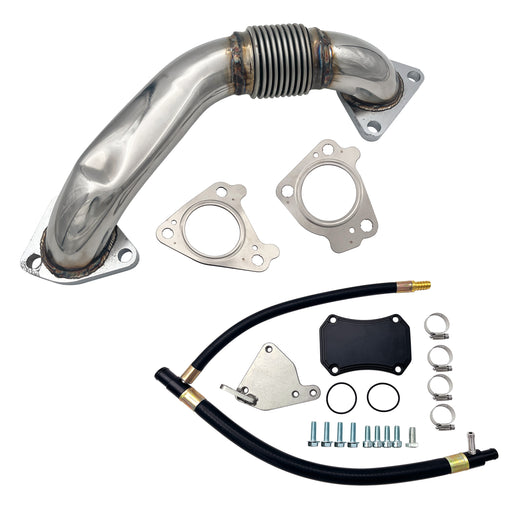
Seguler 2011-2016 6.6L GMC Chevy Duramax Diesel LML Up-Pipe & EGR Valve Cooler Delete Kit
SEGULEROriginal price $173.86 - Original price $173.86Original price$173.86$173.86 - $173.86Current price $173.86FITMENT 2011-2016 6.6L Chevy GMC Duramax LML 2500 HD 3500 HD Diesel. DESCRIPTION Product Overview Direct-injection technology endows GM 5.3L an...
View full details -
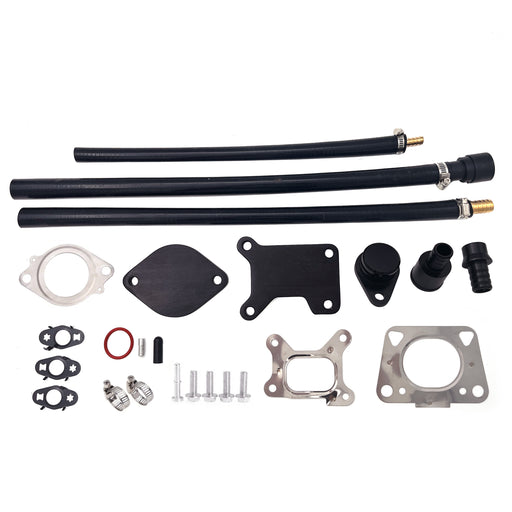
For 2017-2023 6.6L Chevy GMC Duramax L5P diesel EGR Valve Cooler Delete kit
SEGULEROriginal price $131.99 - Original price $131.99Original price$131.99$131.99 - $131.99Current price $131.99FITMENT 2017–2023 6.6L Chevrolet Silverado / GMC Sierra Duramax L5P 2500HD 3500HD Diesel. DESCRIPTION Product Overview Hot soot recirculation ...
View full details -
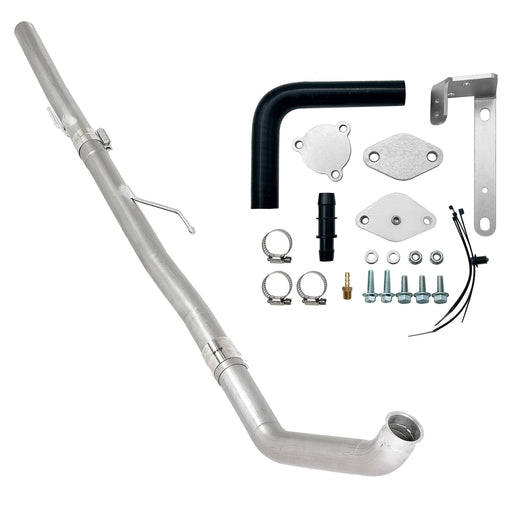
Seguler 3" Ecodiesel DPF Delete Pipe & EGR Delete kit for 2014-2018 3.0L Ram
SEGULEROriginal price $342.00 - Original price $342.00Original price$342.00$342.00 - $342.00Current price $342.00FITMENT 2014–2018 3.0L Dodge Ram 1500 EcoDiesel V6. NOTE: Fit standard Pickup models only (Crew Cab, Quad Cab). Does NOT fit Jeep Grand Cheroke...
View full details -
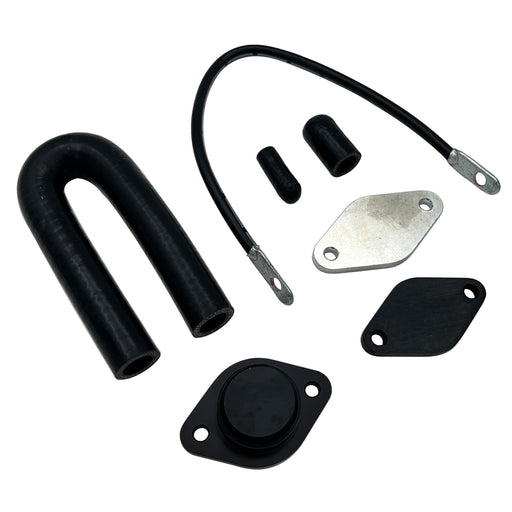
Seguler EGR valve cooler Delete kit for 2020-2022 3.0L Chevy Duramax LM2
SEGULEROriginal price $189.12 - Original price $189.12Original price$189.12$189.12 - $189.12Current price $189.12FITMENT 2020–2022 3.0L Chevrolet Silverado GMC Sierra 1500 LM2 Turbo-Diesel. DESCRIPTION Product Overview Powered by smooth inline-six engine...
View full details -

For 2013-2023 6.7L Dodge Ram Cummins Cab & Chassis EGR Delete Kit Diesel
SEGULEROriginal price $62.99 - Original price $62.99Original price$62.99$62.99 - $62.99Current price $62.99FITMENT 2013–2023 6.7L Ram Cummins 3500 4500 5500 Cab & Chassis / Commercial Trucks. Does NOT fit standard Ram 2500 3500 Pickups. DESCRIPTIO...
View full details -
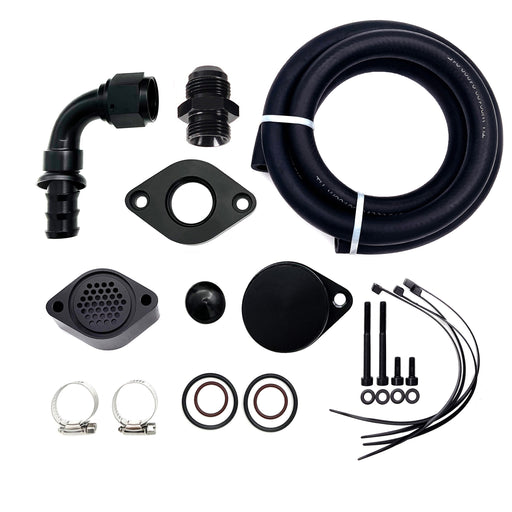
Seguler 2011-2023 6.7L Ford Powerstroke CCV PCV Reroute Engine Ventilation Kit
SEGULEROriginal price $82.99 - Original price $82.99Original price$82.99$82.99 - $82.99Current price $82.99FITMENT 2011-2023 6.7L Ford Powerstroke F-250 F-350 F-450 F-550 Super Duty V8 Diesel. Compatible with both standard Pickups and commercial Cab &...
View full details -
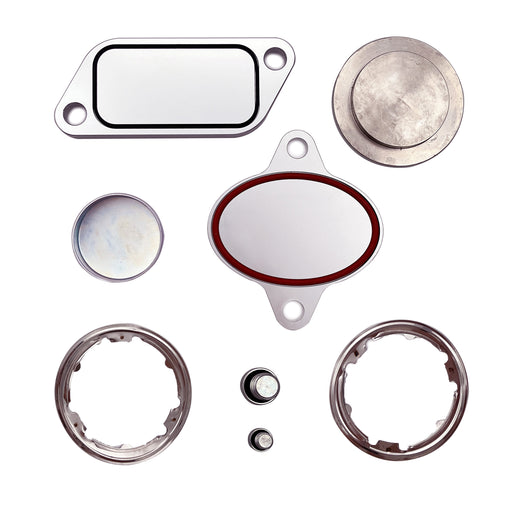
For 2007-2010 Cummins ISX CM871 EGR Plug Kit Stage 2 Plates and Plugs Aluminum
SEGULEROriginal price $67.99 - Original price $67.99Original price$67.99$67.99 - $67.99Current price $67.99FITMENT 2007-2010 Cummins Volvo, Peterbilt, Mack, International, Freightliner, Kenworth with the ISX CM871 Engines. DESCRIPTION Product Overvie...
View full details -
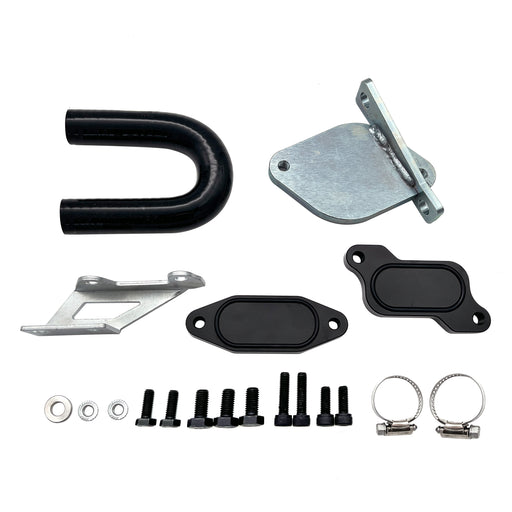
For 2007-2010 6.6L Chevy GMC LMM Duramax EGR Valve Cooler Delete Kit Fit
SEGULEROriginal price $61.99 - Original price $61.99Original price$61.99$61.99 - $61.99Current price $61.99FITMENT 2007.5-2010 6.6L Chevrolet Silverado Duramax LMM 2500HD / 3500HD. 2007.5-2010 6.6L GMC Sierra Duramax LMM 2500HD / 3500HD. Note: Standard...
View full details -
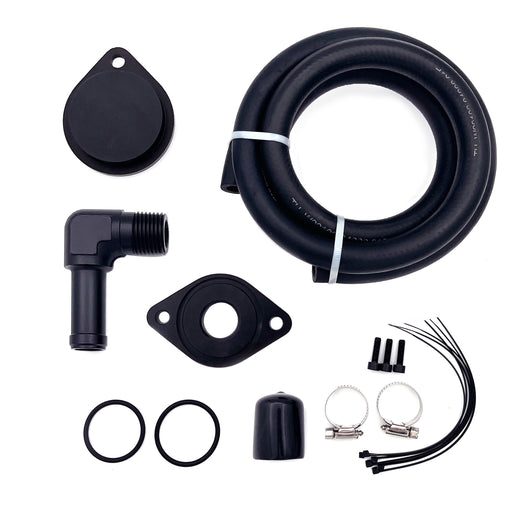
Seguler 2011-2023 Ford 6.7L Powerstroke CCV/PCV Reroute/Delete Engine Ventilation Kit
SEGULEROriginal price $72.00 - Original price $72.00Original price$72.00$72.00 - $72.00Current price $72.00FITMENT 2011-2023 6.7L Ford Powerstroke F-250 F-350 F-450 F-550 Super Duty V8 Diesel. Compatible with both standard Pickups and commercial Cab &...
View full details -
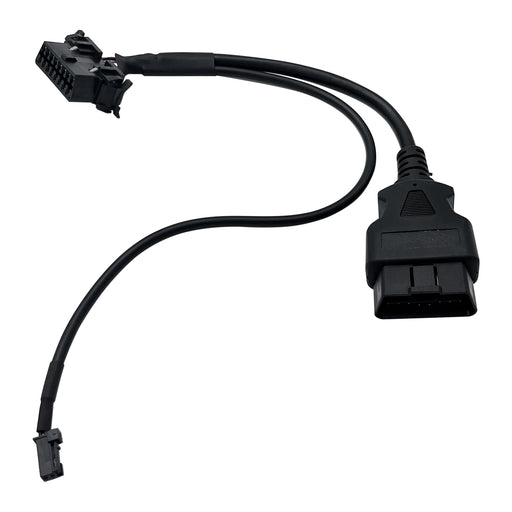
Seguler 2018+ RAM Cummins OBD2 HD Security Gate Bypass Cable
SEGULEROriginal price $45.00 - Original price $45.00Original price$45.00$45.00 - $45.00Current price $45.00FITMENT 2018+ 6.7L Ram Cummins 2500 3500 Turbo Diesel. Designed for Ram pickup trucks equipped with the factory Security Gateway Module. Note: Pl...
View full details -
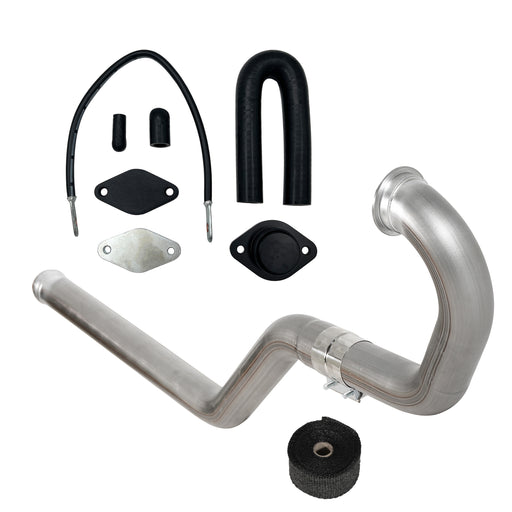
3" Turbo Back DPF & EGR Delete Kit for 2020-2022 GM 3.0L LM2 Duramax
SEGULEROriginal price $550.00 - Original price $550.00Original price$550.00$550.00 - $550.00Current price $550.00FITMENT 2020–2022 3.0L Chevrolet Silverado 1500 LM2 Diesel. 2020–2022 3.0L GMC Sierra 1500 LM2 Diesel. DESCRIPTION Product Overview On the 3.0...
View full details


Leave a comment