

Why DPF and EGR Work Better Together on the 6.7L Cummins
The 2013–2018 6.7L Cummins is one of the most popular Ram diesel platforms, combining the proven CP3 fuel system, cast-iron block, and Holset variable-geometry turbocharger. This generation is known for strong towing capability and the durability many owners expect from a heavy-duty diesel truck.
After years of towing, daily driving, and repeated heat cycles, many owners start paying closer attention to the factory emissions system. The DPF and EGR systems help control soot and emissions, but they also operate in a high-temperature environment and can become areas of concern as mileage increases.
Understanding how the DPF and EGR systems work together helps 2013–2018 6.7L Cummins owners diagnose issues, plan maintenance, and compare upgrade options. Before choosing a setup, it’s important to understand how these components affect the way the truck manages exhaust flow and soot.
Know Your Generation: The 2013–2018 6.7L Cummins
The 2013–2018 6.7L Cummins stands apart from newer 2019+ models with differences in fuel systems, exhaust components, electronics, and tuning requirements.
Knowing these generation differences helps avoid compatibility issues and makes it easier to choose the right parts for your truck.
| Generation | Years | Fuel System | Main Changes |
|---|---|---|---|
| 4th Gen | 2013–2018 | CP3 | DPF / EGR System |
| 5th Gen | 2019–2024 | CP4.2* | Updated Electronics |
What Makes the 2013–2018 6.7L Cummins Different?
The 2013–2018 6.7L Cummins is a unique generation of Ram Heavy Duty trucks, combining the proven CP3 fuel system with updated emissions technology and electronic controls.
CP3 Fuel System: These trucks use the gear-driven CP3 high-pressure fuel pump, which is one of the major differences compared with newer generations.
Complete SCR/DEF System: Starting in 2013, Ram 6.7L Cummins trucks received the full emissions system, including EGR, DPF, SCR catalyst, and DEF components.
Tuning Differences: The 4th-gen ECM uses an OBD-II-based tuning approach, although some configurations may require additional steps such as an SGW solution.
Knowing these differences helps avoid compatibility issues when selecting parts or planning upgrades.
Why the DPF and EGR Systems Become a Concern Over Time
The DPF and EGR systems are designed to control emissions, but they also operate under high heat, exhaust flow, and repeated cycling. After years of towing, daily driving, and high mileage use, these components can become common areas of concern for 6.7L Cummins owners.
The factory emissions system includes:
- EGR (Exhaust Gas Recirculation) — Routes exhaust gas back into the intake to reduce NOx emissions. Over time, soot and oil vapor can contribute to deposits inside the intake system and EGR components.
- DPF (Diesel Particulate Filter) — Captures soot from the exhaust stream and uses regeneration cycles to burn accumulated particles.
- SCR/DEF System — Uses DEF fluid and an SCR catalyst to reduce NOx emissions.
Although each system performs a different function, they all deal with the same challenges: heat, soot buildup, and long-term operation.
How DPF Regeneration Affects Maintenance
When the DPF collects soot, the ECU initiates a regeneration cycle to raise exhaust temperatures and burn trapped particles. This process requires additional fuel, and repeated regeneration cycles can increase maintenance demands over time.
For trucks that tow frequently, idle for long periods, or operate under heavy loads, proper oil maintenance becomes especially important.
How the EGR System Affects Intake Cleanliness
The EGR system routes exhaust gas back into the intake, where soot can combine with oil vapor from the crankcase ventilation system and create deposits over time.
As buildup increases, some owners may notice slower throttle response, reduced airflow, or changes in drivability. The EGR cooler also experiences continuous heat cycles and coolant flow during operation.
Why Addressing Only One System May Not Be Enough
The DPF and EGR systems work as part of the same emissions process. Focusing on only one area may leave other factory components exposed to continued heat, soot buildup, or restriction.
Exhaust System Only
Improving exhaust flow can reduce restriction, but the EGR system may still experience soot buildup and heat exposure.
EGR System Only
A cleaner intake path can improve airflow conditions, but the factory exhaust system may still manage soot accumulation and regeneration cycles.
For many owners, evaluating both systems together provides a more complete approach when planning maintenance or upgrades.
What a 6.7L Cummins DPF & EGR Upgrade Can Change
A properly matched DPF and EGR system upgrade can help improve airflow, reduce factory restrictions, and change how the truck manages exhaust-related components. Results depend on truck condition, calibration, and usage.
- Reduced Exhaust Restriction — Improved exhaust flow can help during towing and heavy-load operation.
- Improved Airflow Response — Better airflow can help the turbocharger and engine respond more efficiently.
- Simplified Maintenance Approach — Addressing multiple components together creates a more complete system upgrade.
The hardware itself does not create horsepower. Exhaust and airflow upgrades support the calibration, while the tune determines the final performance changes.
What a 6.7L Cummins DPF & EGR Upgrade Does Not Fix
A DPF and EGR upgrade addresses specific emissions-related components, but it does not replace regular maintenance or solve every issue on a 6.7L Cummins.
Throttle Valve Changes: The factory throttle valve affects engine shutdown behavior. Removing it may create a slightly different shutdown feel or vibration at key-off.
Maintenance Still Matters: Oil changes, fuel filter service, cooling system checks, and regular inspections remain necessary for long-term diesel reliability.
Signs Your 6.7L Cummins Emissions System May Need Attention
The factory emissions system operates under constant heat cycles, exhaust flow, and soot exposure. Recognizing common warning signs can help identify potential issues earlier.
Possible EGR Cooler Issues:
- Low coolant level with no visible leak — May indicate coolant loss within the emissions system.
- White smoke during startup or acceleration — Can indicate coolant entering the intake or combustion system.
- Changes in coolant reservoir condition — Unusual residue or contamination may require inspection.
Possible DPF Restriction Issues:
- More frequent regeneration cycles — May indicate increased soot loading.
- Reduced fuel economy — Can occur with repeated regeneration or increased exhaust restriction.
- Slower throttle response — Increased restriction may affect turbo response and drivability.
- DPF warning messages or reduced power mode — May indicate the system requires diagnosis.
Signs of Intake Carbon Buildup:
- Slower throttle response
- Rough idle or changes in engine behavior
- Gradual performance loss
These symptoms do not always indicate one specific failure, but multiple signs appearing together can point to an emissions system issue that needs inspection.
What’s in a Complete Two-Sided Kit
A proper two-sided delete covers both ends of the soot problem. Here’s what each half does:
| Component | What It Does |
|---|---|
| 5" Turbo-Back Exhaust | Replaces DPF/SCR system |
| EGR Block-Off Plates | Blocks exhaust flow |
| Throttle Valve Tube | Restores airflow path |
| Pre-Tapped EGT Port | Easy EGT sensor install |
| Coolant Reroute | Maintains coolant flow |
These two products are designed to work together as a complete DPF and EGR solution, with matching components that address both sides of the factory emissions system.
Why Choose a Complete Kit Instead of Individual Parts?
Many 6.7L Cummins owners start by addressing one component at a time, whether it’s the exhaust system, EGR system, or a single factory part. However, these components work together as part of the same airflow and emissions system.
Upgrading only one area may improve a specific issue while leaving other factory components unchanged. For example, the exhaust system affects exhaust flow, while the EGR system affects intake-side soot buildup and airflow.
A matched DPF and EGR setup helps ensure the components work together properly, reducing compatibility concerns and providing a more complete upgrade path for 2013–2018 Ram 6.7L Cummins trucks.
A complete setup typically includes:
-
5" Turbo-Back Exhaust System
Replaces factory exhaust components and improves exhaust flow. -
EGR Cooler & Throttle Valve Upgrade Kit
Addresses factory EGR components and helps maintain a cleaner intake path. -
EGT Sensor Port & Supporting Hardware
Provides the necessary support for a cleaner installation process.
A complete setup is not about adding more parts — it is about making sure the selected components work together as a system.
Fitment: Which Ram Trucks Does This Setup Cover?
This setup is designed for 4th-generation Ram Heavy Duty trucks equipped with the 6.7L Cummins diesel engine.
Compatible with:
- 2013–2018 Ram 2500 6.7L Cummins
- 2013–2018 Ram 3500 6.7L Cummins
Not compatible with:
- Cab & Chassis models
- Certain factory rear air suspension configurations
Always confirm your exact truck configuration before ordering. Some 2018 models may require additional tuning-related hardware, such as an SGW bypass solution.
The Two Products
Seguler 2013-2018 6.7L Ram Cummins Diesel 5" Turbo Back DPF Delete Pipe
5" Turbo-Back Exhaust System is designed for 2013–2018 6.7L Cummins trucks to improve exhaust flow by replacing restrictive factory exhaust components. The 5" mandrel-bent tubing helps reduce restriction and improve airflow during towing, hauling, and heavy-load driving.
Built with durable materials and precision-fit connections, this system provides a reliable exhaust upgrade solution for Ram 2500 and 3500 owners looking for improved airflow and a more efficient exhaust setup.
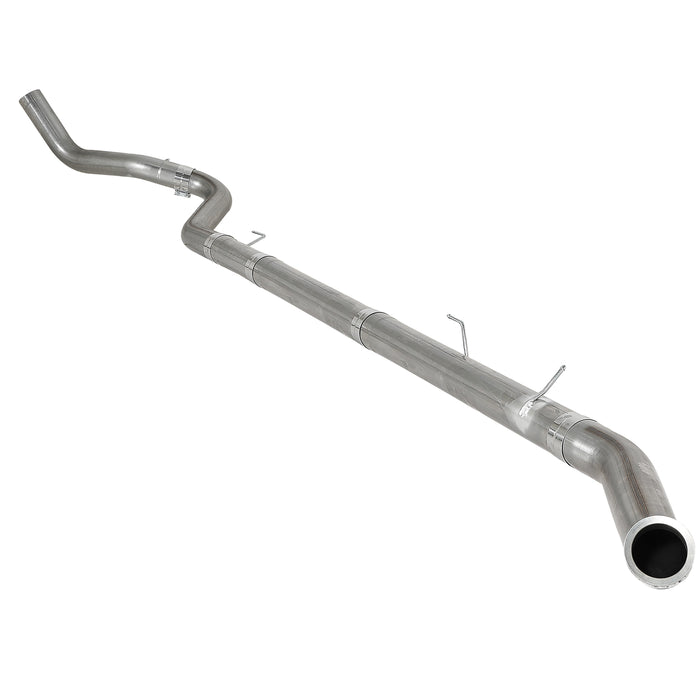
Key Features
- T409 Stainless Steel Construction — Full mandrel-bent 5" tubing provides heat resistance and corrosion protection.
- High-Flow 5" Exhaust Design — Reduces exhaust restriction, improves airflow, and delivers a deeper diesel exhaust tone.
- Improved Exhaust Flow — Helps manage exhaust temperatures and reduce backpressure during heavy-load operation.
- Direct Fit for 6.7L Cummins — Designed for 2013–2018 Ram 2500 and 3500 applications.
The Seguler 5" Turbo-Back Exhaust System is designed for 2013–2018 6.7L Cummins trucks that need improved exhaust flow and reduced factory restriction. With large-diameter tubing and heavy-duty construction, it helps improve airflow during towing, hauling, and high-load driving.
Built for Ram 2500 and 3500 applications, this system provides a direct-fit exhaust upgrade for owners looking to replace restrictive factory components with a higher-flow setup.
Seguler For 2013-2018 6.7L Dodge RAM 2500 3500 Cummins Diesel EGR Delete Cooler Throttle Valve Delete Kit
EGR Cooler & Throttle Valve Delete Kit is designed for 2013–2019 6.7L Cummins engines to replace the factory EGR cooler and throttle valve components. By improving airflow and reducing intake-side soot buildup, this kit helps address common issues associated with the factory EGR system.
Featuring direct-fit connections and durable construction, it provides a practical upgrade for Ram 2500 and 3500 owners looking to simplify EGR system maintenance and improve airflow through the intake system.

Key Features
- Reduce Intake Soot Buildup — Helps maintain cleaner intake airflow by reducing EGR-related deposits.
- Improve Airflow — Replaces the factory throttle valve assembly with a high-flow tube design.
- Direct-Fit Installation — Includes precision-fit components and EGT-ready block-off hardware for easier installation.
- Built for 6.7L Cummins — Designed for reliable operation on Ram 2500 and 3500 applications.
Designed for 2013–2019 6.7L Cummins applications, the Seguler EGR Cooler & Throttle Valve Upgrade Kit helps replace factory EGR components on Ram 2500 and 3500 trucks. By improving airflow and reducing intake-side soot buildup, this kit helps address common maintenance concerns related to the factory EGR system.
With direct-fit components and a simplified design, it provides a practical upgrade for owners looking to improve intake airflow and reduce EGR-related maintenance.
Installation Considerations: Planning the Process
For a 2013–2018 6.7L Cummins, preparation is just as important as the parts being installed. Making sure the tune, hardware, and installation steps match the truck configuration can help avoid unnecessary troubleshooting.
Confirm Your Tuning Solution First
Before installing hardware, verify that the tuning solution is compatible with the truck. The factory ECM monitors systems such as the DPF, EGR, SCR, and related sensors, so the calibration needs to match the new setup.
Most 2013–2018 6.7L Cummins trucks use an OBD-II tuning approach, while some later 4th-gen configurations may require additional steps such as an SGW solution.
Key Areas to Check
EGR System:
Verify the block-off components, throttle valve solution, and coolant routing are installed correctly.
Exhaust System:
Check pipe alignment, connections, and hardware fitment during installation.
Final Inspection:
Inspect all connections, check coolant routing where applicable, and confirm the truck operates correctly after installation.
The Mistakes That Bite Hardest
A few common mistakes can create unnecessary problems during the installation:
- Skipping the tune — The calibration needs to match the hardware changes to prevent sensor-related issues.
- Poor coolant routing — Incorrect routing or trapped air can lead to cooling system problems.
- Leaving connectors exposed — Protect unused factory connectors from moisture and corrosion.
Get the Right Two-Sided Setup for Your Truck
If your 2013–2018 6.7L is showing the warning signs — regen getting frequent, coolant quietly disappearing, throttle going lazy — the fix isn’t one pipe or one plate. It’s both ends of the soot problem, done together with a single tune.
The 5" Turbo-Back DPF Delete and EGR Cooler & Throttle Valve Delete Kit are designed to work together as a complete solution for 2013–2018 Ram 6.7L Cummins trucks. Browse the full 6.7L Cummins range at seguler.com.
The Legal Reality
Before making any emissions-related modification, understand the laws in your area. Removing or modifying factory emissions equipment on a street-driven vehicle may violate federal, state, or local regulations.
These modifications are intended for off-road, competition, race, or other permitted applications only. Always check applicable laws before modifying any emissions-related components.
For off-road and competition use only. Not legal for on-road use in emissions-regulated areas.
Frequently Asked Questions
Q: Do I need a tune with these two kits?
A: Yes. A compatible calibration is required because removing DPF, SCR, and EGR components changes the factory sensor feedback system. The tune needs to match the hardware changes to properly manage the engine and avoid sensor-related issues.
Q: Why consider the DPF and EGR systems together?
A: The DPF and EGR systems are connected through the same exhaust flow and soot management process. Addressing only one system may leave the other exposed to continued heat, soot buildup, or additional workload. Considering both together creates a more complete approach.
Q: Does a DPF and EGR upgrade add horsepower?
A: Not by the hardware alone. Exhaust and airflow upgrades can reduce restrictions and improve response, but the final performance changes depend mainly on the calibration paired with the setup.
Q: Is a 5" turbo-back exhaust louder than a 4" system?
A: Yes, a 5" turbo-back system typically produces a deeper and louder exhaust note due to its larger diameter and straight-through design. Sound level can also vary depending on the truck setup and driving conditions.
Q: Will removing the throttle valve change engine shutdown?
A: Some owners may notice a slightly different shutdown feel or a small vibration at key-off. The factory throttle valve helps control shutdown behavior, while removing it changes how the engine completes the shutdown process.
Q: Does the 2013–2018 6.7L Cummins have the CP4 fuel pump issue?
A: No. The 2013–2018 generation uses the CP3 fuel pump, while later 5th-generation trucks introduced different fuel system designs. This is one of the key differences between these generations.
Q: Does a DPF/EGR upgrade fix the 6.7L Cummins grid heater bolt issue?
A: No. The grid heater bolt concern is a separate intake-related issue and is not affected by DPF or EGR system changes. If you are concerned about it, it should be addressed separately from emissions-system upgrades.
Featured collection
-
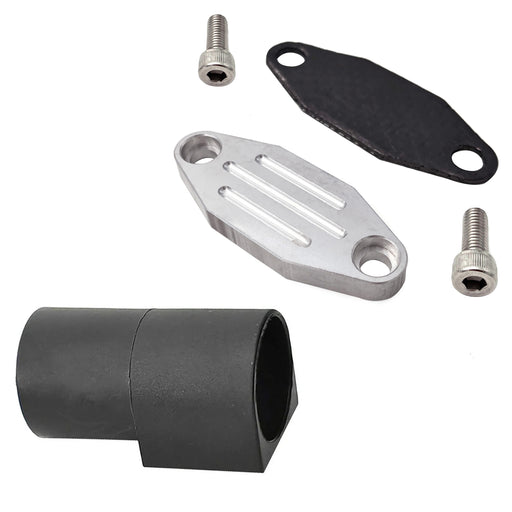
Seguler 1986-1995 Ford F150 F250 F350 Mustang Trucks EGR Simulator Eliminator / Block Off Plate Kit
SEGULEROriginal price $79.99 - Original price $79.99Original price$79.99$79.99 - $79.99Current price $79.99Block Off Plate Material: Aluminum alloy. Easy installation,and convenient to use. Made of CNC milled from aircraft grade Billet aluminum. Will N...
View full details -

Seguler 2011-2023 6.7L Ford Powerstroke Diesel EGR Delete Kit
SEGULEROriginal price $109.99 - Original price $109.99Original price$109.99$109.99 - $109.99Current price $109.99FITMENT 2011-2023 6.7L Ford Powerstroke F-250 F-350 F-450 F-550 Super Duty V8 Diesel. compatible with both standard Pickups and commercial Cab &...
View full details -
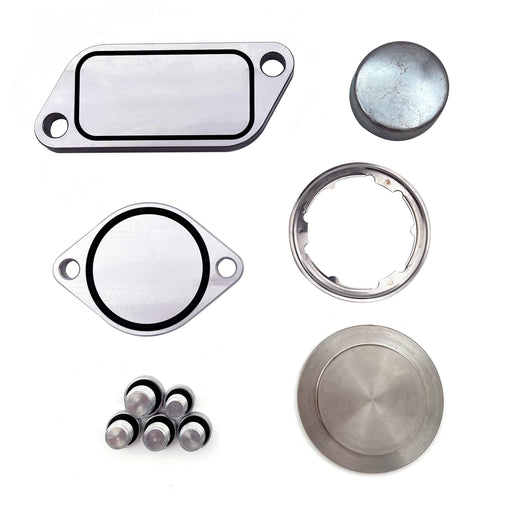
For 2010-Present Stage 2 ISX 15 CM2250 CM2350 EGR Delete Kit
SEGULEROriginal price $59.99 - Original price $59.99Original price$59.99$59.99 - $59.99Current price $59.99FITMENT 2010-Present Cummins Volvo, Peterbilt, Mack, International, Freightliner, Kenworth with the ISX15 CM2250 / CM2350 engines. DESCRIPTION P...
View full details -
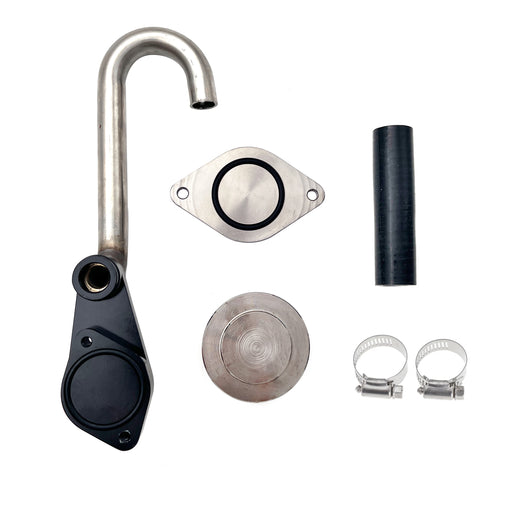
Seguler 2003-2007 6.0L FORD Powerstroke Diesel EGR Cooler Delete Kit
SEGULEROriginal price $56.14 - Original price $56.14Original price$56.14$56.14 - $56.14Current price $56.14FITMENT 2003-2007 6.0L Ford F-250 Ford F-350 F-450 F-550 Super Duty. 2003-2007 6.0L Ford Excursion SUV (Diesel Models Only). 2005-2010 Ford E-Se...
View full details -
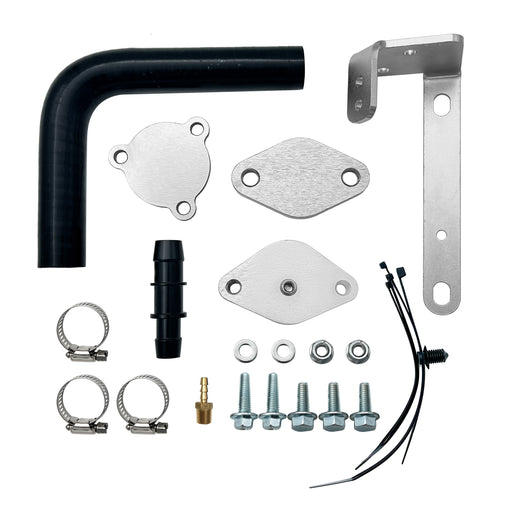
Seguler For 2014-2019 3.0L Dodge Ram 1500 EcoDiesel EGR Valve & Cooler Delete Kit
SEGULEROriginal price $72.99 - Original price $72.99Original price$72.99$72.99 - $72.99Current price $72.99FITMENT 2014-2019 3.0L Dodge Ram 1500 EcoDiesel V6 engine trucks. DESCRIPTION Product Overview Exhaust gas recirculation on 3.0L EcoDiesel V6 ...
View full details -
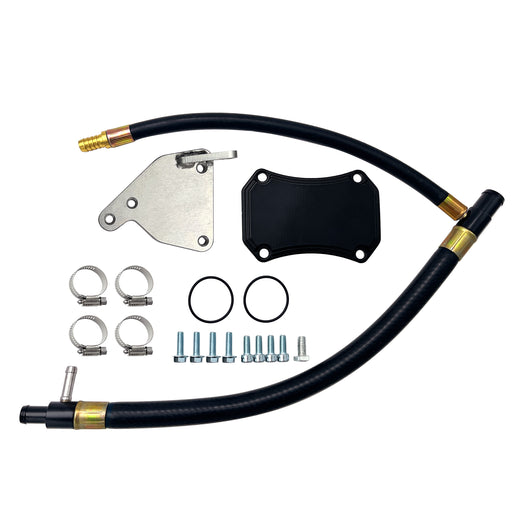
For 2011-2016 6.6L GMC Chevy Duramax Diesel LML EGR Valve Cooler Delete Kit
SEGULEROriginal price $66.49 - Original price $66.49Original price$66.49$66.49 - $66.49Current price $66.49FITMENT 2011-2016 6.6L Chevy GMC Duramax LML 2500 HD 3500 HD Diesel. DESCRIPTION Product Overview The 2011–2016 LML Duramax uses a complex EG...
View full details -

Seguler 2011-2023 6.7L Ford Powerstroke Diesel EGR Delete Kit
SEGULEROriginal price $85.99 - Original price $85.99Original price$85.99$85.99 - $85.99Current price $85.99FITMENT 2011-2023 6.7L Ford Powerstroke F-250 F-350 F-450 F-550 Super Duty V8 Diesel. compatible with both standard Pickups and commercial Cab &...
View full details -

Seguler 2010-2024 6.7L Dodge Ram Cummins Diesel EGR Valve Cooler Delete Kit
SEGULEROriginal price $89.99 - Original price $89.99Original price$89.99$89.99 - $89.99Current price $89.99FITMENT 2010–2024 6.7L Dodge Ram Cummins 2500 / 3500 Pickup Turbo Diesel. Note: Does NOT fit Chassis Cab 3500 / 4500 / 5500 models. DESCRIPTIO...
View full details -
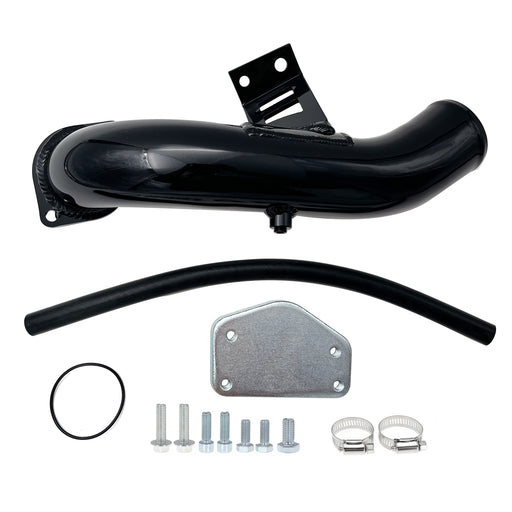
For 2004.5-2005 6.6L Chevy GMC Silverado LLY Duramax Diesel EGR Delete Kit
SEGULEROriginal price $92.99 - Original price $92.99Original price$92.99$92.99 - $92.99Current price $92.99FITMENT 2004.5-2005 6.6L Chevrolet Silverado Duramax LLY 2500HD / 3500 HD. 2004.5-2005 6.6L GMC Sierra Duramax LLY 2500HD / 3500 HD. DESCRIPTION...
View full details -

Seguler 2017-2019 L5P Duramax Diesel 4pcs L5P Can Bus Plugs Connector Replacement
SEGULEROriginal price $75.00 - Original price $75.00Original price$75.00$75.00 - $75.00Current price $75.00FITMENT 2017–2019 Chevrolet Silverado / GMC Sierra Duramax L5P 2500HD & 3500HD Diesel. DESCRIPTION Product Overview Unprotected harness con...
View full details -

Seguler 2020-2023 chevy duramax L5P Diesel Can Bus Plugs Connector
SEGULEROriginal price $80.00 - Original price $80.00Original price$80.00$80.00 - $80.00Current price $80.00FITMENT 2020–2023 Chevrolet Silverado / GMC Sierra Duramax L5P 2500HD & 3500HD Diesel. DESCRIPTION Product Overview Unprotected harness pl...
View full details -
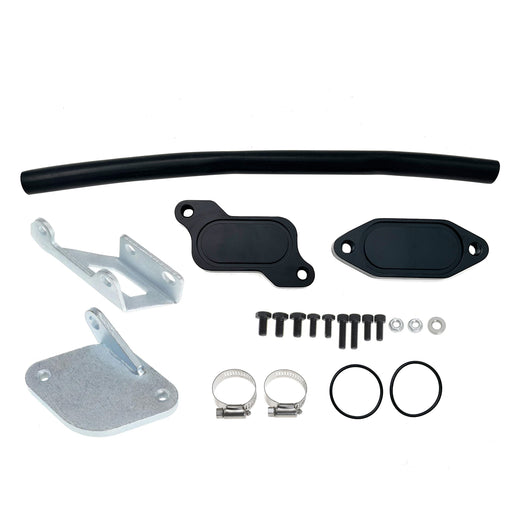
For 2006-2007 6.6L Chevrolet Silverado Classic GMC Duramax LBZ Diesel EGR Valve Cooler Delete Kit
SEGULEROriginal price $63.49 - Original price $63.49Original price$63.49$63.49 - $63.49Current price $63.49FITMENT 2006-2007.4 Chevrolet Silverado Duramax LBZ 2500HD / 3500HD. 2007.4 Chevrolet Silverado Duramax LBZ 2500HD / 3500HD Classic. 2006-2007.4 ...
View full details -
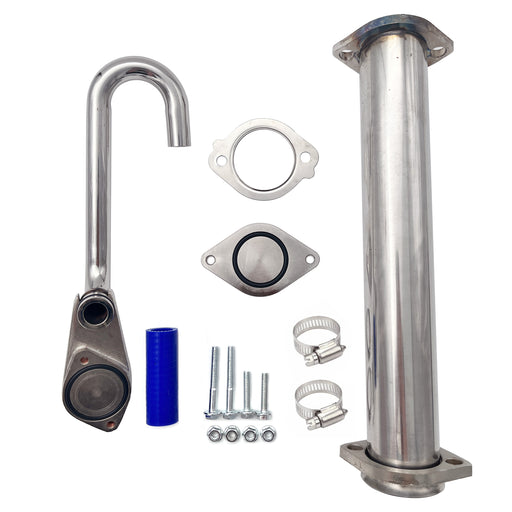
Seguler 2003-2007 6.0L Ford F250 F350 Powerstroke Diesel EGR Basic Cooler Kit
SEGULEROriginal price $79.99 - Original price $79.99Original price$79.99$79.99 - $79.99Current price $79.99FITMENT 2003-2007 6.0L Ford F250 F350 F450 F550 Super Duty Turbo (except 2004 F250 Super Duty). 2003-2005 6.0L Ford Excursion Turbo. 2005 Ford F...
View full details -

Seguler 2011-2023 6.7L Ford F250 F350 F450 F550 Powerstroke Diesel EGR Valve Delete Cooler Delete Kit
SEGULEROriginal price $55.99 - Original price $55.99Original price$55.99$55.99 - $55.99Current price $55.99FITMENT 2011-2023 6.7L Ford Powerstroke F-250 F-350 F-450 F-550 Super Duty V8 Diesel compatible with both standard Pickups and commercial Cab &a...
View full details -
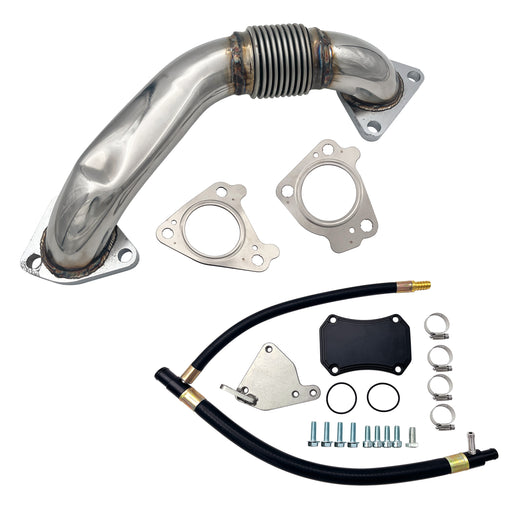
Seguler 2011-2016 6.6L GMC Chevy Duramax Diesel LML Up-Pipe & EGR Valve Cooler Delete Kit
SEGULEROriginal price $173.86 - Original price $173.86Original price$173.86$173.86 - $173.86Current price $173.86FITMENT 2011-2016 6.6L Chevy GMC Duramax LML 2500 HD 3500 HD Diesel. DESCRIPTION Product Overview Direct-injection technology endows GM 5.3L an...
View full details -
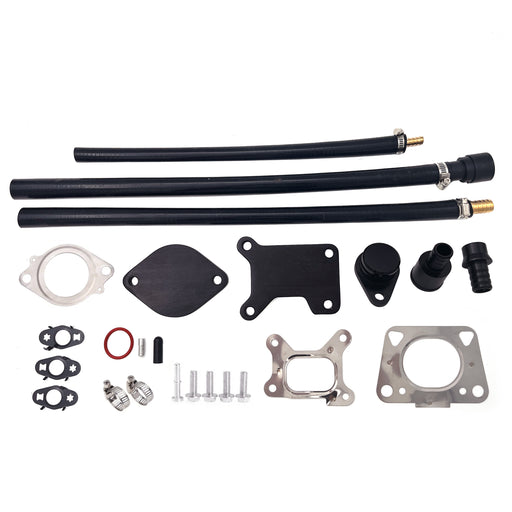
For 2017-2023 6.6L Chevy GMC Duramax L5P diesel EGR Valve Cooler Delete kit
SEGULEROriginal price $131.99 - Original price $131.99Original price$131.99$131.99 - $131.99Current price $131.99FITMENT 2017–2023 6.6L Chevrolet Silverado / GMC Sierra Duramax L5P 2500HD 3500HD Diesel. DESCRIPTION Product Overview Hot soot recirculation ...
View full details -
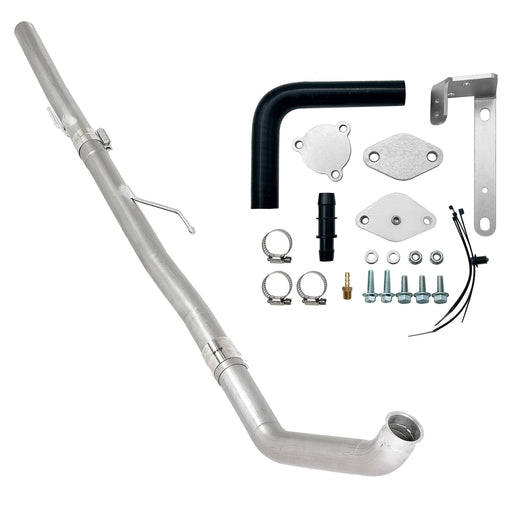
Seguler 3" Ecodiesel DPF Delete Pipe & EGR Delete kit for 2014-2018 3.0L Ram
SEGULEROriginal price $342.00 - Original price $342.00Original price$342.00$342.00 - $342.00Current price $342.00FITMENT 2014–2018 3.0L Dodge Ram 1500 EcoDiesel V6. NOTE: Fit standard Pickup models only (Crew Cab, Quad Cab). Does NOT fit Jeep Grand Cheroke...
View full details -
Seguler EGR valve cooler Delete kit for 2020-2022 3.0L Chevy Duramax LM2
SEGULEROriginal price $189.12 - Original price $189.12Original price$189.12$189.12 - $189.12Current price $189.12FITMENT 2020–2022 3.0L Chevrolet Silverado GMC Sierra 1500 LM2 Turbo-Diesel. DESCRIPTION Product Overview Powered by smooth inline-six engine...
View full details -

For 2013-2023 6.7L Dodge Ram Cummins Cab & Chassis EGR Delete Kit Diesel
SEGULEROriginal price $62.99 - Original price $62.99Original price$62.99$62.99 - $62.99Current price $62.99FITMENT 2013–2023 6.7L Ram Cummins 3500 4500 5500 Cab & Chassis / Commercial Trucks. Does NOT fit standard Ram 2500 3500 Pickups. DESCRIPTIO...
View full details -
Seguler 2011-2023 6.7L Ford Powerstroke CCV PCV Reroute Engine Ventilation Kit
SEGULEROriginal price $82.99 - Original price $82.99Original price$82.99$82.99 - $82.99Current price $82.99FITMENT 2011-2023 6.7L Ford Powerstroke F-250 F-350 F-450 F-550 Super Duty V8 Diesel. Compatible with both standard Pickups and commercial Cab &...
View full details -
For 2007-2010 Cummins ISX CM871 EGR Plug Kit Stage 2 Plates and Plugs Aluminum
SEGULEROriginal price $67.99 - Original price $67.99Original price$67.99$67.99 - $67.99Current price $67.99FITMENT 2007-2010 Cummins Volvo, Peterbilt, Mack, International, Freightliner, Kenworth with the ISX CM871 Engines. DESCRIPTION Product Overvie...
View full details -
For 2007-2010 6.6L Chevy GMC LMM Duramax EGR Valve Cooler Delete Kit Fit
SEGULEROriginal price $61.99 - Original price $61.99Original price$61.99$61.99 - $61.99Current price $61.99FITMENT 2007.5-2010 6.6L Chevrolet Silverado Duramax LMM 2500HD / 3500HD. 2007.5-2010 6.6L GMC Sierra Duramax LMM 2500HD / 3500HD. Note: Standard...
View full details -
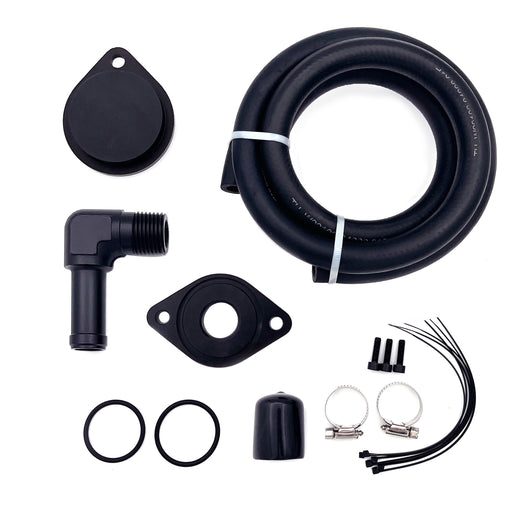
Seguler 2011-2023 Ford 6.7L Powerstroke CCV/PCV Reroute/Delete Engine Ventilation Kit
SEGULEROriginal price $72.00 - Original price $72.00Original price$72.00$72.00 - $72.00Current price $72.00FITMENT 2011-2023 6.7L Ford Powerstroke F-250 F-350 F-450 F-550 Super Duty V8 Diesel. Compatible with both standard Pickups and commercial Cab &...
View full details -
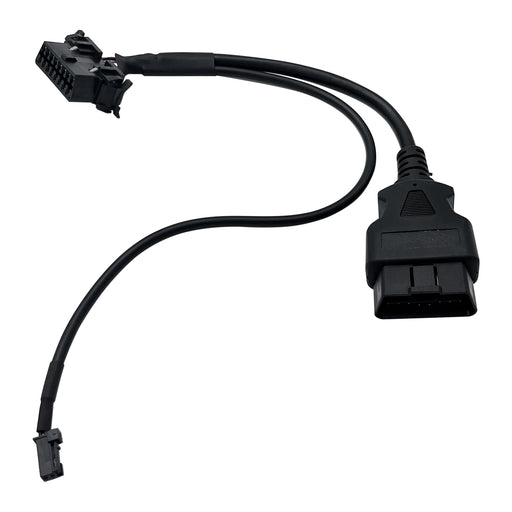
Seguler 2018+ RAM Cummins OBD2 HD Security Gate Bypass Cable
SEGULEROriginal price $45.00 - Original price $45.00Original price$45.00$45.00 - $45.00Current price $45.00FITMENT 2018+ 6.7L Ram Cummins 2500 3500 Turbo Diesel. Designed for Ram pickup trucks equipped with the factory Security Gateway Module. Note: Pl...
View full details -
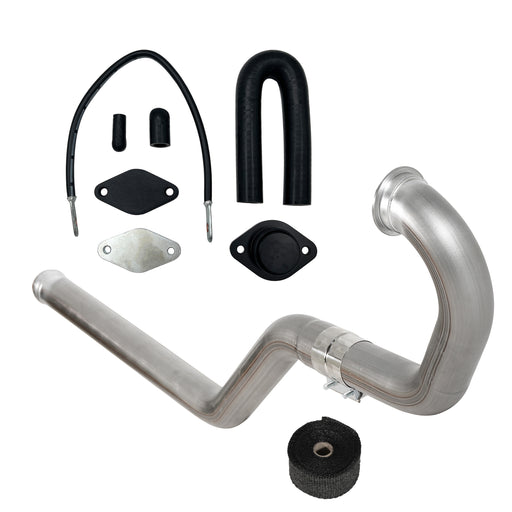
3" Turbo Back DPF & EGR Delete Kit for 2020-2022 GM 3.0L LM2 Duramax
SEGULEROriginal price $550.00 - Original price $550.00Original price$550.00$550.00 - $550.00Current price $550.00FITMENT 2020–2022 3.0L Chevrolet Silverado 1500 LM2 Diesel. 2020–2022 3.0L GMC Sierra 1500 LM2 Diesel. DESCRIPTION Product Overview On the 3.0...
View full details


Leave a comment