

Duramax LML: 4" vs 5" DPF & EGR Delete Kit
The 2011–2016 6.6L Duramax LML is one of the strongest diesel engines GM ever bolted into a light-duty truck. The block, rods, and pistons were forged and strengthened over the LBZ and LMM before it, and the Allison 1000 behind it is still one of the best factory transmissions in the segment. The engine is not the problem.
The problem is everything GM strapped to it.
The LML was the first Duramax to run three emissions systems at once — EGR, DPF, and a full DEF/SCR stack — and every one of those systems has a documented failure mode that can strand you or hand you a four-figure repair bill. That’s why so many owners delete. But once you decide to delete, you hit a fork in the road that most guides skip over entirely: do you run a 4-inch pipe or a 5-inch pipe?
What the LML Actually Is — The Strongest Engine GM Hamstrung
Before we argue about pipe diameter, you need to understand what you’re working with, because the LML’s reputation is unfairly muddy.
The LML launched in 2011 as a continuation of the 6.6L V8 Duramax lineage. Compared to the LMM (2007.5–2010) and LBZ it replaced, GM did real engineering work on the bottom end:
-
Pistons that cracked around 600 rear-wheel horsepower on the LBZ and LMM were forged and strengthened for the LML. They’re now good to roughly 700 rwhp before you run into problems.
-
Rods and block got the same treatment. The rotating assembly is genuinely stout.
The factory rating is 397 horsepower and 765 lb-ft of torque — and that number, unlike a lot of diesel ratings, is actually conservative. The LML responds extremely well to tuning. So why does the LML have a “problem child” reputation in some circles? Two reasons, and neither is the block itself:
-
The Bosch CP4.2 injection pump. GM swapped the proven CP3 for the CP4.2, and it was a downgrade in every way that matters for reliability. More on this shortly.
-
The emissions stack. EGR + DPF + DEF/SCR, all running under constant ECU supervision, with the LML-specific 9th injector bolted on top.
A deleted and properly tuned LML is an extremely reliable engine — several reputable shops describe it as one of the most structurally sound diesels of its generation. The delete isn’t about making a weak engine strong. It’s about removing the parts GM bolted on that fail independent of how well you maintain the truck.
Why LML Owners Delete — The Three Systems and the Ninth Injector
Let’s be precise about what you’re removing, because “delete” means something specific on an LML, and it’s not the same job as deleting an older LB7 or LLY.
The EGR Cooler — Coolant Meets Soot
The LML routes hot exhaust gas back into the intake to lower combustion temperatures and cut NOx. The EGR cooler uses engine coolant to bring that gas down to a tolerable temperature first. That’s the design.
The Failure Is Well Documented:
-
the cooler’s internal tubes crack under thermal cycling. When it cracks, coolant enters the intake manifold. Best case, you’re losing coolant and fouling the intake with brown sludge. Worst case, hydrolock.
-
The EGR valve itself also loads up with carbon and eventually sticks open or closed, triggering limp mode.
The DPF — A Filter That Eats Fuel to Clean Itself
The Diesel Particulate Filter traps soot in a ceramic honeycomb. When it fills, the ECU triggers a regeneration cycle to burn the soot off. On a loaded LML, active regen can push exhaust gas temperatures above 1,200°F for 20–40 minutes while the truck dumps extra fuel into the exhaust to spike temperatures. During that window, fuel economy tanks and the drivetrain runs under extra heat stress.
The DEF/SCR System — A Chain of Single Points of Failure
The SCR system is what separates the LML from every Duramax before it. DEF (a urea solution) is injected ahead of the SCR catalyst to convert NOx. That system needs a DEF tank, a level sensor, a doser, a pump, and NOx sensors upstream and downstream of the catalyst. When any one fails, you get a countdown, then derate, then limp mode.
The 9th Injector — The Part Most People Don’t Know Exists
Here’s the LML-specific detail that matters, and it’s one of the reasons the LML deletes differently than a Cummins or a Powerstroke.
The LML uses a dedicated 9th injector — also called the hydrocarbon injector — mounted to spray fuel directly into the exhaust stream to support regeneration. Instead of relying only on in-cylinder post-injection (spraying fuel late in the combustion stroke), the LML can feed the DPF from outside the cylinders.
A Failure Point
This is actually the good news about the LML’s emissions design, and it’s worth holding onto, because it directly explains a comparison we’ll make later against the 6.4L Powerstroke. But it’s also a failure point: if that 9th injector gets restricted or fails, the DPF can’t reach regeneration temperature, and you get more frequent regen attempts, soot-load faults, and derate behavior.
The Fork in the Road: 4" vs 5" — What Actually Changes
When you delete the DPF, you’re replacing a heavy, restrictive canister with straight pipe. The question is how wide that straight pipe should be. The two common options are 4-inch and 5-inch, and the difference is real — but it’s not “bigger is always better.” It’s about matching the pipe to your power target and your use case.
Here’s The Honest Breakdown:
| 4" Pipe | 5" Pipe | |
|---|---|---|
| Flow capacity |
Plenty for stock-to-mild tunes (up to ~500 rwhp) |
Needed for high-horsepower, heavy-tow, or competition builds |
| Exhaust velocity | Higher — preserves low-end spool and torque | Lower — trades velocity for raw volume |
| EGT under heavy load | Good, clearly better than stock | Best — lowest EGTs on sustained heavy towing |
| Sound |
Louder than stock, but closer to it; can be higher-pitched |
Deep, throaty V8 rumble; noticeably louder |
| Install complexity | Easiest — keeps close to the factory layout | Heavier pipe, more clearance work around the axle |
| Cost | Lower | Higher |
| Best for |
Daily driver, mild tune, light-to-medium towing |
High-power tune, heavy towing, competition/off-road |
The Exhaust Velocity
A 4" pipe on a mildly-tuned truck keeps the exhaust moving fast, which helps the turbo spool and preserves low-end torque. A 5" pipe on the same truck doesn’t add power — it just makes more noise. The 5" only earns its keep once you’re pushing enough air that the 4" becomes a bottleneck, which for the LML is roughly the 500-rwhp-and-up territory where you’ve already added fuel, boost, and likely a lift pump.
This is why the answer to “4 or 5?” is never “5, always.” It’s “what’s your power target?”
The Sound Question — What the Decibel Meter Actually Shows
Sound is the reason most people think they want a 5" pipe, so let’s deal with it head-on, because the “5-inch sounds better” claim is only half true.
It’s true that a 5" pipe produces a deeper, more resonant tone. It’s a larger diameter, more metal, and it changes the note coming out the tailpipe. A 4" straight pipe, by comparison, tends to be a touch higher-pitched and, depending on the exact system and whether you run a resonator, can contribute more of the in-cab drone that gets tiring on a long highway pull with a trailer behind you.
In Back-to-Back Decibel Tests On LML Trucks:
-
A 4" straight pipe is loud, but it sits closer to the factory character of the truck — you notice it on throttle, less so cruising.
-
A 5" straight pipe is objectively louder at the tailpipe, and the difference is real, not imagined.
-
The drone you hear inside the cab while towing uphill is not purely a function of pipe diameter — it’s a resonance problem, and it’s fixable. A quality resonator (like a spiral-louver design) tames the drone without costing meaningful flow on a daily-driven truck.
So if sound is your deciding factor, be honest about what you’re buying: the 5" is for the deep, aggressive note and the tailpipe presence. The 4" is for “louder than stock, but I don’t want my family to hate riding in the truck.” Neither is wrong. They’re different goals.
And One More Truth Worth Stating:
At the power levels a stock-turbo LML actually makes, a straight 4" and a straight 5" make essentially no difference in horsepower. The restriction you’re removing is the DPF/DOC/SCR canister, not the last inch of tailpipe diameter. Pipe size starts to matter for power only when you’ve turned the truck up enough that you’re moving real air.
Real Dyno Numbers — How Much Power Does a Delete Actually Add?
Let’s kill the hype with actual numbers, because the internet is full of “+120 hp” claims that don’t survive a dyno.
A well-documented before/after test on an LML (with an aftermarket intake and slightly oversized tires, which eat a little horsepower) gives us clean data:
| Measurement | Stock | After 5" Delete + Tune |
|---|---|---|
| Dyno horsepower (rear wheel) | 309 hp | 381 hp |
| Dyno torque (rear wheel) | 554 lb-ft | 678 lb-ft |
| 60 mph cruise MPG | 19–20 | 23–24 |
| 70 mph cruise MPG | 16 | 21–22 |
A real gain of roughly 70 horsepower and 124 lb-ft
Notice the test truck’s owner himself called the 70 hp figure “a little low” relative to the inflated numbers floating around online. That’s the honest picture: a delete-and-tune on a stock-turbo LML lands in the +40 to +80 hp range at the wheels, depending on tune level, fuel system health, tire size, and gearing. The +120 hp claims almost always assume a bigger turbo, a lift pump, or a truck that was already built.
The Fuel Economy Gain Is Real
The 4–5 MPG improvement comes almost entirely from killing active regen — all that diesel that was being injected to heat the exhaust now goes toward moving the truck instead. This is the single biggest, most reliable benefit of an LML delete.
Tuning is the main contributor to the mileage gain:
A reputable tuner will fatten the torque curve, let the truck hold higher gears longer, and run a lower average RPM — and a well-tuned truck with its emissions equipment still on can already deliver a big chunk of that efficiency. What the delete adds on top is the removal of regen events and the elimination of the failure points.
The 6.4L Powerstroke Comparison — Why the LML’s Regen Is Gentler (But Its Pump Is Not)
This is where the LML’s design really earns some credit, and it’s a comparison worth making if you’ve ever owned or considered a 6.4L Powerstroke.
6.4L Powerstoke vs LML Duramax
6.4L Powerstroke
Its DPF regeneration strategy relied on in-cylinder post-injection — spraying raw diesel into cylinders 7 and 8 late in the combustion cycle to dump heat into the exhaust. That fuel washed past the rings, diluted the engine oil, and subjected the #7 and #8 cylinders to repeated 1,200°F+ heat cycles. The result was a documented pattern of turbo damage, oil dilution, and cracked pistons.
LML Duramax
The LML took a different, and genuinely better, approach: the 9th injector. By spraying fuel into the exhaust stream from outside the cylinders, the LML avoids the worst of the in-cylinder fuel-washing that plagued the 6.4L. That doesn’t make the LML’s regen free — it still burns fuel and heats the exhaust — but it’s a fundamentally gentler design on the engine’s internals.
Now The Other side of That Coin
The LML has the Bosch CP4.2 — arguably the most feared fuel pump in modern diesel trucks. It’s a high-pressure pump whose internals run on an eccentric lobe with roller bearings, lubricated only by the fuel itself. Bad fuel, low lubricity, or air in the supply path can cause it to grenade from the inside out, sending metal shrapnel through the fuel rails and into the injectors. When that happens, the repair bill is $10,000-plus.
Critically for this conversation: a delete does not fix the CP4.2. The two biggest reliability moves on an LML are separate:
- Delete the emissions stack (this article) to remove the regen/EGR/DEF failure points.
- Address the CP4.2 — either with a lift pump and strict filtration/lubricity additives as cheap insurance, or a full CP3 conversion as the permanent fix.
If you’re building the truck for power anyway, a CP3 swap (which usually requires tuning, and pairs naturally with a delete-and-tune job) is the move that makes an LML genuinely bulletproof.
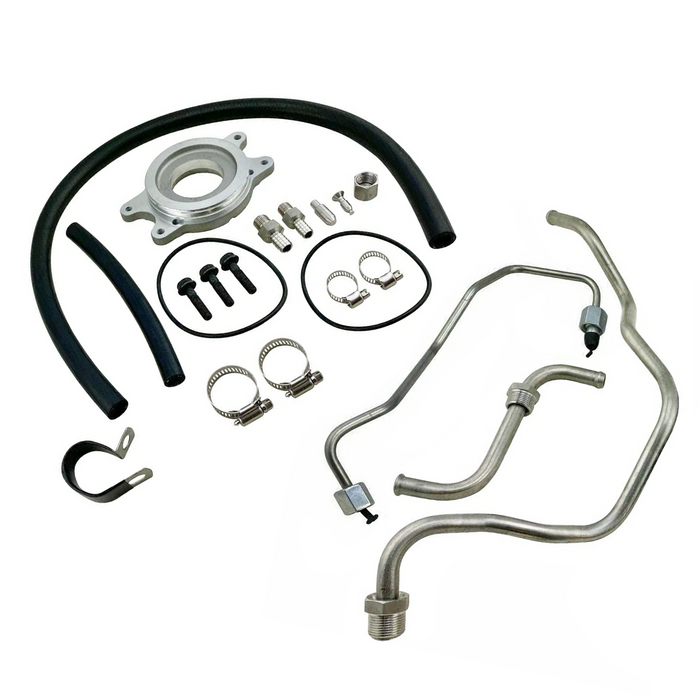
The Fitment Trap That Costs People the Most Money
Before you order anything, here’s the single most common and most expensive mistake on an LML delete. Read this twice.
GM changed the turbo downpipe connection partway through the 2015 model year:
1. 2011 through early 2015 (often written as “2011–2015.5”): V-band clamp at the downpipe-to-turbo connection.

2. Late 2015 (2015.5) and 2016: switched to a 3-bolt flange.

These two fitments are not interchangeable. Order the wrong one and the pipe won’t bolt up, period. Both of the products we’ll look at below are built specifically for the 2011–2015 V-band clamp trucks, and their product pages explicitly tell you to check underneath your truck before ordering — because that’s how common this mistake is.
The Check Takes Two Minutes:
Get under the truck and look at the downpipe-to-turbo connection. V-band is a single clamp ring; the 3-bolt flange is exactly what it sounds like, three bolts on a flat flange. Confirm it, then order. Skipping this step is the fastest way to turn a weekend project into a return-and-reorder headache.
Installation — 4" and 5" Are Nearly the Same Job
Here’s a piece of good news if you’re on the fence: the install process for a 4" and a 5" pipe is essentially identical. The diameter doesn’t meaningfully change the steps. The hard parts are the same either way.
The high-level flow on an LML delete:
-
Flash the tune first. Flash before you touch hardware, or the truck will throw codes and go into limp mode against hardware that’s no longer there. For the LML, the Bosch EDC17 ECU is sensitive to voltage fluctuation during flash — fully charge the batteries and kill all electrical accessories (HVAC, lights, radio) before you start. A first flash typically takes 30–45 minutes.
-
Drain coolant and disconnect the battery.
-
Remove the EGR cooler (driver’s side, tight access, plan on coolant drainage and proper disposal).
-
Drop the factory DPF/DOC/SCR assembly. This is the part everyone hates. The factory exhaust is heavy and, depending on your approach, you’ll either unbolt it (if you’re reusing it) or cut it into sections to drop it faster. The downpipe itself is the single most frustrating piece to remove on an LML — expect to fight it.
-
Install the delete pipe and the EGR block-off plates, then reroute the coolant so the circuit stays complete.
-
Refill coolant, burp the system, and check for leaks. A low-coolant light right after install is normal until the air works out of the system.
Budget 6–10 hours for a competent DIYer with basic tools and jackstands, more if you’ve never done one. If an up-pipe bolt snaps, you may end up pulling the turbo to extract it, which turns this into a much longer day. Use copper anti-seize on the threads going into the manifold and turbo so you don’t snap one on reassembly.
So Which Do You Choose? A Decision Framework
Forget the noise for a second and answer three questions about your truck:
1. What’s Your Power Target?
-
Stock to mild tune (roughly up to ~500 rwhp): 4" is all you need. It flows enough, keeps exhaust velocity up for crisp low-end spool, and doesn’t over-build the truck.
-
High-horsepower build, heavy towing, or competition: 5" is the right tool. You’re moving enough air that the larger diameter earns its keep, and you want the lowest possible EGTs under sustained load.
2. How Do You Actually Use The Truck?
-
Daily driver, occasional towing, care about in-cab comfort: 4" keeps you closer to stock character with less drone.
-
Dedicated tow rig or a truck you built to hear and feel: 5" gives you the deep note and the tailpipe presence.
3. What’s Your Budget, And What Are You Actually Deleting?
This is where the two products below diverge in a way that matters.
-
One is a complete kit (pipe + EGR delete) at a budget price. The other is a pure exhaust upgrade (the 5" pipe only). If your goal is a one-and-done emissions delete on a budget, the complete 4" kit is the smarter first purchase.
-
If your goal is maximum flow and sound and you’re building for power, the 5" pipe is the foundation, and you’ll pair it with an EGR delete and a tune.
Duramax LML Delete Kits That Match the Two Goals
Here’s how the 4" and 5" choice actually plays out in real products, both built for the 2011–2015.5 V-band clamp LML.
2011-2023 6.7L Ford Powerstroke 4" Exhaust Delete Pipe & EGR Delete Kit
If your goal is to delete the emissions stack in one order without spending a fortune, this is the one. It’s not just a pipe — it’s a 4" DPF delete race pipe bundled with the EGR cooler and valve delete, so you knock out the DPF and the EGR in a single kit.

Fitment: 2011–2015.5 Silverado/Sierra 2500HD/3500HD LML with V-band clamp (does not fit 2015.5–2016 3-bolt flange).
What it does: The 4" race pipe trades the heavy DPF canister for a smooth, straight section that sheds backpressure and lowers EGTs under load, while the EGR delete pulls the factory cooler to keep soot off the valves and eliminate the coolant-leak risk. The 4" diameter is deliberate — it preserves exhaust velocity, sharpens throttle response, and keeps cab drone down compared to a big open 5" on a mild tune.
Who it’s for: The daily-driven LML owner who wants the emissions hardware gone, the regen cycles dead, and the reliability back — without over-building the truck or blowing the budget. It’s the “delete the problems, keep it drivable” option.
5" Downpipe Back DPF Delete Race Pipe for 2011-2015.5 6.6L GM Duramax LML
If you’re building for power and you want the deepest note and the lowest possible towing EGTs, this is the 5" full downpipe-back system. Note the distinction: this is the exhaust side only — a full 5" mandrel-bent T409 stainless system from the downpipe back. You’ll pair it with an EGR delete and a tune to complete the package, which is exactly the right sequence for a high-power build.
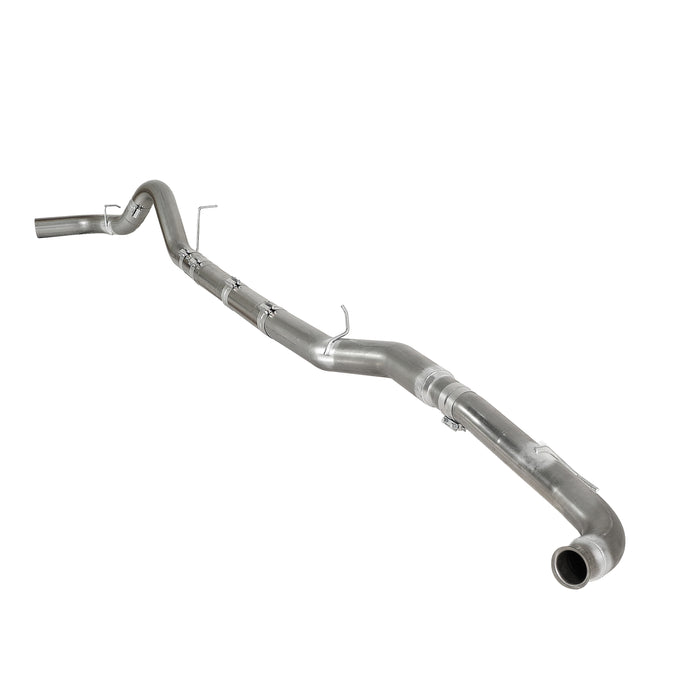
Fitment: 2011–2015.5 Silverado/Sierra 2500HD/3500HD LML with V-band clamp (does not fit 2015.5–2016 3-bolt flange).
What it does: Full 5-inch mandrel-bent T409 stainless tubing drops system backpressure to near zero, which sharply lowers towing EGTs, restores fast turbo spool, and improves fuel economy by roughly 2–3 MPG while delivering a deep, throaty V8 diesel roar. It’s built to resist thermal expansion, road salt, and winter chassis rust — the material matters if you tow in the salt belt.
Who it’s for: The high-horsepower or heavy-tow build where maximum flow, lowest EGTs, and a serious exhaust note are the point. Pair it with an EGR delete and a matched tune for the full package.
A Note on Legality You Shouldn’t Skip
We have to say it plainly, because it’s the difference between an informed decision and an expensive one.
Removing, disabling, bypassing, or tuning out emissions equipment — EGR, DPF, DEF/SCR, sensors, or the calibrations that keep them working — can violate the Clean Air Act for vehicles driven on public roads in the United States. That’s federal law, and the EPA has specifically identified EGR, DPF, and SCR removal as tampering. The Clean Air Act also prohibits manufacturing or selling parts that bypass or defeat emissions controls.
What this means practically:
- These modifications are intended for off-road, competition, and racing use where legally permitted.
- A deleted truck will typically fail emissions inspection, fail visual inspection, and fail an OBD readiness check in states or provinces that test.
- You may have trouble trading the truck in, and a manufacturer or extended-warranty claim linked to the modification can be denied.
Check federal, state, provincial, and local rules before you buy or install anything. If your truck is a street-registered daily driver in an emissions-inspection area, the honest answer is usually “don’t.” For a dedicated off-road or competition build where the use case is legally clear, a properly matched delete-and-tune is a legitimate performance strategy. The decision is yours — just make it with your eyes open.
Conclusion
The LML is a genuinely strong engine wrapped in a fragile emissions stack. Deleting that stack removes the parts that fail independent of how well you maintain the truck — the EGR cooler that cracks, the DPF that eats fuel to regen, the DEF system with a dozen single points of failure. The gains are real: roughly +70 hp and +124 lb-ft at the wheels on a stock-turbo truck, a solid 4–5 MPG back, and the end of regen, derate, and limp-mode headaches.
The pipe-diameter question is simpler than the forums make it:
- Pick the 4" kit if you want the emissions hardware gone on a daily-driven, mildly-tuned truck — you get a complete delete (DPF + EGR) at a budget price, crisp low-end spool, and a note that’s louder than stock without the drone.
- Pick the 5" pipe if you’re building for horsepower or heavy towing and you want maximum flow, the lowest EGTs under load, and a deep, unmistakable exhaust note — and you’re ready to pair it with an EGR delete and a matched tune.
Either way, two rules never change: verify your downpipe fitment before you order (V-band vs 3-bolt flange), and flash the tune before you turn a wrench.
Ready to pick your power? Browse the full line of LML Duramax delete kits and race pipes at Seguler and get everything you need in one order — 4" and 5" options for the 2011–2015.5 trucks, built from mandrel-bent T409 stainless and ready to ship.
FAQ About 4"/5" DPF & EGR Delete Kit
Q1: Does a 5" pipe make more power than a 4" pipe on an LML?
Not at the power levels a stock-turbo LML actually makes. Both remove the restrictive DPF/DOC/SCR canister, and that’s where the gains come from. The 5" only matters for power once you’re pushing 500+ rwhp and moving enough air that the 4" becomes a bottleneck.
Q2: Is a tuner required for any LML delete?
Yes, always. The ECM must be reflashed to ignore the missing DPF/EGR/DEF hardware and stop commanding regens. Hardware without a tune will throw codes and put the truck into limp mode. Flash the tune before you remove anything.
Q3: What’s the 2011–2015.5 vs 2015.5–2016 fitment difference?
GM changed the downpipe-to-turbo connection midway through 2015. Early trucks use a V-band clamp; late 2015 (2015.5) and 2016 use a 3-bolt flange. They’re not interchangeable, so check underneath your truck before ordering.
Q4: Does deleting the LML fix the CP4.2 fuel pump problem?
No. The CP4.2 high-pressure pump weakness is a separate fuel-system issue, independent of emissions hardware. Deleting removes regen, EGT, and DEF problems, but does nothing for the pump. Address it separately — a lift pump and lubricity additives as insurance, or a CP3 conversion for a permanent fix.
Q5: Why does the LML delete differently than a 6.4L Powerstroke?
The LML uses a 9th injector that sprays fuel into the exhaust from outside the cylinders, which is gentler on the engine than the 6.4L’s in-cylinder post-injection strategy that washed fuel past the rings and cooked cylinders 7 and 8. The LML’s regen is a better design, though it still burns fuel.
Q6: Will a 5" straight pipe drone in the cab while towing?
It can, especially under sustained highway load with a trailer. Drone is a resonance problem, not purely pipe diameter — a quality resonator tames it without meaningful flow loss on a daily-driven truck. A 4" pipe is generally closer to stock character with less drone.
Q7: How long does an LML delete take to install?
A competent DIYer should budget 6–10 hours with basic tools and jackstands. The downpipe is the hardest single piece to remove. If an up-pipe bolt snaps and you have to pull the turbo, it turns into a much longer job.
Q8: Is an LML delete legal?
Not for on-road use in the U.S. — removing emissions hardware violates the Clean Air Act, and deleted trucks typically fail inspection and OBD readiness checks. These kits are intended for off-road, competition, and racing use where legally permitted. Check your local laws first.
Featured collection
-
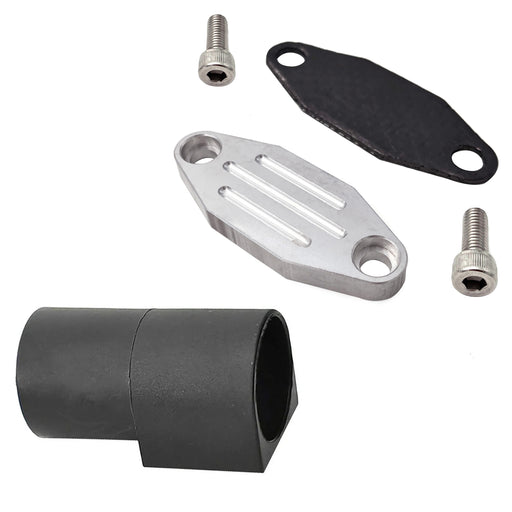
Seguler 1986-1995 Ford F150 F250 F350 Mustang Trucks EGR Simulator Eliminator / Block Off Plate Kit
SEGULEROriginal price $79.99 - Original price $79.99Original price$79.99$79.99 - $79.99Current price $79.99Block Off Plate Material: Aluminum alloy. Easy installation,and convenient to use. Made of CNC milled from aircraft grade Billet aluminum. Will N...
View full details -

Seguler 2011-2023 6.7L Ford Powerstroke Diesel EGR Delete Kit
SEGULEROriginal price $109.99 - Original price $109.99Original price$109.99$109.99 - $109.99Current price $109.99FITMENT 2011-2023 6.7L Ford Powerstroke F-250 F-350 F-450 F-550 Super Duty V8 Diesel. compatible with both standard Pickups and commercial Cab &...
View full details -
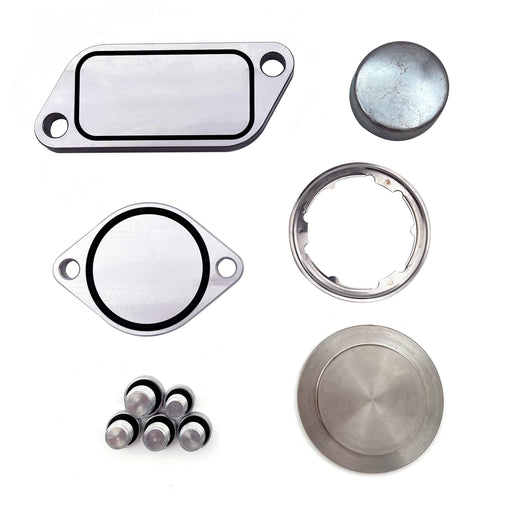
For 2010-Present Stage 2 ISX 15 CM2250 CM2350 EGR Delete Kit
SEGULEROriginal price $59.99 - Original price $59.99Original price$59.99$59.99 - $59.99Current price $59.99FITMENT 2010-Present Cummins Volvo, Peterbilt, Mack, International, Freightliner, Kenworth with the ISX15 CM2250 / CM2350 engines. DESCRIPTION P...
View full details -
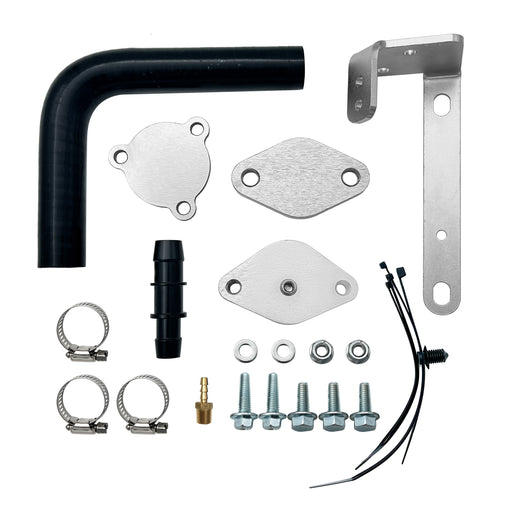
Seguler For 2014-2019 3.0L Dodge Ram 1500 EcoDiesel EGR Valve & Cooler Delete Kit
SEGULEROriginal price $72.99 - Original price $72.99Original price$72.99$72.99 - $72.99Current price $72.99FITMENT 2014-2019 3.0L Dodge Ram 1500 EcoDiesel V6 engine trucks. DESCRIPTION Product Overview Exhaust gas recirculation on 3.0L EcoDiesel V6 ...
View full details -
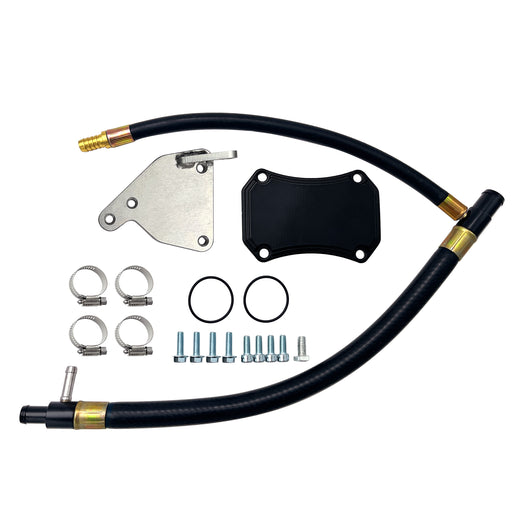
For 2011-2016 6.6L GMC Chevy Duramax Diesel LML EGR Valve Cooler Delete Kit
SEGULEROriginal price $66.49 - Original price $66.49Original price$66.49$66.49 - $66.49Current price $66.49FITMENT 2011-2016 6.6L Chevy GMC Duramax LML 2500 HD 3500 HD Diesel. DESCRIPTION Product Overview The 2011–2016 LML Duramax uses a complex EG...
View full details -
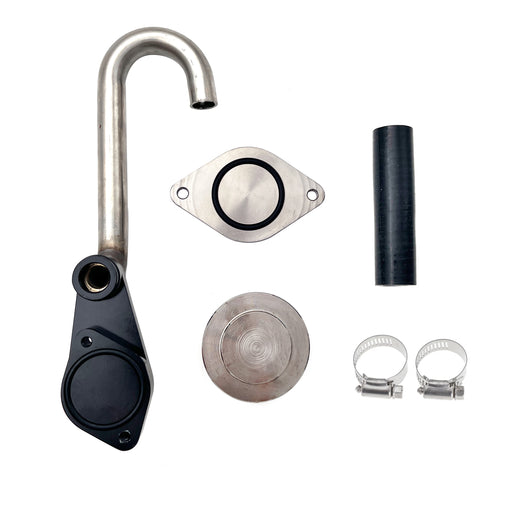
Seguler 2003-2007 6.0L FORD Powerstroke Diesel EGR Cooler Delete Kit
SEGULEROriginal price $56.14 - Original price $56.14Original price$56.14$56.14 - $56.14Current price $56.14FITMENT 2003-2007 6.0L Ford F-250 Ford F-350 F-450 F-550 Super Duty. 2003-2007 6.0L Ford Excursion SUV (Diesel Models Only). 2005-2010 Ford E-Se...
View full details -

Seguler 2011-2023 6.7L Ford Powerstroke Diesel EGR Delete Kit
SEGULEROriginal price $85.99 - Original price $85.99Original price$85.99$85.99 - $85.99Current price $85.99FITMENT 2011-2023 6.7L Ford Powerstroke F-250 F-350 F-450 F-550 Super Duty V8 Diesel. compatible with both standard Pickups and commercial Cab &...
View full details -

Seguler 2010-2024 6.7L Dodge Ram Cummins Diesel EGR Valve Cooler Delete Kit
SEGULEROriginal price $89.99 - Original price $89.99Original price$89.99$89.99 - $89.99Current price $89.99FITMENT 2010–2024 6.7L Dodge Ram Cummins 2500 / 3500 Pickup Turbo Diesel. Note: Does NOT fit Chassis Cab 3500 / 4500 / 5500 models. DESCRIPTIO...
View full details -

Seguler 2017-2019 L5P Duramax Diesel 4pcs L5P Can Bus Plugs Connector Replacement
SEGULEROriginal price $75.00 - Original price $75.00Original price$75.00$75.00 - $75.00Current price $75.00FITMENT 2017–2019 Chevrolet Silverado / GMC Sierra Duramax L5P 2500HD & 3500HD Diesel. DESCRIPTION Product Overview Unprotected harness con...
View full details -
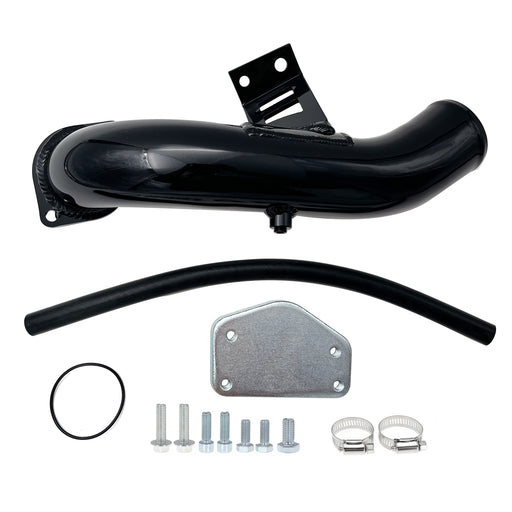
For 2004.5-2005 6.6L Chevy GMC Silverado LLY Duramax Diesel EGR Delete Kit
SEGULEROriginal price $92.99 - Original price $92.99Original price$92.99$92.99 - $92.99Current price $92.99FITMENT 2004.5-2005 6.6L Chevrolet Silverado Duramax LLY 2500HD / 3500 HD. 2004.5-2005 6.6L GMC Sierra Duramax LLY 2500HD / 3500 HD. DESCRIPTION...
View full details -

Seguler 2020-2023 chevy duramax L5P Diesel Can Bus Plugs Connector
SEGULEROriginal price $80.00 - Original price $80.00Original price$80.00$80.00 - $80.00Current price $80.00FITMENT 2020–2023 Chevrolet Silverado / GMC Sierra Duramax L5P 2500HD & 3500HD Diesel. DESCRIPTION Product Overview Unprotected harness pl...
View full details -
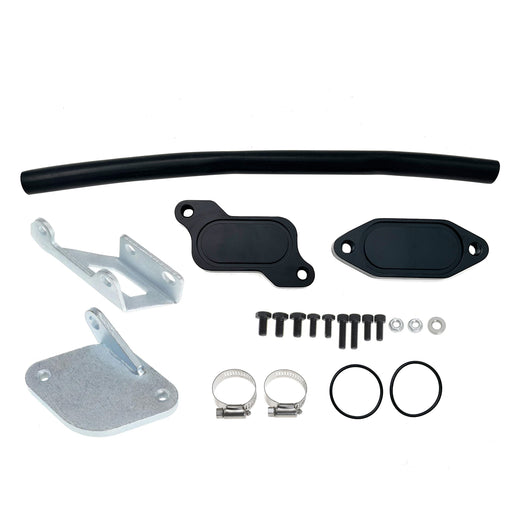
For 2006-2007 6.6L Chevrolet Silverado Classic GMC Duramax LBZ Diesel EGR Valve Cooler Delete Kit
SEGULEROriginal price $63.49 - Original price $63.49Original price$63.49$63.49 - $63.49Current price $63.49FITMENT 2006-2007.4 Chevrolet Silverado Duramax LBZ 2500HD / 3500HD. 2007.4 Chevrolet Silverado Duramax LBZ 2500HD / 3500HD Classic. 2006-2007.4 ...
View full details -

Seguler 2011-2023 6.7L Ford F250 F350 F450 F550 Powerstroke Diesel EGR Valve Delete Cooler Delete Kit
SEGULEROriginal price $55.99 - Original price $55.99Original price$55.99$55.99 - $55.99Current price $55.99FITMENT 2011-2023 6.7L Ford Powerstroke F-250 F-350 F-450 F-550 Super Duty V8 Diesel compatible with both standard Pickups and commercial Cab &a...
View full details -
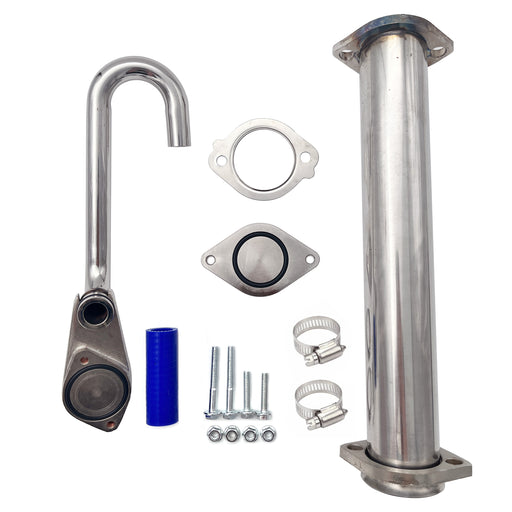
Seguler 2003-2007 6.0L Ford F250 F350 Powerstroke Diesel EGR Basic Cooler Kit
SEGULEROriginal price $79.99 - Original price $79.99Original price$79.99$79.99 - $79.99Current price $79.99FITMENT 2003-2007 6.0L Ford F250 F350 F450 F550 Super Duty Turbo (except 2004 F250 Super Duty). 2003-2005 6.0L Ford Excursion Turbo. 2005 Ford F...
View full details -
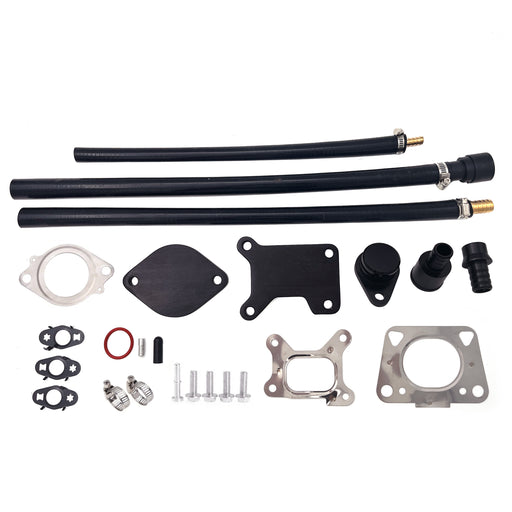
For 2017-2023 6.6L Chevy GMC Duramax L5P diesel EGR Valve Cooler Delete kit
SEGULEROriginal price $131.99 - Original price $131.99Original price$131.99$131.99 - $131.99Current price $131.99FITMENT 2017–2023 6.6L Chevrolet Silverado / GMC Sierra Duramax L5P 2500HD 3500HD Diesel. DESCRIPTION Product Overview Hot soot recirculation ...
View full details -
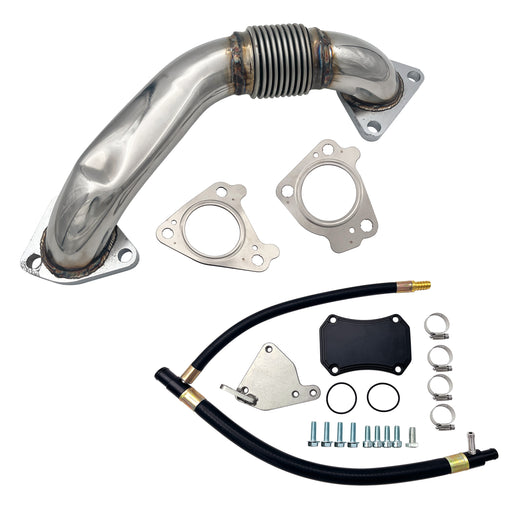
Seguler 2011-2016 6.6L GMC Chevy Duramax Diesel LML Up-Pipe & EGR Valve Cooler Delete Kit
SEGULEROriginal price $173.86 - Original price $173.86Original price$173.86$173.86 - $173.86Current price $173.86FITMENT 2011-2016 6.6L Chevy GMC Duramax LML 2500 HD 3500 HD Diesel. DESCRIPTION Product Overview Direct-injection technology endows GM 5.3L an...
View full details -
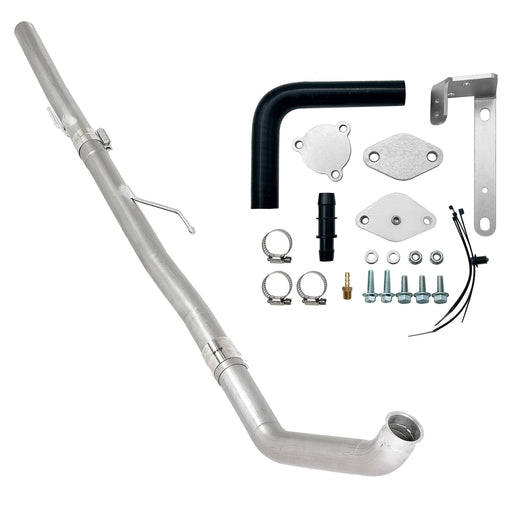
Seguler 3" Ecodiesel DPF Delete Pipe & EGR Delete kit for 2014-2018 3.0L Ram
SEGULEROriginal price $342.00 - Original price $342.00Original price$342.00$342.00 - $342.00Current price $342.00FITMENT 2014–2018 3.0L Dodge Ram 1500 EcoDiesel V6. NOTE: Fit standard Pickup models only (Crew Cab, Quad Cab). Does NOT fit Jeep Grand Cheroke...
View full details -
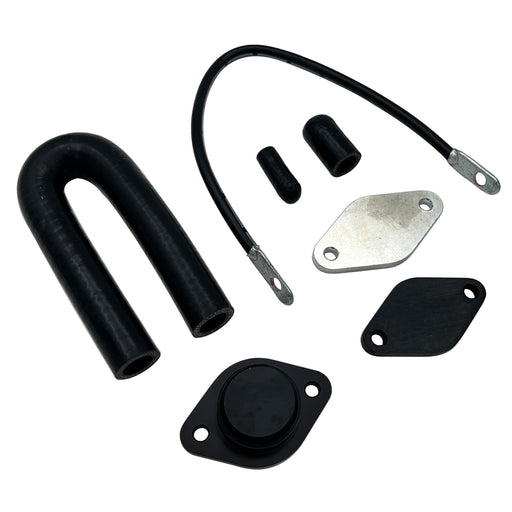
Seguler EGR valve cooler Delete kit for 2020-2022 3.0L Chevy Duramax LM2
SEGULEROriginal price $189.12 - Original price $189.12Original price$189.12$189.12 - $189.12Current price $189.12FITMENT 2020–2022 3.0L Chevrolet Silverado GMC Sierra 1500 LM2 Turbo-Diesel. DESCRIPTION Product Overview Powered by smooth inline-six engine...
View full details -

For 2013-2023 6.7L Dodge Ram Cummins Cab & Chassis EGR Delete Kit Diesel
SEGULEROriginal price $62.99 - Original price $62.99Original price$62.99$62.99 - $62.99Current price $62.99FITMENT 2013–2023 6.7L Ram Cummins 3500 4500 5500 Cab & Chassis / Commercial Trucks. Does NOT fit standard Ram 2500 3500 Pickups. DESCRIPTIO...
View full details -
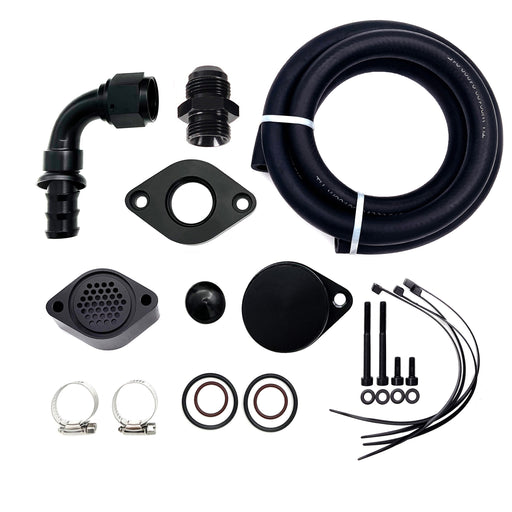
Seguler 2011-2023 6.7L Ford Powerstroke CCV PCV Reroute Engine Ventilation Kit
SEGULEROriginal price $82.99 - Original price $82.99Original price$82.99$82.99 - $82.99Current price $82.99FITMENT 2011-2023 6.7L Ford Powerstroke F-250 F-350 F-450 F-550 Super Duty V8 Diesel. Compatible with both standard Pickups and commercial Cab &...
View full details -
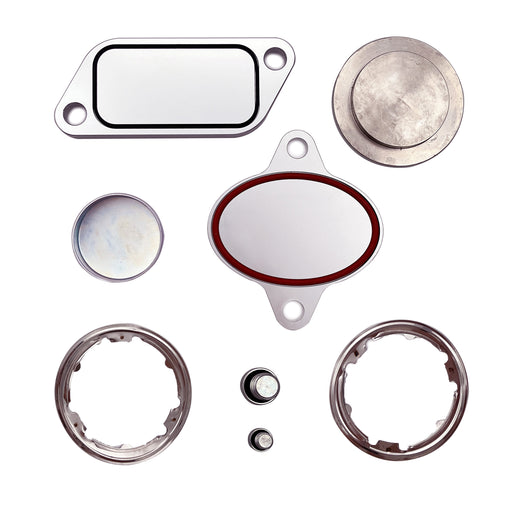
For 2007-2010 Cummins ISX CM871 EGR Plug Kit Stage 2 Plates and Plugs Aluminum
SEGULEROriginal price $67.99 - Original price $67.99Original price$67.99$67.99 - $67.99Current price $67.99FITMENT 2007-2010 Cummins Volvo, Peterbilt, Mack, International, Freightliner, Kenworth with the ISX CM871 Engines. DESCRIPTION Product Overvie...
View full details -
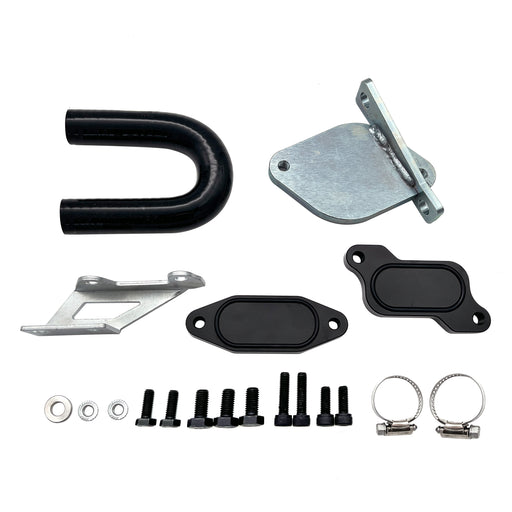
For 2007-2010 6.6L Chevy GMC LMM Duramax EGR Valve Cooler Delete Kit Fit
SEGULEROriginal price $61.99 - Original price $61.99Original price$61.99$61.99 - $61.99Current price $61.99FITMENT 2007.5-2010 6.6L Chevrolet Silverado Duramax LMM 2500HD / 3500HD. 2007.5-2010 6.6L GMC Sierra Duramax LMM 2500HD / 3500HD. Note: Standard...
View full details -
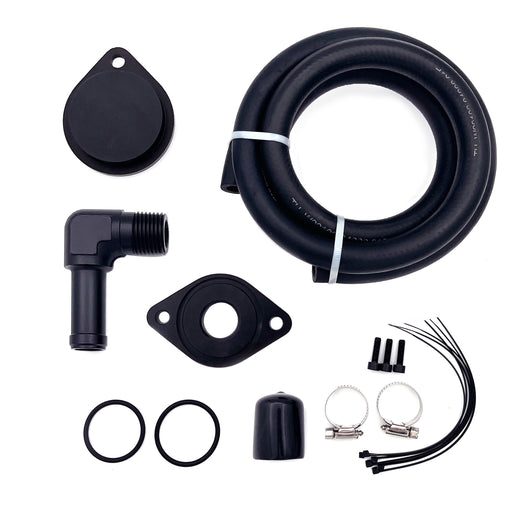
Seguler 2011-2023 Ford 6.7L Powerstroke CCV/PCV Reroute/Delete Engine Ventilation Kit
SEGULEROriginal price $72.00 - Original price $72.00Original price$72.00$72.00 - $72.00Current price $72.00FITMENT 2011-2023 6.7L Ford Powerstroke F-250 F-350 F-450 F-550 Super Duty V8 Diesel. Compatible with both standard Pickups and commercial Cab &...
View full details -
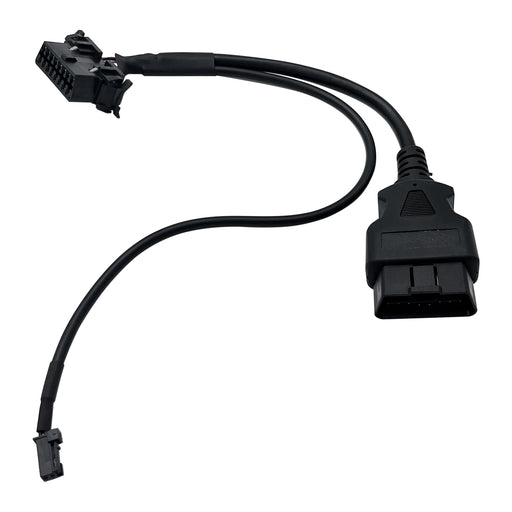
Seguler 2018+ RAM Cummins OBD2 HD Security Gate Bypass Cable
SEGULEROriginal price $45.00 - Original price $45.00Original price$45.00$45.00 - $45.00Current price $45.00FITMENT 2018+ 6.7L Ram Cummins 2500 3500 Turbo Diesel. Designed for Ram pickup trucks equipped with the factory Security Gateway Module. Note: Pl...
View full details -
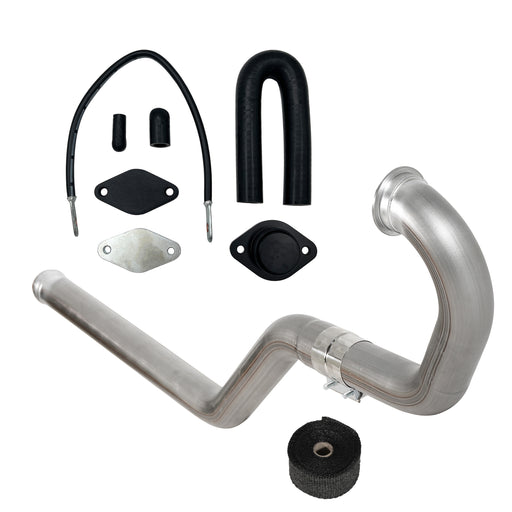
3" Turbo Back DPF & EGR Delete Kit for 2020-2022 GM 3.0L LM2 Duramax
SEGULEROriginal price $550.00 - Original price $550.00Original price$550.00$550.00 - $550.00Current price $550.00FITMENT 2020–2022 3.0L Chevrolet Silverado 1500 LM2 Diesel. 2020–2022 3.0L GMC Sierra 1500 LM2 Diesel. DESCRIPTION Product Overview On the 3.0...
View full details


Leave a comment