

LLY Duramax Delete Kit: Fix the Choking Intake Bridge
The 2004.5–2005 LLY Duramax shipped with one of the largest factory turbos GM ever bolted to a 6.6L — a Garrett unit capable of supporting well past 500 horsepower. So why does a bone-stock LLY feel gutless off the line, run hot towing in August, and leave owners convinced the engine is a dog?
Because the turbo isn’t the problem. The bridge feeding it is.
The factory intake bridge on the LLY is a narrow, throttle-valve-laden choke point that, after 100,000 miles of EGR soot and crankcase oil mist, becomes a carbon-lined restriction that starves your turbo of the one thing it needs most: clean, dense, cool air. A quality LLY delete kit doesn’t just remove the EGR — it replaces that bridge and uncorks both ends of the engine so the turbo finally breathes.
The LLY Duramax: A Misunderstood Engine in a Bad Spot
To understand why the delete kit matters, you have to understand where the LLY sits in Duramax history — and why it got the reputation it did.
The Development History of Duramx
LBZ (2001–2004)
The first generation, the LB7, was completely emissions-free and is now coveted precisely because of that. It had its own demons — injectors buried under the valve covers made a simple injector swap a 15-hour job — but it didn’t have to fight an EGR system.
LLY (2004.5–2005)
Then came the LLY, produced for a narrow window from mid-2004 through 2005. It was the first Duramax to carry a cooled EGR system, introduced to satisfy EPA Tier 2 standards under 40 CFR Part 86. That single change cascaded into most of what owners complain about today.
LBZ (2006–2007)
Then came the LBZ, which refined the LLY’s architecture, kept the EGR, but added a six-speed Allison and is widely considered the best Duramax ever built.
So the LLY is the awkward middle child: it inherited the LB7’s stout, pre-DPF, pre-DEF fundamentals, but it’s the one that first got saddled with emissions plumbing — and it got the smallest radiator of the entire Duramax lineup at the same time it introduced that plumbing.
| LB7 (2001–2004) | LLY (2004.5–2005) | LBZ (2006–2007) | |
|---|---|---|---|
| Emissions | Fully emissions-free | First water-cooled EGR | Water-cooled EGR |
| DPF / DEF | None | None | None |
| Factory power | — | 300 hp | 365 hp |
| Transmission | Allison 5-speed | Allison 5-speed | Allison 6-speed |
| Radiator | Larger | Smallest in the lineup | Larger |
| Turbo | — | Garrett 64mm (largest Duramax ever) | — |
| Known weakness | Injectors buried under valve covers | Overheating / head gaskets | Pistons |
Here’s the thing most buyers don’t realize, though:
The LLY’s engine hardware is genuinely good. It shipped with a big Garrett 64mm turbo — one of the largest ever used in a Duramax — and injectors that are actually a touch larger than what the LBZ got. Factory output was a modest 300 horsepower, but the potential was always there. The LLY’s problems weren’t in the rotating assembly or the fueling. They were in the air it couldn’t get, the heat it couldn’t shed, and the soot it couldn’t stop recirculating.
That’s what makes a proper delete kit such a transformative fix — not because it adds a magic number to the dyno sheet, but because it removes the specific choke points that were holding an otherwise strong engine back.
The LLY Intake Bridge: The Real Choke Point
Let’s talk about the intake bridge specifically, because it’s the piece your title’s been pointing at, and it’s the least understood component in this whole conversation.
The intake bridge — also called the turbo inlet mouthpiece or intake elbow — is the cast piece that bolts to the turbo’s inlet and routes air from the intake system into the compressor. On the LLY, it’s a corrugated, narrow design, and it carries a throttle valve sitting directly in the airflow path.
A Throttle Valve That Was Never There to Help
That throttle valve exists for one reason: EGR. It modulates intake airflow to create the pressure differential that lets the EGR system pull exhaust gas into the intake. It was never there to help the engine breathe — it’s an emissions component stuck right in the middle of your turbo’s air supply.
Even brand new, that bridge is the single biggest airflow restriction on the LLY platform. It’s the reason the LLY carries its overheating reputation, because airflow restriction and heat go hand in hand on a diesel under load. Open the bridge up, and you lower EGTs and reduce the thermal load on the whole engine.
Twenty Years of Carbon on Top
Now layer twenty years and 200,000 miles on top of that. The bridge becomes the collection point for everything the EGR and PCV systems feed into it. What was already a restriction becomes a carbon-packed bottleneck.
The Most “EGR delete” Articles Miss:
Removing the EGR doesn’t un-restrict the bridge. The bridge was restrictive before the EGR ever sooted it up. Blocking off the EGR stops more soot from entering, but the narrow, throttle-valve-choked casting is still sitting there, still doing what it was designed to do — restrict airflow to make EGR work.
The Only Way to Actually Fix
Replace the bridge with a smooth, high-flow elbow that has no throttle valve and no EGR entry port. That’s the single highest-impact reliability modification you can make to an LLY, and it’s the component that separates a real delete kit from a cheap block-off plate.
How the EGR System Turns Your Intake Into a Chimney
The LLY’s EGR setup is a liquid-cooled system. Hot exhaust gas is pulled off the up-pipe, run through a stainless cooler that uses engine coolant as a heat exchanger, and then reintroduced into the intake stream to lower combustion temperatures and cut NOx emissions.
The problem is what that recirculated exhaust carries with it: soot and partially burned hydrocarbons. And it doesn’t travel alone.
Glue Meets Powder
The LLY’s PCV system vents oily crankcase vapor straight into the turbo inlet. When hot, sooty exhaust gas meets that oil mist, the two bond the way glue bonds to powder. The result is a thick, sticky carbon sludge that coats the intake bridge, the throttle bore, the EGR valve, and the intake ports.
The Numbers Get Ugly
The numbers are ugly. By 150,000 miles, it’s not unusual to find the intake 30–40% clogged. By 200,000-plus, owners pulling the bridge off have scraped out a quarter-inch to a third of an inch of hardened carbon — sometimes a finger’s worth of crust.
-
It flakes off the walls over time and gets sucked directly into the combustion chamber. Owners have found chunks of intake carbon making their way through the charge pipe and into the cylinders. It’s slow, progressive self-poisoning.
-
The EGR valve itself gums up too. Carbon-clogged valves stick open or closed, triggering fault codes and causing rough idle, poor throttle response, and reduced fuel economy.
This is the core argument for deletion: it’s not about squeezing horsepower out of thin air. It’s about stopping a slow, progressive degradation of your engine’s intake system before it costs you real money.
The EGR Cooler’s Second Threat: Coolant in Your Intake
The soot is bad. The cooler failure is worse — and it’s the failure mode that actually destroys engines.
The LLY’s EGR cooler uses a stacked-plate design: a bundle of tiny coolant passages with exhaust gas flowing on the other side of each plate. Engine coolant runs through to cool the exhaust before it’s reintroduced. It’s a clever idea, and it works — right up until it doesn’t.
There are two ways these coolers fail, and both are worth knowing.
Thermal Fatigue: Cracks in the Stack
The stacked-plate core expands and contracts with every heat cycle. Over thousands of cycles — which happens quickly on a truck that tows — the plates fatigue and develop internal cracks. When a crack opens between the coolant side and the exhaust side, coolant gets pushed into the intake stream.
Soot Abrasion: The Sandblaster Effect
On earlier coolers, the carbon-laden exhaust acts like a sandblaster, slowly wearing through the tubes from the inside. It’s a slower process, but the end result is the same: exhaust and coolant mixing where they were never meant to meet.
The Coolant Enters The intake
Coolant in a diesel combustion chamber is incompressible. It hydro-locks the cylinder and bends connecting rods. It’s not a “replace the cooler and move on” situation — it’s an engine-out, and often an engine-rebuild situation.
This is why so many LLY owners don’t wait for the cooler to fail. They delete it preemptively, removing the single most catastrophic failure point on the engine before it has a chance to bend a rod.
Why a Block-Off Plate Is Only Half the Job
This is where a lot of LLY owners get burned, and it’s worth being blunt about it.
The cheap route — a $60–$120 block-off plate kit off Amazon or eBay — addresses exactly one thing: it stops exhaust gas from re-entering the intake. It does nothing about the restrictive intake bridge that’s still sitting there, now coated in years of carbon. And it creates a new problem in the process.
The Bellows Problem
When you block off the EGR port on the up-pipe, that exhaust pressure has nowhere to go. The up-pipe on the LLY has a bellows — that accordion-style flex section — and under the added backpressure of a blocked-off port, that bellows is a known failure point. It cracks, it blows out, and now you’ve traded an EGR problem for an exhaust leak that kills boost and spools like a wounded animal.
The correct fix: Either cut the EGR branch off and weld the opening solid, or install a dedicated up-pipe with no EGR leg in the first place.
The Y-Bridge O-Ring Problem
Block-off kits reuse the factory intake bridge and the factory Y-bridge. The Y-bridge on these engines seats on a pair of O-rings, and once you disturb that assembly, those hardened, flattened O-rings don’t re-seal. The result is the classic post-delete hissing — a boost leak at the Y-bridge that owners mistake for a bad block-off plate, chase for weeks, and only solve by tearing everything back apart.
The Airflow Problem
Even if you avoid the bellows failure and get a good seal, you’ve still left the restrictive bridge in place. You’ve stopped the bleeding without treating the wound.
A block-off plate is a band-aid. It addresses the EGR’s soot, but it ignores the intake restriction, the CCV oil, and the exhaust backpressure — the other three quarters of the problem.
What a Complete Delete Kit Actually Does
A proper LLY delete kit attacks the problem on three fronts at once, and that’s what separates it from a $70 plate.
First, It Replaces The Intake Bridge
The single most valuable component in a quality kit is the high-flow intake elbow — a smooth, mandrel-bent 3-inch tube that swaps in for the restrictive factory mouthpiece. No throttle valve in the air path, no corrugated pinch points, no EGR entry port. This is the piece that finally lets your turbo pull the air it was always capable of moving.
Second, It Deletes The EGR And Reroutes The CCV
Removing the EGR takes the soot out of the equation. Rerouting the crankcase ventilation takes the oil out of the equation. Do only one and you’ve solved half the problem — the soot still bonds to whatever’s there, or the oil still bakes on without soot to stick to. Do both, and the intake stays dry, clean, and carbon-free for the life of the truck. That’s the “glue and powder” fix in one move.
Third, It Opens The Exhaust
A downpipe-back delete replaces the factory downpipe and everything behind it — including the catalytic converter — with smooth, larger-diameter pipe. This drops backpressure at the turbo, which is where the real efficiency gains come from. The downpipe sits directly against the turbo, so freeing it up has the single biggest impact on spool, EGT, and overall engine efficiency.
None of these three things is optional if the goal is to actually fix the engine rather than just turn off a check engine light.
The CCV Reroute: The Half Everyone Forgets
The CCV (crankcase ventilation) reroute deserves its own section, because it’s the most frequently overlooked piece of a proper delete — and skipping it is how people end up with a “cleaned” intake that re-fouls within a year.
-
Your LLY’s crankcase produces oil vapor as a normal byproduct of the pistons pumping up and down. That vapor has to go somewhere, and from the factory, it goes straight into the turbo inlet, where it gets drawn into the intake and burned.
-
On a stock truck, that oil vapor is what gives the EGR soot something to stick to. Oil is the glue; soot is the powder. They meet in the intake bridge and the EGR valve and bake into the carbon sludge we’ve been talking about.
-
Now delete the EGR, and you’ve removed the soot — but you’ve left the oil. The intake no longer cakes with soot-bonded carbon, but the oil mist still coats everything and slowly bakes on.
The Complete Fix
Reroute the CCV so that crankcase vapor no longer enters the turbo inlet at all. Combined with the EGR delete, this leaves the intake genuinely dry — no soot, no oil, nothing to build up. It’s the difference between a delete that stays clean and a delete that slowly re-fouls.
This is also why the best delete kits bundle the EGR delete and the CCV reroute together. They’re two halves of the same problem, and doing one without the other is a half-measure.
The Real-World Numbers: What You Can Honestly Expect
Let’s set expectations straight, because this is where delete-kit marketing gets sloppy.
An EGR delete, by itself, is not a horsepower mod. Removing the EGR doesn’t pour fuel or add boost on its own. What it does is remove a reliability risk and a thermal load. The gains you’ll actually feel right away:
-
Lower intake air temperatures. Removing recirculated exhaust drops IAT readings by 15–30°F under load.
-
Lower EGTs. Cleaner, denser air means more complete combustion and lower peak exhaust temps — typically 50–100°F lower at wide-open throttle once a tune is in place.
-
Better throttle response and smoother idle. This is most noticeable on trucks north of 120,000 miles where carbon buildup was already measurable.
-
A modest fuel economy bump. Most owners report 1–2 MPG from improved combustion efficiency and reduced pumping losses.
Where the Big Numbers Come From
The big numbers — 60–100 horsepower and 150–200 lb-ft of torque — only show up when you pair the delete with a proper custom tune and a free-flowing exhaust. The delete is the foundation. The tune and the exhaust are what build the power on top of it.
The honest framing is this: the delete kit doesn’t make your LLY fast. It makes it healthy — and a healthy LLY is one you can actually tune and tow with without watching the EGT gauge climb into the danger zone.
Where the Delete Fits in the LLY’s Power Path
If you’re thinking beyond the delete, it helps to understand the LLY’s full power ceiling and where each supporting mod becomes necessary. The delete is the foundation; here’s what stacks on top.
The Transmission Is The First Wall
The factory Allison is a genuinely strong unit, but it becomes the weak link right around the 400-wheel-horsepower mark. Below that, it’ll hold fine with a good tune. Push past 400 and you’ll want transmission tuning; push toward 450 and you’re flirting with the reliability limit without a built transmission.
The Lift Pump Comes Next
The LLY didn’t come with a lift pump from the factory — the CP3 has to pull fuel all the way from the tank on its own. That’s a known strain point, especially on crew-cab long-box trucks. A lift pump takes the load off the CP3, extends injector and pump life, and becomes genuinely necessary once you push toward 500 wheel horsepower and the stock fueling system needs the extra headroom.
Then The Turbo
The LLY’s stock Garrett is one of the biggest turbos Duramax ever used, capable of supporting roughly 500 wheel horsepower with some reliability margin (and up to 530 if you don’t care about longevity). Past that, you’re looking at a turbo swap.
And Finally, Bent Rods
Around 600 wheel horsepower, the factory bottom end becomes the limiting factor, and bent rods enter the conversation.
For the vast majority of LLY owners, the realistic, reliable sweet spot is 400–450 wheel horsepower — and getting there reliably starts with the same three things a good delete kit addresses: airflow, thermal management, and a clean intake. The delete isn’t the finish line; it’s the prerequisite that makes everything else safe to add.
Overheating: Why is it an inherent flaw of LLY?
The Root Cause Nobody Connects
The LLY’s overheating reputation is deserved, but the cause is often misdiagnosed, and it’s directly relevant to why the delete kit helps.
- The LLY got the smallest radiator of any Duramax generation.
- Put the turbo inlet mouthpiece — that restrictive bridge — right in the middle of the engine’s breathing path.
The two problems compound: a small radiator that can’t shed heat fast enough, and an airflow restriction that generates more of it under load.
But Here’s The Part Most Owners Miss:
A huge share of LLY “overheating” is actually just a dirty cooling stack. These are 20-year-old trucks now, and the space between the radiator, the A/C condenser, and the intercooler collects leaves, dirt, and debris that nobody ever cleans out. Hook a trailer up on a 100°F day with the A/C running, and a truck that’s “fine” suddenly runs hot.
The Free Fix
Pull the plastic, get in between the radiator and condenser, and blow everything out with compressed air and a hose. Owners who’ve done this routinely report towing 8,000-pound trailers at 80 mph in summer heat with no overheating problems at all — on a completely stock cooling system.
The delete kit helps on the margins by lowering EGTs and intake temps, which reduces the total thermal load the cooling system has to shed. But if your LLY is running hot, clean the cooling stack first. It’s the cheapest, most overlooked fix on the entire platform.
Leading Cause of The LLY's Head Gaskets
The LLY uses aluminum cylinder heads. Aluminum heads are lighter and easier to work on, but they warp under heat. Overheat an LLY once, and the heads can warp enough to compromise the head gasket. Sometimes the gasket lets go weeks or months after the overheat event, long after the driver’s forgotten about it.
The signs are worth knowing:
-
If your truck sat overnight and the upper radiator hose is rock hard first thing in the morning, that’s compression pressure leaking into the cooling system — a classic head gasket tell.
-
If you pull the radiator cap (on a cold engine) and see bubbles in the coolant while it runs, that’s combustion gas pushing through.
- If the coolant smells like exhaust, that’s a dead giveaway.
The delete kit’s connection here is indirect but real: by lowering EGTs and intake temps, and by removing the EGR cooler’s coolant-leak failure mode, a proper delete reduces the thermal stress that pushes these engines toward head gasket trouble. It’s not a head gasket fix — but it removes one of the things that causes them.
Cost of the Alternatives: Why Delete Usually Wins
Before you spend on a delete kit, it’s worth running the numbers on what you’re avoiding — because “it’s expensive” is the most common objection, and it usually doesn’t survive contact with the alternatives.
Replace The EGR Cooler
A factory EGR cooler replacement, with labor, runs $1,500–$3,000 depending on the shop — and you’re bolting in the same failure-prone stacked-plate design that just failed. You’re not fixing the problem; you’re resetting the clock on it. And if the cooler failed catastrophically and hydro-locked the engine, you’re not pricing a cooler anymore, you’re pricing a rebuild.
Clean The Intake Without Deleting
Pulling the bridge, the EGR valve, and the intake to scrape out the carbon is a few hundred in labor if you do it yourself and a grand-plus at a shop — and it’s maintenance you’ll repeat every 50,000 miles or so, because the soot keeps coming back as long as the EGR and CCV are still feeding it. You’re renting relief instead of buying it.
Fix The Head Gaskets
If overheating has already done its damage, you’re looking at a 30-hour job and a hefty bill — and it doesn’t address the root causes that made the engine run hot in the first place.
| Approach | Typical cost | Fixes the problem for good? |
|---|---|---|
| Complete delete kit | $900–$1,000 | Yes, once and done |
| Replace the OEM EGR cooler | $1,500–$3,000 | No, same design fails again |
| Clean the intake only | $100s–$1,000+ | No, returns every 50k miles |
| Repair the head gaskets | ~30 hours labor | No, doesn’t fix the overheating root cause |
Against all of that, a complete delete kit in the $900–$1,000 range — one that replaces the bridge, deletes the EGR, reroutes the CCV, and opens the exhaust — starts to look like the cheapest permanent fix on the menu. You do the work once, and the failure mode is gone, not just deferred.
How to Choose a Quality LLY Delete Kit
Not all delete kits are built equal, and the difference between a good one and a headache comes down to a few specifics. Here’s what to look for.

Material
The under-hood environment on a working LLY regularly exceeds 200°F, with constant heat cycles and moisture. Stainless resists corrosion and thermal fatigue far better over the long haul. If a kit is priced suspiciously low, check whether the plates and hardware are stainless or just coated mild steel.
Fitment Specificity
A kit purpose-built for the 2004.5–2005 LLY — not a universal part adapted to fit, and not an LBZ bracket repurposed — is worth the premium. The LLY’s narrow two-year window means dimensional precision matters, especially on the intake bridge and the block-off plates.
Hardware Completeness
Does the kit include every gasket, block-off plate, coolant reroute fitting, and mounting bolt you’ll need? Missing a single fitting stalls a same-day install. The best kits ship with everything, down to the Grade-8 hardware.
The Intake Bridge Is The Tell
This is the single most reliable signal of kit quality. If the kit includes a high-flow intake elbow — not just block-off plates — it’s built by someone who actually understands the LLY’s problem. If it’s plates only, you’re buying half a solution.
Price Reality Check
Budget block-off plates run $60–$120. A complete kit with the high-flow bridge, full hardware, and exhaust runs $400–$900-plus depending on how much of the exhaust it includes. If the price looks too good to be true, it’s almost certainly leaving out the intake bridge — which is the whole point.
Installing the Kit: The Order of Operations Matters
This is the part most first-timers get wrong, and it’s the difference between a clean one-day install and a truck stuck in limp mode.
The Golden Rule: Tune Before You Turn a Bolt
Tune first, hardware second. You cannot unplug the EGR and drive the truck without a delete tune. The ECM will throw EGR-related fault codes, the truck will enter limp mode, and you’ll be chasing drivability gremlins that aren’t actually mechanical. Flash the tune — disabling EGR codes and recalibrating fuel delivery.
Step by Step
Once the tune is in, here’s the full hardware sequence:
Drain the coolant first. The LLY has an annoying quirk here: GM removed the convenient radiator drain that earlier trucks had. You’ll be popping the inner fender liner out and pulling a coolant line at the radiator to drain a few liters — just enough that the EGR cooler doesn’t dump coolant everywhere when it comes off.
Disconnect both batteries (both negative terminals) before touching anything electrical, then work the intake piping, the PCV plumbing (a 10mm bolt and a V-band clamp hold the horn to the turbo), and the wiring harness off to the side. Watch for the coolant level sensor and the A/C line connections — they’re bolted down with Torx screws and easy to miss.
Cut the coolant hoses. The hoses feeding the EGR cooler are a pain to remove intact, and you’re replacing them with a rerouted line anyway. Cutting them with a sharp blade is faster and cleaner than fighting the old clamps.
Pull the EGR cooler. The rear bolts are the worst — a short stubby 12mm and a pry bar help. Expect to fight the studs where the cooler meets the up-pipe; they bind, and a pry bar is your friend. Some coolers come out clean; some put up a real fight.
Address the up-pipe. If your kit deletes the EGR at the up-pipe, you either cut the EGR branch off and weld the opening solid, or you swap in a dedicated up-pipe with no EGR leg. Leaving the branch and just capping it is what leads to the bellows blowout we talked about earlier.
Replace the Y-bridge O-rings. If you’re touching the intake assembly at all, replace the two O-rings on the Y-bridge and the O-ring on the coolant crossover. They’re cheap, they’re flattened after a decade-plus of heat cycling, and reusing them is exactly how people end up with a mystery boost leak two weeks later.
Bleed the cooling system properly. After refilling, crack the bleed screw on the thermostat housing and let air escape until coolant flows steady. Air pockets in a diesel cooling system cause the exact overheating problems you deleted the EGR to avoid.
Torque and re-check everything. The block-off plates and the intake elbow have to be seated flush and torqued down tight. A loose Y-bridge or intake elbow is the number one cause of the post-install hissing and boost loss that owners report 50 miles down the road.
Tools You’ll Need
- A standard socket set (10mm, 12mm, 13mm, 15mm cover most of it)
- A stubby 12mm for the rear cooler bolts
- A torque wrench, pliers or a hose-clamp tool
- A pry bar
- A drain pan for coolant
- A sharp blade for the hoses
- If you’re welding the up-pipe, add a grinder and a welder to that list — or skip it and buy a no-EGR up-pipe.
Budget three to five hours with hand tools and mechanical experience. First-timers should plan for six to eight and keep a factory service manual handy.
The Common Post-Install Traps (And How to Avoid Them)
Most of the “EGR delete ruined my truck” stories trace back to one of a handful of mistakes, and nearly all of them are preventable.
The mystery hissing / boost leak.
You install the kit, everything seems fine, then 50 miles later you hear a hiss under load and notice boost dropping. Nine times out of ten it’s the Y-bridge or the intake elbow working loose — not a bad block-off plate. The fix is new O-rings, proper torque.
The blown bellows.
You blocked off the EGR but left the factory up-pipe with its accordion flex section in place. That trapped exhaust pressure eventually cracks the bellows. Cut and weld the branch, or install an up-pipe without the EGR leg.
Coolant air pockets.
You skipped the bleed step or left coolant lines capped instead of properly rerouted. The result is localized overheating that mimics the very problem you were trying to solve.
No tune, or the wrong sequence.
You removed hardware first and tried to drive to the tuner. Don’t. Flash the tune before the hardware comes off, every time.
Reusing flattened O-rings.
You put the Y-bridge back on with the original O-rings because they “looked fine.” They weren’t. Replace them.
None of this is voodoo. It’s just respecting the fact that the LLY’s EGR system is woven into the intake, the cooling system, and the exhaust, and a proper delete addresses all three.
A Complete LLY Duramax Delete Kit That Addresses All Three
The reason we keep hammering on “complete kit” is that the LLY’s problems are interconnected, and half-measures leave you fighting the same symptoms from a different angle.
A kit like the Seguler 2004.5–2005 LLY 5" DP-Back DPF/EGR Delete Kit is built around exactly the three-front fix we’ve been describing:

- A 3-inch high-flow intake elbow that replaces the restrictive factory bridge — the throttle-valve choke point that’s been starving your turbo.
- A 5-inch downpipe-back exhaust that removes the factory downpipe, the catalytic converter, and every pinch point from the turbo back past the rear tire.
- A full EGR delete with CCV reroute that takes both the soot and the oil mist out of the intake, leaving it dry and carbon-free.
The point isn’t any single component — it’s that all three work together. Delete the EGR without opening the intake and you’ve still got a carbon-coated bridge. Open the intake without deleting the EGR and the soot just rebuilds. Skip the exhaust and the turbo’s still fighting backpressure downstream. Skip the CCV reroute and the oil still bakes on.
It’s a $920-ish investment on a 20-year-old truck, which sounds like a lot until you price out the alternative: a new EGR cooler, an intake cleaning, a set of bent rods from a cooler failure, or a head gasket job on an engine that ran hot for too long.
The Legal Reality (Read This Before You Buy)
We’re not going to soft-pedal this. Removing or disabling the EGR system on a highway-driven LLY is a violation of federal law under the Clean Air Act and EPA tampering provisions.
These kits are sold for off-road and competition use, and that framing is technically accurate — but it is not a magic exemption. If your truck is registered and driven on public roads, deleting emissions equipment carries real legal risk. Some states have no emissions testing at all, and plenty of owners make their own call. That’s your decision to make — but make it with your eyes open and your local statutes in front of you. None of this is legal advice, and we’re not offering it as such.
Conclusion
The LLY’s biggest weakness was never its turbo, its injectors, or its bottom end. It was the plumbing GM wrapped around them to satisfy a 2004 emissions mandate — a narrow intake bridge, a soot-and-oil-choked intake path, and a restrictive exhaust, all bolted to the smallest radiator in the Duramax lineup.
A complete delete kit fixes all of it. It replaces the intake bridge that’s been choking your turbo, removes the EGR soot and the PCV oil that were feeding the carbon, and opens the exhaust so the engine can finally breathe. The result isn’t a dyno-queen power bump — it’s a truck that runs cooler, spools faster, tows without climbing into the EGT danger zone, and stops slowly poisoning its own intake.
Ready to Uncork Your LLY?
Check out the Seguler LLY delete kit and the full lineup of Duramax emissions solutions at seguler.com. Questions about fitment, tuning, or what your specific build needs? Reach out — we’d rather spend ten minutes getting it right than have you fighting a boost leak at the side of the road.
FAQ About LLY Delete Kit
Q1: What does the intake bridge actually do, and why does it choke the turbo?
A1: The intake bridge is the cast piece that bolts to the turbo inlet and routes air into the compressor. On the LLY it’s a narrow, throttle-valve-equipped design that’s also the entry point for EGR exhaust and PCV oil mist, so it collects carbon and becomes the single biggest airflow restriction on the engine over time.
Q2: Is an EGR delete alone enough to fix the LLY’s airflow problem?
A2: No. Blocking off the EGR stops soot from re-entering the intake, but the restrictive bridge is still there, still coated in carbon. A proper fix replaces the bridge with a high-flow elbow, deletes the EGR, and reroutes the CCV so both the soot and the oil are gone for good.
Q3: Why do I keep reading about up-pipe bellows blowing out after a delete?
A3: When you block the EGR port on the factory up-pipe, the trapped exhaust pressure stresses the bellows (the accordion flex section) until it cracks. The fix is to cut and weld the EGR branch solid, or install a dedicated up-pipe without an EGR leg.
Q4: What does the CCV reroute add that an EGR delete doesn’t?
A4: The EGR delete removes the soot, but the CCV still feeds oil vapor into the intake. That oil bakes on over time even without soot. Rerouting the CCV takes the oil out too, which is what keeps the intake dry and carbon-free long-term.
Q5: Do I need a tune after installing an LLY delete kit?
A5: Yes, and it’s mandatory — before you remove the hardware, not after. Without a delete tune the ECM throws EGR codes, the truck enters limp mode, and fuel delivery stays calibrated for an EGR system that’s no longer there. Flash the tune first.
Q6: How much power does an LLY EGR delete add on its own?
A6: Almost none by itself. The immediate gains are lower intake temps (15–30°F), lower EGTs (50–100°F under load), and better throttle response. The big numbers — 60–100 hp and 150–200 lb-ft — only come when you pair the delete with a custom tune and a free-flowing exhaust.
Q7: What’s the difference between a block-off plate and a full downpipe-back delete kit?
A7: A block-off plate only stops exhaust from re-entering the intake. A full kit replaces the intake bridge, deletes the EGR, reroutes the CCV, and swaps the exhaust from the downpipe back — addressing airflow, carbon buildup, and backpressure all at once instead of just the EGR.
Q8: My LLY is running hot. Is a delete kit the fix?
A8: Not by itself. A huge share of LLY overheating is a dirty cooling stack — clean between the radiator, condenser, and intercooler first. The delete lowers EGTs and intake temps on the margin, but the free fix of cleaning the stack does more for your temperature gauge.
Q9: How long does an LLY delete kit take to install?
A9: Budget three to five hours with hand tools and mechanical experience, and six to eight hours for a first-timer. The EGR cooler’s rear bolts, the up-pipe, and the coolant bleed step are the usual time sinks.
Q10: Is deleting the EGR on my LLY legal for street use?
A10: No. Removing emissions equipment on a highway-driven vehicle violates federal law (42 U.S.C. § 7522, 40 CFR 86.1845). These kits are sold for off-road and competition use only, and that designation does not create a legal exemption for a street-registered truck.
Featured collection
-
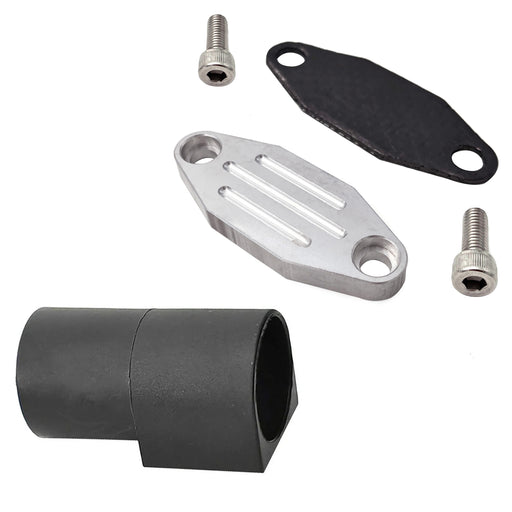
Seguler 1986-1995 Ford F150 F250 F350 Mustang Trucks EGR Simulator Eliminator / Block Off Plate Kit
SEGULEROriginal price $79.99 - Original price $79.99Original price$79.99$79.99 - $79.99Current price $79.99Block Off Plate Material: Aluminum alloy. Easy installation,and convenient to use. Made of CNC milled from aircraft grade Billet aluminum. Will N...
View full details -

Seguler 2011-2023 6.7L Ford Powerstroke Diesel EGR Delete Kit
SEGULEROriginal price $109.99 - Original price $109.99Original price$109.99$109.99 - $109.99Current price $109.99FITMENT 2011-2023 6.7L Ford Powerstroke F-250 F-350 F-450 F-550 Super Duty V8 Diesel. compatible with both standard Pickups and commercial Cab &...
View full details -
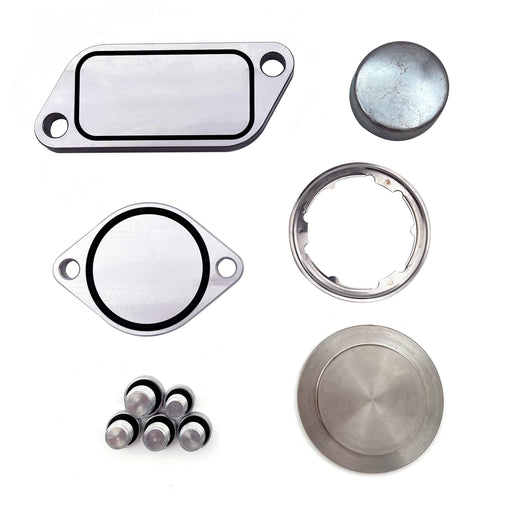
For 2010-Present Stage 2 ISX 15 CM2250 CM2350 EGR Delete Kit
SEGULEROriginal price $59.99 - Original price $59.99Original price$59.99$59.99 - $59.99Current price $59.99FITMENT 2010-Present Cummins Volvo, Peterbilt, Mack, International, Freightliner, Kenworth with the ISX15 CM2250 / CM2350 engines. DESCRIPTION P...
View full details -
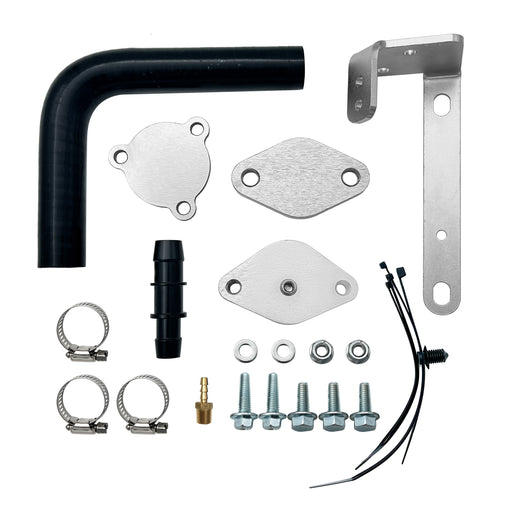
Seguler For 2014-2019 3.0L Dodge Ram 1500 EcoDiesel EGR Valve & Cooler Delete Kit
SEGULEROriginal price $72.99 - Original price $72.99Original price$72.99$72.99 - $72.99Current price $72.99FITMENT 2014-2019 3.0L Dodge Ram 1500 EcoDiesel V6 engine trucks. DESCRIPTION Product Overview Exhaust gas recirculation on 3.0L EcoDiesel V6 ...
View full details -
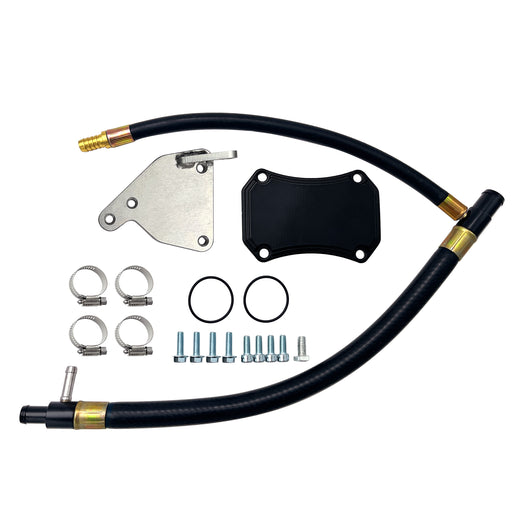
For 2011-2016 6.6L GMC Chevy Duramax Diesel LML EGR Valve Cooler Delete Kit
SEGULEROriginal price $66.49 - Original price $66.49Original price$66.49$66.49 - $66.49Current price $66.49FITMENT 2011-2016 6.6L Chevy GMC Duramax LML 2500 HD 3500 HD Diesel. DESCRIPTION Product Overview The 2011–2016 LML Duramax uses a complex EG...
View full details -
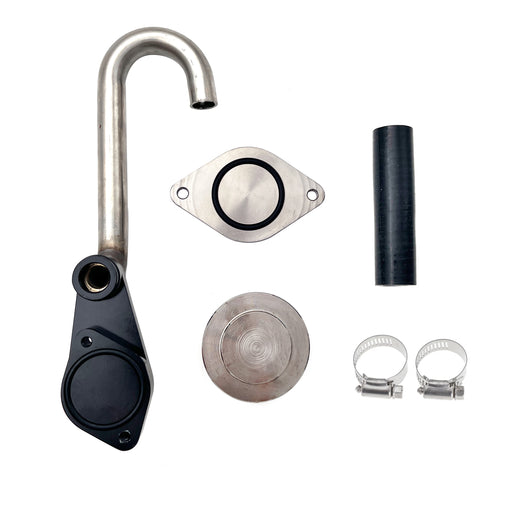
Seguler 2003-2007 6.0L FORD Powerstroke Diesel EGR Cooler Delete Kit
SEGULEROriginal price $56.14 - Original price $56.14Original price$56.14$56.14 - $56.14Current price $56.14FITMENT 2003-2007 6.0L Ford F-250 Ford F-350 F-450 F-550 Super Duty. 2003-2007 6.0L Ford Excursion SUV (Diesel Models Only). 2005-2010 Ford E-Se...
View full details -

Seguler 2011-2023 6.7L Ford Powerstroke Diesel EGR Delete Kit
SEGULEROriginal price $85.99 - Original price $85.99Original price$85.99$85.99 - $85.99Current price $85.99FITMENT 2011-2023 6.7L Ford Powerstroke F-250 F-350 F-450 F-550 Super Duty V8 Diesel. compatible with both standard Pickups and commercial Cab &...
View full details -

Seguler 2010-2024 6.7L Dodge Ram Cummins Diesel EGR Valve Cooler Delete Kit
SEGULEROriginal price $89.99 - Original price $89.99Original price$89.99$89.99 - $89.99Current price $89.99FITMENT 2010–2024 6.7L Dodge Ram Cummins 2500 / 3500 Pickup Turbo Diesel. Note: Does NOT fit Chassis Cab 3500 / 4500 / 5500 models. DESCRIPTIO...
View full details -

Seguler 2017-2019 L5P Duramax Diesel 4pcs L5P Can Bus Plugs Connector Replacement
SEGULEROriginal price $75.00 - Original price $75.00Original price$75.00$75.00 - $75.00Current price $75.00FITMENT 2017–2019 Chevrolet Silverado / GMC Sierra Duramax L5P 2500HD & 3500HD Diesel. DESCRIPTION Product Overview Unprotected harness con...
View full details -
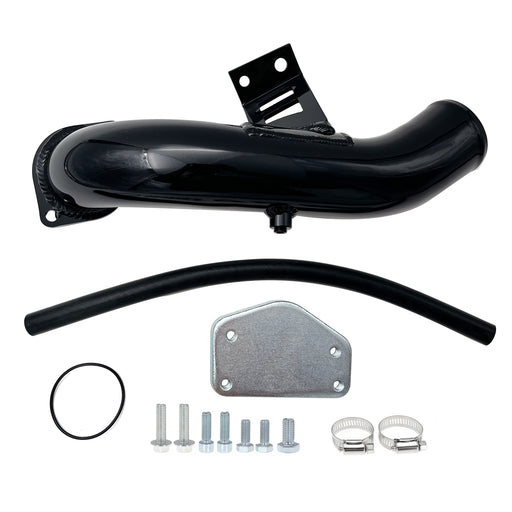
For 2004.5-2005 6.6L Chevy GMC Silverado LLY Duramax Diesel EGR Delete Kit
SEGULEROriginal price $92.99 - Original price $92.99Original price$92.99$92.99 - $92.99Current price $92.99FITMENT 2004.5-2005 6.6L Chevrolet Silverado Duramax LLY 2500HD / 3500 HD. 2004.5-2005 6.6L GMC Sierra Duramax LLY 2500HD / 3500 HD. DESCRIPTION...
View full details -

Seguler 2020-2023 chevy duramax L5P Diesel Can Bus Plugs Connector
SEGULEROriginal price $80.00 - Original price $80.00Original price$80.00$80.00 - $80.00Current price $80.00FITMENT 2020–2023 Chevrolet Silverado / GMC Sierra Duramax L5P 2500HD & 3500HD Diesel. DESCRIPTION Product Overview Unprotected harness pl...
View full details -
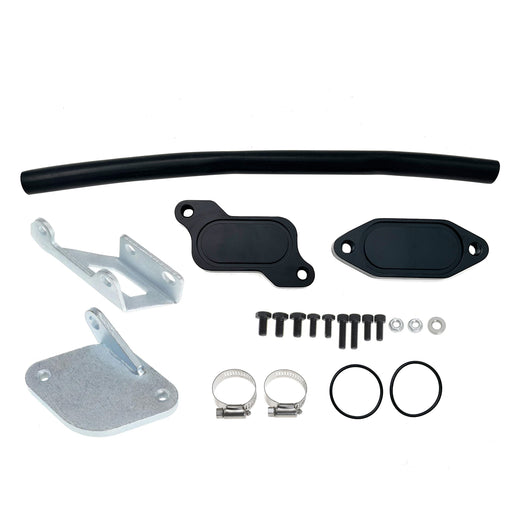
For 2006-2007 6.6L Chevrolet Silverado Classic GMC Duramax LBZ Diesel EGR Valve Cooler Delete Kit
SEGULEROriginal price $63.49 - Original price $63.49Original price$63.49$63.49 - $63.49Current price $63.49FITMENT 2006-2007.4 Chevrolet Silverado Duramax LBZ 2500HD / 3500HD. 2007.4 Chevrolet Silverado Duramax LBZ 2500HD / 3500HD Classic. 2006-2007.4 ...
View full details -

Seguler 2011-2023 6.7L Ford F250 F350 F450 F550 Powerstroke Diesel EGR Valve Delete Cooler Delete Kit
SEGULEROriginal price $55.99 - Original price $55.99Original price$55.99$55.99 - $55.99Current price $55.99FITMENT 2011-2023 6.7L Ford Powerstroke F-250 F-350 F-450 F-550 Super Duty V8 Diesel compatible with both standard Pickups and commercial Cab &a...
View full details -
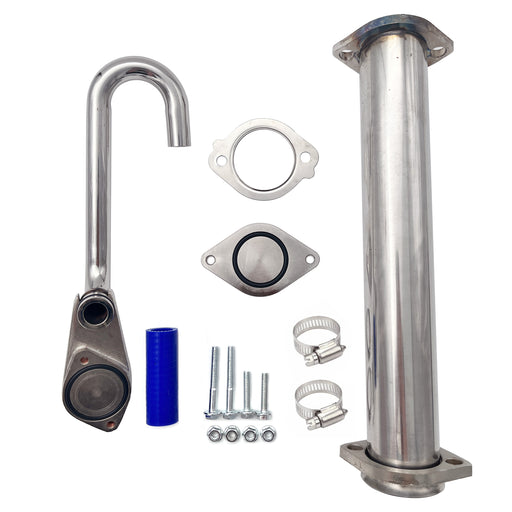
Seguler 2003-2007 6.0L Ford F250 F350 Powerstroke Diesel EGR Basic Cooler Kit
SEGULEROriginal price $79.99 - Original price $79.99Original price$79.99$79.99 - $79.99Current price $79.99FITMENT 2003-2007 6.0L Ford F250 F350 F450 F550 Super Duty Turbo (except 2004 F250 Super Duty). 2003-2005 6.0L Ford Excursion Turbo. 2005 Ford F...
View full details -
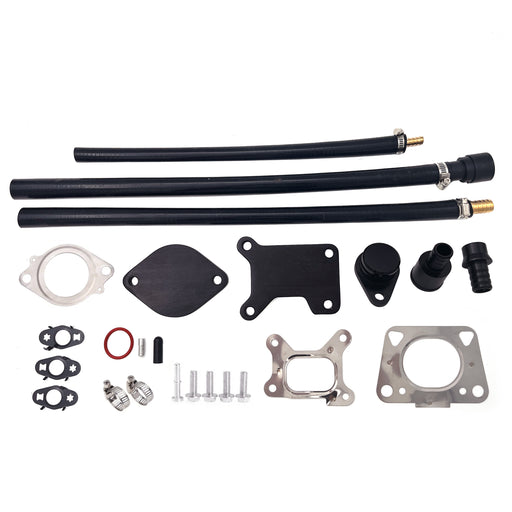
For 2017-2023 6.6L Chevy GMC Duramax L5P diesel EGR Valve Cooler Delete kit
SEGULEROriginal price $131.99 - Original price $131.99Original price$131.99$131.99 - $131.99Current price $131.99FITMENT 2017–2023 6.6L Chevrolet Silverado / GMC Sierra Duramax L5P 2500HD 3500HD Diesel. DESCRIPTION Product Overview Hot soot recirculation ...
View full details -
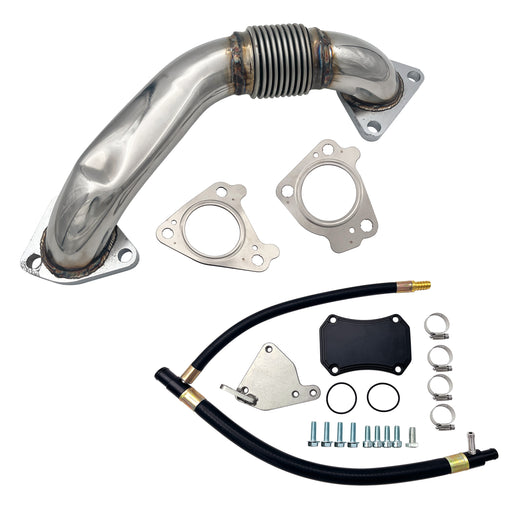
Seguler 2011-2016 6.6L GMC Chevy Duramax Diesel LML Up-Pipe & EGR Valve Cooler Delete Kit
SEGULEROriginal price $173.86 - Original price $173.86Original price$173.86$173.86 - $173.86Current price $173.86FITMENT 2011-2016 6.6L Chevy GMC Duramax LML 2500 HD 3500 HD Diesel. DESCRIPTION Product Overview Direct-injection technology endows GM 5.3L an...
View full details -
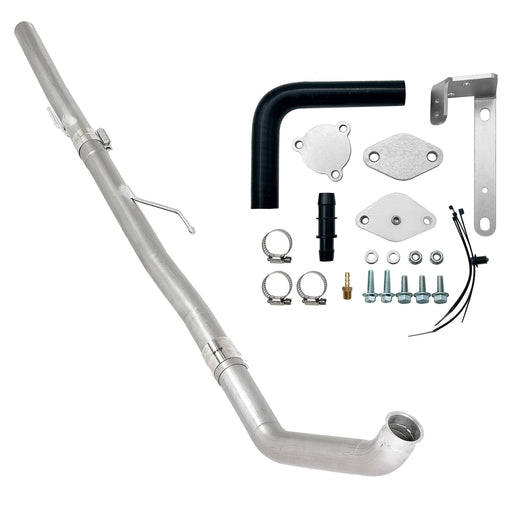
Seguler 3" Ecodiesel DPF Delete Pipe & EGR Delete kit for 2014-2018 3.0L Ram
SEGULEROriginal price $342.00 - Original price $342.00Original price$342.00$342.00 - $342.00Current price $342.00FITMENT 2014–2018 3.0L Dodge Ram 1500 EcoDiesel V6. NOTE: Fit standard Pickup models only (Crew Cab, Quad Cab). Does NOT fit Jeep Grand Cheroke...
View full details -
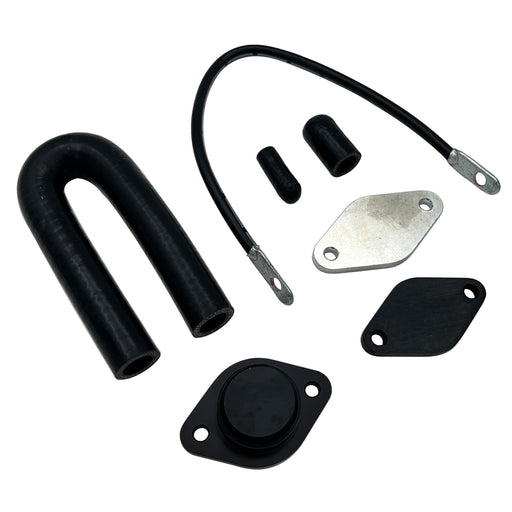
Seguler EGR valve cooler Delete kit for 2020-2022 3.0L Chevy Duramax LM2
SEGULEROriginal price $189.12 - Original price $189.12Original price$189.12$189.12 - $189.12Current price $189.12FITMENT 2020–2022 3.0L Chevrolet Silverado GMC Sierra 1500 LM2 Turbo-Diesel. DESCRIPTION Product Overview Powered by smooth inline-six engine...
View full details -

For 2013-2023 6.7L Dodge Ram Cummins Cab & Chassis EGR Delete Kit Diesel
SEGULEROriginal price $62.99 - Original price $62.99Original price$62.99$62.99 - $62.99Current price $62.99FITMENT 2013–2023 6.7L Ram Cummins 3500 4500 5500 Cab & Chassis / Commercial Trucks. Does NOT fit standard Ram 2500 3500 Pickups. DESCRIPTIO...
View full details -
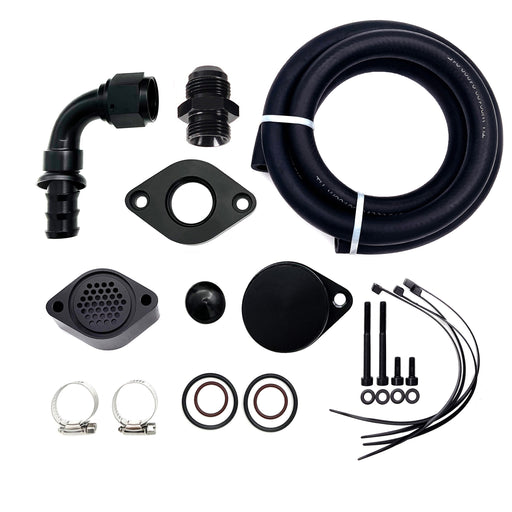
Seguler 2011-2023 6.7L Ford Powerstroke CCV PCV Reroute Engine Ventilation Kit
SEGULEROriginal price $82.99 - Original price $82.99Original price$82.99$82.99 - $82.99Current price $82.99FITMENT 2011-2023 6.7L Ford Powerstroke F-250 F-350 F-450 F-550 Super Duty V8 Diesel. Compatible with both standard Pickups and commercial Cab &...
View full details -
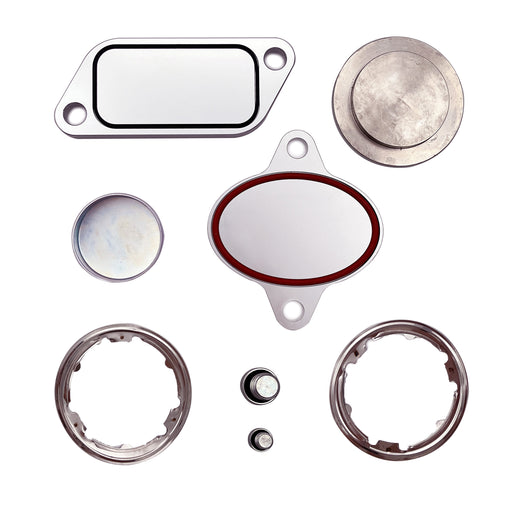
For 2007-2010 Cummins ISX CM871 EGR Plug Kit Stage 2 Plates and Plugs Aluminum
SEGULEROriginal price $67.99 - Original price $67.99Original price$67.99$67.99 - $67.99Current price $67.99FITMENT 2007-2010 Cummins Volvo, Peterbilt, Mack, International, Freightliner, Kenworth with the ISX CM871 Engines. DESCRIPTION Product Overvie...
View full details -
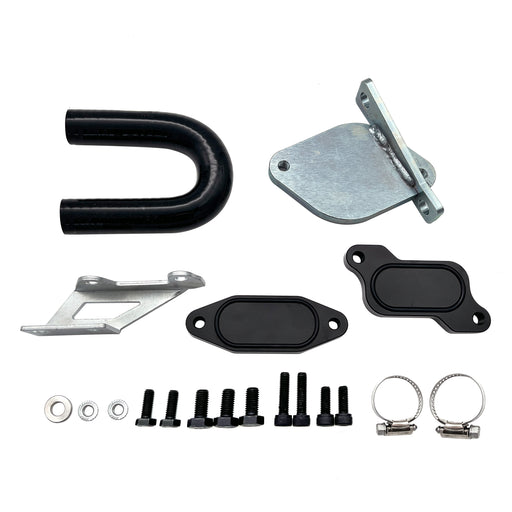
For 2007-2010 6.6L Chevy GMC LMM Duramax EGR Valve Cooler Delete Kit Fit
SEGULEROriginal price $61.99 - Original price $61.99Original price$61.99$61.99 - $61.99Current price $61.99FITMENT 2007.5-2010 6.6L Chevrolet Silverado Duramax LMM 2500HD / 3500HD. 2007.5-2010 6.6L GMC Sierra Duramax LMM 2500HD / 3500HD. Note: Standard...
View full details -
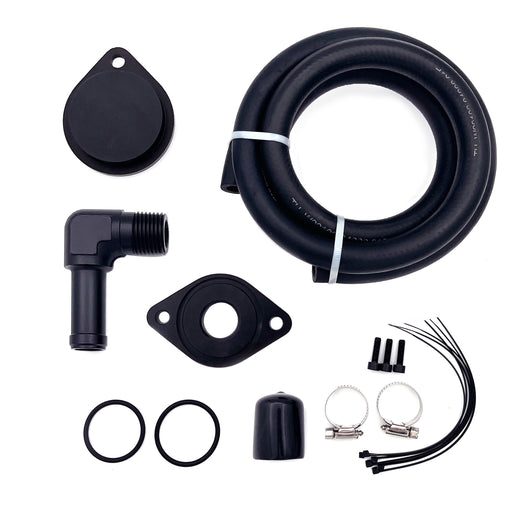
Seguler 2011-2023 Ford 6.7L Powerstroke CCV/PCV Reroute/Delete Engine Ventilation Kit
SEGULEROriginal price $72.00 - Original price $72.00Original price$72.00$72.00 - $72.00Current price $72.00FITMENT 2011-2023 6.7L Ford Powerstroke F-250 F-350 F-450 F-550 Super Duty V8 Diesel. Compatible with both standard Pickups and commercial Cab &...
View full details -
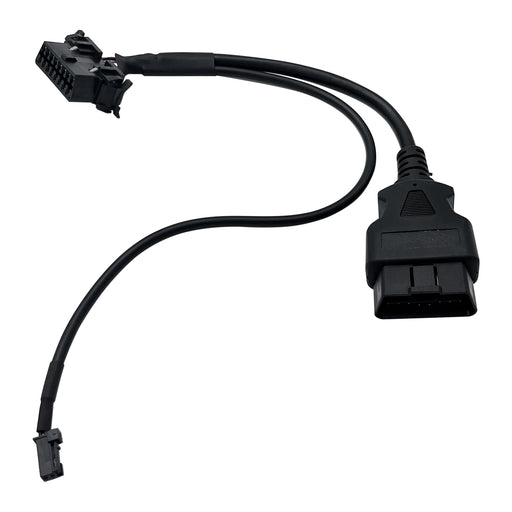
Seguler 2018+ RAM Cummins OBD2 HD Security Gate Bypass Cable
SEGULEROriginal price $45.00 - Original price $45.00Original price$45.00$45.00 - $45.00Current price $45.00FITMENT 2018+ 6.7L Ram Cummins 2500 3500 Turbo Diesel. Designed for Ram pickup trucks equipped with the factory Security Gateway Module. Note: Pl...
View full details -
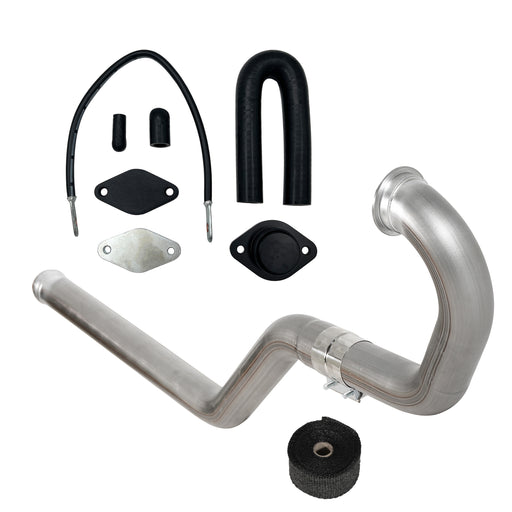
3" Turbo Back DPF & EGR Delete Kit for 2020-2022 GM 3.0L LM2 Duramax
SEGULEROriginal price $550.00 - Original price $550.00Original price$550.00$550.00 - $550.00Current price $550.00FITMENT 2020–2022 3.0L Chevrolet Silverado 1500 LM2 Diesel. 2020–2022 3.0L GMC Sierra 1500 LM2 Diesel. DESCRIPTION Product Overview On the 3.0...
View full details


Leave a comment