

6.7L Powerstroke Delete: Real MPG & HP Numbers
Search “6.7 Powerstroke delete gains” and you’ll get a mess. One forum thread says +30 horsepower. A tuner’s landing page promises +120. A YouTube commenter swears they picked up 6 MPG. Another swears they got nothing. The spread is fourfold, and the honest answer is that every single one of those numbers can be true — because a “delete” is never the same job twice.
This article gives you the actual measured numbers — real dyno pulls, owner-tracked fuel logs, a timed 0–60, and a scale weight — then walks through exactly why the same delete produces such wildly different results on two trucks sitting side by side. If you’re trying to decide whether it’s worth it, or you just want to know which figures online are real and which are marketing, this is the piece for you.
The One Clean Dyno Test We Can Actually Trust
Most “delete gains” you see are estimates. A tuner quotes a range because they don’t know your truck. A forum poster guesses from the seat of their pants. But Dark Iron Diesel actually strapped a bone-stock 2017 6.7L down, ran it, deleted it, tuned it, and ran it again on the same dyno.
The Actual Data Regarding That Truck
That truck had a 6-inch lift, 24×14 forged wheels, and 36-inch mud tires. The owner noted the engine is rated at 440 horsepower at the crank, but the dyno only saw 340 — the gap is driveline loss plus a set of enormous tires eating power before it reaches the rollers. So keep that in mind: even the “before” number is depressed by the build.
Here’s what the dyno actually recorded, with the gear split called out because it matters more than most people realize:
| State | Gear | Horsepower | Torque (lb-ft) |
|---|---|---|---|
| Stock (emissions on) | 4th (1:1 — accurate torque) | 340 | 602 |
| Stock (emissions on) | 5th (overdrive — accurate HP) | 340 | 524 |
| Deleted, tune level 1 | 4th | 336 | 700 |
| Deleted, tune level 1 | 5th | 329 | — |
| Deleted, tune level 5 (max) | 4th | 451 | 996 |
| Deleted, tune level 5 (max) | 5th | 461 | — |
The headline number: +121 horsepower and +394 lb-ft of torque (461 vs 340 HP, 996 vs 602 lb-ft). That’s the +120 number you see floating around forums, and now you know exactly where it came from — one truck, one dyno, max tune.
Two Details Matter Here
-
First, that torque number only shows up in 4th gear, which is the 1:1 ratio. In 5th (overdrive) the torque reading drops to 524 lb-ft stock because the gearing skews it — that’s not the engine losing torque, it’s the dyno math.
-
Second, the owner was blunt that on stock wheels and tires this truck would clear 500 horsepower and well over 1,000 lb-ft. The 36s were holding it back. That’s your first hint at why the “same delete” produces different numbers: the rolling stock matters as much as the tune.
The Real 6.7L Powerstroke MPG Numbers — Owner-Tracked, Not Promised
Fuel economy is where the marketing gets the most creative. Tuners quote “up to 5 MPG” because it sounds good in a headline. Real owners who actually log their tanks tell a tighter, more honest story. Here’s what four different deleted 6.7L owners measured, with their truck specs so you can see the variables:
| Truck | Tires / Height | MPG Before | MPG After Delete |
|---|---|---|---|
| 2017, 120 hp tune | Stock-ish (35s) | 15.2 avg | +2–3 MPG (≈17–18) |
| 2015, 130k miles | Stock | 14 mixed / 15–16 hwy | — (baseline only) |
| 2017, 200 hp tune | 37s (cost −3 MPG) | 16 → 13 on 37s | +1.5–3 MPG |
| 2020, Diesel Dudes kit | Stock | — | 22.2 avg / 22–23 hwy |
-
The 2020 truck posted 22.2 MPG average — the highest in the group — because it was on stock tires and stock height.
-
The 2017 on 36s (from the dyno test) saw just 13.2 L/100 km at 100 km/h, which works out to about 17.8 MPG, because the lift and mud tires were clawing back most of the gains.
Same delete, same engine family, and there’s a 4–5 MPG gap between the two — entirely because of wheels, tires, and ride height.
The most useful data point came from the 200-horsepower owner on 37s. He was explicit about what a delete does not do:
“It’s not going to be 5–7 miles per gallon. I’m sorry, these Fords don’t do it. They do provide a big jump in fuel economy if you drive responsibly — but the sound of the exhaust probably keeps you from getting 3, and you’re more likely to get about 1.5.”
That’s the single most honest sentence about delete fuel economy you’ll ever hear. The mechanical gain is real but modest — roughly 1.5 to 3 MPG on a DEF-equipped truck. Anything higher is either an outlier, a pre-DEF truck, or a sales pitch.
Performance You Can Feel: 0–60, Weight, and EGT
Horsepower and MPG get all the attention, but the numbers owners actually feel day-to-day are the ones that don’t make it into tuner brochures.
0–60 In 5.78 Seconds
A deleted, 120-horsepower-tuned 2017 against a stock 6.7 and clocked 5.78 seconds to 60 on a four-wheel-drive boosted launch — the fastest 0–60 they’d ever recorded on the channel. The same truck on a two-wheel-drive launch spun its tires and couldn’t even reach 60.
That one number tells you two things:
- A deleted, tuned 6.7 is genuinely quick
- 4WD vs 2WD launch is a night-and-day difference that dominates your result.
80 Pounds Off The Truck
The factory DPF, SCR catalyst, and associated plumbing weigh roughly 120 pounds. A full 5-inch straight-pipe exhaust weighs 40 to 50 pounds. That’s 70–80 pounds off the back of the truck, low and aft, and it’s free performance no dyno sheet will ever show you.
EGT Is Your New Speed Limit
This is the number nobody mentions in the sales pitch. A deleted, tuned 6.7 will happily melt itself if you don’t watch exhaust gas temperature. The owner who’d put 15,000 miles on his delete was blunt: keep EGTs below 1,350°F.
- Towing 3,000–4,000 pounds? A 120-horse tune may be fine.
- Towing heavy? Drop to an 80- or 40-horse tune and watch the gauge.
The power is there, but the responsibility to manage it is entirely on you now — there’s no factory regen strategy keeping you out of trouble.
Why the Numbers Are All Over the Map
If you’ve read this far, you can already guess the answer: a “delete” is a bundle of at least six independent variables, and every one of them moves your final number. Online, people report the result without listing the inputs, so a +30 and a +120 look contradictory when they’re actually two different experiments.
1. Tires and lift
This is the biggest one. The dyno truck on 36s lost a documented chunk of horsepower. The MPG owner on 37s lost a full 3 MPG just from tires, before the delete even happened. A lifted truck on mud tires will always report smaller gains than a stock-height truck on highway rubber.
2. Tune level
“Deleted” doesn’t mean “max power.” Shift-on-the-fly systems run five or more levels, from stock to 200+. The +120 hp number is a max tune. The +30 hp number is a mild daily tune. Both are real; they’re just different switch positions.
3. The Gear You Measure In
As the dyno showed, torque reads high in 4th (1:1) and low in 5th (overdrive). Quote a number without stating the gear and you can inflate or deflate it by 100+ lb-ft by accident.
4. Driveline Loss And Drivetrain
Two-wheel-drive vs four-wheel-drive, axle ratio, and even tire diameter all change what actually reaches the ground. A 5.78-second truck on 4WD launch is a very different machine from the same truck on 2WD.
5. CP4.2 Fuel Pump Health
The Bosch CP4.2 injection pump is the 6.7L’s single biggest known weakness — the one the engine’s own “everything wrong with it” videos lead with. When it self-destructs, it sends metal fragments through the lines, rails, and injectors, and you’re replacing the whole fuel system to the tune of $8,000–10,000. A delete doesn’t fix this; a truck with a healthy, well-fed CP4.2 will make more power than an identical one with a neglected fuel system.
6. Your Right Foot
The 200-horsepower owner said it outright: the exhaust noise costs you MPG because you’ll drive it harder to hear it. The same delete on the same truck driven gently returns 3 MPG; driven like you stole it, it returns 1.5.
Add altitude, headwinds, fuel quality, and ambient temperature, and you can see why a clean, universal “delete gains” number is impossible. The honest answer is always “depends on the truck and how it’s driven.”
What a Delete Actually Involves
So far we’ve talked about results. But if you’re going to do this, you should know what you’re actually in for — because “a delete” is three separate jobs bolted together, and the labor is where the real cost and risk live.
The three legs of a full 6.7L delete:
-
The tune (always first). You flash an emissions-off tune through the ECM before touching a single bolt. Skip this and the truck throws a wall of codes and drops into limp mode.
-
The exhaust. The DPF, SCR catalyst, and DEF injector come out. On a 2011–2014 truck there are eight separate sensors to deal with, and each open connector gets a dummy plug or a wrap of tape to keep water out.
-
The EGR. The cooler is held by seven bolts, and the two at the back — one buried under a bracket, one behind the coolant line. The bolts that hold the EGR pipes in the valley are notorious for snapping, which is exactly why many owners leave the cooler bolted on and just unplug it after the tune.
The genuinely hard part of the whole job is the downpipe. To get it out you pull the transmission crossmember, loosen the V-band clamp at the turbo (15mm), and on some trucks you have to pull the studs out of the cylinder head just to get enough swing to wiggle the pipe free. Plan a full day for your first delete, and budget a helper for the heavy exhaust sections.
What It Costs?
The kit price is only half the story — the tuner is the real variable. Here’s the honest three-tier spread, based on what owners and vendors actually quote:
| Tier | What you get | Approx. cost |
|---|---|---|
| Budget | 4" delete pipe + basic tuning | ~$1,300 |
| Standard | 4" exhaust + EGR delete + shift-on-the-fly tuner | $1,600–2,300 |
| Full build | 5" exhaust + EGR + CCV reroute + high-output tuning | $2,200–3,800 |
The hardware (pipe + EGR delete) is the cheap part — a 4-inch delete pipe and EGR bypass kit runs a few hundred dollars, and even a full 5-inch system with CCV reroute stays under a grand. The tuner is what swings the total from $1,300 to nearly $4,000.
What’s Real vs. What’s Marketing
Now that you know the variables, you can sort the internet’s claims into two piles.
Trust these:
- A before-and-after dyno on the same truck. That’s how the +121 hp figure was earned, and it’s the only HP number in this article with real weight behind it.
- Owner-tracked MPG with a stated baseline. “15.2 before, +2–3 after” is credible. “Gained 5 MPG” with no before number is not.
- Timed performance runs. 5.78 seconds to 60 is a hard, repeatable number.
Treat these with suspicion:
- “Up to X MPG” with no test conditions. The “up to” is doing all the work. On a DEF-equipped truck, the real ceiling is around 3 MPG for most builds.
- A horsepower range with no gear, no tires, no tune level. +30 to +120 isn’t a range — it’s six different trucks.
- Claims that a delete “adds reliability” as a blanket statement. Removing the DPF and EGR does eliminate two of the 6.7L’s most common failure points (soot-clogged EGR coolers and regen-related fuel dilution). But it introduces new failure modes — high EGTs, a stressed CP4.2, and zero factory oversight. Reliability is a trade, not a free upgrade.
There’s one more layer worth knowing, and it’s the one most people miss. A tuner’s education video on deletes made a point that reframes the entire MPG debate:
Pre-DEF trucks saw big MPG gains from deletes — because the DPF would progressively plug and strangle the engine until a highway regen cleared it. Modern DEF trucks actively inject fluid to keep the DPF clean, so the filter never chokes as badly.
That’s why a 2008 owner swears by a 6 MPG gain while a 2020 owner measures 2. They’re not both right about the same engine — they’re describing two different emissions eras. The 6.7L Powerstroke, being a 2011-and-newer engine, is squarely in the DEF era. Plan on 1.5–3 MPG, and be pleasantly surprised if you do better.
The 6.7L-Specific Considerations
Before you spend a dime, understand what you’re actually working with. The 6.7L comes in three generations, and the “right” delete depends on which one you own:
| Generation | Years | Notes |
|---|---|---|
| Gen 1 | 2011–2014 | Garrett GT32 SST turbo; EGT sensor failures, NOx sensor failures, early radiator defects |
| Gen 2 | 2015–2019 | Switched to Garrett GT37; CP4.2 pump still present; most issues resolved |
| Gen 3 | 2020–present | Most reliable of the three; tuning differs; fewest failure points |
A few engine-specific truths that matter for any delete decision:
The CP4.2 Is The Real Enemy
Bosch chose the CP4.2 over the older CP3 because it’s lighter (aluminum construction) and cheaper to build — but that weight saving comes with a cost. The pump’s cam wears and sheds fine metal shavings over time, and those shavings get pushed through the lines, the fuel rails, the injectors, and out the return.
The killer detail:
You can’t detect the failure before it happens. By the time it’s obvious, you’re replacing the pump, lines, rails, and injectors — a $8,000–10,000 job. Most fail at or before the 100,000-mile mark, depending on fuel quality and how religiously the filters are changed. A delete doesn’t protect any of this; if anything, the higher fuel demand of a big tune pushes a tired pump closer to the edge.
The Fix:
If you’re going to spend money on a 6.7L, the single highest-value dollar is protecting that pump — clean fuel, on-schedule filters, and on 2011–2019 trucks, a disaster-prevention bypass kit. A 600-horsepower deleted truck with a dying CP4.2 is a $10,000 time bomb.
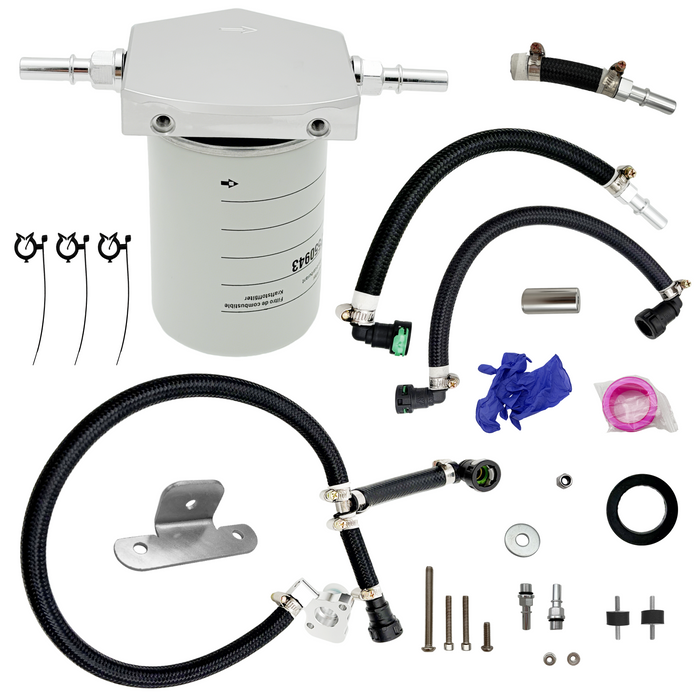
The Turbo Changed Dramatically Between Generations
-
The gen-1 trucks (2011–2014) used the Garrett GT32 SST — effectively two compressor wheels sharing one turbine, packaged into a single unit. Clever, but the compressor wheels are small, which means the shaft has to spin absurdly fast to make boost: over 100,000 RPM stock, and past 150,000 RPM tuned. The dual ceramic ball bearings were a weak point, and the early 2011–2012 trucks had a coolant leak at the turbo inlet pipe.
-
Gen 2 (2015+) ditched all of it for the Garrett GT37 — a 61mm compressor and 72.5mm inducer versus the GT32 SST’s 46mm/64mm, flowing far more air at far lower shaft speed, on a cheaper-to-rebuild journal bearing.
The takeaway: a gen-1 truck is a different machine from a gen-2, and the tune has to account for which turbo you have.
The EGR Cooler Still Clogs Even Before It Fails
On a 6.7L, the EGR valve sits on the hot side (before the coolers), which Ford did to reduce soot buildup — but trucks that idle a lot still carbon-pack the coolers. That’s the argument for the EGR delete leg of these kits: it removes the soot-ingestion pathway entirely rather than just disabling it.
You can delete the tune without physically removing the EGR.
Several owners leave the EGR cooler bolted on and simply unplug it after the tune deactivates it. It’s a shortcut with a tradeoff — the cooler still soots up over time, and you’re not getting the full airflow benefit — but it’s dramatically less labor and avoids the notorious EGR bolts that snap in the valley.
The Tuner and the Transmission: The Part Nobody Quotes
Here’s a number that never makes it into the horsepower debate, yet arguably matters more than the peak figure: the transmission. A deleted 6.7L with a stock transmission tune is a truck that shifts like it’s fighting itself. The tuner isn’t just a power switch — it’s where the transmission strategy lives, and it’s the difference between a truck that rips and one that feels broken.
Shift-On-The-Fly Is The Feature That Changes How You Live With The Truck.
Most quality tuners load five or more power levels you can switch on the move — from a stock-level setting up to 200+ horsepower. That’s the whole point: you don’t daily-drive the max tune. You run level 1–2 around town, bump it for a merge, and reserve the top setting for when you actually need it. The +120 hp number only exists at the top of the switch; your everyday setting is a fraction of that.
Transmission tuning fixes what a delete exposes
The single most-cited quality-of-life upgrade in this space is the transmission tune. The factory transmission strategy was written around the stock, emissions-limited engine; once you open up the power, the shift points, line pressure, and converter lock need to match, or the truck surges and clunks.
There’s A Re-learn Process After Tuning
After flashing a new transmission tune, the TCM needs to re-learn. The standard drill is a series of pulls — a gentle pull at ~25% throttle, another at ~50%, then a full 100% run through the gears up to highway speed — so the adaptive logic can map the new shift points. Skip it and the first few days feel rough until the transmission catches up.
The Road Not Taken: Tuning Without Deleting
Before you commit, there’s a legitimate alternative most delete content ignores: an emissions-compliant tune. It won’t give you the sound or the full power, but it’s worth understanding why a tuner’s own education video called the “more power” argument for deletes a misconception.
With the EPA cracking down on tuning companies, several Canadian shops pivoted to building emissions-on tunes — and the results were better than expected. One tuner cited a specific test: a 2018 Powerstroke on an emissions-compliant 35-horsepower tune actually gained 50 horsepower on the dyno, and the truck regenerated 25% less often than stock.
The honest framing is this:
- Delete gets you the sound, the full power ceiling, and the elimination of the DPF/EGR failure points — but you lose your warranty, your legal standing, and you take on EGT management yourself.
- Emissions-on tune keeps you legal and warrantied, and still delivers a meaningful bump — but it’s quieter, the power ceiling is lower, and the DPF/EGR are still there waiting to fail.
Which one is “right” depends entirely on your use case. A daily-driven, warrantied truck that tows for work? The compliant tune is arguably the smarter play. A dedicated off-road or competition build where you want every last pound-foot and don’t care about the legal risk? Delete.
Choosing a 6.7L Powerstroke Delete Kit: Pipe Size Is Only Half the Story
When you’re comparing 6.7L delete kits, the first thing everyone notices is the exhaust diameter — 4-inch versus 5-inch. But that’s only one of the levers a kit pulls, and if you shop purely on pipe size you’ll miss the part that actually determines how clean your engine stays over the long run.
Lever One: Exhaust Diameter
This one’s real, and it’s the tradeoff owners describe most vividly:
-
4-inch is the “happy medium.” The 200-horsepower owner on 37s chose it deliberately: “It’s not as loud, no drone on the highway — I hear my tires more than I hear the exhaust.” It’s the pick for a daily driver that tows and commutes, because it keeps cabin drone down and still opens the flow dramatically over the stock DPF.
-
5-inch is the max-flow, max-tone option. It delivers the deepest diesel note, the greatest EGT reduction under sustained heavy load, and the most headroom for high-horsepower builds — but owners consistently report highway drone, especially at 70 mph cruise.
Lever Two: Whether The Kit Includes A CCV Reroute
The crankcase ventilation (CCV) system is how the engine vents blow-by pressure, and from the factory it routes that oily vapor straight back into the turbo inlet. The result is a slow-motion mess: oil mist coats the compressor wheel, pools in the intercooler pipes, and — combined with the exhaust soot the EGR feeds back in — forms the exact carbon sludge that packs the intake manifold over tens of thousands of miles. A CCV reroute intercepts that crankcase vapor before the turbo and vents it safely to the undercarriage, away from the intake tract entirely.
Here’s the thing about these two levers:
They’re independent, and a lot of budget kits only pull the first one. They open up the exhaust but leave the crankcase vapor blowing straight into the turbo, so the intake still gets dirty. The intake-carbon problem on a 6.7L is a two-ingredient recipe (oil vapor + exhaust soot), and removing only the soot (EGR) while leaving the oil (CCV) means you’ve solved half the problem.
That’s the real difference between a basic kit and a complete one, and it shows up clearly when you compare the two ends of the spectrum:
| Kit | Exhaust | EGR | CCV Reroute |
|---|---|---|---|
| EGR+DPF ($335.99) | 4" | ✅ EGR cooler bypass | ❌ None |
| EGR+DPF+CCV ($953.99) | 5" | ✅ EGR cooler delete | ✅ Yes |
2011-2023 6.7L Ford Powerstroke 4" Exhaust Delete Pipe & EGR Delete Kit
For most daily-driver and towing builds, the SEGULER 4" Exhaust Delete Pipe & EGR Delete Kit pairs a mandrel-bent 4-inch exhaust with an EGR cooler bypass, dropping backpressure and ending the regen cycles without the highway drone. If you’re keeping the truck mostly stock and care about cabin comfort over max tone, this is the balanced pick.

5" Dp-Back pipe & CCV Reroute EGR cooler Delete Kit for 2011-2022 6.7L Powerstroke
If you’re going to push the truck hard — high output, sustained towing, or you simply want the intake to stay clean for the life of the engine — step up to the 5-inch SG-ER-0240, the SEGULER 5" Dp-Back Pipe & CCV Reroute EGR Delete Kit. It’s not just a bigger pipe: it deletes the EGR coolers and adds the CCV reroute, so you’re eliminating both ingredients of intake carbon at once. The extra cost over the 4-inch kit isn’t paying for diameter alone — it’s paying for the crankcase-vapor leg that keeps the turbo and intercooler clean, which is the part that pays off in engine longevity.

Conclusion
Here’s the honest, numbers-first summary of what a 6.7L Powerstroke delete actually delivers, based on measured results rather than brochure copy:
- Horsepower: +120 at the wheel on a max tune (measured, same-truck dyno). Less on mild tunes, more on stock tires than on 36s.
- Torque: +394 lb-ft at the 1:1 gear (measured). The single most dramatic change you’ll feel.
- Fuel economy: +1.5 to 3 MPG on a modern, DEF-equipped truck. Not 5–7 — those numbers belong to the pre-DEF era.
- 0–60: 5.78 seconds is achievable on a 120-horse tune with a 4WD launch.
- Weight: 70–80 pounds off the truck.
- The real cost: your warranty, your legal standing, and the responsibility of managing EGTs yourself.
And the single most important truth of all: the number you get depends on your truck and your right foot, not on the kit you buy. A $300 kit and a $3,000 kit will make the same power if the tune, tires, and fuel system are the same. Spend your money where it actually moves the needle — good fuel for the CP4.2, the right exhaust diameter for your use case, and a tune matched to how you actually drive.
If you’ve decided a delete is right for your build and your local rules allow it, SEGULER carries both the 4-inch and 5-inch 6.7L Powerstroke kits above, along with EGR delete and exhaust components for the Cummins and Duramax platforms — all in stock and ready to ship. Check the fitment for your year, and build the truck around how you actually use it.
FAQ About 6.7L Powerstroke Delete Kit
Q1: What’s the real horsepower gain from a 6.7L Powerstroke delete?
A: On a measured same-truck dyno run, a 2017 with a max tune gained 121 horsepower (340 to 461 HP) and 394 lb-ft (602 to 996 lb-ft). That’s the ceiling on a max tune; mild daily tunes gain far less, and lifted trucks on big tires lose some of it to driveline and rolling resistance.
Q2: How much fuel economy will I actually gain?
A: On a modern, DEF-equipped 6.7L, expect 1.5 to 3 MPG driven responsibly. The 5–7 MPG claims floating around belong to older pre-DEF trucks; DEF injection keeps the DPF clean enough that the delete no longer produces those dramatic gains.
Q3: Why do delete HP numbers online range from +30 to +120?
A: Because “a delete” is six variables in a trench coat — tune level, tire size, lift height, gear ratio, fuel pump health, and driving style. A mild tune on a lifted truck returns +30; a max tune on a stock truck returns +120. Both are real.
Q4: Does deleting a 6.7L improve reliability?
A: It removes two real failure points (soot-clogged EGR coolers and regen-related fuel dilution), but it introduces new ones — unmanaged EGTs, a harder-working CP4.2 pump, and zero factory oversight. It’s a trade, not a free upgrade.
Q5: Should I get a 4-inch or 5-inch exhaust?
A: 4-inch for daily drivers and towing — it avoids highway drone while still opening the flow. 5-inch for max-output builds that use the extra flow, accepting the drone as the cost of the deeper tone and lower EGTs under load.
Q6: What’s the number one thing I should worry about on a 6.7L?
A: The Bosch CP4.2 injection pump. It’s the engine’s biggest known failure, and a delete doesn’t protect it — if anything, a big tune stresses it further. Protect it with good fuel, on-schedule filter changes, and a disaster-prevention kit on 2011–2019 trucks.
Q7: Can I delete the tune without physically removing the EGR cooler?
A: Yes — several owners leave the cooler bolted on and unplug it after the tune deactivates it. It’s far less labor and avoids the snapping EGR bolts, but the cooler still soots up over time and you don’t get the full airflow benefit of a physical delete.
Q8: Is deleting a 6.7L Powerstroke legal?
A: Removing emissions equipment from a road vehicle is illegal in the US, Canada, and most markets, and it voids your powertrain warranty. This is presented for off-road and competition use only — know your local laws before touching anything.
Q9: What does a 6.7L Powerstroke delete actually cost?
A: It varies by how far you go. One owner did a budget 4-inch delete pipe with tuning for about $1,300 all-in. A full 5-inch exhaust with a shift-on-the-fly tuner starts around $1,600. The hardware alone (exhaust + EGR delete) runs roughly $300–$950 depending on diameter and whether you add a CCV reroute, with the tuner on top of that. The single biggest cost lever is the tuner, not the pipe.
Q10: Should I tune first or remove the hardware first?
A: Always tune first — before you unplug a single sensor or unbolt a single clamp. If you remove the DPF/EGR hardware without first flashing an emissions-off tune, the truck throws codes and drops into limp mode. One installer’s own build hit exactly this: a sensor left unplugged during reassembly triggered limp mode, and re-flashing to a fresh tune was what cleared it. Flash, verify the truck runs clean, then tear it apart.
Featured collection
-
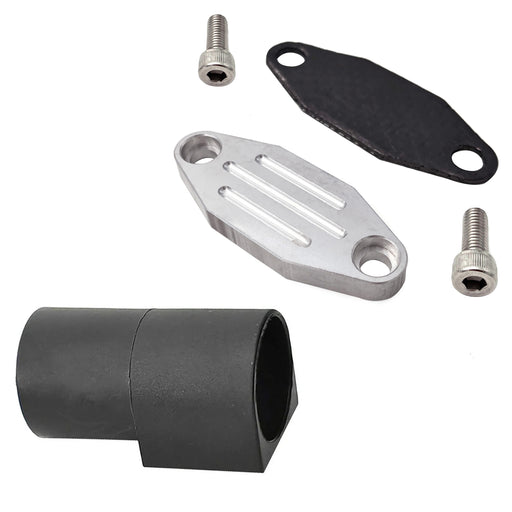
Seguler 1986-1995 Ford F150 F250 F350 Mustang Trucks EGR Simulator Eliminator / Block Off Plate Kit
SEGULEROriginal price $79.99 - Original price $79.99Original price$79.99$79.99 - $79.99Current price $79.99Block Off Plate Material: Aluminum alloy. Easy installation,and convenient to use. Made of CNC milled from aircraft grade Billet aluminum. Will N...
View full details -

Seguler 2011-2023 6.7L Ford Powerstroke Diesel EGR Delete Kit
SEGULEROriginal price $109.99 - Original price $109.99Original price$109.99$109.99 - $109.99Current price $109.99FITMENT 2011-2023 6.7L Ford Powerstroke F-250 F-350 F-450 F-550 Super Duty V8 Diesel. compatible with both standard Pickups and commercial Cab &...
View full details -
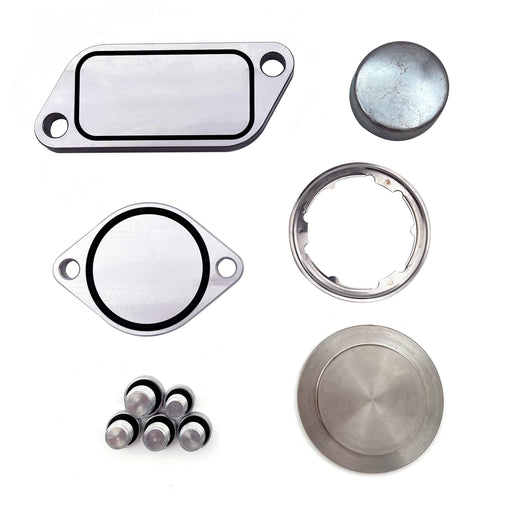
For 2010-Present Stage 2 ISX 15 CM2250 CM2350 EGR Delete Kit
SEGULEROriginal price $59.99 - Original price $59.99Original price$59.99$59.99 - $59.99Current price $59.99FITMENT 2010-Present Cummins Volvo, Peterbilt, Mack, International, Freightliner, Kenworth with the ISX15 CM2250 / CM2350 engines. DESCRIPTION P...
View full details -
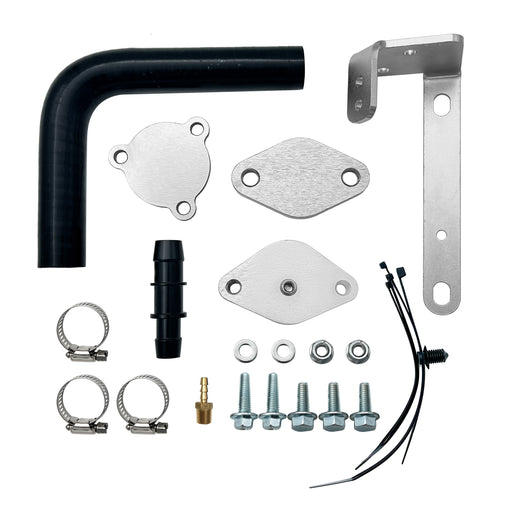
Seguler For 2014-2019 3.0L Dodge Ram 1500 EcoDiesel EGR Valve & Cooler Delete Kit
SEGULEROriginal price $72.99 - Original price $72.99Original price$72.99$72.99 - $72.99Current price $72.99FITMENT 2014-2019 3.0L Dodge Ram 1500 EcoDiesel V6 engine trucks. DESCRIPTION Product Overview Exhaust gas recirculation on 3.0L EcoDiesel V6 ...
View full details -
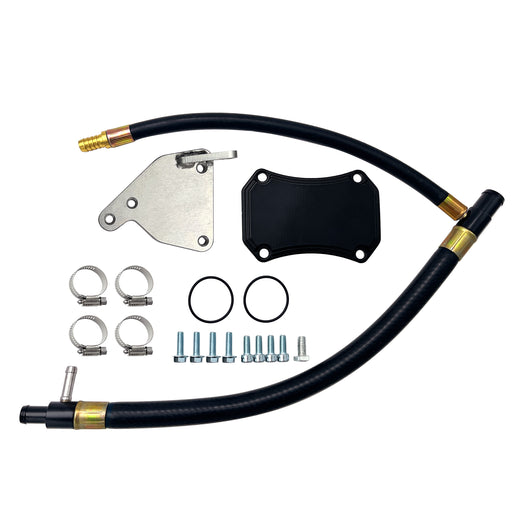
For 2011-2016 6.6L GMC Chevy Duramax Diesel LML EGR Valve Cooler Delete Kit
SEGULEROriginal price $66.49 - Original price $66.49Original price$66.49$66.49 - $66.49Current price $66.49FITMENT 2011-2016 6.6L Chevy GMC Duramax LML 2500 HD 3500 HD Diesel. DESCRIPTION Product Overview The 2011–2016 LML Duramax uses a complex EG...
View full details -
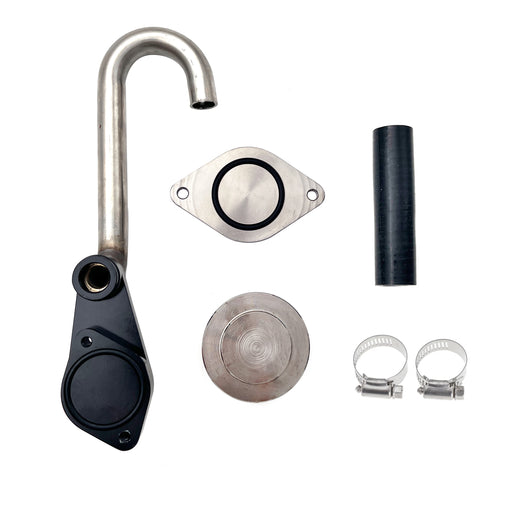
Seguler 2003-2007 6.0L FORD Powerstroke Diesel EGR Cooler Delete Kit
SEGULEROriginal price $56.14 - Original price $56.14Original price$56.14$56.14 - $56.14Current price $56.14FITMENT 2003-2007 6.0L Ford F-250 Ford F-350 F-450 F-550 Super Duty. 2003-2007 6.0L Ford Excursion SUV (Diesel Models Only). 2005-2010 Ford E-Se...
View full details -

Seguler 2011-2023 6.7L Ford Powerstroke Diesel EGR Delete Kit
SEGULEROriginal price $85.99 - Original price $85.99Original price$85.99$85.99 - $85.99Current price $85.99FITMENT 2011-2023 6.7L Ford Powerstroke F-250 F-350 F-450 F-550 Super Duty V8 Diesel. compatible with both standard Pickups and commercial Cab &...
View full details -

Seguler 2010-2024 6.7L Dodge Ram Cummins Diesel EGR Valve Cooler Delete Kit
SEGULEROriginal price $89.99 - Original price $89.99Original price$89.99$89.99 - $89.99Current price $89.99FITMENT 2010–2024 6.7L Dodge Ram Cummins 2500 / 3500 Pickup Turbo Diesel. Note: Does NOT fit Chassis Cab 3500 / 4500 / 5500 models. DESCRIPTIO...
View full details -

Seguler 2017-2019 L5P Duramax Diesel 4pcs L5P Can Bus Plugs Connector Replacement
SEGULEROriginal price $75.00 - Original price $75.00Original price$75.00$75.00 - $75.00Current price $75.00FITMENT 2017–2019 Chevrolet Silverado / GMC Sierra Duramax L5P 2500HD & 3500HD Diesel. DESCRIPTION Product Overview Unprotected harness con...
View full details -
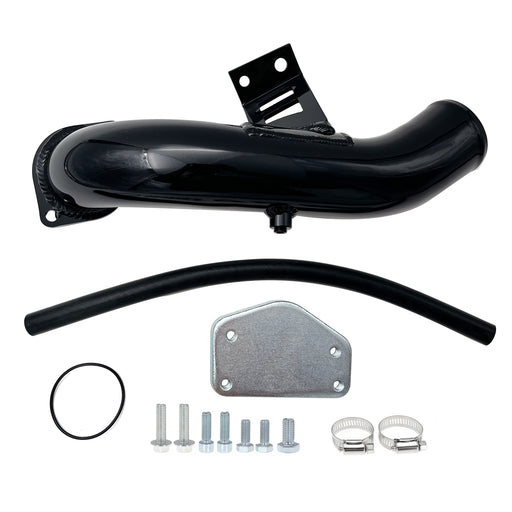
For 2004.5-2005 6.6L Chevy GMC Silverado LLY Duramax Diesel EGR Delete Kit
SEGULEROriginal price $92.99 - Original price $92.99Original price$92.99$92.99 - $92.99Current price $92.99FITMENT 2004.5-2005 6.6L Chevrolet Silverado Duramax LLY 2500HD / 3500 HD. 2004.5-2005 6.6L GMC Sierra Duramax LLY 2500HD / 3500 HD. DESCRIPTION...
View full details -

Seguler 2020-2023 chevy duramax L5P Diesel Can Bus Plugs Connector
SEGULEROriginal price $80.00 - Original price $80.00Original price$80.00$80.00 - $80.00Current price $80.00FITMENT 2020–2023 Chevrolet Silverado / GMC Sierra Duramax L5P 2500HD & 3500HD Diesel. DESCRIPTION Product Overview Unprotected harness pl...
View full details -
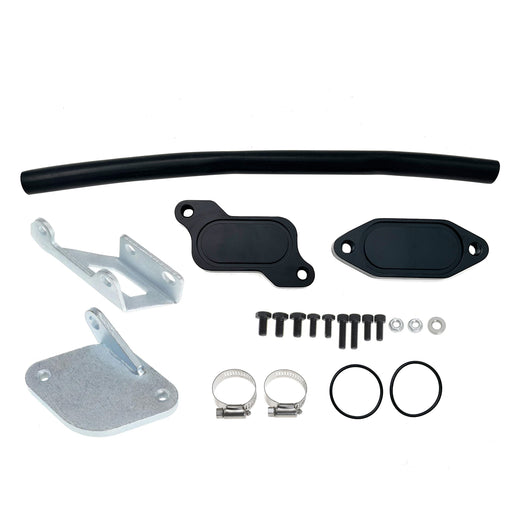
For 2006-2007 6.6L Chevrolet Silverado Classic GMC Duramax LBZ Diesel EGR Valve Cooler Delete Kit
SEGULEROriginal price $63.49 - Original price $63.49Original price$63.49$63.49 - $63.49Current price $63.49FITMENT 2006-2007.4 Chevrolet Silverado Duramax LBZ 2500HD / 3500HD. 2007.4 Chevrolet Silverado Duramax LBZ 2500HD / 3500HD Classic. 2006-2007.4 ...
View full details -

Seguler 2011-2023 6.7L Ford F250 F350 F450 F550 Powerstroke Diesel EGR Valve Delete Cooler Delete Kit
SEGULEROriginal price $55.99 - Original price $55.99Original price$55.99$55.99 - $55.99Current price $55.99FITMENT 2011-2023 6.7L Ford Powerstroke F-250 F-350 F-450 F-550 Super Duty V8 Diesel compatible with both standard Pickups and commercial Cab &a...
View full details -
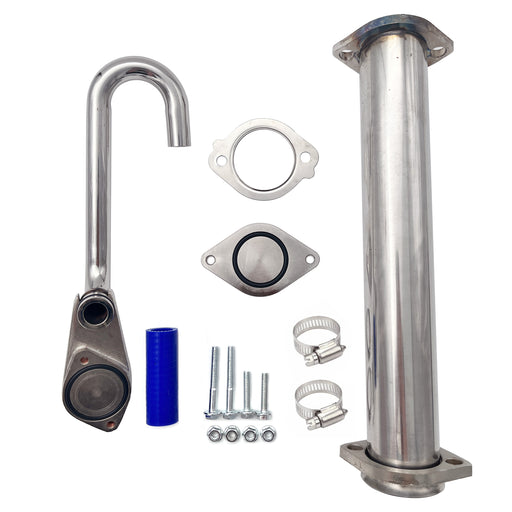
Seguler 2003-2007 6.0L Ford F250 F350 Powerstroke Diesel EGR Basic Cooler Kit
SEGULEROriginal price $79.99 - Original price $79.99Original price$79.99$79.99 - $79.99Current price $79.99FITMENT 2003-2007 6.0L Ford F250 F350 F450 F550 Super Duty Turbo (except 2004 F250 Super Duty). 2003-2005 6.0L Ford Excursion Turbo. 2005 Ford F...
View full details -
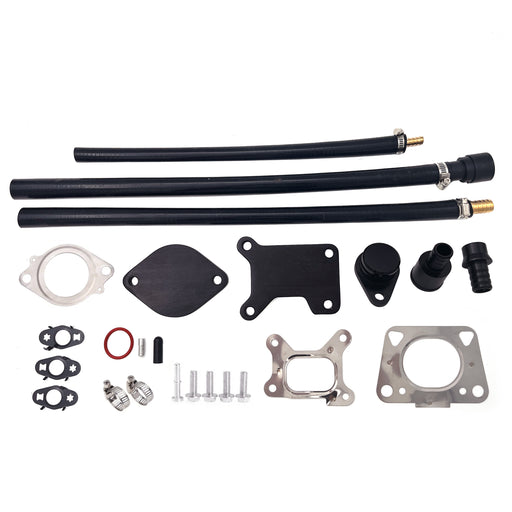
For 2017-2023 6.6L Chevy GMC Duramax L5P diesel EGR Valve Cooler Delete kit
SEGULEROriginal price $131.99 - Original price $131.99Original price$131.99$131.99 - $131.99Current price $131.99FITMENT 2017–2023 6.6L Chevrolet Silverado / GMC Sierra Duramax L5P 2500HD 3500HD Diesel. DESCRIPTION Product Overview Hot soot recirculation ...
View full details -
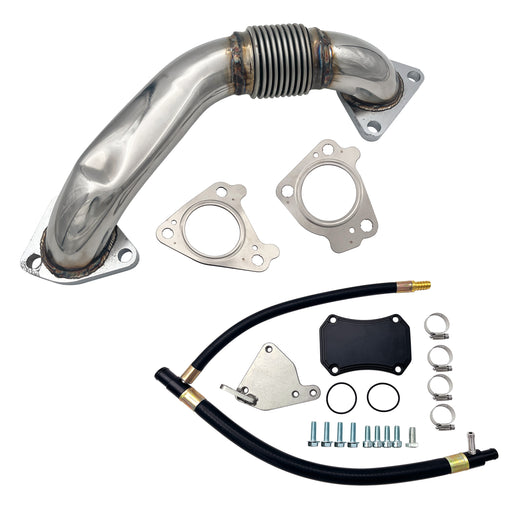
Seguler 2011-2016 6.6L GMC Chevy Duramax Diesel LML Up-Pipe & EGR Valve Cooler Delete Kit
SEGULEROriginal price $173.86 - Original price $173.86Original price$173.86$173.86 - $173.86Current price $173.86FITMENT 2011-2016 6.6L Chevy GMC Duramax LML 2500 HD 3500 HD Diesel. DESCRIPTION Product Overview Direct-injection technology endows GM 5.3L an...
View full details -
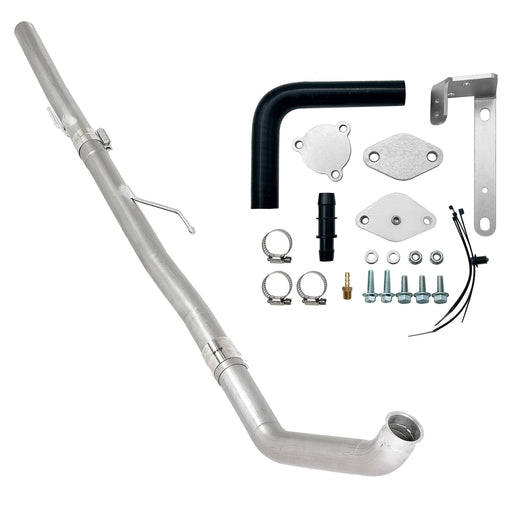
Seguler 3" Ecodiesel DPF Delete Pipe & EGR Delete kit for 2014-2018 3.0L Ram
SEGULEROriginal price $342.00 - Original price $342.00Original price$342.00$342.00 - $342.00Current price $342.00FITMENT 2014–2018 3.0L Dodge Ram 1500 EcoDiesel V6. NOTE: Fit standard Pickup models only (Crew Cab, Quad Cab). Does NOT fit Jeep Grand Cheroke...
View full details -
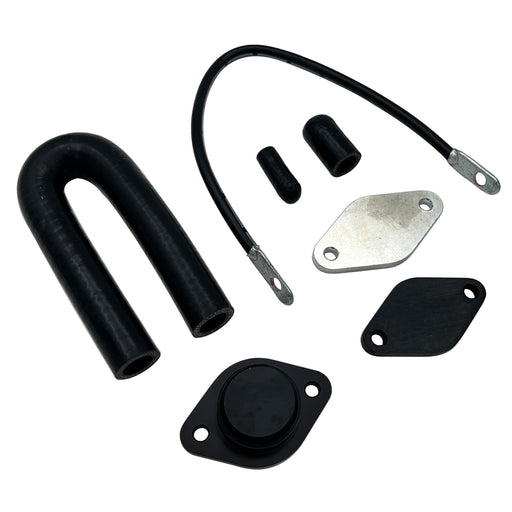
Seguler EGR valve cooler Delete kit for 2020-2022 3.0L Chevy Duramax LM2
SEGULEROriginal price $189.12 - Original price $189.12Original price$189.12$189.12 - $189.12Current price $189.12FITMENT 2020–2022 3.0L Chevrolet Silverado GMC Sierra 1500 LM2 Turbo-Diesel. DESCRIPTION Product Overview Powered by smooth inline-six engine...
View full details -

For 2013-2023 6.7L Dodge Ram Cummins Cab & Chassis EGR Delete Kit Diesel
SEGULEROriginal price $62.99 - Original price $62.99Original price$62.99$62.99 - $62.99Current price $62.99FITMENT 2013–2023 6.7L Ram Cummins 3500 4500 5500 Cab & Chassis / Commercial Trucks. Does NOT fit standard Ram 2500 3500 Pickups. DESCRIPTIO...
View full details -
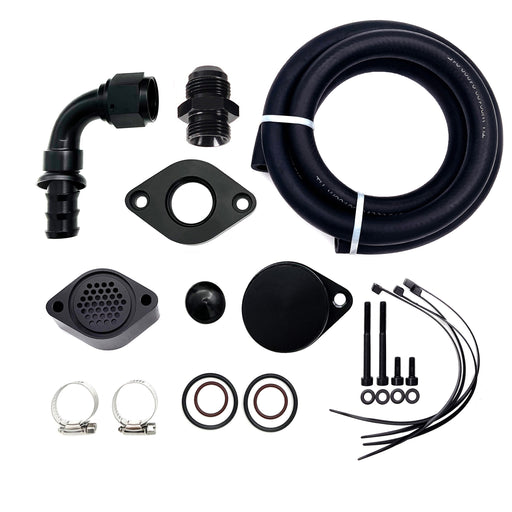
Seguler 2011-2023 6.7L Ford Powerstroke CCV PCV Reroute Engine Ventilation Kit
SEGULEROriginal price $82.99 - Original price $82.99Original price$82.99$82.99 - $82.99Current price $82.99FITMENT 2011-2023 6.7L Ford Powerstroke F-250 F-350 F-450 F-550 Super Duty V8 Diesel. Compatible with both standard Pickups and commercial Cab &...
View full details -
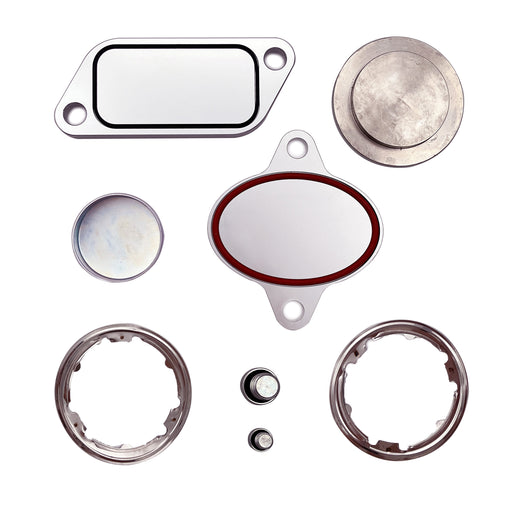
For 2007-2010 Cummins ISX CM871 EGR Plug Kit Stage 2 Plates and Plugs Aluminum
SEGULEROriginal price $67.99 - Original price $67.99Original price$67.99$67.99 - $67.99Current price $67.99FITMENT 2007-2010 Cummins Volvo, Peterbilt, Mack, International, Freightliner, Kenworth with the ISX CM871 Engines. DESCRIPTION Product Overvie...
View full details -
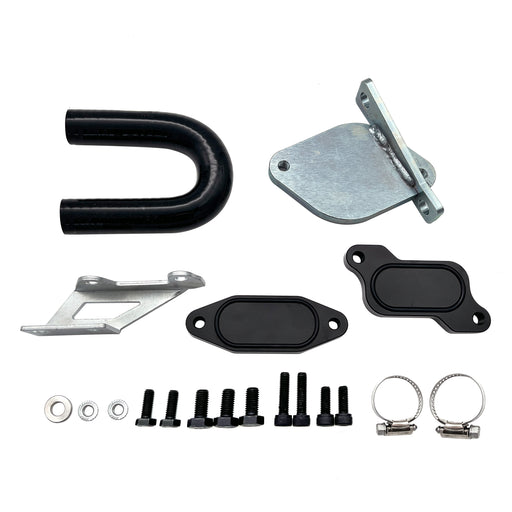
For 2007-2010 6.6L Chevy GMC LMM Duramax EGR Valve Cooler Delete Kit Fit
SEGULEROriginal price $61.99 - Original price $61.99Original price$61.99$61.99 - $61.99Current price $61.99FITMENT 2007.5-2010 6.6L Chevrolet Silverado Duramax LMM 2500HD / 3500HD. 2007.5-2010 6.6L GMC Sierra Duramax LMM 2500HD / 3500HD. Note: Standard...
View full details -
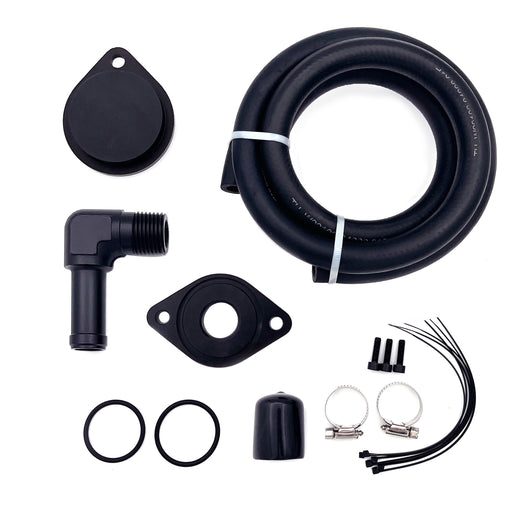
Seguler 2011-2023 Ford 6.7L Powerstroke CCV/PCV Reroute/Delete Engine Ventilation Kit
SEGULEROriginal price $72.00 - Original price $72.00Original price$72.00$72.00 - $72.00Current price $72.00FITMENT 2011-2023 6.7L Ford Powerstroke F-250 F-350 F-450 F-550 Super Duty V8 Diesel. Compatible with both standard Pickups and commercial Cab &...
View full details -
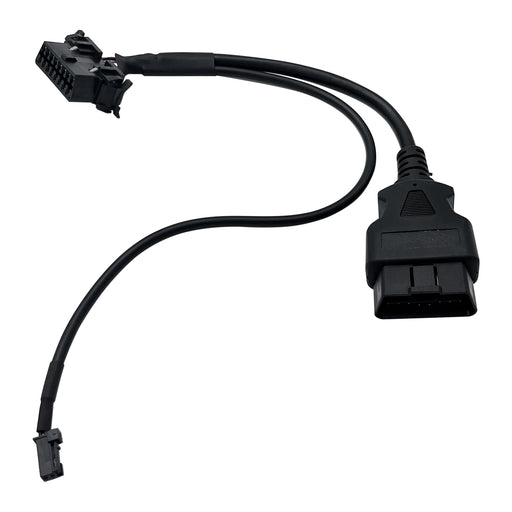
Seguler 2018+ RAM Cummins OBD2 HD Security Gate Bypass Cable
SEGULEROriginal price $45.00 - Original price $45.00Original price$45.00$45.00 - $45.00Current price $45.00FITMENT 2018+ 6.7L Ram Cummins 2500 3500 Turbo Diesel. Designed for Ram pickup trucks equipped with the factory Security Gateway Module. Note: Pl...
View full details -
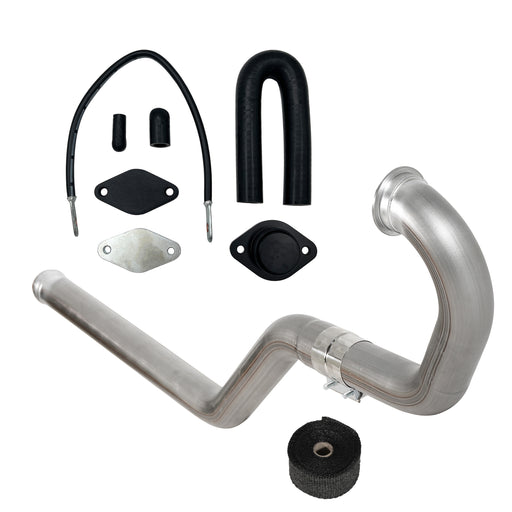
3" Turbo Back DPF & EGR Delete Kit for 2020-2022 GM 3.0L LM2 Duramax
SEGULEROriginal price $550.00 - Original price $550.00Original price$550.00$550.00 - $550.00Current price $550.00FITMENT 2020–2022 3.0L Chevrolet Silverado 1500 LM2 Diesel. 2020–2022 3.0L GMC Sierra 1500 LM2 Diesel. DESCRIPTION Product Overview On the 3.0...
View full details


Leave a comment