

Duramax LML EGR & Exhaust Upgrade (2011-2016)
The Maintenance Challenges Behind the 6.6L Duramax LML
You bought a 6.6L Duramax LML because you wanted a truck that could handle serious work — towing trailers, hauling equipment, and covering long distances with confidence. The LML platform has earned a strong reputation among diesel owners with its durable engine design, proven Allison transmission, and impressive towing capability. But as mileage increases, many owners discover that the engine itself is often not the first thing that needs attention — the challenge comes from the emissions systems surrounding it.
The DPF and EGR systems were designed to control emissions, but they operate in one of the harshest environments on the truck. The DPF continuously captures soot and relies on high-temperature regeneration cycles, while the EGR system manages exhaust gases that are repeatedly exposed to heat and carbon buildup. Over time, many owners begin noticing changes such as more frequent regeneration cycles, higher exhaust temperatures under load, slower throttle response, or coolant level concerns. These issues usually develop gradually and are connected to how the factory exhaust and EGR systems work together.
That is why addressing only one component may not solve the bigger picture. The DPF, exhaust system, and EGR components are closely connected, and when one system becomes restricted or stressed, the others may experience additional strain. This guide explains the common challenges found on 2011–2015 6.6L Duramax LML trucks, why the EGR and exhaust systems are often considered together, and what owners should know when evaluating an upgrade solution.
🚨 Common Problems on 2011-2015 6.6L Duramax LML Trucks
Before diving into upgrade options, it helps to understand what owners of these trucks commonly encounter as mileage accumulates.
EGR cooler failures. The LML uses two EGR coolers connected in series — a design that doubles the surface area for heat exchange but also doubles the potential failure points. Carbon packing in the gas-side passages and repeated thermal cycling can stress internal welds. When a cooler develops an internal leak, coolant can enter the intake system. Early signs include unexplained coolant loss without visible external leaks.
DPF regeneration frequency. As non-combustible ash accumulates in the DPF substrate, the interval between regeneration events shortens. A truck that once regenerated every 300–500 highway miles may begin cycling every 70–100 miles. More frequent regeneration means more fuel used for the regen process and more thermal stress on downstream components.
Exhaust restriction and backpressure. A loaded DPF creates progressively higher exhaust backpressure. The turbo works harder to push exhaust through a restricted filter, which can contribute to higher sustained EGTs under load and reduced throttle response — changes gradual enough that many owners adapt to them without realizing how much performance has shifted over time.
Intake carbon buildup. The EGR system introduces soot and carbon into the intake manifold, cylinder head ports, and intake valves. Over tens of thousands of miles, this carbon accumulation can restrict airflow and contribute to uneven combustion. The effect is cumulative — a clean intake at 50,000 miles may show significant deposits by 120,000 miles.
These problems are not independent. A restricted DPF accelerates EGR cooler stress, and a compromised EGR cooler introduces coolant into the intake path. Addressing one system while leaving the other untouched means the untouched component becomes the next bottleneck.
⏱ How Long Does the 6.6L Duramax LML Engine Last?
The 6.6L Duramax LML is known for its strong engine platform and towing capability. With proper maintenance — regular oil changes, fuel filter replacements, and timely attention to cooling system health — many LML trucks can exceed 200,000 miles without major engine work.
What typically does not make it to 200,000 miles without attention are the emissions components. The DPF accumulates non-combustible ash that active regeneration cannot remove. The EGR coolers cycle between ambient and near-combustion temperatures tens of thousands of times. These are wear items — they are not designed to last the life of the engine block.
For owners planning to keep their LML beyond 150,000 miles, addressing the exhaust and EGR systems proactively can reduce the likelihood of unplanned downtime and progressive performance loss in the second half of the engine’s service life.
Product Overview: Seguler LML Duramax EGR & Exhaust System Upgrade
Two components, one solution. The EGR upgrade kit addresses the intake-side recirculation loop — the exhaust bypass valve, two coolers, and the EGR valve that route soot and heat into the intake manifold. The three-piece exhaust pipe system replaces the DPF, catalyst, and factory downpipe from the turbo to the factory tailpipe.
Fitment
| Vehicle | Years | Engine |
|---|---|---|
| Chevy Silverado 2500HD / 3500HD | 2011–2015 | 6.6L LML Duramax |
| GMC Sierra 2500HD / 3500HD | 2011–2015 | 6.6L LML Duramax |
SG-ER-0031 (EGR kit) also fits 2016 model year. SG-DP-0274 (DPF pipe system) fits 2011–2015. Verify your turbo downpipe connection type — the DPF pipe system works with band clamp connections, not 3-bolt flanges found on some late-2015 trucks.
Key Specifications
| Specification | SG-ER-0031 EGR Upgrade Kit | SG-DP-0274 Exhaust Pipe System |
|---|---|---|
| What it replaces | EGR coolers, valve, bypass | DPF, CAT, downpipe |
| Pipe configuration | N/A | 3-piece: downpipe, mid-pipe, muffler |
| Pipe diameter | N/A | 4-inch |
| Coolant circuit | 5/8" + 3/8" bypass, brass tee | N/A |
| Install location | Engine valley | Underbody |
| Key hardware | Block-off plates, bypass hose, hardware | Brackets, band clamps |
| Special tools | Hand tools, drain pan | Saw |
📊 The Three Approaches to LML Exhaust and EGR Systems
Before examining individual components, it is worth understanding the cost landscape. There are three general approaches to addressing the DPF and EGR systems on an LML Duramax, and the numbers differ significantly.
| Approach | What You Get | Tradeoff |
|---|---|---|
| Complete matched solution | DPF + EGR, one order | Higher cost, zero fitment risk |
| Dealer restoration | Factory parts, dealer labor | Same parts, same failures — dealer rates |
| Mixed-source | Different suppliers | Lower cost — fitment on you, returns eat savings |
Estimated dealer costs vary by location, labor rates, vehicle condition, and additional repairs required.
A complete Duramax upgrade package from a single source means one transaction, one shipping confirmation, one installation session, and one point of contact if a question comes up during the work. A mixed-source approach distributes those responsibilities across multiple vendors. The difference is not just in the price tag — it is in how many phone calls you make if something does not fit.
🔬 What Separates Quality LML Duramax Components
Why the DPF and EGR Are Connected — Not Independent Problems
The LML Duramax emissions architecture connects the exhaust and intake sides in ways that are invisible until you trace both paths from turbo inlet to tailpipe.
The DPF sits downstream of the turbo and upstream of the SCR catalyst. Under normal operation, exhaust gas passes through the DPF substrate, soot is captured, and cleaned gas continues to the SCR where DEF injection neutralizes NOx. Under regeneration — commanded by the ECM when differential pressure reaches a threshold — a post-injection event on the exhaust stroke sends raw fuel into the cylinders late enough that it exits unburned into the exhaust stream. That fuel ignites in the oxidation catalyst, raising exhaust gas temperatures to over 1,100°F at the DPF inlet. The soot burns off. The ash stays behind.
Every regeneration cycle creates a thermal event that the EGR cooler must then process. The EGR system on the LML draws exhaust gas from the exhaust manifold and routes it through a coolant-jacketed heat exchanger before introducing it back into the intake. The purpose is to lower combustion temperatures and reduce NOx formation. The side effect is that soot, carbon, and heat that would otherwise exit the tailpipe are now entering the intake manifold, the cylinder head ports, and the combustion chambers themselves.
As the DPF loads with ash over tens of thousands of miles, regeneration frequency increases. More regeneration events mean the EGR cooler sees hotter exhaust gas more often. Soot accumulation in the cooler’s narrow internal passages accelerates. Coolant flow through those passages slows. Hot spots form where the coolant jacket cannot extract heat fast enough. In documented cases, internal cooler failure has introduced coolant into the intake stream, which may lead to severe engine issues on LML platforms.
The relationship is straightforward: a loaded DPF stresses the EGR cooler. A compromised EGR cooler stresses the entire intake side. A comprehensive Duramax system upgrade addresses both simultaneously — because addressing one while leaving the other untouched means the untouched component is now the weakest link in an otherwise optimized path.
DPF/CAT Replacement Pipe: What Separates Quality
Not all exhaust hardware is manufactured to the same standard. The differences are not always visible in a product photo — they reveal themselves at the first cold start, the first heavy tow, and the first time the truck sees sustained high EGTs.
| Feature | Quality Component | Lower-Cost Alternative |
|---|---|---|
| Material grade | Corrosion-resistant alloy | Basic steel — scaling, rust in months |
| Construction | Mandrel-bent, smooth flow | Section-welded joints |
| Fitment interface | Factory matched | May need shimming |
| Hardware | Complete | Sold separately |
EGR Cooler & Valve Upgrade Kit: What Separates Quality
| Feature | Quality Component | Lower-Cost Alternative |
|---|---|---|
| Plate design | Factory-matched | Approximate fit |
| Coolant routing | Proper circulation | May block flow |
| Component completeness | Full kit | Plates only |
| Surface finish | Treated | Uncoated |
The cost difference between these two tiers does not appear during installation — it appears at 20,000 miles, the first time the truck tows heavy up a long grade, or the first winter the truck sits in road salt. A component that rusts through, leaks exhaust at the gasket, or creates a coolant flow restriction was never the bargain it appeared to be on the order screen.
When Should You Consider an LML Duramax System Upgrade?
Not every LML owner needs to address their exhaust and EGR systems right now. But certain usage patterns accelerate the timeline.
High mileage. LMLs approaching or exceeding 120,000 miles have accumulated ash in the DPF that active regeneration cannot remove. At this mileage, the EGR coolers have endured tens of thousands of thermal cycles between ambient and near-combustion temperatures. The odds of an internal cooler leak — which can introduce coolant into the combustion chamber — increase measurably.
Heavy towing. Sustained load means sustained EGTs, which means more regeneration events and higher thermal stress on every component in the exhaust and intake stream. A truck that pulls a fifth-wheel, gooseneck, or equipment trailer regularly will see its emissions components wear faster than a truck used primarily for unloaded highway commuting.
Short-trip daily driving. Trucks that rarely reach full operating temperature are the most vulnerable to DPF-related fuel dilution. Short trips mean interrupted regeneration cycles, and interrupted regens mean unburned fuel accumulating in the oil. Over months and years, this cumulative dilution reduces oil viscosity and lubrication performance — affecting turbo bearings, main bearings, and the entire rotating assembly.
Modified truck. If the intake, turbo, or fuel system has already been upgraded, the factory DPF and EGR components may now be the bottleneck. A performance-oriented turbo moves more air — but the engine can only expel as much exhaust volume as the DPF substrate flow capacity allows.
If your truck matches one or more of these profiles, a Duramax system upgrade that addresses both the exhaust and intake sides is worth evaluating against the cost of repeated dealer service or individual component replacement.
🚨 Common LML Duramax DPF and EGR Warning Signs
Many LML owners first notice their truck is not running the way it used to — not through a check-engine light, but through gradual changes in how it drives day to day.
Increased regeneration frequency. An LML with a healthy DPF may go 300–500 miles between active regeneration events under highway driving conditions. As ash accumulates, that interval shortens. A truck triggering regeneration every 70–100 miles — particularly during unloaded highway driving — is a strong indicator that the DPF substrate is losing capacity. The ECM is working harder to keep the filter clear, and the fuel dilution from those extra regeneration events is accumulating in the oil pan.
Rising exhaust gas temperatures under load. When the DPF substrate restricts flow, heat that should exit the tailpipe stays in the manifold and turbo housing. Owners who monitor EGTs may notice temperatures climbing faster and staying higher than they did at similar mileage in previous years — particularly when towing.
Coolant level changes without visible leaks. An EGR cooler with an internal crack can slowly introduce coolant into the intake stream. The coolant level in the reservoir drops over weeks, but there is no puddle under the truck and no visible leak at the hoses or radiator. The coolant is exiting through the combustion chambers — and the white smoke that sometimes accompanies it is not always obvious at highway speeds.
Progressive loss of throttle response. As backpressure builds, the turbo spools against increasing resistance. The result is perceptible: a delay between pedal input and power delivery that was not there at 50,000 miles. It happens gradually enough that many owners do not notice it until they drive a truck with a free-flowing exhaust and feel the difference.
These indicators do not all appear simultaneously, and they do not always store a diagnostic trouble code. That is why many owners discover how much performance had been lost only after installing a Duramax system upgrade — because the degradation happens slowly enough to feel normal.
🤔 Should You Upgrade the EGR System or Exhaust First?
If you are addressing one system at a time, the decision depends on what your truck is telling you.
| Upgrade Priority | Main Concern | Best For |
|---|---|---|
| EGR first | Coolant Loss • Carbon Buildup • Slow Response | High Mileage • Coolant Issues |
| Exhaust first |
Frequent Regens • High Exhaust Temps • Restricted Flow |
Heavy towing, trucks with confirmed DPF ash loading |
| Complete system |
Both concerns present, or planning long-term ownership |
Most efficient: one install session, one coolant top-up, no revisit |
If the EGR cooler has already developed an internal leak, addressing the exhaust without addressing the EGR system leaves a known failure point in the engine bay. If the DPF is heavily loaded with ash, addressing the EGR without addressing the exhaust restriction means the engine is still pushing against a progressively loading filter — which puts more thermal stress on every component upstream, including the turbo.
A complete Duramax system upgrade addresses both systems in one session, eliminating the need to revisit the same disassembly path a second time.
The Complete Solution: Two Components, One System
Each component addresses a specific system on the LML Duramax. Together, they form an integrated system approach that can be installed in a single weekend — one exhaust system teardown, one coolant circuit modification.
Seguler 2011-2016 6.6L GMC Chevy Duramax Diesel LML EGR Valve Cooler Delete Kit
EGR Cooler & Valve Upgrade Kit is designed for 2011–2016 6.6L Duramax LML Chevy Silverado HD and GMC Sierra HD trucks. The factory EGR system uses exhaust gas recirculation components, including EGR coolers, EGR valve, and exhaust bypass components, that are exposed to continuous heat cycles and carbon buildup. Over time, soot accumulation and thermal stress may contribute to reduced airflow efficiency, higher intake temperatures, coolant-related concerns, and increased maintenance requirements.
This EGR upgrade kit replaces the factory EGR cooler, EGR valve, and exhaust bypass components with a complete bypass solution, including precision-fit block-off plates, coolant bypass hose, clamps, and required hardware. Designed specifically for the LML Duramax platform, this EGR system upgrade helps remove the factory recirculation path, maintain proper coolant circulation, and provide a cleaner, more reliable engine bay solution for owners looking to address long-term EGR system concerns.

Key Features
● Complete EGR System Upgrade Design
Replaces the factory EGR cooler, EGR valve, and exhaust bypass components to address common carbon buildup and heat-related issues on the LML Duramax platform.
● Coolant Bypass System Included
Includes coolant bypass hose, fittings, clamps, and required hardware to maintain proper coolant circulation after removing the factory EGR cooler circuit.
● Precision-Fit Block-Off Components
Features vehicle-specific intake and exhaust block-off plates designed for proper sealing and long-term durability.
● LML Duramax Specific Fitment
Fits 2011–2016 Chevy Silverado 2500HD/3500HD and GMC Sierra 2500HD/3500HD with 6.6L Duramax LML engines.
For owners of 2011–2016 6.6L Duramax LML trucks, the EGR Cooler & Valve Upgrade Kit provides a complete solution for addressing long-term EGR system maintenance concerns. By replacing the factory EGR components with a vehicle-specific upgrade system, it helps reduce carbon buildup, simplify the engine bay, and maintain proper coolant circulation for improved long-term reliability.
Designed specifically for the LML Duramax platform, this complete EGR upgrade solution combines precision-fit components, durable hardware, and application-specific fitment to help owners prepare their trucks for demanding towing, daily driving, and long-term ownership.
Seguler 2011-2015 Chevy/GMC Duramax LML 4" DPF & CAT Delete Pipe
4" DPF/CAT Exhaust Upgrade Pipe is designed for 2011–2015 6.6L Duramax LML Chevy Silverado HD and GMC Sierra HD trucks. The factory exhaust system uses a DPF and catalytic converter assembly that can become increasingly restrictive as mileage increases. Over time, ash accumulation inside the DPF substrate may lead to more frequent regeneration cycles, increased exhaust restriction, and reduced towing efficiency.
The SG-DP-0274 replaces the factory DPF and CAT assembly with a three-piece high-flow exhaust system, including a replacement downpipe, mid-pipe section, and muffler replacement pipe that connects to the factory tailpipe location. Designed with LML-specific fitment in mind, this 4-inch exhaust upgrade provides improved exhaust flow and a direct-fit solution for owners looking to address factory exhaust restrictions.

Key Features
● T-409 Stainless Steel Construction
Made from durable T-409 stainless steel for corrosion resistance and long-lasting exhaust performance.
● 4" Three-Piece Exhaust Design
Includes a replacement downpipe, mid-pipe, and muffler replacement section to replace the factory DPF/CAT assembly with a larger exhaust flow path.
● Factory-Style Hangers for Proper Fitment
Designed with original-style hanger locations for improved alignment and installation using factory rubber isolators.
● LML Duramax Specific Fitment
Fits 2011–2015 Chevy Silverado 2500HD/3500HD and GMC Sierra 2500HD/3500HD with 6.6L Duramax LML engines. Requires a band clamp turbo downpipe connection and does not fit 3-bolt flange models or Cab & Chassis trucks.
For owners of 2011–2015 6.6L Duramax LML trucks, the 4" DPF/CAT Exhaust Upgrade Pipe provides a high-flow exhaust solution designed to address restrictions caused by the factory DPF and catalytic converter system. By replacing the original exhaust components with a larger-diameter exhaust path, it helps improve exhaust flow efficiency and provides a durable upgrade option for LML owners focused on long-term truck performance and reliability.
Designed specifically for the LML Duramax platform, this exhaust upgrade combines T-409 stainless steel construction, factory-style hanger locations, and application-specific fitment to deliver a strong and reliable exhaust solution for towing, heavy-duty use, and off-road applications where applicable.
🔧 Important Installation Consideration
The LML Duramax ECM monitors multiple emissions-related inputs, including DPF differential pressure, EGT sensor readings, EGR system operation, and SCR efficiency. These systems are part of the factory engine control strategy and may be affected after exhaust or EGR system modifications.
Vehicle configurations vary by model year, engine calibration, and existing modifications. Always verify your vehicle requirements and any necessary calibration adjustments before installation.
Proper installation requires confirming vehicle compatibility, following recommended installation procedures, and verifying that all systems are functioning correctly before operation.
🛠 Installation Overview: EGR Kit & Exhaust Pipe System
The EGR cooler and valve assembly on the LML Duramax are located in the engine valley and can be accessed from above, while the DPF and catalytic converter assembly are installed underneath the vehicle. Installing both components together allows the exhaust and EGR systems to be addressed during the same service session.
For experienced DIY installers, the complete installation requires proper preparation, mechanical tools, and attention to vehicle-specific details. Professional shop installation with a lift can typically be completed within a single service day.
EGR Cooler & Valve Upgrade Kit
The LML EGR system consists of two coolers connected in series, an exhaust bypass valve, a crossover pipe, and an EGR valve mounted on the intake side. The complete assembly is located in the engine valley and is accessible from above during installation.
Installation requires removal of the factory EGR components, disconnecting related intake and coolant connections, and replacing the original system with the included block-off plates and coolant bypass components.
Before You Start
- Disconnect both batteries.
- Drain coolant via the lower radiator pipe clip. Reconnect once the overflow bottle is empty.
- Place a drain pan under the passenger side for additional coolant.
- Label every electrical connector — the LML harness has multiple identical plugs.
- Verify calibration requirements before starting the engine.
Tools needed: socket set (8mm, 10mm, 13mm, 15mm), flathead screwdriver, pliers, pick set, penetrating oil, drain pan, zip ties, shop rags.
Disassembly
Step 1 — Remove the intake resonator (two bolts), intake pipe, bellows, and air filter assembly. Disconnect the MAF sensor.
Step 2 — Disconnect the electrical connector on the plastic intercooler pipe and the throttle valve plug. Remove the intercooler pipe (twist-lock connection).
Step 3 — Disconnect the grille heater (green connector at back, red power cord at side) and the electrical connector on top of the intake pipe. Remove the two brackets secured to the intake pipe.
Step 4 — Remove the PCV valve (two bolts) and its bracket. Release the V-band clamp securing the plastic turbine interface to the turbo — remove the interface.
Step 5 — Remove the crossover pipe (five bolts: two each end, one center bolt). Remove the EGR valve (four bolts, plus electrical connector).
Step 6 — Separate the two EGR coolers (four connecting bolts). Remove all five coolant lines, including the pipe between the two coolers. Remove the front cooler (two vertical bolts), then the second cooler (four vertical bolts to the exhaust bypass valve).
Step 7 — Remove the exhaust bypass valve (two vertical bolts). Install the exhaust block-off gasket with the provided screws.
Coolant Bypass & Reassembly
Step 8 — Connect the 5/8" coolant pipe into the existing return pipe behind the turbo. Connect the 3/8" pipe with brass fitting to the front coolant line near the thermostat. Route the loose 3/8" end into the heater hose at the firewall. Connect the former bypass valve coolant line to the last open port on the new line.
Step 9 — Reinstall the plastic turbine interface (factory V-band clamp). Install the intake block-off plate at the EGR valve location. Reattach the two brackets, electrical connectors, and dipstick.
Step 10 — Reinstall the grille heater and throttle valve (five bolts). Reconnect the intercooler pipe (twist-lock), throttle valve plug, PCV valve, intake pipe, airbox, and MAF sensor.
Start the engine and check for coolant and exhaust leaks. Add coolant as needed — recheck after the first drive once air purges from the circuit.
Estimated time: 6–8 hours for first-time installation.
4" DPF/CAT Replacement Pipe (SG-DP-0274)
The SG-DP-0274 is a three-piece exhaust system: a replacement downpipe (pipe #1), a mid-pipe (pipe #2), and a muffler replacement pipe (pipe #3) that connects to the factory tailpipe. Installation involves removing the factory downpipe and the DPF/catalyst assembly, then installing the three new pipes in sequence.
Before You Start
- The DPF/catalyst assembly weighs ~80 lbs. Use a transmission jack or second person.
- Apply penetrating oil to all exhaust fasteners and hangers the night before.
- The factory downpipe must be cut for removal (see Step 2).
- Crew cab/short bed (143" wheelbase): pipe #2 must be cut ~8" off the non-expanding end.
- Verify calibration requirements before installing.
Tools needed: socket set (10mm–15mm), flathead screwdriver, WD-40, saw or cutting tool, exhaust hanger removal tool, anti-seize compound, transmission jack or assistant.
Removal
Step 1 — Disconnect all sensors from the exhaust pipe. Remove factory plugs and ventilation tubes from the DPF assembly — tie them to the frame or disconnect entirely. Spray hangers with WD-40, pry them off the rubber brackets, and remove the DPF/catalyst assembly.
Step 2 — Remove the factory downpipe: remove the strap clamp from the turbine connection, loosen the clamp fixture bolts, and pry the clamp open at three positions around the flange. Save the clamp for reuse on pipe #1. Remove the transmission hanger. Cut the factory pipe inlet as needed and remove the downpipe.
Installation
Step 3 — Install pipe #1 (replacement downpipe). Place its hanger into the upper hole of the bracket or rubber isolator. Mount to the turbine using the saved factory strap clamp — tighten loosely for alignment. Re-fix the hanger to the transmission.
Step 4 — Install pipe #2 (mid-pipe). Connect the sloped end to pipe #1 and tighten the clamp loosely. Place the hanger into the OEM rubber hanger. 🟢 Short wheelbase trucks: cut ~8" off the non-expanding end of pipe #2 before installation.
Step 5 — Install pipe #3 (muffler replacement) to the factory tailpipe. Adjust the entire system for even clearance at the crossmember, transmission pan, driveshaft, and frame rails. Starting from pipe #1 at the turbo, tighten all band clamps progressively toward the rear. Apply anti-seize to clamp bolts.
Start the engine and check for exhaust leaks at every joint. Recheck all clamps after the first full heat cycle.
Estimated time: 3–4 hours.
🚫 Six Common Mistakes During LML Exhaust and EGR Work
Mistake 1: Confirming Vehicle Requirements Before Installation
Always verify vehicle configuration and installation requirements before operating the vehicle after hardware changes. Vehicle systems vary by model year, trim level, and existing modifications — what applies to one LML may not apply to another. Confirm your specific requirements before starting the physical installation.
Mistake 2: Not Verifying the Downpipe Connection Type Before Ordering
Late-2015 LML trucks were produced with both band clamp and 3-bolt flange connections at the turbo downpipe. The SG-DP-0274 pipe fits band clamp connections only. Attempting to install this pipe on a 3-bolt flange truck means the pipe will not connect to the downpipe — and you will not discover this until the factory assembly is already on the ground.
Mistake 3: Draining the Entire Cooling System Before EGR Work
The official installation manual for the SG-ER-0031 kit specifies draining the coolant from the lower radiator pipe before beginning work. The LML EGR circuit includes two coolers connected in series, five coolant lines, and an exhaust bypass valve — the system holds more coolant than a simple cooler bypass approach would suggest. Draining the system first prevents coolant from flooding the engine valley when you disconnect the lines. Reconnect the lower pipe once the overflow bottle is empty, and top up after reassembly.
Mistake 4: Leaving Old Gasket Material on Sealing Surfaces
The EGR valve and intake elbow sealing surfaces must be completely clean before installing the block-off plates. Carbon deposits, old gasket material, or corrosion on the sealing surface will prevent a proper seal. A boost leak at the intake plate or an exhaust leak at the exhaust block-off plate may not be obvious at idle — but it will be at 25 PSI of boost under load.
Mistake 5: Skipping the DPF Removal Safety Check
The DPF and catalyst assembly on the LML weighs approximately 80 pounds. Removing it alone without mechanical support is dangerous — the assembly can shift as the last bolt comes out. Use a transmission jack or a second person. A dropped DPF damages the concrete, the assembly, and potentially the person under it.
Mistake 6: Skipping the First Heat Cycle Re-Torque
After bringing the engine to operating temperature and letting it cool completely, recheck all block-off plate fasteners, exhaust clamps, and coolant hose connections. Gaskets compress under heat and pressure. Clamps expand and contract. What was tight when cold may not be tight after one hot cycle. The second heat cycle does not re-tighten anything — it only makes leaks worse.
❓ Frequently Asked Questions
Q: What is the goal of a Duramax system upgrade on the LML platform?
A Duramax system upgrade addresses the two factory systems that can introduce the most maintenance complexity as mileage accumulates: the DPF, which progressively loads with non-combustible ash and increases exhaust backpressure, and the EGR system, which routes soot and heat into the intake path. The goal is improved exhaust flow efficiency, reduced intake-side carbon loading, and elimination of the internal coolant leak risk associated with the EGR cooler.
Q: Do I need a tuner or calibration after installing these components?
Vehicle requirements vary depending on configuration and intended use. Always verify compatibility and installation requirements before making modifications.
Q: Can I install just the DPF pipe and address the EGR system later?
Technically yes, but there is a reason these two are often addressed together. The DPF regeneration cycle — which uses post-injection fuel to raise EGTs and burn soot — creates hotter exhaust gas. That hotter gas then enters the EGR cooler. A truck running higher EGTs from a loaded DPF is putting more thermal stress on the EGR cooler with every regeneration. The two systems are interconnected. Addressing both together means one installation session and one coolant system service.
Q: Will a Duramax system upgrade improve fuel economy?
Some LML owners report improved fuel economy after installation, particularly on trucks whose factory DPF had accumulated significant ash. A loaded DPF forces the engine to work harder to push exhaust through a restricted filter — reducing that restriction can reduce pumping losses. Results vary and depend on vehicle condition, driving habits, and maintenance history.
Q: Will this fit my 2013 GMC Sierra 2500HD Duramax?
Yes. The EGR upgrade kit (SG-ER-0031) fits 2011–2016 LML Duramax 2500 and 3500 models. The DPF replacement pipe (SG-DP-0274) is a three-piece system fitting 2011–2015 LML 2500 and 3500 models. Verify your turbo downpipe connection type — late-2015 trucks with a 3-bolt flange require a different pipe configuration.
Q: Will these components affect my factory warranty?
Modifications to emissions control systems may affect warranty coverage for related components. Review your warranty terms before making changes to emissions equipment. Always consult your vehicle manufacturer and warranty provider for specific coverage details.
Q: Are these upgrades suitable for all driving conditions?
These components are designed for specific applications. Intended use varies — verify applicable regulations and requirements for your vehicle, driving conditions, and jurisdiction before installation.
Q: Can I install a DPF pipe on a truck with the 3-bolt downpipe flange?
The SG-DP-0274 three-piece pipe system is designed for band clamp connections at the turbo downpipe. Late-2015 LML models with a 3-bolt flange require a different pipe configuration. Verify your connection type before ordering — the flange type is visible from above at the turbo downpipe connection.
Q: How long does the complete installation take?
Plan for a full weekend as a first-time DIY installer — approximately 6–8 hours for the EGR kit (involving intake disassembly, coolant drain, two coolers, and coolant system bleeding) and 3–4 hours for the three-piece DPF pipe system (including downpipe removal, three-pipe install, and wheelbase-dependent cutting). Professional shop installation with a lift is typically a single day.
🏭 Why Choose Seguler for Your LML Duramax Upgrade?
When evaluating upgrade options for the LML platform, several factors distinguish a solution designed specifically for this application.
Platform-specific design. Components are developed around the 2011–2016 LML Duramax platform rather than adapted from other engine applications. EGR block-off plates are engineered to match LML intake and exhaust sealing surfaces, while the DPF replacement pipe system is designed around factory hanger locations, wheelbase variations, and downpipe connection requirements.
Complete hardware package. The EGR kit includes intake and exhaust block-off plates, coolant bypass hose with brass tee fitting, clamps, and required installation hardware. The exhaust pipe system includes three pipe sections, band clamps, and factory-style hanger brackets for a complete installation package.
Fitment focus. Clear documentation covering model year compatibility, downpipe connection types, and installation requirements helps reduce fitment concerns before installation. Product specifications include important details such as band clamp requirements for the exhaust pipe system and 2016 model year coverage for the EGR kit.
Quality-focused manufacturing. Components are built using corrosion-resistant materials, mandrel-bent exhaust sections, and precision-cut sealing surfaces to provide long-term durability and reliable fitment for LML Duramax applications.
✅ The Complete LML Duramax Upgrade Solution
A matched Duramax system upgrade on the LML platform addresses two factory systems that can create long-term maintenance concerns: the DPF exhaust system and the EGR recirculation system. The DPF replacement pipe provides a higher-flow exhaust path, helping reduce exhaust restriction associated with the factory DPF assembly. The EGR upgrade kit replaces the factory recirculation components, helping address soot buildup, heat exposure, and aging EGR cooler concerns.
Together, these two components provide a complete approach for LML Duramax owners: improving exhaust flow efficiency while reducing the carbon and heat introduced through the factory EGR system. Designed specifically for the LML platform, this matched upgrade solution combines application-specific fitment, complete hardware, and long-term durability.
Ready to upgrade your LML Duramax system? Explore the complete solution at seguler.com.
Recommended LML Duramax Upgrades:
- 2011-2016 LML Duramax EGR Cooler & Valve Upgrade Kit (SG-ER-0031)
- 2011-2015 LML Duramax 4" DPF/CAT Replacement Pipe (SG-DP-0274)
Verify applicable regulations in your jurisdiction before installation and use.
Featured collection
-
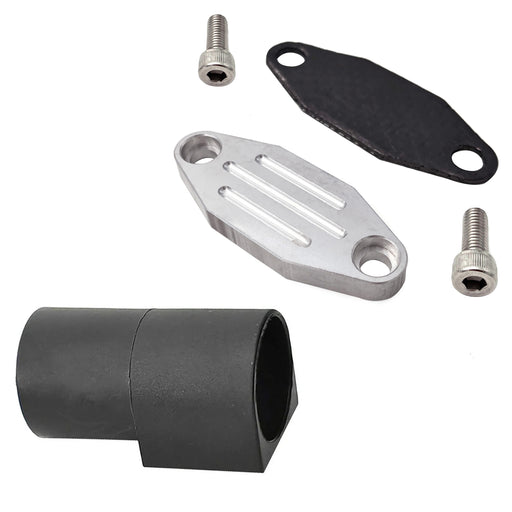
Seguler 1986-1995 Ford F150 F250 F350 Mustang Trucks EGR Simulator Eliminator / Block Off Plate Kit
SEGULEROriginal price $79.99 - Original price $79.99Original price$79.99$79.99 - $79.99Current price $79.99Block Off Plate Material: Aluminum alloy. Easy installation,and convenient to use. Made of CNC milled from aircraft grade Billet aluminum. Will N...
View full details -

Seguler 2011-2023 6.7L Ford Powerstroke Diesel EGR Delete Kit
SEGULEROriginal price $109.99 - Original price $109.99Original price$109.99$109.99 - $109.99Current price $109.99FITMENT 2011-2023 6.7L Ford Powerstroke F-250 F-350 F-450 F-550 Super Duty V8 Diesel. compatible with both standard Pickups and commercial Cab &...
View full details -
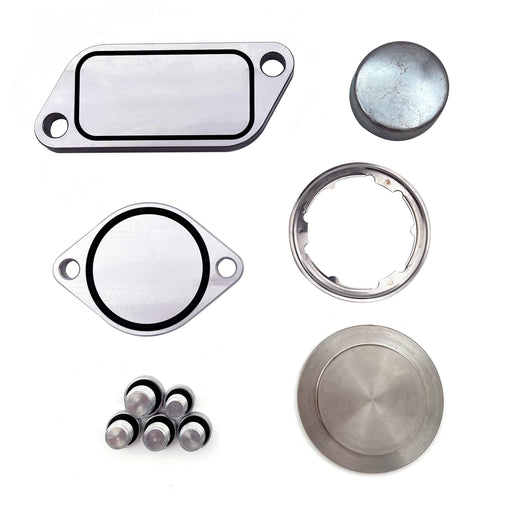
For 2010-Present Stage 2 ISX 15 CM2250 CM2350 EGR Delete Kit
SEGULEROriginal price $59.99 - Original price $59.99Original price$59.99$59.99 - $59.99Current price $59.99FITMENT 2010-Present Cummins Volvo, Peterbilt, Mack, International, Freightliner, Kenworth with the ISX15 CM2250 / CM2350 engines. DESCRIPTION P...
View full details -
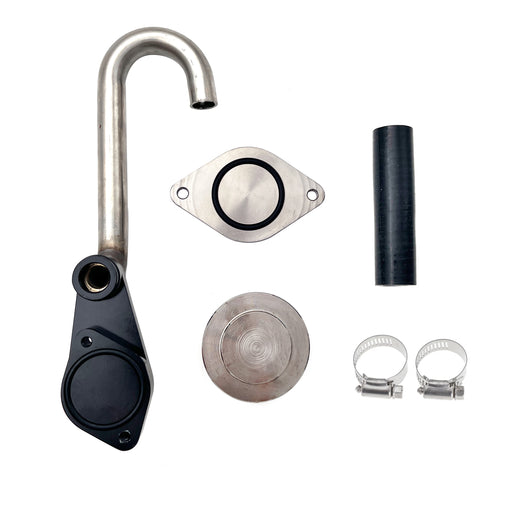
Seguler 2003-2007 6.0L FORD Powerstroke Diesel EGR Cooler Delete Kit
SEGULEROriginal price $56.14 - Original price $56.14Original price$56.14$56.14 - $56.14Current price $56.14FITMENT 2003-2007 6.0L Ford F-250 Ford F-350 F-450 F-550 Super Duty. 2003-2007 6.0L Ford Excursion SUV (Diesel Models Only). 2005-2010 Ford E-Se...
View full details -
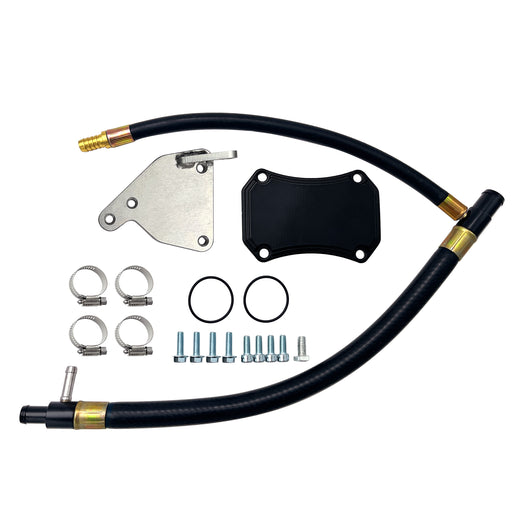
For 2011-2016 6.6L GMC Chevy Duramax Diesel LML EGR Valve Cooler Delete Kit
SEGULEROriginal price $66.49 - Original price $66.49Original price$66.49$66.49 - $66.49Current price $66.49FITMENT 2011-2016 6.6L Chevy GMC Duramax LML 2500 HD 3500 HD Diesel. DESCRIPTION Product Overview The 2011–2016 LML Duramax uses a complex EG...
View full details -
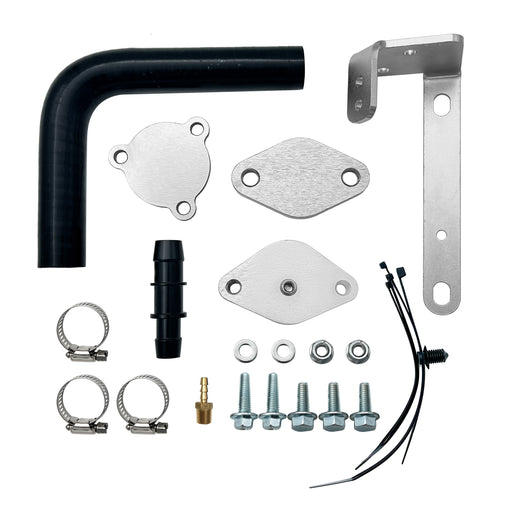
Seguler For 2014-2019 3.0L Dodge Ram 1500 EcoDiesel EGR Valve & Cooler Delete Kit
SEGULEROriginal price $72.99 - Original price $72.99Original price$72.99$72.99 - $72.99Current price $72.99FITMENT 2014-2019 3.0L Dodge Ram 1500 EcoDiesel V6 engine trucks. DESCRIPTION Product Overview Exhaust gas recirculation on 3.0L EcoDiesel V6 ...
View full details -

Seguler 2011-2023 6.7L Ford Powerstroke Diesel EGR Delete Kit
SEGULEROriginal price $85.99 - Original price $85.99Original price$85.99$85.99 - $85.99Current price $85.99FITMENT 2011-2023 6.7L Ford Powerstroke F-250 F-350 F-450 F-550 Super Duty V8 Diesel. compatible with both standard Pickups and commercial Cab &...
View full details -

Seguler 2010-2024 6.7L Dodge Ram Cummins Diesel EGR Valve Cooler Delete Kit
SEGULEROriginal price $89.99 - Original price $89.99Original price$89.99$89.99 - $89.99Current price $89.99FITMENT 2010–2024 6.7L Dodge Ram Cummins 2500 / 3500 Pickup Turbo Diesel. Note: Does NOT fit Chassis Cab 3500 / 4500 / 5500 models. DESCRIPTIO...
View full details -
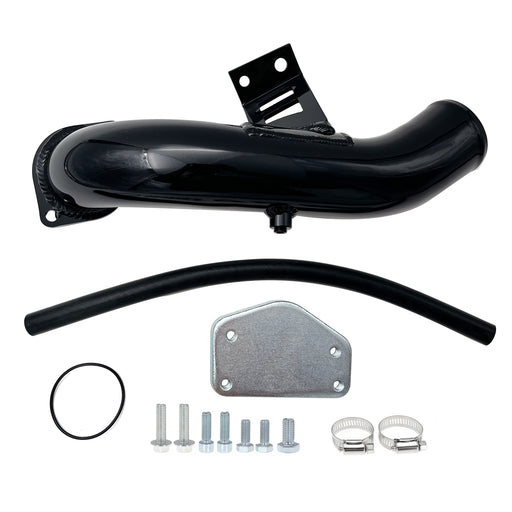
For 2004.5-2005 6.6L Chevy GMC Silverado LLY Duramax Diesel EGR Delete Kit
SEGULEROriginal price $92.99 - Original price $92.99Original price$92.99$92.99 - $92.99Current price $92.99FITMENT 2004.5-2005 6.6L Chevrolet Silverado Duramax LLY 2500HD / 3500 HD. 2004.5-2005 6.6L GMC Sierra Duramax LLY 2500HD / 3500 HD. DESCRIPTION...
View full details -

Seguler 2017-2019 L5P Duramax Diesel 4pcs L5P Can Bus Plugs Connector Replacement
SEGULEROriginal price $75.00 - Original price $75.00Original price$75.00$75.00 - $75.00Current price $75.00FITMENT 2017–2019 Chevrolet Silverado / GMC Sierra Duramax L5P 2500HD & 3500HD Diesel. DESCRIPTION Product Overview Unprotected harness con...
View full details -

Seguler 2020-2023 chevy duramax L5P Diesel Can Bus Plugs Connector
SEGULEROriginal price $80.00 - Original price $80.00Original price$80.00$80.00 - $80.00Current price $80.00FITMENT 2020–2023 Chevrolet Silverado / GMC Sierra Duramax L5P 2500HD & 3500HD Diesel. DESCRIPTION Product Overview Unprotected harness pl...
View full details -
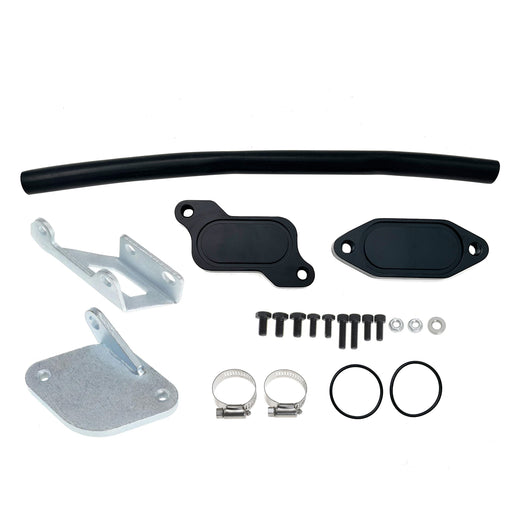
For 2006-2007 6.6L Chevrolet Silverado Classic GMC Duramax LBZ Diesel EGR Valve Cooler Delete Kit
SEGULEROriginal price $63.49 - Original price $63.49Original price$63.49$63.49 - $63.49Current price $63.49FITMENT 2006-2007.4 Chevrolet Silverado Duramax LBZ 2500HD / 3500HD. 2007.4 Chevrolet Silverado Duramax LBZ 2500HD / 3500HD Classic. 2006-2007.4 ...
View full details -

Seguler 2011-2023 6.7L Ford F250 F350 F450 F550 Powerstroke Diesel EGR Valve Delete Cooler Delete Kit
SEGULEROriginal price $55.99 - Original price $55.99Original price$55.99$55.99 - $55.99Current price $55.99FITMENT 2011-2023 6.7L Ford Powerstroke F-250 F-350 F-450 F-550 Super Duty V8 Diesel compatible with both standard Pickups and commercial Cab &a...
View full details -
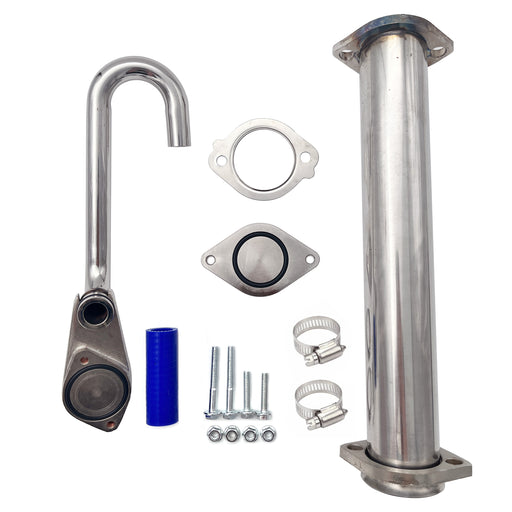
Seguler 2003-2007 6.0L Ford F250 F350 Powerstroke Diesel EGR Basic Cooler Kit
SEGULEROriginal price $79.99 - Original price $79.99Original price$79.99$79.99 - $79.99Current price $79.99FITMENT 2003-2007 6.0L Ford F250 F350 F450 F550 Super Duty Turbo (except 2004 F250 Super Duty). 2003-2005 6.0L Ford Excursion Turbo. 2005 Ford F...
View full details -
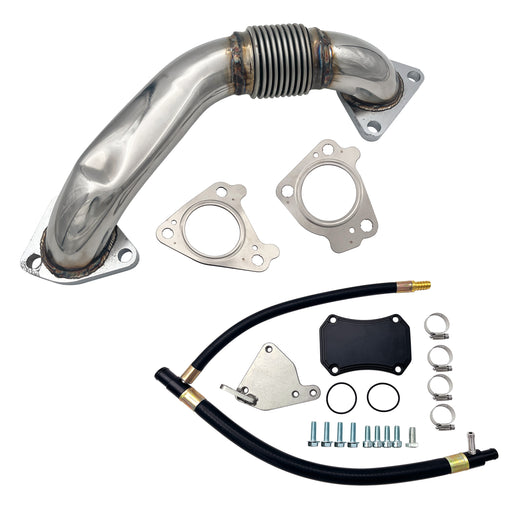
Seguler 2011-2016 6.6L GMC Chevy Duramax Diesel LML Up-Pipe & EGR Valve Cooler Delete Kit
SEGULEROriginal price $173.86 - Original price $173.86Original price$173.86$173.86 - $173.86Current price $173.86FITMENT 2011-2016 6.6L Chevy GMC Duramax LML 2500 HD 3500 HD Diesel. DESCRIPTION Product Overview Direct-injection technology endows GM 5.3L an...
View full details -
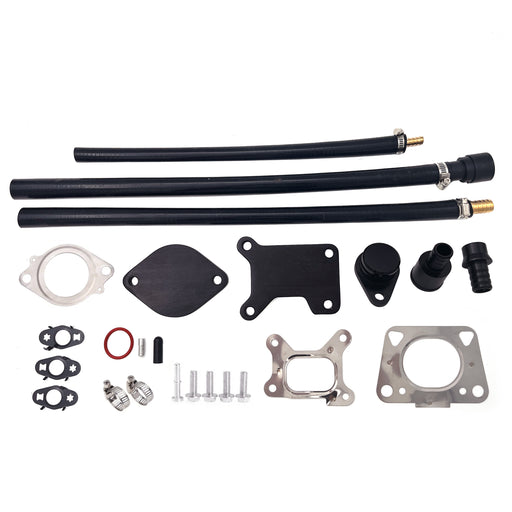
For 2017-2023 6.6L Chevy GMC Duramax L5P diesel EGR Valve Cooler Delete kit
SEGULEROriginal price $131.99 - Original price $131.99Original price$131.99$131.99 - $131.99Current price $131.99FITMENT 2017–2023 6.6L Chevrolet Silverado / GMC Sierra Duramax L5P 2500HD 3500HD Diesel. DESCRIPTION Product Overview Hot soot recirculation ...
View full details -
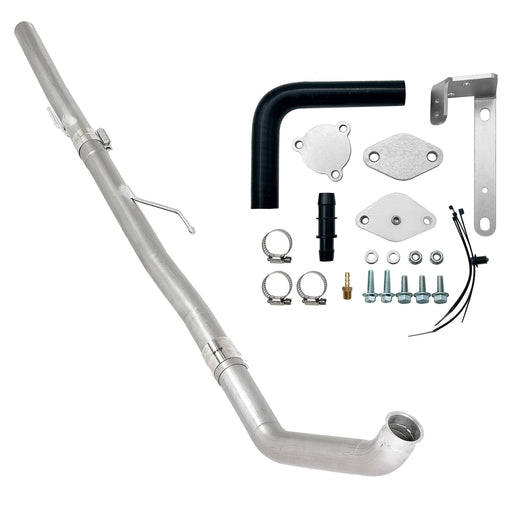
Seguler 3" Ecodiesel DPF Delete Pipe & EGR Delete kit for 2014-2018 3.0L Ram
SEGULEROriginal price $342.00 - Original price $342.00Original price$342.00$342.00 - $342.00Current price $342.00FITMENT 2014–2018 3.0L Dodge Ram 1500 EcoDiesel V6. NOTE: Fit standard Pickup models only (Crew Cab, Quad Cab). Does NOT fit Jeep Grand Cheroke...
View full details -
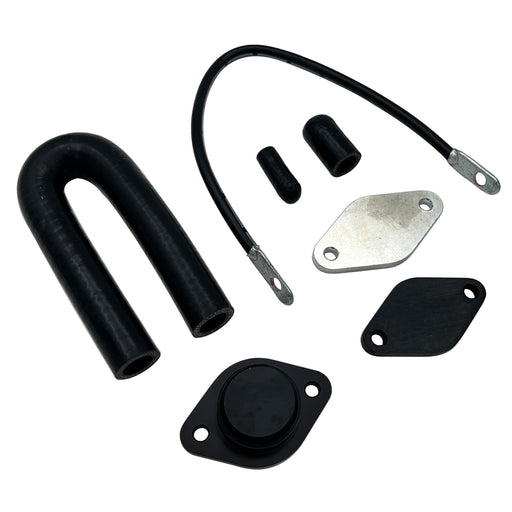
Seguler EGR valve cooler Delete kit for 2020-2022 3.0L Chevy Duramax LM2
SEGULEROriginal price $189.12 - Original price $189.12Original price$189.12$189.12 - $189.12Current price $189.12FITMENT 2020–2022 3.0L Chevrolet Silverado GMC Sierra 1500 LM2 Turbo-Diesel. DESCRIPTION Product Overview Powered by smooth inline-six engine...
View full details -

For 2013-2023 6.7L Dodge Ram Cummins Cab & Chassis EGR Delete Kit Diesel
SEGULEROriginal price $62.99 - Original price $62.99Original price$62.99$62.99 - $62.99Current price $62.99FITMENT 2013–2023 6.7L Ram Cummins 3500 4500 5500 Cab & Chassis / Commercial Trucks. Does NOT fit standard Ram 2500 3500 Pickups. DESCRIPTIO...
View full details -
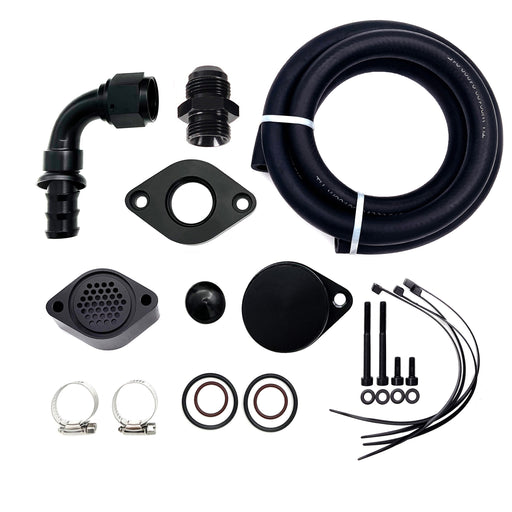
Seguler 2011-2023 6.7L Ford Powerstroke CCV PCV Reroute Engine Ventilation Kit
SEGULEROriginal price $82.99 - Original price $82.99Original price$82.99$82.99 - $82.99Current price $82.99FITMENT 2011-2023 6.7L Ford Powerstroke F-250 F-350 F-450 F-550 Super Duty V8 Diesel. Compatible with both standard Pickups and commercial Cab &...
View full details -
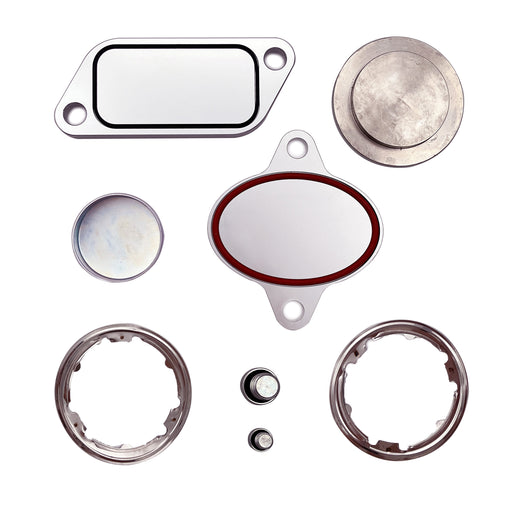
For 2007-2010 Cummins ISX CM871 EGR Plug Kit Stage 2 Plates and Plugs Aluminum
SEGULEROriginal price $67.99 - Original price $67.99Original price$67.99$67.99 - $67.99Current price $67.99FITMENT 2007-2010 Cummins Volvo, Peterbilt, Mack, International, Freightliner, Kenworth with the ISX CM871 Engines. DESCRIPTION Product Overvie...
View full details -
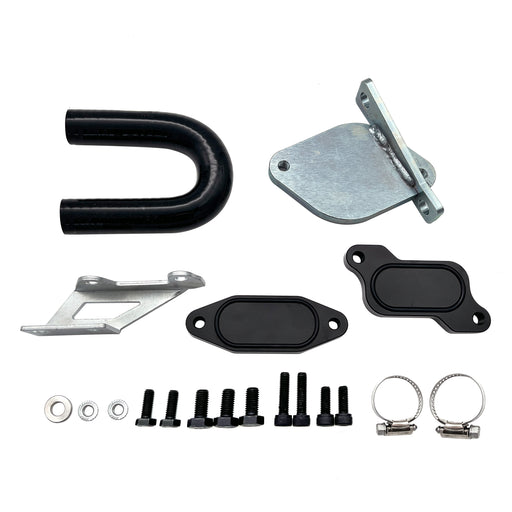
For 2007-2010 6.6L Chevy GMC LMM Duramax EGR Valve Cooler Delete Kit Fit
SEGULEROriginal price $61.99 - Original price $61.99Original price$61.99$61.99 - $61.99Current price $61.99FITMENT 2007.5-2010 6.6L Chevrolet Silverado Duramax LMM 2500HD / 3500HD. 2007.5-2010 6.6L GMC Sierra Duramax LMM 2500HD / 3500HD. Note: Standard...
View full details -
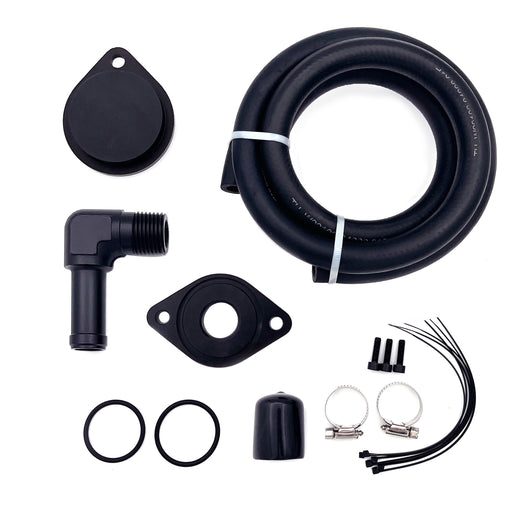
Seguler 2011-2023 Ford 6.7L Powerstroke CCV/PCV Reroute/Delete Engine Ventilation Kit
SEGULEROriginal price $72.00 - Original price $72.00Original price$72.00$72.00 - $72.00Current price $72.00FITMENT 2011-2023 6.7L Ford Powerstroke F-250 F-350 F-450 F-550 Super Duty V8 Diesel. Compatible with both standard Pickups and commercial Cab &...
View full details -
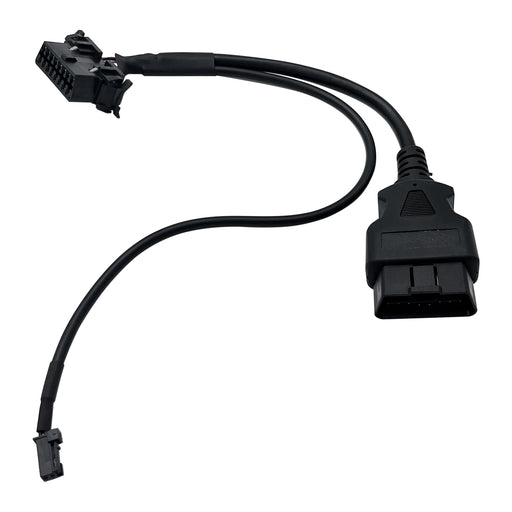
Seguler 2018+ RAM Cummins OBD2 HD Security Gate Bypass Cable
SEGULEROriginal price $45.00 - Original price $45.00Original price$45.00$45.00 - $45.00Current price $45.00FITMENT 2018+ 6.7L Ram Cummins 2500 3500 Turbo Diesel. Designed for Ram pickup trucks equipped with the factory Security Gateway Module. Note: Pl...
View full details -
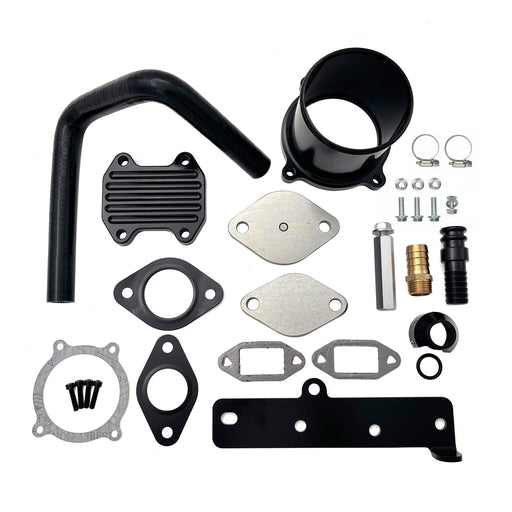
Seguler For 2013-2018 6.7L Dodge RAM 2500 3500 Cummins Diesel EGR Delete Cooler Throttle Valve Delete Kit
SEGULEROriginal price $112.00 - Original price $112.00Original price$112.00$112.00 - $112.00Current price $112.00FITMENT 2013–2018 6.7L Dodge Ram Cummins 2500 & 3500 Pickup Turbo Diesel. Note: Does NOT fit Cab & Chassis (3500 / 4500 / 5500 C&C) m...
View full details


Leave a comment