

LML Duramax EGR Problems: Impact & Fixes (2011-2016)
The Hidden Weak Point Inside the Legendary LML Duramax
The 2011–2016 Chevrolet Silverado HD and GMC Sierra HD equipped with the 6.6L Duramax LML were built for serious work. With 397 horsepower, 765 lb-ft of torque, the proven Allison 1000 transmission, and a heavy-duty diesel platform, the LML quickly became a trusted choice for towing, hauling, and long-distance driving.
But behind the reputation of one of GM’s most capable diesel engines was a more complex story. The LML introduced one of the most advanced emissions systems ever installed on a Duramax, including twin EGR coolers, a diesel particulate filter with a dedicated ninth injector, and a DEF/SCR system designed to meet stricter emissions standards.
When new, these systems operated quietly in the background. However, as mileage increases, constant heat cycles, exhaust exposure, and carbon buildup begin to take their toll. The EGR system, designed to reduce emissions, can eventually become one of the areas most closely linked to airflow issues, higher intake temperatures, and long-term reliability concerns.
For many LML owners, the question is no longer whether the truck is capable — it is whether the factory emissions components can continue supporting the engine’s performance after years of hard work. This guide explains how LML EGR problems develop, the warning signs to watch for, and how a properly planned upgrade can help protect one of GM’s most respected diesel platforms.
🔄 Why the LML’s EGR Architecture Is Different From Earlier Duramax Generations
The LML did not simply carry over the EGR design from the Duramax engines that came before it. GM redesigned the emissions architecture for this generation, and understanding what changed explains why the EGR system here is a more involved maintenance point than it was on earlier trucks.
| Generation | EGR design | Regeneration method | After-treatment |
|---|---|---|---|
| LB7 / LBZ / LMM | Single EGR cooler | In-cylinder post-injection | DPF (later years) |
| LML (2011–2016) | Twin coolers in series | Dedicated ninth injector | DPF + DEF/SCR |
Three changes stand out. First, the LML uses two EGR coolers plumbed in series instead of one — doubling the heat-exchange surface, but also doubling the number of internal seams that can leak. Second, regeneration moved from in-cylinder post-injection to a dedicated ninth injector in the exhaust stream, adding a new component that can restrict or fail on its own. Third, the LML introduced a complete DEF/SCR system — a urea tank, pump, heater, and injector — that earlier Duramax trucks did not carry.
The practical result is that an LML carries more emissions components, and more potential failure points, than any Duramax before it. That is not a criticism of the engineering; it is the reality of a platform built to meet a stricter emissions standard — and it is why the EGR and exhaust systems on this generation are so often addressed together.
🚨 How EGR Problems Affect Performance and Reliability
Performance
The EGR system on the LML has a direct effect on intake quality, and intake quality is what separates a responsive engine from a lazy one.
Carbon buildup in the intake tract. The EGR system continuously introduces dry soot into the intake. On the LML, that soot meets PCV oil vapor at the aluminum Y-bridge, where the two combine into a sticky sludge. Over tens of thousands of miles, this sludge narrows the effective airflow path, coats the MAP sensor area, and makes the truck feel progressively less responsive under load — a change gradual enough that many owners adapt to it without realizing how much performance has slipped.
Elevated intake temperatures. The two EGR coolers are heat exchangers. When they become packed with carbon on the gas side, their cooling efficiency drops, and the intake charge arrives hotter. A hotter, less dense intake charge means the engine produces less power for the same fuel — a subtle but real reduction in efficiency that is most noticeable when towing or climbing a grade.
Airflow restriction. The EGR valve itself can carbon-foul and stick, either failing to close fully or failing to meter flow correctly. When the valve no longer seals, exhaust pressure leaks into the intake path at the wrong time, disrupting the airflow model the ECM relies on to manage boost and fuel delivery.
Reliability
The reliability consequences of LML EGR problems are more serious than the performance ones, because they can migrate from the EGR system into the rest of the engine.
Coolant loss without a visible leak. The LML’s twin EGR coolers cycle between cold-start temperatures and several hundred degrees of exhaust heat, tens of thousands of times over the life of the truck. Repeated thermal cycling stresses internal welds. When a cooler develops an internal crack, coolant seeps into the intake and is consumed in the combustion process. The first sign is usually a slow, unexplained drop in coolant level — long before any white smoke appears.
Coolant in the combustion chamber. The same internal leak that causes slow coolant loss can, if it progresses, allow enough coolant into a cylinder to cause misfires, white exhaust vapor, and eventual head gasket stress. This is the path from a minor cooler problem to a multi-thousand-dollar engine repair.
Unplanned regeneration and downstream stress. A restricted EGR path changes exhaust temperatures and backpressure, which in turn influences how the DPF regenerates. More frequent or incomplete regeneration cycles add thermal stress to the turbo, the DPF substrate, and the exhaust sensors downstream. The EGR system is rarely a problem in isolation — it drags the rest of the emissions architecture with it.
Common LML EGR Failure Signs to Watch For
| Sign | What it suggests | Why it matters |
|---|---|---|
| Slow coolant loss, no external leak | Internal EGR cooler crack | Coolant entering the combustion path |
| White smoke at startup, sweet smell | Coolant burning in a cylinder | Progressing cooler leak |
| Sluggish throttle response under load |
Carbon-packed intake or stuck EGR valve |
Restricted airflow |
| Rising intake temperatures on a scanner | Reduced cooler efficiency | Hotter, less dense intake charge |
| Unexplained drop in fuel economy |
Intake restriction, airflow model disruption |
ECM compensating for bad data |
| Frequent or incomplete regeneration | Changed exhaust temps and backpressure | Added stress on DPF and turbo |
These signs rarely appear all at once. They build gradually, and many LML owners do not realize how much responsiveness and cooling-system integrity they have lost until the components are replaced and the difference becomes immediately apparent.
💡 Why Many LML Duramax Owners Choose an Upgrade Instead of Replacing Factory Components
The factory EGR system on the LML Duramax was engineered to meet emissions requirements when the truck was new. However, after years of towing, daily driving, and repeated heat cycles, many high-mileage owners find that replacing only the failed component does not always address the underlying causes of EGR-related problems.
For an aging LML, the question is no longer simply, “Can I replace the part that failed?” The bigger question becomes, “How can I strengthen the system and reduce the chance of facing the same repair again?”
That is why many owners choose to address known weak points during scheduled maintenance or major service. Instead of repairing one component at a time, a complete upgrade approach focuses on improving the areas that have experienced years of heat, carbon buildup, and mechanical stress.
| Approach | What happens | Long-term result |
|---|---|---|
| Replace only the failed EGR cooler | Restores operation temporarily | Other EGR components may fail later |
| Clean the intake system only | Removes existing carbon buildup | Does not prevent future contamination |
|
Replace factory emissions parts repeatedly |
keeps the original configuration | Higher maintenance cost over time |
| Complete airflow upgrade | Addresses intake and exhaust restrictions together | Better long-term reliability |
That is the decision most high-mileage LML owners eventually reach: not whether to fix the EGR system, but whether to fix it once — or keep fixing it one part at a time.
⏳ Why Mileage Changes the LML Duramax Reliability Equation
The LML Duramax was engineered as a heavy-duty work engine, and when properly maintained, it can deliver hundreds of thousands of miles of service. However, mileage changes the reliability equation.
A new truck and a high-mileage truck are operating in completely different conditions. Every towing cycle, cold start, regeneration event, and temperature change adds another layer of stress to the emissions system.
The EGR coolers, valves, and exhaust components are exposed to extreme temperature swings. During normal operation, these components repeatedly transition between cold starts and extremely hot exhaust temperatures. Over years of use, that repeated thermal cycling can accelerate carbon buildup, weaken seals, and increase the chance of component failure.
This is why many LML owners begin looking at upgrades after reaching higher mileage. The goal is not simply repairing a failed component — it is addressing the areas that have experienced the most stress throughout the truck’s service life.
🔧 The Difference Between Repairing a Problem and Improving the System
A common approach for diesel owners is replacing only the part that has already failed. It restores operation, but it treats the symptom rather than the system around it.
This is the difference between a repair and an upgrade.
A repair focuses on returning the truck to its previous condition.
An upgrade focuses on improving the system by addressing known weak points and reducing future maintenance concerns.
On a high-mileage LML, that distinction matters more than it does on a newer truck. The components that have not failed yet have still absorbed the same heat cycles, the same carbon, and the same stress as the part that did. Planning around the whole system — rather than the one component that happened to let go first — is what turns a single repair into a long-term maintenance strategy.
For LML Duramax owners who depend on their trucks for towing, hauling, or daily work, reliability often matters more than simply restoring factory operation. A properly planned upgrade can become part of a larger maintenance strategy — especially when other major service work is already being performed.
🎯 Who Should Consider an LML EGR Upgrade?
Not every LML needs an upgrade today. The right move depends on where the truck is in its life and how it is used.
| Truck condition | Recommended direction |
|---|---|
| Over 100,000 miles | Inspect EGR and exhaust system |
| Frequent towing | Consider airflow improvements |
| Coolant level dropping | Inspect EGR cooler condition |
| Turbo service already required | Address related components at the same time |
| Planning long-term ownership | Upgrade weak points proactively |
If your truck matches more than one of these, the case for a combined approach — rather than a single-part replacement — gets stronger.
Many LML Duramax trucks are not weekend vehicles. They are used for towing fifth wheels, hauling equipment, commuting long distances, and supporting daily work.
For these owners, reliability is not about chasing maximum horsepower. It is about reducing unexpected downtime and keeping a trusted truck dependable for years.
For owners who have identified these common LML reliability concerns, the next step is choosing components designed specifically for the platform. The goal is not only replacing worn parts, but creating a more durable foundation for long-term ownership.
A Practical Fix: The Seguler LML EGR Upgrade Kit
For owners who want to address the EGR system directly rather than wait for a cooler to fail, a purpose-built upgrade kit offers a more reliable path than patching individual components. This is where the right hardware matters.
Seguler 2011-2016 6.6L GMC Chevy Duramax Diesel LML Up-Pipe & EGR Valve Cooler Delete Kit
The LML EGR Upgrade is designed to address common EGR-related reliability concerns found on high-mileage 6.6L Duramax LML trucks. By improving the factory EGR flow path and replacing aging components that are exposed to repeated heat cycles, this upgrade helps reduce common issues such as carbon buildup, airflow restriction, and EGR system stress over time.
Designed for 2011–2016 Chevy Silverado and GMC Sierra 2500HD/3500HD trucks equipped with the 6.6L Duramax LML diesel, this kit replaces key factory EGR components, including the up-pipe and EGR cooler-related hardware. It provides a more reliable solution for owners looking to refresh their LML during turbocharger service, cooling system repairs, or scheduled maintenance.
Rather than replacing one failed component at a time, the LML EGR Upgrade focuses on addressing known weak points in the factory system. For high-mileage trucks used for towing, hauling, or daily driving, it offers a more complete approach to improving airflow, reducing EGR-related maintenance concerns, and supporting long-term reliability.

Product Details
- Material & Durability: 304 stainless steel construction, chosen for corrosion resistance and long-term heat tolerance.
- Up-Pipe Design: High-performance bellows with laser-cut flanges, engineered specifically for the passenger-side up-pipe position.
- Carbon Reduction: Helps prevent future exhaust recirculation-related carbon buildup in the intake system.
- Airflow: Supports improved exhaust flow compared with the factory EGR configuration.
- Vehicle Fitment: 2011–2016 Chevy/GMC 6.6L Duramax LML 2500HD/3500HD.
Whether your LML is used for daily driving, towing, or heavy-duty work, this upgrade is designed to support the reliability goals of a high-mileage truck. For owners already servicing the turbocharger or cooling system, addressing the EGR system at the same time can help maximize labor efficiency and provide a more complete maintenance solution.
🔗 The Connection Between EGR, DPF, and Turbocharger Performance
On the LML Duramax, the EGR system, turbocharger, and exhaust after-treatment system operate as one connected airflow system. A restriction in one area flows into the others:
- EGR carbon buildup → reduced intake efficiency
- Reduced intake efficiency → higher exhaust temperature
- Higher exhaust temperature → more DPF regeneration demand
- More regeneration demand → additional stress on the turbo and sensors
| Component | Common issue | Possible impact |
|---|---|---|
| EGR cooler | Carbon buildup, internal leaks | Coolant loss, intake contamination |
| EGR valve | Sticking or restricted | Poor airflow control |
| DPF system | Soot loading | Higher exhaust backpressure |
| Turbocharger | Increased thermal stress | Reduced efficiency |
This is why the EGR kit and the exhaust pipe are introduced together: they address two halves of the same airflow circuit, and fixing one without the other simply moves the bottleneck downstream.
The Exhaust Side of the Same Problem
The EGR system does not operate alone. On the LML, it is linked to the exhaust side through a component many owners overlook: the ninth injector.
Unlike earlier Duramax platforms that relied on in-cylinder post-injection to raise DPF temperatures, the LML uses a dedicated hydrocarbon injector in the exhaust stream to support regeneration. When that ninth injector becomes restricted, contaminated, or fails to deliver fuel properly, the DPF struggles to reach the temperature needed for a complete regeneration. The result is more frequent regeneration attempts, soot-load faults, and DPF pressure warnings — problems that look like EGR issues but originate on the exhaust side.
A loaded DPF also feeds back into the EGR system. Higher exhaust backpressure forces the engine to work harder, raises sustained exhaust gas temperatures, and changes the thermal environment the EGR coolers operate in. The intake side and the exhaust side are two halves of the same airflow circuit, and a restriction in one becomes a stress on the other.
This is why addressing only the EGR system — or only the exhaust — often leaves the remaining system as the next bottleneck. A matched approach considers both.
🧪 Understanding the DEF and SCR System in the LML Duramax
Along with the ninth injector, the 2011–2016 LML Duramax introduced another major change to the emissions system: DEF and SCR technology. Diesel Exhaust Fluid (DEF) is injected into the exhaust stream before the SCR catalyst, where it helps convert NOx emissions into nitrogen and water vapor.
While this system was effective at reducing emissions, it also added more components that require long-term maintenance, including the DEF tank, pump, heater, and injector. Over time, issues such as DEF crystallization, sensor failures, or injector problems can trigger emissions-related warnings and may create symptoms that are easily confused with EGR or DPF issues.
For high-mileage LML owners, the important point is that the DEF/SCR system operates as part of the same exhaust chain as the DPF and ninth injector. Restrictions or failures in one area can increase stress on the rest of the system. Improving exhaust flow with a properly designed replacement pipe can help address exhaust-side restrictions, while the DEF system remains an important maintenance consideration throughout the life of the truck.
Improving LML Duramax Exhaust Flow: The Seguler 4" DPF & CAT Pipe Upgrade
While the EGR system affects the intake side of the LML Duramax, the factory DPF and catalytic system can become a major restriction point as mileage increases. For owners who frequently tow, haul heavy loads, or plan to keep their trucks long term, managing exhaust flow and heat becomes an important part of maintaining consistent performance.
For the exhaust side of the equation, a properly designed replacement pipe helps address factory restrictions by improving exhaust flow and reducing backpressure in the mid-section of the system.
Seguler 2011-2015.5 Chevy/GMC Duramax LML 4" DPF & CAT Delete Pipe
The Seguler LML 4" DPF & CAT Delete Pipe is designed for 2011–2015.5 Chevy Silverado and GMC Sierra 2500HD/3500HD trucks with the 6.6L Duramax LML and a V-band connection. It replaces the restrictive factory mid-body DPF, catalyst, and SCR assembly, creating a straighter 4-inch exhaust path that helps reduce exhaust restriction, backpressure, and heat buildup during heavy-duty operation.
By improving exhaust flow, the replacement pipe can help the turbo and exhaust system operate with less restriction while eliminating the factory mid-section and its associated DEF-related hardware from the exhaust path. For off-road or competition-use LML builds, it provides a simple way to complete a freer-flowing exhaust setup, especially when paired with other airflow upgrades.

Product Details
- Material & Durability: Full 4-inch mandrel-bent T409 stainless steel tubing, built to resist thermal stress and corrosion.
- Exhaust Flow: Replaces the DPF, CAT, and SCR mid-section with a high-flow straight pipe.
- EGT & Backpressure: Helps reduce exhaust backpressure and lower sustained EGTs under heavy load.
- Vehicle Fitment: 2011–2015.5 6.6L LML with V-band clamp connection. Does not fit 2015.5–2016 models with the 3-bolt flange — verify your turbo discharge style before ordering.
Together, these two upgrades address the two major airflow challenges found on the LML platform: reducing intake-side issues caused by aging EGR components and improving exhaust-side flow where factory restrictions can create additional heat and backpressure.
For LML owners who use their trucks for towing, hauling, or long-term daily work, addressing these systems together can be a more practical approach than replacing individual components as they fail. By combining improved exhaust flow with upgraded EGR-related hardware, the goal is to reduce common weak points, support more consistent performance, and help extend the service life of a high-mileage Duramax.
Designed specifically for 2011–2016 6.6L Duramax LML applications, Seguler’s EGR and exhaust solutions provide a platform-focused upgrade path for owners who want to maintain their trucks for years to come.
📋 The Two LML Upgrade Components at a Glance
The two components introduced above target the two halves of the same airflow circuit. Here is how they line up side by side.
| Up-Pipe & EGR Kit | DPF & CAT Pipe | |
|---|---|---|
| System addressed | Intake (EGR loop) | Exhaust (after-treatment) |
| Material | 304 stainless steel | Mandrel-bent T409 stainless |
| Model years | 2011–2016 | 2011–2015.5 (V-band) |
| Connection | Direct fit | V-band clamp (not 3-bolt flange) |
| Primary benefit | Reduces intake carbon, cooler leak risk | Reduces backpressure, regeneration load |
| Best for | Coolant loss, intake sludge, EGR codes | DPF faults, high EGTs, derate |
Read the table and the two components are not competitors — they are complements. One addresses what goes into the engine; the other addresses what comes out. On a high-mileage LML, they are most often installed as a matched pair during the same service window.
🔬 What Separates Quality LML Components From Budget Options
The EGR hardware and exhaust pipe on an LML live in a harsh environment — sustained exhaust heat, repeated thermal cycling, and road corrosion. The difference between a component that lasts and one that fails early comes down to material and construction choices that are not always visible on a product photo.
| Feature | Quality LML Component | Budget Option |
|---|---|---|
| Up-pipe material | 304 stainless, corrosion-resistant | Thinner, unknown-grade steel |
| Bellows construction | Multi-ply, laser-cut flanges | Single-ply, prone to early cracking |
| Exhaust pipe | Mandrel-bent, full 4-inch | Crush-bent or undersized |
| Fitment accuracy | Platform-specific, verified connection | Universal, may not match flange |
| Heat tolerance |
Designed for sustained EGT and thermal cycling |
May warp or crack under repeated heat cycles |
Ask yourself whether a component that lives at the hottest, most stressed point of the exhaust circuit is worth saving a few dollars on. For the LML specifically — where a failed EGR cooler or cracked up-pipe can cascade into coolant loss and head gasket stress — material and construction are the entire point.
How to Choose a High-Quality LML Upgrade Kit
Choosing the right upgrade kit for a 2011–2016 6.6L Duramax LML is about more than price. EGR and exhaust components operate under extreme heat, repeated thermal cycles, vibration, and corrosion, making material quality and manufacturing accuracy critical for long-term durability.
A high-quality LML upgrade kit should be designed specifically for the platform, with proper fitment, durable materials, and reliable construction. When comparing different options, focus on these key factors:
Platform-Specific Fitment
A quality kit should be engineered for 2011–2016 Chevy Silverado and GMC Sierra 2500HD/3500HD LML trucks to ensure proper connections and easier installation.
Material & Heat Resistance
High-temperature exhaust environments require corrosion-resistant materials that can withstand years of towing, daily driving, and thermal cycling.
Precision Manufacturing
Quality bends, welds, flanges, and connection points help provide better fitment and reduce the risk of leaks or premature failure.
Complete System Approach
The LML intake and exhaust systems work together. Addressing multiple weak points during the same service helps create a more complete reliability-focused upgrade.
For LML Duramax owners who depend on their trucks for towing and long-term ownership, choosing a quality upgrade kit means investing in components built specifically for the demands of the platform.
💸 Competitive Landscape: What You’re Actually Paying For
The LML upgrade market splits into a few rough tiers, and the differences are not always visible in the listing photo. Knowing what each tier actually buys you is the difference between a one-time fix and a repeat repair.
| Tier | What you get | What it actually costs |
|---|---|---|
| Budget single pieces |
Lower-cost material, thinner gauge, generic fitment |
Early failure, second teardown, coolant or flange issues |
| Quality kit |
304 stainless, multi-ply bellows, verified flange |
One service, longer interval, no repeat labor |
The hidden cost of a budget option is not on the price tag. It shows up as a second teardown when a cheaper up-pipe cracks or a generic flange does not match the factory connection. On an LML, where the EGR coolers and up-pipes are buried under the same turbocharger-area disassembly, the labor to reach them a second time often outweighs the upfront saving.
That is what “paying for” really means here: you are not paying for a pipe and a plate — you are paying for whether the job is done once or done twice.
📊 Comparing Your LML Upgrade Approaches
There is no single right answer for every LML. The right approach depends on what the truck is showing you and how you use it.
| Approach | What it addresses | Best for | Tradeoff |
|---|---|---|---|
| EGR kit only |
Intake carbon, cooler leak risk, EGR valve |
Coolant loss, intake sludge, EGR codes | Exhaust restriction remains |
| Exhaust pipe only |
Backpressure, EGTs, regeneration frequency |
DPF faults, derate, towing EGTs | EGR cooler remains a failure point |
| Both together | Complete airflow circuit |
Long-term owners, high-mileage trucks |
Single larger service, one teardown |
The labor reality tips the decision toward the combined approach for most owners. Both the EGR hardware and the up-pipes are accessed through the same turbocharger-area teardown. Doing them separately means paying for that disassembly twice.
🤔 Should You Address EGR or Exhaust First?
If you are addressing one system at a time, let the symptoms decide.
Address the EGR system first when: you are losing coolant with no external leak, seeing white smoke at startup, or finding heavy carbon buildup in the intake tract. These are signs the cooler is compromised, and a cooler leak left alone can progress into the combustion chamber.
Address the exhaust side first when: the truck is regenerating constantly, throwing DPF pressure or NOx sensor codes, or running high sustained EGTs under load. These point to exhaust restriction, which is also feeding stress back into the EGR coolers.
Address both when: the truck is already coming apart for turbo, oil cooler, or cooling system service. The incremental labor to install both components while the turbocharger is already off the engine is measured in minutes, not hours. Repeating that teardown later is the most expensive mistake in this entire decision.
⚠️ Why the LML’s CP4.2 Fuel System Is Different
The EGR system is not the only thing that changed on the LML, and not the only reliability concern worth knowing about. The factory high-pressure fuel pump is the CP4.2 — a departure from the pumps used on earlier Duramax generations — and its failure mode is both expensive and easy to misdiagnose.
The CP4.2 is a high-pressure common-rail pump that builds rail pressure through a roller-and-lobe mechanism. When internal lubrication runs thin — often made worse by low-lubricity fuel or water contamination — the roller surfaces can wear and shed fine metal particles into the fuel. Once those particles reach the injectors, the damage is done: the pump is rarely the only part that needs replacing.
Why this sits alongside the EGR discussion is the symptom overlap. The early signs of a struggling CP4.2 — power loss under load, rough running, or a drop in fuel economy — look a lot like the signs of a carboned-up or leaking EGR system. A truck that feels down on power may be dealing with either, and chasing the wrong one means paying for the wrong repair.
That is not to say every LML will suffer a fuel-system failure; many run the factory pump well past 200,000 miles without issue. It is simply that the LML’s reliability story has two chapters, and the fuel system is the one owners are most often surprised by.
🛠 Installation Overview
Both upgrades are within reach of a competent DIY installer with basic hand tools, though the combined job is a full-day project for a first-timer.
Before you start: Verify your turbo discharge connection type — the exhaust pipe works with a V-band clamp, not the 3-bolt flange found on some late-2015 trucks. On extended-cab/short-bed (EC/SB) 143-inch wheelbase trucks, budget a trim on pipe #2. Confirm your specific model year, sub-model, and wheelbase before ordering.
The Exhaust Side: Installing the DPF & CAT Delete Pipe
Step 1: Remove the sensors. Unplug every sensor on the factory exhaust — EGT, NOx, and pressure sensors — and set them aside, protected from moisture, to be tied up out of the way on the frame.
Step 2: Drop the factory DPF. Spray the exhaust hangers with penetrating oil, pry them out of their rubber isolators, and remove the DPF/catalyst assembly from the truck.
Step 3: Separate the downpipe. Remove the V-band clamp at the turbo discharge. Loosen the clamp bolts, then work a flat-head screwdriver around the flange at three points to break the joint free and remove the clamp. Keep the factory V-band clamp — it is reused with the new system. To free the downpipe, remove the hanger bolted to the transmission and disconnect the pipe inlet.
Step 4: Install the #1 downpipe. Fit the metal hanger onto the new #1 downpipe, seat it into the upper hole of the hanger bracket or rubber isolator, and install the downpipe with the factory V-band clamp. Leave the clamp loose enough that the pipe can still move. Re-fasten the hanger to the transmission with its bolts.
Step 5: Install pipe #2. Connect the flared end of pipe #2 to the tail of the #1 downpipe and snug the clamp, leaving it loose for now. Seat its hanger into the OEM rubber isolator.
Step 6: Connect pipe #3. Connect the replacement pipe #3 to the first section of the factory tailpipe, trimming it to length if needed. On EC/SB 143-inch wheelbase trucks, cut approximately 8 inches off the non-flared end of pipe #2.
Step 7: Tighten front to back. Starting at pipe #1, work rearward tightening each V-band clamp, then recheck every joint for gaps or leaks.
Installing the EGR Upgrade Kit
The kit combines three pieces — the passenger-side up-pipe, the EGR valve block-off, and the twin EGR cooler block-off — and touches the cooling system. Work methodically and keep track of every connector you unplug.
Step 1: Disconnect and drain. Disconnect the negative cables on both batteries, then drain the coolant at the lower radiator hose.
Step 2: Remove the intake. Remove the intake resonator, intake pipe, bellows, and air filter, disconnecting the MAF sensor as you go.
Step 3: Remove the charge-air pipe. Disconnect the electrical connectors on the intercooler pipe and throttle valve, then remove the plastic intercooler pipe — it uses a twist-lock connection at the throttle valve.
Step 4: Clear the grid heater. Disconnect the green connector and red power lead at the grid heater, then remove the intake pipe brackets and top electrical connector.
Step 5: Remove the PCV and turbo inlet. Unbolt and remove the PCV valve and bracket, then release the V-band clamp and remove the turbo inlet.
Step 6: Remove the crossover pipe. Remove the five bolts securing the crossover pipe (two at each end, one in the middle).
Up-Pipe — Remove. Loosen the bolts connecting the up-pipe to the turbo and the exhaust manifold, applying penetrating oil to stubborn bolts.
EGR Valve — Remove. Remove the four bolts and electrical connector securing the EGR valve, then lift it out.
EGR Cooler — Remove. Remove the four bolts joining the two coolers, disconnect all five coolant lines and the pipe between them, then remove the front cooler and the second cooler from the exhaust bypass valve. Remove the exhaust bypass valve and install the supplied block gasket and screws in its place.
Up-Pipe — Install. Align the new up-pipe with the turbo and the exhaust manifold, and apply copper anti-seize to the bolts so they won’t seize later.
EGR Valve — Install. Fit the new billet aluminum intake block-off plate where the EGR valve was removed.
EGR Cooler — Reroute the coolant lines. Using the supplied hose clamps, install the new 5/8" coolant pipe into the existing return pipe behind the turbo, connect the 3/8" coolant pipe and brass fitting to the front coolant pipe near the thermostat, and route the remaining ends to the heater hose and the port left by the bypass valve.
Reassemble and test. Reinstall the turbo inlet, grid heater, throttle valve, intercooler pipe, PCV, intake pipe, air box, and air filter. Start the engine, check for leaks, top off the coolant, and recheck the level after the first drive.
Each kit is designed as a direct fit for the LML platform. If you are not comfortable with cooling system work or turbocharger removal, this is a job where a qualified diesel technician earns their labor.
🚫 Five Expensive Mistakes LML Owners Make When Addressing EGR and Exhaust
Mistake 1: Ordering the exhaust pipe without checking the connection type.
The 2015.5–2016 LML switched from a V-band clamp to a 3-bolt flange on the turbo discharge. Ordering the wrong style means the pipe will not bolt up, and the truck sits on the lift — or on jack stands in the driveway — while you deal with a return and reorder.
The fix: Physically inspect underneath the truck before ordering. Confirm whether your turbo discharge is a V-band clamp or a 3-bolt flange.
Mistake 2: Reusing the old gaskets and seals.
The EGR and up-pipe joints rely on fresh seals for a leak-free fit. A heat-cycled gasket that looks fine on the bench will not seal the same way once it is reinstalled, and a boost or exhaust leak means tearing the whole area down again to replace a part you already had in your hand.
The fix: Replace every gasket and seal you disturb, every time.
Mistake 3: Skipping the cooling system bleed.
Air trapped in the cooling system after an EGR job causes false coolant-level readings and, in the worst case, localized overheating. A truck that overheats during its first test drive after the work is not a truck that is finished.
The fix: Bleed the system fully, then recheck the level after the first heat cycle with the engine cold.
Mistake 4: Paying for the turbocharger teardown twice.
The EGR hardware and the up-pipes are both accessed through the same turbocharger-area disassembly. Addressing the EGR system now and the exhaust side later means paying for that disassembly twice — and exposing a fresh EGR kit to a loaded DPF’s backpressure in the meantime.
The fix: If the truck is already coming apart, install both components in the same service window.
Mistake 5: Not confirming vehicle requirements before operating.
Vehicle configurations vary by model year, trim, and existing modifications, and operating the truck before verifying everything can create drivability problems that are harder to trace than the original job.
The fix: Verify your specific requirements before starting, and again after the physical installation is complete.
❓ Frequently Asked Questions
Q: Do LML Duramax EGR problems actually reduce power?
They can, indirectly. A carbon-packed intake tract and a stuck EGR valve restrict airflow and raise intake temperatures, which reduces the engine’s efficiency under load. Many owners notice a return of throttle response after the intake path is cleaned and the EGR system is refreshed.
Q: What is the ninth injector on the LML, and why does it matter?
The ninth injector is a dedicated hydrocarbon injector in the exhaust stream that supports DPF regeneration. If it becomes restricted or fails, the DPF cannot reach regeneration temperature, leading to frequent regen attempts and soot-load faults. It is a common source of “EGR-looking” symptoms that actually originate on the exhaust side.
Q: How do I know if my EGR cooler is leaking internally?
The earliest sign is slow coolant loss with no visible external leak. White smoke at cold startup with a sweet smell is a later sign that coolant is being burned. Mark the coolant level, drive for a week, and recheck cold.
Q: Will this upgrade fit my 2016 LML?
The EGR kit fits 2011–2016 model years. The exhaust pipe fits 2011–2015.5 with a V-band clamp connection. If your truck is a late-2015 or 2016 model, verify the turbo discharge connection type before ordering — the 3-bolt flange configuration is not compatible with the V-band pipe.
Q: Do I need to address the exhaust side if I only have EGR problems?
Not immediately, but be aware that a loaded DPF feeds exhaust backpressure into the EGR coolers. If the DPF is already restricted, an EGR-only refresh leaves that stress in place. Many owners find the two are most efficiently addressed together.
Q: How often should the EGR system be inspected on a high-mileage LML?
There is no factory interval for a visual EGR inspection, but a high-mileage truck benefits from a check whenever the intake or turbocharger area is already apart. Watch the coolant level between services; a slow unexplained drop is the earliest, most reliable warning sign.
Q: What happens if the DEF system faults on an LML?
A DEF fault can trigger warning lights, derate, or emissions-related codes. Because the DEF and DPF systems share the exhaust stream, a DEF problem can be mistaken for a DPF or EGR problem on a scan — which is why a proper diagnosis matters before any parts are changed.
Q: Should I replace just the failed EGR cooler, or upgrade the whole system?
That depends on the truck’s mileage and how long you plan to keep it. Replacing one failed cooler restores operation but leaves the other aging components — the second cooler, the EGR valve, the up-pipe — in place under the same conditions that caused the first failure. On a high-mileage LML you plan to keep, a complete upgrade is often the more efficient path.
Q: Will these upgrades affect my warranty?
Modifications to emissions control systems may affect warranty coverage for related components. Review your warranty terms before making changes to emissions equipment, and consult your vehicle manufacturer and warranty provider for specific coverage details. This information is general and not legal advice.
✅ Bottom Line: EGR Problems Are Not Just an Emissions Nuisance
The LML Duramax’s EGR system is not a passive component you can ignore until a light comes on. Its failures — carbon buildup, rising intake temperatures, and internal cooler leaks — directly affect how the engine performs and how long it stays reliable. The intake side and the exhaust side are connected, and the ninth injector sits at the junction where one system’s problems become the other’s.
For the owner planning to keep a high-mileage LML on the road, addressing the EGR system with a purpose-built upgrade kit — and pairing it with a matched exhaust solution where the symptoms call for it — is the difference between a truck that gradually loses its edge and one that holds its performance and reliability into the second half of its service life.
Upgrade Your LML Duramax With a Complete EGR and Exhaust Solution
Choose the complete intake-and-exhaust solution for your LML:
Recommended LML Duramax Upgrades:
- 2011-2016 6.6L Duramax LML Up-Pipe & EGR Valve Cooler Delete Kit (SG-ER-0196)
- 2011-2015.5 6.6L Duramax LML 4" DPF & CAT Delete Pipe (SG-DP-0274)
Verify applicable regulations in your jurisdiction before installation and use.
Visit seguler.com for the full catalog of LML Duramax upgrade components.
Featured collection
-
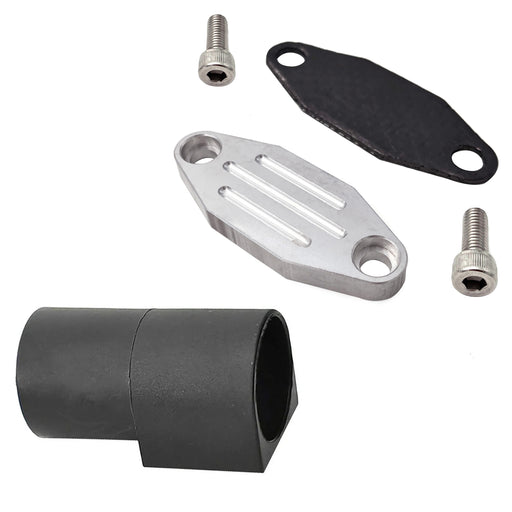
Seguler 1986-1995 Ford F150 F250 F350 Mustang Trucks EGR Simulator Eliminator / Block Off Plate Kit
SEGULEROriginal price $79.99 - Original price $79.99Original price$79.99$79.99 - $79.99Current price $79.99Block Off Plate Material: Aluminum alloy. Easy installation,and convenient to use. Made of CNC milled from aircraft grade Billet aluminum. Will N...
View full details -

Seguler 2011-2023 6.7L Ford Powerstroke Diesel EGR Delete Kit
SEGULEROriginal price $109.99 - Original price $109.99Original price$109.99$109.99 - $109.99Current price $109.99FITMENT 2011-2023 6.7L Ford Powerstroke F-250 F-350 F-450 F-550 Super Duty V8 Diesel. compatible with both standard Pickups and commercial Cab &...
View full details -
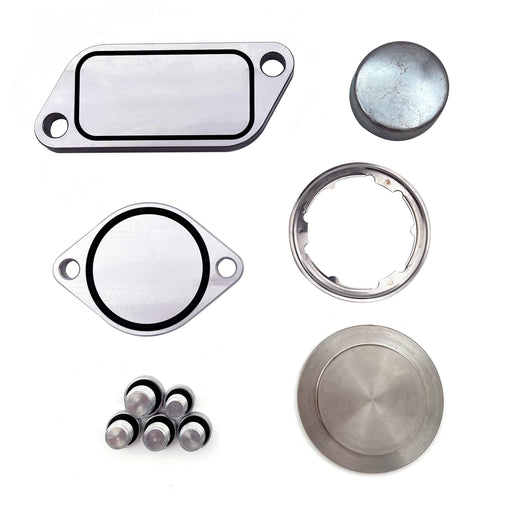
For 2010-Present Stage 2 ISX 15 CM2250 CM2350 EGR Delete Kit
SEGULEROriginal price $59.99 - Original price $59.99Original price$59.99$59.99 - $59.99Current price $59.99FITMENT 2010-Present Cummins Volvo, Peterbilt, Mack, International, Freightliner, Kenworth with the ISX15 CM2250 / CM2350 engines. DESCRIPTION P...
View full details -
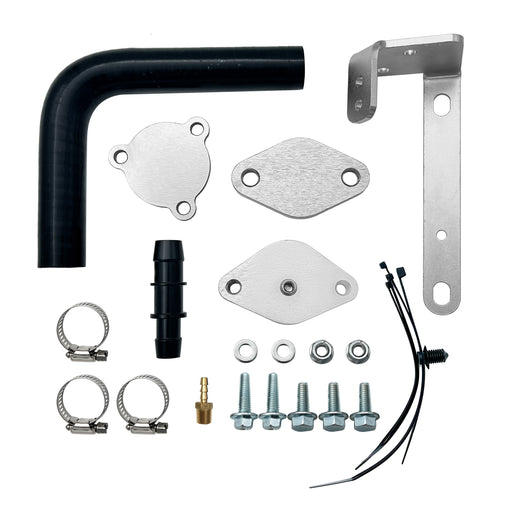
Seguler For 2014-2019 3.0L Dodge Ram 1500 EcoDiesel EGR Valve & Cooler Delete Kit
SEGULEROriginal price $72.99 - Original price $72.99Original price$72.99$72.99 - $72.99Current price $72.99FITMENT 2014-2019 3.0L Dodge Ram 1500 EcoDiesel V6 engine trucks. DESCRIPTION Product Overview Exhaust gas recirculation on 3.0L EcoDiesel V6 ...
View full details -
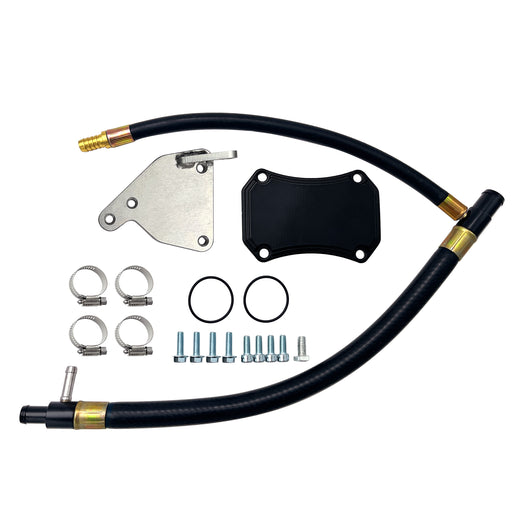
For 2011-2016 6.6L GMC Chevy Duramax Diesel LML EGR Valve Cooler Delete Kit
SEGULEROriginal price $66.49 - Original price $66.49Original price$66.49$66.49 - $66.49Current price $66.49FITMENT 2011-2016 6.6L Chevy GMC Duramax LML 2500 HD 3500 HD Diesel. DESCRIPTION Product Overview The 2011–2016 LML Duramax uses a complex EG...
View full details -
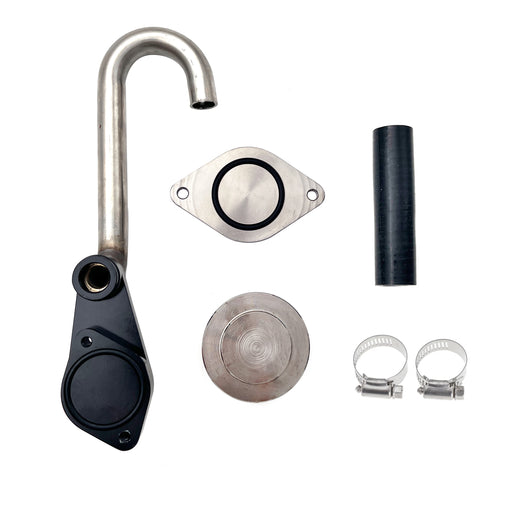
Seguler 2003-2007 6.0L FORD Powerstroke Diesel EGR Cooler Delete Kit
SEGULEROriginal price $56.14 - Original price $56.14Original price$56.14$56.14 - $56.14Current price $56.14FITMENT 2003-2007 6.0L Ford F-250 Ford F-350 F-450 F-550 Super Duty. 2003-2007 6.0L Ford Excursion SUV (Diesel Models Only). 2005-2010 Ford E-Se...
View full details -

Seguler 2011-2023 6.7L Ford Powerstroke Diesel EGR Delete Kit
SEGULEROriginal price $85.99 - Original price $85.99Original price$85.99$85.99 - $85.99Current price $85.99FITMENT 2011-2023 6.7L Ford Powerstroke F-250 F-350 F-450 F-550 Super Duty V8 Diesel. compatible with both standard Pickups and commercial Cab &...
View full details -

Seguler 2010-2024 6.7L Dodge Ram Cummins Diesel EGR Valve Cooler Delete Kit
SEGULEROriginal price $89.99 - Original price $89.99Original price$89.99$89.99 - $89.99Current price $89.99FITMENT 2010–2024 6.7L Dodge Ram Cummins 2500 / 3500 Pickup Turbo Diesel. Note: Does NOT fit Chassis Cab 3500 / 4500 / 5500 models. DESCRIPTIO...
View full details -

Seguler 2017-2019 L5P Duramax Diesel 4pcs L5P Can Bus Plugs Connector Replacement
SEGULEROriginal price $75.00 - Original price $75.00Original price$75.00$75.00 - $75.00Current price $75.00FITMENT 2017–2019 Chevrolet Silverado / GMC Sierra Duramax L5P 2500HD & 3500HD Diesel. DESCRIPTION Product Overview Unprotected harness con...
View full details -
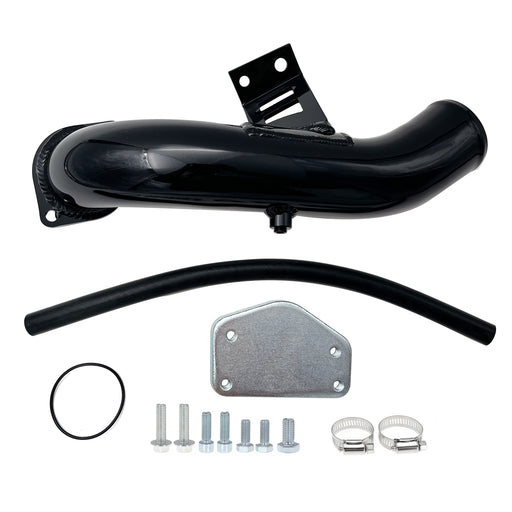
For 2004.5-2005 6.6L Chevy GMC Silverado LLY Duramax Diesel EGR Delete Kit
SEGULEROriginal price $92.99 - Original price $92.99Original price$92.99$92.99 - $92.99Current price $92.99FITMENT 2004.5-2005 6.6L Chevrolet Silverado Duramax LLY 2500HD / 3500 HD. 2004.5-2005 6.6L GMC Sierra Duramax LLY 2500HD / 3500 HD. DESCRIPTION...
View full details -

Seguler 2020-2023 chevy duramax L5P Diesel Can Bus Plugs Connector
SEGULEROriginal price $80.00 - Original price $80.00Original price$80.00$80.00 - $80.00Current price $80.00FITMENT 2020–2023 Chevrolet Silverado / GMC Sierra Duramax L5P 2500HD & 3500HD Diesel. DESCRIPTION Product Overview Unprotected harness pl...
View full details -
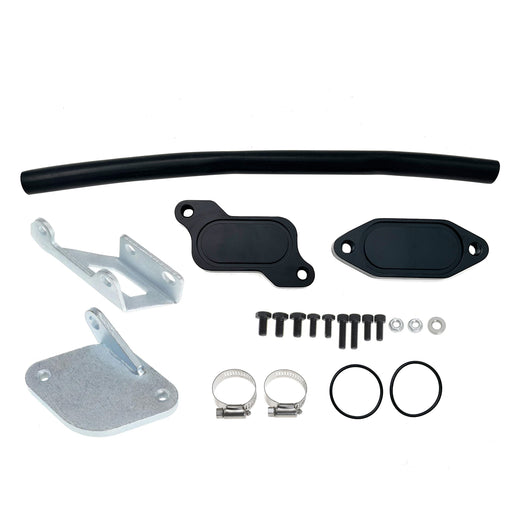
For 2006-2007 6.6L Chevrolet Silverado Classic GMC Duramax LBZ Diesel EGR Valve Cooler Delete Kit
SEGULEROriginal price $63.49 - Original price $63.49Original price$63.49$63.49 - $63.49Current price $63.49FITMENT 2006-2007.4 Chevrolet Silverado Duramax LBZ 2500HD / 3500HD. 2007.4 Chevrolet Silverado Duramax LBZ 2500HD / 3500HD Classic. 2006-2007.4 ...
View full details -

Seguler 2011-2023 6.7L Ford F250 F350 F450 F550 Powerstroke Diesel EGR Valve Delete Cooler Delete Kit
SEGULEROriginal price $55.99 - Original price $55.99Original price$55.99$55.99 - $55.99Current price $55.99FITMENT 2011-2023 6.7L Ford Powerstroke F-250 F-350 F-450 F-550 Super Duty V8 Diesel compatible with both standard Pickups and commercial Cab &a...
View full details -
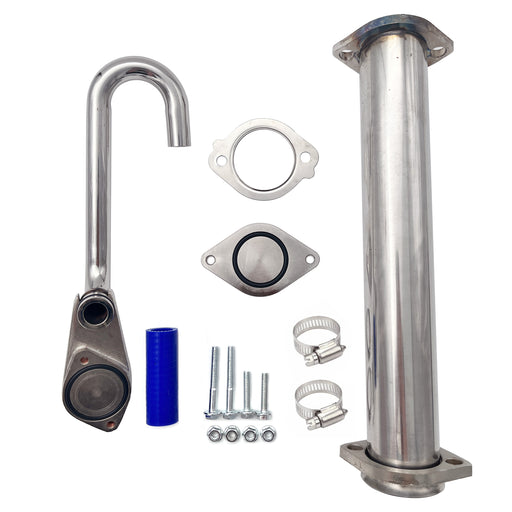
Seguler 2003-2007 6.0L Ford F250 F350 Powerstroke Diesel EGR Basic Cooler Kit
SEGULEROriginal price $79.99 - Original price $79.99Original price$79.99$79.99 - $79.99Current price $79.99FITMENT 2003-2007 6.0L Ford F250 F350 F450 F550 Super Duty Turbo (except 2004 F250 Super Duty). 2003-2005 6.0L Ford Excursion Turbo. 2005 Ford F...
View full details -
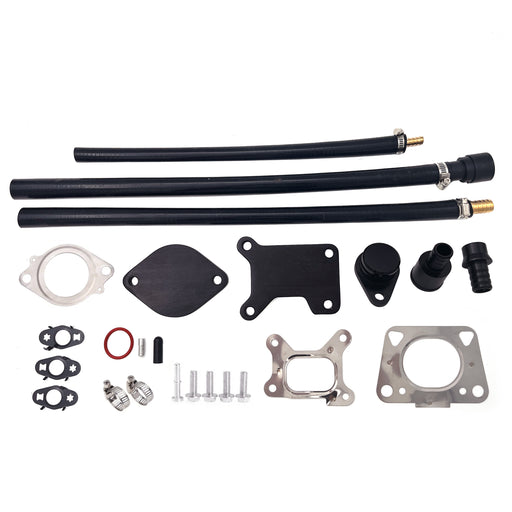
For 2017-2023 6.6L Chevy GMC Duramax L5P diesel EGR Valve Cooler Delete kit
SEGULEROriginal price $131.99 - Original price $131.99Original price$131.99$131.99 - $131.99Current price $131.99FITMENT 2017–2023 6.6L Chevrolet Silverado / GMC Sierra Duramax L5P 2500HD 3500HD Diesel. DESCRIPTION Product Overview Hot soot recirculation ...
View full details -
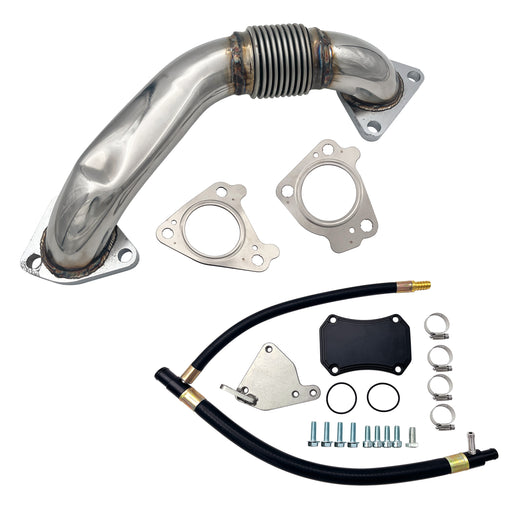
Seguler 2011-2016 6.6L GMC Chevy Duramax Diesel LML Up-Pipe & EGR Valve Cooler Delete Kit
SEGULEROriginal price $173.86 - Original price $173.86Original price$173.86$173.86 - $173.86Current price $173.86FITMENT 2011-2016 6.6L Chevy GMC Duramax LML 2500 HD 3500 HD Diesel. DESCRIPTION Product Overview Direct-injection technology endows GM 5.3L an...
View full details -
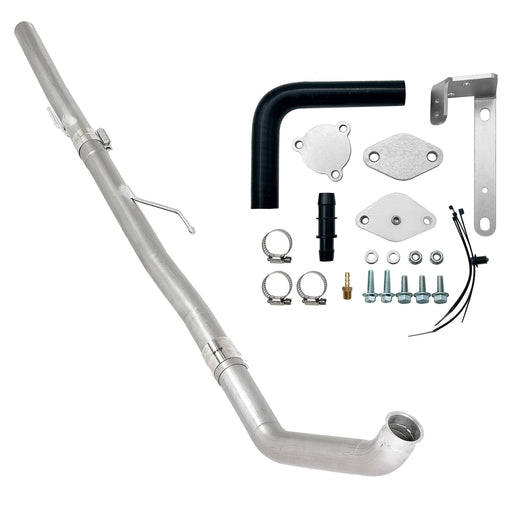
Seguler 3" Ecodiesel DPF Delete Pipe & EGR Delete kit for 2014-2018 3.0L Ram
SEGULEROriginal price $342.00 - Original price $342.00Original price$342.00$342.00 - $342.00Current price $342.00FITMENT 2014–2018 3.0L Dodge Ram 1500 EcoDiesel V6. NOTE: Fit standard Pickup models only (Crew Cab, Quad Cab). Does NOT fit Jeep Grand Cheroke...
View full details -
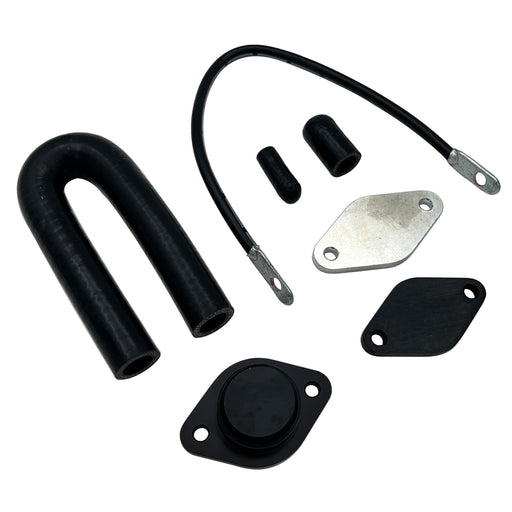
Seguler EGR valve cooler Delete kit for 2020-2022 3.0L Chevy Duramax LM2
SEGULEROriginal price $189.12 - Original price $189.12Original price$189.12$189.12 - $189.12Current price $189.12FITMENT 2020–2022 3.0L Chevrolet Silverado GMC Sierra 1500 LM2 Turbo-Diesel. DESCRIPTION Product Overview Powered by smooth inline-six engine...
View full details -

For 2013-2023 6.7L Dodge Ram Cummins Cab & Chassis EGR Delete Kit Diesel
SEGULEROriginal price $62.99 - Original price $62.99Original price$62.99$62.99 - $62.99Current price $62.99FITMENT 2013–2023 6.7L Ram Cummins 3500 4500 5500 Cab & Chassis / Commercial Trucks. Does NOT fit standard Ram 2500 3500 Pickups. DESCRIPTIO...
View full details -
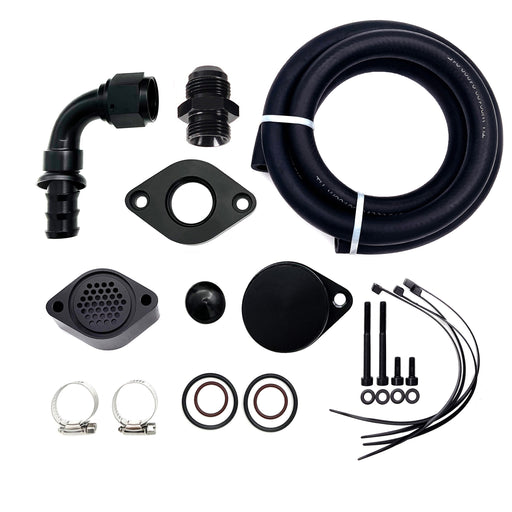
Seguler 2011-2023 6.7L Ford Powerstroke CCV PCV Reroute Engine Ventilation Kit
SEGULEROriginal price $82.99 - Original price $82.99Original price$82.99$82.99 - $82.99Current price $82.99FITMENT 2011-2023 6.7L Ford Powerstroke F-250 F-350 F-450 F-550 Super Duty V8 Diesel. Compatible with both standard Pickups and commercial Cab &...
View full details -
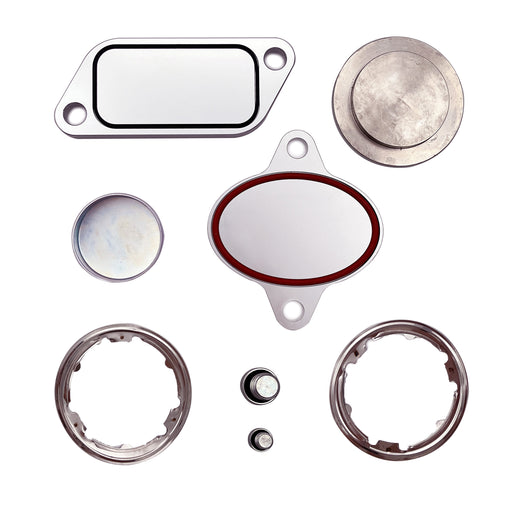
For 2007-2010 Cummins ISX CM871 EGR Plug Kit Stage 2 Plates and Plugs Aluminum
SEGULEROriginal price $67.99 - Original price $67.99Original price$67.99$67.99 - $67.99Current price $67.99FITMENT 2007-2010 Cummins Volvo, Peterbilt, Mack, International, Freightliner, Kenworth with the ISX CM871 Engines. DESCRIPTION Product Overvie...
View full details -
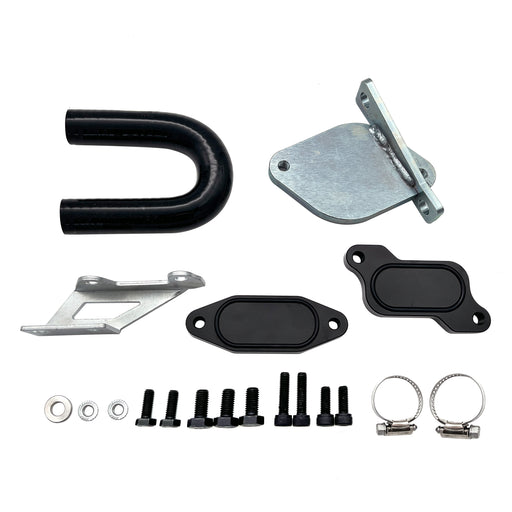
For 2007-2010 6.6L Chevy GMC LMM Duramax EGR Valve Cooler Delete Kit Fit
SEGULEROriginal price $61.99 - Original price $61.99Original price$61.99$61.99 - $61.99Current price $61.99FITMENT 2007.5-2010 6.6L Chevrolet Silverado Duramax LMM 2500HD / 3500HD. 2007.5-2010 6.6L GMC Sierra Duramax LMM 2500HD / 3500HD. Note: Standard...
View full details -
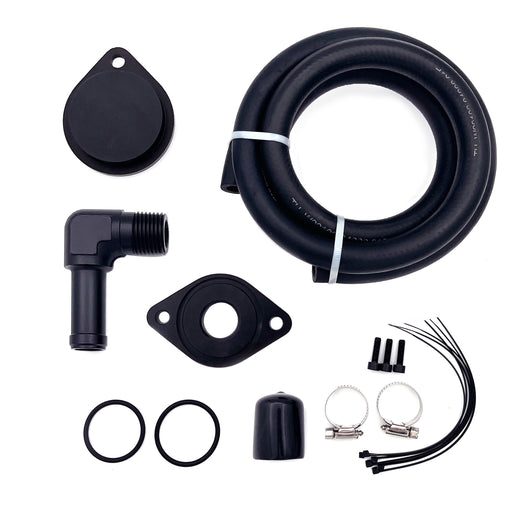
Seguler 2011-2023 Ford 6.7L Powerstroke CCV/PCV Reroute/Delete Engine Ventilation Kit
SEGULEROriginal price $72.00 - Original price $72.00Original price$72.00$72.00 - $72.00Current price $72.00FITMENT 2011-2023 6.7L Ford Powerstroke F-250 F-350 F-450 F-550 Super Duty V8 Diesel. Compatible with both standard Pickups and commercial Cab &...
View full details -
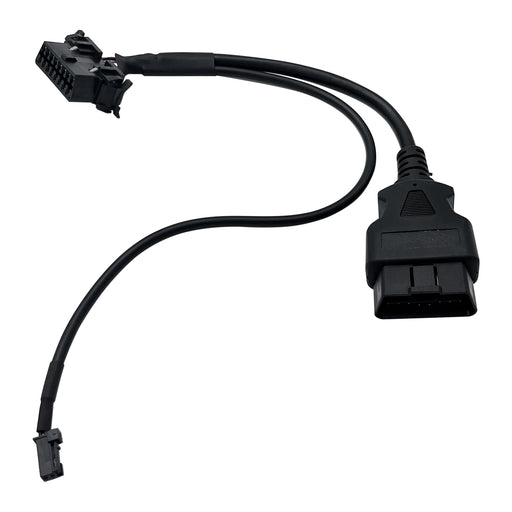
Seguler 2018+ RAM Cummins OBD2 HD Security Gate Bypass Cable
SEGULEROriginal price $45.00 - Original price $45.00Original price$45.00$45.00 - $45.00Current price $45.00FITMENT 2018+ 6.7L Ram Cummins 2500 3500 Turbo Diesel. Designed for Ram pickup trucks equipped with the factory Security Gateway Module. Note: Pl...
View full details -
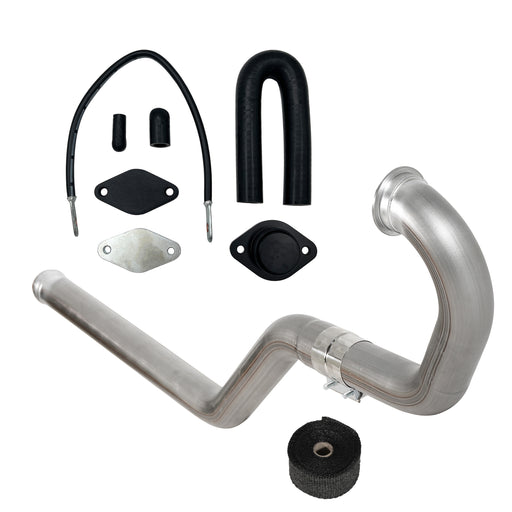
3" Turbo Back DPF & EGR Delete Kit for 2020-2022 GM 3.0L LM2 Duramax
SEGULEROriginal price $550.00 - Original price $550.00Original price$550.00$550.00 - $550.00Current price $550.00FITMENT 2020–2022 3.0L Chevrolet Silverado 1500 LM2 Diesel. 2020–2022 3.0L GMC Sierra 1500 LM2 Diesel. DESCRIPTION Product Overview On the 3.0...
View full details


Leave a comment