

3.0L Duramax Owners: This LM2 Delete Kit Makes Your Truck Wake Up
The 3.0L LM2 Duramax is the quietest, most efficient diesel GM has ever put in a half-ton. It’s an inline-six in a world of V6s, it returns EPA numbers that embarrass the gas engines next to it on the lot, and it makes 460 lb-ft of torque from just three liters. On paper, it’s the “goldilocks” truck — diesel torque and economy in a package you can actually park.
But the same emissions stack that lets it hit 33 mpg is also the thing that strangles it — a low-pressure EGR system feeding soot into a clean intake, a DPF that demands endless regeneration cycles, and a DEF tank that always seems to run dry at the worst possible moment. That’s what an LM2 delete kit is for. Not to turn a half-ton into a race truck — that was never the point of this engine — but to strip away the two things that quietly hold it back and let the little inline-six actually breathe.
Know Your Generation: LM2 Duramax

The Oil Pump Belt — The LM2’s Biggest Design Head-Scratcher
Most heavy-duty diesels drive their oil pump with a steel gear. GM decided the LM2 would drive its variable-displacement oil pump with a rubber belt, mounted at the rear of the crankshaft, inside the engine, constantly bathed in oil.The belt is a listed maintenance item with a 150,000-mile replacement interval.
The Catch:
Because it lives behind the crank, replacing it means pulling the transmission — and on four-wheel-drive trucks, the transfer case too. Some shops even drop the cab to get at it. That’s a belt change that costs real money, and it’s baked into the LM2 ownership experience.
A delete doesn’t touch the oil pump belt — that’s an internal engine component, not an emissions part. But it’s worth knowing about, because it’s the biggest single service item on this platform.
Crank No-Start — The Intermittent Reluctor Wheel Problem
Early LM2s had a maddening intermittent crank-no-start condition: you’d hit the button, the engine would crank but not fire, and waiting a few minutes and trying again would usually get you going. GM traced it to the crankshaft reluctor wheel — a supplier had trouble holding the precise dimensions, so the crank position sensor would occasionally lose track of where the engine was in its rotation and the ECU would refuse to fire.
GM fixed it with a revised calibration, at the cost of a slightly longer crank before it catches. The 2023 LZ0 redesigned the reluctor wheel entirely.
The LM2 Is Already a Great Engine — That’s the Point
It’s worth being clear about this up front, because a lot of delete content implies the engine underneath is garbage until you remove the emissions gear. That’s not true here. The LM2 is a genuinely well-built little diesel:
-
Aluminum block with iron cylinder liners, forged steel crank and connecting rods, and hypereutectic aluminum pistons — a bottom end that’s overbuilt for its power target.
-
Seven nodular-iron main bearing caps holding the rotating assembly in a deep-skirt block.
-
A 36,250 psi (2,500 bar) common-rail injection system with nine-hole nozzles capable of up to ten injection events per cycle — which is why it idles as smooth as it does.
-
A Garrett variable-geometry turbo with a water-to-air intercooler and a variable-length intake manifold.
-
The only inline-six in the half-ton segment, which is naturally balanced without the need for balance shafts — the same configuration you find in semi trucks for a reason.
LM2 vs LZ0
Before you order anything, you need to know which 3.0L Duramax you actually have, because they are not interchangeable.
| Generation | Model Years | Power | Key Differences |
|---|---|---|---|
| LM2 | 2020–2022 | 277 hp / 460 lb-ft |
First-gen; aluminum pistons; oil pump belt rated 150k miles |
| LZ0 | 2023+ | 305 hp / 495 lb-ft |
~25% different parts: steel pistons, updated injectors, 200k-mile belt, fixed reluctor wheel |
The delete kits covered in this guide are built for the LM2 (2020–2022). The LZ0 is a substantially revised engine — different pistons, different injectors, different emissions calibration — and its hardware is not a drop-in match for LM2 parts. If you own a 2023+ truck, you need LZ0-specific parts, not LM2 ones.
Even within the LM2 years, there’s a subtlety: the 2019 was a late-availability first-year truck, and some kits specify 2020–2022 fitment. Always confirm your exact model year against the kit’s fitment list before you buy — this is the most common way people order the wrong part.
Why We Need LM2 Delete Kit — 3.0L LM2 “Wake Up”
These Systems Is Potential Failure Points
GM didn’t design the 3.0L Duramax to be strangled. It designed it to be efficient, and efficiency in a modern diesel means a full emissions stack bolted around an otherwise excellent engine. The LM2 carries every piece of aftertreatment GM could fit:
-
A low-pressure EGR system — and this is the LM2’s defining quirk. The LM2’s EGR feeds it back into the intake line upstream of the turbo compressor. It’s a clever setup for emissions, but it means soot-laden gas is still being routed back into an intake that should be seeing nothing but clean, cool air.
-
A DPF (diesel particulate filter) that traps soot and then burns it off through active regeneration — a cycle that dumps extra fuel into the exhaust stroke, spikes exhaust gas temperatures, and robs efficiency every time it runs.
-
An SCRF (Selective Catalytic Reduction on Filter) — GM’s name for a DPF and SCR catalyst combined into one canister, which is why the LM2’s exhaust is so compact but also so restrictive.
-
A DEF system that requires periodic top-ups of diesel exhaust fluid, and which has its own injector, heater, and sensors to fail.
None of this makes the engine more powerful. It makes it compliant. And every one of these systems is a potential failure point — a leaky EGR cooler, a clogged DPF, a DEF heater that craps out in the middle of winter.
The Emissions Failures a Delete Actually Eliminates
Before you buy, it helps to be precise about what a delete is actually fixing — because there’s a real difference between the LM2’s emissions systems (which fail constantly) and its mechanical design (which has its own separate quirks). A delete only touches the first category. Here’s what’s actually on the chopping block.
EGR Cooler Leaks — Coolant Where It Doesn’t Belong
The LM2’s low-pressure EGR cooler sits in the exhaust stream, and it’s a heat-cycle fatigue machine. Over time the internal brazing can crack, and when it does, coolant seeps into the intake side — white smoke out the tailpipe, a rising coolant loss, and in the worst case, coolant pooling in a cylinder and hydrolocking the engine.
Deleting the EGR cooler removes this failure mode entirely, because the cooler — and its coolant path — no longer exists.
DPF Clogging and the Endless Regen Cycle
The DPF is designed to trap soot and burn it off through active regeneration, but in practice — especially on a truck that does a lot of short trips or idling — it clogs. The result is forced regen cycles that dump fuel into the exhaust, spike EGTs, and quietly burn money. When it clogs past the point of regen, the truck derates and you’re buying a new filter.
A delete swaps the DPF for a straight pipe, and the whole problem — the clogging, the regen fuel waste, the derate — disappears.
DEF System Faults — The Heater and the Injector
The DEF system is the LM2’s most winter-fragile component. The tank heater fails in cold weather, and the DEF injector can crystallize and clog. Either one throws a code and derates the truck — often miles from a dealer.
Delete the DEF hardware and you remove the single most common cold-weather failure on the truck, along with the ongoing cost of diesel exhaust fluid.
The Wall of Emissions DTCs
Every one of those systems — EGR, DPF, SCR, DEF — has its own sensors and its own set of diagnostic trouble codes. When one throws a code, the truck derates until it’s fixed.
A delete removes the sensors and, with the tune, suppresses the codes, so the “check engine light + reduced power” cycle that plagues modern-diesel ownership simply stops.
What a Delete Won’t Fix (The Platform’s Own Quirks)
Be clear-eyed about the other side of this. The LM2 has a handful of known issues that have nothing to do with emissions, and a delete does not touch them:
- The oil pump belt — a rubber belt driving the oil pump, mounted behind the crank, with a 150,000-mile replacement that means pulling the transmission.
- The intermittent crank no-start — traced to a supplier’s reluctor wheel, fixed with a calibration, and redesigned on the 2023 LZ0.
- The VGT actuator loosening — codes P003A, P0046, P0299, P0234; usually just needs its mounting bolts tightened.
- The block heater / cooling fan glitch — plugging in the heater above 32°F can lock the fan to max until a full cool-down.
These are design quirks you’ll live with either way. The delete solves a different, cleaner set of problems: the emissions systems that fail constantly and cost you the most in downtime and money. That’s the actual value.
The Three Real, Honest Benefits
So what do you actually get? Three things, all of them backed by how the system works:
-
No more emissions-system failures. This is the big one. DEF heaters, EGR coolers, DPF sensors, regen cycles — these are the most common source of “check engine” grief on any modern diesel, and the LM2 is no exception. Delete them and those failure modes simply stop existing.
-
Better fuel economy. Removing the DPF eliminates the fuel that gets dumped during regeneration, and a free-flowing exhaust plus a clean intake lets the engine make the same power on less fuel. Real-world reports land in the 1.5–3 mpg range on tuned trucks.
-
No more DEF. No more buying jugs of diesel exhaust fluid, no more topping up at the worst possible moment on a road trip, no more DEF heater faults. For a lot of owners, this alone is worth it.
Add a tune on top of the hardware and you get the fourth benefit: real throttle response. Stock LM2s have a lazy, “dead pedal” feel, especially when towing. A proper tune with transmission calibration sharpens the shifts and makes the truck feel like it woke up.
Signs Your LM2’s Emissions System Is Failing — Before You Delete
These are the early warning signs the stock truck gives you when its emissions hardware is starting to go. If your LM2 is showing several of these, you’re not imagining it — the system is telling you it’s wearing out. That’s the moment a lot of owners start taking the delete seriously.
The EGR Cooler Is Going
- Coolant level dropping with no puddle under the truck — the leak is internal, into the intake, not on the ground.
- White smoke at cold start or under hard throttle — coolant getting into a cylinder.
- An oily film or a fouled smell in the coolant reservoir — combustion byproducts are working their way into the cooling system.
- A faint sweet smell under the hood — coolant vaporizing off a hot surface.
The DPF Is Clogging
- Regen cycles getting closer together — if the interval has shrunk from a few hundred miles to a few dozen, the filter is losing capacity.
- Fuel economy creeping up — that’s the extra fuel being dumped during regeneration.
- Throttle response going lazy — rising backpressure is strangling the turbo.
- A sooty smell at idle — the filter isn’t catching what it used to.
- The DPF warning light, or a derate — the filter has crossed the point of no return and the truck is telling you.
The DEF System Is Acting Up
- DEF consumption that’s suddenly wrong — either burning through it fast, or barely using any; both mean the system isn’t metering correctly.
- The DEF warning light or countdown coming on early — the truck thinks you’re low when you just topped up.
- A frozen-DEF warning in cold weather — the tank heater is failing, a known LM2 sore spot.
- A sharp ammonia smell from the exhaust — DEF is crystallizing, or the SCR catalyst has stopped doing its job.
Soot Is Building Up in the Intake
- Throttle response getting duller over time — the intake tract is narrowing with carbon sludge.
- A slight rough idle that wasn’t there before.
- Fuel economy and power drifting in the wrong direction together — the slow, cumulative effect of EGR soot.
The General Red Flags
- A check-engine light with P20xx / P24xx emissions codes — the classic “emissions system” fault range.
- Recurring derate — the truck limits power, you fix something, and it comes back.
None of these signals is catastrophic on its own. But when your truck starts showing several at once — regen getting frequent, coolant quietly disappearing, DEF codes that won’t stay gone — that’s the emissions system telling you it’s nearing the end of its useful life. For a lot of LM2 owners, that’s exactly the point where the delete math starts to make sense.
What’s in a Complete LM2 Delete Kit
Here’s what a proper LM2 delete kit should cover, and what each piece does:
| Component | What it does |
|---|---|
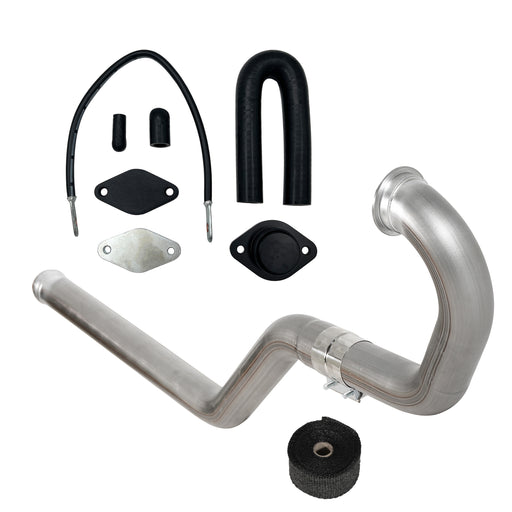
| 3" turbo-back pipe | Replaces the DPF/SCRF canister with a free-flowing mandrel-bent pipe, slashing backpressure |
| EGR block-off plate | Seals the EGR valve port so exhaust soot can’t re-enter the intake |
| EGR cooler block-off / delete | Removes the cooler and blocks its coolant ports |
| Coolant loop hose & caps | Re-routes the coolant that used to flow through the EGR cooler, and caps the now-unused lines |
| Ground strap | Provides a new ground path for the relocated sensor/component wiring |
One thing worth appreciating on a quality kit: the downpipe comes pre-wrapped in heat wrap. Cheap kits throw you a roll of wrap and tell you to do it yourself, which means an hour of fighting fiberglass and getting splinters in your fingers. A kit that ships the pipe already wrapped saves you that whole headache.
3" Turbo Back DPF & EGR Delete Kit for 2020-2022 GM 3.0L LM2 Duramax
If you’ve read this far, you understand why the LM2 demands a kit that’s specific to the platform — not a generic diesel pipe. The 3" Turbo-Back DPF & EGR Delete Kit for 2020–2022 3.0L LM2 Duramax is built around exactly that idea — it goes after the two things that actually choke the LM2, and nothing more.

What this kit does:
-
3" turbo-back pipe replaces the DPF/SCRF canister, slashing exhaust restriction so the little Garrett VGT can do its job without pushing against a wall.
-
EGR cooler delete removes the low-pressure EGR path, so exhaust soot stops re-entering a clean intake and baking into carbon sludge on the valves.
-
Tuned to the platform, not a one-size pipe. The 3" diameter is matched to the LM2’s displacement and airflow — big enough to free up flow, small enough to preserve low-end torque and avoid highway drone.
Two things to be clear about:
-
This is a hardware kit — you still need the tune. Custom ECM tuning is required after installing it, to clear the check-engine light, disable the DTCs, and prevent limp/derate mode. No hardware kit can provide that for you; budget for it separately.
-
Fitment is 2020–2022 LM2. If you have a 2019 (first-year) or a 2023+ LZ0, confirm compatibility before ordering — the LZ0 is a different engine entirely.
Installation: Tune First, Then Wrench
The LM2 delete is a genuine two-day job for a first-timer doing it in the driveway — and the sequence matters more than the wrenching itself.
Step Zero: Tune First, Always
This is the #1 rule, and it’s non-negotiable: flash the tune before you remove a single bolt.
The reason is simple. The truck’s ECM is programmed to expect the EGR, DPF, and DEF sensors to be there. If you pull the hardware first and leave the stock calibration in place, the ECM sees a dozen missing sensors and derates the truck into limp mode — or refuses to start at all.
The tuning process itself depends on the tool you’re using:
-
Some setups (like the Easy Link style Bluetooth devices) plug into the OBD-II port and flash through your phone. You download the ECU profile from the cloud, hit install, and it takes about ten minutes — the dash will cycle through a few warning lights, which is normal. Use a battery charger while you flash.
-
Other tuners require you to pull the ECM and TCM and send them out to be unlocked before you can flash — this is more involved, with a few days of turnaround while the modules are bench-unlocked.
Either way, the order is the same: scan for codes first (so you know what you’re starting with), put a charger on the battery, flash the tune, then start wrenching. And after the tune is in, disconnect the negative battery terminal before you touch any wiring.
The Removal, by Component
EGR Delete — Strip the Intake Side
The EGR is the fiddliest part of the job. On the LM2 you’re pulling the cooler, its piping, and the valve, then sealing everything up.
- Drain the coolant first — you’ll find the petcock behind the passenger-side fender liner, which means pulling the wheel and the liner to reach it.
- Remove the EGR cooler and piping. The cooler is held by a mix of 10mm and 13mm bolts, with spring clamps on the coolant lines. Unplug the sensors, pop the clamps, and work the cooler out. It’s tight, and you’ll want a swivel socket for a couple of the rear bolts.
- Install the EGR block-off plate on the valve port, reusing the factory bolts (swap in fresh gaskets — don’t reuse the old ones).
- Block off the turbo-side EGR port with its own plate.
- Loop the coolant with the supplied hose, and cap the now-unused smaller lines.
- Install the new ground strap from the factory ground location to a clean point on the engine, and zip-tie it away from the exhaust.
DPF Delete — Drop the Canister
The DPF/SCRF canister is the bulky piece, and it comes out from the top.
- Remove the DEF injector — it’s held by a single E-Torx bolt on its clamp, and it comes off clean.
- Remove the exhaust back-pressure valve — three 15mm bolts.
- Disconnect the downpipe from the turbo at the V-band clamp (one 13mm bolt).
- Lift the DPF assembly out through the hood — carefully, and with a second set of hands. It’s heavy, awkward, and easy to snag on wiring.
Downpipe & Exhaust — Swap in the Free-Flow Pipe
- Install the new downpipe onto the turbo, get the V-band over it, and tighten it loosely at first so you have wiggle room for the next section.
- Slide the 3" turbo-back pipe into place, mating to the factory hanger and clamp. The loose V-band is your friend here — it lets you rotate and align the pipe without fighting it.
- Tighten everything down once the whole exhaust is in position.
Finish Up and Road Test
Reinstall the battery, fuse box, and fender liner, refill the coolant, and reconnect everything in reverse order. Start the truck and confirm no check-engine light and no warning messages. Then take it for a road test — check for exhaust leaks at the V-band and the pipe joints, listen for anything rattling, and make sure the throttle response actually feels sharper than before.
Budget realistically: this is a two-day job for a home mechanic, and even professionals book it as a multi-day job because of how sideways it can go. Don’t start it on a Sunday afternoon and expect to drive to work Monday.
Where DIY Installers Get It Wrong
The failures people actually hit, straight from installers who’ve done this job repeatedly:
- Not tuning first — the #1 cause of limp mode and “why won’t my truck start” panic.
- Skipping the battery charger while flashing — a voltage dip mid-flash can brick the ECM. Don’t risk it.
- Forgetting to disconnect the battery before unplugging connectors — you trip fault codes, and then you’re plugging everything back in to clear them before you can proceed.
- Forgetting the CAN-BUS plugs — the single most expensive “oh no” moment, because it means redoing the whole process.
- Stripping the fuse box connectors — those are 7mm and delicate; use a hand ratchet, not an impact, and don’t force them. Break one and you’re replacing a fuse box and possibly a wiring harness.
- Snagging wiring while lifting the DPF out through the hood — slow and careful wins here; that canister is heavy and the engine bay is tight.
- Not replacing the EGR gaskets — reusing a compressed, heat-cycled gasket is how you end up with a boost leak you can’t find.
After the Install: How to Care for a Deleted LM2
Getting the hardware in and the tune flashed is the hard part — but a deleted truck isn’t a “set it and forget it” job. Here’s what the first few thousand miles of ownership should look like.
The First 500–1,000 Miles: Re-check Every New Seal
The first thing to do after a delete is the same thing installers do before they sign off: re-check every new joint while it’s still fresh.
-
Inspect the V-band and pipe joints for soot streaks — a dark smudge at a clamp means an exhaust leak, and exhaust leaks at the turbo are the ones that rob boost and whistle.
-
Look for coolant seepage at the block-off plates and the coolant loop fittings. A deleted EGR cooler means you’ve re-routed the cooling system; a slow weep here is the first sign of an air pocket or an under-torqued fitting.
-
Re-check the CAN-BUS plugs are still fully seated after the truck has been driven and heat-cycled. Vibration loosens things, and a partially-seated plug is how you end up with ghost codes weeks after the job.
Catch these in the first thousand miles and they’re a ten-minute fix. Let them go and they turn into a mystery boost leak or an overheating event you’ll chase for a weekend.
Keep the Cooling System Topped Up
After you refill the coolant and bleed the air out, the level will drop as the last air pockets work their way out. Check the reservoir when the engine is cold for the first week or two, and top up to the mark. Watch the temperature gauge for any sign of overheating — the coolant re-route is the one part of the delete that can bite you if it wasn’t bled properly.
Oil and Fuel Filters Still Matter — Maybe More
A delete doesn’t change your maintenance schedule, and in one way it makes a couple of items more important:
-
Fuel filters and water separation are still critical. The LM2’s high-pressure injection system runs at 36,250 psi, and water is its worst enemy. Keep changing the fuel filter on schedule and drain any water separator you have. The delete removed the DEF system, not the need for clean fuel.
-
Oil changes stay on the original interval. Diesel blow-by doesn’t disappear because you deleted the EGR. Stick to the factory oil-change schedule, and use the correct spec oil.
Watch Your EGTs — Especially Towing
The single biggest risk on a tuned-and-deleted LM2 is exhaust gas temperature. Removing the DPF drops backpressure and EGTs at cruise, but a high-power tune under load can still push temperatures up fast. If you tow:
-
Run the lower-power tune when you’re pulling heavy. High-horsepower settings under sustained load are how you melt a head gasket or cook a transmission.
-
Add an EGT gauge if you don’t have one. The factory doesn’t give you a real-time EGT readout, and on a deleted truck it’s the number that matters most when you’re loaded.
-
Let it cool down after a hard pull before shutting off, so the turbo isn’t heat-soaking with no oil flow.
Let the Transmission Re-learn
If your tune included a transmission calibration, the TCM needs time to re-learn shift points. Drive it normally for the first few hundred miles — don’t jump straight into hard launches or constant tune-switching. The transmission adapts to your driving, and it’ll settle into crisp, consistent shifts if you give it a steady pattern to learn from.
Scan for Codes Periodically
A deleted truck should run clean, but it’s worth pulling codes every few months with a basic OBD tool to confirm nothing new has crept in. If a code does show up, address it early — a deleted truck hiding a developing problem (a failing sensor, a loose connector) is exactly how small issues turn into roadside breakdowns.
Don’t Over-Service It
Once it’s installed and confirmed clean, leave it alone. A deleted LM2 doesn’t need constant fiddling — repeated disassembly just ages the connectors, gaskets, and clips faster. Do the first-thousand-mile check, keep the fluids fresh, and let it run.
A Couple of Loose Ends Worth Remembering
-
The oil pump belt is still on its 150,000-mile schedule. Deleting the emissions systems doesn’t touch it, so budget for that service when the time comes.
-
Keep the factory parts. If you ever need to return the truck to stock — for a sale, an inspection, or a move to a state that checks — having the original DPF, EGR, and sensors makes that possible. Stash them somewhere dry and labeled.
-
No more DEF, ever. That’s one winter worry (frozen DEF) and one recurring cost you’ll never deal with again.
Who Should — and Shouldn’t — Do This
This isn’t a universal upgrade, and pretending otherwise does you a disservice.
A delete is for you if…
- Your truck is off-road, race, competition, or farm-only. This is the hard prerequisite. On-road use is illegal, full stop.
- You’re tired of DEF, regen cycles, and emissions faults. If a DEF heater or EGR cooler has already stranded you, you know exactly what you’re buying your way out of.
- You want the throttle response and fuel economy that the stock tune leaves on the table, and you’re ready to do it properly — hardware and a tune.
- You own a 2020–2022 LM2 and you’ve confirmed the kit fits your exact year.
Skip it if…
- Your truck is driven on public roads. It’s illegal (over $5,000+ per violation), and no performance gain changes that.
- You have a 2023+ LZ0. Different engine, different parts — an LM2 kit won’t fit, and you’d need LZ0-specific hardware and tuning.
- Your truck is still under factory warranty. Flashing the ECM voids it on the spot.
- You think this fixes the oil pump belt. It doesn’t — that 150,000-mile service is still coming, and it’s unrelated to emissions.
Conclusion
The 3.0L LM2 Duramax is a genuinely good engine wrapped in a heavy emissions blanket. It’s the most efficient diesel GM has ever sold in a half-ton, but every bit of that efficiency comes with a DPF, a low-pressure EGR, and a DEF system bolted around it — and those are the parts that fail, the parts that demand regen cycles, and the parts that make the throttle feel dead.
The honest math: $550 for the hardware kit, plus the cost of custom tuning, plus a couple of days of careful DIY labor. Whether that’s worth it comes down to one question — is your truck off-road only, and are you tired of feeding it DEF and fighting its emissions faults? If the answer to both is yes, this is the upgrade that makes your LM2 wake up.
For a complete 3" turbo-back DPF and EGR delete solution built specifically for the 2020–2022 3.0L LM2 Duramax. SEGULER builds diesel performance hardware for the platforms that matter, and this kit is designed to fit the LM2 the way it actually needs to be fit — not as an afterthought.
Frequently Asked Questions
Q1: Does an LM2 delete kit add horsepower by itself?
A1: No. Removing the DPF and EGR frees up exhaust flow and cleans the intake, but the fuel and boost maps are still stock. The power comes from the custom tune that must follow the hardware. The hardware removes the restriction; the tune adds the power.
Q2: Is custom tuning required after installing an LM2 delete kit?
A2: Yes, strictly required. Removing the DPF and EGR alters the factory sensor feedback, and the stock calibration will throw a check-engine light and derate the truck into limp mode. A custom off-road tune clears the codes, disables the DTCs, and lets the engine run normally without the emissions sensors.
Q3: Does deleting fix the LM2’s oil pump belt problem?
A3: No. The oil pump belt is an internal engine component with a 150,000-mile replacement interval, unrelated to the emissions systems. A delete removes the DPF, EGR, and (depending on the kit) DEF hardware, but the belt service is a separate item.
Q4: What’s the difference between the LM2 and LZ0, and does the kit fit both?
A4: The LM2 (2020–2022) makes 277 hp and 460 lb-ft; the LZ0 (2023+) makes 305 hp and 495 lb-ft and has roughly 25% different parts, including steel pistons, updated injectors, and a revised emissions calibration. LM2 kits are not a drop-in match for the LZ0 — confirm your exact year before ordering.
Q5: How long does an LM2 delete take to install?
A5: Budget two days for a careful home install. It’s a full teardown — pulling the fender liner to drain coolant, removing the EGR cooler and DPF canister, then installing the new pipe, block-off plates, and CAN-BUS plugs. Even professionals book it as a multi-day job.
Q6: What are the CAN-BUS plugs for, and why are they critical?
A6: The LM2’s sensors share the J1939 network, and unplugging the EGR, DPF, and DEF sensors leaves open circuits. The CAN-BUS plugs terminate those circuits so the modules don’t throw ghost codes or refuse to run. Skip them and you’ll be redoing the whole process.
Q7: Will I get better fuel economy after a delete and tune?
A7: Typically yes — removing the DPF eliminates regeneration fuel dumps, and a free-flowing exhaust plus a clean intake lets the engine make the same power on less fuel. Real-world gains land around 1.5–3 mpg, though the computer readout can run optimistic, so measure at the pump.
Q8: Is deleting an LM2 legal?
A8: On public roads, no. Removing emissions equipment violates the federal Clean Air Act (42 U.S.C. § 7522), with fines up to $5,911 for individuals, and voids your warranty. Delete kits are sold strictly for off-road, race, competition, or farm use where permitted.
Featured collection
-
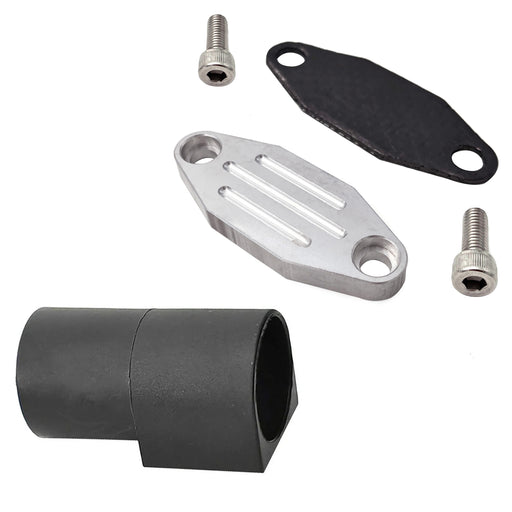
Seguler 1986-1995 Ford F150 F250 F350 Mustang Trucks EGR Simulator Eliminator / Block Off Plate Kit
SEGULEROriginal price $79.99 - Original price $79.99Original price$79.99$79.99 - $79.99Current price $79.99Block Off Plate Material: Aluminum alloy. Easy installation,and convenient to use. Made of CNC milled from aircraft grade Billet aluminum. Will N...
View full details -

Seguler 2011-2023 6.7L Ford Powerstroke Diesel EGR Delete Kit
SEGULEROriginal price $109.99 - Original price $109.99Original price$109.99$109.99 - $109.99Current price $109.99FITMENT 2011-2023 6.7L Ford Powerstroke F-250 F-350 F-450 F-550 Super Duty V8 Diesel. compatible with both standard Pickups and commercial Cab &...
View full details -
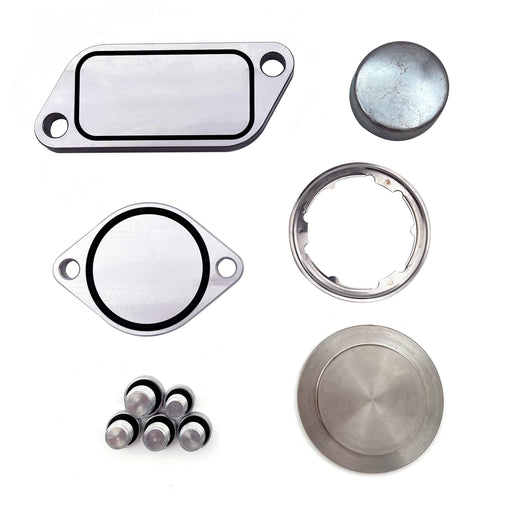
For 2010-Present Stage 2 ISX 15 CM2250 CM2350 EGR Delete Kit
SEGULEROriginal price $59.99 - Original price $59.99Original price$59.99$59.99 - $59.99Current price $59.99FITMENT 2010-Present Cummins Volvo, Peterbilt, Mack, International, Freightliner, Kenworth with the ISX15 CM2250 / CM2350 engines. DESCRIPTION P...
View full details -
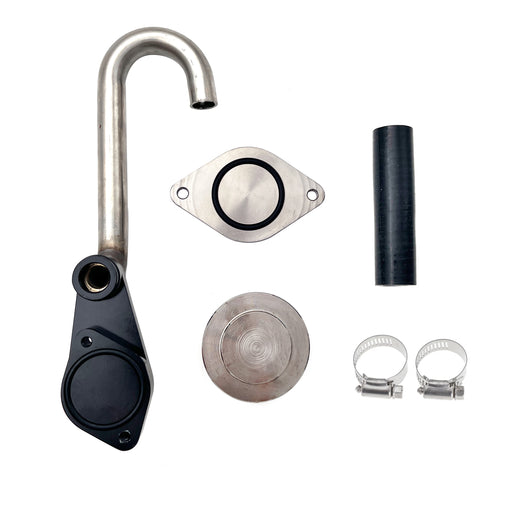
Seguler 2003-2007 6.0L FORD Powerstroke Diesel EGR Cooler Delete Kit
SEGULEROriginal price $56.14 - Original price $56.14Original price$56.14$56.14 - $56.14Current price $56.14FITMENT 2003-2007 6.0L Ford F-250 Ford F-350 F-450 F-550 Super Duty. 2003-2007 6.0L Ford Excursion SUV (Diesel Models Only). 2005-2010 Ford E-Se...
View full details -
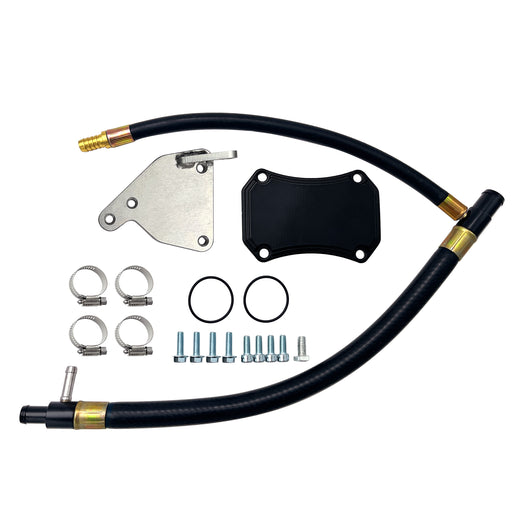
For 2011-2016 6.6L GMC Chevy Duramax Diesel LML EGR Valve Cooler Delete Kit
SEGULEROriginal price $66.49 - Original price $66.49Original price$66.49$66.49 - $66.49Current price $66.49FITMENT 2011-2016 6.6L Chevy GMC Duramax LML 2500 HD 3500 HD Diesel. DESCRIPTION Product Overview The 2011–2016 LML Duramax uses a complex EG...
View full details -
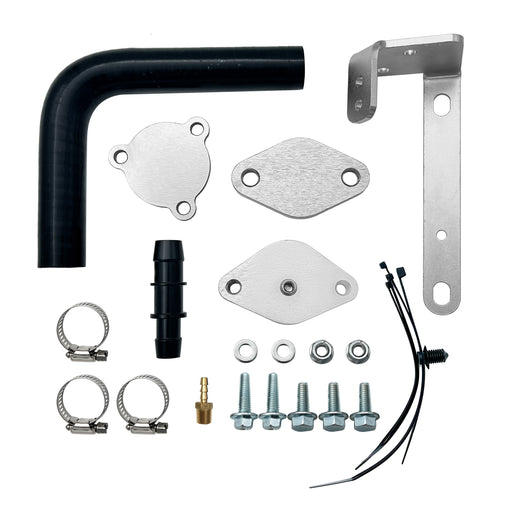
Seguler For 2014-2019 3.0L Dodge Ram 1500 EcoDiesel EGR Valve & Cooler Delete Kit
SEGULEROriginal price $72.99 - Original price $72.99Original price$72.99$72.99 - $72.99Current price $72.99FITMENT 2014-2019 3.0L Dodge Ram 1500 EcoDiesel V6 engine trucks. DESCRIPTION Product Overview Exhaust gas recirculation on 3.0L EcoDiesel V6 ...
View full details -

Seguler 2011-2023 6.7L Ford Powerstroke Diesel EGR Delete Kit
SEGULEROriginal price $85.99 - Original price $85.99Original price$85.99$85.99 - $85.99Current price $85.99FITMENT 2011-2023 6.7L Ford Powerstroke F-250 F-350 F-450 F-550 Super Duty V8 Diesel. compatible with both standard Pickups and commercial Cab &...
View full details -
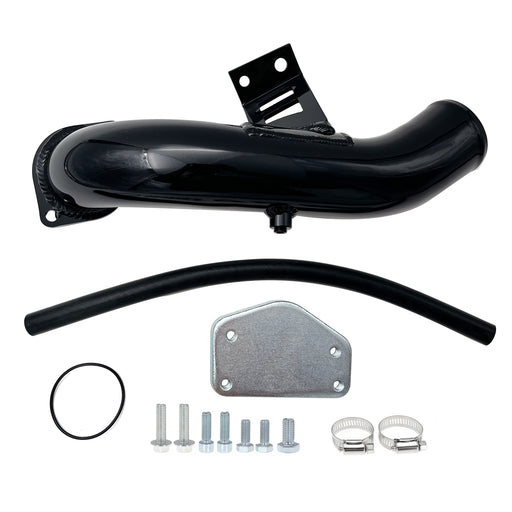
For 2004.5-2005 6.6L Chevy GMC Silverado LLY Duramax Diesel EGR Delete Kit
SEGULEROriginal price $92.99 - Original price $92.99Original price$92.99$92.99 - $92.99Current price $92.99FITMENT 2004.5-2005 6.6L Chevrolet Silverado Duramax LLY 2500HD / 3500 HD. 2004.5-2005 6.6L GMC Sierra Duramax LLY 2500HD / 3500 HD. DESCRIPTION...
View full details -

Seguler 2017-2019 L5P Duramax Diesel 4pcs L5P Can Bus Plugs Connector Replacement
SEGULEROriginal price $75.00 - Original price $75.00Original price$75.00$75.00 - $75.00Current price $75.00FITMENT 2017–2019 Chevrolet Silverado / GMC Sierra Duramax L5P 2500HD & 3500HD Diesel. DESCRIPTION Product Overview Unprotected harness con...
View full details -

Seguler 2010-2024 6.7L Dodge Ram Cummins Diesel EGR Valve Cooler Delete Kit
SEGULEROriginal price $89.99 - Original price $89.99Original price$89.99$89.99 - $89.99Current price $89.99FITMENT 2010–2024 6.7L Dodge Ram Cummins 2500 / 3500 Pickup Turbo Diesel. Note: Does NOT fit Chassis Cab 3500 / 4500 / 5500 models. DESCRIPTIO...
View full details -

Seguler 2020-2023 chevy duramax L5P Diesel Can Bus Plugs Connector
SEGULEROriginal price $80.00 - Original price $80.00Original price$80.00$80.00 - $80.00Current price $80.00FITMENT 2020–2023 Chevrolet Silverado / GMC Sierra Duramax L5P 2500HD & 3500HD Diesel. DESCRIPTION Product Overview Unprotected harness pl...
View full details -
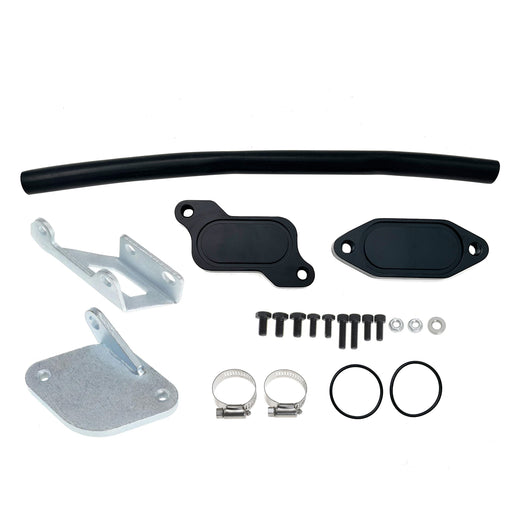
For 2006-2007 6.6L Chevrolet Silverado Classic GMC Duramax LBZ Diesel EGR Valve Cooler Delete Kit
SEGULEROriginal price $63.49 - Original price $63.49Original price$63.49$63.49 - $63.49Current price $63.49FITMENT 2006-2007.4 Chevrolet Silverado Duramax LBZ 2500HD / 3500HD. 2007.4 Chevrolet Silverado Duramax LBZ 2500HD / 3500HD Classic. 2006-2007.4 ...
View full details -
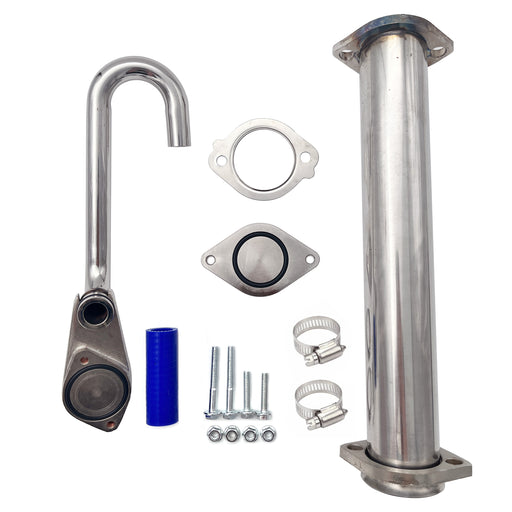
Seguler 2003-2007 6.0L Ford F250 F350 Powerstroke Diesel EGR Basic Cooler Kit
SEGULEROriginal price $79.99 - Original price $79.99Original price$79.99$79.99 - $79.99Current price $79.99FITMENT 2003-2007 6.0L Ford F250 F350 F450 F550 Super Duty Turbo (except 2004 F250 Super Duty). 2003-2005 6.0L Ford Excursion Turbo. 2005 Ford F...
View full details -

Seguler 2011-2023 6.7L Ford F250 F350 F450 F550 Powerstroke Diesel EGR Valve Delete Cooler Delete Kit
SEGULEROriginal price $55.99 - Original price $55.99Original price$55.99$55.99 - $55.99Current price $55.99FITMENT 2011-2023 6.7L Ford Powerstroke F-250 F-350 F-450 F-550 Super Duty V8 Diesel compatible with both standard Pickups and commercial Cab &a...
View full details -
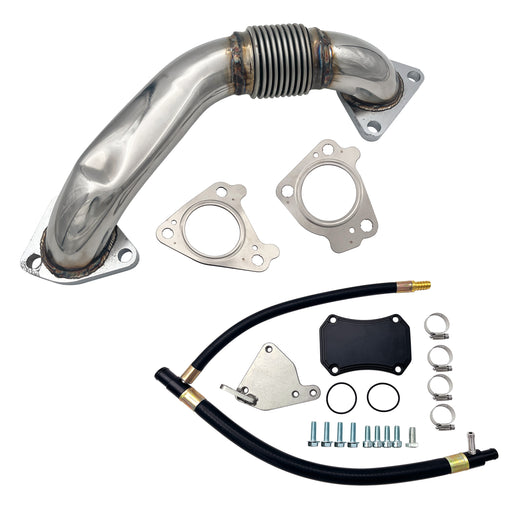
Seguler 2011-2016 6.6L GMC Chevy Duramax Diesel LML Up-Pipe & EGR Valve Cooler Delete Kit
SEGULEROriginal price $173.86 - Original price $173.86Original price$173.86$173.86 - $173.86Current price $173.86FITMENT 2011-2016 6.6L Chevy GMC Duramax LML 2500 HD 3500 HD Diesel. DESCRIPTION Product Overview Direct-injection technology endows GM 5.3L an...
View full details -
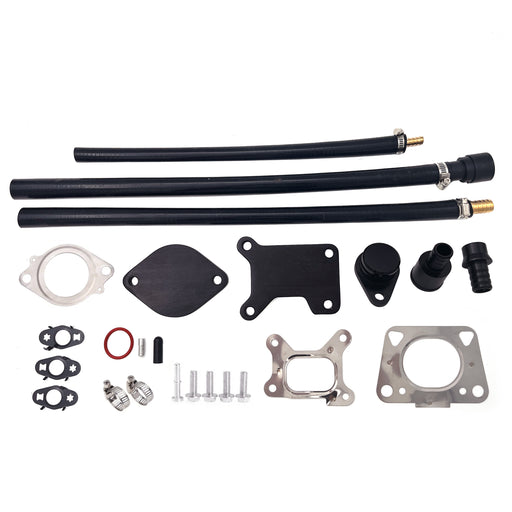
For 2017-2023 6.6L Chevy GMC Duramax L5P diesel EGR Valve Cooler Delete kit
SEGULEROriginal price $131.99 - Original price $131.99Original price$131.99$131.99 - $131.99Current price $131.99FITMENT 2017–2023 6.6L Chevrolet Silverado / GMC Sierra Duramax L5P 2500HD 3500HD Diesel. DESCRIPTION Product Overview Hot soot recirculation ...
View full details -

For 2013-2023 6.7L Dodge Ram Cummins Cab & Chassis EGR Delete Kit Diesel
SEGULEROriginal price $62.99 - Original price $62.99Original price$62.99$62.99 - $62.99Current price $62.99FITMENT 2013–2023 6.7L Ram Cummins 3500 4500 5500 Cab & Chassis / Commercial Trucks. Does NOT fit standard Ram 2500 3500 Pickups. DESCRIPTIO...
View full details -
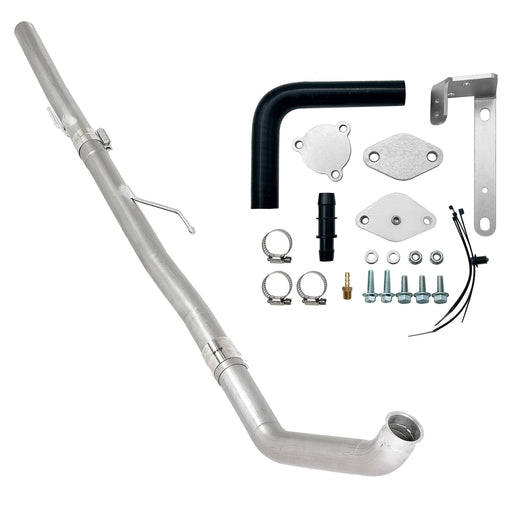
Seguler 3" Ecodiesel DPF Delete Pipe & EGR Delete kit for 2014-2018 3.0L Ram
SEGULEROriginal price $342.00 - Original price $342.00Original price$342.00$342.00 - $342.00Current price $342.00FITMENT 2014–2018 3.0L Dodge Ram 1500 EcoDiesel V6. NOTE: Fit standard Pickup models only (Crew Cab, Quad Cab). Does NOT fit Jeep Grand Cheroke...
View full details -
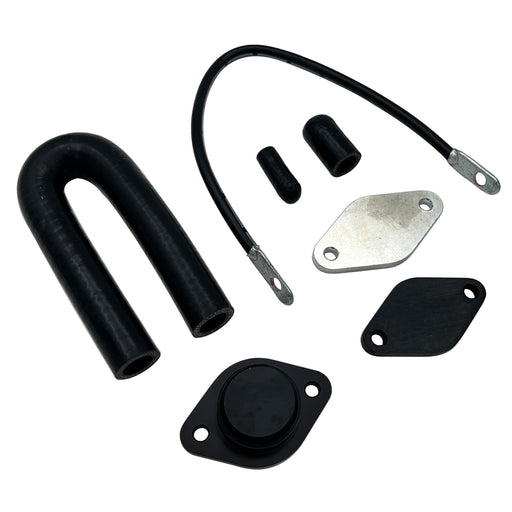
Seguler EGR valve cooler Delete kit for 2020-2022 3.0L Chevy Duramax LM2
SEGULEROriginal price $189.12 - Original price $189.12Original price$189.12$189.12 - $189.12Current price $189.12FITMENT 2020–2022 3.0L Chevrolet Silverado GMC Sierra 1500 LM2 Turbo-Diesel. DESCRIPTION Product Overview Powered by smooth inline-six engine...
View full details -
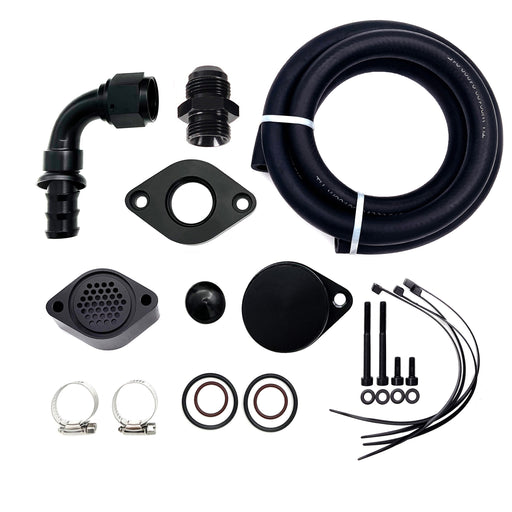
Seguler 2011-2023 6.7L Ford Powerstroke CCV PCV Reroute Engine Ventilation Kit
SEGULEROriginal price $82.99 - Original price $82.99Original price$82.99$82.99 - $82.99Current price $82.99FITMENT 2011-2023 6.7L Ford Powerstroke F-250 F-350 F-450 F-550 Super Duty V8 Diesel. Compatible with both standard Pickups and commercial Cab &...
View full details -
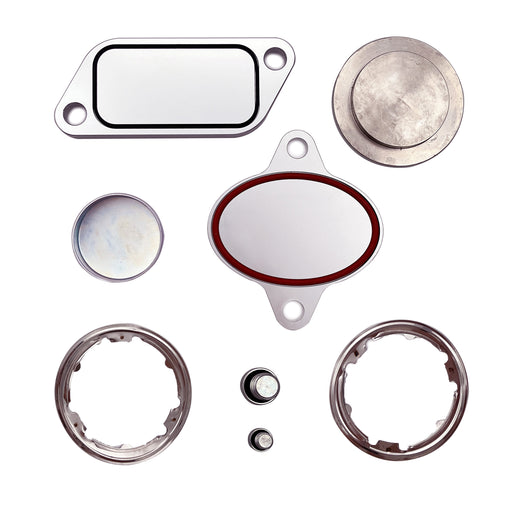
For 2007-2010 Cummins ISX CM871 EGR Plug Kit Stage 2 Plates and Plugs Aluminum
SEGULEROriginal price $67.99 - Original price $67.99Original price$67.99$67.99 - $67.99Current price $67.99FITMENT 2007-2010 Cummins Volvo, Peterbilt, Mack, International, Freightliner, Kenworth with the ISX CM871 Engines. DESCRIPTION Product Overvie...
View full details -
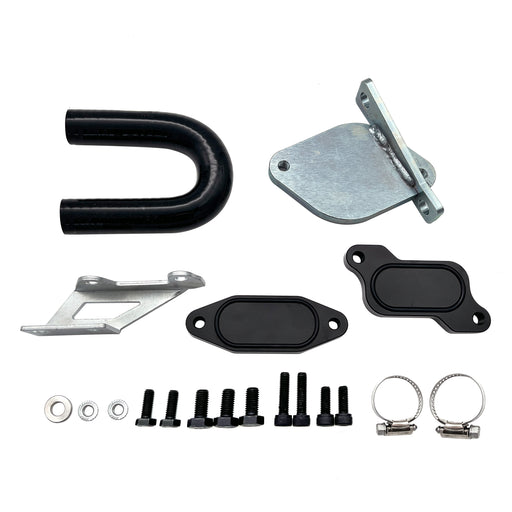
For 2007-2010 6.6L Chevy GMC LMM Duramax EGR Valve Cooler Delete Kit Fit
SEGULEROriginal price $61.99 - Original price $61.99Original price$61.99$61.99 - $61.99Current price $61.99FITMENT 2007.5-2010 6.6L Chevrolet Silverado Duramax LMM 2500HD / 3500HD. 2007.5-2010 6.6L GMC Sierra Duramax LMM 2500HD / 3500HD. Note: Standard...
View full details -
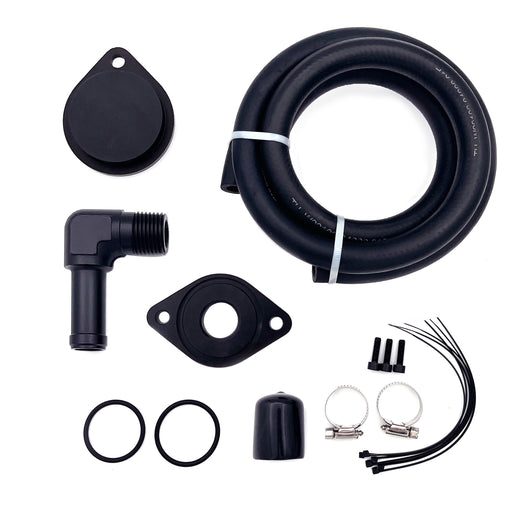
Seguler 2011-2023 Ford 6.7L Powerstroke CCV/PCV Reroute/Delete Engine Ventilation Kit
SEGULEROriginal price $72.00 - Original price $72.00Original price$72.00$72.00 - $72.00Current price $72.00FITMENT 2011-2023 6.7L Ford Powerstroke F-250 F-350 F-450 F-550 Super Duty V8 Diesel. Compatible with both standard Pickups and commercial Cab &...
View full details -
3" Turbo Back DPF & EGR Delete Kit for 2020-2022 GM 3.0L LM2 Duramax
SEGULEROriginal price $550.00 - Original price $550.00Original price$550.00$550.00 - $550.00Current price $550.00FITMENT 2020–2022 3.0L Chevrolet Silverado 1500 LM2 Diesel. 2020–2022 3.0L GMC Sierra 1500 LM2 Diesel. DESCRIPTION Product Overview On the 3.0...
View full details -
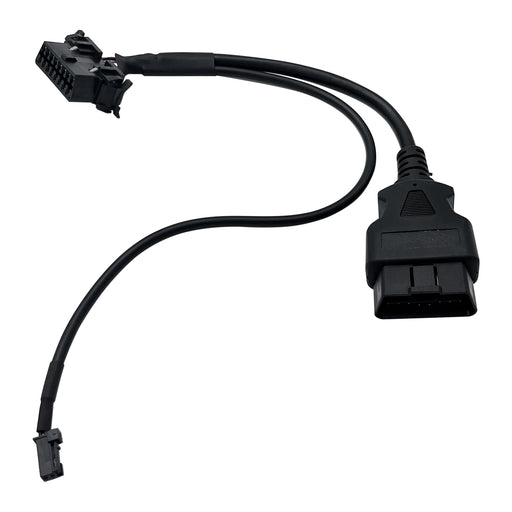
Seguler 2018+ RAM Cummins OBD2 HD Security Gate Bypass Cable
SEGULEROriginal price $45.00 - Original price $45.00Original price$45.00$45.00 - $45.00Current price $45.00FITMENT 2018+ 6.7L Ram Cummins 2500 3500 Turbo Diesel. Designed for Ram pickup trucks equipped with the factory Security Gateway Module. Note: Pl...
View full details


Leave a comment