

6.7 Cummins Exhaust Upgrades: Ram Heavy Duty Airflow Solutions
What Does Your 6.7 Cummins Really Need?
The 6.7L Cummins is built to handle demanding work, but not every truck experiences the same conditions throughout its life. A truck that spends most of its time towing heavy equipment faces different stresses than one used for daily driving, long highway trips, or occasional hauling. Mileage, engine load, driving habits, and maintenance history can all influence which areas begin to need attention first.
As these trucks accumulate miles, owners may start noticing concerns such as increased heat under load, more frequent regeneration cycles, carbon deposits around EGR-related components, or changes in how consistently the engine responds. These symptoms do not always come from the same source. Some are connected more closely to the exhaust path, while others develop around the EGR and intake side.
That distinction matters when deciding what to address. One truck may benefit from focusing on exhaust restriction and heat management, while another may have more reason to address carbon buildup or aging EGR components. In some situations, looking at both sides together provides a more complete picture of what is happening throughout the engine.
Rather than treating every modification as part of the same solution, this guide looks at the different problems owners may encounter, what causes them, and which type of approach fits each situation. Understanding those differences makes it easier to choose only what the truck actually needs instead of changing components without a clear reason.
🔧 Why 2013-2018 Ram 6.7L Cummins Owners Consider These Upgrades
The 2013–2018 Ram 2500 and 3500 with the 6.7L Cummins represent one of the most popular generations of modern diesel trucks. These trucks combine strong factory power, excellent towing capability, and a proven Cummins platform.
However, this generation also introduced a more complex emissions system compared with earlier models. The addition of diesel oxidation catalysts, diesel particulate filters, SCR systems, DEF components, and expanded EGR hardware created more monitoring points and additional airflow restrictions.
For owners who rely on their trucks for heavy towing, agriculture, construction, or long-distance hauling — whether that’s a 2013 Ram 2500 towing a fifth wheel, a 2016 Ram 2500 noticing intake carbon buildup, or a 2018 Ram 3500 running a hot-shot route — these additional systems can become important factors when planning long-term maintenance and performance improvements.
| Area | Factory Components | Common Concern |
|---|---|---|
| Exhaust Flow | DPF / Catalyst / SCR System | Increased backpressure and heat retention |
| EGR System | EGR Valve / Cooler / Throttle Valve | Carbon buildup and airflow restriction |
| Intake Path | Recirculated Exhaust Gas | Reduced intake cleanliness over time |
| Heavy Load Operation | Towing & hauling conditions | Higher thermal stress |
Understanding where these restrictions occur helps owners choose the correct upgrade path instead of replacing parts without addressing the actual airflow problem.
🔍 The 2013-2018 6.7L Cummins: A Proven Engine With a Restrictive Emissions Layout
The 6.7L Cummins has run across three distinct generations since 2007, and the emissions hardware changed meaningfully along the way. Understanding where your truck falls matters because it changes what parts fit and what’s actually restricting the engine.
| Generation | Model Years | Key Emissions Changes |
|---|---|---|
| Gen 1 | 2007.5–2012 | EGR + DPF; no SCR/DEF system |
| Gen 2 | 2013–2018 | EGR + DPF + SCR (DEF) introduced |
| Gen 3 | 2019–2024 | Revised fuel system, tighter calibration |
The 2013–2018 trucks are the heart of this discussion, and they carry the heaviest emissions load of the group. Starting in 2013, the exhaust side gained an SCR/DEF system on top of the existing diesel particulate filter and catalytic converter — a full stack of aftertreatment hardware sitting directly behind the turbo.
In short, these restrictions sit on both sides of the engine: the EGR system works the intake side, while the aftertreatment stack works the exhaust side. The two are connected, and the most effective upgrades address both ends together rather than just one.
⚠️ Common Challenges With the Factory 6.7L Cummins Emissions System
The factory exhaust and EGR systems are designed around emissions compliance rather than maximum airflow. Over time, several areas tend to become concerns.
1. Exhaust Restriction and Increased Backpressure
The factory exhaust system includes multiple emissions components that restrict exhaust flow. Under heavy load, that restriction can increase exhaust backpressure and heat buildup.
A less restrictive exhaust path lets the turbocharger and engine move exhaust gases more efficiently — which matters most for trucks used for towing or high-load applications.
2. EGR System Soot Buildup
The Exhaust Gas Recirculation system redirects exhaust gases back into the intake. Over time, soot and carbon deposits accumulate around the EGR valve, cooler, and intake passages.
This buildup can reduce airflow efficiency, contribute to a sticking or sluggish EGR valve, and add to the overall maintenance load on the intake side.
3. Heat Management During Heavy-Duty Use
Ram 2500 and 3500 trucks are often worked hard — towing trailers, hauling equipment, and covering long distances under load. The aftertreatment stack holds heat directly behind the turbo, which drives EGTs up precisely when the engine is working hardest.
Reducing unnecessary exhaust restriction and managing airflow helps keep engine operation more consistent under demanding conditions.
🚨 Signs Your 6.7 Cummins Exhaust & EGR System Is Falling Behind
Neither the EGR system nor the aftertreatment stack fails all at once. They degrade gradually, and the early warning signs are easy to dismiss as “just how the truck is now.”
On the EGR and intake side, watch for:
- Coolant loss without an obvious leak. The EGR cooler runs engine coolant through a heat exchanger that sits in the exhaust stream. When its internal core develops a heat-stress crack, coolant can seep into the intake tract instead of dripping on the ground.
- Rough or uneven idle and hesitation. Carbon buildup on the EGR valve and throttle blade can make them stick or respond sluggishly.
- A P0401 or P0402 code. P0401 points to insufficient EGR flow (often a clogged cooler or sticking valve); P0402 points to excessive EGR flow (a valve stuck open).
On the aftertreatment and exhaust side, watch for:
- Regen cycles that come more often and last longer. Short trips that never let a full regeneration finish cause soot to accumulate faster — the classic trigger for a P2459 code.
- Higher-than-usual exhaust gas temperatures under load. A loaded DPF and restrictive mid-section hold heat right behind the turbo.
- Limp mode or derate under sustained towing. When backpressure or soot-load readings cross a threshold, the computer protects the engine by cutting power.
None of these signs means the engine is done. But they all point at the same underlying issue: the factory emissions path is slowly restricting the airflow the engine relies on.
🌬️ Understanding How Airflow Affects 6.7 Cummins Performance
The 6.7L Cummins engine is designed around a balance between airflow, fuel delivery, and temperature control. While the factory emissions system helps meet regulations, it also adds additional components between the turbocharger, intake system, and exhaust outlet.
For diesel trucks used in demanding conditions, airflow management becomes increasingly important because the engine is constantly working against higher loads.
A simplified airflow path looks like this:
Turbocharger → Intake Air → Combustion → Exhaust Flow → Aftertreatment System
Each section affects the next:
- Restricted intake airflow can reduce combustion efficiency.
- Excessive exhaust restriction can increase backpressure and heat.
- Increased heat can place additional stress on engine components during towing.
This is why many 6.7 Cummins owners evaluate the entire airflow system instead of focusing on only one component.
🚚 Why Towing Places More Stress on the 6.7 Cummins System
The Ram 2500 and Ram 3500 equipped with the 6.7L Cummins are commonly used for applications where the engine operates under continuous load.
Examples include:
- Fifth-wheel towing
- Equipment hauling
- Trailer transport
- Agriculture and work applications
- Long-distance heavy-duty driving
During these situations, the engine produces more exhaust volume and heat compared with normal daily driving.
A truck that performs well during short trips may experience different challenges during extended towing because:
| Driving Condition | Effect on System |
|---|---|
| Daily commuting | Lower exhaust temperature and load |
| Highway towing | Continuous heat generation |
| Heavy hauling | Increased exhaust flow demand |
| Long uphill grades | Higher EGT and turbo workload |
For this reason, many owners focus on upgrades that improve airflow management and reduce unnecessary restrictions before problems become severe.
🏭 Understanding the Factory Emissions System
The factory emissions system on 2013–2018 6.7L Cummins trucks is a tightly integrated network designed to manage exhaust emissions while keeping the engine within factory operating standards. Rather than relying on a single component, the system combines the DOC, DPF, SCR and DEF equipment with the EGR valve and cooler to control soot, nitrogen oxides, and other exhaust byproducts at different stages. Exhaust gases move through several treatment processes, while a network of temperature, pressure, and emissions sensors continuously communicates with the ECM to manage regeneration, EGR operation, and DEF dosing.
While this setup is effective for emissions control, it also makes the exhaust and intake system considerably more complex. Over time, soot accumulation, repeated regeneration cycles, EGR deposits, sensor faults, or increased exhaust restriction can affect how the truck operates—especially on higher-mileage vehicles or trucks that spend significant time towing, hauling, idling, or working under sustained load. Because the EGR and aftertreatment systems interact closely with engine calibration and exhaust flow, changing one part of the system can influence several others. Understanding how these factory components work together provides an important foundation before comparing exhaust-side and EGR-side upgrades and deciding which approach best fits the truck’s intended use.
🔀 Exhaust Side vs EGR Side: Different Problems Require Different Solutions
Many owners assume all diesel airflow upgrades solve the same problem. In reality, the exhaust side and EGR side affect different areas of 6.7L Cummins engine operation, and each system can create different challenges over time.
The exhaust side is responsible for moving combustion gases away from the engine. When restrictions build up in the exhaust path, especially during towing or heavy-load operation, increased backpressure and heat can affect turbocharger efficiency and overall engine performance.
The EGR side affects the intake system by routing exhaust gases back into the engine. Over time, soot and carbon buildup from the recirculated exhaust can reduce airflow efficiency and increase stress on EGR-related components.
- Exhaust side — focuses on exhaust flow, turbo outlet restriction, backpressure, and heat management. This area is especially important for trucks used for towing, hauling, and other high-load applications.
- EGR side — focuses on intake cleanliness, carbon buildup, and EGR component reliability. This becomes a greater concern as mileage increases and deposits accumulate over time.
Because these systems affect different parts of the engine, there is no single upgrade that addresses every airflow concern. The right solution depends on the truck’s condition, how it is used, and whether the owner’s priority is improving exhaust flow, reducing carbon buildup, or addressing long-term reliability concerns.
🧭 Planning Your 6.7 Cummins Upgrade: Understanding Your Truck’s Needs
Before choosing any upgrade components, it is important to understand how your truck is used and identify the areas where airflow-related issues may develop.
A 6.7L Cummins used for frequent towing, heavy hauling, or long-distance driving operates under very different conditions compared with a daily commuter truck. These differences can affect exhaust temperatures, airflow efficiency, and the long-term condition of emissions-related components.
By considering factors such as towing habits, mileage, driving conditions, and current symptoms, owners can better understand which systems may require attention before selecting specific upgrade components.
🎯 Choosing the Right 6.7 Cummins Upgrade Path
Not every Ram Cummins owner needs the same solution. The right upgrade depends on the truck’s purpose, current condition, and which part of the airflow system needs attention.
| Truck Situation | Recommended Direction |
|---|---|
| Heavy towing, hauling, high engine load | Focus on exhaust flow improvement |
| Intake carbon buildup concerns | Focus on EGR system components |
| Want to address only the EGR valve restriction | Consider a single EGR valve replacement |
| Building a complete airflow package | Combine exhaust and EGR-side upgrades |
The goal is not simply replacing one component. A properly planned upgrade improves the relationship between intake airflow, exhaust flow, and engine operating temperature.
🚛 Match the Upgrade Strategy to How the Truck Is Used
A complete airflow strategy does not necessarily mean changing every component at the same time. The better approach is to identify where the truck experiences the most stress and prioritize the areas that are most relevant to its actual workload.
For a truck that regularly pulls a heavy trailer or spends long periods under sustained load, exhaust flow and heat management may deserve more attention because the engine is continuously producing higher exhaust volume and temperature. A higher-mileage truck showing signs of intake deposits, inconsistent EGR operation, or recurring EGR-related maintenance may require more attention on the intake and recirculation side instead.
Consider the truck’s typical operating conditions before deciding how far to take the upgrade:
- Frequent towing or hauling — prioritize exhaust flow, backpressure, and heat management.
- Higher-mileage operation — inspect EGR components, intake deposits, and other aging airflow-related hardware.
- Mixed work and daily driving — evaluate current symptoms before replacing components that may still be functioning properly.
- Long-term project or off-road build — consider how intake-side and exhaust-side changes will work together rather than treating them as unrelated modifications.
The most important factor is choosing an upgrade based on the truck’s actual use. A solution that makes sense for a heavy-duty towing application may not be the right approach for a truck used mainly for daily commuting. Understanding those differences makes it easier to choose the correct components, confirm compatibility, and avoid making unnecessary changes.
📋 6.7L Cummins Upgrade Compatibility Guide
Before selecting an upgrade, confirm your truck generation and configuration.
| Model Year | Engine Platform | Recommended Products |
|---|---|---|
| 2007.5–2012 | 6.7L Cummins Early 4th Gen Ram | EGR Valve Kit |
| 2013–2018 | 6.7L Cummins 4th Gen Ram | Exhaust Pipe + EGR Systems |
| 2019+ | 6.7L Cummins 5th Gen Ram | Different platform components |
For the 2013–2018 Ram 2500/3500, the exhaust pipe kit and EGR plate/cooler/throttle valve kit are specifically designed around this generation’s engine layout.
Before choosing:
- Need better exhaust flow? → choose the 4" Exhaust Tube Pipe Kit.
- Need an EGR system solution? → choose the EGR Plate / Cooler / Throttle Valve Kit.
- Need only a valve replacement? → consider the EGR Valve Upgrade Kit.
Always verify your truck year, configuration, and intended use before ordering.
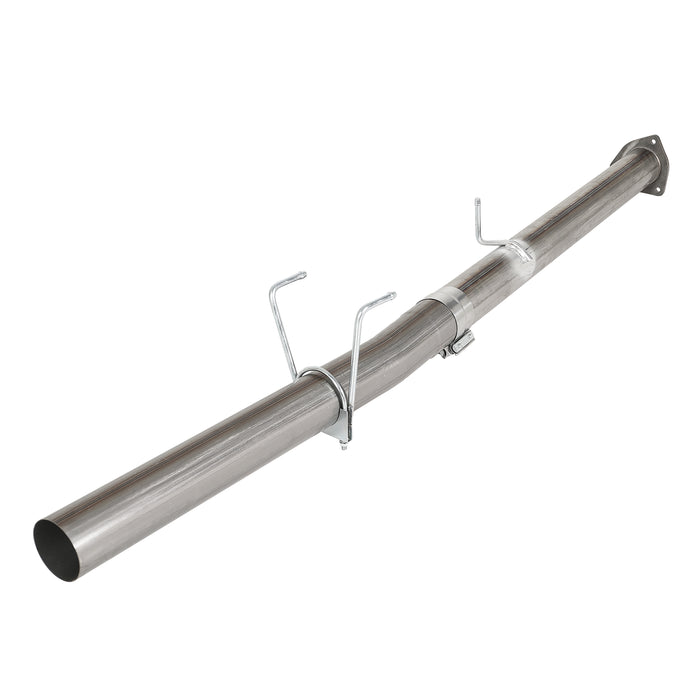
A High-Flow Exhaust Solution: The Seguler 4" Exhaust Tube Pipe Kit
Seguler 2013-2018 6.7L Ram Cummins 4" Exhaust Tube Pipe Kit
The 6.7L Cummins 4" Exhaust Tube Pipe is designed to address exhaust restriction found on 2013–2018 Ram 2500 and 3500 trucks equipped with the 6.7L Cummins. The factory exhaust mid-section contains the DPF, catalytic converter, and SCR/DEF system, creating additional restriction and heat behind the turbo that can become more noticeable during towing, hauling, and sustained heavy-load operation.
This high-flow exhaust solution replaces the restrictive factory mid-section with a smooth 4-inch exhaust path, helping exhaust gases move away from the turbo more efficiently. For owners who regularly work their trucks under demanding conditions, reducing exhaust restriction can help improve heat management, lower backpressure, and support more consistent throttle response under load.
Key Benefits
- Mandrel-bent 4-inch T409 stainless steel construction designed to withstand high exhaust temperatures, road salt, and demanding truck use.
- Replaces the restrictive factory DPF, catalytic converter, and SCR/DEF mid-section with a smoother high-flow exhaust path.
- Helps reduce exhaust backpressure and heat buildup behind the turbo during towing and other high-load driving conditions.
- Direct mid-section fit designed to connect with the factory front downpipe outlet and OEM rear exhaust section.
For 2013–2018 6.7L Cummins owners who frequently tow, haul, or operate their trucks under sustained load, this exhaust pipe provides a direct approach to improving exhaust-side airflow and reducing unnecessary restriction behind the turbo. It is especially relevant where exhaust temperature and backpressure management are priorities.
Combined with a properly matched EGR-side solution, this exhaust upgrade can form part of a more complete airflow strategy for the 6.7L Cummins platform — addressing exhaust restriction on one side while helping manage intake-side carbon and airflow concerns on the other.
A Matched Intake Solution: The Seguler EGR Plate / Cooler / Throttle Valve Kit
Seguler 2013-2018 6.7L Dodge Ram Cummins Diesel EGR Cooler Valve Delete Kit
The 6.7L Cummins EGR Cooler Valve Delete Kit is designed to address common EGR-related concerns found on 2013–2018 Ram 2500 and 3500 trucks equipped with the 6.7L Cummins. The factory EGR system continuously routes hot, soot-heavy exhaust gases back into the intake, where carbon residue can mix with oil vapor and gradually build up around the EGR valve, cooler, throttle valve, and intake passages.
This solution removes the factory EGR cooler, valve, and throttle valve components from the recirculation path, helping reduce intake-side carbon accumulation and maintain a cleaner airflow path. For owners who frequently tow, haul, or operate their trucks under demanding loads, it also addresses the factory EGR cooler as a potential source of coolant-related problems.

Key Benefits
- CNC-machined billet aluminum block-off plates with heavy-duty steel components for durable sealing and long-term use.
- Closes the factory exhaust gas recirculation path to help reduce soot and carbon buildup inside the intake system.
- Removes the factory EGR cooler assembly, eliminating the cooler itself as a potential source of internal coolant leakage.
- Includes a pre-tapped 1/8" NPT port on the rear plate for straightforward aftermarket EGT probe installation without drilling the exhaust manifold.
For 2013–2018 6.7L Cummins owners looking to address long-term EGR-related concerns, this kit provides a direct approach to reducing intake-side carbon buildup and removing aging EGR components from the system. It is particularly relevant for trucks that regularly experience towing, hauling, and other sustained heavy-duty operating conditions.
Combined with a properly matched exhaust-side solution, this EGR upgrade can form part of a more complete airflow strategy for the 6.7L Cummins platform — addressing intake-side soot and EGR concerns while the exhaust-side upgrade focuses on backpressure, heat management, and exhaust flow.
A Narrower Intake Option: The Seguler EGR Valve Upgrade Kit
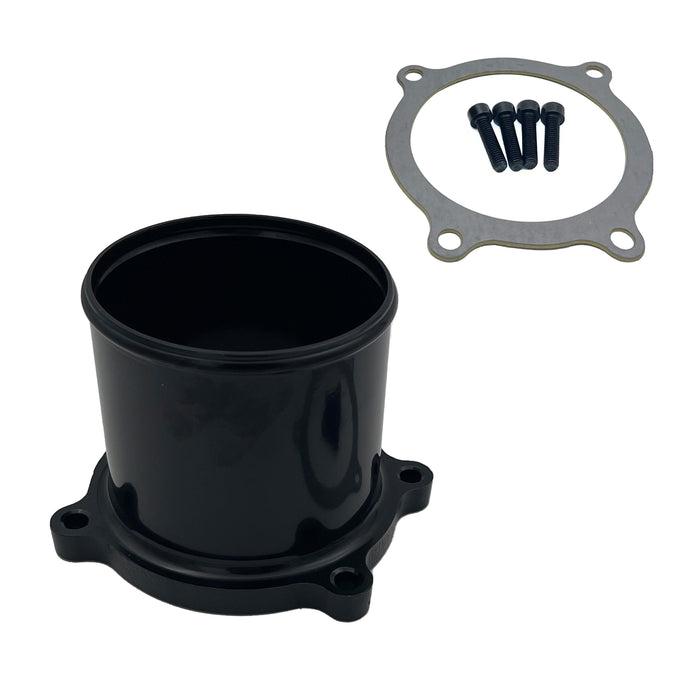
Seguler For 2007-2024 6.7L Dodge Ram Cummins Diesel EGR Valve Delete Kit
The 6.7L Cummins EGR Valve Delete Kit is designed to address airflow restriction associated with the factory throttle valve on 2007.5–2024 Ram trucks equipped with the 6.7L Cummins. The factory butterfly valve sits directly in the intake path, where soot, oil vapor, heat, and repeated operation can contribute to buildup, restricted airflow, or inconsistent valve movement over time.
This solution replaces the factory butterfly valve assembly with a smooth, straight-through aluminum pipe, removing the throttle blade from the intake path and allowing air to move more freely into the engine. For owners who tow, haul, or operate their trucks under demanding loads, it provides a more direct approach to improving intake airflow without requiring removal of the complete EGR cooler assembly.
Key Benefits
- TIG-welded and pressure-tested aluminum construction designed to withstand high boost pressure, heat, and demanding diesel operating conditions.
- Replaces the factory butterfly valve with a straight-through intake pipe to reduce turbulence and airflow restriction.
- Removes the throttle blade as a potential mechanical failure point that could restrict or interrupt airflow under load.
- Can be used as a standalone intake-side upgrade or paired with a complete EGR valve and cooler solution for a broader airflow setup.
For 6.7L Cummins owners who want to address the throttle valve without immediately replacing the complete EGR cooler system, this kit provides a simpler starting point. Its straight-through design focuses specifically on removing a physical restriction from the intake path and maintaining more consistent airflow during towing, hauling, and other high-load operation.
Combined with a properly matched EGR cooler or exhaust-side solution, this valve upgrade can become part of a more complete airflow strategy for the 6.7L Cummins platform — allowing owners to address the intake restriction first while leaving room for additional EGR- or exhaust-side upgrades later.
Choosing the Right Setup for Your 6.7L Cummins
Each of these upgrades addresses a different part of the 6.7L Cummins airflow system. The 4" exhaust pipe focuses on exhaust restriction and heat, the complete EGR kit addresses carbon buildup and EGR-related concerns, while the EGR valve kit offers a more targeted approach to intake-side airflow.
The right choice depends on how your truck is used and what problems you are trying to solve. Some owners may only need to address one side of the system, while towing, high-mileage, or project trucks may benefit from a more complete intake-and-exhaust strategy. Start with the problem your truck is actually showing, then build the setup around its workload and long-term goals.
📊 The Three Options at a Glance
For owners deciding how far to take the upgrade, here’s how the three solutions map against each other.
| 4" Exhaust Tube Pipe Kit | EGR Plate / Cooler / Throttle Valve Kit | EGR Valve Upgrade Kit | |
|---|---|---|---|
| System addressed | Exhaust side (DPF, catalyst, SCR) | Intake side (EGR loop + cooler) | Intake side (EGR valve only) |
| Material | Mandrel-bent 4" T409 stainless | CNC billet aluminum + steel | TIG-welded aluminum |
| Model years | 2013–2018 | 2013–2018 | 2007–2018 |
| Primary benefit | Reduces backpressure, lowers EGTs | Less Soot • No Cooler Leaks | Removes valve failure point |
| Requires tuning | Yes | Depends on setup | Depends on setup |
Together, these three options cover both sides of the 6.7 Cummins airflow circuit — the exhaust pipe on the exit side, and the two EGR options on the intake side, ranging from a full plate/cooler/throttle valve replacement down to a single-valve swap.
💎 Why Seguler? A Complete Airflow Strategy for the 6.7 Cummins
Seguler approaches this the same way the rest of this guide does: the 6.7 Cummins doesn’t flash a warning light when its intake is slowly loading with carbon or its exhaust path is quietly holding heat behind the turbo. By the time the symptoms show up — coolant loss with no puddle, regen cycles that won’t stay finished, exhaust temperatures climbing under a trailer — the restriction has already been at work for a while.
The components in this lineup are built around that reality. The 4-inch exhaust pipe is mandrel-bent T409 stainless, the kind of material that holds its shape through the heat cycles and road-salt exposure a working diesel lives in. The EGR block-off hardware is CNC-machined billet aluminum rather than stamped steel, so the sealing surfaces stay flat where it matters. And the EGR valve replacement is TIG-welded and pressure-tested, because a straight-through pipe that sits in the intake path shouldn’t be the next weak point in the system. The form factors are designed around factory mounting locations to help simplify installation and reduce unnecessary modifications.
That’s the point of approaching this as a strategy instead of a single part. A complete intake-and-exhaust upgrade isn’t a decision between maintenance and a major repair — it’s a decision between an afternoon in the driveway and a truck that keeps getting harder to keep on the road.
🚫 Five Expensive Mistakes 6.7 Cummins Owners Make When Upgrading Exhaust and EGR
Mistake 1: Ordering the exhaust pipe without confirming the tuning requirement.
The 2013-2018 6.7L Cummins exhaust pipe replaces the DPF/SCR mid-section, which removes the aftertreatment sensors from the loop. Without the matching engine calibration, the truck will throw warning lights and enter limp mode the first time it’s driven. Ordering the pipe and finding out afterward means a truck that’s parked until the tuning side is sorted.
The fix: Confirm the tuning requirement before ordering, and line up the calibration alongside the hardware.
Mistake 2: Reusing the old gaskets and seals.
The EGR and exhaust joints rely on fresh seals for a leak-free fit. A heat-cycled gasket that looks fine on the bench will not seal the same way once it is reinstalled, and a boost or exhaust leak means tearing the whole area down again to replace a part you already had in your hand.
The fix: Replace every gasket and seal you disturb, every time.
Mistake 3: Skipping the cooling system bleed.
Air trapped in the cooling system after an EGR cooler job causes false coolant-level readings and, in the worst case, localized overheating. A truck that overheats during its first test drive after the work is not a truck that is finished.
The fix: Bleed the system fully, then recheck the level after the first heat cycle with the engine cold.
Mistake 4: Doing the EGR side and the exhaust side in separate service windows.
The EGR hardware and the exhaust pipe sit at opposite ends of the same airflow circuit, and both are easiest to access with the truck apart and on a lift. Addressing one now and the other later means a second teardown — and leaves a fresh EGR kit working against a still-restricted exhaust (or the reverse) in the meantime.
The fix: If the truck is already apart, evaluate both ends and install everything in the same service window when the use case calls for it.
Mistake 5: Not confirming fitment before ordering.
Vehicle configurations vary by model year and trim — the exhaust pipe doesn’t fit trucks with rear air suspension or Cab & Chassis 4500/5500 models, and the year ranges differ across the three components. Ordering the wrong configuration means a return, a reorder, and a truck on jack stands in the driveway.
The fix: Verify your exact year, configuration, and intended use before ordering — and again after the physical installation is complete.
In Summary
The 6.7L Cummins is a genuinely strong engine, but its factory emissions architecture adds additional complexity to airflow management in two places at once — recirculating soot and heat into the intake through the EGR system, and holding heat and backpressure behind the turbo through the aftertreatment stack. As the truck racks up miles and loads, those restrictions stop being theoretical and start showing up as higher EGTs, more frequent regens, and duller throttle response.
A complete airflow upgrade addresses both ends. The exhaust pipe opens up the exit path and takes heat load off the engine, while the EGR hardware stops the soot and heat from entering the intake in the first place. Neither is a magic power button — they’re about removing restrictions so the engine can do what it was already capable of.
The catch is that these aren’t universal bolt-ons. Fitment varies by year and configuration, and on 2013+ trucks the exhaust side requires the engine calibration to match. For a truck that earns its keep off-road, on the farm, or under a heavy trailer, the math is straightforward. For a street-driven daily with strict inspection rules, it’s worth thinking harder before committing.
Frequently Asked Questions
Q: What’s the difference between an EGR upgrade and an exhaust pipe upgrade on a 6.7 Cummins?
They address opposite sides of the engine. An EGR upgrade works on the intake side — blocking off the exhaust-gas recirculation ports so soot and heat stop entering the intake charge. An exhaust pipe upgrade works on the exhaust side — replacing the restrictive DPF/catalyst/SCR mid-section with a free-flowing pipe. They’re separate systems with separate jobs, which is why many owners address both.
Q: Do I need both an EGR kit and an exhaust pipe, or can I do just one?
You can do either independently. They target different restrictions, so there’s no requirement to do both at once. That said, they’re frequently paired because together they address the full intake-to-exhaust airflow path. Starting with one and adding the other later is perfectly reasonable.
Q: Will a 6.7 Cummins exhaust and EGR upgrade improve fuel economy or power?
Results vary widely by tune quality, truck condition, towing load, and driving style, so specific gains shouldn’t be treated as guaranteed. What owners more consistently report is lower EGTs under load and sharper throttle response — the result of removing restriction rather than adding anything the engine didn’t already have.
Q: Does the 4" exhaust pipe require engine tuning on a 2013–2018 truck?
Yes. Replacing the factory DPF/SCR section removes the aftertreatment sensors and systems from the loop, which will trigger warning lights and limp mode unless the engine calibration is updated to match. This is a fundamental requirement of the exhaust-side upgrade, not an optional step.
Q: What year ranges do these parts cover?
The 4" exhaust pipe and the EGR plate/cooler/throttle valve kit cover 2013–2018 6.7L Ram Cummins 2500/3500 trucks. The standalone EGR valve kit covers a much wider range — 2007 through 2018, including 4500/5500 — because it’s a narrower single-component change.
Q: Do these fit cab & chassis (4500/5500) trucks?
It depends on the part. The EGR valve kit covers 4500/5500 models. The exhaust pipe and the EGR plate/cooler/throttle valve kit do not fit cab & chassis configurations, and the exhaust pipe also doesn’t fit trucks with factory rear air suspension. Always check fitment against your exact configuration.
Q: Why does the EGR cooler matter more than the valve?
Because of how it fails. The valve tends to stick or clog over time, which hurts airflow and driveability. The cooler carries engine coolant through a heat exchanger in the exhaust stream — and when its core cracks from heat stress, coolant can enter the intake tract, which in a severe case is a path toward hydrolock. Removing the cooler takes that failure mode off the table.
Q: What should I look for in a quality EGR block-off kit?
Look for CNC-machined billet aluminum plates rather than stamped steel, a heavy-duty gasket, and — ideally — a pre-tapped 1/8" NPT port on the rear plate for an EGT probe. That last detail saves you from having to drill or weld your manifold just to monitor towing temperatures.
Q: Is a 6.7 Cummins exhaust and EGR upgrade legal for street use?
That depends entirely on where you live and how the truck is used. Removing or disabling factory emissions equipment can violate emissions regulations for on-road vehicles in many regions, and can create inspection and warranty complications. These parts are generally intended for off-road, farm, competition, or closed-course use. This guide is educational, not a legal opinion — check your local laws before modifying any emissions system.
Q: How hard is the installation?
The intake-side work is generally straightforward for a competent DIYer with basic hand tools and a clean work surface — the main job is removing the factory EGR valve and cooler and bolting the block-off plates and pipe in their place. The exhaust-side work is more involved, since it means dropping the factory mid-section and fitting the new pipe, plus handling the tuning side. If you’re not comfortable with either, a qualified diesel shop is the safer route.
Q: Will my oil stay cleaner after an EGR upgrade?
Stopping the recirculation of soot-heavy exhaust reduces the carbon load entering the crankcase through blow-by, which many owners report helps oil stay cleaner between changes. It’s a real secondary benefit, but it’s not a substitute for staying on your normal oil-change schedule.
✅ Bottom Line: Airflow Restrictions Are Not Just a Performance Nuisance
The 6.7L Cummins’s airflow system is not a passive component you can ignore until a light comes on. The restrictions that build up on both sides — rising exhaust temperatures behind the turbo and carbon loading on the intake side — directly affect how the engine performs under load and how long it stays reliable. The intake side and the exhaust side are connected, and the EGR system sits at the junction where one side’s problems become the other’s.
For the owner planning to keep a high-mileage Ram 6.7L Cummins on the road, addressing both the intake and exhaust sides with purpose-built upgrade components — and matching them to the truck’s exact year and use case — is the difference between a truck that gradually loses its edge and one that holds its performance and reliability into the second half of its service life.
Upgrade Your 6.7 Cummins With a Complete Exhaust and EGR Solution
Choose the right exhaust and EGR solution for your 2013-2018 Ram:
Recommended 6.7 Cummins Upgrades:
- 2013-2018 6.7L Ram Cummins 4" Exhaust Tube Pipe Kit (SG-DP-0213)
- 2013-2018 6.7L Ram Cummins EGR Plate / Cooler / Throttle Valve Kit (SG-ER-0090)
- 2007-2018 6.7L Ram Cummins EGR Valve Upgrade Kit (SG-ER-0072)
Verify applicable regulations in your jurisdiction before installation and use.
Visit seguler.com for the full catalog of 6.7 Cummins upgrade components.
Featured collection
-
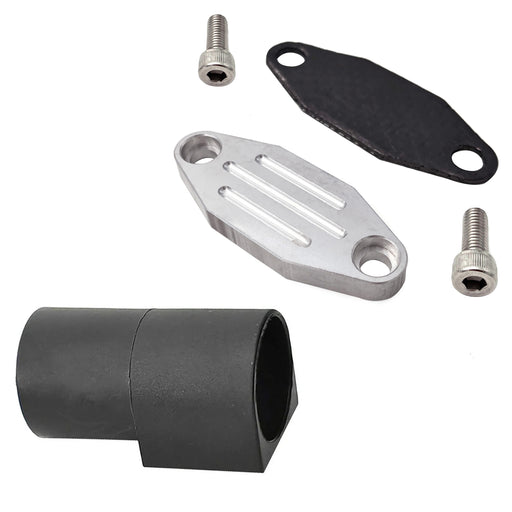
Seguler 1986-1995 Ford F150 F250 F350 Mustang Trucks EGR Simulator Eliminator / Block Off Plate Kit
SEGULEROriginal price $79.99 - Original price $79.99Original price$79.99$79.99 - $79.99Current price $79.99Block Off Plate Material: Aluminum alloy. Easy installation,and convenient to use. Made of CNC milled from aircraft grade Billet aluminum. Will N...
View full details -

Seguler 2011-2023 6.7L Ford Powerstroke Diesel EGR Delete Kit
SEGULEROriginal price $109.99 - Original price $109.99Original price$109.99$109.99 - $109.99Current price $109.99FITMENT 2011-2023 6.7L Ford Powerstroke F-250 F-350 F-450 F-550 Super Duty V8 Diesel. compatible with both standard Pickups and commercial Cab &...
View full details -
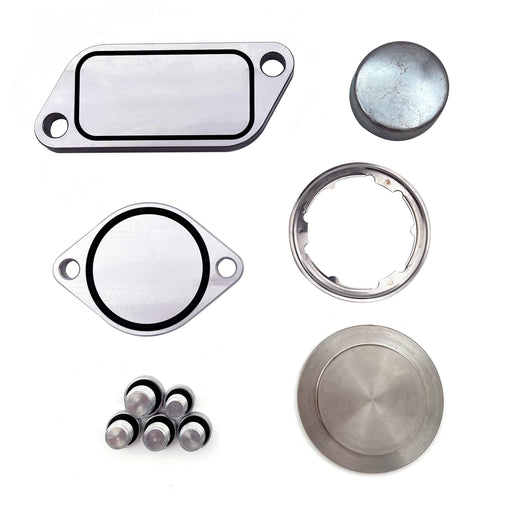
For 2010-Present Stage 2 ISX 15 CM2250 CM2350 EGR Delete Kit
SEGULEROriginal price $59.99 - Original price $59.99Original price$59.99$59.99 - $59.99Current price $59.99FITMENT 2010-Present Cummins Volvo, Peterbilt, Mack, International, Freightliner, Kenworth with the ISX15 CM2250 / CM2350 engines. DESCRIPTION P...
View full details -
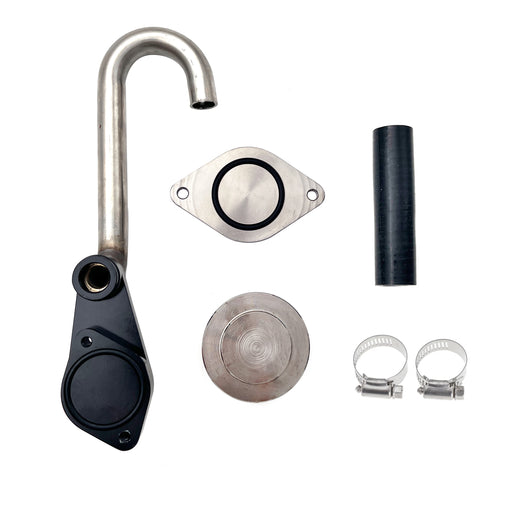
Seguler 2003-2007 6.0L FORD Powerstroke Diesel EGR Cooler Delete Kit
SEGULEROriginal price $56.14 - Original price $56.14Original price$56.14$56.14 - $56.14Current price $56.14FITMENT 2003-2007 6.0L Ford F-250 Ford F-350 F-450 F-550 Super Duty. 2003-2007 6.0L Ford Excursion SUV (Diesel Models Only). 2005-2010 Ford E-Se...
View full details -
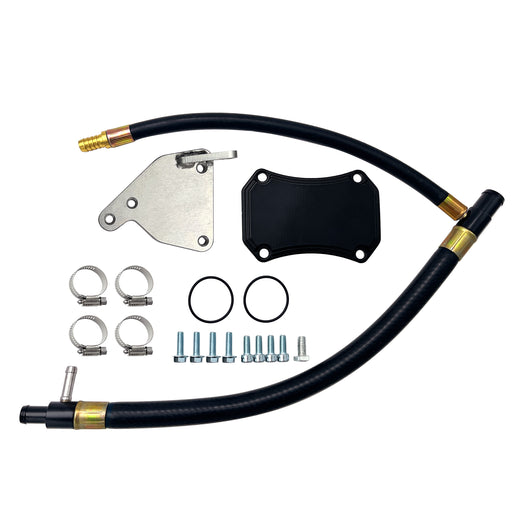
For 2011-2016 6.6L GMC Chevy Duramax Diesel LML EGR Valve Cooler Delete Kit
SEGULEROriginal price $66.49 - Original price $66.49Original price$66.49$66.49 - $66.49Current price $66.49FITMENT 2011-2016 6.6L Chevy GMC Duramax LML 2500 HD 3500 HD Diesel. DESCRIPTION Product Overview The 2011–2016 LML Duramax uses a complex EG...
View full details -
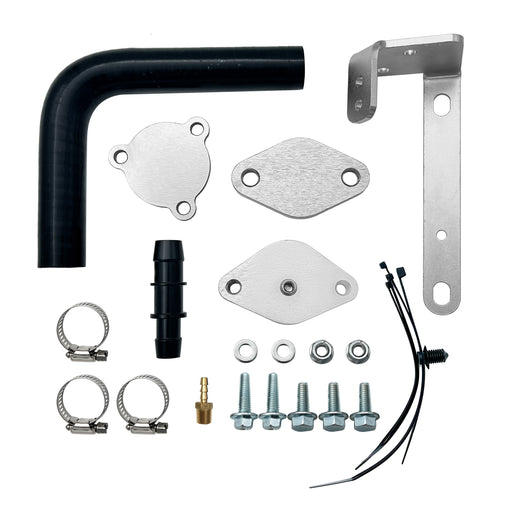
Seguler For 2014-2019 3.0L Dodge Ram 1500 EcoDiesel EGR Valve & Cooler Delete Kit
SEGULEROriginal price $72.99 - Original price $72.99Original price$72.99$72.99 - $72.99Current price $72.99FITMENT 2014-2019 3.0L Dodge Ram 1500 EcoDiesel V6 engine trucks. DESCRIPTION Product Overview Exhaust gas recirculation on 3.0L EcoDiesel V6 ...
View full details -

Seguler 2011-2023 6.7L Ford Powerstroke Diesel EGR Delete Kit
SEGULEROriginal price $85.99 - Original price $85.99Original price$85.99$85.99 - $85.99Current price $85.99FITMENT 2011-2023 6.7L Ford Powerstroke F-250 F-350 F-450 F-550 Super Duty V8 Diesel. compatible with both standard Pickups and commercial Cab &...
View full details -
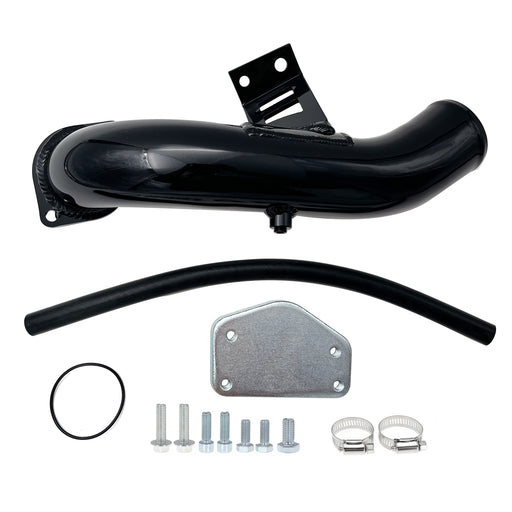
For 2004.5-2005 6.6L Chevy GMC Silverado LLY Duramax Diesel EGR Delete Kit
SEGULEROriginal price $92.99 - Original price $92.99Original price$92.99$92.99 - $92.99Current price $92.99FITMENT 2004.5-2005 6.6L Chevrolet Silverado Duramax LLY 2500HD / 3500 HD. 2004.5-2005 6.6L GMC Sierra Duramax LLY 2500HD / 3500 HD. DESCRIPTION...
View full details -

Seguler 2017-2019 L5P Duramax Diesel 4pcs L5P Can Bus Plugs Connector Replacement
SEGULEROriginal price $75.00 - Original price $75.00Original price$75.00$75.00 - $75.00Current price $75.00FITMENT 2017–2019 Chevrolet Silverado / GMC Sierra Duramax L5P 2500HD & 3500HD Diesel. DESCRIPTION Product Overview Unprotected harness con...
View full details -

Seguler 2010-2024 6.7L Dodge Ram Cummins Diesel EGR Valve Cooler Delete Kit
SEGULEROriginal price $89.99 - Original price $89.99Original price$89.99$89.99 - $89.99Current price $89.99FITMENT 2010–2024 6.7L Dodge Ram Cummins 2500 / 3500 Pickup Turbo Diesel. Note: Does NOT fit Chassis Cab 3500 / 4500 / 5500 models. DESCRIPTIO...
View full details -

Seguler 2020-2023 chevy duramax L5P Diesel Can Bus Plugs Connector
SEGULEROriginal price $80.00 - Original price $80.00Original price$80.00$80.00 - $80.00Current price $80.00FITMENT 2020–2023 Chevrolet Silverado / GMC Sierra Duramax L5P 2500HD & 3500HD Diesel. DESCRIPTION Product Overview Unprotected harness pl...
View full details -
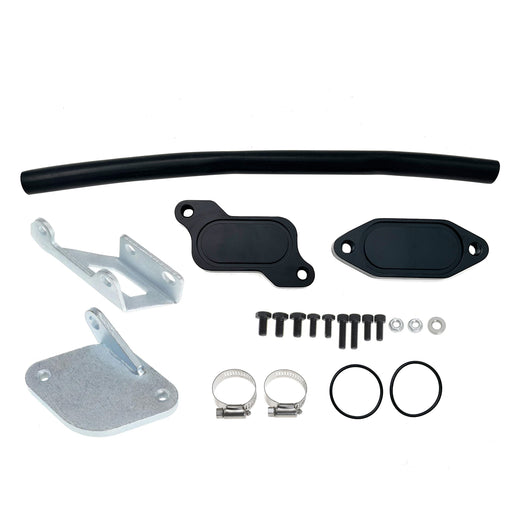
For 2006-2007 6.6L Chevrolet Silverado Classic GMC Duramax LBZ Diesel EGR Valve Cooler Delete Kit
SEGULEROriginal price $63.49 - Original price $63.49Original price$63.49$63.49 - $63.49Current price $63.49FITMENT 2006-2007.4 Chevrolet Silverado Duramax LBZ 2500HD / 3500HD. 2007.4 Chevrolet Silverado Duramax LBZ 2500HD / 3500HD Classic. 2006-2007.4 ...
View full details -
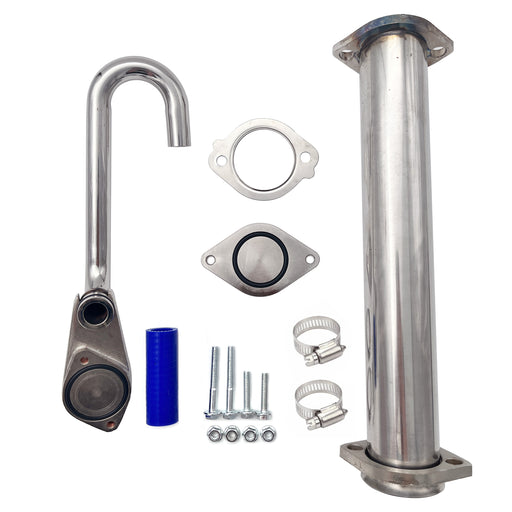
Seguler 2003-2007 6.0L Ford F250 F350 Powerstroke Diesel EGR Basic Cooler Kit
SEGULEROriginal price $79.99 - Original price $79.99Original price$79.99$79.99 - $79.99Current price $79.99FITMENT 2003-2007 6.0L Ford F250 F350 F450 F550 Super Duty Turbo (except 2004 F250 Super Duty). 2003-2005 6.0L Ford Excursion Turbo. 2005 Ford F...
View full details -

Seguler 2011-2023 6.7L Ford F250 F350 F450 F550 Powerstroke Diesel EGR Valve Delete Cooler Delete Kit
SEGULEROriginal price $55.99 - Original price $55.99Original price$55.99$55.99 - $55.99Current price $55.99FITMENT 2011-2023 6.7L Ford Powerstroke F-250 F-350 F-450 F-550 Super Duty V8 Diesel compatible with both standard Pickups and commercial Cab &a...
View full details -
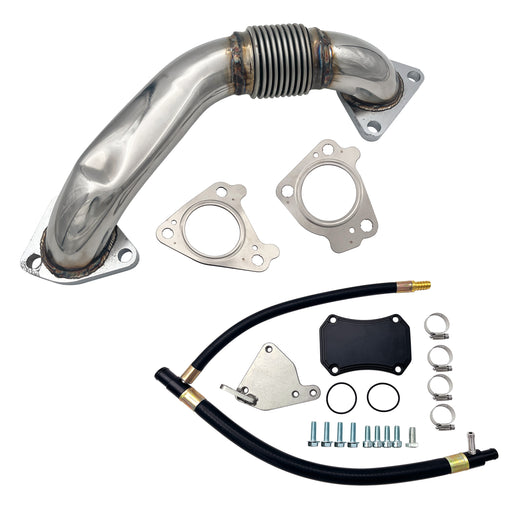
Seguler 2011-2016 6.6L GMC Chevy Duramax Diesel LML Up-Pipe & EGR Valve Cooler Delete Kit
SEGULEROriginal price $173.86 - Original price $173.86Original price$173.86$173.86 - $173.86Current price $173.86FITMENT 2011-2016 6.6L Chevy GMC Duramax LML 2500 HD 3500 HD Diesel. DESCRIPTION Product Overview Direct-injection technology endows GM 5.3L an...
View full details -
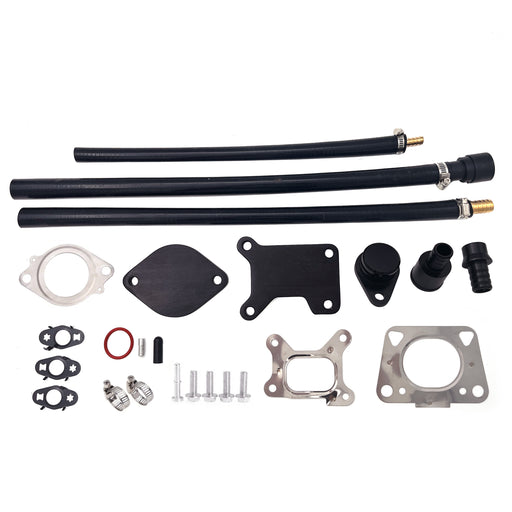
For 2017-2023 6.6L Chevy GMC Duramax L5P diesel EGR Valve Cooler Delete kit
SEGULEROriginal price $131.99 - Original price $131.99Original price$131.99$131.99 - $131.99Current price $131.99FITMENT 2017–2023 6.6L Chevrolet Silverado / GMC Sierra Duramax L5P 2500HD 3500HD Diesel. DESCRIPTION Product Overview Hot soot recirculation ...
View full details -

For 2013-2023 6.7L Dodge Ram Cummins Cab & Chassis EGR Delete Kit Diesel
SEGULEROriginal price $62.99 - Original price $62.99Original price$62.99$62.99 - $62.99Current price $62.99FITMENT 2013–2023 6.7L Ram Cummins 3500 4500 5500 Cab & Chassis / Commercial Trucks. Does NOT fit standard Ram 2500 3500 Pickups. DESCRIPTIO...
View full details -
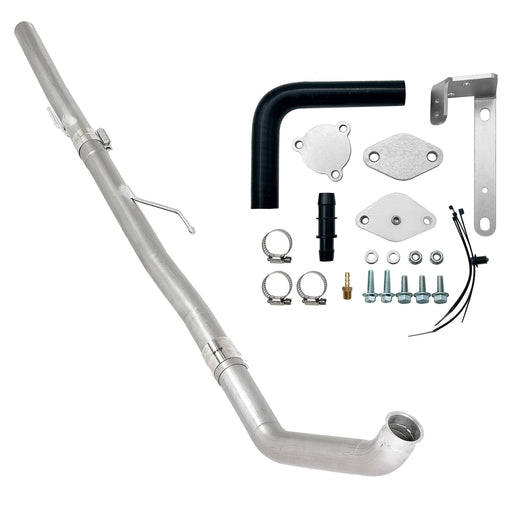
Seguler 3" Ecodiesel DPF Delete Pipe & EGR Delete kit for 2014-2018 3.0L Ram
SEGULEROriginal price $342.00 - Original price $342.00Original price$342.00$342.00 - $342.00Current price $342.00FITMENT 2014–2018 3.0L Dodge Ram 1500 EcoDiesel V6. NOTE: Fit standard Pickup models only (Crew Cab, Quad Cab). Does NOT fit Jeep Grand Cheroke...
View full details -
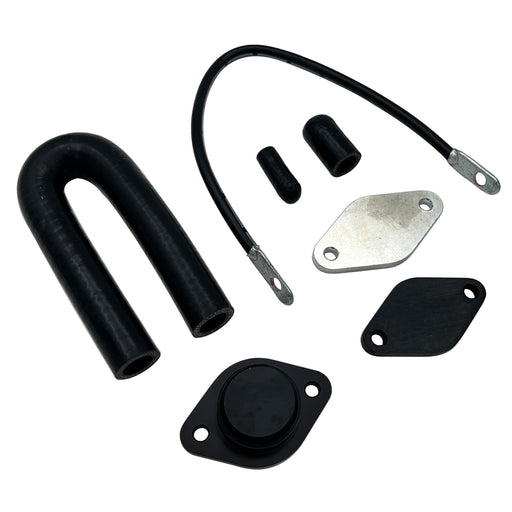
Seguler EGR valve cooler Delete kit for 2020-2022 3.0L Chevy Duramax LM2
SEGULEROriginal price $189.12 - Original price $189.12Original price$189.12$189.12 - $189.12Current price $189.12FITMENT 2020–2022 3.0L Chevrolet Silverado GMC Sierra 1500 LM2 Turbo-Diesel. DESCRIPTION Product Overview Powered by smooth inline-six engine...
View full details -
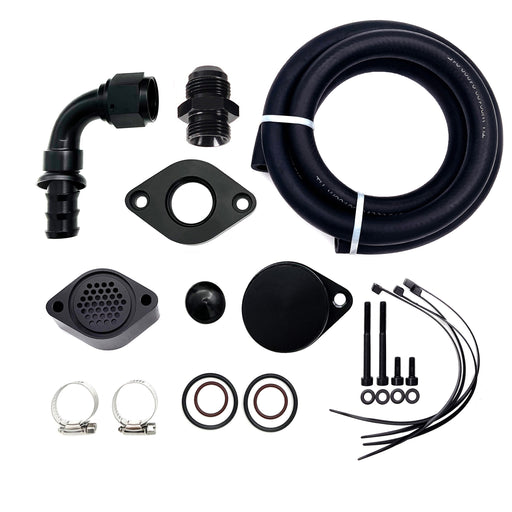
Seguler 2011-2023 6.7L Ford Powerstroke CCV PCV Reroute Engine Ventilation Kit
SEGULEROriginal price $82.99 - Original price $82.99Original price$82.99$82.99 - $82.99Current price $82.99FITMENT 2011-2023 6.7L Ford Powerstroke F-250 F-350 F-450 F-550 Super Duty V8 Diesel. Compatible with both standard Pickups and commercial Cab &...
View full details -
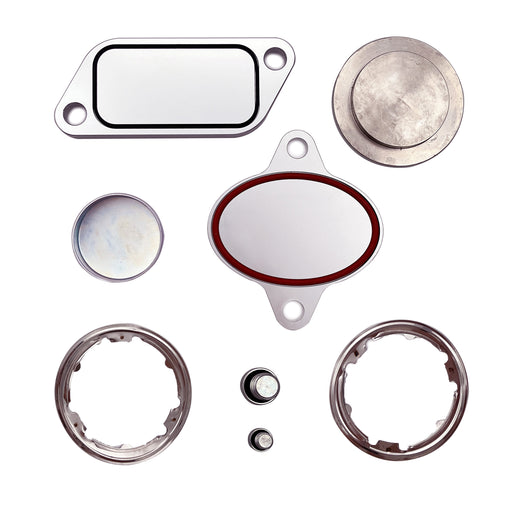
For 2007-2010 Cummins ISX CM871 EGR Plug Kit Stage 2 Plates and Plugs Aluminum
SEGULEROriginal price $67.99 - Original price $67.99Original price$67.99$67.99 - $67.99Current price $67.99FITMENT 2007-2010 Cummins Volvo, Peterbilt, Mack, International, Freightliner, Kenworth with the ISX CM871 Engines. DESCRIPTION Product Overvie...
View full details -
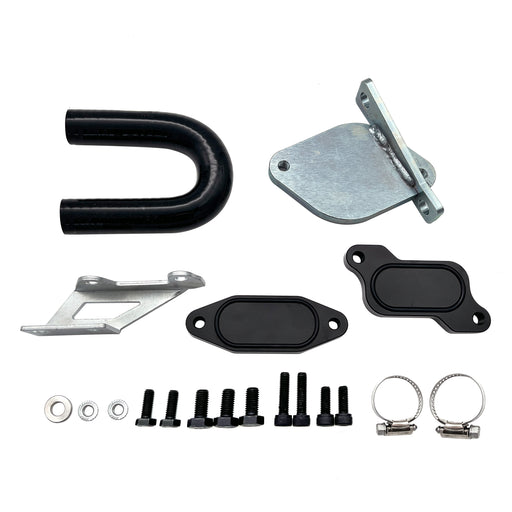
For 2007-2010 6.6L Chevy GMC LMM Duramax EGR Valve Cooler Delete Kit Fit
SEGULEROriginal price $61.99 - Original price $61.99Original price$61.99$61.99 - $61.99Current price $61.99FITMENT 2007.5-2010 6.6L Chevrolet Silverado Duramax LMM 2500HD / 3500HD. 2007.5-2010 6.6L GMC Sierra Duramax LMM 2500HD / 3500HD. Note: Standard...
View full details -
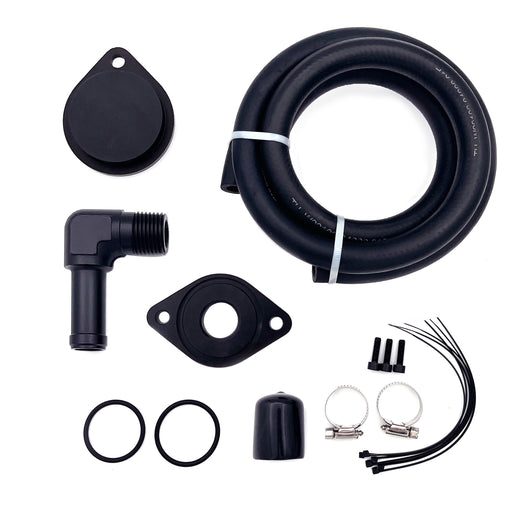
Seguler 2011-2023 Ford 6.7L Powerstroke CCV/PCV Reroute/Delete Engine Ventilation Kit
SEGULEROriginal price $72.00 - Original price $72.00Original price$72.00$72.00 - $72.00Current price $72.00FITMENT 2011-2023 6.7L Ford Powerstroke F-250 F-350 F-450 F-550 Super Duty V8 Diesel. Compatible with both standard Pickups and commercial Cab &...
View full details -
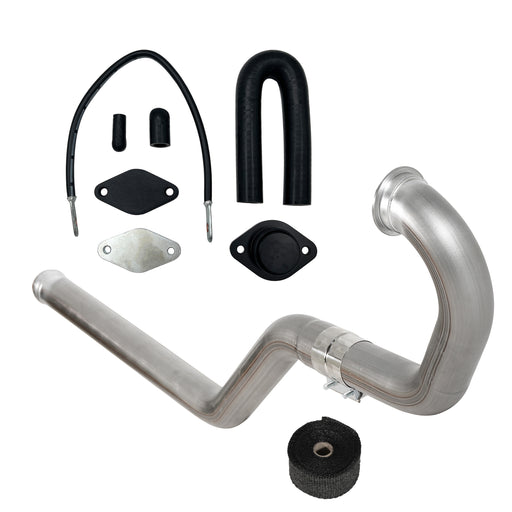
3" Turbo Back DPF & EGR Delete Kit for 2020-2022 GM 3.0L LM2 Duramax
SEGULEROriginal price $550.00 - Original price $550.00Original price$550.00$550.00 - $550.00Current price $550.00FITMENT 2020–2022 3.0L Chevrolet Silverado 1500 LM2 Diesel. 2020–2022 3.0L GMC Sierra 1500 LM2 Diesel. DESCRIPTION Product Overview On the 3.0...
View full details -
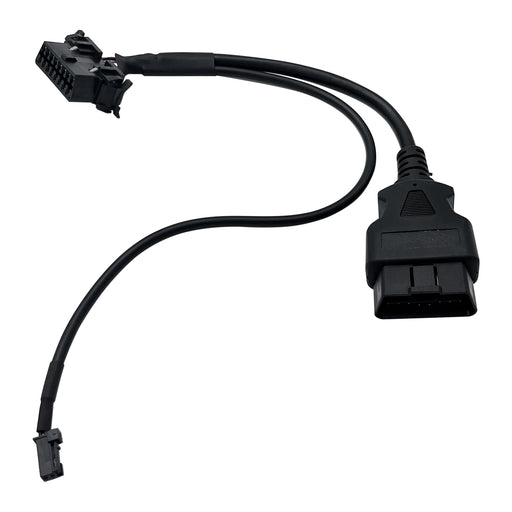
Seguler 2018+ RAM Cummins OBD2 HD Security Gate Bypass Cable
SEGULEROriginal price $45.00 - Original price $45.00Original price$45.00$45.00 - $45.00Current price $45.00FITMENT 2018+ 6.7L Ram Cummins 2500 3500 Turbo Diesel. Designed for Ram pickup trucks equipped with the factory Security Gateway Module. Note: Pl...
View full details


Leave a comment