

6.7 Powerstroke EGR and DPF Problems: Solutions & Upgrade Guide
6.7 Powerstroke EGR and DPF Problems: Understanding the Root Causes
The 6.7L Powerstroke has earned a reputation as one of the most capable diesel platforms Ford has ever put in a Super Duty. Known for its towing capability, strong torque, and long-term durability, these trucks are widely used for heavy trailers, work applications, and daily driving.
However, like any modern diesel platform, the 6.7 Powerstroke relies on a complex emissions system that works under extreme heat, exhaust flow, and repeated operating cycles. As trucks accumulate miles or spend more time towing, idling, or operating under heavy loads, components such as the EGR system and diesel particulate filter can become areas that require closer attention.
The EGR system recirculates exhaust gas back through the intake to lower combustion temperatures, while the DPF traps soot and manages it through a process called regeneration. When these systems operate properly, drivers may never notice them working. But when carbon buildup, regeneration issues, or exhaust restriction begin to develop, symptoms can appear gradually — including increased regeneration frequency, reduced throttle response, higher exhaust temperatures, or coolant-related concerns.
Understanding 6.7 Powerstroke EGR and DPF problems matters because most issues develop over time rather than appearing as a sudden failure. This guide explains how the emissions system works, what conditions contribute to EGR and DPF problems, the warning signs owners should watch for, and the solutions available for addressing these issues at their source.
Why 6.7 Powerstroke Owners Start Looking for EGR and DPF Solutions
The 6.7L Powerstroke has become one of Ford’s most popular diesel platforms because of its towing capability, durability, and strong low-end torque. Many F-250, F-350, and F-450 owners depend on these trucks for heavy trailers, work applications, and long-distance driving.
However, as these trucks accumulate more miles and are used under demanding conditions, the emissions system is often one of the first areas owners begin monitoring more closely.
The factory EGR and DPF systems were designed to reduce emissions while maintaining daily drivability. But these systems also operate in a harsh environment where they are constantly exposed to exhaust heat, soot, regeneration cycles, and thermal stress.
For trucks that spend most of their time towing, hauling, idling, or driving short distances, the emissions system may experience additional strain. Over time, carbon buildup inside the EGR system and ash accumulation inside the DPF can affect airflow, regeneration frequency, and overall driving performance.
This is why many 6.7 Powerstroke owners begin researching EGR and exhaust upgrades — not because the engine itself is weak, but because they want to better understand how the intake and exhaust systems affect long-term operation.
How the 6.7 Powerstroke Emissions System Works
Introduced in 2011, the 6.7L Powerstroke brought a new generation of Ford diesel technology with an integrated emissions system including a water-cooled EGR system, diesel particulate filter, and selective catalytic reduction with DEF injection.
That full suite is the important detail. On the 6.7 Powerstroke, the intake side and the exhaust side are not separate systems; they are one connected circuit that the powertrain control module monitors constantly.
The EGR side pulls a measured amount of exhaust gas off the manifold, runs it through a cooler to drop its temperature, and feeds it back into the intake. This reduces peak combustion temperature to limit NOx formation. The tradeoff is that the cooler, the valve, and the intake tract now carry exhaust soot and heat.
The DPF side sits in the exhaust path and traps the soot the engine still produces. When the filter loads up, the truck runs an active regeneration cycle that injects fuel into the exhaust to raise temperature and burn the trapped soot into smaller amounts of ash that remain inside the filter.
For owners, the takeaway is simple: the newer and more connected the emissions system becomes, the more the intake, the exhaust, the regeneration cycle, and the electronic controls all depend on each other.
That is why a recurring problem is rarely just a “bad filter.” Driving habits, EGR carbon buildup, regeneration conditions, accumulated ash, and exhaust flow can all play a role.
What Leads to 6.7 Powerstroke EGR and DPF Problems
Most 6.7 Powerstroke EGR and DPF problems develop gradually rather than appearing as one sudden failure. Short-trip driving, extended idling, interrupted regeneration, EGR carbon buildup, ash accumulation, and inaccurate sensor data can all push the system harder over time.
On the EGR side, the water-cooled cooler is the component most exposed to thermal stress. It cycles between hot exhaust gas and engine coolant constantly, and over tens of thousands of miles the internal core can crack. When it does, coolant can escape into the intake or the exhaust path — a problem that shows up first as unexplained coolant loss rather than a check-engine light.
On the DPF side, the filter loads with two different things: soot, which regeneration can burn off, and ash, which it cannot. Ash comes from the engine oil and fuel additives that make it through combustion, and it accumulates permanently. A heavily ash-loaded filter may not return to normal performance through regeneration alone.
The important point is that a warning light does not always mean the component itself suddenly failed. In many cases, it is the end result of driving conditions and the rest of the emissions system gradually affecting soot load, coolant integrity, and exhaust flow.
Understanding those causes makes it much easier to recognize the problem early — and decide whether the truck needs routine maintenance, further diagnosis, or a different airflow setup.
Common Signs of 6.7 Powerstroke EGR and DPF Problems
The early signs are easy to overlook because they look like normal diesel behavior at first.
- Slow coolant loss with no visible leak. A cracked EGR cooler can send coolant into the exhaust or intake, where it is burned or consumed instead of pooling on the ground.
- White or sweet-smelling exhaust at idle. Coolant entering the combustion path often shows up as steam or a faint sweet smell.
- Frequent regeneration cycles. A DPF that regens more often than it used to is usually loading soot faster than it can clear it.
- Lost throttle response under load. Both EGR restriction and a loaded DPF raise backpressure, which the driver feels as a lazy or soft throttle.
- Rising exhaust gas temperatures while towing. A restricted exhaust path makes the turbo work harder and holds more heat in the system.
- EGR and DPF-related fault codes. Fault codes may appear when the system detects airflow, regeneration, or emissions performance issues, and are worth investigating before they progress to a derate.
When several of these signs appear together, the problem is usually not isolated to one component. It is a system that has fallen out of balance.
Why EGR and DPF Problems Become Frustrating
The frustration with 6.7 Powerstroke EGR and DPF problems is not that they are impossible to understand — it is that they often return when the underlying cause is not addressed.
Many owners replace a clogged DPF, clear an EGR-related code, or repair a single component, only to experience similar symptoms again later. The reason is that the EGR system and the exhaust aftertreatment system work together as part of the same airflow and emissions process. Treating only one component may temporarily solve a symptom without addressing the conditions that caused the problem to develop.
The EGR system continuously routes exhaust gases back into the intake, where soot combines with oil vapor and can create carbon deposits over time. These deposits can restrict airflow, affect combustion efficiency, and contribute to increased soot production, placing additional demand on the DPF system. At the same time, a restricted DPF can increase exhaust backpressure and create additional stress throughout the system.
For trucks that regularly tow, haul, or operate under heavy-duty conditions, these issues can become more noticeable because the engine and emissions system are working under higher loads. This is why many 6.7 Powerstroke owners eventually stop replacing individual components and start looking at the complete airflow path — from the intake side to the exhaust side.
Why Short Trips and Excessive Idling Cause Problems
The 6.7 Powerstroke’s regeneration cycle depends on sustained exhaust temperature. The truck needs to hold that temperature long enough to burn the trapped soot down to ash.
Short trips and stop-and-go driving rarely let the exhaust reach and hold that temperature. The regeneration cycle starts, gets interrupted, and restarts later — and each incomplete cycle leaves more soot in the filter than it removed.
Extended idling causes a similar problem from the other direction. A diesel engine idling for long periods produces soot without the airflow and heat needed to burn it off. Over weeks and months, that idle soot accumulates faster than regeneration can keep up.
The result is a filter that loads progressively, a regeneration system that runs more often, and an EGR system that keeps feeding the intake more carbon along the way.
Why Does the 6.7 Powerstroke Keep Going Into Regen?
Frequent regeneration almost always means the DPF is loading soot faster than it can be cleared, or the regeneration cycle is not completing.
The most common causes are short-trip and low-load driving that never holds exhaust temperature long enough, inaccurate readings from a drifting sensor feeding the ECM bad data, and excess soot production from an EGR system that is already carbon-loaded.
If the pattern just started, look at your recent duty cycle first. If it has been building for a while, check the sensors and the EGR system before assuming the filter itself has failed.
How EGR and DPF Restriction Affects Towing and Performance
Towing is where a restricted emissions system shows up most clearly. A heavy trailer demands more fuel and more boost, and both push more exhaust through a system that is already working against itself.
A carbon-loaded EGR system restricts the intake side, while a loaded DPF restricts the exhaust side. The engine ends up working harder to make the same power, which shows up as higher exhaust gas temperatures, a softer throttle, and less consistent power on long grades.
For owners who tow regularly, that extra heat and backpressure is not just a comfort issue — it is added stress on the turbo, the cooling system, and the engine itself.
Why EGR and DPF Problems Are Connected
The EGR system and the DPF are often discussed separately, but they work together as part of the same emissions cycle.
The EGR system affects the intake side by introducing recirculated exhaust gases. Over time, soot and carbon deposits can affect airflow. The DPF system manages the exhaust side by trapping soot and completing regeneration cycles.
When airflow becomes restricted on either side, the other side may experience additional stress. The EGR system upstream feeds soot and carbon into the intake, which can affect combustion efficiency and contribute to higher soot production downstream. Addressing only one side of the system may leave the underlying airflow issue unresolved.
That connected nature is why a complete look at the system means treating both the exhaust path and the intake path together — and why many owners consider intake-side and exhaust-side solutions as a pair rather than treating them as unrelated problems.
How EGR Carbon Buildup Enters the Picture
The 6.7 Powerstroke EGR system works by routing exhaust gas through a cooler and back into the intake. That exhaust gas carries soot, and over time that soot deposits itself on the intake walls, the EGR valve, and the throttle body.
Combined with oil vapor from the crankcase ventilation, that soot bakes into a dense, sticky carbon that restricts airflow and can eventually stick the EGR valve open or closed.
Once carbon buildup reaches that point, the symptoms look a lot like a fuel or turbo problem — lost response, rough idle, and reduced economy — which is why EGR carbon is so often misdiagnosed.
Factory Emissions System vs Long-Term Diesel Ownership
The factory emissions system plays an important role in meeting emissions requirements, but long-term diesel ownership involves more than just emissions compliance.
A truck used mainly for short daily trips has very different needs compared with a truck that regularly pulls a heavy trailer or operates in demanding environments.
Many owners eventually start asking:
- Is my truck regenerating too often?
- Is increased exhaust restriction affecting towing performance?
- Is carbon buildup becoming a recurring maintenance concern?
- Should I focus on individual repairs or evaluate the entire intake and exhaust system?
The answer depends on how the truck is used. Understanding the relationship between the EGR system, DPF, exhaust flow, and engine workload is the first step before choosing any solution.
How to Decide Between Maintenance and an Airflow Upgrade
Not every 6.7 Powerstroke requires the same solution. The right approach depends on the truck’s condition, mileage, and intended use.
A truck with occasional warning lights may only need diagnosis, sensor inspection, or maintenance. A truck experiencing repeated regeneration issues, rising exhaust temperatures, or EGR-related concerns may need a deeper look at the complete airflow system.
Before choosing components, owners should consider:
- How is the truck mainly used — short trips, long-distance towing, or daily commuting?
- Are regeneration cycles becoming more frequent?
- Are there signs of EGR carbon buildup on the intake side?
- Does the truck feel restricted under heavy load?
- Is the goal restoring factory operation, or improving airflow for a specific application where those modifications are permitted?
Those answers help separate a maintenance problem from an upgrade decision.
If the goal is maintaining the factory system, diagnosis, regeneration, cleaning, sensor repair, and factory replacement components remain the appropriate path.
If the goal is improving airflow for an appropriate off-road or competition application, then it makes sense to look at the two major sides of the system: the exhaust path, where the factory aftertreatment components create the greatest restriction, and the EGR path, where recirculated exhaust contributes to intake-side carbon accumulation.
Understanding the actual problem prevents replacing one component while ignoring the cause behind it.
Choosing the Right 6.7 Powerstroke Upgrade
Once you have identified where the restriction is coming from, matching the solution to the symptom becomes straightforward.
| Goal | Solution |
|---|---|
| Address EGR carbon buildup | EGR Delete Kit |
| Replace EGR cooler related components | EGR Valve & Cooler Delete Kit |
| Improve exhaust flow and reduce restriction | 4" Exhaust Pipe |
| Improve overall intake and exhaust airflow | Combined approach |
The two EGR kits both stop carbon at its source; the difference is in how they manage the coolant loop and the level of hardware included. The exhaust pipe works on the other end of the circuit, improving exhaust flow and reducing backpressure. For owners chasing a recurring symptom that spans both sides, a combined approach is the durable path.
Seguler Solutions
Seguler offers three components that address the 6.7 Powerstroke airflow circuit at its two main restriction points. On the intake side, two EGR solutions stop carbon at its source. On the exhaust side, a 4-inch pipe improves exhaust flow and reduces backpressure. Designed for 2011-2023 6.7L Powerstroke Super Duty applications depending on component selection. Depending on application, supporting calibration may be required before hardware changes.
Solution 1: EGR Delete Kit (SG-ER-0088)
Seguler 2011-2023 6.7L Ford Powerstroke Diesel EGR Delete Kit
Fitment: 2011-2023 depending on model year and configuration.
The 6.7L Powerstroke EGR Delete Kit is designed to address common EGR-related issues found on 2011-2023 Ford Super Duty diesel trucks by removing the factory EGR system that continuously routes exhaust gases back into the intake. Over time, the factory EGR process can introduce soot and carbon buildup into the intake tract, which may affect airflow, throttle response, and overall engine operation under demanding driving conditions.
This solution helps reduce intake-side carbon accumulation by stopping the source of exhaust gas recirculation and creating a cleaner airflow path. For truck owners who frequently tow, haul, or operate their vehicles under heavy-duty conditions, it helps address recurring EGR-related maintenance concerns and supports a more consistent intake and exhaust system setup.
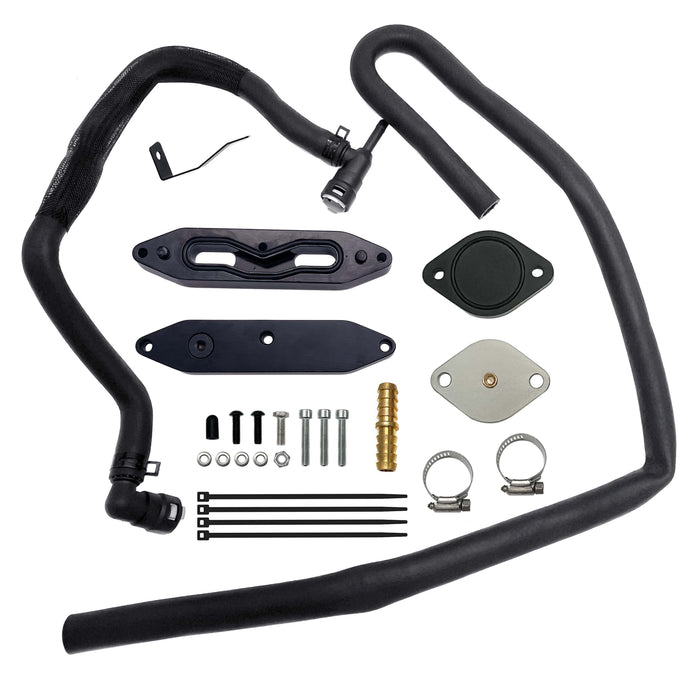
Product Details
Solution 2: EGR Valve & Cooler Delete Kit (SG-ER-0046)
Seguler 2011-2023 6.7L Ford Powerstroke EGR Valve Delete Cooler Delete Kit (SG-ER-0046)
Fitment: 2011-2023 depending on model year and configuration.
The 6.7L Powerstroke EGR Valve & Cooler Delete Kit is designed to address common EGR-related concerns on 2011-2023 Ford Super Duty diesel trucks by replacing the factory EGR valve and cooler system that continuously recirculates exhaust gases back into the intake. Over time, this process can contribute to soot and carbon buildup inside the intake system, affecting airflow efficiency, throttle response, and overall engine performance under demanding conditions.
This solution helps eliminate the source of exhaust gas recirculation while maintaining proper coolant flow through the engine system. For owners who frequently tow, haul, or operate their trucks in heavy-duty environments, it provides a practical way to reduce recurring EGR-related maintenance concerns and maintain a cleaner intake airflow path.
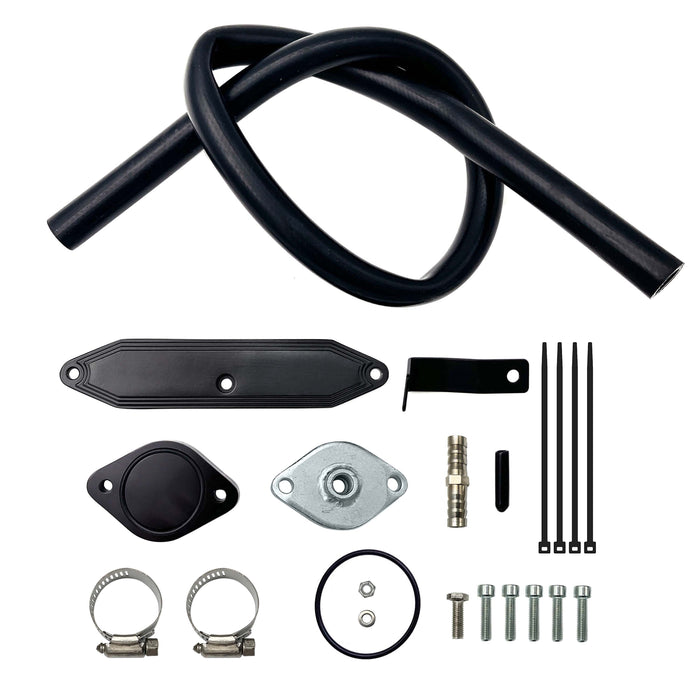
Product Details
- 6061 billet aluminum and 304 stainless steel construction designed for long-term durability in high-temperature diesel environments.
- Blocks the factory EGR exhaust flow to help prevent additional soot and carbon buildup inside intake components.
- Maintains coolant circulation through the engine block with a bypass design for reliable cooling system operation.
- Includes an EGT sensor port for monitoring exhaust temperature with factory or aftermarket sensors.
- Helps reduce EGR-related heat exposure and supports improved airflow consistency during heavy-duty use.
For 6.7L Powerstroke owners looking for a straightforward EGR solution, this kit provides an effective approach to addressing carbon buildup concerns and reducing dependence on the factory EGR system. It is designed for trucks that experience frequent towing, hauling, and demanding operating conditions where maintaining consistent airflow is important.
Compared with more comprehensive EGR solutions, this kit offers a simpler bypass approach while still targeting the primary source of intake-side carbon accumulation. When combined with an exhaust-side upgrade, it helps create a more complete airflow strategy for the 6.7L Powerstroke platform.
Solution 3: 4" DPF Delete Pipe (SG-DP-0259)
Seguler 2011-2023 6.7L Ford Powerstroke 4" DPF Delete Pipe Super Duty Exhaust
The 6.7L Powerstroke 4" DPF Delete Pipe is designed to address exhaust-side restriction on 2011-2023 Ford Super Duty diesel trucks by replacing the restrictive factory aftertreatment section with a higher-flow exhaust path. The factory exhaust system is designed to meet emissions requirements, but under heavy towing, hauling, and high-load driving conditions, additional restriction can affect exhaust flow, backpressure, and overall system efficiency.
This solution helps improve exhaust flow by reducing restriction in the factory exhaust path, allowing the 6.7L Powerstroke to operate with a more efficient exhaust system setup. For owners who frequently tow heavy loads or operate their trucks in demanding conditions, it provides a way to address exhaust-side airflow concerns and support more consistent performance under load.
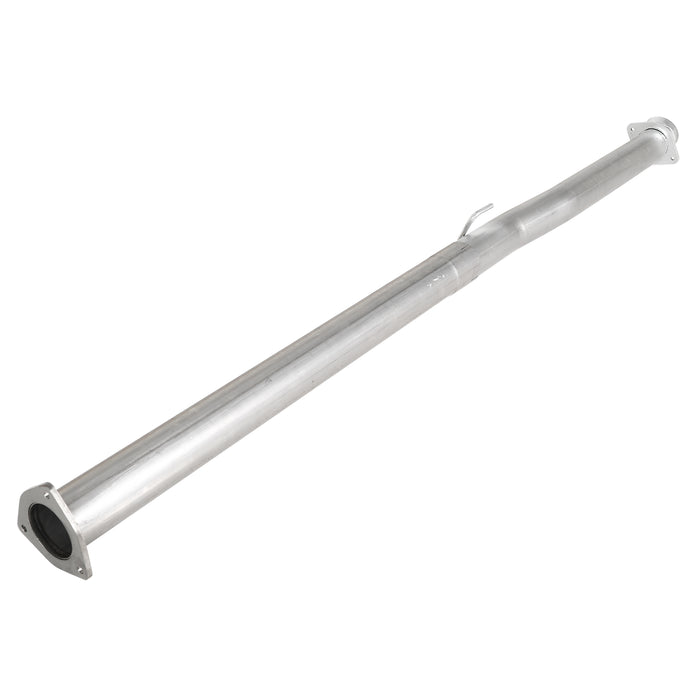
Product Details
- 4-inch exhaust design helps improve exhaust flow and reduce restriction compared with the factory exhaust path.
- Replaces the factory CAT and DPF section to address exhaust-side limitations and backpressure concerns.
- Helps reduce exhaust gas temperatures by improving exhaust flow during towing and heavy-duty operation.
- Designed with factory-style mounting points for a direct replacement installation.
For 6.7L Powerstroke owners focused on improving exhaust-side airflow, this 4-inch exhaust upgrade provides a direct solution for reducing restriction and optimizing the exhaust path. It is especially suited for trucks used in towing, hauling, and other demanding applications where exhaust efficiency plays an important role.
When combined with an intake-side EGR solution, this exhaust upgrade helps address both sides of the airflow system — reducing intake carbon concerns while improving exhaust flow for a more complete 6.7L Powerstroke airflow strategy.
Complete 6.7 Powerstroke EGR and Exhaust Upgrade Solutions
The 6.7L Powerstroke is built for demanding work, but the factory emissions system has multiple components working together to manage exhaust flow, soot, and regeneration. Over time, EGR carbon buildup and exhaust restriction can become common concerns for owners who regularly tow, haul, or operate their trucks under heavy loads.
Seguler’s 6.7 Powerstroke upgrade solutions are designed to address these two major areas of the airflow system. EGR solutions focus on the intake side by reducing carbon buildup associated with exhaust gas recirculation, while the 4-inch exhaust upgrade focuses on improving exhaust-side airflow and reducing restriction.
Whether your goal is addressing EGR-related concerns, improving exhaust flow, or creating a more complete airflow strategy, choosing the right solution depends on your truck’s condition, usage, and application. Seguler provides multiple options for 6.7L Powerstroke Super Duty owners to match different needs, from individual system improvements to a combined intake and exhaust approach.
What Separates Quality Components From Standard Alternatives
The difference between a quality 6.7 Powerstroke upgrade and a lower-cost alternative is not obvious from a product photo. It shows up in the material, the fitment, and whether the job has to be done twice.
| Feature | Quality Component | Standard Alternative |
|---|---|---|
| Tubing | Mandrel-bent T409 stainless | Thinner, unknown steel |
| Plate | 6061 billet aluminum, 304 stainless | Softer alloy or coated steel |
| Coolant | Formed bypass hose, quick-connect | Rigid or generic |
| EGT provision | Pre-tapped 1/8" NPT port | None, drill yourself |
| Gaskets | High-temperature | Basic or none |
| Heat tolerance | Sustained EGT, thermal cycling | May warp or crack |
The hidden cost of a lower-cost alternative is not on the price tag. It shows up as a second teardown when a cheaper pipe cracks or a generic plate does not match the factory connection. On a 6.7 Powerstroke, where the EGR and DPF hardware sit deep in the intake and exhaust paths, the labor to reach them a second time often outweighs the upfront saving.
The Components at a Glance
For owners who want to see how the three solutions map against each other, here is the comparison.
| EGR Delete Kit (SG-ER-0088) | EGR Valve & Cooler Delete Kit (SG-ER-0046) | 4" DPF Delete Pipe | |
|---|---|---|---|
| System | Intake (EGR loop) | Intake (EGR loop) | Exhaust (CAT, DPF) |
| Material | 6061-T6 billet + molded hose | 6061 billet, 304 stainless | 4" T409 stainless |
| Coolant | Quick-connect hose | Bypass plate | N/A |
| EGT | Threaded plug | 1/8" NPT port | N/A |
| Years | 2011–2023 | 2011–2023 | 2011–2023 |
| Benefit | Stops carbon, removes cooler | Stops carbon, removes cooler | Lower backpressure, EGTs |
The two EGR kits address the same intake-side problem. The SG-ER-0088 adds the plug-and-play quick-connect coolant hose and dual-layer plate, while the SG-ER-0046 delivers the same carbon-stopping function at a lower price point for owners who are comfortable with a standard bypass plate. The 4" exhaust pipe handles the other end of the circuit by improving exhaust flow and reducing backpressure.
Installation: A Simple Walkthrough
All three components are direct bolt-on replacements, but they live in different parts of the truck and call for different amounts of work. Neither job requires fabrication — the parts are designed around the factory mounting points — but both benefit from a service manual for your specific model year, and from having the tune handled before any hardware comes off.
The EGR Side: EGR Delete Kit (SG-ER-0088)
This kit replaces the valve, cooler, and related plumbing with CNC-machined billet hardware and a molded quick-connect coolant hose — so the coolant path is re-connected with factory-style fittings rather than cut-and-clamp work.
Step 1: Load the tune first. The 6.7L PCM continuously monitors the EGR loop, and removing hardware without the software flash will throw codes and force reduced-power mode. Software before hardware, every time.
Step 2: Disconnect both batteries and drain the coolant.
Step 3: Remove the intake tubing and the two large coolant lines leading to the EGR cooler.
Step 4: Unbolt the two EGR pipes — five bolts on the long pipe, four on the short one — and keep the hardware and gaskets.
Step 5: Remove the EGR cooler, unbolting its ends and pulling it forward and out.
Step 6: Fit the block-off plates — the baffles, the intake block O-ring, and the coolant baffle — then thread the temperature probe into the blocking plate.
Step 7: Route the coolant lines (including the degas-tank line to the radiator), then refill, bleed, and check for leaks.
The EGR Side: EGR Valve & Cooler Delete Kit (SG-ER-0046)
This is the more economical option, built around a pass-through bypass plate that keeps coolant circulating across the rear of the engine block.
Step 1: Load the tune first. Same rule as above — the software flash has to happen before the hardware comes off.
Step 2: Disconnect both batteries and drain the coolant.
Step 3: Remove the intake tubing and the two large coolant lines leading to the EGR cooler.
Step 4: Unbolt the two EGR pipes — five bolts on the long pipe, four on the short one — and keep the hardware and gaskets.
Step 5: Remove the EGR cooler, unbolting its ends and pulling it forward and out.
Step 6: Fit the block-off plates — the intake block O-ring and the coolant baffle — then thread the temperature probe into the blocking plate.
Step 7: Route the coolant lines (including the degas-tank line to the radiator), then refill, bleed, and check for leaks.
The Exhaust Side: 4" DPF Delete Pipe
The exhaust replacement is an under-truck job. The factory catalytic converter and DPF section comes out, and the new 4-inch pipe bolts in its place — matched to your specific wheelbase and cab style, which is why confirming short bed vs. long bed (and pickup vs. Cab & Chassis) matters more than anything on this side.
Step 1: Load the emissions-off tune first. For off-road or competition applications where permitted, the software has to turn off regeneration and the sensor logic tied to the removed section before the pipe comes out.
Step 2: Raise and support the truck on stands — you need full access under the cab.
Step 3: Unplug the sensors on the factory section (EGT, pressure, and NOx sensors), then tie the harnesses up and away from heat and moisture.
Step 4: Unbolt the factory CAT/DPF/muffler section. Loosen the clamp at the downpipe flange and the rear of the filter, release the rubber hangers, and lower the section out.
Step 5: Fit the new 4-inch pipe. Bolt the first section to the downpipe flange, then bolt the second section on behind it and drop the hangers into the factory rubber mounts.
Step 6: Check clearances and snug the clamps from the front flange back — you want no contact with the frame or driveshaft.
Step 7: Lower the truck and check for exhaust leaks with the engine running.
If you’re not comfortable working under the truck or in the engine bay, a professional installer is the safer route. Detailed instructions are included with each product.
Common Installation & Setup Mistakes
Mistake 1: Removing EGR hardware before the tune.
The PCM monitors the EGR system through multiple sensors and calculated airflow data. Removing components without the software flash first will throw codes and put the truck into limp mode. The tune always comes first.
Mistake 2: Ordering the wrong exhaust length.
The DPF delete pipe is matched to specific wheelbases — short bed and long bed take different configurations. Confirm your cab style and wheelbase against the fitment chart before ordering, and remember this pipe is not intended for Cab & Chassis trucks.
Mistake 3: Skipping the coolant system on the intake side.
The EGR cooler is tied into the cooling system. When it comes out, the coolant path has to be re-routed correctly, or you trade an EGR leak for a cooling system problem. The pass-through or quick-connect design matters here.
Mistake 4: Reusing worn sensors.
Pulling an old EGT or pressure sensor off a loaded system and reinstalling it transfers the old problem to the new hardware. Inspect each sensor during removal and keep the connectors clean and protected.
Mistake 5: Addressing only one side of the circuit.
Removing the intake restriction while leaving a loaded DPF in place — or the reverse — leaves the other half of the airflow path working against you. If the symptoms point to both sides, plan for both.
Mistake 6: Assuming regeneration will clear ash.
Regeneration burns soot, not ash. If a high-mileage DPF is already ash-loaded, no amount of regeneration will restore it — which is exactly the point where a high-flow replacement becomes the more durable path.
In Summary
The 6.7L Powerstroke is a strong engine, but its EGR system and DPF are the emissions components most exposed to the way the truck is actually used. Short trips load the filter with soot, oil additives load it with ash, and the EGR system upstream feeds the intake more carbon while the regeneration hardware ages.
What leads to 6.7 Powerstroke EGR and DPF problems is rarely one thing. It is a stack of conditions — driving pattern, EGR health, sensor accuracy, and system balance — that finally outpace the filter’s ability to regenerate. For most street-driven trucks, the right first step is diagnosis: check the duty cycle, the sensors, and the regeneration system before assuming any single component is the problem. Where the restriction is confirmed and the use case supports it, a matched pair — a high-flow exhaust replacement that removes the backpressure, and an EGR solution that stops the soot at its source — becomes the durable path.
The warning signs are consistent — slow coolant loss, frequent regeneration, rising EGTs, lost response, and emissions-specific codes. Catching them early is the difference between a planned upgrade and an unplanned tow.
Frequently Asked Questions
Q: What are the most common 6.7 Powerstroke EGR problems?
The water-cooled EGR cooler is the component most prone to trouble. It cycles between hot exhaust gas and engine coolant, and over time the internal core can crack, allowing coolant to escape into the intake or exhaust. The EGR valve can also stick from carbon buildup, which throws codes and affects driveability.
Q: Why is my 6.7 Powerstroke losing coolant with no visible leak?
Unexplained coolant loss is a classic sign of a cracked EGR cooler. Instead of pooling on the ground, the coolant is burned in the combustion path or pushed out the exhaust. White or sweet-smelling exhaust at idle is another common indicator.
Q: Why does my 6.7 Powerstroke keep going into regen?
Frequent regeneration usually means the DPF is loading soot faster than it can be cleared, or the regeneration cycle is not completing. The most common causes are short-trip and low-load driving, a drifting sensor feeding the ECM bad data, or excess soot from a carbon-loaded EGR system.
Q: Can I fix a clogged 6.7 Powerstroke DPF by cleaning it?
Cleaning can remove accumulated soot and ash from a filter that is still serviceable. But if the underlying cause — driving pattern, a restricted EGR system, or failing regeneration hardware — is not addressed, the filter will load up again.
Q: Does deleting the EGR make the DPF clog faster?
Not always, and not simply because of more soot. The bigger issue is system imbalance. The ECM expects airflow, temperature, and regeneration data to match the factory calibration; when hardware changes without matching support, the ECM can misjudge soot load and mistime regeneration. The effect depends on calibration, system condition, and overall vehicle setup.
Q: Will the EGR delete hardware work without a tune?
No. The 6.7L PCM continuously monitors the EGR system through multiple sensors and calculated airflow data. Removing components without an emissions-off delete tune will trigger codes such as P0401 or P040F and force the truck into a reduced-power mode. A software flash is required before removing the hardware.
Q: Why do 2015-2016 trucks need an extra coolant reroute hose?
Some 2015-2016 applications may require an additional coolant reroute hose due to changes in coolant routing. While the main block-off plates fit every 6.7L application, a custom-length reroute hose bridges the updated coolant path back to the water pump.
Q: How do I know if I need the exhaust, the EGR side, or both?
If your symptoms are exhaust-side — frequent regeneration, high EGTs, DPF codes — start with the exhaust. If they are intake-side — coolant loss, intake sludge, EGR codes — start with the EGR kit. If both sets of symptoms are present, the two are designed to work together.
Q: Will these upgrades affect my warranty?
Modifications to emissions control systems may affect warranty coverage for related components. Review your warranty terms before making changes, and consult your manufacturer or warranty provider for specific coverage details. This information is general and not legal advice.
Bottom Line
The 6.7 Powerstroke EGR system and DPF are not components you can ignore until a light comes on. Their problems build quietly, driven by how the truck is driven and by the health of the systems feeding them.
The right answer starts with treating the intake and exhaust as one circuit, not two isolated parts. On a stock street-driven truck, that means checking the duty cycle, sensors, and regeneration system first. Where the restriction is confirmed and the use case supports it, a high-flow exhaust replacement takes the load off the filter’s back side, and an EGR solution stops the soot before it starts.
Upgrade Your 6.7 Powerstroke With a Complete Exhaust and Intake Solution
Choose the intake-and-exhaust solution that fits your truck:
Recommended 6.7 Powerstroke Upgrades:
- Seguler 2011-2023 6.7L Ford Powerstroke Diesel EGR Delete Kit (SG-ER-0088)
- Seguler 2011-2023 6.7L Ford Powerstroke EGR Valve Delete Cooler Delete Kit (SG-ER-0046)
- Seguler 4" DPF Delete Pipe Super Duty Exhaust for 2011-2023 6.7L Powerstroke (SG-DP-0259)
Verify applicable regulations in your jurisdiction before installation and use.
Visit seguler.com for the full catalog of 6.7 Powerstroke upgrade components.
Featured collection
-
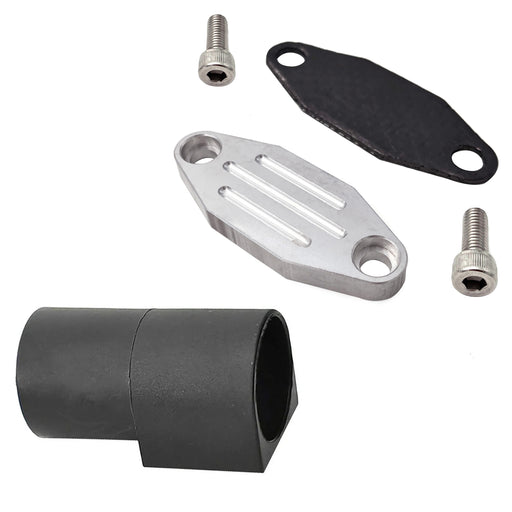
Seguler 1986-1995 Ford F150 F250 F350 Mustang Trucks EGR Simulator Eliminator / Block Off Plate Kit
SEGULEROriginal price $79.99 - Original price $79.99Original price$79.99$79.99 - $79.99Current price $79.99Block Off Plate Material: Aluminum alloy. Easy installation,and convenient to use. Made of CNC milled from aircraft grade Billet aluminum. Will N...
View full details -

Seguler 2011-2023 6.7L Ford Powerstroke Diesel EGR Delete Kit
SEGULEROriginal price $109.99 - Original price $109.99Original price$109.99$109.99 - $109.99Current price $109.99FITMENT 2011-2023 6.7L Ford Powerstroke F-250 F-350 F-450 F-550 Super Duty V8 Diesel. compatible with both standard Pickups and commercial Cab &...
View full details -
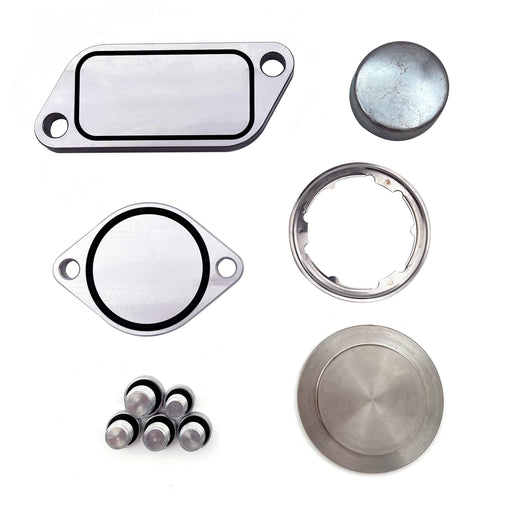
For 2010-Present Stage 2 ISX 15 CM2250 CM2350 EGR Delete Kit
SEGULEROriginal price $59.99 - Original price $59.99Original price$59.99$59.99 - $59.99Current price $59.99FITMENT 2010-Present Cummins Volvo, Peterbilt, Mack, International, Freightliner, Kenworth with the ISX15 CM2250 / CM2350 engines. DESCRIPTION P...
View full details -
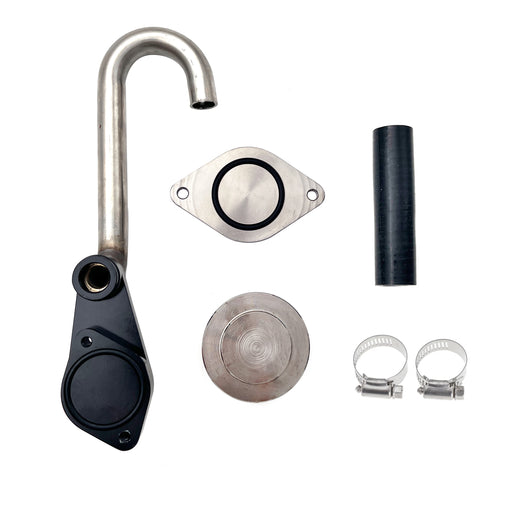
Seguler 2003-2007 6.0L FORD Powerstroke Diesel EGR Cooler Delete Kit
SEGULEROriginal price $56.14 - Original price $56.14Original price$56.14$56.14 - $56.14Current price $56.14FITMENT 2003-2007 6.0L Ford F-250 Ford F-350 F-450 F-550 Super Duty. 2003-2007 6.0L Ford Excursion SUV (Diesel Models Only). 2005-2010 Ford E-Se...
View full details -
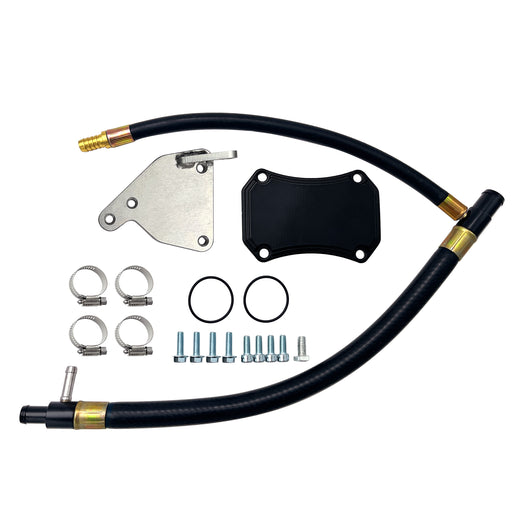
For 2011-2016 6.6L GMC Chevy Duramax Diesel LML EGR Valve Cooler Delete Kit
SEGULEROriginal price $66.49 - Original price $66.49Original price$66.49$66.49 - $66.49Current price $66.49FITMENT 2011-2016 6.6L Chevy GMC Duramax LML 2500 HD 3500 HD Diesel. DESCRIPTION Product Overview The 2011–2016 LML Duramax uses a complex EG...
View full details -
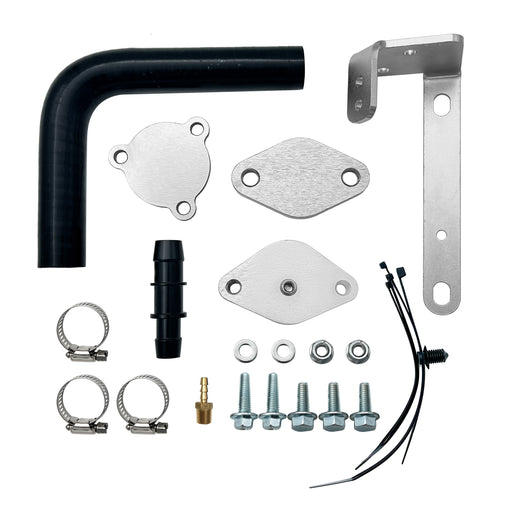
Seguler For 2014-2019 3.0L Dodge Ram 1500 EcoDiesel EGR Valve & Cooler Delete Kit
SEGULEROriginal price $72.99 - Original price $72.99Original price$72.99$72.99 - $72.99Current price $72.99FITMENT 2014-2019 3.0L Dodge Ram 1500 EcoDiesel V6 engine trucks. DESCRIPTION Product Overview Exhaust gas recirculation on 3.0L EcoDiesel V6 ...
View full details -

Seguler 2011-2023 6.7L Ford Powerstroke Diesel EGR Delete Kit
SEGULEROriginal price $85.99 - Original price $85.99Original price$85.99$85.99 - $85.99Current price $85.99FITMENT 2011-2023 6.7L Ford Powerstroke F-250 F-350 F-450 F-550 Super Duty V8 Diesel. compatible with both standard Pickups and commercial Cab &...
View full details -
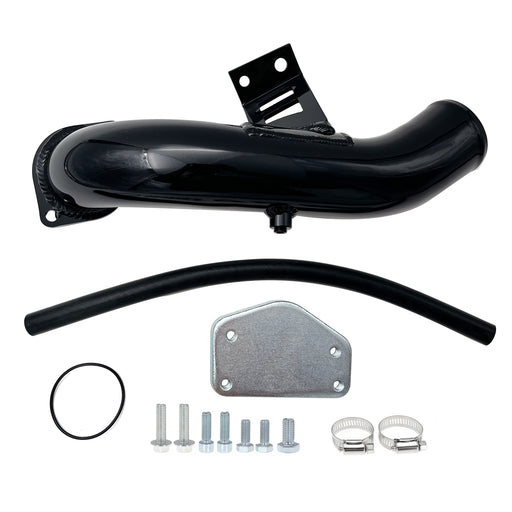
For 2004.5-2005 6.6L Chevy GMC Silverado LLY Duramax Diesel EGR Delete Kit
SEGULEROriginal price $92.99 - Original price $92.99Original price$92.99$92.99 - $92.99Current price $92.99FITMENT 2004.5-2005 6.6L Chevrolet Silverado Duramax LLY 2500HD / 3500 HD. 2004.5-2005 6.6L GMC Sierra Duramax LLY 2500HD / 3500 HD. DESCRIPTION...
View full details -

Seguler 2017-2019 L5P Duramax Diesel 4pcs L5P Can Bus Plugs Connector Replacement
SEGULEROriginal price $75.00 - Original price $75.00Original price$75.00$75.00 - $75.00Current price $75.00FITMENT 2017–2019 Chevrolet Silverado / GMC Sierra Duramax L5P 2500HD & 3500HD Diesel. DESCRIPTION Product Overview Unprotected harness con...
View full details -

Seguler 2010-2024 6.7L Dodge Ram Cummins Diesel EGR Valve Cooler Delete Kit
SEGULEROriginal price $89.99 - Original price $89.99Original price$89.99$89.99 - $89.99Current price $89.99FITMENT 2010–2024 6.7L Dodge Ram Cummins 2500 / 3500 Pickup Turbo Diesel. Note: Does NOT fit Chassis Cab 3500 / 4500 / 5500 models. DESCRIPTIO...
View full details -

Seguler 2020-2023 chevy duramax L5P Diesel Can Bus Plugs Connector
SEGULEROriginal price $80.00 - Original price $80.00Original price$80.00$80.00 - $80.00Current price $80.00FITMENT 2020–2023 Chevrolet Silverado / GMC Sierra Duramax L5P 2500HD & 3500HD Diesel. DESCRIPTION Product Overview Unprotected harness pl...
View full details -
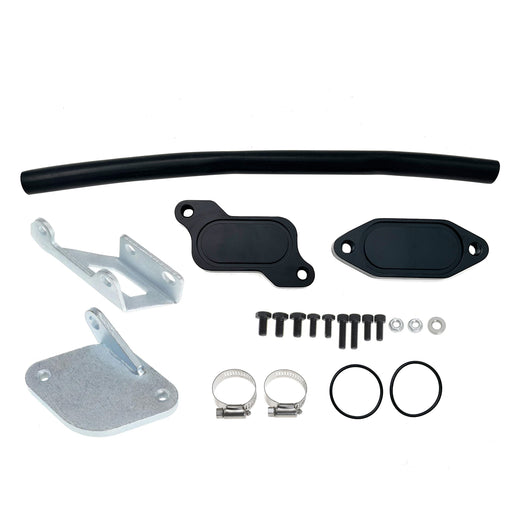
For 2006-2007 6.6L Chevrolet Silverado Classic GMC Duramax LBZ Diesel EGR Valve Cooler Delete Kit
SEGULEROriginal price $63.49 - Original price $63.49Original price$63.49$63.49 - $63.49Current price $63.49FITMENT 2006-2007.4 Chevrolet Silverado Duramax LBZ 2500HD / 3500HD. 2007.4 Chevrolet Silverado Duramax LBZ 2500HD / 3500HD Classic. 2006-2007.4 ...
View full details -
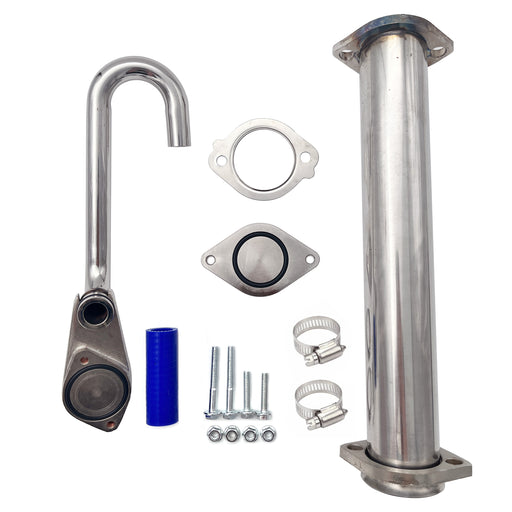
Seguler 2003-2007 6.0L Ford F250 F350 Powerstroke Diesel EGR Basic Cooler Kit
SEGULEROriginal price $79.99 - Original price $79.99Original price$79.99$79.99 - $79.99Current price $79.99FITMENT 2003-2007 6.0L Ford F250 F350 F450 F550 Super Duty Turbo (except 2004 F250 Super Duty). 2003-2005 6.0L Ford Excursion Turbo. 2005 Ford F...
View full details -

Seguler 2011-2023 6.7L Ford F250 F350 F450 F550 Powerstroke Diesel EGR Valve Delete Cooler Delete Kit
SEGULEROriginal price $55.99 - Original price $55.99Original price$55.99$55.99 - $55.99Current price $55.99FITMENT 2011-2023 6.7L Ford Powerstroke F-250 F-350 F-450 F-550 Super Duty V8 Diesel compatible with both standard Pickups and commercial Cab &a...
View full details -
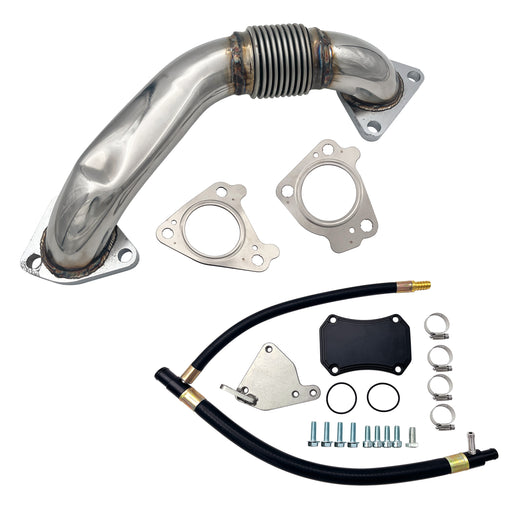
Seguler 2011-2016 6.6L GMC Chevy Duramax Diesel LML Up-Pipe & EGR Valve Cooler Delete Kit
SEGULEROriginal price $173.86 - Original price $173.86Original price$173.86$173.86 - $173.86Current price $173.86FITMENT 2011-2016 6.6L Chevy GMC Duramax LML 2500 HD 3500 HD Diesel. DESCRIPTION Product Overview Direct-injection technology endows GM 5.3L an...
View full details -
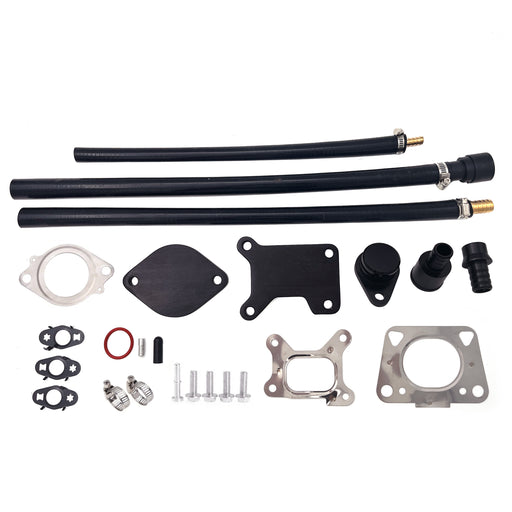
For 2017-2023 6.6L Chevy GMC Duramax L5P diesel EGR Valve Cooler Delete kit
SEGULEROriginal price $131.99 - Original price $131.99Original price$131.99$131.99 - $131.99Current price $131.99FITMENT 2017–2023 6.6L Chevrolet Silverado / GMC Sierra Duramax L5P 2500HD 3500HD Diesel. DESCRIPTION Product Overview Hot soot recirculation ...
View full details -

For 2013-2023 6.7L Dodge Ram Cummins Cab & Chassis EGR Delete Kit Diesel
SEGULEROriginal price $62.99 - Original price $62.99Original price$62.99$62.99 - $62.99Current price $62.99FITMENT 2013–2023 6.7L Ram Cummins 3500 4500 5500 Cab & Chassis / Commercial Trucks. Does NOT fit standard Ram 2500 3500 Pickups. DESCRIPTIO...
View full details -
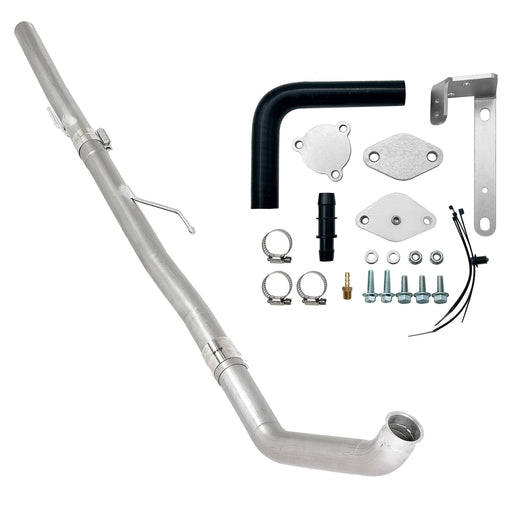
Seguler 3" Ecodiesel DPF Delete Pipe & EGR Delete kit for 2014-2018 3.0L Ram
SEGULEROriginal price $342.00 - Original price $342.00Original price$342.00$342.00 - $342.00Current price $342.00FITMENT 2014–2018 3.0L Dodge Ram 1500 EcoDiesel V6. NOTE: Fit standard Pickup models only (Crew Cab, Quad Cab). Does NOT fit Jeep Grand Cheroke...
View full details -
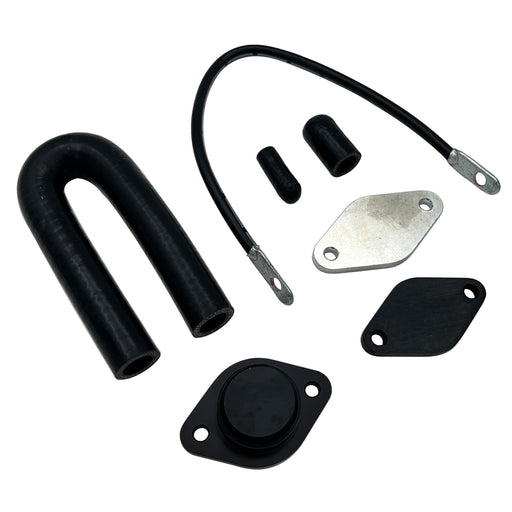
Seguler EGR valve cooler Delete kit for 2020-2022 3.0L Chevy Duramax LM2
SEGULEROriginal price $189.12 - Original price $189.12Original price$189.12$189.12 - $189.12Current price $189.12FITMENT 2020–2022 3.0L Chevrolet Silverado GMC Sierra 1500 LM2 Turbo-Diesel. DESCRIPTION Product Overview Powered by smooth inline-six engine...
View full details -
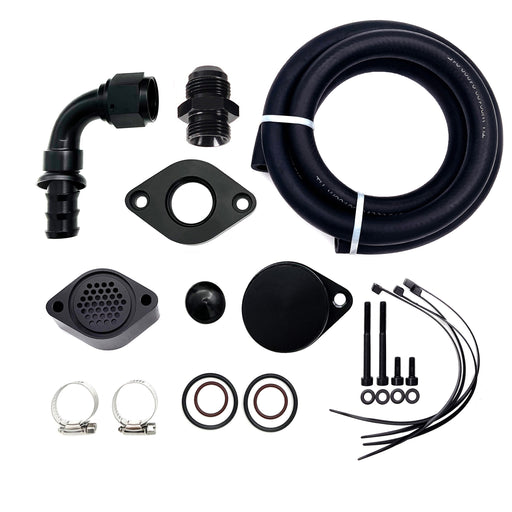
Seguler 2011-2023 6.7L Ford Powerstroke CCV PCV Reroute Engine Ventilation Kit
SEGULEROriginal price $82.99 - Original price $82.99Original price$82.99$82.99 - $82.99Current price $82.99FITMENT 2011-2023 6.7L Ford Powerstroke F-250 F-350 F-450 F-550 Super Duty V8 Diesel. Compatible with both standard Pickups and commercial Cab &...
View full details -
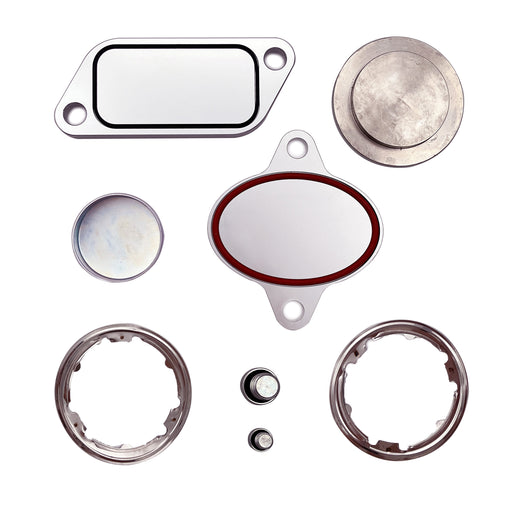
For 2007-2010 Cummins ISX CM871 EGR Plug Kit Stage 2 Plates and Plugs Aluminum
SEGULEROriginal price $67.99 - Original price $67.99Original price$67.99$67.99 - $67.99Current price $67.99FITMENT 2007-2010 Cummins Volvo, Peterbilt, Mack, International, Freightliner, Kenworth with the ISX CM871 Engines. DESCRIPTION Product Overvie...
View full details -
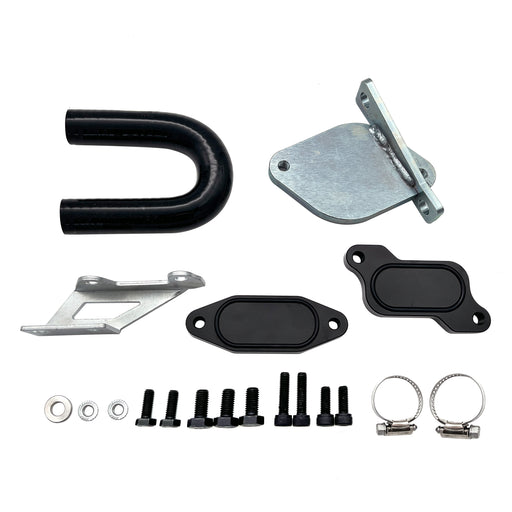
For 2007-2010 6.6L Chevy GMC LMM Duramax EGR Valve Cooler Delete Kit Fit
SEGULEROriginal price $61.99 - Original price $61.99Original price$61.99$61.99 - $61.99Current price $61.99FITMENT 2007.5-2010 6.6L Chevrolet Silverado Duramax LMM 2500HD / 3500HD. 2007.5-2010 6.6L GMC Sierra Duramax LMM 2500HD / 3500HD. Note: Standard...
View full details -
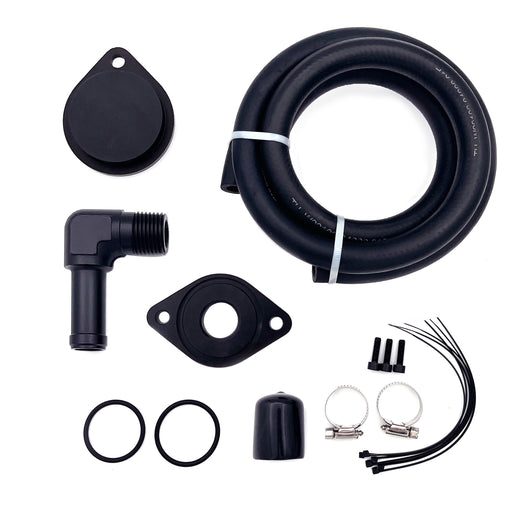
Seguler 2011-2023 Ford 6.7L Powerstroke CCV/PCV Reroute/Delete Engine Ventilation Kit
SEGULEROriginal price $72.00 - Original price $72.00Original price$72.00$72.00 - $72.00Current price $72.00FITMENT 2011-2023 6.7L Ford Powerstroke F-250 F-350 F-450 F-550 Super Duty V8 Diesel. Compatible with both standard Pickups and commercial Cab &...
View full details -
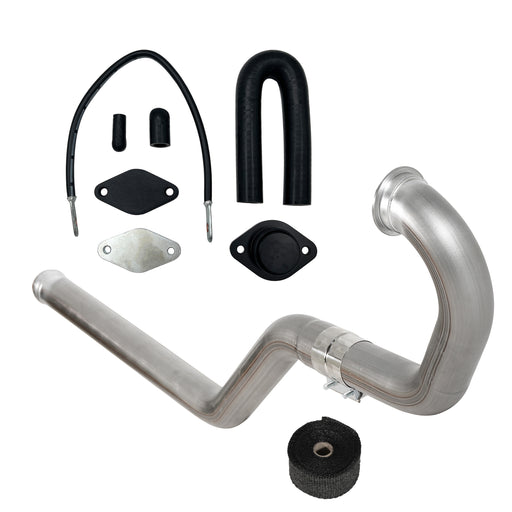
3" Turbo Back DPF & EGR Delete Kit for 2020-2022 GM 3.0L LM2 Duramax
SEGULEROriginal price $550.00 - Original price $550.00Original price$550.00$550.00 - $550.00Current price $550.00FITMENT 2020–2022 3.0L Chevrolet Silverado 1500 LM2 Diesel. 2020–2022 3.0L GMC Sierra 1500 LM2 Diesel. DESCRIPTION Product Overview On the 3.0...
View full details -
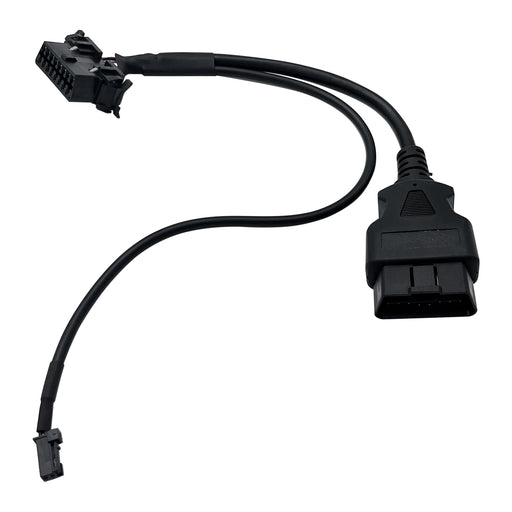
Seguler 2018+ RAM Cummins OBD2 HD Security Gate Bypass Cable
SEGULEROriginal price $45.00 - Original price $45.00Original price$45.00$45.00 - $45.00Current price $45.00FITMENT 2018+ 6.7L Ram Cummins 2500 3500 Turbo Diesel. Designed for Ram pickup trucks equipped with the factory Security Gateway Module. Note: Pl...
View full details


Leave a comment