

L5P Duramax All-in-One Delete Kit: More Power, Cooler Temps, Cleaner Air
The 6.6L L5P Duramax is the most powerful, most refined diesel GM has ever dropped into a Silverado HD or Sierra HD — 445 hp and 910 lb-ft from the factory, wrapped in the most sophisticated emissions package the EPA has ever forced onto a pickup. It’s also, by a wide margin, the hardest Duramax to modify.
That’s the trade-off baked into every 2017–2023 L5P. The engine itself is brilliant, the problem is everything bolted around it — the vertically-mounted DPF/DOC canister, the EGR and CCV systems feeding it soot and oil vapor, and an encrypted ECM that treats any tuning attempt like a hostile invasion. An all-in-one delete kit isn’t about “deleting” in the crude sense. It’s about removing the three things that quietly hold the L5P back — heat, soot, and restriction — so the engine underneath can finally do what it was designed to do.
What L5P Duramax “All-in-One” Actually Means
Cheap L5P “delete” listings are almost always one piece of the puzzle — a block-off plate, or a race pipe, or a set of plugs. An all-in-one kit is the whole system, and on the L5P it has to cover four distinct jobs:
-
DPF / DOC / SCR removal — the vertical aftertreatment canister behind the turbo, plus the DEF injection hardware. This is the single biggest source of exhaust restriction and the thing that forces the engine into active regeneration.
-
EGR delete — block-off plates on both the valve and the cooler, plus the coolant reroute that keeps the cooling system from air-locking once the cooler is gone.
-
CCV reroute — keeping crankcase oil vapor out of the intake, so it can’t combine with the EGR soot that’s now also gone.
-
CAN-BUS plugs — capping every unplugged sensor harness so the J1939 network terminates cleanly and doesn’t throw ghost codes or corrode.
Skip any one of these and the “delete” is incomplete. Leave the SCR in place and you’ve still got a restriction welded behind the turbo. Skip the CAN-BUS plugs and the truck lights up like a Christmas tree the first time it gets wet. This is why the L5P has a reputation for being the most involved platform to modify — the emissions stack is so tightly interwoven that you can’t half-do it.
Why the L5P Is Different From Every Duramax Before It
The L5P didn’t just add a component. It changed the architecture:
-
The DPF/DOC is mounted vertically, with a specific inlet angle and outlet position that doesn’t match any prior Duramax. Universal pipes and LML/LMM pipes will not fit. You need an L5P-specific pipe.
-
The E41 ECM is encrypted at the factory. You can’t plug in an OBD-II tuner and flash a delete tune the way you could on an LBZ or LML. This is the single biggest cost and complexity driver on the platform.
-
The CAN-BUS plug kit is unique to the L5P. No older Duramax needs it, because no older Duramax had this many sensors talking on the same network.
The Three Promises, Explained Honestly
The title of this article makes three claims. Let’s be precise about what each one actually means, because this is where the marketing copy and the reality diverge.
More Power: The Delete Unlocks the Tune, the Tune Makes the Power
Here’s the thing most “delete = more power” content gets wrong: removing the hardware itself does not add a single horsepower. A deleted L5P with no tune change makes the same power as a stock one. The power comes from the tune, and what the delete does is remove the ceiling. The factory L5P is held back not by its internals but by three limits the EPA wrote into it:
-
Active regeneration — the engine deliberately dumps fuel on the exhaust stroke to light off the DPF, spiking EGTs and robbing efficiency.
-
Backpressure — the DPF/DOC canister and the crushed factory downpipe choke the turbo’s exhaust side, capping how much boost the VGT can build.
-
Intake fouling — EGR soot and CCV oil vapor slowly narrow the intake tract, so the engine has to work harder to breathe.
Once all three are gone, a calibrated tune can safely add roughly +75 to +150 hp and +150 to +300 lb-ft — and this is where the L5P shines, because its bottom end is strong enough to actually use that power. Real-world dyno runs on deleted and tuned L5Ps routinely land in the 500–575 hp range on stock internals, with the strongest builds pushing past 600 hp.
Cooler Temps: The Vertical Canister Is a Heat Trap
The L5P’s DPF/DOC assembly sits directly behind the turbo, vertically, packed into the valley between the engine and the firewall. It is, in effect, a giant heat-soaked brick that:
- Retains exhaust heat right where the turbo and the intake plumbing live
- Forces active regen cycles that push exhaust gas temperatures to levels the engine was never meant to sustain for long periods
- Makes the engine bay run hotter than any prior Duramax, which ages hoses, wiring, and plastic components faster
Delete it and you get two concrete, measurable benefits:
- Lower EGTs under load — without the DPF creating backpressure and without regen dumps, exhaust gas temps drop meaningfully, especially when towing.
- More turbo headroom — the VGT isn’t fighting a restriction downstream, so it runs cooler and spools freer.
This is the “cooler temps” that actually matters for longevity, not a marketing bullet point. It’s why installers who’ve done dozens of these will tell you the goal is to reduce temperature in the engine room and the exhaust overall — because heat is what kills turbos, hoses, and gaskets over time.
Cleaner Air: EGR Soot + CCV Vapor = The Intake Killer
The “cleaner air” promise cuts both ways, and both are real:
Cleaner Air Into The Engine:
The L5P’s EGR feeds hot, soot-laden exhaust back into the intake, where it mixes with crankcase oil vapor from the CCV system. The result is the same hardened, baked-on carbon you find in every high-mileage EGR-equipped diesel — it narrows the intake runners, fouls the intercooler, and coats the intake valves.
Delete the EGR and reroute the CCV, and that contamination stops at the source. One installer put it plainly after pulling an L5P EGR pipe: “lots of soot going into your intake manifold, while oil vapor coats the compressor wheels.”
Cleaner Air Out of The Tailpipe:
A deleted truck produces more raw particulate and NOx than a stock one — that’s precisely why deletes are illegal for on-road use. The “cleaner air” in the title refers to the intake side, and it’s worth being honest about that distinction.
The ECM Trap: The Real Cost Driver
If there’s one thing that separates the L5P from every other delete project, it’s the encrypted control module. And it’s the thing that catches the most buyers off guard.
2017–2019 vs 2020–2023: A Hard Line
-
2017–2019 trucks (E41 ECM) can be tuned via OBD-II with the right device — typically HP Tuners’ MPVI2/MPVI3 interface plus the appropriate credits and a delete tune file from a tuning company. This is the “straightforward” side of the platform.
-
2020–2023 trucks added extra security layers, and in many cases require an ECM swap or bench flash — the factory module physically can’t be unlocked through the port, so you either send it out or buy a pre-modified unit. This is where the cost jumps.
-
2024+ trucks (E42 / Global B) are currently not cracked. As of now, there is no reliable delete tune for the 2024–2025 L5P, and anyone claiming otherwise is selling vaporware.
The practical upshot: the hardware is largely the same across 2017–2023, but the tuning path is completely different depending on year. Buy a kit that doesn’t match your ECM generation and you’ve got a box of nice parts and no way to make the truck run. This is the single most common — and most expensive — mistake first-time L5P modifiers make.
What the Tuning Actually Costs
Here’s the reality, assembled from multiple independent breakdowns of a 2020+ L5P:
| Line item | Cost |
|---|---|
| HP Tuners modified ECM | ~$1,800 |
| ECM core charge (if you keep your stock unit) | ~$625 |
| 10 credits to flash the ECM ($50 each) | $500 |
| MPVI2/MPVI3 interface | required (add-on) |
| Delete tune file | ~$1,300 |
| Tuning subtotal | ~$4,200–4,500 |
| 3.5" downpipe + EGR/CCV delete hardware | ~$800 |
| 5" exhaust + tip | ~$750 |
| NOx / CAN-BUS plugs | ~$125 |
| Hardware subtotal | ~$1,675 |
| Grand total (parts only) | ~$5,700–6,300 |
Add transmission tuning (another ~$500 on the six-speed, and not yet available on the 2020+ ten-speed), and DIY labor of 35–40 hours if you do it yourself — or $2,000+ in shop labor — and a fully installed L5P delete lands in the $7,000–9,000 range. That’s the honest number. Anyone quoting you $2,500 for a “complete L5P delete” is leaving out the ECM, the tune, or both.
Who Should — and Shouldn’t — Buy This Upgrade
This isn’t a universal upgrade, and pretending otherwise does you a disservice. Here’s the honest split, based on how the platform, the law, and the budget actually interact.
This Upgrade Is For You If…
- Your truck never touches public roads. Off-road, race, competition, or farm-only use is the hard prerequisite. If that’s your situation, everything else below is just a cost-benefit call.
- You own a 2017–2019 truck. These are the “easy” years — the E41 ECM tunes via OBD-II, so your total cost is the lowest on the platform.
- You tow heavy or run hot for long stretches. If you’re routinely pulling at the top of the truck’s range, the EGT drop and the removal of regen heat cycles are genuine reliability wins, not just dyno numbers.
- You’re tired of regen cycles, DEF top-ups, and emissions faults. The overwhelming majority of modern-diesel breakdowns trace back to the emissions stack. If you’ve been stranded by a DPF or DEF fault, you already know the value here.
- You have the tools, time, and skill to DIY it (35–40 hours), or the budget to pay a shop ($2,000+).
- You want the real diesel experience — turbo whistle, deep growl, and actual power on tap — and you’re ready to budget $6,000+ to get there properly.
Skip It If…
- Your truck is driven on public roads. This is non-negotiable — it’s illegal (up to $5,911 per violation), and no amount of performance upside changes that.
- You have a 2024+ L5P. The E42/Global B ECM isn’t cracked yet, so a delete simply isn’t possible right now.
- You have a 2020–2023 truck on a tight budget. The ECM swap or bench flash adds $1,500–3,500 on top of the tune, and that’s before any hardware.
- Your truck is still under factory warranty. Flashing the ECM voids it on the spot. If warranty coverage matters to you, wait.
- Fuel economy is your main motivation. On a DEF-equipped L5P the gains are a modest 1–3 mpg. You’ll never recoup the cost on fuel alone.
- You don’t actually need the power. A stock L5P already makes 445 hp and 910 lb-ft. If you’re not towing hard or competing, the factory tune is more than enough.
- You live where emissions testing is enforced. California’s CARB and several other states will fail a deleted truck at inspection, full stop.
If you land on the “skip it” side of more than a couple of these, the honest answer is that this upgrade isn’t for you — and that’s fine. The stock L5P is a fantastic engine as-is. If you land firmly on the “for you” side, keep reading.
What a Complete Kit Should Include
Cutting through the marketing, here’s what the actual hardware checklist looks like, and where budget kits fall short:
- EGR valve block-off plate — closes the port in the intake manifold. Cheap kits use thin stamped steel; good kits use billet or thick aluminum that won’t flex and leak under thermal cycling.
- EGR cooler block-off plates — both sides, to stop coolant from circulating through a now-dead component.
- Coolant reroute hoses and fittings — the part budget kits omit, and the part that causes air pockets and overheating when it’s missing.
- 3.5" high-flow downpipe — replaces the crushed factory downpipe and removes the catalytic converter bolted to the turbo. This is technically an add-on on many kits, but it’s the single biggest airflow win after the DPF itself.
- DPF/DOC race pipe (4" or 5") — L5P-specific, with the correct inlet angle and NOx sensor bungs capped.
- CCV reroute — block-off plates, a new oil fill, and the hose to vent crankcase pressure away from the intake.
- CAN-BUS plugs — the connector caps that terminate the J1939 network where sensors were removed.
A quality all-in-one kit bundles all of this with matched hardware and, ideally, lets you choose your exhaust size and muffler option up front rather than forcing a one-size-fits-all pipe.
2017-2023 6.6L Duramax L5P DPF/CCV/EGR Delete & Downpipe w/Can Bus kit
If you’ve read this far, you understand why the L5P demands a kit that’s built for the platform rather than a generic pile of parts. The 2017–2023 6.6L Duramax L5P DPF/CCV/EGR Delete & Downpipe with CAN-BUS kit is exactly that — a modular master kit that covers all four jobs (DPF/DOC/SCR, EGR, CCV, CAN-BUS) in one package, with the exhaust size, downpipe, and plug configuration chosen up front to match your truck.

What stands out about this kit, and what matters most on the L5P specifically:
-
Modular configuration, not a one-size pipe. You choose 4" or 5" exhaust, with or without a muffler, and match the CAN-BUS plugs to your exact year range (2017–2019 or 2020–2023). That’s the difference between a kit that fits and a kit that fits correctly.
-
3.5" downpipe replaces the crushed factory unit and deletes the converter bolted to the turbo — the single biggest airflow gain after the DPF itself.
-
EGR and CCV addressed together, so soot and oil vapor stop combining in the intake — which is the whole point of the “cleaner air” claim, not just blocking the EGR valve and calling it done.
-
CAN-BUS harness caps protect the electronics — the L5P’s sensor network is the most exposed on any Duramax, and leaving raw plugs dangling is how you get corrosion and ghost codes a year later.
-
Priced at the honest end of the range — the full kit starts around $727 and scales with your exhaust and plug choices, which is realistic for a complete L5P-specific package rather than the misleading “bare block-off plate” price you’ll see on budget listings.
For a 2017–2023 Silverado or Sierra 2500HD/3500HD, this is the kind of kit that gets the hardware side of the equation right — leaving you to budget for the ECM unlock and tune.
Installation: The Order Matters
The L5P delete is a big job — 35–40 hours DIY for a first-timer — but the sequence is non-negotiable. Get it wrong and you’ll chase your own tail.
Step Zero: Tune First, Always
You must flash the tune before you remove a single bolt. This is the most common way people brick the process: they pull the DPF and EGR, the ECM still expects them to be there, and the truck derates into limp mode. The tune tells the computer the emissions systems are gone before they physically are.
What You’ll Need Before You Start
Gather this up front — the job is long enough without running to the store mid-way:
- 10mm, 13mm, and 15mm sockets plus a ratchet and extensions
- Universal/swivel socket and a long extension — for the firewall-side bolts you can’t get straight at
- 22mm socket — for the NOx sensor
- Torque wrench (in-lb and ft-lb ranges)
- Breaker bar — the heat-soaked exhaust bolts don’t want to let go
- Pry bar and a plastic trim-panel tool
- Sawzall / reciprocating saw — to cut the vertical canister if you’re working on the ground
- Vice grips — to pinch the DEF injector’s coolant lines
- Security bit set — the CCV bolts are the single most frustrating part of the job
- Magnet tray and a marker — label the turbo line bolts long vs. short, or you’ll strip a hole
- 5-gallon coolant catch pan
- Work light or headlamp — half this job is in the valley and behind the firewall
The Sequence, Step by Step
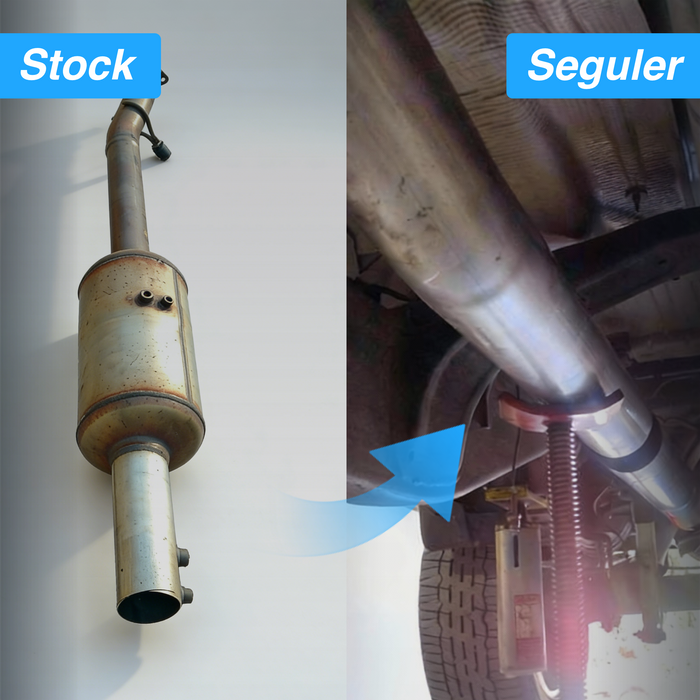
DPF Delete: Drop the Vertical Canister
The DPF/DOC is the first thing to come out, and it’s also the part that frees up the most exhaust flow. It’s heavy, awkward, and full of soot — budget your time for this one.
-
Drain the coolant first. The passenger-side radiator has a drain plug near the bottom — catch it in a 5-gallon pan, because the L5P holds a surprising amount. The DEF injector’s lines are a separate circuit and will still be full later, so keep the pan handy.
-
Remove the vertical DPF/DOC canister. On the ground, the realistic move is to cut it into pieces with a sawzall — but watch your cut line, because the NOx sensor wiring and the DEF lines run right alongside the canister. On a lift, you can drop the crossmembers and pull the whole assembly out in one piece. It's best to ask someone for help or use a transmission jack to support the weight.
-
Disconnect the DEF injector’s two coolant lines. Pinch them with vice grips before you pop the fittings, because they’ll be full of coolant and it’ll go everywhere the second you release them.
-
Install the DPF/DOC race pipe (4" or 5", depending on what you ordered). Two things matter here: the NOx sensor bungs must be capped so you don’t get exhaust leaks where the sensors used to live, and a 5" pipe is a genuinely tight fit — expect to twist and angle it to get it past the crossmembers and the frame. Patience beats force.
EGR Delete: Strip the Intake Side
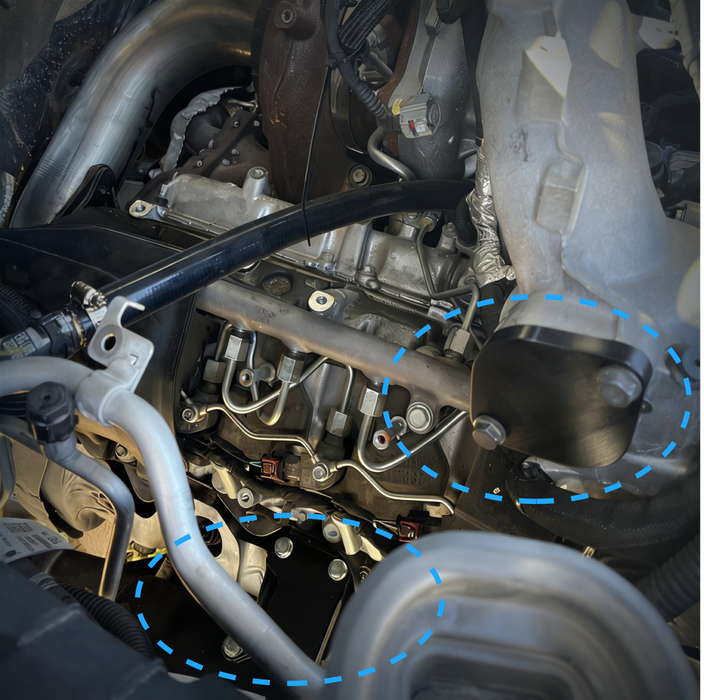
The EGR is the fiddliest part of the job — lots of small fasteners, tight clearance, and a couple of bolts you can only reach with a swivel and a long extension. Work top-down and label everything as you go.
-
Work top-down. Airbox and heat shields come off first, then the AC compressor — leave the Freon lines attached and swing the compressor aside so you don’t crack the fittings. One 15mm compressor bolt is tucked in a spot that needs a modified or thin wrench; don’t fight it, just grab the right tool.
-
Watch the fuel pressure regulator wiring. The Denso HP4’s harness is right in the danger zone when you’re pulling the intake plumbing. It’s easy to catch and snap the wire — and if you do, the truck won’t start until you splice it back.
-
Pull the intake horn (two bolts), then the Y-bridge (8×10mm bolts), the EGR cooler (5×13mm), and the lower EGR valve (4×13mm). The Y-bridge and EGR cooler bolts are where the swivel socket earns its keep.
-
Install the EGR block-off plates — both the valve port and both sides of the cooler — so coolant stops circulating through a now-dead component. Torque them evenly and gently; the intake side is aluminum and easy to strip.
-
Reroute the coolant with the supplied hoses and fittings. This is the step budget kits skip, and the one that causes air pockets and overheating when it’s missing. Some kits’ supplied hoses run short and need to be routed around the exhaust manifold — check the fit before you button everything up.
CCV Reroute: Get the Oil Vapor Out of the Intake
The CCV (crankcase ventilation) is the other half of the intake-fouling equation. EGR feeds soot into the intake; CCV feeds oil vapor. Delete the EGR but leave the CCV alone, and you’ve solved only half the problem — oil vapor alone will still coat the compressor wheel and narrow the intake runners over time.

-
Remove the CCV assembly. It’s held on by four security bolts, and it’s the single most frustrating part of the whole job. Buy the correct security bit up front instead of grinding with an easy-out for an hour — budget close to an hour just for this piece.
-
Block off the intake-side CCV port with the supplied plate, so no more oil vapor gets pulled into the intake.
-
Install the vented oil fill cap (or the catch-can fitting, depending on your kit) so the crankcase still has somewhere to breathe.
-
Route the vent hose away from the intake — down to a catch can or to atmosphere where your setup allows. This is what keeps crankcase pressure from climbing and pushing oil out past the rear main and valve cover seals.
Downpipe: Pull the Turbo and Swap the Pipe
The downpipe is the biggest airflow win after the DPF itself, and it lives behind the turbo — which is why the turbo has to come out. This is the most physically demanding section.

-
Remove both heat shields, the NOx sensor (22mm), and the two V-band clamps that hold the exhaust to the turbo.
-
Disconnect the oil drain — there are two bolts, one long and one short. Keep them labeled, or you’ll put the long bolt in the short hole and strip it on reassembly.
-
Remove the four 15mm mount bolts and lift the turbo out, exposing the downpipe and the SCR behind it. It’s heavy and awkward — get a helper.
-
The up-pipes are the worst part of the whole delete. Six 13mm bolts, heat-soaked and seized from thousands of thermal cycles. You’ll want a breaker bar, a swivel, and patience — installers have been known to climb into the engine bay to get the right angle. Torque them back to ~18 ft-lbs.
-
Swap in the 3.5" high-flow downpipe, which also deletes the catalytic converter bolted to the turbo from the factory. If your downpipe ships with heat wrap, wear gloves — the wrap material will make your hands itch for days.
CAN-BUS Kit: Terminate the Network
This is the L5P-specific step that no older Duramax needs — and the one that keeps you from chasing ghost codes and corrosion a year later. Skip it and the truck will light up like a Christmas tree the first time it gets wet.
-
Plug the CAN-BUS connectors at their three locations: the SCR sensor, the passenger-side frame rail, and the driver-side DEF harness. Each cap terminates the J1939 network where a sensor used to sit, so the truck’s modules don’t see an open circuit.
-
Match the plugs to your year range. 2017–2019 and 2020–2023 have slightly different connector configurations, and the wrong set won’t seat or seal — water and road grime will find the gap.
-
Leave the throttle valve disconnected. It never gets plugged back in, by design — the tune expects it to be out of the loop.
Finish Up: Refill, Bleed, Verify
- Refill the coolant and bleed the air out of the system.
- Reconnect the batteries and start the truck.
- Watch for leaks at every new fitting, clamp, and block-off plate before you call it done.
Torque Specs Worth Knowing
These come straight from installers who’ve done the job repeatedly.
| Fastener | Torque |
|---|---|
| Up-pipe bolts | ~18 ft-lbs |
| Y-bridge bolts | Under 10 ft-lbs (composite — don’t over-tighten) |
| Turbo oil/coolant line bolts | 5–8 ft-lbs |
| 15mm turbo mount bolts | Snug + a touch, don’t crank |
The Generation Differences to Watch
- Coolant line routing differs between 2017–2019 and 2020+. The 2017–2019 trucks also need a specific turbo coolant plug that the 2020+ trucks don’t.
- CAN-BUS plug positions differ slightly by year range — match the plugs to your truck’s configuration.
- One component never gets plugged back in: the throttle valve. It stays disconnected, by design.
Where DIY Installers Get It Wrong
These are the real failures, straight from people who’ve done the job and then had to troubleshoot their own truck.
- Not tuning first — the #1 cause of limp mode and “why won’t my truck run” panic.
- Cross-plugging connectors on reassembly — the fuel rail pressure, coolant, and crank position plugs can physically swap, and the truck will crank but not fire. One installer spent an afternoon chasing a no-start that was just two plugs in the wrong ports.
- Breaking the fuel pressure regulator wiring while wrestling the Y-bridge out — the Denso HP4’s harness is right in the danger zone.
- Stripping bolt holes with the wrong-length hardware — the turbo coolant/oil line bolts come in long and short; put a long bolt in a short hole and you’ll strip it. Keep the bolts labeled.
- Fighting the CCV security bolts — these are the single most frustrating part of the job. Buy the correct security bit up front instead of grinding with an easy-out for an hour.
- Not checking the kit’s fittings for metal shavings — some aftermarket hose fittings ship with machining debris still inside. Flush them before install.
- Ignoring the “mouse nest in the valley” problem — L5P valleys collect rodent nests like clockwork. Clean it out before you seal everything back up.
Sound, Drone, and Driving It Afterward
A deleted L5P with a 5" straight pipe sounds like a real diesel — turbo whistle, deep growl, the works. But there are two things nobody tells you before you pull the trigger:
Drone Is Real, And It’s Worst When Towing:
Empty, the drone is tolerable. Hook up a trailer and the load puts the exhaust right in the resonant band. The fix isn’t a $300 muffler (it does little under load) — it’s dropping a gear, or ordering the kit with a resonator/muffler option from the start.
High Power Levels Are Dangerous Without Transmission Tuning:
On a stock-trans truck, running tune level 4/5/6 hard is how you blow head gaskets and transmissions. The tuners that shift-on-the-fly via steering wheel controls are convenient, but they’re also an easy way to over-stress a truck that isn’t ready for it. Most owners land on level 2–3 for daily driving, and stock or level 1 for towing.
And a piece of hard-won advice from people who’ve driven these for thousands of miles: don’t constantly flip between tune levels. The transmission adapts to driving style and power level, and constantly changing tunes keeps it perpetually “confused”.
The Honest Numbers: Power, Temps, Fuel
Let’s put real figures on the three promises:
| Metric | Stock L5P | Deleted + Tuned |
|---|---|---|
| Peak horsepower | 445 hp | ~520–575 hp |
| Peak torque | 910 lb-ft | ~1,060–1,210 lb-ft |
| 60 mph cruise economy | 22–23 mpg | 25–26 mpg |
| 70 mph cruise economy | ~18 mpg | ~25 mpg |
| Towing economy (heavy trailer) | ~9–10 mpg | ~11 mpg |
A Couple of Caveats on the Fuel Numbers
The computer readouts on a deleted and tuned truck can read optimistically, and the only real test is measuring gallons at the pump against miles driven. That said, the direction of the improvement is consistent and well-documented: removing the DPF eliminates regen fuel dumps, and a cleaner intake plus lower backpressure lets the engine make the same power on less fuel.
On a DEF-equipped truck the gains are smaller than they were on pre-DEF diesels, because DEF already keeps the DPF clean and efficient — but they’re still there.
The Legal Reality (Read This)
No amount of technical upside changes the law. Removing or disabling emissions equipment on a vehicle driven on public roads is illegal under the federal Clean Air Act, specifically 42 U.S.C. § 7522, with EPA enforcement under 40 CFR § 1068.101. Civil penalties for individuals run up to $5,911 per violation. California’s CARB requires an Executive Order for any emissions-affecting part, and no delete kit has one. Texas and most other states have parallel statutes.
A delete also voids your factory warranty the moment you flash the ECM — and yes, even the “friendly” small-town dealer who says they’ll still cover you should put that in writing, because “stealership” is a word for a reason.
Everything in this guide is presented in the context of off-road, race, competition, or farm use where permitted. If your truck sees public roads, know your local and state laws before you touch anything.
Conclusion
The L5P Duramax is a genuinely great engine wrapped in the heaviest emissions blanket GM has ever made. An all-in-one delete kit doesn’t magically add power — it removes the heat, soot, and restriction that are holding a 445 hp engine back, and it’s the prerequisite for any tune that actually unlocks the platform’s potential.
The honest math is simple and a little sobering: figure $5,700–6,300 in parts (kit + ECM + tune), plus labor, and know that 2024+ trucks are off the table entirely. If you’re going to do it, do it once and do it completely — a quality modular kit, the correct ECM path for your year, and a tune from a reputable source. Half-measures on an L5P cost more in the long run than doing it right the first time.For a complete L5P delete solution that covers DPF, CCV, EGR, and CAN-BUS in one modular kit — with exhaust and plug options matched to your exact model year — see 2017–2023 L5P Delete & Downpipe kit.
SEGULER builds diesel performance hardware for the platforms that matter, and this kit is designed to fit the L5P the way it actually needs to be fit — not as an afterthought.
FAQ About L5P Duramax Delete Kit
Q1: Does deleting an L5P actually add horsepower by itself?
A1: No. Removing the DPF, EGR, and CCV hardware adds zero power on its own — the gains come from the tune, which is only possible once the emissions hardware is gone or deactivated. With a proper tune, expect roughly +75 to +150 hp and +150 to +300 lb-ft.
Q2: How much does a complete L5P delete actually cost?
A2: Realistically $5,700–6,300 in parts (delete kit + modified ECM + credits + tune file), plus $2,000+ in shop labor if you don’t DIY it. The encrypted ECM and its unlock/swap fee are the single biggest line item, not the hardware.
Q3: What’s the difference between 2017–2019 and 2020–2023 tuning?
A3: 2017–2019 trucks (E41) can usually be tuned via OBD-II with an HP Tuners interface. 2020–2023 trucks often require an ECM swap or bench flash. 2024+ trucks (E42/Global B) are not currently cracked and can’t be reliably deleted.
Q4: Why do I need CAN-BUS plugs on an L5P?
A4: The L5P’s J1939 sensor network needs to terminate cleanly where sensors are removed. Without the plugs, you’ll get ghost codes, malfunction lights, and corrosion at the exposed connectors — and in some cases the fuel gauge won’t read.
Q5: Can I just delete the exhaust and leave the EGR on?
A5: You can unplug and deactivate the EGR via the tune and leave the hardware in place, but it’s a half-measure. The cooler and valve are still in the intake path, and you’re leaving a restriction in place. Full removal is the proper job.
Q6: Will I actually see better fuel economy?
A6: Yes, but modestly — typically 1–3 mpg on a DEF-equipped L5P. The real gains are from eliminating regen fuel dumps and reducing backpressure. Pre-DEF trucks saw bigger improvements; on the L5P the delta is smaller but real.
Q7: Is this legal for street use?
A7: No. Removing emissions equipment on an on-road vehicle violates the Clean Air Act , with individual penalties up to $5,911. Delete kits are for off-road, race, competition, and farm use only.
Q8: How long does the install take?
A8: A first-time DIY installer should budget 35–40 hours. A professional shop can typically do it in a full day or two, which is why shop labor for an L5P delete runs $2,000+.
Q9: Does deleting void my warranty?
A9: Yes, immediately — flashing the ECM voids the factory powertrain warranty. Any dealer claim to the contrary should be in writing before you trust it.
Q10: Is the L5P worth modifying at all, given the cost?
A10: It depends on your goals. The L5P’s bottom end is strong enough to genuinely use the extra power, and deleting removes the heat and soot that cause long-term wear. But the cost and legal risk are real, and 2024+ trucks aren’t an option at all. It’s a decision, not a default.
Featured collection
-
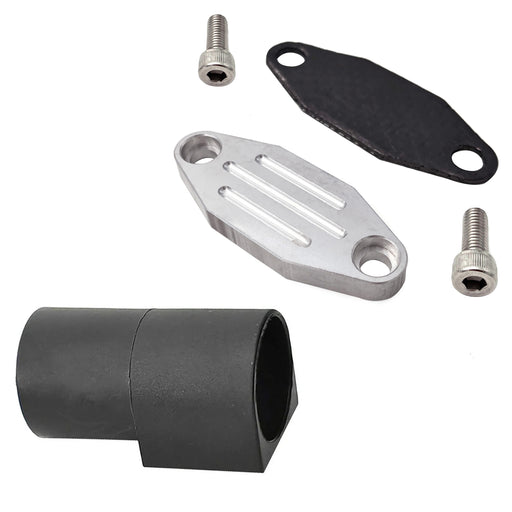
Seguler 1986-1995 Ford F150 F250 F350 Mustang Trucks EGR Simulator Eliminator / Block Off Plate Kit
SEGULEROriginal price $79.99 - Original price $79.99Original price$79.99$79.99 - $79.99Current price $79.99Block Off Plate Material: Aluminum alloy. Easy installation,and convenient to use. Made of CNC milled from aircraft grade Billet aluminum. Will N...
View full details -

Seguler 2011-2023 6.7L Ford Powerstroke Diesel EGR Delete Kit
SEGULEROriginal price $109.99 - Original price $109.99Original price$109.99$109.99 - $109.99Current price $109.99FITMENT 2011-2023 6.7L Ford Powerstroke F-250 F-350 F-450 F-550 Super Duty V8 Diesel. compatible with both standard Pickups and commercial Cab &...
View full details -
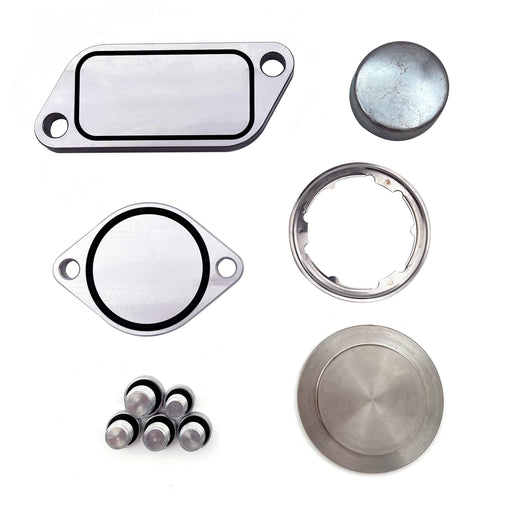
For 2010-Present Stage 2 ISX 15 CM2250 CM2350 EGR Delete Kit
SEGULEROriginal price $59.99 - Original price $59.99Original price$59.99$59.99 - $59.99Current price $59.99FITMENT 2010-Present Cummins Volvo, Peterbilt, Mack, International, Freightliner, Kenworth with the ISX15 CM2250 / CM2350 engines. DESCRIPTION P...
View full details -
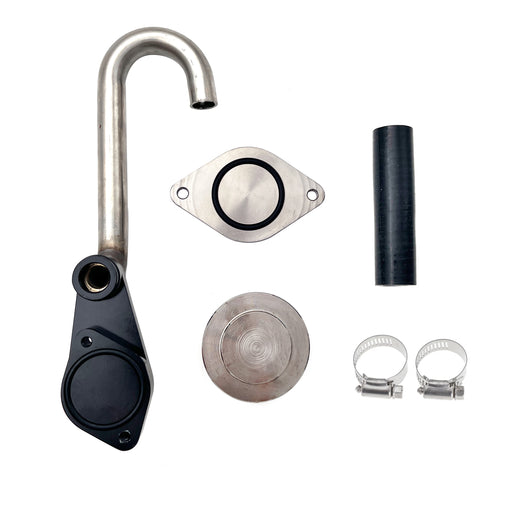
Seguler 2003-2007 6.0L FORD Powerstroke Diesel EGR Cooler Delete Kit
SEGULEROriginal price $56.14 - Original price $56.14Original price$56.14$56.14 - $56.14Current price $56.14FITMENT 2003-2007 6.0L Ford F-250 Ford F-350 F-450 F-550 Super Duty. 2003-2007 6.0L Ford Excursion SUV (Diesel Models Only). 2005-2010 Ford E-Se...
View full details -
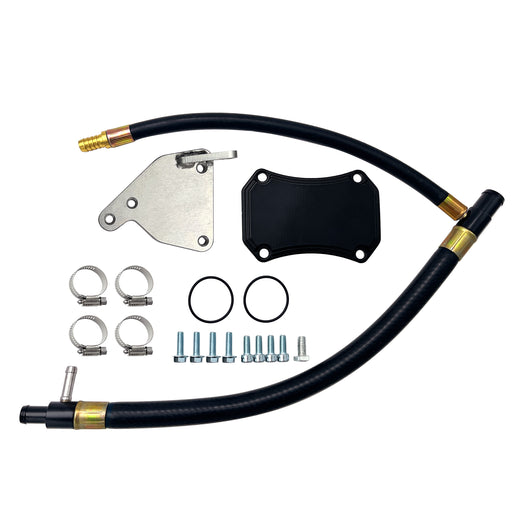
For 2011-2016 6.6L GMC Chevy Duramax Diesel LML EGR Valve Cooler Delete Kit
SEGULEROriginal price $66.49 - Original price $66.49Original price$66.49$66.49 - $66.49Current price $66.49FITMENT 2011-2016 6.6L Chevy GMC Duramax LML 2500 HD 3500 HD Diesel. DESCRIPTION Product Overview The 2011–2016 LML Duramax uses a complex EG...
View full details -
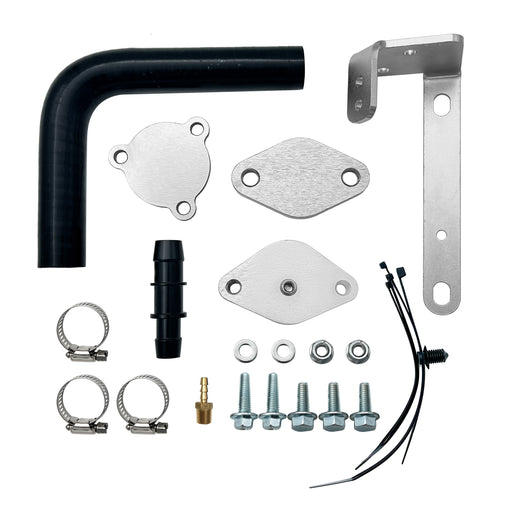
Seguler For 2014-2019 3.0L Dodge Ram 1500 EcoDiesel EGR Valve & Cooler Delete Kit
SEGULEROriginal price $72.99 - Original price $72.99Original price$72.99$72.99 - $72.99Current price $72.99FITMENT 2014-2019 3.0L Dodge Ram 1500 EcoDiesel V6 engine trucks. DESCRIPTION Product Overview Exhaust gas recirculation on 3.0L EcoDiesel V6 ...
View full details -

Seguler 2011-2023 6.7L Ford Powerstroke Diesel EGR Delete Kit
SEGULEROriginal price $85.99 - Original price $85.99Original price$85.99$85.99 - $85.99Current price $85.99FITMENT 2011-2023 6.7L Ford Powerstroke F-250 F-350 F-450 F-550 Super Duty V8 Diesel. compatible with both standard Pickups and commercial Cab &...
View full details -
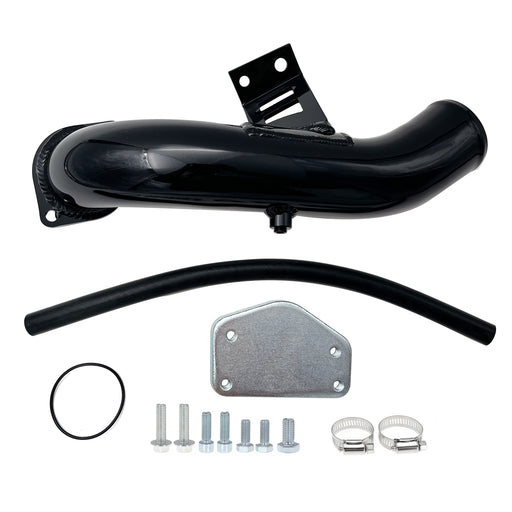
For 2004.5-2005 6.6L Chevy GMC Silverado LLY Duramax Diesel EGR Delete Kit
SEGULEROriginal price $92.99 - Original price $92.99Original price$92.99$92.99 - $92.99Current price $92.99FITMENT 2004.5-2005 6.6L Chevrolet Silverado Duramax LLY 2500HD / 3500 HD. 2004.5-2005 6.6L GMC Sierra Duramax LLY 2500HD / 3500 HD. DESCRIPTION...
View full details -

Seguler 2010-2024 6.7L Dodge Ram Cummins Diesel EGR Valve Cooler Delete Kit
SEGULEROriginal price $89.99 - Original price $89.99Original price$89.99$89.99 - $89.99Current price $89.99FITMENT 2010–2024 6.7L Dodge Ram Cummins 2500 / 3500 Pickup Turbo Diesel. Note: Does NOT fit Chassis Cab 3500 / 4500 / 5500 models. DESCRIPTIO...
View full details -

Seguler 2017-2019 L5P Duramax Diesel 4pcs L5P Can Bus Plugs Connector Replacement
SEGULEROriginal price $75.00 - Original price $75.00Original price$75.00$75.00 - $75.00Current price $75.00FITMENT 2017–2019 Chevrolet Silverado / GMC Sierra Duramax L5P 2500HD & 3500HD Diesel. DESCRIPTION Product Overview Unprotected harness con...
View full details -

Seguler 2020-2023 chevy duramax L5P Diesel Can Bus Plugs Connector
SEGULEROriginal price $80.00 - Original price $80.00Original price$80.00$80.00 - $80.00Current price $80.00FITMENT 2020–2023 Chevrolet Silverado / GMC Sierra Duramax L5P 2500HD & 3500HD Diesel. DESCRIPTION Product Overview Unprotected harness pl...
View full details -
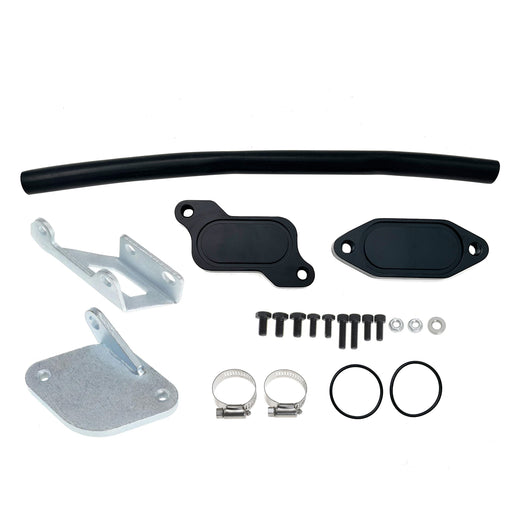
For 2006-2007 6.6L Chevrolet Silverado Classic GMC Duramax LBZ Diesel EGR Valve Cooler Delete Kit
SEGULEROriginal price $63.49 - Original price $63.49Original price$63.49$63.49 - $63.49Current price $63.49FITMENT 2006-2007.4 Chevrolet Silverado Duramax LBZ 2500HD / 3500HD. 2007.4 Chevrolet Silverado Duramax LBZ 2500HD / 3500HD Classic. 2006-2007.4 ...
View full details -
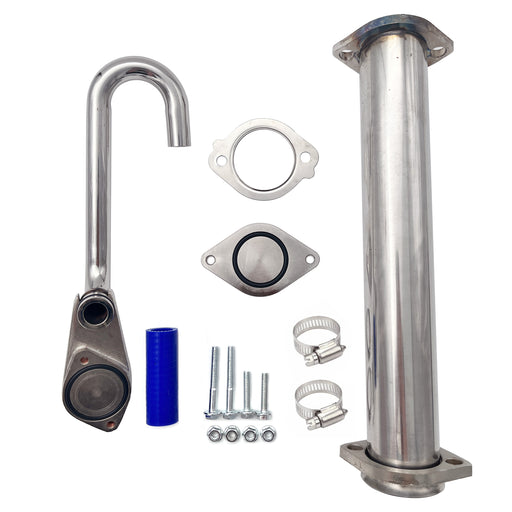
Seguler 2003-2007 6.0L Ford F250 F350 Powerstroke Diesel EGR Basic Cooler Kit
SEGULEROriginal price $79.99 - Original price $79.99Original price$79.99$79.99 - $79.99Current price $79.99FITMENT 2003-2007 6.0L Ford F250 F350 F450 F550 Super Duty Turbo (except 2004 F250 Super Duty). 2003-2005 6.0L Ford Excursion Turbo. 2005 Ford F...
View full details -

Seguler 2011-2023 6.7L Ford F250 F350 F450 F550 Powerstroke Diesel EGR Valve Delete Cooler Delete Kit
SEGULEROriginal price $55.99 - Original price $55.99Original price$55.99$55.99 - $55.99Current price $55.99FITMENT 2011-2023 6.7L Ford Powerstroke F-250 F-350 F-450 F-550 Super Duty V8 Diesel compatible with both standard Pickups and commercial Cab &a...
View full details -
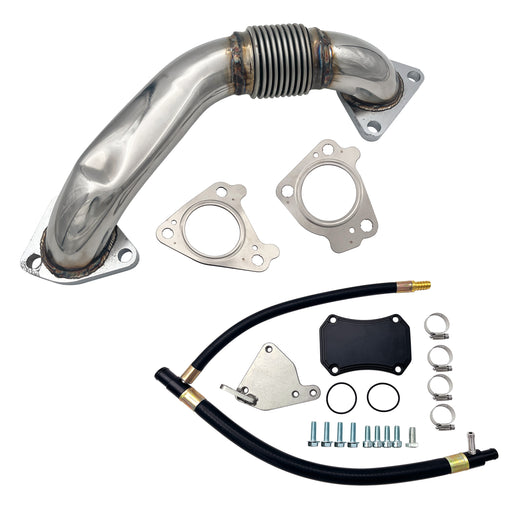
Seguler 2011-2016 6.6L GMC Chevy Duramax Diesel LML Up-Pipe & EGR Valve Cooler Delete Kit
SEGULEROriginal price $173.86 - Original price $173.86Original price$173.86$173.86 - $173.86Current price $173.86FITMENT 2011-2016 6.6L Chevy GMC Duramax LML 2500 HD 3500 HD Diesel. DESCRIPTION Product Overview Direct-injection technology endows GM 5.3L an...
View full details -
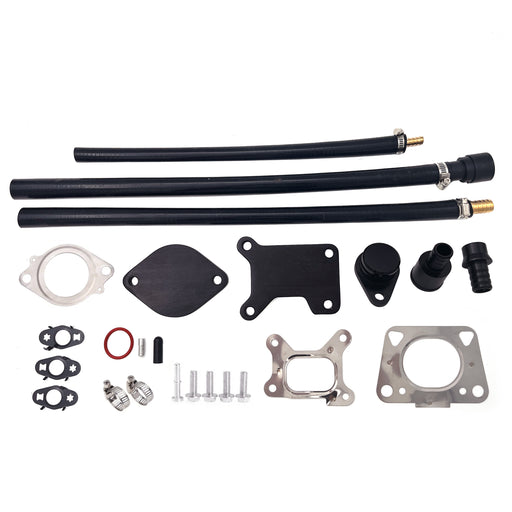
For 2017-2023 6.6L Chevy GMC Duramax L5P diesel EGR Valve Cooler Delete kit
SEGULEROriginal price $131.99 - Original price $131.99Original price$131.99$131.99 - $131.99Current price $131.99FITMENT 2017–2023 6.6L Chevrolet Silverado / GMC Sierra Duramax L5P 2500HD 3500HD Diesel. DESCRIPTION Product Overview Hot soot recirculation ...
View full details -

For 2013-2023 6.7L Dodge Ram Cummins Cab & Chassis EGR Delete Kit Diesel
SEGULEROriginal price $62.99 - Original price $62.99Original price$62.99$62.99 - $62.99Current price $62.99FITMENT 2013–2023 6.7L Ram Cummins 3500 4500 5500 Cab & Chassis / Commercial Trucks. Does NOT fit standard Ram 2500 3500 Pickups. DESCRIPTIO...
View full details -
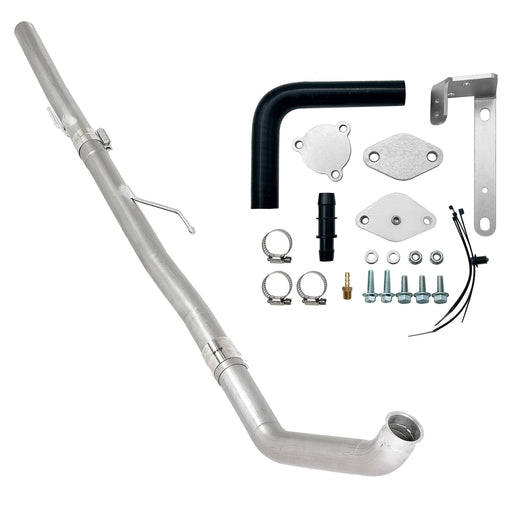
Seguler 3" Ecodiesel DPF Delete Pipe & EGR Delete kit for 2014-2018 3.0L Ram
SEGULEROriginal price $342.00 - Original price $342.00Original price$342.00$342.00 - $342.00Current price $342.00FITMENT 2014–2018 3.0L Dodge Ram 1500 EcoDiesel V6. NOTE: Fit standard Pickup models only (Crew Cab, Quad Cab). Does NOT fit Jeep Grand Cheroke...
View full details -
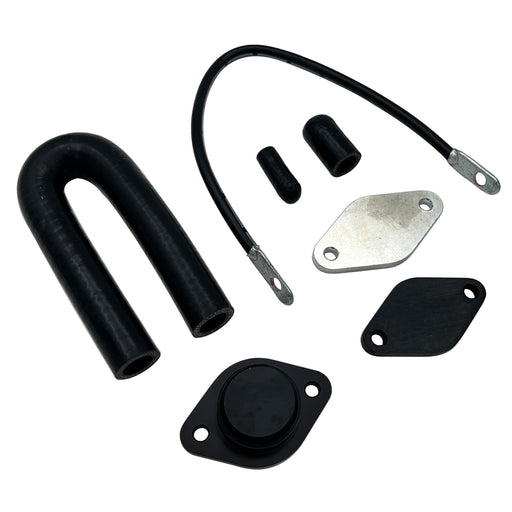
Seguler EGR valve cooler Delete kit for 2020-2022 3.0L Chevy Duramax LM2
SEGULEROriginal price $189.12 - Original price $189.12Original price$189.12$189.12 - $189.12Current price $189.12FITMENT 2020–2022 3.0L Chevrolet Silverado GMC Sierra 1500 LM2 Turbo-Diesel. DESCRIPTION Product Overview Powered by smooth inline-six engine...
View full details -
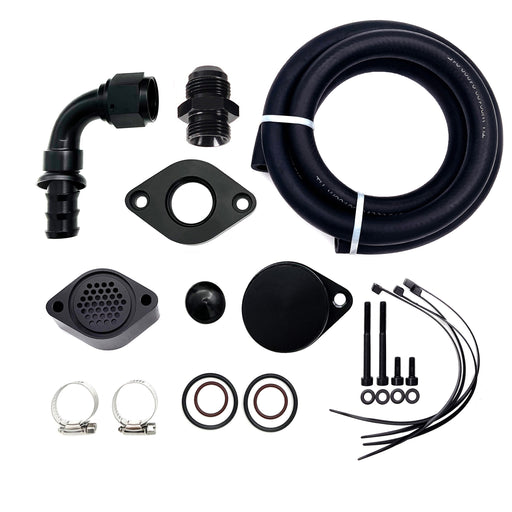
Seguler 2011-2023 6.7L Ford Powerstroke CCV PCV Reroute Engine Ventilation Kit
SEGULEROriginal price $82.99 - Original price $82.99Original price$82.99$82.99 - $82.99Current price $82.99FITMENT 2011-2023 6.7L Ford Powerstroke F-250 F-350 F-450 F-550 Super Duty V8 Diesel. Compatible with both standard Pickups and commercial Cab &...
View full details -
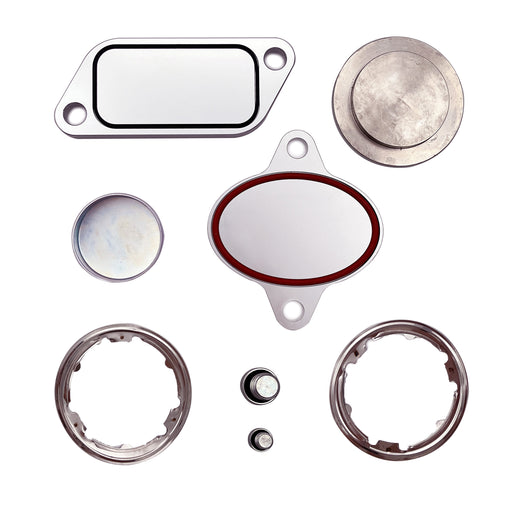
For 2007-2010 Cummins ISX CM871 EGR Plug Kit Stage 2 Plates and Plugs Aluminum
SEGULEROriginal price $67.99 - Original price $67.99Original price$67.99$67.99 - $67.99Current price $67.99FITMENT 2007-2010 Cummins Volvo, Peterbilt, Mack, International, Freightliner, Kenworth with the ISX CM871 Engines. DESCRIPTION Product Overvie...
View full details -
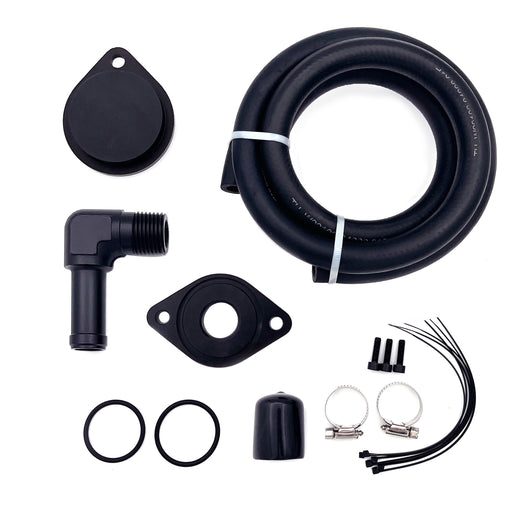
Seguler 2011-2023 Ford 6.7L Powerstroke CCV/PCV Reroute/Delete Engine Ventilation Kit
SEGULEROriginal price $72.00 - Original price $72.00Original price$72.00$72.00 - $72.00Current price $72.00FITMENT 2011-2023 6.7L Ford Powerstroke F-250 F-350 F-450 F-550 Super Duty V8 Diesel. Compatible with both standard Pickups and commercial Cab &...
View full details -
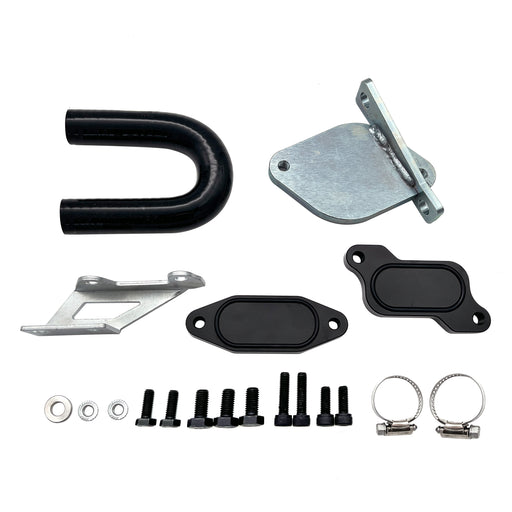
For 2007-2010 6.6L Chevy GMC LMM Duramax EGR Valve Cooler Delete Kit Fit
SEGULEROriginal price $61.99 - Original price $61.99Original price$61.99$61.99 - $61.99Current price $61.99FITMENT 2007.5-2010 6.6L Chevrolet Silverado Duramax LMM 2500HD / 3500HD. 2007.5-2010 6.6L GMC Sierra Duramax LMM 2500HD / 3500HD. Note: Standard...
View full details -
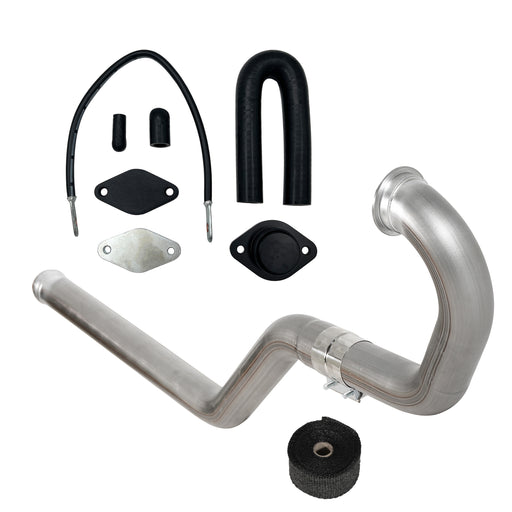
3" Turbo Back DPF & EGR Delete Kit for 2020-2022 GM 3.0L LM2 Duramax
SEGULEROriginal price $550.00 - Original price $550.00Original price$550.00$550.00 - $550.00Current price $550.00FITMENT 2020–2022 3.0L Chevrolet Silverado 1500 LM2 Diesel. 2020–2022 3.0L GMC Sierra 1500 LM2 Diesel. DESCRIPTION Product Overview On the 3.0...
View full details -
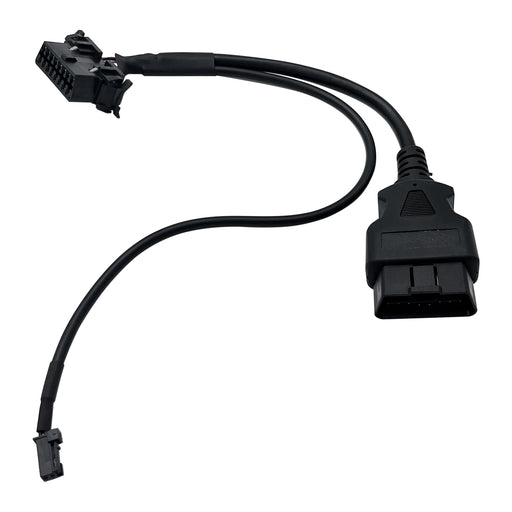
Seguler 2018+ RAM Cummins OBD2 HD Security Gate Bypass Cable
SEGULEROriginal price $45.00 - Original price $45.00Original price$45.00$45.00 - $45.00Current price $45.00FITMENT 2018+ 6.7L Ram Cummins 2500 3500 Turbo Diesel. Designed for Ram pickup trucks equipped with the factory Security Gateway Module. Note: Pl...
View full details


Leave a comment