

AFM/DFM Disabler Review: $86 Plug That Saves Your V8
If you own a 2007-or-newer Chevy Silverado, GMC Sierra, Tahoe, Suburban, Yukon, or Cadillac Escalade with a 5.3L or 6.2L V8, your engine has a system designed by accountants, not engineers. It’s called Active Fuel Management — AFM for the 2007-2018 trucks, Dynamic Fuel Management (DFM) for 2019 and newer — and its sole purpose is to squeeze an extra 1-2 MPG out of your V8 by shutting down cylinders during light-throttle cruising.
The problem? It does this with collapsing lifters that are mechanically weaker than standard lifters. And when those lifters fail — which they do, often without warning, even on well-maintained trucks — the repair bill starts at $3,000 and can hit $12,000 if the camshaft gets wiped.
What AFM/DFM Actually Does — and Why It Fails
What Is The AFM/DFM
GM introduced AFM in 2005 as a fuel-economy measure. Under light load — cruising at a steady speed, coasting downhill, idling at a stoplight — the engine computer (ECU) commands the cylinder deactivation system to shut off four of the eight cylinders. The engine runs as a V4, burning less fuel. When you step on the throttle, the deactivated cylinders fire back up instantly.
DFM, introduced in 2019, is a more sophisticated version. Instead of a fixed V4 mode, it can deactivate any combination of cylinders depending on load — 17 different firing patterns, cycling hundreds of times per drive. Smarter software. Same fragile hardware.

Here’s how the hardware works — and why it’s the weak point:
The AFM Lifter: A Mechanical Time Bomb
Inside every AFM/DFM-equipped GM V8, cylinders 1, 4, 6, and 7 use special collapsible lifters. A standard lifter is a solid hydraulic unit that transfers camshaft motion to the pushrod and rocker arm. An AFM lifter contains a spring-loaded locking pin mechanism inside a cartridge:
-
V8 mode: Oil pressure holds the locking pin engaged. The lifter is solid. The pushrod actuates the valve normally.
-
V4 mode: The LOMA (Lifter Oil Manifold Assembly) — a solenoid pack under the valley cover — sends oil pressure to the AFM lifters. The pressure unlocks the pin. The lifter body collapses around an internal spring. The pushrod no longer receives cam motion. The valve stays closed. The cylinder becomes an air spring.
-
Back to V8: Oil pressure bleeds off. The spring pushes the lifter back to full height. The pin re-locks. The valve resumes normal operation.
This cycle repeats hundreds of times per drive. Every transition puts wear on the locking pin, the spring, the internal bores, and the plastic lifter guide trays that keep the lifters aligned in their bores.
The Failure Chain, In Order of Probability:
-
Locking pin sticks. The lifter won’t re-lock into V8 mode. The pushrod flops loosely in the lifter cup, hammering the rocker arm. You hear a ticking sound — often dismissed as “normal GM valvetrain noise.”
-
Lifter collapses permanently. The internal spring fails or the cartridge seizes. The lifter stays collapsed regardless of oil pressure. That cylinder is dead. The engine misfires. The check engine light comes on.
-
Camshaft lobe gets wiped. A collapsed lifter’s roller no longer follows the cam lobe profile correctly. Instead of rolling, it skids. The hardened lobe surface gets scored. Metal particles enter the oil.
-
Lifter spins in its bore. The plastic lifter guide tray — the only thing preventing the lifter from rotating — cracks under the violent motion of a partially-collapsed lifter. The lifter turns sideways. The roller is now perpendicular to the cam lobe. On the next revolution, it catches the lobe, breaks the lifter bore, and can crack the engine block all the way down to the crankshaft webs.
At that point, you don’t need a lifter job. You need a long block.
How a GM AFM/DFM Disabler Works
A disabler is not a tune. It does not rewrite your ECU. It does not flash anything. It simply plugs into the OBD-II port under your dashboard and communicates over the CAN bus, intercepting the signal that would normally trigger cylinder deactivation.
The ECU still asks for V4 mode. The disabler says no. The engine stays in V8. Every time. All eight cylinders, all the time.

What It Does Not Do:
-
It does not increase horsepower. You get the same peak output. What changes is the delivery — no lag when the ECU switches modes, no hesitation when you roll into the throttle.
-
It does not fix already-damaged lifters. If your engine is ticking, misfiring, or consuming oil due to a mechanical failure, the disabler is too late. You need a mechanical repair.
-
It does not permanently alter anything. Unplug it, and AFM/DFM returns to normal operation immediately. No trace. No footprint. No warranty argument — though many owners unplug it before a dealer visit as a precaution.
The Tips: The device draws a small amount of power from the OBD-II port even when the truck is off. On most trucks, the drain is negligible — milliamps, not enough to kill a healthy battery over a weekend. If you park your truck for extended periods, unplug it or use a battery maintainer. That’s the entire downside.
What Owners Actually Report After Installing One
Here’s what real owners experience — not what the marketing says.
Oil Consumption: The Most Dramatic Change
A YouTuber with a 175,000-mile Chevy truck, was burning two quarts of oil between 7,500-mile oil changes. He added a quart halfway through, and another at the change. After installing the disabler — and running SeaFoam through the crankcase — he checked his oil at the halfway mark: dead on the full line. Zero consumption in 3,500 miles.
The Technicians Made A Speculation
The mechanism isn’t fully understood by the aftermarket, but technicians theorize that in V4 mode, the deactivated cylinders experience different crankcase pressure dynamics that pull oil past the rings into the combustion chamber. Keeping all cylinders firing equalizes pressure across all eight bores and reduces oil migration past the rings.
Multiple owners on forums report similar results: trucks that drank a quart every 3,000 miles stabilize to negligible consumption after disabling AFM.
Drivability: No More “Rubber Band” Throttle
The most immediate change — noticeable within the first five minutes — is throttle consistency. A truck owner tested a Range Technology unit on his 2021 GMC Sierra AT4 6.2L, documented the exact same route with and without the disabler.
The difference in the audio is stark:
- Without it, the exhaust note warbles and cycles between a smooth V8 rumble and a lumpy, uneven drone as cylinders cut in and out.
- With it, the exhaust is a steady, consistent V8 tone.
The drivability improvement is more than acoustic:
- No hesitation when rolling into the throttle from a light cruise
- No shudder at 45-55 MPH when the transmission and AFM compete for the right mode
- Smoother gear changes, particularly in 6-speed and 8-speed transmissions
- Predictable throttle response at low speeds in city traffic
Fuel Economy: ~1 MPG Loss, Sometimes None
This is the trade-off. Across all the video reviews and forum data:
| Driving Type | Typical MPG Change |
|---|---|
| City / stop-and-go | -1 to -1.5 MPG |
| Highway, steady speed | 0 to -0.5 MPG |
| Towing / hauling | Negligible (engine already in V8 under load) |
The reported no change over several weeks of mixed driving. It lost about 1 MPG overall (16.6 → 15.6). The consensus: if you bought a 6,000-pound truck with a V8 to save fuel, you had the wrong priorities to begin with. The MPG loss is real but small — and compared to a $3,000+ repair bill, it’s not the part of the math that matters.
Disabler vs. Mechanical Delete: The Decision Tree
There’s a persistent argument in GM truck forums about whether an electronic disabler is “enough” or whether you need a full mechanical AFM delete — camshaft, lifters, valley cover, pushrods, and an ECU tune. Here’s the honest breakdown:
| AFM/DFM Disabler | Mechanical Delete | |
|---|---|---|
| Cost | $86-220 | $2,000-4,000+ |
| Install time | 60 seconds | 15-25 hours (engine teardown) |
| Reversibility | Unplug and stock returns | Permanent |
| Prevents failure? | Dramatically reduces risk | Eliminates risk entirely |
| When to choose | Engine is healthy, no symptoms | Lifters already ticking or engine is apart for other work |
| Warranty impact | None (removable) | Voids powertrain warranty |
| Emissions | Passes OBD-II plug-in test (drive 50-100 miles first) | May fail visual inspection |
The decision is straightforward:
- If your engine runs quietly and you maintain it well: Get the disabler. Install it. Change your oil every 5,000 miles with quality synthetic 5W-30. Don’t overthink it.
- If you hear ticking, clattering, or have a misfire code: The disabler won’t help. You’re already in the failure chain. Book the mechanical delete or a lifter replacement.
- If the engine is coming out for a cam swap or rebuild anyway: Do the full delete while you’re in there. It would be stupid not to.
One shop owner put it bluntly: “If you keep up on the oil changes and disable the active fuel management with that little module that plugs in, they really don’t give you any more trouble after that.”
What to Look For When Buying a GM AFM/DFM Disabler
The market for these devices has a strange history.The market flooded with clones using identical PCBs and enclosures but inconsistent firmware. That’s why Amazon has units ranging from $42 to $220 that look nearly identical.
Here’s what separates a reliable unit from a gamble:
Compatibility: The #1 Filter
Not every disabler works on every GM truck. Key compatibility gates:
-
2007-2018 trucks (AFM): Almost universally supported. Any reputable disabler will work on 5.3L and 6.2L engines with 4-speed, 6-speed, or 8-speed transmissions.
-
2019-2021 trucks (DFM with 8-speed or 10-speed): This is the split. Some disablers work on 8-speed DFM trucks but NOT 10-speed. Others (including the current Range Technology revision) now support 6.2L with 10-speed. You must verify compatibility with your exact year, engine, and transmission.
-
2022+ refresh trucks and SUVs: GM changed the OBD-II gateway architecture, and the CAN bus commands that disable AFM/DFM are no longer accessible through the standard OBD-II port. If you have a 2022+ Silverado, Sierra, Tahoe, Suburban, or Yukon, verify compatibility before buying or expect it won’t work.
Price Tiers: What the Extra Money Buys
| Price | What You Get |
|---|---|
| $42-50 | Basic clone. May work fine initially but higher failure rate at 3-12 months. |
| $55-90 | Mid-range. Generally reliable with better firmware. |
| $200-220 | Premium. Established firmware, multi-year track record, LED color options. |
- The Amazon reviews for the $42-50 tier tell a consistent story: units work well for the first few months, then fail — sometimes quietly (AFM re-engages and the owner doesn’t notice), sometimes with a check engine light.
- One reviewer reported that a failed unit let AFM re-engage on a truck that already had weak lifters, and it finished them off. He needed a $500 ECU reprogram and new lifters.
TruckTok Premium V6/V8 Active Fuel Management (AFM/DFM) Cylinder Disabler Module for GM Vehicles
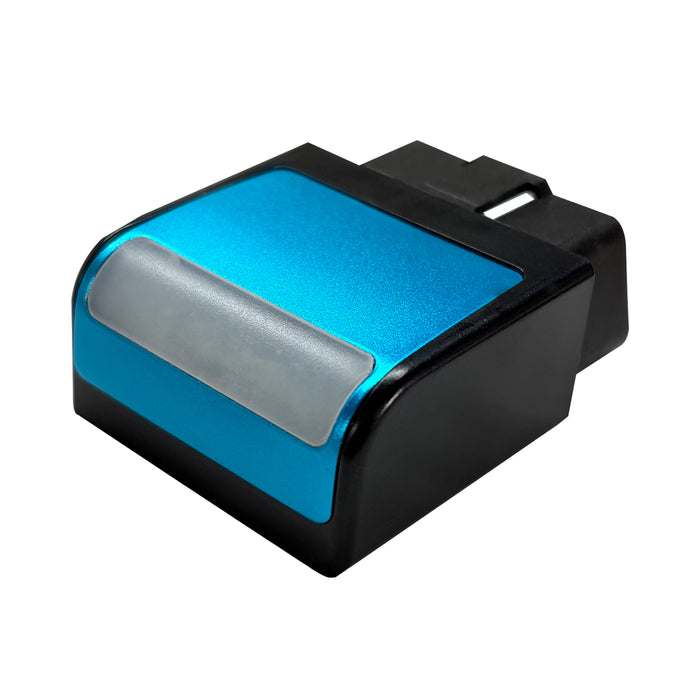
The mid-range sweet spot, right where it counts. No flashing. No tuning. No trace.
- Plug & Play: Plugs directly into the OBD-II diagnostic port under the dash. No tools, no laptop, no mechanical work. Installs in under 60 seconds.
- Warranty Friendly: Does not reprogram or “flash” the factory ECU. Unplug it and the truck returns to 100% stock operation — no footprint left behind.
- Drivability Fix: Eliminates the shudder and throttle lag that occurs when the engine hunts between V4 and V8 modes. Full-time V8 power delivery, consistent throttle response.
- Broad Compatibility: Covers GM CHEVY 5.3L, 6.2L V8, or V6 engines
Installation: 60 Seconds, No Tools
The OBD-II port is under the dashboard, driver’s side, usually near the hood release or above the parking brake pedal. It’s a trapezoidal 16-pin connector — the same port a dealership scan tool plugs into.
- Turn the truck off.
- Locate the OBD-II port.
- Plug in the disabler. It fits one way.
- Start the truck.
The LED on the device will flash a few times, then stay solid. That’s it. The AFM/DFM system will not engage. You won’t see a V4 indicator on the dash. If your truck has auto start-stop, it may be disabled as a side effect — the disabler keeps the engine in a state where start-stop conditions are never met.
How To Remove It
Turn the truck off, unplug it. AFM/DFM returns to normal operation immediately. If you’re taking the truck in for service or an emissions test, unplug it and drive normally for 50-100 miles to let the ECU run its full diagnostic readiness cycle.
Real-World Trade-offs and Common Concerns
Battery Drain: Real, but Overstated
Every disabler draws parasitic power from the OBD-II port. The question is whether it matters. The AFM/DFM disabler unit draws approximately 25-35 mA in sleep mode. A healthy Group 48 battery in a Silverado has roughly 70 amp-hours of capacity. At 30 mA, the disabler would take over 95 days to drain a fully charged battery to 50%.
In practice:
- Parked for a weekend? No issue.
- Parked for a week? No issue on a healthy battery.
- Parked for two weeks or more? Unplug it or use a maintainer.
- Cold weather (below freezing)? The battery is already stressed. Unplug it for extended parking.
Several reviewers tested this: Dawn’s Life left his plugged in for a 4-day airport parking stint in warm weather with no issue. A ROPODE reviewer reported a dead battery after a day and a half — but that battery was likely already marginal. Follow the manufacturer’s guidance, and this is a non-issue.
Emissions Testing: Know the Workaround
A plug-in disabler interferes with the ECU’s ability to run certain diagnostic monitors — specifically the EVAP system and catalyst monitors. If you go straight from unplugging the device to an emissions test, the monitors will show “Not Ready,” and you’ll fail.
The Fix Is sSimple:
Unplug the disabler, drive the truck normally for 50-100 miles (a mix of city and highway), and the monitors will complete. Then get the test. Plug the disabler back in afterward.
Warranty: The Magnuson-Moss Shield
Since a disabler does not modify the ECU, it does not leave a permanent trace. The Magnuson-Moss Warranty Act prevents manufacturers from voiding a warranty unless they can prove the aftermarket part caused the failure. That said, many owners unplug the device before a dealer visit as a practical precaution — it takes two seconds and removes any possible argument.
Doesn’t Fix Existing Damage
This is the most important point in this entire article, and it’s worth stating twice: if your engine is already ticking, misfiring, or consuming oil due to a failed lifter, the disabler will not fix it. It is prevention, not repair. Once the lifter’s locking pin is stuck or the roller is chewing into the cam lobe, the damage is mechanical and requires mechanical intervention.
The Bottom Line
GM’s Active Fuel Management system is not a conspiracy. It’s an engineering compromise — a fuel-economy feature bolted onto engines that were perfectly reliable before it existed. Pre-2007 GM V8s routinely crossed 300,000 miles. Post-AFM engines? Some do. Some don’t. The difference is often a $3 locking pin in a lifter that cycles hundreds of times per drive.
A GM AFM/DFM disabler doesn’t make your truck faster, louder, or more powerful. It does one thing: it stops the cylinder deactivation system from engaging. That one thing removes the primary stressor on the weakest mechanical component in your engine — the AFM lifter — and gives you a V8 that drives like a V8, 100% of the time.
Beyond the Disabler: Building Out Your Truck
An AFM disabler is the first step — the single highest-impact, lowest-effort move you can make to protect your engine. But once you’ve locked your V8 into full-time operation, you may find yourself wanting more: a deeper exhaust note, better flow, or even emission system upgrades for dedicated off-road builds.
That’s where SEGULER comes in. They specialize in the hardware side of the equation — EGR delete kits, performance exhaust systems, headers, mufflers, and diesel aftermarket components for GM, Ram, and Cummins platforms.FAQ About AFM/DFM Disabler
Q1: Does an AFM disabler add horsepower?
No. It restores consistent power delivery by keeping all eight cylinders running at all times, which makes the truck feel stronger — especially during part-throttle transitions where AFM normally creates hesitation. Peak dyno numbers don’t change. Usable power under the curve does.
Q2: Will a disabler stop my truck from consuming oil?
Based on multiple documented cases: yes, often dramatically. Owners who were burning a quart every 3,000 miles have reported near-zero consumption after disabling AFM. The theory is that V4 mode creates crankcase pressure differentials that pull oil past the rings. Full-time V8 operation normalizes pressure across all cylinders.
Q3: Can I use a remote starter with the disabler plugged in?
Yes. Modern disablers are compatible with factory remote start. The device initializes when the ECU powers up, whether that’s from the ignition switch or the remote start module.
Q4: What’s the difference between AFM and DFM, and does the same disabler work for both?
AFM (Active Fuel Management, 2007-2018) shuts down four fixed cylinders in a V4 pattern. DFM (Dynamic Fuel Management, 2019+) can deactivate any combination of cylinders in 17 different patterns. Most disablers marketed as “AFM/DFM Disablers” work for both, but verify compatibility — especially for 2019+ trucks with 10-speed transmissions.
Q5: Does plugging in a disabler void my warranty?
No — it does not modify the ECU and is removable. The Magnuson-Moss Warranty Act protects your right to use aftermarket parts. If you’re concerned about a specific dealer, unplug it before service.
Q6: Can I use a disabler on a 2022 or newer Silverado?
Most plug-in disablers do NOT work on 2022+ refresh models. GM changed the electrical architecture and the relevant CAN bus commands are no longer accessible through the standard OBD-II port. Check with the manufacturer for your specific year and model.
Q7: What happens if I unplug it and plug it back in frequently?
Nothing harmful. The disabler is designed to be plugged and unplugged. If you unplug it, drive for a while, and plug it back in, the device reinitializes and resumes blocking AFM/DFM. The only caution: repeated plugging/unplugging without driving in between can leave emissions monitors in a “Not Ready” state. If you need an emissions test, unplug it, drive 50-100 miles, then test.
Q8: Is a disabler enough, or should I do the full mechanical delete?
If your engine is running quietly and you maintain it with 5,000-mile synthetic oil changes: the disabler is enough. If you hear ticking, have a misfire, or are already pulling the engine apart for other work: do the full mechanical delete. The disabler reduces risk dramatically but doesn’t eliminate it.
Q9: Does the disabler affect the transmission or other systems?
No. The device only communicates on the CAN bus to block cylinder deactivation commands. It does not alter transmission shift logic, torque converter lockup, fuel mapping, or any other system. Your truck drives like a normal V8 — because that’s exactly what it is.
Featured collection
-
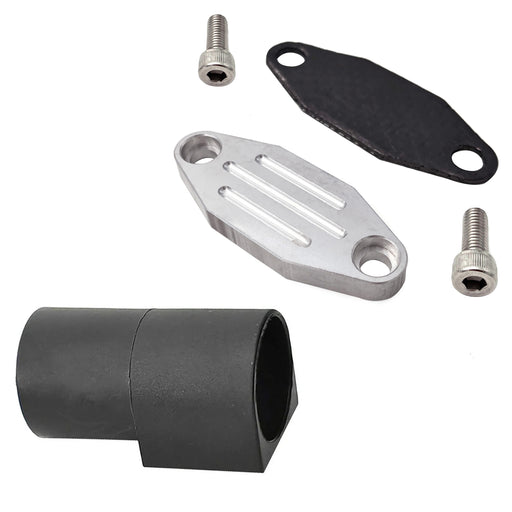
Seguler 1986-1995 Ford F150 F250 F350 Mustang Trucks EGR Simulator Eliminator / Block Off Plate Kit
SEGULEROriginal price $79.99 - Original price $79.99Original price$79.99$79.99 - $79.99Current price $79.99Block Off Plate Material: Aluminum alloy. Easy installation,and convenient to use. Made of CNC milled from aircraft grade Billet aluminum. Will N...
View full details -

Seguler 2011-2023 6.7L Ford Powerstroke Diesel EGR Delete Kit
SEGULEROriginal price $109.99 - Original price $109.99Original price$109.99$109.99 - $109.99Current price $109.99FITMENT 2011-2023 6.7L Ford Powerstroke F-250 F-350 F-450 F-550 Super Duty V8 Diesel. compatible with both standard Pickups and commercial Cab &...
View full details -
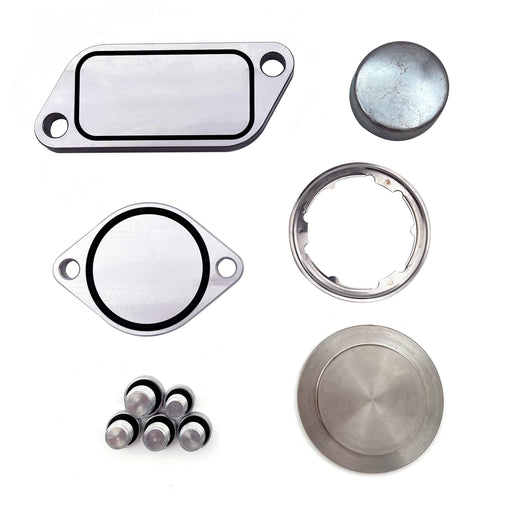
For 2010-Present Stage 2 ISX 15 CM2250 CM2350 EGR Delete Kit
SEGULEROriginal price $59.99 - Original price $59.99Original price$59.99$59.99 - $59.99Current price $59.99FITMENT 2010-Present Cummins Volvo, Peterbilt, Mack, International, Freightliner, Kenworth with the ISX15 CM2250 / CM2350 engines. DESCRIPTION P...
View full details -
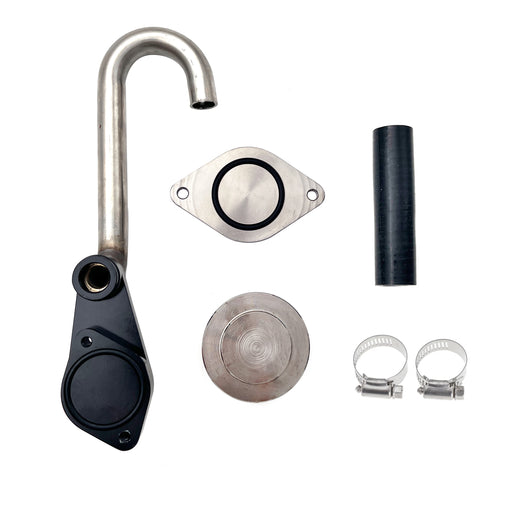
Seguler 2003-2007 6.0L FORD Powerstroke Diesel EGR Cooler Delete Kit
SEGULEROriginal price $56.14 - Original price $56.14Original price$56.14$56.14 - $56.14Current price $56.14FITMENT 2003-2007 6.0L Ford F-250 Ford F-350 F-450 F-550 Super Duty. 2003-2007 6.0L Ford Excursion SUV (Diesel Models Only). 2005-2010 Ford E-Se...
View full details -
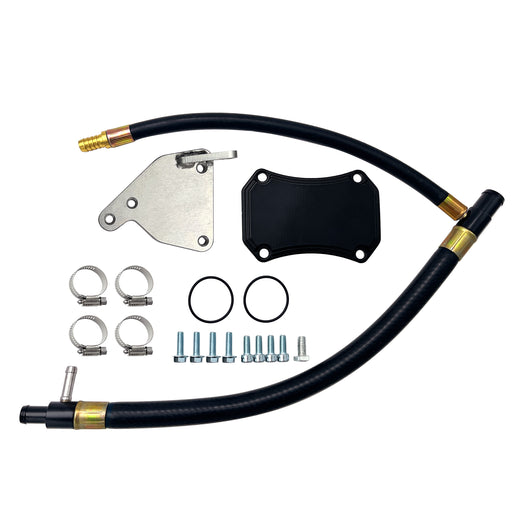
For 2011-2016 6.6L GMC Chevy Duramax Diesel LML EGR Valve Cooler Delete Kit
SEGULEROriginal price $66.49 - Original price $66.49Original price$66.49$66.49 - $66.49Current price $66.49FITMENT 2011-2016 6.6L Chevy GMC Duramax LML 2500 HD 3500 HD Diesel. DESCRIPTION Product Overview The 2011–2016 LML Duramax uses a complex EG...
View full details -
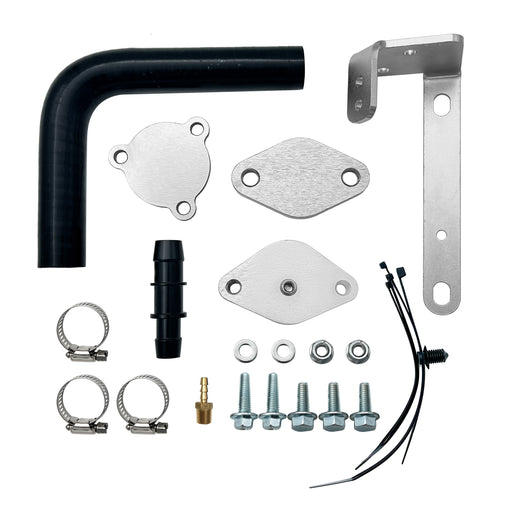
Seguler For 2014-2019 3.0L Dodge Ram 1500 EcoDiesel EGR Valve & Cooler Delete Kit
SEGULEROriginal price $72.99 - Original price $72.99Original price$72.99$72.99 - $72.99Current price $72.99FITMENT 2014-2019 3.0L Dodge Ram 1500 EcoDiesel V6 engine trucks. DESCRIPTION Product Overview Exhaust gas recirculation on 3.0L EcoDiesel V6 ...
View full details -

Seguler 2011-2023 6.7L Ford Powerstroke Diesel EGR Delete Kit
SEGULEROriginal price $85.99 - Original price $85.99Original price$85.99$85.99 - $85.99Current price $85.99FITMENT 2011-2023 6.7L Ford Powerstroke F-250 F-350 F-450 F-550 Super Duty V8 Diesel. compatible with both standard Pickups and commercial Cab &...
View full details -

Seguler 2010-2024 6.7L Dodge Ram Cummins Diesel EGR Valve Cooler Delete Kit
SEGULEROriginal price $89.99 - Original price $89.99Original price$89.99$89.99 - $89.99Current price $89.99FITMENT 2010–2024 6.7L Dodge Ram Cummins 2500 / 3500 Pickup Turbo Diesel. Note: Does NOT fit Chassis Cab 3500 / 4500 / 5500 models. DESCRIPTIO...
View full details -
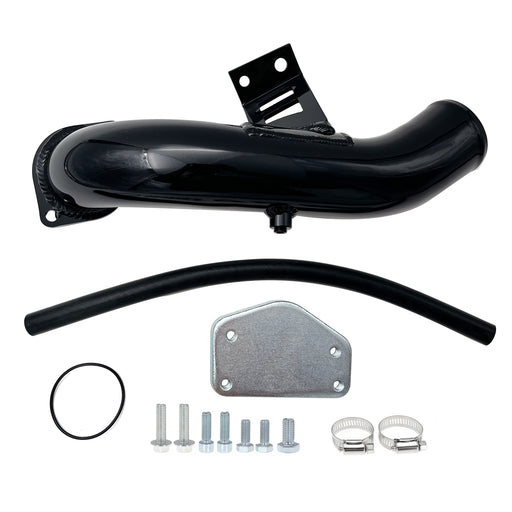
For 2004.5-2005 6.6L Chevy GMC Silverado LLY Duramax Diesel EGR Delete Kit
SEGULEROriginal price $92.99 - Original price $92.99Original price$92.99$92.99 - $92.99Current price $92.99FITMENT 2004.5-2005 6.6L Chevrolet Silverado Duramax LLY 2500HD / 3500 HD. 2004.5-2005 6.6L GMC Sierra Duramax LLY 2500HD / 3500 HD. DESCRIPTION...
View full details -

Seguler 2017-2019 L5P Duramax Diesel 4pcs L5P Can Bus Plugs Connector Replacement
SEGULEROriginal price $75.00 - Original price $75.00Original price$75.00$75.00 - $75.00Current price $75.00FITMENT 2017–2019 Chevrolet Silverado / GMC Sierra Duramax L5P 2500HD & 3500HD Diesel. DESCRIPTION Product Overview Unprotected harness con...
View full details -

Seguler 2020-2023 chevy duramax L5P Diesel Can Bus Plugs Connector
SEGULEROriginal price $80.00 - Original price $80.00Original price$80.00$80.00 - $80.00Current price $80.00FITMENT 2020–2023 Chevrolet Silverado / GMC Sierra Duramax L5P 2500HD & 3500HD Diesel. DESCRIPTION Product Overview Unprotected harness pl...
View full details -
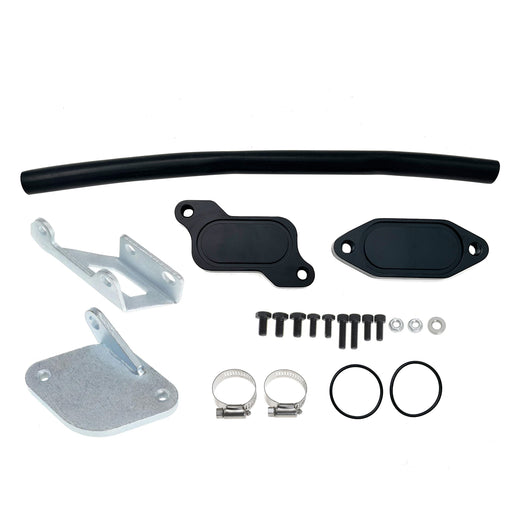
For 2006-2007 6.6L Chevrolet Silverado Classic GMC Duramax LBZ Diesel EGR Valve Cooler Delete Kit
SEGULEROriginal price $63.49 - Original price $63.49Original price$63.49$63.49 - $63.49Current price $63.49FITMENT 2006-2007.4 Chevrolet Silverado Duramax LBZ 2500HD / 3500HD. 2007.4 Chevrolet Silverado Duramax LBZ 2500HD / 3500HD Classic. 2006-2007.4 ...
View full details -

Seguler 2011-2023 6.7L Ford F250 F350 F450 F550 Powerstroke Diesel EGR Valve Delete Cooler Delete Kit
SEGULEROriginal price $55.99 - Original price $55.99Original price$55.99$55.99 - $55.99Current price $55.99FITMENT 2011-2023 6.7L Ford Powerstroke F-250 F-350 F-450 F-550 Super Duty V8 Diesel compatible with both standard Pickups and commercial Cab &a...
View full details -
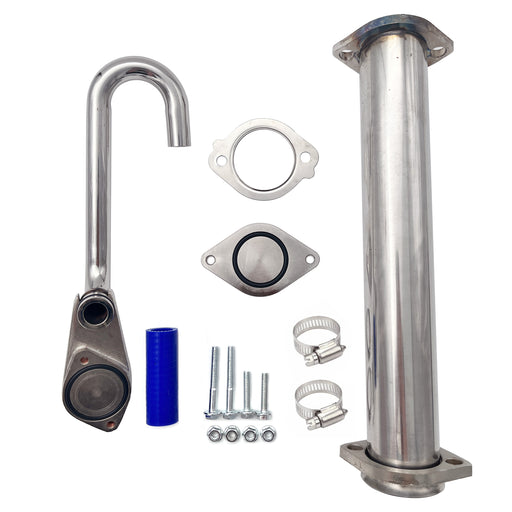
Seguler 2003-2007 6.0L Ford F250 F350 Powerstroke Diesel EGR Basic Cooler Kit
SEGULEROriginal price $79.99 - Original price $79.99Original price$79.99$79.99 - $79.99Current price $79.99FITMENT 2003-2007 6.0L Ford F250 F350 F450 F550 Super Duty Turbo (except 2004 F250 Super Duty). 2003-2005 6.0L Ford Excursion Turbo. 2005 Ford F...
View full details -
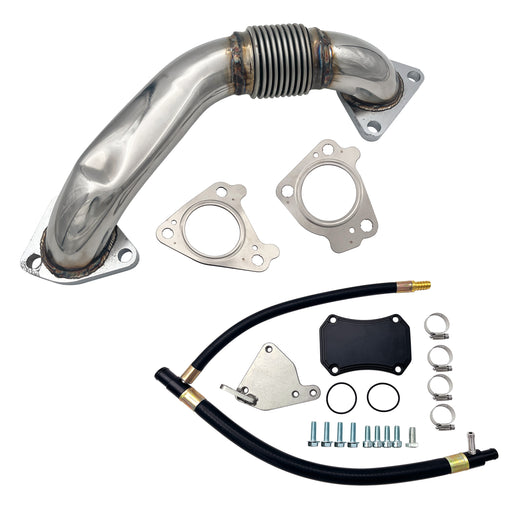
Seguler 2011-2016 6.6L GMC Chevy Duramax Diesel LML Up-Pipe & EGR Valve Cooler Delete Kit
SEGULEROriginal price $173.86 - Original price $173.86Original price$173.86$173.86 - $173.86Current price $173.86FITMENT 2011-2016 6.6L Chevy GMC Duramax LML 2500 HD 3500 HD Diesel. DESCRIPTION Product Overview Direct-injection technology endows GM 5.3L an...
View full details -
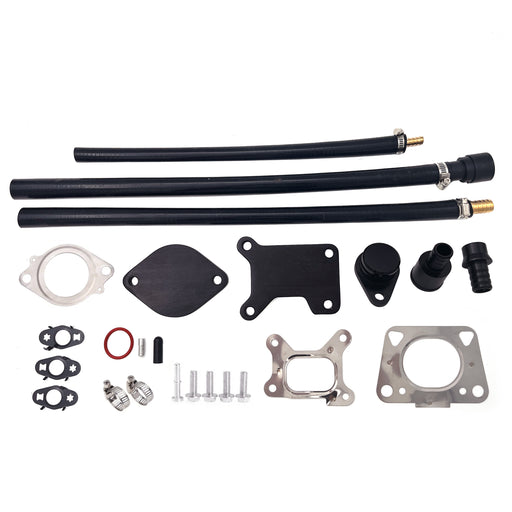
For 2017-2023 6.6L Chevy GMC Duramax L5P diesel EGR Valve Cooler Delete kit
SEGULEROriginal price $131.99 - Original price $131.99Original price$131.99$131.99 - $131.99Current price $131.99FITMENT 2017–2023 6.6L Chevrolet Silverado / GMC Sierra Duramax L5P 2500HD 3500HD Diesel. DESCRIPTION Product Overview Hot soot recirculation ...
View full details -
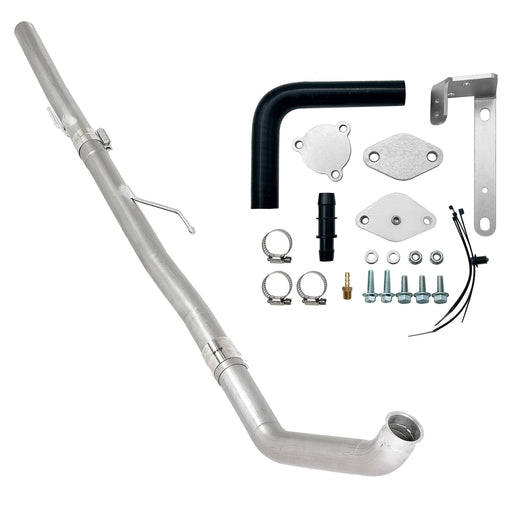
Seguler 3" Ecodiesel DPF Delete Pipe & EGR Delete kit for 2014-2018 3.0L Ram
SEGULEROriginal price $342.00 - Original price $342.00Original price$342.00$342.00 - $342.00Current price $342.00FITMENT 2014–2018 3.0L Dodge Ram 1500 EcoDiesel V6. NOTE: Fit standard Pickup models only (Crew Cab, Quad Cab). Does NOT fit Jeep Grand Cheroke...
View full details -
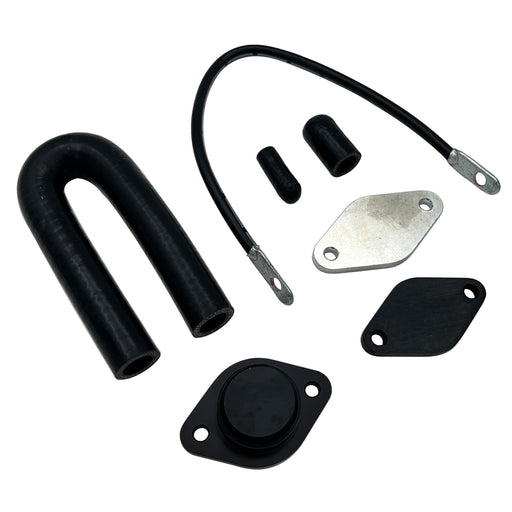
Seguler EGR valve cooler Delete kit for 2020-2022 3.0L Chevy Duramax LM2
SEGULEROriginal price $189.12 - Original price $189.12Original price$189.12$189.12 - $189.12Current price $189.12FITMENT 2020–2022 3.0L Chevrolet Silverado GMC Sierra 1500 LM2 Turbo-Diesel. DESCRIPTION Product Overview Powered by smooth inline-six engine...
View full details -

For 2013-2023 6.7L Dodge Ram Cummins Cab & Chassis EGR Delete Kit Diesel
SEGULEROriginal price $62.99 - Original price $62.99Original price$62.99$62.99 - $62.99Current price $62.99FITMENT 2013–2023 6.7L Ram Cummins 3500 4500 5500 Cab & Chassis / Commercial Trucks. Does NOT fit standard Ram 2500 3500 Pickups. DESCRIPTIO...
View full details -
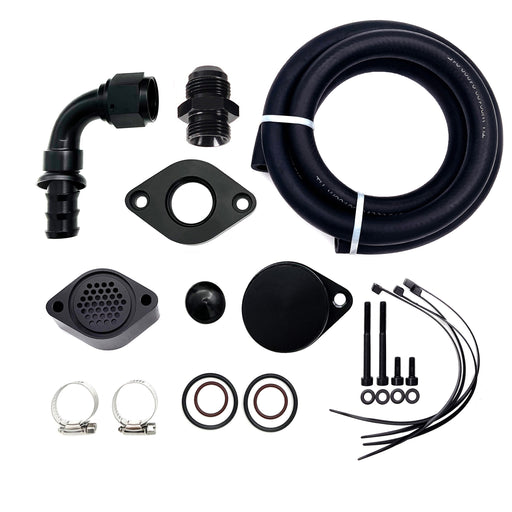
Seguler 2011-2023 6.7L Ford Powerstroke CCV PCV Reroute Engine Ventilation Kit
SEGULEROriginal price $82.99 - Original price $82.99Original price$82.99$82.99 - $82.99Current price $82.99FITMENT 2011-2023 6.7L Ford Powerstroke F-250 F-350 F-450 F-550 Super Duty V8 Diesel. Compatible with both standard Pickups and commercial Cab &...
View full details -
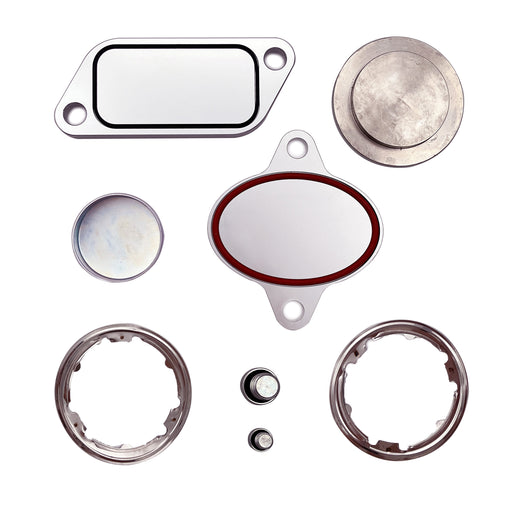
For 2007-2010 Cummins ISX CM871 EGR Plug Kit Stage 2 Plates and Plugs Aluminum
SEGULEROriginal price $67.99 - Original price $67.99Original price$67.99$67.99 - $67.99Current price $67.99FITMENT 2007-2010 Cummins Volvo, Peterbilt, Mack, International, Freightliner, Kenworth with the ISX CM871 Engines. DESCRIPTION Product Overvie...
View full details -
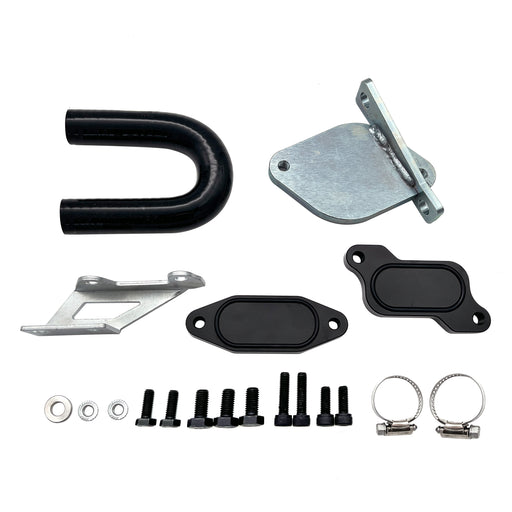
For 2007-2010 6.6L Chevy GMC LMM Duramax EGR Valve Cooler Delete Kit Fit
SEGULEROriginal price $61.99 - Original price $61.99Original price$61.99$61.99 - $61.99Current price $61.99FITMENT 2007.5-2010 6.6L Chevrolet Silverado Duramax LMM 2500HD / 3500HD. 2007.5-2010 6.6L GMC Sierra Duramax LMM 2500HD / 3500HD. Note: Standard...
View full details -
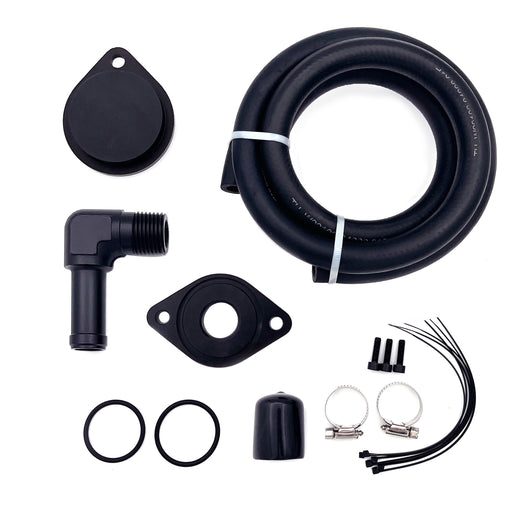
Seguler 2011-2023 Ford 6.7L Powerstroke CCV/PCV Reroute/Delete Engine Ventilation Kit
SEGULEROriginal price $72.00 - Original price $72.00Original price$72.00$72.00 - $72.00Current price $72.00FITMENT 2011-2023 6.7L Ford Powerstroke F-250 F-350 F-450 F-550 Super Duty V8 Diesel. Compatible with both standard Pickups and commercial Cab &...
View full details -
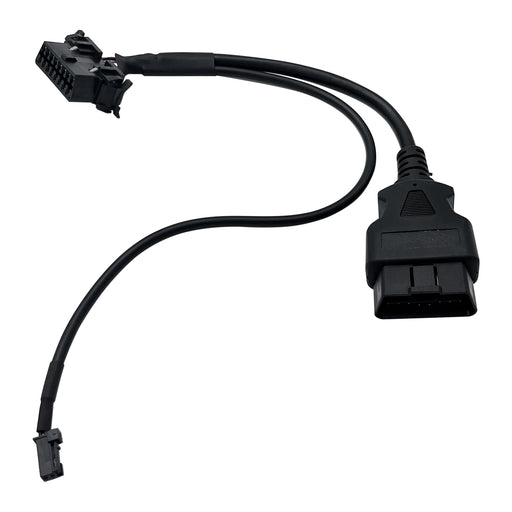
Seguler 2018+ RAM Cummins OBD2 HD Security Gate Bypass Cable
SEGULEROriginal price $45.00 - Original price $45.00Original price$45.00$45.00 - $45.00Current price $45.00FITMENT 2018+ 6.7L Ram Cummins 2500 3500 Turbo Diesel. Designed for Ram pickup trucks equipped with the factory Security Gateway Module. Note: Pl...
View full details -
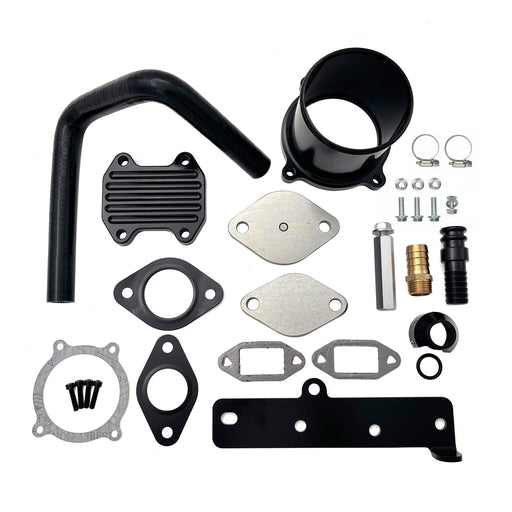
Seguler For 2013-2018 6.7L Dodge RAM 2500 3500 Cummins Diesel EGR Delete Cooler Throttle Valve Delete Kit
SEGULEROriginal price $112.00 - Original price $112.00Original price$112.00$112.00 - $112.00Current price $112.00FITMENT 2013–2018 6.7L Dodge Ram Cummins 2500 & 3500 Pickup Turbo Diesel. Note: Does NOT fit Cab & Chassis (3500 / 4500 / 5500 C&C) m...
View full details


Leave a comment