

6.0L Powerstroke EGR Delete: Fix It Before It Hydrolocks
The 6.0L Powerstroke EGR cooler has one job — cool exhaust gas before routing it back into the engine. And for about 80,000 to 120,000 miles, it does that job. Then it cracks, dumps coolant into the intake, and turns your engine into a hydraulic press.
The good news: the 6.0L Powerstroke EGR cooler is a known failure point with a known fix. An EGR delete kit removes the cooler entirely — no cooler, no rupture, no hydrolock. This article covers why the 6.0 EGR cooler fails, how to spot it before it kills your engine, and which delete kit makes sense for your truck.
Why the 6.0L Powerstroke EGR Cooler Is a Known Engine Killer
What Is The EGR Cooler?
The EGR system was grafted onto the engine to meet 2003 EPA emissions standards. The design routes exhaust gas through a stainless steel tube-and-shell heat exchanger before feeding it into the intake manifold. Engine coolant flows through the shell side to lower exhaust temperatures from over 1,200°F to something the intake can swallow.
Why did it malfunction?
The problem is thermal stress. Every time you accelerate, the exhaust gas side of the cooler sees a 600°F–800°F temperature spike. Every time you coast or idle, it cools back down. Over 100,000 miles of thermal cycling, the internal welds between the tubes and the tube sheet fatigue and crack. When they do, pressurized coolant crosses into the exhaust side and gets sucked into the intake ports.
The cause of thermal stress
The root cause is almost always the oil cooler. The 6.0’s oil cooler sits upstream of the EGR cooler in the coolant circuit. When the oil cooler clogs, coolant flow to the EGR cooler drops to a trickle. Without adequate coolant flow, the EGR cooler overheats, the coolant inside boils, and the resulting steam pockets accelerate weld fatigue.
Warning Signs Your 6.0 EGR Cooler Is About to Blow
The 6.0 EGR cooler rarely fails without warning — but the warnings are subtle if you don’t know what to look for:
Disappearing Coolant
You top off the degas bottle, drive 500 miles, and the coolant level is down again — but there’s no puddle under the truck and no white residue on hoses or fittings. The coolant is leaving through the EGR cooler and going out the tailpipe as steam. The volume is small enough that you won’t see a smoke plume.
White Residue Around the Degas Bottle Cap
When coolant enters the combustion chamber, combustion gases enter the cooling system in return. This over-pressurizes the degas bottle and forces coolant past the cap. The dried white coolant residue around the bottle neck is a telltale that your cooling system is being pressurized by something other than thermal expansion.
Unexplained White Smoke on Cold Start
A small amount of coolant pools in the intake overnight from a slow cooler leak. When you start the engine cold, it burns off as white vapor from the tailpipe. The smoke clears after 10–15 seconds and doesn’t return until the next cold start. If you see this pattern consistently, the EGR cooler is leaking.
P0401 or P0402 DTC Codes
The EGR valve tracks actual vs. commanded EGR flow. When the cooler is partially clogged with soot or coolant sludge, flow drops and the PCM throws P0401 (insufficient EGR flow). A P0402 (excessive EGR flow) can indicate the EGR valve is stuck open from carbon buildup — also a sign the cooler is loading up with deposits.
What Happens When You Ignore It
A fully ruptured 6.0 EGR cooler doesn’t leak — it floods. Coolant enters the intake manifold at full system pressure. The cylinder that happens to be on its intake stroke ingests coolant instead of air. Coolant has a volume and cannot be compressed, so the piston stops before reaching top dead center. The crankshaft, however, does not stop — it drives the connecting rod upward into an incompressible column of liquid.
The Result:
a bent connecting rod. If the rod bends enough, the piston contacts the cylinder wall and scores it, requiring a full engine rebuild. If the head gasket lifts before the rod bends, coolant enters the oil through the piston rings, the oil becomes a milkshake, and the main and rod bearings starve within minutes.
The repair path:
- Best case ($6,000–$8,000): One bent rod, replace the rod and piston on that cylinder, new head gaskets, machine the heads flat, install ARP studs.
- Worst case ($12,000+): Multiple bent rods, scored cylinders, a cracked piston, and bearing damage from oil contamination. The engine needs a full rebuild or a long block.
Delete vs. Replace: The Math Is Brutal
| Option | Cost | Outcome |
| Replace EGR cooler (OEM) | $800–$1,200 (parts + labor) |
New cooler, same failure mode, same clock starts ticking at 0 miles |
|
Replace EGR cooler (OEM) + oil cooler |
$2,000–$2,500 |
Buys time — the oil cooler is the root cause, but the EGR cooler can still fail |
| Delete EGR cooler | $60–$180(parts) + tune |
Failure mode removed. No cooler = no rupture = no hydrolock |
| Do nothing | $0 (today) | $6,000–$12,000 when it blows |
The replacement buys time. The delete eliminates the risk. For a 15-year-old truck that has already exceeded its factory emissions warranty and its design service life for emissions components, deletion is the financially rational choice.
2003-2007 6.0L FORD Powerstroke Diesel EGR Cooler Delete Kit
The 6.0L Powerstroke EGR Cooler Delete Kit replaces the factory EGR cooler with a solid delete assembly that routes coolant around — not through — the EGR circuit.

- 304 stainless steel and aluminum billet — built for exhaust-side heat and coolant-side pressure with no stamped steel to corrode or fatigue
- Eliminates ash accumulation and EGR valve blockage — no exhaust gas enters the intake, so the intake manifold, intake valves, and EGR valve stay clean for the life of the engine
- Coolant bypass improves overall cooling — coolant no longer passes through a heat exchanger bolted to 1,200°F exhaust gas, so coolant temperatures drop and the oil cooler sees less thermal load
- Reduces engine pressure and head gasket stress — high-temperature exhaust gas is no longer fed back into the engine, lowering peak cylinder pressure and combustion temperatures
- Better fuel economy — cleaner intake air and cooler combustion mean more miles per gallon and less internal stress
- Eliminates expensive EGR system maintenance — no more EGR valve cleaning, no more cooler replacement, no more chasing P0401 codes
2003-2007 6.0L Ford Powerstroke Exhaust Up-Pipe Y-Pipe & EGR Cooler Kit
While you’re removing the EGR cooler, the factory exhaust up-pipes and Y-pipe are staring you in the face — and on a 6.0L with over 100,000 miles, they’re probably leaking. A leaking up-pipe pressurizes the engine bay with exhaust gas, bleeds boost pressure, and drives EGTs up.
The Up-Pipe & EGR Cooler Kit bundles the delete and the up-pipe replacement into one install — one teardown, one reassembly, two problems solved.

- Stainless steel, aluminum alloy, and silicone construction — corrosion-resistant materials spec’d for exhaust heat cycling
- Deletes the factory EGR port entirely — the Y-pipe side blocks off the EGR feed from the exhaust manifold, so no exhaust gas ever reaches the cooler location
- 16-gauge pipe wall thickness (TIG-welded CNC flanges) — thicker than factory bellows sections, with CNC-machined flanges that seal flat against the exhaust manifolds and turbo inlet
- Long-term corrosion resistance and heat dissipation — the polished stainless finish resists rust and sheds heat faster than the factory carbon steel up-pipes
- Built-in high-temperature silicone hose for extended service life — no rubber sections to dry-rot or blow out under boost
What Else to Do While the EGR Cooler Is Out
The EGR delete on a 6.0L requires pulling the intake manifold — which exposes several other known-failure components. If you’re already this deep into the engine, the incremental labor to address them is minimal:
Oil cooler.
The factory oil cooler uses stacked plates that clog with silicate dropout from degraded Ford Gold coolant. A clogged oil cooler starves the EGR cooler of coolant flow. If you delete the EGR cooler without replacing the oil cooler, the oil cooler will still restrict oil flow, spike oil temperatures, and eventually fail on its own.
STC (Snap-to-Connect) fitting.
The high-pressure oil pump discharge fitting on 2005–2007 trucks uses a snap-ring retention design that fails with thermal cycling. When it fails, the truck won’t build high-pressure oil — and won’t start. The updated one-piece fitting eliminates the failure mode.
Standpipes and dummy plugs.
The high-pressure oil rail standpipes and dummy plugs use O-rings that harden with heat and leak high-pressure oil. The updated parts (12mm hex instead of 10mm) use improved O-ring material. Leaking standpipes cause hard hot starts and contribute to injector stiction.
Turbo feed and drain tubes.
The turbo oil feed line is a braided stainless line that can kink or clog. The drain tube O-ring hardens and leaks oil onto the up-pipes. Both are cheap and exposed during an EGR delete.
Conclusion:
The 6.0L Powerstroke is not a bad engine — it’s an engine with a handful of known, predictable failure points that become catastrophic when ignored. The EGR cooler is the most dangerous of them because it fails silently, gives subtle warnings that are easy to dismiss, and then destroys the rotating assembly in seconds when it finally lets go.
The fix is neither complicated nor expensive relative to the alternative. An EGR delete kit removes the failure point entirely. A bundled kit that replaces the up-pipes at the same time addresses two common 6.0 failures in one teardown. Seguler’s 6.0L EGR delete kits are in stock now on Seguler.com. Delete the cooler, keep the engine. Ignore it, and the math will catch up.
Frequently Asked Questions
Q1: Will an EGR delete cause the check engine light to stay on?
A1: Yes — removing the EGR triggers P0401/P0402/P0405 codes. A custom tune disables the EGR DTCs, EGR valve cycling, and throttle plate function so the truck runs as if the system never existed.
Q2: Can I just unplug the EGR valve instead of deleting the cooler?
A2: Unplugging the valve stops exhaust flow into the intake but the cooler itself is still full of coolant, bolted to the exhaust manifold, and can still rupture. Unplugging is a band-aid. Deleting is the fix.
Q3: Does the 6.0L have a DPF I also need to delete?
A3: No. The 2003–2007 6.0L only has an EGR and catalytic converter — no DPF (introduced on the 6.4L in 2008), no SCR/DEF, no exhaust pressure sensors to bypass. The delete is mechanically simpler than on later trucks.
Q4: What’s the difference between Seguler’s two kits?
A4: The EGR Cooler Delete removes the cooler and reroutes coolant — the right pick if your up-pipes are healthy. The Up-Pipe Y-Pipe & EGR Kit adds TIG-welded 16-gauge stainless up-pipes with CNC flanges — the smarter move if your factory bellows are over 100,000 miles old.
Q5: How long does an EGR delete take?
A5: 6–8 hours DIY (first time), 4–5 hours at a 6.0 shop. Add 2–3 hours for the up-pipe kit. The job requires pulling the intake, turbo, FICM, and degas bottle. Soak all exhaust fasteners in penetrating oil 24 hours before starting.
Featured collection
-
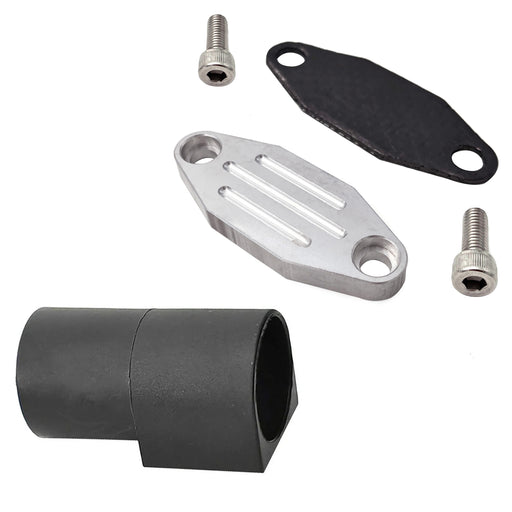
Seguler 1986-1995 Ford F150 F250 F350 Mustang Trucks EGR Simulator Eliminator / Block Off Plate Kit
SEGULEROriginal price $79.99 - Original price $79.99Original price$79.99$79.99 - $79.99Current price $79.99Block Off Plate Material: Aluminum alloy. Easy installation,and convenient to use. Made of CNC milled from aircraft grade Billet aluminum. Will N...
View full details -

Seguler 2011-2023 6.7L Ford Powerstroke Diesel EGR Delete Kit
SEGULEROriginal price $109.99 - Original price $109.99Original price$109.99$109.99 - $109.99Current price $109.99FITMENT 2011-2023 6.7L Ford Powerstroke F-250 F-350 F-450 F-550 Super Duty V8 Diesel. compatible with both standard Pickups and commercial Cab &...
View full details -
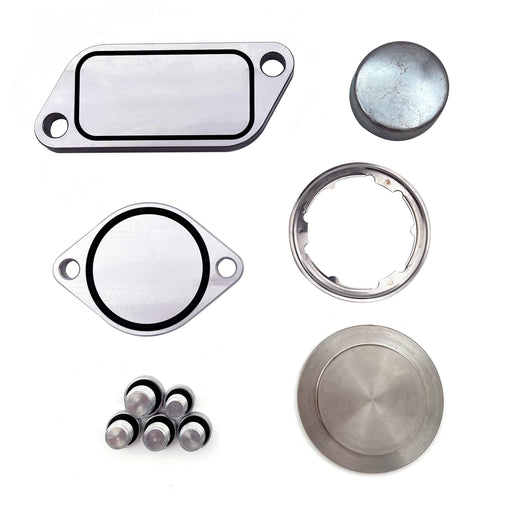
For 2010-Present Stage 2 ISX 15 CM2250 CM2350 EGR Delete Kit
SEGULEROriginal price $59.99 - Original price $59.99Original price$59.99$59.99 - $59.99Current price $59.99FITMENT 2010-Present Cummins Volvo, Peterbilt, Mack, International, Freightliner, Kenworth with the ISX15 CM2250 / CM2350 engines. DESCRIPTION P...
View full details -
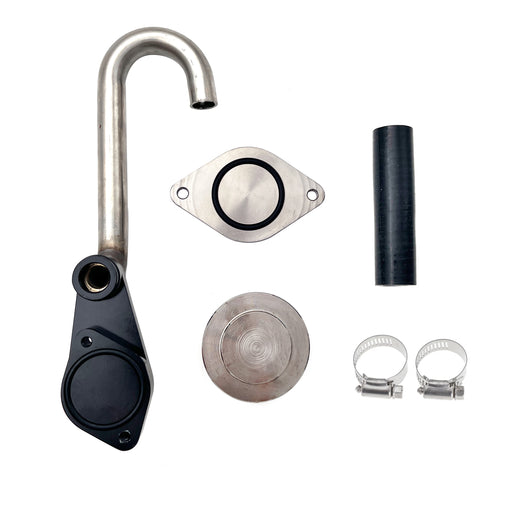
Seguler 2003-2007 6.0L FORD Powerstroke Diesel EGR Cooler Delete Kit
SEGULEROriginal price $56.14 - Original price $56.14Original price$56.14$56.14 - $56.14Current price $56.14FITMENT 2003-2007 6.0L Ford F-250 Ford F-350 F-450 F-550 Super Duty. 2003-2007 6.0L Ford Excursion SUV (Diesel Models Only). 2005-2010 Ford E-Se...
View full details -
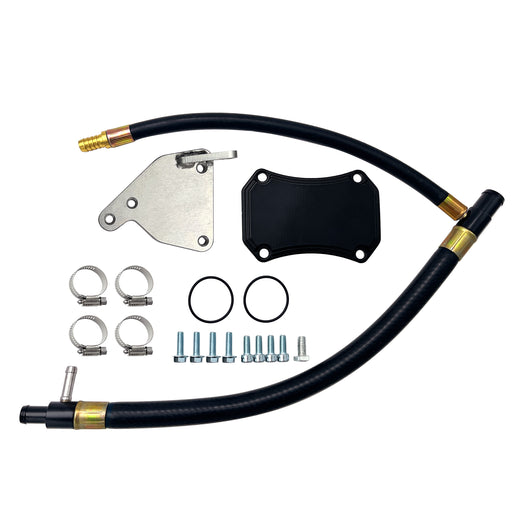
For 2011-2016 6.6L GMC Chevy Duramax Diesel LML EGR Valve Cooler Delete Kit
SEGULEROriginal price $66.49 - Original price $66.49Original price$66.49$66.49 - $66.49Current price $66.49FITMENT 2011-2016 6.6L Chevy GMC Duramax LML 2500 HD 3500 HD Diesel. DESCRIPTION Product Overview The 2011–2016 LML Duramax uses a complex EG...
View full details -
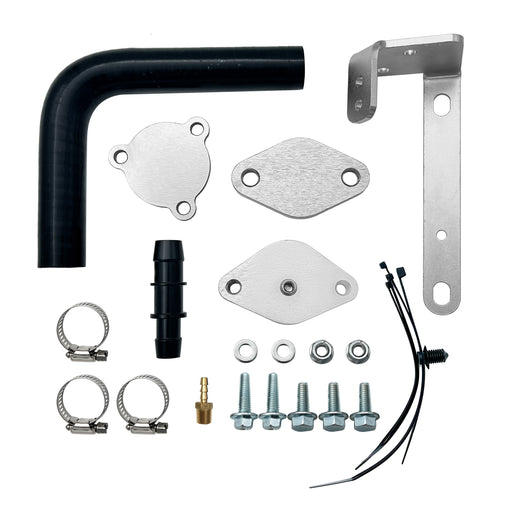
Seguler For 2014-2019 3.0L Dodge Ram 1500 EcoDiesel EGR Valve & Cooler Delete Kit
SEGULEROriginal price $72.99 - Original price $72.99Original price$72.99$72.99 - $72.99Current price $72.99FITMENT 2014-2019 3.0L Dodge Ram 1500 EcoDiesel V6 engine trucks. DESCRIPTION Product Overview Exhaust gas recirculation on 3.0L EcoDiesel V6 ...
View full details -

Seguler 2011-2023 6.7L Ford Powerstroke Diesel EGR Delete Kit
SEGULEROriginal price $85.99 - Original price $85.99Original price$85.99$85.99 - $85.99Current price $85.99FITMENT 2011-2023 6.7L Ford Powerstroke F-250 F-350 F-450 F-550 Super Duty V8 Diesel. compatible with both standard Pickups and commercial Cab &...
View full details -

Seguler 2010-2024 6.7L Dodge Ram Cummins Diesel EGR Valve Cooler Delete Kit
SEGULEROriginal price $89.99 - Original price $89.99Original price$89.99$89.99 - $89.99Current price $89.99FITMENT 2010–2024 6.7L Dodge Ram Cummins 2500 / 3500 Pickup Turbo Diesel. Note: Does NOT fit Chassis Cab 3500 / 4500 / 5500 models. DESCRIPTIO...
View full details -
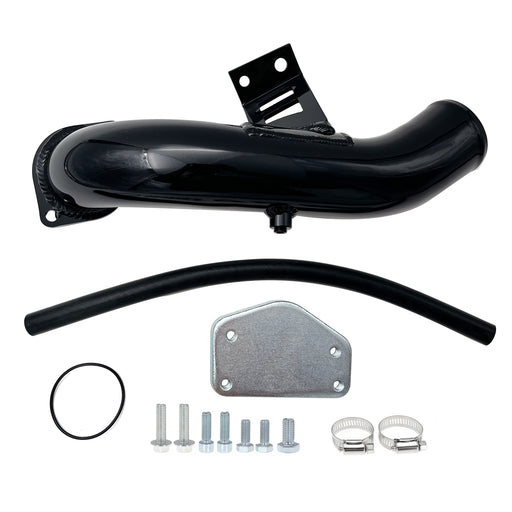
For 2004.5-2005 6.6L Chevy GMC Silverado LLY Duramax Diesel EGR Delete Kit
SEGULEROriginal price $92.99 - Original price $92.99Original price$92.99$92.99 - $92.99Current price $92.99FITMENT 2004.5-2005 6.6L Chevrolet Silverado Duramax LLY 2500HD / 3500 HD. 2004.5-2005 6.6L GMC Sierra Duramax LLY 2500HD / 3500 HD. DESCRIPTION...
View full details -

Seguler 2017-2019 L5P Duramax Diesel 4pcs L5P Can Bus Plugs Connector Replacement
SEGULEROriginal price $75.00 - Original price $75.00Original price$75.00$75.00 - $75.00Current price $75.00FITMENT 2017–2019 Chevrolet Silverado / GMC Sierra Duramax L5P 2500HD & 3500HD Diesel. DESCRIPTION Product Overview Unprotected harness con...
View full details -

Seguler 2020-2023 chevy duramax L5P Diesel Can Bus Plugs Connector
SEGULEROriginal price $80.00 - Original price $80.00Original price$80.00$80.00 - $80.00Current price $80.00FITMENT 2020–2023 Chevrolet Silverado / GMC Sierra Duramax L5P 2500HD & 3500HD Diesel. DESCRIPTION Product Overview Unprotected harness pl...
View full details -
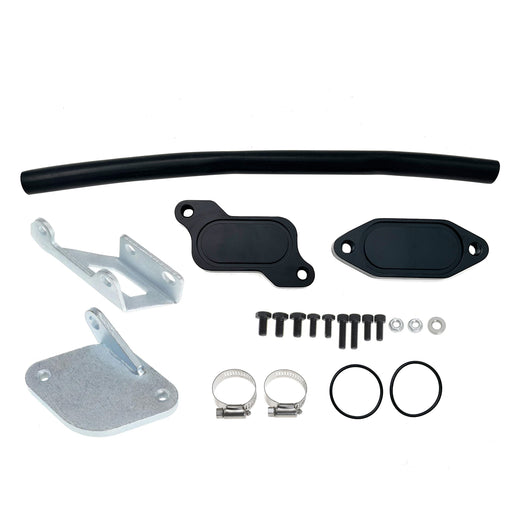
For 2006-2007 6.6L Chevrolet Silverado Classic GMC Duramax LBZ Diesel EGR Valve Cooler Delete Kit
SEGULEROriginal price $63.49 - Original price $63.49Original price$63.49$63.49 - $63.49Current price $63.49FITMENT 2006-2007.4 Chevrolet Silverado Duramax LBZ 2500HD / 3500HD. 2007.4 Chevrolet Silverado Duramax LBZ 2500HD / 3500HD Classic. 2006-2007.4 ...
View full details -

Seguler 2011-2023 6.7L Ford F250 F350 F450 F550 Powerstroke Diesel EGR Valve Delete Cooler Delete Kit
SEGULEROriginal price $55.99 - Original price $55.99Original price$55.99$55.99 - $55.99Current price $55.99FITMENT 2011-2023 6.7L Ford Powerstroke F-250 F-350 F-450 F-550 Super Duty V8 Diesel compatible with both standard Pickups and commercial Cab &a...
View full details -
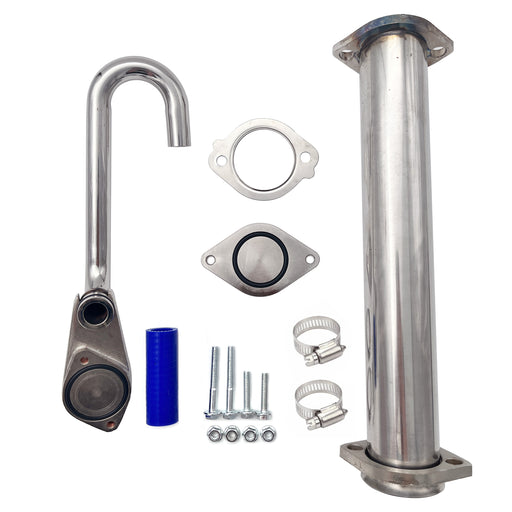
Seguler 2003-2007 6.0L Ford F250 F350 Powerstroke Diesel EGR Basic Cooler Kit
SEGULEROriginal price $79.99 - Original price $79.99Original price$79.99$79.99 - $79.99Current price $79.99FITMENT 2003-2007 6.0L Ford F250 F350 F450 F550 Super Duty Turbo (except 2004 F250 Super Duty). 2003-2005 6.0L Ford Excursion Turbo. 2005 Ford F...
View full details -
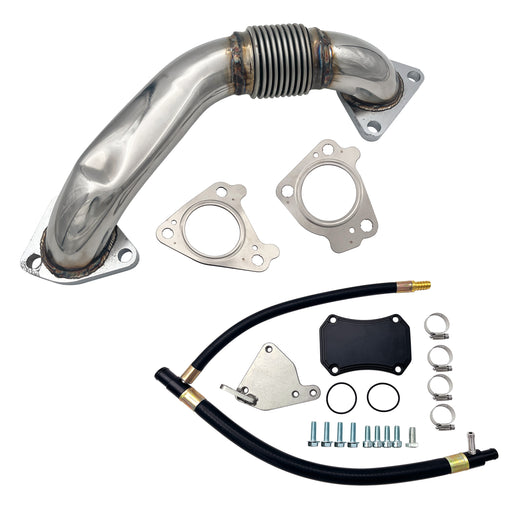
Seguler 2011-2016 6.6L GMC Chevy Duramax Diesel LML Up-Pipe & EGR Valve Cooler Delete Kit
SEGULEROriginal price $173.86 - Original price $173.86Original price$173.86$173.86 - $173.86Current price $173.86FITMENT 2011-2016 6.6L Chevy GMC Duramax LML 2500 HD 3500 HD Diesel. DESCRIPTION Product Overview Direct-injection technology endows GM 5.3L an...
View full details -
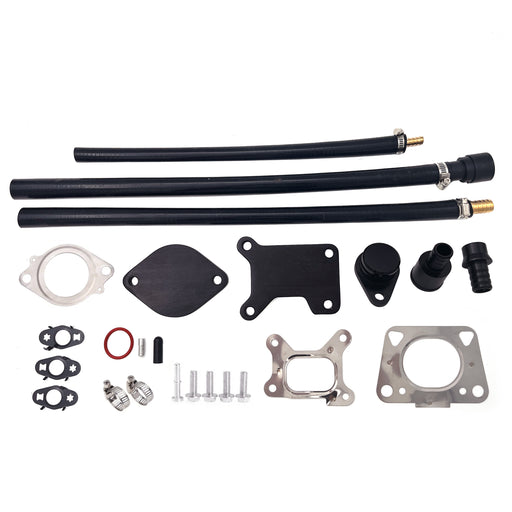
For 2017-2023 6.6L Chevy GMC Duramax L5P diesel EGR Valve Cooler Delete kit
SEGULEROriginal price $131.99 - Original price $131.99Original price$131.99$131.99 - $131.99Current price $131.99FITMENT 2017–2023 6.6L Chevrolet Silverado / GMC Sierra Duramax L5P 2500HD 3500HD Diesel. DESCRIPTION Product Overview Hot soot recirculation ...
View full details -
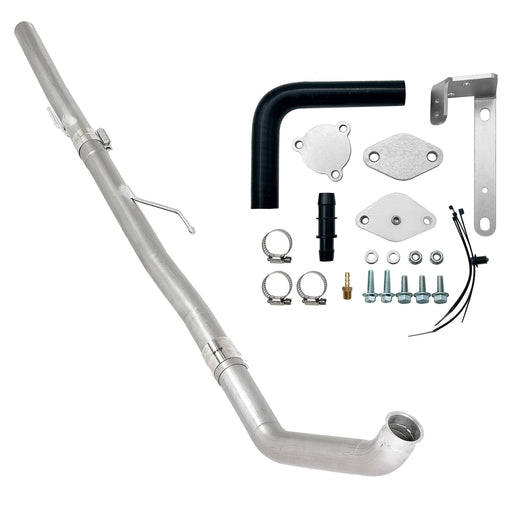
Seguler 3" Ecodiesel DPF Delete Pipe & EGR Delete kit for 2014-2018 3.0L Ram
SEGULEROriginal price $342.00 - Original price $342.00Original price$342.00$342.00 - $342.00Current price $342.00FITMENT 2014–2018 3.0L Dodge Ram 1500 EcoDiesel V6. NOTE: Fit standard Pickup models only (Crew Cab, Quad Cab). Does NOT fit Jeep Grand Cheroke...
View full details -
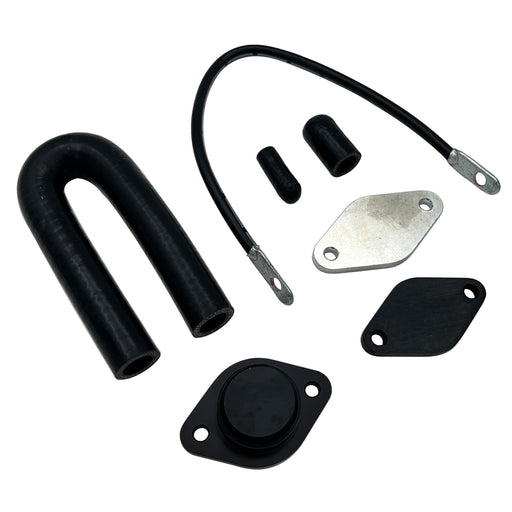
Seguler EGR valve cooler Delete kit for 2020-2022 3.0L Chevy Duramax LM2
SEGULEROriginal price $189.12 - Original price $189.12Original price$189.12$189.12 - $189.12Current price $189.12FITMENT 2020–2022 3.0L Chevrolet Silverado GMC Sierra 1500 LM2 Turbo-Diesel. DESCRIPTION Product Overview Powered by smooth inline-six engine...
View full details -

For 2013-2023 6.7L Dodge Ram Cummins Cab & Chassis EGR Delete Kit Diesel
SEGULEROriginal price $62.99 - Original price $62.99Original price$62.99$62.99 - $62.99Current price $62.99FITMENT 2013–2023 6.7L Ram Cummins 3500 4500 5500 Cab & Chassis / Commercial Trucks. Does NOT fit standard Ram 2500 3500 Pickups. DESCRIPTIO...
View full details -
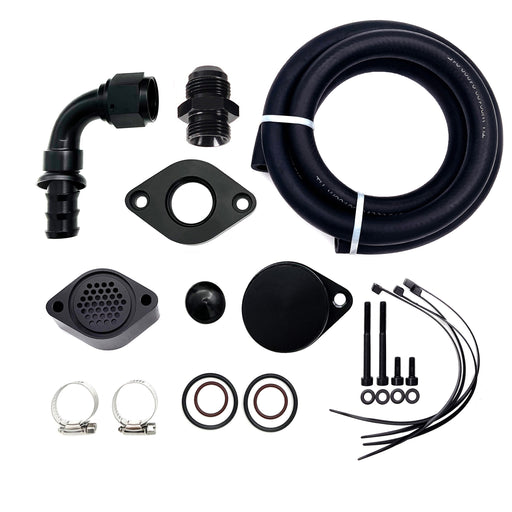
Seguler 2011-2023 6.7L Ford Powerstroke CCV PCV Reroute Engine Ventilation Kit
SEGULEROriginal price $82.99 - Original price $82.99Original price$82.99$82.99 - $82.99Current price $82.99FITMENT 2011-2023 6.7L Ford Powerstroke F-250 F-350 F-450 F-550 Super Duty V8 Diesel. Compatible with both standard Pickups and commercial Cab &...
View full details -
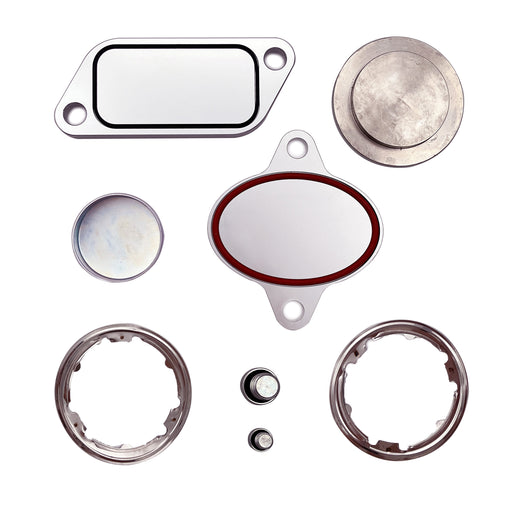
For 2007-2010 Cummins ISX CM871 EGR Plug Kit Stage 2 Plates and Plugs Aluminum
SEGULEROriginal price $67.99 - Original price $67.99Original price$67.99$67.99 - $67.99Current price $67.99FITMENT 2007-2010 Cummins Volvo, Peterbilt, Mack, International, Freightliner, Kenworth with the ISX CM871 Engines. DESCRIPTION Product Overvie...
View full details -
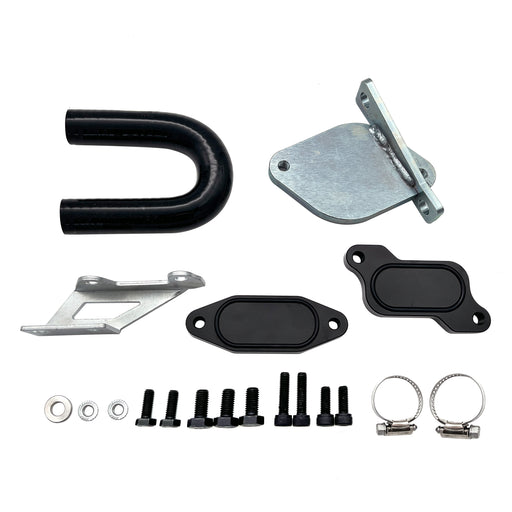
For 2007-2010 6.6L Chevy GMC LMM Duramax EGR Valve Cooler Delete Kit Fit
SEGULEROriginal price $61.99 - Original price $61.99Original price$61.99$61.99 - $61.99Current price $61.99FITMENT 2007.5-2010 6.6L Chevrolet Silverado Duramax LMM 2500HD / 3500HD. 2007.5-2010 6.6L GMC Sierra Duramax LMM 2500HD / 3500HD. Note: Standard...
View full details -
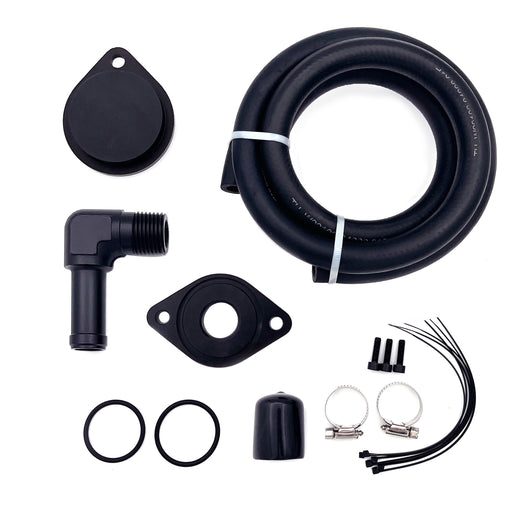
Seguler 2011-2023 Ford 6.7L Powerstroke CCV/PCV Reroute/Delete Engine Ventilation Kit
SEGULEROriginal price $72.00 - Original price $72.00Original price$72.00$72.00 - $72.00Current price $72.00FITMENT 2011-2023 6.7L Ford Powerstroke F-250 F-350 F-450 F-550 Super Duty V8 Diesel. Compatible with both standard Pickups and commercial Cab &...
View full details -
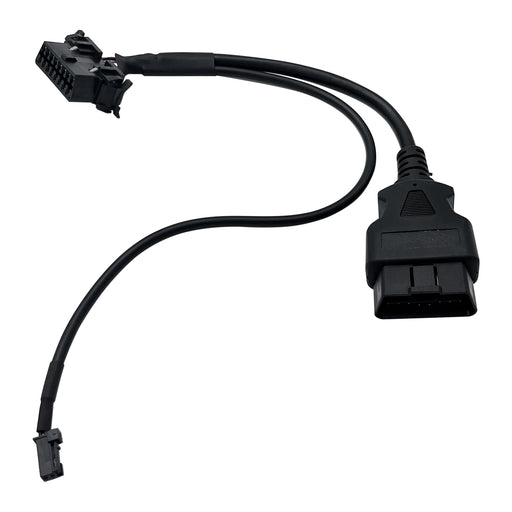
Seguler 2018+ RAM Cummins OBD2 HD Security Gate Bypass Cable
SEGULEROriginal price $45.00 - Original price $45.00Original price$45.00$45.00 - $45.00Current price $45.00FITMENT 2018+ 6.7L Ram Cummins 2500 3500 Turbo Diesel. Designed for Ram pickup trucks equipped with the factory Security Gateway Module. Note: Pl...
View full details -
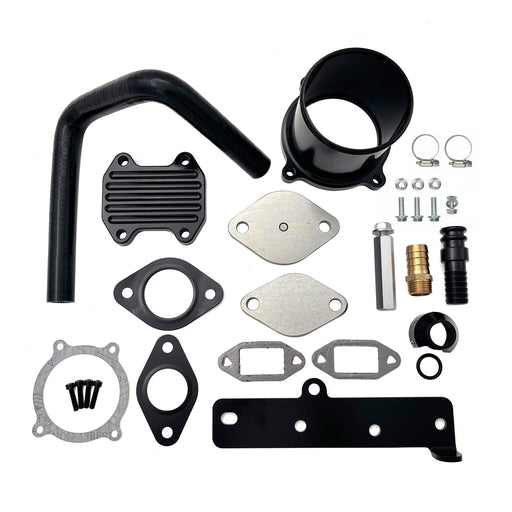
Seguler For 2013-2018 6.7L Dodge RAM 2500 3500 Cummins Diesel EGR Delete Cooler Throttle Valve Delete Kit
SEGULEROriginal price $112.00 - Original price $112.00Original price$112.00$112.00 - $112.00Current price $112.00FITMENT 2013–2018 6.7L Dodge Ram Cummins 2500 & 3500 Pickup Turbo Diesel. Note: Does NOT fit Cab & Chassis (3500 / 4500 / 5500 C&C) m...
View full details


Leave a comment