

L5P Delete Pipe: Why It's Essential for Duramax Flow
The 2017–2023 L5P Duramax is arguably the most refined heavy-duty diesel GM has ever built. With 445 horsepower and 910 lb-ft of torque on tap, it pulls with authority that was unthinkable from a factory truck a decade ago. But there’s a catch — and it lives in your exhaust system.
The same engineering that gave the L5P its immense power also saddled it with one of the most restrictive emissions exhaust configurations in the segment. Between the Diesel Oxidation Catalyst (DOC), Diesel Particulate Filter (DPF), and Selective Catalytic Reduction (SCR) system, your exhaust gases navigate a maze of dense filtration media, chemical injectors, and sensor-laden chambers before they ever see daylight.
This is why the question among L5P owners isn’t whether to improve exhaust flow. It’s how much flow is being left on the table — and what it actually costs to leave it there. An L5P delete pipe addresses the problem at its source.
🔬 The Hidden Restriction in Your L5P’s Exhaust Path
To understand why exhaust flow matters, you need to understand the aerodynamic reality of what’s happening inside the factory exhaust system immediately after the turbocharger.
1. The Physics of Sequential Bottlenecks
The L5P’s stock emissions architecture is designed as a series of three primary flow restrictions. This configuration creates a "cork" effect that directly limits the turbocharger’s ability to spool and the engine's ability to evacuate heat:
- Diesel Oxidation Catalyst (DOC): Positioned immediately after the turbo downpipe, the DOC uses a honeycomb substrate coated with precious metals. While crucial for emissions, this ceramic-core monolith acts as a permanent, high-density physical restriction located at the absolute worst possible point: the turbine outlet. This creates a high-pressure zone that forces the turbine wheel to "push" against a wall of resistance before the exhaust gas can even begin its journey downstream.
- Diesel Particulate Filter (DPF): Located downstream of the DOC, the DPF traps soot particles within a dense wall-flow filter. As soot accumulates—which is inevitable—exhaust backpressure climbs steadily. During highway cruising or heavy towing, a partially loaded DPF can generate 3–5 PSI of backpressure. This is essentially wasted turbine energy; rather than that pressure differential driving the compressor wheel to make boost, it is being consumed just to force exhaust gases through the filter media.
- Selective Catalytic Reduction (SCR): The SCR injects Diesel Exhaust Fluid (DEF) into the stream to neutralize NOx. While it has a lower pressure drop than the DPF, the internal mixing baffles and the chemical conversion chamber introduce significant turbulence and flow disruption, preventing the exhaust gas from achieving a laminar, high-velocity exit.
2. The Impact on Volumetric Efficiency
The cumulative effect of these three stages is measurable and detrimental to engine health. By the time exhaust gases exit the tailpipe on a stock L5P, they have undergone multiple phases of velocity loss and pressure-drop.
- Elevated Thermal Stress: Because the exhaust cannot exit efficiently, heat is "trapped" in the turbocharger housing and exhaust manifold. This leads to higher Exhaust Gas Temperatures (EGTs) under load, which places excessive thermal strain on the exhaust valves, head gaskets, and turbo bearings.
- Turbocharger Overwork: To achieve a target manifold pressure (boost) in the presence of this backpressure, the Variable Geometry Turbocharger (VGT) must close its vanes further to compensate for the lost velocity. This forces the turbo to spin at higher RPMs and operate outside of its optimal efficiency map, accelerating bearing wear and shortening the lifespan of the turbocharger assembly.
⚡ What a Delete Pipe Actually Does for Exhaust Flow
A delete pipe replaces the DOC, DPF, and SCR canisters with a continuous, mandrel-bent section of stainless steel tubing. The result is a straight-through exhaust path from the downpipe flange to the tailpipe — zero filtration media, zero mixing chambers, zero artificial restrictions.
When you install an L5P delete pipe, four specific improvements occur:
Exhaust velocity increases dramatically
Without the DOC substrate and DPF wall-flow filter disrupting the gas column, exhaust pulses maintain their energy through the entire pipe length. This is particularly important on the L5P’s variable-geometry turbocharger, which relies on exhaust gas velocity to position the vanes correctly.
Backpressure drops to near zero
A straight pipe at full throttle registers exhaust manifold pressure that is functionally identical to atmospheric pressure. The turbocharger no longer works against a pressure differential — every PSI of exhaust pressure drives the turbine, not the filter.
Exhaust Gas Temperatures drop 100–200°F under load
Lower backpressure means less retained heat in the cylinder head and exhaust manifold. This directly reduces thermal stress on the turbocharger bearings, exhaust valves, and head gaskets. It’s the single most cited reliability benefit in owner communities.
Turbo spool becomes noticeably faster
The turbine side of the turbo responds to pressure differential — the greater the difference between exhaust manifold pressure and post-turbine pressure, the faster it spins. Removing the DPF restriction widens that differential, particularly during off-idle acceleration where the factory system is at its most restrictive.
⚙️ Tuning Is Not Optional
While the hardware components described above provide the physical path for your L5P to breathe, the engine’s brain — the ECM — must be recalibrated to recognize this new reality.
The L5P’s Bosch-supplied E41 ECM is one of the most sophisticated engine control units ever installed in a light-duty truck. It monitors exhaust pressure differential, EGR flow rate, NOx sensor feedback, and DEF injection quantity in real time. When any of these signals go missing — which they will after the hardware is removed — the ECM immediately flags fault codes and initiates a progressive derate strategy.
This means tuning is not a companion to the hardware. It is the hardware, for all practical purposes. A delete pipe without a matching ECM calibration is an undriveable truck.
The tuning solution must:
- Suppress DPF differential pressure sensor fault detection
- Disable EGR valve position monitoring and flow verification
- Prevent DEF level and quality sensor DTCs from triggering limp mode
- Recalibrate fuel delivery tables for the reduced exhaust backpressure
- Maintain safe EGT limits under sustained load
A properly calibrated tune doesn’t just prevent fault codes — it optimizes the entire combustion strategy for an engine that is no longer breathing through a restricted exhaust. This is what transforms an L5P delete pipe from a simple hardware swap into a complete performance upgrade. Fuel timing, injection pressure, and boost targets all shift to take advantage of the dramatically improved volumetric efficiency.
🛠 Choosing the Right Delete Pipe Configuration
Not every L5P owner needs the same level of exhaust modification. Here are the three primary configurations, each addressing a different scope of the factory restriction.
For owners focused purely on eliminating the DPF and catalytic converter: The Seguler 4" DPF & CAT Delete Race Pipe for 2017-2023 6.6L Chevy GMC Duramax L5P replaces only the filtration canisters while retaining the factory downpipe and downstream exhaust. This is the most targeted approach — you address the two largest restrictions without altering the rest of the system. OE-style hangers and a factory-matching 4-bolt flange make this a bolt-in installation. T-409 stainless steel construction handles the heat cycling without the corrosion issues that plague aluminized steel alternatives.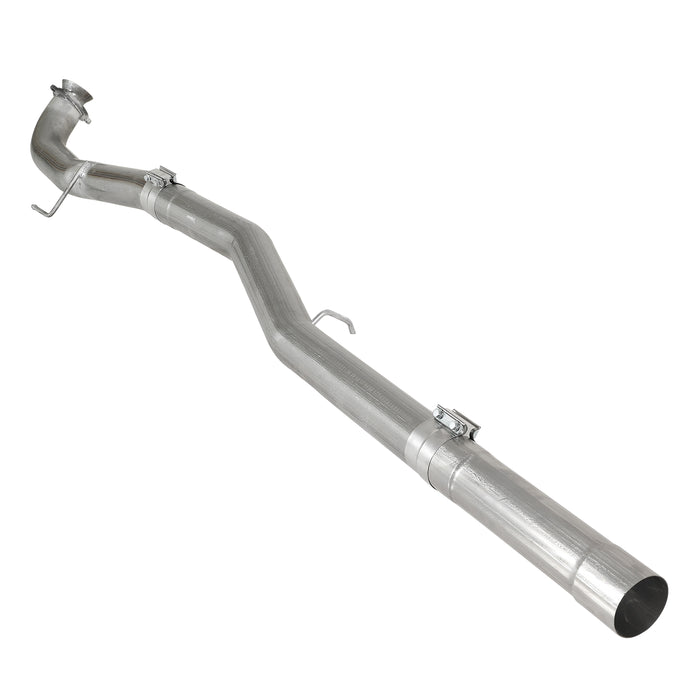
- Durable T-409 Stainless Steel Construction: Built from high-grade T-409 stainless steel to deliver exceptional heat cycling resistance and long-term protection against corrosion in harsh driving environments.
- High-Flow 4.0" Performance Design: Engineered with a full 4-inch diameter inlet to maximize exhaust flow, specifically designed to eliminate restrictive DPF and catalytic converter bottlenecks for race-ready performance.
- OE-Match Precision Fitment: Features an OEM-style 4-bolt flange and original-style hangers, ensuring a seamless, bolt-on installation experience without the need for custom fabrication or modifications.
- Off-Road Competition Ready: A high-efficiency solution that removes restrictive factory emissions components, allowing your L5P Duramax to operate with reduced backpressure and peak exhaust velocity for off-road and competition use.
🚀 Unrestricted Flow: The Seguler 4" L5P DPF Delete Race Pipe
For owners who want maximum flow from the downpipe back: The Seguler 4" Downpipe Back DPF Delete Race Pipe for 2017-2023 6.6L GM DURAMAX L5P replaces everything from the turbo flange to the tailpipe, eliminating the DOC, DPF, and SCR in a single continuous run. The 4-inch diameter maintains exhaust velocity across the entire system length without the turbulence-inducing diameter transitions found in multi-piece factory exhausts. No sensor bungs or mixing chambers disrupt the gas column — it’s a straight, unrestricted path from the turbo outlet to the atmosphere. For trucks that tow heavy loads or see sustained high-RPM operation, this configuration delivers the most dramatic EGT reduction.

- Premium 409 Stainless Steel Durability: Engineered from high-grade 409 stainless steel to provide superior corrosion resistance and thermal stability, ensuring long-term reliability under the most demanding driving conditions.
- High-Velocity 4" Downpipe-Back Design: Features a full 4-inch diameter system with a precision 4-bolt flange, specifically designed to eliminate restrictive factory components and maximize exhaust flow efficiency from the turbo back.
- Optimal Thermal Management & EGT Reduction: Dramatically lowers Exhaust Gas Temperatures (EGTs) by removing flow-restricting bottlenecks, fostering a cooler, healthier engine environment during heavy towing and sustained operation.
- Unobstructed Performance & Fuel Efficiency: Built with a "no-bung" configuration for a completely straight-run, turbulence-free exhaust path that boosts power, sharpens throttle response, and improves overall fuel economy.
⚡ 3.5" Precision Downpipe & Thermal-Optimized EGR Deletion
For owners addressing the turbo outlet restriction directly: The factory L5P downpipe features a tight-radius elbow immediately after the turbine outlet. The Seguler 2017-2023 6.6L Duramax L5P 3.5" Downpipe & EGR Cooler Delete kit replaces this bottleneck with a mandrel-bent 3.5-inch downpipe that provides 20% better flow than the factory pipe. When paired with the included EGR cooler delete, this configuration addresses both the exhaust path restriction and the intake-side contamination problem simultaneously. A mirror-polished finish and integrated heat wrap keep under-hood temperatures in check while maintaining exhaust gas energy through the downpipe section.

- High-Flow 3.5" Precision Engineering: Upgrades your restrictive factory elbow with a mandrel-bent 3.5-inch stainless steel downpipe, delivering a 20% increase in exhaust flow for superior turbo responsiveness and power.
- Premium Mirror-Polished Durability: Constructed from high-grade stainless steel and aluminum alloy with a sleek mirror-polish finish, ensuring exceptional corrosion resistance and a clean, professional look under the hood.
- Integrated Thermal Management: Includes professional-grade heat wrap to keep under-hood temperatures in check, effectively preserving exhaust gas energy and protecting surrounding engine components.
- Bolt-On Reliability & Seal Integrity: Features a precision 4-bolt flange with pre-installed studs and high-quality sealing rings, ensuring a perfect, leak-free fitment that is rigorously tested for long-term, trouble-free performance.
Here’s how the three configurations compare at a glance:
| Configuration | What It Replaces | Best For | Key Benefit |
|---|---|---|---|
|
4" DPF & CAT |
DPF + Catalytic Converter |
First-time delete, budget-focused builds |
Targeted restriction removal, bolt-in simplicity |
| 4" Downpipe Back DPF Delete Race Pipe |
DOC + DPF + SCR (full exhaust) |
Heavy towing, competition use | Maximum EGT reduction, full-system flow |
| 3.5" Downpipe & EGR Cooler Delete Kit |
Downpipe elbow+ EGR cooler |
Turbo response, intake cleanliness | Eliminates first bottleneck, 20% better downpipe flow |
⚠️ What You Need to Know Before Installing
The installation is straightforward but not trivial. The DPF housing is large, heavy, and positioned in a tight section of the undercarriage. A transmission jack or second set of hands makes removal significantly safer. Exhaust hardware on trucks from northern states will likely be rust-welded — plan for penetrating oil and patience. The downpipe flange bolts are particularly prone to snapping if forced, so soak them thoroughly before attempting removal.
After installation, monitor your EGTs for the first few hundred miles. The ECM’s new calibration should keep temperatures within safe limits, but the first towing trip is not the time to discover a fueling issue. Watch the pyrometer during sustained grades and verify that peak EGTs stay below 1,250°F at the turbine inlet.
🚀 Real-World Results
Owners who complete a full DPF and CAT delete on the L5P platform consistently report the following improvements:
-
Reduced turbo lag — particularly noticeable from a stop, where the factory exhaust system presents maximum restriction at low exhaust volume
-
3–5 MPG improvement — the fuel that was being burned for active regeneration cycles is now being used for propulsion, and reduced backpressure improves part-throttle pumping efficiency
-
No more diesel exhaust fluid consumption — on configurations that remove the SCR system, DEF usage drops to zero
-
Cleaner engine oil — without regeneration cycles injecting raw fuel during the exhaust stroke, fuel dilution of the engine oil is eliminated
-
Lower sustained EGTs under load — 100–200°F reductions are commonly reported, directly translating to longer turbocharger life and reduced head gasket stress
These results come from the fundamental physics of the modification — an unrestricted exhaust path, reduced thermal load, and a combustion strategy that no longer allocates fuel to filter maintenance. No marketing embellishment needed.
💡 Is an L5P Delete Pipe Right for Your Truck?
If your L5P is a dedicated competition vehicle, farm truck, or off-road-only rig, a delete pipe is the single highest-impact modification you can make to unlock the airflow potential that the factory emissions architecture holds back. The L5P’s 445-horsepower rating is impressive on paper. With an unrestricted exhaust path and proper ECM calibration, the real-world difference in responsiveness, efficiency, and thermal management makes the published numbers feel conservative.
If your truck is still under factory warranty or registered for highway use in a state with active emissions testing, the timing may not be right. But understanding exactly what a delete pipe does — and doesn’t do — gives you the information you need to make the right call when your situation changes.
For a complete selection of L5P delete pipe configurations, from standalone DPF race pipes to full downpipe-back systems, visit www.seguler.com.
❓ FAQs About L5P Delete Pipe
Q1: Does an L5P delete pipe actually increase horsepower?
A1: On a dyno, an exhaust-only modification typically yields 15–30 peak horsepower — modest, but consistent across multiple configurations. The real-world difference is felt in throttle response and torque delivery under the curve. The turbo spools faster, the engine pulls harder from low RPM, and sustained-grade towing feels completely different when the engine isn’t fighting its own exhaust.
Q2: How does deleting the DPF affect exhaust gas temperatures?
A2: This is the most significant mechanical benefit. Factory L5P trucks towing heavy loads at highway speed routinely see EGTs approaching 1,200–1,300°F at the turbine inlet. After a full delete with proper tuning, those same conditions produce EGTs 100–200°F lower. This reduction directly extends the service life of the turbocharger and reduces the thermal load on the head gaskets and exhaust valves.
Q3: Do I need to replace the entire exhaust, or can I just delete the DPF and CAT?
A3: A standalone DPF and CAT delete race pipe addresses the two largest restrictions in the factory system without modifying the downpipe or downstream exhaust. This is the most practical starting point for most owners. If your goal is maximum flow for sustained competition use, a full downpipe-back system removes every factory restriction from the turbo outlet to the tailpipe.
Q4: What happens with the factory sensors after the delete?
A4: A properly configured ECM calibration suppresses fault detection for the DPF pressure differential sensor, EGR position and flow sensors, NOx sensors, and DEF system sensors. The physical sensors and wiring can be removed, but the connectors should be protected with weatherproof plugs to prevent corrosion — exposed harness connectors in the undercarriage will fail within a winter season if left unprotected.
Q5: Can I install a delete pipe myself?
A5: If you’re comfortable with basic exhaust work and have access to a lift or tall jack stands, the physical installation is a manageable DIY project for the mechanically inclined. The DPF canister is heavy — approximately 60–80 pounds — and awkward to maneuver in tight quarters. The most common installation error is snapping the downpipe flange bolts due to rust seizure. Soak all hardware in penetrating oil for at least 24 hours before starting, and have replacement hardware on hand.
Featured collection
-
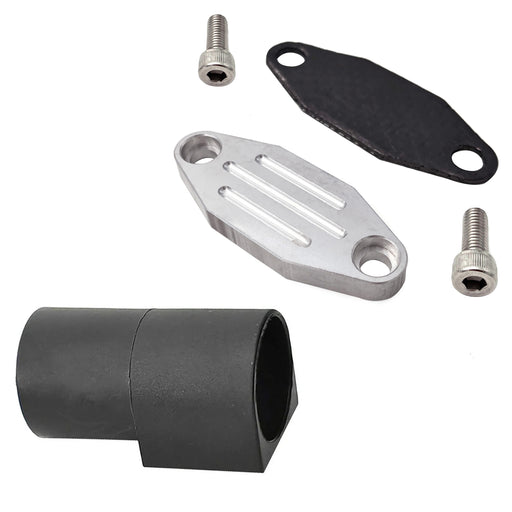
Seguler 1986-1995 Ford F150 F250 F350 Mustang Trucks EGR Simulator Eliminator / Block Off Plate Kit
SEGULEROriginal price $79.99 - Original price $79.99Original price$79.99$79.99 - $79.99Current price $79.99Block Off Plate Material: Aluminum alloy. Easy installation,and convenient to use. Made of CNC milled from aircraft grade Billet aluminum. Will N...
View full details -

Seguler 2011-2023 6.7L Ford Powerstroke Diesel EGR Delete Kit
SEGULEROriginal price $109.99 - Original price $109.99Original price$109.99$109.99 - $109.99Current price $109.99FITMENT 2011-2023 6.7L Ford Powerstroke F-250 F-350 F-450 F-550 Super Duty V8 Diesel. compatible with both standard Pickups and commercial Cab &...
View full details -
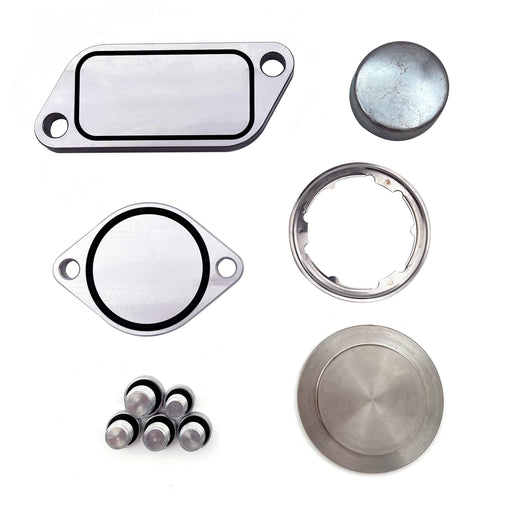
For 2010-Present Stage 2 ISX 15 CM2250 CM2350 EGR Delete Kit
SEGULEROriginal price $59.99 - Original price $59.99Original price$59.99$59.99 - $59.99Current price $59.99FITMENT 2010-Present Cummins Volvo, Peterbilt, Mack, International, Freightliner, Kenworth with the ISX15 CM2250 / CM2350 engines. DESCRIPTION P...
View full details -
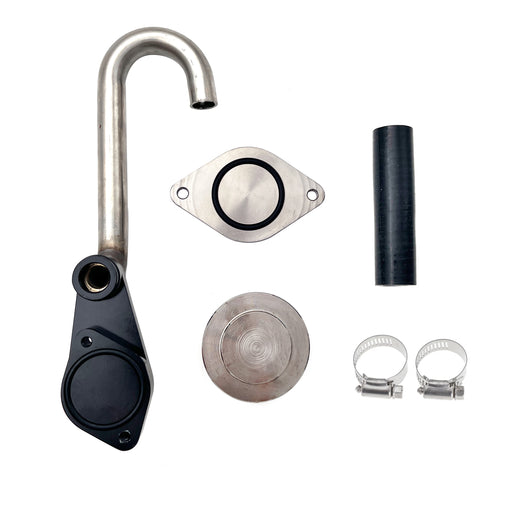
Seguler 2003-2007 6.0L FORD Powerstroke Diesel EGR Cooler Delete Kit
SEGULEROriginal price $56.14 - Original price $56.14Original price$56.14$56.14 - $56.14Current price $56.14FITMENT 2003-2007 6.0L Ford F-250 Ford F-350 F-450 F-550 Super Duty. 2003-2007 6.0L Ford Excursion SUV (Diesel Models Only). 2005-2010 Ford E-Se...
View full details -
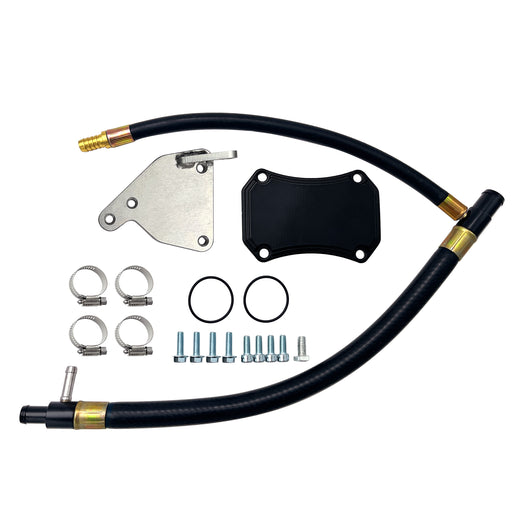
For 2011-2016 6.6L GMC Chevy Duramax Diesel LML EGR Valve Cooler Delete Kit
SEGULEROriginal price $66.49 - Original price $66.49Original price$66.49$66.49 - $66.49Current price $66.49FITMENT 2011-2016 6.6L Chevy GMC Duramax LML 2500 HD 3500 HD Diesel. DESCRIPTION Product Overview The 2011–2016 LML Duramax uses a complex EG...
View full details -
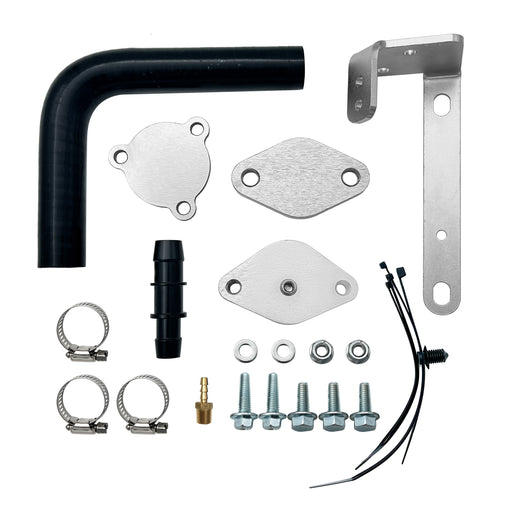
Seguler For 2014-2019 3.0L Dodge Ram 1500 EcoDiesel EGR Valve & Cooler Delete Kit
SEGULEROriginal price $72.99 - Original price $72.99Original price$72.99$72.99 - $72.99Current price $72.99FITMENT 2014-2019 3.0L Dodge Ram 1500 EcoDiesel V6 engine trucks. DESCRIPTION Product Overview Exhaust gas recirculation on 3.0L EcoDiesel V6 ...
View full details -

Seguler 2011-2023 6.7L Ford Powerstroke Diesel EGR Delete Kit
SEGULEROriginal price $85.99 - Original price $85.99Original price$85.99$85.99 - $85.99Current price $85.99FITMENT 2011-2023 6.7L Ford Powerstroke F-250 F-350 F-450 F-550 Super Duty V8 Diesel. compatible with both standard Pickups and commercial Cab &...
View full details -

Seguler 2010-2024 6.7L Dodge Ram Cummins Diesel EGR Valve Cooler Delete Kit
SEGULEROriginal price $89.99 - Original price $89.99Original price$89.99$89.99 - $89.99Current price $89.99FITMENT 2010–2024 6.7L Dodge Ram Cummins 2500 / 3500 Pickup Turbo Diesel. Note: Does NOT fit Chassis Cab 3500 / 4500 / 5500 models. DESCRIPTIO...
View full details -
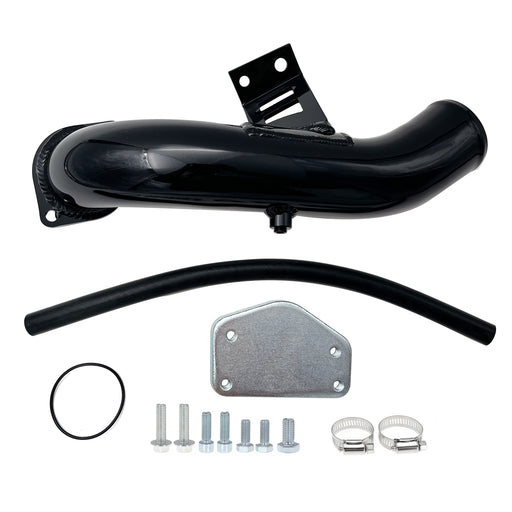
For 2004.5-2005 6.6L Chevy GMC Silverado LLY Duramax Diesel EGR Delete Kit
SEGULEROriginal price $92.99 - Original price $92.99Original price$92.99$92.99 - $92.99Current price $92.99FITMENT 2004.5-2005 6.6L Chevrolet Silverado Duramax LLY 2500HD / 3500 HD. 2004.5-2005 6.6L GMC Sierra Duramax LLY 2500HD / 3500 HD. DESCRIPTION...
View full details -

Seguler 2017-2019 L5P Duramax Diesel 4pcs L5P Can Bus Plugs Connector Replacement
SEGULEROriginal price $75.00 - Original price $75.00Original price$75.00$75.00 - $75.00Current price $75.00FITMENT 2017–2019 Chevrolet Silverado / GMC Sierra Duramax L5P 2500HD & 3500HD Diesel. DESCRIPTION Product Overview Unprotected harness con...
View full details -

Seguler 2020-2023 chevy duramax L5P Diesel Can Bus Plugs Connector
SEGULEROriginal price $80.00 - Original price $80.00Original price$80.00$80.00 - $80.00Current price $80.00FITMENT 2020–2023 Chevrolet Silverado / GMC Sierra Duramax L5P 2500HD & 3500HD Diesel. DESCRIPTION Product Overview Unprotected harness pl...
View full details -
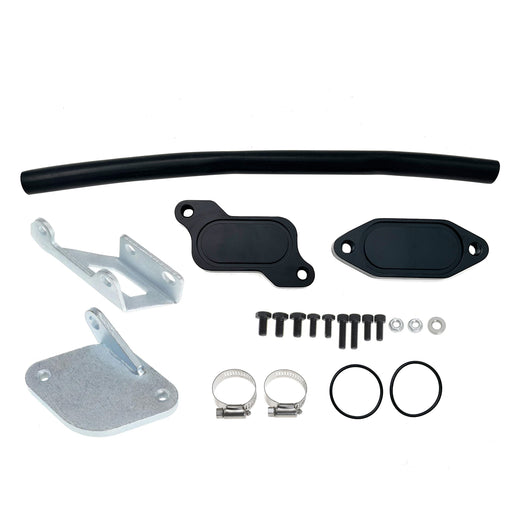
For 2006-2007 6.6L Chevrolet Silverado Classic GMC Duramax LBZ Diesel EGR Valve Cooler Delete Kit
SEGULEROriginal price $63.49 - Original price $63.49Original price$63.49$63.49 - $63.49Current price $63.49FITMENT 2006-2007.4 Chevrolet Silverado Duramax LBZ 2500HD / 3500HD. 2007.4 Chevrolet Silverado Duramax LBZ 2500HD / 3500HD Classic. 2006-2007.4 ...
View full details -

Seguler 2011-2023 6.7L Ford F250 F350 F450 F550 Powerstroke Diesel EGR Valve Delete Cooler Delete Kit
SEGULEROriginal price $55.99 - Original price $55.99Original price$55.99$55.99 - $55.99Current price $55.99FITMENT 2011-2023 6.7L Ford Powerstroke F-250 F-350 F-450 F-550 Super Duty V8 Diesel compatible with both standard Pickups and commercial Cab &a...
View full details -
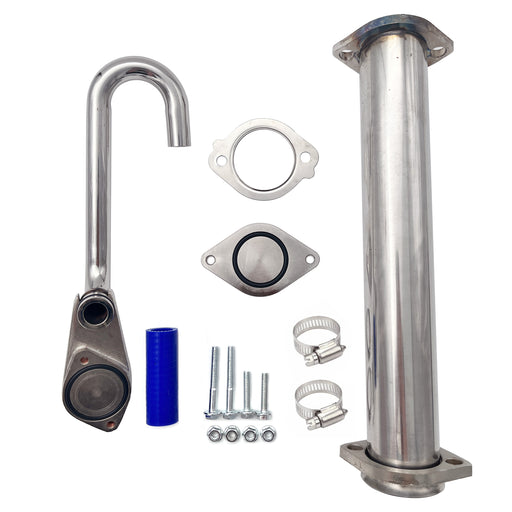
Seguler 2003-2007 6.0L Ford F250 F350 Powerstroke Diesel EGR Basic Cooler Kit
SEGULEROriginal price $79.99 - Original price $79.99Original price$79.99$79.99 - $79.99Current price $79.99FITMENT 2003-2007 6.0L Ford F250 F350 F450 F550 Super Duty Turbo (except 2004 F250 Super Duty). 2003-2005 6.0L Ford Excursion Turbo. 2005 Ford F...
View full details -
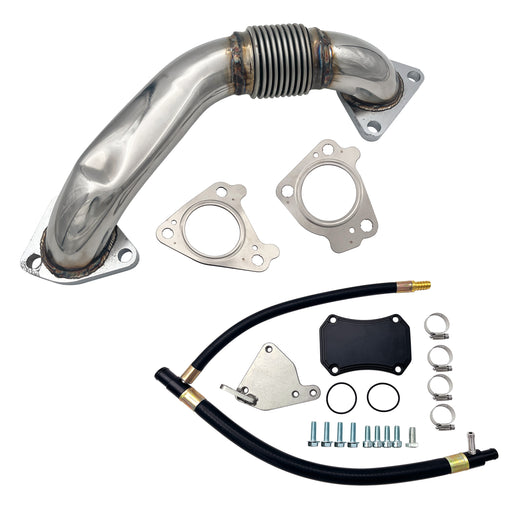
Seguler 2011-2016 6.6L GMC Chevy Duramax Diesel LML Up-Pipe & EGR Valve Cooler Delete Kit
SEGULEROriginal price $173.86 - Original price $173.86Original price$173.86$173.86 - $173.86Current price $173.86FITMENT 2011-2016 6.6L Chevy GMC Duramax LML 2500 HD 3500 HD Diesel. DESCRIPTION Product Overview Direct-injection technology endows GM 5.3L an...
View full details -
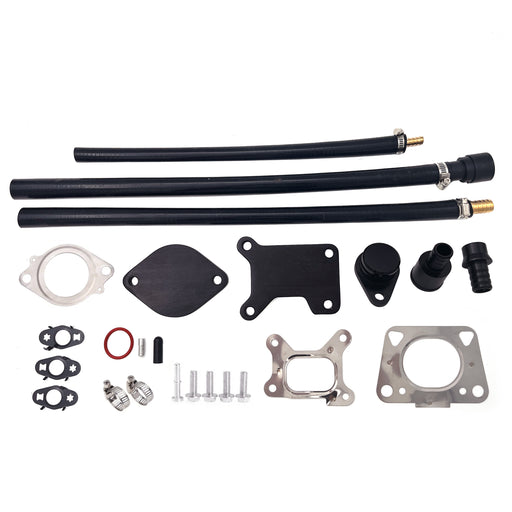
For 2017-2023 6.6L Chevy GMC Duramax L5P diesel EGR Valve Cooler Delete kit
SEGULEROriginal price $131.99 - Original price $131.99Original price$131.99$131.99 - $131.99Current price $131.99FITMENT 2017–2023 6.6L Chevrolet Silverado / GMC Sierra Duramax L5P 2500HD 3500HD Diesel. DESCRIPTION Product Overview Hot soot recirculation ...
View full details -
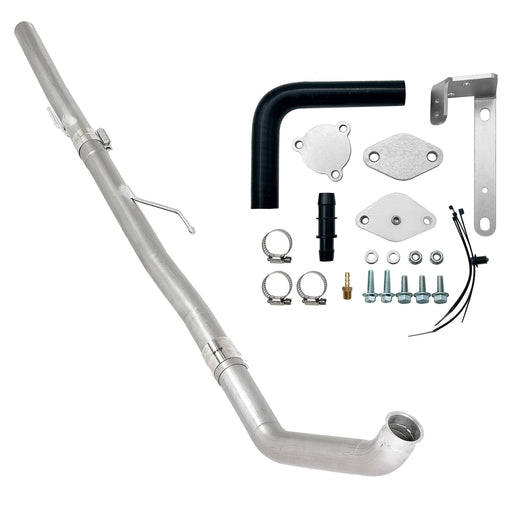
Seguler 3" Ecodiesel DPF Delete Pipe & EGR Delete kit for 2014-2018 3.0L Ram
SEGULEROriginal price $342.00 - Original price $342.00Original price$342.00$342.00 - $342.00Current price $342.00FITMENT 2014–2018 3.0L Dodge Ram 1500 EcoDiesel V6. NOTE: Fit standard Pickup models only (Crew Cab, Quad Cab). Does NOT fit Jeep Grand Cheroke...
View full details -
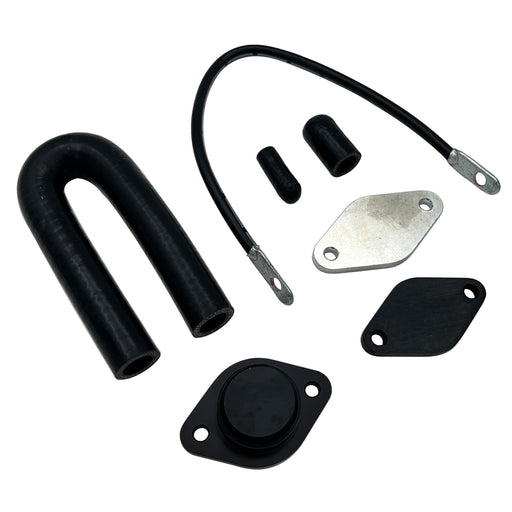
Seguler EGR valve cooler Delete kit for 2020-2022 3.0L Chevy Duramax LM2
SEGULEROriginal price $189.12 - Original price $189.12Original price$189.12$189.12 - $189.12Current price $189.12FITMENT 2020–2022 3.0L Chevrolet Silverado GMC Sierra 1500 LM2 Turbo-Diesel. DESCRIPTION Product Overview Powered by smooth inline-six engine...
View full details -

For 2013-2023 6.7L Dodge Ram Cummins Cab & Chassis EGR Delete Kit Diesel
SEGULEROriginal price $62.99 - Original price $62.99Original price$62.99$62.99 - $62.99Current price $62.99FITMENT 2013–2023 6.7L Ram Cummins 3500 4500 5500 Cab & Chassis / Commercial Trucks. Does NOT fit standard Ram 2500 3500 Pickups. DESCRIPTIO...
View full details -
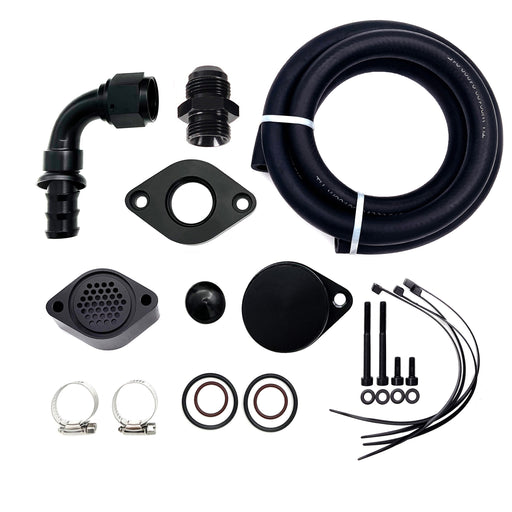
Seguler 2011-2023 6.7L Ford Powerstroke CCV PCV Reroute Engine Ventilation Kit
SEGULEROriginal price $82.99 - Original price $82.99Original price$82.99$82.99 - $82.99Current price $82.99FITMENT 2011-2023 6.7L Ford Powerstroke F-250 F-350 F-450 F-550 Super Duty V8 Diesel. Compatible with both standard Pickups and commercial Cab &...
View full details -
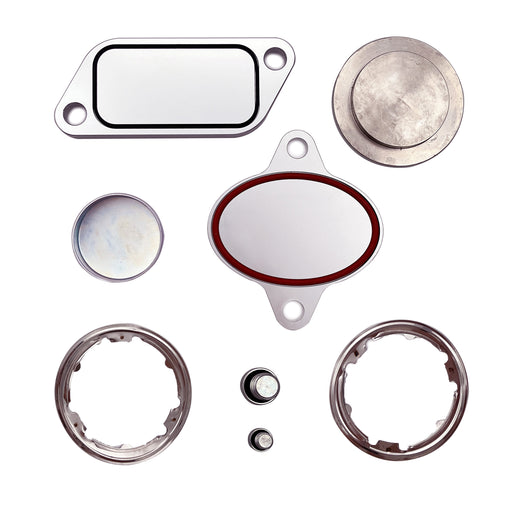
For 2007-2010 Cummins ISX CM871 EGR Plug Kit Stage 2 Plates and Plugs Aluminum
SEGULEROriginal price $67.99 - Original price $67.99Original price$67.99$67.99 - $67.99Current price $67.99FITMENT 2007-2010 Cummins Volvo, Peterbilt, Mack, International, Freightliner, Kenworth with the ISX CM871 Engines. DESCRIPTION Product Overvie...
View full details -
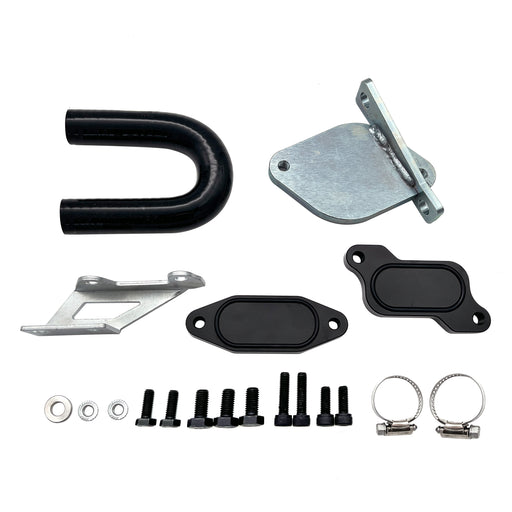
For 2007-2010 6.6L Chevy GMC LMM Duramax EGR Valve Cooler Delete Kit Fit
SEGULEROriginal price $61.99 - Original price $61.99Original price$61.99$61.99 - $61.99Current price $61.99FITMENT 2007.5-2010 6.6L Chevrolet Silverado Duramax LMM 2500HD / 3500HD. 2007.5-2010 6.6L GMC Sierra Duramax LMM 2500HD / 3500HD. Note: Standard...
View full details -
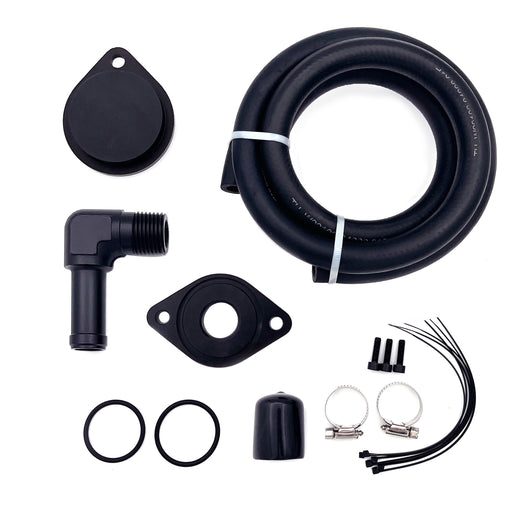
Seguler 2011-2023 Ford 6.7L Powerstroke CCV/PCV Reroute/Delete Engine Ventilation Kit
SEGULEROriginal price $72.00 - Original price $72.00Original price$72.00$72.00 - $72.00Current price $72.00FITMENT 2011-2023 6.7L Ford Powerstroke F-250 F-350 F-450 F-550 Super Duty V8 Diesel. Compatible with both standard Pickups and commercial Cab &...
View full details -
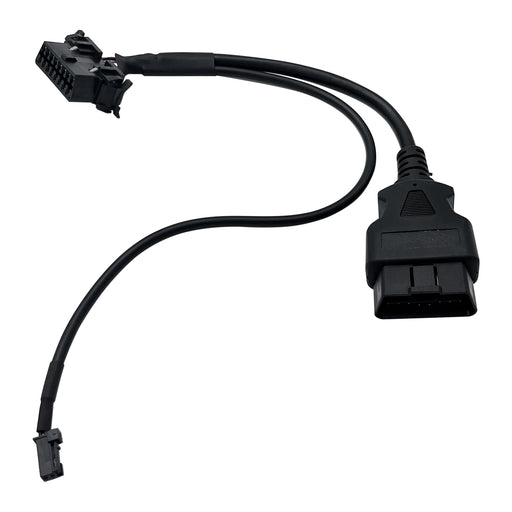
Seguler 2018+ RAM Cummins OBD2 HD Security Gate Bypass Cable
SEGULEROriginal price $45.00 - Original price $45.00Original price$45.00$45.00 - $45.00Current price $45.00FITMENT 2018+ 6.7L Ram Cummins 2500 3500 Turbo Diesel. Designed for Ram pickup trucks equipped with the factory Security Gateway Module. Note: Pl...
View full details -
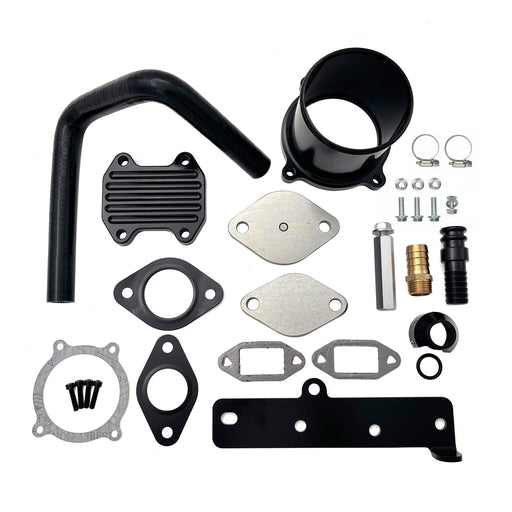
Seguler For 2013-2018 6.7L Dodge RAM 2500 3500 Cummins Diesel EGR Delete Cooler Throttle Valve Delete Kit
SEGULEROriginal price $112.00 - Original price $112.00Original price$112.00$112.00 - $112.00Current price $112.00FITMENT 2013–2018 6.7L Dodge Ram Cummins 2500 & 3500 Pickup Turbo Diesel. Note: Does NOT fit Cab & Chassis (3500 / 4500 / 5500 C&C) m...
View full details


Leave a comment