

2011-2022 6.7L Ford CP4 Bypass Kit: Fuel System Protection Guide
Ask a 6.7L Powerstroke owner what they fear most, and the CP4 high-pressure fuel pump is often near the top of the list. When it fails catastrophically, metal debris can spread through the fuel system, potentially damaging the injectors, rails, lines, and tank. What starts as a pump failure can turn into a five-figure repair.
That’s where a CP4 bypass kit comes in. It does not prevent the pump from failing or extend its service life. Instead, it reroutes fuel through a dedicated return path and filter designed to help capture debris and limit contamination if the pump fails.
For owners concerned about the potential cost of a CP4 failure, this can be a way to reduce the risk of widespread fuel-system damage. This guide explains how the failure occurs, what the bypass kit can and cannot do, which trucks it fits, and how it compares with a CP3 conversion.
What the CP4 Problem Actually Is
The CP4 is the high-pressure fuel pump that supplies the 6.7L Powerstroke’s injection system. Its internal components rely on diesel fuel for lubrication, so poor fuel lubricity or contamination can accelerate wear.
Two factors are particularly relevant:
- Low fuel lubricity. The fuel film helps prevent metal-to-metal contact between internal components. When lubrication is inadequate, wear can increase and damage can develop inside the pump.
- Fuel contamination. Water or debris can compromise lubrication and accelerate internal wear, making proper fuel-filter maintenance and water control important.
As internal components wear, the pump may generate metal particles. If those particles enter the fuel system, they can travel through fuel lines and rails and potentially damage injectors. Depending on the severity and extent of contamination, additional components may also need replacement.
What a CP4 Failure Costs
Replacing a failed pump is one expense; repairing the wider fuel system can be far more costly if metal debris has spread beyond the pump. The final bill depends on how much contamination has occurred, which components are affected, and the labor required.
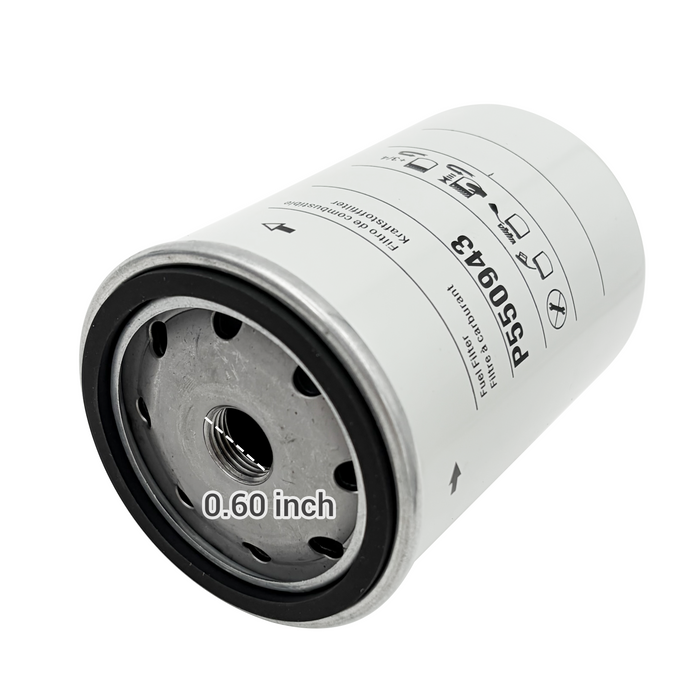
| What gets damaged | Why it happens | Where it hits the bill |
|---|---|---|
| The CP4 pump itself | The source of the metal | One component, one line item |
| All eight injectors | Internal surface scoring | The single biggest cost |
| High-pressure fuel lines | Clogged with shavings | Replaced, not cleaned |
| Fuel rails | Contaminated under pressure | Replaced |
| Fuel tank | Debris returns to tank | Drained and cleaned |
A contaminated CP4 failure can lead to a five-figure fuel-system repair, depending on labor costs and how far the debris has spread.
However, not every CP4 fails. Many 6.7L Powerstroke trucks run their original pumps for hundreds of thousands of miles. Failure risk varies with fuel quality, maintenance, and operating conditions. The bypass kit addresses the potential cost of contamination if a failure occurs—not the pump’s reliability or service life.
How a CP4 Bypass Kit Contains the Damage
A CP4 bypass kit modifies the fuel routing around the pump and adds a dedicated return filter. If the pump generates metal debris, the filter is designed to capture particles in the return flow, helping limit contamination throughout the fuel system.
The kit does not prevent pump failure or guarantee that all debris will be captured. Its purpose is to help contain contamination and potentially reduce the scope of repairs if the CP4 fails.
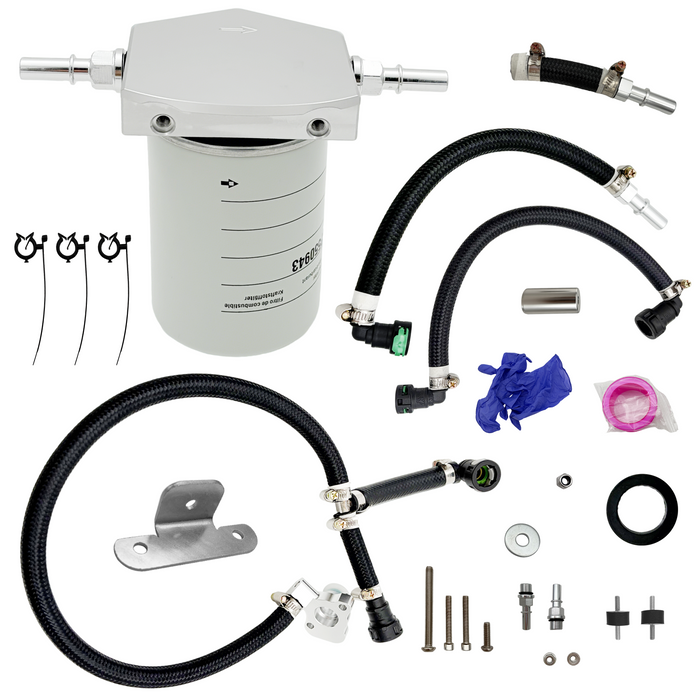
- Diverts CP4 return fuel into a dedicated filtration loop, helping stop metal shavings from recirculating through the stock fuel network following a pump failure.
- Features a high-efficiency spin-on filter element that traps metallic particles before they can enter the fuel tank, protecting fuel injectors, rails, and surrounding fuel system hardware.
- Effectively seals fuel contamination within the bypass circuit, preventing widespread damage caused by a total CP4 injection pump blowout.
- By containing metal debris, this upgrade helps prevent complete fuel system overhauls and significantly cuts down repair costs.
A CP4 bypass kit won’t prevent pump failure, but it can help limit the spread of metal debris if the pump lets go. For 2011–2022 Ford 6.7L Powerstroke F-250, F-350, F-450, and F-550 owners, the Seguler CP4 Disaster Prevention Bypass Kit adds a dedicated return-filtration system to help reduce the risk of widespread fuel-system contamination. Confirm your truck’s fitment and follow the installation and filter-maintenance instructions for your specific setup.
What This Kit Does Not Do
The bypass kit does not strengthen the CP4’s internal components, extend its service life, or eliminate the need for proper fuel maintenance. Fuel quality, contamination, and routine filter service remain important to pump health.
Think of it as a damage-containment measure rather than a way to prevent failure. Its effectiveness depends on the failure and how far contamination has already spread.
Bypass Kit vs. CP3 Conversion
A CP3 conversion replaces the factory CP4 with a different high-pressure pump design, while a bypass kit leaves the CP4 in place and focuses on limiting debris contamination if it fails.
A CP3 conversion is a more extensive repair and may require additional hardware or calibration, depending on the kit. A bypass kit is generally a less involved option, but it does not eliminate the original pump’s failure risk.
Neither option suits every owner. The choice comes down to whether you want to replace the pump design or retain the CP4 while adding a measure intended to limit the consequences of a failure.
| Option | What it solves | Best for | Considerations |
|---|---|---|---|
| CP4 Bypass Kit | Contains debris on failure | Daily drivers, budget-conscious owners |
Contains failure;
doesn't replace pump.
|
| CP3 Conversion |
Replaces CP4 with new pump design. |
High-mileage or modified trucks |
More involved; requirements vary by kit. |
Neither is universally right. A lot of owners stage it — run the bypass kit as inexpensive insurance now, and plan a CP3 conversion for later. But if you’re choosing one thing to do first, the real question is whether you want to remove the risk or just contain it.
Possible Signs Worth Investigating
None of these symptoms proves the CP4 is failing on its own, but they are reasons to inspect fuel pressure, filters, and the pump more closely:
- Metal debris in the fuel system. Metallic particles found during inspection of the CP4 metering unit, return fuel, or the bypass kit’s return filter are a serious warning sign that the pump may be shedding material.
- Fuel pressure that drops under load. A pump that’s losing the battle may hold pressure at idle but sag when you’re asking for power.
- A new ticking or chattering from the pump area. The CP4 is up front, and a change in its noise is worth investigating.
- Hard starts or a rough idle. These symptoms can have many causes, but they’re worth investigating alongside fuel-pressure and pump checks.
 Here’s the catch: by the time some of these symptoms show up, the metal may already be moving. That’s the argument for treating the bypass kit as a before measure rather than an after one — the filter only catches debris that’s still circulating. If shavings have already reached the injectors, the kit can’t put them back.
Fits These Trucks
The kit covered in this guide is built for the 2011–2022 6.7L Powerstroke Super Duty lineup:
- 2011–2022 Ford F-250 Super Duty
- 2011–2022 Ford F-350 Super Duty
- 2011–2022 Ford F-450 Super Duty
- 2011–2022 Ford F-550 Super Duty
One fitment note worth flagging up front: this is for the 6.7L V8 diesel. It is not for the gas engines in these trucks. If you’re unsure whether a given Super Duty is the diesel or gas model, confirm the engine before ordering — the two don’t share a fuel system.
Installation Overview
This is more involved than a simple bolt-on filter installation. Accessing the CP4 fuel control actuator (FCA) requires removing the intake manifold and several surrounding components, so mechanical experience with the 6.7L Powerstroke is recommended.
Accessing the pump. Disconnect the batteries, safely relieve system pressure, and remove the intake components and related hoses as required to reach the FCA. Keep the work area clean to prevent debris from entering the fuel system.
Installing the bypass block. After removing the FCA, inspect the metering unit for signs of existing metal contamination. If metal debris is present, the pump and fuel system require further assessment; the bypass kit cannot reverse contamination that has already occurred. If the components are suitable for installation, fit the bypass block with the supplied seals and hardware, following the kit-specific torque specifications.
Reassembly and filter installation. Reinstall the removed components and fit the dedicated return-filter assembly. Hose connections and filter-head configurations can vary by model year, so follow the instructions supplied with your specific kit.
Final checks. Follow the specified fuel-priming procedure, start the engine as directed, and inspect all disturbed connections for leaks before returning the truck to service.
Although the required tools are relatively common, the work involves sensitive fuel-system components and careful reassembly. If you’re unfamiliar with the procedure, consider using a qualified diesel technician. Always follow the manufacturer’s installation instructions for exact torque values, hose routing, and model-specific requirements.
Maintaining the Return Filter
The kit adds one more filter to your maintenance routine: the dedicated return filter. Its replacement interval lines up with your normal fuel filter service — typically every 15,000 to 22,500 miles.
And that filter pulls double duty as a diagnostic tool. If you ever suspect the pump is going, spin the filter off and cut it open. If metallic debris is found in the return filter, stop treating it as routine maintenance and investigate the CP4 before continuing normal operation — that shimmer is a serious warning sign the pump is shedding.
Mistakes to Avoid
Assuming the kit prevents pump failure.
It doesn’t. The kit helps contain metal debris if the CP4 fails, but it does not change the pump’s internal wear or prevent the failure itself. Its purpose is to help limit contamination and reduce damage to the rest of the fuel system.
Skipping the return filter changes.
A neglected or restricted return filter can reduce the system’s ability to manage contaminated return fuel effectively. Treat the new filter like the regular fuel filter — on a schedule.
Ignoring fuel quality.
The kit is a safety net, not a substitute for clean, adequately lubricated fuel, proper fuel-filter maintenance, and an effective water separator. Those basics still matter for reducing wear and keeping contaminants out of the CP4.
Waiting until the pump is already failing.
The filter catches debris that’s already moving. It can’t undo contamination that has already reached the injectors.
Installing it without confirming the pump is still healthy.
If the metering unit already shows metal during installation, the system may already be contaminated and should be inspected before relying on the bypass kit.
Why Owners Choose a Bypass Kit
The appeal is straightforward: a relatively modest upfront cost may help limit the extent of fuel-system contamination if the CP4 fails. By catching and redirecting debris earlier, the kit may help limit how far contamination spreads and reduce the scope of repairs after a CP4 failure.
A bypass kit tends to make sense for owners who:
- Run a daily-driven, mostly stock truck and want inexpensive insurance.
- Aren’t ready to commit to a full CP3 conversion right now.
- Accept that the pump might fail someday and want to cap the damage.
- Do their own fuel filter service and like the idea of a filter that doubles as a diagnostic.
It’s a quiet, mechanical upgrade — and the return filter gives you a window into the pump’s health every time you service it.
Choosing the Right Kit for Your Truck
If you’ve decided that debris containment makes sense for your truck, the main things to confirm are model year, engine, and kit configuration. The TruckTok 2011–2022 6.7L Powerstroke CP4 Disaster Prevention Bypass Kit is designed for F-250, F-350, F-450, and F-550 diesel applications and includes the bypass routing and dedicated return filtration hardware discussed above.
- 2011–2022 Ford 6.7L CP4 Disaster Prevention Bypass Kit — fits the 2011–2022 6.7L F-250/F-350/F-450/F-550.
You can also find compatible diesel truck parts and related products at Seguler.com.
Confirm the exact model year, engine, and kit configuration before ordering or beginning installation.
FAQ
Q:Does this kit prevent the CP4 pump from failing?
A:No. The kit does not improve the internal durability of the CP4 or stop the pump itself from wearing out. What it does is help contain the metal debris generated during a failure, so that debris doesn’t spread through the rest of the fuel system. It’s damage control, not pump protection.
Q:Does installing it require custom tuning?
No. It’s a mechanical fluid-routing change that’s invisible to the engine computer. It keeps the factory fuel pressures and shouldn’t trigger a fault simply because the bypass system is present.
Q:How often should the return filter be replaced?
A:On the same schedule as your normal fuel filter service, typically every 15,000 to 22,500 miles. If you ever suspect the pump is going, pull the filter and cut it open — metal in the element is a serious warning sign.
Q:Can it be installed on a bone-stock truck?
A:Yes. The kit can be installed on a stock 2011–2022 6.7L Powerstroke because its function is fuel-system debris containment rather than performance tuning. It’s relevant whether the truck is stock or modified.
Q:What’s the difference between this and a CP3 conversion?
A:The bypass kit contains the debris when the CP4 fails but leaves the pump in place. A CP3 conversion replaces the CP4 with a different high-pressure pump design — a bigger job whose specific requirements depend on the conversion kit. One is designed to contain debris if the CP4 fails; the other replaces the CP4 with a different pump.
Q:Will it set off a check-engine light?
A:The kit is mechanical and does not intentionally change ECU commands. When installed correctly, it should not create a fault simply because the bypass system is present.
Q:Will it change fuel pressure or fuel mileage?
A:It’s designed to maintain the factory fuel pressures, so the engine behaves as it did before. It’s not a performance modification, and it doesn’t promise a mileage change — its job is containment, not tuning.
Q:How do I know if my CP4 is already failing?
A:Watch for metal debris in the return filter or fuel system, fuel pressure that sags under load, a new ticking from the pump area, or hard starts and a rough idle. None of these proves the CP4 is failing on its own — but they’re reasons to inspect the pump and filters more closely.
Q:Will this kit affect my warranty?
A:Any aftermarket change to the fuel system can come into question on a warranty claim involving the fuel system, so it’s worth confirming with your dealer if that matters to you. The kit itself is mechanical, but warranty decisions are the manufacturer’s to make.
Q:Does the kit catch everything if the pump fails?
A:It captures the debris that flows through the return path, which is where a large share of the shavings would otherwise circulate back into the tank and through the system. It significantly limits contamination — but no filter makes a failure consequence-free, which is why pump health and fuel maintenance still matter.
Q:Should I install this before or after a CP3 conversion?
A:If you’re planning a CP3 conversion eventually, a bypass kit can serve as inexpensive insurance in the meantime. Once you’ve converted to a CP3, the CP4-specific bypass is no longer the relevant safeguard, so the two are usually staged rather than run together.
Featured collection
-
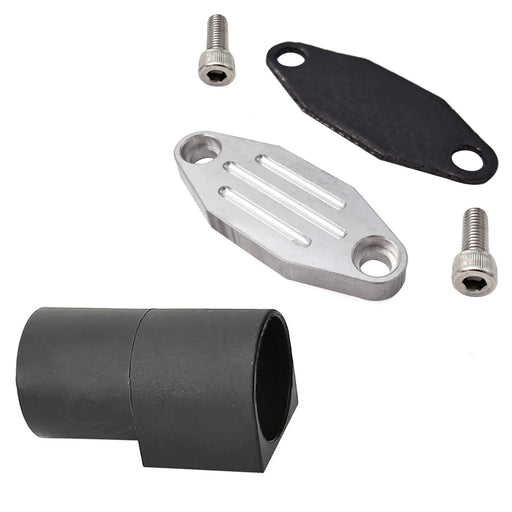
Seguler 1986-1995 Ford F150 F250 F350 Mustang Trucks EGR Simulator Eliminator / Block Off Plate Kit
SEGULEROriginal price $79.99 - Original price $79.99Original price$79.99$79.99 - $79.99Current price $79.99Block Off Plate Material: Aluminum alloy. Easy installation,and convenient to use. Made of CNC milled from aircraft grade Billet aluminum. Will N...
View full details -

Seguler 2011-2023 6.7L Ford Powerstroke Diesel EGR Delete Kit
SEGULEROriginal price $109.99 - Original price $109.99Original price$109.99$109.99 - $109.99Current price $109.99FITMENT 2011-2023 6.7L Ford Powerstroke F-250 F-350 F-450 F-550 Super Duty V8 Diesel. compatible with both standard Pickups and commercial Cab &...
View full details -
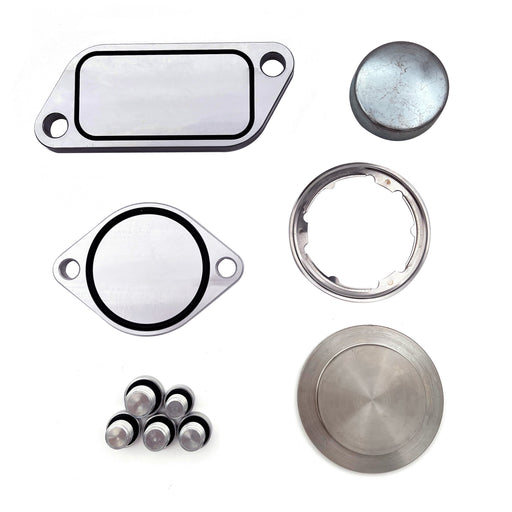
For 2010-Present Stage 2 ISX 15 CM2250 CM2350 EGR Delete Kit
SEGULEROriginal price $59.99 - Original price $59.99Original price$59.99$59.99 - $59.99Current price $59.99FITMENT 2010-Present Cummins Volvo, Peterbilt, Mack, International, Freightliner, Kenworth with the ISX15 CM2250 / CM2350 engines. DESCRIPTION P...
View full details -
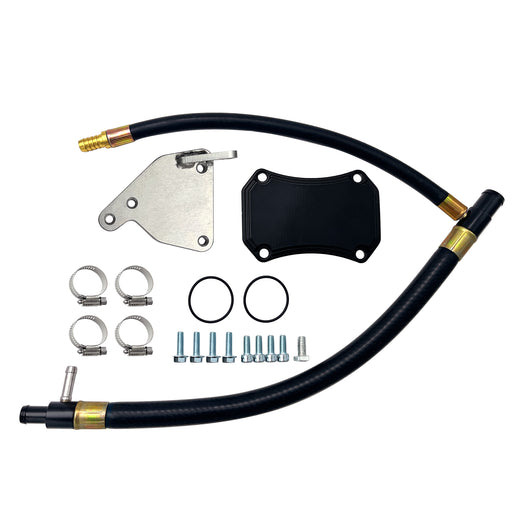
For 2011-2016 6.6L GMC Chevy Duramax Diesel LML EGR Valve Cooler Delete Kit
SEGULEROriginal price $66.49 - Original price $66.49Original price$66.49$66.49 - $66.49Current price $66.49FITMENT 2011-2016 6.6L Chevy GMC Duramax LML 2500 HD 3500 HD Diesel. DESCRIPTION Product Overview The 2011–2016 LML Duramax uses a complex EG...
View full details -
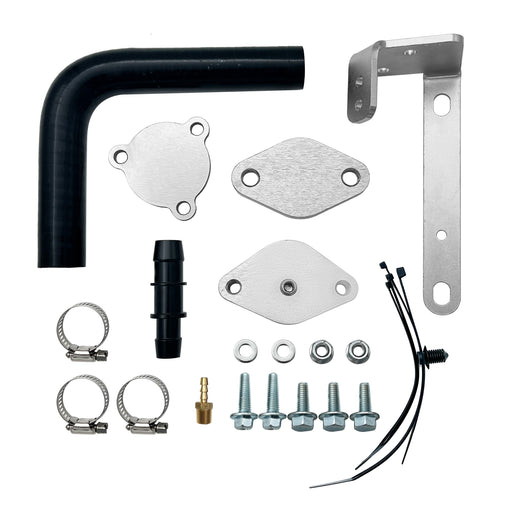
Seguler For 2014-2019 3.0L Dodge Ram 1500 EcoDiesel EGR Valve & Cooler Delete Kit
SEGULEROriginal price $72.99 - Original price $72.99Original price$72.99$72.99 - $72.99Current price $72.99FITMENT 2014-2019 3.0L Dodge Ram 1500 EcoDiesel V6 engine trucks. DESCRIPTION Product Overview Exhaust gas recirculation on 3.0L EcoDiesel V6 ...
View full details -
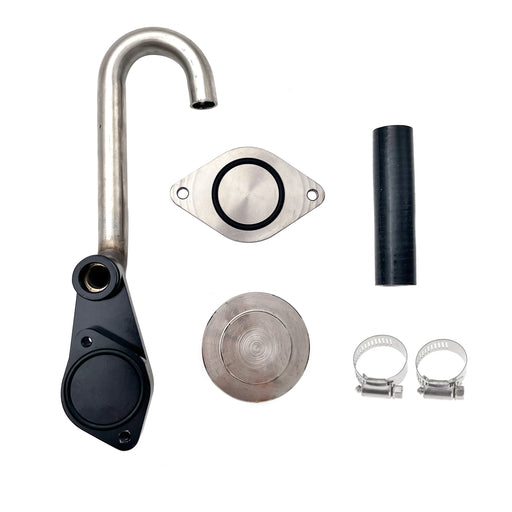
Seguler 2003-2007 6.0L FORD Powerstroke Diesel EGR Cooler Delete Kit
SEGULEROriginal price $56.14 - Original price $56.14Original price$56.14$56.14 - $56.14Current price $56.14FITMENT 2003-2007 6.0L Ford F-250 Ford F-350 F-450 F-550 Super Duty. 2003-2007 6.0L Ford Excursion SUV (Diesel Models Only). 2005-2010 Ford E-Se...
View full details -

Seguler 2011-2023 6.7L Ford Powerstroke Diesel EGR Delete Kit
SEGULEROriginal price $85.99 - Original price $85.99Original price$85.99$85.99 - $85.99Current price $85.99FITMENT 2011-2023 6.7L Ford Powerstroke F-250 F-350 F-450 F-550 Super Duty V8 Diesel. compatible with both standard Pickups and commercial Cab &...
View full details -

Seguler 2010-2024 6.7L Dodge Ram Cummins Diesel EGR Valve Cooler Delete Kit
SEGULEROriginal price $89.99 - Original price $89.99Original price$89.99$89.99 - $89.99Current price $89.99FITMENT 2010–2024 6.7L Dodge Ram Cummins 2500 / 3500 Pickup Turbo Diesel. Note: Does NOT fit Chassis Cab 3500 / 4500 / 5500 models. DESCRIPTIO...
View full details -

Seguler 2017-2019 L5P Duramax Diesel 4pcs L5P Can Bus Plugs Connector Replacement
SEGULEROriginal price $75.00 - Original price $75.00Original price$75.00$75.00 - $75.00Current price $75.00FITMENT 2017–2019 Chevrolet Silverado / GMC Sierra Duramax L5P 2500HD & 3500HD Diesel. DESCRIPTION Product Overview Unprotected harness con...
View full details -
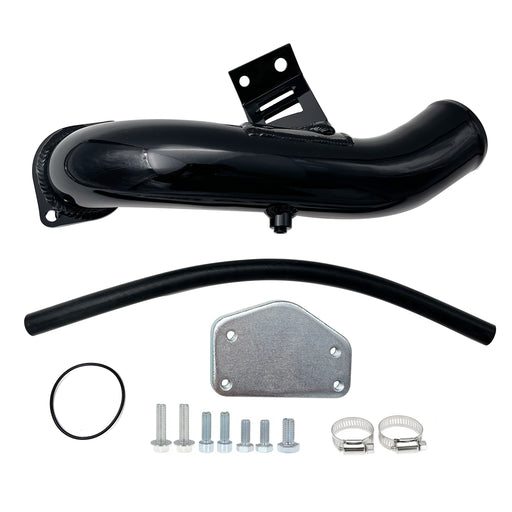
For 2004.5-2005 6.6L Chevy GMC Silverado LLY Duramax Diesel EGR Delete Kit
SEGULEROriginal price $92.99 - Original price $92.99Original price$92.99$92.99 - $92.99Current price $92.99FITMENT 2004.5-2005 6.6L Chevrolet Silverado Duramax LLY 2500HD / 3500 HD. 2004.5-2005 6.6L GMC Sierra Duramax LLY 2500HD / 3500 HD. DESCRIPTION...
View full details -

Seguler 2020-2023 chevy duramax L5P Diesel Can Bus Plugs Connector
SEGULEROriginal price $80.00 - Original price $80.00Original price$80.00$80.00 - $80.00Current price $80.00FITMENT 2020–2023 Chevrolet Silverado / GMC Sierra Duramax L5P 2500HD & 3500HD Diesel. DESCRIPTION Product Overview Unprotected harness pl...
View full details -
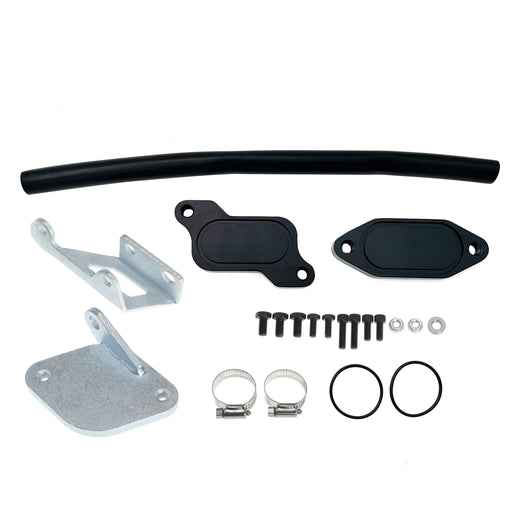
For 2006-2007 6.6L Chevrolet Silverado Classic GMC Duramax LBZ Diesel EGR Valve Cooler Delete Kit
SEGULEROriginal price $63.49 - Original price $63.49Original price$63.49$63.49 - $63.49Current price $63.49FITMENT 2006-2007.4 Chevrolet Silverado Duramax LBZ 2500HD / 3500HD. 2007.4 Chevrolet Silverado Duramax LBZ 2500HD / 3500HD Classic. 2006-2007.4 ...
View full details -

Seguler 2011-2023 6.7L Ford F250 F350 F450 F550 Powerstroke Diesel EGR Valve Delete Cooler Delete Kit
SEGULEROriginal price $55.99 - Original price $55.99Original price$55.99$55.99 - $55.99Current price $55.99FITMENT 2011-2023 6.7L Ford Powerstroke F-250 F-350 F-450 F-550 Super Duty V8 Diesel compatible with both standard Pickups and commercial Cab &a...
View full details -
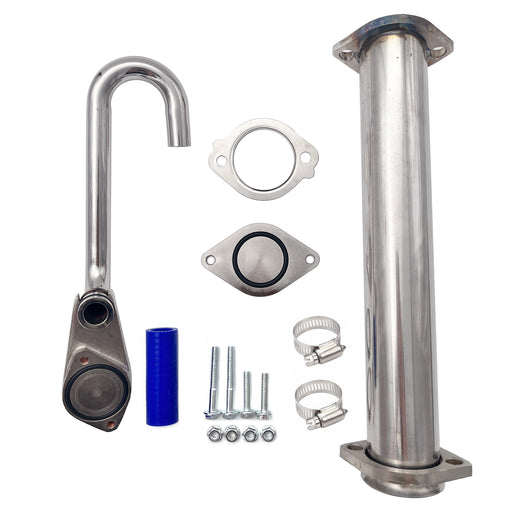
Seguler 2003-2007 6.0L Ford F250 F350 Powerstroke Diesel EGR Basic Cooler Kit
SEGULEROriginal price $79.99 - Original price $79.99Original price$79.99$79.99 - $79.99Current price $79.99FITMENT 2003-2007 6.0L Ford F250 F350 F450 F550 Super Duty Turbo (except 2004 F250 Super Duty). 2003-2005 6.0L Ford Excursion Turbo. 2005 Ford F...
View full details -
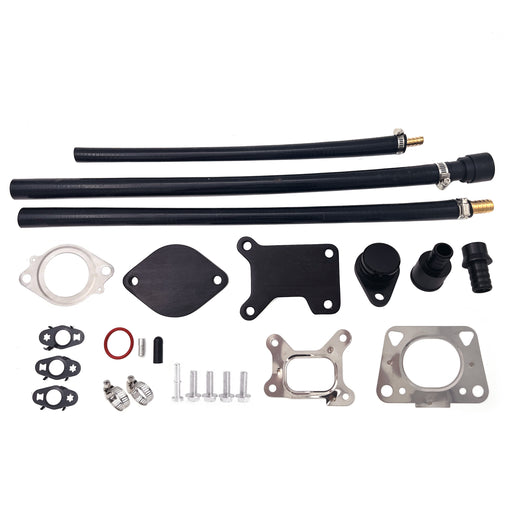
For 2017-2023 6.6L Chevy GMC Duramax L5P diesel EGR Valve Cooler Delete kit
SEGULEROriginal price $131.99 - Original price $131.99Original price$131.99$131.99 - $131.99Current price $131.99FITMENT 2017–2023 6.6L Chevrolet Silverado / GMC Sierra Duramax L5P 2500HD 3500HD Diesel. DESCRIPTION Product Overview Hot soot recirculation ...
View full details -
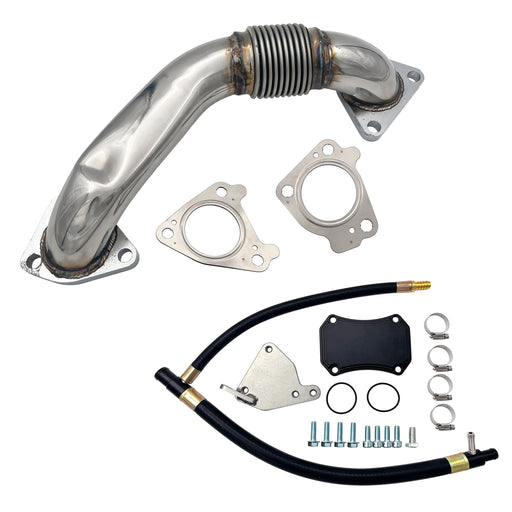
Seguler 2011-2016 6.6L GMC Chevy Duramax Diesel LML Up-Pipe & EGR Valve Cooler Delete Kit
SEGULEROriginal price $173.86 - Original price $173.86Original price$173.86$173.86 - $173.86Current price $173.86FITMENT 2011-2016 6.6L Chevy GMC Duramax LML 2500 HD 3500 HD Diesel. DESCRIPTION Product Overview Direct-injection technology endows GM 5.3L an...
View full details -
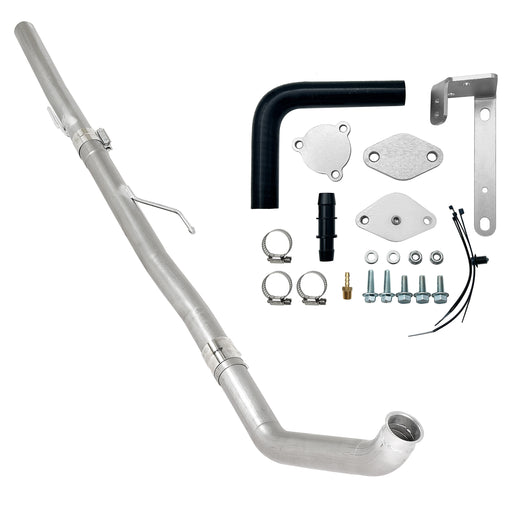
Seguler 3" Ecodiesel DPF Delete Pipe & EGR Delete kit for 2014-2018 3.0L Ram
SEGULEROriginal price $342.00 - Original price $342.00Original price$342.00$342.00 - $342.00Current price $342.00FITMENT 2014–2018 3.0L Dodge Ram 1500 EcoDiesel V6. NOTE: Fit standard Pickup models only (Crew Cab, Quad Cab). Does NOT fit Jeep Grand Cheroke...
View full details -
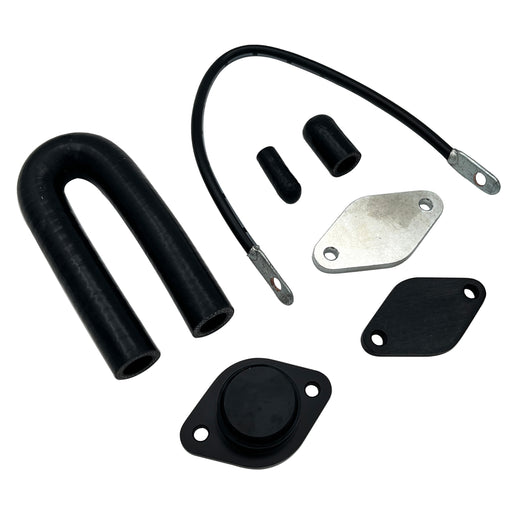
Seguler EGR valve cooler Delete kit for 2020-2022 3.0L Chevy Duramax LM2
SEGULEROriginal price $189.12 - Original price $189.12Original price$189.12$189.12 - $189.12Current price $189.12FITMENT 2020–2022 3.0L Chevrolet Silverado GMC Sierra 1500 LM2 Turbo-Diesel. DESCRIPTION Product Overview Powered by smooth inline-six engine...
View full details -

For 2013-2023 6.7L Dodge Ram Cummins Cab & Chassis EGR Delete Kit Diesel
SEGULEROriginal price $62.99 - Original price $62.99Original price$62.99$62.99 - $62.99Current price $62.99FITMENT 2013–2023 6.7L Ram Cummins 3500 4500 5500 Cab & Chassis / Commercial Trucks. Does NOT fit standard Ram 2500 3500 Pickups. DESCRIPTIO...
View full details -
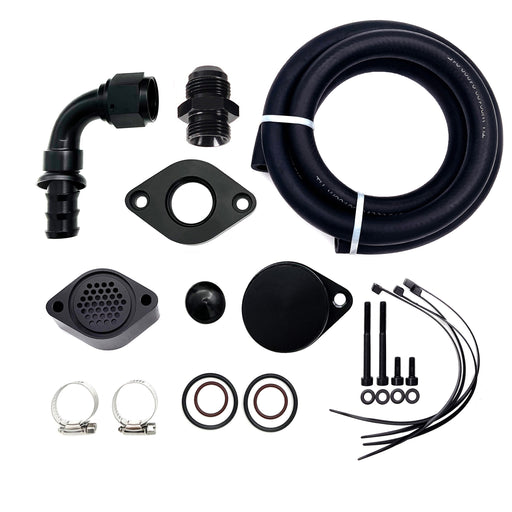
Seguler 2011-2023 6.7L Ford Powerstroke CCV PCV Reroute Engine Ventilation Kit
SEGULEROriginal price $82.99 - Original price $82.99Original price$82.99$82.99 - $82.99Current price $82.99FITMENT 2011-2023 6.7L Ford Powerstroke F-250 F-350 F-450 F-550 Super Duty V8 Diesel. Compatible with both standard Pickups and commercial Cab &...
View full details -
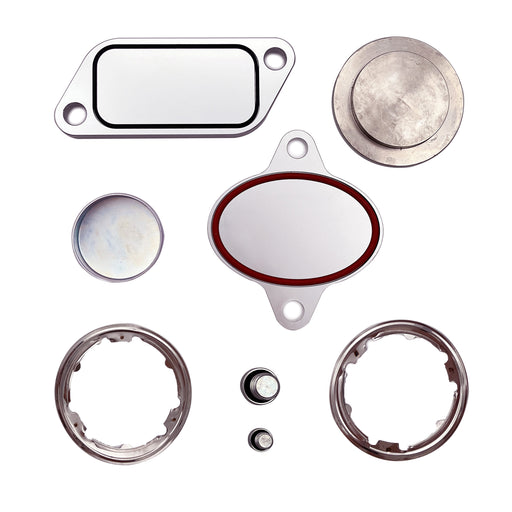
For 2007-2010 Cummins ISX CM871 EGR Plug Kit Stage 2 Plates and Plugs Aluminum
SEGULEROriginal price $67.99 - Original price $67.99Original price$67.99$67.99 - $67.99Current price $67.99FITMENT 2007-2010 Cummins Volvo, Peterbilt, Mack, International, Freightliner, Kenworth with the ISX CM871 Engines. DESCRIPTION Product Overvie...
View full details -
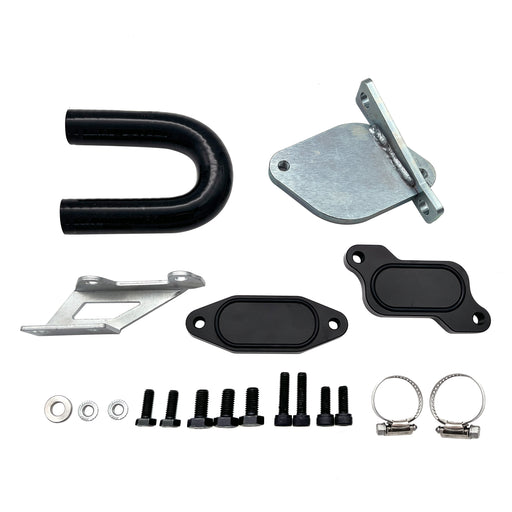
For 2007-2010 6.6L Chevy GMC LMM Duramax EGR Valve Cooler Delete Kit Fit
SEGULEROriginal price $61.99 - Original price $61.99Original price$61.99$61.99 - $61.99Current price $61.99FITMENT 2007.5-2010 6.6L Chevrolet Silverado Duramax LMM 2500HD / 3500HD. 2007.5-2010 6.6L GMC Sierra Duramax LMM 2500HD / 3500HD. Note: Standard...
View full details -
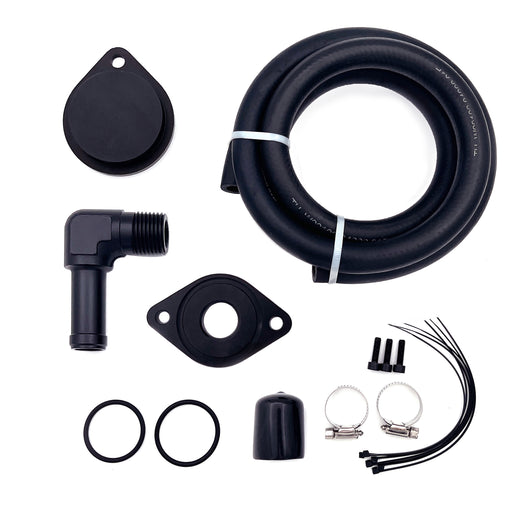
Seguler 2011-2023 Ford 6.7L Powerstroke CCV/PCV Reroute/Delete Engine Ventilation Kit
SEGULEROriginal price $72.00 - Original price $72.00Original price$72.00$72.00 - $72.00Current price $72.00FITMENT 2011-2023 6.7L Ford Powerstroke F-250 F-350 F-450 F-550 Super Duty V8 Diesel. Compatible with both standard Pickups and commercial Cab &...
View full details -
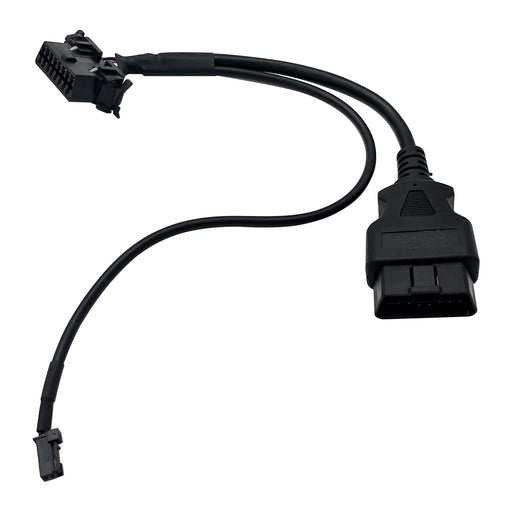
Seguler 2018+ RAM Cummins OBD2 HD Security Gate Bypass Cable
SEGULEROriginal price $45.00 - Original price $45.00Original price$45.00$45.00 - $45.00Current price $45.00FITMENT 2018+ 6.7L Ram Cummins 2500 3500 Turbo Diesel. Designed for Ram pickup trucks equipped with the factory Security Gateway Module. Note: Pl...
View full details -
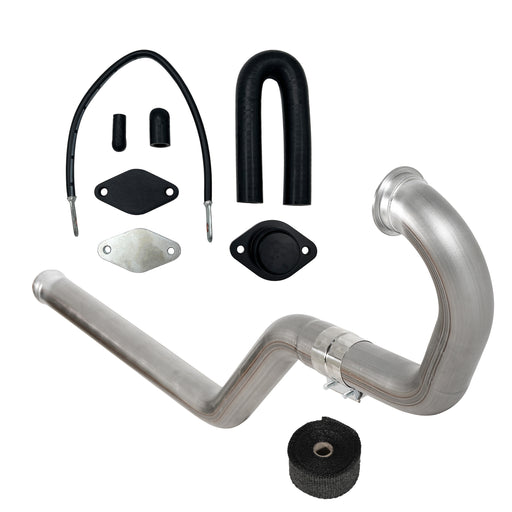
3" Turbo Back DPF & EGR Delete Kit for 2020-2022 GM 3.0L LM2 Duramax
SEGULEROriginal price $550.00 - Original price $550.00Original price$550.00$550.00 - $550.00Current price $550.00FITMENT 2020–2022 3.0L Chevrolet Silverado 1500 LM2 Diesel. 2020–2022 3.0L GMC Sierra 1500 LM2 Diesel. DESCRIPTION Product Overview On the 3.0...
View full details


Leave a comment