

6.6L Duramax LML Delete: DPF, EGR & CCV Failures Explained
Ask any 2011–2016 LML Duramax owner about the problems they worry about most, and three issues tend to come up: DEF and DPF faults that can trigger a speed-limited limp mode, an EGR cooler that may develop internal coolant leaks, and intake sludge caused by the buildup of exhaust soot and crankcase oil vapor. Each problem affects a different part of the truck, but together they can make ownership and maintenance more complicated.
The connection starts in the intake. The EGR system recirculates exhaust gas, bringing soot back into the engine, while the factory CCV system routes oil vapor into the same intake path. Over time, these deposits can combine into thick, cement-like sludge around the intake manifold, grid heater, and turbo inlet. Meanwhile, failures involving components such as DEF heaters or NOx sensors can trigger emissions warnings and, in some cases, a speed-limited countdown.
This guide examines all three systems, the warning signs owners should recognize, and the purpose of each repair option. It also explains the important 2015.5 model-year split, which affects DPF delete pipe fitment and makes checking the factory flange especially important before ordering parts.

What These Three Systems Actually Do
Before deciding what to change, it helps to understand what each system does, what commonly goes wrong, and how those problems usually show up on an LML Duramax.
The DPF (diesel particulate filter) captures soot from the exhaust and periodically burns it off during regeneration, while the DEF/SCR system uses diesel exhaust fluid to reduce NOx emissions. On the LML, issues can come from components such as DEF heaters, NOx sensors, or the DPF itself. When faults become serious enough, the truck may enter a reduced-power or speed-limited mode, which is why emissions-system warnings should not be ignored.
The EGR (exhaust gas recirculation) system sends a portion of exhaust back into the intake to reduce combustion temperatures. The LML uses a liquid-cooled EGR cooler, and repeated heat cycles can eventually contribute to internal leakage. Common warning signs include unexplained coolant loss, a sweet exhaust smell, or white smoke. When owners replace or remove failed EGR hardware for permitted off-road or competition applications, the goal is typically to eliminate the leaking cooler and restore a sealed, properly routed coolant path rather than simply covering the opening with a block-off plate.
The CCV (crankcase ventilation) system manages blow-by gases from the crankcase. On a stock LML, those vapors are routed back into the intake stream, where oil mist can coat the turbo inlet, intercooler plumbing, and intake tract. Combined with EGR soot, that residue can contribute to carbon buildup over time.
These systems affect different parts of the engine, but their symptoms can overlap. Coolant loss, emissions warnings, intake contamination, or drivability changes may point to different causes, so identifying the system involved is the first step before replacing parts.
Owner Symptoms: What These Failures Look Like
Here’s how each problem tends to show up, in the language you’d actually hear in a forum thread.
DPF / DEF trouble
- Frequent or stuck regeneration cycles, especially on short trips.
- A “DEF system” or “exhaust fluid quality” warning that won’t clear.
- The truck drops into a 55 MPH (then 4 MPH) limp mode with a countdown on the dash.
- Reduced power on the highway once the countdown starts.
EGR cooler trouble
- Coolant level dropping with no visible leak on the ground.
- White smoke or steam from the exhaust on a warm engine.
- A sweet coolant smell around the engine bay.
- In severe cases, a hard start or hydrolock after the truck sits.
CCV / crankcase trouble
- An oily film inside the intake tube or on the turbo inlet.
- Intercooler boots that look swollen or oil-soaked, or that blow off under boost.
- Gradual loss of throttle response as the manifold and grid heater cake up.
The thing to remember is that these symptoms stack. A truck losing coolant from a cracked EGR cooler is usually also building sludge from its CCV system at the same time.
Why These Systems Fail on the LML
The LML has a few specific weak points that keep showing up:
-
DEF heaters and NOx sensors fail first. They live in a hot, corrosive exhaust stream, and when they go, the countdown starts. This is the most common “my truck just locked itself” complaint on the LML.
-
The EGR cooler cracks from thermal cycling. The cooler sees exhaust gas on one side and engine coolant on the other. Repeated hot-cold cycling eventually cracks the internal passages — and that’s where the mystery coolant loss comes from.
-
The stock CCV system feeds the intake. Routing oil vapor back into the turbo inlet may keep the emissions equipment happy, but it’s a slow, steady source of oil contamination on the compressor wheel and intercooler boots. The cure is a reroute that bypasses the factory crankcase loop and vents the blow-by away from the intake — and the routing shape matters: a streamlined, no-angle venturi path vents cleanly with no pooling, where a cheap catch-can with sloppy hose angles drips oil under the truck.
-
Short-trip driving makes everything worse. A DPF that never gets a full highway regeneration plugs faster, and an EGR cooler that never fully warms up stays wet with condensation inside.
Which One Do You Fix First?
There’s no single right order for every truck, but here’s a practical way to think about it:
| Situation | Priority | Why |
|---|---|---|
| Coolant is disappearing with no leak | EGR cooler first | Can escalate to hydrolock — don’t put it off |
| Truck is locked into a countdown | DPF/DEF first | You can’t drive it reliably until it’s addressed |
| Intake is caking up, power is soft | CCV reroute first | Cleanest single change, pairs naturally with EGR |
A lot of owners end up doing the EGR and CCV together, because leaving one in place means the other’s fix only does half the job. The EGR feeds dry soot; the CCV feeds oil. Remove one and the other still has a source to work with. Many owners who pull both report the intake stays noticeably cleaner over the miles, instead of slowly re-coating itself in that baked-on sludge.
Know Your LML: The 2015.5 Split
This is the single biggest fitment trap on the LML, so it gets its own section.
The 2011–2016 LML run splits into two downpipe styles:
- 2011 – 2015.0 use a V-band clamp where the downpipe meets the mid-pipe.
- 2015.5 – 2016 use a 3-bolt triangular flange in the same spot.
Seguler 2015.5-2016 Chevy/GMC Duramax LML 4" DPF & CAT Delete Pipe
The DPF delete pipe in this guide is built for the 3-bolt flange only. If you have an early truck and order the wrong pipe, it won't seal — you'll fight exhaust leaks and end up returning it. Not sure which one you have? Look underneath where the downpipe meets the pipe behind the front axle. A V-clamp is round and single-banded; the 3-bolt flange is a triangular three-hole connection.
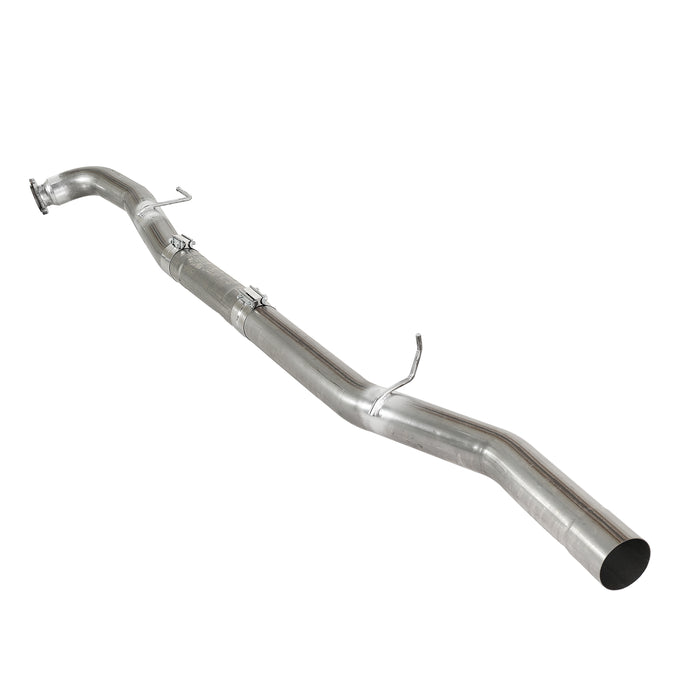
On the late trucks, the exact replacement that fits is the 4" DPF & CAT Delete Pipe. Built from mandrel-bent T409 stainless steel with a pre-welded 3-hole triangular flange, it drops directly into the factory hanger mounts without cutting or welding. Crucially, it features a built-in straight-through performance muffler: while a fully open 4-inch straight pipe drones heavily in the cab during highway towing, this muffler drops backpressure and EGTs while keeping the exhaust tone deep and the cab quiet.
2011-2016 6.6L GMC Chevy Duramax Diesel LML EGR Valve Cooler Delete Kit
The EGR and CCV kits don’t have this split — they cover the full 2011–2016 run. So the only part where the year actually changes what you order is the DPF pipe. On the late trucks, the replacement that fits is a 4-inch mandrel-bent T409 stainless pipe with a pre-welded 3-hole flange — and one thing owners don’t plan for until they’re on the highway is that a fully open 4-inch straight pipe drones hard in the cab during towing. That’s why the pipe worth buying carries a straight-through performance muffler: it drops backpressure and towing EGTs while keeping the tone deep and the cab quiet.

Key Features
- Seals tight with heavy-duty anodized CNC aluminum components that shrug off engine-bay heat and corrosion.
- Removes the factory EGR cooler to prevent carbon sludge on the valves and stop internal coolant loss.
- Keeps intake air cooler by bypassing hot EGR gases and cutting thermal stress under load.
- Blocks oily blow-by and abrasive soot from ever reaching the turbo, intercooler, and intake manifold.
For 2011–2016 6.6L Duramax LML owners, the Seguler CCV/PCV Reroute & EGR Cooler Delete Kit combines two complementary upgrades in one package. It removes the factory EGR cooler and reroutes crankcase ventilation away from the intake, helping address internal coolant-leak concerns and reduce the buildup of oil vapor and exhaust soot. Before ordering, confirm your truck’s fitment and review applicable emissions regulations, as these modifications are intended for permitted off-road or competition use.
Tuning & the Check-Engine Light
The DPF delete pipe and the EGR delete both need a compatible tuner to turn off the now-missing sensors and valves. Without it:
- The DPF pipe leaves the truck counting down toward limp mode, because the ECM still thinks the DEF heaters and NOx sensors are there.
- The EGR delete throws a check-engine light (and can limp) because the EGR valve is no longer responding.
The CCV reroute is the exception — it’s a mechanical vent with no sensor to satisfy, so it doesn’t need a tune.
The order that trips people up: get the tune loaded before you start unbolting hardware. It’s a lot easier to flash the ECM while the truck still runs normally than it is to diagnose a dead truck in the driveway.
What a Delete Won’t Fix
Here’s the honest part, because a delete isn’t a magic reset for every LML problem.
A DPF and EGR delete will not fix a failing CP4.2 high-pressure fuel pump. The LML runs a CP4.2, and when that pump starts shedding metal, it takes out injectors with it — that’s a fuel-system repair conversation, not an emissions one. Same goes for the transmission, head gaskets, and injector wear. Deleting the emissions hardware doesn’t touch any of those.
The delete addresses one thing: the emissions hardware that’s failing. It does that job well. But if your truck has a fuel-system or bottom-end problem, deleting the DPF won’t make that go away — it’ll just be a deleted truck with the same underlying issue. That’s a CP3 conversion conversation, not an EGR one.
Mistakes to Avoid
- Ordering the wrong DPF pipe. The V-band vs 3-bolt split is the number-one reason these pipes get returned. Check the flange before you order.
- Pulling hardware before tuning. Flash the ECM first, then unbolt. Doing it backwards is how you end up with a truck that won’t start or won’t move.
- Skipping the up-pipe on an EGR delete. The factory passenger-side up-pipe keeps its EGR riser branch even after the cooler is gone. Leaving it means a failure-prone branch that can still crack and leak.
- Only doing half the sludge fix. EGR delete without a CCV reroute (or vice versa) still leaves one of the two sludge ingredients feeding the intake.
- Assuming a catch can is the same thing. A venturi reroute vents cleanly; a cheap catch can with bad hose angles pools oil and drips it under the truck. They’re not interchangeable.
Installation Overview
These aren’t driveway-impossible jobs, but they’re not all the same difficulty. Here’s the shape of each one.
DPF delete pipe (2015.5–2016) — the most bolt-on of the three. Unbolt the factory exhaust, swap in the pipe, and the pre-welded flange and hanger rods line up with the factory mounts. No welding, no cutting. The catch is that the ECM has to be flashed to turn off the DEF/NOx sensors, and the sensor harnesses get unplugged and zip-tied to the frame. Budget a few hours with basic hand tools and a safe way to get the truck up. Pro tip: a thin smear of exhaust sealant on the 3-hole flange and band clamps before you torque them down is cheap insurance against a hairline leak.
EGR delete (2011–2016) — more involved, because you’re removing the cooler assembly rather than just covering it. The coolant side has to be addressed — the kit’s 3-terminal hose replaces the factory cooler circuit — and the passenger-side up-pipe still carries a bulky EGR riser branch that becomes dead weight once the cooler’s gone. Many owners swap to a delete up-pipe at the same time to remove that failure-prone branch and clean up the bay. Pro tip: a few of the cooler bolts on the passenger side sit tight against the firewall, so have a set of swivel sockets and a long extension on hand — it saves a good chunk of time and frustration.
CCV reroute (2011–2016) — the easiest of the three. The factory box comes out, the venturi routing goes in, and there’s no tune required — it’s a mechanical vent, not an electronic one.
The common thread: the DPF and EGR jobs both require tuning, and the tune should be in place before (or at the same time as) the hardware goes on. Pull the hardware first and you’ll be staring at a check-engine light — or worse, a limp mode.
If You’re About to Turn Wrenches
If you’ve made your call and you’re ready to do the work, here’s the parts list so you’re not hunting across the web:
- EGR Valve Cooler Delete Kit — 2011–2016, complete cooler removal with the 3-terminal Y-hose ($66.49).
- 4" DPF & CAT Delete Pipe — 2015.5–2016 only (3-bolt flange), with the straight-through muffler ($235.91).
- CCV PCV ReRoute Kit — 2011–2016, venturi routing ($84.99).
The EGR and CCV kits cover the full run; the DPF pipe is late-truck only, so check your flange type before you order. Find all three together at seguler.com.
Legal Disclaimer
These products are intended for off-road and competition use only. Removing or modifying emissions control equipment on a vehicle driven on public roads violates the federal Clean Air Act, regardless of how the parts are labeled. Labeling a vehicle or product “off-road” or “competition use only” does not by itself create a legal exemption. Modifications may also affect your vehicle warranty under the Magnuson-Moss Warranty Act. You are responsible for ensuring any modification complies with all applicable laws in your area. This article is for informational purposes and is not legal advice.
FAQ
Q:Does the DPF delete pipe fit my 2014 LML?
A:No. The DPF delete pipe covered here is built for the late 2015.5–2016 trucks with the 3-bolt flange. A 2014 (and early 2015) uses a V-band clamp downpipe, so you’d need a pipe built for that connection. The EGR and CCV kits, however, do cover 2014 with no issue.
Q:How do I tell if my 2015 is an early 2015.0 or a late 2015.5?
A:Check where the downpipe meets the mid-pipe behind the front axle. Early 2011–2015.0 trucks have a round V-clamp; late 2015.5–2016 trucks have a distinct 3-bolt triangular flange. Physically inspecting underneath is the only reliable way — don’t go by the build date on the door sticker alone.
Q:Do I need a tune to run the DPF delete pipe?
A:Yes. The factory DEF heaters and NOx sensors will otherwise trigger a countdown that locks the truck into limp mode. Once the ECM is flashed with a compatible tune, those sensors are electronically deactivated and you unplug the harnesses and zip-tie them safely to the frame.
Q:Does the EGR kit fully remove the coolers, or just block them off?
A:It’s a complete cooler-removal kit. The entire bulky dual-cooler assembly comes out of the engine bay, which frees up a large amount of space on the passenger side and makes future maintenance easier. It’s not a simple block-off plate.
Q:Why does the EGR kit come with a Y-shaped coolant hose?
A:The factory EGR coolers circulate engine coolant to cool the exhaust gases. Once the coolers are removed, the custom 3-terminal hose connects the factory heater-core and engine coolant ports together for a leak-free bypass, so you’re not leaving an open circuit.
Q:Will the CCV reroute make my truck drip oil?
A:No. This kit uses a streamlined, restriction-free venturi routing that vents vapors cleanly rather than pooling oil. That’s the difference from cheap bypass kits that rely on improper hose angles and end up dripping under the truck.
Q:Why are the CCV reroute and EGR delete usually done together?
A:Because the EGR system brings in dry carbon soot while the CCV system brings in sticky oil mist. When the two mix inside a hot intake, they form a thick, cement-like sludge. Removing both is what actually lets the engine breathe clean, dry air — doing just one leaves the other ingredient still feeding the intake.
Q:What does a delete NOT fix on an LML?
A:It won’t fix a failing CP4.2 high-pressure fuel pump, the transmission, head gaskets, or injector wear. Those are separate failure modes. A delete targets the emissions hardware specifically — if the truck has a fuel-system or bottom-end problem, that problem remains.
Q:Do I need to swap the up-pipe when I delete the EGR?
A:It’s recommended, not strictly required. The factory passenger-side up-pipe has a bulky EGR riser branch that becomes useless once the EGR is deleted. Swapping to a delete up-pipe removes that failure-prone branch to prevent future cracks and exhaust leaks, and it cleans up the engine bay.
Q:Do I need to reinstall the factory DEF or EGT sensors into the new pipe?
A:No. The DPF pipe is a smooth, bungless straight pipe. Once your ECM is flashed, the sensors are electronically deactivated — you unplug the harnesses and zip-tie them to the frame rather than reinstalling them.
Q:Can I still register and drive the truck on the road after deleting?
A:Deleting emissions equipment puts a road-driven truck outside federal emissions compliance, and it can affect registration, insurance, and resale. These parts are intended for off-road and competition use. Confirm the rules in your area and make the decision with that in mind.
Featured collection
-
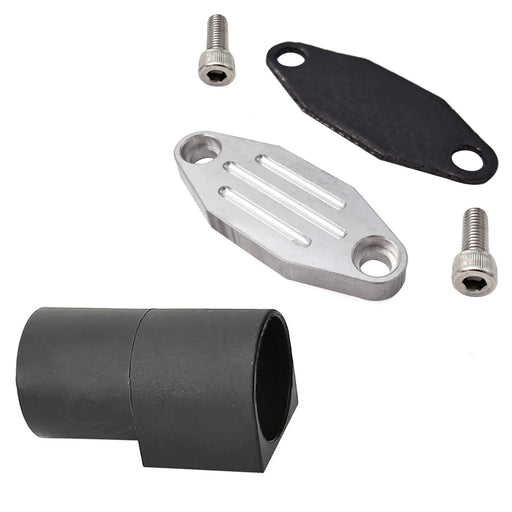
Seguler 1986-1995 Ford F150 F250 F350 Mustang Trucks EGR Simulator Eliminator / Block Off Plate Kit
SEGULEROriginal price $79.99 - Original price $79.99Original price$79.99$79.99 - $79.99Current price $79.99Block Off Plate Material: Aluminum alloy. Easy installation,and convenient to use. Made of CNC milled from aircraft grade Billet aluminum. Will N...
View full details -

Seguler 2011-2023 6.7L Ford Powerstroke Diesel EGR Delete Kit
SEGULEROriginal price $109.99 - Original price $109.99Original price$109.99$109.99 - $109.99Current price $109.99FITMENT 2011-2023 6.7L Ford Powerstroke F-250 F-350 F-450 F-550 Super Duty V8 Diesel. compatible with both standard Pickups and commercial Cab &...
View full details -
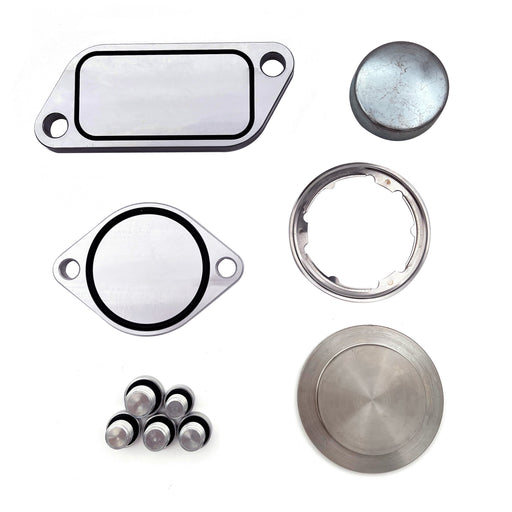
For 2010-Present Stage 2 ISX 15 CM2250 CM2350 EGR Delete Kit
SEGULEROriginal price $59.99 - Original price $59.99Original price$59.99$59.99 - $59.99Current price $59.99FITMENT 2010-Present Cummins Volvo, Peterbilt, Mack, International, Freightliner, Kenworth with the ISX15 CM2250 / CM2350 engines. DESCRIPTION P...
View full details -
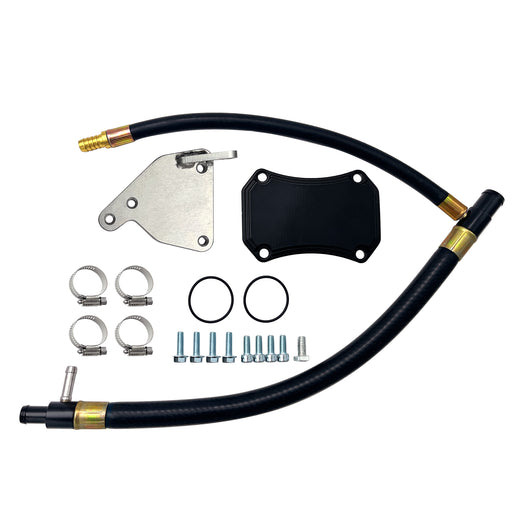
For 2011-2016 6.6L GMC Chevy Duramax Diesel LML EGR Valve Cooler Delete Kit
SEGULEROriginal price $66.49 - Original price $66.49Original price$66.49$66.49 - $66.49Current price $66.49FITMENT 2011-2016 6.6L Chevy GMC Duramax LML 2500 HD 3500 HD Diesel. DESCRIPTION Product Overview The 2011–2016 LML Duramax uses a complex EG...
View full details -
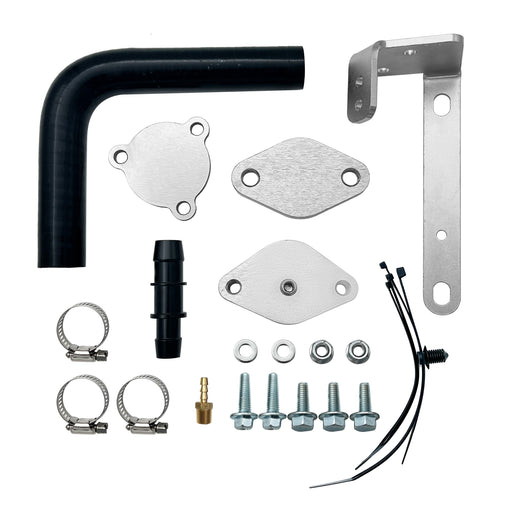
Seguler For 2014-2019 3.0L Dodge Ram 1500 EcoDiesel EGR Valve & Cooler Delete Kit
SEGULEROriginal price $72.99 - Original price $72.99Original price$72.99$72.99 - $72.99Current price $72.99FITMENT 2014-2019 3.0L Dodge Ram 1500 EcoDiesel V6 engine trucks. DESCRIPTION Product Overview Exhaust gas recirculation on 3.0L EcoDiesel V6 ...
View full details -
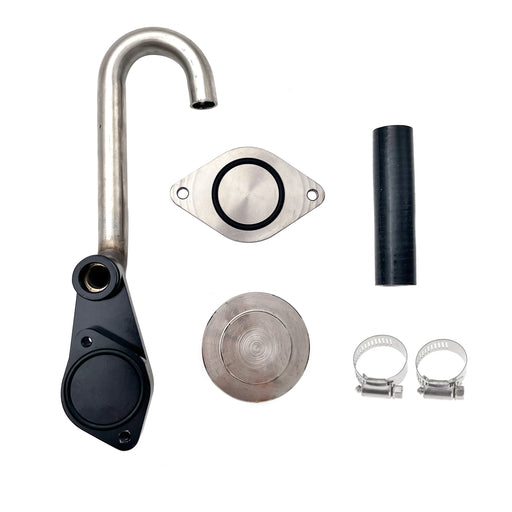
Seguler 2003-2007 6.0L FORD Powerstroke Diesel EGR Cooler Delete Kit
SEGULEROriginal price $56.14 - Original price $56.14Original price$56.14$56.14 - $56.14Current price $56.14FITMENT 2003-2007 6.0L Ford F-250 Ford F-350 F-450 F-550 Super Duty. 2003-2007 6.0L Ford Excursion SUV (Diesel Models Only). 2005-2010 Ford E-Se...
View full details -

Seguler 2011-2023 6.7L Ford Powerstroke Diesel EGR Delete Kit
SEGULEROriginal price $85.99 - Original price $85.99Original price$85.99$85.99 - $85.99Current price $85.99FITMENT 2011-2023 6.7L Ford Powerstroke F-250 F-350 F-450 F-550 Super Duty V8 Diesel. compatible with both standard Pickups and commercial Cab &...
View full details -

Seguler 2010-2024 6.7L Dodge Ram Cummins Diesel EGR Valve Cooler Delete Kit
SEGULEROriginal price $89.99 - Original price $89.99Original price$89.99$89.99 - $89.99Current price $89.99FITMENT 2010–2024 6.7L Dodge Ram Cummins 2500 / 3500 Pickup Turbo Diesel. Note: Does NOT fit Chassis Cab 3500 / 4500 / 5500 models. DESCRIPTIO...
View full details -

Seguler 2017-2019 L5P Duramax Diesel 4pcs L5P Can Bus Plugs Connector Replacement
SEGULEROriginal price $75.00 - Original price $75.00Original price$75.00$75.00 - $75.00Current price $75.00FITMENT 2017–2019 Chevrolet Silverado / GMC Sierra Duramax L5P 2500HD & 3500HD Diesel. DESCRIPTION Product Overview Unprotected harness con...
View full details -
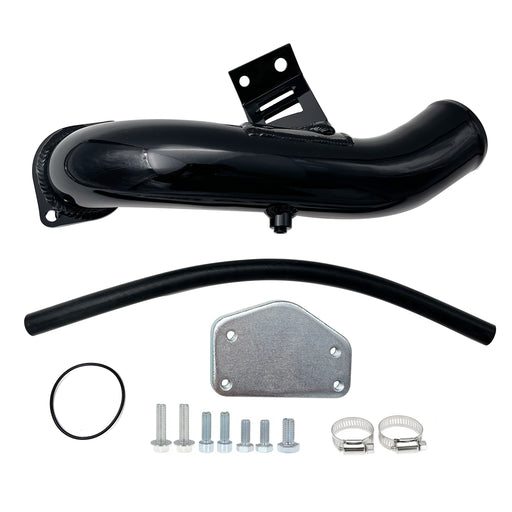
For 2004.5-2005 6.6L Chevy GMC Silverado LLY Duramax Diesel EGR Delete Kit
SEGULEROriginal price $92.99 - Original price $92.99Original price$92.99$92.99 - $92.99Current price $92.99FITMENT 2004.5-2005 6.6L Chevrolet Silverado Duramax LLY 2500HD / 3500 HD. 2004.5-2005 6.6L GMC Sierra Duramax LLY 2500HD / 3500 HD. DESCRIPTION...
View full details -

Seguler 2020-2023 chevy duramax L5P Diesel Can Bus Plugs Connector
SEGULEROriginal price $80.00 - Original price $80.00Original price$80.00$80.00 - $80.00Current price $80.00FITMENT 2020–2023 Chevrolet Silverado / GMC Sierra Duramax L5P 2500HD & 3500HD Diesel. DESCRIPTION Product Overview Unprotected harness pl...
View full details -
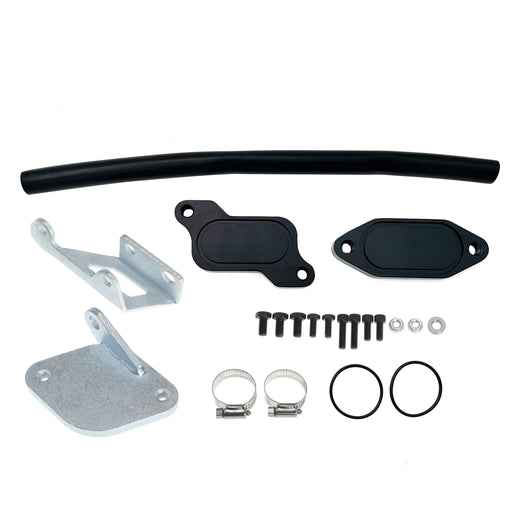
For 2006-2007 6.6L Chevrolet Silverado Classic GMC Duramax LBZ Diesel EGR Valve Cooler Delete Kit
SEGULEROriginal price $63.49 - Original price $63.49Original price$63.49$63.49 - $63.49Current price $63.49FITMENT 2006-2007.4 Chevrolet Silverado Duramax LBZ 2500HD / 3500HD. 2007.4 Chevrolet Silverado Duramax LBZ 2500HD / 3500HD Classic. 2006-2007.4 ...
View full details -

Seguler 2011-2023 6.7L Ford F250 F350 F450 F550 Powerstroke Diesel EGR Valve Delete Cooler Delete Kit
SEGULEROriginal price $55.99 - Original price $55.99Original price$55.99$55.99 - $55.99Current price $55.99FITMENT 2011-2023 6.7L Ford Powerstroke F-250 F-350 F-450 F-550 Super Duty V8 Diesel compatible with both standard Pickups and commercial Cab &a...
View full details -
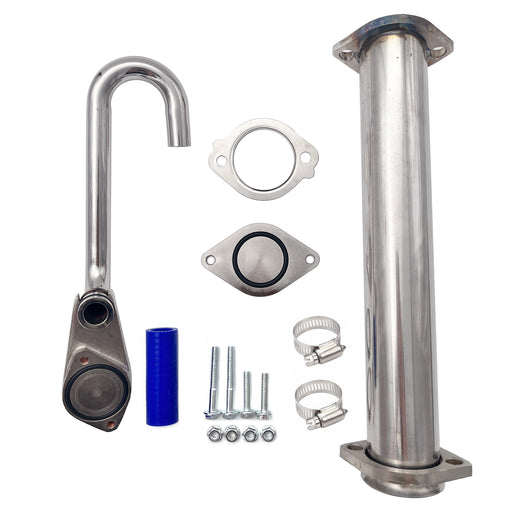
Seguler 2003-2007 6.0L Ford F250 F350 Powerstroke Diesel EGR Basic Cooler Kit
SEGULEROriginal price $79.99 - Original price $79.99Original price$79.99$79.99 - $79.99Current price $79.99FITMENT 2003-2007 6.0L Ford F250 F350 F450 F550 Super Duty Turbo (except 2004 F250 Super Duty). 2003-2005 6.0L Ford Excursion Turbo. 2005 Ford F...
View full details -
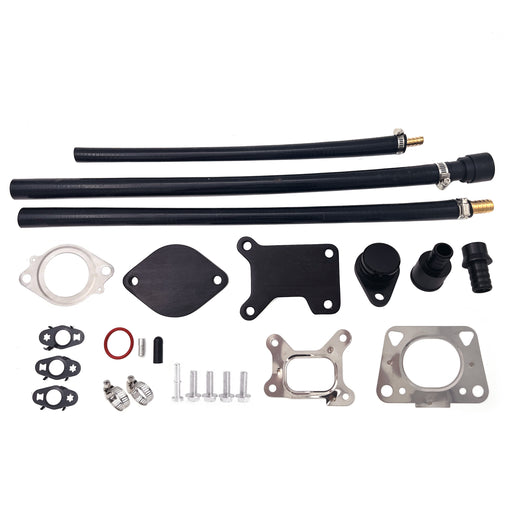
For 2017-2023 6.6L Chevy GMC Duramax L5P diesel EGR Valve Cooler Delete kit
SEGULEROriginal price $131.99 - Original price $131.99Original price$131.99$131.99 - $131.99Current price $131.99FITMENT 2017–2023 6.6L Chevrolet Silverado / GMC Sierra Duramax L5P 2500HD 3500HD Diesel. DESCRIPTION Product Overview Hot soot recirculation ...
View full details -
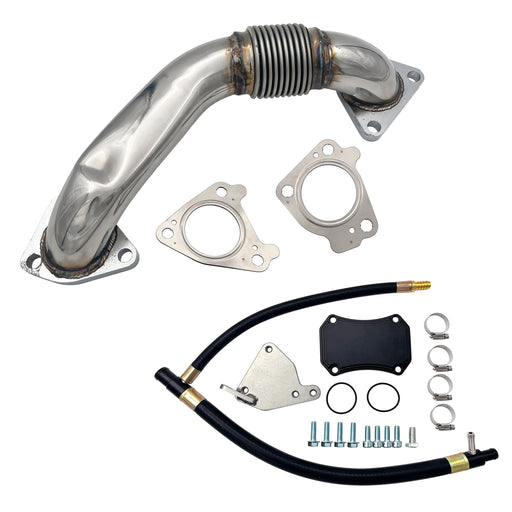
Seguler 2011-2016 6.6L GMC Chevy Duramax Diesel LML Up-Pipe & EGR Valve Cooler Delete Kit
SEGULEROriginal price $173.86 - Original price $173.86Original price$173.86$173.86 - $173.86Current price $173.86FITMENT 2011-2016 6.6L Chevy GMC Duramax LML 2500 HD 3500 HD Diesel. DESCRIPTION Product Overview Direct-injection technology endows GM 5.3L an...
View full details -
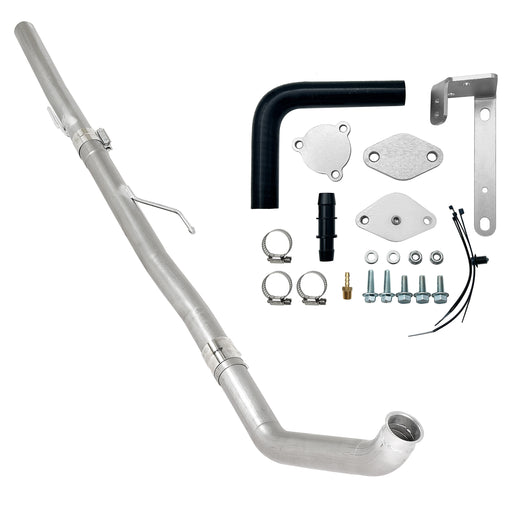
Seguler 3" Ecodiesel DPF Delete Pipe & EGR Delete kit for 2014-2018 3.0L Ram
SEGULEROriginal price $342.00 - Original price $342.00Original price$342.00$342.00 - $342.00Current price $342.00FITMENT 2014–2018 3.0L Dodge Ram 1500 EcoDiesel V6. NOTE: Fit standard Pickup models only (Crew Cab, Quad Cab). Does NOT fit Jeep Grand Cheroke...
View full details -
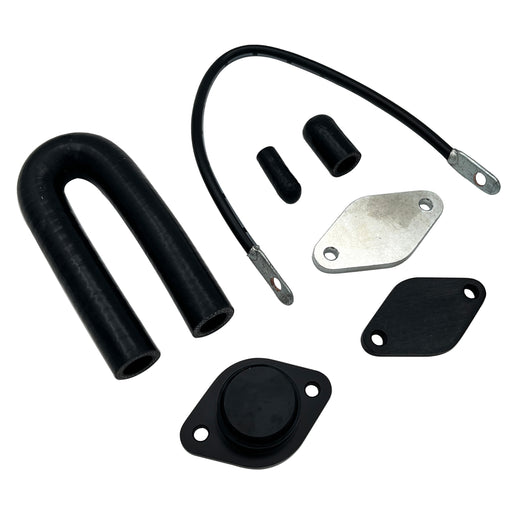
Seguler EGR valve cooler Delete kit for 2020-2022 3.0L Chevy Duramax LM2
SEGULEROriginal price $189.12 - Original price $189.12Original price$189.12$189.12 - $189.12Current price $189.12FITMENT 2020–2022 3.0L Chevrolet Silverado GMC Sierra 1500 LM2 Turbo-Diesel. DESCRIPTION Product Overview Powered by smooth inline-six engine...
View full details -

For 2013-2023 6.7L Dodge Ram Cummins Cab & Chassis EGR Delete Kit Diesel
SEGULEROriginal price $62.99 - Original price $62.99Original price$62.99$62.99 - $62.99Current price $62.99FITMENT 2013–2023 6.7L Ram Cummins 3500 4500 5500 Cab & Chassis / Commercial Trucks. Does NOT fit standard Ram 2500 3500 Pickups. DESCRIPTIO...
View full details -
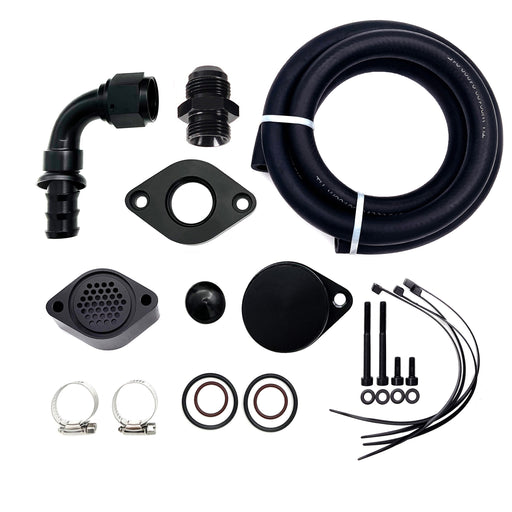
Seguler 2011-2023 6.7L Ford Powerstroke CCV PCV Reroute Engine Ventilation Kit
SEGULEROriginal price $82.99 - Original price $82.99Original price$82.99$82.99 - $82.99Current price $82.99FITMENT 2011-2023 6.7L Ford Powerstroke F-250 F-350 F-450 F-550 Super Duty V8 Diesel. Compatible with both standard Pickups and commercial Cab &...
View full details -
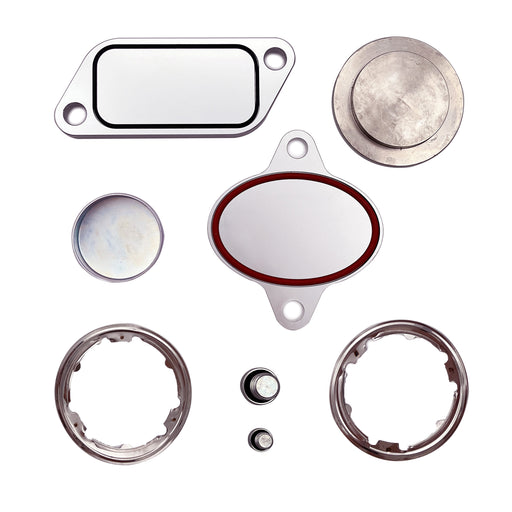
For 2007-2010 Cummins ISX CM871 EGR Plug Kit Stage 2 Plates and Plugs Aluminum
SEGULEROriginal price $67.99 - Original price $67.99Original price$67.99$67.99 - $67.99Current price $67.99FITMENT 2007-2010 Cummins Volvo, Peterbilt, Mack, International, Freightliner, Kenworth with the ISX CM871 Engines. DESCRIPTION Product Overvie...
View full details -
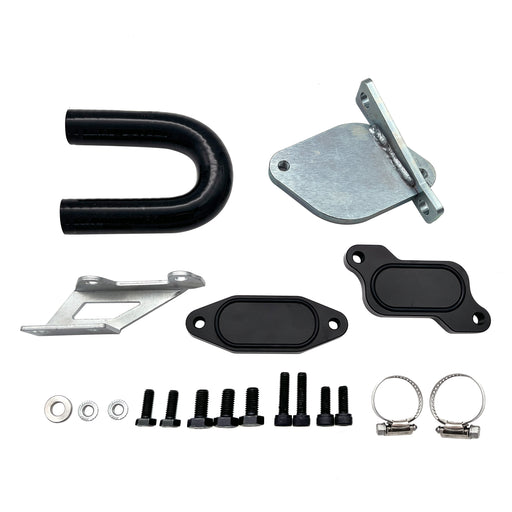
For 2007-2010 6.6L Chevy GMC LMM Duramax EGR Valve Cooler Delete Kit Fit
SEGULEROriginal price $61.99 - Original price $61.99Original price$61.99$61.99 - $61.99Current price $61.99FITMENT 2007.5-2010 6.6L Chevrolet Silverado Duramax LMM 2500HD / 3500HD. 2007.5-2010 6.6L GMC Sierra Duramax LMM 2500HD / 3500HD. Note: Standard...
View full details -
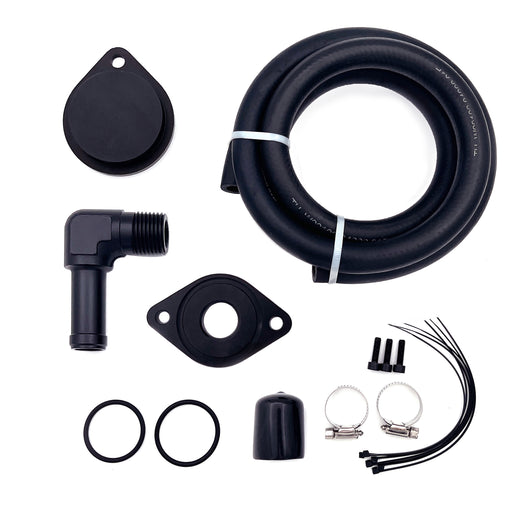
Seguler 2011-2023 Ford 6.7L Powerstroke CCV/PCV Reroute/Delete Engine Ventilation Kit
SEGULEROriginal price $72.00 - Original price $72.00Original price$72.00$72.00 - $72.00Current price $72.00FITMENT 2011-2023 6.7L Ford Powerstroke F-250 F-350 F-450 F-550 Super Duty V8 Diesel. Compatible with both standard Pickups and commercial Cab &...
View full details -
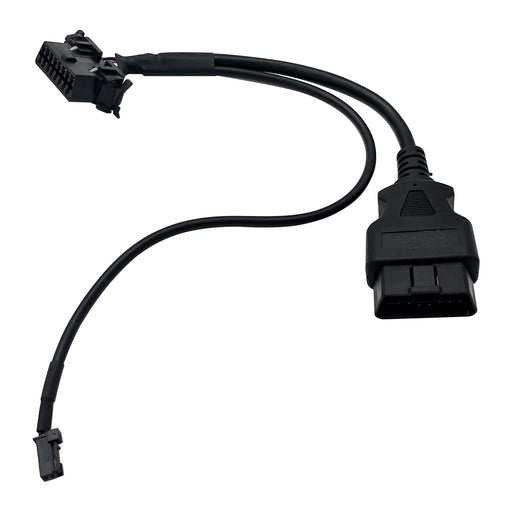
Seguler 2018+ RAM Cummins OBD2 HD Security Gate Bypass Cable
SEGULEROriginal price $45.00 - Original price $45.00Original price$45.00$45.00 - $45.00Current price $45.00FITMENT 2018+ 6.7L Ram Cummins 2500 3500 Turbo Diesel. Designed for Ram pickup trucks equipped with the factory Security Gateway Module. Note: Pl...
View full details -
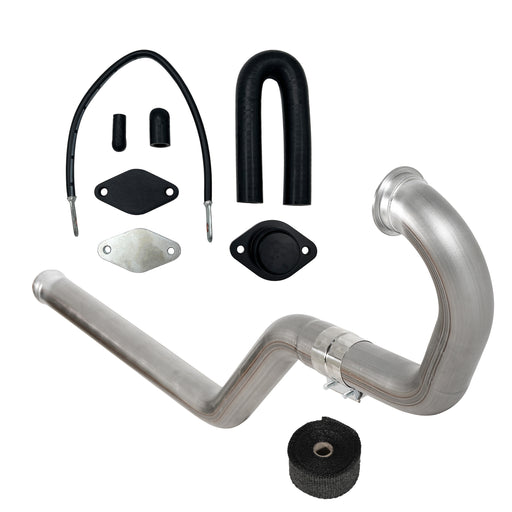
3" Turbo Back DPF & EGR Delete Kit for 2020-2022 GM 3.0L LM2 Duramax
SEGULEROriginal price $550.00 - Original price $550.00Original price$550.00$550.00 - $550.00Current price $550.00FITMENT 2020–2022 3.0L Chevrolet Silverado 1500 LM2 Diesel. 2020–2022 3.0L GMC Sierra 1500 LM2 Diesel. DESCRIPTION Product Overview On the 3.0...
View full details


Leave a comment