

6.7L Powerstroke Upgrades: EGR Delete, Exhaust & SOTF Switch Guide
The 6.7L Powerstroke has earned a strong reputation as a capable diesel platform, but many owners eventually look for ways to improve reliability, airflow, and day-to-day drivability.
Whether the truck is used for towing, hauling, long highway trips, or daily commuting, three areas often come up in upgrade discussions: the EGR system, the exhaust system, and switch-on-the-fly tuning controls.
This guide breaks down what each upgrade changes, how they differ, and what to check before choosing parts for your truck. It also covers the fitment details that commonly cause problems, including model-year differences, cab configurations, and tune compatibility.
What Do These Three Upgrades Do for a 6.7L Powerstroke?
These three upgrades affect different areas of the 6.7L Powerstroke: the EGR system, the exhaust system, and tune control. Each one serves a different purpose, so understanding what changes — and what stays factory — is important before ordering parts.
Looking at them separately also makes fitment easier to understand. The EGR kit changes the intake and coolant-side hardware, the exhaust system changes the components behind the turbo, and the SOTF switch works with a compatible multi-map tune rather than replacing a mechanical engine part.
| Upgrade | Changes | Purpose |
|---|---|---|
| EGR Kit | EGR system | Reduces recirculation |
| Straight Pipe | Exhaust system | Reduces restriction |
| SOTF Switch | Tune control | Changes tune levels |
These upgrades are often paired because they affect different parts of the same overall setup. Changes to the EGR and exhaust systems may require a compatible calibration, while the SOTF switch lets you select between the tune levels already programmed into that calibration.
Why Do 6.7L Powerstroke Owners Change These Three Systems?
These upgrades focus on three areas: airflow, heat management, and tuning flexibility. The EGR system recirculates exhaust gas into the intake, which can contribute to soot buildup over time, while the EGR cooler adds another heat-cycling component that may require maintenance or repair.
The factory DPF, catalytic converter, and muffler restrict exhaust flow compared with a freer-flowing system. Owners who frequently tow or operate under heavy loads may consider exhaust upgrades, while those using a compatible multi-map tune can use an SOTF switch to select between preloaded power levels without reflashing each time. Actual performance and temperature changes depend on the vehicle configuration and calibration.
For many owners, the goal isn’t maximum horsepower. It’s finding a setup that better suits their workload and driving habits, whether that means towing, hauling, or everyday driving. Each upgrade serves a different purpose, so understanding those differences helps owners make more informed decisions.
The EGR Delete: What It Replaces and What It Solves
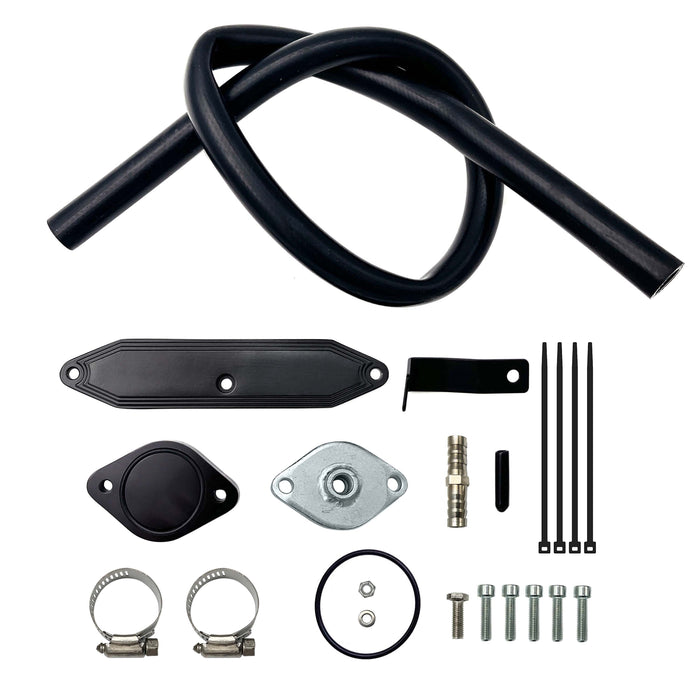
The 6.7L Ford EGR Delete Kit from Seguler uses billet aluminum and stainless steel components to seal designated EGR ports while maintaining the required coolant flow. It is designed to address EGR-related soot buildup and potential cooler leakage.
Before ordering, verify your EGT sensor thread size and kit configuration. 2015–2016 models may require an additional coolant reroute hose. Confirm fitment and applicable emissions regulations before installation.
Signs of Potential EGR Cooler Problems
Unexplained coolant loss, a sweet coolant smell, or heavy soot buildup in the intake may indicate EGR-related issues. Frequent heavy towing can also increase thermal stress, but these signs alone do not confirm cooler failure.
Why Coolant Routing Matters
Seguler’s EGR kit uses a pass-through plate to maintain the required coolant flow while sealing the designated exhaust connection. Removing the factory cooler eliminates it as a potential source of internal coolant leakage, though other cooling-system problems may still occur.
Fitment Details to Check
- 2015–2016 coolant reroute hose: Confirm whether your kit requires the additional hose for these model years.
- EGT sensor thread size: Verify whether your factory sensor requires the 10mm or 12mm option. Check compatibility with the listed 1/8-inch NPT port before ordering.
Installation Overview
Installation involves removing the factory EGR valve and cooler, disconnecting the associated coolant lines and electrical connections, and fitting the supplied block-off plates and coolant reroute components. After reassembly, refill the cooling system to specification and check all connections for leaks.
For detailed instructions and installation photos, refer to the official 2011–2023 6.7L Ford Powerstroke EGR Delete Kit Installation Guide. Confirm the correct kit configuration and applicable emissions regulations before beginning.
The Race Exhaust: Why Straight-Pipe and What Actually Changes
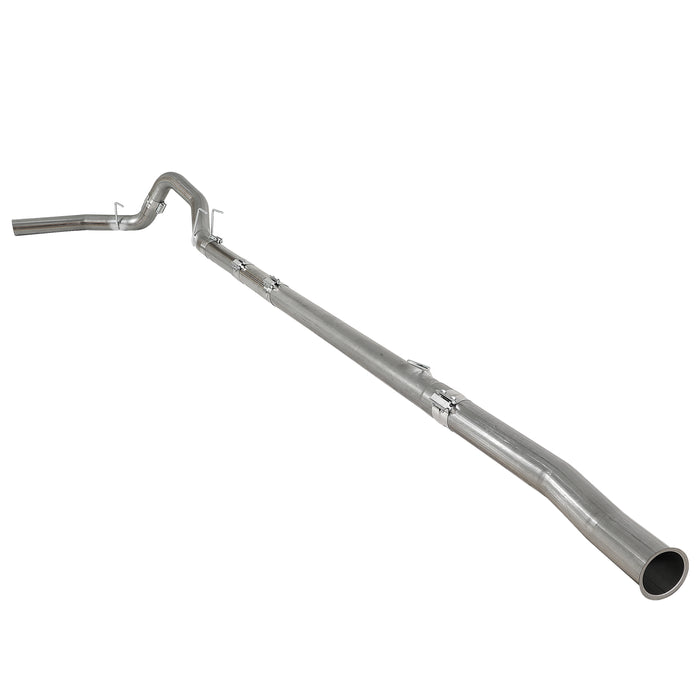
The 2017–2022 6.7L Ford 4-inch Downpipe-Back from Seguler replaces the factory exhaust behind the downpipe with a muffler-free, 4-inch system designed to reduce exhaust restriction.
The main change is a louder, deeper exhaust note with a more pronounced turbo whistle under acceleration. Actual performance gains vary by vehicle and setup. Verify fitment and emissions compliance before installation.
One important consideration is emissions compliance. This 4-inch downpipe-back race exhaust replaces factory emissions equipment, so verify the system’s configuration and applicable regulations before installation. Any required calibration should be handled by a qualified professional, as removing emissions components can trigger fault codes and affect vehicle operation.
Installation Overview
Installation involves removing the factory exhaust from the downpipe flange back, releasing the exhaust hangers, and positioning the new sections along the factory mounting points. Align the pipes and check clearance before tightening the clamps. Some trimming may be necessary depending on your truck’s configuration.
For detailed instructions and installation photos, refer to the 2011–2022 6.7L Ford Powerstroke 4-Inch Downpipe-Back Exhaust Installation Guide. Verify fitment and applicable emissions regulations before beginning installation.
The SOTF Switch: On-the-Fly Map Switching, Explained
The 6.7L Ford SOTF Switch is a 5-position rotary switch designed to work with a compatible custom tune, allowing drivers to select between preloaded power levels while driving. It doesn’t create horsepower on its own — it gives you convenient access to the tune levels already programmed into your truck.
For owners who use the same truck for towing and everyday driving, that flexibility can be useful. You can select a suitable preloaded tune for different driving needs without stopping to reflash the ECM each time. Before switching, follow your tuner’s instructions and confirm that SOTF functionality is enabled in your calibration.
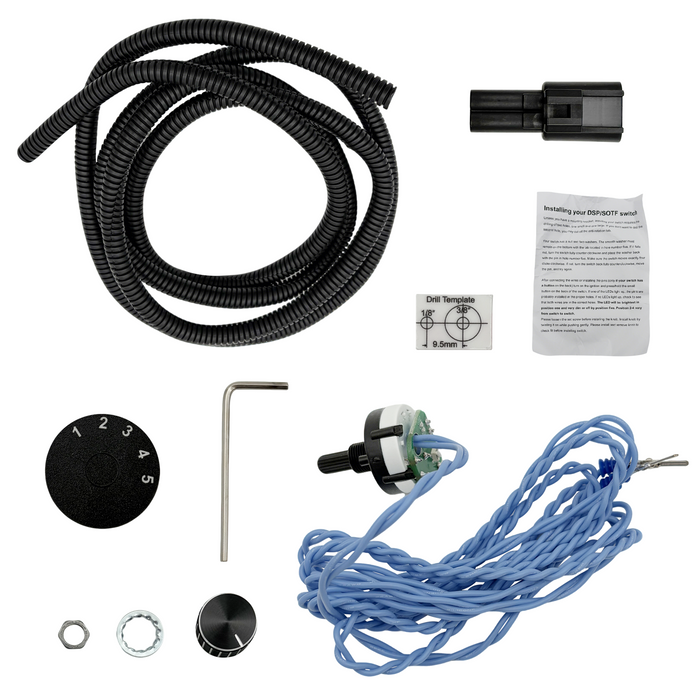
Installation is straightforward with the OE-style molded connector, which plugs into the factory CAC temperature sensor harness without cutting, splicing, or soldering wires. Once installed, the 5-position switch provides convenient access to the power levels supported by your compatible SOTF tune, keeping the setup clean and simple.
Installation Overview
Installation involves disconnecting both batteries, unplugging the intake air temperature sensor, routing the switch wire through the firewall grommet, and mounting the rotary dial in a convenient location. Secure the wiring harness with zip ties and keep it clear of moving or hot components. Once installed, verify that all connections are secure before reconnecting the batteries.
For detailed instructions and installation photos, follow the 2011–2022 6.7L Ford Powerstroke SOTF Switch Installation Guide.
One important compatibility note: the switch only works with a tuning setup that supports SOTF functionality. Confirm with your tuner that the feature is enabled in your calibration before installation.
How the Three Work Together
The reason these three get written about together is that they form one chain.
The EGR removal and the straight-pipe exhaust both require a custom calibration to keep the truck from throwing codes or falling into limp mode. That calibration is where the multi-level power maps live. And once you have multiple maps loaded, the SOTF switch is the tool that makes them usable day to day.
So the logical order is: sort the tuning first, then the hardware, and add the switch so you can actually move between the maps you just had written. The hardware parts are three separate purchases, but they’re all pointed at the same goal — a 6.7L with freer intake and exhaust flow, and the power you’ve tuned for under your hand instead of behind a re-flash routine.
Fitment: Years, Cabs, and the Details That Matter
This is where most ordering mistakes happen, so it’s worth slowing down.
The three parts cover slightly different ranges, and the overlap is what most trucks fall into:
| Part | Listed fitment | Cab & Chassis note |
|---|---|---|
| EGR Delete Kit | 2011–2023 6.7L Powerstroke |
Pickups & Cab & Chassis. |
| Straight-Pipe Exhaust | 2011–2022 6.7L Powerstroke | Pickup only; excludes Cab & Chassis. |
| SOTF Switch | 2011–2022 6.7L Powerstroke | Super Duty F-250/F-350/F-450/F-550 |
Three things to check before you order:
The exhaust is pickup-only
The straight-pipe system fits F-250/F-350/F-450 Super Duty pickups (crew cab short bed and long bed), but it does not fit Cab & Chassis commercial-style trucks. If you run a chassis cab, the EGR kit fits but the exhaust does not.
The EGR kit covers one year more
The EGR removal kit is listed through 2023, while the exhaust and switch top out at 2022. If you have a 2023 truck, that affects which parts apply to you.
Confirm by engine and cab, not just year
Product listings are the authority here — the year ranges above are the listed fitment, and the safest move is always to confirm your specific year, cab, and bed configuration against the product page before ordering.
Installation and Tuning: What’s Actually Involved
Before installing any components, confirm the calibration requirements for your specific 6.7L Powerstroke and tuning setup.
The PCM monitors the factory emissions systems, so changes to the EGR or exhaust hardware may trigger fault codes or affect engine operation if the calibration is not compatible. Codes such as P0401 or P040F may occur, depending on the configuration.
All three installations involve mechanical work, but the EGR kit requires additional attention to coolant routing. For 2015–2016 models, verify whether the additional coolant reroute hose is required.
If you’re unfamiliar with these systems, consider having a qualified diesel technician handle the installation and verify compatibility. Planning the mechanical work, calibration requirements, and vehicle fitment together can help avoid unnecessary complications.
Common Mistakes to Avoid
Mistakes#1 Doing the hardware before the tune
This is the big one. Sealed hardware on a stock tune triggers codes and can put the truck into limp mode. Flash the calibration first.
Mistakes#2 Skipping the 2015–2016 coolant hose
The plates alone don’t bridge the revised coolant path on those years. Order the reroute hose if your truck falls in that range.
Mistakes#3 Guessing the EGT sensor thread size
Measure the outer thread diameter of your factory sensor before ordering so you get the right 10mm or 12mm version.
Mistakes#4 Assuming the exhaust fits a chassis cab
The straight-pipe system is pickup-only. Cab & Chassis owners need to look at the EGR kit, not the exhaust.
Mistakes#5 Assuming the switch works with any tuner
SOTF has to be enabled in the tune file itself. Confirm with your tuning provider before you count on the switch.
Choosing the Right Components for a 6.7L Powerstroke Build
Whatever route you take, the parts you pick should line up with your specific truck rather than a generic listing. A few details worth checking:
- Fitment that matches the platform. The EGR kit, the exhaust, and the switch are each listed for specific 6.7L Powerstroke year ranges and cab configurations, so verifying your exact vehicle specs ensures the right fit.
- An EGR kit that follows the 6.7L’s actual cooling layout. High-quality pass-through plate designs exist because the 6.7L coolant circuit requires steady flow through the rear of the block — a crucial detail for this engine.
- A switch that’s plug-in clean. OE-spec connectors eliminate the need for wire cutting or splicing, keeping the installation tidy and secure.
Whatever you buy, buy it for the specific job you’re doing — the year, the cab, and the tune you’re running. Get those three right, and the rest of the install tends to fall into place. Explore fitment-verified upgrades built for your truck at seguler.com.
Legal Disclaimer
The products described in this guide are intended for off-road and competition use only. Removing or modifying emissions-control equipment on a vehicle used on public roads may violate federal, state, and local law, including the Clean Air Act, and can affect your vehicle’s emissions compliance and warranty. Labeling a vehicle or product as “off-road” or “competition use only” does not by itself create a legal exemption. Always confirm the regulations that apply to your vehicle and your intended use before making any changes. This guide is for informational purposes only and is not legal advice.
Frequently Asked Questions
Q:Do these three upgrades require tuning?
A:The EGR delete and straight-pipe exhaust may require compatible calibration to address changes to the factory emissions systems. The SOTF switch works with a multi-map tune that already supports on-the-fly power-level switching; confirm compatibility with your tuner before installation.
Q:Does the SOTF switch add horsepower?
A:No. It selects between power levels already programmed into your custom tune. It doesn’t create power; it lets you switch to the level you already have, when you need it.
Q:Can I switch power levels while driving?
A:Yes. For the smoothest transition, briefly lift off the throttle before turning the dial, and avoid switching at wide-open throttle.
Q:What’s the difference between a downpipe-back exhaust and a DPF-delete pipe?
A:A DPF-delete pipe replaces only the middle emissions section, retaining your factory tailpipe. A downpipe-back system replaces the entire exhaust from the downpipe to the tip — eliminating the DPF, catalyst, and muffler for maximum airflow and a deeper tone.
Q:Do I need to replace the factory downpipe to install the exhaust?
A:No. The system connects directly to the existing factory downpipe flange, so you don’t have to drop or replace the downpipe.
Q:Why do 2015–2016 trucks need an extra coolant hose?
A:Ford revised the secondary cooling plumbing on those two model years, so the main plates alone don’t bridge the updated coolant path — a custom-length reroute hose handles that gap.
Q:Why does the EGR kit use a pass-through plate instead of a flat block-off?
A:The 6.7L coolant circuit needs flow through the rear of the block, and a pass-through plate keeps that flow moving while it seals off the exhaust gases.
Q:Will the switch work with my tuner?
A:Only if your tuner has enabled SOTF functionality in the tune file itself. It’s a function of the tune, not the hardware device, so confirm it with your tuning provider before relying on the switch.
Q:Is the exhaust louder than stock?
A:Yes. Because it’s a straight-pipe design without a muffler, it produces a noticeably deeper, louder exhaust note and a more prominent turbo whistle under acceleration compared to a setup that keeps the muffler.
Featured collection
-
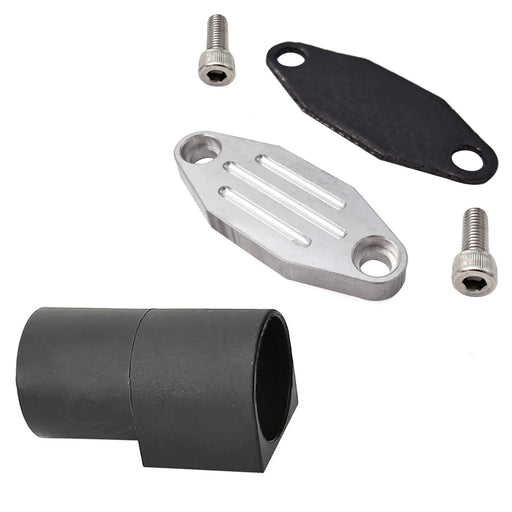
Seguler 1986-1995 Ford F150 F250 F350 Mustang Trucks EGR Simulator Eliminator / Block Off Plate Kit
SEGULEROriginal price $79.99 - Original price $79.99Original price$79.99$79.99 - $79.99Current price $79.99Block Off Plate Material: Aluminum alloy. Easy installation,and convenient to use. Made of CNC milled from aircraft grade Billet aluminum. Will N...
View full details -

Seguler 2011-2023 6.7L Ford Powerstroke Diesel EGR Delete Kit
SEGULEROriginal price $109.99 - Original price $109.99Original price$109.99$109.99 - $109.99Current price $109.99FITMENT 2011-2023 6.7L Ford Powerstroke F-250 F-350 F-450 F-550 Super Duty V8 Diesel. compatible with both standard Pickups and commercial Cab &...
View full details -
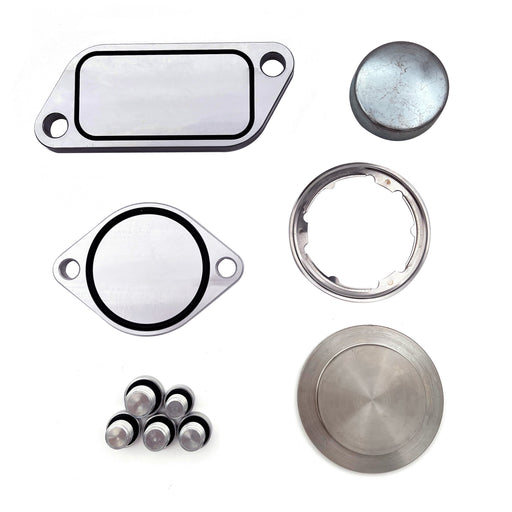
For 2010-Present Stage 2 ISX 15 CM2250 CM2350 EGR Delete Kit
SEGULEROriginal price $59.99 - Original price $59.99Original price$59.99$59.99 - $59.99Current price $59.99FITMENT 2010-Present Cummins Volvo, Peterbilt, Mack, International, Freightliner, Kenworth with the ISX15 CM2250 / CM2350 engines. DESCRIPTION P...
View full details -
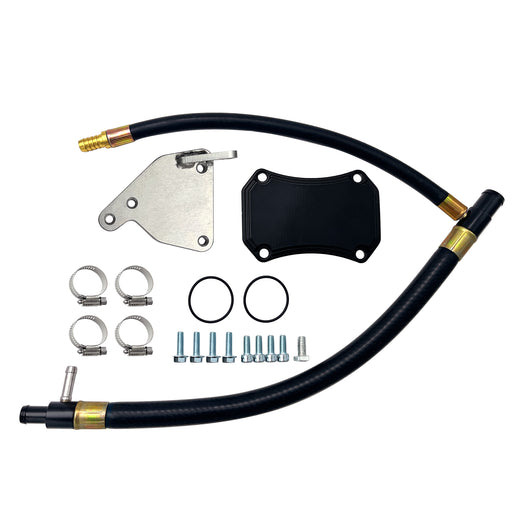
For 2011-2016 6.6L GMC Chevy Duramax Diesel LML EGR Valve Cooler Delete Kit
SEGULEROriginal price $66.49 - Original price $66.49Original price$66.49$66.49 - $66.49Current price $66.49FITMENT 2011-2016 6.6L Chevy GMC Duramax LML 2500 HD 3500 HD Diesel. DESCRIPTION Product Overview The 2011–2016 LML Duramax uses a complex EG...
View full details -
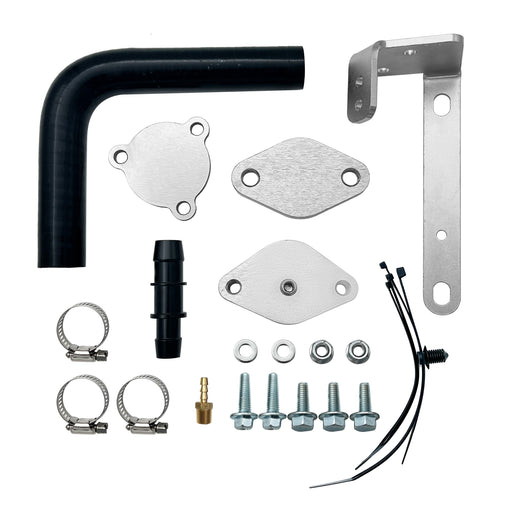
Seguler For 2014-2019 3.0L Dodge Ram 1500 EcoDiesel EGR Valve & Cooler Delete Kit
SEGULEROriginal price $72.99 - Original price $72.99Original price$72.99$72.99 - $72.99Current price $72.99FITMENT 2014-2019 3.0L Dodge Ram 1500 EcoDiesel V6 engine trucks. DESCRIPTION Product Overview Exhaust gas recirculation on 3.0L EcoDiesel V6 ...
View full details -
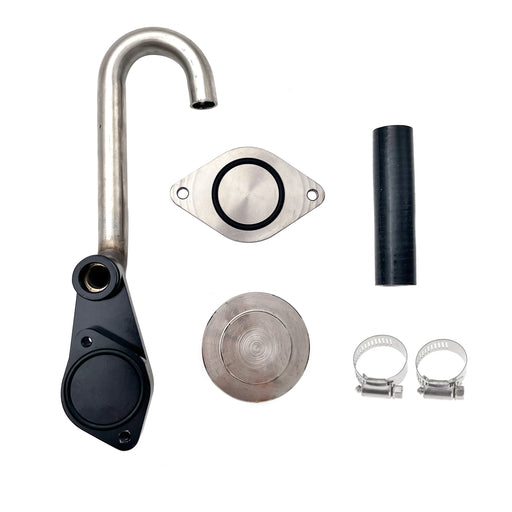
Seguler 2003-2007 6.0L FORD Powerstroke Diesel EGR Cooler Delete Kit
SEGULEROriginal price $56.14 - Original price $56.14Original price$56.14$56.14 - $56.14Current price $56.14FITMENT 2003-2007 6.0L Ford F-250 Ford F-350 F-450 F-550 Super Duty. 2003-2007 6.0L Ford Excursion SUV (Diesel Models Only). 2005-2010 Ford E-Se...
View full details -

Seguler 2011-2023 6.7L Ford Powerstroke Diesel EGR Delete Kit
SEGULEROriginal price $85.99 - Original price $85.99Original price$85.99$85.99 - $85.99Current price $85.99FITMENT 2011-2023 6.7L Ford Powerstroke F-250 F-350 F-450 F-550 Super Duty V8 Diesel. compatible with both standard Pickups and commercial Cab &...
View full details -

Seguler 2010-2024 6.7L Dodge Ram Cummins Diesel EGR Valve Cooler Delete Kit
SEGULEROriginal price $89.99 - Original price $89.99Original price$89.99$89.99 - $89.99Current price $89.99FITMENT 2010–2024 6.7L Dodge Ram Cummins 2500 / 3500 Pickup Turbo Diesel. Note: Does NOT fit Chassis Cab 3500 / 4500 / 5500 models. DESCRIPTIO...
View full details -

Seguler 2017-2019 L5P Duramax Diesel 4pcs L5P Can Bus Plugs Connector Replacement
SEGULEROriginal price $75.00 - Original price $75.00Original price$75.00$75.00 - $75.00Current price $75.00FITMENT 2017–2019 Chevrolet Silverado / GMC Sierra Duramax L5P 2500HD & 3500HD Diesel. DESCRIPTION Product Overview Unprotected harness con...
View full details -
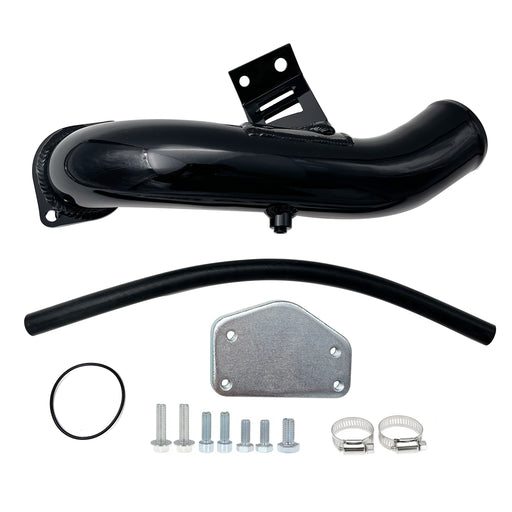
For 2004.5-2005 6.6L Chevy GMC Silverado LLY Duramax Diesel EGR Delete Kit
SEGULEROriginal price $92.99 - Original price $92.99Original price$92.99$92.99 - $92.99Current price $92.99FITMENT 2004.5-2005 6.6L Chevrolet Silverado Duramax LLY 2500HD / 3500 HD. 2004.5-2005 6.6L GMC Sierra Duramax LLY 2500HD / 3500 HD. DESCRIPTION...
View full details -

Seguler 2020-2023 chevy duramax L5P Diesel Can Bus Plugs Connector
SEGULEROriginal price $80.00 - Original price $80.00Original price$80.00$80.00 - $80.00Current price $80.00FITMENT 2020–2023 Chevrolet Silverado / GMC Sierra Duramax L5P 2500HD & 3500HD Diesel. DESCRIPTION Product Overview Unprotected harness pl...
View full details -
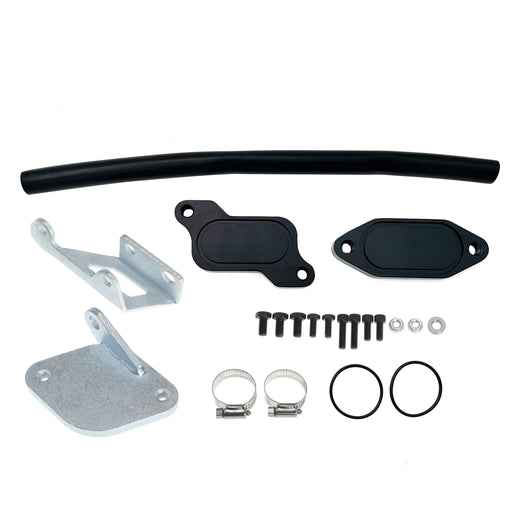
For 2006-2007 6.6L Chevrolet Silverado Classic GMC Duramax LBZ Diesel EGR Valve Cooler Delete Kit
SEGULEROriginal price $63.49 - Original price $63.49Original price$63.49$63.49 - $63.49Current price $63.49FITMENT 2006-2007.4 Chevrolet Silverado Duramax LBZ 2500HD / 3500HD. 2007.4 Chevrolet Silverado Duramax LBZ 2500HD / 3500HD Classic. 2006-2007.4 ...
View full details -

Seguler 2011-2023 6.7L Ford F250 F350 F450 F550 Powerstroke Diesel EGR Valve Delete Cooler Delete Kit
SEGULEROriginal price $55.99 - Original price $55.99Original price$55.99$55.99 - $55.99Current price $55.99FITMENT 2011-2023 6.7L Ford Powerstroke F-250 F-350 F-450 F-550 Super Duty V8 Diesel compatible with both standard Pickups and commercial Cab &a...
View full details -
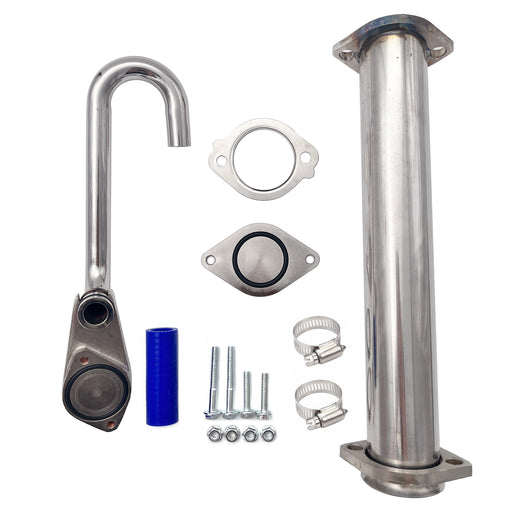
Seguler 2003-2007 6.0L Ford F250 F350 Powerstroke Diesel EGR Basic Cooler Kit
SEGULEROriginal price $79.99 - Original price $79.99Original price$79.99$79.99 - $79.99Current price $79.99FITMENT 2003-2007 6.0L Ford F250 F350 F450 F550 Super Duty Turbo (except 2004 F250 Super Duty). 2003-2005 6.0L Ford Excursion Turbo. 2005 Ford F...
View full details -
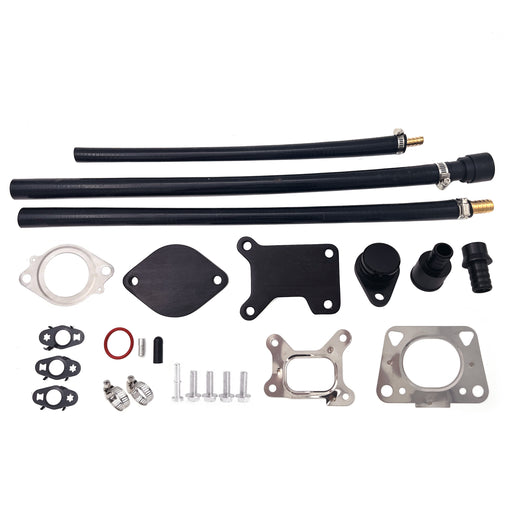
For 2017-2023 6.6L Chevy GMC Duramax L5P diesel EGR Valve Cooler Delete kit
SEGULEROriginal price $131.99 - Original price $131.99Original price$131.99$131.99 - $131.99Current price $131.99FITMENT 2017–2023 6.6L Chevrolet Silverado / GMC Sierra Duramax L5P 2500HD 3500HD Diesel. DESCRIPTION Product Overview Hot soot recirculation ...
View full details -
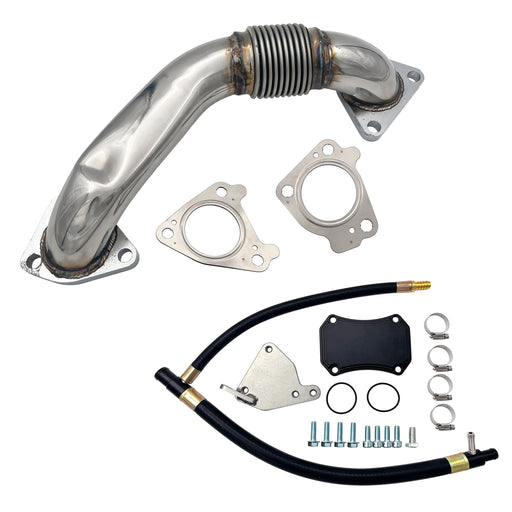
Seguler 2011-2016 6.6L GMC Chevy Duramax Diesel LML Up-Pipe & EGR Valve Cooler Delete Kit
SEGULEROriginal price $173.86 - Original price $173.86Original price$173.86$173.86 - $173.86Current price $173.86FITMENT 2011-2016 6.6L Chevy GMC Duramax LML 2500 HD 3500 HD Diesel. DESCRIPTION Product Overview Direct-injection technology endows GM 5.3L an...
View full details -
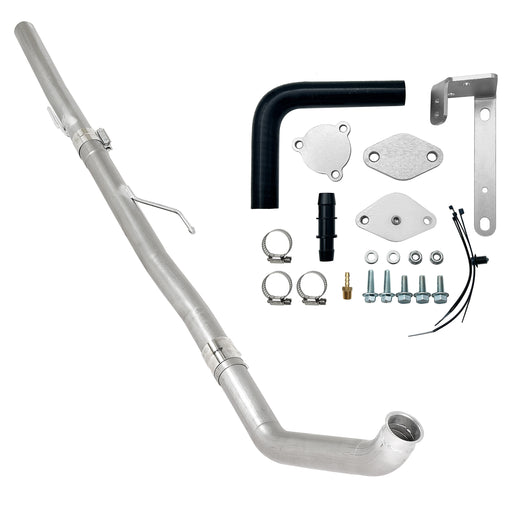
Seguler 3" Ecodiesel DPF Delete Pipe & EGR Delete kit for 2014-2018 3.0L Ram
SEGULEROriginal price $342.00 - Original price $342.00Original price$342.00$342.00 - $342.00Current price $342.00FITMENT 2014–2018 3.0L Dodge Ram 1500 EcoDiesel V6. NOTE: Fit standard Pickup models only (Crew Cab, Quad Cab). Does NOT fit Jeep Grand Cheroke...
View full details -
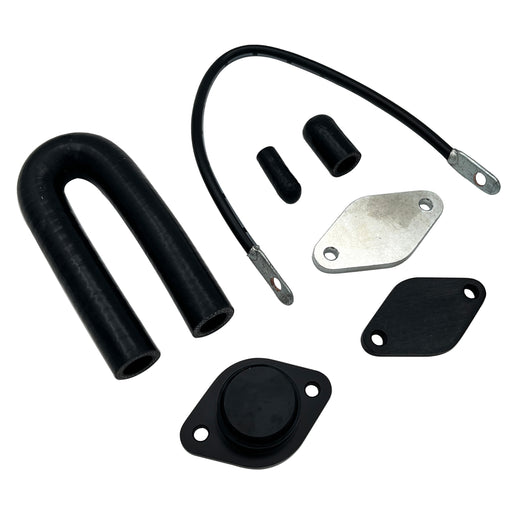
Seguler EGR valve cooler Delete kit for 2020-2022 3.0L Chevy Duramax LM2
SEGULEROriginal price $189.12 - Original price $189.12Original price$189.12$189.12 - $189.12Current price $189.12FITMENT 2020–2022 3.0L Chevrolet Silverado GMC Sierra 1500 LM2 Turbo-Diesel. DESCRIPTION Product Overview Powered by smooth inline-six engine...
View full details -

For 2013-2023 6.7L Dodge Ram Cummins Cab & Chassis EGR Delete Kit Diesel
SEGULEROriginal price $62.99 - Original price $62.99Original price$62.99$62.99 - $62.99Current price $62.99FITMENT 2013–2023 6.7L Ram Cummins 3500 4500 5500 Cab & Chassis / Commercial Trucks. Does NOT fit standard Ram 2500 3500 Pickups. DESCRIPTIO...
View full details -
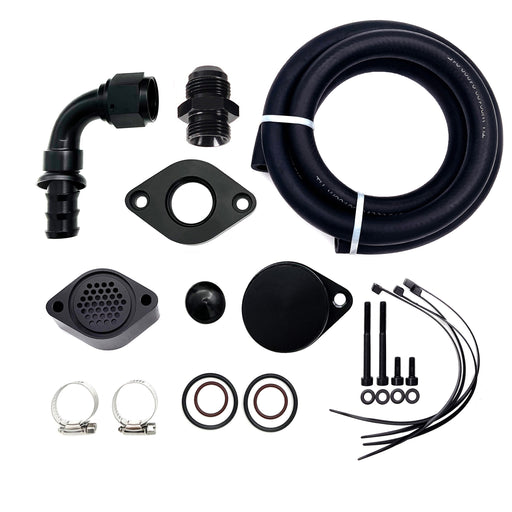
Seguler 2011-2023 6.7L Ford Powerstroke CCV PCV Reroute Engine Ventilation Kit
SEGULEROriginal price $82.99 - Original price $82.99Original price$82.99$82.99 - $82.99Current price $82.99FITMENT 2011-2023 6.7L Ford Powerstroke F-250 F-350 F-450 F-550 Super Duty V8 Diesel. Compatible with both standard Pickups and commercial Cab &...
View full details -
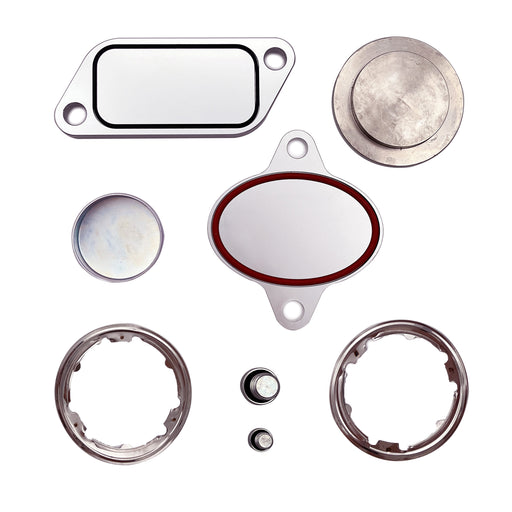
For 2007-2010 Cummins ISX CM871 EGR Plug Kit Stage 2 Plates and Plugs Aluminum
SEGULEROriginal price $67.99 - Original price $67.99Original price$67.99$67.99 - $67.99Current price $67.99FITMENT 2007-2010 Cummins Volvo, Peterbilt, Mack, International, Freightliner, Kenworth with the ISX CM871 Engines. DESCRIPTION Product Overvie...
View full details -
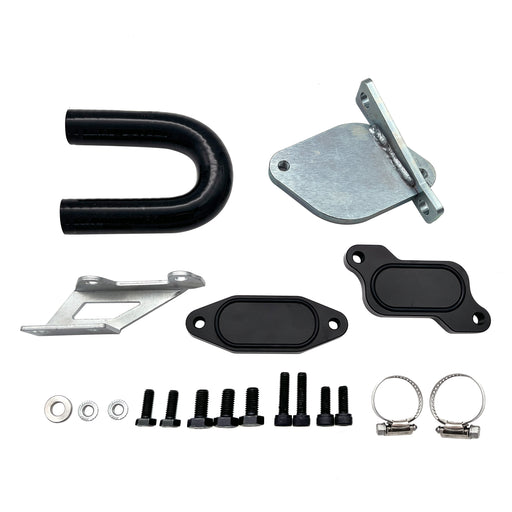
For 2007-2010 6.6L Chevy GMC LMM Duramax EGR Valve Cooler Delete Kit Fit
SEGULEROriginal price $61.99 - Original price $61.99Original price$61.99$61.99 - $61.99Current price $61.99FITMENT 2007.5-2010 6.6L Chevrolet Silverado Duramax LMM 2500HD / 3500HD. 2007.5-2010 6.6L GMC Sierra Duramax LMM 2500HD / 3500HD. Note: Standard...
View full details -
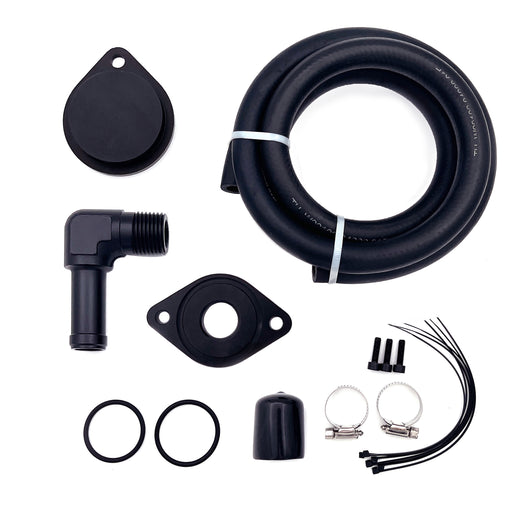
Seguler 2011-2023 Ford 6.7L Powerstroke CCV/PCV Reroute/Delete Engine Ventilation Kit
SEGULEROriginal price $72.00 - Original price $72.00Original price$72.00$72.00 - $72.00Current price $72.00FITMENT 2011-2023 6.7L Ford Powerstroke F-250 F-350 F-450 F-550 Super Duty V8 Diesel. Compatible with both standard Pickups and commercial Cab &...
View full details -
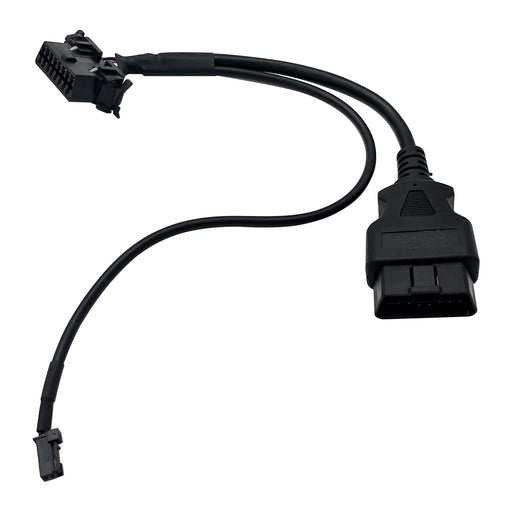
Seguler 2018+ RAM Cummins OBD2 HD Security Gate Bypass Cable
SEGULEROriginal price $45.00 - Original price $45.00Original price$45.00$45.00 - $45.00Current price $45.00FITMENT 2018+ 6.7L Ram Cummins 2500 3500 Turbo Diesel. Designed for Ram pickup trucks equipped with the factory Security Gateway Module. Note: Pl...
View full details -
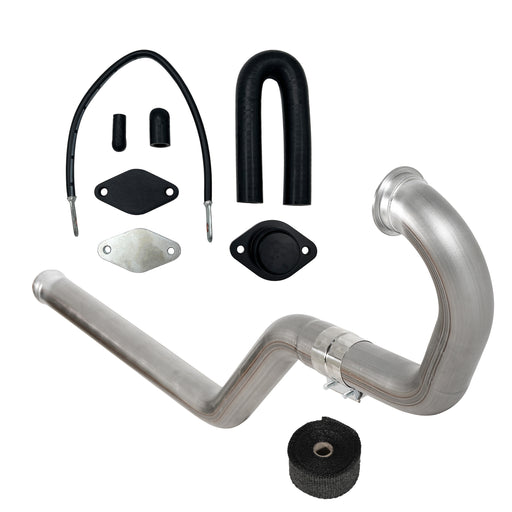
3" Turbo Back DPF & EGR Delete Kit for 2020-2022 GM 3.0L LM2 Duramax
SEGULEROriginal price $550.00 - Original price $550.00Original price$550.00$550.00 - $550.00Current price $550.00FITMENT 2020–2022 3.0L Chevrolet Silverado 1500 LM2 Diesel. 2020–2022 3.0L GMC Sierra 1500 LM2 Diesel. DESCRIPTION Product Overview On the 3.0...
View full details


Leave a comment