

2017–2023 L5P Duramax: EGR, Downpipe & Exhaust System Upgrades
Owning a 2017–2023 L5P Duramax means eventually learning to read three things most owners never think about until they act up: exhaust gas temperature under load, the coolant level in the reservoir, and the condition of the harness plugs tucked underneath the truck. When the EGTs climb on a long grade, when the coolant drops with no puddle on the driveway, or when the intake has a film of soot that shouldn’t be there, the cause usually traces back to one of three systems: the EGR loop, the turbo downpipe, and the electrical connectors that keep the truck’s modules talking to each other.
Those three systems do different jobs. The EGR system manages exhaust gas recirculation for emissions. The downpipe carries exhaust away from the turbo. The CAN Bus connectors carry data between the ECM and the rest of the truck. They aren’t one system, and they don’t fail the same way, but they all sit in the same high-heat, high-load environment and they all affect how a working truck behaves over time. This guide walks through each one, what goes wrong, what to check, and how the year of your truck changes which parts fit.
Understanding the L5P Duramax EGR System
What Does the EGR System Do?
EGR stands for exhaust gas recirculation. The engine routes a portion of its own exhaust back into the intake stream rather than sending all of it out the tailpipe. Two components do the work. The EGR valve controls how much exhaust gets recirculated and when, opening and closing in response to engine load & operating conditions. The EGR cooler sits in that loop and uses engine coolant to pull heat out of the recirculated exhaust before it re-enters the intake, so the incoming charge doesn’t get hotter than the engine can tolerate.
On the L5P, this loop runs right through the hottest part of the engine bay. The cooler is a heat exchanger, which means it has exhaust on one side of its passages and coolant on the other, separated by thin walls. That’s where the problems tend to start: a cooler can, under the right conditions, leak between those two sides.
Common L5P EGR Problems
A few failure patterns show up repeatedly on these trucks:
- Carbon buildup. Recirculated exhaust carries soot, and that soot deposits on the inside of the intake manifold and around the EGR valve over time. The buildup restricts airflow and can keep the valve from seating cleanly.
- EGR valve sticking. When carbon accumulates on the valve stem and seat, the valve can stick open, stick closed, or move sluggishly. A stuck valve shows up as rough idle, surging, or a check-engine light tied to EGR flow.
- EGR cooler internal leaks. This is the one owners worry about most. When the internal walls of the cooler crack, coolant can leak into the exhaust stream and burn off as white smoke. In other cases it crosses into the intake side and gets pulled into a cylinder, where it can cause misfires and, in a serious case, hydrolock. Not every internal leak reaches the cylinders; a lot depends on which side of the cooler cracks.
- Coolant loss. A slow drop in the reservoir with no external leak and no visible puddle is a classic sign that coolant is going somewhere it shouldn’t, and an EGR cooler is one of the places to check.
- Check engine light and reduced performance. EGR-related fault codes, or a derate that limits power under load, often point back to the EGR loop, the cooler, or its sensors.
How to Recognize Possible EGR Cooler Problems
The table below is a starting point, not a diagnosis. None of these symptoms by themselves proves the EGR cooler is the problem, and each one has other possible causes that need to be ruled out with pressure testing, fault codes, and a proper inspection.
| What the owner notices | Where to check first | Why it’s worth a closer look |
|---|---|---|
| Unexplained coolant loss | EGR cooler & the cooling system | Coolant can leak into exhaust unseen. |
| White exhaust smoke | Coolant intrusion vs. other causes | White smoke may signal fuel issues. |
| Rough idle | EGR valve, fuel, & sensors | A sticking valve isn't the only cause. |
| Check engine light | Diagnostic trouble codes | Codes identify systems, not parts. |
| Intake carbon buildup | EGR & intake system | Intake soot suggests EGR issues. |
To be clear: an EGR cooler leak is a serious possibility to check for, but it’s not the only explanation for any single symptom on this list. Work from the fault codes and the actual inspection, not from one symptom.
L5P EGR Valve & Cooler: The Factory Assembly & Available Components
Factory EGR Valve & Cooler Assembly
From the factory, the L5P carries an EGR valve and cooler assembly that sits inline with both the exhaust and coolant circuits. The valve opens and closes to meter the recirculated exhaust. The cooler routes coolant through a set of passages to shed heat from that exhaust before it re-enters the intake. Around the whole assembly you also find the coolant feed and return lines, the exhaust gas passages, and the intake-side connection where the cooled gas re-enters the air stream.
The factory EGR assembly is connected to three different circuits at once: exhaust, coolant, and intake. That’s why a problem in one part of it can look like a problem somewhere else entirely.
What Should Owners Inspect?
If you’re trying to figure out whether the EGR system is the source of a problem, these are the things to look at:
- Coolant level changes over time, especially with no external leak.
- External coolant leaks around the cooler and its hose connections.
- EGR valve operation, whether it moves freely and seats cleanly.
- Carbon deposits in the intake and around the valve.
- The coolant hose connections for swelling, cracking, or seepage.
None of these checks requires tearing anything apart. Most of them are visual or done with the engine running at idle and a scan tool pulling codes.
Understanding the L5P EGR Valve & Cooler Kit
For owners who are replacing the factory EGR assembly, Seguler offers an EGR valve and cooler kit for the 2017–2023 6.6L L5P. The kit replaces the factory EGR valve and cooler with block-off hardware and the connecting components that seal the openings left behind, including the coolant reroute pieces. The plates are machined from 6061-T6 billet aluminum with stainless steel hardware, built to hold up to the heat and pressure on the exhaust side.
 Before going further, the legal side matters. Removing or altering the factory EGR system changes how the engine’s emissions controls operate. That kind of change is not a routine maintenance fix for a street-driven truck, and it may not be allowed under the emissions regulations that apply where the truck is registered. On top of that, removing the EGR hardware changes how the emissions controls operate, and the truck may need recalibration to run as intended. Whether any of that is permitted depends on the vehicle’s intended use and local law. Owners should confirm fitment, compatibility, and legal status before ordering anything, and treat the factory system diagnosis and repair as the first priority for a truck that still needs to stay compliant.
L5P Downpipe Restriction: How the Factory Exhaust Design Affects Turbo Performance
What Does the Turbo Downpipe Do?
The downpipe is the first section of exhaust after the turbocharger’s turbine outlet. It’s the pipe that catches the exhaust the moment it leaves the turbine wheel and carries it down toward the rest of the exhaust system. Don’t confuse it with the up-pipe: the up-pipe feeds exhaust into the turbine inlet, while the downpipe carries it away from the turbine outlet. They sit at opposite ends of the turbo.
The downpipe matters because of backpressure. The turbine has to push exhaust through the downpipe and everything downstream of it. The more resistance there is right at the outlet, the harder the turbine has to work, and the more heat and pressure stay trapped in the exhaust side. A restriction at the downpipe can affect turbine efficiency, exhaust gas temperature, and how quickly the turbo can spool.
Why Does the Factory L5P Downpipe Get Attention?
The factory L5P downpipe gets talked about because of how GM shaped it. The stock pipe is flattened in places to clear the firewall, the transmission bellhousing, and the surrounding heat shields. That flattening reduces the cross-section of the pipe right where exhaust velocity and heat are highest, right off the turbine outlet. The bend radius near the turbo is also tight by necessity, because there isn’t much room between the turbo and the firewall.
Under heavy load, towing up a long grade for example, that’s exactly where the problem concentrates. High exhaust flow through a restricted, flattened section means the exhaust side can hold more heat, and EGTs can climb faster than they would with a cleaner path out. For a truck that tows heavy or runs at sustained high load, the downpipe is one of the first places the exhaust side becomes a bottleneck.
Common Signs of Exhaust Flow Problems
- Elevated EGT under heavy load, especially on sustained grades.
- Exhaust leaks, often heard as a tick or felt as a puff of hot gas near the turbo area.
- Unusual exhaust noise that wasn’t there before.
- Slow turbo response or a lazy spool.
- Visible damage to the exhaust system or the downpipe itself.
Same rule as the EGR section: none of these symptoms by itself proves the downpipe is the culprit. Elevated EGTs can also come from the turbocharger, the DPF, a sensor issue, or the way the truck is loaded. A downpipe is one variable in the exhaust path, not the whole answer.
Understanding the 3.5-Inch L5P Downpipe
Seguler’s 3.5-inch downpipe for the 2017–2023 L5P addresses the factory restriction directly. It replaces the flattened stock pipe with smooth, mandrel-bent tubing in a larger 3.5-inch diameter, with CNC-flanged construction at the connections. The lower flange keeps factory geometry so the pipe can connect to the stock DPF and front pipe, and it comes pre-wrapped with high-temperature thermal insulation to shield the transmission housing, the cab floorboards, and the firewall wiring from heat soak.
 The product page lists “up to 45% faster turbine exhaust discharge” as the manufacturer’s stated figure. That’s a product-page claim, not an independent test result, and it isn’t a 45% horsepower gain. What matters more practically is what the change is aimed at: relieving backpressure right at the turbine outlet so the exhaust side doesn’t hold as much heat under load. Fitment is for the 2017–2023 Silverado and Sierra 2500HD and 3500HD with the L5P, and it does not fit Cab & Chassis commercial trucks, which is a distinction worth checking before you order.
L5P CAN Bus Connectors: Why Electrical Protection Matters After Exhaust Work
What Is the CAN Bus System?
CAN stands for Controller Area Network. It’s the data network that lets the truck’s modules talk to each other, the engine control module, the transmission control module, and the rest, exchanging the messages that keep everything coordinated. When the factory harness and its connectors are intact, those modules pass data back and forth cleanly. When a connector is left open to the elements, that communication can break down.
The connectors themselves are the weak point. They’re designed to stay sealed while plugged into their mating components. Left open, the exposed pins become a path for water, salt, and dirt to get where they shouldn’t.
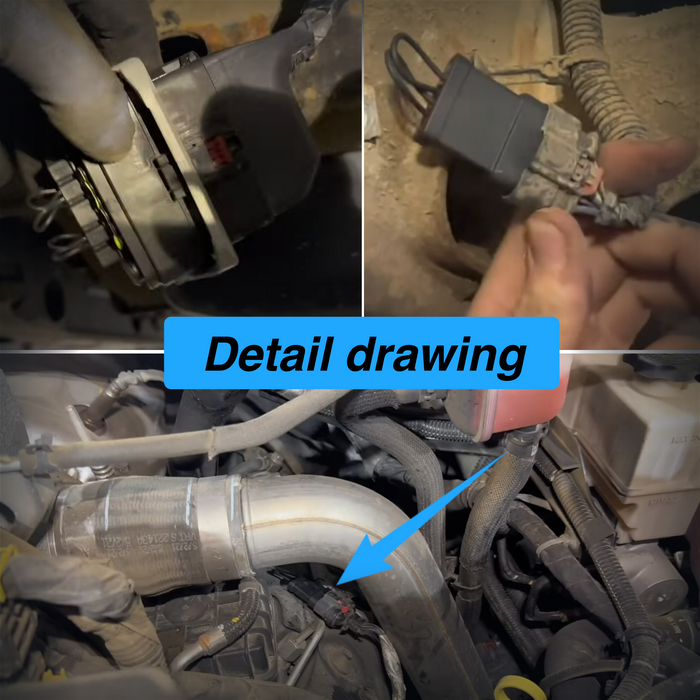
What Happens When Factory Connectors Are Left Exposed?
- Moisture intrusion corrodes the pins and terminals.
- Road salt accelerates that corrosion, especially in winter regions.
- Dirt and mud pack into the connector body.
- The connector or its terminals get physically damaged.
- Electrical communication faults show up, often as U-codes or other network trouble codes.
On a truck that has had exhaust or emissions hardware removed, open factory harness plugs are a real risk. The connectors that used to plug into emissions components are left hanging, and they’re the ones most likely to take on water and corrosion underneath the chassis.
What Are L5P CAN Bus Plugs Used For?
Seguler’s CAN Bus plug set covers the 2020–2023 L5P specifically. The plugs snap into the open factory harness connectors with weather-sealed bodies made from automotive-grade plastic and rubber seals. The product page describes two jobs: the plugs cap off the exposed ports against moisture, salt, and debris, and they carry pre-wired internal loops that close the open CAN Bus circuit left behind when an emissions module is removed, so the network stays intact instead of throwing communication faults.
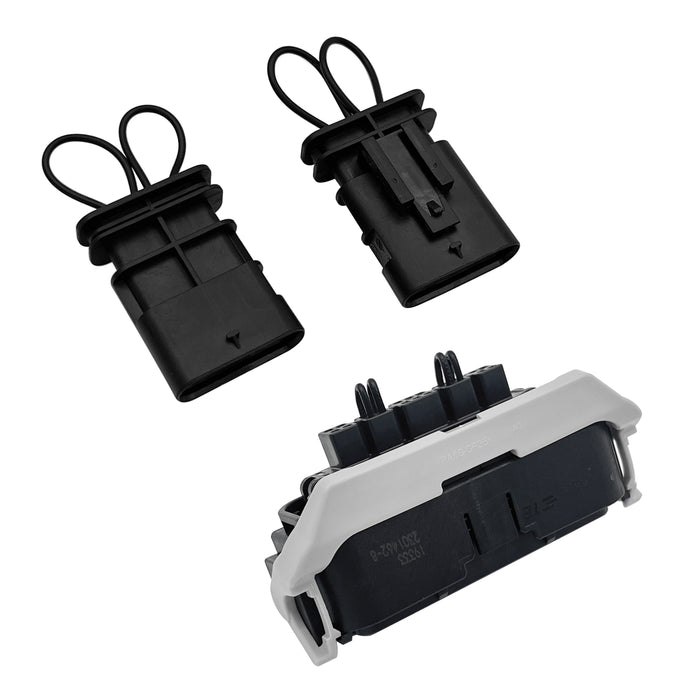 Two things are worth keeping straight. First, these plugs are not a substitute for proper factory harness repair, and they won’t fix a harness that’s already damaged or corroded. Second, how the internal circuit interacts with fault codes and the truck’s modules is a product-page claim, not an independent test result, and the exact function is worth confirming with the supplier before relying on it. None of this changes the legal status of any modification, which still has to be handled within the rules that apply to the vehicle and its use.
EGR vs Downpipe vs CAN Bus: What Is the Difference?
These three products get lumped together a lot, when they really belong to three different parts of the truck.
| System | Primary job | What owners watch for |
|---|---|---|
| EGR valve & cooler | Recirculates & cools exhaust for emissions | Carbon buildup & coolant leaks |
| Turbo downpipe | Carries exhaust away from the turbine outlet | Exhaust flow & backpressure |
| CAN Bus connectors | Carries data between the truck’s modules | Moisture, corrosion, & connector damage |
The EGR system is part of the emissions control side. The downpipe is part of the exhaust side. The CAN Bus is part of the electrical and communication side. Most L5P owners don’t need all three at once, and understanding which system is actually giving you trouble is worth more than buying parts in a bundle.
2017–2019 vs 2020–2023 L5P: Why Fitment Matters
2017–2019 L5P
The early L5P trucks are the first generation of the platform, running from 2017 through 2019. The EGR system and the turbo downpipe both apply across this window, so those two components carry the same fitment for the early trucks. Before ordering anything for a 2017–2019 truck, confirm the exact model year, the engine, and whether it’s a pickup or a Cab & Chassis configuration, because the Cab & Chassis trucks are excluded from the downpipe fitment.
2020–2023 L5P
The later trucks carry through most of the same EGR and downpipe hardware, but there’s one meaningful change: the factory harness connectors were redesigned for the 2020 model year. That redesign is why the CAN Bus plugs are listed for 2020–2023 only. The connector shape changed, so the plugs that fit a 2020–2023 truck are not the ones to assume fit a 2017–2019 truck.
Product Fitment Comparison
| Component | 2017–2019 | 2020–2023 |
|---|---|---|
| EGR valve & cooler kit | Fits | Fits |
| 3.5-inch downpipe | Fits | Fits |
| CAN Bus plugs | Does not fit | Fits |
The CAN Bus line is the one to remember. The product page lists the plugs for 2020–2023, and that’s because of the connector redesign, not an arbitrary cutoff. Don’t assume a 2017–2019 truck uses the same plugs just because it’s the same L5P platform. The year matters, and so does the data plate.
Frequently Asked Questions
Q: What are the common EGR problems on a 2017–2023 L5P Duramax?
A: The most common are carbon buildup in the intake & around the valve, an EGR valve that sticks or moves sluggishly, and internal EGR cooler leaks that let coolant into the exhaust stream. Coolant loss with no external leak and a check-engine light tied to EGR flow are two of the signs owners notice first. Each of these needs to be confirmed with a proper inspection and fault codes rather than assumed from a single symptom.
Q: Can a bad EGR cooler cause coolant loss?
A: Yes, that’s one of the ways a failing cooler shows up. When the internal walls of the cooler crack, coolant can cross into the exhaust side and burn off, so the reservoir drops without any visible puddle under the truck. It’s a serious possibility to check, but it’s not the only cause of coolant loss, so the rest of the cooling system should be ruled out too.
Q: What are the symptoms of an L5P EGR cooler leak?
A: White exhaust smoke, unexplained coolant loss, misfires or rough running, and in a severe case coolant getting into a cylinder and causing hydrolock. White smoke on its own can also point to other combustion or injection issues, so the symptoms need to be taken together with pressure testing and fault codes before concluding it’s the cooler.
Q: Is the factory L5P downpipe restrictive?
A: The stock downpipe is flattened in places to clear the firewall and surrounding components, which reduces the cross-section right off the turbine outlet. That’s the main reason it draws attention on trucks that tow heavy or run sustained high load. Whether it’s actually restricting your truck depends on how the truck is used and what the exhaust side is doing under load.
Q: Does a 3.5-inch downpipe improve exhaust flow?
A: A larger, mandrel-bent 3.5-inch pipe gives the exhaust a cleaner path out of the turbine than the flattened stock section, which is aimed at relieving backpressure and reducing how much heat the exhaust side holds under load. It’s a flow improvement, not a magic horsepower number, and the actual change depends on the rest of the exhaust system and how the truck is tuned.
Q: What does the L5P CAN Bus plug kit do?
A: It caps off the open factory harness connectors on 2020–2023 trucks, sealing them against moisture, road salt, and debris. The product page also says the plugs carry pre-wired internal loops that close the open CAN Bus circuit left when an emissions module is removed, so the network stays intact. It isn’t a harness repair and doesn’t change the legal status of any modification, and the internal circuit’s exact function is worth confirming with the supplier.
Q: Are 2017–2019 and 2020–2023 L5P exhaust parts interchangeable?
A: The EGR valve and cooler kit and the 3.5-inch downpipe carry across both windows, so those are interchangeable between the early and later trucks. The CAN Bus plugs are not, because the factory connectors were redesigned for 2020 and the plugs are listed for 2020–2023 only. Always confirm the specific year before ordering.
Q: Will these L5P parts fit Silverado and Sierra Cab & Chassis trucks?
A: No, the downpipe is listed for the pickup trucks only and does not fit the Cab & Chassis commercial trucks. The EGR and CAN Bus fitment should also be confirmed against the specific chassis configuration before ordering, since Cab & Chassis trucks can differ from the pickups.
Final Thoughts: Understanding Your L5P EGR and Exhaust System
If the coolant is dropping with no external leak, check the EGR cooler and the cooling system together. If the EGTs climb when you’re towing heavy, look at the downpipe, the DPF, the sensors, and the whole exhaust path, not just one part of it. If you find open or corroded harness connectors underneath the truck, check the CAN Bus plugs and the harness sealing. And before you buy, confirm the year and chassis configuration against the part’s fitment.
The point is simple: knowing which system is actually misbehaving is more valuable than swapping parts on a guess. The EGR loop, the downpipe, and the CAN Bus connectors each fail in their own way, and each has its own fix. Understand the difference and you’ll spend money on the part that actually solves the problem. All three parts covered here, the EGR kit, the 3.5-inch downpipe, and the CAN Bus plugs, are listed together with their fitment details at seguler.com.
Featured collection
-
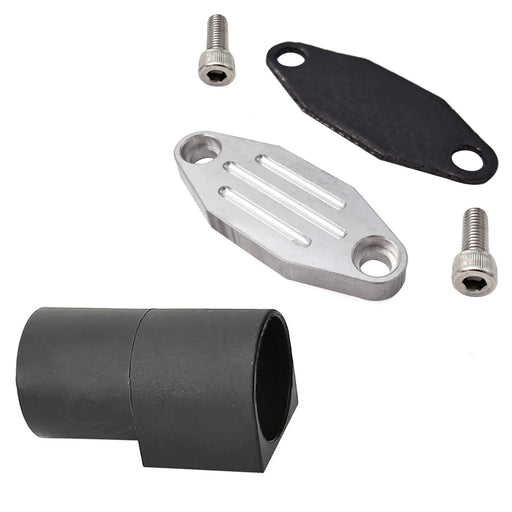
Seguler 1986-1995 Ford F150 F250 F350 Mustang Trucks EGR Simulator Eliminator / Block Off Plate Kit
SEGULEROriginal price $79.99 - Original price $79.99Original price$79.99$79.99 - $79.99Current price $79.99Block Off Plate Material: Aluminum alloy. Easy installation,and convenient to use. Made of CNC milled from aircraft grade Billet aluminum. Will N...
View full details -

Seguler 2011-2023 6.7L Ford Powerstroke Diesel EGR Delete Kit
SEGULEROriginal price $109.99 - Original price $109.99Original price$109.99$109.99 - $109.99Current price $109.99FITMENT 2011-2023 6.7L Ford Powerstroke F-250 F-350 F-450 F-550 Super Duty V8 Diesel. compatible with both standard Pickups and commercial Cab &...
View full details -
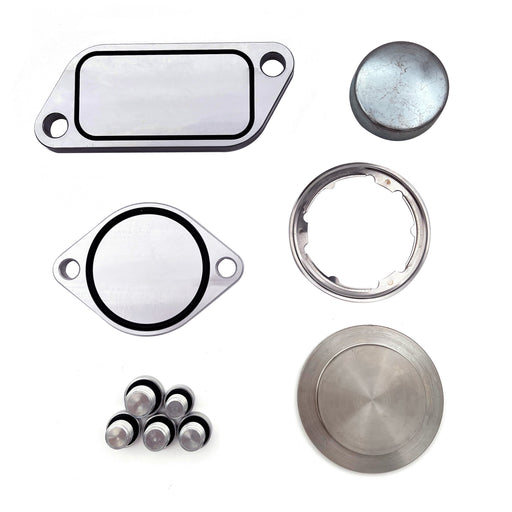
For 2010-Present Stage 2 ISX 15 CM2250 CM2350 EGR Delete Kit
SEGULEROriginal price $59.99 - Original price $59.99Original price$59.99$59.99 - $59.99Current price $59.99FITMENT 2010-Present Cummins Volvo, Peterbilt, Mack, International, Freightliner, Kenworth with the ISX15 CM2250 / CM2350 engines. DESCRIPTION P...
View full details -
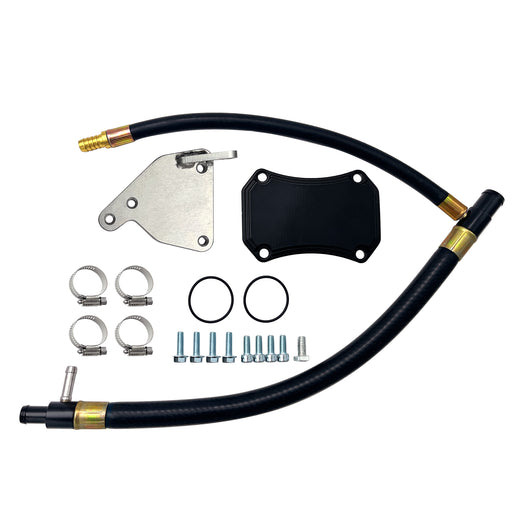
For 2011-2016 6.6L GMC Chevy Duramax Diesel LML EGR Valve Cooler Delete Kit
SEGULEROriginal price $66.49 - Original price $66.49Original price$66.49$66.49 - $66.49Current price $66.49FITMENT 2011-2016 6.6L Chevy GMC Duramax LML 2500 HD 3500 HD Diesel. DESCRIPTION Product Overview The 2011–2016 LML Duramax uses a complex EG...
View full details -
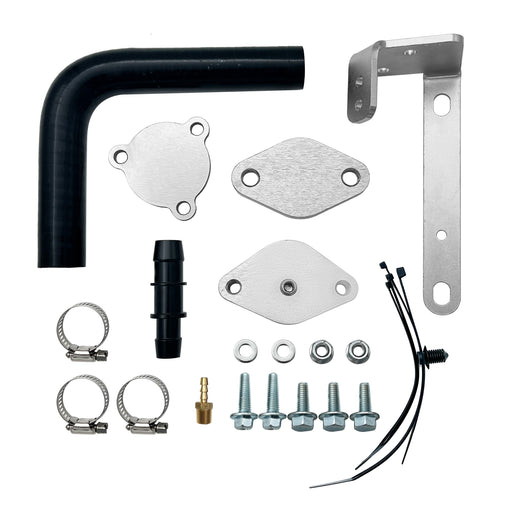
Seguler For 2014-2019 3.0L Dodge Ram 1500 EcoDiesel EGR Valve & Cooler Delete Kit
SEGULEROriginal price $72.99 - Original price $72.99Original price$72.99$72.99 - $72.99Current price $72.99FITMENT 2014-2019 3.0L Dodge Ram 1500 EcoDiesel V6 engine trucks. DESCRIPTION Product Overview Exhaust gas recirculation on 3.0L EcoDiesel V6 ...
View full details -
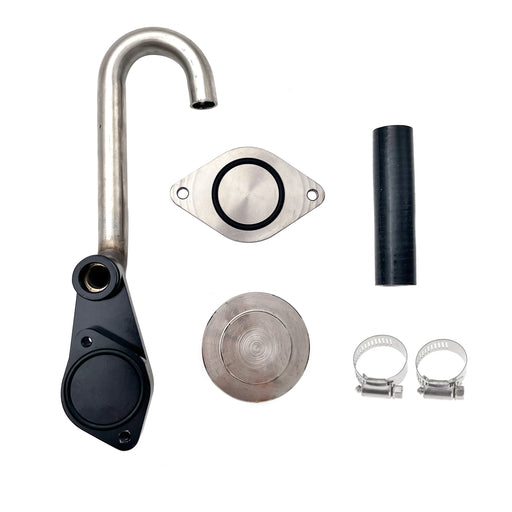
Seguler 2003-2007 6.0L FORD Powerstroke Diesel EGR Cooler Delete Kit
SEGULEROriginal price $56.14 - Original price $56.14Original price$56.14$56.14 - $56.14Current price $56.14FITMENT 2003-2007 6.0L Ford F-250 Ford F-350 F-450 F-550 Super Duty. 2003-2007 6.0L Ford Excursion SUV (Diesel Models Only). 2005-2010 Ford E-Se...
View full details -

Seguler 2011-2023 6.7L Ford Powerstroke Diesel EGR Delete Kit
SEGULEROriginal price $85.99 - Original price $85.99Original price$85.99$85.99 - $85.99Current price $85.99FITMENT 2011-2023 6.7L Ford Powerstroke F-250 F-350 F-450 F-550 Super Duty V8 Diesel. compatible with both standard Pickups and commercial Cab &...
View full details -

Seguler 2017-2019 L5P Duramax Diesel 4pcs L5P Can Bus Plugs Connector Replacement
SEGULEROriginal price $75.00 - Original price $75.00Original price$75.00$75.00 - $75.00Current price $75.00FITMENT 2017–2019 Chevrolet Silverado / GMC Sierra Duramax L5P 2500HD & 3500HD Diesel. DESCRIPTION Product Overview Unprotected harness con...
View full details -

Seguler 2010-2024 6.7L Dodge Ram Cummins Diesel EGR Valve Cooler Delete Kit
SEGULEROriginal price $89.99 - Original price $89.99Original price$89.99$89.99 - $89.99Current price $89.99FITMENT 2010–2024 6.7L Dodge Ram Cummins 2500 / 3500 Pickup Turbo Diesel. Note: Does NOT fit Chassis Cab 3500 / 4500 / 5500 models. DESCRIPTIO...
View full details -
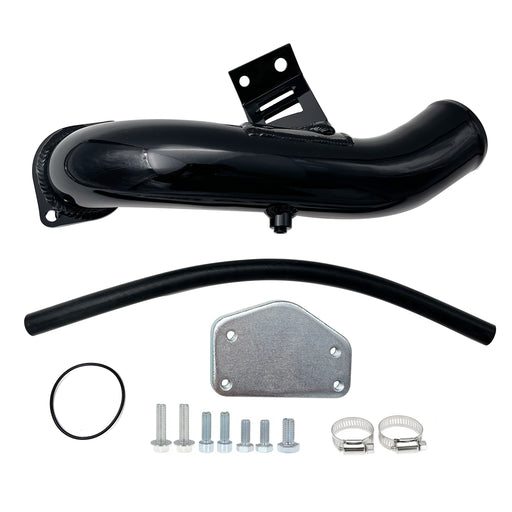
For 2004.5-2005 6.6L Chevy GMC Silverado LLY Duramax Diesel EGR Delete Kit
SEGULEROriginal price $92.99 - Original price $92.99Original price$92.99$92.99 - $92.99Current price $92.99FITMENT 2004.5-2005 6.6L Chevrolet Silverado Duramax LLY 2500HD / 3500 HD. 2004.5-2005 6.6L GMC Sierra Duramax LLY 2500HD / 3500 HD. DESCRIPTION...
View full details -

Seguler 2020-2023 chevy duramax L5P Diesel Can Bus Plugs Connector
SEGULEROriginal price $80.00 - Original price $80.00Original price$80.00$80.00 - $80.00Current price $80.00FITMENT 2020–2023 Chevrolet Silverado / GMC Sierra Duramax L5P 2500HD & 3500HD Diesel. DESCRIPTION Product Overview Unprotected harness pl...
View full details -
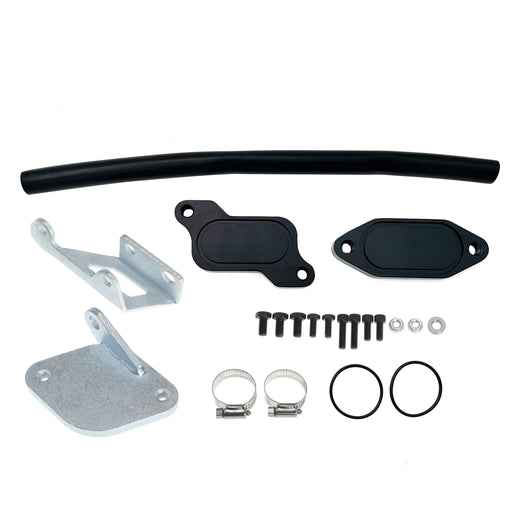
For 2006-2007 6.6L Chevrolet Silverado Classic GMC Duramax LBZ Diesel EGR Valve Cooler Delete Kit
SEGULEROriginal price $63.49 - Original price $63.49Original price$63.49$63.49 - $63.49Current price $63.49FITMENT 2006-2007.4 Chevrolet Silverado Duramax LBZ 2500HD / 3500HD. 2007.4 Chevrolet Silverado Duramax LBZ 2500HD / 3500HD Classic. 2006-2007.4 ...
View full details -

Seguler 2011-2023 6.7L Ford F250 F350 F450 F550 Powerstroke Diesel EGR Valve Delete Cooler Delete Kit
SEGULEROriginal price $55.99 - Original price $55.99Original price$55.99$55.99 - $55.99Current price $55.99FITMENT 2011-2023 6.7L Ford Powerstroke F-250 F-350 F-450 F-550 Super Duty V8 Diesel compatible with both standard Pickups and commercial Cab &a...
View full details -
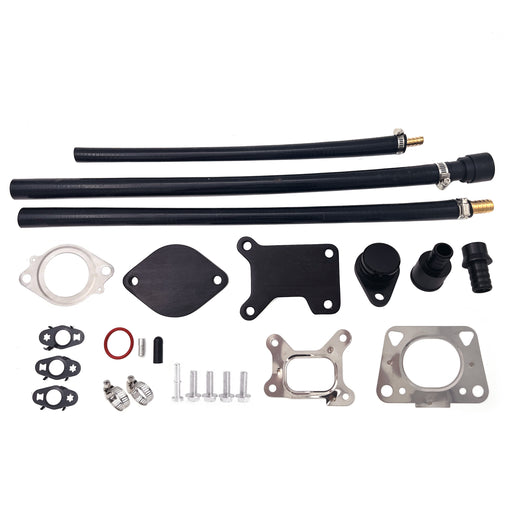
For 2017-2023 6.6L Chevy GMC Duramax L5P diesel EGR Valve Cooler Delete kit
SEGULEROriginal price $131.99 - Original price $131.99Original price$131.99$131.99 - $131.99Current price $131.99FITMENT 2017–2023 6.6L Chevrolet Silverado / GMC Sierra Duramax L5P 2500HD 3500HD Diesel. DESCRIPTION Product Overview Hot soot recirculation ...
View full details -
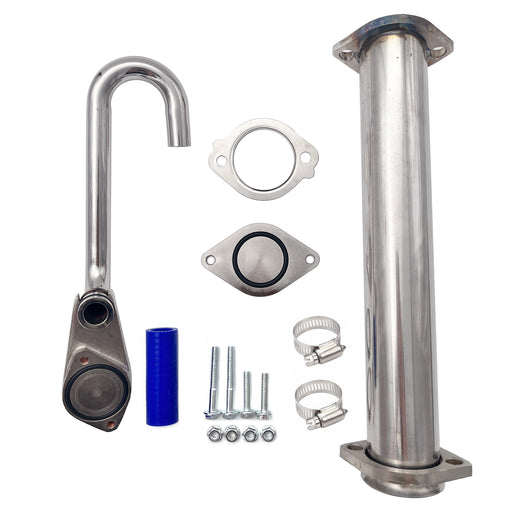
Seguler 2003-2007 6.0L Ford F250 F350 Powerstroke Diesel EGR Basic Cooler Kit
SEGULEROriginal price $79.99 - Original price $79.99Original price$79.99$79.99 - $79.99Current price $79.99FITMENT 2003-2007 6.0L Ford F250 F350 F450 F550 Super Duty Turbo (except 2004 F250 Super Duty). 2003-2005 6.0L Ford Excursion Turbo. 2005 Ford F...
View full details -
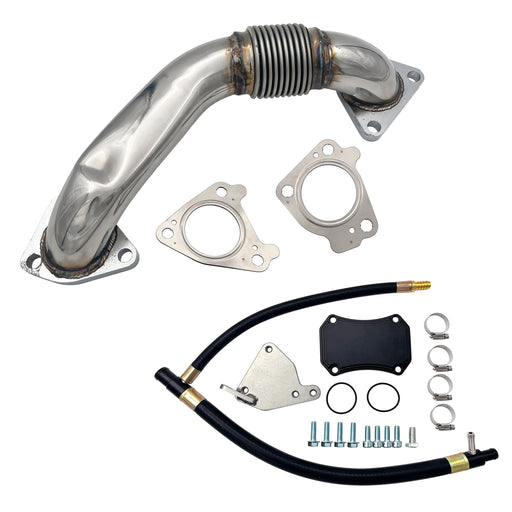
Seguler 2011-2016 6.6L GMC Chevy Duramax Diesel LML Up-Pipe & EGR Valve Cooler Delete Kit
SEGULEROriginal price $173.86 - Original price $173.86Original price$173.86$173.86 - $173.86Current price $173.86FITMENT 2011-2016 6.6L Chevy GMC Duramax LML 2500 HD 3500 HD Diesel. DESCRIPTION Product Overview Direct-injection technology endows GM 5.3L an...
View full details -
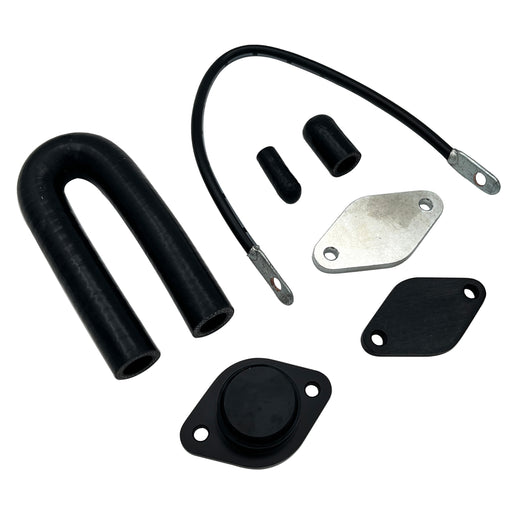
Seguler EGR valve cooler Delete kit for 2020-2022 3.0L Chevy Duramax LM2
SEGULEROriginal price $189.12 - Original price $189.12Original price$189.12$189.12 - $189.12Current price $189.12FITMENT 2020–2022 3.0L Chevrolet Silverado GMC Sierra 1500 LM2 Turbo-Diesel. DESCRIPTION Product Overview Powered by smooth inline-six engine...
View full details -
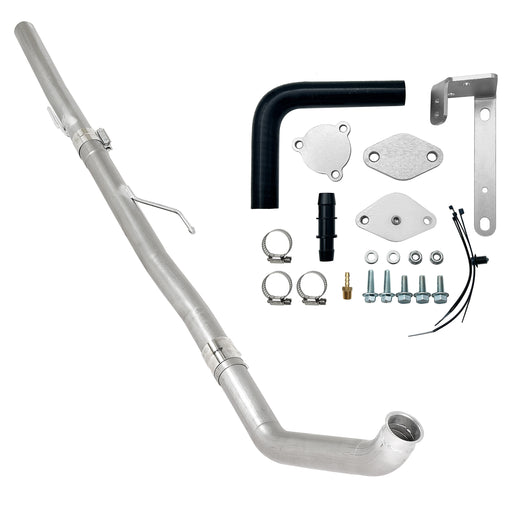
Seguler 3" Ecodiesel DPF Delete Pipe & EGR Delete kit for 2014-2018 3.0L Ram
SEGULEROriginal price $342.00 - Original price $342.00Original price$342.00$342.00 - $342.00Current price $342.00FITMENT 2014–2018 3.0L Dodge Ram 1500 EcoDiesel V6. NOTE: Fit standard Pickup models only (Crew Cab, Quad Cab). Does NOT fit Jeep Grand Cheroke...
View full details -

For 2013-2023 6.7L Dodge Ram Cummins Cab & Chassis EGR Delete Kit Diesel
SEGULEROriginal price $62.99 - Original price $62.99Original price$62.99$62.99 - $62.99Current price $62.99FITMENT 2013–2023 6.7L Ram Cummins 3500 4500 5500 Cab & Chassis / Commercial Trucks. Does NOT fit standard Ram 2500 3500 Pickups. DESCRIPTIO...
View full details -
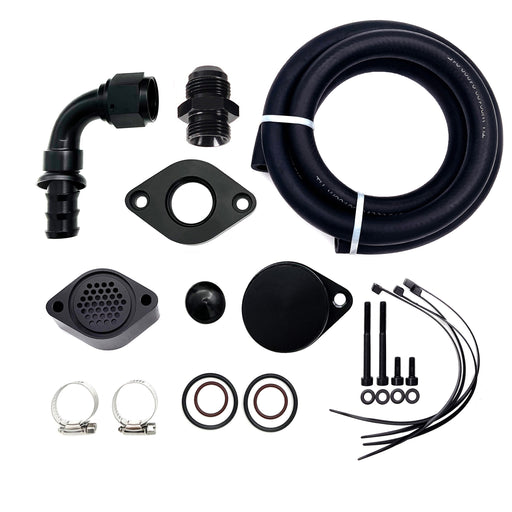
Seguler 2011-2023 6.7L Ford Powerstroke CCV PCV Reroute Engine Ventilation Kit
SEGULEROriginal price $82.99 - Original price $82.99Original price$82.99$82.99 - $82.99Current price $82.99FITMENT 2011-2023 6.7L Ford Powerstroke F-250 F-350 F-450 F-550 Super Duty V8 Diesel. Compatible with both standard Pickups and commercial Cab &...
View full details -
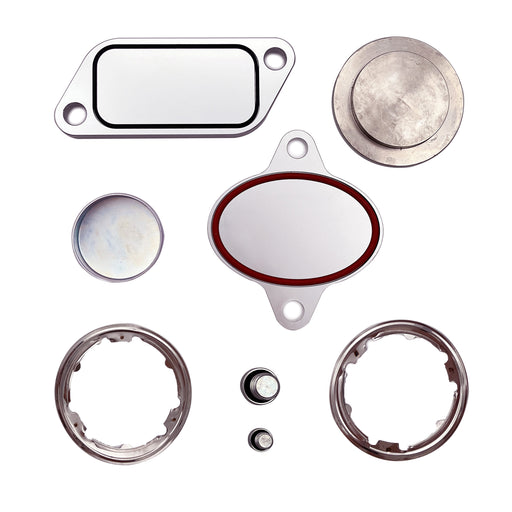
For 2007-2010 Cummins ISX CM871 EGR Plug Kit Stage 2 Plates and Plugs Aluminum
SEGULEROriginal price $67.99 - Original price $67.99Original price$67.99$67.99 - $67.99Current price $67.99FITMENT 2007-2010 Cummins Volvo, Peterbilt, Mack, International, Freightliner, Kenworth with the ISX CM871 Engines. DESCRIPTION Product Overvie...
View full details -
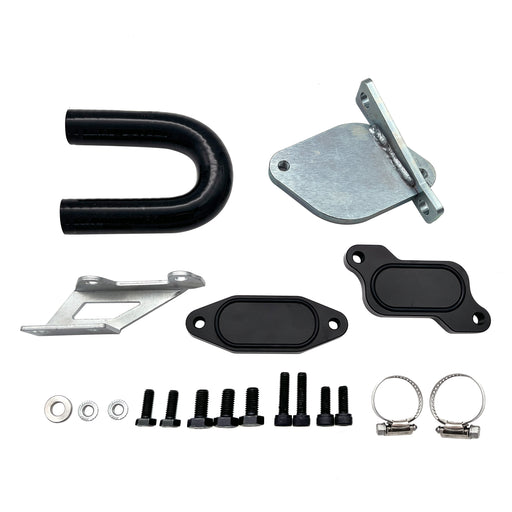
For 2007-2010 6.6L Chevy GMC LMM Duramax EGR Valve Cooler Delete Kit Fit
SEGULEROriginal price $61.99 - Original price $61.99Original price$61.99$61.99 - $61.99Current price $61.99FITMENT 2007.5-2010 6.6L Chevrolet Silverado Duramax LMM 2500HD / 3500HD. 2007.5-2010 6.6L GMC Sierra Duramax LMM 2500HD / 3500HD. Note: Standard...
View full details -
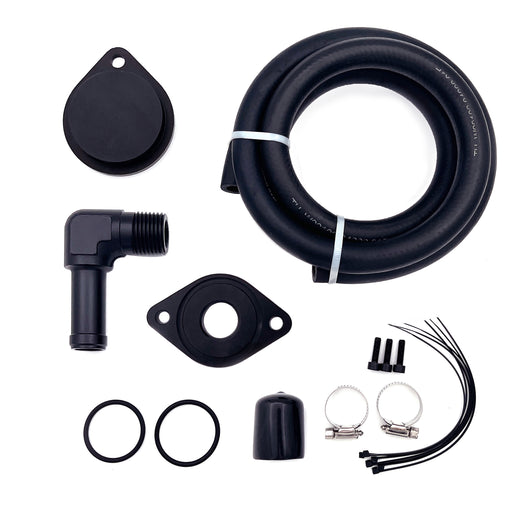
Seguler 2011-2023 Ford 6.7L Powerstroke CCV/PCV Reroute/Delete Engine Ventilation Kit
SEGULEROriginal price $72.00 - Original price $72.00Original price$72.00$72.00 - $72.00Current price $72.00FITMENT 2011-2023 6.7L Ford Powerstroke F-250 F-350 F-450 F-550 Super Duty V8 Diesel. Compatible with both standard Pickups and commercial Cab &...
View full details -
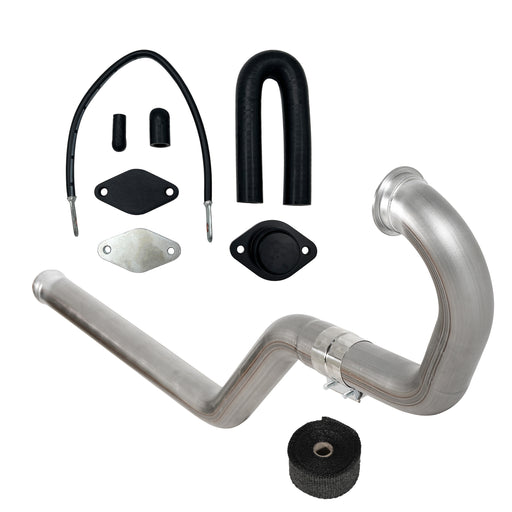
3" Turbo Back DPF & EGR Delete Kit for 2020-2022 GM 3.0L LM2 Duramax
SEGULEROriginal price $550.00 - Original price $550.00Original price$550.00$550.00 - $550.00Current price $550.00FITMENT 2020–2022 3.0L Chevrolet Silverado 1500 LM2 Diesel. 2020–2022 3.0L GMC Sierra 1500 LM2 Diesel. DESCRIPTION Product Overview On the 3.0...
View full details -
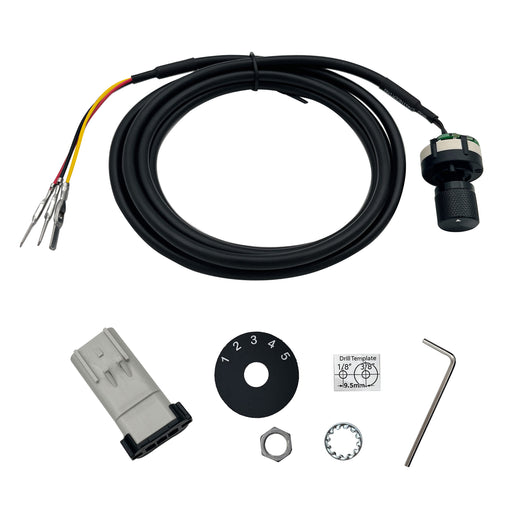
Seguler 2010+ Dodge Ram Cummins EZ-Lynk/CCV SOTF Switch
SEGULEROriginal price $80.00 - Original price $80.00Original price$80.00$80.00 - $80.00Current price $80.00FITMENT 2010-2024 6.7L Ram Cummins 2500 3500 4500 5500 Turbo Diesel. DESCRIPTION Product Overview Changing horsepower levels on a tuned Ram tr...
View full details


Leave a comment