

2011-2023 6.7L Powerstroke CCV Reroute, Catch Can & EGR Upgrades
Oil inside the intercooler pipes, a dark film building up across the intake, or a truck that feels like it’s working harder than it used to when there’s a trailer behind it: these are three different symptoms, and on a 2011–2023 6.7L Powerstroke they usually trace back to three different systems. The crankcase ventilation system lets oil vapor into the intake, the EGR system feeds soot back through the same path, and the exhaust system has to move everything out the back without holding too much backpressure. None of them are the same failure, but they all sit close enough together in the engine bay that owners often try to fix the wrong one first.
This guide walks through each system on its own, then explains the parts owners use when they want to change how these systems behave: a CCV/PCV reroute kit, a catch can, an EGR kit, and a 4-inch exhaust pipe. It’s written to help you tell the three problems apart before you spend money, not to hand you a list of things to bolt on.
Understanding the 6.7L Powerstroke CCV System
What Does the CCV System Do?
CCV stands for crankcase ventilation. As the engine runs, a small amount of combustion gas always slips past the piston rings and into the crankcase. This is called blow-by. If that gas had nowhere to go, pressure would build inside the crankcase and start pushing oil past seals. The CCV system is the factory’s answer: it vents that crankcase gas so pressure stays controlled.
On the 6.7L Powerstroke, the stock CCV system routes that vented gas back into the engine’s intake path, ahead of the turbo. The reason is emissions: burning the blow-by gas in the combustion chamber is cleaner than releasing it to the atmosphere. The trade-off is that this gas carries oil vapor with it, and that oil vapor ends up on the inside of the intake plumbing.
Why Is There Oil in the Intercooler Pipes?
This is the question that sends a lot of Powerstroke owners looking at the CCV system in the first place. They pull an intercooler boot or a charge pipe off to do unrelated work, and the inside of the tube is coated in a thin film of oil.
A light oil film in these pipes is normal for this engine, because the CCV system is feeding oil vapor into the turbo inlet by design. The vapor condenses on the cooler surfaces inside the intercooler and the charge piping, and it accumulates over thousands of miles. What matters is how much is there and whether it’s actually causing a problem. A heavy coating, or oil that’s pooling and dripping, points to something further upstream, such as worn rings, a turbo seal issue, or excessive blow-by, and that’s worth investigating on its own rather than blaming the CCV system alone.
Signs of a CCV System Problem
| What an owner notices | What to check first |
|---|---|
| Oil in charge pipes or intercooler boots. | CCV routing, turbo inlet, & oil level. |
| Oil mist around the turbo inlet connection | Hose fit, clamps, & any crankcase pressure |
| Rising oil consumption | Engine, turbo seals, & crankcase pressure. |
| Oil seepage around the valve covers or seals | Crankcase pressure & CCV restriction. |
| Sludge where oil meets soot in the intake | Check both CCV & EGR systems. |
A small amount of oil film does not mean the CCV system is broken. It means the system is doing what it was designed to do. The decision to change anything should come from how the truck is actually behaving, not from the sight of a little oil inside a pipe.
CCV Reroute vs Catch Can: Two Different Approaches
This is the chapter worth reading closely, because a lot of owners use the two terms as if they mean the same thing. They don’t. A reroute and a catch can attack the same symptom from opposite directions, and they don’t do the same job.
What a CCV Reroute Does
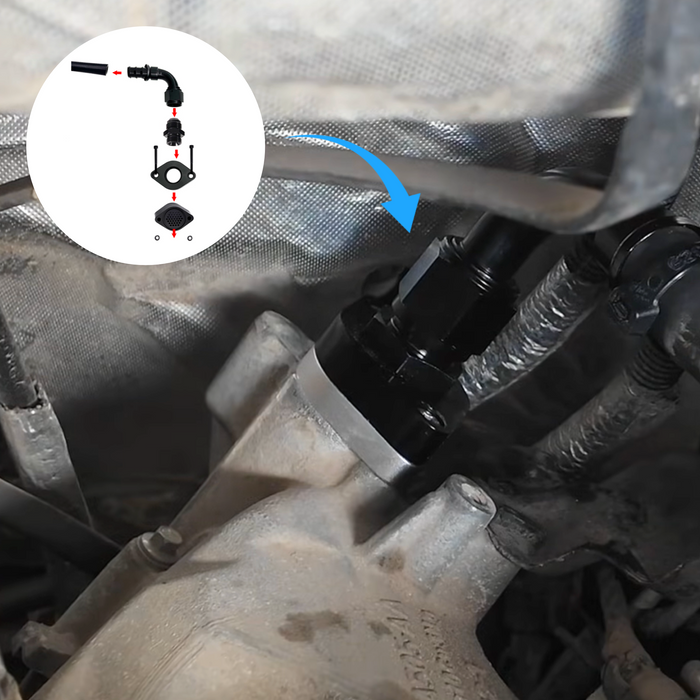
A CCV reroute changes where the crankcase gas goes. Instead of letting the factory path carry oil vapor into the turbo inlet and through the intercooler, the reroute redirects that vapor away from the intake path. The exact routing and outlet location depend on the kit design and installation configuration. The intake side gets capped off so the turbo compressor no longer sees that oil mist.
The practical result is that the oil film stops being fed into the charge piping, the intercooler, and the intake manifold. It does not separate or collect the oil. It sends the vapor somewhere else.
What a Catch Can Does
A catch can sits inline in the ventilation path. As crankcase gas passes through it, the can’s internal baffling and media give the oil vapor a chance to condense back into liquid, which collects in the bottom of the can. The cleaner gas continues on, and the collected oil gets drained out periodically.
So a catch can keeps the factory routing but strips oil out of the stream before it reaches the intake. It doesn’t reroute anything. It filters. A reroute changes the path; a catch can filters the flow.
CCV Reroute vs Catch Can: Side by Side
| Point of comparison | CCV Reroute | Catch Can |
|---|---|---|
| What it changes | Where the crankcase vapor goes | What’s left in the vapor as it flows |
| How it works | Redirects the vent path away from the intake | Baffles & media condense oil for collection |
| What you get | Capped intake, vented vapor | Collected liquid oil you drain |
| Maintenance | Depends on the specific design & routing | Needs periodic checking & draining |
| What to watch | Vent resistance, sealing, & hose routing | Separation efficiency, capacity, & service |
Neither one is strictly better than the other for every truck. A reroute keeps the intake clean by keeping oil vapor out entirely. A catch can keeps the factory path but requires you to stay on top of draining. Which one fits depends on how the truck is used, how much blow-by the engine actually produces, and what the local rules allow.
Can You Run Both?
Some owners ask whether a reroute and a catch can can be stacked. The honest answer is that the two do different things and not every combination is a clean fit. If you’re thinking about combining them, check the connection style of the ventilation line, the inlet and outlet sizing on the catch can, the ventilation flow the engine needs, and whether the added plumbing introduces restriction. And as always, confirm the whole arrangement stays within the emissions rules that apply to your vehicle and where you run it.
The SEGULER CCV/PCV Reroute Kit
The CCV/PCV Reroute Kit is a reroute, not a catch can, so everything in the previous section applies: it changes the path of the crankcase vapor rather than collecting oil out of it.

What the Reroute Kit Changes
The kit takes the crankcase ventilation flow that the factory sends into the turbo inlet and redirects it away from the intake path instead. A vent block and an intake plug close off the original path on the intake side, so the oil vapor no longer reaches the turbo compressor wheel, the charge pipes, or the intercooler. The purpose is a cleaner intake tract, not a can that needs draining.
How the Kit Is Built
The kit uses durable metal and polymer components with a black finish. Its vent block, intake plug, and ventilation hose are designed to provide a secure fit and a practical alternative routing layout. There’s no electronics involved and no sensor watching the system.
Which Trucks It Fits
It covers the 2011–2023 6.7L Ford Powerstroke F-250 through F-550 Super Duty, both standard pickup and Cab & Chassis. Because the reroute is a purely mechanical change to the ventilation path, it doesn’t require a tune or an ECM flash, unlike the EGR and exhaust work covered later in this guide.
What to Confirm Before Ordering
Confirm your truck is a 6.7L Powerstroke in the 2011–2023 range and that you’ve actually traced the oil to the CCV path rather than a ring, turbo, or blow-by issue. The kit changes where the vapor goes; it won’t fix excessive blow-by that has another cause.
What the Install Involves
Of the three, this is the lightest job, but the vent block sits at the rear of the engine, so you’ll clear a path to it first.
1. Before you start. Set a shop towel underneath, since the stock oil separator drains oil when it comes off.
2. The main swap. Pull the charge air cooler intake pipe to reach the port, and be careful with the turbo, since even a small nick on a compressor blade is a problem. Unbolt the stock oil separator, clean the old oil residue off the sealing surface, and press the new vent block into the rear breather port.
3. Reassemble. Fit the cap over the port on the stock intake where the factory breather hose used to connect; it doesn’t need a clamp or zip tie because there’s no pressure behind it. Put the charge air cooler pipe back on. No tune, no electronics, it’s a mechanical change end to end.
Understanding the 6.7L Powerstroke EGR System
What Does the EGR System Do?
EGR stands for exhaust gas recirculation. Under the right conditions, the system routes a portion of the exhaust back into the intake, where it mixes with the incoming air. The point is to lower combustion temperatures and reduce the formation of oxides of nitrogen (NOx), which are a regulated emission. The EGR valve meters how much exhaust is allowed back in, and an EGR cooler lowers the temperature of that gas before it re-enters the intake.
Common EGR Problems on the 6.7L Powerstroke
The EGR system runs hot exhaust gas that’s full of soot, and that has consequences over time. Carbon builds up around the EGR valve and in the intake path, the valve can start to stick or move sluggishly, and the cooler itself can develop internal leaks. When a cooler leaks internally, coolant can cross into the exhaust side and burn off, which shows up as a coolant level that drops with no visible puddle under the truck. Tracking the coolant level trend across a few fill-ups, along with EGT behavior, is how you separate an internal cooler leak from the other causes of a slow drop. Each of these deserves its own diagnosis rather than being assumed from one symptom.
How EGR Soot and CCV Oil Affect the Intake Differently
This is the connection that matters when you’re looking at a dirty intake. The EGR system brings soot into the intake path. The CCV system brings oil vapor into the same path. They come from two different sources, and they cause two different kinds of buildup on their own. But when the two meet, the oil and soot combine into a thicker, stickier deposit that’s harder on the intake valves and the manifold than either one would be by itself.
That’s why a dirty intake should be looked at with both systems in mind. If you only address the soot and leave the oil vapor flowing, or vice versa, you’re only solving half of what’s coating the intake.
The SEGULER 6.7L Powerstroke EGR Kit
The EGR Kit is the EGR-side counterpart to the CCV kit above. It’s an emissions-system component, so the way you think about it, and the rules that apply to it, are different from the ventilation reroute.
What This Kit Takes Out
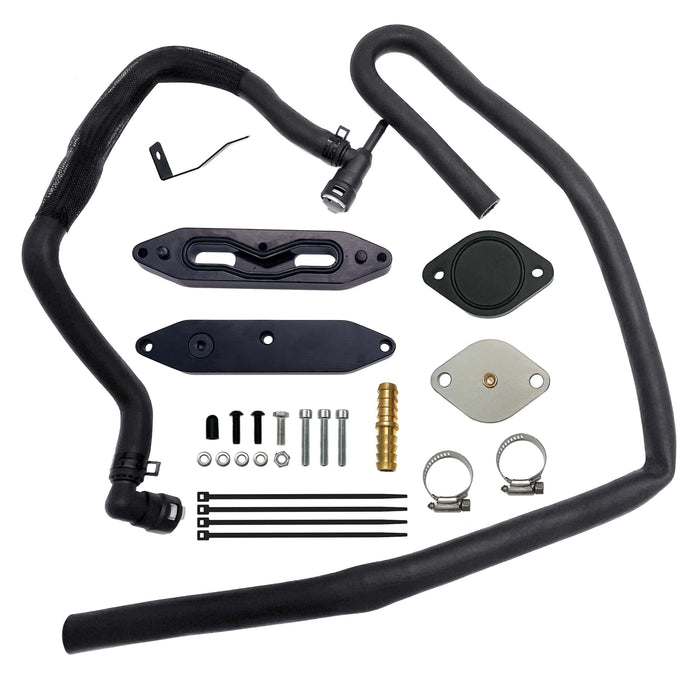
The kit isolates the exhaust gas recirculation loop and bypasses the factory cooler module, so the soot-laden exhaust that used to be routed back into the intake is no longer fed through that path. Block-off hardware closes the EGR ports, and the heavy factory cooler assembly is taken out of the flow. The intended result is an intake path that isn’t being fed recirculated soot.
How the Plates Are Made
The plates are CNC-machined from 6061-T6 billet aluminum and paired with high-temperature gaskets at each block-off interface. One detail worth noting from the product page is the dual-layer plate design, which links the open coolant channels across the rear of the block so coolant keeps circulating there rather than sitting static. That matters for thermal stability during sustained heavy-duty work. The kit also comes with a formed coolant hose that has factory-style quick-connect fittings on both ends, so the coolant circuit ties in without cutting the original lines.
Fitment and Years
It’s listed for the same 2011–2023 6.7L Powerstroke range, pickup and Cab & Chassis alike, with one extra thing to check: the product page offers the EGT sensor provision in both a 10mm and a 12mm version, so you need to measure the outer thread diameter of the factory EGT sensor on your truck and pick the matching version.
Check Before You Order
This is an emissions-system modification, so there are two things to sort out that don’t apply to the CCV kit. First, removing EGR hardware generally requires recalibration of the engine controls, and the truck needs a compatible tune to run as intended, since the EGR system is monitored, unlike the purely mechanical CCV path. Second, altering emissions equipment is restricted for on-road use in most places and should be treated as off-road or competition use only where that’s the applicable context. Verify the rules for your vehicle and how you use it before going this route.
Installation Notes
Plan a longer session for this one, because it touches the cooling system, and it’s the one where skipping the tune isn’t an option.
1. Before you start. Disconnect both batteries and drain the coolant. You’ll be working around the EGR cooler and its coolant lines, so plan for fluid and for the intake plumbing coming off.
2. The main swap. Pull the MAF sensor and intake piping, then the two larger coolant lines to the cooler. Unbolt the long and short EGR pipes, keeping the hardware and gaskets, and work the cooler out. Note the two harness connectors on top (one orange with a yellow locking tab, the other black) before the cooler moves. Then the block-off plates, the intake O-ring plate, and the coolant plate go on, and the temperature sensor probe you removed threads back into the block-off plate.
3. Reassemble. Reconnect the supplied coolant line at the firewall port, and if that port is hard to reach, pulling the passenger-side fender liner makes it a lot easier. Refill the coolant to factory spec, run the engine and check for leaks, then top off once it’s at operating temperature. And the caveat that matters most: this is an emissions-system change, so the truck needs a compatible tune or it’ll run in limp mode.
The 6.7L Powerstroke Exhaust: Backpressure & Towing
How the Factory Exhaust Works
The exhaust leaves the turbo and travels through a series of aftertreatment components before it reaches the tailpipe. In order, the flow passes through a diesel oxidation catalyst, a diesel particulate filter that traps soot, and then the selective catalytic reduction / DEF stage that addresses NOx, before the muffler and the tailpipe. Each of those components adds a little resistance to the flow, and the DPF in particular is designed to catch and hold soot until a regeneration cycle burns it off.
What Causes Exhaust Backpressure?
Backpressure is the resistance the exhaust flow meets on its way out, and it rises when something downstream of the turbo is restricting the flow. The usual suspects are a DPF that’s loaded with soot, ash that has accumulated inside the filter and can’t be burned off by regeneration, a restricted exhaust component, a sensor that isn’t reading correctly and throws off the regeneration strategy, or a leak somewhere in the system. When owners want to narrow it down, the first things they check are the differential pressure reading across the DPF, the EGT behavior under load, and the soot-load value the ECM reports.
One thing to keep straight: frequent regeneration does not automatically mean the DPF is plugged. Regeneration is triggered by a combination of soot load, differential pressure across the filter, and temperature readings, and a truck that regenerates more often can also point to a sensor or driving-pattern issue. The fault codes and live data are the way to tell the difference.
Why Exhaust Condition Matters When Towing
Towing is where exhaust restriction shows up most. A long pull with a heavy trailer puts sustained load and sustained heat into the exhaust system. When the exhaust can’t move that heat out efficiently, exhaust gas temperatures climb and the turbo works against more restriction, and the driver notices it as a truck that feels like it’s laboring up a grade. That’s the context where owners start looking at whether a less restrictive exhaust path would help.
The SEGULER 4-Inch Exhaust Pipe
The 4-Inch Cat & DPF Delete Pipe is the exhaust-side component in this trio. It’s an emissions-system part like the EGR kit, so the same use restrictions apply.

What the Pipe Replaces
The pipe replaces the factory catalytic converter and DPF section with a larger-diameter 4-inch straight section. The goal is a less restrictive exhaust path out of the turbo, aimed at reducing backpressure and giving the exhaust a cleaner route when the truck is working hard. It’s a flow change, not a magic horsepower number. What it does for any given truck depends on the rest of the exhaust and how the truck is set up.
Pipe Material and Construction
The pipe is 4-inch T409 stainless steel with mandrel-bent construction, which keeps the tubing diameter consistent through the bends instead of crimping it down at the corners. It’s designed as a direct bolt-on mid-section replacement, and the product page notes that no welding is required, though minor trimming or hanger adjustment can come into play depending on wheelbase and bed length. It’s a smooth pipe without sensor bungs.
Fitment: Pickup Only
This one is listed for the 2011–2023 6.7L Powerstroke F-250, F-350, and F-450 pickups only, in both crew cab short bed and long bed. One thing sets it apart: it does not fit the Cab & Chassis commercial trucks.
Before You Order
Two things matter here. First, because this pipe removes the factory emissions equipment, the engine controls need a compatible tune, same caveat as the EGR kit. Second, confirm your configuration is a pickup and not a Cab & Chassis before ordering, and verify the wheelbase and bed length against the fitment notes. The same on-road restrictions apply here as with the EGR kit.
The Install, Start to Finish
The exhaust pipe is the simplest of the three, since it’s pure exhaust, no coolant, no fuel lines.
1. Before you start. Break the flange at the downpipe end and loosen the clamp at the back of the particulate filter, then lift the metal hanger out of the OE rubber mount.
2. The main swap. The DPF comes out with its piping and sensors still attached. Bolt the new pipe in as two sections: the first to the downpipe flange, the second dropping its hanger into the factory rubber mount and bolting flange to flange at the rear.
3. Reassemble. Leave everything loose while you set the gap and get the routing right, then tighten every clamp evenly working from the front flange back. Same caveat as the EGR kit: no tune, and the truck ends up in limp mode.
CCV vs EGR vs Exhaust: Three Systems, Three Problems
These three systems get lumped together when they shouldn’t be. Here’s what actually sets them apart.
| System | What it does | The problem it creates |
|---|---|---|
| CCV ventilation | Carries crankcase blow-by gas away | Oil mist in the intake path |
| EGR | Recirculates exhaust to lower NOx | Soot and carbon buildup in the intake |
| Exhaust aftertreatment | Filters and treats exhaust before the tailpipe | Backpressure when components load up |
How Each One Affects the Engine Differently
The CCV system affects the intake by feeding oil vapor onto the turbo inlet, the intercooler, and the charge piping. The EGR system affects the intake by feeding soot back through it. The exhaust system doesn’t touch the intake at all. It affects how freely the engine can push exhaust out, which shows up as heat and restriction under load. Three systems, three directions, three different kinds of wear.
Why Each One Should Be Diagnosed on Its Own
Oil in the intake doesn’t automatically mean the CCV system is at fault. An EGR-related code doesn’t automatically mean the EGR valve itself is the problem. Frequent regeneration doesn’t automatically mean the exhaust pipe needs to be changed. Each system needs to be looked at with its own fault codes, sensor data, and physical inspection. Jumping to a part before you’ve identified the source is how owners end up replacing the wrong component and still having the same symptom.
2011–2023 6.7L Powerstroke Fitment and Compatibility
Product Fitment at a Glance
| Product | Years | Cab & Chassis |
|---|---|---|
| CCV/PCV Reroute Kit | 2011–2023 | Fits |
| EGR Kit | 2011–2023 | Fits |
| 4-Inch Exhaust Pipe | 2011–2023 | Does not fit |
The one to remember is the exhaust pipe, which is listed for pickups only. The CCV and EGR kits carry the pickup and Cab & Chassis configurations.
What to Check Before Ordering
Run through these before you commit to a part:
- Confirm the truck is a 6.7L Powerstroke in the 2011–2023 range.
- For the EGR kit, measure the factory EGT sensor outer thread diameter and pick the matching 10mm or 12mm version.
- For the exhaust pipe, confirm it’s a pickup and not a Cab & Chassis, and verify bed length.
- For the EGR and exhaust parts, understand that a compatible tune is required and that emissions-system changes carry on-road restrictions.
- Review the emissions regulations that apply to your vehicle and its intended use.
Do These Components Work Together?
The three systems serve different jobs, and each has its own fitment and its own requirements. The CCV kit is mechanical and needs no tuning. The EGR and exhaust parts both need a compatible tune and both fall under emissions-system rules. Owning all three doesn’t turn them into a single universal kit. They’re three independent changes, and each one has to be confirmed against your specific truck and the rules that apply to it.
Frequently Asked Questions
Q: What does a CCV reroute do on a 6.7 Powerstroke?
A: It changes where the crankcase ventilation vapor goes. Instead of routing that oil-carrying vapor into the turbo inlet and through the intercooler, the reroute caps the intake side and redirects the vapor away from the intake path. It’s a mechanical change with no electronics, so it doesn’t need a tune to function.
Q: Why is there oil in my 6.7 Powerstroke intercooler pipes?
A: The factory CCV system routes crankcase blow-by gas, which carries oil vapor, into the intake ahead of the turbo by design. That vapor condenses on the cooler surfaces inside the intercooler and charge piping, leaving an oil film. A light film is normal; heavy accumulation or pooling points to something like worn rings, a turbo seal, or excess blow-by that should be checked separately.
Q: What’s the difference between a CCV reroute and a catch can?
A: A reroute changes the path, sending crankcase vapor away from the intake. A catch can keeps the factory path but filters the vapor, condensing oil out into a container you drain periodically. One redirects, the other separates. They solve the same symptom from opposite directions.
Q: Does a CCV reroute remove all oil from the intake?
A: It stops the CCV path from feeding new oil vapor into the intake, which removes the ongoing source of that oil film. It doesn’t clean out what’s already coated the pipes, and it won’t fix oil that’s getting in through a different cause, like a turbo seal or blow-by issue. Those need their own diagnosis.
Q: What causes carbon buildup in a 6.7 Powerstroke?
A: The EGR system recirculates soot-laden exhaust back into the intake, and over time that soot deposits around the EGR valve and in the intake path. When that soot meets oil vapor from the CCV system, the two combine into a thicker sludge. Both systems contribute, which is why an intake should be looked at with both in mind.
Q: Can a faulty EGR cooler cause coolant loss?
A: Yes, that’s one of the ways a failing cooler shows up. When the cooler’s internal walls crack, coolant can cross into the exhaust side and burn off, so the reservoir drops with no visible leak. It’s a real possibility to check, but it’s not the only cause of coolant loss, so the rest of the cooling system should be ruled out too.
Q: What causes high exhaust backpressure on a 6.7 Powerstroke?
A: Backpressure rises when something downstream of the turbo restricts the flow: a DPF loaded with soot, ash that can’t be burned off by regeneration, a restricted component, a sensor reading that throws off regeneration, or a leak. Frequent regeneration by itself doesn’t prove the DPF is plugged, so fault codes and live data are the way to narrow it down.
Q: Will these parts fit all 2011–2023 F-250, F-350 and F-450 trucks?
A: Not universally. The CCV and EGR kits are listed for the pickups and the Cab & Chassis trucks, but the 4-inch exhaust pipe is listed for the pickups only and does not fit Cab & Chassis. The EGR kit also needs the correct EGT sensor thread size confirmed. Check each part against your specific year and configuration before ordering.
Final Thoughts: Keeping the Three Systems Straight
If you see oil in the intake pipes, start with the CCV path and the turbo inlet, and keep an eye on whether it’s a light film or something heavier. If you see carbon buildup, look at the EGR system and the intake together, and remember the oil vapor is contributing to it too. If the truck feels flat or runs hot with a trailer behind it, work through the exhaust side, checking the DPF, the sensors, and the whole path, before assuming any one component is the culprit.
The three systems each fail in their own way, and the fix that matters is the one aimed at the system that’s actually causing the symptom. Understand the difference between oil mist, soot, and exhaust restriction, confirm the fitment for your specific truck, and you’ll spend money on the right part instead of the first part. The CCV reroute kit, the EGR kit, and the 4-inch exhaust pipe covered here are each listed with their fitment details at seguler.com.
Featured collection
-
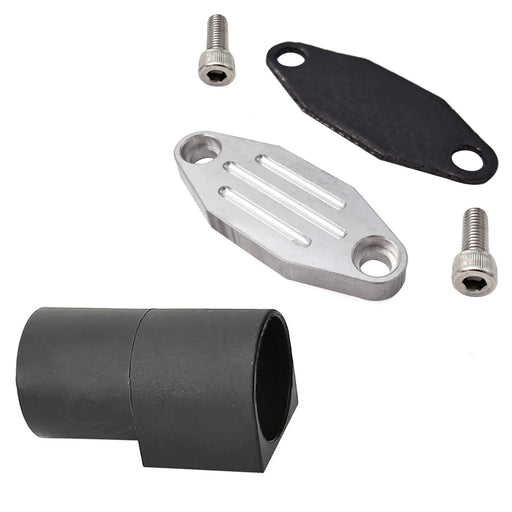
Seguler 1986-1995 Ford F150 F250 F350 Mustang Trucks EGR Simulator Eliminator / Block Off Plate Kit
SEGULEROriginal price $79.99 - Original price $79.99Original price$79.99$79.99 - $79.99Current price $79.99Block Off Plate Material: Aluminum alloy. Easy installation,and convenient to use. Made of CNC milled from aircraft grade Billet aluminum. Will N...
View full details -

Seguler 2011-2023 6.7L Ford Powerstroke Diesel EGR Delete Kit
SEGULEROriginal price $109.99 - Original price $109.99Original price$109.99$109.99 - $109.99Current price $109.99FITMENT 2011-2023 6.7L Ford Powerstroke F-250 F-350 F-450 F-550 Super Duty V8 Diesel. compatible with both standard Pickups and commercial Cab &...
View full details -
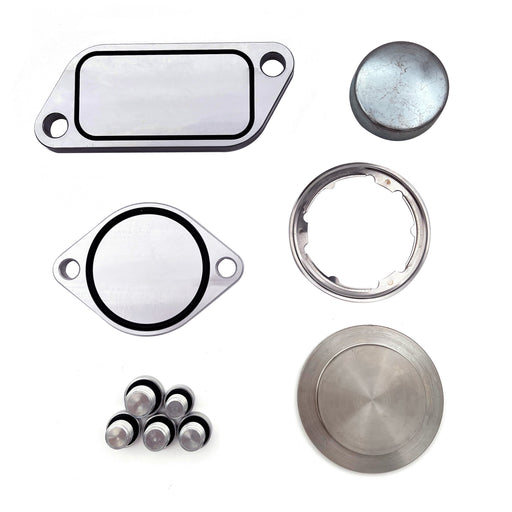
For 2010-Present Stage 2 ISX 15 CM2250 CM2350 EGR Delete Kit
SEGULEROriginal price $59.99 - Original price $59.99Original price$59.99$59.99 - $59.99Current price $59.99FITMENT 2010-Present Cummins Volvo, Peterbilt, Mack, International, Freightliner, Kenworth with the ISX15 CM2250 / CM2350 engines. DESCRIPTION P...
View full details -
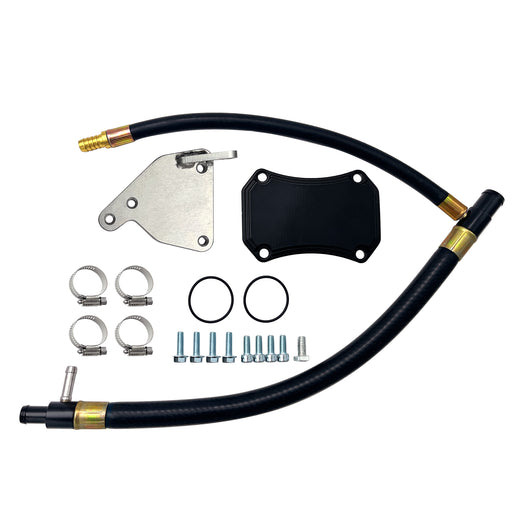
For 2011-2016 6.6L GMC Chevy Duramax Diesel LML EGR Valve Cooler Delete Kit
SEGULEROriginal price $66.49 - Original price $66.49Original price$66.49$66.49 - $66.49Current price $66.49FITMENT 2011-2016 6.6L Chevy GMC Duramax LML 2500 HD 3500 HD Diesel. DESCRIPTION Product Overview The 2011–2016 LML Duramax uses a complex EG...
View full details -
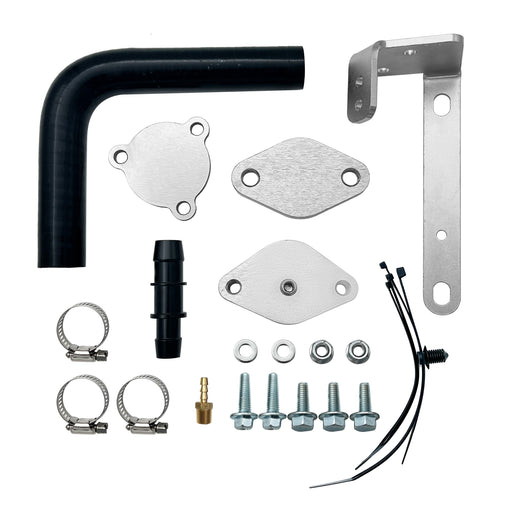
Seguler For 2014-2019 3.0L Dodge Ram 1500 EcoDiesel EGR Valve & Cooler Delete Kit
SEGULEROriginal price $72.99 - Original price $72.99Original price$72.99$72.99 - $72.99Current price $72.99FITMENT 2014-2019 3.0L Dodge Ram 1500 EcoDiesel V6 engine trucks. DESCRIPTION Product Overview Exhaust gas recirculation on 3.0L EcoDiesel V6 ...
View full details -
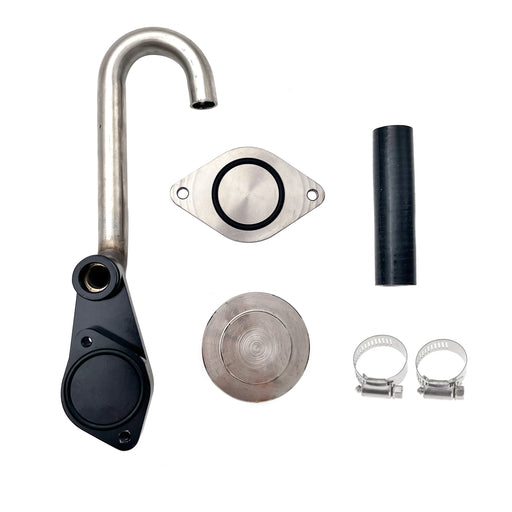
Seguler 2003-2007 6.0L FORD Powerstroke Diesel EGR Cooler Delete Kit
SEGULEROriginal price $56.14 - Original price $56.14Original price$56.14$56.14 - $56.14Current price $56.14FITMENT 2003-2007 6.0L Ford F-250 Ford F-350 F-450 F-550 Super Duty. 2003-2007 6.0L Ford Excursion SUV (Diesel Models Only). 2005-2010 Ford E-Se...
View full details -

Seguler 2011-2023 6.7L Ford Powerstroke Diesel EGR Delete Kit
SEGULEROriginal price $85.99 - Original price $85.99Original price$85.99$85.99 - $85.99Current price $85.99FITMENT 2011-2023 6.7L Ford Powerstroke F-250 F-350 F-450 F-550 Super Duty V8 Diesel. compatible with both standard Pickups and commercial Cab &...
View full details -

Seguler 2017-2019 L5P Duramax Diesel 4pcs L5P Can Bus Plugs Connector Replacement
SEGULEROriginal price $75.00 - Original price $75.00Original price$75.00$75.00 - $75.00Current price $75.00FITMENT 2017–2019 Chevrolet Silverado / GMC Sierra Duramax L5P 2500HD & 3500HD Diesel. DESCRIPTION Product Overview Unprotected harness con...
View full details -

Seguler 2010-2024 6.7L Dodge Ram Cummins Diesel EGR Valve Cooler Delete Kit
SEGULEROriginal price $89.99 - Original price $89.99Original price$89.99$89.99 - $89.99Current price $89.99FITMENT 2010–2024 6.7L Dodge Ram Cummins 2500 / 3500 Pickup Turbo Diesel. Note: Does NOT fit Chassis Cab 3500 / 4500 / 5500 models. DESCRIPTIO...
View full details -
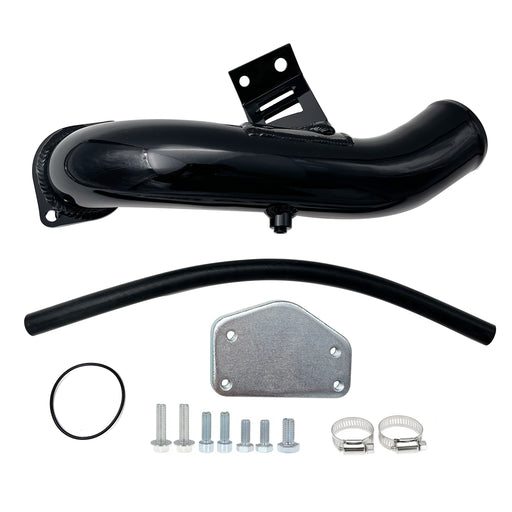
For 2004.5-2005 6.6L Chevy GMC Silverado LLY Duramax Diesel EGR Delete Kit
SEGULEROriginal price $92.99 - Original price $92.99Original price$92.99$92.99 - $92.99Current price $92.99FITMENT 2004.5-2005 6.6L Chevrolet Silverado Duramax LLY 2500HD / 3500 HD. 2004.5-2005 6.6L GMC Sierra Duramax LLY 2500HD / 3500 HD. DESCRIPTION...
View full details -

Seguler 2020-2023 chevy duramax L5P Diesel Can Bus Plugs Connector
SEGULEROriginal price $80.00 - Original price $80.00Original price$80.00$80.00 - $80.00Current price $80.00FITMENT 2020–2023 Chevrolet Silverado / GMC Sierra Duramax L5P 2500HD & 3500HD Diesel. DESCRIPTION Product Overview Unprotected harness pl...
View full details -
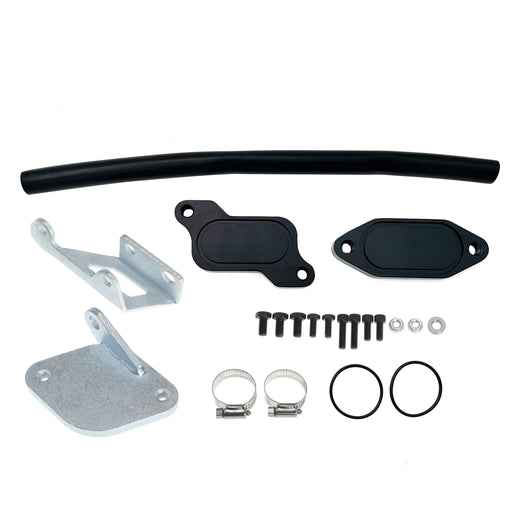
For 2006-2007 6.6L Chevrolet Silverado Classic GMC Duramax LBZ Diesel EGR Valve Cooler Delete Kit
SEGULEROriginal price $63.49 - Original price $63.49Original price$63.49$63.49 - $63.49Current price $63.49FITMENT 2006-2007.4 Chevrolet Silverado Duramax LBZ 2500HD / 3500HD. 2007.4 Chevrolet Silverado Duramax LBZ 2500HD / 3500HD Classic. 2006-2007.4 ...
View full details -

Seguler 2011-2023 6.7L Ford F250 F350 F450 F550 Powerstroke Diesel EGR Valve Delete Cooler Delete Kit
SEGULEROriginal price $55.99 - Original price $55.99Original price$55.99$55.99 - $55.99Current price $55.99FITMENT 2011-2023 6.7L Ford Powerstroke F-250 F-350 F-450 F-550 Super Duty V8 Diesel compatible with both standard Pickups and commercial Cab &a...
View full details -
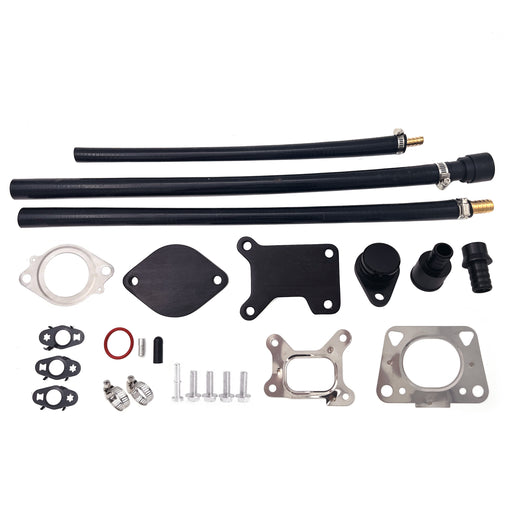
For 2017-2023 6.6L Chevy GMC Duramax L5P diesel EGR Valve Cooler Delete kit
SEGULEROriginal price $131.99 - Original price $131.99Original price$131.99$131.99 - $131.99Current price $131.99FITMENT 2017–2023 6.6L Chevrolet Silverado / GMC Sierra Duramax L5P 2500HD 3500HD Diesel. DESCRIPTION Product Overview Hot soot recirculation ...
View full details -
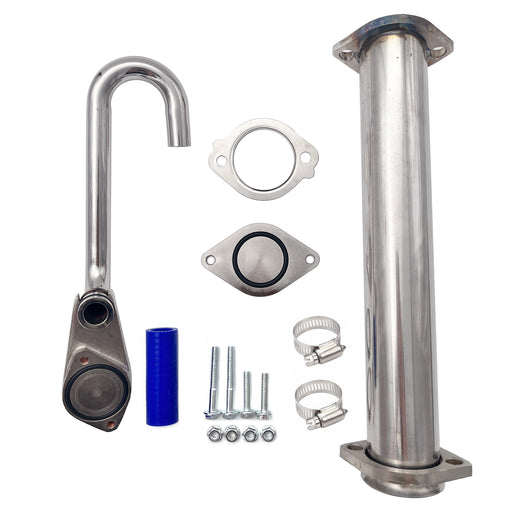
Seguler 2003-2007 6.0L Ford F250 F350 Powerstroke Diesel EGR Basic Cooler Kit
SEGULEROriginal price $79.99 - Original price $79.99Original price$79.99$79.99 - $79.99Current price $79.99FITMENT 2003-2007 6.0L Ford F250 F350 F450 F550 Super Duty Turbo (except 2004 F250 Super Duty). 2003-2005 6.0L Ford Excursion Turbo. 2005 Ford F...
View full details -
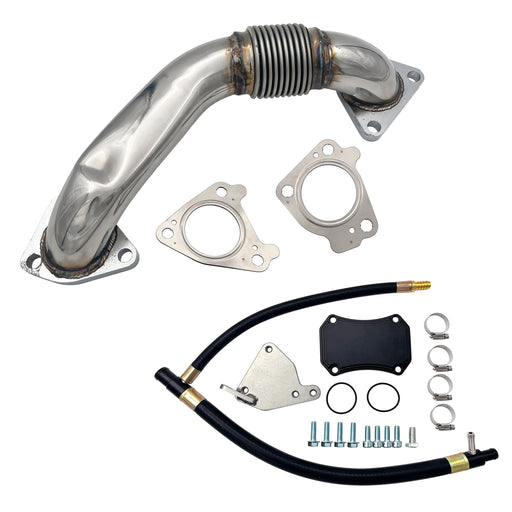
Seguler 2011-2016 6.6L GMC Chevy Duramax Diesel LML Up-Pipe & EGR Valve Cooler Delete Kit
SEGULEROriginal price $173.86 - Original price $173.86Original price$173.86$173.86 - $173.86Current price $173.86FITMENT 2011-2016 6.6L Chevy GMC Duramax LML 2500 HD 3500 HD Diesel. DESCRIPTION Product Overview Direct-injection technology endows GM 5.3L an...
View full details -
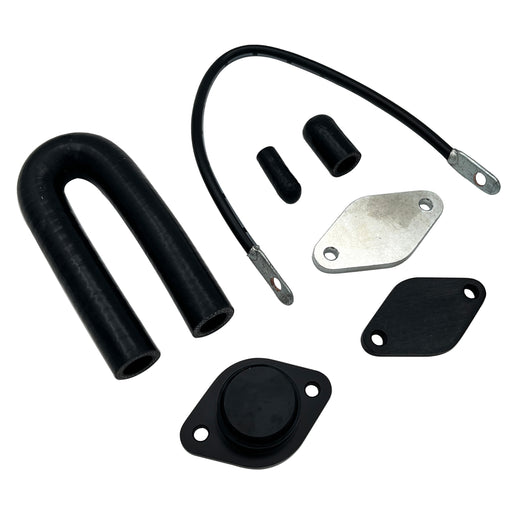
Seguler EGR valve cooler Delete kit for 2020-2022 3.0L Chevy Duramax LM2
SEGULEROriginal price $189.12 - Original price $189.12Original price$189.12$189.12 - $189.12Current price $189.12FITMENT 2020–2022 3.0L Chevrolet Silverado GMC Sierra 1500 LM2 Turbo-Diesel. DESCRIPTION Product Overview Powered by smooth inline-six engine...
View full details -
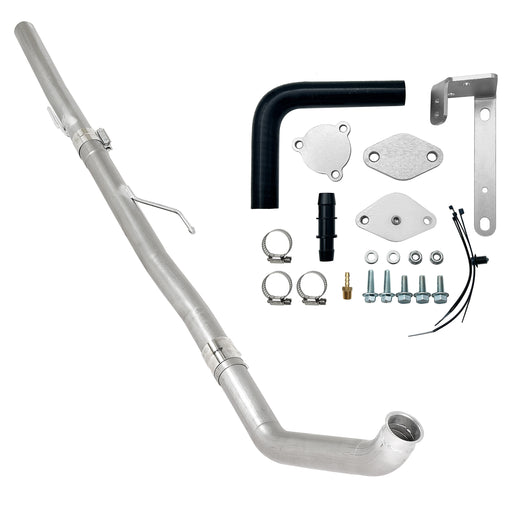
Seguler 3" Ecodiesel DPF Delete Pipe & EGR Delete kit for 2014-2018 3.0L Ram
SEGULEROriginal price $342.00 - Original price $342.00Original price$342.00$342.00 - $342.00Current price $342.00FITMENT 2014–2018 3.0L Dodge Ram 1500 EcoDiesel V6. NOTE: Fit standard Pickup models only (Crew Cab, Quad Cab). Does NOT fit Jeep Grand Cheroke...
View full details -

For 2013-2023 6.7L Dodge Ram Cummins Cab & Chassis EGR Delete Kit Diesel
SEGULEROriginal price $62.99 - Original price $62.99Original price$62.99$62.99 - $62.99Current price $62.99FITMENT 2013–2023 6.7L Ram Cummins 3500 4500 5500 Cab & Chassis / Commercial Trucks. Does NOT fit standard Ram 2500 3500 Pickups. DESCRIPTIO...
View full details -
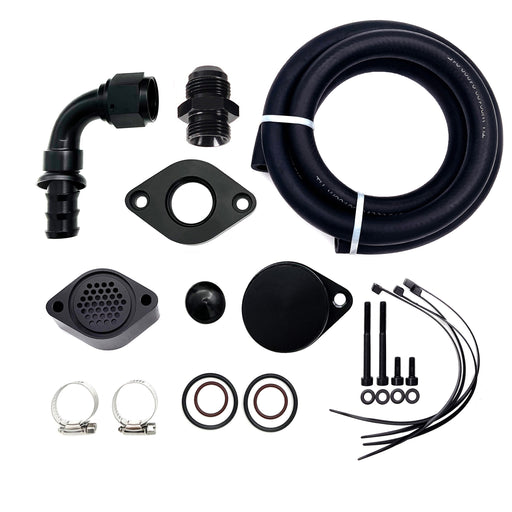
Seguler 2011-2023 6.7L Ford Powerstroke CCV PCV Reroute Engine Ventilation Kit
SEGULEROriginal price $82.99 - Original price $82.99Original price$82.99$82.99 - $82.99Current price $82.99FITMENT 2011-2023 6.7L Ford Powerstroke F-250 F-350 F-450 F-550 Super Duty V8 Diesel. Compatible with both standard Pickups and commercial Cab &...
View full details -
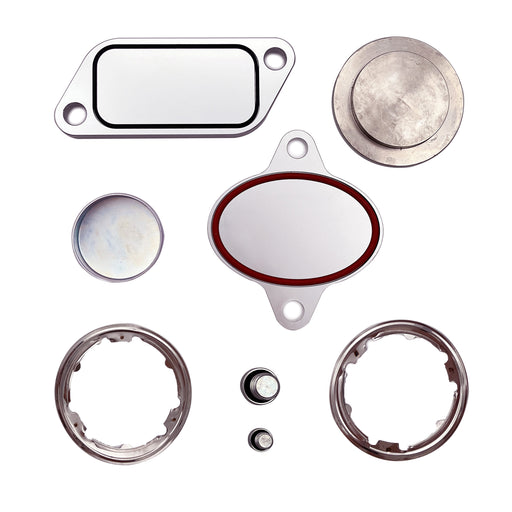
For 2007-2010 Cummins ISX CM871 EGR Plug Kit Stage 2 Plates and Plugs Aluminum
SEGULEROriginal price $67.99 - Original price $67.99Original price$67.99$67.99 - $67.99Current price $67.99FITMENT 2007-2010 Cummins Volvo, Peterbilt, Mack, International, Freightliner, Kenworth with the ISX CM871 Engines. DESCRIPTION Product Overvie...
View full details -
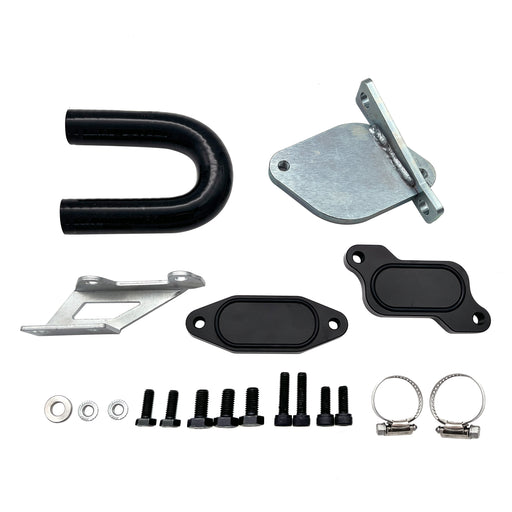
For 2007-2010 6.6L Chevy GMC LMM Duramax EGR Valve Cooler Delete Kit Fit
SEGULEROriginal price $61.99 - Original price $61.99Original price$61.99$61.99 - $61.99Current price $61.99FITMENT 2007.5-2010 6.6L Chevrolet Silverado Duramax LMM 2500HD / 3500HD. 2007.5-2010 6.6L GMC Sierra Duramax LMM 2500HD / 3500HD. Note: Standard...
View full details -
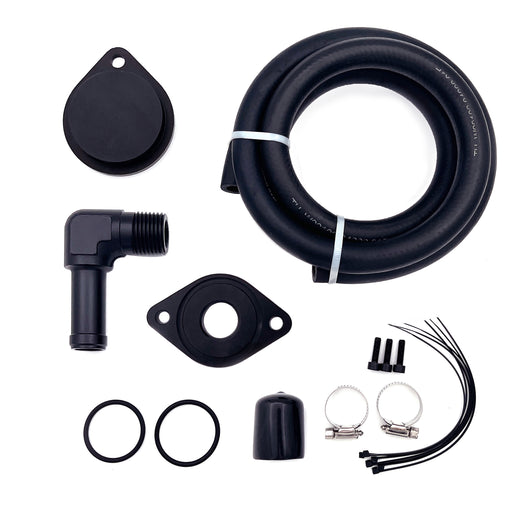
Seguler 2011-2023 Ford 6.7L Powerstroke CCV/PCV Reroute/Delete Engine Ventilation Kit
SEGULEROriginal price $72.00 - Original price $72.00Original price$72.00$72.00 - $72.00Current price $72.00FITMENT 2011-2023 6.7L Ford Powerstroke F-250 F-350 F-450 F-550 Super Duty V8 Diesel. Compatible with both standard Pickups and commercial Cab &...
View full details -
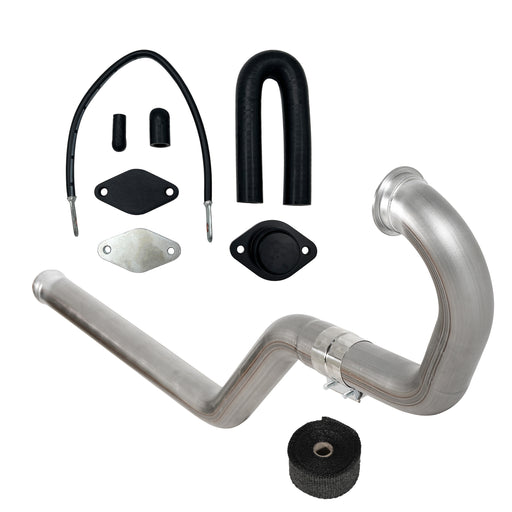
3" Turbo Back DPF & EGR Delete Kit for 2020-2022 GM 3.0L LM2 Duramax
SEGULEROriginal price $550.00 - Original price $550.00Original price$550.00$550.00 - $550.00Current price $550.00FITMENT 2020–2022 3.0L Chevrolet Silverado 1500 LM2 Diesel. 2020–2022 3.0L GMC Sierra 1500 LM2 Diesel. DESCRIPTION Product Overview On the 3.0...
View full details -
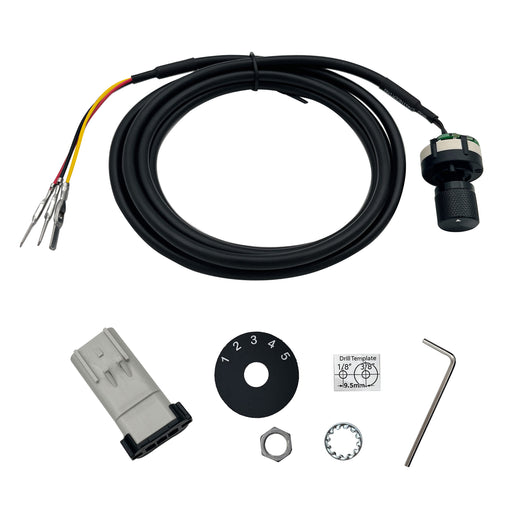
Seguler 2010+ Dodge Ram Cummins EZ-Lynk/CCV SOTF Switch
SEGULEROriginal price $80.00 - Original price $80.00Original price$80.00$80.00 - $80.00Current price $80.00FITMENT 2010-2024 6.7L Ram Cummins 2500 3500 4500 5500 Turbo Diesel. DESCRIPTION Product Overview Changing horsepower levels on a tuned Ram tr...
View full details


Leave a comment