

SOTF Switch, EGR System & 4-Inch Race Exhaust for 6.7L Powerstroke
Three different parts, three different systems. That is the first thing to get straight when someone says “SOTF switch, EGR, and exhaust” for a 6.7L Powerstroke, because the three get lumped together constantly and they do not do the same job at all. The SOTF switch changes which tune you are running. The EGR system is about emissions and intake contamination. The exhaust is about getting the flow out the back. Owners ask about all three because they all hang off the same engine, but the questions they answer are different in kind, and buying the wrong one because the symptoms looked similar is a common and expensive mistake.
This guide walks through each system on its own, explains what the parts actually change, and then lines the three up side by side so you can tell them apart before you spend money. It is written for 2011 through 2022 6.7L Ford Powerstroke trucks, with one exception: the SEGULER EGR kit is also listed for 2023 models. The point throughout is that you confirm fitment against your specific year, cab, and configuration rather than trusting the engine name alone.
Understanding the 6.7L Powerstroke
Ford rolled out the 6.7L Powerstroke for the 2011 model year, and it was a clean-sheet diesel, not a revision of the old 6.4L. It was Ford’s first in-house diesel after the Navistar years, with a compacted graphite iron block and a high-pressure common-rail fuel system. Ford revised the turbocharger design for 2015, which is why model-year differences matter when you compare engine components and aftermarket fitment. It went into the Super Duty lineup, which is where the fitment conversation gets its shape.
The same 6.7L engine sits in the F-250, F-350, F-450, and F-550, but the trucks are not interchangeable when it comes to aftermarket parts. There are pickups and there are Cab & Chassis commercial trucks, and a part that fits one does not always fit the other. Crew cab short bed and crew cab long bed can matter for exhaust routing. And the emissions hardware changed over the years, so a 2011 truck and a 2022 truck are not the same animal under the hood even though they share the displacement.
Start with the truck’s specifics, not the engine name, and that principle runs through everything that follows. Year, cab, bed, and chassis type all filter what actually fits.
What Is an SOTF Switch?
SOTF stands for Switch On The Fly. The idea is that instead of running one single tune all the time, a truck can carry several preloaded tuning levels in the engine control unit, and the switch lets the driver move between them without stopping, plugging in a handheld, and waiting through a reflash.
Why Owners Run One
It comes down to how the truck gets used. A truck that tows heavy on the weekend and commutes during the week does not want the same fueling and boost strategy for both jobs. A hotter, more aggressive map can be great for a run down the strip but wrong for a long pull with a trailer, where exhaust gas temperatures climb and a careless tune is hard on the engine. A conservative tow map is safe but feels lazy the moment the trailer comes off.
A switch lets an owner keep a few maps loaded and pick the one that fits the moment. That is the real payoff: adaptability, not more horsepower by itself.
The Switch Does Not Make Power
The switch itself does not create a single horsepower, and that point gets misread constantly. The power and the behavior live in the tune files that a tuner loads into the truck. If the tune only has one map, the switch has nothing to switch. If the tuner never enabled SOTF in the file, the switch does nothing. The switch is the knob on a door you still have to install.
Understanding the Five Positions
A five-position switch gives the driver five slots to assign. What those five slots actually do is decided by whoever writes the tune, so there is no universal answer to “position three is X horsepower.” One tuner’s position three might be a tow map, another’s might be a race map. The only honest statement is that the switch provides five physical positions, and each one maps to whatever level the tuning provider programmed into that slot.
Charged Air Cooler 5 Position SOTF Switch for 2011-2022 6.7L Ford Powerstroke
The 5-Position SOTF Switch is built around that same idea, but what sets it apart is how it actually hooks up, because it is not just a knob on a length of wire. The connector is molded to match the factory CAC temperature sensor harness, so it plugs straight in with no cutting, splicing, or soldering. It runs off the sensor circuit’s own reference voltage, so there is no battery lead or fuse tap to add and no under-dash power wiring. The lead itself routes from that engine-bay connector through the firewall to the dial, and the kit includes the dash plate, knob, and mounting hardware. The rotary mechanism has a firm detent at each of the five positions, so the dial stays where you set it instead of drifting over rough ground.
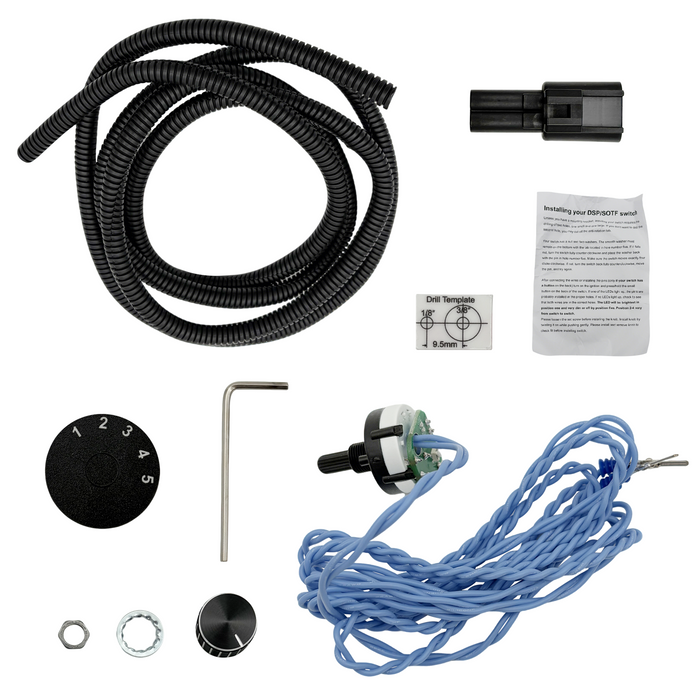 It is listed for the 2011–2022 6.7L Powerstroke F-250 through F-550 Super Duty. The thing to nail down before ordering is not the switch itself, it is your tune. The switch only works if the tuning provider enabled SOTF in the tune file, and compatibility comes down to that file, not to which handheld device you own. The switch is a selector, not a power source.
Installing the SOTF Switch
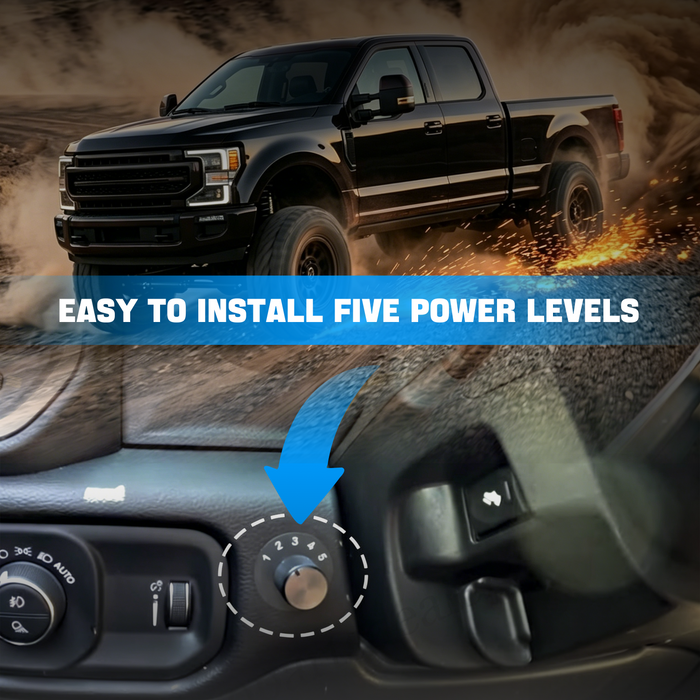
Mounting it is the quick part of the whole job. The lead routes from the CAC sensor connector in the engine bay through the firewall grommet into the cab, where the dash plate and knob go within reach of the driver’s seat. There is no battery or fuse-box wiring, and nothing gets cut or spliced. The habit worth forming is to lift off the throttle for a beat before you turn the dial and to avoid switching at wide-open throttle. The switch itself is plug-and-play; the part that actually takes setup is the tune.
Understanding the EGR System
EGR stands for exhaust gas recirculation. The system routes a measured portion of the exhaust back into the intake under certain conditions, and the point of doing that is emissions: diluting the intake charge with inert exhaust lowers peak combustion temperature and reduces the formation of oxides of nitrogen, or NOx.
How the Cooler Fits In
The exhaust gas coming off the turbo is hot, so before it re-enters the intake it passes through an EGR cooler, a heat exchanger that pulls temperature out of the gas using engine coolant. The valve meters how much exhaust is allowed through. Both pieces live in a hot, soot-laden environment, and both are common failure points over the life of a 6.7L.
The Problems That Show Up
| What an owner notices | What to look at first |
|---|---|
| Coolant level dropping with no puddle | EGR cooler & cooling circuit |
| Carbon buildup in the intake | EGR circuit & intake path |
| Check engine light | Trouble codes, not a guess |
| Sluggish response or reduced power | EGR and airflow together |
A slow coolant drop with no visible leak can be a sign of internal EGR cooler failure, where coolant crosses into the exhaust side and burns off. Intake carbon is the other side of the same system, soot that recirculates and settles in the manifold and around the valve over thousands of miles. The symptoms point somewhere, but they are not a diagnosis by themselves; a check engine light needs its codes read before any part gets replaced.
2011-2023 6.7L Ford F250 F350 F450 F550 Powerstroke Diesel EGR Valve Delete Cooler Delete Kit
The EGR Valve & Cooler Kit addresses the cooler and the valve together, and the coolant plate is the detail that matters. Rather than a flat block-off that would dead-end the rear coolant passage, the plate is pass-through, so coolant keeps circulating through the block while the exhaust gas is sealed out. The plates are 6061 billet aluminum and 304 stainless, and the stainless exhaust plate comes tapped with a 1/8" NPT port so a factory EGT probe threads back in. The product page cites up to a 36°F drop in the surrounding area as its claimed figure, which is a manufacturer number rather than an independent test.
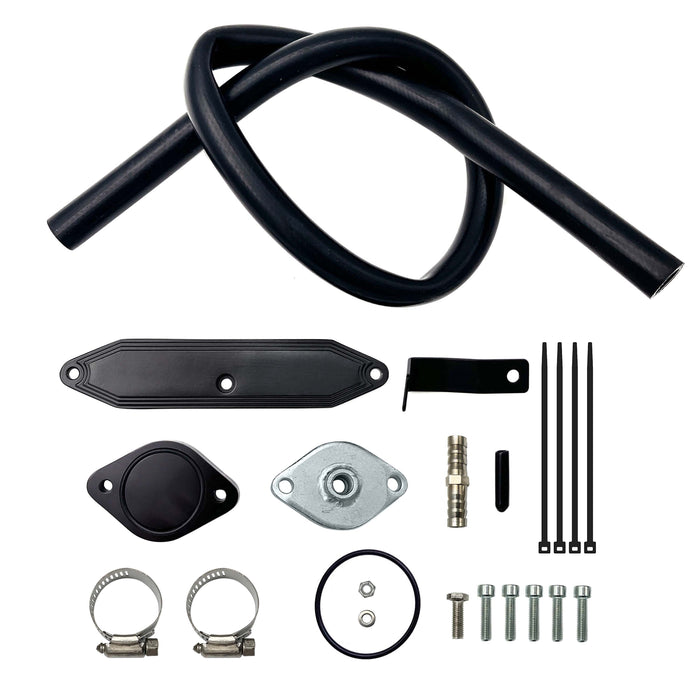 Fitment is the 2011–2023 6.7L Powerstroke, pickup and Cab & Chassis alike, with two things to check. 2015 and 2016 trucks need an extra coolant reroute hose because Ford revised the EGR cooler’s coolant circuit those two years, routing the cooler through the high-temperature cooling system. And the EGT sensor provision comes in 10mm and 12mm thread versions, so you measure the outer diameter of the factory sensor and pick the matching plate. Because it changes factory emissions hardware, it is not a plug-and-play swap. The vehicle’s calibration and diagnostic behavior have to be accounted for, and changes to the factory EGR system may trigger diagnostic trouble codes or affect engine operation. Actual codes and symptoms depend on the vehicle configuration and operating conditions.
EGR Installation Considerations
The EGR kit is the most involved of the three because it opens the cooling system, so it is worth inspecting the factory setup before any work starts. Check the cooler and valve condition, the intake piping, and the state of the coolant itself. The kit’s pass-through plate keeps the rear coolant passage live rather than dead-ending it, and the stainless exhaust plate carries a tapped 1/8" NPT port so the factory EGT probe threads back in. That port is the sensor compatibility point, and the kit comes in 10mm and 12mm thread versions to match the factory sensor. Because the swap opens the cooling circuit, coolant has to be drained and refilled and the system checked for leaks once it is back up to temperature. This is work most owners hand to a qualified diesel technician, and it should follow the factory service manual for the specific year rather than a generic step list. It is not a casual bolt-on.
4-Inch Exhaust: What to Know
The exhaust section is where owners start talking about flow, sound, and heat. A 4-inch exhaust is a larger-diameter pipe than the factory system, and the idea is a freer path for the exhaust gas once it leaves the turbo.
Downpipe-Back vs Turbo-Back
These two terms describe where the system starts. A turbo-back system begins at the turbo and includes a replacement downpipe. A downpipe-back system begins at the factory downpipe flange and keeps the stock downpipe in place, replacing everything after it. That distinction matters for install work and for fitment, because a downpipe-back kit does not require pulling the downpipe.
Muffler or No Muffler
A muffled system keeps a resonator or muffler in the run to hold the volume down. A straight-pipe, no-muffler system removes that restriction entirely, which is where the “race” character comes from: a deeper note at idle, more turbo whistle, and a noticeably louder truck under throttle. It is a sound and flow choice, not a comfort choice, and it is the loud end of the spectrum.
2011-2022 6.7L Ford Powerstroke 4" Dp-Back DPF Delete Pipe
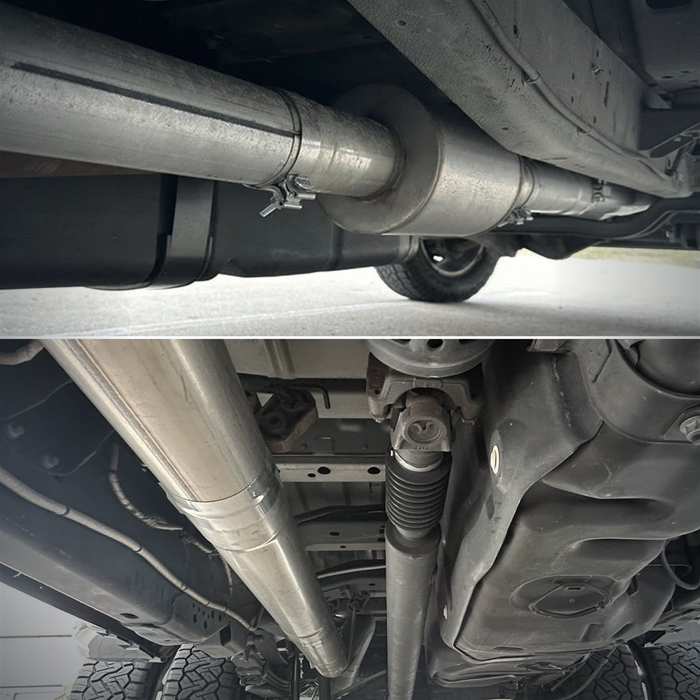
The 4-Inch Dp-Back Exhaust is a downpipe-back system in 4-inch T409 stainless with mandrel bends, and it is a straight pipe, meaning no muffler in the run. It connects at the factory downpipe flange, so the downpipe stays in place during install. Because it replaces the factory catalyst, DPF, and muffler, it is an emissions-system change and carries the same calibration considerations as the EGR kit. The sound sits at the loud end: a deeper exhaust note and a lot more turbo whistle than a muffled setup.
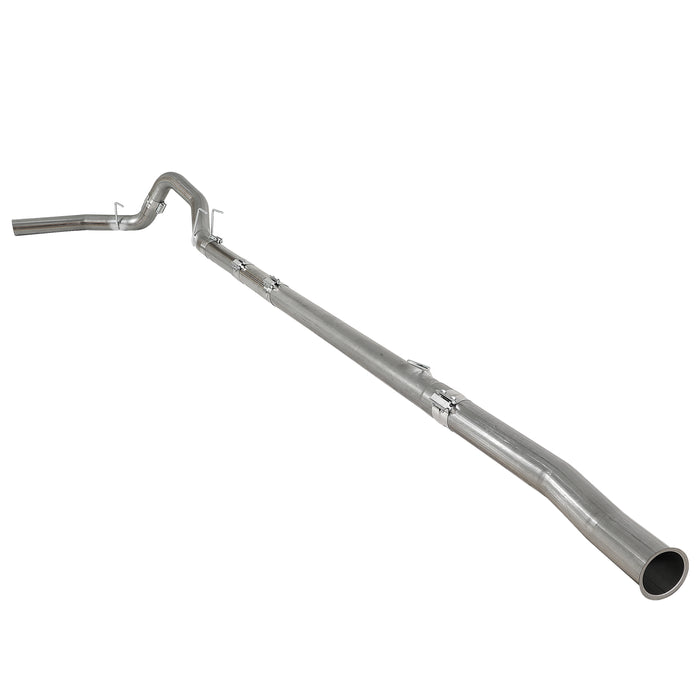 This one covers the 2011–2022 6.7L Powerstroke F-250, F-350, and F-450 pickups in crew cab short or long bed. This one does not fit Cab & Chassis commercial trucks, which is the single biggest thing to check. A freer exhaust path can reduce backpressure and can affect exhaust gas temperatures under load, but how much any given truck gains depends on the rest of the setup, the tune, and how the truck is driven. It is a flow change, not a guaranteed horsepower number.
Exhaust Installation Considerations
The exhaust is a bolt-on at the factory downpipe flange, so the downpipe stays in place and the work sits downstream of it. The pipe comes as numbered sections joined by clamps and hung on the factory rubber mounts, and because it is a long straight run, a shop will often trim a section to match the exact truck rather than forcing a universal length. Before install, check the condition of the factory system (the DPF, the sensors, and the hangers) and confirm the truck is a pickup rather than a Cab & Chassis, since this pipe is pickup-only. The hangers and flanges should be lined up with every clamp left loose until the whole run is adjusted, then tightened front to back. Like the EGR kit, this is an emissions-system change, so the calibration and the truck’s intended use need to be settled before it goes on the road.
SOTF Switch vs EGR System vs Exhaust
The three parts solve three different problems, and none of them substitutes for the others.
| Aspect | SOTF Switch | EGR System | 4-Inch Exhaust |
|---|---|---|---|
| System it touches | Engine tuning control | Emissions control | Exhaust flow |
| What it changes | Which tune is active | Intake soot & EGR hardware | Pipe diameter & backpressure |
| What to watch | Tune compatibility | Cooler & valve condition | Pipe diameter & truck fitment |
| Check before buying | SOTF enabled in the tune | Year, cab, EGT sensor size | Pickup vs Cab & Chassis |
These are three independent decisions. The switch needs a tune with SOTF enabled, and the EGR kit and the exhaust are emissions-system changes with calibration and diagnostic implications. None of the three makes the others unnecessary. An owner can run one, two, or all three, but each one has to be evaluated on its own against the truck and the rules that apply to it.
Fitment Guide: 2011–2022 6.7L Powerstroke
| Product | Listed years | Truck range |
|---|---|---|
| SOTF Switch | 2011–2022 | F-250/F-350/F-450/F-550 |
| EGR Kit | 2011–2023 | F-250/F-350/F-450/F-550 |
| 4-Inch Exhaust | 2011–2022 | F-250/F-350/F-450 Pickup |
A few details sit underneath those rows. The 2011–2014 and 2015–2016 trucks differ in how the EGR cooler is plumbed into the cooling system, which is why the EGR kit calls out an extra coolant reroute hose for 2015–2016 specifically. The exhaust is pickup-only; the switch and EGR kit cover both pickup and Cab & Chassis. The SOTF switch has no year-specific hardware catch, but it has a software catch: the tune has to have SOTF enabled for it to mean anything. This guide focuses on 2011–2022 trucks, but the SEGULER EGR kit is also listed for 2023 6.7L Powerstroke applications, so check that product’s own fitment if you own a 2023. Confirm any part against your exact year and configuration rather than taking the table at face value.
Before You Buy
None of these three is a casual add-on, and each carries its own check before you hand over money.
Verify fitment. Year, cab, bed, and chassis type first. The engine name does not confirm fitment by itself.
Confirm calibration. The SOTF switch needs SOTF enabled in the tune, and the EGR kit and the exhaust are emissions-system changes with calibration and diagnostic implications to verify before you order.
Check the EGR kit specifics. Confirm your EGT sensor’s 10mm or 12mm thread size, and remember 2015–2016 trucks need the extra coolant reroute hose. The SOTF switch plugs into the CAC temperature sensor harness.
Review exhaust configuration. Pickup versus Cab & Chassis, and muffled versus straight-pipe, are real fitment and sound decisions.
Consult a qualified diesel technician. Especially for the EGR work, which touches the cooling system.
Confirm local emissions rules. The EGR kit and the exhaust are emissions-system changes, and where and how the truck is used determines whether they are appropriate. These parts are intended for off-road and competition use, not for public-road vehicles where emissions controls are required.
Frequently Asked Questions
Q: What does SOTF mean on a 6.7 Powerstroke?
A: SOTF stands for Switch On The Fly. It is a switch that lets the driver move between preloaded tuning levels without stopping to reflash the truck. It is a selector, and the actual behavior comes from the tune files.
Q: Does an SOTF switch create more horsepower?
A: No. The switch does not create power. It only selects between tuning levels that are already programmed into the truck. Any horsepower change comes from the tune, not from the switch.
Q: How many positions does the SEGULER SOTF switch have?
A: Five positions. What each position does depends on the tune file, since the tuner assigns the levels to each slot. There is no universal horsepower number tied to a specific position.
Q: Does the SOTF switch require custom tuning?
A: Yes, in practice. The switch needs a tune with SOTF enabled for it to do anything. A stock truck, or a tune without SOTF support, gives the switch nothing to select.
Q: Is the SOTF switch compatible with EZ LYNK and SCT?
A: Compatibility comes down to whether the tuning provider enabled SOTF in the tune file, not which handheld device you use. The product page lists EZ LYNK, SCT, and EFI Live by name, but you should confirm SOTF activation with your tuner for your specific file.
Q: What are common symptoms of a failing 6.7 Powerstroke EGR cooler?
A: A coolant level that drops with no visible puddle is the big one, since an internal cooler leak can burn coolant off through the exhaust. Carbon buildup in the intake and a check engine light are also common signs. Read the codes before replacing anything.
Q: What is the difference between a 4-inch downpipe-back and turbo-back exhaust?
A: A turbo-back system starts at the turbo and includes a replacement downpipe. A downpipe-back system starts at the factory downpipe flange and keeps the stock downpipe, replacing everything after it. The downpipe-back setup is simpler to install because the downpipe stays in place.
Q: Does the 4-inch exhaust fit Cab & Chassis trucks?
A: No. The 4-inch exhaust is listed for the F-250, F-350, and F-450 pickups in crew cab short and long bed. It does not fit Cab & Chassis commercial trucks.
Q: Does the EGR kit require additional coolant hoses on 2015–2016 models?
A: Yes. Ford revised the EGR cooler’s coolant circuit for 2015 and 2016, so those model years need an extra coolant reroute hose. Earlier and later trucks use the main kit without that extra hose.
Q: How can I confirm the correct parts for my 6.7L Powerstroke?
A: Check your year, cab, bed, and chassis type first, then match each part against its own fitment notes. For the EGR kit, know your EGT sensor thread size. For the exhaust, confirm you have a pickup and not a Cab & Chassis. For the switch, confirm your tune has SOTF enabled. When in doubt, verify against the product page or with the vendor.
Final Thoughts
A SOTF switch, an EGR kit, and a 4-inch exhaust are three separate upgrades that answer three separate questions. The switch is about having the right tune for the job without reflashing. The EGR kit is about intake contamination, coolant loss, and the reliability of the emissions hardware. The exhaust is about flow and sound. They overlap only in the sense that they all hang off the same engine.
The way to buy them is one decision at a time, against your specific truck. Confirm the year, the cab, the chassis type, and the calibration situation before any of the three goes on. The EGR kit and the exhaust are emissions-system changes intended for off-road and competition use, and they are not a street-legal modification for a public-road truck in most places. Labeling a vehicle or product for off-road or competition use does not by itself create a legal exemption, and tampering with emissions controls can run afoul of the Clean Air Act and can affect warranty coverage under the Magnuson-Moss Warranty Act. Check the rules that apply to your vehicle and how you use it.
If you are lining up these three for a 6.7L Powerstroke, you can review the SEGULER SOTF switch, EGR kit, and 4-inch exhaust on their product pages, each with its own fitment details, at seguler.com.
Featured collection
-
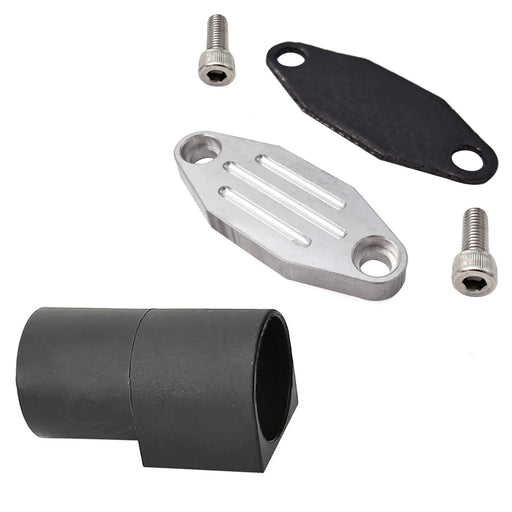
Seguler 1986-1995 Ford F150 F250 F350 Mustang Trucks EGR Simulator Eliminator / Block Off Plate Kit
SEGULEROriginal price $79.99 - Original price $79.99Original price$79.99$79.99 - $79.99Current price $79.99Block Off Plate Material: Aluminum alloy. Easy installation,and convenient to use. Made of CNC milled from aircraft grade Billet aluminum. Will N...
View full details -

Seguler 2011-2023 6.7L Ford Powerstroke Diesel EGR Delete Kit
SEGULEROriginal price $109.99 - Original price $109.99Original price$109.99$109.99 - $109.99Current price $109.99FITMENT 2011-2023 6.7L Ford Powerstroke F-250 F-350 F-450 F-550 Super Duty V8 Diesel. compatible with both standard Pickups and commercial Cab &...
View full details -
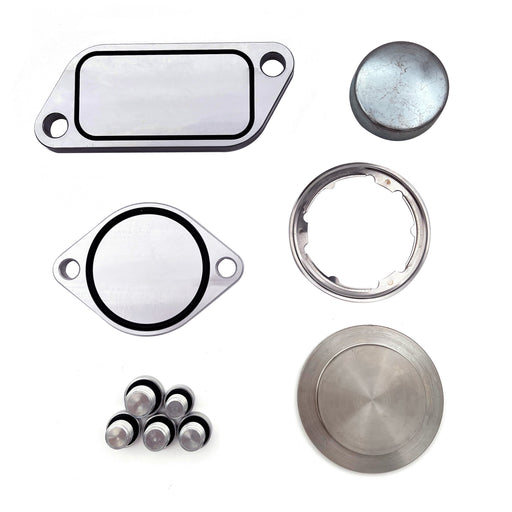
For 2010-Present Stage 2 ISX 15 CM2250 CM2350 EGR Delete Kit
SEGULEROriginal price $59.99 - Original price $59.99Original price$59.99$59.99 - $59.99Current price $59.99FITMENT 2010-Present Cummins Volvo, Peterbilt, Mack, International, Freightliner, Kenworth with the ISX15 CM2250 / CM2350 engines. DESCRIPTION P...
View full details -
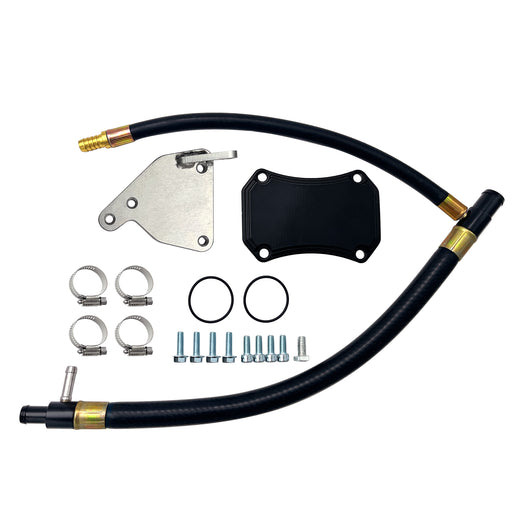
For 2011-2016 6.6L GMC Chevy Duramax Diesel LML EGR Valve Cooler Delete Kit
SEGULEROriginal price $66.49 - Original price $66.49Original price$66.49$66.49 - $66.49Current price $66.49FITMENT 2011-2016 6.6L Chevy GMC Duramax LML 2500 HD 3500 HD Diesel. DESCRIPTION Product Overview The 2011–2016 LML Duramax uses a complex EG...
View full details -
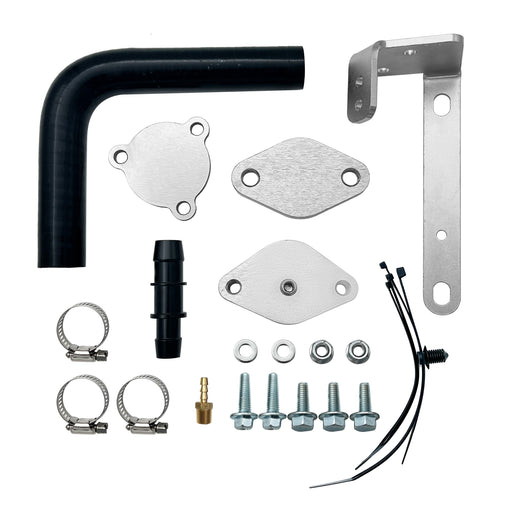
Seguler For 2014-2019 3.0L Dodge Ram 1500 EcoDiesel EGR Valve & Cooler Delete Kit
SEGULEROriginal price $72.99 - Original price $72.99Original price$72.99$72.99 - $72.99Current price $72.99FITMENT 2014-2019 3.0L Dodge Ram 1500 EcoDiesel V6 engine trucks. DESCRIPTION Product Overview Exhaust gas recirculation on 3.0L EcoDiesel V6 ...
View full details -
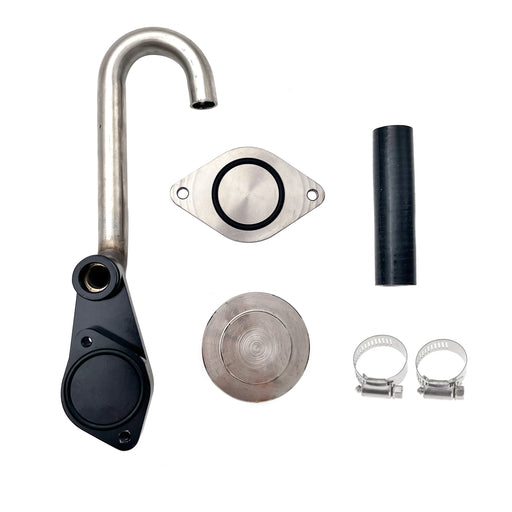
Seguler 2003-2007 6.0L FORD Powerstroke Diesel EGR Cooler Delete Kit
SEGULEROriginal price $56.14 - Original price $56.14Original price$56.14$56.14 - $56.14Current price $56.14FITMENT 2003-2007 6.0L Ford F-250 Ford F-350 F-450 F-550 Super Duty. 2003-2007 6.0L Ford Excursion SUV (Diesel Models Only). 2005-2010 Ford E-Se...
View full details -

Seguler 2011-2023 6.7L Ford Powerstroke Diesel EGR Delete Kit
SEGULEROriginal price $85.99 - Original price $85.99Original price$85.99$85.99 - $85.99Current price $85.99FITMENT 2011-2023 6.7L Ford Powerstroke F-250 F-350 F-450 F-550 Super Duty V8 Diesel. compatible with both standard Pickups and commercial Cab &...
View full details -

Seguler 2017-2019 L5P Duramax Diesel 4pcs L5P Can Bus Plugs Connector Replacement
SEGULEROriginal price $75.00 - Original price $75.00Original price$75.00$75.00 - $75.00Current price $75.00FITMENT 2017–2019 Chevrolet Silverado / GMC Sierra Duramax L5P 2500HD & 3500HD Diesel. DESCRIPTION Product Overview Unprotected harness con...
View full details -

Seguler 2010-2024 6.7L Dodge Ram Cummins Diesel EGR Valve Cooler Delete Kit
SEGULEROriginal price $89.99 - Original price $89.99Original price$89.99$89.99 - $89.99Current price $89.99FITMENT 2010–2024 6.7L Dodge Ram Cummins 2500 / 3500 Pickup Turbo Diesel. Note: Does NOT fit Chassis Cab 3500 / 4500 / 5500 models. DESCRIPTIO...
View full details -
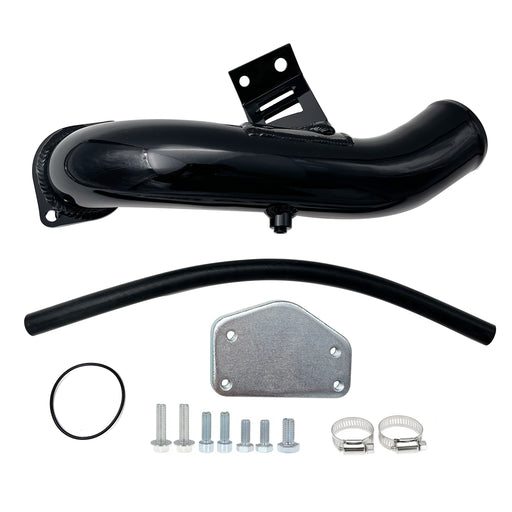
For 2004.5-2005 6.6L Chevy GMC Silverado LLY Duramax Diesel EGR Delete Kit
SEGULEROriginal price $92.99 - Original price $92.99Original price$92.99$92.99 - $92.99Current price $92.99FITMENT 2004.5-2005 6.6L Chevrolet Silverado Duramax LLY 2500HD / 3500 HD. 2004.5-2005 6.6L GMC Sierra Duramax LLY 2500HD / 3500 HD. DESCRIPTION...
View full details -

Seguler 2020-2023 chevy duramax L5P Diesel Can Bus Plugs Connector
SEGULEROriginal price $80.00 - Original price $80.00Original price$80.00$80.00 - $80.00Current price $80.00FITMENT 2020–2023 Chevrolet Silverado / GMC Sierra Duramax L5P 2500HD & 3500HD Diesel. DESCRIPTION Product Overview Unprotected harness pl...
View full details -
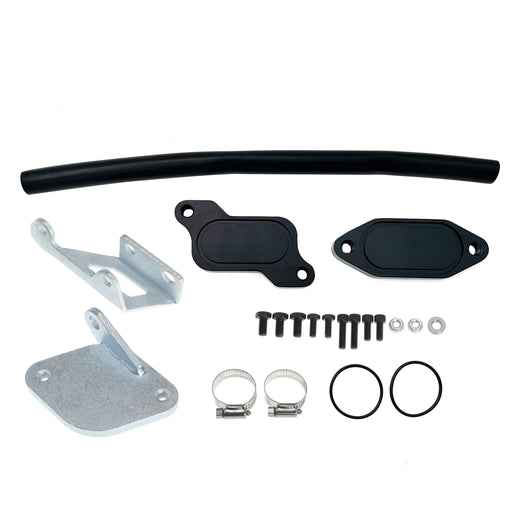
For 2006-2007 6.6L Chevrolet Silverado Classic GMC Duramax LBZ Diesel EGR Valve Cooler Delete Kit
SEGULEROriginal price $63.49 - Original price $63.49Original price$63.49$63.49 - $63.49Current price $63.49FITMENT 2006-2007.4 Chevrolet Silverado Duramax LBZ 2500HD / 3500HD. 2007.4 Chevrolet Silverado Duramax LBZ 2500HD / 3500HD Classic. 2006-2007.4 ...
View full details -

Seguler 2011-2023 6.7L Ford F250 F350 F450 F550 Powerstroke Diesel EGR Valve Delete Cooler Delete Kit
SEGULEROriginal price $55.99 - Original price $55.99Original price$55.99$55.99 - $55.99Current price $55.99FITMENT 2011-2023 6.7L Ford Powerstroke F-250 F-350 F-450 F-550 Super Duty V8 Diesel compatible with both standard Pickups and commercial Cab &a...
View full details -
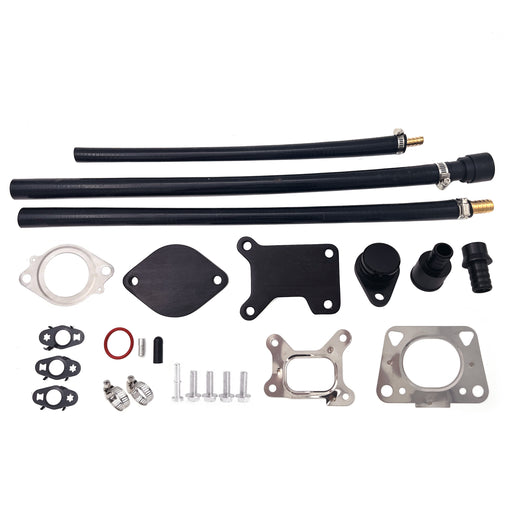
For 2017-2023 6.6L Chevy GMC Duramax L5P diesel EGR Valve Cooler Delete kit
SEGULEROriginal price $131.99 - Original price $131.99Original price$131.99$131.99 - $131.99Current price $131.99FITMENT 2017–2023 6.6L Chevrolet Silverado / GMC Sierra Duramax L5P 2500HD 3500HD Diesel. DESCRIPTION Product Overview Hot soot recirculation ...
View full details -
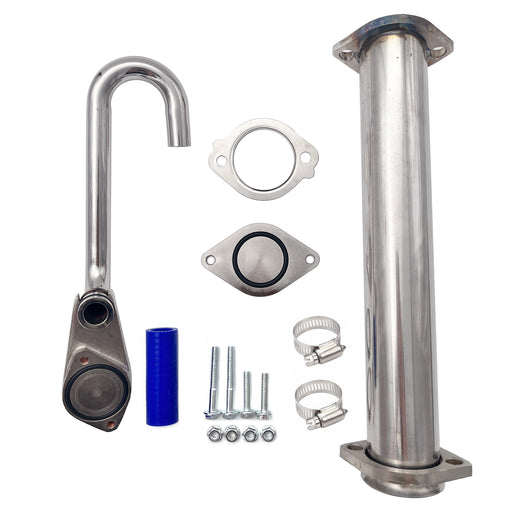
Seguler 2003-2007 6.0L Ford F250 F350 Powerstroke Diesel EGR Basic Cooler Kit
SEGULEROriginal price $79.99 - Original price $79.99Original price$79.99$79.99 - $79.99Current price $79.99FITMENT 2003-2007 6.0L Ford F250 F350 F450 F550 Super Duty Turbo (except 2004 F250 Super Duty). 2003-2005 6.0L Ford Excursion Turbo. 2005 Ford F...
View full details -
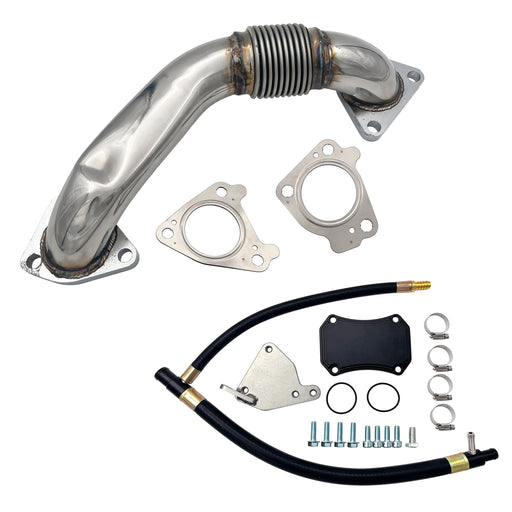
Seguler 2011-2016 6.6L GMC Chevy Duramax Diesel LML Up-Pipe & EGR Valve Cooler Delete Kit
SEGULEROriginal price $173.86 - Original price $173.86Original price$173.86$173.86 - $173.86Current price $173.86FITMENT 2011-2016 6.6L Chevy GMC Duramax LML 2500 HD 3500 HD Diesel. DESCRIPTION Product Overview Direct-injection technology endows GM 5.3L an...
View full details -
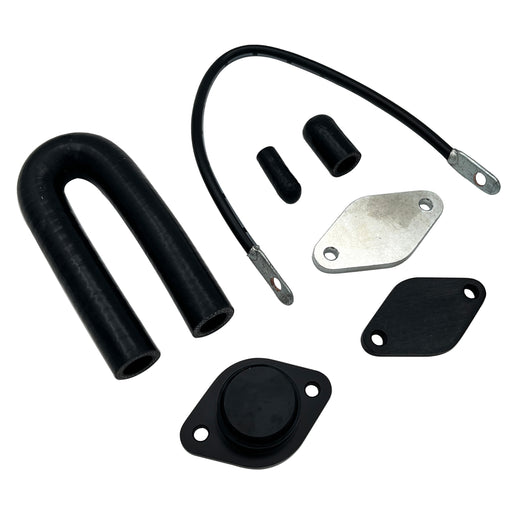
Seguler EGR valve cooler Delete kit for 2020-2022 3.0L Chevy Duramax LM2
SEGULEROriginal price $189.12 - Original price $189.12Original price$189.12$189.12 - $189.12Current price $189.12FITMENT 2020–2022 3.0L Chevrolet Silverado GMC Sierra 1500 LM2 Turbo-Diesel. DESCRIPTION Product Overview Powered by smooth inline-six engine...
View full details -
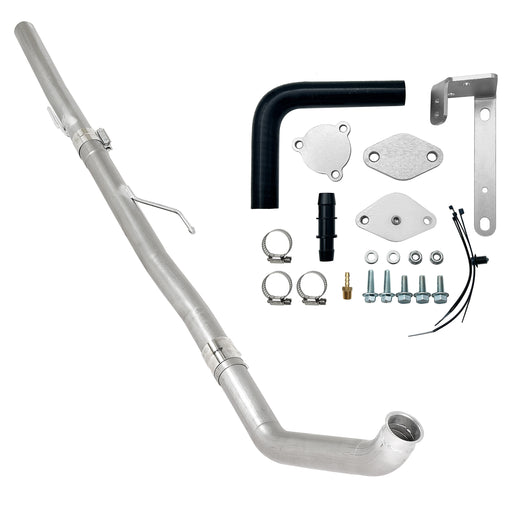
Seguler 3" Ecodiesel DPF Delete Pipe & EGR Delete kit for 2014-2018 3.0L Ram
SEGULEROriginal price $342.00 - Original price $342.00Original price$342.00$342.00 - $342.00Current price $342.00FITMENT 2014–2018 3.0L Dodge Ram 1500 EcoDiesel V6. NOTE: Fit standard Pickup models only (Crew Cab, Quad Cab). Does NOT fit Jeep Grand Cheroke...
View full details -

For 2013-2023 6.7L Dodge Ram Cummins Cab & Chassis EGR Delete Kit Diesel
SEGULEROriginal price $62.99 - Original price $62.99Original price$62.99$62.99 - $62.99Current price $62.99FITMENT 2013–2023 6.7L Ram Cummins 3500 4500 5500 Cab & Chassis / Commercial Trucks. Does NOT fit standard Ram 2500 3500 Pickups. DESCRIPTIO...
View full details -
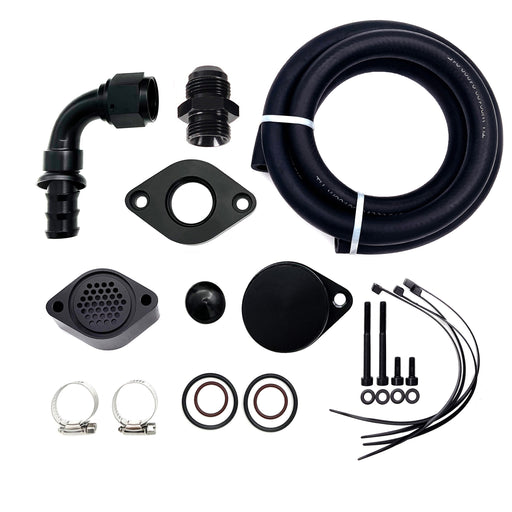
Seguler 2011-2023 6.7L Ford Powerstroke CCV PCV Reroute Engine Ventilation Kit
SEGULEROriginal price $82.99 - Original price $82.99Original price$82.99$82.99 - $82.99Current price $82.99FITMENT 2011-2023 6.7L Ford Powerstroke F-250 F-350 F-450 F-550 Super Duty V8 Diesel. Compatible with both standard Pickups and commercial Cab &...
View full details -
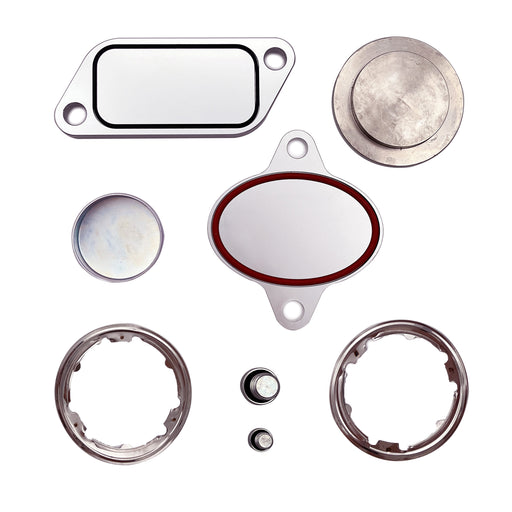
For 2007-2010 Cummins ISX CM871 EGR Plug Kit Stage 2 Plates and Plugs Aluminum
SEGULEROriginal price $67.99 - Original price $67.99Original price$67.99$67.99 - $67.99Current price $67.99FITMENT 2007-2010 Cummins Volvo, Peterbilt, Mack, International, Freightliner, Kenworth with the ISX CM871 Engines. DESCRIPTION Product Overvie...
View full details -
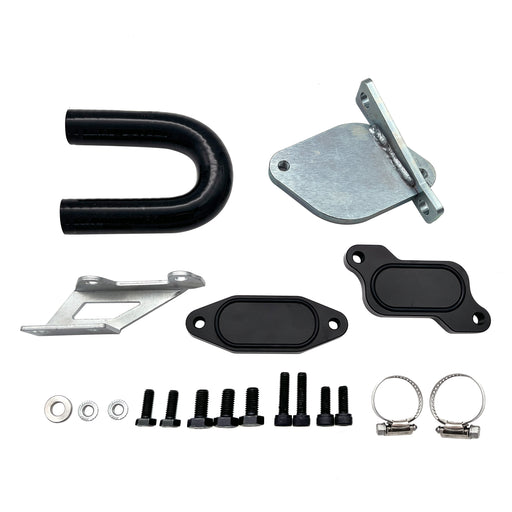
For 2007-2010 6.6L Chevy GMC LMM Duramax EGR Valve Cooler Delete Kit Fit
SEGULEROriginal price $61.99 - Original price $61.99Original price$61.99$61.99 - $61.99Current price $61.99FITMENT 2007.5-2010 6.6L Chevrolet Silverado Duramax LMM 2500HD / 3500HD. 2007.5-2010 6.6L GMC Sierra Duramax LMM 2500HD / 3500HD. Note: Standard...
View full details -
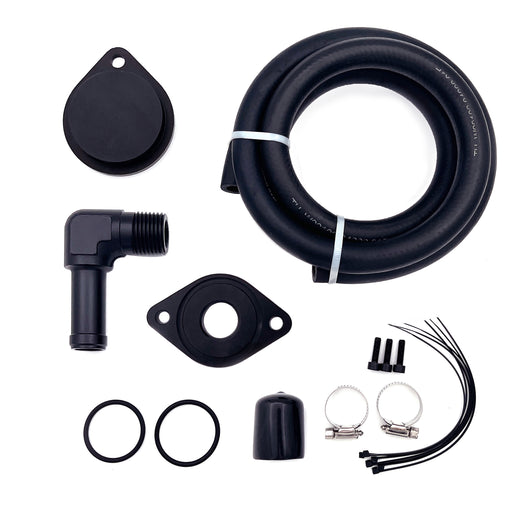
Seguler 2011-2023 Ford 6.7L Powerstroke CCV/PCV Reroute/Delete Engine Ventilation Kit
SEGULEROriginal price $72.00 - Original price $72.00Original price$72.00$72.00 - $72.00Current price $72.00FITMENT 2011-2023 6.7L Ford Powerstroke F-250 F-350 F-450 F-550 Super Duty V8 Diesel. Compatible with both standard Pickups and commercial Cab &...
View full details -
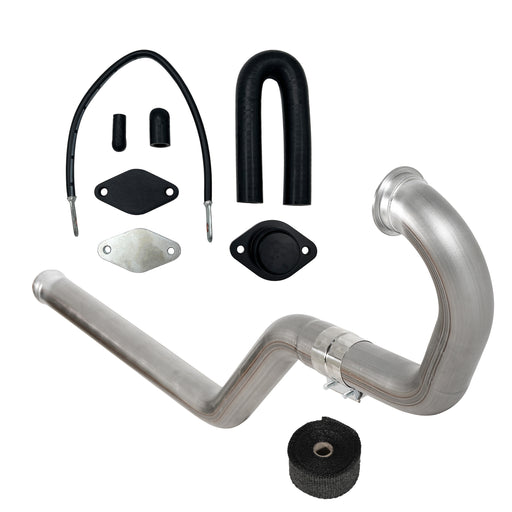
3" Turbo Back DPF & EGR Delete Kit for 2020-2022 GM 3.0L LM2 Duramax
SEGULEROriginal price $550.00 - Original price $550.00Original price$550.00$550.00 - $550.00Current price $550.00FITMENT 2020–2022 3.0L Chevrolet Silverado 1500 LM2 Diesel. 2020–2022 3.0L GMC Sierra 1500 LM2 Diesel. DESCRIPTION Product Overview On the 3.0...
View full details -
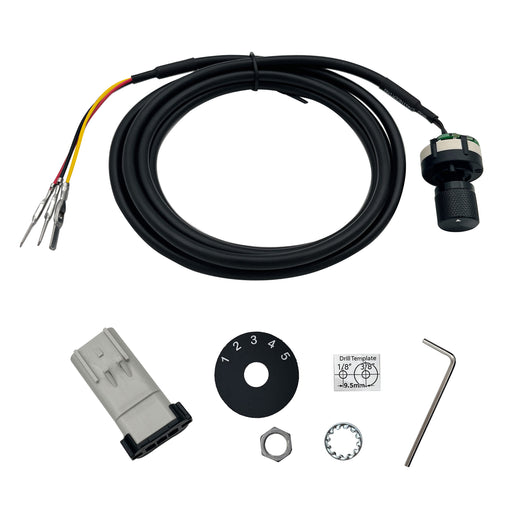
Seguler 2010+ Dodge Ram Cummins EZ-Lynk/CCV SOTF Switch
SEGULEROriginal price $80.00 - Original price $80.00Original price$80.00$80.00 - $80.00Current price $80.00FITMENT 2010-2024 6.7L Ram Cummins 2500 3500 4500 5500 Turbo Diesel. DESCRIPTION Product Overview Changing horsepower levels on a tuned Ram tr...
View full details


Leave a comment