

3.0L EcoDiesel Ram 1500 EGR Delete & 3" DPF Pipe Guide
The 2014–2018 Ram 1500 EcoDiesel is an easy truck to like. The 3.0L V6 pulls smooth, quiet torque, and it returns the kind of fuel economy a half-ton has no business delivering. The trouble isn’t the engine — it’s the emissions hardware bolted around it, and it tends to announce itself two ways: an intake that slowly fills with soot, and a DPF that wants to regenerate every time you cross town.
Those two complaints trace back to two different systems, and they get addressed with two different parts. The EGR loop feeds exhaust soot back into the intake, where it cakes the manifold and eventually sticks the EGR valve. The DPF and SCR canister sits in the exhaust stream and plugs up under short-trip driving, while a separate fault — the P20EE SCR-efficiency code — flags when the catalyst isn’t doing its job. Either one, at its worst, can drop the truck into limp mode.
This guide walks through both — what each system does, how to tell which one is acting up, what each part actually replaces, and where the year split and fitment notes catch people out.
The EcoDiesel’s Two Problem Systems
The EcoDiesel carries two emissions systems that do most of the complaining, and it’s worth knowing what each one does before you decide what to change.
EGR (exhaust gas recirculation) routes a portion of exhaust back into the intake to lower combustion temperatures. On the EcoDiesel, that recirculated soot ends up as carbon deposits in the intake manifold, and over time it sticks the EGR valve and puts heat stress on the EGR cooler — a water-cooled heat exchanger that can crack internally and leak coolant into places it doesn’t belong.
DPF + SCR (diesel particulate filter + selective catalytic reduction). The DPF catches soot and periodically burns it off during a regeneration cycle; the SCR system injects DEF to break down NOx. The failure points here are the constant regeneration cycles (especially on short trips), the DEF and NOx sensors, and the P20EE code that flags SCR catalyst efficiency.
The thing to keep in mind is that these two systems live in different places and fail in different ways — one dirties the intake, the other chokes the exhaust. That’s why the solutions are two separate parts.
Symptoms: EGR Trouble vs. DPF Trouble
Here’s how each problem usually shows up on a real truck, in the language you’d hear on a forum thread.
EGR / intake trouble
- Soft low-end throttle response, especially off the line.
- Coolant level dropping with no visible puddle under the truck.
- White smoke or a sweet smell on a warm engine.
- An EGR-related fault code, or an intake manifold that’s visibly caked inside.
DPF / aftertreatment trouble
- Frequent or stuck regeneration cycles, especially on short trips.
- A P20EE code — an SCR NOx catalyst efficiency fault, not a DPF restriction fault.
- Reduced power, or the truck dropping into limp mode with a countdown.
- Fuel economy that keeps creeping down as the truck fights to regen.
| Symptom | Possible cause | What to check first |
|---|---|---|
| Soot-caked intake, soft throttle | EGR feeding soot into the intake |
Check intake & EGR deposits
|
| Coolant loss, no puddle | EGR cooler internal crack | Pressure-test the cooling system |
| Frequent or stuck regeneration | DPF soot/ash accumulation | Check soot load & the regen history |
| P20EE code | SCR NOx catalyst efficiency |
Check DEF & NOx sensors, not just DPF
|
| Limp mode with a countdown | DPF or DEF system fault | Scan for codes before it derates further |
Smoke, codes, and power loss are clues, not a diagnosis. Confirm any suspicion against the actual symptoms and a proper scan before you order parts.
Why the EcoDiesel’s Emissions Hardware Struggles
The EcoDiesel’s emissions hardware has a harder job than the same systems on a bigger truck, and a few things stack against it.
- Short trips. Frequent short trips can interrupt regeneration cycles, potentially contributing to soot accumulation and DPF-related issues over time — and a lot of EcoDiesel owners bought the truck for the economy, which means city miles, which is exactly the driving that works the aftertreatment hardest.
- EGR soot on a small-displacement V6. The 3.0L V6 moves less air than a larger-displacement diesel, so the same recirculated soot makes up a larger share of the intake charge. That’s a big part of why these manifolds cake up as fast as they do.
- The EGR cooler is a water-cooled heat exchanger. It sees exhaust heat on one side and engine coolant on the other. After enough thermal cycles, the internal passages can crack — which is the classic “coolant disappearing with no leak” complaint.
- DEF and NOx sensors live in a hot, corrosive stream. On the SCR side, they’re a common failure point, and a failing sensor can trigger the same limp-mode countdown as a plugged DPF.
Two Targeted Solutions
If the diagnosis points at the intake, the answer is on the EGR side. If it points at the exhaust, the solution is the DPF pipe. Two separate systems, two separate parts — and plenty of owners do one without the other.
Seguler’s approach to both is the same idea: replace the failure-prone hardware with something simpler. The EGR valve & cooler delete kit removes the EGR loop from the intake, and the 3" DPF delete pipe opens up the exhaust path. Here’s what each one actually is.
Repair vs. Remove: The Other Options on the Table
Removal isn’t the only route, and it isn’t the right one for every owner, so it’s worth laying out the alternatives before anyone orders parts.
On the EGR side, a sticking valve can sometimes be cleaned, and a leaking cooler can be replaced with another factory-style unit. That keeps the truck stock and gets it back on the road, though it leaves the original design — and its failure points — in place.
On the DPF side, a plugged filter can sometimes be forced through a service regeneration, cleaned, or replaced. Those are stopgaps that keep the truck original but tend to repeat, since the underlying soot load and short-trip driving pattern don’t change.
The removal route is the one owners take when they’re done paying for the same failure over and over. It’s a long-term cost and maintenance decision, not a quick performance shortcut.
The EGR Valve & Cooler Delete Kit
The factory EGR valve and EGR cooler — the two parts of the EcoDiesel’s intake loop that do most of the failing. The kit is built around CNC-machined aluminum plates and stainless steel hardware, with high-temperature silicone hoses to handle the coolant routing. The silicone hoses matter here because the coolant circuit runs hot and sees constant thermal cycling — standard rubber breaks down faster under that load, and the stainless hardware is there because the fasteners sit in a corrosive under-hood environment where plated steel tends to rust. It closes off the EGR path so the intake no longer receives that recirculated soot, and it seals the cooler’s coolant circuit so the loop stays closed.
 Fitment. 2014–2019 3.0L Ram 1500 EcoDiesel V6. Removing the EGR hardware is a change the engine computer notices, so this one is meant to be paired with a compatible tuner to keep the dash clear.
Why owners go this route. The EGR cooler is one of the EcoDiesel’s known weak points — when it cracks, coolant goes where it shouldn’t. Removing the valve and cooler together takes the soot source and the leak point out of the intake in a single job, rather than leaving one of them in place.
The 3" DPF Delete Pipe
The 3" EcoDiesel DPF Delete Race Pipe Exhaust is designed for 2014–2018 3.0L Dodge Ram 1500 EcoDiesel applications. It replaces the factory DOC, DPF, and SCR aftertreatment section with a 3-inch mandrel-bent T409 stainless steel exhaust pipe. Its three-piece modular design is built for a factory-position installation while providing a straighter exhaust path and durable resistance to heat cycles and road salt. For owners researching a Ram 1500 EcoDiesel DPF delete pipe, this setup offers a direct way to replace the factory aftertreatment section with a simpler exhaust configuration.
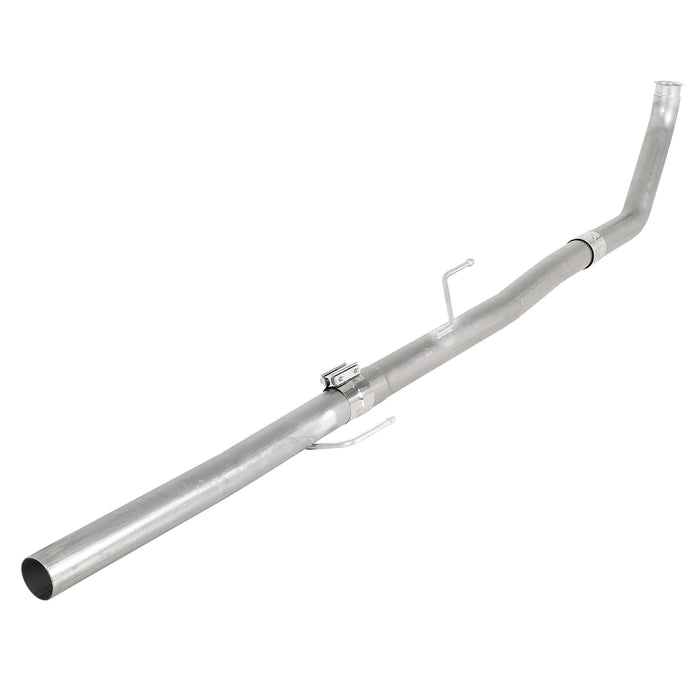 Fitment. 2014–2018 3.0L Ram 1500 EcoDiesel V6, standard pickup configurations (Crew Cab and Quad Cab) only. It does not fit the Jeep Grand Cherokee EcoDiesel or Cab & Chassis trucks without fabrication. Like the EGR kit, it needs a compatible tuner to handle the removed aftertreatment.
Why owners go this route. The DPF is what turns short-trip driving into constant regeneration — and constant regeneration into P20EE codes and limp mode. Opening up the restriction is the way owners step away from that cycle instead of chasing it.
Fitment: Know Your EcoDiesel Year
This is the one place the two parts don’t line up, so it gets its own note.
- The EGR valve & cooler delete kit is listed for 2014–2019.
- The 3" DPF pipe is listed for 2014–2018.
If you own a 2019 EcoDiesel, the EGR kit is listed for your truck but the DPF pipe is not — so if you’re planning both, confirm the exhaust side against the listing before you order. On the 2014–2018 trucks, both parts line up cleanly. Both ranges sit within the second-generation EcoDiesel (2014–2019 in the Ram 1500); neither part is listed for the redesigned third-generation engine that arrived for 2020. Whatever year you have, check the specific listing against your engine code and configuration rather than trusting the model year alone.
Installation Overview
Neither of these is a quick driveway job, but both are bolt-on by design — no cutting or fabrication.
The EGR kit is the more involved of the two, and it breaks down like this:
Step 1: Drain and disconnect. Disconnect the battery and drain the coolant so the electrical and cooling systems are out of the way before you go in.
Step 2: Remove the EGR hardware. Pull the EGR valve and cooler, then close off the ports and reroute the coolant using the kit’s plates and hoses.
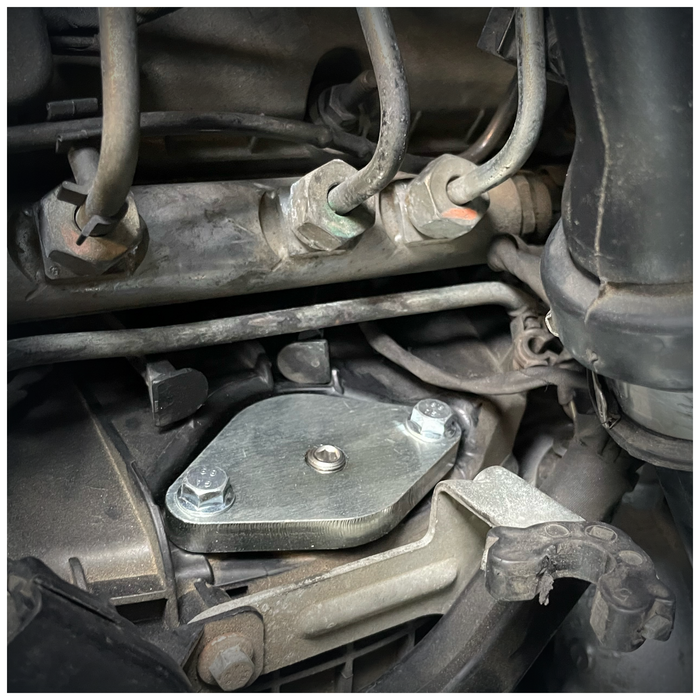
Step 3: Reassemble and check. Put the intake back together, refill and bleed the cooling system, run the engine to temperature, and check every connection for leaks.
The DPF pipe is a bolt-in exhaust job:
Step 1: Remove the factory aftertreatment. Drop the DOC, DPF, and SCR stack from behind the turbo.
Step 2: Hang the new pipe. Bolt the three-piece pipe into the factory position and its mounts.
Step 3: Check the fit. Confirm the flanges seat and the pipe clears the chassis, then tighten everything to spec.
The exact bolt locations and torque values vary by year and configuration, so the factory service manual — not a summary like this — is the authority. The one thing that holds across both jobs: this is emissions-hardware work, and it’s worth getting right the first time.
Tuning & the Check-Engine Light
Both of these are changes the engine computer notices. The EcoDiesel’s ECM monitors the EGR system and the aftertreatment, and physically removing that hardware can trigger diagnostic faults or affect engine-control behavior, depending on the truck’s configuration and calibration. That’s why both parts are meant to be paired with a compatible tuner — a hardware-plus-software job, not a bolt-on-and-go.
It’s worth stating plainly: the tune is what handles the removed hardware. The parts take the hardware out; the tune is what keeps the truck running right afterward. If you’re not set up to flash the ECM, plan for that before you order.
Do You Need Both?
Not necessarily. These are two separate systems, and plenty of owners address one without touching the other.
| The problem you’re chasing | The part that applies | Why |
|---|---|---|
| Sooty intake, leaking cooler, stuck EGR valve | EGR valve & cooler delete kit | EGR causes intake soot; the pipe doesn't. |
| P20EE, frequent regen, limp mode | 3" DPF delete pipe |
Removes the entire aftertreatment stack at its source. |
| Both symptoms on a 2014–2018 truck | Both, in one teardown | Same truck fitment; shared tuner. |
The reason the two get mentioned together is convenience and fitment, not a requirement. The right starting point is whichever part matches your symptoms — and the “both” route only makes sense if you’re already in there and planning the tune anyway.
Mistakes to Avoid
- Ordering the DPF pipe for a 2019 truck. The pipe is listed through 2018 — confirm the year against the listing before you buy.
- Assuming the pipe fits a Jeep or a Cab & Chassis. It’s a Ram 1500 pickup part, and the Jeep uses a different layout.
- Skipping the tuner. Both parts are meant to run with a compatible tune. Hardware without the software is how you end up with a truck that won’t run right.
- Treating a code as a parts list. A P20EE can come from a DEF or NOx sensor, not just the DPF — diagnose before you buy.
Legal Disclaimer
These parts are for off-road and competition use only. Emissions modifications on public-road vehicles may violate the Clean Air Act and other laws and can affect warranty coverage. This information is educational, not legal advice.
FAQ
Q: Do I need to tune the truck after installing these parts?
A:Yes. Both the EGR removal and the DPF pipe are hardware changes the EcoDiesel’s ECM monitors, so a compatible tuner is the way to keep the truck running right. Requirements depend on your truck’s configuration, the specific hardware, and the regulations that apply to how you use the truck. If you’re not set up to flash the ECM yourself, budget for a tuner or a shop visit as part of the project — it’s not a bolt-on-and-go.
Q: Will the EGR kit keep my intake from ever carboning up again?
A:It removes the exhaust-soot side of the intake contamination, which is a major source of it. But the crankcase ventilation system also feeds oil vapor into the intake, so it’s not a promise of a permanently spotless manifold.
Q: What is the P20EE code, and will the DPF pipe clear it?
A:P20EE is the SCR NOx catalyst efficiency code, and it’s a common EcoDiesel complaint. It’s separate from a DPF restriction fault — a plugged filter throws its own codes — so don’t assume P20EE means the DPF itself is clogged. The DPF pipe removes the aftertreatment the code refers to, but the code itself is handled by the tune, and a P20EE can also point at a failing NOx sensor or a DEF dosing issue even if the DPF is fine, so confirm the cause first.
Q: Does the 3" pipe fit the Jeep Grand Cherokee EcoDiesel?
A:No. It’s listed for the Ram 1500 pickup (Crew Cab and Quad Cab) only. The Jeep uses a different layout, and this pipe does not fit it without fabrication.
Q: Is the DPF pipe stainless steel?
A:Yes — T409 stainless, mandrel-bent, in a three-piece modular design built to resist road salt and chassis rust.
Q: Can I install the EGR kit on a 2019 EcoDiesel?
A:The EGR kit is listed for 2014–2019, so yes. Just note the DPF pipe is listed through 2018 — if you want both, the exhaust side needs a separate fitment check. That 2019 split is the one year where the EGR kit is listed but the DPF pipe is not.
Q: Do I need both the EGR kit and the DPF pipe?
A:No. They’re two separate systems. Match the part to the symptom — EGR for intake, soot, and cooler trouble; DPF pipe for regen, code, and limp-mode trouble.
Q: Will removing the EGR hardware change my fuel economy?
A:It depends. Some owners report steadier economy once the intake stays clean and the truck is no longer fighting the emissions hardware; others see little change. There’s no guaranteed number — the tune and your driving matter more than the hardware alone.
Q: Is this legal for a daily driver?
A:These parts are intended for off-road and competition use. Installing them on a vehicle driven on public roads raises Clean Air Act and state-law issues. That’s a question for your local regulations, not a blog.
Q: What tools does the install take?
A:Standard sockets and wrenches, fresh coolant, and a way to flash the ECM for the tune. The exact fasteners and torque values come from the factory service manual for your year.
Q: Which part should I buy first?
A:The one that matches your symptoms. If the intake is the problem, start with the EGR kit; if the truck is throwing codes and dropping into limp mode, start with the DPF pipe. A scan and a look inside the intake manifold will usually point you the right way before you spend anything. Diagnose first, then buy.
For 2014–2018 Ram 1500 EcoDiesel owners sorting out a sooty intake or a plugging DPF, both parts — the EGR valve & cooler delete kit and the 3" DPF pipe — are listed with their fitment notes at seguler.com.
Featured collection
-
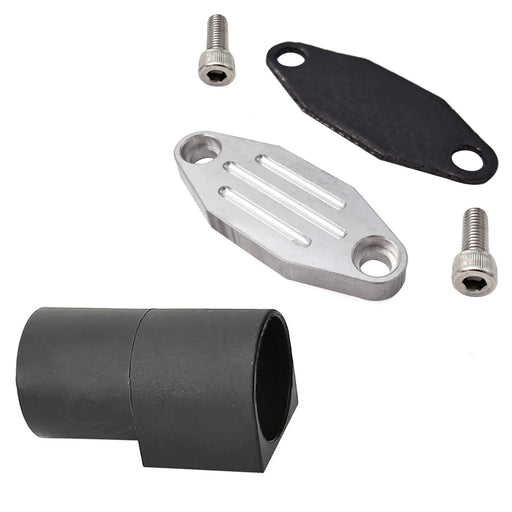
Seguler 1986-1995 Ford F150 F250 F350 Mustang Trucks EGR Simulator Eliminator / Block Off Plate Kit
SEGULEROriginal price $79.99 - Original price $79.99Original price$79.99$79.99 - $79.99Current price $79.99Block Off Plate Material: Aluminum alloy. Easy installation,and convenient to use. Made of CNC milled from aircraft grade Billet aluminum. Will N...
View full details -

Seguler 2011-2023 6.7L Ford Powerstroke Diesel EGR Delete Kit
SEGULEROriginal price $109.99 - Original price $109.99Original price$109.99$109.99 - $109.99Current price $109.99FITMENT 2011-2023 6.7L Ford Powerstroke F-250 F-350 F-450 F-550 Super Duty V8 Diesel. compatible with both standard Pickups and commercial Cab &...
View full details -
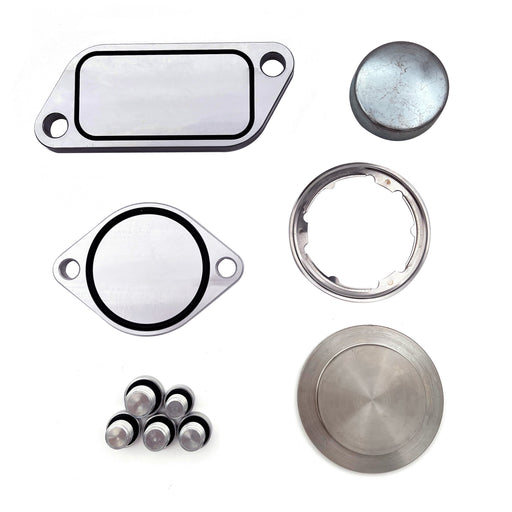
For 2010-Present Stage 2 ISX 15 CM2250 CM2350 EGR Delete Kit
SEGULEROriginal price $59.99 - Original price $59.99Original price$59.99$59.99 - $59.99Current price $59.99FITMENT 2010-Present Cummins Volvo, Peterbilt, Mack, International, Freightliner, Kenworth with the ISX15 CM2250 / CM2350 engines. DESCRIPTION P...
View full details -
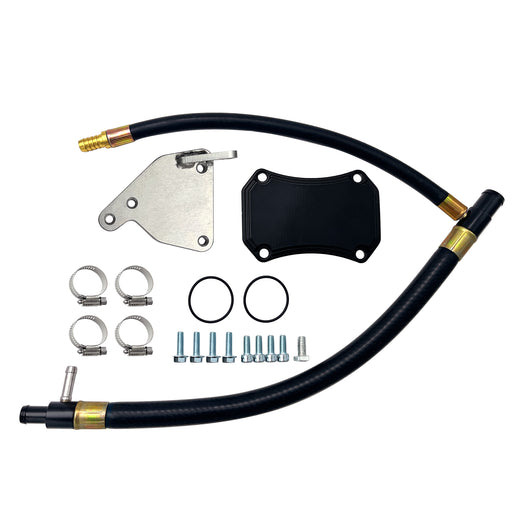
For 2011-2016 6.6L GMC Chevy Duramax Diesel LML EGR Valve Cooler Delete Kit
SEGULEROriginal price $66.49 - Original price $66.49Original price$66.49$66.49 - $66.49Current price $66.49FITMENT 2011-2016 6.6L Chevy GMC Duramax LML 2500 HD 3500 HD Diesel. DESCRIPTION Product Overview The 2011–2016 LML Duramax uses a complex EG...
View full details -
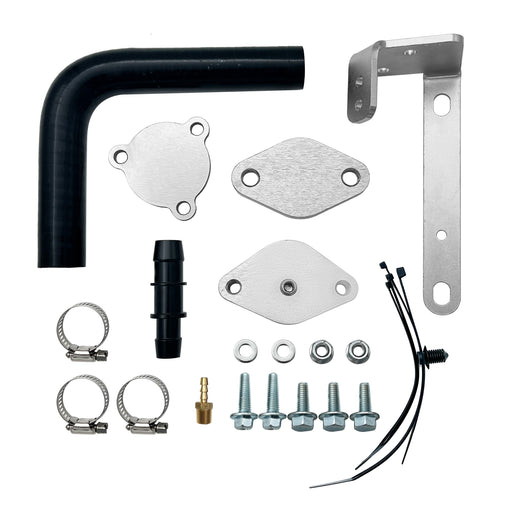
Seguler For 2014-2019 3.0L Dodge Ram 1500 EcoDiesel EGR Valve & Cooler Delete Kit
SEGULEROriginal price $72.99 - Original price $72.99Original price$72.99$72.99 - $72.99Current price $72.99FITMENT 2014-2019 3.0L Dodge Ram 1500 EcoDiesel V6 engine trucks. DESCRIPTION Product Overview Exhaust gas recirculation on 3.0L EcoDiesel V6 ...
View full details -
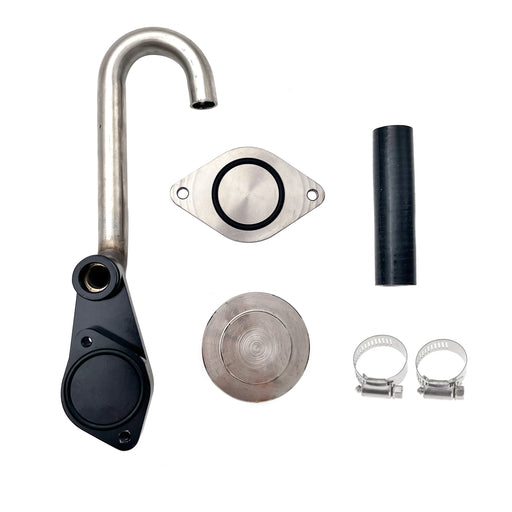
Seguler 2003-2007 6.0L FORD Powerstroke Diesel EGR Cooler Delete Kit
SEGULEROriginal price $56.14 - Original price $56.14Original price$56.14$56.14 - $56.14Current price $56.14FITMENT 2003-2007 6.0L Ford F-250 Ford F-350 F-450 F-550 Super Duty. 2003-2007 6.0L Ford Excursion SUV (Diesel Models Only). 2005-2010 Ford E-Se...
View full details -

Seguler 2011-2023 6.7L Ford Powerstroke Diesel EGR Delete Kit
SEGULEROriginal price $85.99 - Original price $85.99Original price$85.99$85.99 - $85.99Current price $85.99FITMENT 2011-2023 6.7L Ford Powerstroke F-250 F-350 F-450 F-550 Super Duty V8 Diesel. compatible with both standard Pickups and commercial Cab &...
View full details -

Seguler 2017-2019 L5P Duramax Diesel 4pcs L5P Can Bus Plugs Connector Replacement
SEGULEROriginal price $75.00 - Original price $75.00Original price$75.00$75.00 - $75.00Current price $75.00FITMENT 2017–2019 Chevrolet Silverado / GMC Sierra Duramax L5P 2500HD & 3500HD Diesel. DESCRIPTION Product Overview Unprotected harness con...
View full details -

Seguler 2010-2024 6.7L Dodge Ram Cummins Diesel EGR Valve Cooler Delete Kit
SEGULEROriginal price $89.99 - Original price $89.99Original price$89.99$89.99 - $89.99Current price $89.99FITMENT 2010–2024 6.7L Dodge Ram Cummins 2500 / 3500 Pickup Turbo Diesel. Note: Does NOT fit Chassis Cab 3500 / 4500 / 5500 models. DESCRIPTIO...
View full details -
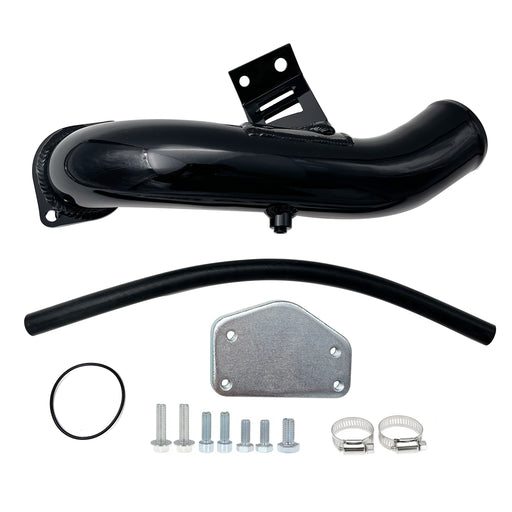
For 2004.5-2005 6.6L Chevy GMC Silverado LLY Duramax Diesel EGR Delete Kit
SEGULEROriginal price $92.99 - Original price $92.99Original price$92.99$92.99 - $92.99Current price $92.99FITMENT 2004.5-2005 6.6L Chevrolet Silverado Duramax LLY 2500HD / 3500 HD. 2004.5-2005 6.6L GMC Sierra Duramax LLY 2500HD / 3500 HD. DESCRIPTION...
View full details -

Seguler 2020-2023 chevy duramax L5P Diesel Can Bus Plugs Connector
SEGULEROriginal price $80.00 - Original price $80.00Original price$80.00$80.00 - $80.00Current price $80.00FITMENT 2020–2023 Chevrolet Silverado / GMC Sierra Duramax L5P 2500HD & 3500HD Diesel. DESCRIPTION Product Overview Unprotected harness pl...
View full details -
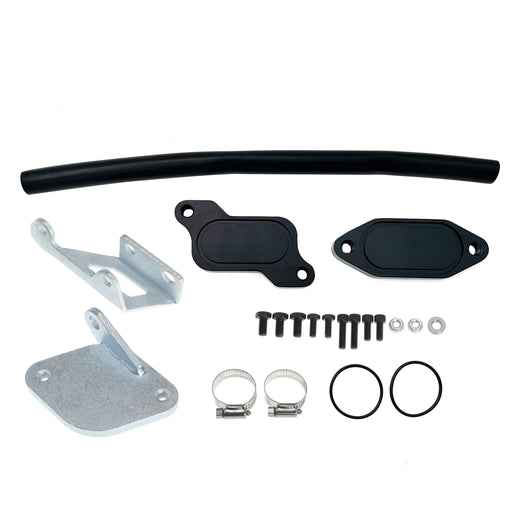
For 2006-2007 6.6L Chevrolet Silverado Classic GMC Duramax LBZ Diesel EGR Valve Cooler Delete Kit
SEGULEROriginal price $63.49 - Original price $63.49Original price$63.49$63.49 - $63.49Current price $63.49FITMENT 2006-2007.4 Chevrolet Silverado Duramax LBZ 2500HD / 3500HD. 2007.4 Chevrolet Silverado Duramax LBZ 2500HD / 3500HD Classic. 2006-2007.4 ...
View full details -

Seguler 2011-2023 6.7L Ford F250 F350 F450 F550 Powerstroke Diesel EGR Valve Delete Cooler Delete Kit
SEGULEROriginal price $55.99 - Original price $55.99Original price$55.99$55.99 - $55.99Current price $55.99FITMENT 2011-2023 6.7L Ford Powerstroke F-250 F-350 F-450 F-550 Super Duty V8 Diesel compatible with both standard Pickups and commercial Cab &a...
View full details -
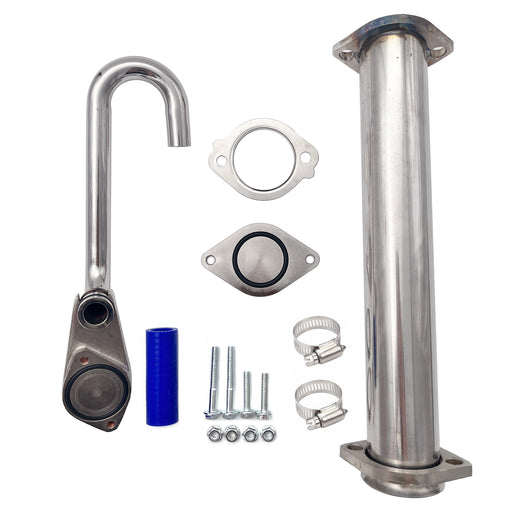
Seguler 2003-2007 6.0L Ford F250 F350 Powerstroke Diesel EGR Basic Cooler Kit
SEGULEROriginal price $79.99 - Original price $79.99Original price$79.99$79.99 - $79.99Current price $79.99FITMENT 2003-2007 6.0L Ford F250 F350 F450 F550 Super Duty Turbo (except 2004 F250 Super Duty). 2003-2005 6.0L Ford Excursion Turbo. 2005 Ford F...
View full details -
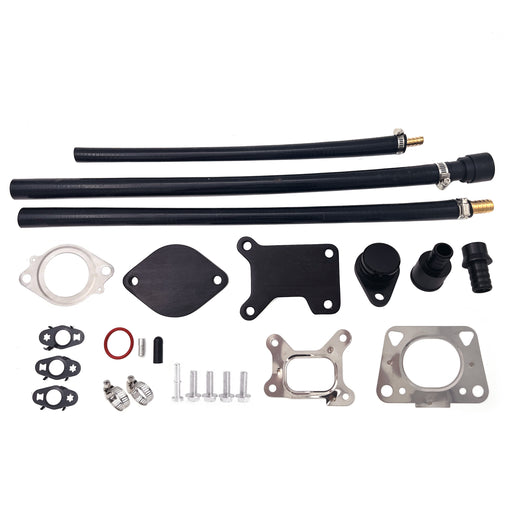
For 2017-2023 6.6L Chevy GMC Duramax L5P diesel EGR Valve Cooler Delete kit
SEGULEROriginal price $131.99 - Original price $131.99Original price$131.99$131.99 - $131.99Current price $131.99FITMENT 2017–2023 6.6L Chevrolet Silverado / GMC Sierra Duramax L5P 2500HD 3500HD Diesel. DESCRIPTION Product Overview Hot soot recirculation ...
View full details -
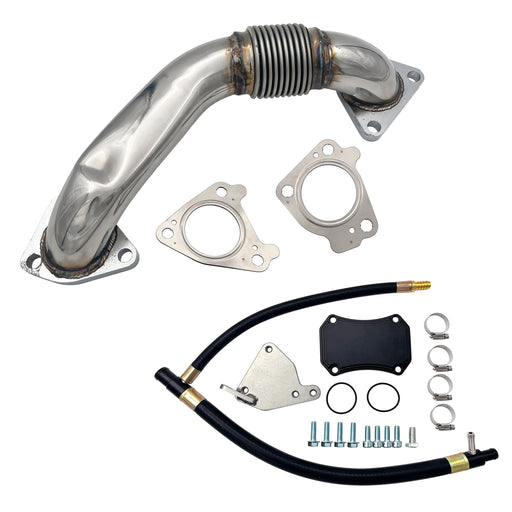
Seguler 2011-2016 6.6L GMC Chevy Duramax Diesel LML Up-Pipe & EGR Valve Cooler Delete Kit
SEGULEROriginal price $173.86 - Original price $173.86Original price$173.86$173.86 - $173.86Current price $173.86FITMENT 2011-2016 6.6L Chevy GMC Duramax LML 2500 HD 3500 HD Diesel. DESCRIPTION Product Overview Direct-injection technology endows GM 5.3L an...
View full details -
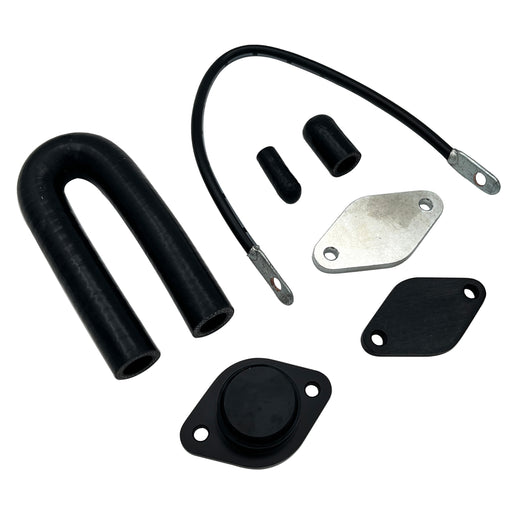
Seguler EGR valve cooler Delete kit for 2020-2022 3.0L Chevy Duramax LM2
SEGULEROriginal price $189.12 - Original price $189.12Original price$189.12$189.12 - $189.12Current price $189.12FITMENT 2020–2022 3.0L Chevrolet Silverado GMC Sierra 1500 LM2 Turbo-Diesel. DESCRIPTION Product Overview Powered by smooth inline-six engine...
View full details -
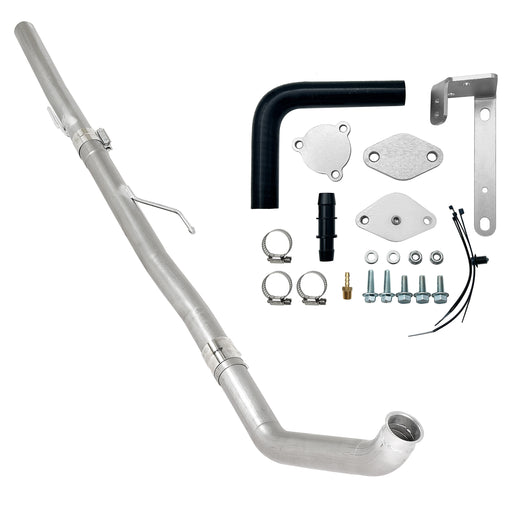
Seguler 3" Ecodiesel DPF Delete Pipe & EGR Delete kit for 2014-2018 3.0L Ram
SEGULEROriginal price $342.00 - Original price $342.00Original price$342.00$342.00 - $342.00Current price $342.00FITMENT 2014–2018 3.0L Dodge Ram 1500 EcoDiesel V6. NOTE: Fit standard Pickup models only (Crew Cab, Quad Cab). Does NOT fit Jeep Grand Cheroke...
View full details -

For 2013-2023 6.7L Dodge Ram Cummins Cab & Chassis EGR Delete Kit Diesel
SEGULEROriginal price $62.99 - Original price $62.99Original price$62.99$62.99 - $62.99Current price $62.99FITMENT 2013–2023 6.7L Ram Cummins 3500 4500 5500 Cab & Chassis / Commercial Trucks. Does NOT fit standard Ram 2500 3500 Pickups. DESCRIPTIO...
View full details -
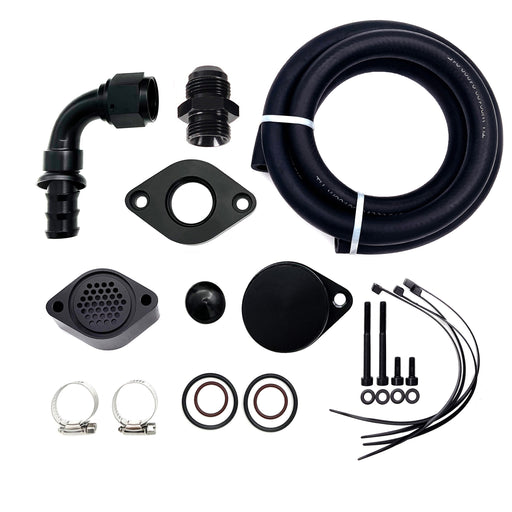
Seguler 2011-2023 6.7L Ford Powerstroke CCV PCV Reroute Engine Ventilation Kit
SEGULEROriginal price $82.99 - Original price $82.99Original price$82.99$82.99 - $82.99Current price $82.99FITMENT 2011-2023 6.7L Ford Powerstroke F-250 F-350 F-450 F-550 Super Duty V8 Diesel. Compatible with both standard Pickups and commercial Cab &...
View full details -
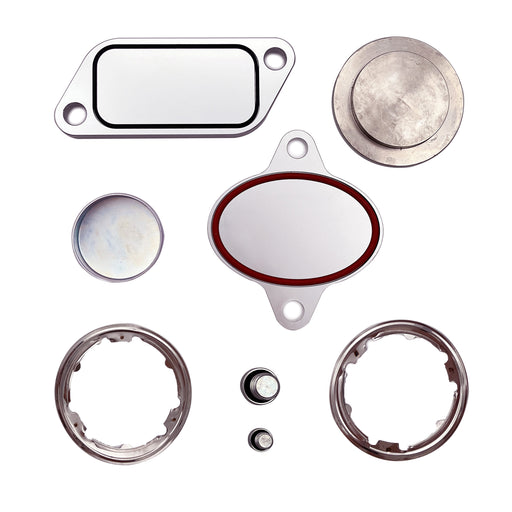
For 2007-2010 Cummins ISX CM871 EGR Plug Kit Stage 2 Plates and Plugs Aluminum
SEGULEROriginal price $67.99 - Original price $67.99Original price$67.99$67.99 - $67.99Current price $67.99FITMENT 2007-2010 Cummins Volvo, Peterbilt, Mack, International, Freightliner, Kenworth with the ISX CM871 Engines. DESCRIPTION Product Overvie...
View full details -
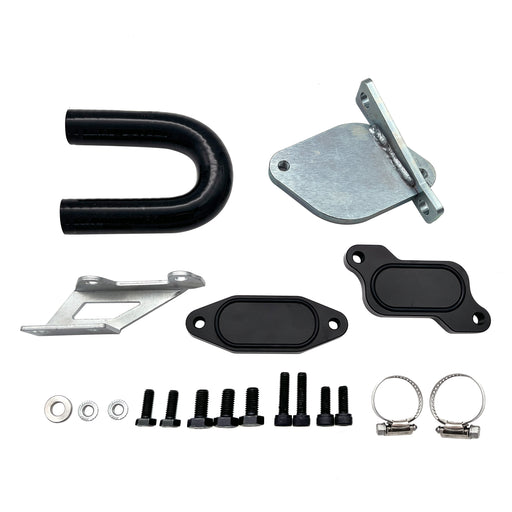
For 2007-2010 6.6L Chevy GMC LMM Duramax EGR Valve Cooler Delete Kit Fit
SEGULEROriginal price $61.99 - Original price $61.99Original price$61.99$61.99 - $61.99Current price $61.99FITMENT 2007.5-2010 6.6L Chevrolet Silverado Duramax LMM 2500HD / 3500HD. 2007.5-2010 6.6L GMC Sierra Duramax LMM 2500HD / 3500HD. Note: Standard...
View full details -
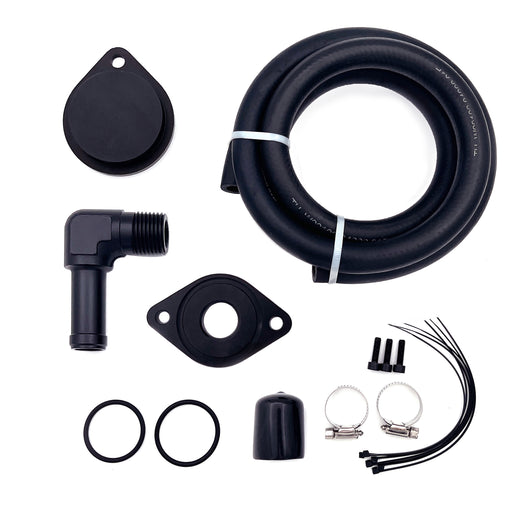
Seguler 2011-2023 Ford 6.7L Powerstroke CCV/PCV Reroute/Delete Engine Ventilation Kit
SEGULEROriginal price $72.00 - Original price $72.00Original price$72.00$72.00 - $72.00Current price $72.00FITMENT 2011-2023 6.7L Ford Powerstroke F-250 F-350 F-450 F-550 Super Duty V8 Diesel. Compatible with both standard Pickups and commercial Cab &...
View full details -

Seguler 2010+ Dodge Ram Cummins EZ-Lynk/CCV SOTF Switch
SEGULEROriginal price $80.00 - Original price $80.00Original price$80.00$80.00 - $80.00Current price $80.00FITMENT 2010-2024 6.7L Ram Cummins 2500 3500 4500 5500 Turbo Diesel. DESCRIPTION Product Overview Changing horsepower levels on a tuned Ram tr...
View full details -
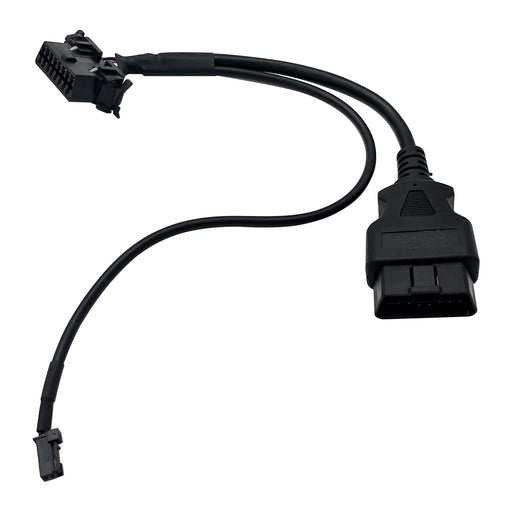
Seguler 2018+ RAM Cummins OBD2 HD Security Gate Bypass Cable
SEGULEROriginal price $45.00 - Original price $45.00Original price$45.00$45.00 - $45.00Current price $45.00FITMENT 2018+ 6.7L Ram Cummins 2500 3500 Turbo Diesel. Designed for Ram pickup trucks equipped with the factory Security Gateway Module. Note: Pl...
View full details


Leave a comment