

6.0 Powerstroke EGR Cooler & Heavy Duty Up-Pipe Upgrade Guide
The 6.0L Powerstroke carries a reputation, and most of it traces back to a handful of parts crammed into the engine valley — the EGR cooler, the oil cooler, and the head gaskets. The EGR cooler is the one that worries owners first, because it’s a coolant-fed heat exchanger, and when it finally cracks it lets coolant into places it was never meant to go.
Sitting in the same corner of the bay is the up-pipe, the Y-shaped section that carries exhaust from the manifolds up to the turbo. Its thin flex bellows crack under heat and vibration, and once they do, the turbo loses the drive pressure it needs to build boost.
What a lot of owners miss until they’re in the middle of the job is how much these two repairs overlap. You can’t reach the EGR cooler without pulling the turbocharger — and the moment the turbo is off, the up-pipe is right there in front of you. Do them together and you tear the top end down once. Do them a year apart and you pay for that teardown twice.
Why Upgrade the EGR Cooler & Up-Pipe Together
The honest answer is labor. On the 6.0L, the EGR cooler sits deep in the engine valley beneath the intake manifold, and getting to it means pulling the alternator, the air intake, the turbocharger, and the manifold itself. That teardown is the expensive part of the whole job — measured in hours, not minutes.
The up-pipe lives in that same teardown. It connects the exhaust manifolds to the turbocharger inlet, so the moment the turbo comes off to reach the cooler, the up-pipe is already disconnected and sitting in front of you. Replacing it right then takes minutes. Replacing it six months later means pulling the turbo and manifold all over again — a hundred-dollar part that turns into a second full day of labor.
There’s a mechanical reason the two belong in the same conversation, too. Both fail for the same root cause: they live in a spot that sees violent heat cycling. The EGR cooler has exhaust heat on one side and engine coolant on the other, and the up-pipe bellows expand and contract with every hot-cold cycle. A truck that’s already lost an EGR cooler is usually the same truck that’s been cooking its flex bellows for a hundred thousand miles. Address both at once and you clear two heat-stressed parts out of the same corner of the engine.
Why the 6.0’s EGR Cooler Fails the Way It Does
The 6.0L has carried an EGR cooler since the engine first launched, and it’s always been a tube-style heat exchanger buried in the engine valley, where it soaks up heat from both the exhaust passing through it and the engine block beneath it. The design shifted over the run — earlier trucks used a round-tube cooler, later ones a square-tube design — but the placement, crammed down in the valley, never got any friendlier.
That placement is the problem. The cooler runs hot, the coolant flowing through it wants to run cooler, and the temperature swing across those passages is hard on the metal over time. The 6.0’s cooling system has its own known weak point, too: a plugged oil cooler starves the EGR cooler of coolant, which cooks the EGR cooler even faster. The result is a part that’s often on borrowed time past a certain mileage.
This is also why the EGR cooler gets mentioned in the same breath as head gaskets. A leaking EGR cooler can contribute to coolant loss and, in some cases, more serious engine problems when coolant works its way into the combustion chamber. The catch is that similar symptoms — coolant loss, white smoke, an over-pressurized degas bottle — can also come from other cooling-system or combustion-related faults, so confirm the actual cause before replacing parts.

Symptoms: EGR Cooler vs. Cracked Up-Pipe
Here’s how each one usually shows up on a real truck.
EGR cooler trouble
- White smoke or steam from the exhaust, sometimes with a sweet coolant smell.
- Coolant level dropping with no visible puddle under the truck.
- The degas bottle (coolant reservoir) building pressure or pushing coolant out.
- In a worst case, a hard start or hydrolock after the truck sits.
Cracked up-pipe trouble
- A loud hiss, whistle, or metallic screech from behind the engine under acceleration.
- Black soot staining on the firewall near the turbo.
- Boost that comes on late or never reaches the expected number.
- Higher exhaust gas temperatures when towing.
| Symptom | Possible Cause | What to Check First |
|---|---|---|
| White smoke, sweet smell, coolant loss | EGR cooler internal leak |
Pressure-test cool system; check coolant for exhaust. |
| Degas bottle overflowing |
Combustion pressure entering the cooling system |
Inspect the EGR cooler & head gaskets |
| Screech or hiss under boost | Cracked up-pipe flex bellows | Check firewall & turbo for soot trails. |
| Late boost, high towing EGTs | Pre-turbo exhaust leak at the up-pipe | Smoke-test or inspect bellows & flanges. |
Smoke color and noise are clues, not a full diagnosis — confirm any suspicion against the actual symptoms and a hands-on inspection before you order parts.
EGR Removal: Two Ways to Address the Cooler
Once you’ve decided to remove it, there are two ways to handle the coolant path the cooler used to occupy, and that’s the real difference between the two kits below. One reroutes the coolant around the empty spot with a formed tube; the other seals the ports directly with block-off plates. Both are aimed at off-road and competition use.
Seguler 2003-2007 6.0L FORD Powerstroke Diesel EGR Cooler Delete Kit
The 6.0L Powerstroke EGR Cooler Delete Kit is designed for 2003–2007 Ford 6.0L Powerstroke diesel trucks. Featuring a billet aluminum block-off component and a stainless steel coolant reroute tube, this kit replaces the factory EGR cooler arrangement and redirects coolant through the cooling circuit. It is designed for compatible F-250, F-350, F-450, F-550, Excursion, and select E-Series 6.0L applications. For owners researching 6.0 Powerstroke EGR cooler problems, coolant leaks, and intake soot buildup, it’s important to verify the underlying fault and vehicle fitment before choosing a solution.

-
Billet Aluminum & 304 Stainless Steel — CNC-machined for strength and corrosion resistance.
-
EGR Cooler Bypass — Reroutes coolant and blocks exhaust flow through the factory EGR cooler.
-
Reduced Intake Soot — Helps reduce exhaust soot entering the intake.
-
Reduced Heat Exposure — Removes the factory EGR cooler from the engine valley to reduce localized heat buildup.
Why owners choose this one: it goes after the root problem — the crack-prone heat exchanger itself — and leaves the cooling system intact rather than just plugging a port. With the cooler out of the engine valley, that heat source is gone with it.
Seguler 2003-2007 6.0L Ford F250 F350 Powerstroke Diesel EGR Basic Cooler Kit
The 6.0 Powerstroke EGR Basic Cooler Kit is designed for 2003–2007 Ford 6.0L Powerstroke diesel trucks. It provides the hardware needed to replace the factory EGR cooler arrangement, featuring metal block-off plates and reinforced connections for a durable installation. For owners researching 6.0 Powerstroke EGR cooler problems, coolant leaks, and EGR system maintenance, this kit offers an alternative hardware configuration for compatible F-250 and F-350 applications. Always verify vehicle fitment and applicable emissions regulations before installation.
 Key Features
-
304 Stainless Steel Tubing — Resists heat cycling and cracking.
-
Steel Block-Off Plates — Seal exhaust flanges to prevent gas leakage.
-
Coolant Leak Prevention — Helps prevent coolant-to-exhaust cross-leaks.
-
Reinforced Silicone Couplers — Secure connections with T-bolt clamps.
Why owners choose this one: it seals the ports directly with steel plates and reinforced couplers, and it pairs naturally with an up-pipe replacement — a point the product page makes directly, since the teardown is already happening anyway.
Both are mechanical changes that address the EGR cooler, not electronic boxes. Neither is a stand-in for the other — they’re two different hardware approaches to the same job, so pick the one that matches how you want to close the cooling loop.
Seguler 2003-2007 6.0L Ford Powerstroke Heavy Duty Polished Exhaust Up-Pipe Y-Pipe
The Exhaust Up-Pipe Y-Pipe is designed for 2003–2007 Ford 6.0L Powerstroke diesel trucks. Built with polished stainless steel construction and reinforced flex bellows, it replaces the factory up-pipes to help address cracked joints and exhaust leaks caused by heat and engine vibration. Its durable design helps maintain proper exhaust flow to the turbocharger, making it a practical upgrade for owners looking to improve exhaust sealing, restore proper turbo response, and reduce exhaust leaks on their 6.0 Powerstroke.
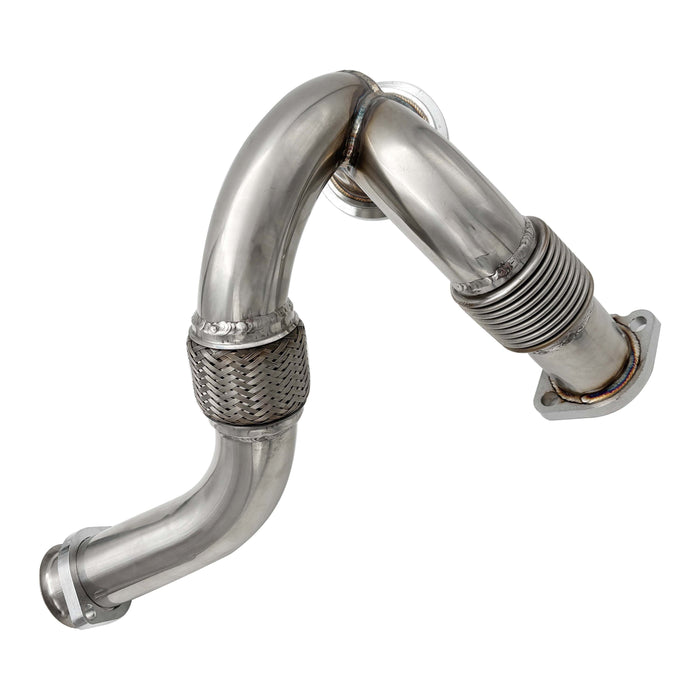 Key Features
-
Heavy-Duty Stainless Steel — Corrosion-resistant steel with thick CNC-machined flanges.
-
Lower Towing EGTs — Helps reduce exhaust leaks and heat buildup under load.
-
Improved Turbo Response — Mandrel-bent tubing supports efficient exhaust flow.
-
Crack-Resistant Flex Bellows — Reinforced stainless mesh helps prevent leaks, soot, and exhaust noise.
Why owners choose this one: a leaking up-pipe isn’t a boost leak on the intake side — it’s a pre-turbo exhaust leak that robs the turbo of the drive pressure it needs. Repairing a confirmed pre-turbo exhaust leak can help restore proper turbo response. Any change in towing EGTs depends on the truck’s condition, load, and calibration. And unlike the EGR work, this one needs no tuning — it’s a stock-replacement exhaust part.
Here’s the quick reference for all three:
| Part | What it replaces | Why owners do it |
|---|---|---|
| EGR Cooler Delete Kit | Factory EGR cooler (coolant reroute) |
Removes faulty cooler; maintains coolant flow. |
| EGR Basic Cooler Kit | Factory EGR cooler (block-off plates) |
Seals flanges with steel plates & couplers. |
| Heavy-Duty Up-Pipe | Factory Y-pipe and flex bellows |
Replaces cracked bellows; addresses exhaust leaks. |
Fitment: Know Your 6.0, Not Your 6.4 or 6.7
These parts are 6.0L-specific, and that matters because the Powerstroke badge spans several different engines that don’t share parts.
- 6.0L Powerstroke (2003–2007) — the engine this guide is about. Fits the F-250 through F-550 Super Duty and the diesel Excursion.
- 7.3L, 6.4L, and 6.7L Powerstroke — different engines, different EGR and exhaust layouts. None of these parts interchange.
Two fitment notes worth reading carefully against the product listing before you order: the EGR basic cooler kit excludes certain 2004 F-250 configurations, and the up-pipe fits both standard pickups and Cab & Chassis setups while the EGR kits are aimed at the truck platforms. Confirm your engine code and exact model against the specific listing — not just the model year.
Installation Overview
None of these is a quick driveway job, but they’re all bolt-on by design — no cutting or fabrication.
The EGR removal is the bigger of the two projects, and it breaks into a few stages:
Step 1: Drain and disconnect. Disconnect the batteries and drain the coolant so the electrical and cooling systems are out of the way before you go into the valley.
Step 2: Pull the top end. Remove the turbocharger and intake manifold to reach the cooler buried underneath. This is the hours-heavy part, and where the factory service manual matters — bolt locations and torque values vary by year and configuration.
Step 3: Swap the hardware. Install the kit’s plates and close the cooling loop the way that kit does it — reroute for the cooler delete kit, sealed ports for the basic kit.
Step 4: Reassemble and check. Put the top end back together, refill and bleed the cooling system, run the engine to temperature, and check every connection for leaks.
One piece of advice that holds across every truck: hit the turbo, up-pipe, and pedestal bolts with penetrating oil first, because these fasteners live in the heat and they fight back.
The basic cooler kit adds a step the cooler delete kit skips: the up-pipe has to come out. That’s why the kit’s own notes suggest swapping in a fresh up-pipe while you’re in there — you’ve already done the hard part of that teardown.
The up-pipe is simpler, and the flow is shorter:
Step 1: Open up room. Loosen the bolts that seat the turbo to its pedestal.
Step 2: Pull the old pipe. Release the clamp holding the Y-pipe and lift the factory pipe out.
Step 3: Hang the new pipe. Bolt the replacement in, then pull the flanges down evenly so they seat flat and seal.
It’s a direct bolt-in replacement with no fabrication, but the torque specs still come from the manual.
The labor overlap is the whole point: do the EGR work and the up-pipe in the same teardown, and you don’t pull the turbo twice. Step-by-step walkthroughs for each — the EGR cooler delete install, the basic cooler kit install, and the up-pipe install — are available on the TruckTok forum, and the torque values come from the factory service manual.
Tuning & the Check-Engine Light
This is where the two jobs diverge.
The EGR removal is a change the engine computer notices. The 6.0L’s ECU monitors EGR flow, and physically blocking it will be detected — which is why both EGR kits need a compatible tuner or calibration to turn off EGR monitoring and keep the dash clear. That’s a hardware-plus-software job, not a bolt-on-and-go.
The up-pipe is the opposite. It’s a direct mechanical replacement that carries exhaust from the manifolds to the turbo, so it runs on a stock or tuned ECM with no recalibration required.
The tuning side is the part to plan for up front. Modifying emissions hardware can trigger diagnostic faults or affect engine-control behavior depending on the truck’s configuration, so confirm the applicable service information before you make changes — and treat the tuning question as part of the job, not an afterthought.
Mistakes to Avoid
A few of the ways this goes wrong, worth reading before you order:
- Assuming the 6.0L parts fit a 6.4L or 6.7L. They don’t — confirm the engine code first.
- Doing the EGR work without planning the tune. Blocking EGR flow without a calibration can leave a check-engine light and a truck that isn’t running right.
- Replacing the up-pipe later instead of during the EGR teardown. The turbo is already off; doing it then avoids a second teardown.
- Reusing a worn gasket or O-ring. Any factory gasket disturbed during the job should be replaced, not reused.
Choosing the Right Components
If you’ve confirmed this is the direction for your truck, the differences between kits mostly come down to a few concrete details:
| What to check | What to look for | Seguler approach |
|---|---|---|
| Coolant loop | Is the removed cooler’s coolant path closed? |
Stainless coolant tube reroute (0067) or sealed ports (0134) |
| Up-pipe construction | Thin factory bellows vs. reinforced flex | Interlocking mesh stainless bellows, thick flanges |
| Tuning | Does the change need a calibration? | EGR kits do; up-pipe does not |
| Fitment clarity | Year-specific vs. one-size |
6.0L-specific, with exclusions noted in the listing |
The differences come down to materials, how the cooling loop is handled, and how clearly the fitment is stated — confirm those details against the product page before you order.
Legal Disclaimer
For off-road and competition use only. Emissions modifications on public-road vehicles may violate federal or local laws and affect warranty coverage. You are responsible for legal compliance. This article is for informational purposes only, not legal advice.
For 2003–2007 6.0L Powerstroke owners weighing an EGR and up-pipe upgrade, all three kits are listed with their full fitment details at seguler.com. Confirm your engine code and truck configuration against the product page before ordering.
FAQ
Q: Will the EGR removal trigger a check-engine light?
A:It can. The engine computer monitors EGR flow, so both EGR kits need a compatible tuner or calibration to turn off that monitoring — a hardware-plus-software job.
Q: Will these parts fit a 7.3L, 6.4L, or 6.7L?
A:No. They’re precision-made for the 2003–2007 6.0L Powerstroke only and will not interchange with the 7.3L, 6.4L, or 6.7L engines.
Q: Why should I buy the up-pipe along with the EGR kit?
A:Because the labor overlaps — reaching the EGR cooler means removing the turbo, which already exposes the up-pipe. Swap it then and you avoid a second teardown.
Q: Where does the coolant tube on the cooler delete kit connect?
A:Between the oil cooler and the water pump. The 180-degree stainless coolant tube attaches to the oil cooler cover port and reroutes coolant back into the cooling circuit, bypassing the spot where the cooler was mounted.
Q: Is the up-pipe leak a boost leak?
A:Not exactly. It’s a pre-turbo exhaust leak that lets drive pressure escape before it reaches the turbine, so repairing a confirmed leak can help restore proper turbo response; any change in towing EGTs depends on the truck’s condition, load, and calibration.
Q: Do I need both EGR kits, or just one?
A:Just one. They’re two hardware approaches to the same job — pick the one that matches how you want to close the cooling loop.
Q: Does the up-pipe fit Cab & Chassis trucks?
A:Yes — the up-pipe fits both standard pickups and Cab & Chassis setups. The EGR kits are aimed at the truck platforms, so confirm your exact configuration against the listing.
Q: Will removing the EGR cooler keep the intake clean forever?
A:It removes one source of intake contamination — the exhaust soot feed. The crankcase ventilation system still introduces oil vapor, so an EGR change alone doesn’t guarantee a permanently clean intake.
Q: Is this legal for my street-driven truck?
A:These modifications are intended for off-road and competition use only. Removing emissions hardware from a vehicle registered and driven on public roads can violate the Clean Air Act and other laws. Consult qualified legal counsel for your specific situation.
Featured collection
-
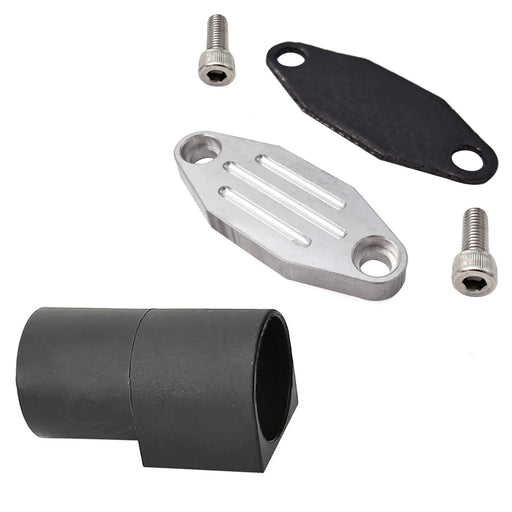
Seguler 1986-1995 Ford F150 F250 F350 Mustang Trucks EGR Simulator Eliminator / Block Off Plate Kit
SEGULEROriginal price $79.99 - Original price $79.99Original price$79.99$79.99 - $79.99Current price $79.99Block Off Plate Material: Aluminum alloy. Easy installation,and convenient to use. Made of CNC milled from aircraft grade Billet aluminum. Will N...
View full details -

Seguler 2011-2023 6.7L Ford Powerstroke Diesel EGR Delete Kit
SEGULEROriginal price $109.99 - Original price $109.99Original price$109.99$109.99 - $109.99Current price $109.99FITMENT 2011-2023 6.7L Ford Powerstroke F-250 F-350 F-450 F-550 Super Duty V8 Diesel. compatible with both standard Pickups and commercial Cab &...
View full details -
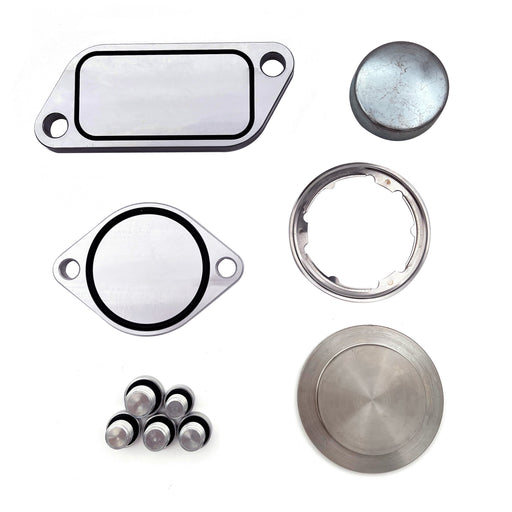
For 2010-Present Stage 2 ISX 15 CM2250 CM2350 EGR Delete Kit
SEGULEROriginal price $59.99 - Original price $59.99Original price$59.99$59.99 - $59.99Current price $59.99FITMENT 2010-Present Cummins Volvo, Peterbilt, Mack, International, Freightliner, Kenworth with the ISX15 CM2250 / CM2350 engines. DESCRIPTION P...
View full details -
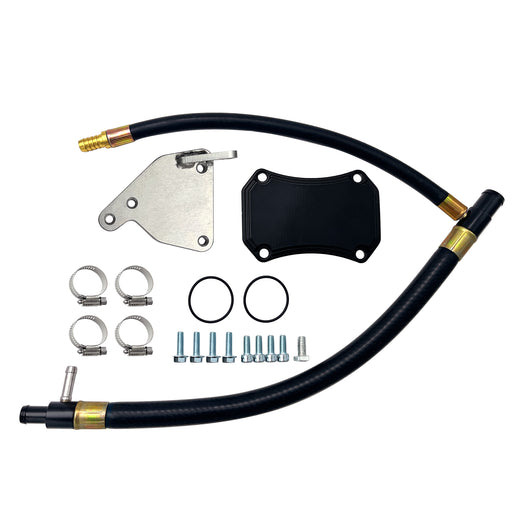
For 2011-2016 6.6L GMC Chevy Duramax Diesel LML EGR Valve Cooler Delete Kit
SEGULEROriginal price $66.49 - Original price $66.49Original price$66.49$66.49 - $66.49Current price $66.49FITMENT 2011-2016 6.6L Chevy GMC Duramax LML 2500 HD 3500 HD Diesel. DESCRIPTION Product Overview The 2011–2016 LML Duramax uses a complex EG...
View full details -
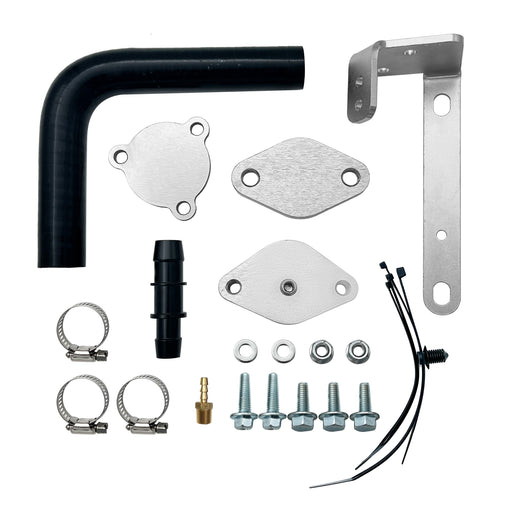
Seguler For 2014-2019 3.0L Dodge Ram 1500 EcoDiesel EGR Valve & Cooler Delete Kit
SEGULEROriginal price $72.99 - Original price $72.99Original price$72.99$72.99 - $72.99Current price $72.99FITMENT 2014-2019 3.0L Dodge Ram 1500 EcoDiesel V6 engine trucks. DESCRIPTION Product Overview Exhaust gas recirculation on 3.0L EcoDiesel V6 ...
View full details -
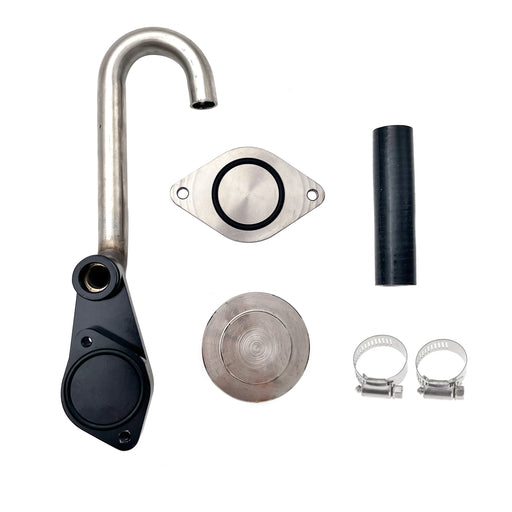
Seguler 2003-2007 6.0L FORD Powerstroke Diesel EGR Cooler Delete Kit
SEGULEROriginal price $56.14 - Original price $56.14Original price$56.14$56.14 - $56.14Current price $56.14FITMENT 2003-2007 6.0L Ford F-250 Ford F-350 F-450 F-550 Super Duty. 2003-2007 6.0L Ford Excursion SUV (Diesel Models Only). 2005-2010 Ford E-Se...
View full details -

Seguler 2011-2023 6.7L Ford Powerstroke Diesel EGR Delete Kit
SEGULEROriginal price $85.99 - Original price $85.99Original price$85.99$85.99 - $85.99Current price $85.99FITMENT 2011-2023 6.7L Ford Powerstroke F-250 F-350 F-450 F-550 Super Duty V8 Diesel. compatible with both standard Pickups and commercial Cab &...
View full details -

Seguler 2017-2019 L5P Duramax Diesel 4pcs L5P Can Bus Plugs Connector Replacement
SEGULEROriginal price $75.00 - Original price $75.00Original price$75.00$75.00 - $75.00Current price $75.00FITMENT 2017–2019 Chevrolet Silverado / GMC Sierra Duramax L5P 2500HD & 3500HD Diesel. DESCRIPTION Product Overview Unprotected harness con...
View full details -

Seguler 2010-2024 6.7L Dodge Ram Cummins Diesel EGR Valve Cooler Delete Kit
SEGULEROriginal price $89.99 - Original price $89.99Original price$89.99$89.99 - $89.99Current price $89.99FITMENT 2010–2024 6.7L Dodge Ram Cummins 2500 / 3500 Pickup Turbo Diesel. Note: Does NOT fit Chassis Cab 3500 / 4500 / 5500 models. DESCRIPTIO...
View full details -
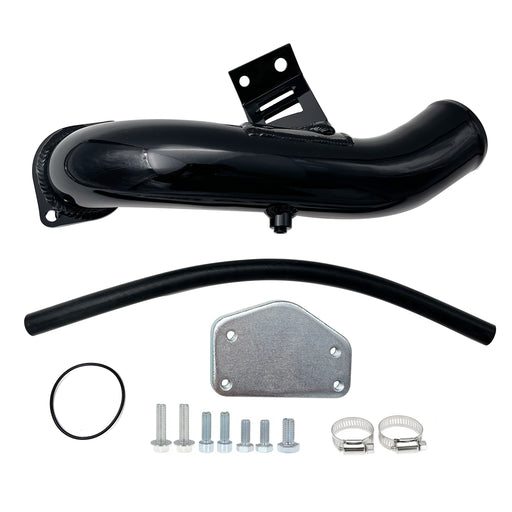
For 2004.5-2005 6.6L Chevy GMC Silverado LLY Duramax Diesel EGR Delete Kit
SEGULEROriginal price $92.99 - Original price $92.99Original price$92.99$92.99 - $92.99Current price $92.99FITMENT 2004.5-2005 6.6L Chevrolet Silverado Duramax LLY 2500HD / 3500 HD. 2004.5-2005 6.6L GMC Sierra Duramax LLY 2500HD / 3500 HD. DESCRIPTION...
View full details -

Seguler 2020-2023 chevy duramax L5P Diesel Can Bus Plugs Connector
SEGULEROriginal price $80.00 - Original price $80.00Original price$80.00$80.00 - $80.00Current price $80.00FITMENT 2020–2023 Chevrolet Silverado / GMC Sierra Duramax L5P 2500HD & 3500HD Diesel. DESCRIPTION Product Overview Unprotected harness pl...
View full details -
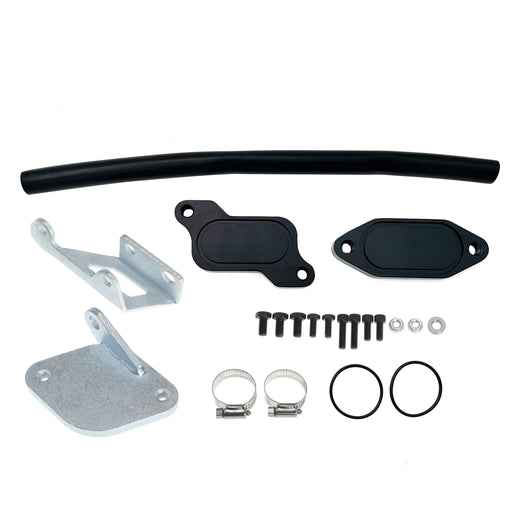
For 2006-2007 6.6L Chevrolet Silverado Classic GMC Duramax LBZ Diesel EGR Valve Cooler Delete Kit
SEGULEROriginal price $63.49 - Original price $63.49Original price$63.49$63.49 - $63.49Current price $63.49FITMENT 2006-2007.4 Chevrolet Silverado Duramax LBZ 2500HD / 3500HD. 2007.4 Chevrolet Silverado Duramax LBZ 2500HD / 3500HD Classic. 2006-2007.4 ...
View full details -

Seguler 2011-2023 6.7L Ford F250 F350 F450 F550 Powerstroke Diesel EGR Valve Delete Cooler Delete Kit
SEGULEROriginal price $55.99 - Original price $55.99Original price$55.99$55.99 - $55.99Current price $55.99FITMENT 2011-2023 6.7L Ford Powerstroke F-250 F-350 F-450 F-550 Super Duty V8 Diesel compatible with both standard Pickups and commercial Cab &a...
View full details -
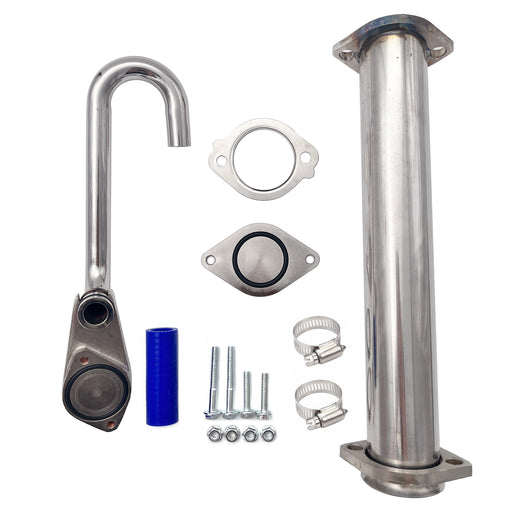
Seguler 2003-2007 6.0L Ford F250 F350 Powerstroke Diesel EGR Basic Cooler Kit
SEGULEROriginal price $79.99 - Original price $79.99Original price$79.99$79.99 - $79.99Current price $79.99FITMENT 2003-2007 6.0L Ford F250 F350 F450 F550 Super Duty Turbo (except 2004 F250 Super Duty). 2003-2005 6.0L Ford Excursion Turbo. 2005 Ford F...
View full details -
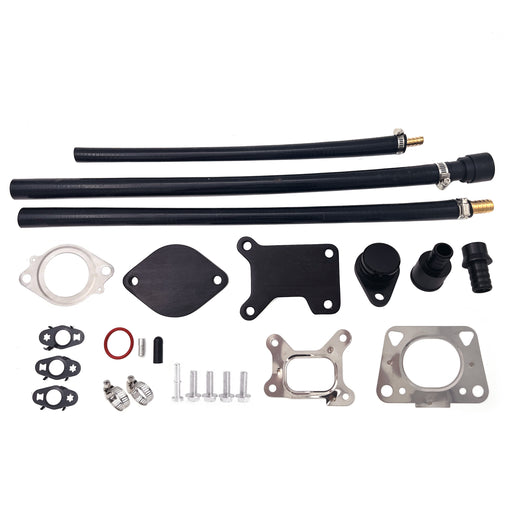
For 2017-2023 6.6L Chevy GMC Duramax L5P diesel EGR Valve Cooler Delete kit
SEGULEROriginal price $131.99 - Original price $131.99Original price$131.99$131.99 - $131.99Current price $131.99FITMENT 2017–2023 6.6L Chevrolet Silverado / GMC Sierra Duramax L5P 2500HD 3500HD Diesel. DESCRIPTION Product Overview Hot soot recirculation ...
View full details -
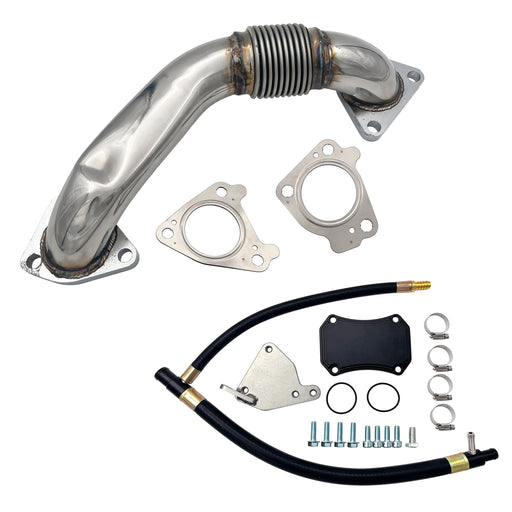
Seguler 2011-2016 6.6L GMC Chevy Duramax Diesel LML Up-Pipe & EGR Valve Cooler Delete Kit
SEGULEROriginal price $173.86 - Original price $173.86Original price$173.86$173.86 - $173.86Current price $173.86FITMENT 2011-2016 6.6L Chevy GMC Duramax LML 2500 HD 3500 HD Diesel. DESCRIPTION Product Overview Direct-injection technology endows GM 5.3L an...
View full details -
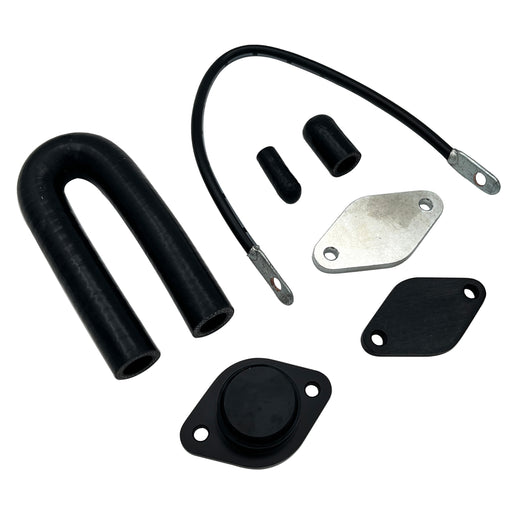
Seguler EGR valve cooler Delete kit for 2020-2022 3.0L Chevy Duramax LM2
SEGULEROriginal price $189.12 - Original price $189.12Original price$189.12$189.12 - $189.12Current price $189.12FITMENT 2020–2022 3.0L Chevrolet Silverado GMC Sierra 1500 LM2 Turbo-Diesel. DESCRIPTION Product Overview Powered by smooth inline-six engine...
View full details -
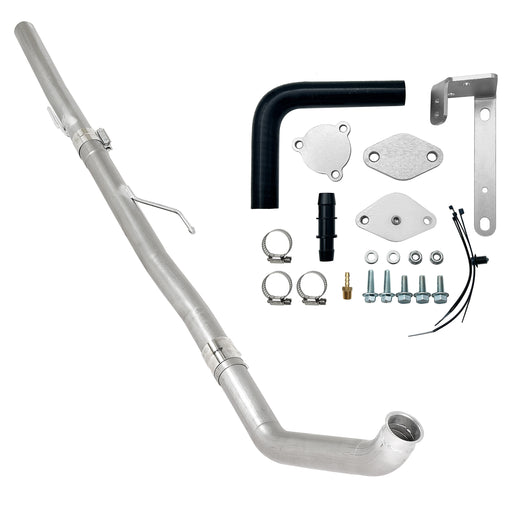
Seguler 3" Ecodiesel DPF Delete Pipe & EGR Delete kit for 2014-2018 3.0L Ram
SEGULEROriginal price $342.00 - Original price $342.00Original price$342.00$342.00 - $342.00Current price $342.00FITMENT 2014–2018 3.0L Dodge Ram 1500 EcoDiesel V6. NOTE: Fit standard Pickup models only (Crew Cab, Quad Cab). Does NOT fit Jeep Grand Cheroke...
View full details -

For 2013-2023 6.7L Dodge Ram Cummins Cab & Chassis EGR Delete Kit Diesel
SEGULEROriginal price $62.99 - Original price $62.99Original price$62.99$62.99 - $62.99Current price $62.99FITMENT 2013–2023 6.7L Ram Cummins 3500 4500 5500 Cab & Chassis / Commercial Trucks. Does NOT fit standard Ram 2500 3500 Pickups. DESCRIPTIO...
View full details -
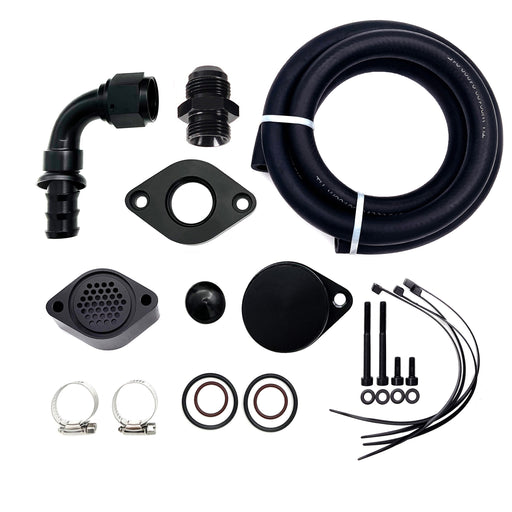
Seguler 2011-2023 6.7L Ford Powerstroke CCV PCV Reroute Engine Ventilation Kit
SEGULEROriginal price $82.99 - Original price $82.99Original price$82.99$82.99 - $82.99Current price $82.99FITMENT 2011-2023 6.7L Ford Powerstroke F-250 F-350 F-450 F-550 Super Duty V8 Diesel. Compatible with both standard Pickups and commercial Cab &...
View full details -
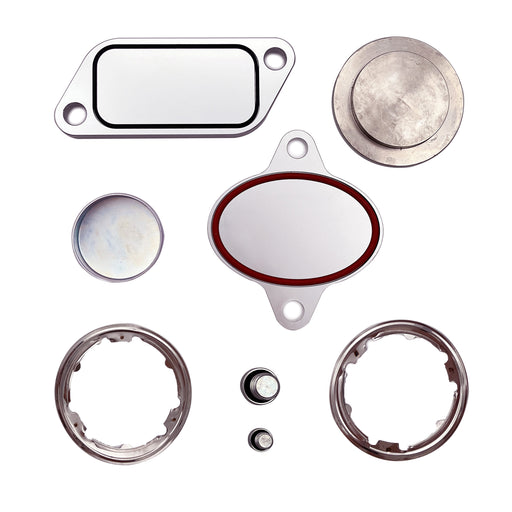
For 2007-2010 Cummins ISX CM871 EGR Plug Kit Stage 2 Plates and Plugs Aluminum
SEGULEROriginal price $67.99 - Original price $67.99Original price$67.99$67.99 - $67.99Current price $67.99FITMENT 2007-2010 Cummins Volvo, Peterbilt, Mack, International, Freightliner, Kenworth with the ISX CM871 Engines. DESCRIPTION Product Overvie...
View full details -
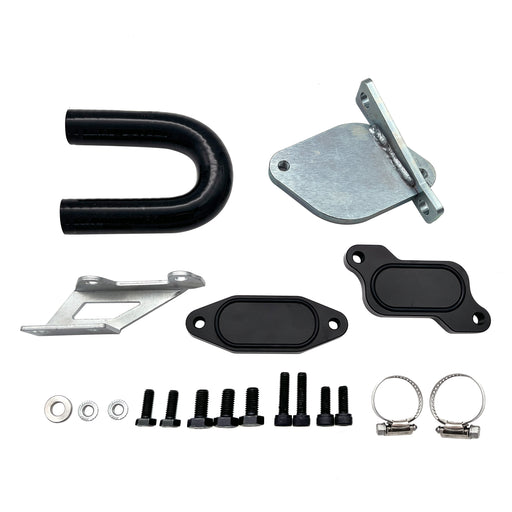
For 2007-2010 6.6L Chevy GMC LMM Duramax EGR Valve Cooler Delete Kit Fit
SEGULEROriginal price $61.99 - Original price $61.99Original price$61.99$61.99 - $61.99Current price $61.99FITMENT 2007.5-2010 6.6L Chevrolet Silverado Duramax LMM 2500HD / 3500HD. 2007.5-2010 6.6L GMC Sierra Duramax LMM 2500HD / 3500HD. Note: Standard...
View full details -
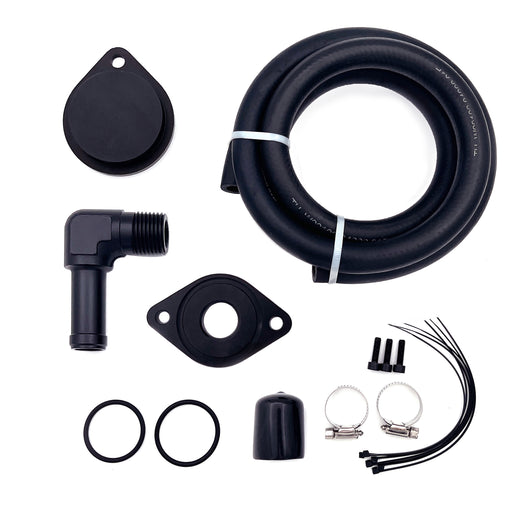
Seguler 2011-2023 Ford 6.7L Powerstroke CCV/PCV Reroute/Delete Engine Ventilation Kit
SEGULEROriginal price $72.00 - Original price $72.00Original price$72.00$72.00 - $72.00Current price $72.00FITMENT 2011-2023 6.7L Ford Powerstroke F-250 F-350 F-450 F-550 Super Duty V8 Diesel. Compatible with both standard Pickups and commercial Cab &...
View full details -

Seguler 2010+ Dodge Ram Cummins EZ-Lynk/CCV SOTF Switch
SEGULEROriginal price $80.00 - Original price $80.00Original price$80.00$80.00 - $80.00Current price $80.00FITMENT 2010-2024 6.7L Ram Cummins 2500 3500 4500 5500 Turbo Diesel. DESCRIPTION Product Overview Changing horsepower levels on a tuned Ram tr...
View full details -
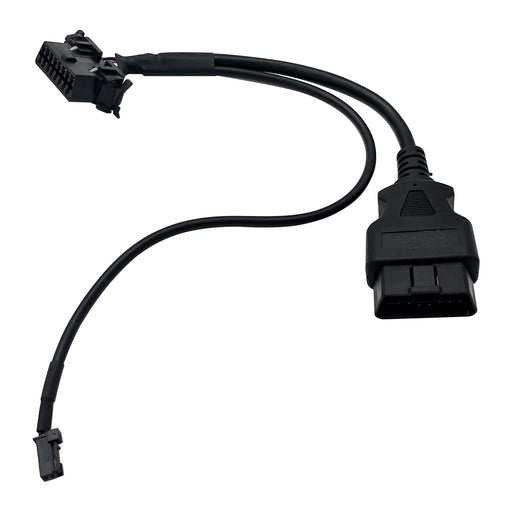
Seguler 2018+ RAM Cummins OBD2 HD Security Gate Bypass Cable
SEGULEROriginal price $45.00 - Original price $45.00Original price$45.00$45.00 - $45.00Current price $45.00FITMENT 2018+ 6.7L Ram Cummins 2500 3500 Turbo Diesel. Designed for Ram pickup trucks equipped with the factory Security Gateway Module. Note: Pl...
View full details


Leave a comment