

2015–2019 6.7L Powerstroke SOTF Switch: Fitment & Tuning Guide
A 2015–2019 6.7L Powerstroke can be configured for different demands, from controlled off-road applications to competitive performance setups. With a compatible multi-map tune installed, a switch-on-the-fly (SOTF) switch allows you to select between preloaded calibration levels without repeatedly reflashing the ECM.
However, the switch itself does not create extra horsepower or contain tuning files. Its function depends on the tune, sensor input, and connector configuration supported by your truck. Before ordering, it’s important to confirm fitment, understand how the five-position selector works, and know what the installation involves.
In this article, we’ll cover the switch’s key features, Gen2 connector compatibility, installation basics, and the checks worth making before you buy. This product is intended for off-road and competition use only, not for vehicles registered or certified for highway use.

What Is a SOTF Switch on a 6.7L Powerstroke?
SOTF is short for switch-on-the-fly. In plain terms, it’s a small rotary dial you mount in the cab. Turn it, and the truck moves between the tune levels that are already loaded on the ECM.
Three things it is not — because a lot of product pages make it sound like more than it is:
- It is not a tuner.
- It is not a power module.
- It does not load or write anything to the computer.
The switch is a selector. Your tuner writes the calibrations ahead of time; the switch just points the truck at whichever one you want to run. If that sounds like a small job, it is — and that’s exactly why it earns its place in the cab.
Why Owners Want Switch-On-The-Fly Tuning
The core idea is simple: the same truck gets set up differently depending on the job, and a single calibration has to pick one behavior and live with the rest.
Off-road use. On a controlled off-road course or a worksite, you want the fueling mapped for grip and control — not a maxed-out calibration that spins the tires the moment you touch the pedal.
Competition applications. In a closed-course or competition setting, a full-tilt calibration makes sense. But you don’t want that same calibration loaded when conditions change, and stopping to re-flash every time is the slow way to get there.
Different tune configurations. Some owners run several calibrations from their tuner — a conservative one for lighter off-road use and a full-performance one for competition — and want to move between them without pulling over to re-flash the ECM each time.
A SOTF switch puts those levels a click apart instead of a re-flash away. That’s the real reason people buy them — not to learn how tuning works, but because a truck set up for more than one purpose shouldn’t need a programmer every time the purpose changes.
The Five Positions, Explained
The Seguler switch uses five dedicated positions, each with a firm detent so you can feel which one you’re in without looking down. The typical layout:
| Position | Typical role |
|---|---|
| 1 · Stock | Factory calibration |
| 2 · Eco | Fuel-focused |
| 3 · Tow | Lower EGT |
| 4 · Street | Responsive |
| 5 · Max Performance | Full performance |
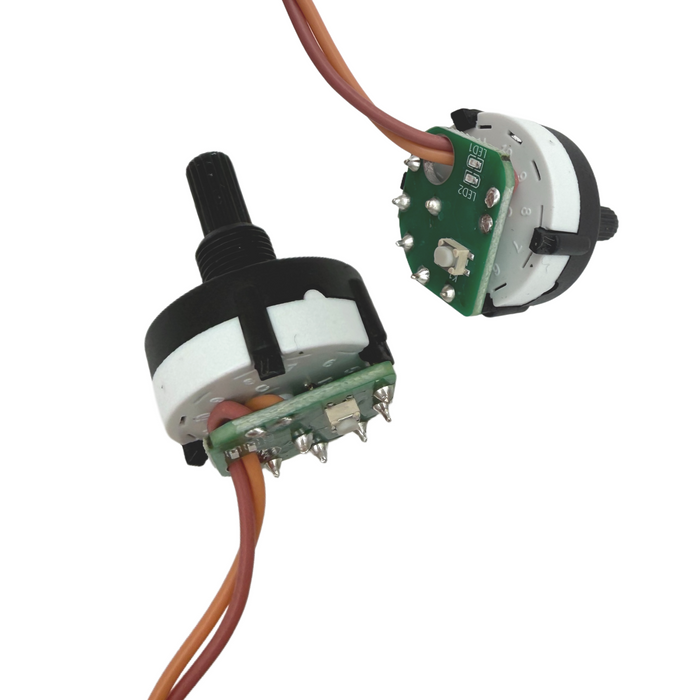
One thing to keep straight: those five names are example labels, not five tunes the switch comes with. The switch ships as a blank selector — it does not contain any calibration on its own, and it does not load five ready-made tunes. What each position actually runs depends entirely on how your tuner configured your multi-map file. Position 3 is only “tow” if your tuner made it tow, and there is no guarantee that every position behaves differently or delivers a different power level. The switch faithfully points the truck at whatever level the tune maps to that spot.
Fitment: Which Trucks Does This Switch Fit?
The switch is built for the 2015–2019 Ford F-250, F-350, F-450, and F-550 Super Duty with the 6.7L Powerstroke diesel.
There’s one boundary worth knowing before you order, because it’s the most common fitment mistake on these switches:
- 2011–2014 (Gen1) and 2015–2019 (Gen2) trucks use different sensor connectors. The keying and pin spacing are not the same, so a Gen1 switch will not seat in a Gen2 connector, and vice versa.
Match the switch to your exact year range. If you’re not sure what you have, look at the connector, not the door sticker — the connector is the tell.
Before You Order: Two Things to Confirm
This is the section that saves you from ordering the wrong thing, so it goes before the product pitch.
1. Do you already have SOTF tuning?
A SOTF switch is not a tune — it’s the control for one. If your tuner has not loaded a multi-map file with several levels enabled, the switch is a dial on a wire. That’s not a defect; it’s how the system works. If you’re on a single-stage tune, you need a revised multi-map file from your tuner before the switch will do anything.
2. Which sensor does your tune read?
This switch is wired for the fuel temperature sensor circuit, which is the sensor most 2015–2019 SOTF tunes read. But not every tune does — a smaller number read a different sensor, and the connection point moves with it. Ask your tuner one question before you order: “does my file support SOTF voltage switching, and which sensor does it read?” That single answer avoids the most common install headache — and it’s the biggest reason switches get returned.
Will it work with any tuner?
Compatibility depends on the SOTF-enabled tune file, the sensor input it uses, and the switch’s connector configuration. Confirm these details with your tuner before ordering.
Seguler SOTF Switch vs. the Alternatives
There are three ways to get between tune levels, and they are not the same job. The comparison isn’t about one being “better” in the abstract — it’s about which one matches how you actually use the truck.
| Consideration | Re-flash with a tuner | Generic rotary switch | Seguler SOTF Switch |
|---|---|---|---|
| Change levels | Pull over and re-flash | Turn a dial | Turn a dial |
| Year fitment | Follows the tuner | Often “universal” — confirm | Built for 2015–2019 Gen2 |
| Wiring | No extra wiring | Varies; may cut/splice | OE inline, no cutting |
| Power | Tuner’s own | May need fuse/battery | Draws from sensor circuit |
The point of the table isn’t to say one approach is wrong. Re-flashing works fine if you only change tunes occasionally. The SOTF switch earns its place when you move between the calibration levels your tuner has set up — following the switching requirements in your tune files — instead of pulling over for a full re-flash each time.
Inside the Switch: The Connector, the Detents, and the Mounting
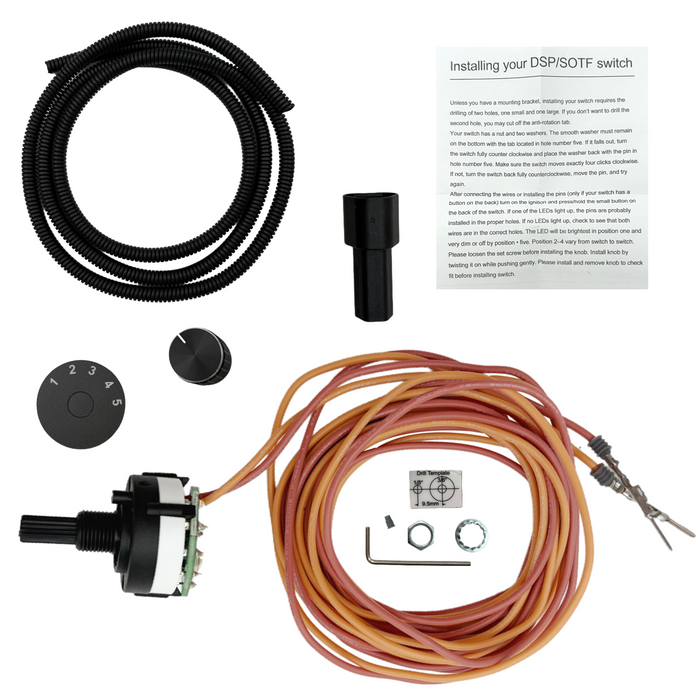
First, be clear on what this product is and isn’t: it’s the switch and its connector — not a tuner, not a programming service, and not a set of ready-made tunes. You supply the multi-map tune; the switch is the physical control that moves between the levels your tuner already loaded. Here’s what that means for the parts themselves, and why the details matter more than they look like they should.
A five-position rotary dial with real detents. The dial has firm, distinct clicks at each position, so it won’t drift between settings on rough terrain — a mushy detent is how a switch ends up a half-click between two maps without you noticing.
An OE-style connector instead of a splice job. The switch plugs inline to the factory sensor harness — no cutting, no splicing, no changes to the original wiring. That’s the difference between a clean install and a wiring project you’ll be chasing later.
Power straight from the circuit it plugs into. It’s a passive, resistance-based switch that uses the factory sensor circuit for its reference signal, without a separate battery power lead.
A housing you can actually mount. The compact threaded barrel lets you place the dial almost anywhere — left of the steering column, in the console, or tucked out of sight behind a panel. The switch stays clean and discreet with no dangling wires or bulky external modules.
Convenient access to different tune levels. The switch lets you select between calibration levels already configured by your tuner. It does not monitor exhaust gas temperature or provide automatic engine protection, and each calibration must be appropriate for the intended application.
Installation Overview
Installation time varies with experience and vehicle configuration. The switch taps the fuel temperature sensor on the driver side, near the fuel filter housing, and the wire runs through the firewall to the dial in the cab. Straight from the install guide:
Disconnect both batteries first. The 6.7L has two — pull the negative terminals before you touch a sensor circuit that runs to the computer.
Find the fuel temperature sensor and unplug it. It sits on the driver side near the fuel filter housing. Unplug it from its harness.
Pass the switch wire through the firewall. On the driver side, down by the step inside the cab, there’s a rubber gasket. Cut a small slit — easy, so you don’t nick the wires already passing through. Fish a steel or iron wire through, tape the switch wire to it, and pull it into the engine bay. Run it along a clean path to the sensor and sleeve it with the flexible cover that comes in the kit so it doesn’t chafe. Once the wire is through, check that the gasket still seats snugly so the cab stays sealed against water and road grime.
Assemble the connector. This is the only fiddly part. The switch harness wires go into the provided connector, matching the green and green/white wires on the original harness — polarity doesn’t matter. Follow the supplied wiring diagram for the exact connector orientation and pin placement. Seal the three unused holes with the plugs from the kit.
Plug it inline and wrap the joint. Push the new connector into the fuel temperature sensor harness, then tape the original sensor connection to keep moisture out.
Mount the dial. Drill a hole left of the steering column — or another secure spot that stays clear of the pedals and steering. Then bundle the switch wiring with the rest of the under-dash harnesses and zip-tie it out of the way.
No soldering, no cutting into factory wires. If you can replace a fuel filter, you can do this job. For the full walkthrough with photos, see the 2015-2019 6.7L Powerstroke SOTF Switch install guide.
One note worth keeping in mind: that install guide is written for off-road and competition use, and the switch is not intended for highway use on a road-registered vehicle.
Common Mistakes to Avoid
Mistake 1: Thinking the switch creates horsepower
The switch is a selector, not a power source. The power comes from the tune; the switch just moves you between the levels that tune already contains. Order it expecting a gain on its own and you’ll be disappointed.
Mistake 2: Buying the switch before confirming SOTF support
This is the big one. A switch with no multi-map tune loaded does nothing. Confirm with your tuner that your file has SOTF enabled and multiple levels configured before you spend money on hardware.
Mistake 3: Choosing the wrong year range
The 2015–2019 (Gen2) trucks use a different sensor connector than the 2011–2014 (Gen1) trucks. The keying and pin spacing are not the same, so a Gen1 switch won’t seat in a Gen2 connector. Match the switch to your exact year range.
Mistake 4: Not confirming which sensor your tune reads
This switch is wired for the fuel temperature sensor, and most 2015–2019 tunes read exactly that — but not all of them do. Wire the switch to the wrong sensor and the dial won’t change anything, or the positions will feel scrambled. One question to your tuner before you order solves the whole thing.
Mistake 5: Mounting the switch loosely or in the way
Where the dial lives matters more than people think. Mount it loose and it’ll rattle, work its way out of position, or end up where your knee keeps hitting it. Pick a spot that’s secure and clear of the pedals and steering — whether that’s a visible dash location or hidden behind a panel, it needs to stay put and stay out of the way.
Is a SOTF Switch Worth It?
If your truck does one job with one tune, you probably don’t need this — you’d be adding a dial to switch between levels you don’t have.
But if your 2015–2019 is set up for more than one purpose — off-road work, competition use, or several calibrations you move between regularly — a SOTF switch is the clean way to select between those preset levels, following the switching requirements in your tune files.
For 2015–2019 6.7L Powerstroke owners running compatible custom tuning, the Seguler SOTF Switch w/ Connector gives you a cleaner way to move between multiple maps without flashing the ECM over and over. You’ll find it alongside the rest of the Powerstroke parts in the Ford collection.
Frequently Asked Questions
Q: What exactly does this include — is it a tuner?
A:No. It’s the switch and its connector. It does not contain any tunes or load anything onto the ECM — you need a SOTF-enabled multi-map tune already on the truck, and the switch selects between the levels that tune contains.
Q: What years does it fit?
A:2015–2019 Ford F-250, F-350, F-450, and F-550 Super Duty with the 6.7L Powerstroke diesel. The 2011–2014 (Gen1) trucks use a different connector and need their own switch.
Q: Will it work with my tuner?
A:Compatibility depends on the SOTF-enabled tune file, the sensor input it uses, and the switch’s connector configuration. Confirm these details with your tuner before ordering.
Q: What kind of connector does it use?
A:An OE-style inline connector that plugs into the factory sensor harness — no cutting, no splicing, no soldering.
Q: How hard is installation?
A:Not especially. It’s an inline plug-and-play install with a firewall pass-through and a dash mount. Follow the wiring diagram that ships with the kit for the exact pinning on your year.
Q: Can I switch between tune levels while operating the vehicle?
A:Follow the tuning provider’s instructions for changing calibration levels, including any throttle or load restrictions. This switch is intended for off-road and competition use only, and its use must remain consistent with the applicable rules for the vehicle and its intended operating environment.
Q: Can I mount it hidden behind the dash?
A:Yes. The compact threaded barrel housing fits in dash panels, the center console cubby, or inside the glove box for a fully out-of-sight install. Just make sure the mounting point is secure and the switch stays clear of the pedals, steering, and anything else you reach for while driving.
Q: Will tuning with this void my warranty?
A:Tuning-related changes can affect factory warranty coverage and emissions compliance depending on the calibration and how the truck is used. State and local laws vary. Review your situation before making changes.
Legal Disclaimer
This article is for informational purposes only and is not legal or installation advice. Tuning may affect emissions compliance, warranties, and inspections. Verify applicable laws and consult a qualified professional before making changes.
Find the switch — and the rest of the Powerstroke lineup — at seguler.com.
Featured collection
-
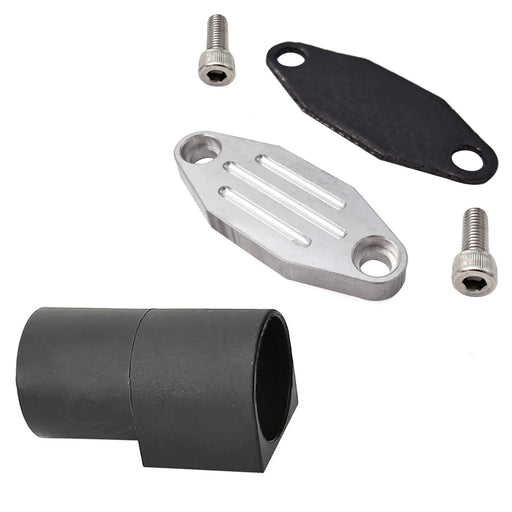
Seguler 1986-1995 Ford F150 F250 F350 Mustang Trucks EGR Simulator Eliminator / Block Off Plate Kit
SEGULEROriginal price $79.99 - Original price $79.99Original price$79.99$79.99 - $79.99Current price $79.99Block Off Plate Material: Aluminum alloy. Easy installation,and convenient to use. Made of CNC milled from aircraft grade Billet aluminum. Will N...
View full details -

Seguler 2011-2023 6.7L Ford Powerstroke Diesel EGR Delete Kit
SEGULEROriginal price $109.99 - Original price $109.99Original price$109.99$109.99 - $109.99Current price $109.99FITMENT 2011-2023 6.7L Ford Powerstroke F-250 F-350 F-450 F-550 Super Duty V8 Diesel. compatible with both standard Pickups and commercial Cab &...
View full details -
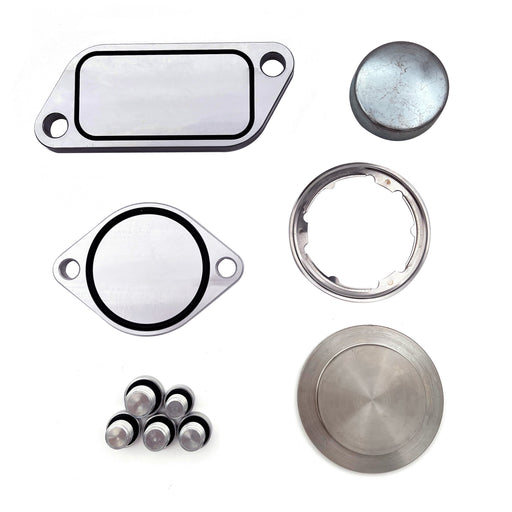
For 2010-Present Stage 2 ISX 15 CM2250 CM2350 EGR Delete Kit
SEGULEROriginal price $59.99 - Original price $59.99Original price$59.99$59.99 - $59.99Current price $59.99FITMENT 2010-Present Cummins Volvo, Peterbilt, Mack, International, Freightliner, Kenworth with the ISX15 CM2250 / CM2350 engines. DESCRIPTION P...
View full details -
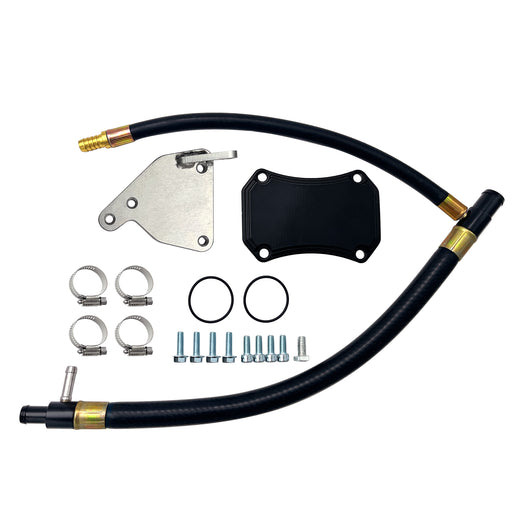
For 2011-2016 6.6L GMC Chevy Duramax Diesel LML EGR Valve Cooler Delete Kit
SEGULEROriginal price $66.49 - Original price $66.49Original price$66.49$66.49 - $66.49Current price $66.49FITMENT 2011-2016 6.6L Chevy GMC Duramax LML 2500 HD 3500 HD Diesel. DESCRIPTION Product Overview The 2011–2016 LML Duramax uses a complex EG...
View full details -
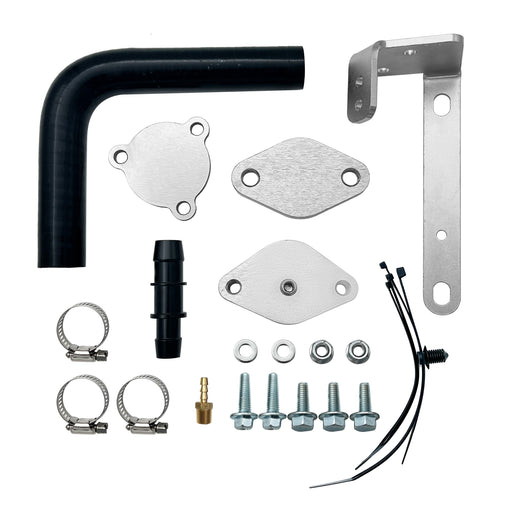
Seguler For 2014-2019 3.0L Dodge Ram 1500 EcoDiesel EGR Valve & Cooler Delete Kit
SEGULEROriginal price $72.99 - Original price $72.99Original price$72.99$72.99 - $72.99Current price $72.99FITMENT 2014-2019 3.0L Dodge Ram 1500 EcoDiesel V6 engine trucks. DESCRIPTION Product Overview Exhaust gas recirculation on 3.0L EcoDiesel V6 ...
View full details -
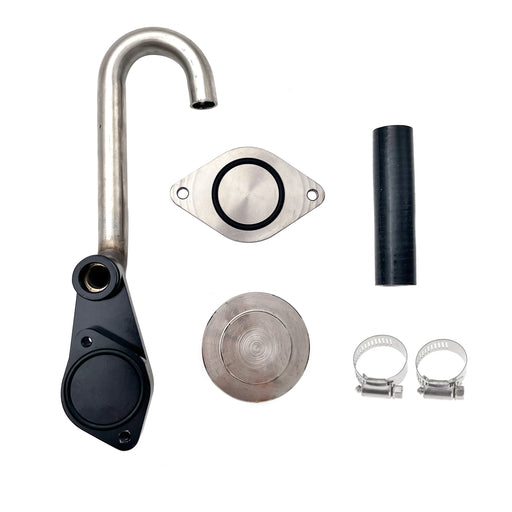
Seguler 2003-2007 6.0L FORD Powerstroke Diesel EGR Cooler Delete Kit
SEGULEROriginal price $56.14 - Original price $56.14Original price$56.14$56.14 - $56.14Current price $56.14FITMENT 2003-2007 6.0L Ford F-250 Ford F-350 F-450 F-550 Super Duty. 2003-2007 6.0L Ford Excursion SUV (Diesel Models Only). 2005-2010 Ford E-Se...
View full details -

Seguler 2011-2023 6.7L Ford Powerstroke Diesel EGR Delete Kit
SEGULEROriginal price $85.99 - Original price $85.99Original price$85.99$85.99 - $85.99Current price $85.99FITMENT 2011-2023 6.7L Ford Powerstroke F-250 F-350 F-450 F-550 Super Duty V8 Diesel. compatible with both standard Pickups and commercial Cab &...
View full details -

Seguler 2017-2019 L5P Duramax Diesel 4pcs L5P Can Bus Plugs Connector Replacement
SEGULEROriginal price $75.00 - Original price $75.00Original price$75.00$75.00 - $75.00Current price $75.00FITMENT 2017–2019 Chevrolet Silverado / GMC Sierra Duramax L5P 2500HD & 3500HD Diesel. DESCRIPTION Product Overview Unprotected harness con...
View full details -

Seguler 2010-2024 6.7L Dodge Ram Cummins Diesel EGR Valve Cooler Delete Kit
SEGULEROriginal price $89.99 - Original price $89.99Original price$89.99$89.99 - $89.99Current price $89.99FITMENT 2010–2024 6.7L Dodge Ram Cummins 2500 / 3500 Pickup Turbo Diesel. Note: Does NOT fit Chassis Cab 3500 / 4500 / 5500 models. DESCRIPTIO...
View full details -
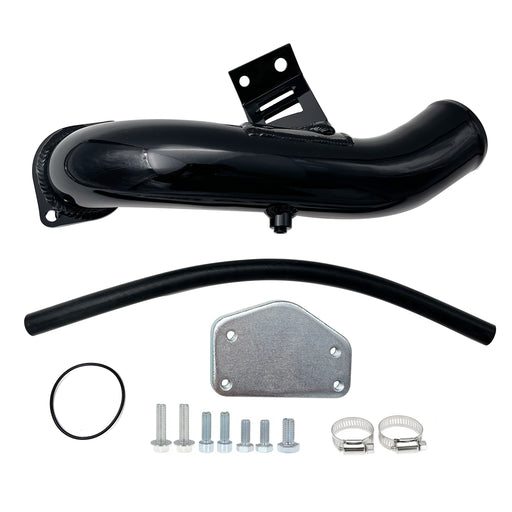
For 2004.5-2005 6.6L Chevy GMC Silverado LLY Duramax Diesel EGR Delete Kit
SEGULEROriginal price $92.99 - Original price $92.99Original price$92.99$92.99 - $92.99Current price $92.99FITMENT 2004.5-2005 6.6L Chevrolet Silverado Duramax LLY 2500HD / 3500 HD. 2004.5-2005 6.6L GMC Sierra Duramax LLY 2500HD / 3500 HD. DESCRIPTION...
View full details -

Seguler 2020-2023 chevy duramax L5P Diesel Can Bus Plugs Connector
SEGULEROriginal price $80.00 - Original price $80.00Original price$80.00$80.00 - $80.00Current price $80.00FITMENT 2020–2023 Chevrolet Silverado / GMC Sierra Duramax L5P 2500HD & 3500HD Diesel. DESCRIPTION Product Overview Unprotected harness pl...
View full details -
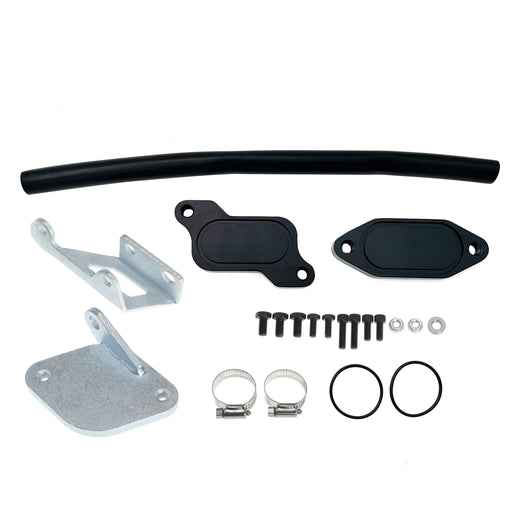
For 2006-2007 6.6L Chevrolet Silverado Classic GMC Duramax LBZ Diesel EGR Valve Cooler Delete Kit
SEGULEROriginal price $63.49 - Original price $63.49Original price$63.49$63.49 - $63.49Current price $63.49FITMENT 2006-2007.4 Chevrolet Silverado Duramax LBZ 2500HD / 3500HD. 2007.4 Chevrolet Silverado Duramax LBZ 2500HD / 3500HD Classic. 2006-2007.4 ...
View full details -

Seguler 2011-2023 6.7L Ford F250 F350 F450 F550 Powerstroke Diesel EGR Valve Delete Cooler Delete Kit
SEGULEROriginal price $55.99 - Original price $55.99Original price$55.99$55.99 - $55.99Current price $55.99FITMENT 2011-2023 6.7L Ford Powerstroke F-250 F-350 F-450 F-550 Super Duty V8 Diesel compatible with both standard Pickups and commercial Cab &a...
View full details -
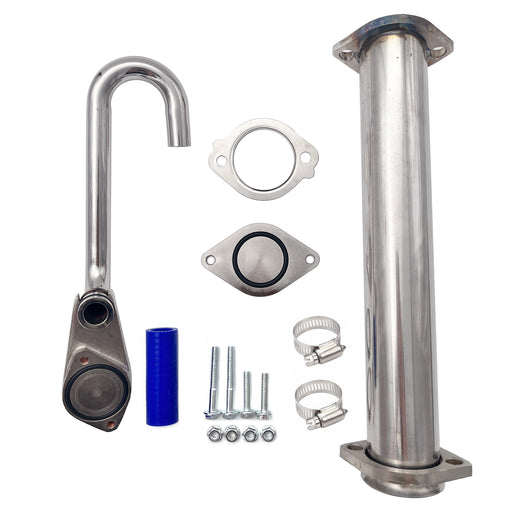
Seguler 2003-2007 6.0L Ford F250 F350 Powerstroke Diesel EGR Basic Cooler Kit
SEGULEROriginal price $79.99 - Original price $79.99Original price$79.99$79.99 - $79.99Current price $79.99FITMENT 2003-2007 6.0L Ford F250 F350 F450 F550 Super Duty Turbo (except 2004 F250 Super Duty). 2003-2005 6.0L Ford Excursion Turbo. 2005 Ford F...
View full details -
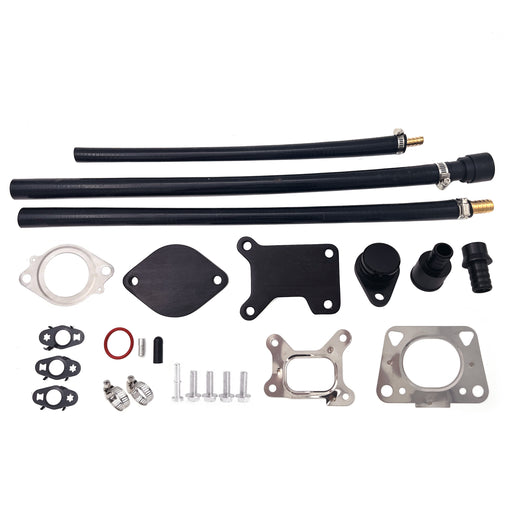
For 2017-2023 6.6L Chevy GMC Duramax L5P diesel EGR Valve Cooler Delete kit
SEGULEROriginal price $131.99 - Original price $131.99Original price$131.99$131.99 - $131.99Current price $131.99FITMENT 2017–2023 6.6L Chevrolet Silverado / GMC Sierra Duramax L5P 2500HD 3500HD Diesel. DESCRIPTION Product Overview Hot soot recirculation ...
View full details -
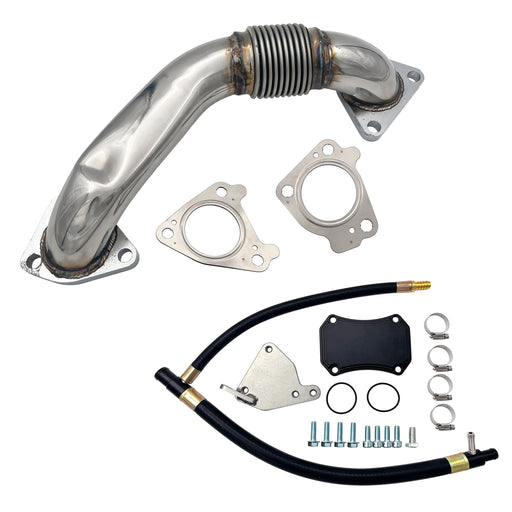
Seguler 2011-2016 6.6L GMC Chevy Duramax Diesel LML Up-Pipe & EGR Valve Cooler Delete Kit
SEGULEROriginal price $173.86 - Original price $173.86Original price$173.86$173.86 - $173.86Current price $173.86FITMENT 2011-2016 6.6L Chevy GMC Duramax LML 2500 HD 3500 HD Diesel. DESCRIPTION Product Overview Direct-injection technology endows GM 5.3L an...
View full details -
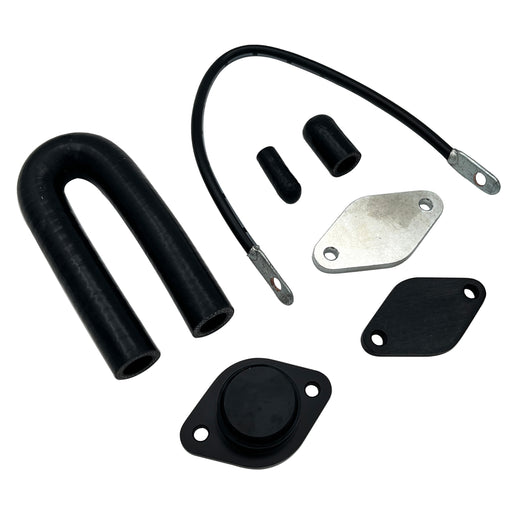
Seguler EGR valve cooler Delete kit for 2020-2022 3.0L Chevy Duramax LM2
SEGULEROriginal price $189.12 - Original price $189.12Original price$189.12$189.12 - $189.12Current price $189.12FITMENT 2020–2022 3.0L Chevrolet Silverado GMC Sierra 1500 LM2 Turbo-Diesel. DESCRIPTION Product Overview Powered by smooth inline-six engine...
View full details -
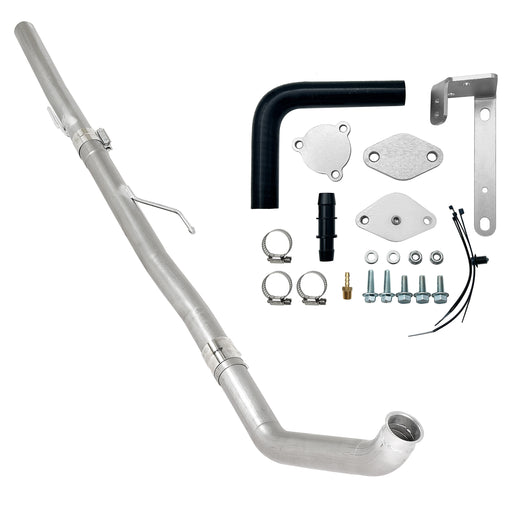
Seguler 3" Ecodiesel DPF Delete Pipe & EGR Delete kit for 2014-2018 3.0L Ram
SEGULEROriginal price $342.00 - Original price $342.00Original price$342.00$342.00 - $342.00Current price $342.00FITMENT 2014–2018 3.0L Dodge Ram 1500 EcoDiesel V6. NOTE: Fit standard Pickup models only (Crew Cab, Quad Cab). Does NOT fit Jeep Grand Cheroke...
View full details -

For 2013-2023 6.7L Dodge Ram Cummins Cab & Chassis EGR Delete Kit Diesel
SEGULEROriginal price $62.99 - Original price $62.99Original price$62.99$62.99 - $62.99Current price $62.99FITMENT 2013–2023 6.7L Ram Cummins 3500 4500 5500 Cab & Chassis / Commercial Trucks. Does NOT fit standard Ram 2500 3500 Pickups. DESCRIPTIO...
View full details -
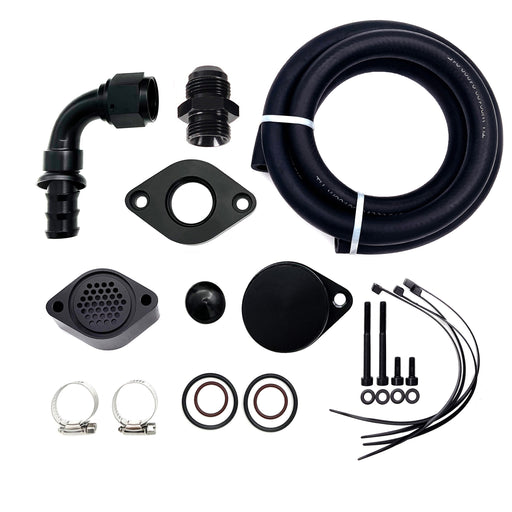
Seguler 2011-2023 6.7L Ford Powerstroke CCV PCV Reroute Engine Ventilation Kit
SEGULEROriginal price $82.99 - Original price $82.99Original price$82.99$82.99 - $82.99Current price $82.99FITMENT 2011-2023 6.7L Ford Powerstroke F-250 F-350 F-450 F-550 Super Duty V8 Diesel. Compatible with both standard Pickups and commercial Cab &...
View full details -
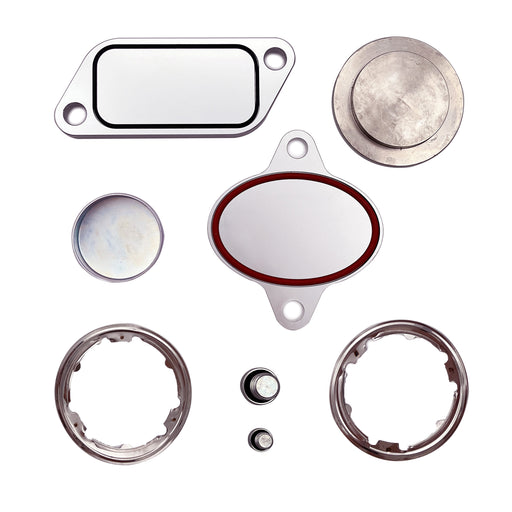
For 2007-2010 Cummins ISX CM871 EGR Plug Kit Stage 2 Plates and Plugs Aluminum
SEGULEROriginal price $67.99 - Original price $67.99Original price$67.99$67.99 - $67.99Current price $67.99FITMENT 2007-2010 Cummins Volvo, Peterbilt, Mack, International, Freightliner, Kenworth with the ISX CM871 Engines. DESCRIPTION Product Overvie...
View full details -
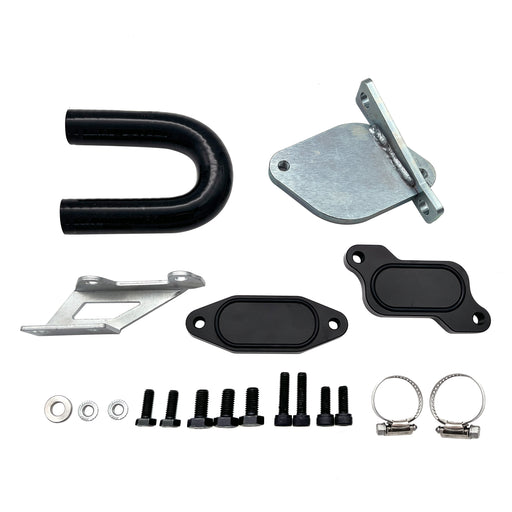
For 2007-2010 6.6L Chevy GMC LMM Duramax EGR Valve Cooler Delete Kit Fit
SEGULEROriginal price $61.99 - Original price $61.99Original price$61.99$61.99 - $61.99Current price $61.99FITMENT 2007.5-2010 6.6L Chevrolet Silverado Duramax LMM 2500HD / 3500HD. 2007.5-2010 6.6L GMC Sierra Duramax LMM 2500HD / 3500HD. Note: Standard...
View full details -
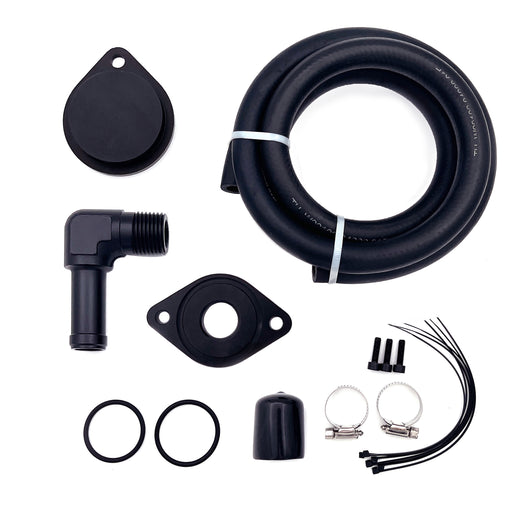
Seguler 2011-2023 Ford 6.7L Powerstroke CCV/PCV Reroute/Delete Engine Ventilation Kit
SEGULEROriginal price $72.00 - Original price $72.00Original price$72.00$72.00 - $72.00Current price $72.00FITMENT 2011-2023 6.7L Ford Powerstroke F-250 F-350 F-450 F-550 Super Duty V8 Diesel. Compatible with both standard Pickups and commercial Cab &...
View full details -
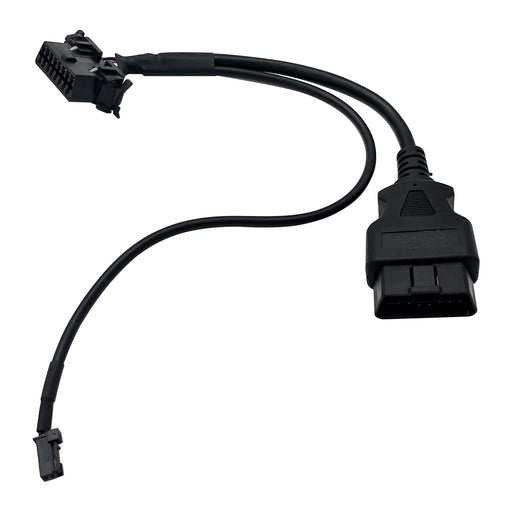
Seguler 2018+ RAM Cummins OBD2 HD Security Gate Bypass Cable
SEGULEROriginal price $45.00 - Original price $45.00Original price$45.00$45.00 - $45.00Current price $45.00FITMENT 2018+ 6.7L Ram Cummins 2500 3500 Turbo Diesel. Designed for Ram pickup trucks equipped with the factory Security Gateway Module. Note: Pl...
View full details -
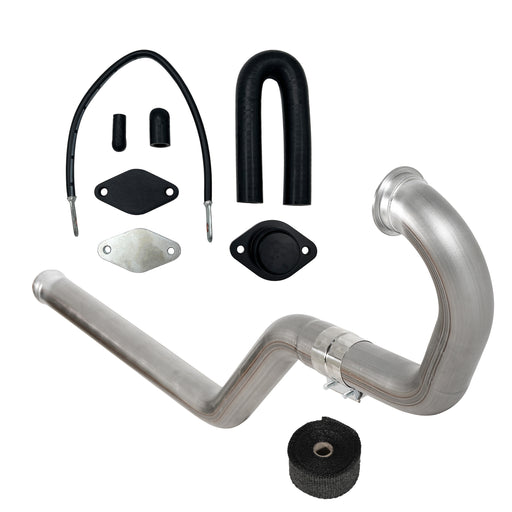
3" Turbo Back DPF & EGR Delete Kit for 2020-2022 GM 3.0L LM2 Duramax
SEGULEROriginal price $550.00 - Original price $550.00Original price$550.00$550.00 - $550.00Current price $550.00FITMENT 2020–2022 3.0L Chevrolet Silverado 1500 LM2 Diesel. 2020–2022 3.0L GMC Sierra 1500 LM2 Diesel. DESCRIPTION Product Overview On the 3.0...
View full details


Leave a comment