

6.6L Duramax LMM EGR Problems: Causes, Fixes & Upgrades
You know something isn’t right when your LMM Duramax starts acting differently than it used to. Maybe you’re topping off the coolant again even though there’s no puddle under the truck. Maybe a puff of white smoke hangs around on a cold start, or a strange metallic screech cuts through the noise when you pull a trailer uphill. At first, each symptom seems like a separate headache. But on a 2007.5–2010 6.6L Duramax LMM, they’re worth investigating before a small problem turns into a bigger repair.
The tricky part is figuring out where the problem actually starts. A failing EGR cooler can allow coolant into the exhaust, while soot from the EGR system can mix with crankcase oil vapor and build up inside the intake elbow and throttle valve. Meanwhile, a cracked exhaust up-pipe can produce a sharp whistle or screech under load and may contribute to boost loss. The symptoms can overlap, but the causes—and the repairs they call for—aren’t the same.
That’s why it helps to understand how these systems work before buying parts. This article breaks down the common LMM EGR and exhaust-related problems, the signs worth checking, and three component options: an EGR valve and cooler kit, an EGR kit with a high-flow intake elbow, and a passenger-side exhaust up-pipe. The goal is to help you narrow down the likely cause, understand what each component addresses, and make a more informed decision before spending money on parts you may not need.
What the LMM EGR System Does — And Why It’s Different From the LBZ
Exhaust gas recirculation (EGR) does exactly what its name suggests: it routes a controlled portion of exhaust gas back into the intake to lower peak combustion temperatures and reduce nitrogen oxide (NOx) emissions. While the basic principle is straightforward, the 2007.5–2010 6.6L Duramax LMM uses a different emissions-control setup from the earlier LBZ, with additional components that owners should understand when diagnosing intake and exhaust problems.
Compared with the LBZ, the LMM features an EGR system with a liquid-cooled EGR cooler and an intake throttle valve. The cooler transfers heat from recirculated exhaust gas to the engine coolant, while the throttle valve can partially restrict intake airflow under certain operating conditions to help create the pressure differential needed for EGR flow. These components work together as part of the engine’s emissions-control strategy, but they also introduce additional areas to inspect when symptoms such as coolant loss, intake soot buildup, or abnormal airflow appear.
For owners, the practical takeaway is that an LMM EGR-related problem does not always point to the same component. A leaking EGR cooler, a malfunctioning intake throttle valve, and an exhaust leak from a damaged up-pipe can produce different symptoms and require different diagnostic steps. Understanding how these parts work—and where they fit into the system—is a better starting point than replacing components based on symptoms alone.
The Most Common LMM EGR Problems
What most owners actually run into falls into a handful of repeating patterns:
Coolant disappearing with no visible leak.
The classic LMM complaint. When the EGR cooler’s internal core cracks, coolant leaks into the exhaust stream and gets burned off instead of dripping on the ground. The level drops, the overflow tank runs low, and there’s nothing to point at.
White smoke and a sweet smell at startup.
Coolant entering the exhaust stream turns to steam, and that steam carries the unmistakable sweet odor of antifreeze. If you’re catching a whiff of coolant in the exhaust and the level keeps creeping down, the cooler is the prime suspect.
A soot-and-oil sludge building in the intake.
Recirculated exhaust carries soot, and the PCV system adds an oil mist. Together they bake into a dense paste that coats the intake elbow and the throttle valve. Over time that paste chokes airflow and the throttle plate starts to stick.
Loss of power and a laggy throttle.
That restriction shows up as a truck that feels softer than it should, slower to build boost, and sluggish off the line. Sometimes it’s the intake sludge; sometimes it’s a leak elsewhere in the same plumbing.
A metallic screech under load.
This one usually isn’t the EGR cooler at all — it’s the up-pipe. The factory flex bellows in the exhaust up-pipe crack from years of thermal cycling, and when they let go, pressurized exhaust escapes with a shriek that rises and falls with throttle.
Rising EGTs when towing.
A cracked bellows or a restricted intake both push exhaust gas temperatures higher under load, which is exactly when a heavy truck can least afford it.
What These Symptoms Point To
Symptoms overlap, so it’s worth narrowing the cause before ordering anything. Here’s the diagnostic map most LMM owners end up working through:
| Symptom | Possible Cause | Check |
|---|---|---|
| Coolant drop, no puddle | Cooler crack | Pressure test; smell exhaust |
| White smoke, sweet smell | Coolant in combustion | Pressure test cooling |
| Sluggish throttle, low boost | Sludge or up-pipe leak | Inspect elbow, bellows |
| Screech under load | Cracked up-pipe bellows | Soot on firewall |
| High EGTs towing | Leak or restriction | Check bellows, intake |
Smoke color and unusual noises can offer useful clues, but they don’t confirm the cause on their own. A cooling-system pressure test can help identify a suspected coolant leak, while inspecting the up-pipe bellows for cracks or soot marks can help reveal an exhaust leak.
Why the LMM EGR Cooler Fails
The EGR cooler works like a heat exchanger, transferring heat from hot exhaust gas to the engine coolant before the gas returns to the intake. Every time the engine heats up and cools down, the cooler’s metal components expand and contract. Over thousands of operating cycles, this repeated thermal stress can contribute to fatigue and internal cracking, particularly as the cooler ages.
When an internal crack develops, coolant may leak into the exhaust stream and evaporate, leaving no obvious puddle beneath the truck. Depending on the location and severity of the damage, exhaust pressure can also enter the cooling system. Unexplained coolant loss, persistent white exhaust smoke, or abnormal cooling-system pressure can therefore be reasons to investigate the EGR cooler, although these symptoms can have other causes and should be confirmed through proper testing.
Because internal cooler damage can be difficult to spot from the outside, diagnosing the problem early matters. A cooling-system pressure test and a thorough inspection can help narrow down the cause before parts are replaced. If the cooler is confirmed to have failed, the next step is to evaluate the appropriate repair for the truck’s configuration and intended use.

The Three Kits That Address It
Once you have narrowed down the likely cause, the next step is choosing a repair or upgrade that matches the problem. On the 2007.5–2010 6.6L Duramax LMM, the EGR cooler, intake elbow, and exhaust up-pipe serve different functions, so issues with each component call for a different approach. Seguler offers three options for these areas: an EGR valve and cooler kit, an EGR kit paired with a high-flow intake elbow, and a replacement passenger-side exhaust up-pipe. The sections below explain what each option changes, which problems it may address, and what to check before ordering.
2007-2010 6.6L Chevy GMC LMM Duramax EGR Valve Cooler Delete Kit Fit
The EGR Valve & Cooler Delete Kit for the 2007.5–2010 6.6L Duramax LMM is designed for owners addressing factory EGR cooler leaks and soot recirculation. The kit replaces the factory EGR valve and cooler with CNC-machined, anodized black billet aluminum block-off hardware, helping eliminate the factory cooler as a potential source of internal coolant leaks and reducing EGR-related soot entering the intake. A heavy-duty silicone U-shaped coolant hose is included to connect the coolant lines left by the removed cooler and maintain the intended coolant circuit. This kit fits 2007.5–2010 Chevrolet Silverado and GMC Sierra 2500HD/3500HD standard pickup models; it does not fit Cab & Chassis commercial frames.

What it does:
- Removes the EGR cooler and valve, closing off the soot-recirculation loop so exhaust is no longer routed back through the intake.
- Includes a heavy-duty silicone U-shaped coolant hose that bridges the open cooling lines left behind, keeping the circuit circulating properly and the cabin heater working.
- Seals the intake ports so nothing leaks under boost, and reduces exhaust-soot recirculation into the intake — helping address one source of carbon buildup.
- Does not require removing the intake manifold — on the LMM the EGR assembly sits high near the passenger-side firewall, so the job is done in place.
This kit is the direct answer to a cooler that’s already leaking or a valve that’s already caked shut. It’s the standard LMM EGR removal, and it keeps the rest of your intake path factory.
2007-2010 6.6L Duramax LMM EGR Delete Kit High Flow Intake Elbow Pipe Tube
The EGR Delete Kit + High-Flow Intake Elbow for the 2007.5–2010 6.6L Duramax LMM combines EGR valve and cooler removal hardware with a replacement high-flow intake elbow. Unlike the standard EGR kit, it also replaces the factory intake elbow and butterfly throttle valve with a wider-bore pipe.
Made from 6061 aluminum and stainless steel, the kit includes high-temperature O-rings and a pre-tapped 1/8-inch NPT port with a flush plug for compatible accessories.
It fits standard-pickup Chevy Silverado and GMC Sierra 2500HD/3500HD models with the 6.6L Duramax LMM (2007.5–2010). It does not fit Cab & Chassis commercial trucks.

What it does:
- Removes the EGR cooler and the factory butterfly throttle valve, clearing the coolant-leak risk and the airflow bottleneck in one upgrade.
- Opens the intake path where the stock elbow and throttle plate used to squeeze the airflow, so the turbo sees a cleaner, less restricted inlet.
- Built from 6061 billet aluminum joined with high-grade stainless steel, sealed with high-temp O-rings that hold under boost.
- Arrives pre-tapped with a 1/8" NPT port and a flush plug, ready to mount a boost gauge, water-methanol, or nitrous nozzle without drilling.
This is the choice for the owner who wants the EGR removed and the throttle response back at the same time. The standard kit blanks the cooler off; this one replaces the bottleneck the cooler was feeding through.
Seguler 2001-2016 6.6L Chevrolet Chevy GMC Duramax LB7 LLY LBZ LMM LML Exhaust Up-Pipe
The passenger-side exhaust up-pipe for 2001–2016 6.6L Duramax LB7, LLY, LBZ, LMM, and LML engines replaces the factory pipe connecting the exhaust manifold to the turbocharger. Cracked factory flex bellows can cause exhaust leaks, soot deposits, and screeching noises under acceleration.
Built with heavy-gauge stainless steel tubing and reinforced interlocking stainless steel flex bellows, this replacement is designed to restore proper exhaust sealing when the original pipe is damaged. It fits the passenger side only; confirm your engine generation and truck configuration before ordering. Cab & Chassis commercial models are excluded.
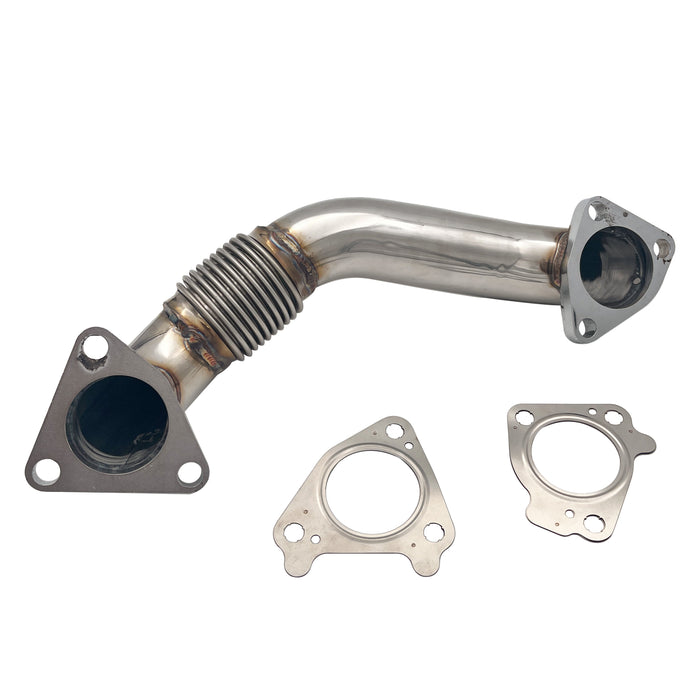
What it does:
- Replaces the cracked factory flex bellows with heavy-duty interlocking mesh stainless bellows that hold up to thermal cycling.
- Uses heavy-gauge, mandrel-bent stainless tubing that removes the factory crush points and feeds exhaust energy straight to the turbine.
- Is a direct bolt-on replacement for the passenger-side up-pipe, matching the stock manifold flanges and turbo housing.
- Needs no custom tune — it’s a mechanical swap that works on a stock or tuned ECM.
This is the fix for the whistle-and-soot pattern, and it’s the one of the three that isn’t an EGR component at all — but it shares the same corner of the engine and the same failure trigger, which is why it belongs in this conversation.
Which Kit Does What
Because the three parts overlap in symptoms but not in function, it helps to line them up side by side:
| Kit | Replaces | Why |
|---|---|---|
| EGR Valve & Cooler Delete | Cooler + valve | Stops cooler leaks; keeps stock intake |
| EGR Delete + High-Flow Elbow | Cooler + valve + elbow | Adds airflow |
| Exhaust Up-Pipe | Cracked flex bellows | Fixes screech; no tune |
The first two are different answers to the same cooler problem — the second just goes further up the intake path. The third is a different failure on the other side of the turbo.
Fitment: Which Trucks Each Kit Covers
These three parts don’t fit the same trucks, so it’s worth checking your year and setup before ordering.
Both the EGR Valve & Cooler Delete Kit and the EGR Delete + High-Flow Elbow are designed for 2007.5–2010 6.6L Duramax LMM models in the Chevy Silverado and GMC Sierra 2500HD/3500HD pickups. If you have a Cab & Chassis truck, these two kits won’t fit.
The passenger-side exhaust up-pipe covers a wider range of trucks: 2001–2016 6.6L Duramax LB7, LLY, LBZ, LMM, and LML models. Just remember, it’s for the passenger side only and doesn’t fit 3500/4500/5500 Cab & Chassis trucks.
Here’s the simple way to look at it: if your LMM is losing coolant because of a failing EGR cooler, start by checking the two EGR kit options. If you’re hearing a screech under load or spotting soot around a cracked up-pipe, the up-pipe may be the part that needs attention. And if your 2007.5–2010 LMM still has its factory DPF and you’re researching a broader exhaust setup, Seguler also offers a combined LMM kit. Just make sure you identify the actual problem first rather than assuming you need all three parts.
What to Check Before You Order
Before you order, a few questions sort the right kit from the wrong one faster than any spec sheet:
| What to check | Why it matters |
|---|---|
| Is the block-off hardware and gasket in the box? |
Complete kit includes seals;
incomplete requires buying separately.
|
| Is a coolant hose part of the kit? |
Kit bridges open coolant lines
or buy hose separately.
|
| Do you want the intake elbow changed too? |
Standard keeps stock elbow; High-Flow replaces elbow & throttle valve. |
| What year and frame is your truck? |
EGR kits fit 07.5–10 LMMs;
up-pipe fits 01–16. Excludes Cab & Chassis.
|
| How much disassembly are you up for? |
EGR kit installs in place; elbow
& up-pipe reach deeper.
|
These are the same checks worth running against any kit, not just ours. Answer them against the truck in front of you and the right part usually names itself.
Installation Overview
None of these are weekend-long jobs, but they’re also not identical in difficulty.
The EGR Valve & Cooler Delete Kit goes in with the engine still in the truck — no intake manifold removal, since the LMM’s EGR assembly sits high near the passenger-side firewall. The official process breaks into four stages:
Prep and drain. Disconnect the batteries, then pull the passenger-side inner wheel cover to drain the coolant and disconnect the lower radiator hose at its metal clip — you don’t have to fully pull the pipe, just let the coolant flow out. Loosen the intake clamps and unplug the MAF sensor.
Pull the intake side. Remove the intake tube (one hose clamp and six bolts, keeping debris out of the open intake), then the passenger-side PCV hose. The factory EGR assembly is held on by four bolts and nuts at the valve — once the coolant lines to the cooler are off, it lifts out as one piece. Hang onto the exhaust gasket; it’s reused under the new block-off plate.
Fit the kit. The block-off baffle goes in with its O-ring on the charge tube, the two longer bolts at the front. A support bracket bolts to the engine using a factory bolt plus the M10 x 20 hex bolt from the kit, and the exhaust block plate uses the supplied 20 mm and 30 mm bolts, all threaded in from the back. The kit’s silicone coolant line then bridges the return pipe back to the thermostat.
Reassemble and check. Reverse the earlier steps — intake tube, PCV hose, wiring, resonator — then start the engine, let it run a few minutes, and check for leaks. Top off the coolant as needed.
The High-Flow Elbow kit follows the same start — battery, coolant drain, MAF — but it’s the most involved of the three, because the factory elbow and throttle valve sit behind the whole intake side.
Clear the intake path. The intake tube and filter box come off, then the intake resonator, the cast intercooler pipe (a couple of its bolts hide behind the casting, where a reverse-Torx socket makes them easier to reach), the intake heater grid and its wiring, and the cast air inlet section — cover the open intercooler boot so debris and coolant stay out. The PCV pipe and the plastic turbo inlet then come off to expose the cooler.
Pull the cooler and valve. Two temperature sensors come off the cooler where fitted, then the cooler’s six bolts — four at the rear, two at the front. The EGR valve is two bolts (keep one for reassembly), then the coolant line.
Fit the kit and reassemble. The exhaust block plate goes on with the factory gasket and supplied bolts — M8 x 20 hex bolts from the back, M10 x 20 hex bolts for the bracket — and the U-shaped silicone hose bridges the heat-exchanger ports the cooler used to feed. The new elbow and charge tube slide in, the pressure sensor transfers over from the old tube, and the brackets get their M10 bolts. Reassemble in reverse, start it, run a few minutes, and check for leaks and coolant level.
The up-pipe is the tightest reach of the three — it lives behind the engine between the manifolds and the turbo. The official flow starts with the passenger-side tire off for room, then the downpipe comes down: loosen its V-band clamp and bolt, move the dipstick tube bracket aside, and it’s out of the way. That exposes the six 12 mm bolts holding the passenger up-pipe at the top and bottom. The new pipe’s gasket seats with its rigid face against the cab-side pipe and the smooth face against the turbo base and manifold, then the factory bolts go back in their original orientation, bottom bracket included. Reinstall the dipstick tube and the downpipe, and snug the V-band clamp tight against the flange near the rear of the turbine.
Every one of these touches either the cooling system or the exhaust path, so a proper pressure check and a visual once-over after the install is the responsible way to close the job out. Follow the instructions that ship with your specific kit, and let a qualified tech verify the seals if you’re not sure.
Step-by-step photos for each job are in the official threads — the EGR valve and cooler removal, the high-flow elbow install, and the passenger-side up-pipe — if you want to see each stage before you start.
Tuning & the Check-Engine Light
Here’s the part people skip, and it’s the difference between a clean install and a truck that throws a light on the drive home.
The factory ECM expects the EGR system to be there and working. When you remove the cooler and valve, the computer’s monitoring doesn’t just shrug it off — it can flag the missing EGR flow and trip a check-engine light. The up-pipe is the exception: it’s a mechanical exhaust swap that needs no tuning and works on a stock or tuned ECM.
For the two EGR kits, the fix is a custom calibration that accounts for the hardware change. Removing EGR hardware can trip a check-engine light or leave the truck’s diagnostic monitoring out of step, and what that calibration needs to do depends on the specific truck and its configuration. This is where the “compatible tuner” note matters — the hardware is only half of the job. On a truck that’s still running its full factory emissions strategy, this is also the moment to be clear-eyed about what you’re doing and where the truck is going to be used.
Legal Disclaimer
EGR and emissions-hardware changes on a diesel truck are a regulated area. On a vehicle registered and certified for on-road highway use, removing or disabling emissions-control equipment — including the EGR system — is not legal under the Clean Air Act. Parts like these are intended for off-road and competition use, and labeling a vehicle or product as off-road or competition use only does not by itself create a legal exemption. This article is technical information, not legal advice; consult the regulations that apply to your specific vehicle and its intended use before making changes, and understand that modifications may affect your warranty.
For the full LMM lineup — the EGR Valve & Cooler Delete Kit, the High-Flow Elbow kit, and the passenger-side up-pipe — find them all at seguler.com.
Frequently Asked Questions
Q: What are the first signs my LMM EGR cooler is failing?
A:Coolant that keeps dropping with no visible leak is the most common first sign, followed by white exhaust with a sweet coolant smell at startup. Both point to a cooler cracking internally, and a cooling-system pressure test is the way to confirm it.
Q: Do I need a custom tune to run an EGR delete kit?
A:For the two EGR kits, yes — the factory ECM expects the EGR system to be present, and removing it can trip a check-engine light until the calibration accounts for the hardware change. The up-pipe is the exception and needs no tuning.
Q: What’s the difference between the standard EGR delete kit and the high-flow elbow kit?
A:The standard kit removes the EGR cooler and valve and leaves the stock intake elbow in place. The high-flow kit does that same removal but also replaces the stock elbow and its butterfly throttle valve with a wide-bore high-flow pipe, opening up the intake path in the same install.
Q: Does the EGR delete kit include a coolant hose?
A:Yes. The EGR Valve & Cooler Delete Kit ships with a heavy-duty silicone U-shaped hose that bridges the cooling lines the cooler leaves behind, so the circuit keeps circulating and the cabin heater keeps working.
Q: Do I have to remove the intake manifold to install the EGR kit?
A:No. On the LMM the EGR assembly sits high near the passenger-side firewall, so the kit installs in place without pulling the intake manifold. The working space is tight, but the manifold stays put.
Q: Will the up-pipe fit my truck?
A:If you have a 2001–2016 6.6L Duramax (LB7, LLY, LBZ, LMM, or LML) in a standard pickup, the passenger-side up-pipe fits. It does not fit the 3500/4500/5500 Cab & Chassis commercial trucks, and it’s the passenger-side pipe only.
Q: Can I keep my factory exhaust with the EGR delete kit?
A:Yes. The EGR kits do not inherently require a complete exhaust replacement. Any exhaust-system changes should be evaluated separately for fitment, performance, and applicable emissions requirements.
Q: How long does installation take?
A:It varies with experience and the specific kit. The EGR kits are the more straightforward of the three since the assembly is reachable without pulling the manifold; the up-pipe is the tightest reach, starting with the passenger-side tire off and the downpipe out of the way. None of them require removing the engine or cab.
Featured collection
-
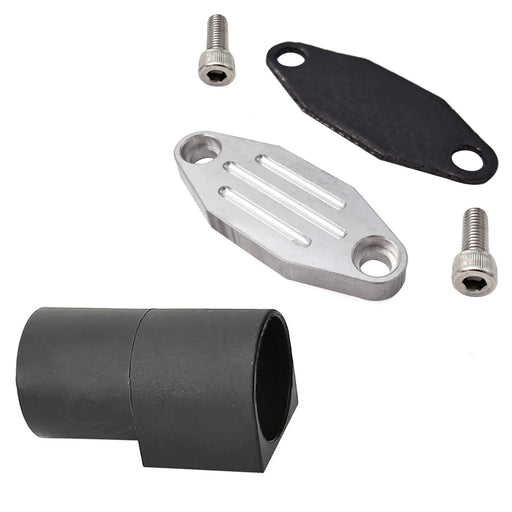
Seguler 1986-1995 Ford F150 F250 F350 Mustang Trucks EGR Simulator Eliminator / Block Off Plate Kit
SEGULEROriginal price $79.99 - Original price $79.99Original price$79.99$79.99 - $79.99Current price $79.99Block Off Plate Material: Aluminum alloy. Easy installation,and convenient to use. Made of CNC milled from aircraft grade Billet aluminum. Will N...
View full details -

Seguler 2011-2023 6.7L Ford Powerstroke Diesel EGR Delete Kit
SEGULEROriginal price $109.99 - Original price $109.99Original price$109.99$109.99 - $109.99Current price $109.99FITMENT 2011-2023 6.7L Ford Powerstroke F-250 F-350 F-450 F-550 Super Duty V8 Diesel. compatible with both standard Pickups and commercial Cab &...
View full details -
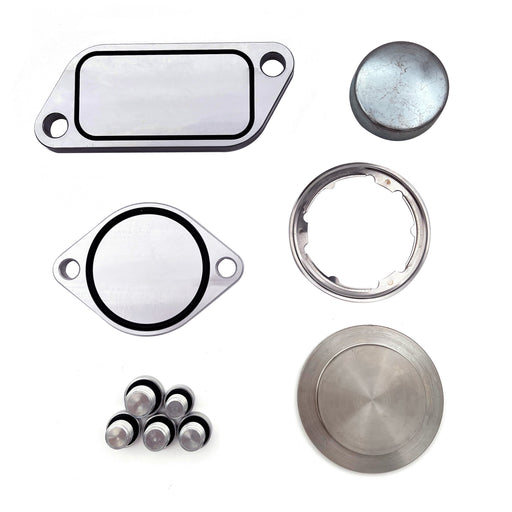
For 2010-Present Stage 2 ISX 15 CM2250 CM2350 EGR Delete Kit
SEGULEROriginal price $59.99 - Original price $59.99Original price$59.99$59.99 - $59.99Current price $59.99FITMENT 2010-Present Cummins Volvo, Peterbilt, Mack, International, Freightliner, Kenworth with the ISX15 CM2250 / CM2350 engines. DESCRIPTION P...
View full details -
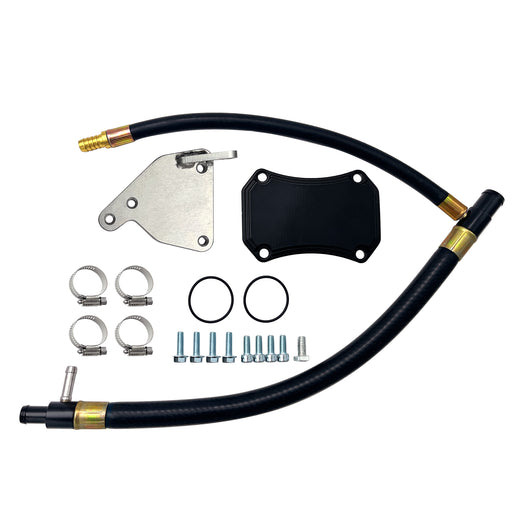
For 2011-2016 6.6L GMC Chevy Duramax Diesel LML EGR Valve Cooler Delete Kit
SEGULEROriginal price $66.49 - Original price $66.49Original price$66.49$66.49 - $66.49Current price $66.49FITMENT 2011-2016 6.6L Chevy GMC Duramax LML 2500 HD 3500 HD Diesel. DESCRIPTION Product Overview The 2011–2016 LML Duramax uses a complex EG...
View full details -
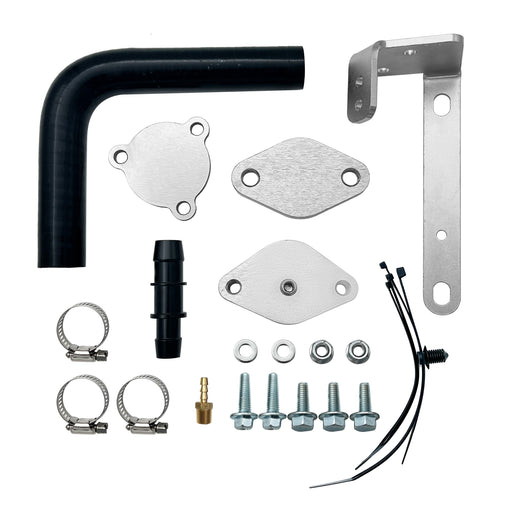
Seguler For 2014-2019 3.0L Dodge Ram 1500 EcoDiesel EGR Valve & Cooler Delete Kit
SEGULEROriginal price $72.99 - Original price $72.99Original price$72.99$72.99 - $72.99Current price $72.99FITMENT 2014-2019 3.0L Dodge Ram 1500 EcoDiesel V6 engine trucks. DESCRIPTION Product Overview Exhaust gas recirculation on 3.0L EcoDiesel V6 ...
View full details -
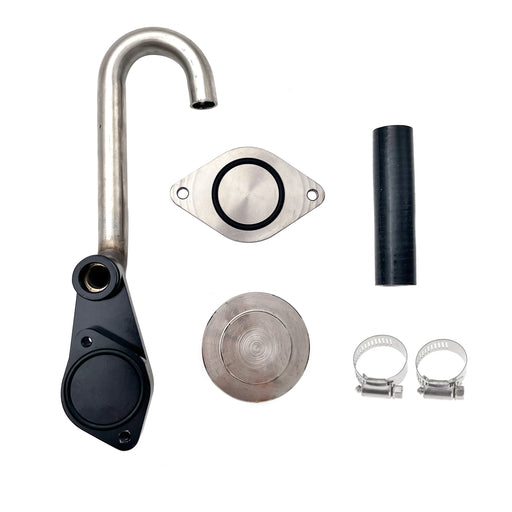
Seguler 2003-2007 6.0L FORD Powerstroke Diesel EGR Cooler Delete Kit
SEGULEROriginal price $56.14 - Original price $56.14Original price$56.14$56.14 - $56.14Current price $56.14FITMENT 2003-2007 6.0L Ford F-250 Ford F-350 F-450 F-550 Super Duty. 2003-2007 6.0L Ford Excursion SUV (Diesel Models Only). 2005-2010 Ford E-Se...
View full details -

Seguler 2011-2023 6.7L Ford Powerstroke Diesel EGR Delete Kit
SEGULEROriginal price $85.99 - Original price $85.99Original price$85.99$85.99 - $85.99Current price $85.99FITMENT 2011-2023 6.7L Ford Powerstroke F-250 F-350 F-450 F-550 Super Duty V8 Diesel. compatible with both standard Pickups and commercial Cab &...
View full details -

Seguler 2017-2019 L5P Duramax Diesel 4pcs L5P Can Bus Plugs Connector Replacement
SEGULEROriginal price $75.00 - Original price $75.00Original price$75.00$75.00 - $75.00Current price $75.00FITMENT 2017–2019 Chevrolet Silverado / GMC Sierra Duramax L5P 2500HD & 3500HD Diesel. DESCRIPTION Product Overview Unprotected harness con...
View full details -

Seguler 2010-2024 6.7L Dodge Ram Cummins Diesel EGR Valve Cooler Delete Kit
SEGULEROriginal price $89.99 - Original price $89.99Original price$89.99$89.99 - $89.99Current price $89.99FITMENT 2010–2024 6.7L Dodge Ram Cummins 2500 / 3500 Pickup Turbo Diesel. Note: Does NOT fit Chassis Cab 3500 / 4500 / 5500 models. DESCRIPTIO...
View full details -
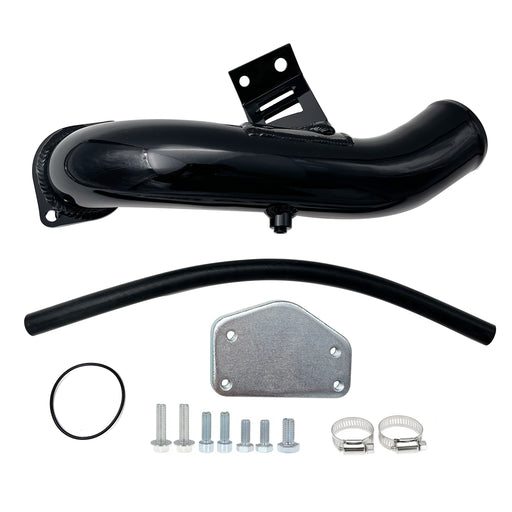
For 2004.5-2005 6.6L Chevy GMC Silverado LLY Duramax Diesel EGR Delete Kit
SEGULEROriginal price $92.99 - Original price $92.99Original price$92.99$92.99 - $92.99Current price $92.99FITMENT 2004.5-2005 6.6L Chevrolet Silverado Duramax LLY 2500HD / 3500 HD. 2004.5-2005 6.6L GMC Sierra Duramax LLY 2500HD / 3500 HD. DESCRIPTION...
View full details -

Seguler 2020-2023 chevy duramax L5P Diesel Can Bus Plugs Connector
SEGULEROriginal price $80.00 - Original price $80.00Original price$80.00$80.00 - $80.00Current price $80.00FITMENT 2020–2023 Chevrolet Silverado / GMC Sierra Duramax L5P 2500HD & 3500HD Diesel. DESCRIPTION Product Overview Unprotected harness pl...
View full details -
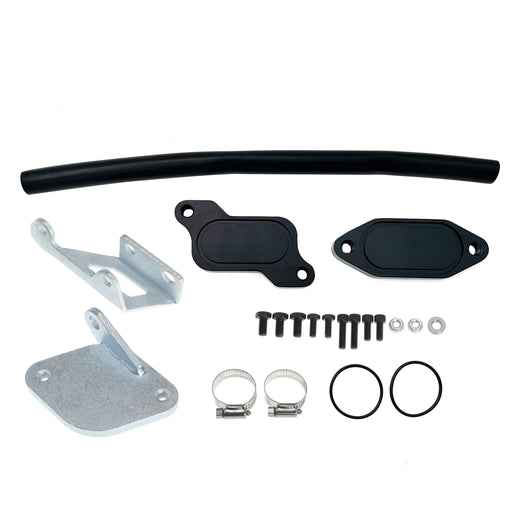
For 2006-2007 6.6L Chevrolet Silverado Classic GMC Duramax LBZ Diesel EGR Valve Cooler Delete Kit
SEGULEROriginal price $63.49 - Original price $63.49Original price$63.49$63.49 - $63.49Current price $63.49FITMENT 2006-2007.4 Chevrolet Silverado Duramax LBZ 2500HD / 3500HD. 2007.4 Chevrolet Silverado Duramax LBZ 2500HD / 3500HD Classic. 2006-2007.4 ...
View full details -

Seguler 2011-2023 6.7L Ford F250 F350 F450 F550 Powerstroke Diesel EGR Valve Delete Cooler Delete Kit
SEGULEROriginal price $55.99 - Original price $55.99Original price$55.99$55.99 - $55.99Current price $55.99FITMENT 2011-2023 6.7L Ford Powerstroke F-250 F-350 F-450 F-550 Super Duty V8 Diesel compatible with both standard Pickups and commercial Cab &a...
View full details -
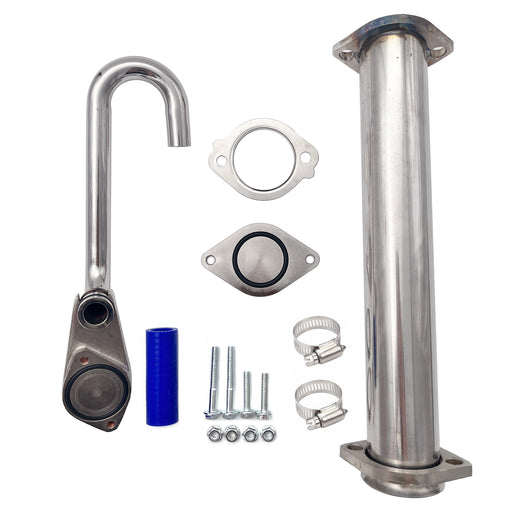
Seguler 2003-2007 6.0L Ford F250 F350 Powerstroke Diesel EGR Basic Cooler Kit
SEGULEROriginal price $79.99 - Original price $79.99Original price$79.99$79.99 - $79.99Current price $79.99FITMENT 2003-2007 6.0L Ford F250 F350 F450 F550 Super Duty Turbo (except 2004 F250 Super Duty). 2003-2005 6.0L Ford Excursion Turbo. 2005 Ford F...
View full details -
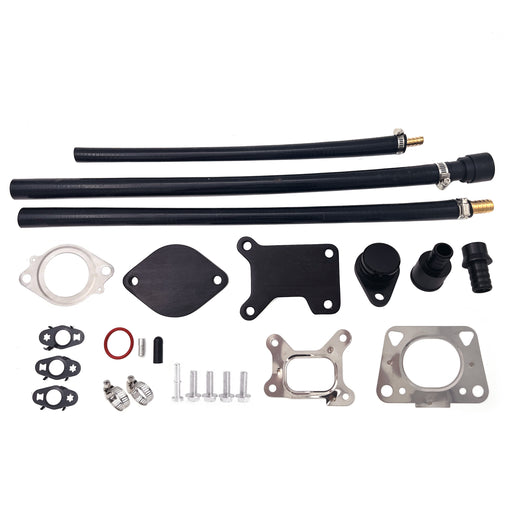
For 2017-2023 6.6L Chevy GMC Duramax L5P diesel EGR Valve Cooler Delete kit
SEGULEROriginal price $131.99 - Original price $131.99Original price$131.99$131.99 - $131.99Current price $131.99FITMENT 2017–2023 6.6L Chevrolet Silverado / GMC Sierra Duramax L5P 2500HD 3500HD Diesel. DESCRIPTION Product Overview Hot soot recirculation ...
View full details -
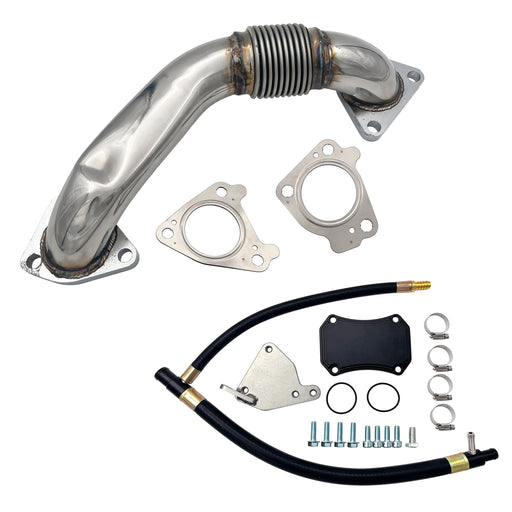
Seguler 2011-2016 6.6L GMC Chevy Duramax Diesel LML Up-Pipe & EGR Valve Cooler Delete Kit
SEGULEROriginal price $173.86 - Original price $173.86Original price$173.86$173.86 - $173.86Current price $173.86FITMENT 2011-2016 6.6L Chevy GMC Duramax LML 2500 HD 3500 HD Diesel. DESCRIPTION Product Overview Direct-injection technology endows GM 5.3L an...
View full details -
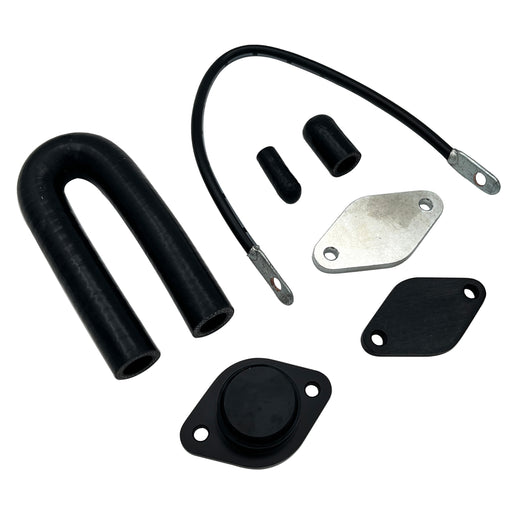
Seguler EGR valve cooler Delete kit for 2020-2022 3.0L Chevy Duramax LM2
SEGULEROriginal price $189.12 - Original price $189.12Original price$189.12$189.12 - $189.12Current price $189.12FITMENT 2020–2022 3.0L Chevrolet Silverado GMC Sierra 1500 LM2 Turbo-Diesel. DESCRIPTION Product Overview Powered by smooth inline-six engine...
View full details -
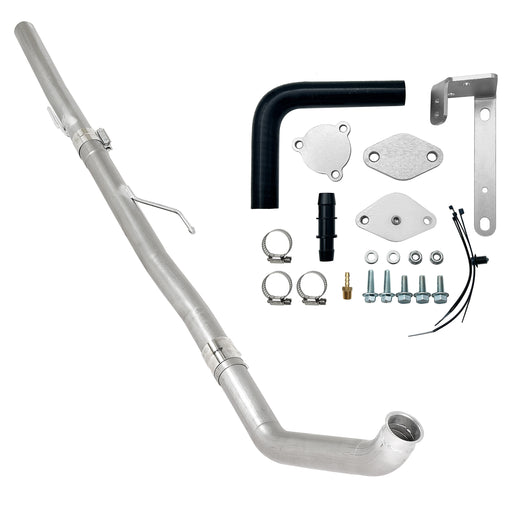
Seguler 3" Ecodiesel DPF Delete Pipe & EGR Delete kit for 2014-2018 3.0L Ram
SEGULEROriginal price $342.00 - Original price $342.00Original price$342.00$342.00 - $342.00Current price $342.00FITMENT 2014–2018 3.0L Dodge Ram 1500 EcoDiesel V6. NOTE: Fit standard Pickup models only (Crew Cab, Quad Cab). Does NOT fit Jeep Grand Cheroke...
View full details -

For 2013-2023 6.7L Dodge Ram Cummins Cab & Chassis EGR Delete Kit Diesel
SEGULEROriginal price $62.99 - Original price $62.99Original price$62.99$62.99 - $62.99Current price $62.99FITMENT 2013–2023 6.7L Ram Cummins 3500 4500 5500 Cab & Chassis / Commercial Trucks. Does NOT fit standard Ram 2500 3500 Pickups. DESCRIPTIO...
View full details -
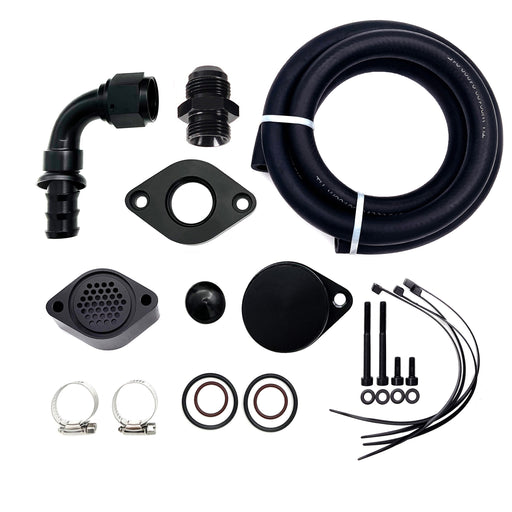
Seguler 2011-2023 6.7L Ford Powerstroke CCV PCV Reroute Engine Ventilation Kit
SEGULEROriginal price $82.99 - Original price $82.99Original price$82.99$82.99 - $82.99Current price $82.99FITMENT 2011-2023 6.7L Ford Powerstroke F-250 F-350 F-450 F-550 Super Duty V8 Diesel. Compatible with both standard Pickups and commercial Cab &...
View full details -
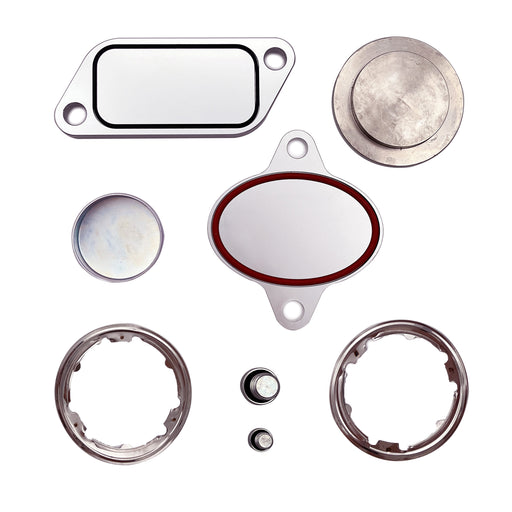
For 2007-2010 Cummins ISX CM871 EGR Plug Kit Stage 2 Plates and Plugs Aluminum
SEGULEROriginal price $67.99 - Original price $67.99Original price$67.99$67.99 - $67.99Current price $67.99FITMENT 2007-2010 Cummins Volvo, Peterbilt, Mack, International, Freightliner, Kenworth with the ISX CM871 Engines. DESCRIPTION Product Overvie...
View full details -
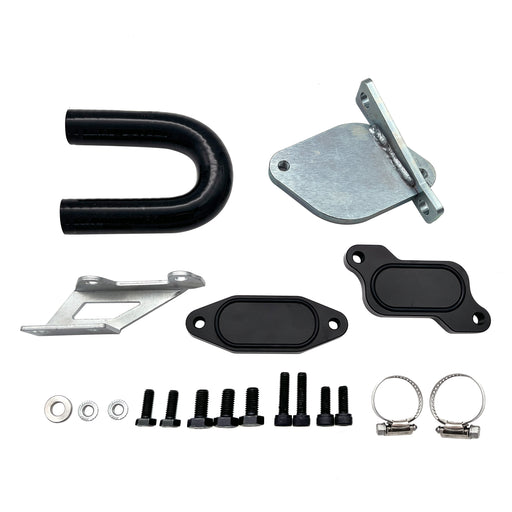
For 2007-2010 6.6L Chevy GMC LMM Duramax EGR Valve Cooler Delete Kit Fit
SEGULEROriginal price $61.99 - Original price $61.99Original price$61.99$61.99 - $61.99Current price $61.99FITMENT 2007.5-2010 6.6L Chevrolet Silverado Duramax LMM 2500HD / 3500HD. 2007.5-2010 6.6L GMC Sierra Duramax LMM 2500HD / 3500HD. Note: Standard...
View full details -
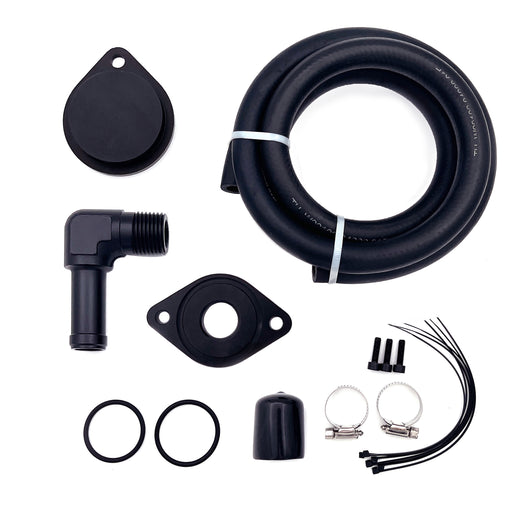
Seguler 2011-2023 Ford 6.7L Powerstroke CCV/PCV Reroute/Delete Engine Ventilation Kit
SEGULEROriginal price $72.00 - Original price $72.00Original price$72.00$72.00 - $72.00Current price $72.00FITMENT 2011-2023 6.7L Ford Powerstroke F-250 F-350 F-450 F-550 Super Duty V8 Diesel. Compatible with both standard Pickups and commercial Cab &...
View full details -
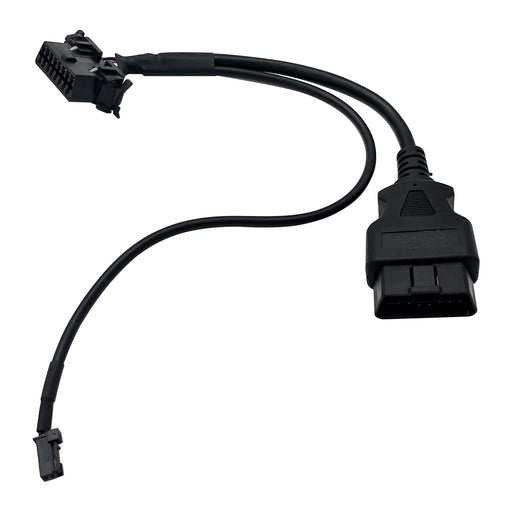
Seguler 2018+ RAM Cummins OBD2 HD Security Gate Bypass Cable
SEGULEROriginal price $45.00 - Original price $45.00Original price$45.00$45.00 - $45.00Current price $45.00FITMENT 2018+ 6.7L Ram Cummins 2500 3500 Turbo Diesel. Designed for Ram pickup trucks equipped with the factory Security Gateway Module. Note: Pl...
View full details -
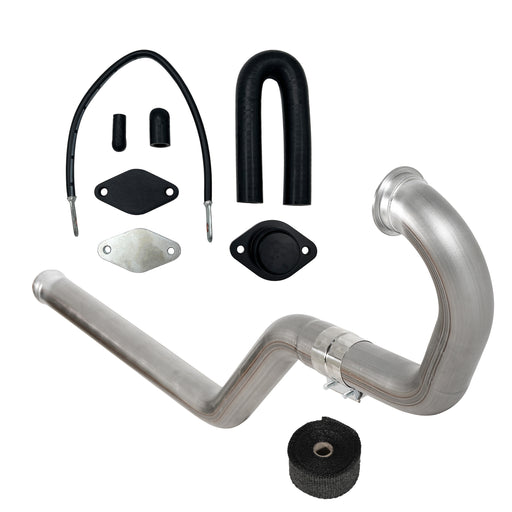
3" Turbo Back DPF & EGR Delete Kit for 2020-2022 GM 3.0L LM2 Duramax
SEGULEROriginal price $550.00 - Original price $550.00Original price$550.00$550.00 - $550.00Current price $550.00FITMENT 2020–2022 3.0L Chevrolet Silverado 1500 LM2 Diesel. 2020–2022 3.0L GMC Sierra 1500 LM2 Diesel. DESCRIPTION Product Overview On the 3.0...
View full details


Leave a comment