

Cummins ISX EGR Delete Kits: CM871, CM2250 & CM2350 Fitment Guide
Cummins ISX engines have evolved through several generations, with changes in engine design and emissions systems directly affecting component layout and compatibility. Although the CM871, CM2250, and CM2350 all carry the ISX name, their EGR systems differ significantly in valve ports, exhaust crossover passages, and cooler mounting configurations. Selecting the wrong component leads to costly downtime and returns, making accurate engine identification essential.
The exhaust gas recirculation (EGR) system routes a controlled amount of exhaust gas back into the intake to reduce nitrogen oxide (NOx) emissions. Over time, soot accumulation, valve sticking, or internal cooler leaks can lead to performance issues. However, symptoms like mystery coolant loss, fault codes, or power loss can have multiple root causes—making thorough diagnosis critical before ordering parts or starting repairs.
This guide covers how the EGR system works on Cummins ISX engines, common EGR-related issues, and the differences between the CM871, CM2250, and CM2350 platforms. It also explains how to identify your engine code, check kit compatibility, and understand installation considerations and applicable emissions regulations.
How the EGR System Works on a Cummins ISX
Exhaust Gas Recirculation does exactly what the name says: it pulls a measured amount of exhaust gas out of the exhaust stream and feeds it back into the intake. The point is to lower peak combustion temperature, because hot combustion is what produces oxides of nitrogen (NOx) — the pollutant the EPA cares about most on these heavy-duty engines.
On the ISX, that loop runs through an EGR valve, an EGR cooler, and a crossover passage that connects the exhaust side to the intake side. The cooler’s job is to shed heat from the exhaust gas before it re-enters the cylinders. It’s a heat exchanger with engine coolant on one side and exhaust gas on the other.
The tradeoff is soot. Diesel exhaust carries soot, and every bit of it that gets routed back into the intake deposits itself somewhere — on the valve, in the crossover, across the intake runners. Over hundreds of thousands of miles, that soot becomes a restriction and, eventually, a failure point.
Common EGR-Related Problems on the ISX
These engines work hard, and the EGR system tends to be the first thing that complains about it. The problems owners and fleets report most often:
Carbon buildup in the intake and crossover.
Recirculated soot coats the intake passages, narrowing airflow and raising intake restriction.
A sticking EGR valve.
Deposits keep the valve from seating or cycling cleanly, which shows up as rough idle, power complaints, or a check-engine light.
An EGR cooler that starts leaking internally.
The cooler is a heat exchanger under thermal load; when it cracks, coolant can find its way into the intake — the classic “mystery coolant loss” on a truck that isn’t leaving a puddle.
Fault codes and derate behavior.
EGR flow codes (P0401, P0402, and similar) are common, and the ECM will often pull power when it doesn’t like what the EGR sensors are reporting.
Elevated maintenance attention on long-haul trucks.
High-mileage, high-load operation accelerates all of the above.
One thing worth being blunt about: these symptoms point toward the EGR system, but none of them prove it on their own. Coolant loss can come from elsewhere. A power complaint can be fuel, boost, or injectors. Pull codes and confirm before you start throwing parts at it — a delete kit is not a diagnostic tool.
CM871 vs. CM2250/CM2350: What’s Different?
This is the section that decides whether you order the right kit or the wrong one.
The ISX carried three engine codes across roughly a decade, but those three codes map to just two EGR delete kits — one for the early engine, one for the later pair:
| Engine Code | Model Years | Emissions Era | EGR Delete Kit It Takes |
|---|---|---|---|
| CM871 | 2007–2010 | EPA 2007 | CM871 Stage 2 Plug Kit |
| CM2250 | 2010–2013 | EPA 2010 | CM2250/CM2350 Stage 2 Kit |
| CM2350 | 2013+ | EPA 2013 | CM2250/CM2350 Stage 2 Kit |
The headline difference for fitment is this: the CM871 and the CM2250/CM2350 do not share EGR hardware. The valve port, the crossover, and the cooler mounting changed between the EPA 2007 and EPA 2010 generations, so a CM871 plate won’t seal a CM2250 head and vice versa.

A second point that trips people up: the CM871 is not the same as the CM870. The CM870 was the earlier 2002–2007 ISX, and it used yet another EGR layout. If you’re running a 2002–2007 truck, that’s a separate kit — do not order the CM871 hardware for it.
In the other direction, the CM2250/CM2350 kit is listed for both of the later engines, but treat that as claimed fitment rather than a universal rule. Check the kit’s confirmed engine-code fitment against your own engine before ordering — don’t assume the two later engines take identical plates and plugs sight unseen.
The year range is a guideline, not a guarantee. 2010 is a transition year, and there are always trucks that fall on either side of a model-year line depending on build date and spec. The only way to be sure is the engine data plate — read the engine code stamped on it, not the door sticker or the model year on the title.
Choosing the Right Cummins ISX EGR Delete Kit
Once you know which engine code you have, the kit choice is straightforward — there are two kits, and they split cleanly between the early CM871 and the later CM2250/CM2350 pair.
CM871 Stage 2 EGR Plug Kit (2007–2010)
For the 2007–2010 CM871, this is a Stage 2 EGR plug kit that seals off the whole EGR system once the valve and cooler come out.
A Stage 1 kit typically covers just the EGR valve mounting face. This kit goes further — it includes the block plates and threaded plug fittings that close the EGR valve port, the exhaust crossover, and the coolant circuit connections. Sealing every port instead of one leaves fewer leak paths: an unsealed coolant passage drains the cooling system, and an open exhaust crossover cooks whatever wiring and sensors sit nearby.

The plates and hardware are CNC-machined aluminum with 304 stainless fasteners, built for the heat and thermal cycling a working heavy-duty engine sees.
This kit is for CM871 only. A 2002–2007 CM870 takes its own separate kit — the two engines don’t share EGR hardware.
CM2250 / CM2350 Stage 2 EGR Delete Kit (2010–Present)
For the 2010-and-newer ISX15, this is a Stage 2 EGR delete kit listed for both the CM2250 and CM2350.
Like the CM871 kit, this is a full-seal setup: block plates for the EGR valve and cooler ports, plus high-pressure threaded plugs for the remaining passages — one plate on the hot side where the EGR manifold meets the exhaust manifold, another on the cold side where it meets the intake manifold.

The sealing surfaces are anodized and CNC-finished for flat, corrosion-resistant contact across the intake-side ports.
This kit is listed for CM2250 and CM2350. It does not fit the earlier CM871 — the delete hardware does not swap between generations. Check the kit’s confirmed engine-code fitment against your own engine before ordering.
Both kits are Stage 2 sealing hardware. What they do not include is the tuning — see below.
Fitment Checklist Before Ordering
Choosing the right Cummins ISX EGR kit starts with identifying your engine correctly. A quick check before ordering can help prevent fitment issues, unnecessary downtime, and returns.
Confirm Your Engine Code
Check the engine data plate to identify whether your engine is a CM871, CM2250, or CM2350. Do not rely on the truck’s model year alone, especially for 2010 models, when different engine generations may overlap.
Verify Kit Contents and Compatibility
Review the product page to confirm that the included plates, plugs, and gaskets match your engine’s configuration. Pay attention to the relevant ports, cooler mounting points, and connections, and contact the supplier if any fitment details remain unclear.
Check Before You Order
If your engine code, build date, or required components are uncertain, confirm compatibility with the supplier before purchasing. For CM870 engines from the earlier 2002–2007 period, use a kit specifically confirmed for the CM870 rather than assuming CM871 hardware will fit.
Installation Overview and Important Considerations
Installing one of these kits is a top-end job, not a filter change. The work touches the EGR valve and cooler, the intake and exhaust manifolds, and several coolant and exhaust passages — the systems that have to be opened and resealed to get the EGR hardware out.
Because this is a job about sealing integrity rather than part-swapping, it’s one where professional experience matters:
- The seal has to hold. A port left half-sealed shows up later as an exhaust leak or a coolant leak, and a skipped coolant plug can drain the cooling system.
- Use the kit’s own installation instructions. Fastener sizes and torque values vary by kit revision and engine, so this guide deliberately doesn’t list them — work from the documentation that ships with your kit.
- Have the result checked. After the hardware is in, a qualified technician should start the engine, bring it to temperature, and check every sealed port, the cooling system, and the fault status before the truck goes back to work.
The short version: this isn’t a driveway guess-job. Match the right kit to the engine, follow its instructions, and get the seals and cooling system verified afterward.
Tuning and the Check-Engine Light
A Stage 2 kit is hardware only. When the EGR flow is physically blocked, the factory calibration may no longer match the hardware change — which can set codes and trigger derate behavior on many engines.
That’s why custom ECM tuning is generally required. On the later engines, the tuning is typically handled before the hardware goes on; on the CM871, it may come after. The specifics depend on the engine configuration, the control strategy, and the calibration in use, so follow the applicable technical documentation for your truck.
Two cautions to keep straight:
- The aftertreatment is part of the same conversation. On trucks with DEF, sealing off the EGR doesn’t resolve the DPF, DOC, and SCR side — those systems are linked, so plan for the whole system rather than the EGR alone.
- Modifying emissions controls on an on-road vehicle is restricted by the federal Clean Air Act. Turning off monitoring or clearing fault codes to bypass emissions controls is not a universal fix, and what’s legal off-road is not legal on the highway. Verify the rules for your specific operation.
Plan the tuning before you tear into the hardware, because hardware that no longer matches the calibration is a truck that may not run right.
Frequently Asked Questions
Q: How do I identify my Cummins ISX engine code?
A:Read the engine data plate on the engine itself. It carries the engine code — CM871, CM2250, or CM2350 — along with the serial number and build information. The door sticker and title model year are not reliable for this, especially around transition years like 2010.
Q: Are CM871 and CM2250/CM2350 EGR kits interchangeable?
A:No. The CM871 uses a different EGR valve port, crossover, and cooler mounting pattern than the later engines, so the block plates and plugs are not interchangeable between the two. The CM2250/CM2350 kit is listed for both later engines, but check the kit’s confirmed engine-code fitment before ordering.
Q: What should I check before ordering an EGR delete kit?
A:Confirm the engine code off the data plate, note the model year and build date, verify the kit contents against your engine’s ports, and confirm any open fitment question with the supplier before ordering. For a 2002–2007 CM870, order the CM870-specific kit rather than the CM871 hardware.
Q: Can an EGR-related fault be diagnosed without replacing the system?
A:Yes — in fact, you should. EGR codes and symptoms like coolant loss or a power complaint point toward the EGR system but don’t prove it. Pull the codes and inspect the valve, cooler, and crossover before assuming the fix is a delete. A delete kit seals the system out; it doesn’t tell you what was actually wrong.
Q: Are EGR system modifications legal for on-road trucks?
A:No. Removing or disabling emissions equipment on a vehicle operated on public roads is prohibited by the federal Clean Air Act. These kits are intended for off-road, competition, and similar non-highway applications. Labeling a truck or part “off-road use only” does not by itself create a legal exemption, so verify the rules that apply to your operation before making the change.
Q: What is the difference between Cummins ISX and ISX15?
A:Cummins ISX and ISX15 refer to related heavy-duty diesel engine families, but the name alone does not confirm the exact engine generation or EGR configuration. Check the engine data plate for the specific code, such as CM871, CM2250, or CM2350, before selecting a compatible kit.
Q: What are the common signs of an EGR cooler problem on a Cummins ISX?
A:Possible signs include unexplained coolant loss, coolant entering the intake, EGR-related fault codes, or changes in engine performance. These symptoms can have other causes, so inspect the cooling system and EGR components and confirm the diagnosis before deciding on a repair.
Q: What should be checked after EGR system repairs?
A:After EGR-related repairs, inspect the affected connections and sealing surfaces, check coolant levels and look for leaks, and verify that the engine operates normally. A qualified technician should also review any active fault codes and confirm that the repair meets the requirements for the truck’s configuration and intended use.
Confirm Your Engine Before Choosing a Kit
Read the engine data plate, get the code — CM871, CM2250, or CM2350 — and match it to the right kit.
- 2007–2010 CM871 → CM871 Stage 2 EGR Plug Kit
- 2010–Present CM2250/CM2350 → CM2250/CM2350 Stage 2 EGR Delete Kit
Find both kits at seguler.com.
Legal Disclaimer:
Removing or modifying factory emissions equipment on vehicles used on public roads may violate the federal Clean Air Act and affect warranty coverage. The products discussed here are intended for off-road, competition, or non-highway use only, and those labels do not automatically create a legal exemption. Verify applicable federal, state, and local laws before purchasing or installing emissions-related parts. This article is for informational purposes only and is not legal advice.
Featured collection
-
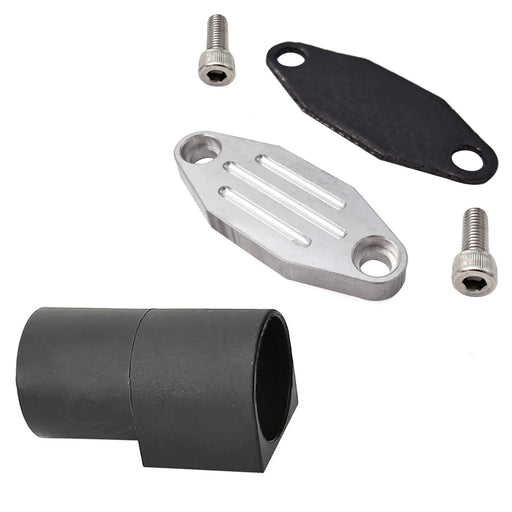
Seguler 1986-1995 Ford F150 F250 F350 Mustang Trucks EGR Simulator Eliminator / Block Off Plate Kit
SEGULEROriginal price $79.99 - Original price $79.99Original price$79.99$79.99 - $79.99Current price $79.99Block Off Plate Material: Aluminum alloy. Easy installation,and convenient to use. Made of CNC milled from aircraft grade Billet aluminum. Will N...
View full details -

Seguler 2011-2023 6.7L Ford Powerstroke Diesel EGR Delete Kit
SEGULEROriginal price $109.99 - Original price $109.99Original price$109.99$109.99 - $109.99Current price $109.99FITMENT 2011-2023 6.7L Ford Powerstroke F-250 F-350 F-450 F-550 Super Duty V8 Diesel. compatible with both standard Pickups and commercial Cab &...
View full details -
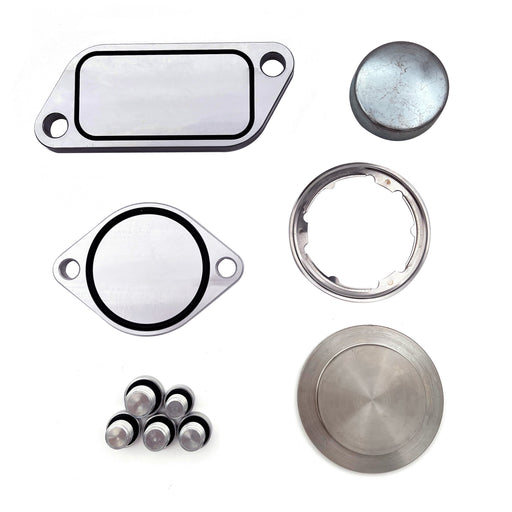
For 2010-Present Stage 2 ISX 15 CM2250 CM2350 EGR Delete Kit
SEGULEROriginal price $59.99 - Original price $59.99Original price$59.99$59.99 - $59.99Current price $59.99FITMENT 2010-Present Cummins Volvo, Peterbilt, Mack, International, Freightliner, Kenworth with the ISX15 CM2250 / CM2350 engines. DESCRIPTION P...
View full details -
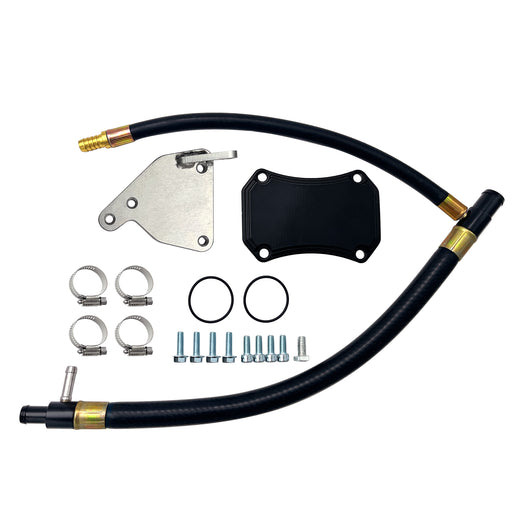
For 2011-2016 6.6L GMC Chevy Duramax Diesel LML EGR Valve Cooler Delete Kit
SEGULEROriginal price $66.49 - Original price $66.49Original price$66.49$66.49 - $66.49Current price $66.49FITMENT 2011-2016 6.6L Chevy GMC Duramax LML 2500 HD 3500 HD Diesel. DESCRIPTION Product Overview The 2011–2016 LML Duramax uses a complex EG...
View full details -
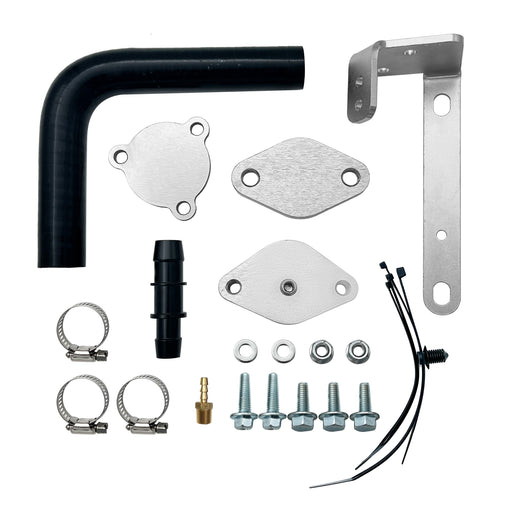
Seguler For 2014-2019 3.0L Dodge Ram 1500 EcoDiesel EGR Valve & Cooler Delete Kit
SEGULEROriginal price $72.99 - Original price $72.99Original price$72.99$72.99 - $72.99Current price $72.99FITMENT 2014-2019 3.0L Dodge Ram 1500 EcoDiesel V6 engine trucks. DESCRIPTION Product Overview Exhaust gas recirculation on 3.0L EcoDiesel V6 ...
View full details -
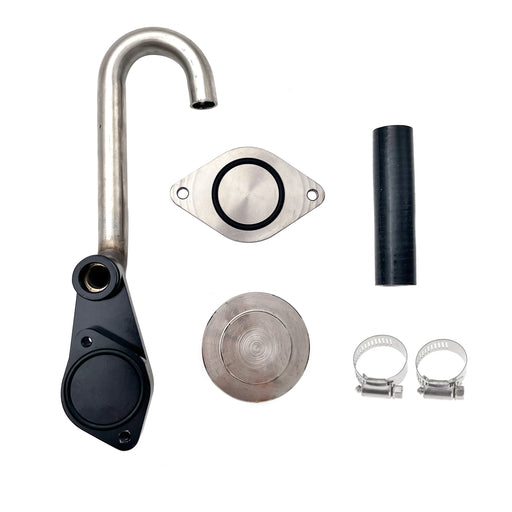
Seguler 2003-2007 6.0L FORD Powerstroke Diesel EGR Cooler Delete Kit
SEGULEROriginal price $56.14 - Original price $56.14Original price$56.14$56.14 - $56.14Current price $56.14FITMENT 2003-2007 6.0L Ford F-250 Ford F-350 F-450 F-550 Super Duty. 2003-2007 6.0L Ford Excursion SUV (Diesel Models Only). 2005-2010 Ford E-Se...
View full details -

Seguler 2011-2023 6.7L Ford Powerstroke Diesel EGR Delete Kit
SEGULEROriginal price $85.99 - Original price $85.99Original price$85.99$85.99 - $85.99Current price $85.99FITMENT 2011-2023 6.7L Ford Powerstroke F-250 F-350 F-450 F-550 Super Duty V8 Diesel. compatible with both standard Pickups and commercial Cab &...
View full details -

Seguler 2017-2019 L5P Duramax Diesel 4pcs L5P Can Bus Plugs Connector Replacement
SEGULEROriginal price $75.00 - Original price $75.00Original price$75.00$75.00 - $75.00Current price $75.00FITMENT 2017–2019 Chevrolet Silverado / GMC Sierra Duramax L5P 2500HD & 3500HD Diesel. DESCRIPTION Product Overview Unprotected harness con...
View full details -

Seguler 2010-2024 6.7L Dodge Ram Cummins Diesel EGR Valve Cooler Delete Kit
SEGULEROriginal price $89.99 - Original price $89.99Original price$89.99$89.99 - $89.99Current price $89.99FITMENT 2010–2024 6.7L Dodge Ram Cummins 2500 / 3500 Pickup Turbo Diesel. Note: Does NOT fit Chassis Cab 3500 / 4500 / 5500 models. DESCRIPTIO...
View full details -
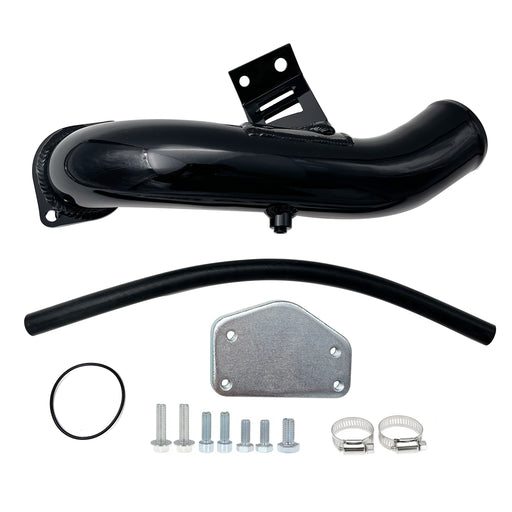
For 2004.5-2005 6.6L Chevy GMC Silverado LLY Duramax Diesel EGR Delete Kit
SEGULEROriginal price $92.99 - Original price $92.99Original price$92.99$92.99 - $92.99Current price $92.99FITMENT 2004.5-2005 6.6L Chevrolet Silverado Duramax LLY 2500HD / 3500 HD. 2004.5-2005 6.6L GMC Sierra Duramax LLY 2500HD / 3500 HD. DESCRIPTION...
View full details -

Seguler 2020-2023 chevy duramax L5P Diesel Can Bus Plugs Connector
SEGULEROriginal price $80.00 - Original price $80.00Original price$80.00$80.00 - $80.00Current price $80.00FITMENT 2020–2023 Chevrolet Silverado / GMC Sierra Duramax L5P 2500HD & 3500HD Diesel. DESCRIPTION Product Overview Unprotected harness pl...
View full details -
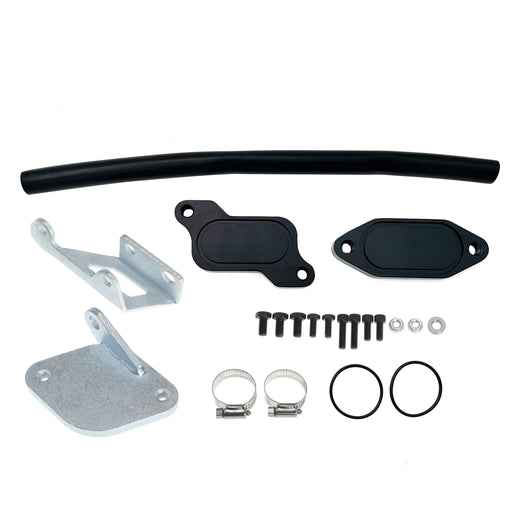
For 2006-2007 6.6L Chevrolet Silverado Classic GMC Duramax LBZ Diesel EGR Valve Cooler Delete Kit
SEGULEROriginal price $63.49 - Original price $63.49Original price$63.49$63.49 - $63.49Current price $63.49FITMENT 2006-2007.4 Chevrolet Silverado Duramax LBZ 2500HD / 3500HD. 2007.4 Chevrolet Silverado Duramax LBZ 2500HD / 3500HD Classic. 2006-2007.4 ...
View full details -

Seguler 2011-2023 6.7L Ford F250 F350 F450 F550 Powerstroke Diesel EGR Valve Delete Cooler Delete Kit
SEGULEROriginal price $55.99 - Original price $55.99Original price$55.99$55.99 - $55.99Current price $55.99FITMENT 2011-2023 6.7L Ford Powerstroke F-250 F-350 F-450 F-550 Super Duty V8 Diesel compatible with both standard Pickups and commercial Cab &a...
View full details -
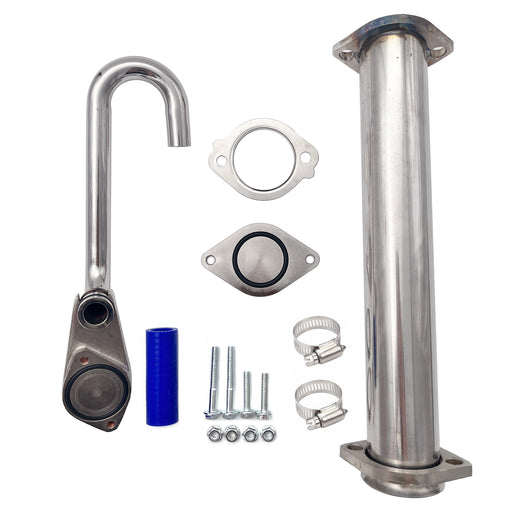
Seguler 2003-2007 6.0L Ford F250 F350 Powerstroke Diesel EGR Basic Cooler Kit
SEGULEROriginal price $79.99 - Original price $79.99Original price$79.99$79.99 - $79.99Current price $79.99FITMENT 2003-2007 6.0L Ford F250 F350 F450 F550 Super Duty Turbo (except 2004 F250 Super Duty). 2003-2005 6.0L Ford Excursion Turbo. 2005 Ford F...
View full details -
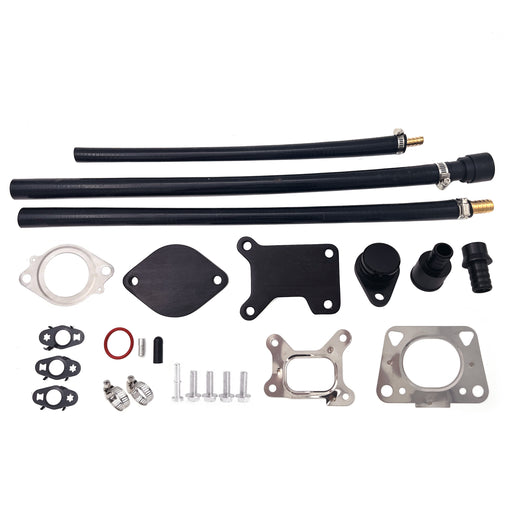
For 2017-2023 6.6L Chevy GMC Duramax L5P diesel EGR Valve Cooler Delete kit
SEGULEROriginal price $131.99 - Original price $131.99Original price$131.99$131.99 - $131.99Current price $131.99FITMENT 2017–2023 6.6L Chevrolet Silverado / GMC Sierra Duramax L5P 2500HD 3500HD Diesel. DESCRIPTION Product Overview Hot soot recirculation ...
View full details -
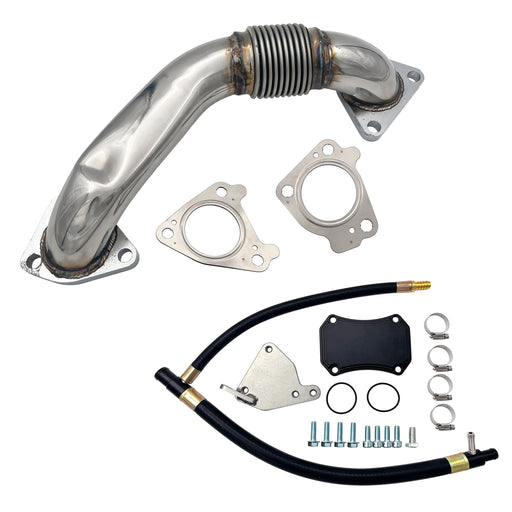
Seguler 2011-2016 6.6L GMC Chevy Duramax Diesel LML Up-Pipe & EGR Valve Cooler Delete Kit
SEGULEROriginal price $173.86 - Original price $173.86Original price$173.86$173.86 - $173.86Current price $173.86FITMENT 2011-2016 6.6L Chevy GMC Duramax LML 2500 HD 3500 HD Diesel. DESCRIPTION Product Overview Direct-injection technology endows GM 5.3L an...
View full details -
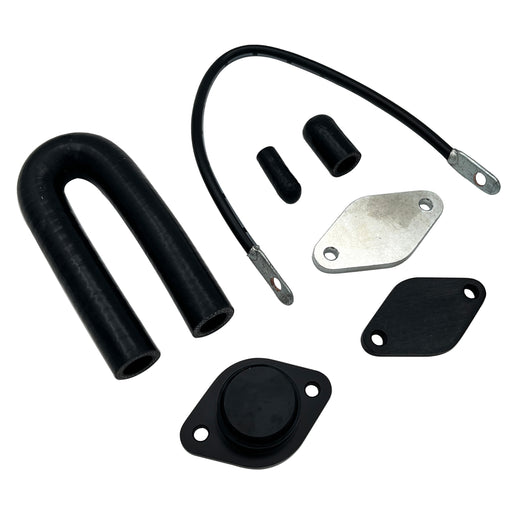
Seguler EGR valve cooler Delete kit for 2020-2022 3.0L Chevy Duramax LM2
SEGULEROriginal price $189.12 - Original price $189.12Original price$189.12$189.12 - $189.12Current price $189.12FITMENT 2020–2022 3.0L Chevrolet Silverado GMC Sierra 1500 LM2 Turbo-Diesel. DESCRIPTION Product Overview Powered by smooth inline-six engine...
View full details -
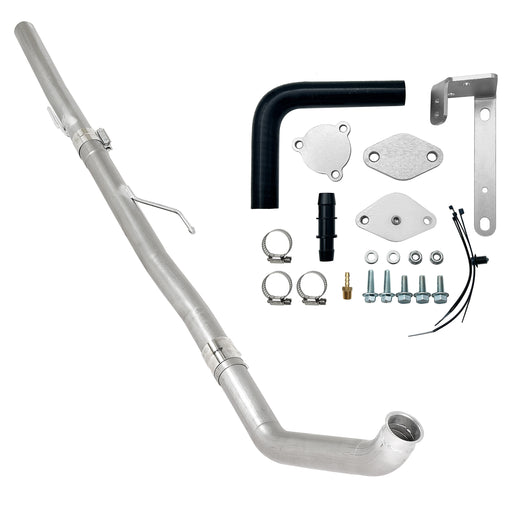
Seguler 3" Ecodiesel DPF Delete Pipe & EGR Delete kit for 2014-2018 3.0L Ram
SEGULEROriginal price $342.00 - Original price $342.00Original price$342.00$342.00 - $342.00Current price $342.00FITMENT 2014–2018 3.0L Dodge Ram 1500 EcoDiesel V6. NOTE: Fit standard Pickup models only (Crew Cab, Quad Cab). Does NOT fit Jeep Grand Cheroke...
View full details -

For 2013-2023 6.7L Dodge Ram Cummins Cab & Chassis EGR Delete Kit Diesel
SEGULEROriginal price $62.99 - Original price $62.99Original price$62.99$62.99 - $62.99Current price $62.99FITMENT 2013–2023 6.7L Ram Cummins 3500 4500 5500 Cab & Chassis / Commercial Trucks. Does NOT fit standard Ram 2500 3500 Pickups. DESCRIPTIO...
View full details -
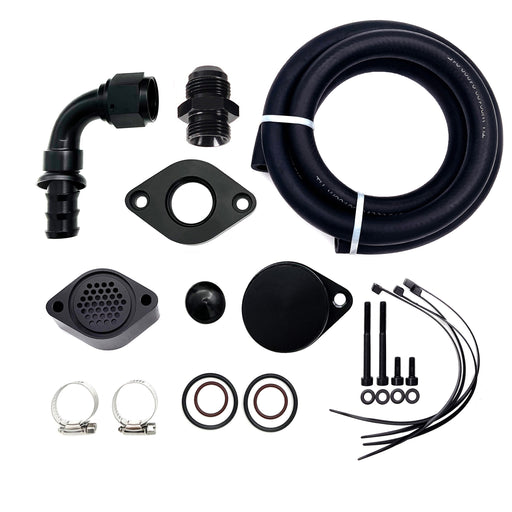
Seguler 2011-2023 6.7L Ford Powerstroke CCV PCV Reroute Engine Ventilation Kit
SEGULEROriginal price $82.99 - Original price $82.99Original price$82.99$82.99 - $82.99Current price $82.99FITMENT 2011-2023 6.7L Ford Powerstroke F-250 F-350 F-450 F-550 Super Duty V8 Diesel. Compatible with both standard Pickups and commercial Cab &...
View full details -
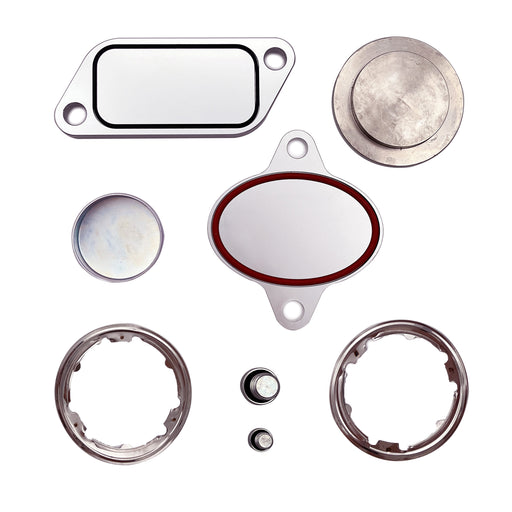
For 2007-2010 Cummins ISX CM871 EGR Plug Kit Stage 2 Plates and Plugs Aluminum
SEGULEROriginal price $67.99 - Original price $67.99Original price$67.99$67.99 - $67.99Current price $67.99FITMENT 2007-2010 Cummins Volvo, Peterbilt, Mack, International, Freightliner, Kenworth with the ISX CM871 Engines. DESCRIPTION Product Overvie...
View full details -
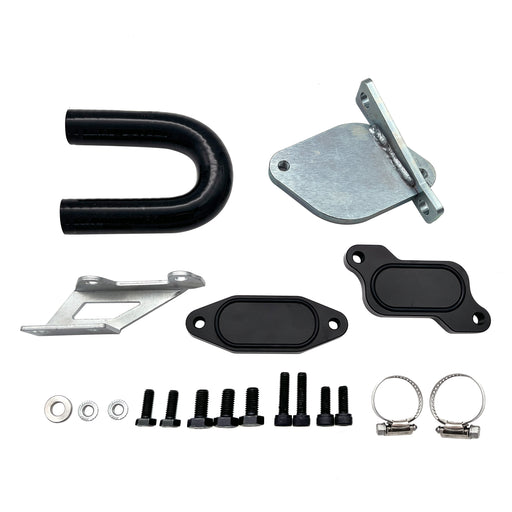
For 2007-2010 6.6L Chevy GMC LMM Duramax EGR Valve Cooler Delete Kit Fit
SEGULEROriginal price $61.99 - Original price $61.99Original price$61.99$61.99 - $61.99Current price $61.99FITMENT 2007.5-2010 6.6L Chevrolet Silverado Duramax LMM 2500HD / 3500HD. 2007.5-2010 6.6L GMC Sierra Duramax LMM 2500HD / 3500HD. Note: Standard...
View full details -
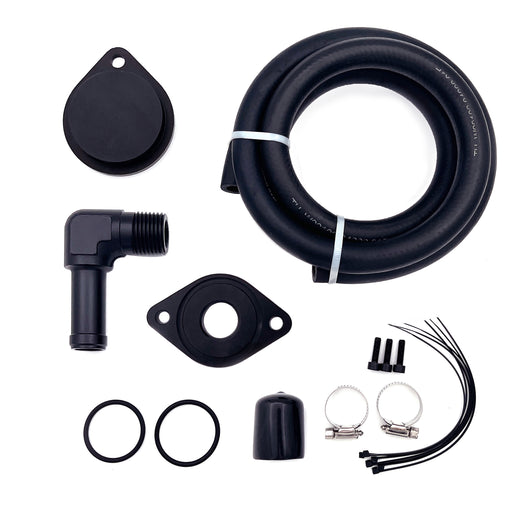
Seguler 2011-2023 Ford 6.7L Powerstroke CCV/PCV Reroute/Delete Engine Ventilation Kit
SEGULEROriginal price $72.00 - Original price $72.00Original price$72.00$72.00 - $72.00Current price $72.00FITMENT 2011-2023 6.7L Ford Powerstroke F-250 F-350 F-450 F-550 Super Duty V8 Diesel. Compatible with both standard Pickups and commercial Cab &...
View full details -
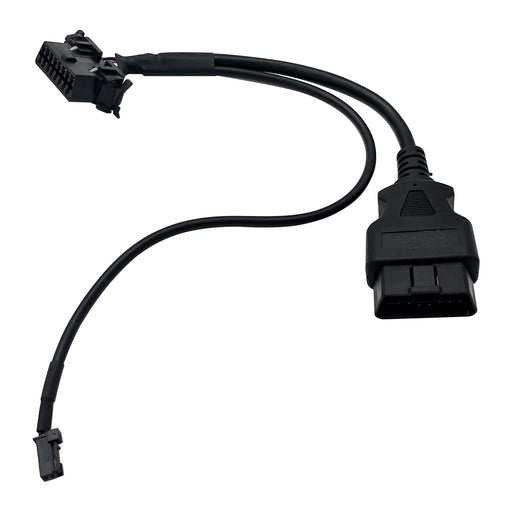
Seguler 2018+ RAM Cummins OBD2 HD Security Gate Bypass Cable
SEGULEROriginal price $45.00 - Original price $45.00Original price$45.00$45.00 - $45.00Current price $45.00FITMENT 2018+ 6.7L Ram Cummins 2500 3500 Turbo Diesel. Designed for Ram pickup trucks equipped with the factory Security Gateway Module. Note: Pl...
View full details -
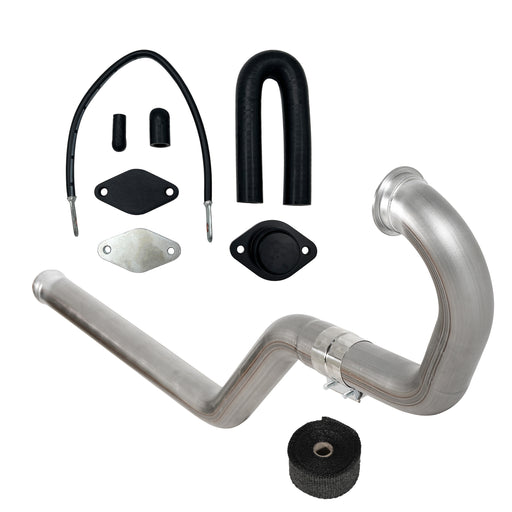
3" Turbo Back DPF & EGR Delete Kit for 2020-2022 GM 3.0L LM2 Duramax
SEGULEROriginal price $550.00 - Original price $550.00Original price$550.00$550.00 - $550.00Current price $550.00FITMENT 2020–2022 3.0L Chevrolet Silverado 1500 LM2 Diesel. 2020–2022 3.0L GMC Sierra 1500 LM2 Diesel. DESCRIPTION Product Overview On the 3.0...
View full details


Leave a comment