

1986-1995 Ford EGR Delete: Block-Off Plate vs. Simulator Explained
If you’re still running a 1986–1995 Ford F-150, F-250, or Bronco, there’s a good chance the EGR question has come up at least once. Maybe you’ve pulled a rough-idle code you can’t shake, or you’re fitting headers and the factory EGR plumbing is in the way, or you just opened the hood and found a carboned-up valve that’s been there since the truck left the dealership. When that happens, two small parts keep showing up in the same conversation: the EGR block-off plate and the EGR simulator.
Here’s the short version up front: a block-off plate and a simulator are not the same part, and they don’t do the same job. A block-off plate is mechanical — it bolts over the EGR port to physically stop exhaust gas from re-entering the intake. A simulator is electrical — it plugs into the factory EGR valve position (EVP) sensor harness and feeds the engine computer a “valve closed” signal so it doesn’t flag an open circuit. One addresses the plumbing; the other addresses the wiring. On a lot of these trucks you end up wanting both, and this guide is about understanding which one does what, so you don’t buy the wrong thing.
How the Ford EGR System Works
To see why these two parts exist, it helps to know what the factory EGR setup is actually doing on a 1980s and 1990s Ford.
What the EGR System Does
EGR stands for exhaust gas recirculation. Under certain conditions — light cruise, part-throttle — the engine routes a small amount of exhaust gas back into the intake. That inert gas displaces some of the oxygen in the incoming charge, which lowers peak combustion temperature and, in turn, reduces the formation of nitrogen oxides (NOx), one of the emissions the system is designed to control.
On a healthy engine this happens invisibly. It’s only when a component ages or clogs that owners start to notice.
The Three Parts That Matter
The EGR loop on these trucks is not complicated, but three pieces do the actual work:
| Component | What it does |
|---|---|
| EGR valve | Meters how much exhaust gas is allowed back into the intake |
| EVP sensor | Reports the EGR valve’s position back to the engine computer |
| Vacuum control | Opens and closes the valve based on engine load and speed |
The EGR valve on this era of Ford is vacuum-actuated rather than electronic. The EVP sensor — EGR Valve Position — sits on top of the valve and sends a voltage signal back to the computer so it knows whether the valve is open, closed, or somewhere in between. On the 1986–1995 trucks covered here, that computer is the Ford EEC-IV, the OBD-1 system with the familiar three-pin EVP connector.
Common EGR-Related Problems
Over the years, the EGR loop develops a handful of well-known issues:
- Carbon buildup. Exhaust soot collects on the valve seat and pintle, which can keep the valve from sealing or moving freely.
- A sticking EGR valve. When the valve hangs open, the engine gets exhaust gas at the wrong time, which shows up as a rough or stumbling idle.
- EVP sensor faults. A failing position sensor can send the computer a wrong or missing signal.
- Vacuum hose deterioration. The rubber vacuum lines that operate the valve crack and leak over decades.
- A check engine light with EGR-related codes. On the OBD-1 EEC-IV system, these often surface as codes 31, 33, or 34.
One caution: not every check engine light on an old Ford is the EGR valve. A rough idle or a stored code can also come from a vacuum leak elsewhere, a throttle position sensor, an oxygen sensor, or tired ignition components. The EGR circuit is a common culprit, but it’s worth confirming before you buy parts — the diagnostics point you toward a system, not a guaranteed single part.
What Is an EGR Block-Off Plate?
A block-off plate is the mechanical half of the equation. It’s a flat metal plate that bolts in place of the EGR valve to physically seal the port shut.
What It Does Physically
When the plate is installed, the exhaust gas no longer has a path back into the intake. The port is closed at the source, which is the whole mechanical job: no exhaust recirculation, no soot feeding into the intake tract from the EGR circuit, and the valve itself is removed from the picture entirely.
Material and Construction
The quality of a block-off plate comes down to the metal and how flat it stays. A thin plate that warps under engine heat can break its seal and leak, which defeats the purpose. The Seguler plate addressed later in this guide is cut from 6061-T6 aircraft-grade billet aluminum on a CNC machine, with the bolt pattern sized to match the factory flange. The thicker billet construction is intended to hold its shape rather than cup or warp the way a thin stamped plate can.
Why Fitment Is the Thing to Check
This is the practical detail that catches people out: Ford EGR flanges are not all drilled the same. The bolt spacing — sometimes called the flange pitch or bolt centers — differs between the narrower “standard” intake pattern and the wider universal/V8 pattern used on some engines. Two plates can look identical in a photo and have different bolt spacing.
That’s why the block-off plate’s product page tells you to measure the baffle pitch before ordering. It’s not a suggestion; it’s the single most important check. A plate that doesn’t line up with your bolt holes won’t seal, no matter how well it’s machined.
Why a Plate Alone Usually Sets a Code
The reason a block-off plate and a simulator keep getting mentioned together is this: if you bolt on a plate and remove the EGR valve, the EVP sensor goes with it. The EEC-IV computer is still waiting for a position signal from that sensor. When it gets nothing, it reads an open circuit and lights the check engine light, often with codes 31, 33, or 34.
So a plate on its own physically stops the exhaust flow, but it usually leaves the computer complaining. That electrical gap is exactly what the simulator exists to fill.
What Is an EGR Simulator?
The simulator is the electrical half of the equation, and it’s a small plug rather than a plate.
The EVP Sensor’s Job, Revisited
Remember what the EVP sensor does: it tells the EEC-IV computer where the EGR valve is. When you remove or block the valve, that sensor is no longer there to report, and the computer interprets the missing signal as a fault.
What the Simulator Does
The simulator is a plug-in module that connects directly to the factory three-pin EVP harness — the connector that used to plug into the EGR valve’s position sensor. Inside is a resistor bridge that presents a steady “valve closed” signal to the computer. The computer sees what it expects to see from a closed EGR valve, so it doesn’t trip the open-circuit fault that a bare block-off plate would cause.
Put simply: the block-off plate handles the mechanical interface, and the simulator handles the electrical signal. They’re two halves of the same job, not two versions of the same part.

What the Simulator Does Not Do
A few things keep the expectations realistic:
First, the simulator does not physically block exhaust gas. It’s an electronic plug only. If the goal is to stop exhaust from entering the intake, you still need a metal plate on the port — the two parts work together.
Second, the simulator is not a promise that every check engine light will go out. It addresses the EGR circuit’s signal. If the truck has a separate fault — a bad oxygen sensor, a throttle position sensor, a vacuum leak — that light will still come on for that reason. The simulator is about the EGR open-circuit code, not about silencing every fault the computer can see.
And third, this is not the kind of thing you bolt on and forget about road legality. These parts are aimed at off-road and competition use where the factory emissions system is not part of the equation, and the end user carries the responsibility for how the truck is used. That point is covered in more detail near the end.
Block-Off Plate vs. Simulator: The Difference
Side by side, the difference is clear.
| Comparison | Block-off plate | EGR simulator |
|---|---|---|
| Type of part | Mechanical | Electrical |
| What it does | Seals the EGR port shut | Sends a “closed valve” signal to the computer |
| What it addresses | The exhaust gas path | The EVP sensor signal |
| Construction | 6061-T6 billet aluminum | Encapsulated resistor module in a plug housing |
| How it connects | Bolts to the flange | Plugs into the factory 3-pin EVP harness |
| Main thing to check | Bolt spacing / flange pitch | Connector type and wiring condition |
| What it alone leaves open | The computer’s missing-sensor code | The physical exhaust path |
 The takeaway from that table is structural: one part stops the flow, and the other keeps the computer from flagging the missing sensor. They don’t substitute for each other because they operate on different ends of the same problem. A plate without a simulator usually sets the open-circuit code; a simulator without a plate doesn’t stop the exhaust gas. On a truck where you’re actually removing or blocking the EGR, the two are meant to be used together.
The Two Seguler EGR Products
Seguler carries a standalone plate and a bundled kit, which is convenient because you can match what you order to what your truck already has.
EGR Block-Off Plate Kit
What it is. A mechanical block-off plate kit for older Ford trucks. It bolts over the EGR port to seal it shut, so the exhaust gas no longer recirculates into the intake.
How it’s built. The plate is CNC-machined from 6061-T6 aircraft-grade billet aluminum. The idea behind the material and thickness is a plate that stays flat and holds a seal under engine-bay heat rather than warping.
Fitment. The product listing covers the 1983–1997 Ford F-150, F-250, F-350, and Mustang truck range, with applications for Super Duty, Ranger, and Bronco in the broader listing. Fitment varies by engine, model year, and EGR flange pattern — for example, the F-150 4.9L application runs roughly 1987–1996, the 5.0L 1985–1996, and the 5.8L 1986–1996, while some F-250/F-350 7.5L trucks fall in the 1995–1997 window. Always check the product-specific application list and measure the flange spacing before ordering. See the EGR Block-Off Plate Kit for the full application list.
 What to pair it with. This is a mechanical part only. On a truck where the EGR valve and its EVP sensor are being removed or blocked, a plate alone can leave the computer reading an open circuit. That’s where the simulator below comes in — the plate’s own description notes the two are used together to remove the EGR valve cleanly.
EGR Simulator & Block-Off Plate Kit
What it is. A combination kit that bundles the mechanical and electrical halves into one package for the 1986–1995 Ford EEC-IV (OBD-1) trucks. Instead of buying a plate and a simulator separately, this kit carries the EGR simulator, the EGR block-off plate, and an IAC (idle air control) block-off plate together.
What’s in the kit. Three 6061-T6 billet aluminum pieces, CNC-machined to hold their shape under engine-bay heat. The EGR simulator plugs into the factory three-pin EVP harness and sends a steady “valve closed” signal, so the computer doesn’t flag the EGR circuit as open. The EGR block-off plate seals the EGR port shut. The IAC block-off plate covers the idle air control opening on the throttle body. The product listing asks you to measure the flange pitch before ordering, the same fitment check that applies to any of these plates.
Fitment. The listing covers the 1986–1995 Ford F-150, F-250, Mustang, and Bronco with the 2.8L, 4.9L, and 5.0L engines. The key requirement is the Ford EEC-IV OBD-1 system with the three-pin EVP connector — this kit does not fit 1996 and newer trucks, which moved to OBD-II and a different DPFE-style EGR sensor. See the EGR Simulator & Block-Off Plate Kit for the full application list.
 What it does and doesn’t do. The simulator keeps the EGR open-circuit code from lighting the check engine light, and it’s specific to the EGR circuit — if a different sensor fails, that fault can still set the light. The block-off plates seal the EGR port and the IAC opening physically. None of this changes where the truck sits legally, which is covered below.
Which Kit Is Which
The two products are two ways to approach the same job. The Block-Off Plate Kit (SG-ER-0035) is the mechanical half on its own — seal the port, and add a simulator separately if the computer starts flagging the missing sensor. The Simulator & Block-Off Plate Kit (SG-ER-0175) bundles the simulator, the EGR plate, and an IAC plate together, so the mechanical and electrical halves are covered in one order. If you already have a plate, the first may be all you need; if you’re starting from scratch, the bundled kit keeps it in one box.
Fitment Guide: Which Ford Models Are Covered
Fitment is where these old Fords reward a careful buyer, because the two products don’t cover identical ranges.
Ford F-150 / F-250 / F-350
The big trucks are the core application. The engines you’ll run into across this generation are the 4.9L 300 inline-six, the 5.0L 302 V8, the 5.8L 351 Windsor V8, and the 7.5L 460 V8. The Simulator & Block-Off Plate Kit covers the 2.8L, 4.9L, and 5.0L in the F-150 and F-250 — the larger 5.8L and 7.5L engines are not part of that kit’s fitment, so a big-block truck and a small-block truck don’t automatically share the same parts.
Ford Bronco
The Bronco runs most of the same engines as the F-150 of the era, and the kit’s list covers it across the 2.8L, 4.9L, and 5.0L range for 1986–1995. The mechanical plate is the place where bolt spacing matters most, since a Bronco can have either the narrow or the wide flange pattern depending on engine.
Ford Mustang and Other Applications
The kit’s fitment includes the 1986–1995 Mustang, and the block-off plate’s listing reaches into the Mustang and the Ranger/Bronco range as well. The broader coverage of the standalone plate doesn’t automatically transfer to the kit — each product has its own compatibility list, and the simulator portion is strictly for EEC-IV trucks with the three-pin EVP connector.
The Year Question
The two listings use different year windows on purpose. The block-off plate is listed for 1983–1997, while the Simulator & Block-Off Plate Kit is listed for 1986–1995. The reason is the engine-management system: the simulator portion only works on the EEC-IV OBD-1 setup with the three-pin EVP plug, which covers the 1986–1995 window. The 1996-and-newer trucks switched to OBD-II and a different EGR sensor, so the kit doesn’t apply to them. The mechanical plate, being just a bolt-on flange seal, spans a wider range. When in doubt, the rule is simple: match the part to your exact year, engine, and connector, not to the broadest number on the title.
Before You Choose: What to Check
A few checks up front keep a parts order from going sideways.
Confirm your exact engine. The 4.9L inline-six, the 5.0L and 5.8L V8s, and the 7.5L big-block are all different animals, and the EGR flange can differ between them.
Measure the EGR flange bolt spacing. This is the check the block-off plate listing itself calls out. Measure the bolt centers on your intake before ordering a plate.
Verify the EVP connector. The simulator needs the three-pin EEC-IV EVP harness. If your truck is a 1996 or newer OBD-II truck, this part isn’t the match.
Check the condition of the existing wiring. The simulator relies on a solid electrical connection. If the factory pigtail is cracked or corroded, clean the terminals or fit a fresh connector before plugging in.
Review your local emissions rules. Modifying or disabling emissions equipment is not a legal on-road change in most places. Confirm what applies to your truck and how it’s registered before you start.
These aren’t installation steps — they’re the buying checks that keep you from ending up with a plate that doesn’t line up or a simulator that doesn’t match your connector.
Emissions Regulations and Road Use
On legality, these parts sit in specific territory.
The EGR system is part of the factory emissions control setup. Removing or disabling it — whether by bolting on a plate, removing the valve, or altering the signal — is not legal for on-road use in the United States, and it can affect whether the truck passes an inspection where one applies. A “off-road” or “competition use only” label does not by itself create a legal exemption; the labeling doesn’t override the underlying regulations.
The simulator is the part where this matters most. Its own product information is careful to describe it for off-road and race-track applications where the factory EGR system isn’t part of the picture, and it’s up to the end user to use the part appropriately. If your F-150 or Bronco is a registered daily driver that has to pass an emissions check, these parts are not the right move — the compliant path for a failing EGR component is repair or replacement with the factory equipment.
To be clear about the line here: the technical sections above describe what these parts are and how the EGR circuit works, not a recommendation to modify a street-registered truck. The simulator keeps a specific circuit from flagging a missing sensor; it doesn’t repair a mechanical fault or change whether a truck meets emissions standards.
Different states and localities run different programs, so what applies to one truck won’t automatically apply to another. Confirm the rules where your vehicle is registered and driven before making any change.
Final Thoughts
The whole EGR question on these old Fords comes down to two small parts that are easy to confuse but hard to substitute for each other.
A block-off plate seals the port; a simulator settles the signal. On a truck where the EGR is actually coming out, you generally want both.
Neither one is a universal fix. The plate has to match your flange bolt spacing, the simulator has to match your three-pin EEC-IV connector and year range, and both sit on the wrong side of the on-road legality line for a street-registered truck. Get those three things right — the part type, the fitment, and the intended use — and the rest is straightforward. Figure out which side you’re dealing with, match the part to your exact year and engine, and confirm the intended use before you buy, and you’ll know whether you need a plate, a simulator, or both.
Legal Disclaimer
The products discussed here include parts related to the factory emissions control system. Removing, disabling, or tampering with emissions control equipment is a violation of the federal Clean Air Act and may be illegal in your state, with significant penalties. These products are intended for off-road, competition, or export use only. Labeling a vehicle or product as off-road or competition use only does not by itself create a legal exemption. Modifying your vehicle may also affect your warranty coverage under the Magnuson-Moss Warranty Act and other provisions. This guide is for informational purposes only and is not legal advice — verify all applicable laws in your area before making any modification.
You can confirm the full fitment details and your specific application at seguler.com.
FAQ
Q: What Does an EGR Block-Off Plate Do?
A: It’s a flat metal plate that bolts over the EGR port to physically seal it shut, stopping exhaust gas from recirculating back into the intake. It’s the mechanical half of an EGR removal — the exhaust path is closed at the source.
Q: What Is an EGR Simulator on an Older Ford?
A: It’s a small plug-in module that connects to the factory three-pin EVP sensor harness on 1986–1995 EEC-IV (OBD-1) trucks. It presents a steady “valve closed” signal to the computer so removing or blocking the EGR valve doesn’t trip an open-circuit fault code.
Q: What’s the Difference Between an EGR Simulator and a Block-Off Plate?
A: A block-off plate is mechanical and seals the EGR port; a simulator is electrical and sends a closed-valve signal to the computer. The plate handles the exhaust path, the simulator handles the sensor signal, and on a full removal you usually want both.
Q: Can an EGR Block-Off Plate Cause a Check Engine Light?
A: Yes, on its own it often does. When the EGR valve and its EVP sensor are removed, the EEC-IV computer sees a missing signal and reads an open circuit, lighting the check engine light with codes like 31, 33, or 34. That’s the reason a simulator is usually paired with the plate.
Q: What Does the EVP Sensor Do on a Ford Engine?
A: The EVP sensor (EGR Valve Position) sits on top of the EGR valve and reports the valve’s position to the EEC-IV computer as a voltage signal. It’s how the computer knows whether the valve is open or closed.
Q: Does an EGR Simulator Replace the Factory EGR Valve?
A: No. The simulator only replicates the electrical signal. It does not physically block exhaust gas — for that you still need a metal block-off plate. The two parts work together rather than substituting for one another.
Q: How Do I Measure Ford EGR Block-Off Plate Bolt Spacing?
A: Measure the distance between the centers of the bolt holes on your intake’s EGR flange. Ford used more than one pattern — a narrower “standard” spacing and a wider universal/V8 spacing — so this measurement is the key to picking a plate that lines up.
Q: Do 1986–1995 Ford F-150 and Bronco Models Use the Same EGR Setup?
A: They run the same EEC-IV OBD-1 system and the same three-pin EVP connector, and the Simulator & Block-Off Plate Kit covers both across the 2.8L, 4.9L, and 5.0L range. The mechanical plate is where the bolt spacing can differ by engine, so that’s the measurement to check.
Q: How Do I Choose the Correct EGR Kit for My Ford Truck?
A: Confirm your exact engine and year, measure the EGR flange bolt spacing for the plate, verify you have the three-pin EEC-IV connector for the simulator, and review your local emissions rules. Match each part to your specific configuration rather than the broadest year range on the title.
Q: Will the Simulator Work on a 1996 or Newer Ford?
A: No. 1996 and newer Ford trucks use OBD-II with a different DPFE-style EGR sensor. The simulator is engineered for the 1986–1995 EEC-IV (OBD-1) system with the three-pin EVP connector only.
Featured collection
-
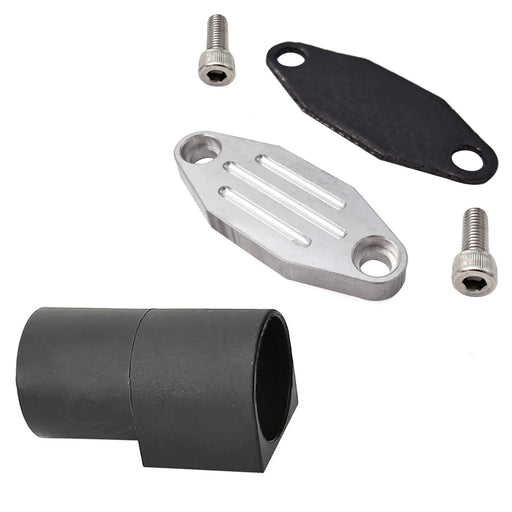
Seguler 1986-1995 Ford F150 F250 F350 Mustang Trucks EGR Simulator Eliminator / Block Off Plate Kit
SEGULEROriginal price $79.99 - Original price $79.99Original price$79.99$79.99 - $79.99Current price $79.99Block Off Plate Material: Aluminum alloy. Easy installation,and convenient to use. Made of CNC milled from aircraft grade Billet aluminum. Will N...
View full details -

Seguler 2011-2023 6.7L Ford Powerstroke Diesel EGR Delete Kit
SEGULEROriginal price $109.99 - Original price $109.99Original price$109.99$109.99 - $109.99Current price $109.99FITMENT 2011-2023 6.7L Ford Powerstroke F-250 F-350 F-450 F-550 Super Duty V8 Diesel. compatible with both standard Pickups and commercial Cab &...
View full details -
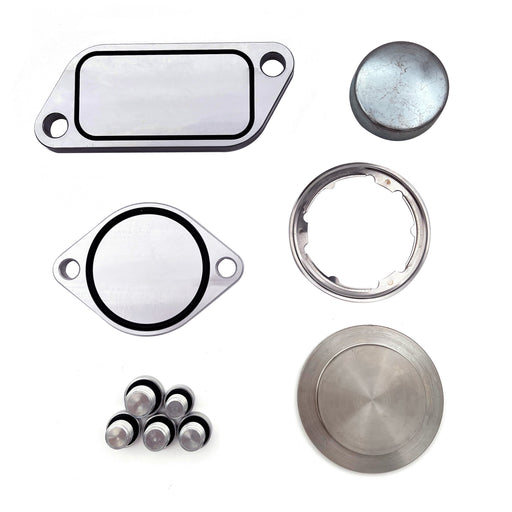
For 2010-Present Stage 2 ISX 15 CM2250 CM2350 EGR Delete Kit
SEGULEROriginal price $59.99 - Original price $59.99Original price$59.99$59.99 - $59.99Current price $59.99FITMENT 2010-Present Cummins Volvo, Peterbilt, Mack, International, Freightliner, Kenworth with the ISX15 CM2250 / CM2350 engines. DESCRIPTION P...
View full details -
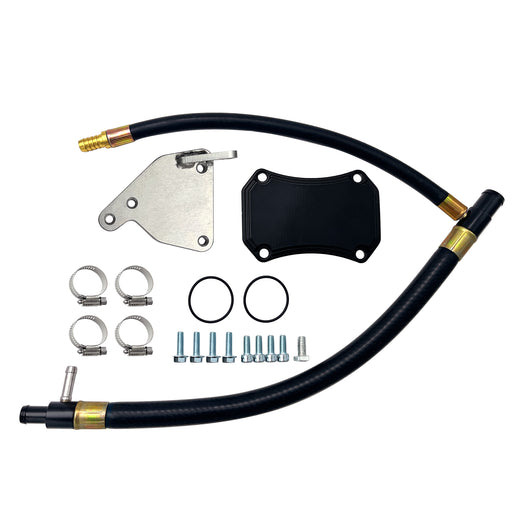
For 2011-2016 6.6L GMC Chevy Duramax Diesel LML EGR Valve Cooler Delete Kit
SEGULEROriginal price $66.49 - Original price $66.49Original price$66.49$66.49 - $66.49Current price $66.49FITMENT 2011-2016 6.6L Chevy GMC Duramax LML 2500 HD 3500 HD Diesel. DESCRIPTION Product Overview The 2011–2016 LML Duramax uses a complex EG...
View full details -
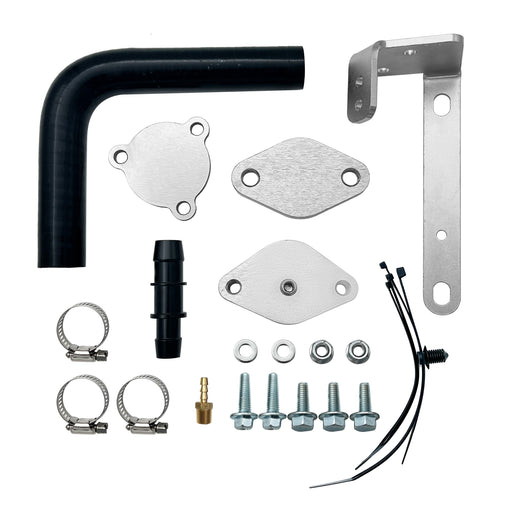
Seguler For 2014-2019 3.0L Dodge Ram 1500 EcoDiesel EGR Valve & Cooler Delete Kit
SEGULEROriginal price $72.99 - Original price $72.99Original price$72.99$72.99 - $72.99Current price $72.99FITMENT 2014-2019 3.0L Dodge Ram 1500 EcoDiesel V6 engine trucks. DESCRIPTION Product Overview Exhaust gas recirculation on 3.0L EcoDiesel V6 ...
View full details -
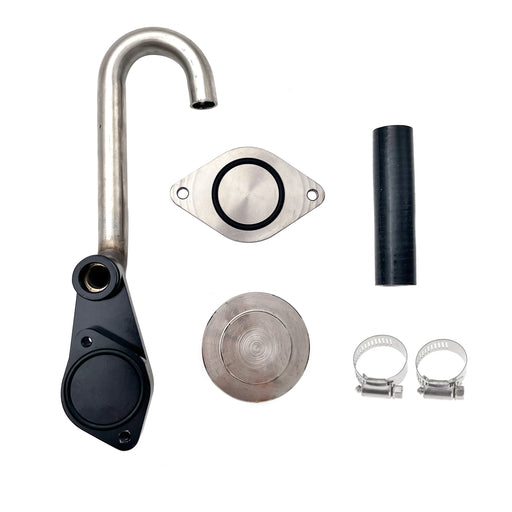
Seguler 2003-2007 6.0L FORD Powerstroke Diesel EGR Cooler Delete Kit
SEGULEROriginal price $56.14 - Original price $56.14Original price$56.14$56.14 - $56.14Current price $56.14FITMENT 2003-2007 6.0L Ford F-250 Ford F-350 F-450 F-550 Super Duty. 2003-2007 6.0L Ford Excursion SUV (Diesel Models Only). 2005-2010 Ford E-Se...
View full details -

Seguler 2011-2023 6.7L Ford Powerstroke Diesel EGR Delete Kit
SEGULEROriginal price $85.99 - Original price $85.99Original price$85.99$85.99 - $85.99Current price $85.99FITMENT 2011-2023 6.7L Ford Powerstroke F-250 F-350 F-450 F-550 Super Duty V8 Diesel. compatible with both standard Pickups and commercial Cab &...
View full details -

Seguler 2017-2019 L5P Duramax Diesel 4pcs L5P Can Bus Plugs Connector Replacement
SEGULEROriginal price $75.00 - Original price $75.00Original price$75.00$75.00 - $75.00Current price $75.00FITMENT 2017–2019 Chevrolet Silverado / GMC Sierra Duramax L5P 2500HD & 3500HD Diesel. DESCRIPTION Product Overview Unprotected harness con...
View full details -

Seguler 2010-2024 6.7L Dodge Ram Cummins Diesel EGR Valve Cooler Delete Kit
SEGULEROriginal price $89.99 - Original price $89.99Original price$89.99$89.99 - $89.99Current price $89.99FITMENT 2010–2024 6.7L Dodge Ram Cummins 2500 / 3500 Pickup Turbo Diesel. Note: Does NOT fit Chassis Cab 3500 / 4500 / 5500 models. DESCRIPTIO...
View full details -
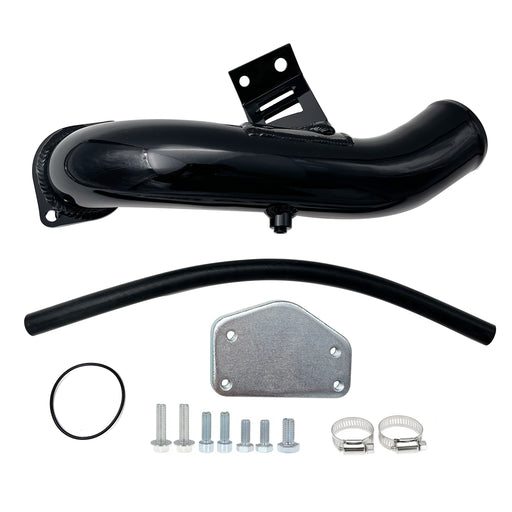
For 2004.5-2005 6.6L Chevy GMC Silverado LLY Duramax Diesel EGR Delete Kit
SEGULEROriginal price $92.99 - Original price $92.99Original price$92.99$92.99 - $92.99Current price $92.99FITMENT 2004.5-2005 6.6L Chevrolet Silverado Duramax LLY 2500HD / 3500 HD. 2004.5-2005 6.6L GMC Sierra Duramax LLY 2500HD / 3500 HD. DESCRIPTION...
View full details -

Seguler 2020-2023 chevy duramax L5P Diesel Can Bus Plugs Connector
SEGULEROriginal price $80.00 - Original price $80.00Original price$80.00$80.00 - $80.00Current price $80.00FITMENT 2020–2023 Chevrolet Silverado / GMC Sierra Duramax L5P 2500HD & 3500HD Diesel. DESCRIPTION Product Overview Unprotected harness pl...
View full details -
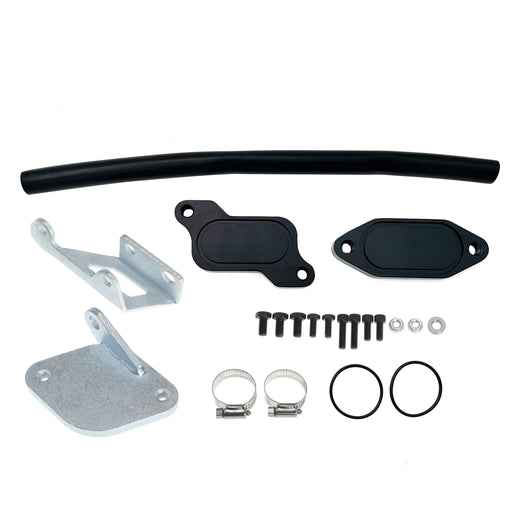
For 2006-2007 6.6L Chevrolet Silverado Classic GMC Duramax LBZ Diesel EGR Valve Cooler Delete Kit
SEGULEROriginal price $63.49 - Original price $63.49Original price$63.49$63.49 - $63.49Current price $63.49FITMENT 2006-2007.4 Chevrolet Silverado Duramax LBZ 2500HD / 3500HD. 2007.4 Chevrolet Silverado Duramax LBZ 2500HD / 3500HD Classic. 2006-2007.4 ...
View full details -

Seguler 2011-2023 6.7L Ford F250 F350 F450 F550 Powerstroke Diesel EGR Valve Delete Cooler Delete Kit
SEGULEROriginal price $55.99 - Original price $55.99Original price$55.99$55.99 - $55.99Current price $55.99FITMENT 2011-2023 6.7L Ford Powerstroke F-250 F-350 F-450 F-550 Super Duty V8 Diesel compatible with both standard Pickups and commercial Cab &a...
View full details -
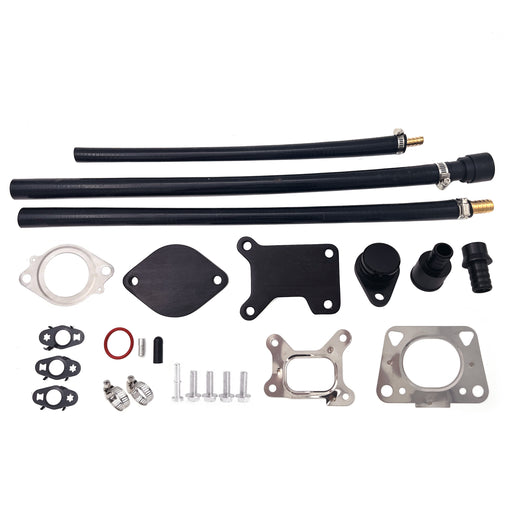
For 2017-2023 6.6L Chevy GMC Duramax L5P diesel EGR Valve Cooler Delete kit
SEGULEROriginal price $131.99 - Original price $131.99Original price$131.99$131.99 - $131.99Current price $131.99FITMENT 2017–2023 6.6L Chevrolet Silverado / GMC Sierra Duramax L5P 2500HD 3500HD Diesel. DESCRIPTION Product Overview Hot soot recirculation ...
View full details -
Seguler 2003-2007 6.0L Ford F250 F350 Powerstroke Diesel EGR Basic Cooler Kit
SEGULEROriginal price $79.99 - Original price $79.99Original price$79.99$79.99 - $79.99Current price $79.99FITMENT 2003-2007 6.0L Ford F250 F350 F450 F550 Super Duty Turbo (except 2004 F250 Super Duty). 2003-2005 6.0L Ford Excursion Turbo. 2005 Ford F...
View full details -
Seguler 2011-2016 6.6L GMC Chevy Duramax Diesel LML Up-Pipe & EGR Valve Cooler Delete Kit
SEGULEROriginal price $173.86 - Original price $173.86Original price$173.86$173.86 - $173.86Current price $173.86FITMENT 2011-2016 6.6L Chevy GMC Duramax LML 2500 HD 3500 HD Diesel. DESCRIPTION Product Overview Direct-injection technology endows GM 5.3L an...
View full details -
Seguler EGR valve cooler Delete kit for 2020-2022 3.0L Chevy Duramax LM2
SEGULEROriginal price $189.12 - Original price $189.12Original price$189.12$189.12 - $189.12Current price $189.12FITMENT 2020–2022 3.0L Chevrolet Silverado GMC Sierra 1500 LM2 Turbo-Diesel. DESCRIPTION Product Overview Powered by smooth inline-six engine...
View full details -
Seguler 3" Ecodiesel DPF Delete Pipe & EGR Delete kit for 2014-2018 3.0L Ram
SEGULEROriginal price $342.00 - Original price $342.00Original price$342.00$342.00 - $342.00Current price $342.00FITMENT 2014–2018 3.0L Dodge Ram 1500 EcoDiesel V6. NOTE: Fit standard Pickup models only (Crew Cab, Quad Cab). Does NOT fit Jeep Grand Cheroke...
View full details -

For 2013-2023 6.7L Dodge Ram Cummins Cab & Chassis EGR Delete Kit Diesel
SEGULEROriginal price $62.99 - Original price $62.99Original price$62.99$62.99 - $62.99Current price $62.99FITMENT 2013–2023 6.7L Ram Cummins 3500 4500 5500 Cab & Chassis / Commercial Trucks. Does NOT fit standard Ram 2500 3500 Pickups. DESCRIPTIO...
View full details -
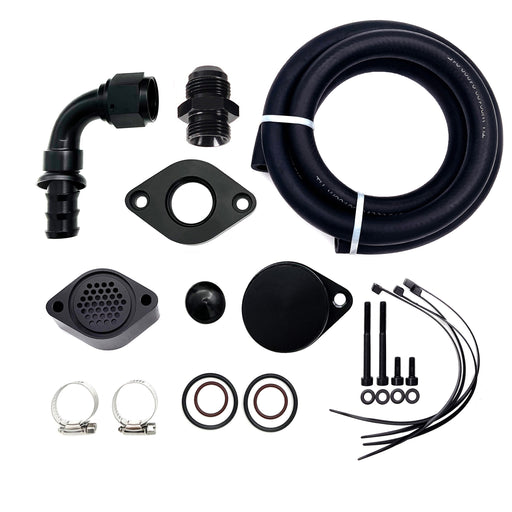
Seguler 2011-2023 6.7L Ford Powerstroke CCV PCV Reroute Engine Ventilation Kit
SEGULEROriginal price $82.99 - Original price $82.99Original price$82.99$82.99 - $82.99Current price $82.99FITMENT 2011-2023 6.7L Ford Powerstroke F-250 F-350 F-450 F-550 Super Duty V8 Diesel. Compatible with both standard Pickups and commercial Cab &...
View full details -
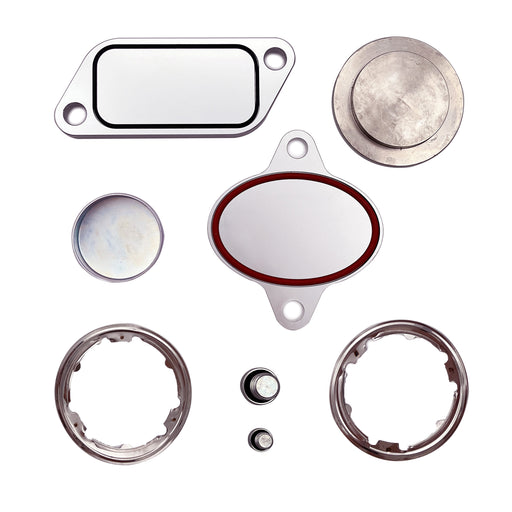
For 2007-2010 Cummins ISX CM871 EGR Plug Kit Stage 2 Plates and Plugs Aluminum
SEGULEROriginal price $67.99 - Original price $67.99Original price$67.99$67.99 - $67.99Current price $67.99FITMENT 2007-2010 Cummins Volvo, Peterbilt, Mack, International, Freightliner, Kenworth with the ISX CM871 Engines. DESCRIPTION Product Overvie...
View full details -
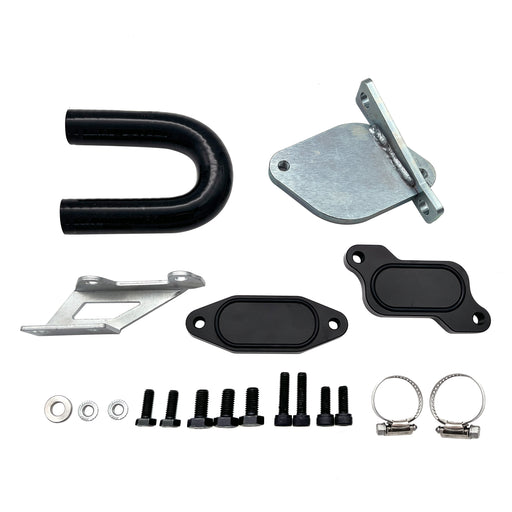
For 2007-2010 6.6L Chevy GMC LMM Duramax EGR Valve Cooler Delete Kit Fit
SEGULEROriginal price $61.99 - Original price $61.99Original price$61.99$61.99 - $61.99Current price $61.99FITMENT 2007.5-2010 6.6L Chevrolet Silverado Duramax LMM 2500HD / 3500HD. 2007.5-2010 6.6L GMC Sierra Duramax LMM 2500HD / 3500HD. Note: Standard...
View full details -
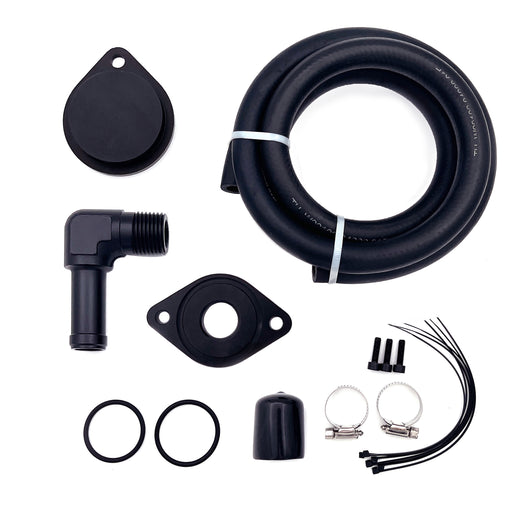
Seguler 2011-2023 Ford 6.7L Powerstroke CCV/PCV Reroute/Delete Engine Ventilation Kit
SEGULEROriginal price $72.00 - Original price $72.00Original price$72.00$72.00 - $72.00Current price $72.00FITMENT 2011-2023 6.7L Ford Powerstroke F-250 F-350 F-450 F-550 Super Duty V8 Diesel. Compatible with both standard Pickups and commercial Cab &...
View full details -
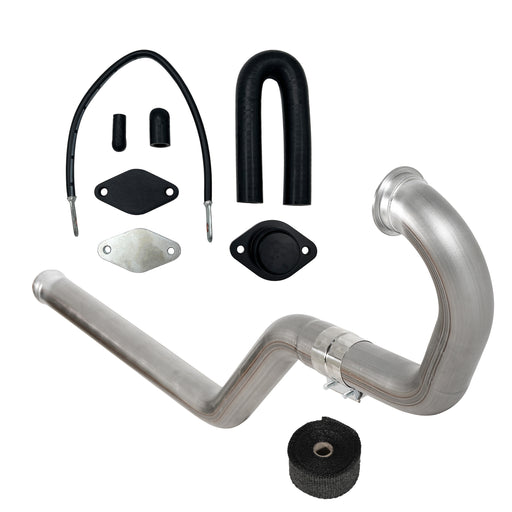
3" Turbo Back DPF & EGR Delete Kit for 2020-2022 GM 3.0L LM2 Duramax
SEGULEROriginal price $550.00 - Original price $550.00Original price$550.00$550.00 - $550.00Current price $550.00FITMENT 2020–2022 3.0L Chevrolet Silverado 1500 LM2 Diesel. 2020–2022 3.0L GMC Sierra 1500 LM2 Diesel. DESCRIPTION Product Overview On the 3.0...
View full details -

Seguler 2010+ Dodge Ram Cummins EZ-Lynk/CCV SOTF Switch
SEGULEROriginal price $80.00 - Original price $80.00Original price$80.00$80.00 - $80.00Current price $80.00FITMENT 2010-2024 6.7L Ram Cummins 2500 3500 4500 5500 Turbo Diesel. DESCRIPTION Product Overview Changing horsepower levels on a tuned Ram tr...
View full details


Leave a comment