

2011–2015 LML Duramax EGR Delete & Intake Elbow: Soot & Airflow
Ask an LML owner what the truck does better than anything else on the road, and the answer usually comes down to one word: pull. The 6.6L Duramax in the 2011–2015 Silverado and Sierra HD was built to tow, and it does. But ask the same owner what they’d change, and you start hearing about two places where the factory packaging works against the engine — a restrictive intake tract on one side, and an EGR system feeding hot, sooty exhaust back into that same intake on the other.
So the short answer to the question this guide opens with is yes: intake restrictions and EGR-related deposits can contribute to airflow problems and may affect turbo response on the LML, depending on the condition of the intake and boost system. They just do it from opposite ends of the engine, which is why a high-flow intake elbow bridge and an EGR valve-and-cooler kit keep getting talked about together. This guide walks through what each one actually does, how the factory parts create the problems, and where the two overlap — so you can tell which end of the engine is actually giving you trouble before you spend money on either.
Understanding the Factory Intake System
Before you can judge an aftermarket intake piece, you have to know what the factory setup is doing — and why GM built it the way it did.
How the Intake Elbow and Y-Bridge Work
On the LML, the charge air path after the turbo runs through two parts that get a lot of attention from owners. The intake elbow is the bend that carries boosted air out of the charge air cooler and into the rest of the intake tract. From there, the air reaches the Y-bridge, which is the splitter that divides the single airflow into two branches feeding the left and right sides of the intake manifold.
The factory versions of both are plastic, and the Y-bridge carries a molded-in resonator — a hollow chamber GM added to quiet the intake noise. It does its job of keeping the engine note civilized, but it also adds volume, seams, and a plastic box that lives its entire life under boost pressure, heat, and vibration.
Common Intake-Related Concerns
Over enough miles, the factory intake plumbing develops a handful of well-known issues. None of them are guaranteed to happen to every truck, but they’re common enough that owners look for them specifically.
Carbon and oil residue inside the plumbing. The intake tract on a stock LML is not a clean-air-only path — EGR soot and crankcase oil mist both get introduced, and the two can settle as a film inside the elbow and bridge.
Cracked plastic resonator components. Plastic under constant heat and vibration can develop hairline cracks or failing seams over time.
Boost leaks around connections. A cracked resonator or a worn seal lets pressurized charge air escape, which the engine then has to make up for.
Airflow restrictions. The factory bends and the resonator add turbulence and pressure drop to a path that would rather be smooth.
Reduced throttle response. When the intake is leaking or restricted, the first thing most owners notice is a softer, lazier throttle — especially with a load behind the truck.
Signs Worth Inspecting
| What you notice | Where to look first |
|---|---|
|
Reduced throttle response soft boost under load |
Intake tract and boost system |
| A hissing or whistling noise under acceleration | Intake connections & seals |
| Oil residue around intake joints | Intake plumbing |
|
Boost pressure loss or a turbo working harder than it should |
Resonator, elbow, & seals |
| Heavy deposits in the manifold | Intake manifold & EGR circuit |
Keep the table in perspective: these signs point you toward the intake system, but they don’t prove the elbow is the culprit by themselves. A proper check means reading boost data, pulling any stored fault codes, and doing a physical inspection before you buy parts.
The EGR System: Carbon Buildup and Cooler Concerns
The other end of the LML’s breathing problem is the exhaust gas recirculation system, and it’s the reason the intake is rarely as clean as you’d want it to be.
How the LML EGR System Works
EGR exists to cut NOx. During certain conditions the engine opens an EGR valve and routes a portion of exhaust gas back into the intake. That inert exhaust displaces some of the oxygen in the combustion chamber, which lowers peak combustion temperature and reduces nitrogen-oxide formation. To keep that hot exhaust from melting the plastic intake, the LML passes it through a dual EGR cooler — a coolant-fed heat exchanger that sheds heat before the gas re-enters the intake.
That cooler is the part that matters most to owners, because it’s a housing with coolant on one side and hot exhaust on the other, and it lives through constant thermal cycling.
Common EGR Problems
- Carbon buildup around the EGR valve. Soot and sticky deposits collect on the valve over time, which can affect how smoothly it opens and closes.
- EGR cooler leakage. The cooler’s internal passages can crack as they expand and contract. Once that happens, coolant can find its way into the intake side.
- Restricted EGR passages. Soot and sludge can narrow the passages the exhaust flows through.
- EGR-related sensor faults. The sensors that monitor EGR flow and temperature can read wrong or throw codes.
- Coolant loss with no visible leak. A slow, unexplained drop in coolant level is often the first outward sign that a cooler is leaking internally.
How EGR Deposits Affect the Intake
What matters here is what EGR does to the air path. Exhaust gas carries fine soot, and the EGR system feeds a steady stream of it into the intake. At the same time, the crankcase ventilation (CCV) system routes oil mist from the crankcase back into the intake as well. Individually, neither is a crisis — but when hot soot and oil mist meet inside the intake, they combine into a sticky sludge that coats the intake manifold, the grid heater, and the inside of the intake plumbing.
It’s worth distinguishing between normal buildup and a problem. Some deposit is a fact of life on any diesel with EGR. It becomes a concern when it builds up enough to narrow the airflow path or foul components, at which point the engine has to work harder to pull air through a dirty tract.
Intake Airflow vs. EGR: How They’re Connected
The two products stop looking like separate purchases once you see them as two answers to the same question: is this engine getting the air it needs, and is that air staying clean?
How Carbon Deposits Affect Airflow
Airflow and deposits are linked in a direct way. The intake tract has a fixed cross-section, and anything that coats the inside of it effectively reduces that cross-section. A sooty, oily film on the walls of the elbow and bridge adds surface roughness that disrupts smooth flow. Over time, heavy deposits in the manifold and around the grid heater can narrow the path the air travels, which makes the turbo work against more resistance to deliver the same volume of air.
That’s a slow, cumulative process rather than an overnight failure — which is exactly why it’s easy to miss until the truck feels noticeably softer than it used to.
Why Intake Design Matters
On the intake side, the shape of the path matters almost as much as whether it’s leaking. Every bend, every change in cross-section, and every seam introduces turbulence and pressure drop. The factory elbow has bends dictated by packaging, and the resonator adds a chamber that the air has to flow around. A higher-flow intake piece is designed around a different goal: a smooth, large-radius path with fewer places for air to slow down or tumble.
None of this is a horsepower promise. It’s a description of flow behavior — smoother path, less turbulence, and a seal that’s easier to keep leak-free. What that translates to on a given truck depends on the tune, the condition of the rest of the system, and how the truck is used.
Common Misconceptions
Three things get repeated often enough that they’re worth clearing up directly.
Misconception one: EGR carbon always causes turbo lag. Carbon buildup is a real restriction, but turbo lag has more than one cause. A laggy throttle can come from a boost leak, a tired turbo, a calibration issue, or a dirty intake — sometimes more than one at once. EGR soot is a contributor to a dirty intake, not a guarantee of lag by itself.
Misconception two: swapping the intake elbow cleans out existing carbon. It doesn’t. A new intake bridge changes the path the air takes, but it won’t wash the soot and sludge that’s already caked inside the manifold. Cleaning out existing deposits is a separate job.
Misconception three: EGR and the intake elbow are the same system. They aren’t. The intake elbow and Y-bridge are plumbing for charge air. The EGR system is a separate circuit that introduces exhaust gas into that plumbing. Replacing the intake bridge does not stop the EGR from feeding soot back in — and removing the EGR does not fix a cracked resonator or a restricted elbow. They touch each other, but they’re not interchangeable fixes.
Comparing the Factory Intake Elbow and High-Flow Bridge
Here’s the factory piece next to the upgrade.
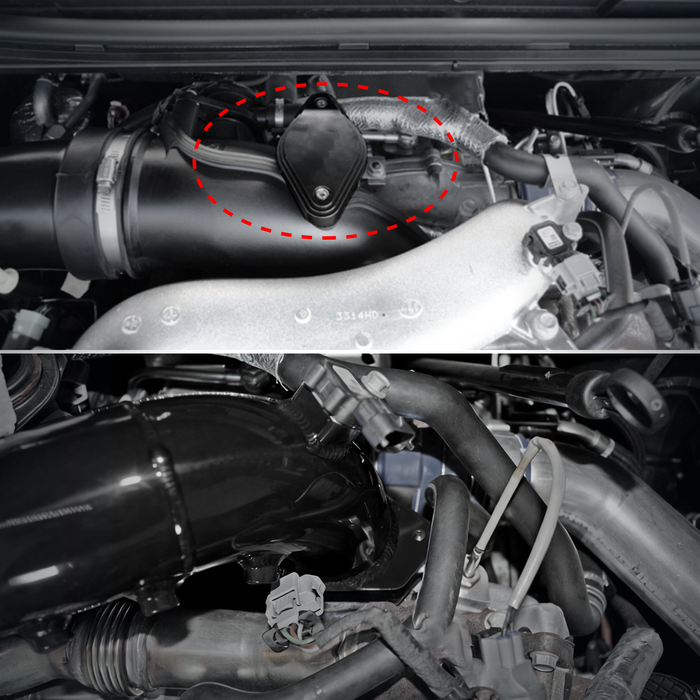
| Comparison | Factory design | High-flow bridge |
|---|---|---|
| Construction | Plastic OEM components | Aluminum tubing with billet flanges |
| Airflow path | Factory geometry with tighter bends | Larger-radius, smoother pathway |
| Resonator | Molded plastic resonator box | No resonator |
| Connections | OEM plastic seams and seals | CNC billet flanges |
| Main focus | Factory packaging and noise control | Smooth airflow and fewer leak points |
The takeaway from the table is structural, not numerical. The upgrade trades a plastic, noise-tuned path for a metal, flow-focused one. Whether that’s worth it on your truck depends on what you’re trying to fix — a cracked resonator and a lazy throttle are two different reasons to make the swap.
Choosing the Right Components for Your LML Duramax
Two Seguler pieces address the two ends of the breathing path, and they’re independent — you can run one without the other.
LML High-Flow Intake Elbow Bridge Kit
What it is. An intake-side upgrade for the 2011–2015 LML that replaces the factory plastic intake elbow and Y-bridge — including the molded resonator — with a smooth, wide-bore aluminum path for the charge air to follow from the cooler into the intake manifold.
 How it’s built. The kit pairs CNC-machined billet flanges with hand-finished TIG welds, and runs a large-radius, mandrel-bent aluminum tube where the factory piece has tighter bends and a sound-deadening box. The mounting points are sized to line up with the factory locations, so it’s a direct replacement rather than a fabrication job.
What makes it different. Two things stand out. First, it removes the plastic resonator — the part most owners point to first, because a cracked resonator turns into a boost leak that saps throttle response and towing pull. Second, the wider, smoother path is designed to reduce abrupt bends and improve airflow through the replacement assembly. Actual results depend on the condition of the remaining intake and boost system — owners tend to describe a sharper throttle and a cleaner note rather than the muffled factory sound.
Fitment. 2011–2015 6.6L Chevrolet Silverado and GMC Sierra Duramax LML 2500HD and 3500HD. See the Intake Elbow Bridge Kit for the full listing.
Compatibility. This is an airflow part, not an emissions modification. It works with the factory EGR still in place, and it doesn’t require a tune — it changes intake plumbing only, so it doesn’t remove or disable anything the engine computer is monitoring.
LML EGR Valve & Cooler Kit
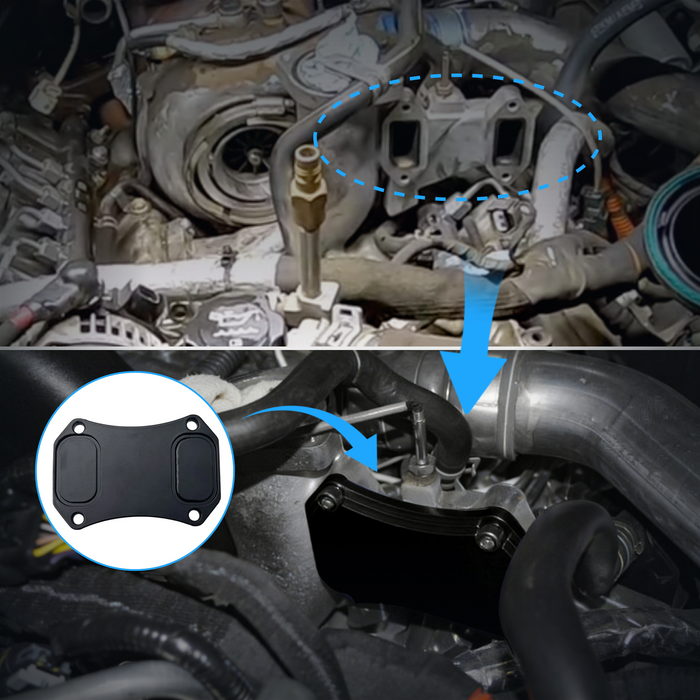
What it is. An exhaust-side kit for the LML that removes the factory EGR valve and the bulky dual-cooler assembly from the passenger side of the engine, then seals the openings so hot exhaust stops being routed back into the intake.
 How it’s built. The hardware is a CNC-machined, anodized aluminum intake plate paired with a stainless steel exhaust plate. The detail that matters most is the included 3-terminal, Y-shaped coolant hose: because the factory coolers use engine coolant to shed heat, removing them leaves the coolant circuit with open ports, and this hose ties the heater core and engine coolant ports back together so the bypass stays sealed.
What makes it different. This is a complete cooler removal kit, not a simple block-off plate that leaves the hardware in place. Removing the whole assembly frees up space on the passenger side and removes the failure-prone cooler housing — the part that can crack internally and let coolant leak into the intake. And because it’s a reliability and cleanliness modification, the change is about reworking the factory exhaust-gas recirculation setup — it isn’t a promised horsepower number, and it isn’t a guarantee against every future intake deposit.
Fitment. 2011–2016 6.6L Chevrolet and GMC Duramax LML 2500HD and 3500HD — note this kit reaches one model year further than the intake bridge. See the EGR Valve & Cooler Kit for the full listing.
Compatibility. Removing EGR hardware removes components the engine computer is still monitoring, which can trigger diagnostic trouble codes or affect engine operation. This kind of modification is intended for off-road, competition, or export use — it is not a street-legal change, and it’s not a repair for a failing factory cooler. Confirm the applicable regulations and your vehicle configuration before ordering.
The Two Kits Side by Side
| Intake Elbow Bridge | EGR Valve & Cooler Kit | |
|---|---|---|
| What it addresses | Restricted or leaking intake plumbing | Soot recirculation & a leak-prone cooler |
| End of the engine | Intake side, after the turbo | Exhaust side, EGR circuit |
| Removes emissions equipment? | No | Yes |
| Needs a tune? | No | Yes, engine-management changes may be required |
| Fitment | 2011–2015 LML 2500HD/3500HD | 2011–2016 LML 2500HD/3500HD |
They address two different ends of the same engine, which is why they get grouped together — but you may not need both. The bridge alone smooths airflow even on a stock-EGR truck, and the EGR kit alone stops the soot even if you leave the factory resonator. They complement each other on a truck being set up for heavier use, but there’s no requirement to buy them as a pair.
Installation and Compatibility Considerations
The intake bridge is the kind of job a careful home mechanic can do with basic hand tools — the work is mostly unbolting the factory plastic, moving the factory sensor across, and securing the new piece in place. The install guide calls for common sizes (a 10mm, 12mm, and 13mm socket, a 5mm hex key, and a flathead screwdriver), so nothing exotic is required.
A few details make the job easier to picture:
The factory resonator sits against the firewall.
One of its two mounting bolts is tucked behind the box near the firewall, which is the fiddly part of getting the stock piece out.
The charge pipe locks on with a locking ring, not a standard clamp.
You release it by turning the ring with a flathead and working the pipe free by hand — light pressure only, since the plastic is easy to stress.
The pressure sensor comes off the old bridge and moves onto the new one.
It’s a factory sensor worth keeping, not a part you toss with the old plumbing.
The throttle valve and heater grid unbolt as an assembly and go back on with fresh gaskets, so gasket position and orientation matter on reassembly.
The stock support bracket ties the assembly to the alternator and isn’t reused with the bridge.
On the EGR kit side, the work is heavier and touches the coolant circuit. This is a complete cooler removal rather than a simple block-off, so it means draining and refilling coolant, resealing the ports the coolers leave behind, and re-routing the coolant path with the supplied hose. It’s a job for someone comfortable with cooling-system work — or a shop — and the install guide is upfront that a matching tune is required, or the ECU flags the missing components.
Before you order anything, a few checks keep the job from going sideways:
- Confirm the exact engine and model year. The two kits have different year windows — the intake bridge is listed for 2011–2015, while the EGR kit is listed for 2011–2016. If you’re on a 2016 truck, the EGR kit applies but the intake bridge may not. Confirm your specific year and configuration on the product page.
- Check the intake elbow interfaces and seals. A new bridge needs clean, undamaged sealing surfaces to hold boost.
- Inspect the intake plumbing and boost hoses. A new elbow won’t fix a separate leak downstream.
- Check the cooling system. The EGR kit reworks the coolant path, so the rest of the cooling system should be in good shape first.
- Follow the product instructions and factory service information. Installation involves sealing surfaces and coolant handling — take your time and tighten to the kit’s specifications, not guessed numbers.
- Confirm road-use requirements. Any change to emissions control equipment has to clear your local regulations first. That’s a legal question, not a wrench question.
Emissions Regulations and Road-Use Considerations
These two products sit on very different legal ground.
The intake elbow bridge is an airflow upgrade and does not remove or disable any emissions equipment, so it’s a different conversation than the EGR kit.
The EGR system is part of the factory emissions control setup. Removing or disabling it is not legal for on-road use in the United States, and it can affect whether the truck passes an inspection. A “off-road” or “competition use only” label does not by itself create a legal exemption — the labeling doesn’t override the underlying regulations. If your truck is a daily driver that has to pass an annual inspection, the intake bridge still works on its own, and the EGR kit is not the right move. Where a factory EGR component has failed, the compliant path is repair or replacement with the factory equipment.
Different states run different emissions testing programs, so what applies to one owner won’t automatically apply to another. Confirm the rules where your truck is registered and driven before making any modification.
Final Thoughts
It comes down to this: the LML is a strong engine that breathes through two places worth paying attention to.
The intake elbow and Y-bridge control how cleanly boosted air reaches the cylinders, and the factory plastic versions are the source of the most common intake-side complaints. The EGR system controls whether that same intake stays clean, and its soot — combined with crankcase oil mist — is what builds up into the sludge owners find in the manifold.
Those are two different jobs, and the two products here solve two different problems. The intake bridge addresses the path the air takes. The EGR kit addresses the exhaust being fed back into that path. Neither is a substitute for the other, and neither fixes an engine that’s already hurt — a worn turbo, a bad injector, or a cracked head gasket needs its own repair first.
The order that matters hasn’t changed: diagnose the symptom, confirm which end of the engine it lives on, then match the part to the problem. Do that, and you’ll know whether you’re buying a smoother intake path, a cleaner one, or both.
Legal Disclaimer
The products discussed here include emissions-related modification parts. Removing, disabling, or tampering with factory emissions control equipment is a violation of the federal Clean Air Act and may be illegal in your state, with significant penalties. These products are intended for off-road, competition, or export use only. Labeling a vehicle or product as off-road or competition use only does not by itself create a legal exemption. Modifying your vehicle may also affect your warranty coverage under the Magnuson-Moss Warranty Act and other provisions. This guide is for informational purposes only and is not legal advice — verify all applicable laws in your area before making any modification.
You can confirm the full lineup and your specific application at seguler.com.
FAQ
Q: What Are Common Intake Problems on the 6.6L LML Duramax?
A: Cracked plastic resonator components, boost leaks around connections, carbon and oil residue in the plumbing, airflow restriction from the factory bends, and a softer throttle as a result. These point toward the intake but should be confirmed with boost data and inspection before replacing parts.
Q: What Does the Intake Elbow Do on a Duramax?
A: The intake elbow carries boosted charge air out of the intercooler and into the rest of the intake tract, where the Y-bridge then splits it to the two sides of the intake manifold. On the LML, the factory elbow and Y-bridge are plastic and include a molded resonator to quiet intake noise.
Q: Can Carbon Buildup Affect LML Duramax Airflow?
A: Yes. Deposits on the inside of the intake tract reduce its effective cross-section and roughen the airflow path, which makes the turbo work against more resistance to move the same air.
Q: What Causes EGR Cooler Problems on an LML Duramax?
A: The cooler is a coolant-fed heat exchanger that cycles through constant temperature changes. Over time those thermal cycles can crack its internal passages, which lets coolant leak toward the intake side — often showing up first as a slow, unexplained drop in coolant level.
Q: Does an Intake Bridge Improve Turbo Response?
A: It can, depending on the truck’s setup. A wider, smoother path with a leak-free seal gives the turbo a cleaner route to build boost, and many owners describe a sharper throttle. But it’s a flow improvement, not a guaranteed power number — the tune and the rest of the system matter just as much.
Q: What Is the Difference Between an Intake Elbow and a Y-Bridge?
A: The elbow is the bend that carries charge air out of the cooler; the Y-bridge is the splitter that divides that airflow into the two branches feeding the intake manifold. The aftermarket bridge kit replaces both as one assembly, including the factory resonator.
Q: Does the EGR Kit Remove the Coolers or Just Block Them?
A: It’s a complete cooler removal kit. The dual-cooler assembly comes out of the engine bay entirely rather than being blocked in place, which frees up space on the passenger side and removes the cooler housing that can crack and leak.
Q: Is the EGR Kit Legal for Road Use?
A: No. Removing factory emissions equipment is not legal for on-road use in the United States. This modification is intended for off-road, competition, or export use, and a “off-road only” label does not by itself create a legal exemption.
Q: Do I Need Both Kits, or Can I Buy Just One?
A: They’re independent. The intake bridge smooths airflow even with the factory EGR in place, and the EGR kit works on its own too. Buy whichever end of the engine is actually giving you trouble.
Q: What Should I Check Before Ordering LML Duramax Intake Components?
A: Confirm your exact engine and model year first — the two kits have different year windows (intake bridge 2011–2015, EGR kit 2011–2016). Then check the intake sealing surfaces, inspect the plumbing and boost hoses, verify cooling-system condition, and confirm the applicable regulations before ordering.
Featured collection
-
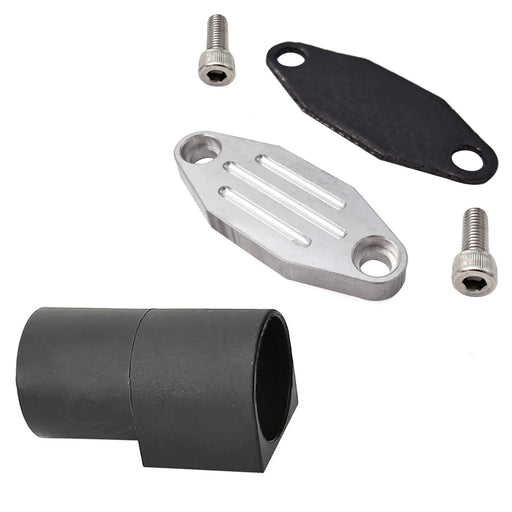
Seguler 1986-1995 Ford F150 F250 F350 Mustang Trucks EGR Simulator Eliminator / Block Off Plate Kit
SEGULEROriginal price $79.99 - Original price $79.99Original price$79.99$79.99 - $79.99Current price $79.99Block Off Plate Material: Aluminum alloy. Easy installation,and convenient to use. Made of CNC milled from aircraft grade Billet aluminum. Will N...
View full details -

Seguler 2011-2023 6.7L Ford Powerstroke Diesel EGR Delete Kit
SEGULEROriginal price $109.99 - Original price $109.99Original price$109.99$109.99 - $109.99Current price $109.99FITMENT 2011-2023 6.7L Ford Powerstroke F-250 F-350 F-450 F-550 Super Duty V8 Diesel. compatible with both standard Pickups and commercial Cab &...
View full details -
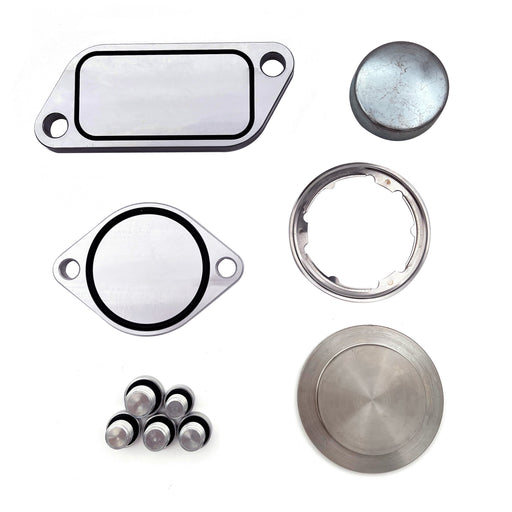
For 2010-Present Stage 2 ISX 15 CM2250 CM2350 EGR Delete Kit
SEGULEROriginal price $59.99 - Original price $59.99Original price$59.99$59.99 - $59.99Current price $59.99FITMENT 2010-Present Cummins Volvo, Peterbilt, Mack, International, Freightliner, Kenworth with the ISX15 CM2250 / CM2350 engines. DESCRIPTION P...
View full details -
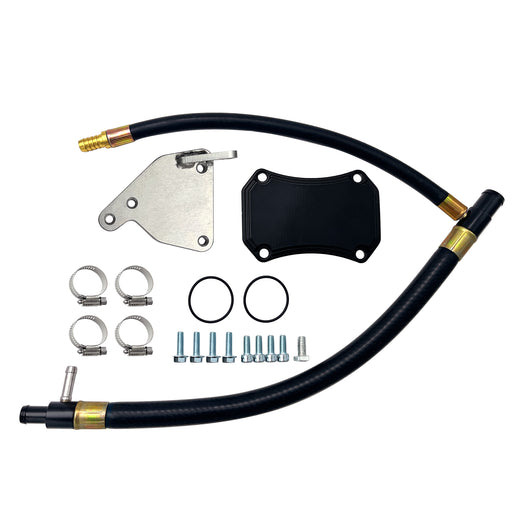
For 2011-2016 6.6L GMC Chevy Duramax Diesel LML EGR Valve Cooler Delete Kit
SEGULEROriginal price $66.49 - Original price $66.49Original price$66.49$66.49 - $66.49Current price $66.49FITMENT 2011-2016 6.6L Chevy GMC Duramax LML 2500 HD 3500 HD Diesel. DESCRIPTION Product Overview The 2011–2016 LML Duramax uses a complex EG...
View full details -
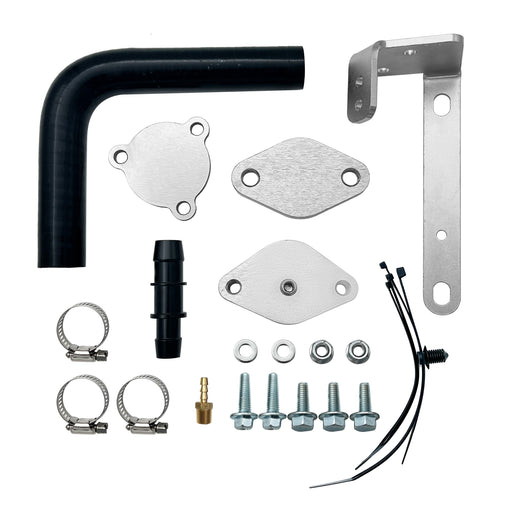
Seguler For 2014-2019 3.0L Dodge Ram 1500 EcoDiesel EGR Valve & Cooler Delete Kit
SEGULEROriginal price $72.99 - Original price $72.99Original price$72.99$72.99 - $72.99Current price $72.99FITMENT 2014-2019 3.0L Dodge Ram 1500 EcoDiesel V6 engine trucks. DESCRIPTION Product Overview Exhaust gas recirculation on 3.0L EcoDiesel V6 ...
View full details -
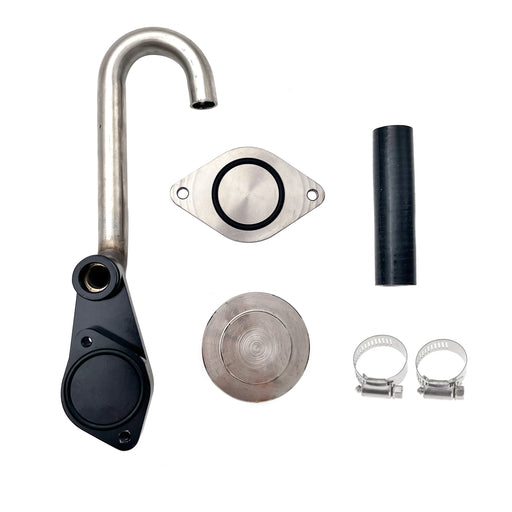
Seguler 2003-2007 6.0L FORD Powerstroke Diesel EGR Cooler Delete Kit
SEGULEROriginal price $56.14 - Original price $56.14Original price$56.14$56.14 - $56.14Current price $56.14FITMENT 2003-2007 6.0L Ford F-250 Ford F-350 F-450 F-550 Super Duty. 2003-2007 6.0L Ford Excursion SUV (Diesel Models Only). 2005-2010 Ford E-Se...
View full details -

Seguler 2011-2023 6.7L Ford Powerstroke Diesel EGR Delete Kit
SEGULEROriginal price $85.99 - Original price $85.99Original price$85.99$85.99 - $85.99Current price $85.99FITMENT 2011-2023 6.7L Ford Powerstroke F-250 F-350 F-450 F-550 Super Duty V8 Diesel. compatible with both standard Pickups and commercial Cab &...
View full details -

Seguler 2017-2019 L5P Duramax Diesel 4pcs L5P Can Bus Plugs Connector Replacement
SEGULEROriginal price $75.00 - Original price $75.00Original price$75.00$75.00 - $75.00Current price $75.00FITMENT 2017–2019 Chevrolet Silverado / GMC Sierra Duramax L5P 2500HD & 3500HD Diesel. DESCRIPTION Product Overview Unprotected harness con...
View full details -

Seguler 2010-2024 6.7L Dodge Ram Cummins Diesel EGR Valve Cooler Delete Kit
SEGULEROriginal price $89.99 - Original price $89.99Original price$89.99$89.99 - $89.99Current price $89.99FITMENT 2010–2024 6.7L Dodge Ram Cummins 2500 / 3500 Pickup Turbo Diesel. Note: Does NOT fit Chassis Cab 3500 / 4500 / 5500 models. DESCRIPTIO...
View full details -
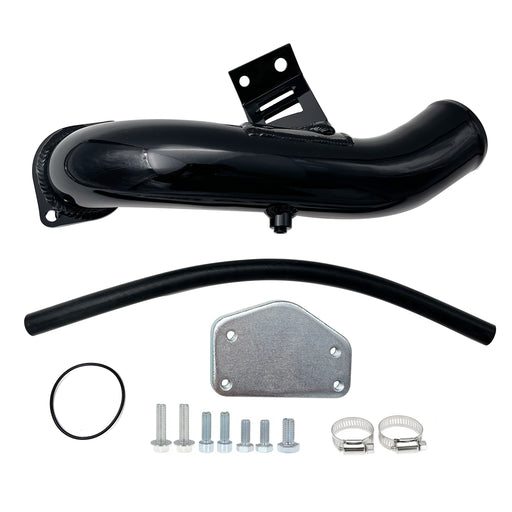
For 2004.5-2005 6.6L Chevy GMC Silverado LLY Duramax Diesel EGR Delete Kit
SEGULEROriginal price $92.99 - Original price $92.99Original price$92.99$92.99 - $92.99Current price $92.99FITMENT 2004.5-2005 6.6L Chevrolet Silverado Duramax LLY 2500HD / 3500 HD. 2004.5-2005 6.6L GMC Sierra Duramax LLY 2500HD / 3500 HD. DESCRIPTION...
View full details -

Seguler 2020-2023 chevy duramax L5P Diesel Can Bus Plugs Connector
SEGULEROriginal price $80.00 - Original price $80.00Original price$80.00$80.00 - $80.00Current price $80.00FITMENT 2020–2023 Chevrolet Silverado / GMC Sierra Duramax L5P 2500HD & 3500HD Diesel. DESCRIPTION Product Overview Unprotected harness pl...
View full details -
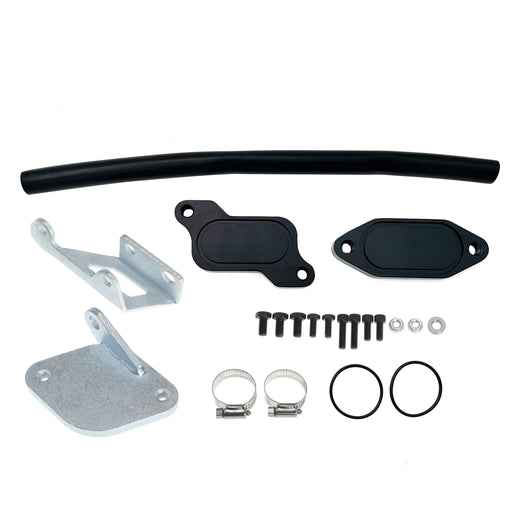
For 2006-2007 6.6L Chevrolet Silverado Classic GMC Duramax LBZ Diesel EGR Valve Cooler Delete Kit
SEGULEROriginal price $63.49 - Original price $63.49Original price$63.49$63.49 - $63.49Current price $63.49FITMENT 2006-2007.4 Chevrolet Silverado Duramax LBZ 2500HD / 3500HD. 2007.4 Chevrolet Silverado Duramax LBZ 2500HD / 3500HD Classic. 2006-2007.4 ...
View full details -

Seguler 2011-2023 6.7L Ford F250 F350 F450 F550 Powerstroke Diesel EGR Valve Delete Cooler Delete Kit
SEGULEROriginal price $55.99 - Original price $55.99Original price$55.99$55.99 - $55.99Current price $55.99FITMENT 2011-2023 6.7L Ford Powerstroke F-250 F-350 F-450 F-550 Super Duty V8 Diesel compatible with both standard Pickups and commercial Cab &a...
View full details -
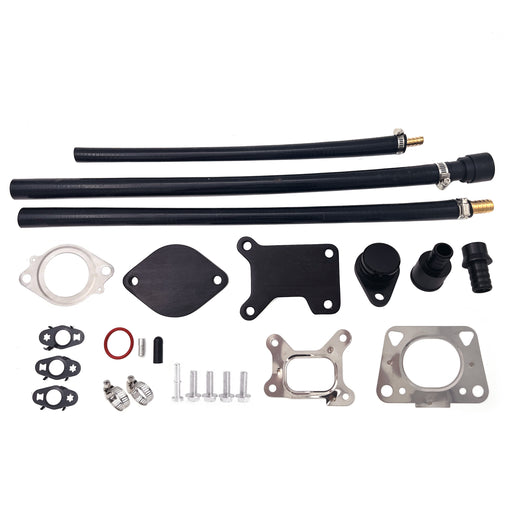
For 2017-2023 6.6L Chevy GMC Duramax L5P diesel EGR Valve Cooler Delete kit
SEGULEROriginal price $131.99 - Original price $131.99Original price$131.99$131.99 - $131.99Current price $131.99FITMENT 2017–2023 6.6L Chevrolet Silverado / GMC Sierra Duramax L5P 2500HD 3500HD Diesel. DESCRIPTION Product Overview Hot soot recirculation ...
View full details -
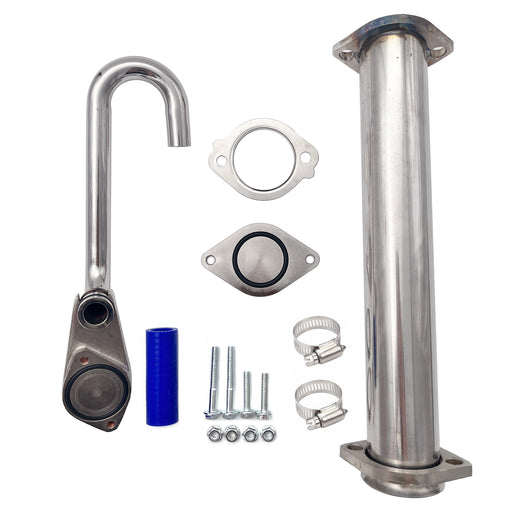
Seguler 2003-2007 6.0L Ford F250 F350 Powerstroke Diesel EGR Basic Cooler Kit
SEGULEROriginal price $79.99 - Original price $79.99Original price$79.99$79.99 - $79.99Current price $79.99FITMENT 2003-2007 6.0L Ford F250 F350 F450 F550 Super Duty Turbo (except 2004 F250 Super Duty). 2003-2005 6.0L Ford Excursion Turbo. 2005 Ford F...
View full details -
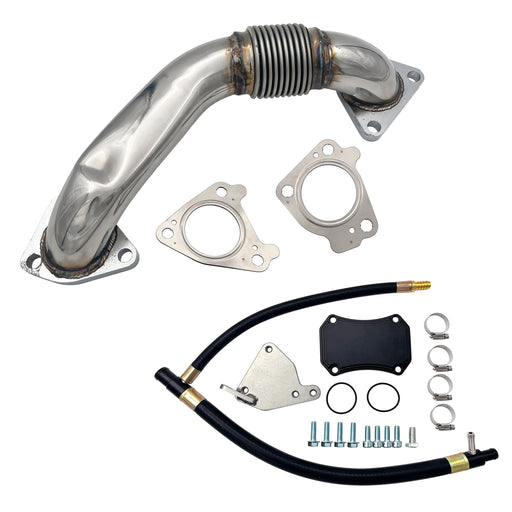
Seguler 2011-2016 6.6L GMC Chevy Duramax Diesel LML Up-Pipe & EGR Valve Cooler Delete Kit
SEGULEROriginal price $173.86 - Original price $173.86Original price$173.86$173.86 - $173.86Current price $173.86FITMENT 2011-2016 6.6L Chevy GMC Duramax LML 2500 HD 3500 HD Diesel. DESCRIPTION Product Overview Direct-injection technology endows GM 5.3L an...
View full details -
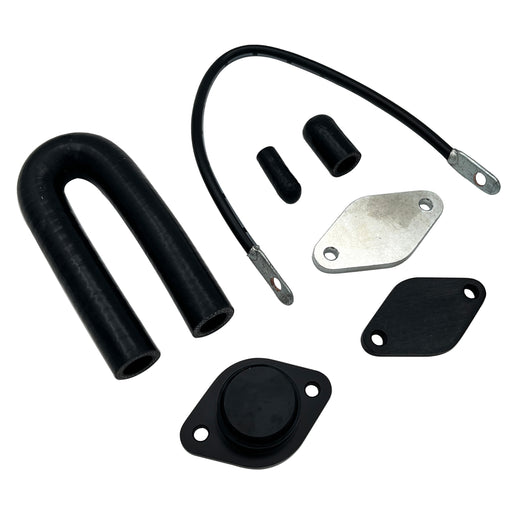
Seguler EGR valve cooler Delete kit for 2020-2022 3.0L Chevy Duramax LM2
SEGULEROriginal price $189.12 - Original price $189.12Original price$189.12$189.12 - $189.12Current price $189.12FITMENT 2020–2022 3.0L Chevrolet Silverado GMC Sierra 1500 LM2 Turbo-Diesel. DESCRIPTION Product Overview Powered by smooth inline-six engine...
View full details -
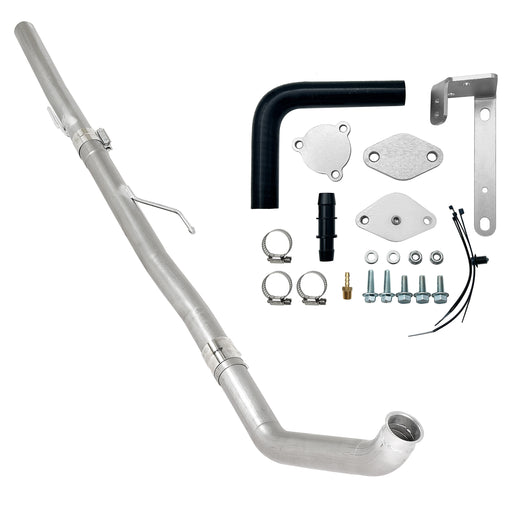
Seguler 3" Ecodiesel DPF Delete Pipe & EGR Delete kit for 2014-2018 3.0L Ram
SEGULEROriginal price $342.00 - Original price $342.00Original price$342.00$342.00 - $342.00Current price $342.00FITMENT 2014–2018 3.0L Dodge Ram 1500 EcoDiesel V6. NOTE: Fit standard Pickup models only (Crew Cab, Quad Cab). Does NOT fit Jeep Grand Cheroke...
View full details -

For 2013-2023 6.7L Dodge Ram Cummins Cab & Chassis EGR Delete Kit Diesel
SEGULEROriginal price $62.99 - Original price $62.99Original price$62.99$62.99 - $62.99Current price $62.99FITMENT 2013–2023 6.7L Ram Cummins 3500 4500 5500 Cab & Chassis / Commercial Trucks. Does NOT fit standard Ram 2500 3500 Pickups. DESCRIPTIO...
View full details -
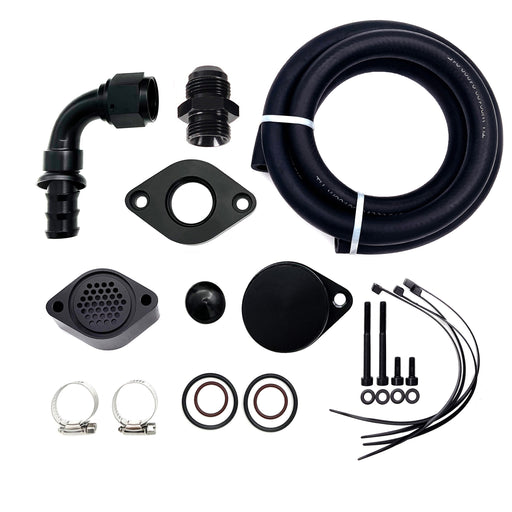
Seguler 2011-2023 6.7L Ford Powerstroke CCV PCV Reroute Engine Ventilation Kit
SEGULEROriginal price $82.99 - Original price $82.99Original price$82.99$82.99 - $82.99Current price $82.99FITMENT 2011-2023 6.7L Ford Powerstroke F-250 F-350 F-450 F-550 Super Duty V8 Diesel. Compatible with both standard Pickups and commercial Cab &...
View full details -
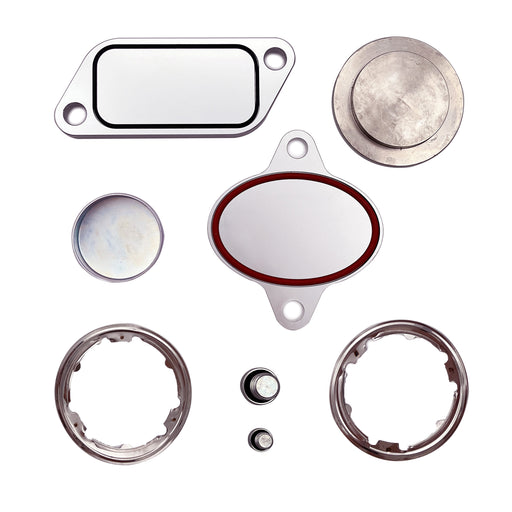
For 2007-2010 Cummins ISX CM871 EGR Plug Kit Stage 2 Plates and Plugs Aluminum
SEGULEROriginal price $67.99 - Original price $67.99Original price$67.99$67.99 - $67.99Current price $67.99FITMENT 2007-2010 Cummins Volvo, Peterbilt, Mack, International, Freightliner, Kenworth with the ISX CM871 Engines. DESCRIPTION Product Overvie...
View full details -
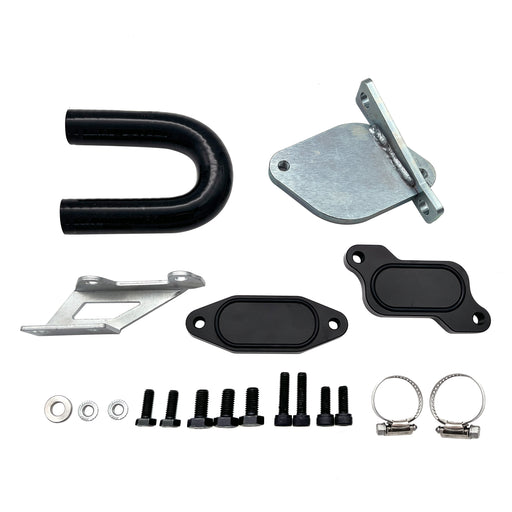
For 2007-2010 6.6L Chevy GMC LMM Duramax EGR Valve Cooler Delete Kit Fit
SEGULEROriginal price $61.99 - Original price $61.99Original price$61.99$61.99 - $61.99Current price $61.99FITMENT 2007.5-2010 6.6L Chevrolet Silverado Duramax LMM 2500HD / 3500HD. 2007.5-2010 6.6L GMC Sierra Duramax LMM 2500HD / 3500HD. Note: Standard...
View full details -
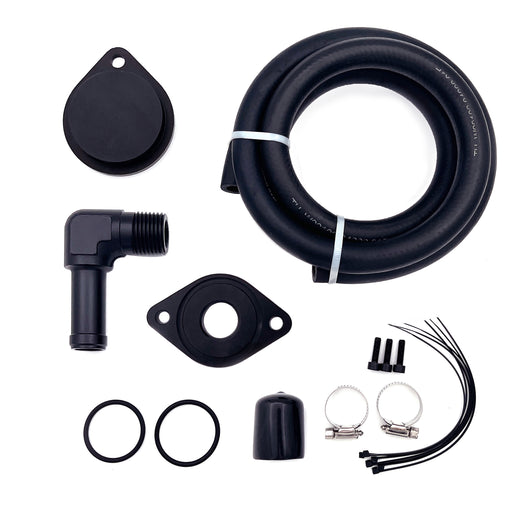
Seguler 2011-2023 Ford 6.7L Powerstroke CCV/PCV Reroute/Delete Engine Ventilation Kit
SEGULEROriginal price $72.00 - Original price $72.00Original price$72.00$72.00 - $72.00Current price $72.00FITMENT 2011-2023 6.7L Ford Powerstroke F-250 F-350 F-450 F-550 Super Duty V8 Diesel. Compatible with both standard Pickups and commercial Cab &...
View full details -
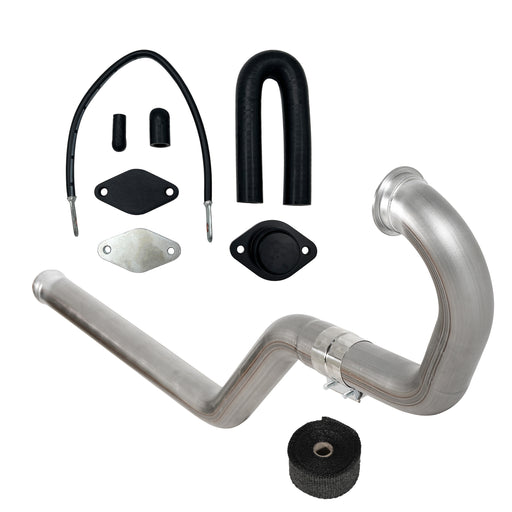
3" Turbo Back DPF & EGR Delete Kit for 2020-2022 GM 3.0L LM2 Duramax
SEGULEROriginal price $550.00 - Original price $550.00Original price$550.00$550.00 - $550.00Current price $550.00FITMENT 2020–2022 3.0L Chevrolet Silverado 1500 LM2 Diesel. 2020–2022 3.0L GMC Sierra 1500 LM2 Diesel. DESCRIPTION Product Overview On the 3.0...
View full details -

Seguler 2010+ Dodge Ram Cummins EZ-Lynk/CCV SOTF Switch
SEGULEROriginal price $80.00 - Original price $80.00Original price$80.00$80.00 - $80.00Current price $80.00FITMENT 2010-2024 6.7L Ram Cummins 2500 3500 4500 5500 Turbo Diesel. DESCRIPTION Product Overview Changing horsepower levels on a tuned Ram tr...
View full details


Leave a comment