

LML EGR Delete: Fix Chronic Carbon Clogging (6.6L)
Open the hood of any 2011–2016 Duramax with more than 80,000 miles on the clock, pull the intake boot, and shine a flashlight down the intake manifold. What stares back at you isn’t aluminum — it’s a black, crusted, uneven layer of carbon that’s been accumulating since the day the truck rolled off the assembly line.
The LML is widely considered the sweet spot of the Duramax lineage. Its 6.6L V8 produces 397 horsepower and 765 lb-ft of torque from the factory, it was the last Duramax platform to ship without an encrypted ECM, and the EFILive tuning era that defined the platform unlocked capability that later generations locked down. But the engine comes with a design trade-off that every high-mileage owner eventually confronts: the EGR system injects a continuous stream of diesel soot into the intake tract, and the carbon accumulation never stops.
The question isn’t whether an LML EGR delete fixes the problem. It’s whether it fixes enough of the problem to be worth doing on its own — or whether it only makes sense as part of a broader system approach.
⚠️ How the LML’s EGR System Manufactures Carbon
The Three-Layer Emissions Architecture
To understand what an LML EGR delete actually solves, it helps to first map out exactly how the factory emissions architecture operates. The LML was GM’s first Duramax to combine EGR, DPF, and SCR (selective catalytic reduction requiring DEF fluid) in a single platform — an ambitious integration that no previous-generation Duramax had attempted.
The EGR system reduces combustion-temperature NOx by routing a portion of exhaust gas back into the intake manifold, where the inert gas cools peak cylinder temperatures. The DPF sits downstream of the turbocharger and traps particulate matter — the visible black soot that pre-emissions diesels simply expelled. The SCR system, positioned after the DPF, injects a precisely-metered mist of urea-based DEF into the exhaust stream; the urea breaks down into ammonia, which reacts with NOx across the SCR catalyst to produce harmless nitrogen and water vapor.
Why the EGR Becomes the First Domino
This triple-layer strategy works on a clean-sheet engineering diagram. In practice, the EGR circuit is the first system to degrade — and once it does, the cascade begins.
The EGR cooler itself is a liquid-to-gas heat exchanger positioned in the engine valley, sandwiched between two cylinder banks radiating heat. As exhaust soot accumulates inside the cooler’s narrow internal passages — which is inevitable because diesel exhaust is inherently particulate-laden — the cooler’s ability to shed heat declines. Hotter EGR gas enters the intake manifold, which means stickier soot particles that bond more aggressively to intake surfaces. The cooler’s internal restriction also increases, redirecting a higher proportion of exhaust gas toward the EGR valve itself and accelerating valve stem carbon buildup.
How the DPF Inherits the Problem
Once intake restriction begins from carbon packing, combustion efficiency drops. Incomplete combustion produces more raw soot per power stroke, which the DPF must trap. This increases the frequency of active regeneration cycles — the process where the ECU injects extra fuel on the exhaust stroke to raise DPF temperature to roughly 1,100°F and burn off accumulated soot.
Each regeneration cycle carries secondary costs. The post-injection fuel that doesn’t fully combust can wash past the piston rings and dilute the engine oil, reducing its viscosity and protective film strength. And a DPF that’s loading faster than designed reaches its ash-cleaning threshold sooner — at which point the filter must either be removed for professional cleaning or replaced entirely, at a cost that frequently exceeds $3,000 at a dealership.
The DEF/SCR System: The Last Link in the Chain
By the time the exhaust stream reaches the SCR catalyst, it has already passed through an EGR circuit that’s running hotter and dirtier than designed, and a DPF that’s cycling through regenerations more frequently than intended. The result is higher baseline NOx entering the SCR catalyst, which drives up DEF consumption. Owners report DEF tanks running dry well before the expected 5,000-mile service interval — a direct downstream consequence of EGR degradation that’s happening 12 inches upstream in the exhaust path.
The Domino Effect in Practice
At 40,000 miles, the LML’s emissions systems are largely still cooperating. By 80,000 miles, the feedback loops have turned against each other: EGR carbon restricts the intake, which degrades combustion, which produces more soot, which overloads the DPF, which triggers more regenerations, which dilutes the oil, which increases blow-by, which pushes more oil vapor through the CCV into the intake, which accelerates carbon paste formation, which further restricts the intake. Every mile past that point tightens the cycle. The three-layer emissions architecture hasn’t been working as a system for a long time — it has been working against itself.
How the Carbon Actually Forms
Every diesel engine generates soot during combustion — microscopic, abrasive carbon particles suspended in the exhaust stream. On a clean-running engine, those particles exit through the turbocharger and out the tailpipe. On the LML, the EGR system intercepts a portion of that exhaust flow and redirects it directly into the intake manifold.
The factory design pulls EGR gas from upstream of the turbocharger — the hottest, densest, most soot-concentrated gas available. This is intentional: utilizing pre-turbo exhaust maximizes the volume of recirculated gas the system can deliver across the RPM range. But it also ensures the intake tract sees a higher concentration of abrasive carbon particulate per operating hour than any competing platform of the era.
The problem compounds through three interacting mechanisms:
Soot + oil vapor = carbon paste. The CCV (crankcase ventilation) system simultaneously routes atomized engine oil into the same intake tract. When hot EGR soot meets cool oil mist, the particles bind into a thick, adhesive carbon paste that actively bonds to metal surfaces — intake runners, swirl valves, and valve stems — rather than passing through.
Heat accelerates adhesion. The EGR cooler is positioned in the valley of the engine block, absorbing radiant heat from both cylinder banks. As the cooler’s internal passages accumulate soot — which is inevitable on a stock truck — heat transfer efficiency degrades, and the EGR gas entering the intake becomes progressively hotter. Hotter soot particles are stickier, and the deposition rate accelerates as the system ages.
The swirl valves become a collection point. Every LML uses intake swirl valves — butterfly-style flaps in the intake manifold designed to induce turbulence at low RPM. These valves operate directly in the carbon-laden airflow, and once they’re coated in deposits, they restrict airflow even in the fully open position. A heavily carboned swirl valve assembly on an LML can reduce peak airflow by more than 15%.
2011-2016 6.6L GMC Chevy Duramax Diesel LML EGR Valve Cooler Delete Kit
A solution like the 2011-2016 Duramax LML EGR Delete Kit removes the entire exhaust gas recirculation circuit: the EGR valve, the EGR cooler, the crossover tube, and all associated plumbing. A machined block-off plate seals the intake manifold’s EGR port permanently, meaning zero exhaust gas — and zero soot — ever enters the intake tract from the EGR side again. The impact unfolds across several measurable dimensions: carbon accumulation stops immediately (existing deposits gradually recede over subsequent oil change intervals), intake air temperature drops from 400–600°F to ambient, the EGR valve failure point is eliminated entirely, and the coolant circuit sees faster flow with the restrictive EGR cooler removed from the loop. For trucks that tow heavy loads through mountain grades, where sustained EGTs and intake temperatures are the limiting factor, this thermal margin recovery matters.
- Prevent Permanent Carbon Damage: Eliminates soot injection into the intake, stopping the chronic carbon clogging that robs your engine of performance.
- Improve Thermal Efficiency: Lowers Exhaust Gas Temperatures (EGTs) and optimizes coolant flow, allowing your engine to run cooler and more efficiently.
- Enhance Turbo Responsiveness: Reduces flow restrictions, resulting in quicker turbo spool and improved throttle response across the RPM range.
-
Maximize Durability & Savings: Built from premium stainless steel and billet aluminum to outlast OEM components while eliminating expensive, recurring EGR system maintenance
2011-2016 6.6L GMC Chevy Duramax Diesel LML Up-Pipe & EGR Valve Cooler Delete Kit
If you want the EGR deleted and the turbocharger’s supply path optimized simultaneously, the Duramax Diesel LML Up-Pipe & EGR Valve Cooler Delete Kit addresses both in a single installation. The factory up-pipe — the passage feeding exhaust to the turbine inlet — contains the EGR feed port and related flow obstructions; replacing it with a smooth, unrestricted pipe while deleting the EGR circuit means the turbo sees a purer exhaust pulse with fewer expansion losses.

- Premium 304 Stainless Steel Construction: Crafted from heavy-duty 304 stainless steel for superior corrosion resistance and durability compared to OEM components.
- Precision-Engineered Performance: Features high-performance bellows with laser-cut flanges, ensuring a perfect fit and optimized exhaust flow for the passenger side.
- Restored Power & Efficiency: Effectively minimizes carbon buildup and reduces exhaust restriction, revitalizing your Duramax’s throttle response and overall engine performance.
2011-2015 Chevy/GMC Duramax LML 4" DPF & CAT Delete Pipe
And then there’s the exhaust side. Deleting the EGR removes the largest carbon source, but exhaust backpressure remains — a loaded DPF that’s approaching its ash-cleaning interval increases crankcase blow-by, which increases the oil vapor load pushed back into the intake. The Chevy/GMC Duramax LML 4" DPF & CAT Delete Pipe addresses this: a T-409 stainless 4-inch straight-pipe section replaces the DPF canister and catalyst brick, resulting in lower exhaust gas temperatures, reduced turbocharger heat load, and elimination of the active regeneration cycles that dump raw fuel into the cylinders.

- Durable T-409 Stainless Steel: Built from high-grade T-409 stainless steel to ensure exceptional longevity and resistance to harsh exhaust conditions.
- High-Flow 4" Performance Design: Features a full 4-inch diameter pipe configuration specifically engineered to eliminate restrictive catalytic converters and DPF filters for maximum exhaust flow.
-
Precision Fitment: Designed with original-style hangers for a straightforward installation process on V-band equipped LML trucks, ensuring a secure and exact fit.
📊 LML Delete Impact at a Glance
The following table summarizes the key performance parameters that change when each system is addressed:
| Modification | Primary Benefit | Secondary Effect |
| EGR delete | Stops carbon injection into intake | Lower IAT, coolant optimization |
| Up-Pipe upgrade | Reduces exhaust flow restriction | Quicker turbo spool, lower EGTs |
| DPF/CAT removal | Eliminates exhaust backpressure | No active regen, oil dilution prevention |
Each modification targets a different link in the contamination and efficiency chain.
The EGR delete stops the carbon source. The Up-Pipe upgrade optimizes the exhaust flow path to the turbine, reducing restriction. And DPF removal stops the backpressure that drives both heat load and regeneration-related oil dilution.
⚙️ Summary
Deleting the LML's emissions system stops a destructive cycle where recirculated soot and oil vapor create intake-clogging carbon paste. Removing the DPF and EGR eliminates backpressure, stops heat-soaking regenerations, and prevents oil dilution. Since the LML’s ECM is fully tunable, these upgrades allow the engine to breathe clean air and restore peak performance without the risk of recurring component failure. For long-term reliability and efficiency, a full delete is the most effective way to protect your engine.
Visit www.seguler.com for LML performance kits and compatibility guides.
❓ FAQs About LML EGR Delete
Q1: Does removing the EGR on an LML require tuning?
A1: Yes — and the LML’s tuning landscape is one of the platform’s defining advantages. Unlike later-generation Duramax engines with encrypted ECMs, the LML’s ECM is fully accessible through tuning platforms, which is why the platform developed a reputation as the last truly tunable Duramax. Physically removing EGR hardware without adjusting the ECU calibration will trigger a check engine light and potentially limp mode. The tune disables EGR monitoring routines, adjusts fuel mapping for the cleaner intake air, and ensures the ECU doesn’t hunt for EGR valve position feedback that no longer exists.
Q2: What are the telltale signs of EGR-related carbon buildup?
A2: There are four diagnostic indicators worth watching. First, a gradual MPG decline over months — typically 0.5–1.5 MPG — as carbon-restricted intake runners force the ECU to command more fuel for the same power output. Second, lazy throttle response off idle, particularly noticeable when pulling away from a stop with a loaded trailer. Third, intermittent rough idle when the engine is fully warm, caused by a partially coked EGR valve that won’t fully seat. Fourth, visible black smoke under heavy acceleration, indicating an over-rich condition from restricted intake airflow. Any two of these together on an LML past 60,000 miles is a strong indicator of active carbon packing.
Q3: What happens if the EGR cooler itself fails?
A3: An internally leaking EGR cooler allows coolant to enter the intake tract — which is far more dangerous than carbon buildup alone. Coolant in the combustion chamber creates localized hot spots that can crack pistons, and coolant that reaches the DPF substrate can permanently poison the catalyst coating. The EGR cooler’s location in the engine valley, where it absorbs radiant heat from both banks, makes it especially vulnerable to thermal stress cracking on trucks that regularly tow heavy loads. A delete kit eliminates this failure mode entirely by removing the cooler from the vehicle.
Q4: Will I notice a power difference after an EGR delete alone?
A4: The answer depends on how carboned your intake currently is. On a clean or low-mileage LML, an EGR delete won’t add horsepower — the engine was already making its rated output. On a truck with significant carbon restriction, removing the EGR stops further restriction and the gradual airflow recovery can restore performance that was imperceptibly lost over tens of thousands of miles. The power gains that owners report — typically in throttle response and low-end torque feel — are more a function of intake air density improvement (cooler, denser air without EGR dilution) than any increase in peak output.
Q5: Can I delete the DPF without deleting the EGR?
A5: Physically, yes — the DPF is on the exhaust side downstream of the turbocharger and is mechanically independent from the EGR circuit. But operating an EGR-equipped engine without a DPF means the EGR system continues injecting soot into the intake while the DPF is no longer available to catch what comes out the tailpipe. The EGR soot still accumulates in the intake manifold, swirl valves, and intake ports. Deleting the DPF without the EGR removes the regeneration burden and reduces backpressure, which are genuine benefits — but it does nothing to stop carbon from entering the intake.
Q6: How does the LML’s delete difficulty compare with other Duramax generations?
A6: The LML (2011–2016) is widely recognized as having the most accessible delete workflow of any modern Duramax platform. Its ECM is unencrypted, meaning tuning is accomplished via standard OBD-II flashing without the physical ECM removal or bench-unlocking required by later platforms like the L5P (2017–present). The EGR system’s physical location and bolt pattern are well-documented, and the aftermarket support for LML delete components is mature — a direct consequence of the platform having spent more than a decade as the go-to choice for owners who wanted full tuning control without hardware-level ECM workarounds.
Featured collection
-
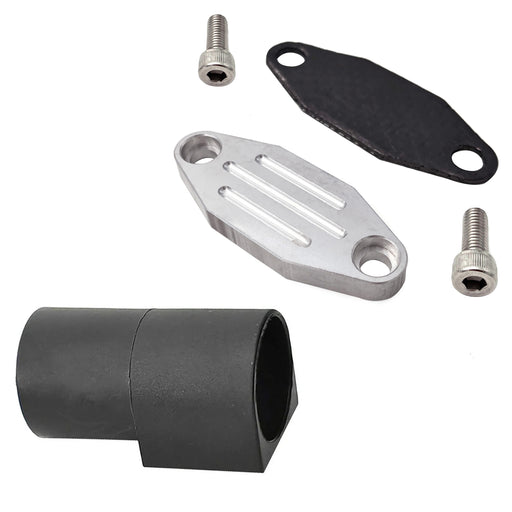
Seguler 1986-1995 Ford F150 F250 F350 Mustang Trucks EGR Simulator Eliminator / Block Off Plate Kit
SEGULEROriginal price $79.99 - Original price $79.99Original price$79.99$79.99 - $79.99Current price $79.99Block Off Plate Material: Aluminum alloy. Easy installation,and convenient to use. Made of CNC milled from aircraft grade Billet aluminum. Will N...
View full details -

Seguler 2011-2023 6.7L Ford Powerstroke Diesel EGR Delete Kit
SEGULEROriginal price $109.99 - Original price $109.99Original price$109.99$109.99 - $109.99Current price $109.99FITMENT 2011-2023 6.7L Ford Powerstroke F-250 F-350 F-450 F-550 Super Duty V8 Diesel. compatible with both standard Pickups and commercial Cab &...
View full details -
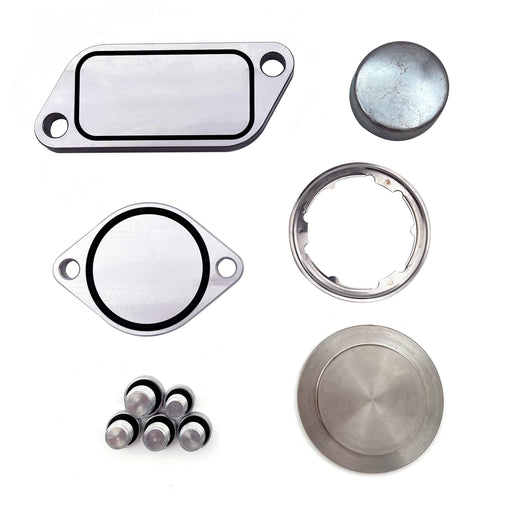
For 2010-Present Stage 2 ISX 15 CM2250 CM2350 EGR Delete Kit
SEGULEROriginal price $59.99 - Original price $59.99Original price$59.99$59.99 - $59.99Current price $59.99FITMENT 2010-Present Cummins Volvo, Peterbilt, Mack, International, Freightliner, Kenworth with the ISX15 CM2250 / CM2350 engines. DESCRIPTION P...
View full details -
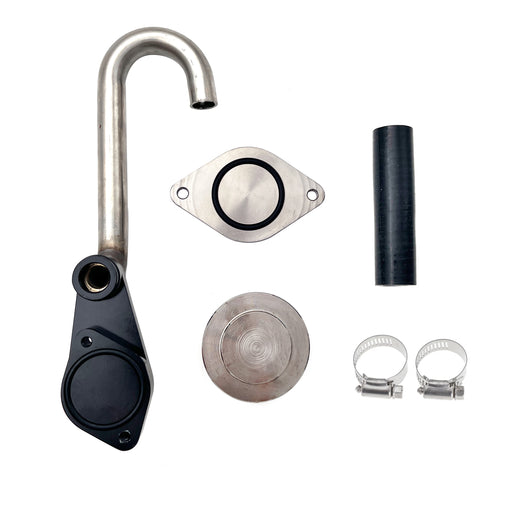
Seguler 2003-2007 6.0L FORD Powerstroke Diesel EGR Cooler Delete Kit
SEGULEROriginal price $56.14 - Original price $56.14Original price$56.14$56.14 - $56.14Current price $56.14FITMENT 2003-2007 6.0L Ford F-250 Ford F-350 F-450 F-550 Super Duty. 2003-2007 6.0L Ford Excursion SUV (Diesel Models Only). 2005-2010 Ford E-Se...
View full details -
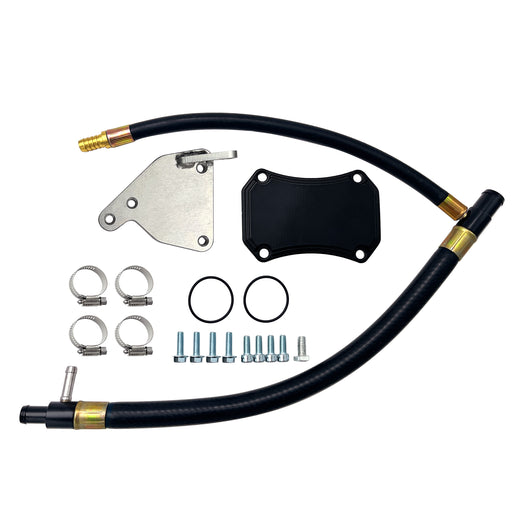
For 2011-2016 6.6L GMC Chevy Duramax Diesel LML EGR Valve Cooler Delete Kit
SEGULEROriginal price $66.49 - Original price $66.49Original price$66.49$66.49 - $66.49Current price $66.49FITMENT 2011-2016 6.6L Chevy GMC Duramax LML 2500 HD 3500 HD Diesel. DESCRIPTION Product Overview The 2011–2016 LML Duramax uses a complex EG...
View full details -
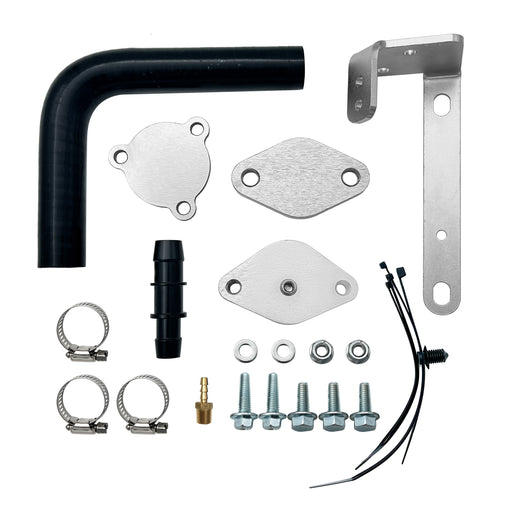
Seguler For 2014-2019 3.0L Dodge Ram 1500 EcoDiesel EGR Valve & Cooler Delete Kit
SEGULEROriginal price $72.99 - Original price $72.99Original price$72.99$72.99 - $72.99Current price $72.99FITMENT 2014-2019 3.0L Dodge Ram 1500 EcoDiesel V6 engine trucks. DESCRIPTION Product Overview Exhaust gas recirculation on 3.0L EcoDiesel V6 ...
View full details -

Seguler 2011-2023 6.7L Ford Powerstroke Diesel EGR Delete Kit
SEGULEROriginal price $85.99 - Original price $85.99Original price$85.99$85.99 - $85.99Current price $85.99FITMENT 2011-2023 6.7L Ford Powerstroke F-250 F-350 F-450 F-550 Super Duty V8 Diesel. compatible with both standard Pickups and commercial Cab &...
View full details -

Seguler 2010-2024 6.7L Dodge Ram Cummins Diesel EGR Valve Cooler Delete Kit
SEGULEROriginal price $89.99 - Original price $89.99Original price$89.99$89.99 - $89.99Current price $89.99FITMENT 2010–2024 6.7L Dodge Ram Cummins 2500 / 3500 Pickup Turbo Diesel. Note: Does NOT fit Chassis Cab 3500 / 4500 / 5500 models. DESCRIPTIO...
View full details -
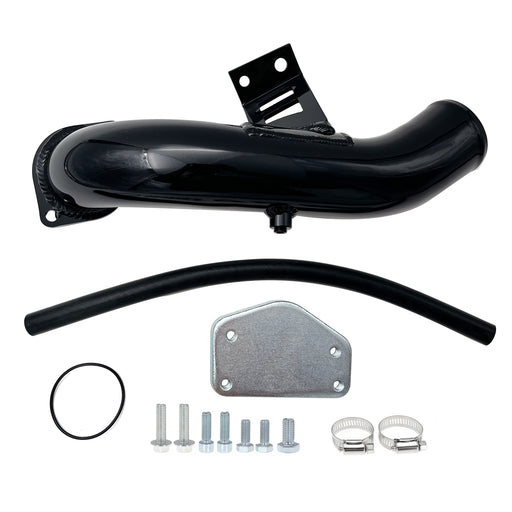
For 2004.5-2005 6.6L Chevy GMC Silverado LLY Duramax Diesel EGR Delete Kit
SEGULEROriginal price $92.99 - Original price $92.99Original price$92.99$92.99 - $92.99Current price $92.99FITMENT 2004.5-2005 6.6L Chevrolet Silverado Duramax LLY 2500HD / 3500 HD. 2004.5-2005 6.6L GMC Sierra Duramax LLY 2500HD / 3500 HD. DESCRIPTION...
View full details -

Seguler 2017-2019 L5P Duramax Diesel 4pcs L5P Can Bus Plugs Connector Replacement
SEGULEROriginal price $75.00 - Original price $75.00Original price$75.00$75.00 - $75.00Current price $75.00FITMENT 2017–2019 Chevrolet Silverado / GMC Sierra Duramax L5P 2500HD & 3500HD Diesel. DESCRIPTION Product Overview Unprotected harness con...
View full details -

Seguler 2020-2023 chevy duramax L5P Diesel Can Bus Plugs Connector
SEGULEROriginal price $80.00 - Original price $80.00Original price$80.00$80.00 - $80.00Current price $80.00FITMENT 2020–2023 Chevrolet Silverado / GMC Sierra Duramax L5P 2500HD & 3500HD Diesel. DESCRIPTION Product Overview Unprotected harness pl...
View full details -
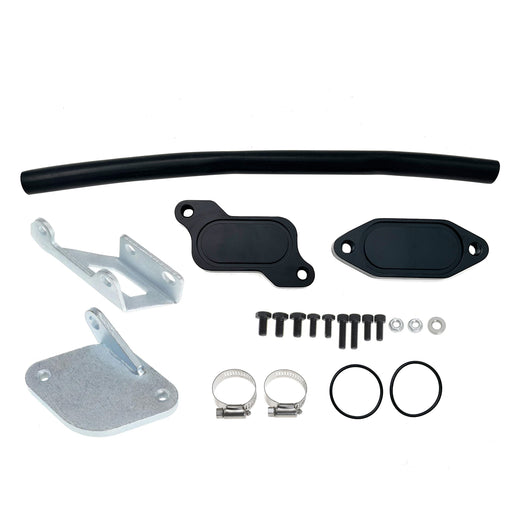
For 2006-2007 6.6L Chevrolet Silverado Classic GMC Duramax LBZ Diesel EGR Valve Cooler Delete Kit
SEGULEROriginal price $63.49 - Original price $63.49Original price$63.49$63.49 - $63.49Current price $63.49FITMENT 2006-2007.4 Chevrolet Silverado Duramax LBZ 2500HD / 3500HD. 2007.4 Chevrolet Silverado Duramax LBZ 2500HD / 3500HD Classic. 2006-2007.4 ...
View full details -

Seguler 2011-2023 6.7L Ford F250 F350 F450 F550 Powerstroke Diesel EGR Valve Delete Cooler Delete Kit
SEGULEROriginal price $55.99 - Original price $55.99Original price$55.99$55.99 - $55.99Current price $55.99FITMENT 2011-2023 6.7L Ford Powerstroke F-250 F-350 F-450 F-550 Super Duty V8 Diesel compatible with both standard Pickups and commercial Cab &a...
View full details -
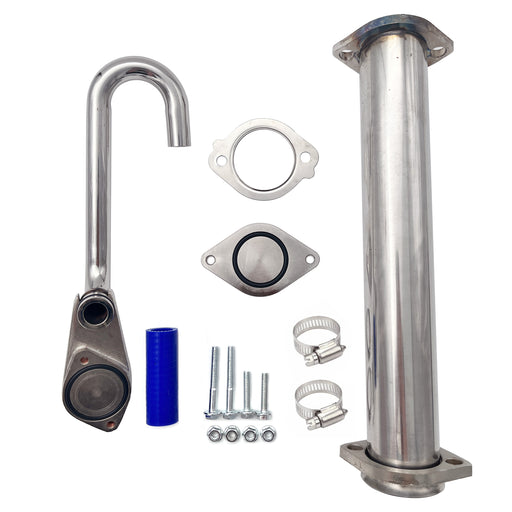
Seguler 2003-2007 6.0L Ford F250 F350 Powerstroke Diesel EGR Basic Cooler Kit
SEGULEROriginal price $79.99 - Original price $79.99Original price$79.99$79.99 - $79.99Current price $79.99FITMENT 2003-2007 6.0L Ford F250 F350 F450 F550 Super Duty Turbo (except 2004 F250 Super Duty). 2003-2005 6.0L Ford Excursion Turbo. 2005 Ford F...
View full details -
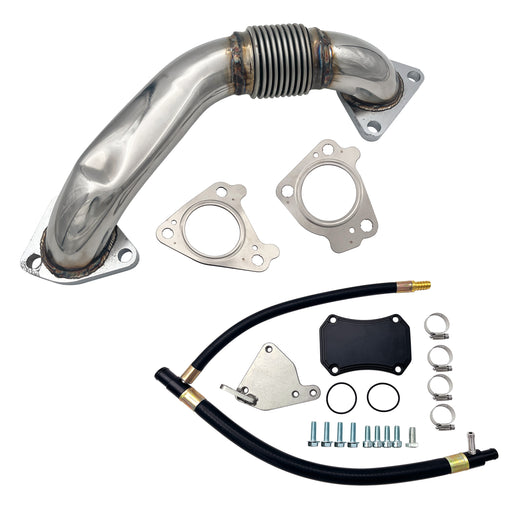
Seguler 2011-2016 6.6L GMC Chevy Duramax Diesel LML Up-Pipe & EGR Valve Cooler Delete Kit
SEGULEROriginal price $173.86 - Original price $173.86Original price$173.86$173.86 - $173.86Current price $173.86FITMENT 2011-2016 6.6L Chevy GMC Duramax LML 2500 HD 3500 HD Diesel. DESCRIPTION Product Overview Direct-injection technology endows GM 5.3L an...
View full details -
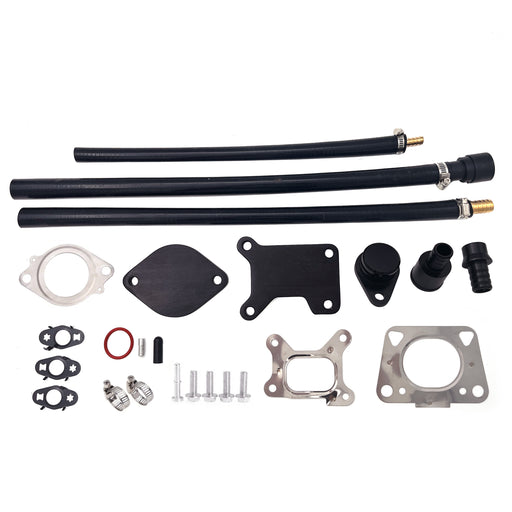
For 2017-2023 6.6L Chevy GMC Duramax L5P diesel EGR Valve Cooler Delete kit
SEGULEROriginal price $131.99 - Original price $131.99Original price$131.99$131.99 - $131.99Current price $131.99FITMENT 2017–2023 6.6L Chevrolet Silverado / GMC Sierra Duramax L5P 2500HD 3500HD Diesel. DESCRIPTION Product Overview Hot soot recirculation ...
View full details -
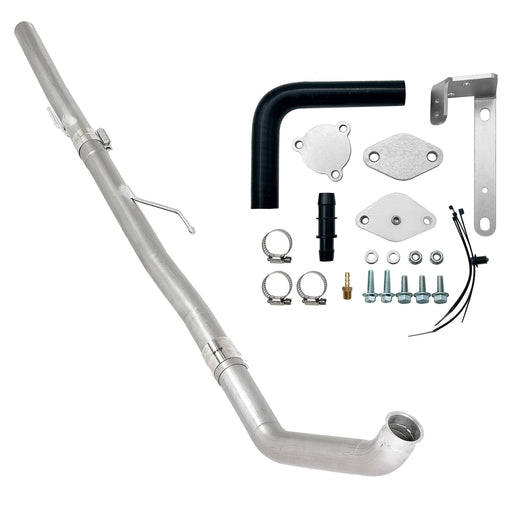
Seguler 3" Ecodiesel DPF Delete Pipe & EGR Delete kit for 2014-2018 3.0L Ram
SEGULEROriginal price $342.00 - Original price $342.00Original price$342.00$342.00 - $342.00Current price $342.00FITMENT 2014–2018 3.0L Dodge Ram 1500 EcoDiesel V6. NOTE: Fit standard Pickup models only (Crew Cab, Quad Cab). Does NOT fit Jeep Grand Cheroke...
View full details -
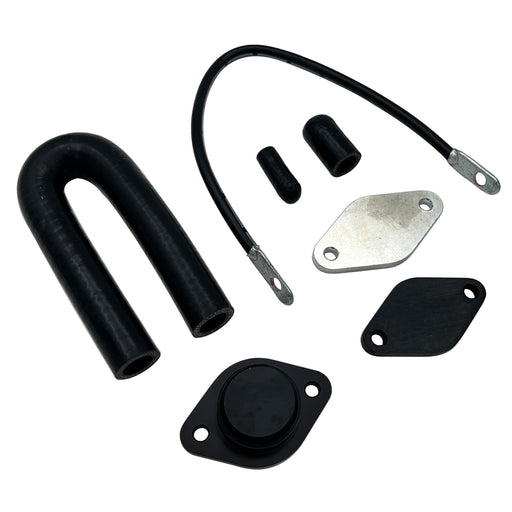
Seguler EGR valve cooler Delete kit for 2020-2022 3.0L Chevy Duramax LM2
SEGULEROriginal price $189.12 - Original price $189.12Original price$189.12$189.12 - $189.12Current price $189.12FITMENT 2020–2022 3.0L Chevrolet Silverado GMC Sierra 1500 LM2 Turbo-Diesel. DESCRIPTION Product Overview Powered by smooth inline-six engine...
View full details -

For 2013-2023 6.7L Dodge Ram Cummins Cab & Chassis EGR Delete Kit Diesel
SEGULEROriginal price $62.99 - Original price $62.99Original price$62.99$62.99 - $62.99Current price $62.99FITMENT 2013–2023 6.7L Ram Cummins 3500 4500 5500 Cab & Chassis / Commercial Trucks. Does NOT fit standard Ram 2500 3500 Pickups. DESCRIPTIO...
View full details -
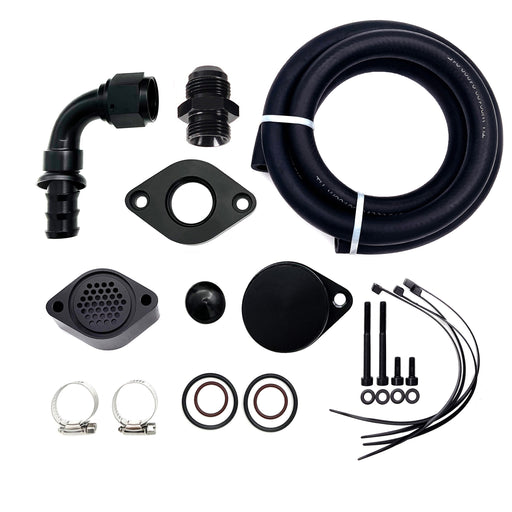
Seguler 2011-2023 6.7L Ford Powerstroke CCV PCV Reroute Engine Ventilation Kit
SEGULEROriginal price $82.99 - Original price $82.99Original price$82.99$82.99 - $82.99Current price $82.99FITMENT 2011-2023 6.7L Ford Powerstroke F-250 F-350 F-450 F-550 Super Duty V8 Diesel. Compatible with both standard Pickups and commercial Cab &...
View full details -
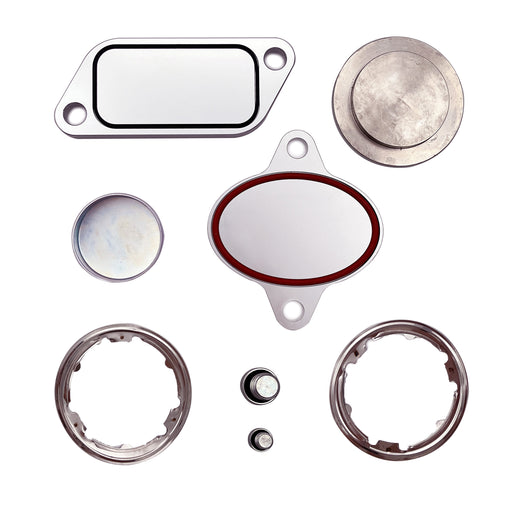
For 2007-2010 Cummins ISX CM871 EGR Plug Kit Stage 2 Plates and Plugs Aluminum
SEGULEROriginal price $67.99 - Original price $67.99Original price$67.99$67.99 - $67.99Current price $67.99FITMENT 2007-2010 Cummins Volvo, Peterbilt, Mack, International, Freightliner, Kenworth with the ISX CM871 Engines. DESCRIPTION Product Overvie...
View full details -
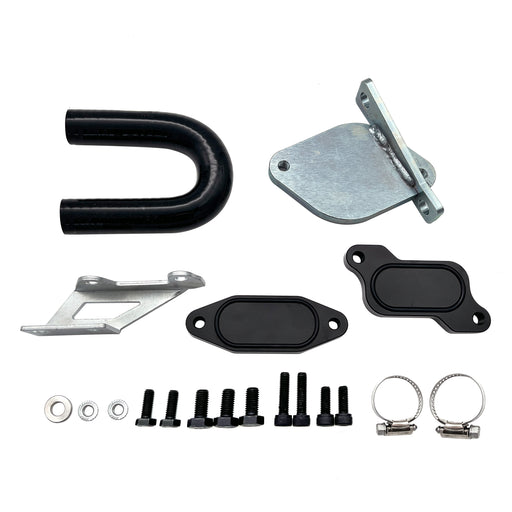
For 2007-2010 6.6L Chevy GMC LMM Duramax EGR Valve Cooler Delete Kit Fit
SEGULEROriginal price $61.99 - Original price $61.99Original price$61.99$61.99 - $61.99Current price $61.99FITMENT 2007.5-2010 6.6L Chevrolet Silverado Duramax LMM 2500HD / 3500HD. 2007.5-2010 6.6L GMC Sierra Duramax LMM 2500HD / 3500HD. Note: Standard...
View full details -
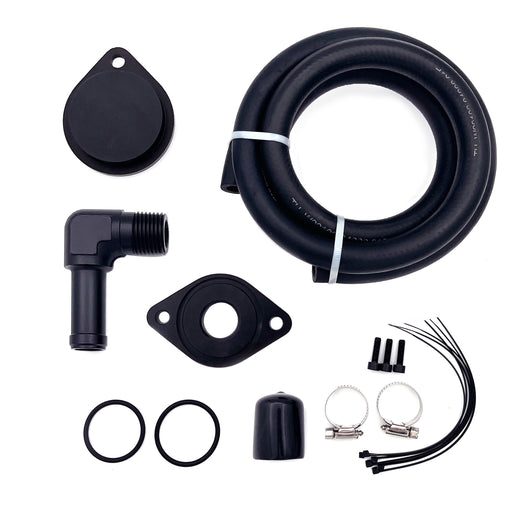
Seguler 2011-2023 Ford 6.7L Powerstroke CCV/PCV Reroute/Delete Engine Ventilation Kit
SEGULEROriginal price $72.00 - Original price $72.00Original price$72.00$72.00 - $72.00Current price $72.00FITMENT 2011-2023 6.7L Ford Powerstroke F-250 F-350 F-450 F-550 Super Duty V8 Diesel. Compatible with both standard Pickups and commercial Cab &...
View full details -
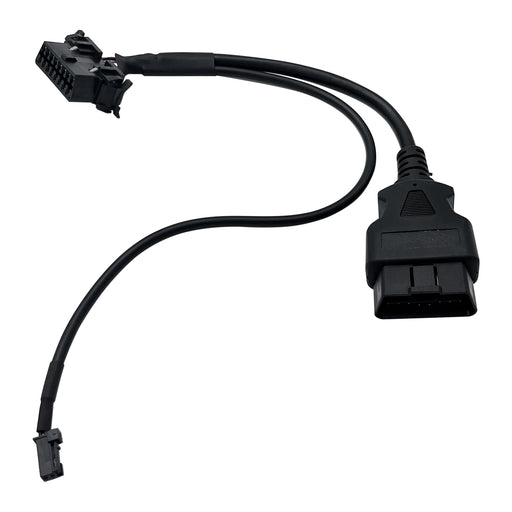
Seguler 2018+ RAM Cummins OBD2 HD Security Gate Bypass Cable
SEGULEROriginal price $45.00 - Original price $45.00Original price$45.00$45.00 - $45.00Current price $45.00FITMENT 2018+ 6.7L Ram Cummins 2500 3500 Turbo Diesel. Designed for Ram pickup trucks equipped with the factory Security Gateway Module. Note: Pl...
View full details -
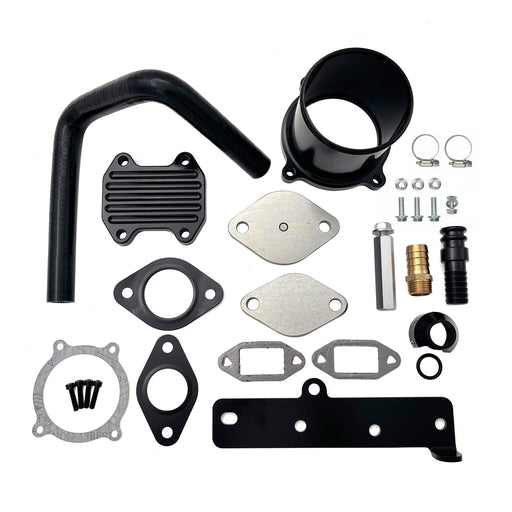
Seguler For 2013-2018 6.7L Dodge RAM 2500 3500 Cummins Diesel EGR Delete Cooler Throttle Valve Delete Kit
SEGULEROriginal price $112.00 - Original price $112.00Original price$112.00$112.00 - $112.00Current price $112.00FITMENT 2013–2018 6.7L Dodge Ram Cummins 2500 & 3500 Pickup Turbo Diesel. Note: Does NOT fit Cab & Chassis (3500 / 4500 / 5500 C&C) m...
View full details


Leave a comment