

L5P Can Bus Plugs: Keep Fuel System Running After Delete
You’ve deleted the DPF, removed the EGR, and flashed a custom calibration onto your L5P’s ECM. The truck runs cooler, breathes easier, and the regen cycles are gone for good. Then you notice something odd — the fuel gauge twitches at idle, the lift pump sounds different than it used to, and you swear the throttle isn’t responding the way it did on day one after the tune.
The problem isn’t the delete. It isn’t the tune. It’s the CAN bus network — and the fact that removing emissions hardware on the L5P doesn’t just unplug sensors. It severs communication lines that the ECM expects to hear from, and one of the circuits that gets caught in the crossfire is the fuel system data link.
🔌 What Is the CAN Bus — and Why Does the L5P Care So Much About It?
Controller Area Network is the nervous system of every modern diesel truck. It’s not a single wire — it’s a two-wire differential serial bus that carries digital messages between every electronic module in the vehicle: the Engine Control Module, the Transmission Control Module, the Body Control Module, the ABS controller, the instrument cluster, and — critically for this conversation — the fuel system control module.
On the L5P Duramax, the CAN bus architecture is more integrated than any previous-generation GM diesel platform. The 2017 redesign that introduced the L5P also introduced Bosch’s E41 ECM, a fully encrypted controller that GM designed specifically to lock out aftermarket tuning and enforce emissions compliance. The ECM doesn’t just run the engine — it monitors and coordinates the entire emissions ecosystem through the CAN bus, and it’s programmed to react aggressively when any component in that ecosystem stops responding.
What Actually Rides on the L5P’s CAN Bus?
The L5P’s CAN network carries dozens of data streams simultaneously, but for delete-related purposes, three matter most:
How DPF Deletion Triggers CAN Bus Faults via EGT Sensors?
Exhaust gas temperature sensors. The L5P uses up to four EGT probes — pre-turbo, post-turbo, pre-DPF, and post-DPF — that report temperature data to the ECM over the CAN bus. When you delete the DPF, the post-DPF sensors become physically disconnected. The ECM notices the missing data immediately.
The Role of the Differential Pressure Sensor in DPF Monitoring
Differential pressure sensor. The DPF pressure sensor measures the pressure drop across the filter substrate and transmits that reading via CAN. Remove the DPF and the pressure differential collapses to zero — the ECM interprets this as a sensor failure, not a hardware removal.
Why Does Removing NOx Sensors Trigger ECM Faults?
NOx sensors. Pre-SCR and post-SCR NOx sensors continuously report emissions conversion efficiency. When the SCR catalyst and DEF injector are removed during a full delete, both sensor data streams go silent — and the ECM logs faults for every missing signal.
How does an emissions delete disrupt your fuel system?
Fuel system module. This is the one that catches owners off guard. The L5P’s fuel tank module — which controls the in-tank lift pump, monitors fuel level, and reports fuel temperature — communicates with the ECM over the same CAN bus. The emissions sensor circuits and the fuel system circuit share a common electrical architecture. An improper delete that leaves CAN bus circuits open or improperly terminated can introduce electrical noise onto the bus that interferes with the fuel module’s data stream. The fuel gauge isn’t broken — the ECM can’t hear the fuel module over the electrical noise from unterminated CAN nodes.
🧬 The E41 ECM: What Makes the L5P Different
To understand why CAN bus plugs matter specifically for the L5P, you have to understand what GM did with the E41 controller.
Every Duramax before the L5P — the LB7, LLY, LBZ, LMM, and LML — shipped with an unencrypted ECM. Tuning was accomplished through the OBD-II port with a handheld programmer or a laptop. The ECM accepted calibration changes without hardware modification because GM hadn’t built a cryptographic barrier between the diagnostic port and the flash memory.
The L5P changed that. The E41 ECM uses asymmetric encryption — the same class of cryptographic protection used in secure banking transactions — to lock the calibration file. The OBD-II port can read diagnostic data, but it cannot write to the ECM’s flash memory without a valid cryptographic signature from GM. This is why L5P tuning requires physical ECM removal and a bench unlock: the encryption key lives in a secure element on the PCB that cannot be accessed through the diagnostic protocol.
What the Encryption Means for Delete Wiring
The encryption affects tuning access — but it also changes how the ECM responds to sensor disconnection. On older Duramax platforms, a disconnected EGT sensor or DPF pressure sensor would trigger a check engine light, but the ECM would continue normal engine operation with a default value. The E41 ECM is not that forgiving.
When an E41-equipped L5P loses CAN bus communication from an emissions sensor, the ECM escalates beyond a simple fault code. It flags a network integrity error. It records the missing module. And on 2020+ trucks running the latest calibration revisions, it can progressively derate engine output — not because the engine is in danger, but because the ECM has been programmed to treat emissions system tampering as a critical network failure.
This is the distinction that makes CAN bus plugs necessary rather than optional. You’re not just covering exposed connectors. You’re terminating open CAN bus nodes so the ECM sees a complete, stable network — even when the physical sensors and modules at those nodes no longer exist.
🔧 How CAN Bus Plugs Actually Work
A CAN bus network requires electrical termination at both ends of the bus. The standard termination resistance is 120 ohms — two 120-ohm resistors in parallel at each end of the bus, creating a 60-ohm total impedance that prevents signal reflection from corrupting data transmission.
When you physically remove a sensor or module from the vehicle, three things happen to the CAN bus:
The connector is open to the environment. Dirt, moisture, road salt, and engine bay contaminants enter the exposed pin sockets. Over weeks and months, corrosion migrates from the connector surface into the wiring harness. A corroded CAN bus pin can create a high-resistance short to ground that pulls the entire bus voltage low and silences communication for every module on the network — not just the one you removed.
The bus termination changes. Every module on the CAN bus presents a small capacitive and resistive load to the network. Removing modules changes the electrical characteristics of the bus. An unterminated stub — the wire length between the main bus trunk and the now-removed sensor — acts as an antenna, picking up electromagnetic interference from the alternator, the injector drivers, and the ignition system.
Signal reflection corrupts data integrity. A properly terminated CAN bus has clean signal edges. An unterminated or improperly terminated bus produces signal reflections — the voltage waveform bounces off the open end of the wire and travels back toward the ECM, colliding with legitimate data frames and corrupting them. The ECM’s error counters increment. If the error rate exceeds the bus-off threshold (typically 255 errors), the ECM’s CAN controller disconnects from the bus entirely to prevent data corruption. At that point, the fuel system module is invisible — not because it failed, but because the ECM isolated itself from a corrupted network.
2020-2023 chevy duramax L5P Diesel Can Bus Plugs Connector
A quality CAN bus plug — like the Duramax L5P Diesel Can Bus Plugs — addresses all three problems. Weatherproof caps with factory-style interface seals protect the exposed pin sockets from corrosion. Internal circuit topology presents the correct electrical load to the bus so the ECM sees a complete, terminated network. And the physical plug mechanically locks onto the factory connector with the same retention mechanism as the original sensor, so it won’t vibrate loose after a thousand miles of highway driving.
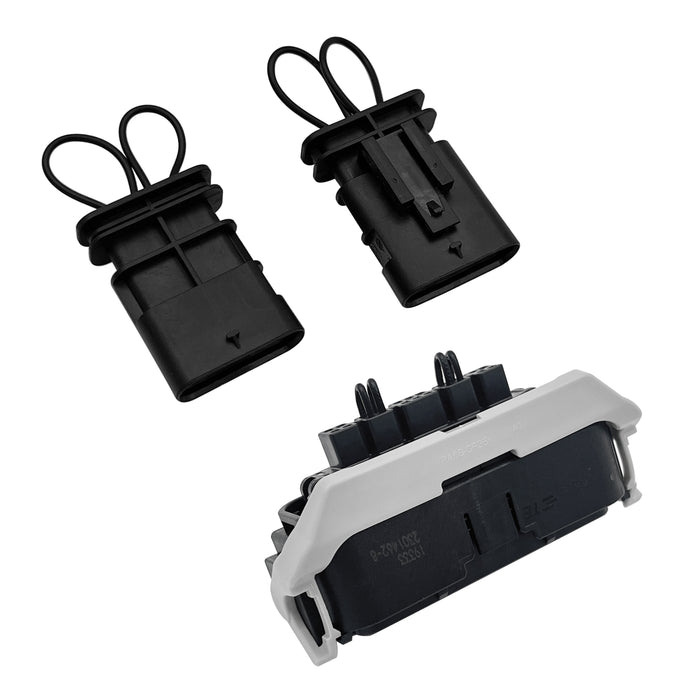
- Ensures Network Stability: Maintains a closed-loop CAN-BUS signal to the ECM, ensuring critical fuel system and lift pump data remains operational after your delete.
- Built for Performance Deletes: Specifically engineered to replace NOx and DEF modules when running aftermarket exhaust systems or delete pipes.
-
Flexible, Precise Fitment: Designed for 2020–2023 6.6L Chevy Duramax L5P trucks, allowing you to either use the plugs directly or secure factory modules safely out of the way.
🚨 What Happens When the CAN Bus Fails After a Delete
CAN bus failures don’t announce themselves with a single dashboard warning light. They present as a collection of intermittent, seemingly unrelated symptoms that get progressively worse:
Fuel level gauge instability. The fuel tank module transmits fuel level data as periodic CAN frames. When bus errors corrupt those frames, the instrument cluster holds the last valid reading — until it can’t, at which point the gauge drops to empty or pegs full. The tank isn’t empty. The ECM just hasn’t received a valid fuel level frame in the last several seconds.
Lift pump behavior changes. The L5P’s in-tank lift pump is controlled by the fuel system module based on commands received over CAN. If the module can’t reliably receive those commands because of bus errors, the pump may not prime on key-on, or it may cycle intermittently at idle. Low fuel rail pressure codes (P0087) can appear — not because the CP4.2 injection pump is failing, but because the lift pump isn’t maintaining supply pressure.
Throttle response degradation. This one is subtle. The accelerator pedal position sensor communicates with the ECM over a dedicated circuit (not CAN), but the ECM’s torque management strategy uses data from multiple CAN sources to determine commanded fuel quantity — including intake air temperature, barometric pressure, and exhaust backpressure estimates. When CAN bus errors cause those values to be delayed or missing, the ECM falls back to conservative default values. The driver feels it as a slight hesitation, a soft pedal, a truck that doesn’t pull as hard as it should at part throttle.
Intermittent check engine lights with no pattern. One day it’s a NOx sensor circuit code. The next day it’s a lost communication code for the fuel system module. The day after that, both codes are gone and the truck runs fine — until the next cold start. This is the classic signature of an electrical CAN bus problem, not a component failure.
These symptoms share a common root cause: the CAN bus isn’t electrically stable after the delete. And can bus plugs L5P owners install as part of a complete delete kit are the most direct way to ensure that stability.
⚙️ What a Complete Delete Actually Changes — and What It Doesn’t
A full DPF, EGR, and DEF delete on the L5P involves removing a significant amount of hardware from the exhaust path and the engine bay. Understanding exactly what changes — and what stays — helps clarify why the electrical side matters as much as the mechanical side.
2020-2023 6.6L Duramax L5P 4" DPF Delete pipe & 3.5" Downpipe w/EGR Delete kit.
The mechanical changes are straightforward. The DPF canister and catalyst brick are replaced with a straight-pipe section, typically 4-inch T-409 stainless steel like the Duramax L5P 4" DPF Delete pipe & 3.5" Downpipe. The EGR cooler, valve, and crossover tube are removed and replaced with block-off plates. The DEF tank pump and injector are disconnected. Exhaust backpressure drops, EGTs fall, and the engine inhales clean, soot-free air for the first time since it left the assembly line.

- Premium Construction: Built from high-grade T-409 stainless steel and durable aluminum alloy for long-lasting performance.
- High-Flow Exhaust Design: Features a 4-inch diameter DPF delete pipe that effectively reduces backpressure to significantly boost engine performance.
- Integrated Signal Integrity: Equipped with looped wires that provide a closed signal back to the ECM, ensuring the CAN-BUS remains active for critical fuel tank and lift pump data.
- Flexible Installation: Designed for 2020-2023 GMC & Chevy L5P Duramax 2500/3500 pickups, allowing for seamless integration by either utilizing the included plugs or securing factory modules to the harness.
The electrical side is less visible but equally important. The DPF pressure sensor connector hangs open under the truck. The post-DPF EGT probe connector dangles near the firewall. The NOx sensor connectors sit exposed in the exhaust tunnel. The DEF tank harness runs back to the ECM with nothing connected at the far end.
Every single one of those open connectors is a potential entry point for corrosion, an unterminated CAN bus stub, and a source of electrical noise. Treating them as optional — wrapping them in electrical tape or zip-tying them out of sight — is the difference between a delete that runs clean for a hundred thousand miles and one that develops mysterious electrical gremlins within the first year.
Beyond the Plugs: Ensuring the Fuel System Stays Communicating
Once the CAN bus is properly terminated with quality plugs, the fuel system module can communicate with the ECM on a stable, noise-free network. The lift pump primes reliably on key-on. The fuel level gauge reads accurately through the full tank range. The ECM receives valid fuel temperature data for injection timing calculations. The throttle pedal feels linear and predictable.
This is the goal of can bus plugs L5P kits are designed for: not masking problems, but preventing the electrical problems that a delete can create. When the bus is clean, the ECM doesn’t know or care that the emissions hardware is gone — it sees a complete, terminated, properly-loaded network, and it runs the engine accordingly.
⚙️Summary
Performing a full delete on an L5P Duramax is not just about removing exhaust and emissions hardware; it is about managing a highly complex electrical network. The L5P’s Bosch E41 ECM is extremely sensitive to CAN bus integrity. Simply removing sensors creates "unterminated stubs" that cause signal reflections and electrical noise, leading to phantom issues like erratic fuel gauges, lift pump instability, and performance-limiting derates.
For long-term reliability, hardware-level stabilization is just as critical as software calibration. Installing high-quality CAN bus plugs is essential to provide the correct 120-ohm termination resistance and seal exposed connectors. This ensures the ECM "sees" a stable, complete network, allowing the fuel system and engine management to operate accurately without interference. Combining proper software tuning with hardware-level CAN bus stabilization is the only way to achieve peak performance while avoiding mysterious electrical gremlins.
For a complete selection of L5P Duramax delete components and CAN bus solutions, visit: www.seguler.com
❓ FAQs About Can Bus Plugs L5P
Q1: Do I really need CAN bus plugs, or can I just tape the connectors?
A1: Electrical tape does not terminate a CAN bus. It protects the connector from visible debris but does nothing to prevent signal reflection from the open stub, does not present the correct impedance load to the bus, and degrades rapidly in the heat-cycling environment of an engine bay. A quality plug with internal termination circuitry and a weatherproof seal is the correct solution for a bus that the ECM depends on for fuel system and sensor data integrity.
Q2: Will my truck run without CAN bus plugs after a delete?
A2: It will start and drive — initially. The ECM has error-handling routines that tolerate occasional CAN frame loss. What happens over weeks and months is progressive: fuel gauge instability, intermittent lift pump behavior, check engine lights that appear and disappear, and — on 2020+ trucks with the latest ECM calibration — the possibility of derate as the cumulative CAN error count approaches the bus-off threshold.
Q3: Are CAN bus plugs for the L5P different from other Duramax platforms?
A3: Yes — the L5P’s E41 ECM architecture and the specific emissions sensor complement mean the connector types, pin counts, and bus topology are unique to the 2017-2023 L5P platform. Plugs designed for the LML or for the 6.7L Powerstroke will not fit the L5P’s factory connectors, which use different keying and pin arrangements.
Q4: Do CAN bus plugs affect tuning or require a tune update?
A4: No. CAN bus plugs are passive electrical components — they terminate open nodes and seal connectors. They do not communicate with the ECM or alter any calibration data. The tune handles the software side (disabling DTCs, adjusting fuel maps); the plugs handle the hardware side (protecting the CAN bus electrical integrity).
Q5: Can I install CAN bus plugs myself, or do I need a shop?
A5: Installation is straightforward for anyone comfortable working under the truck. Each plug pushes onto the factory connector and locks with the same retention mechanism as the original sensor. No wiring, soldering, or cutting is required. The plugs are keyed and will only fit the correct connector — if it doesn’t snap on easily, it’s the wrong connector.
Featured collection
-
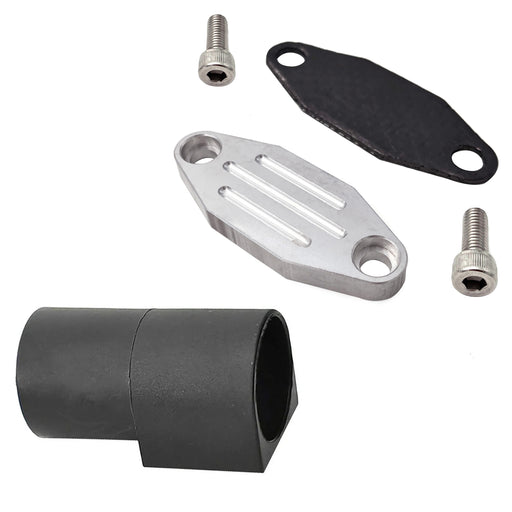
Seguler 1986-1995 Ford F150 F250 F350 Mustang Trucks EGR Simulator Eliminator / Block Off Plate Kit
SEGULEROriginal price $79.99 - Original price $79.99Original price$79.99$79.99 - $79.99Current price $79.99Block Off Plate Material: Aluminum alloy. Easy installation,and convenient to use. Made of CNC milled from aircraft grade Billet aluminum. Will N...
View full details -

Seguler 2011-2023 6.7L Ford Powerstroke Diesel EGR Delete Kit
SEGULEROriginal price $109.99 - Original price $109.99Original price$109.99$109.99 - $109.99Current price $109.99FITMENT 2011-2023 6.7L Ford Powerstroke F-250 F-350 F-450 F-550 Super Duty V8 Diesel. compatible with both standard Pickups and commercial Cab &...
View full details -
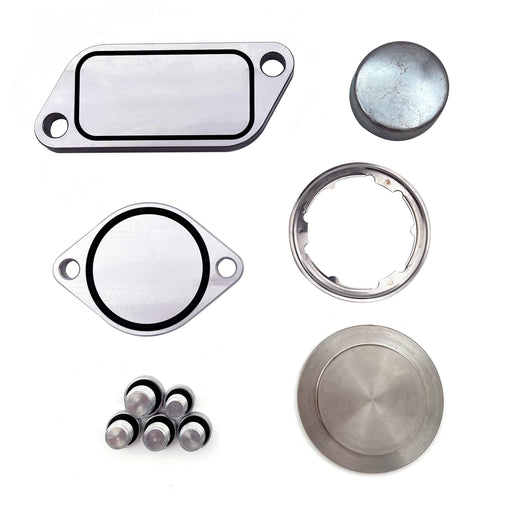
For 2010-Present Stage 2 ISX 15 CM2250 CM2350 EGR Delete Kit
SEGULEROriginal price $59.99 - Original price $59.99Original price$59.99$59.99 - $59.99Current price $59.99FITMENT 2010-Present Cummins Volvo, Peterbilt, Mack, International, Freightliner, Kenworth with the ISX15 CM2250 / CM2350 engines. DESCRIPTION P...
View full details -
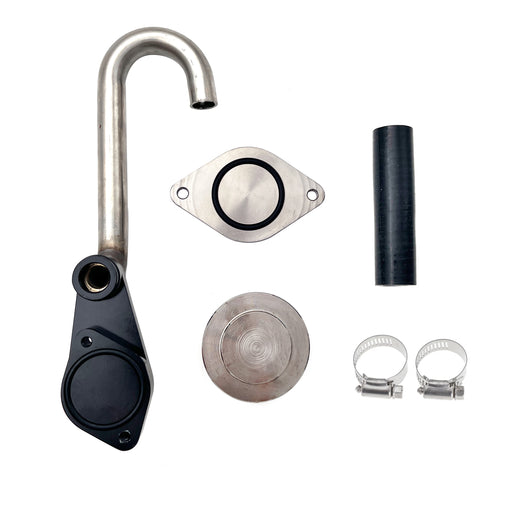
Seguler 2003-2007 6.0L FORD Powerstroke Diesel EGR Cooler Delete Kit
SEGULEROriginal price $56.14 - Original price $56.14Original price$56.14$56.14 - $56.14Current price $56.14FITMENT 2003-2007 6.0L Ford F-250 Ford F-350 F-450 F-550 Super Duty. 2003-2007 6.0L Ford Excursion SUV (Diesel Models Only). 2005-2010 Ford E-Se...
View full details -
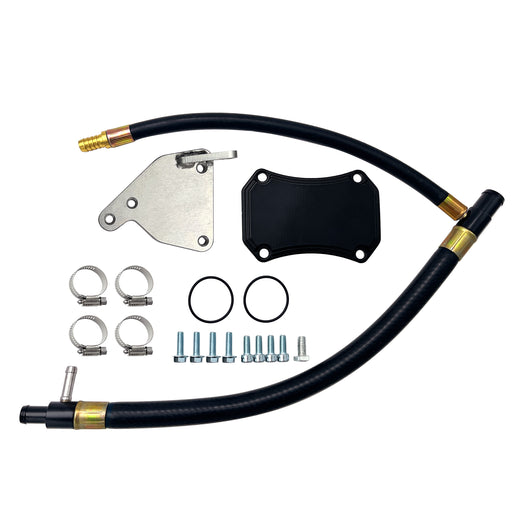
For 2011-2016 6.6L GMC Chevy Duramax Diesel LML EGR Valve Cooler Delete Kit
SEGULEROriginal price $66.49 - Original price $66.49Original price$66.49$66.49 - $66.49Current price $66.49FITMENT 2011-2016 6.6L Chevy GMC Duramax LML 2500 HD 3500 HD Diesel. DESCRIPTION Product Overview The 2011–2016 LML Duramax uses a complex EG...
View full details -
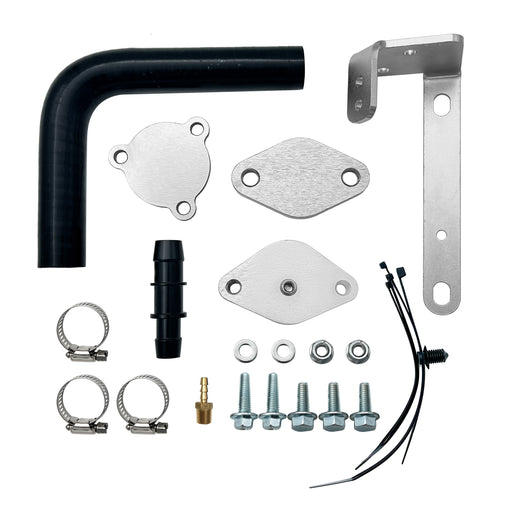
Seguler For 2014-2019 3.0L Dodge Ram 1500 EcoDiesel EGR Valve & Cooler Delete Kit
SEGULEROriginal price $72.99 - Original price $72.99Original price$72.99$72.99 - $72.99Current price $72.99FITMENT 2014-2019 3.0L Dodge Ram 1500 EcoDiesel V6 engine trucks. DESCRIPTION Product Overview Exhaust gas recirculation on 3.0L EcoDiesel V6 ...
View full details -

Seguler 2011-2023 6.7L Ford Powerstroke Diesel EGR Delete Kit
SEGULEROriginal price $85.99 - Original price $85.99Original price$85.99$85.99 - $85.99Current price $85.99FITMENT 2011-2023 6.7L Ford Powerstroke F-250 F-350 F-450 F-550 Super Duty V8 Diesel. compatible with both standard Pickups and commercial Cab &...
View full details -

Seguler 2010-2024 6.7L Dodge Ram Cummins Diesel EGR Valve Cooler Delete Kit
SEGULEROriginal price $89.99 - Original price $89.99Original price$89.99$89.99 - $89.99Current price $89.99FITMENT 2010–2024 6.7L Dodge Ram Cummins 2500 / 3500 Pickup Turbo Diesel. Note: Does NOT fit Chassis Cab 3500 / 4500 / 5500 models. DESCRIPTIO...
View full details -
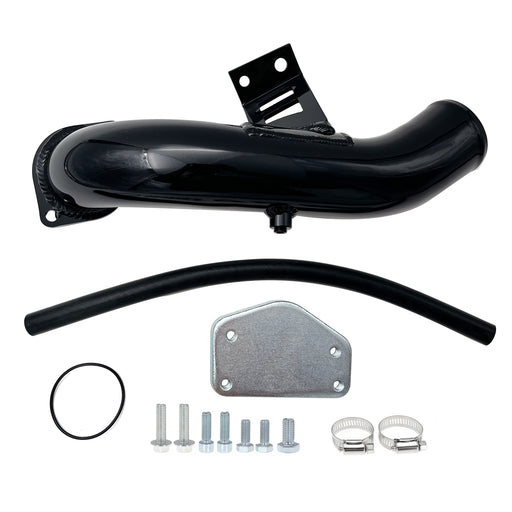
For 2004.5-2005 6.6L Chevy GMC Silverado LLY Duramax Diesel EGR Delete Kit
SEGULEROriginal price $92.99 - Original price $92.99Original price$92.99$92.99 - $92.99Current price $92.99FITMENT 2004.5-2005 6.6L Chevrolet Silverado Duramax LLY 2500HD / 3500 HD. 2004.5-2005 6.6L GMC Sierra Duramax LLY 2500HD / 3500 HD. DESCRIPTION...
View full details -

Seguler 2017-2019 L5P Duramax Diesel 4pcs L5P Can Bus Plugs Connector Replacement
SEGULEROriginal price $75.00 - Original price $75.00Original price$75.00$75.00 - $75.00Current price $75.00FITMENT 2017–2019 Chevrolet Silverado / GMC Sierra Duramax L5P 2500HD & 3500HD Diesel. DESCRIPTION Product Overview Unprotected harness con...
View full details -

Seguler 2020-2023 chevy duramax L5P Diesel Can Bus Plugs Connector
SEGULEROriginal price $80.00 - Original price $80.00Original price$80.00$80.00 - $80.00Current price $80.00FITMENT 2020–2023 Chevrolet Silverado / GMC Sierra Duramax L5P 2500HD & 3500HD Diesel. DESCRIPTION Product Overview Unprotected harness pl...
View full details -
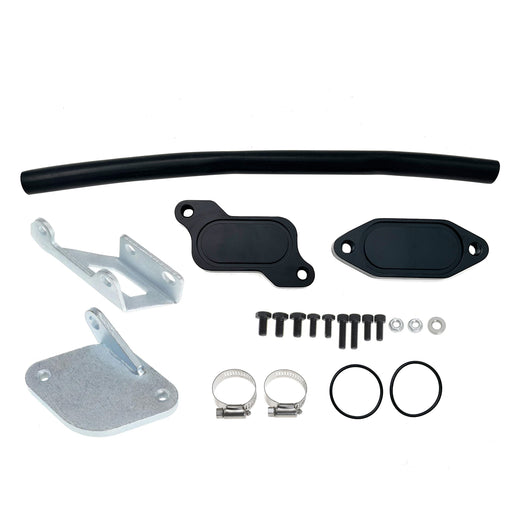
For 2006-2007 6.6L Chevrolet Silverado Classic GMC Duramax LBZ Diesel EGR Valve Cooler Delete Kit
SEGULEROriginal price $63.49 - Original price $63.49Original price$63.49$63.49 - $63.49Current price $63.49FITMENT 2006-2007.4 Chevrolet Silverado Duramax LBZ 2500HD / 3500HD. 2007.4 Chevrolet Silverado Duramax LBZ 2500HD / 3500HD Classic. 2006-2007.4 ...
View full details -

Seguler 2011-2023 6.7L Ford F250 F350 F450 F550 Powerstroke Diesel EGR Valve Delete Cooler Delete Kit
SEGULEROriginal price $55.99 - Original price $55.99Original price$55.99$55.99 - $55.99Current price $55.99FITMENT 2011-2023 6.7L Ford Powerstroke F-250 F-350 F-450 F-550 Super Duty V8 Diesel compatible with both standard Pickups and commercial Cab &a...
View full details -
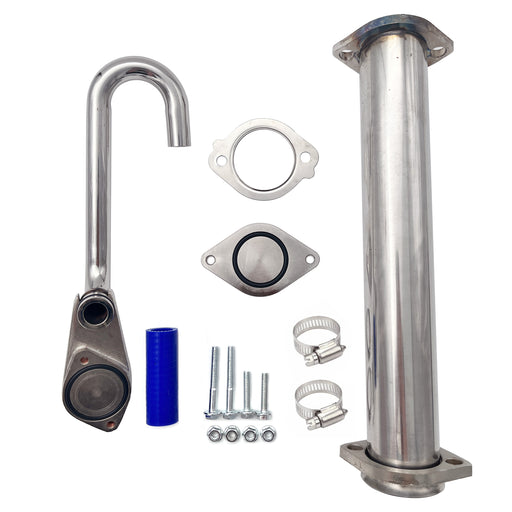
Seguler 2003-2007 6.0L Ford F250 F350 Powerstroke Diesel EGR Basic Cooler Kit
SEGULEROriginal price $79.99 - Original price $79.99Original price$79.99$79.99 - $79.99Current price $79.99FITMENT 2003-2007 6.0L Ford F250 F350 F450 F550 Super Duty Turbo (except 2004 F250 Super Duty). 2003-2005 6.0L Ford Excursion Turbo. 2005 Ford F...
View full details -
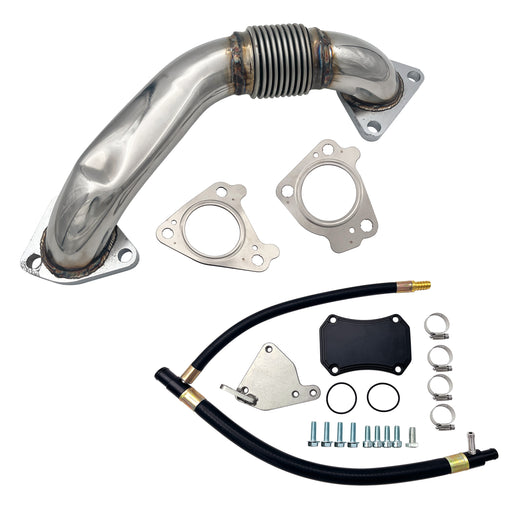
Seguler 2011-2016 6.6L GMC Chevy Duramax Diesel LML Up-Pipe & EGR Valve Cooler Delete Kit
SEGULEROriginal price $173.86 - Original price $173.86Original price$173.86$173.86 - $173.86Current price $173.86FITMENT 2011-2016 6.6L Chevy GMC Duramax LML 2500 HD 3500 HD Diesel. DESCRIPTION Product Overview Direct-injection technology endows GM 5.3L an...
View full details -
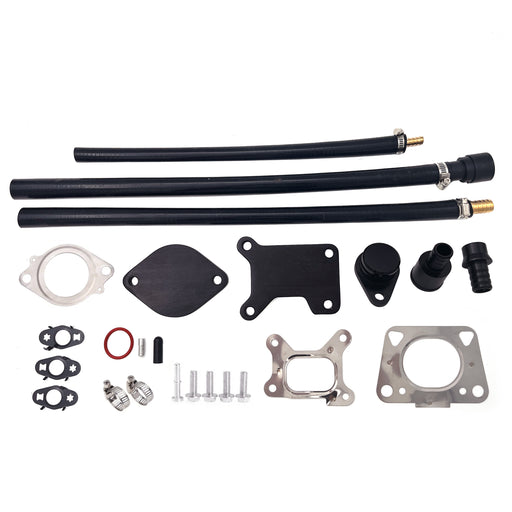
For 2017-2023 6.6L Chevy GMC Duramax L5P diesel EGR Valve Cooler Delete kit
SEGULEROriginal price $131.99 - Original price $131.99Original price$131.99$131.99 - $131.99Current price $131.99FITMENT 2017–2023 6.6L Chevrolet Silverado / GMC Sierra Duramax L5P 2500HD 3500HD Diesel. DESCRIPTION Product Overview Hot soot recirculation ...
View full details -
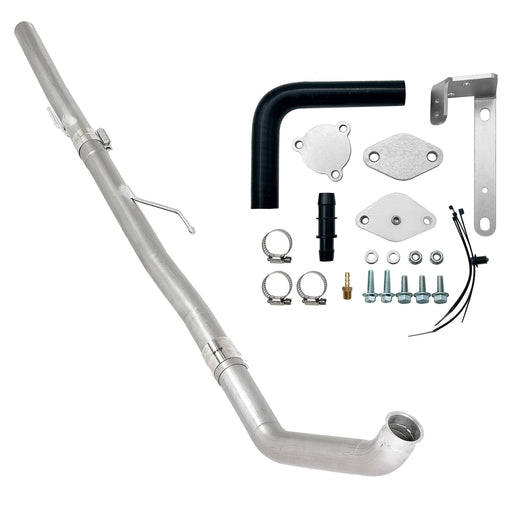
Seguler 3" Ecodiesel DPF Delete Pipe & EGR Delete kit for 2014-2018 3.0L Ram
SEGULEROriginal price $342.00 - Original price $342.00Original price$342.00$342.00 - $342.00Current price $342.00FITMENT 2014–2018 3.0L Dodge Ram 1500 EcoDiesel V6. NOTE: Fit standard Pickup models only (Crew Cab, Quad Cab). Does NOT fit Jeep Grand Cheroke...
View full details -
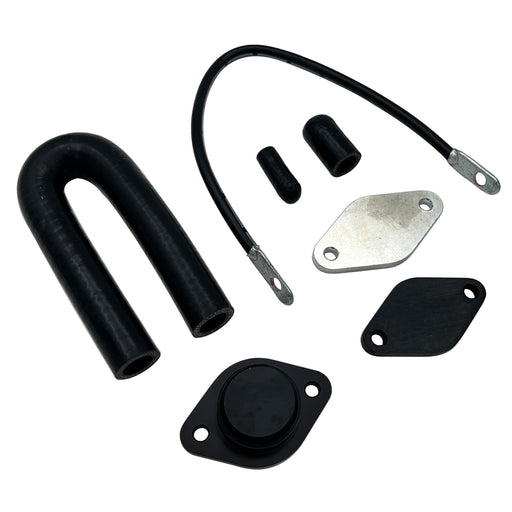
Seguler EGR valve cooler Delete kit for 2020-2022 3.0L Chevy Duramax LM2
SEGULEROriginal price $189.12 - Original price $189.12Original price$189.12$189.12 - $189.12Current price $189.12FITMENT 2020–2022 3.0L Chevrolet Silverado GMC Sierra 1500 LM2 Turbo-Diesel. DESCRIPTION Product Overview Powered by smooth inline-six engine...
View full details -

For 2013-2023 6.7L Dodge Ram Cummins Cab & Chassis EGR Delete Kit Diesel
SEGULEROriginal price $62.99 - Original price $62.99Original price$62.99$62.99 - $62.99Current price $62.99FITMENT 2013–2023 6.7L Ram Cummins 3500 4500 5500 Cab & Chassis / Commercial Trucks. Does NOT fit standard Ram 2500 3500 Pickups. DESCRIPTIO...
View full details -
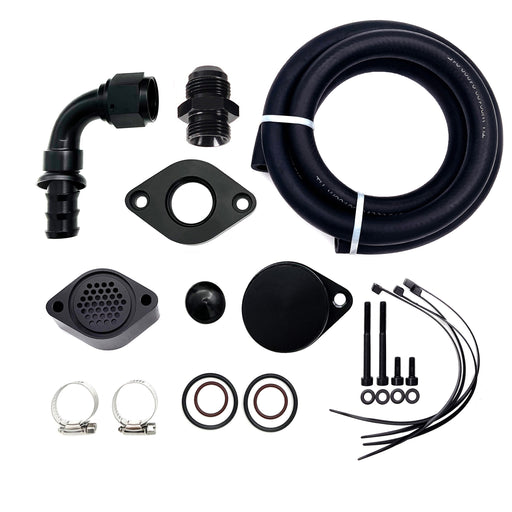
Seguler 2011-2023 6.7L Ford Powerstroke CCV PCV Reroute Engine Ventilation Kit
SEGULEROriginal price $82.99 - Original price $82.99Original price$82.99$82.99 - $82.99Current price $82.99FITMENT 2011-2023 6.7L Ford Powerstroke F-250 F-350 F-450 F-550 Super Duty V8 Diesel. Compatible with both standard Pickups and commercial Cab &...
View full details -
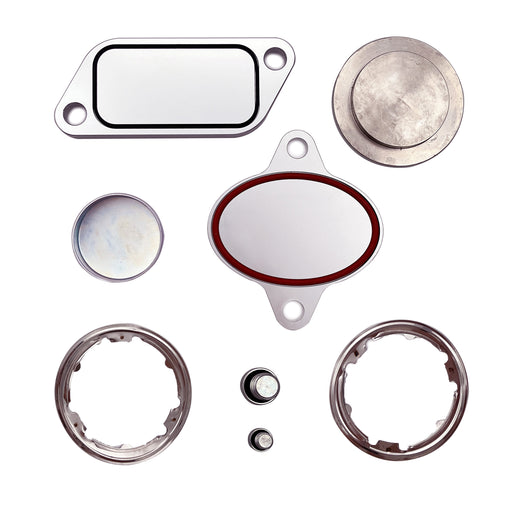
For 2007-2010 Cummins ISX CM871 EGR Plug Kit Stage 2 Plates and Plugs Aluminum
SEGULEROriginal price $67.99 - Original price $67.99Original price$67.99$67.99 - $67.99Current price $67.99FITMENT 2007-2010 Cummins Volvo, Peterbilt, Mack, International, Freightliner, Kenworth with the ISX CM871 Engines. DESCRIPTION Product Overvie...
View full details -
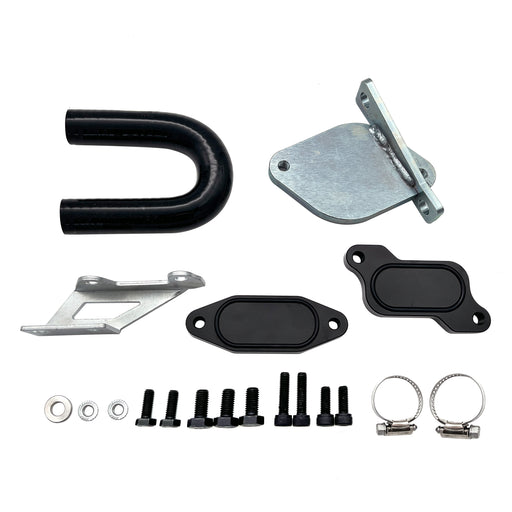
For 2007-2010 6.6L Chevy GMC LMM Duramax EGR Valve Cooler Delete Kit Fit
SEGULEROriginal price $61.99 - Original price $61.99Original price$61.99$61.99 - $61.99Current price $61.99FITMENT 2007.5-2010 6.6L Chevrolet Silverado Duramax LMM 2500HD / 3500HD. 2007.5-2010 6.6L GMC Sierra Duramax LMM 2500HD / 3500HD. Note: Standard...
View full details -
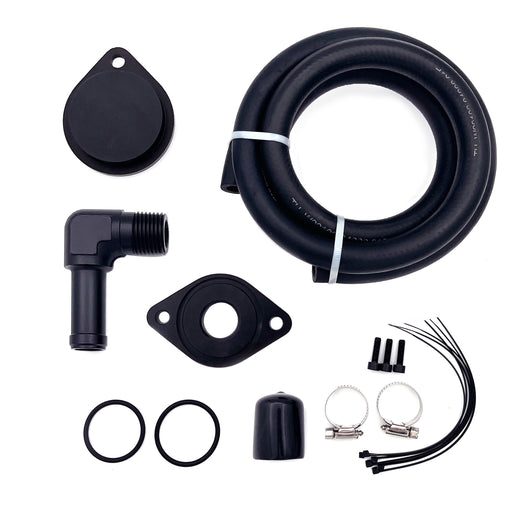
Seguler 2011-2023 Ford 6.7L Powerstroke CCV/PCV Reroute/Delete Engine Ventilation Kit
SEGULEROriginal price $72.00 - Original price $72.00Original price$72.00$72.00 - $72.00Current price $72.00FITMENT 2011-2023 6.7L Ford Powerstroke F-250 F-350 F-450 F-550 Super Duty V8 Diesel. Compatible with both standard Pickups and commercial Cab &...
View full details -
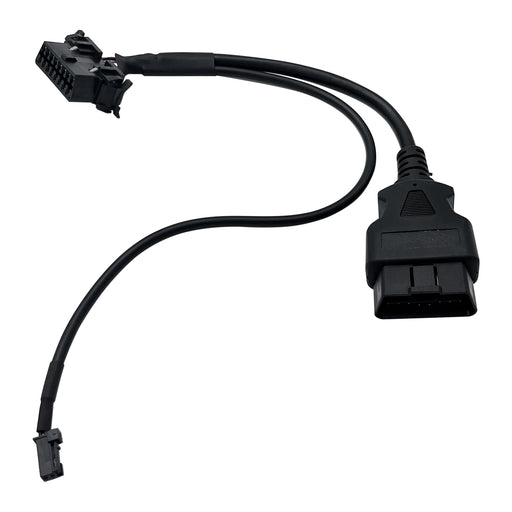
Seguler 2018+ RAM Cummins OBD2 HD Security Gate Bypass Cable
SEGULEROriginal price $45.00 - Original price $45.00Original price$45.00$45.00 - $45.00Current price $45.00FITMENT 2018+ 6.7L Ram Cummins 2500 3500 Turbo Diesel. Designed for Ram pickup trucks equipped with the factory Security Gateway Module. Note: Pl...
View full details -
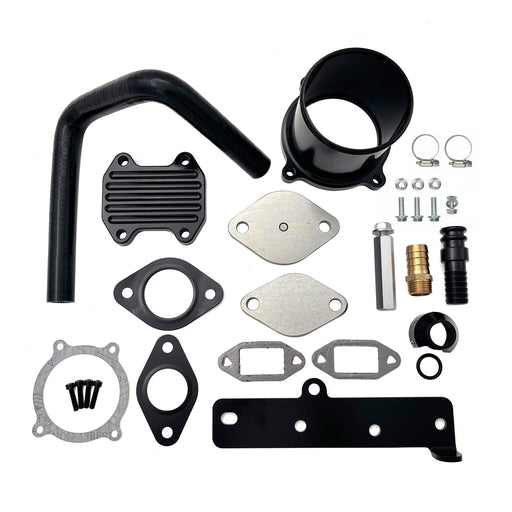
Seguler For 2013-2018 6.7L Dodge RAM 2500 3500 Cummins Diesel EGR Delete Cooler Throttle Valve Delete Kit
SEGULEROriginal price $112.00 - Original price $112.00Original price$112.00$112.00 - $112.00Current price $112.00FITMENT 2013–2018 6.7L Dodge Ram Cummins 2500 & 3500 Pickup Turbo Diesel. Note: Does NOT fit Cab & Chassis (3500 / 4500 / 5500 C&C) m...
View full details


Leave a comment